Things to Do in Dublin: Itineraries, Costs and Food
A compact Georgian and medieval capital built around the River Liffey, known for Trinity College, Guinness, and pub culture, and one of the more expensive cities in Western Europe to sleep in.
By Labeeb Mirza · Published September 8, 2026 · Updated September 8, 2026
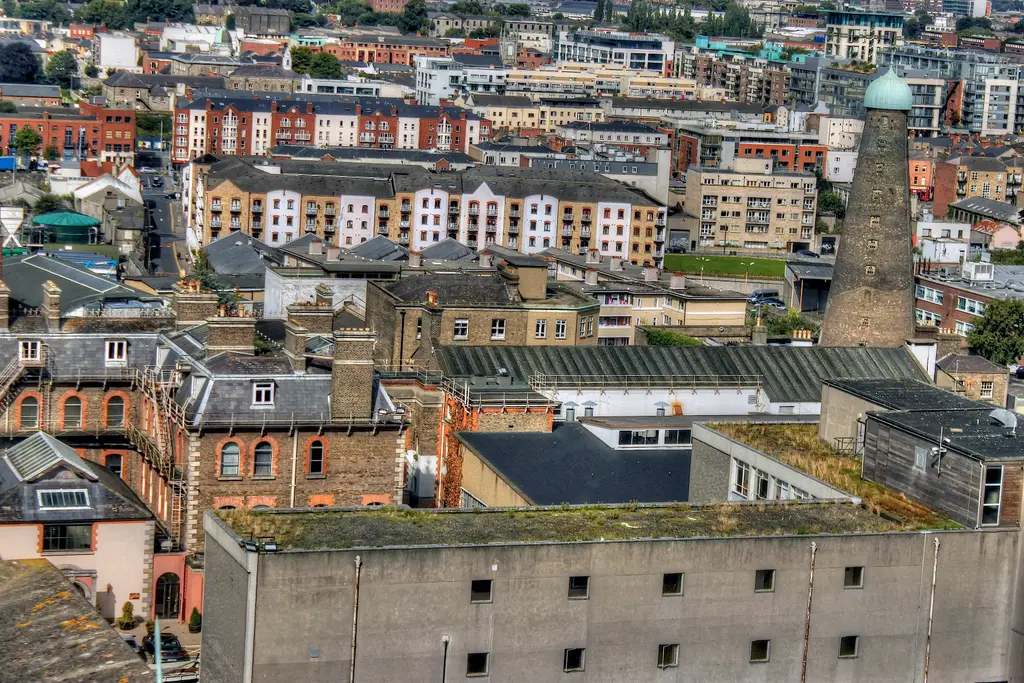
Dublin is small for a capital, small enough that most of what visitors come for sits inside a walkable core split by the River Liffey. South of the river holds Trinity College and the Book of Kells, the Georgian squares around St Stephen's Green, and the cathedral quarter around Christ Church and St Patrick's. North of the river is O'Connell Street and the older, grittier city that gives Dublin its edge rather than its postcard shots. The city's identity leans hard on two exports: Guinness, brewed at St James's Gate since 1759 and turned into Dublin's biggest single visitor attraction, and a literary and pub culture that produced Joyce, Beckett and Wilde alongside a genuinely enormous number of ordinary neighbourhood pubs. What catches most visitors off guard is the cost. Dublin's accommodation prices sit near the top of Western Europe, driven by a genuine shortage of hotel rooms relative to demand, and prices spike hard around big events, rugby internationals at the Aviva, concerts, GAA finals. Weather is mild rather than warm even in summer, and rain is possible in any month, so don't build a trip around clear skies. Outside the city, Dublin works as a base: Wicklow's mountains and Glendalough sit under an hour south, and the Boyne Valley's Neolithic sites under an hour north, both easy day trips that most first-time visitors underrate.
Dublin's accommodation prices are the first thing that actually catches people out, and I don't mean that as a general warning, I mean a normal-looking room rate can double or worse if a rugby international, a big concert or a GAA final lands on your dates. Check the events calendar before you lock in dates, not after.
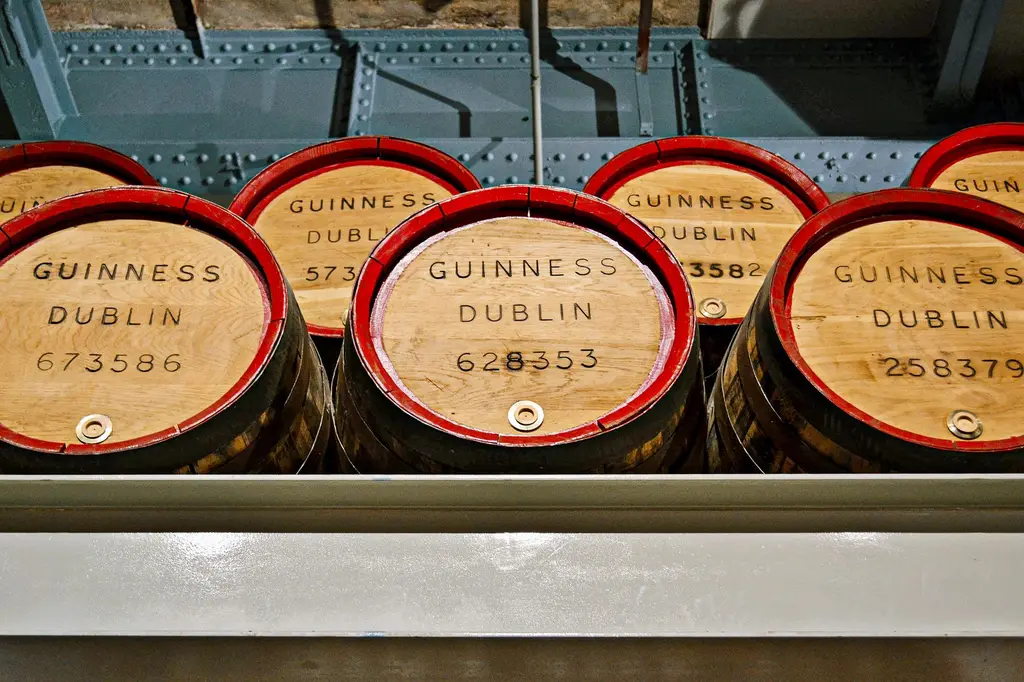
I'd put Guinness Storehouse in the worth-it column, but only once, and only if you go at opening or in the last couple of hours rather than the middle of the day. It's the building and the story across seven floors that earns the ticket price, not the pint waiting for you at the top.
Irish summer in Dublin is mild, not warm, and I wouldn't plan a trip around dry weather in any month. Pack for rain in July the same as you would in November and treat a clear afternoon as a bonus rather than something to expect.
A car is dead weight inside the city itself between the one-way streets, the parking costs and a centre that's genuinely walkable end to end. It earns its keep the moment you want Wicklow or the Boyne Valley in a day, but remember the drive is on the left, and Ireland's rental excess amounts run high enough that pricing standalone excess cover before you land is worth the ten minutes it takes.
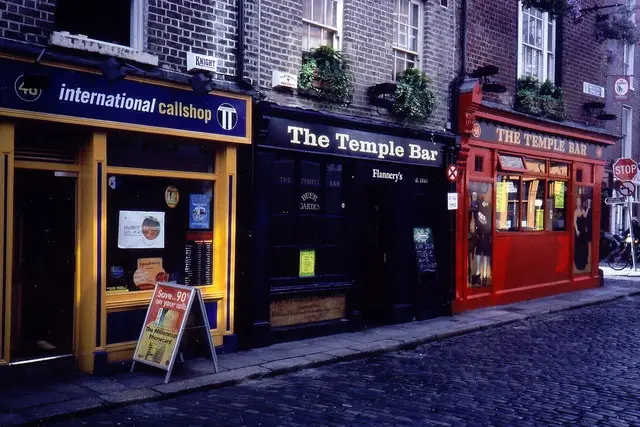
Temple Bar photographs better than it drinks. Walk through it once for the cobbles and the atmosphere, then go find a pub two or three streets away where the pint costs less and the crowd is more local than tourist.
The core axis: Trinity and the Book of Kells in the morning, the cathedral quarter at midday, Guinness Storehouse or Temple Bar in the evening.
Day 1: Dublin in a day
Morning
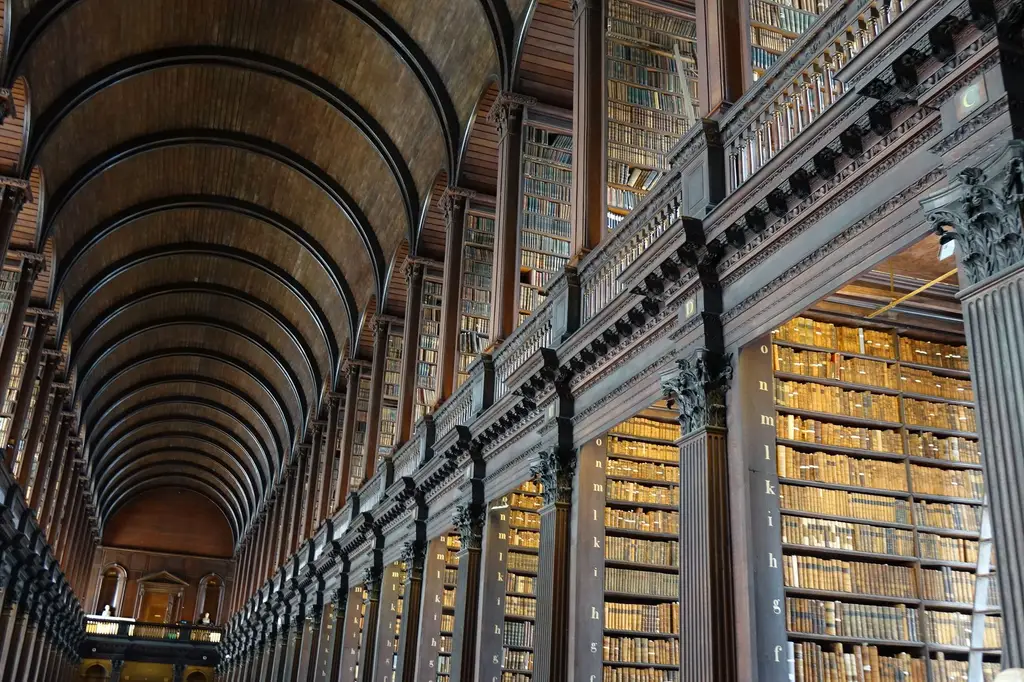
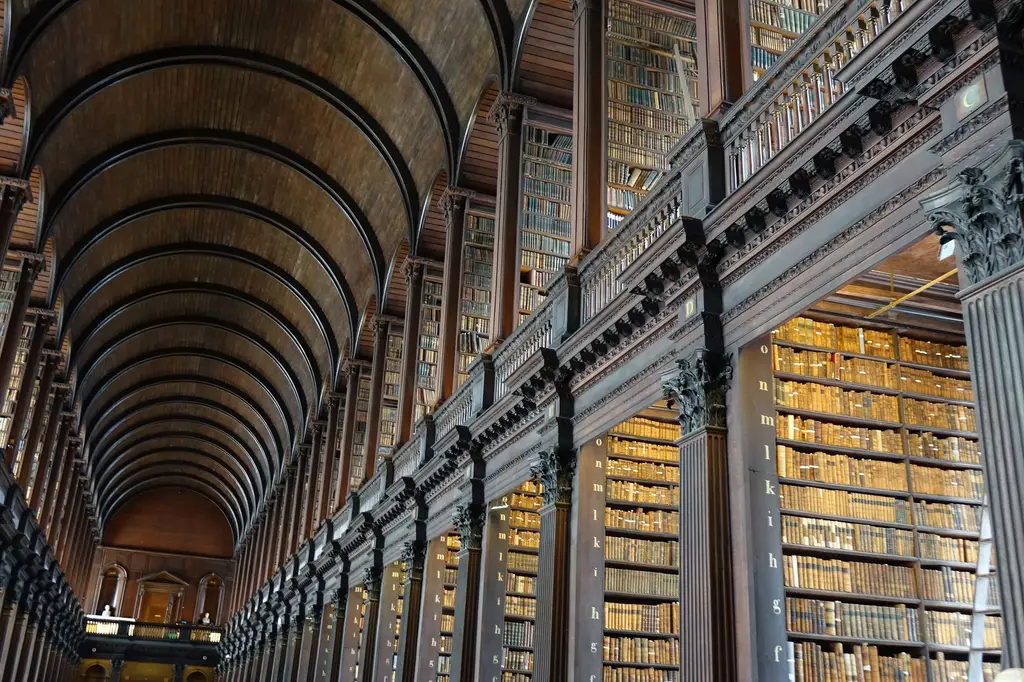
Book of Kells and the Long Room at Trinity College right at opening, before the tour groups build up.
Afternoon
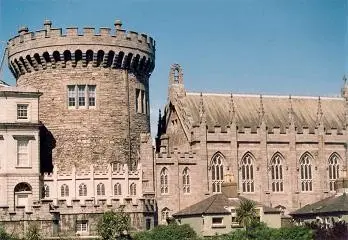
Walk to Dublin Castle, then Christ Church Cathedral and St Patrick's Cathedral, a 10-minute walk apart from each other.
Evening
Guinness Storehouse for the last two hours before close, or a walk through Temple Bar and a proper pub dinner if you'd rather skip it.
Tip: Book Trinity and the Storehouse online the night before; walk-up queues eat into a single day fast.
Old City and Trinity on day one, Guinness and Kilmainham on day two, museums and the docks on day three.
Day 1: Old City and Trinity
Morning
Book of Kells and the Long Room at Trinity College.
Afternoon
Dublin Castle, then Christ Church and St Patrick's Cathedrals.
Evening
Dinner and a pub in Temple Bar or, better value, a few streets beyond it.
Tip: Book Trinity online in advance for a timed slot.
Day 2: Guinness and independence history
Morning
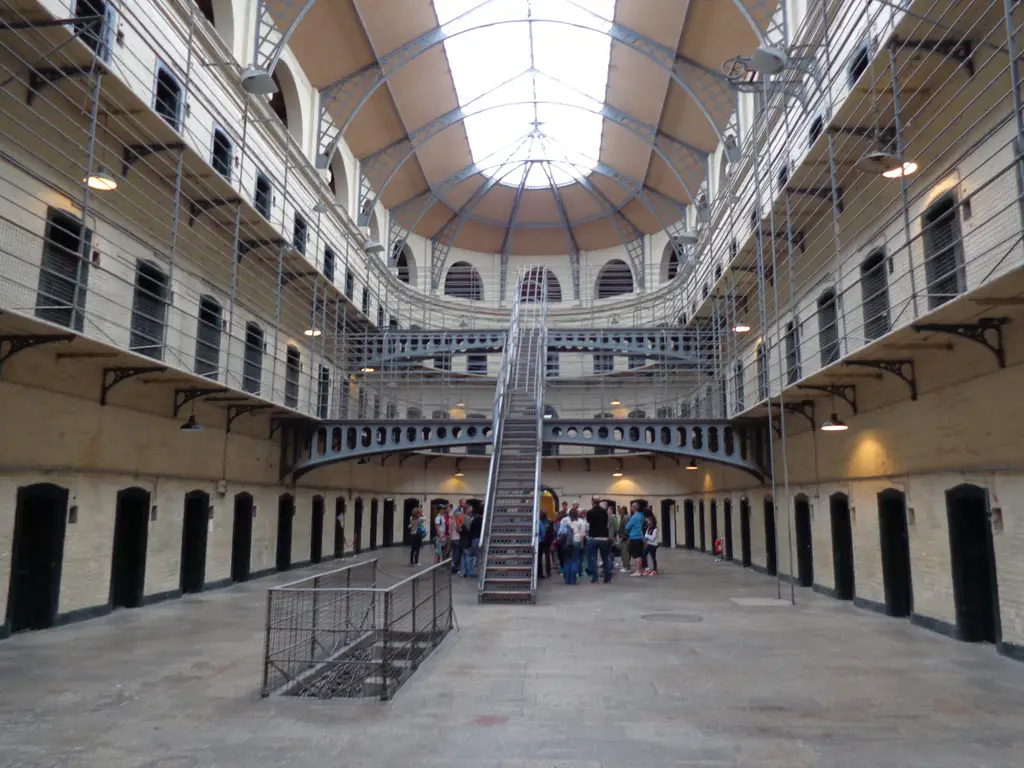
Kilmainham Gaol, booked well ahead, for the guided tour.
Afternoon
Guinness Storehouse, a short walk from Kilmainham.
Evening
Free evening around Portobello or the Liberties for a quieter local pub scene.
Tip: These two sights sit close together; do them the same day to save on transit.
Day 3: Museums and the docks
Morning
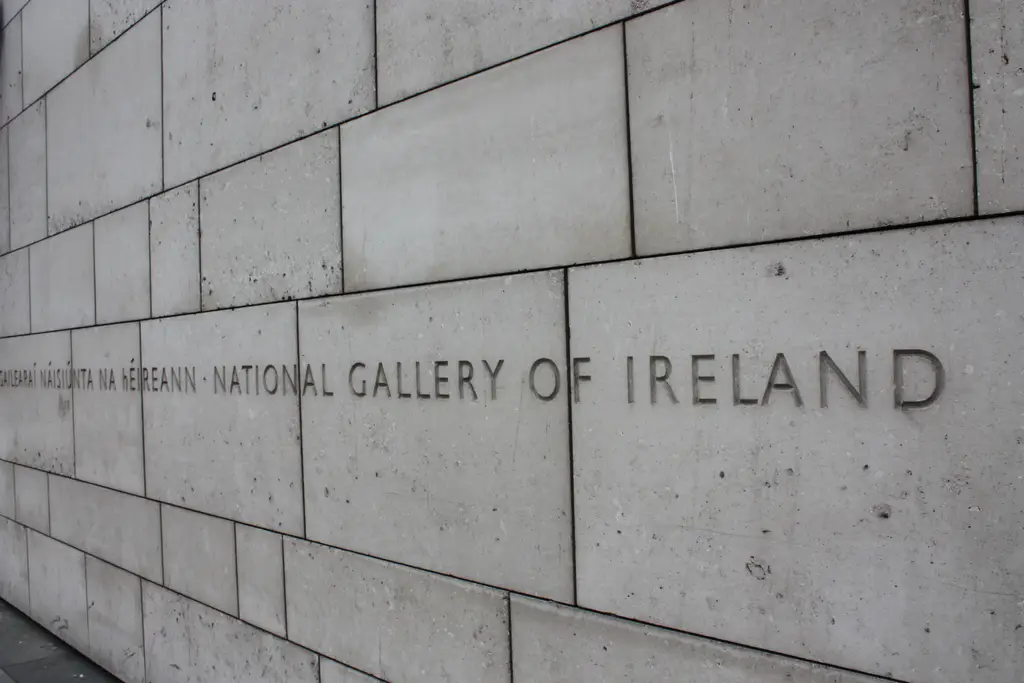
National Gallery of Ireland, free and easy to fill a couple of hours.
Afternoon
Walk down to EPIC The Irish Emigration Museum at the CHQ Building on the docks.
Evening
Dinner in the Docklands or back toward Grafton Street.
Tip: The walk from Stephen's Green to the docks along the quays is a good way to see the city rather than taking transit the whole way.
The 3-day core plus Phoenix Park and a first day trip out to the coast at Howth.
Day 1: Old City and Trinity
Morning
Book of Kells and the Long Room.
Afternoon
Dublin Castle, Christ Church and St Patrick's Cathedrals.
Evening
Temple Bar walk-through and dinner nearby.
Tip: Book Trinity online ahead.
Day 2: Guinness and independence history
Morning
Kilmainham Gaol.
Afternoon
Guinness Storehouse.
Evening
Quiet pub evening around Portobello.
Tip: Book Kilmainham well in advance.
Day 3: Museums and the docks
Morning
National Gallery of Ireland.
Afternoon
EPIC The Irish Emigration Museum.
Evening
Dinner in the Docklands.
Tip: Walk the quays rather than taking transit.
Show all 5 days
Day 4: Phoenix Park
Morning
Rent a bike or walk the near end of Phoenix Park, one of the largest enclosed city parks in Europe.
Afternoon
Dublin Zoo if travelling with kids, or continue further into the park for the deer herd and the Wellington Monument.
Evening
Dinner back toward the city centre.
Tip: The park is bigger than it looks on a map; a bike covers far more ground than walking.
Day 5: Day trip: Howth
Morning
DART train to Howth, about 30 minutes from the centre, for the cliff walk around the peninsula.
Afternoon
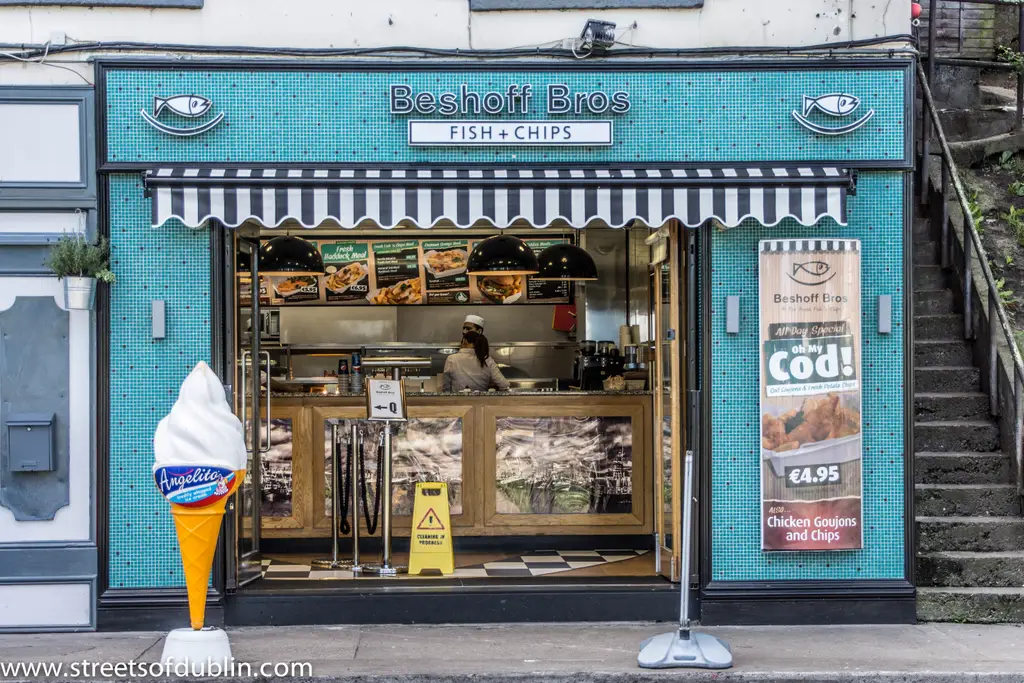
Fish and chips at the harbour, then browse the small fishing village.
Evening
DART back to Dublin for a final dinner.
Tip: The full cliff loop takes 2-3 hours; a shorter out-and-back works if you're short on time.
The 5-day city plan plus a day trip south to Wicklow and one north to the Boyne Valley, since Dublin itself is comfortably covered in under a week.
Day 1: Old City and Trinity
Morning
Book of Kells and the Long Room.
Afternoon
Dublin Castle, Christ Church and St Patrick's Cathedrals.
Evening
Temple Bar walk-through and dinner nearby.
Tip: Book Trinity online ahead.
Day 2: Guinness and independence history
Morning
Kilmainham Gaol.
Afternoon
Guinness Storehouse.
Evening
Quiet pub evening around Portobello.
Tip: Book Kilmainham well in advance.
Day 3: Museums and the docks
Morning
National Gallery of Ireland.
Afternoon
EPIC The Irish Emigration Museum.
Evening
Dinner in the Docklands.
Tip: Walk the quays rather than taking transit.
Show all 7 days
Day 4: Phoenix Park
Morning
Phoenix Park by bike or on foot.
Afternoon
Dublin Zoo, or further into the park for the deer herd.
Evening
Dinner back toward the centre.
Tip: Rent a bike to cover the whole park.
Day 5: Day trip: Howth
Morning
DART to Howth for the cliff walk.
Afternoon
Harbour lunch and the village.
Evening
DART back for dinner.
Tip: The full loop takes 2-3 hours.
Day 6: Day trip: Wicklow and Glendalough
Morning
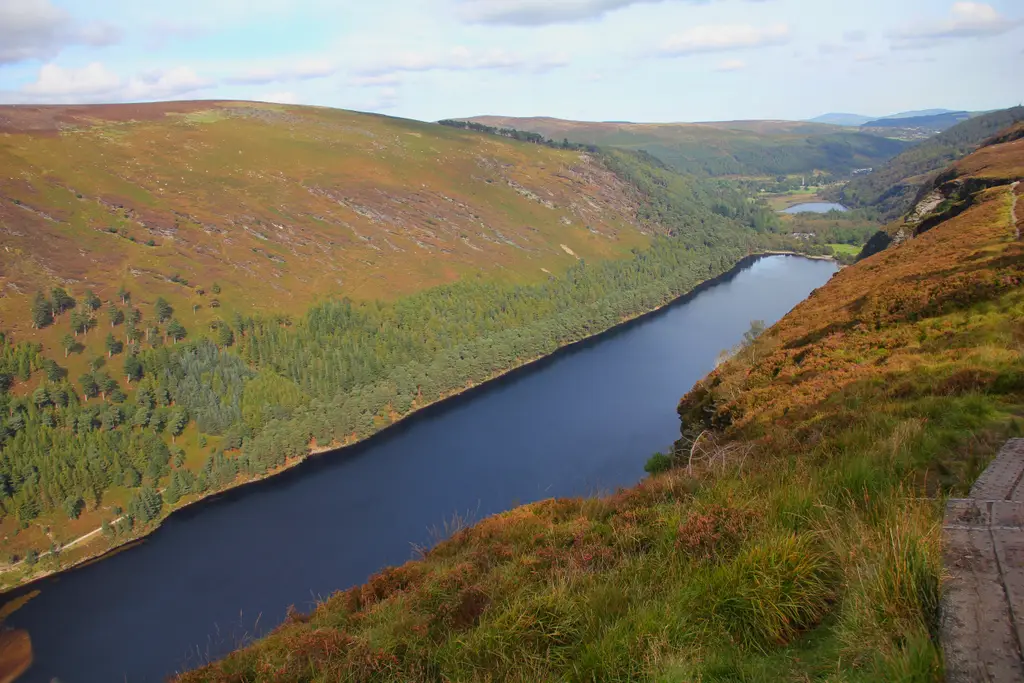
Drive or organised tour south to Glendalough in the Wicklow Mountains, under an hour from the city, for the monastic site and the lakes.
Afternoon
Walk one of the lake trails; the lower lake loop is manageable, the upper routes are longer and hillier.
Evening
Return to Dublin for dinner.
Tip: A car makes this easier than public transport does; if you're not driving, book an organised tour rather than trying to piece together buses.
Day 7: Day trip: Boyne Valley
Morning
Drive or tour north to the Boyne Valley for Newgrange, a Neolithic passage tomb older than Stonehenge, under an hour from Dublin.
Afternoon
Continue to the Hill of Tara if time allows, the ancient seat of the High Kings of Ireland.
Evening
Return to Dublin for a final dinner.
Tip: Newgrange is accessed only via the visitor centre with pre-booked timed tours; you can't drive straight to the site.
Dublin itself does not fill two weeks. This is a regional and national loop: about five days in Dublin, day trips to Wicklow and the Boyne Valley, then a wider loop out to Galway, Killarney and Cork before returning to fly home.
Day 1: Old City and Trinity
Morning
Book of Kells and the Long Room.
Afternoon
Dublin Castle, Christ Church and St Patrick's Cathedrals.
Evening
Temple Bar walk-through and dinner nearby.
Tip: Book Trinity online ahead.
Day 2: Guinness and independence history
Morning
Kilmainham Gaol.
Afternoon
Guinness Storehouse.
Evening
Quiet pub evening around Portobello.
Tip: Book Kilmainham well in advance.
Day 3: Museums and the docks
Morning
National Gallery of Ireland.
Afternoon
EPIC The Irish Emigration Museum.
Evening
Dinner in the Docklands.
Tip: Walk the quays rather than taking transit.
Show all 14 days
Day 4: Phoenix Park
Morning
Phoenix Park by bike or on foot.
Afternoon
Dublin Zoo, or further into the park for the deer herd.
Evening
Dinner back toward the centre.
Tip: Rent a bike to cover the whole park.
Day 5: Day trip: Howth
Morning
DART to Howth for the cliff walk.
Afternoon
Harbour lunch and the village.
Evening
DART back for dinner.
Tip: The full loop takes 2-3 hours.
Day 6: Day trip: Wicklow and Glendalough
Morning
Drive or tour south to Glendalough in the Wicklow Mountains.
Afternoon
Walk one of the lake trails.
Evening
Return to Dublin.
Tip: Book an organised tour if you're not driving.
Day 7: Base move: to Galway
Morning
Rent a car or take the train west to Galway, about 2.5 hours, picking up a rental there if you left the car behind in Dublin.
Afternoon
Settle into Galway and walk the Latin Quarter.
Evening
Traditional music session in a Galway pub, a genuine step up from Dublin's tourist-facing sessions.
Tip: Book the rental with the excess cover sorted before you land; Ireland's standard excess amounts are high.
Day 8: Cliffs of Moher and the Burren
Morning
Drive south to the Cliffs of Moher, under two hours from Galway.
Afternoon
Continue through the Burren's limestone landscape on the way back.
Evening
Return to Galway for dinner.
Tip: Go early to beat the coach-tour crowds at the Cliffs.
Day 9: Base move: to Killarney
Morning
Drive south to Killarney, roughly 2.5-3 hours from Galway.
Afternoon
Killarney National Park and Muckross House on arrival.
Evening
Settle into Killarney town for the evening.
Tip: Break the drive up if you're tired; the west coast roads are slower than the mileage suggests.
Day 10: Ring of Kerry or Dingle Peninsula
Morning
A full-day scenic drive around the Ring of Kerry or, for a shorter and arguably better version, the Dingle Peninsula.
Afternoon
Continue the loop, stopping at viewpoints and small coastal villages.
Evening
Return to Killarney.
Tip: Start early; the full Ring of Kerry loop takes most of a day and the light is best in the morning.
Day 11: Base move: to Cork
Morning
Drive or train to Cork, about 1.5 hours from Killarney.
Afternoon
Explore Cork's English Market and the city centre on foot.
Evening
Dinner in Cork, a smaller and more local scene than Dublin's.
Tip: Cork's centre is compact enough to leave the car parked for the rest of the day.
Day 12: Cobh and Kinsale
Morning
Cobh, the Titanic's last port of call, a short trip from Cork.
Afternoon
Kinsale, a small harbour town known for its food scene, if time allows.
Evening
Return to Cork for the night.
Tip: Both are manageable as a single day if you don't linger too long in either.
Day 13: Return to Dublin
Morning
Drive or train back to Dublin, about 2.5-3 hours.
Afternoon
Free afternoon for whatever earned a second look, the National Gallery rewards a return visit.
Evening
A final splurge dinner.
Tip: Return the rental car in Dublin the evening before departure to avoid a rushed morning.
Day 14: Departure
Morning
Pack and a final coffee near Stephen's Green.
Afternoon
Airlink bus or taxi to Dublin Airport, allowing extra time.
Evening
Travel day.
Tip: Build in more airport buffer than feels necessary, especially around a weekend or event.
Mon-Thu and Sun 9:30am-5:00pm (building open until 7pm); Fri-Sat 9:30am-6:00pm (building open until 8pm); subject to change·from EUR 24 for the standard Guinness Storehouse Experience adult ticket; premium experiences (Guinness Academy, tastings, the rooftop Gravity Bar cocktail options) run from EUR 32 up to EUR 48-49·2-3 hours
advance online booking recommended; timed entry
Go first thing or in the last two hours to avoid the tour-bus crush through the middle of the day. The seven-floor building itself, not the pint at the top, is what makes it worth the price.
Mon-Thu 8:30am-6:30pm, Fri-Sat 8:30am-7pm, Sun 9am-6:30pm·from EUR 19 for Book of Kells and Old Library only, up to EUR 26 for the full Book of Kells Experience, EUR 65 for the guided version; concessions for students and seniors with valid ID·45-90 minutes
advance online booking strongly recommended, timed entry, tickets are non-refundable
The manuscript room itself is a five-minute look; the Long Room library above it is what people remember. No photography allowed in the Treasury.
open year-round except 24-27 December; Courthouse Visitor Centre 9:30am-5:15pm, Museum 10:30am-5:15pm; access to the Gaol itself is by guided tour only on a timed schedule·check before you go·about 90 minutes (1-hour guided tour plus museum access)
advance booking required, online only via the official site or heritageireland.ie, tickets from third parties are not valid; tours have previously released roughly 28 days ahead with a small daily cancellation batch, confirm the current release schedule on the site; arrive 15 minutes early (30-40 minutes for the final two tours of the day to allow museum time)
Tours sell out well ahead of the date, especially in summer. This is the most affecting single sight in the city if you're at all interested in the independence period; don't leave booking it to the week you arrive.
Mon 11am-5:30pm, Tue-Wed 9:15am-5:30pm, Thu 9:15am-8:30pm, Fri-Sat 9:15am-5:30pm, Sun 11am-5:30pm·free for the permanent collection; some special exhibitions are ticketed·1.5-3 hours
Free and consistently underrated next to the Storehouse and Trinity. The Yeats and Caravaggio rooms alone are worth the detour off Grafton Street.
daily 9:45am-5:45pm, last admission 5:15pm·EUR 8.00 adult self-guided, EUR 12.00 adult guided; concessions and family tickets available·1-2 hours
online booking opens 15 days ahead; a limited number of same-day tickets sold at the desk
It's a working government complex, not a fairy-tale castle, so temper expectations. As a self-guided visit it's genuinely cheap for what you see; the guided tour adds the state apartments' history rather than new rooms.
Mon 9am-6:15pm, Tue 9am-5:30pm, Wed 9am-6:15pm, Thu 9am-5:30pm, Fri-Sat 9am-6:30pm, Sun 12:30pm-3pm and 4:30pm-6:30pm; last entry 45 minutes before closing·EUR 11.50 adult; reduced rate online·45-60 minutes
walk in, or book online for a discount
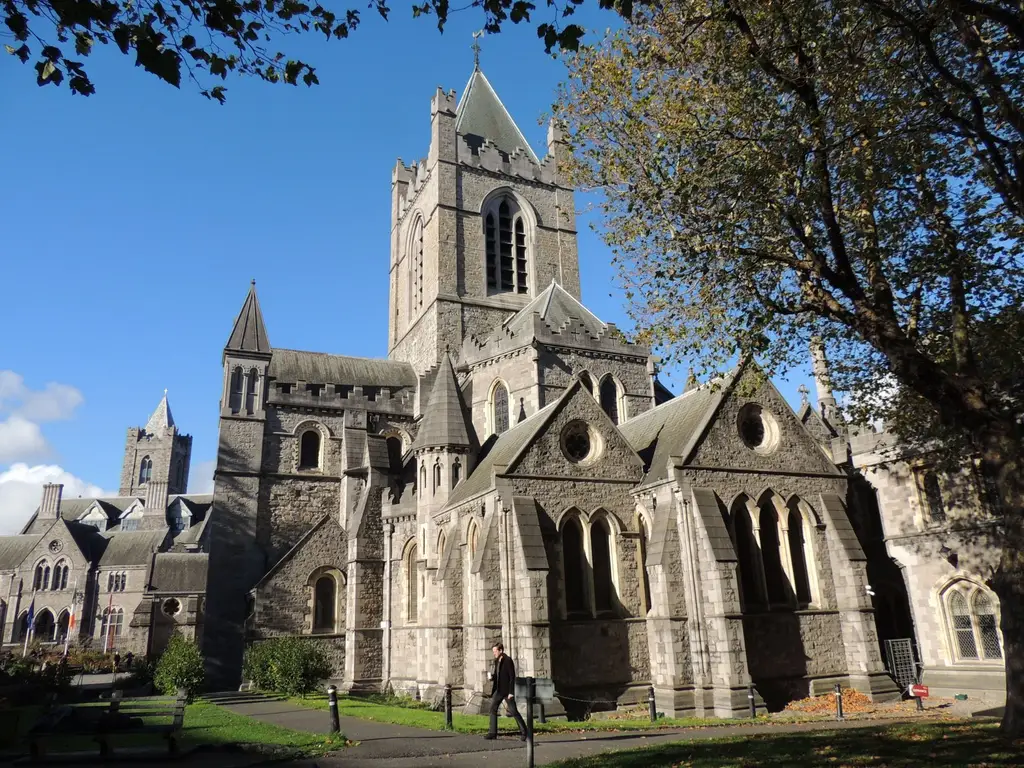
Sits directly above the medieval crypt, the oldest structure in Dublin still in daily use. Pair it with St Patrick's, a 10-minute walk south, rather than picking one.
A small museum on St Stephen's Green covering Dublin's social, cultural and political history, reopened January 17, 2026 after a full refurbishment with updated exhibitions. Compact and well curated for the size, a good one-hour primer on the city rather than a major museum. The refurbishment is genuinely new, worth revisiting even if you've been before.
National Wax Museum Plus
as of 2026-09
Viral
A wax museum with an Enchanted Forest section, a mirror maze, and Irish history and fantasy-themed rooms, aimed at families. Fine for kids for an hour, thin for adults. It's a mid-tier attraction dressed up as more than it is.
Dublin Docklands walk
as of 2026-09
Viral
A walk along the regenerated Liffey docklands past modern architecture, the Samuel Beckett Bridge and converted warehouse districts, contrasting with the Georgian city centre. Free and a genuinely different side of Dublin than the tourist centre. Less to actually do here than in the old town, it's a walk, not a destination.
Phoenix Park
as of 2026-09
Viral
One of Europe's largest enclosed city parks, home to a wild deer herd, the Dublin Zoo, and the Irish president's residence, with walking and cycling paths throughout. Free and genuinely worth the trip out, especially for the deer herd, which roams freely and is easy to spot near the Phoenix Monument.
Temple Bar and Grafton Street
as of 2026-09
Viral
Dublin's cobbled entertainment quarter with live music pubs, alongside the pedestrianised shopping street of Grafton Street with its street performers. Temple Bar is heavily geared toward tourists and priced accordingly. Grafton Street is genuinely pleasant for a walk, especially with the street music.
More to see (4)
7
St Patrick's Cathedral
Mon-Fri 9:30am, last admission 5pm; Sat 9am, last admission 6pm; Sun 9am-1pm and 4:30pm-6pm·EUR 11.50 adult, EUR 17.00 joint entry with Marsh's Library·45-75 minutes
walk in or book online
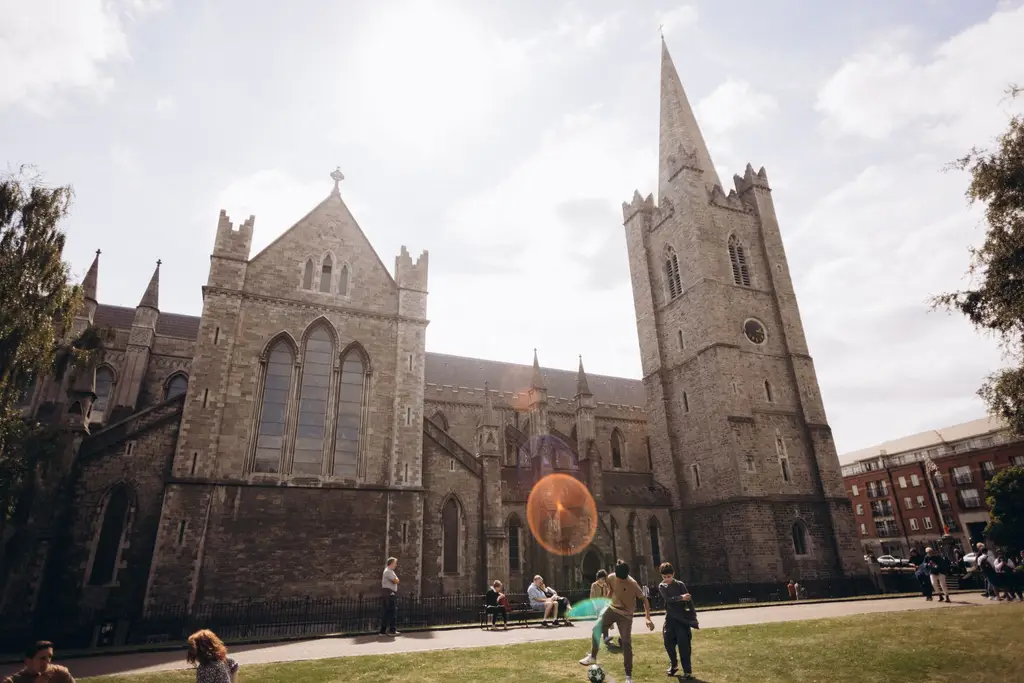
Ireland's national cathedral and Jonathan Swift's church, where he's buried. Free guided tours run twice a day on weekdays; worth timing your visit around one rather than doing it self-guided.
daily 10am-6:45pm, last entry 5pm; extended to open from 9am in June, July and August·EUR 22.00 adult walk-up; EUR 17.60 with 30-day advance booking·1.5-2 hours
advance online booking recommended for the discount
In the CHQ Building on the docks, a very different museum from the castle-and-cathedral circuit, built entirely around the story of Irish emigration. Better for adults and older kids than young children.
main gates open 24 hours; side gates roughly 7am-10:45pm·free·1-4 hours depending on how much of it you cover
One of the largest enclosed city parks in Europe, home to a wild deer herd and Dublin Zoo. Rent a bike if you're covering more than the near end; it's bigger than it looks on a map.
always open (it's a district, not a ticketed site)·free to walk through; drinks and food cost a premium here specifically·1-2 hours to walk through, longer if you're drinking
Cobbled, photogenic, and priced for tourists rather than locals. Worth a walk-through for the atmosphere; go two or three streets further out for a pub that isn't charging the Temple Bar markup.
Where to stay
Temple Bar / Old City
Suits: first-timers who want to walk to Trinity, the castle and the cathedrals
Central and atmospheric, but the loudest part of the city at night and among the most expensive.
St Stephen's Green / Georgian Quarter
Suits: a quieter, still-central base near the shopping streets and Grafton Street
Georgian squares, short walk to Trinity and the National Gallery, generally calmer after dark.
Docklands / Grand Canal Dock
Suits: travellers who want modern hotels and a shorter walk to EPIC and the CHQ area
Newer, business-district feel, a bit removed from the historic core but well served by the Luas.
Portobello / South Circular Road
Suits: budget-conscious trips and a more residential, local feel
Cheaper than the centre, close to the Guinness Storehouse and Kilmainham, a 15-20 minute walk into town.
Getting there and around
Getting there
Dublin Airport sits about 10km north of the centre. The Airlink Express bus (operated by Dublin Bus) and regular city bus routes both run into the centre; a taxi is the fastest option if you're jet-lagged or arriving late. Check current fares and journey times on dublinairport.com before you travel, since both change.
Getting around
The centre is compact and walkable; most visitors cover Trinity, the cathedrals and the Guinness Storehouse on foot with no transit at all. Dublin Bus and the Luas tram cover the rest, and the DART rail line runs the coast north and south of the city, useful for Howth or Dun Laoghaire. A Leap Card cuts fares across bus, Luas and DART and pays for itself after a few journeys. A car is a liability in the centre, narrow one-way streets, expensive parking, and genuinely unnecessary given how walkable the core is.
Map
City
Recommended (numbered)
Mentioned in an itinerary
Locations on this map
Dublin53.35, -6.26
Guinness Storehouse53.34, -6.29
Book of Kells / Trinity College Old Library53.32, -6.26
Kilmainham Gaol53.34, -6.31
National Gallery of Ireland53.34, -6.25
Dublin Castle53.34, -6.27
Christ Church Cathedral53.34, -6.27
St Patrick's Cathedral53.34, -6.27
EPIC The Irish Emigration Museum53.35, -6.25
Phoenix Park53.36, -6.33
Temple Bar53.35, -6.26
Long Room53.34, -6.26
Old City53.39, -6.38
Portobello53.33, -6.27
Liberties53.34, -6.28
CHQ Building53.35, -6.25
Docklands53.35, -6.24
Grafton Street53.34, -6.26
Europe53.33, -6.36
Dublin Zoo53.36, -6.31
Wellington Monument53.35, -6.30
Howth53.39, -6.07
Wicklow53.34, -6.26
Glendalough53.37, -6.26
Wicklow Mountains53.10, -6.46
Boyne Valley53.71, -6.31
Newgrange53.36, -6.28
Neolithic54.30, -6.29
Stonehenge53.27, -6.18
Hill of Tara53.58, -6.61
Galway53.35, -6.26
Cliffs of Moher52.96, -9.44
Burren53.40, -6.27
Killarney53.35, -6.25
Killarney National Park52.00, -9.56
Muckross House52.02, -9.50
Cork53.34, -6.28
Titanic53.30, -6.47
Stephen's Green53.34, -6.26
Dublin Airport53.43, -6.25
What it costs
Stay
Food
Transport
Activities
Daily cost breakdown, EUR per person
Tier
Stay
Food
Transport
Activities
Total
Budget
EUR 35
EUR 20
EUR 6
EUR 14
EUR 75
Mid-range
EUR 110
EUR 45
EUR 8
EUR 27
EUR 190
Splurge
EUR 280
EUR 90
EUR 15
EUR 55
EUR 440
A mid-range day: EUR 110 hotel room split two ways, EUR 8 Leap Card day usage, EUR 24 Guinness Storehouse ticket booked online, EUR 15 pub lunch, EUR 45-50 sit-down dinner with a couple of drinks. Comes to roughly EUR 180-200 per person before any shopping, and noticeably more if your dates land on a big event weekend.
Money savers
National Gallery of Ireland is free and can fill half a day on its own
Phoenix Park and a walk along the Liffey quays cost nothing and cover a real chunk of the city
Book Guinness Storehouse, Trinity and EPIC online in advance rather than at the door; walk-up pricing runs higher across the board
Avoid booking accommodation around a rugby international, concert or GAA final weekend unless the event is the point of the trip; prices spike hard
Drink and eat a few streets outside Temple Bar; the same pint costs noticeably less two blocks over
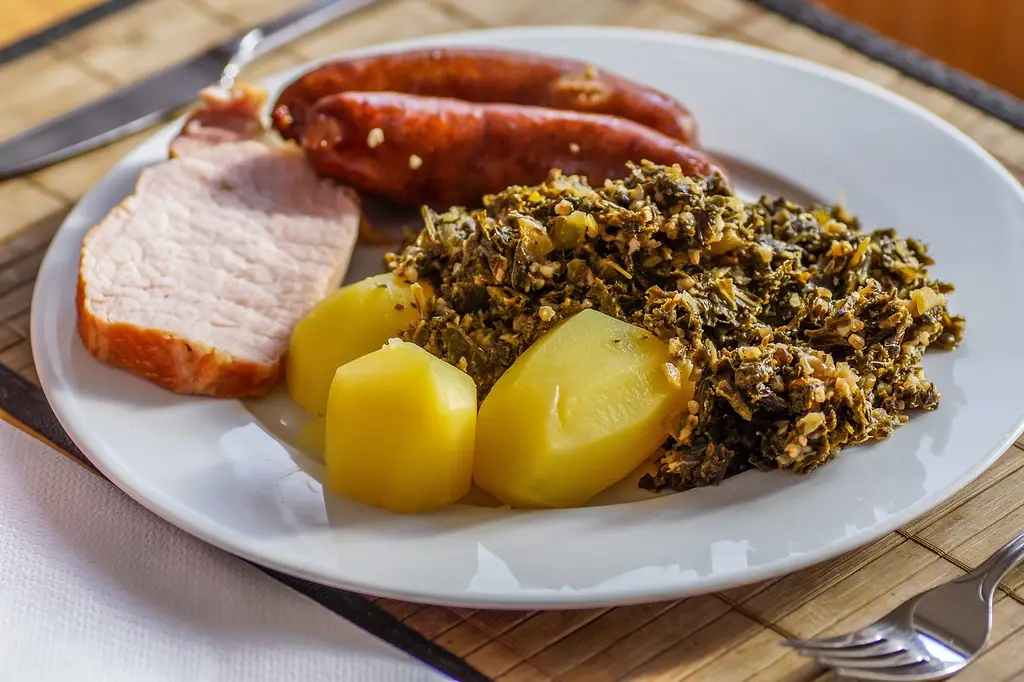
The old jokes about Irish food are out of date and Dublin proves it. The city has a genuine modern restaurant scene now, seafood-forward and produce-led, alongside a traditional pub kitchen worth treating separately: a pub is for a pint and a stew, a restaurant is where the serious cooking happens. Guinness is the one cliche worth repeating because it is true, it tastes better here, partly freshness and partly a pour technique tuned specifically for it locally. Fish and chips remain reliably good rather than a novelty, and coddle, a Dublin-specific sausage and potato dish, is worth seeking out precisely because it has fallen out of fashion.
EUR 5.50-7·any traditional pub, quality varies more than people expect
Must try
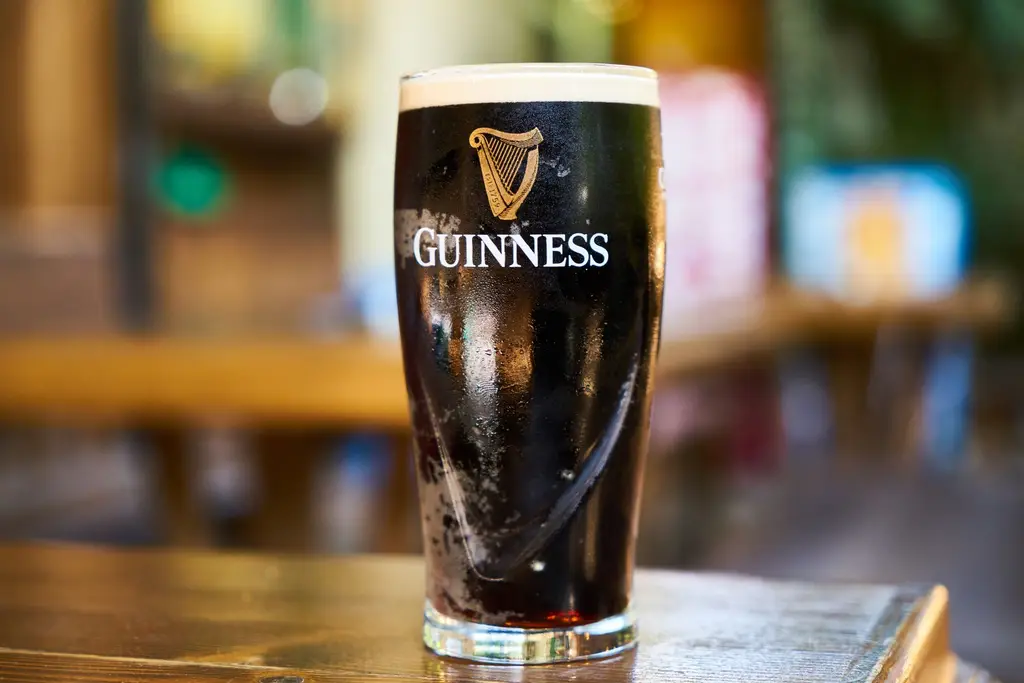
Genuinely tastes different here than the exported version, fresher kegs and a slower, two-part pour tuned for it. Judge a pub by how long they let it settle before topping it off.
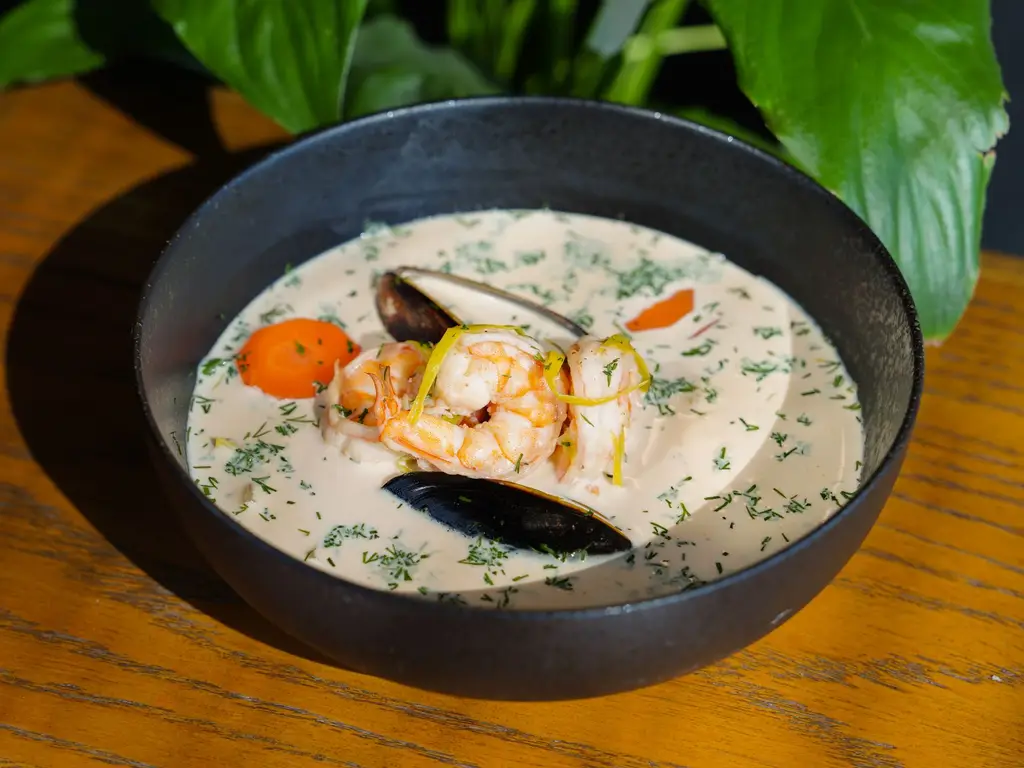
Seafood chowder
EUR 8-12·pubs and cafes citywide
Must try
A thick, cream-based soup with mixed fish and shellfish, served with brown bread. One of the most reliable orders in any pub kitchen in the city.
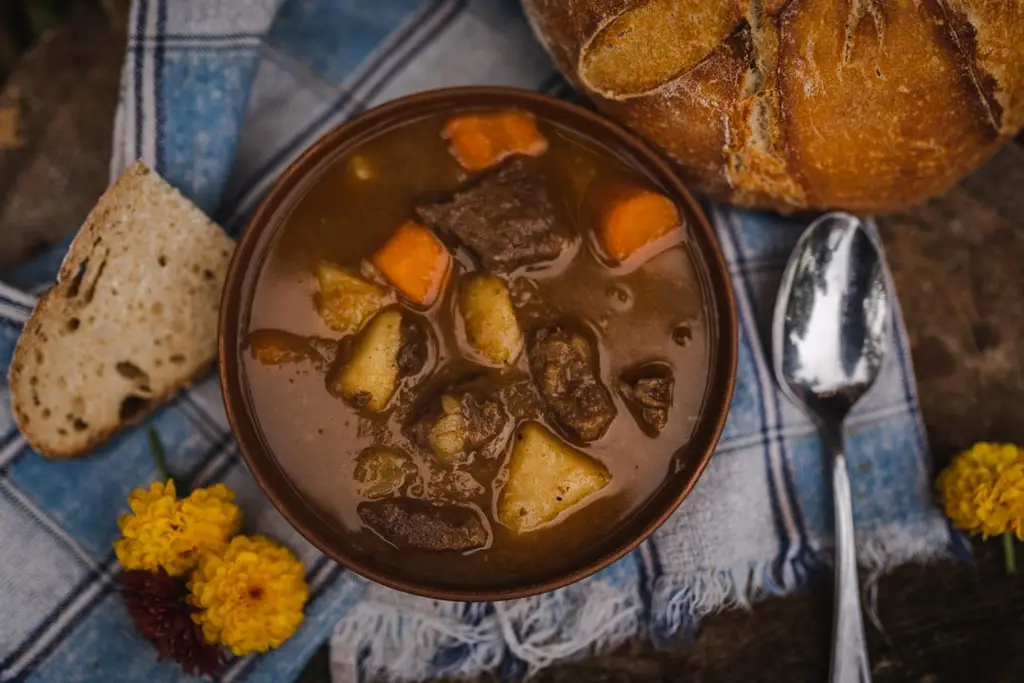
Irish stew
EUR 14-19·traditional pubs across the Old City and Temple Bar
Must try
Lamb, potato and root vegetables in a light broth; order it at a proper pub kitchen rather than a tourist-menu spot for the better version.
Dublin coddle
EUR 14-18·traditional pubs, less common on tourist-facing menus
Sausages and bacon slow-simmered with potato and onion, a genuinely old Dublin dish that has fallen out of fashion, which is exactly why it is worth tracking down.
Fish and chips
EUR 10-15·casual spots citywide, and along the coast at Howth if you take the DART out
Consistently good rather than a novelty here; Howth's harbourside chippers, a short DART ride from the centre, are worth the trip for fresher fish.
Modern Irish tasting menus
EUR 70-140 per person·the city's newer, ingredient-led restaurants
Must try
A real shift from the old reputation, chefs working with Irish produce, seafood and dairy in genuinely ambitious ways. Book ahead; the good ones fill up.
Toastie and a pint
EUR 8-11 with a pint·neighbourhood pubs across the city
The unglamorous, genuinely common pub lunch: a grilled cheese toastie with a pint, not a dish that makes it into guidebooks but one locals actually eat.
The Spice Bag
as of 2026-09
Viral
Chipper dish of fried chicken, chips, chilli and onion in a bag, born from Dublin's Chinese takeaways and still all over Irish food TikTok. This isn't new but it hasn't faded either. Any chipper worth its salt does one, so chase the dish, not a specific shop.
The Ivy Asia Dublin
as of 2026-09
Viral
Pan-Asian restaurant on Dawson Street, the Ivy Group's first location outside the UK, opened November 2026 near Trinity College. Confirmed and booking. It's a big brand launch so expect polish and a scene, not necessarily the city's best Asian food. Worth it if you want the occasion more than a bargain.
Tiramisu wave hitting Dublin cafes
as of 2026-09
Viral
Social-media-driven demand for tiramisu has cafes across Dublin adding it to menus and reporting a real jump in orders since late 2025. Not a place, a dish moving through the city's cafes. Worth chasing down whichever cafe near you is doing it fresh. Skip anywhere pre-portioning tubs.
Matcha cafe boom
as of 2026-09
Viral
A run of dedicated matcha bars and Japanese-owned matcha spots opened across Dublin over the past two years, with a 2026 shortage scare showing how mainstream it's gotten. This has legs. It's not a single trendy pop-up, it's multiple standalone matcha bars now competing with each other. Good one for anyone tired of the same flat white.
The TikTok-driven home-cafe aesthetic, matcha whisks, latte art kits, specific glassware, is showing up in how Dublin coffee shops style and market their drinks. More a vibe shift than a destination. Fine background color for a coffee-culture visit, not something to build an itinerary stop around.
Gloria Osteria
as of 2026-09
Viral
Big Mamma Group's first Irish restaurant, an opulent 1970s-Italian-styled osteria that opened in Dublin city centre in November 2025 on a 20-year lease. Genuinely the most talked-about opening in Dublin. Reviews are split, so go for the room and the pasta and don't build the trip around dessert.
Safety and scams
Dublin is safe for visitors by ordinary standards; the main practical risks are pickpocketing and phone snatching in crowded tourist areas and late-night Temple Bar rather than violent crime. Some streets around the north quays and parts of O'Connell Street feel rougher after dark, with visible drug-related activity; it's not dangerous so much as unpleasant, and easy to route around. Keep bags zipped and phones out of back pockets in busy pub crowds.
Common mistakes
Booking accommodation without checking whether a big event (rugby international, concert, GAA final) falls on your dates
Not booking Book of Kells or the Guinness Storehouse online in advance and paying the higher walk-up price
Leaving Kilmainham Gaol booking until the week of the trip; tours sell out well ahead, especially in summer
Assuming you need a car inside Dublin itself when the centre is genuinely walkable and parking is expensive and scarce
Packing for a warm European summer instead of a mild, changeable one where rain is possible in any month
Spending a whole evening in Temple Bar and assuming that's representative Dublin pub culture and pricing
Frequently asked questions
How many days do you need in Dublin?
Three days covers Trinity, the cathedral quarter, Guinness Storehouse and Kilmainham Gaol comfortably. Five gives room for Phoenix Park and a coastal day trip to Howth. A week or two only makes sense as a base for Wicklow, the Boyne Valley, or a wider loop around Ireland, since the city itself is compact.
Is Guinness Storehouse worth it?
Yes, once, and worth booking online rather than paying at the door. The seven-floor building built around the old fermentation plant, and the story it tells, is what earns the ticket price more than the pint at the top does. Go at opening or in the last two hours to skip the worst crowds.
Is Dublin expensive?
Yes, particularly accommodation, which runs near the top of Western European capitals and spikes hard around big events like rugby internationals, concerts, or GAA finals. Food and transport are closer to typical European city prices; the room rate is the number that catches people out.
Do I need a car in Dublin?
No, the city centre is walkable and a car is more hassle than help there, between one-way streets and expensive, scarce parking. A car becomes genuinely useful for day trips to Wicklow or the Boyne Valley, where public transport thins out.
What's the deal with driving on the left in Ireland?
Ireland drives on the left, same as the UK, which catches out visitors used to driving on the right. If you're renting a car for day trips outside Dublin, budget time to adjust, and check the insurance excess amount closely; Irish rental agreements often carry a high standard excess, so pricing standalone excess cover before you land is worth doing.
What's the weather like in Dublin?
Mild and changeable rather than warm, even in summer. Rain is possible in any month, and a genuinely dry week isn't something to plan around. Pack layers and something waterproof no matter when you're going.
Do I need to book the Book of Kells in advance?
Advance online booking is strongly recommended for a timed slot; walk-up entry costs more and queues build fast, especially midday and in summer. Tickets are non-refundable once bought, so confirm your dates before booking.
Is Dublin safe?
Yes, by ordinary standards. The real risks are pickpocketing in crowded tourist areas and late-night Temple Bar rather than anything more serious. A few streets near the north quays feel rougher after dark; it's more unpleasant than dangerous and easy to route around.
Can I day-trip to Wicklow or the Boyne Valley from Dublin?
Yes, both sit under an hour from the city by car and are among the most underrated parts of a Dublin trip. Glendalough in Wicklow and Newgrange in the Boyne Valley are the two headline stops; a car makes both far easier than public transport does.
How do I get from Dublin Airport to the city centre?
The Airlink Express bus, run by Dublin Bus, and regular city bus routes both connect the airport to the centre; a taxi is faster but costs more. Check current fares and journey times on dublinairport.com, since both change.