Things to Do in Chiang Mai: Itineraries, Costs and Food
Northern Thailand's temple city: moat-ringed Old City, mountain viewpoints, a real cooking and elephant sanctuary scene, and cheap, walkable living once you learn to avoid burning season.
By Labeeb Mirza · Published September 8, 2026 · Updated September 8, 2026
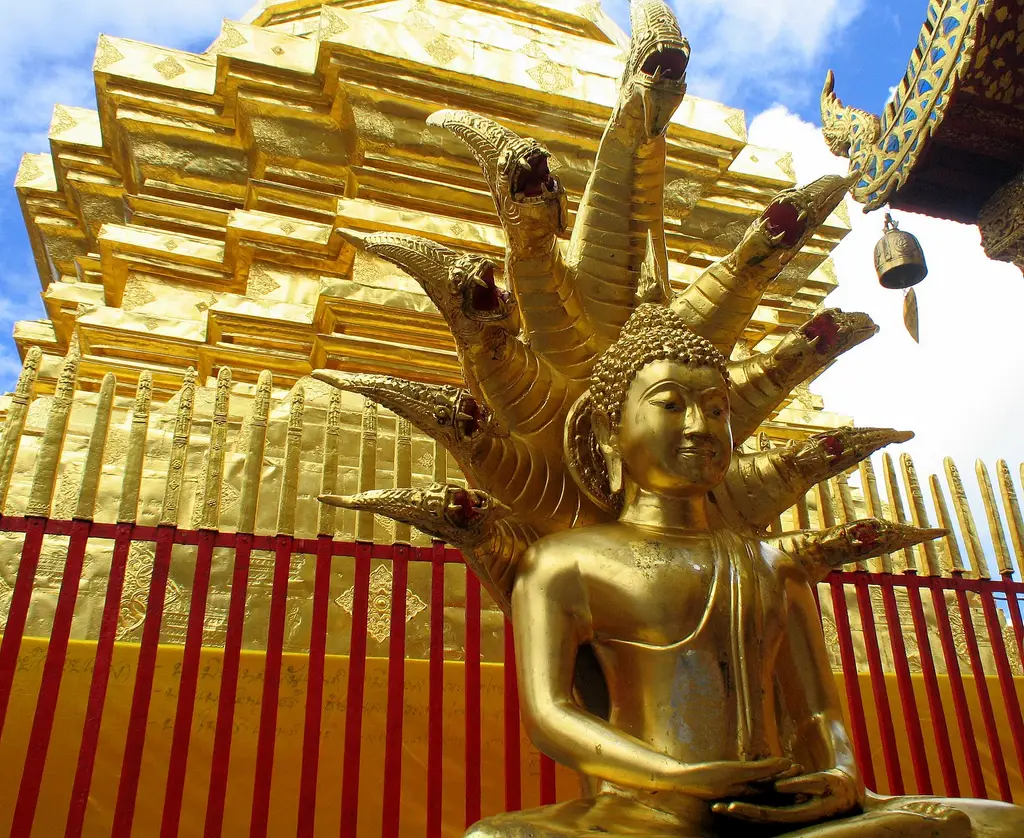
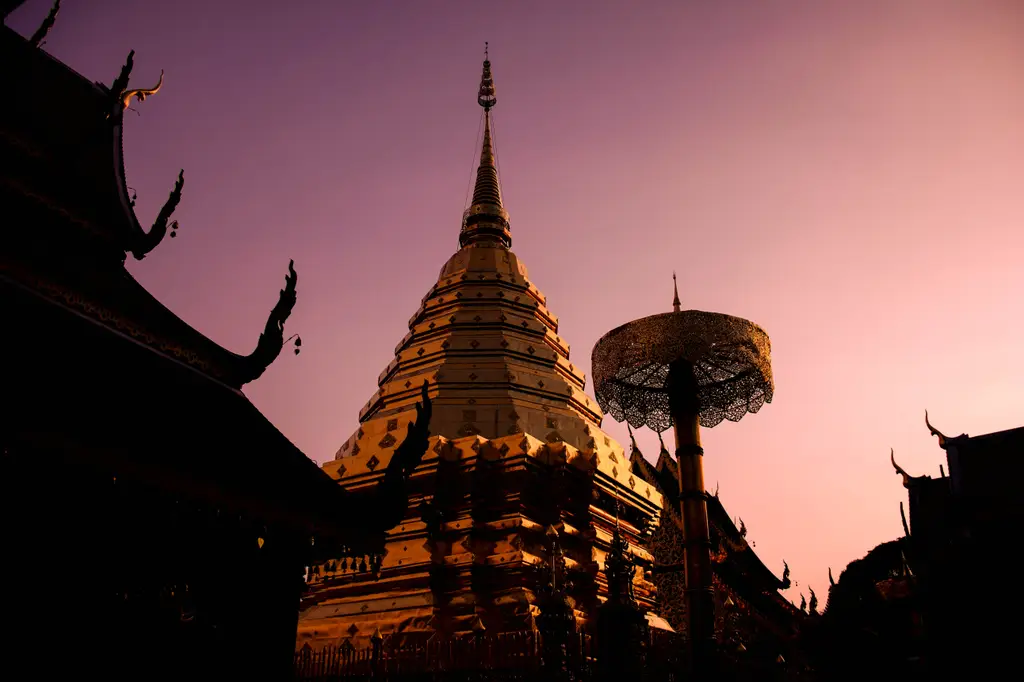
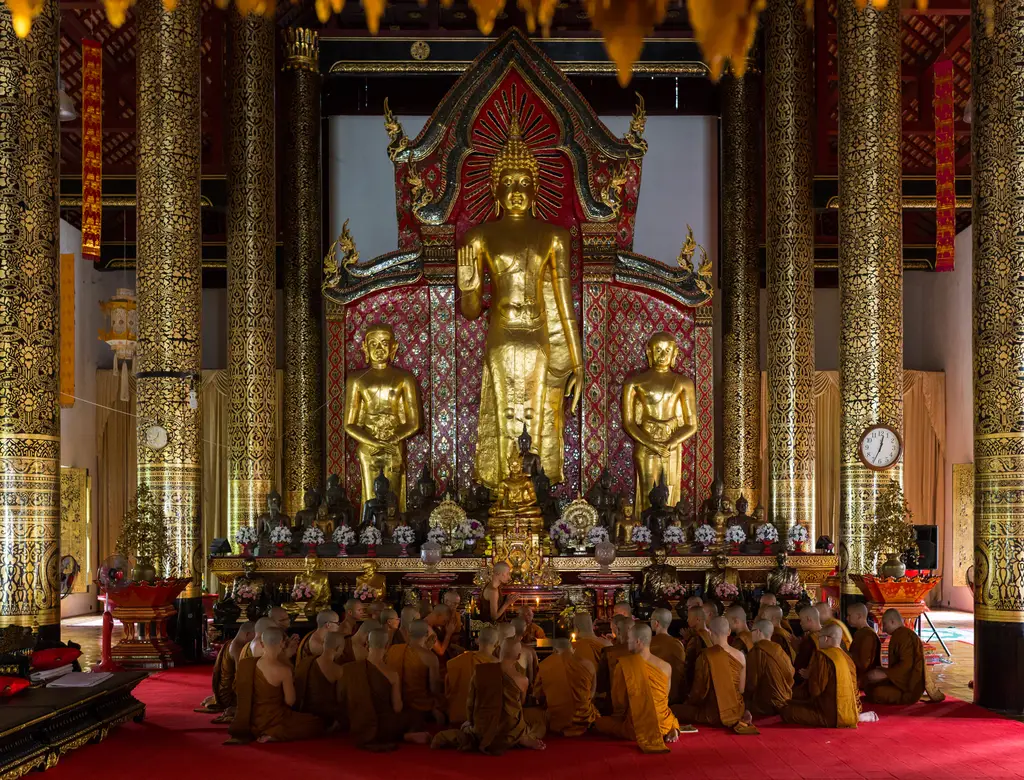
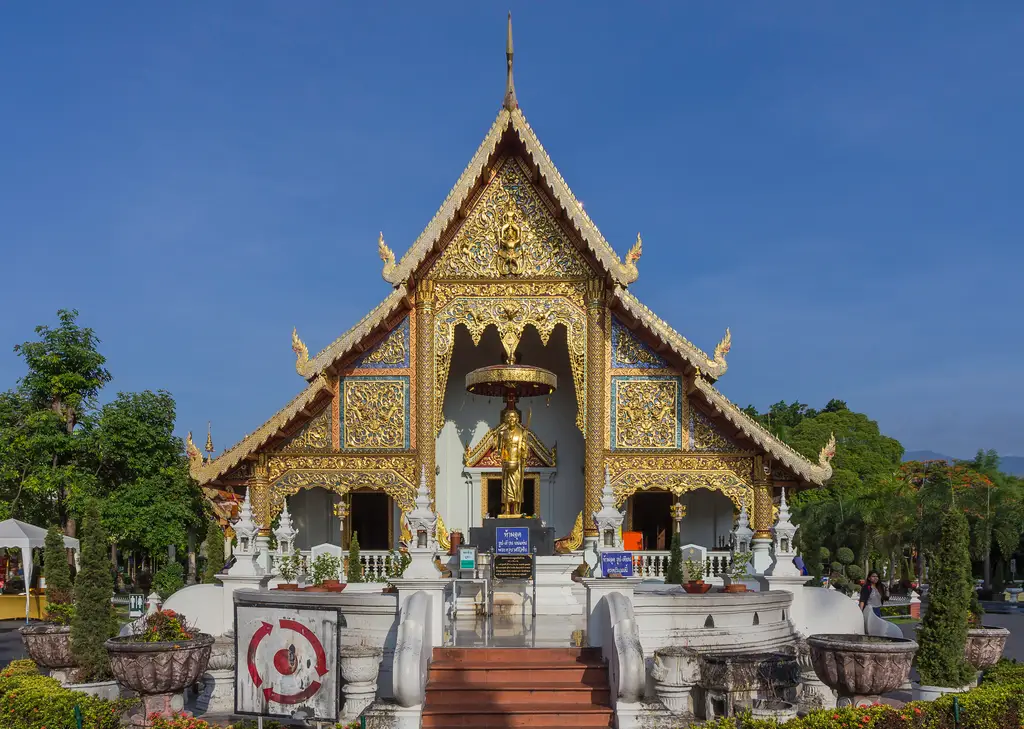
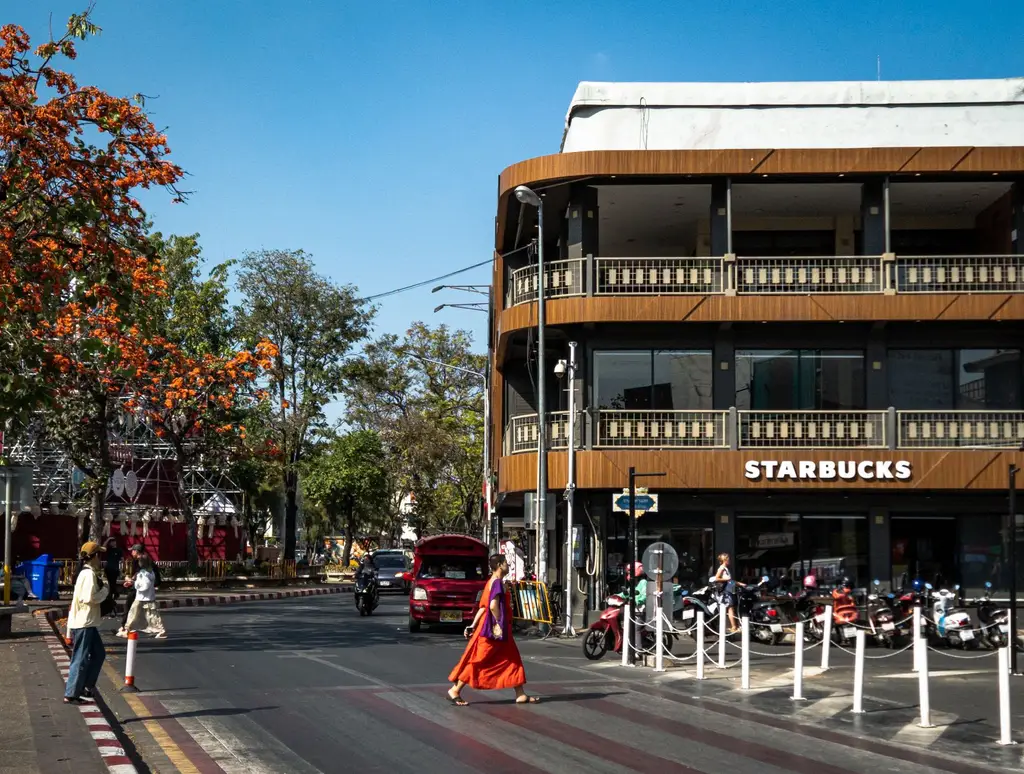
Chiang Mai gets sold as Bangkok's laid-back cousin, and that's roughly right, but it undersells what's actually here. The Old City is a one-square-kilometre grid bounded by a moat and crumbling brick walls, packed with over 30 temples, and you can walk the whole thing in an afternoon. Outside the moat, Nimmanhaemin does cafes and co-working, the Ping River gives you a quieter alternative to stay near, and the mountains start almost immediately west of town, with Doi Suthep's golden chedi visible from parts of the city on a clear day.
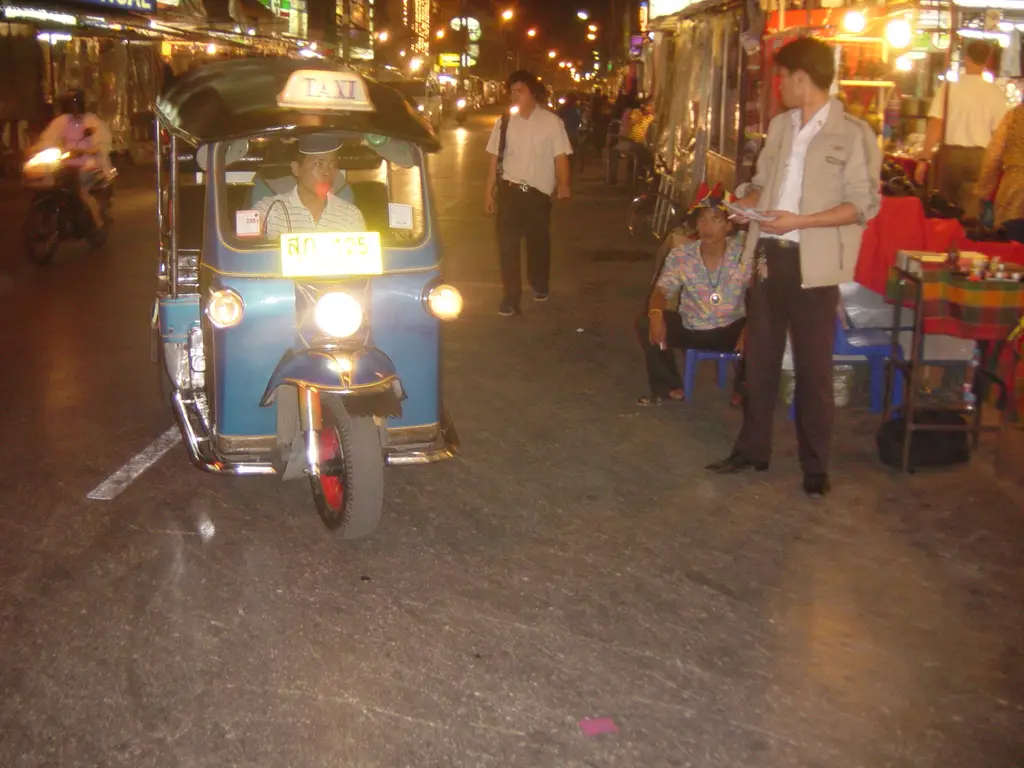
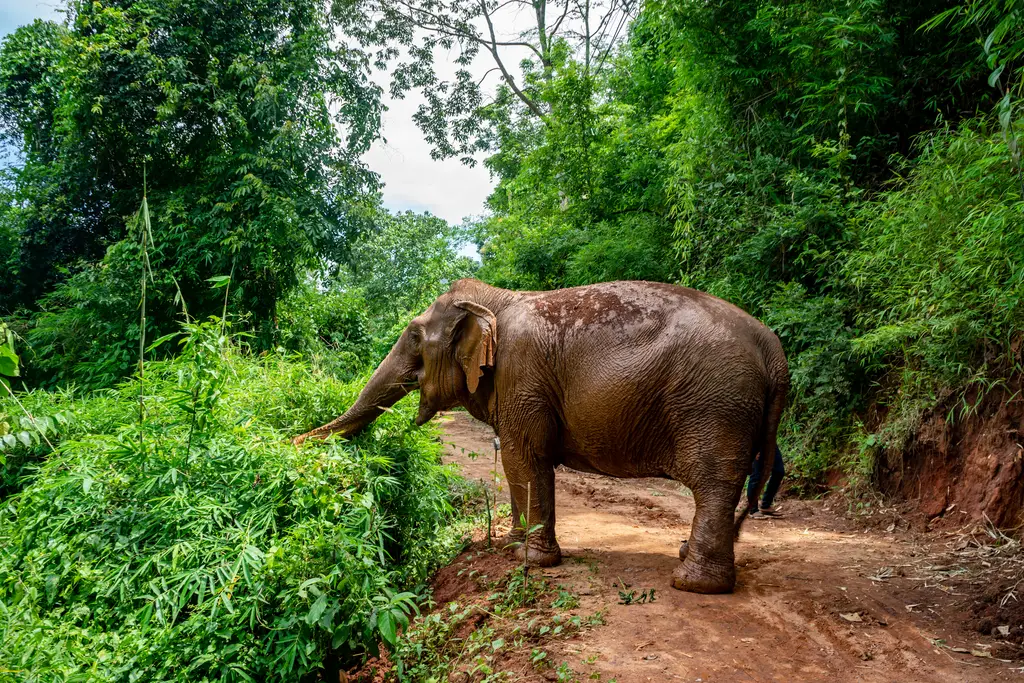
What makes Chiang Mai different from Bangkok or Phuket is pace. Nobody's rushing you into a tuk-tuk scam here (well, some try), and the city rewards slow mornings at a coffee shop followed by a temple or two, not a checklist of ten attractions a day. It's also become the elephant sanctuary hub of Thailand, for better and worse, so understanding which operations are genuinely ethical versus riding camps in sanctuary marketing matters more here than almost anywhere else in the country.
The catch is timing. Burning season, roughly February through April, covers the city and surrounding valley in agricultural smoke haze that can push air quality into hazardous territory for weeks at a time. Get the season right and Chiang Mai is one of the best value, most livable cities in Southeast Asia. Get it wrong and you're wearing an N95 mask to see a mountain you can't actually see.
Chiang Mai is the one people extend their stay in. The pace is slower, the food is different from Bangkok, and it is far easier to walk.
Burning season from roughly February to April makes the air genuinely bad. Check the air quality before booking, because it ruins the outdoor part of the trip.
Elephant tourism here needs care. Anywhere offering rides or shows is not a sanctuary regardless of what the name says.
The old city moat area is convenient but touristy. Nimman is better for food and coffee if you are staying more than a few days.
Itineraries
Old City temples, a cooking class or market, and either Doi Suthep or Night Bazaar depending on energy.
Day 1: Old City highlights
Morning
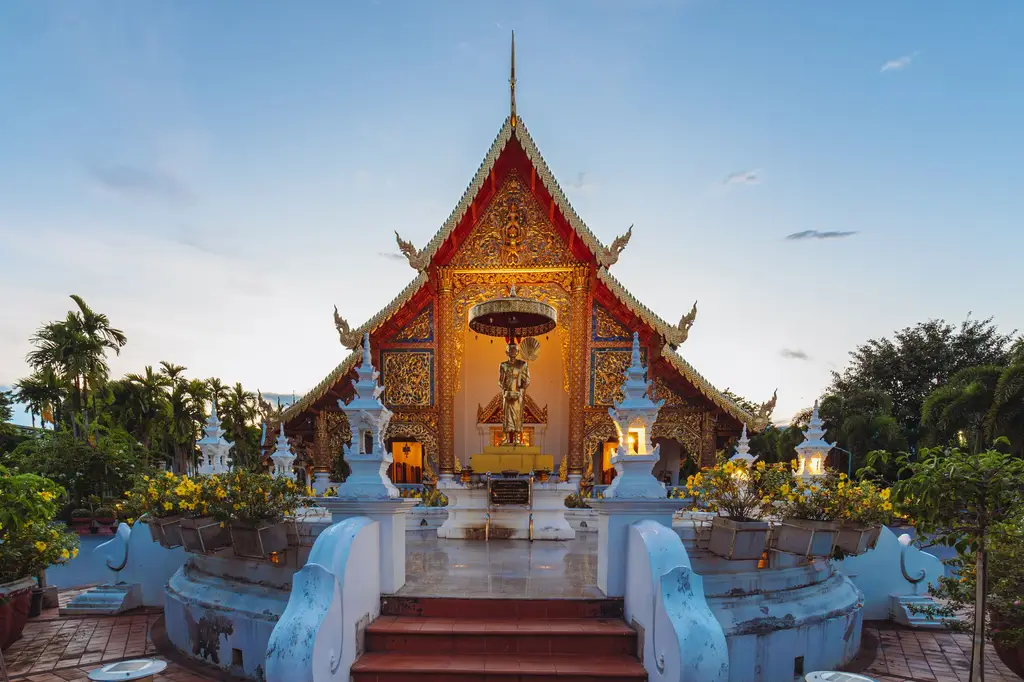
Walk Wat Phra Singh and Wat Chedi Luang, both an easy 10-minute walk apart inside the moat. Grab coffee at a cafe near Tha Phae Gate before the heat sets in.
Afternoon
Songthaew or Grab up to Wat Phra That Doi Suthep for the views and the golden chedi. Budget 2-3 hours round trip including the climb or cable car.
Evening
If it's a Sunday, walk Ratchadamnoen Road for the Walking Street market. Any other night, eat khao soi in the Old City and browse the Night Bazaar if you're near the river.
Tip: Start early, both the temples and Doi Suthep get hot and crowded by midday.
Old City temples, an elephant sanctuary day, a cooking class, and one nature stop outside the city.
Day 1: Old City orientation
Morning
Wat Phra Singh, Wat Chedi Luang, and a walk along the moat's east side.
Afternoon
Wat Umong for a quieter contrast, then wander Nimmanhaemin's cafes.
Evening
Dinner at Warorot Market or a Northern Thai restaurant for sai oua and khao soi.
Tip: Buy a local SIM on day one, Grab needs data and you'll want it all trip.
Day 2: Elephant sanctuary
Morning
Full-day Elephant Nature Park visit, pickup from your hotel.
Afternoon
Continue the sanctuary program through lunch and the afternoon walk.
Evening
Drop-off back in town, easy dinner near your hotel, it's a long day.
Tip: Book the sanctuary at least a few days ahead, popular dates sell out.
Day 3: Doi Suthep and cooking class
Morning
Wat Phra That Doi Suthep, go early to beat both crowds and haze.
Afternoon
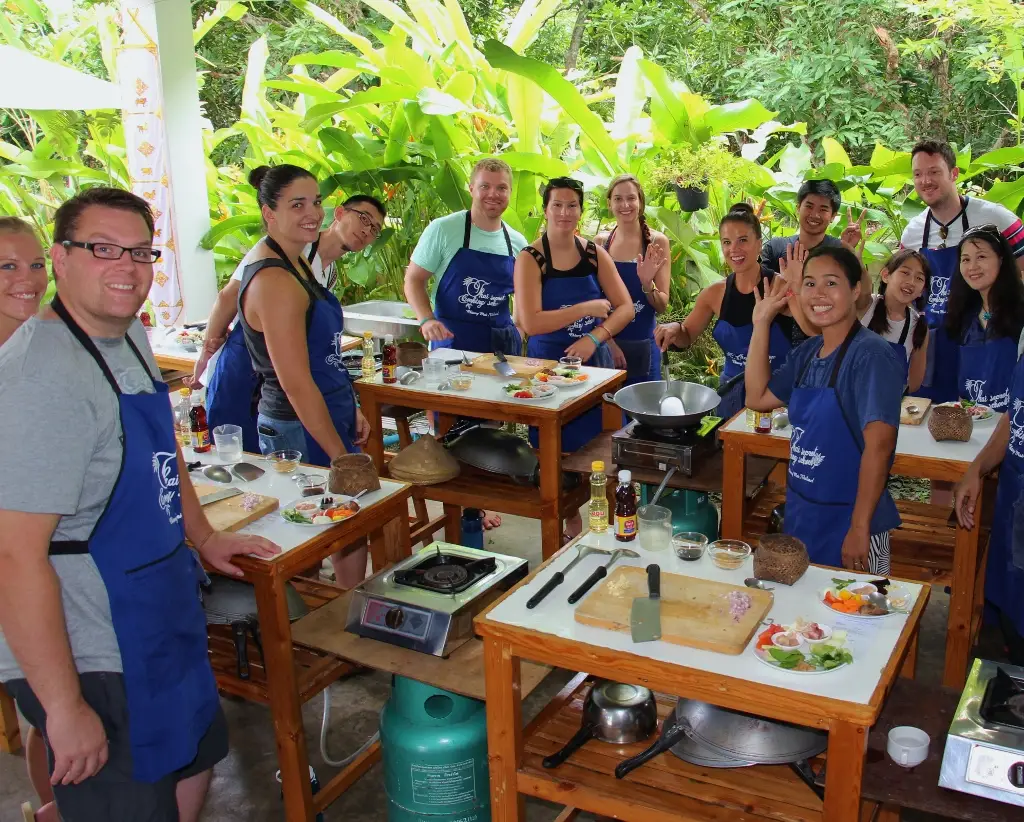
Afternoon Thai cooking class, most include a market visit first.
Evening
If Sunday, walk Ratchadamnoen Road; otherwise a quiet dinner by the river.
Tip: Pair Doi Suthep with the cooking class same day, both wrap by early evening.
Adds Bua Thong Waterfalls and a full day at Doi Inthanon to the 3-day core.
Day 1: Old City orientation
Morning
Wat Phra Singh, Wat Chedi Luang, moat walk.
Afternoon
Wat Umong, then Nimmanhaemin cafes.
Evening
Warorot Market dinner.
Tip: Get a local SIM day one.
Day 2: Elephant sanctuary
Morning
Full-day Elephant Nature Park.
Afternoon
Sanctuary program continues.
Evening
Easy dinner near your hotel.
Tip: Book this slot in advance.
Day 3: Doi Suthep and cooking
Morning
Wat Phra That Doi Suthep early.
Afternoon
Thai cooking class with market visit.
Evening
Sunday Walking Street if timing lines up.
Tip: These two pair well into one day.
Show all 5 days
Day 4: Bua Thong Sticky Waterfalls
Morning
Drive or tour out to Bua Thong, arrive by 9am to beat crowds.
Afternoon
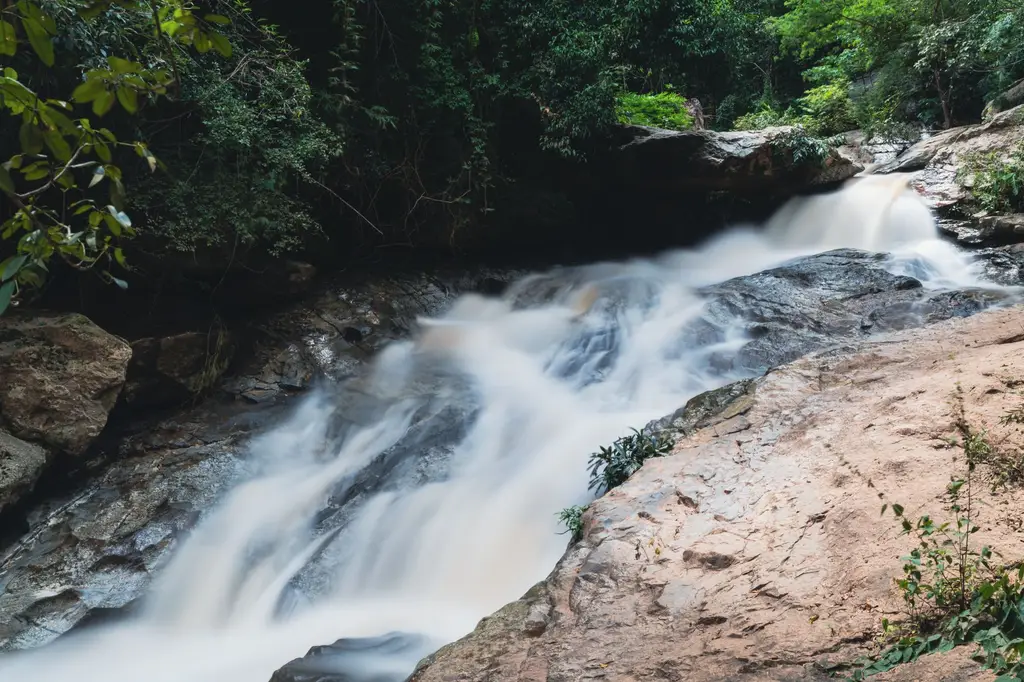
Climb the falls, swim, head back to the city by mid-afternoon.
Evening
Relaxed dinner, this is a physically tiring day.
Tip: Go barefoot on the falls, the mineral coating grips better than shoes.
Day 5: Doi Inthanon
Morning
Drive to Doi Inthanon, hit the summit boardwalk and twin pagodas first.
Afternoon
Waterfalls (Wachirathan or Mae Ya) on the way back down.
Evening
Final dinner in the Old City or Riverside.
Tip: Bring a layer, the summit is noticeably colder than the city.
The 5-day core plus a 2-day overnight loop out to Pai or Chiang Dao, this leans on the region, not more city.
Day 1: Old City orientation
Morning
Wat Phra Singh, Wat Chedi Luang, moat walk.
Afternoon
Wat Umong, Nimmanhaemin cafes.
Evening
Warorot Market dinner.
Tip: Get a local SIM day one.
Day 2: Elephant sanctuary
Morning
Full-day Elephant Nature Park.
Afternoon
Sanctuary program continues.
Evening
Easy dinner near your hotel.
Tip: Book this slot in advance.
Day 3: Doi Suthep and cooking
Morning
Wat Phra That Doi Suthep early.
Afternoon
Thai cooking class with market visit.
Evening
Sunday Walking Street if timing lines up.
Tip: These two pair well into one day.
Show all 7 days
Day 4: Bua Thong Sticky Waterfalls
Morning
Drive or tour to Bua Thong, arrive by 9am.
Afternoon
Climb and swim, head back mid-afternoon.
Evening
Relaxed dinner in the city.
Tip: Go barefoot on the mineral rock.
Day 5: Travel to Pai
Morning
Minivan or scooter to Pai, roughly 3 hours on 762 curves, notoriously winding.
Afternoon
Settle in, walk Pai's small night-market town, rent a bicycle.
Evening
Pai Walking Street if it's open that night, food stalls and live music.
Tip: Take motion sickness tablets for the drive if you're prone to it.
Day 6: Pai countryside
Morning
Pai Canyon at sunrise or Tha Pai hot springs.
Afternoon
Waterfall or viewpoint of choice, Pai's countryside is small and easy to loop by scooter.
Evening
Return drive to Chiang Mai, or stay a second night if the loop runs long.
Tip: Only ride the mountain roads yourself if you're already comfortable on a scooter.
Day 7: Doi Inthanon and departure
Morning
Doi Inthanon summit and pagodas.
Afternoon
Waterfall stop on the way down, back to the city by evening.
Evening
Final Old City dinner.
Tip: Build in buffer time before a flight, this is a full day out.
Chiang Mai city can't fill two weeks honestly, this leans hard on the region: Pai, Chiang Dao, Doi Inthanon, and a short Chiang Rai stop, not padded city days.
Day 1: Old City orientation
Morning
Wat Phra Singh, Wat Chedi Luang, moat walk.
Afternoon
Wat Umong, Nimmanhaemin cafes.
Evening
Warorot Market dinner.
Tip: Get a local SIM day one.
Day 2: Elephant sanctuary
Morning
Full-day Elephant Nature Park.
Afternoon
Sanctuary program continues.
Evening
Easy dinner near your hotel.
Tip: Book this slot in advance.
Day 3: Doi Suthep and cooking
Morning
Wat Phra That Doi Suthep early.
Afternoon
Thai cooking class with market visit.
Evening
Sunday Walking Street if timing lines up.
Tip: These two pair well into one day.
Show all 14 days
Day 4: Bua Thong Sticky Waterfalls
Morning
Drive or tour to Bua Thong, arrive by 9am.
Afternoon
Climb and swim, head back mid-afternoon.
Evening
Relaxed dinner in the city.
Tip: Go barefoot on the mineral rock.
Day 5: Travel to Chiang Dao
Morning
Drive or minivan to Chiang Dao, about 1.5 hours north.
Afternoon
Explore Chiang Dao Cave, a large limestone cave system with a guide.
Evening
Quiet mountain-town dinner, this area is far less touristed than Pai.
Tip: Chiang Dao is a good antidote if Pai feels overrun.
Day 6: Chiang Dao countryside
Morning
Sunrise or early hike toward Doi Luang Chiang Dao's lower trails.
Afternoon
Return toward Chiang Mai or continue on to Pai depending on your route.
Evening
Settle into Pai for the next stretch.
Tip: Chiang Dao to Pai direct saves backtracking through the city.
Day 7: Pai arrival
Morning
Travel day, settle in.
Afternoon
Walk the small town, rent a bicycle or scooter.
Evening
Pai Walking Street, food stalls, live music.
Tip: Book accommodation ahead in high season, Pai fills up.
Day 8: Pai countryside
Morning
Pai Canyon at sunrise.
Afternoon
Tha Pai hot springs and a waterfall of choice.
Evening
Riverside dinner.
Tip: Only self-drive the mountain roads if you're already comfortable on two wheels.
Day 9: Pai to Chiang Mai
Morning
Scenic drive back, stop at a viewpoint along the 762 curves.
Afternoon
Rest afternoon back in the city, laundry, admin, recovery.
Evening
Easy dinner, no plans.
Tip: Build in a genuine rest day, the Pai road is tiring both directions.
Day 10: Doi Inthanon
Morning
Summit boardwalk and twin pagodas.
Afternoon
Waterfall stop on the descent.
Evening
Back in the city for dinner.
Tip: Bring a layer for the summit.
Day 11: Travel to Chiang Rai
Morning
Minivan or bus to Chiang Rai, roughly 3 hours.
Afternoon
White Temple (Wat Rong Khun), genuinely worth the detour.
Evening
Chiang Rai night bazaar, smaller and calmer than Chiang Mai's.
Tip: Chiang Rai deserves its own longer visit if you have it, this is a taste, not the full stop.
Day 12: Chiang Rai extras
Morning
Blue Temple (Wat Rong Suea Ten) and Black House (Baan Dam).
Afternoon
Return travel to Chiang Mai.
Evening
Free evening back in the city.
Tip: These three sights are spread out, group them with a driver rather than walking.
Day 13: Open day
Morning
Revisit a favorite temple or neighborhood, or a second cooking/craft class (Thai boxing, fruit carving, batik).
Afternoon
Shopping, cafes, whatever got skipped earlier.
Evening
A splurge dinner to close out the trip.
Tip: Resist the urge to schedule this day, use it as slack for whatever ran long.
Day 14: Departure
Morning
Last-minute market run, Warorot for dried goods and snacks to bring home.
Afternoon
Airport transfer.
Evening
N/A
Tip: Confirm your Grab or taxi pickup time the night before.
6:00 AM - 8:00 PM daily·~40 THB foreigner entry; optional cable car ~20 THB each way (or climb the 300+ Naga staircase free)·2-3 hours including travel
walk in, or book a shared songthaew/tour from the city
Go early morning before tour buses and haze build up. The mountain views over the city depend entirely on the day, hazy most of the dry season.
2
Wat Chedi Luang
6:00 AM - 6:00 PM daily·40 THB foreigners, free for Thai nationals and kids under 12·45-60 minutes
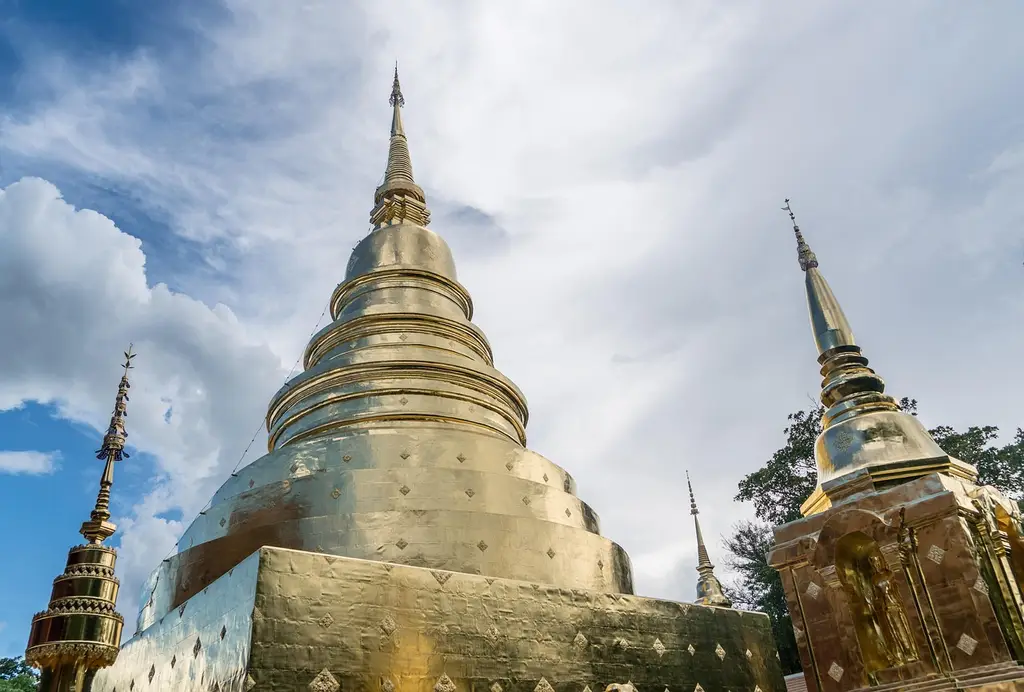
The half-ruined 14th-century chedi is Old City's most striking single structure. Monk Chat sessions run some afternoons if you want to talk to novice monks.
3
Wat Phra Singh
Roughly 6:00 AM - 5:00 PM, some sources cite later·Grounds free; ~20 THB donation typically requested to enter Viharn Lai Kham·45 minutes
Old City's most revered temple, holds the Phra Singh Buddha image. Less crowded early morning.
4
Sunday Walking Street (Ratchadamnoen Road)
Sundays, roughly 4:00 PM to 10-11 PM·free to browse·2-3 hours
Closed Only runs Sundays
The whole road through Old City closes to traffic. Better food and craft variety than the Night Bazaar; go hungry and expect crowds after 7pm.
5
Chiang Mai Night Bazaar
Nightly, roughly 5:00-6:00 PM to 11:00 PM-midnight·free to browse·1-2 hours
Mostly mass-produced souvenirs and knockoffs. If you've already done Sunday Walking Street, this is skippable unless you're near the Riverside area anyway.
6
Elephant Nature Park
Half-day and full-day programs, morning or afternoon departures from the city office·~2,500 THB half-day, ~3,500 THB full-day (child/infant discounts apply)·Half-day (~5 hrs) or full-day (~9 hrs) including transport
book in advance, popular slots sell out
No riding, no bathing shows, observation and feeding only, the model most other 'sanctuaries' imitate in name only. See FAQ on how to tell them apart.
Khlong Mae Kha canal walk
as of 2026-09
Viral
A renovated stretch of an old canal near the old city, cleaned up with wooden walkways, two Japanese-style lantern-lit bridges, and evening market stalls selling food, textiles, and crafts along the water. Online writeups call it the 'Otaru canal of Thailand,' which is a stretch. It's a pleasant, low-key evening walk with a market attached, not a substitute for Japan. Best between roughly 3pm and 10pm when the stalls are actually open.
Chiang Mai to Lamphun train ride
as of 2026-09
Viral
A slow local passenger train running between Chiang Mai and Lamphun, picked up by short-form video for its unpolished, old-fashioned train cars and quiet countryside scenery. This is a real, ordinary commuter train, not a product built for tourists, and that's exactly the appeal. Cheap and low-key, but there's no big payoff attraction waiting in Lamphun. The ride itself is the point.
Yi Peng lantern festival
as of 2026-09
Viral
The annual Lanna lantern-release festival held at venues around Chiang Mai including the Mae Jo district, typically in November, with mass sky-lantern releases and river lantern floating. One of the few Thailand events that lives up to the hype in person. The ticketed mass-release events sell out and cost real money. The free public riverside version is crowded but free, so decide which experience you actually want before you book.
Tha Pae Sunday Walking Street
as of 2026-09
Viral
A weekly pedestrian market running from Tha Pae Gate through the old city, with stalls for crafts, clothing, and street performers, plus light displays and cultural performances on select dates. Genuinely local in scale and has been running for years, not a recent invention. It gets crowded shoulder to shoulder in the busiest stretch. Go for the atmosphere and browsing, not for a relaxed stroll.
Nimmanhaemin Art and Design Promenade
as of 2026-09
Viral
An annual open-air event along Nimmanhaemin Soi 1 that turns the street into a run of artist studios, craft stalls, and pop-up galleries showing ceramics, textiles, and contemporary Lanna design work. Held during the first week of December, so it's time-limited each year, not a year-round draw. Outside that week the street is still a normal cafe and boutique district, worth a wander but without the event's energy.
MAIIAM Contemporary Art Museum
as of 2026-09
Viral
A privately funded contemporary art museum in the Chiang Mai area showing rotating exhibitions of modern Thai and Southeast Asian art inside a converted warehouse space. A real museum with a permanent program, not a pop-up exhibit, so it's a safer bet than a show with an end date. Worth a couple of hours if you want an actual gallery experience instead of just temples and markets.
More to see (4)
7
Thai cooking class
Half-day or full-day sessions, morning or afternoon·roughly 700-1,500 THB for half/full day; premium hotel classes run much higher·4-8 hours depending on format
book a day ahead, especially for market-visit classes
Ones that start with a market tour are worth the extra time. Skip anything under 500 THB, ingredients and portions get cut first.
8
Wat Umong (Forest Temple)
6:00 AM - 6:00 PM (some sources say later)·free, donations welcome·1-1.5 hours
Brick tunnels, a forest setting, and a fraction of the crowds of the Old City temples. Good for a quiet afternoon away from the moat.
9
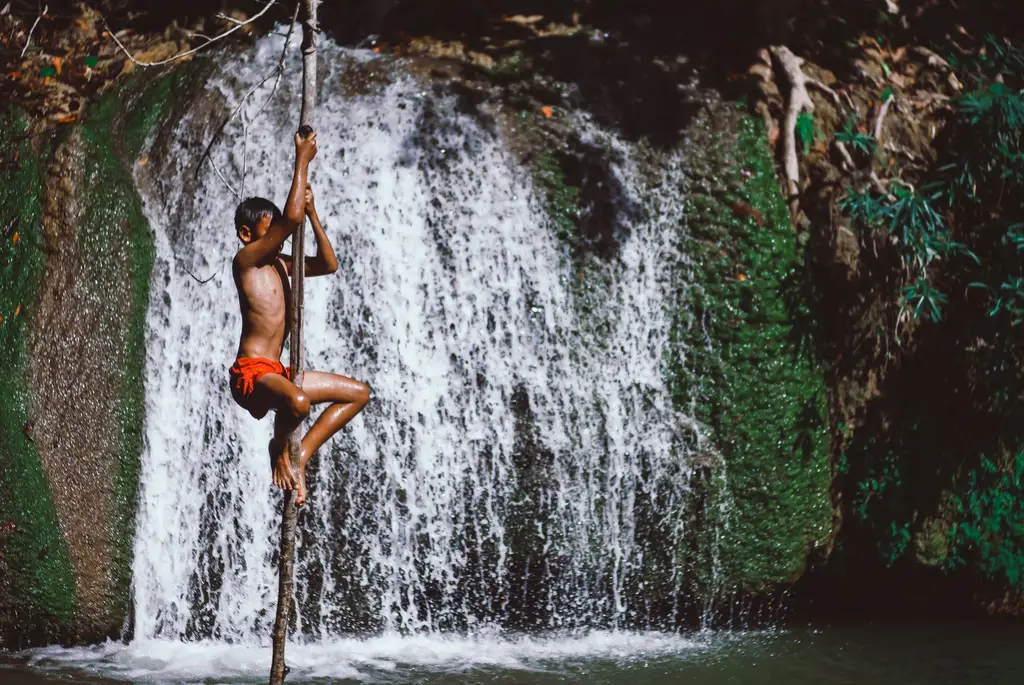
Bua Thong Sticky Waterfalls
8:00 AM - 5:00 PM daily·free entry·3-4 hours including 1-1.5 hr travel each way
walk in, or book a tour to skip arranging transport
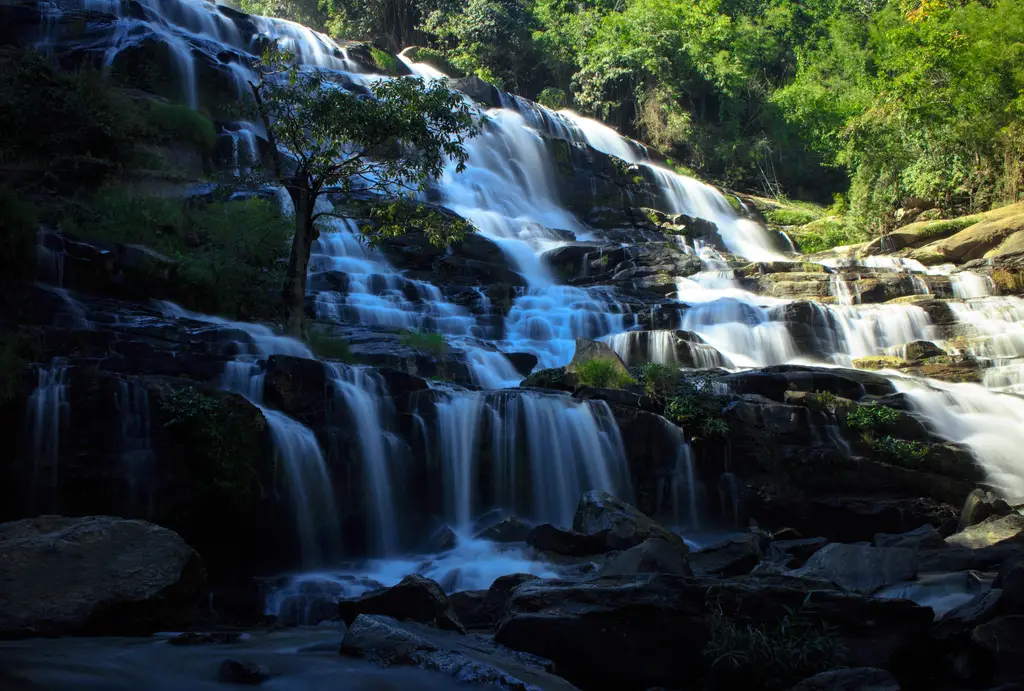
Mineral-coated limestone lets you climb the falls barefoot without slipping. Go early, by midday tour groups fill the pools.
10
Doi Inthanon National Park
Park generally open daylight hours·300 THB foreigner adult entry, plus 30 THB car or 150 THB motorbike fee·Full day
walk in, or book a day tour that bundles transport
Thailand's highest peak and its most accessible summit, a paved road runs to near the top. Twin royal pagodas and waterfalls make it a packed but worthwhile day trip.
Where to stay
Old City
Suits: First-timers, temple-hoppers
Walk to most major temples, but noisy near Tha Phae Gate and thinnest on modern amenities.
Nimmanhaemin
Suits: Digital nomads, cafe culture, longer stays
Coworking spaces, third-wave coffee, malls; a Grab or songthaew ride from Old City temples.
Riverside (Ping River)
Suits: Quieter stays, evening river dining
Boutique hotels along the water, an easy walk or short ride from Old City and Night Bazaar.
Santitham
Suits: Budget stays, local feel, university crowd
Cheaper guesthouses near Chiang Mai University, less polished, more genuinely local streets.
Getting there and around
Getting there
Chiang Mai International Airport (CNX) is 3km from the Old City, about 10-15 minutes by car. Grab or metered taxi runs roughly 120-250 THB. From Bangkok: 1-hour flights from ~600 THB, or an overnight sleeper train (12-13 hours) or VIP bus (9-10 hours) from around 800-1,400 THB if you want to skip a flight.
Getting around
The Old City is flat and walkable, most temples are 10-15 minutes apart on foot. Red songthaews (shared pickup trucks) cover the rest of town for 30-40 THB a hop, flag one down and tell the driver your destination. Grab works well for point-to-point trips and doesn't require haggling. Scooter rental unlocks day trips to Doi Suthep and beyond, but see the safety notes before you sign a rental agreement.
Map
City
Recommended (numbered)
Mentioned in an itinerary
Locations on this map
Chiang Mai18.79, 98.99
Wat Phra That Doi Suthep18.82, 98.89
Wat Chedi Luang18.79, 98.99
Wat Phra Singh18.79, 98.98
Sunday Walking Street (Ratchadamnoen Road)18.79, 98.99
Chiang Mai Night Bazaar18.78, 99.00
Elephant Nature Park19.21, 98.86
Thai cooking class18.79, 98.99
Wat Umong (Forest Temple)18.78, 98.95
Bua Thong Sticky Waterfalls19.07, 99.08
Doi Inthanon National Park18.53, 98.56
Old City18.78, 99.00
Tha Phae Gate18.79, 98.99
Nimmanhaemin18.80, 98.97
Warorot Market18.79, 99.00
Northern Thai18.77, 98.98
Wachirathan18.54, 98.60
Mae Ya18.75, 98.94
Riverside18.86, 99.08
Pai18.83, 99.18
Chiang Rai18.80, 98.95
Wat Rong Khun18.78, 99.06
Baan Dam18.90, 99.14
Warorot18.79, 99.00
What it costs
Stay
Food
Transport
Activities
Daily cost breakdown, THB per person
Tier
Stay
Food
Transport
Activities
Total
Budget
THB 350
THB 300
THB 150
THB 400
THB 1,200
Mid-range
THB 1,200
THB 700
THB 400
THB 700
THB 3,000
Splurge
THB 3,500
THB 1,800
THB 1,000
THB 700
THB 7,000
Guesthouse dorm or basic room 350 THB, three street-food or market meals around 200-250 THB total, songthaew rides 60-100 THB, one paid attraction (temple entry or class) 200-500 THB. Mid-range swaps the guesthouse for a boutique hotel and adds Grab rides and sit-down meals.
Money savers
Eat at Warorot Market or Chang Phuak Gate night market instead of tourist-strip restaurants
Walk the Old City instead of Grabbing between adjacent temples
Book elephant sanctuary and cooking class direct with the operator, not through a hotel desk markup
Stay in Santitham instead of Nimmanhaemin for the same city access at a lower nightly rate
Use songthaews over Grab for short hops when you're not in a hurry
Visit temples early morning to skip both crowds and the heat of the day
Chiang Mai eats slower than Bangkok and it shows in the food. Breakfast is late, lunch stretches, and nobody rushes you out of a noodle stall. Northern Thai cooking is milder and herbier than the center, built on lemongrace, galangal, and fermented soybean rather than straight chili heat, though sai oua and nam prik will still make you sweat. Old City stalls are mostly cash, Nimman cafes take cards. Warorot Market is where locals actually shop; go in the morning before the produce gets picked over. Nobody minds pointing at a pot and holding up fingers. The one rule worth knowing: if a khao soi stall has a queue of Thai regulars rather than tourists with cameras, that is the one to join.
Khao soi
Sai oua
Nam prik noom
Gaeng hang lay
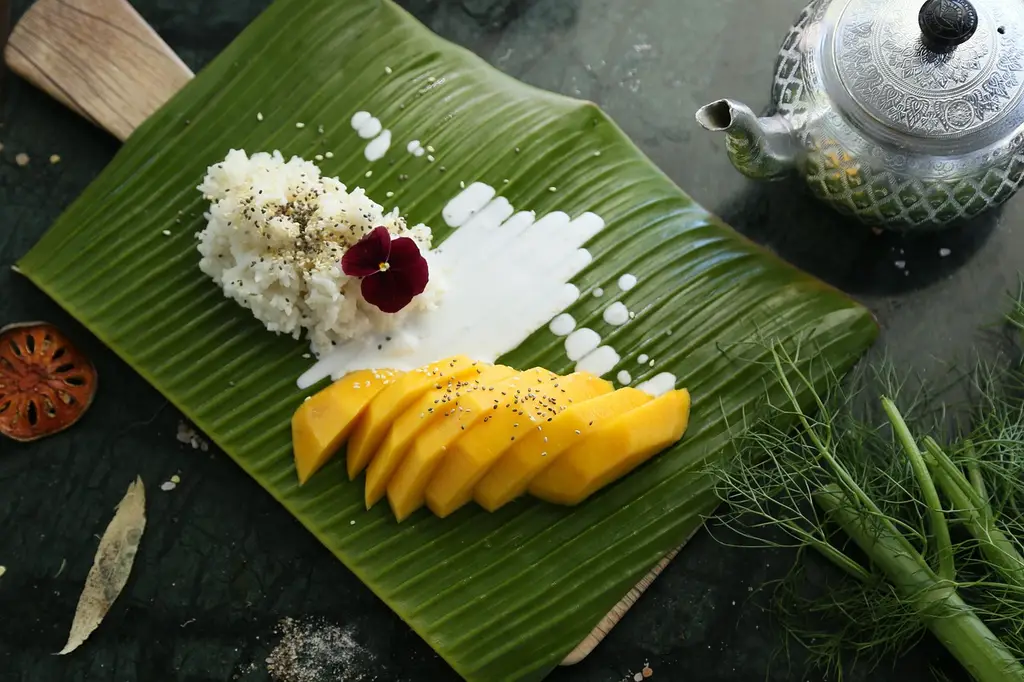
Sticky rice with mango
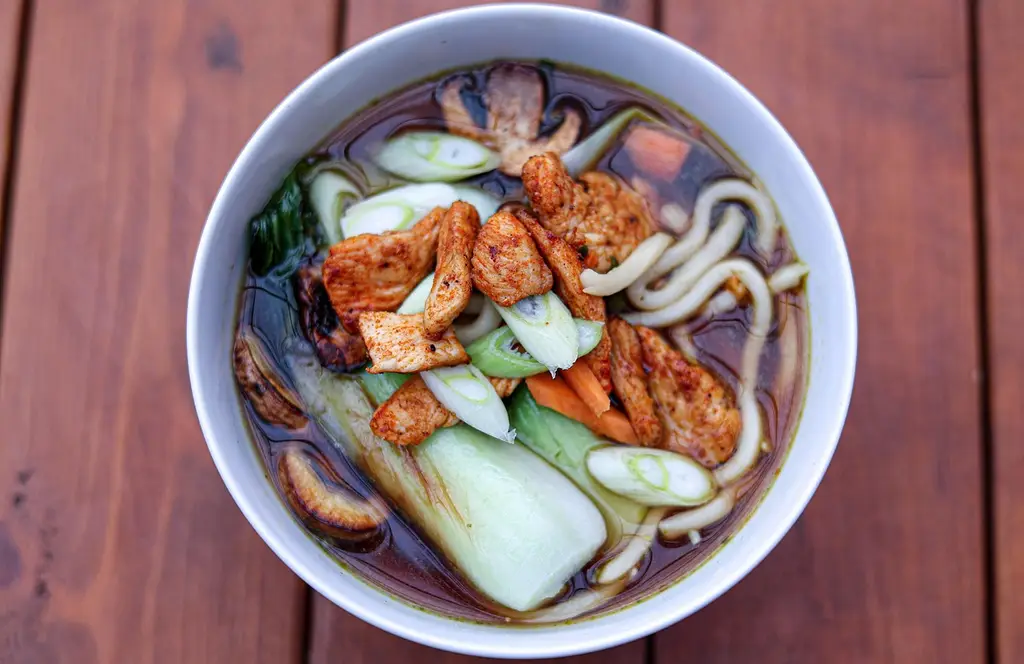
Khao soi
THB 50-90·Khao Soi Mae Sai, Khao Soi Nimman, or any Old City noodle stall
Must try
Curried egg noodle soup built on coconut curry broth, crispy fried noodles piled on top and soft ones underneath. The dish everyone comes to Chiang Mai for, and rightly so.
Sai oua
THB 60-100 per portion·Warorot Market, any northern Thai restaurant
Must try
Grilled Northern Thai herb sausage packed with lemongrass, galangal and kaffir lime leaf, sliced and eaten with sticky rice. Smokier and more aromatic than central Thai sausage.
Nam prik noom
THB 60-120·Local restaurants, served with sticky rice and pork rinds
Roasted green chili dip, pounded with garlic and shallot, smoky and sharp rather than blazing hot. Scoop it with sticky rice or crunchy pork rinds, a Northern Thai table staple.
Gaeng hang lay
THB 80-150·Old City restaurants specializing in Northern cuisine
Burmese-influenced pork belly curry with ginger, tamarind and pickled garlic, noticeably less spicy and more sour-sweet than central Thai curries. A good order for anyone easing into the region's flavors.
Sticky rice with mango
THB 50-100·Anywhere with fresh mango in season, roughly March to June
Must try
Same dish as Bangkok's version but worth calling out here for the mango quality. Off-season fruit is imported and mediocre, so ask before ordering rather than assume.
Kanom jeen nam ngiao
THB 30-50·Local markets and noodle stalls
Fresh rice noodles in a tomato-pork broth with dried chili and sometimes a cube of congealed pork blood. A lesser-known Northern staple that most visitors never encounter outside a market.
Khao kan jin
THB 30-50·Local markets, harder to find in tourist areas
Northern-style rice salad mixed with pork blood, herbs and lime, an acquired taste that most guidebooks skip entirely. Worth trying once with an open mind if you find a stall selling it.
Muslim-Thai khao soi and roti
THB 50-80·the mosque area near Chang Phuak Gate
Chiang Mai's Muslim community runs some of the city's oldest khao soi kitchens, a different lineage from the tourist-strip versions and often richer, using goat or beef instead of chicken.
Chang Phuak Gate night market
as of 2026-09
Viral
An evening street food cluster outside the Old City's north gate, grilled sausage, khao kha moo and sticky rice sweets sold from folding tables. This is where locals actually eat, not a tourist-market rebrand. Cash only, no seating to speak of.
Khao Soi Lung Prakit
as of 2026-09
Viral
A long-running khao soi shop known for a spicier-than-usual curry noodle broth, one of the names locals point to first for the dish. Solid, not showy. Go for the broth, don't expect atmosphere.
Flossy chicken chiffon cake
as of 2026-09
Viral
A Shanghai-originated cake trend now copied by several Thai bakeries, an airy chiffon sponge topped with savory chicken floss. A novelty snack, not a meal worth planning a day around. Try it once if a bakery near you has it.
Sai oua
as of 2026-09
Viral
Northern Thai grilled sausage packed with lemongrass, kaffir lime leaf, and chili paste, sold coiled at markets across the city. Herbal and fatty in a good way. Buy from a stall with visible turnover on the grill, it dries out fast once cold.
Khantoke set dinner
as of 2026-09
Viral
A traditional northern Thai meal served on a low pedestal tray with several small dishes, historically a Lanna royal court format. Most versions now come with a dance show for tour groups, which dilutes the food. Worth it only if you want the ceremony too.
Sunday Walking Street food stalls
as of 2026-09
Viral
Ratchadamnoen Road closes to traffic every Sunday evening for a market that includes a long stretch of northern Thai food vendors. Crowded and slow-moving, but the food stalls are a genuine cross-section of Chiang Mai street cooking, not a tourist trap set piece.
Chiang Mai's matcha cafe wave
as of 2026-09
Viral
A run of dedicated matcha bars has opened around the city, with outlets like Kiln Matcha and Trial Matcha drawing enough attention for a dedicated Time Out roundup in March 2026. Riding the specialty coffee crowd rather than replacing it. Worth a stop if you're already deep in the cafe-hopping loop, not a special trip on its own.
Safety and scams
Scooter accidents are the single biggest risk to tourists here, not crime. Rent from a shop that doesn't hold your passport as deposit (a common scam to force damage payouts), and carry an International Driving Permit with a motorcycle endorsement, police checkpoints do fine for missing ones. Petty scams (gem shops, closed-temple detours by tuk-tuk drivers) exist but are avoidable. Violent crime against tourists is rare.
Common mistakes
Visiting in March expecting mountain views and clear air, this is peak burning season
Riding a scooter on a car-only International Driving Permit or no IDP at all
Handing over your passport as a scooter rental deposit instead of cash or a card hold
Booking an elephant 'sanctuary' without checking whether it still offers riding or bathing shows
Skipping Sunday Walking Street because you already saw the Night Bazaar, they're not equivalent
Packing the Old City temples into one rushed morning instead of picking two or three and going deep
Frequently asked questions
When should I avoid visiting Chiang Mai?
February through April, burning season. Agricultural and forest fires push PM2.5 into hazardous ranges, worst in March, and Chiang Mai regularly ranks among the most polluted cities in the world during this window. Mountain views disappear into haze and outdoor time gets uncomfortable for anyone with respiratory sensitivity.
How do I tell an ethical elephant sanctuary from a riding camp?
Ask directly: does it offer riding, or bathing shows where elephants are bathed on command for photos? Genuine observation-only sanctuaries like the Elephant Nature Park model don't offer either, elephants are watched and fed, not mounted or performed. Riding camps market themselves as 'sanctuaries' too, so check for the words 'no riding, no bathing show' specifically, not just 'ethical' or 'sanctuary' in the name.
Do I need an international license to rent a scooter?
Yes. Thai law requires your home country motorcycle license plus an International Driving Permit carrying a motorcycle endorsement. A car-only IDP, the default for many UK, EU, and Australian drivers, doesn't count and is the most common thing police fine tourists for at Old City checkpoints.
Is the Night Bazaar worth it?
It's fine if you're nearby, but mostly mass-produced souvenirs. If you've already done Sunday Walking Street, which has better crafts and food in the same format, the Night Bazaar is skippable.
How many days do I need in Chiang Mai itself?
Three to four days covers the city well: Old City temples, one elephant sanctuary day, a cooking class, and Doi Suthep. Past that, day trips or overnights to Pai, Chiang Dao, or Doi Inthanon are what fill a longer stay, not more city attractions.
Is Chiang Mai walkable?
The Old City is, it's a compact one-square-kilometre grid. Getting to Nimmanhaemin, the Riverside, or anything outside the moat means a songthaew or Grab, both cheap and easy.
What's the biggest safety risk for tourists?
Scooter accidents, not crime. Road conditions, unfamiliar traffic patterns, and riders without proper licenses or experience make this the leading cause of tourist injury in the region.
Should I worry about the passport-deposit scooter scam?
Yes, avoid shops that ask to hold your passport as a rental deposit, it's sometimes used to pressure inflated damage claims when you return the bike. Use a cash or credit card deposit instead, and photograph the bike's existing damage before you ride off.
Is Pai worth the detour from Chiang Mai?
Yes if you have 2+ days to spare. It's about 3 hours each way on a famously winding mountain road (762 curves), so it's not a quick day trip, budget an overnight at minimum.
What's the one Chiang Mai-specific mistake first-timers make?
Booking peak dry season (Feb-April) for the 'good weather' without realizing that's exactly when burning season smoke is worst. November to January is the actual clear-sky window.