Things to Do in Antalya: Itineraries, Costs and Food
A Roman-walled old town on the Turquoise Coast, two different waterfalls people confuse constantly, and the launch point for Aspendos, Perge and Termessos.
By Labeeb Mirza · Published September 8, 2026 · Updated September 8, 2026
Best timeApr to May
Daily budget (mid)TRY 7,500
Ideal length3 days
CurrencyTRY
Overview
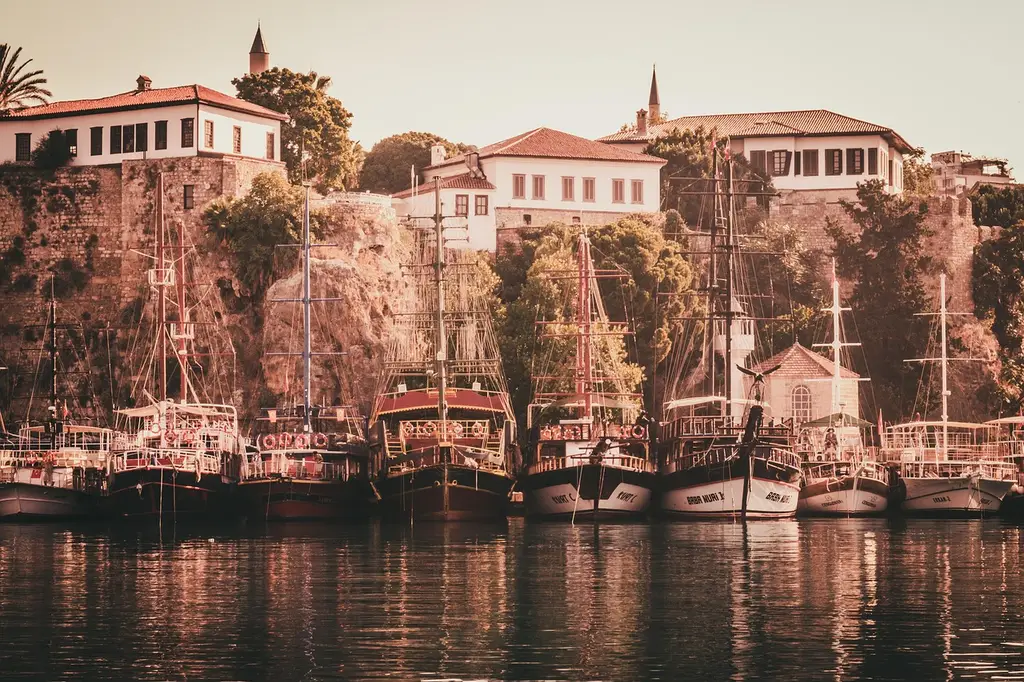
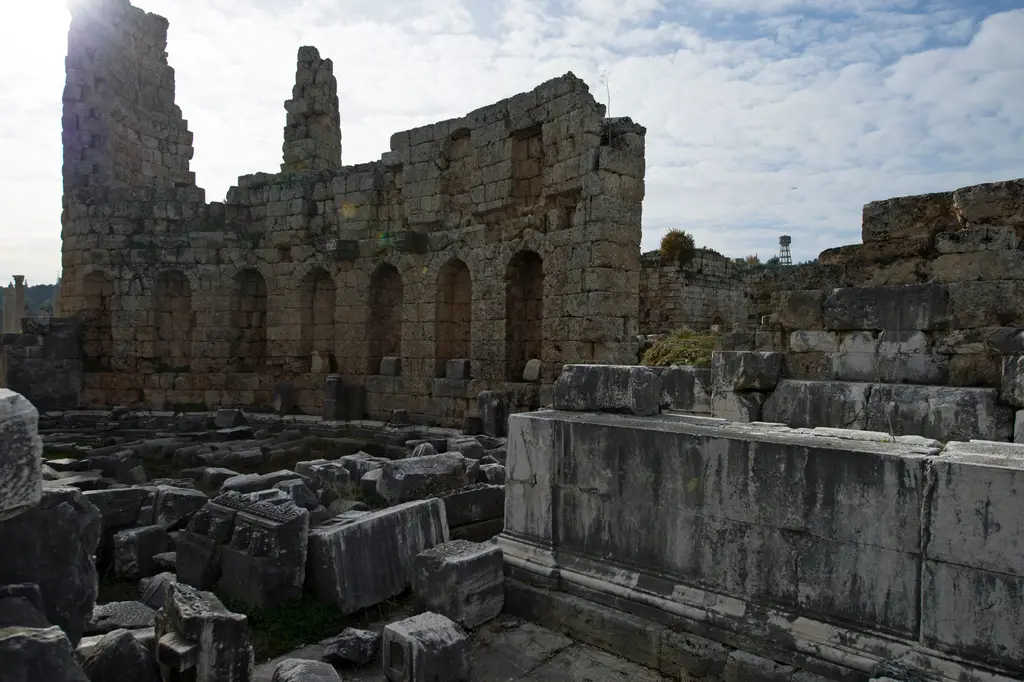
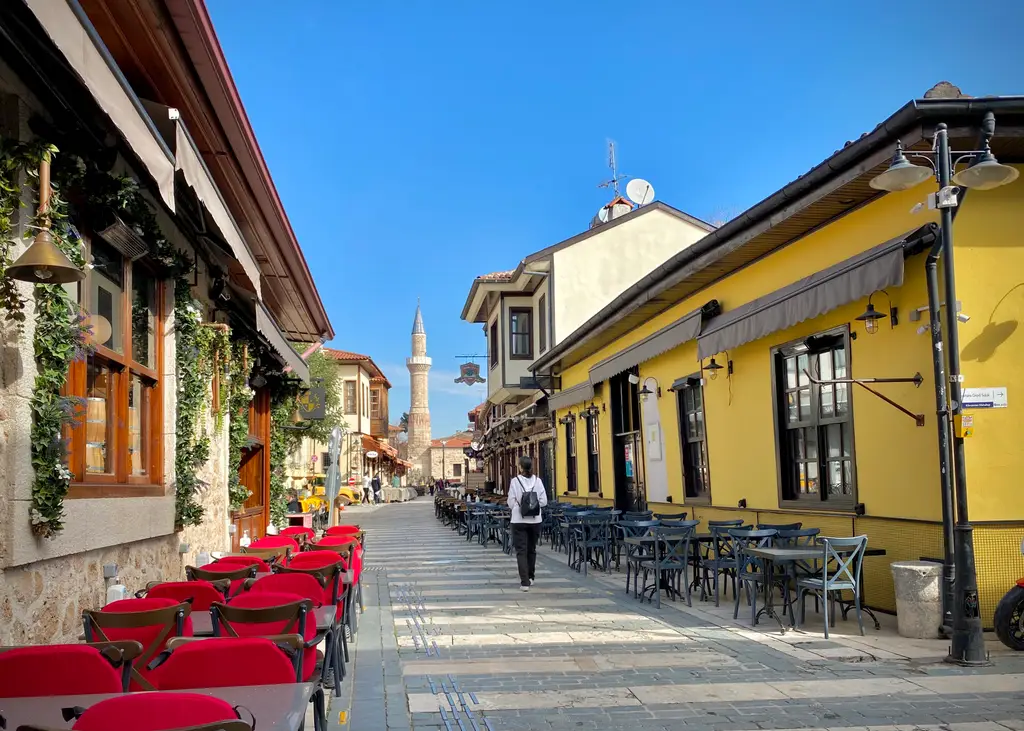
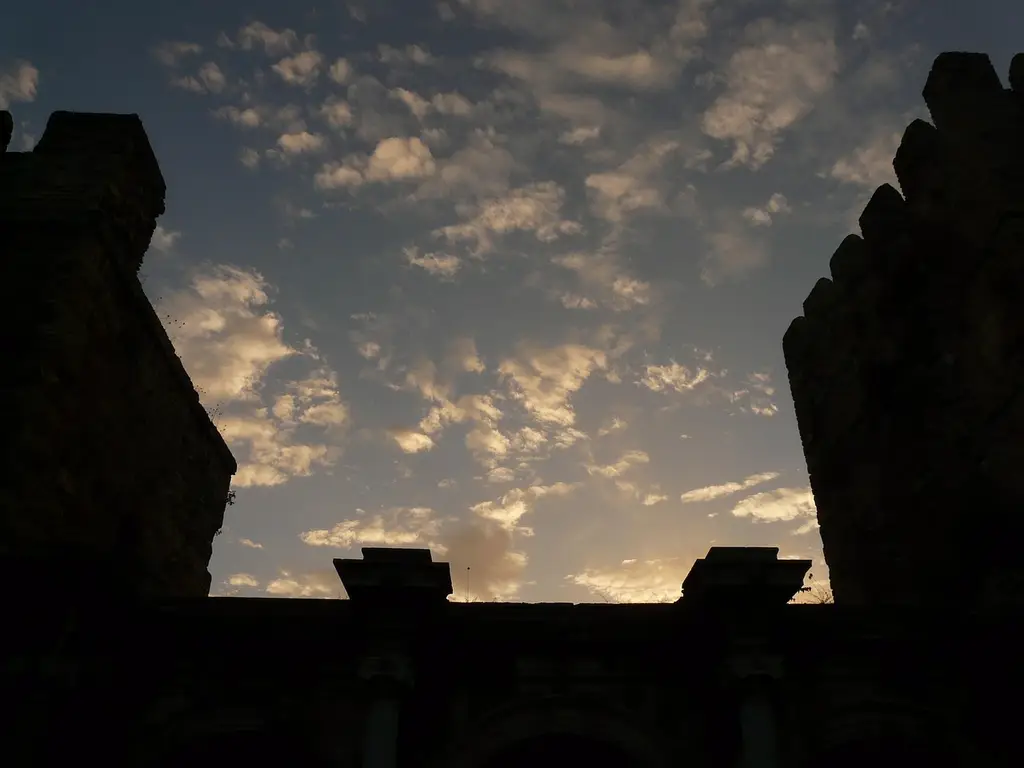
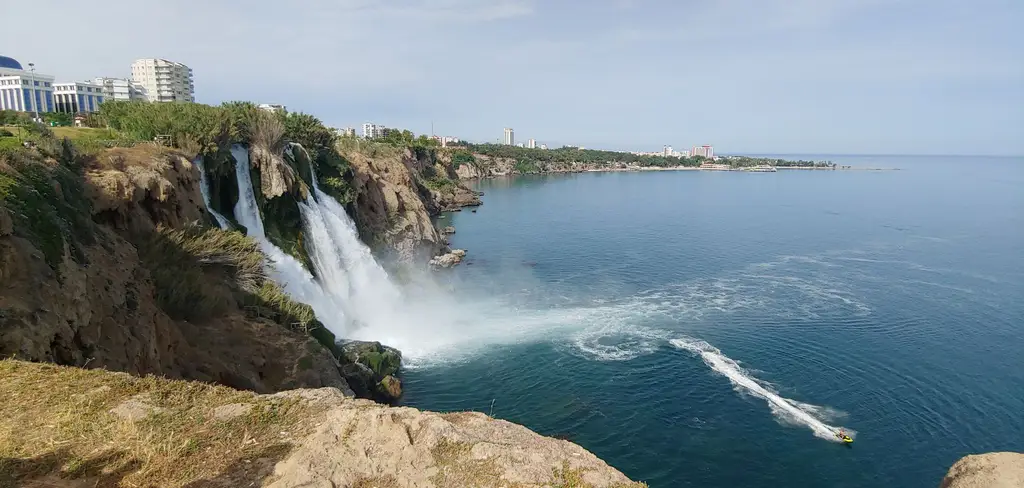
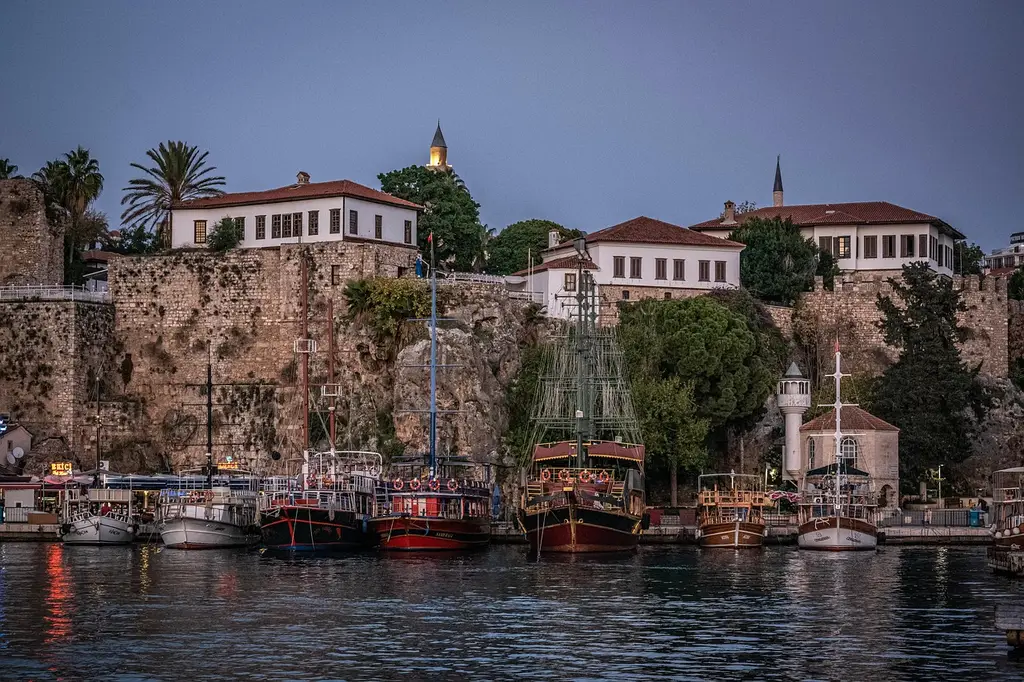
Antalya is Turkey's resort capital and its most misunderstood city for anyone arriving expecting only beach clubs. The old town, Kaleiçi, sits behind Roman and Ottoman walls above a working marina, its stone lanes largely closed to cars and lined with restored Ottoman houses now working as guesthouses and cafes. Hadrian's Gate, a 2,000-year-old triple arch, still stands on the same street it always has, unticketed and open to the air. Twenty minutes outside the center in either direction are two waterfalls that share a name and nothing else: one drops straight into the Mediterranean off a cliff at Lara, the other is a fenced inland park with walking trails around the falls at Kırkgöz. Neither takes more than an hour, and tour operators mix them up often enough that it is worth asking which one is on the itinerary. Antalya's real weight, though, is as a base. Aspendos has one of the best-preserved Roman theatres anywhere and is still an active performance venue. Perge is a full excavated city you can walk end to end. Termessos sits on a mountain with no road access, reached by a genuine hike, and rewards the people willing to make it. Further out, the coast toward Kaş and Kalkan and the ruins at Olympos turn Antalya into a base for the wider Turquoise Coast rather than a single stop. The city is heavily seasonal: expect it full and hot from June through September, and considerably quieter, cooler and cheaper from November to March, when parts of the tourist infrastructure scale back or close.
What I actually think
Antalya empties out from November through March in a way that surprises people who only know it as a summer resort city. The old town and the ruins stay open, but a good share of the beach clubs and boat operators along the coast shut down or cut back hours. That is fine if you want the sights without a crowd, but do not plan a July itinerary and try to run it in January.
The two Düden waterfalls get confused constantly, and it is not really the traveler's fault. The one that drops into the sea at Lara is free and takes twenty minutes. The inland one at Kırkgöz is a paid park with proper trails around the cascade. If a driver or tour only shows you one, ask which.
Termessos is the site most people skip, and it is the one that stays with you. The walk up from the parking area is real effort in the heat with no shade for most of it, and there is no bus that gets you there. It rewards exactly the people willing to make the climb.
Antalya without a car is Kaleiçi, the beaches, and whatever tour is running that day. With a car, or at least a driver for a day, the ancient sites and the coast toward Kaş open up completely. That gap is wider here than in most cities I have covered.
The Antalya Museum being closed for a full rebuild catches people out because half the guides online have not caught up. Check the current status before you build a day around it rather than assuming an old blog post is still accurate.
The old-town core: Kaleiçi, Hadrian's Gate, and one of the two waterfalls.
Day 1: Kaleiçi and the sea-cliff waterfall
Morning
Walk Kaleiçi's stone lanes while it's still cool, past Hadrian's Gate and down to the marina.
Afternoon
Short tram or taxi out to the Lower Düden Waterfall at Lara for the cliff-into-the-sea view, then back toward Konyaaltı for a beach stop.
Evening
Dinner in Kaleiçi near the marina, then a slow walk through the old town once the heat drops.
Tip: Wear shoes that handle uneven stone; Kaleiçi's streets are not flat pavement.
The old town, both waterfalls, and a day trip to Perge and Aspendos.
Day 1: Kaleiçi and Hadrian's Gate
Morning
Old town on foot, Hadrian's Gate, the marina.
Afternoon
Lower Düden Waterfall at Lara, then Konyaaltı beach for the rest of the afternoon.
Evening
Dinner in Kaleiçi.
Tip: Get an early start; the old town is far more pleasant before 10am in summer.
Day 2: Perge and Aspendos
Morning
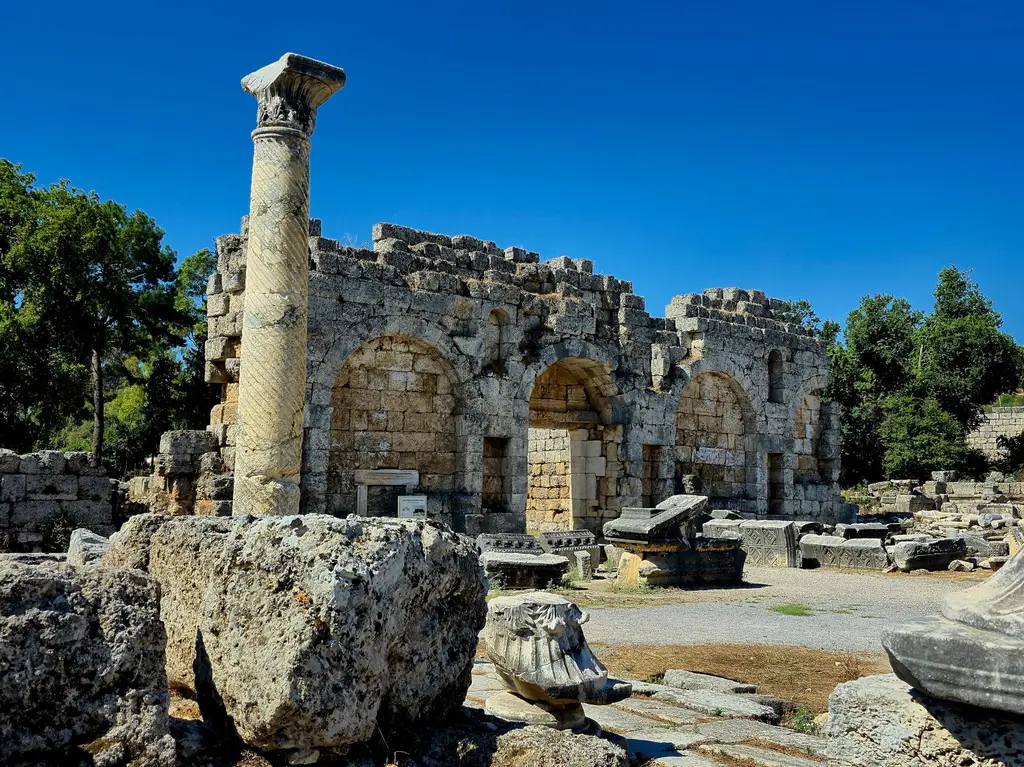
Drive or tour to Perge, about 20-25 minutes east, and walk the full excavated site.
Afternoon
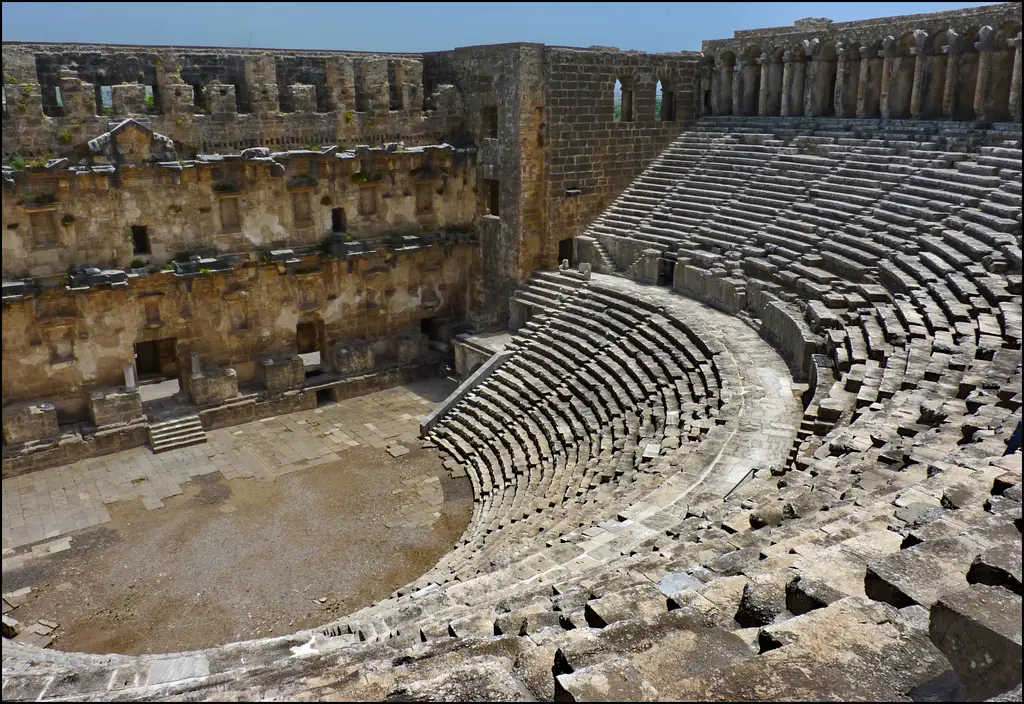
Continue to Aspendos for the Roman theatre, one of the best-preserved anywhere.
Evening
Back to Antalya for a quiet dinner.
Tip: Combine these two on one tour or rental car day rather than two separate trips.
Day 3: Upper Düden and rest
Morning
Upper Düden Waterfall park at Kırkgöz for the walking trails around the falls.
Afternoon
Free afternoon in Kaleiçi for shopping or another beach stop.
Evening
Final dinner near the marina.
Tip: This is the lighter day of the trip; use it to recover before departure.
The 3-day core plus Termessos and a first taste of the Turquoise Coast.
Day 1: Kaleiçi and Hadrian's Gate
Morning
Old town, Hadrian's Gate, the marina.
Afternoon
Lower Düden Waterfall, then Konyaaltı beach.
Evening
Dinner in Kaleiçi.
Tip: Start early to beat the heat.
Day 2: Perge and Aspendos
Morning
Perge's excavated city.
Afternoon
Aspendos theatre.
Evening
Dinner in Antalya.
Tip: One car or tour covers both comfortably in a day.
Day 3: Termessos
Morning
Drive to Termessos, about 30km, and make the climb up to the ruins.
Afternoon
Continue exploring the site; it has more ground to cover than Perge or Aspendos.
Evening
Back to Antalya, an easier dinner.
Tip: Bring more water than feels necessary; there's no shade on the climb.
Show all 5 days
Day 4: Day trip: Olympos and Çıralı
Morning
Drive southwest along the coast to the Olympos ruins, tucked in a river valley near the beach.
Afternoon
Çıralı's long beach and, if timed for evening, the Chimaera's natural flames on the hillside above.
Evening
Back to Antalya, or stay over in Çıralı if the flames viewing runs late.
Tip: The Chimaera flames are best seen after dark; check current access before committing to the round trip in one day.
Day 5: Upper Düden and departure prep
Morning
Upper Düden Waterfall park.
Afternoon
Free time in Kaleiçi for anything missed.
Evening
Final dinner.
Tip: Keep this day flexible as a buffer against an earlier day running long.
Full Antalya core plus a first stretch of the Turquoise Coast toward Kaş.
Day 1: Kaleiçi and Hadrian's Gate
Morning
Old town, Hadrian's Gate, the marina.
Afternoon
Lower Düden Waterfall, Konyaaltı beach.
Evening
Dinner in Kaleiçi.
Tip: Sort out a transit card on arrival.
Day 2: Perge and Aspendos
Morning
Perge.
Afternoon
Aspendos theatre.
Evening
Antalya dinner.
Tip: One tour or car day covers both.
Day 3: Termessos
Morning
Drive out and make the climb.
Afternoon
Explore the full site.
Evening
Antalya dinner.
Tip: Real shoes, real water.
Show all 7 days
Day 4: Upper Düden and beach day
Morning
Upper Düden Waterfall.
Afternoon
Konyaaltı or Lara beach, whichever suits your hotel base.
Evening
Free evening.
Tip: A deliberately lighter day after three intense ones.
Day 5: Toward Kaş: Kekova and the coast road
Morning
Drive the coast road southwest, roughly 3 hours depending on stops.
Afternoon
Kekova's sunken ruins by boat, or the coastal town of Kaş itself.
Evening
Overnight in Kaş rather than the long drive back.
Tip: This is a genuinely long day; an overnight makes it far less rushed than a round trip.
Day 6: Kaş and Kalkan
Morning
Explore Kaş, a quieter harbor town than Antalya's resort strip.
Afternoon
Short drive to Kalkan for its whitewashed hillside streets, or Kaputaş Beach between the two.
Evening
Dinner in Kaş or Kalkan before heading back toward Antalya.
Tip: Kaputaş Beach sits at the bottom of a steep staircase from the road; worth the stop, not a long visit.
Day 7: Return to Antalya and departure prep
Morning
Drive back to Antalya, roughly 3 hours.
Afternoon
Anything missed in Kaleiçi, or a final beach stop.
Evening
Final dinner, pack for departure.
Tip: Keep this day flexible in case the coast road took longer than planned.
Antalya's own sights do not fill two weeks. This uses the city as a base for the first week, then the wider Turquoise Coast and a Pamukkale trip for the second, with rest days built in.
Day 1: Kaleiçi and Hadrian's Gate
Morning
Old town, Hadrian's Gate, the marina.
Afternoon
Lower Düden Waterfall, Konyaaltı beach.
Evening
Dinner in Kaleiçi.
Tip: Sort out a transit card early.
Day 2: Perge and Aspendos
Morning
Perge.
Afternoon
Aspendos.
Evening
Antalya dinner.
Tip: One day, one car or tour.
Day 3: Termessos
Morning
Drive out, make the climb.
Afternoon
Full site exploration.
Evening
Antalya dinner.
Tip: No shade on the way up; plan accordingly.
Show all 14 days
Day 4: Upper Düden and rest
Morning
Upper Düden Waterfall.
Afternoon
Slow afternoon, Kaleiçi shopping.
Evening
Open.
Tip: Good day to do laundry and recover.
Day 5: Beach day
Morning
Open.
Afternoon
Konyaaltı or Lara, whichever fits your base.
Evening
Open.
Tip: By day five, an unplanned day matters more than another site.
Day 6: Day trip: Olympos and Çıralı
Morning
Drive to Olympos ruins.
Afternoon
Çıralı beach.
Evening
Back to Antalya, or the Chimaera flames if timing allows.
Tip: Check current access to the flame site before planning the evening around it.
Day 7: Rest day, end of week one
Morning
Open.
Afternoon
Anything missed in the city.
Evening
Open.
Tip: A full rest day here sets up the road trip week better than another site visit.
Day 8: Toward Kaş
Morning
Drive the coast road southwest, about 3 hours.
Afternoon
Kekova boat trip over the sunken ruins.
Evening
Overnight in Kaş.
Tip: This is the start of the second week's base change; pack for a few nights away from Antalya.
Day 9: Kaş
Morning
Explore the harbor town on foot.
Afternoon
Boat trip or a quiet beach day nearby.
Evening
Dinner in Kaş.
Tip: Kaş is smaller and calmer than Antalya's resort strip; treat it as the slow part of the trip.
Day 10: Kalkan and Kaputaş Beach
Morning
Drive to Kalkan, a short hop from Kaş.
Afternoon
Kaputaş Beach on the way, down the steep staircase from the road.
Evening
Dinner in Kalkan.
Tip: Kalkan's steep streets mean parking is awkward; expect to walk the last stretch.
Day 11: Return toward Antalya via Perge or a slow drive
Morning
Drive back toward Antalya.
Afternoon
Free afternoon back in the city, or a revisit to a favorite site.
Evening
Antalya dinner.
Tip: Treat this as a travel day; do not schedule anything demanding.
Day 12: Day trip: Pamukkale
Morning
Long drive or tour north to Pamukkale's white travertine terraces, roughly 3 hours each way.
Afternoon
Hierapolis ruins above the terraces.
Evening
Return to Antalya, or overnight near Pamukkale if the day feels too long as a round trip.
Tip: This is a full day of driving on top of the site visit; an organized tour or an overnight both beat a rushed round trip.
Day 13: Unhurried day in Antalya
Morning
Slow morning, coffee in Kaleiçi.
Afternoon
Revisit whichever neighborhood or site stood out most.
Evening
A proper final dinner near the marina.
Tip: Keep this day open rather than scheduled; two weeks of sightseeing earns a slow finish.
Day 14: Departure
Morning
Pack, last-minute shopping in Kaleiçi.
Afternoon
Transfer to Antalya Airport, roughly 25-40 minutes from the center.
Evening
Departure.
Tip: Build extra time into the airport transfer if traveling during peak summer traffic.
always open (public streets)·free to walk·2-4 hours
A walled Ottoman-era quarter above the marina, mostly car-free. Best walked slowly in the late afternoon when the stone streets stop radiating heat.
2
Hadrian's Gate
always accessible (open-air street monument)·free·10-15 minutes
A triple-arched Roman gate from around 130 CE, restored in 1959, with a glass panel showing the original road surface underfoot. Easy to walk past without noticing; it sits mid-street on Atatürk Caddesi.
3
Lower Düden Waterfall (Karpuzkaldıran, Lara)
park open 24 hours·free·20-40 minutes
Falls drop about 40m straight into the Mediterranean, viewed from clifftop terraces at Lara. This is the dramatic sea-cliff waterfall people picture; it is not the same location as the inland Düden park.
4
Upper Düden Waterfall (Düden Şelalesi, Kırkgöz)
8am-7pm (Apr-Oct), 8am-6pm (Nov-Mar)·paid entry, roughly TRY 70+ as of 2025, likely higher by now; check current rate on arrival·1-1.5 hours
An inland fenced park about 10km from the sea-cliff falls, with walkways that go behind and around the cascade. Confirm with any driver or tour which of the two Düden falls you're being taken to.
5
Antalya Museum (Antalya Müzesi)
closed to visitors·N/A while closed·N/A
Closed closed indefinitely, rebuild targeted for late 2026N/A
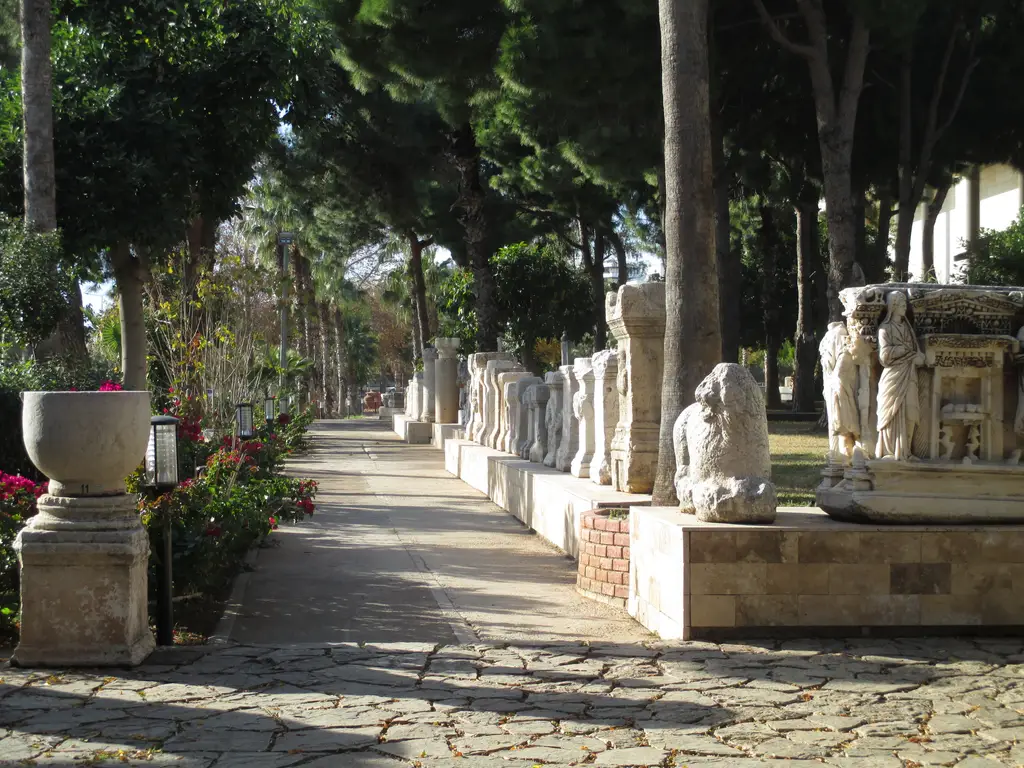
The building was demolished in September 2025 over seismic risk and is being rebuilt; a completion date of late 2026 has been announced but not confirmed on site. Many older guides still list it as open. Check the official page before planning around it.
8am-9pm (summer season, 1 May-1 Oct 2026); winter hours not published·EUR 15 for foreign visitors (roughly TRY 850 at Sept 2026 rates); Müzekart applies for Turkish citizens·1-1.5 hours
Closed none, open daily; night visiting (7-10pm, June-Oct) is suspended Tuesdays and Fridays when the theatre is reserved for performanceswalk in, or as part of an organized tour
About 40km east of Antalya, 40-50 minutes by car, no useful public transit option for most visitors. One of the best-preserved Roman theatres anywhere and still an active venue for the Aspendos Opera and Ballet Festival.
Nine-minute cable car ride to the summit of Tünektepe, about 1,500m up, with panoramic views of Antalya and the Mediterranean. Straightforward and reliable, not overhyped. Go on a clear day, the haze common in summer afternoons kills the view.
Tahtalı Mountain glass cable car
as of 2026-09
Viral
Glass-enclosed cable car to the 2,365m summit of Tahtalı Mountain near Kemer, with views over Beydağları Coastal National Park and the coast. The glass cabin is the draw and it is genuinely a good view, but it's weather dependent, wind closures happen. Check the day's status before booking, don't buy in advance on a windy forecast.
Kaleiçi old town walk
as of 2026-09
Viral
Antalya's walled old town, Ottoman-era streets, the marina harbor and Hadrian's Gate, now dense with boutique hotels and cafés. This has staying power because it's a neighbourhood, not a stunt. Go in the evening when the heat breaks, daytime is crowded with tour groups.
Düden Waterfalls
as of 2026-09
Viral
Two waterfall sites (upper and lower Düden) where the Düden River drops through the Taurus foothills, the lower falls tumbling straight into the sea. The lower falls, visible from a boat or the cliff-top park, are the more striking of the two. Skip it in peak summer midday, it's mobbed with tour buses.
Perge and Aspendos ancient sites
as of 2026-09
Viral
Two well-preserved Roman-era sites east of the city: Perge's colonnaded streets and stadium, and Aspendos's amphitheatre, one of the best-preserved Roman theatres anywhere, still used for the Aspendos Opera and Ballet Festival. Genuinely worth a half or full day if you care about ancient history at all, the Aspendos theatre in particular is not overhyped, it's just quietly excellent. Combine both in one tour, they're close together.
Konyaaltı Beach and seaside park
as of 2026-09
Viral
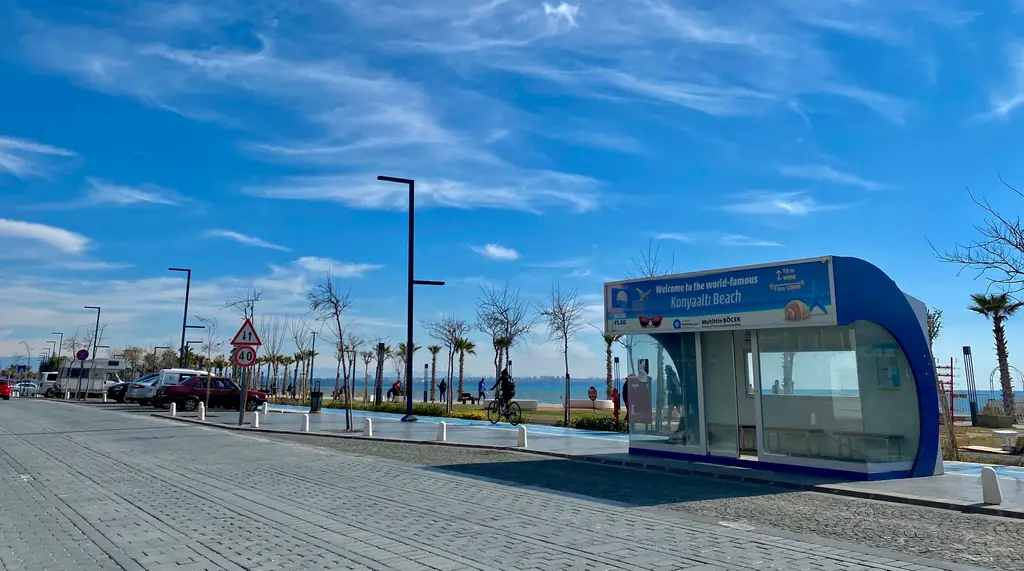
Long pebble beach and park west of the city center, with walking and cycling paths, cafés and views back toward the Taurus Mountains. Solid city beach, not a bucket-list one, pebbles not sand, bring water shoes. Good for an easy afternoon without leaving town.
More to see (3)
7
Perge (Perga)
8am-8pm (summer season, 1 May-1 Oct 2026); winter hours not published·EUR 11 for foreign visitors (roughly TRY 620 at Sept 2026 rates); Müzekart applies for Turkish citizens·1.5-2 hours
walk in, or as part of an organized tour
About 15km east of Antalya, the closest of the three big ancient sites and the easiest to combine with Aspendos on the same day. A full excavated city: colonnaded main street, agora, stadium.
8am-7pm (summer season, 1 May-1 Oct 2026); ticket booth closes at 5pm; winter hours not published·EUR 3 for foreign visitors (roughly TRY 170 at Sept 2026 rates); Müzekart applies for Turkish citizens·2-3 hours
walk in, but requires your own transport
About 30km northwest via the D350, inside a national park at roughly 1,000m elevation. No bus reaches the ruins; from the parking area it's a genuine uphill walk with no shade. Bring water and real shoes.
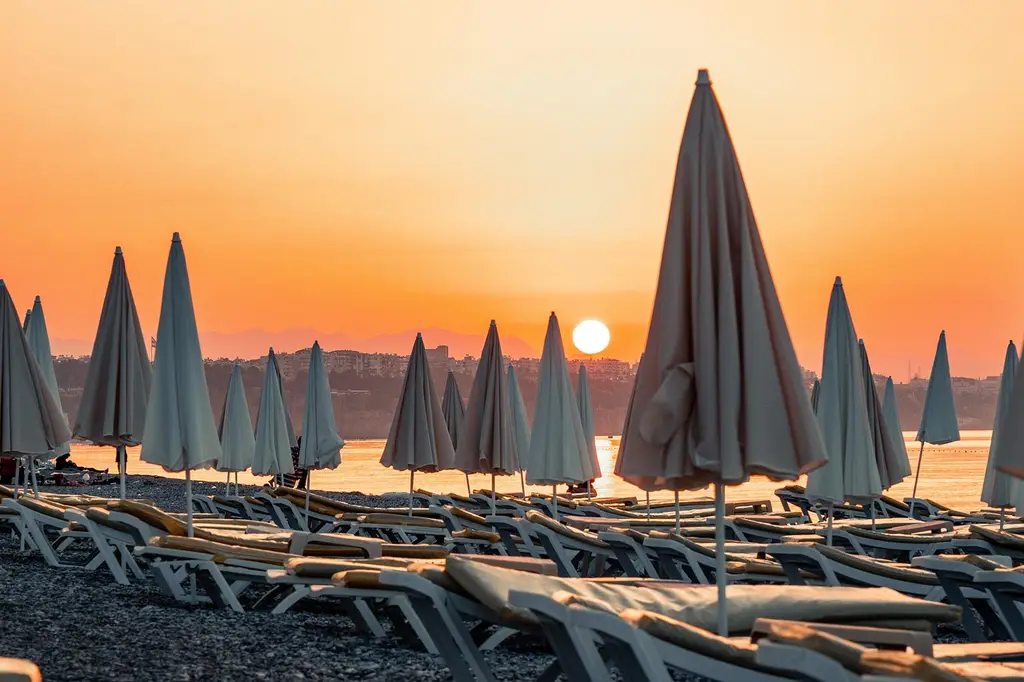
Long pebble beach backed by a park and promenade, a short tram ride from Kaleiçi. Free public stretches sit alongside paid loungers; most beach-club operations scale back or close November-March.
Where to stay
Kaleiçi (old town)
Suits: first-timers who want to walk everywhere
Restored Ottoman houses turned guesthouses, close to Hadrian's Gate and the marina, the most atmospheric and most expensive base.
Konyaaltı
Suits: travelers prioritizing the beach and a long promenade
Pebble beach, cafes and parkland along the shore, a short tram ride from Kaleiçi rather than a walk.
Lara
Suits: resort-style stays and families
Sandy beach and larger hotel blocks further from the old town, better for people who want to stay put.
Muratpaşa / Şirinyalı
Suits: value and local feel
Ordinary residential Antalya a short ride from the sights, cheaper than Kaleiçi with none of the old-town premium.
Belek
Suits: golf and all-inclusive resort trips, not city sightseeing
About 30-35km east of the city; a different kind of trip entirely, built around resort compounds rather than Antalya itself.
Getting there and around
Getting there
Antalya Airport (AYT) sits 13km northeast of the city center and handles the vast majority of arrivals; a taxi or Havaş shuttle bus covers the transfer in roughly 25-40 minutes depending on traffic. There is no rail link to Antalya at all, high-speed or otherwise, so the alternative to flying is a long intercity bus (10-12 hours from Istanbul) or a domestic flight from Istanbul (about 1h15m).
Getting around
Central Antalya, including Kaleiçi, is walkable and largely pedestrianized. Beyond that, the city runs on a bus network plus the AntRay tram line, which connects the airport to the center and out toward Konyaaltı; both use a rechargeable transit card sold at kiosks and stations rather than cash fares. Kaleiçi to Konyaaltı or Lara beach is a short tram or bus ride, not a walk. Everything outside the city itself (the waterfalls, the ancient sites, the coast toward Kaş) realistically needs a rental car, taxi, or organized tour, since public transit thins out fast once you leave the urban core.
A mid-range day: TRY 4,000 hotel room in Konyaaltı or Kaleiçi (split or solo), TRY 400 on tram and bus rides, TRY 70+ entry to the Upper Düden park, TRY 1,000 seafood lunch near the marina, TRY 500 tea and dessert in the old town, TRY 1,000 dinner. Runs close to TRY 7,000-7,500 without a day-trip tour added on.
Money savers
Kaleiçi's streets, Hadrian's Gate, and the Lower Düden Waterfall at Lara are all free; save paid entries for the ancient sites
The transit card pays for itself after 2-3 tram or bus rides and avoids cash fares entirely
Public Konyaaltı beach sections next to the paid sunbed rows cost nothing but the sand
Combining Aspendos and Perge in one organized day tour is cheaper than two separate taxi trips
Sunday-Thursday hotel rates in Kaleiçi and Konyaaltı typically run lower than Friday-Saturday
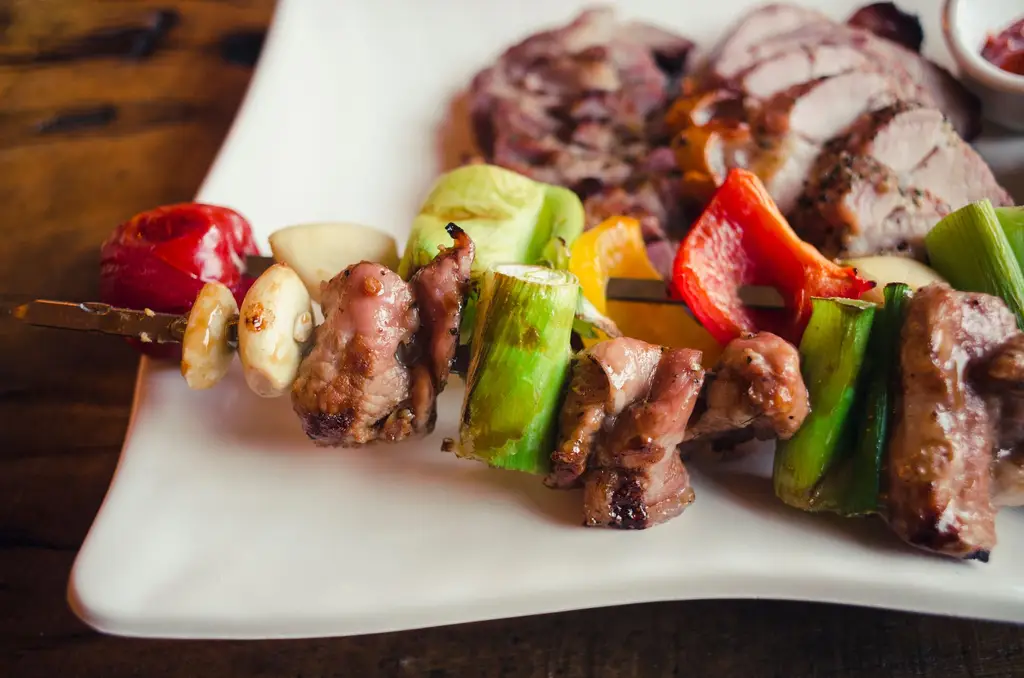
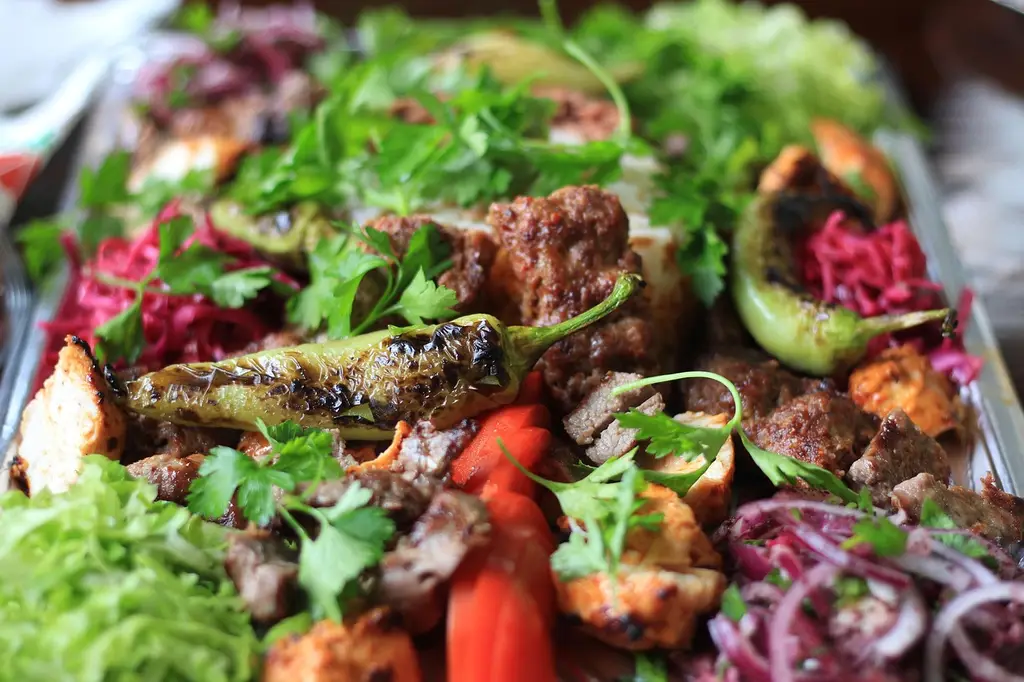
Antalya's food is the everyday version of Turkish kebab culture rather than a display, and that is its strength. Esnaf lokantas around Kaleiçi and Muratpaşa serve şiş and tandır kebabı without ceremony, at prices locals actually pay. Piyaz, a cold white-bean salad with tahini and boiled egg, is the one dish that reads as specifically Antalyan rather than generic Turkish. The coast adds fresh seafood priced by weight, worth asking about before ordering a whole fish. Künefe is best eaten late in a small Kaleiçi side-street cafe rather than the main tourist strip, where quality drops. Halal is standard and alcohol is easy to find along the marina.
TRY 280-500·esnaf lokantas throughout Kaleiçi and downtown Muratpaşa
Must try
Simple grilled skewered meat, the everyday version of Turkish kebab rather than the tourist-menu version, usually served with rice, salad and grilled peppers.
Tandır kebabı
TRY 300-550·esnaf lokantas around Kaleiçi and Muratpaşa
Slow-cooked lamb, tender enough to pull apart with a fork, a heavier alternative to şiş on the same menus.
Piyaz (Antalya bean salad)
TRY 120-220·traditional restaurants in Kaleiçi
Must try
A cold white-bean salad with tahini and boiled egg, a regional specialty rather than a generic Turkish side, worth ordering even as a starter alone.
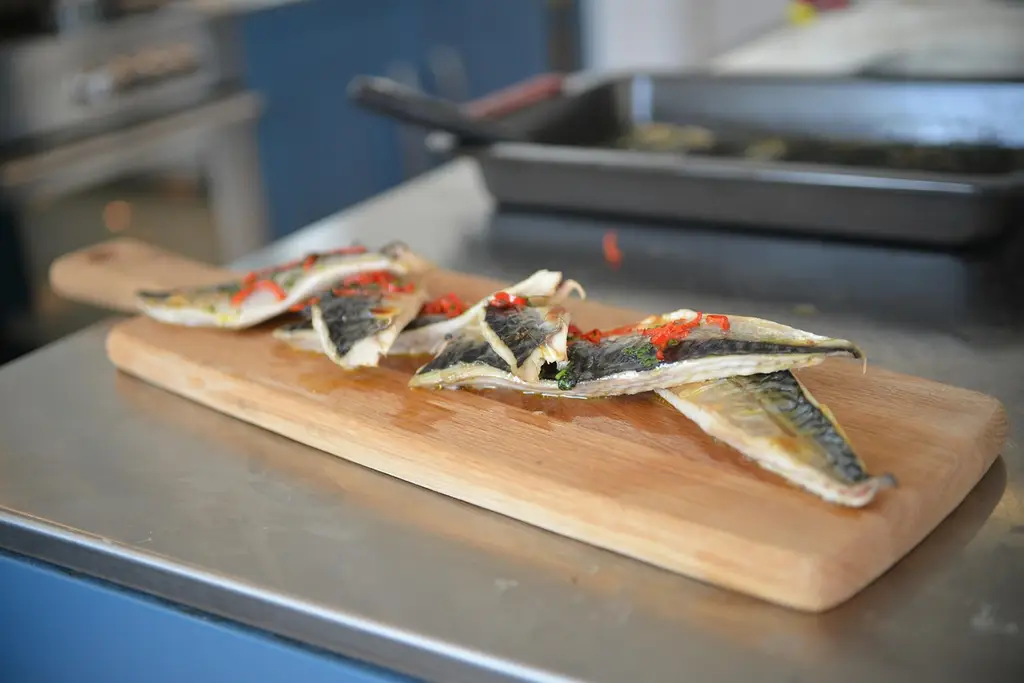
Fresh seafood
TRY 800-2,000 per kg depending on fish·restaurants along the Kaleiçi marina and the Konyaaltı seafront
Priced by weight at most places, ask before ordering whole fish since prices vary a lot by season and catch.
Künefe
TRY 150-300·cafes throughout the old town, best in smaller Kaleiçi side streets
Must try
A warm cheese pastry soaked in syrup, usually eaten late, best in the smaller Kaleiçi side-street cafes rather than the main tourist strip.
Turkish tea in Kaleiçi
TRY 30-70·old town courtyards and rooftop cafes
The default way to close out a meal or break up a day of walking the old walls, cheap and constant.
Orange and citrus produce
TRY 20-50 per kg at market·local markets (pazar) around the city, seasonal
Antalya's surrounding plain grows much of Turkey's citrus; a market visit in winter turns up oranges and mandarins at a fraction of restaurant fruit prices.
Kaleici restaurant district
as of 2026-09
Viral
Antalya's old walled town, now dense with restaurants ranging from meyhane-style Turkish taverns to upscale spots like Seraser, alongside tandir kebab specialists. This is a real, ongoing shift as the old town keeps adding restaurants, not one viral name. The catch is tourist density makes it easy to end up somewhere mediocre, so it still rewards asking a local rather than walking in blind.
Foodfest Antalya Gastronomy Festival
as of 2026-09
Viral
The 5th edition ran May 8-10, 2026 at Karaalioglu Park, with chefs including Refika Birgul and Mehmet Akdag, tastings, and a focus on Antalya's 19 protected local products. An established annual event with growing scale. Good seasonal peg for a reader planning around next May.
Sea-view chef-driven dining wave
as of 2026-09
Viral
Multiple 2026 dining guides describe Antalya's restaurant scene leaning into upscale sea-view venues built around a named chef's concept. This is guide-level chatter, not one verified new opening. Treat it as a trend to watch, not a single address to name.
Tahinli piyaz
as of 2026-09
Viral
Antalya's own version of piyaz, a white bean salad dressed with tahini instead of vinegar, was ranked among the world's best salads by TasteAtlas in July 2026. Order it as a side with şiş köfte, that pairing is the actual local meal, not a tourist plate.
Şiş köfte
as of 2026-09
Viral
Grilled skewered meatballs are Antalya's signature grilled meat dish, sold at neighborhood ocakbaşı spots across the city rather than concentrated in one district. Cheap, consistent, and the thing locals actually order on a weeknight.
Safety and scams
Antalya is safe by most measures, with low rates of violent crime against tourists. The real risks are heat exhaustion in summer (30-35C with humidity), petty theft in crowded beach and market areas, and the occasional taxi that avoids the meter with visitors, so ask for it or agree a price first. Sidewalks and crossings outside the old town can be uneven or poorly signed for pedestrians; take care around traffic.
Common mistakes
Assuming the Antalya Museum is open; it has been closed and under rebuild since 2025
Confusing the sea-cliff Düden Waterfall at Lara with the inland park version at Kırkgöz
Trying to reach Termessos without a car or tour; there is no bus to the site itself
Visiting in peak July-August without accounting for the heat and humidity
Booking a winter trip expecting full beach-club and boat-tour operations; much of that scales back November-March
Underestimating the distance to Kaş or Kalkan and trying to squeeze them into a rushed half-day
Frequently asked questions
How many days do you need in Antalya?
Two to three days covers the old town, the waterfalls, and one ancient-site day trip. Five to seven days lets you add Termessos and a stretch of the Turquoise Coast toward Kaş. Antalya alone is not a two-week destination; longer stays work better built around the wider coast and inland day trips.
Is the Antalya Museum open?
No. The building was demolished in September 2025 over seismic risk and is being rebuilt, with a completion date of late 2026 announced but not confirmed on site. Check the official listing before planning a visit.
What's the difference between the two Düden waterfalls?
The Lower Düden Waterfall at Lara drops straight into the Mediterranean off a cliff and is free to view. The Upper Düden Waterfall at Kırkgöz is an inland fenced park about 10km away with paid entry and walking trails around the cascade. They are not the same site and not walkable between.
Can you get to Antalya by train?
No. Antalya has no connection to Turkey's rail network, high-speed or otherwise; it's one of the country's largest metro areas without one. Getting there means flying into Antalya Airport, taking a long intercity bus, or flying to Istanbul and connecting.
Is Antalya worth visiting in winter?
Yes for the old town, the ancient sites and the waterfalls, all of which run year-round. No for a beach holiday; sea temperatures drop too low to swim comfortably and a large share of beach clubs and boat tours scale back or close from November to March.
Do Canadians need a visa for Turkey?
Yes, an e-Visa purchased in advance through the official government portal, good for stays up to 90 days within a 180-day period. Avoid third-party sites that charge extra fees and aren't the official government channel; your passport also needs at least 150 days validity from your entry date.
How do you get from Antalya to Aspendos, Perge and Termessos?
Perge is about 15km east, Aspendos about 40km east, and Termessos about 30km northwest. All three are realistically a rental car, taxi or organized tour; public transit options are thin or nonexistent, especially for Termessos, which requires a walk up from the parking area with no bus service at all.
Is Antalya a good base for the Turkish Riviera?
Yes, for the first stretch. Kaş and Kalkan are 3-3.5 hours by road and work best with an overnight rather than a round trip in one day. For a longer regional trip, Antalya anchors the start and end of a route that can extend to Olympos, Çıralı and further along the coast.
Is Antalya safe?
Yes, by most measures, with low rates of violent crime against tourists. The practical risks are heat in summer, petty theft in crowded beach and market areas, and the occasional taxi avoiding the meter with visitors.
What is the best time to visit Antalya?
April-May and late September-October give warm, swimmable weather without the peak-summer heat and crowds. July-August regularly hits 35C with high humidity. November-March is mild and workable for sightseeing but too cool to swim, with reduced beach and boat-tour operations.