Things to Do in London: Itineraries, Costs and Food
A city large enough to need a week, with more free world-class museums than almost anywhere else on earth.
By Labeeb Mirza · Published September 8, 2026 · Updated September 8, 2026
Best timeMay to Jun
Daily budget (mid)GBP 160
Ideal length3 days
CurrencyGBP
Overview
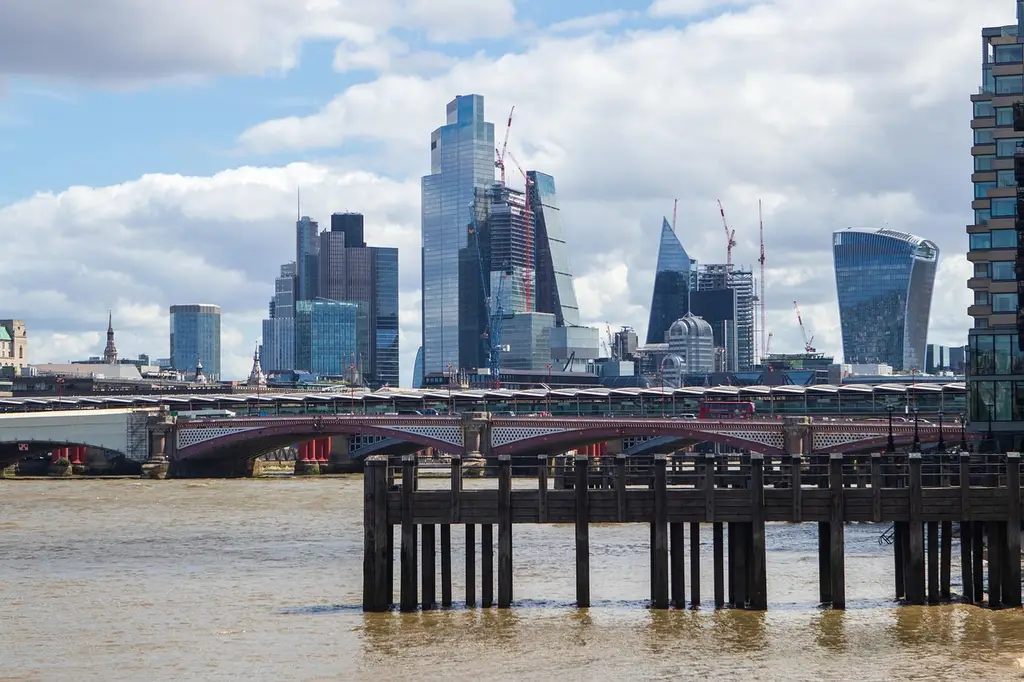
London is not one city so much as a collection of former towns and villages that grew into each other, which is why two neighbourhoods ten minutes apart can feel like different countries. The centre runs on the Thames as its spine: Westminster and the South Bank on either side, the City's medieval street plan and glass towers to the east of that, and beyond it Shoreditch, Hackney and the whole eastern half doing something younger and scrappier. West London (Notting Hill, Kensington) is quieter and more moneyed. What surprises first-time visitors most is how much of the best of it costs nothing: the British Museum, National Gallery, Tate Modern, Tate Britain, the Natural History Museum, the Science Museum and the V&A are all free for general admission, a deliberate, long-standing UK policy that changes the maths of a trip completely. What isn't free is transport within the sprawl (though contactless tap-in keeps it simple) and, especially, a bed to sleep in; London's accommodation prices are near the top of Europe's major cities. The weather is milder than its reputation suggests, less relentlessly grey than people expect and rarely brutally cold, but rain is a live possibility in any month, so plan around a compact umbrella rather than a forecast.
What I actually think
The free national museums are the single biggest thing people underestimate about London. You can build a genuinely world-class few days here without paying a single entry fee, which changes how I'd budget a trip here versus almost anywhere else in Europe.
The Tube is faster than most visitors expect but the walking between platforms at bigger interchange stations (Bank, King's Cross) eats more time than the journey itself. I'd rather take one extra stop over ground on foot than transfer through Bank.
London's reputation for constant grey drizzle is overstated. What actually catches people out is how fast the weather changes within one afternoon, not how bad it is on average, so a compact umbrella beats checking the forecast obsessively.
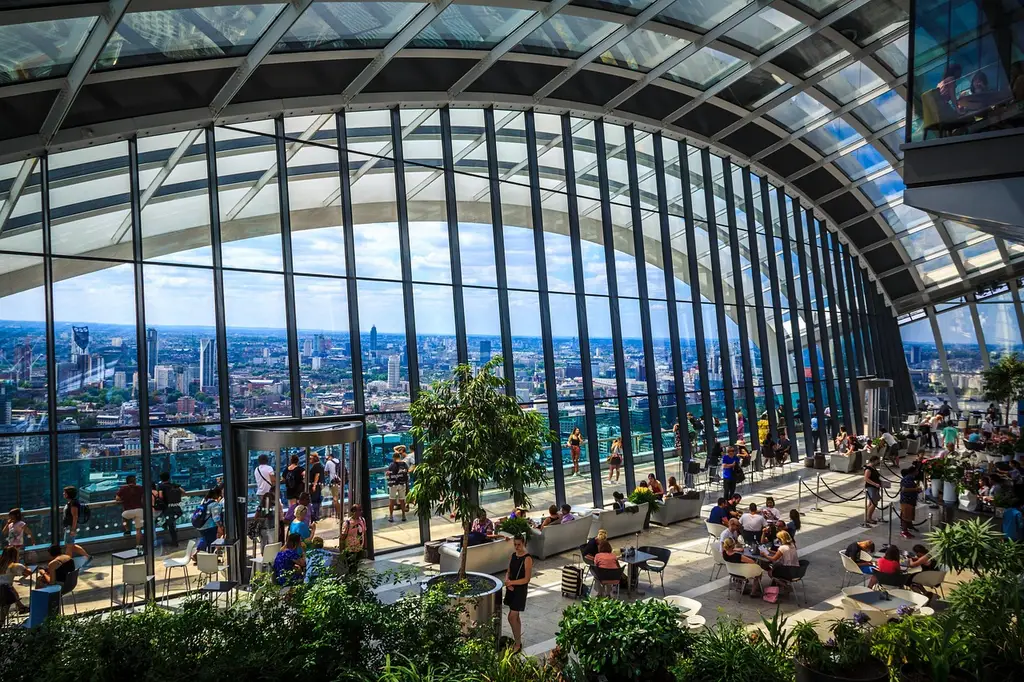
Sky Garden over the London Eye, every time I've compared them. It's free if you book ahead, the view includes the Eye itself and St Paul's, and most visitors never book the ticket because they don't realise it's not automatically a restaurant reservation.
The city rewards picking two or three neighbourhoods properly over trying to cover the whole map. I get more out of a slow morning in one area than a checklist day hitting five postcodes.
The essential axis: Westminster in the morning, the South Bank at midday, a free viewpoint at dusk.
Day 1: Westminster to the South Bank
Morning
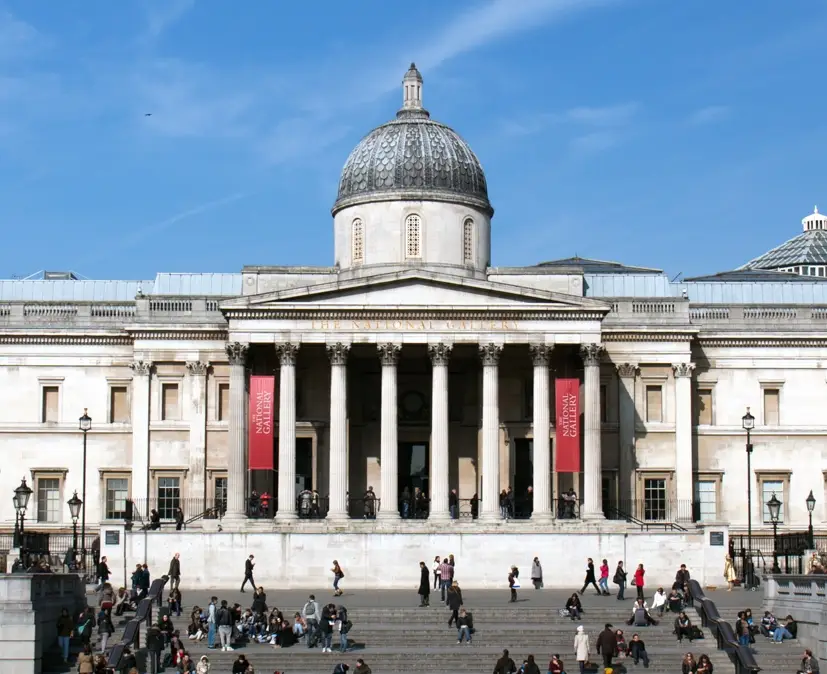
Start at Westminster Abbey or just admire it and the Houses of Parliament from outside, then walk along Whitehall toward Trafalgar Square and a quick pass through the free National Gallery.
Afternoon
Cross the river to the South Bank, walk to Borough Market for lunch, then the Tate Modern's free collection and viewing level.
Evening
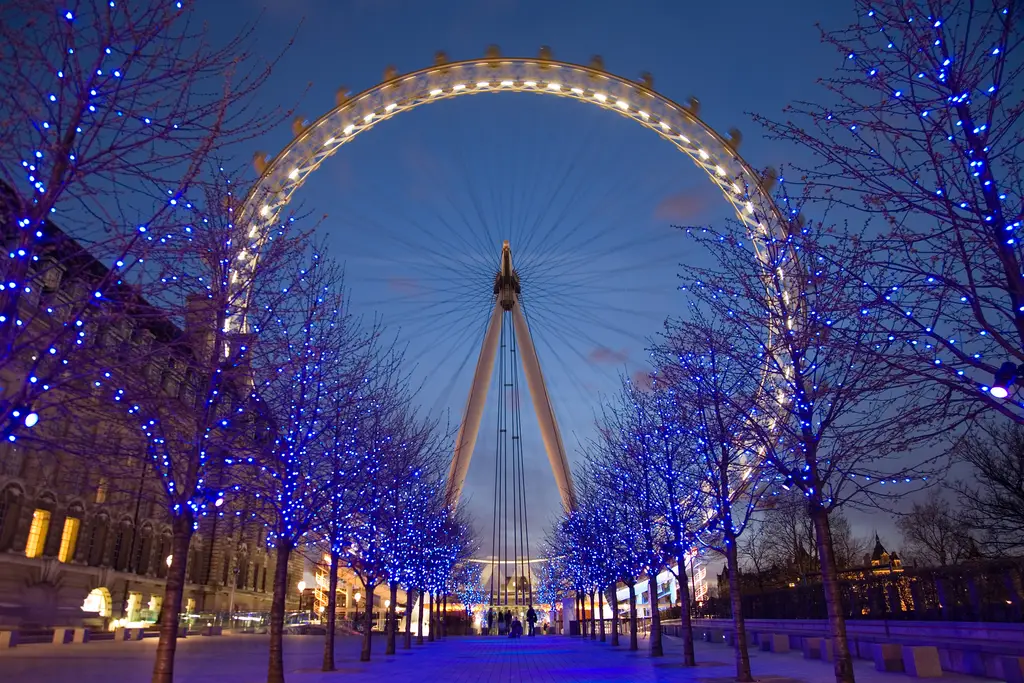
Book a Sky Garden slot in advance for sunset, or take the London Eye if you'd rather be in the view than looking at it.
Tip: Book Sky Garden and any Tower of London slot before you land; same-day availability is unreliable.
Add the City and Tower on day two, then museums and a different neighbourhood on day three.
Day 1: Westminster to the South Bank
Morning
Westminster Abbey and Parliament Square, then Trafalgar Square and the National Gallery.
Afternoon
South Bank walk to Borough Market for lunch, then the Tate Modern.
Evening
Sky Garden or the London Eye for a sunset view over the river.
Tip: This is the busiest tourist axis in the city; start early to beat the crowds at each stop.
Day 2: The City and the Tower
Morning
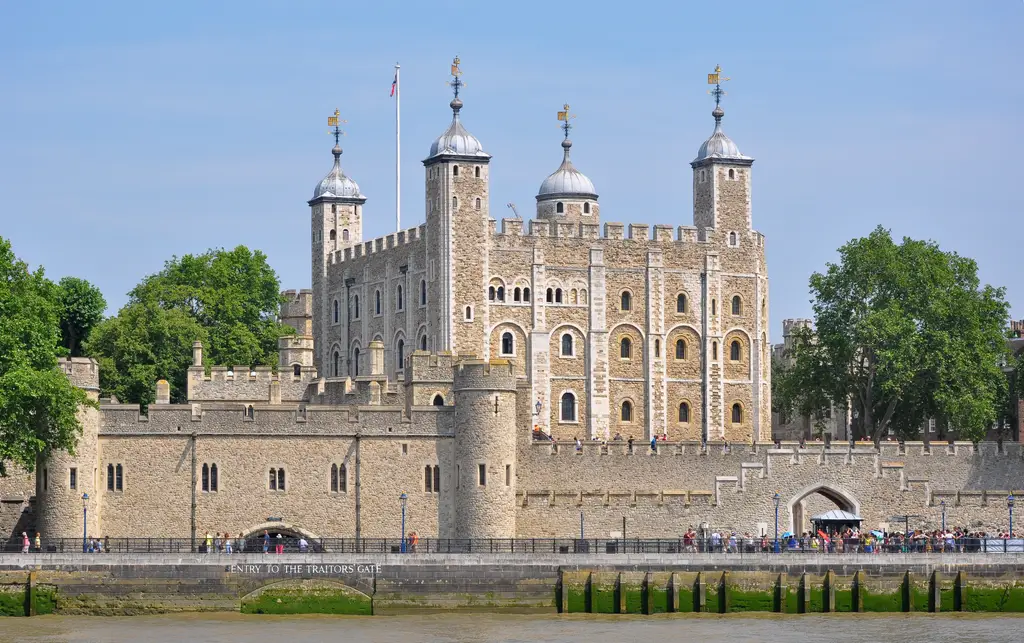
Tower of London at opening for the Crown Jewels before the queues build.
Afternoon
Walk Tower Bridge, then into the City's older streets around St Paul's Cathedral.
Evening
Shoreditch for dinner and a look at the street art around Brick Lane.
Tip: The City empties out on weekends since it's mostly offices; weekday visits feel busier but more alive.
Day 3: Museums and Notting Hill
Morning
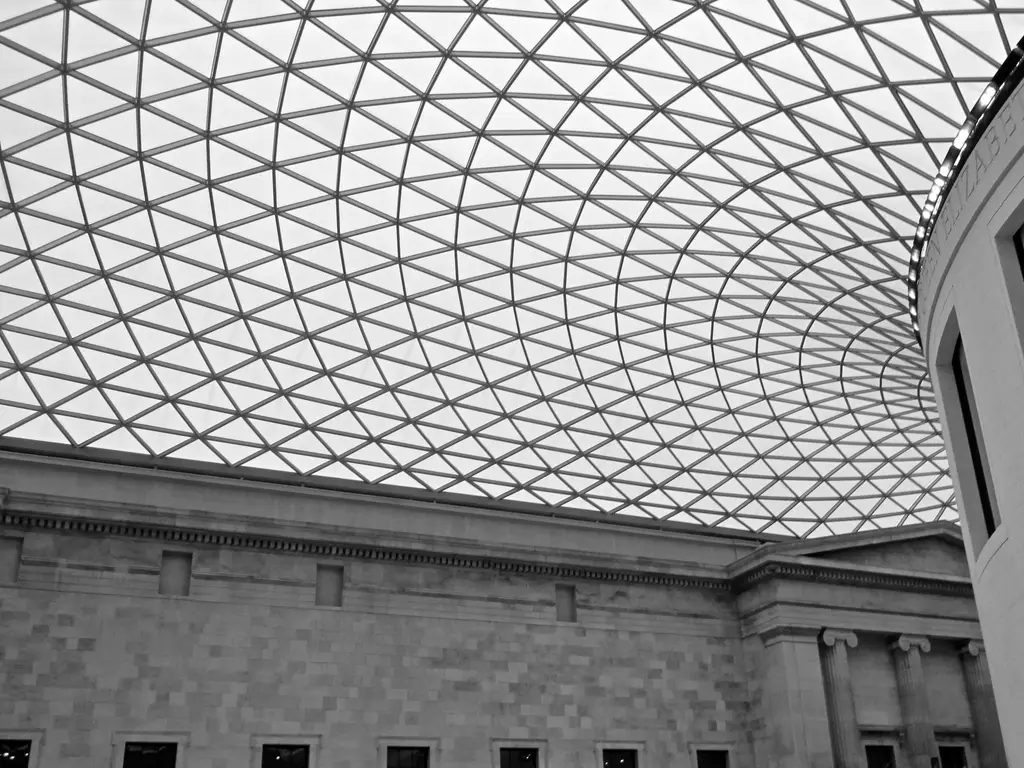
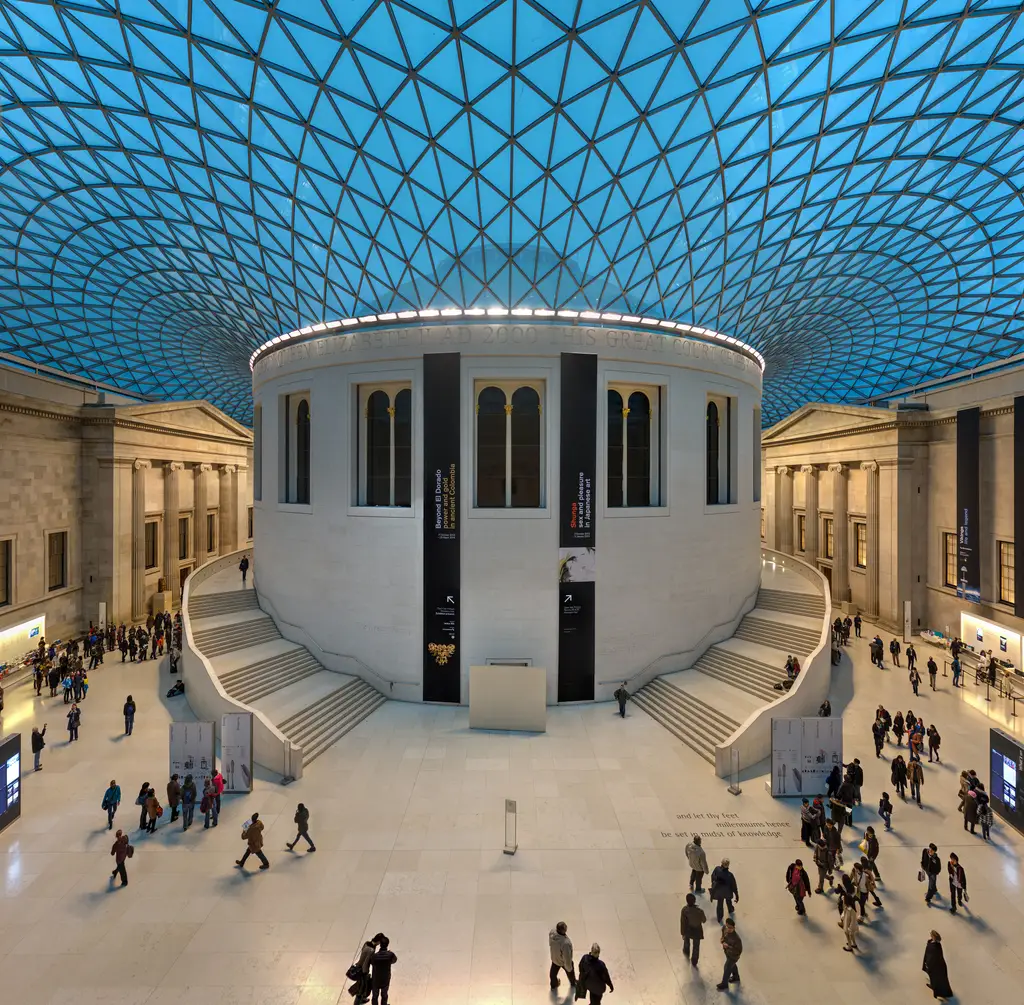
British Museum, picking one or two wings rather than trying to cover it all.
Afternoon
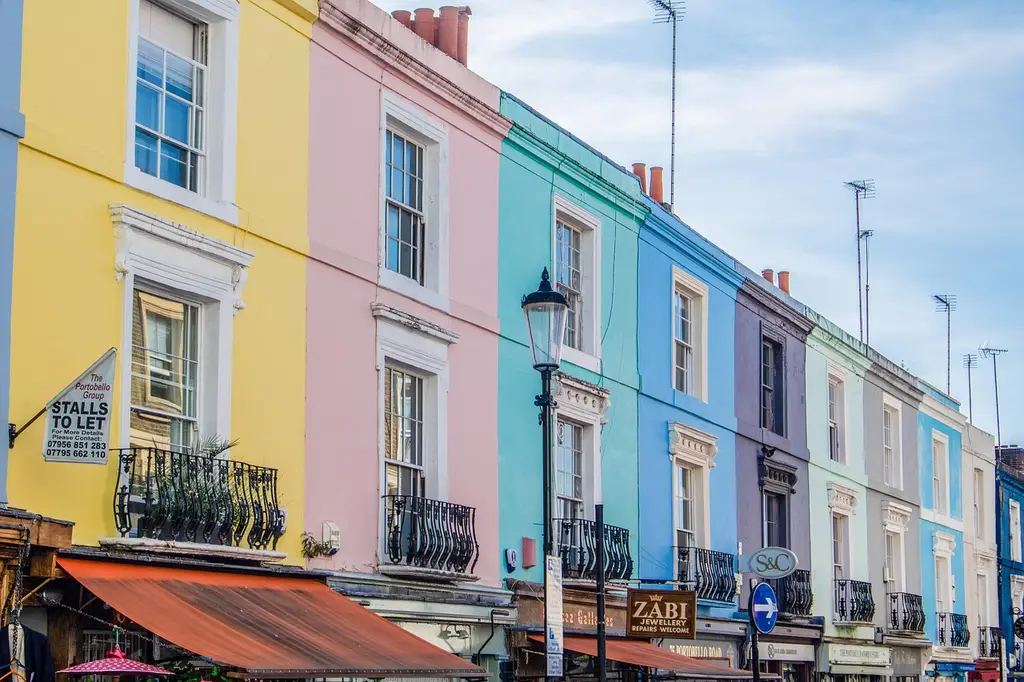
Notting Hill and Portobello Road for a slower, residential contrast to the centre.
Evening
Dinner in Notting Hill or back toward Soho for a wider choice.
Tip: Portobello Market is busiest and most complete on Saturdays; other days it's much quieter.
The 3-day core plus Greenwich and a slower, museum-and-parks day.
Day 1: Westminster to the South Bank
Morning
Westminster Abbey and Parliament Square, then Trafalgar Square and the National Gallery.
Afternoon
South Bank walk to Borough Market for lunch, then the Tate Modern.
Evening
Sky Garden or the London Eye for a sunset view over the river.
Tip: Start early; this axis gets crowded by mid-morning.
Day 2: The City and the Tower
Morning
Tower of London at opening for the Crown Jewels.
Afternoon
Tower Bridge, then St Paul's Cathedral and the City's older streets.
Evening
Shoreditch for dinner and street art around Brick Lane.
Tip: Weekdays feel busier but more alive in the City; weekends are quiet.
Day 3: Museums and Notting Hill
Morning
British Museum, one or two wings only.
Afternoon
Notting Hill and Portobello Road.
Evening
Dinner in Notting Hill or Soho.
Tip: Portobello Market peaks on Saturdays.
Show all 5 days
Day 4: Greenwich day trip
Morning
DLR or river boat to Greenwich, the Royal Observatory and the Prime Meridian line.
Afternoon
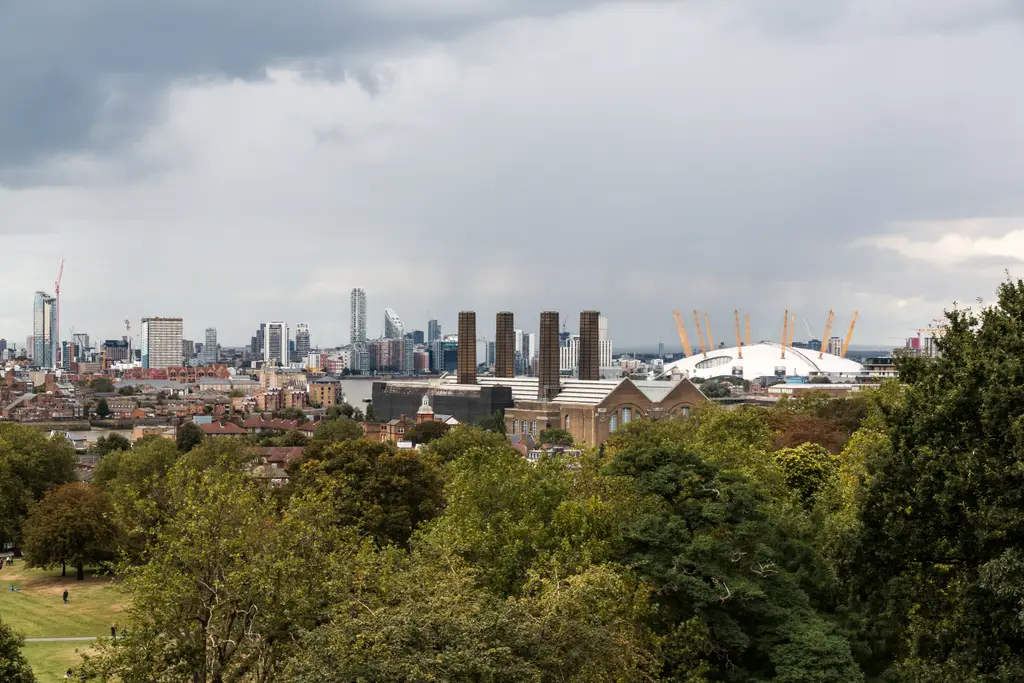
Free National Maritime Museum, then a walk through Greenwich Park for the skyline view.
Evening
Back to central London for dinner; Greenwich itself has a smaller but decent food scene if you'd rather stay.
Tip: The river boat is slower but far more scenic than the DLR for this trip.
Day 5: Parks and a free-choice afternoon
Morning
Hyde Park and Kensington Gardens, a slow walk rather than a checklist.
Afternoon
Pick whichever museum or neighbourhood you missed, the Natural History and Science Museums sit next to each other in South Kensington and both are free.
Evening
A proper sit-down dinner somewhere you haven't yet been, as a change of pace from grazing markets.
Tip: Use this day as slack; London days run long and something from earlier in the trip usually needs a second visit.
The 5-day core plus a full day in Oxford and one more central day for whatever got missed.
Day 1: Westminster to the South Bank
Morning
Westminster Abbey and Parliament Square, then Trafalgar Square and the National Gallery.
Afternoon
South Bank to Borough Market, then the Tate Modern.
Evening
Sky Garden or the London Eye.
Tip: Start early on this axis.
Day 2: The City and the Tower
Morning
Tower of London at opening.
Afternoon
Tower Bridge, St Paul's Cathedral, the City's old streets.
Evening
Shoreditch and Brick Lane.
Tip: Weekdays are livelier in the City.
Day 3: Museums and Notting Hill
Morning
British Museum.
Afternoon
Notting Hill and Portobello Road.
Evening
Dinner in Notting Hill or Soho.
Tip: Saturday is Portobello's full market day.
Show all 7 days
Day 4: Greenwich day trip
Morning
Royal Observatory and the Prime Meridian.
Afternoon
National Maritime Museum and Greenwich Park.
Evening
Dinner back in central London.
Tip: Take the boat out, the DLR back, or vice versa.
Day 5: Oxford day trip
Morning
Train from Paddington to Oxford, under an hour; walk the colleges and the Bodleian area.
Afternoon
Punt on the river if the weather allows, or the free Ashmolean Museum if it doesn't.
Evening
Train back to London for dinner.
Tip: Book any Christ Church or Bodleian tour slots before you go; Oxford's colleges have limited visiting hours during term.
Day 6: Parks and South Kensington museums
Morning
Hyde Park and Kensington Gardens.
Afternoon
Natural History Museum and Science Museum, both free, next door to each other.
Evening
Dinner in South Kensington or Chelsea.
Tip: The Natural History Museum's Hintze Hall is worth ten minutes even if you skip the rest.
Day 7: Slack day and second visits
Morning
Revisit whichever museum or market deserved more time.
Afternoon
A neighbourhood you haven't done yet, Camden Market is a solid pick for something different.
Evening
A last proper dinner somewhere you've been wanting to try.
Tip: Don't schedule anything time-critical on your last day; flights and trains have a way of eating the morning.
London properly for a week, then day trips to Oxford, Windsor and Cambridge on a base-and-explore pattern rather than packing in a sixth city.
Day 1: Westminster to the South Bank
Morning
Westminster Abbey and Parliament Square, then the National Gallery.
Afternoon
South Bank to Borough Market, then the Tate Modern.
Evening
Sky Garden or the London Eye.
Tip: Start early on this axis.
Day 2: The City and the Tower
Morning
Tower of London at opening.
Afternoon
Tower Bridge, St Paul's Cathedral.
Evening
Shoreditch and Brick Lane.
Tip: Weekdays are livelier in the City.
Day 3: Museums and Notting Hill
Morning
British Museum.
Afternoon
Notting Hill and Portobello Road.
Evening
Dinner in Notting Hill or Soho.
Tip: Saturday is Portobello's full market day.
Show all 14 days
Day 4: Greenwich day trip
Morning
Royal Observatory and the Prime Meridian.
Afternoon
National Maritime Museum and Greenwich Park.
Evening
Dinner back in central London.
Tip: Boat out, DLR back.
Day 5: Parks and South Kensington museums
Morning
Hyde Park and Kensington Gardens.
Afternoon
Natural History Museum and Science Museum.
Evening
Dinner in South Kensington.
Tip: Both museums are free and next door to each other.
Day 6: Camden and King's Cross
Morning
Camden Market and the canal walk toward Regent's Park.
Afternoon
Regent's Park and, if you're up for it, London Zoo.
Evening
King's Cross's redeveloped restaurant strip for dinner.
Tip: The canal walk between Camden and King's Cross is one of the more relaxed hours you'll spend in the city.
Day 7: Slack day
Morning
Second visit to whichever museum deserved more time.
Afternoon
Free choice, Tate Britain and the Chelsea riverside are an underrated combination.
Evening
A proper sit-down dinner.
Tip: Bank this day as buffer, something earlier in the week will have run long.
Day 8: Oxford day trip
Morning
Train from Paddington, under an hour; walk the colleges around Christ Church and the Bodleian.
Afternoon
Punting on the Cherwell if the weather cooperates, or the free Ashmolean if not.
Evening
Back to London for dinner.
Tip: Book college and Bodleian tour slots ahead; access is limited during university term.
Day 9: Windsor day trip
Morning
Train from Paddington or Waterloo to Windsor, under an hour.
Afternoon
Windsor Castle, the largest inhabited castle in the world, and the town's riverside walk.
Evening
Back to London for dinner.
Tip: Check whether the castle's State Apartments are open; a royal visit occasionally closes parts of it.
Day 10: Cambridge day trip
Morning
Train from King's Cross, roughly an hour, to Cambridge.
Afternoon
Walk the colleges, especially King's College Chapel, and punt on the Cam if the weather holds.
Evening
Back to London for dinner.
Tip: Oxford and Cambridge feel more different from each other than people expect; do both if you can spare the days.
Day 11: East London deep dive
Morning
Columbia Road Flower Market if it's a Sunday, otherwise Broadway Market on a Saturday.
Afternoon
Victoria Park and a slow wander through Hackney.
Evening
Dinner in Dalston or Hackney, further off the tourist track than Shoreditch proper.
Tip: Time this day around whichever market day fits your dates; both only run weekly.
Day 12: West London and the river
Morning
Kew Gardens if botanical gardens interest you, otherwise a longer Thames path walk from Hammersmith.
Afternoon
Chiswick or Richmond for a quieter, more suburban side of London.
Evening
Dinner along the river in Richmond.
Tip: This day is intentionally slower; two weeks of city sightseeing benefits from a lower-key stretch.
Day 13: Whatever got missed
Morning
Free choice based on what's been sitting on the list.
Afternoon
Free choice.
Evening
A final splurge dinner somewhere you've been building up to.
Tip: Resist adding a new neighbourhood this late; revisit and go deeper instead.
Day 14: Departure
Morning
Pack, last-minute shopping if needed, a final coffee somewhere familiar.
Afternoon
Head to your departure airport with buffer time; Heathrow especially can have long security queues at peak times.
Evening
Travel day.
Tip: Build in more airport buffer than feels necessary; London's airports are not fast on a bad day.
Daily 10:00-17:00, Fridays until 20:30·free general admission (UK national museum policy); special/ticketed exhibitions charge separately·2-4 hours for highlights, a full day if you want to be thorough
free timed ticket bookable online, advance booking recommended for priority entry during busy periods; some special exhibitions require a separate ticket
Free entry itself is long-standing national policy, not something that fluctuates. Booking a free online ticket ahead gets priority entry when it's busy.
Sunday-Thursday 10am-6pm, Friday-Saturday 10am-9pm. Last entry 30 minutes before closing.·free for the permanent collection; ticketed prices apply for major temporary exhibitions·2-3 hours
walk in for the free collection
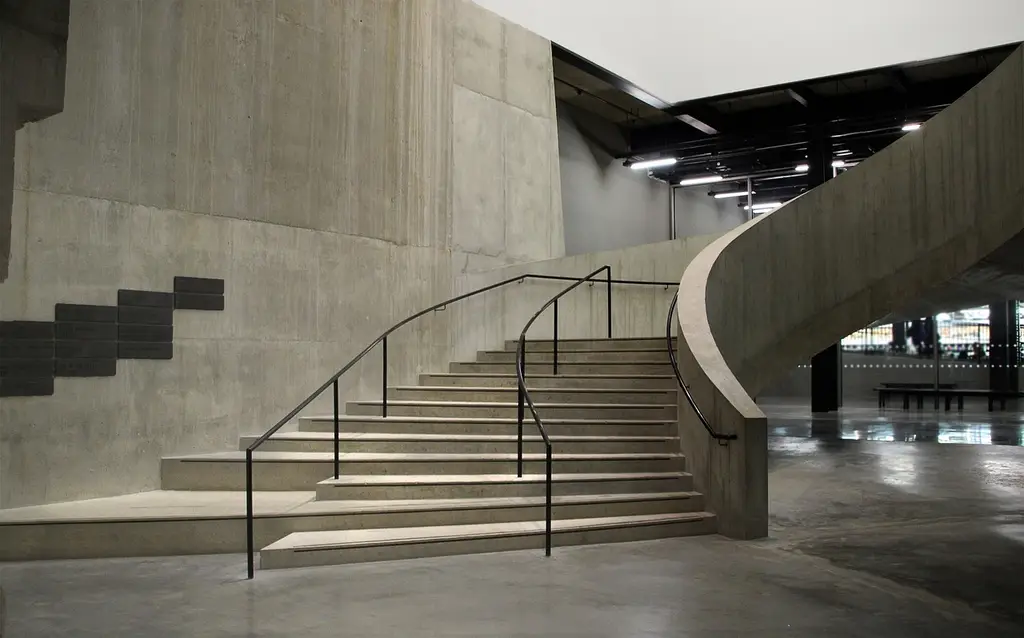
The view from the free 10th-floor level of the Blavatnik Building over the Thames and St Paul's is worth the trip on its own, even skipping the galleries.
daily, roughly 9:00am-5:30pm, last entry 4:30pm (exact hours vary by date, check the calendar on the operator's site)·GBP 37.00 adult (online booking price), GBP 18.50 child (5-15) and young person (16-17), GBP 29.50 student/senior; GBP 1 tickets available for named UK benefit recipients·2.5-3.5 hours
advance online booking strongly recommended, especially for a specific Crown Jewels time slot; the Tower is quieter in the afternoon than at opening
Go in the afternoon rather than at opening if you want a calmer visit; the operator itself now recommends this over the old advice to arrive first thing, since mornings draw the biggest queues.
Monday-Friday roughly 9:30am-3:30pm, Saturday 9:30am-3pm for visitors; closed to sightseeing on Sundays, which are reserved for services. Hours shift around services and events.·GBP 31 adult / GBP 31 family (1 adult + 1 child) in the current pricing window (2-30 Sep 2026); GBP 28 for 65+/students, GBP 14 children 6-17, under-6s free. Prices flex seasonally, GBP 27.13 adult in the cheaper 25 Jun-1 Sep window. Queen's Diamond Jubilee Galleries add-on is a further GBP 5.·1.5-2 hours
Closed Sunday (services only)advance booking recommended for entry, and required for verger-led tours
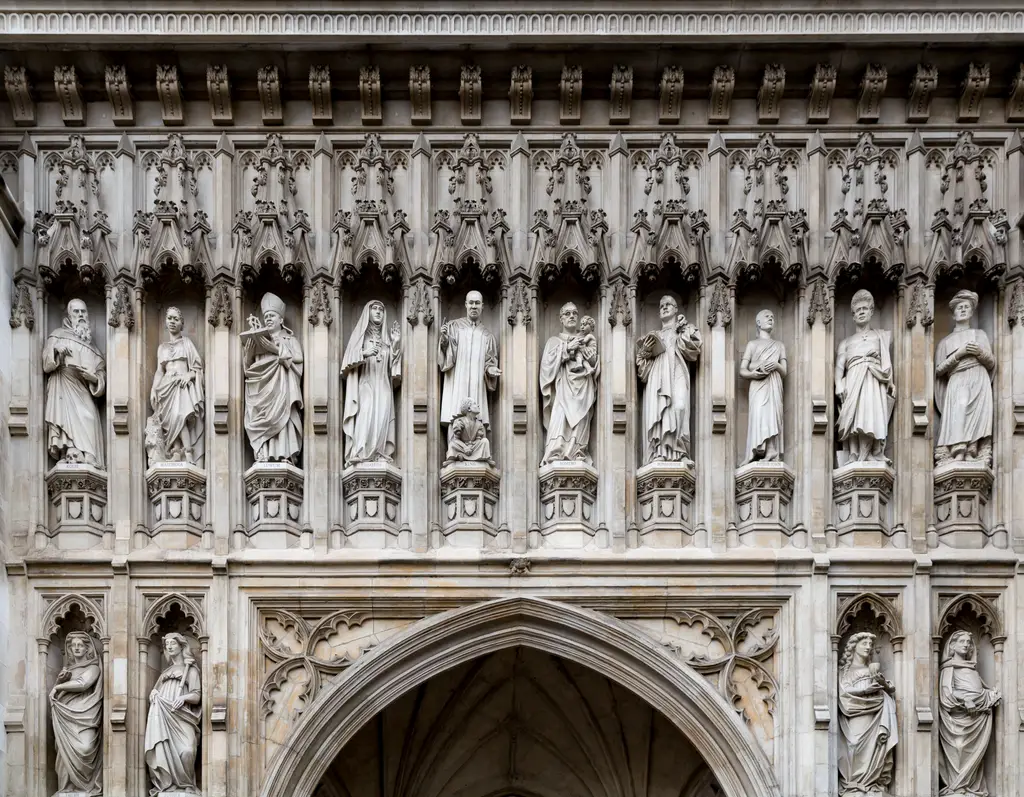
It's a working church, not a museum set piece, so services and state events do close it on short notice. Check the day before if your dates are tight.
A large-scale immersive exhibition at Wembley Park that opened February 13, 2026, recreating 14 Pixar worlds including Toy Story, Coco and Up across 3,500 square metres with life-sized sets and sculptures. It's a genuinely big production and photographs well, but it's priced at West End show levels for what is essentially a themed walkthrough with no story. Fine for families, skip if you want depth.
Sky Garden
as of 2026-09
Viral
A free public viewing gallery and garden at the top of 20 Fenchurch Street (the 'Walkie Talkie'), offering panoramic views over the Thames and City skyline. One of the only genuinely free high-up views in London, which makes it worth the hassle. You must book a free timed slot in advance, walk-ins are routinely turned away.
Shoreditch street art walk
as of 2026-09
Viral
A self-guided or app-guided walking route through Shoreditch and Brick Lane tracing large-scale murals and rotating street art, much of it changing month to month. Free and genuinely reflects a real, active street art scene rather than a curated tourist trail. Go on a weekday, weekends bring heavy market crowds.
Battersea Power Station
as of 2026-09
Viral
The redeveloped 1930s power station on the Thames, now a shopping, dining and event district with a glass lift ride up one of its original chimneys for a city view. The building itself and the chimney lift view are genuinely worth a look. The shops inside are the same chains you'd find anywhere else.
Regent's Canal towpath walk
as of 2026-09
Viral
A walking or cycling route along the canal towpath from Camden Lock through to Islington or further, passing houseboats, street art and Camden Market. Free and a genuinely different way to see the city away from the main roads. Towpaths narrow in places and get congested with cyclists on weekends.
Tate Modern viewing level
as of 2026-09
Viral
A free public viewing platform in the Blavatnik Building extension at Tate Modern, giving a 360-degree view over the Thames, St Paul's and the City. Free entry to both the platform and the main museum's permanent collection, genuinely one of the best value things to do in London. The paid special exhibitions vary in quality.
More to see (3)
7
London Eye
typically around 11am-6pm, varies by day and season; check the site for your date·GBP 29 adult online for the standard/Fast Track ticket (from), GBP 39 adult walk-up; a Flexi Fast Track ticket runs from GBP 49 online / GBP 54 walk-up·45 minutes
advance online booking recommended, online price is meaningfully cheaper than walk-up as well as a shorter queue
One rotation, good photos, genuinely optional if you've already got the view from Sky Garden or the Tate's free viewing level.
check before you go; historically closed or limited on Sundays and Monday mornings, full trading Tuesday-Saturday·free to browse; food and drink priced individually·1-2 hours
Go hungry rather than after lunch; it's a produce and food-stall market, not a sit-down restaurant, so grazing several stalls beats picking one meal.
daily 10am-6pm, last entry 5pm·GBP 18 adult, GBP 9 child; combined day pass with Cutty Sark GBP 38 adult·1.5-2 hours, half a day if combining with Cutty Sark and the free National Maritime Museum
advance booking recommended for guaranteed entry
Straddle the Prime Meridian line for the photo, then walk up the hill in Greenwich Park for one of the best free skyline views in the city.
Suits: first-timers who want to walk to major sights
Close to the Tate Modern, Borough Market and the river, well connected but can feel touristy at night.
Bloomsbury / King's Cross
Suits: museum-focused trips and easy Eurostar or intercity rail access
Central, near the British Museum, quieter than Soho, good transport hub.
Shoreditch / Hackney
Suits: younger travellers who want nightlife and food over proximity to landmarks
East London's creative, scruffier-but-cooler side; a 20-30 minute Tube ride from the main sights.
Notting Hill / Bayswater
Suits: a quieter, residential base near Hyde Park
Pretty streets, Portobello Market on Saturdays, further from the South Bank sights.
Greenwich
Suits: budget-conscious trips with a slower pace
Cheaper than central zones, connected by DLR and river boat, worth it if you're prioritising value over minutes saved.
Getting there and around
Getting there
Heathrow is the main hub; the Elizabeth line or Heathrow Express reach central London in 15-45 minutes depending on which central station you need, from roughly GBP 12-25. Gatwick, Stansted and Luton are further out with their own express rail links (30-55 minutes, GBP 12-20). St Pancras International handles Eurostar arrivals from Paris and Brussels, dropping you straight into central London.
Getting around
The Underground (Tube), Overground and buses cover the city well; tap a contactless card or phone directly at the gate, no need to buy an Oyster card unless you want a physical backup or are staying long enough for weekly capping to matter. Fares are capped daily and weekly by zone, so you're never overcharged for using it a lot; the current pay-as-you-go cap for Zones 1-2 is GBP 8.90 a day (Anytime and Off-peak are the same amount) or GBP 44.70 for the week, verified on tfl.gov.uk 2026-09-08. Individual single fares vary by zone pair, time of day and mode, use TfL's Single Fare Finder for a specific journey. Central London (Zones 1-2) is genuinely walkable between nearby sights; the Tube is faster for anything further. Black cabs and Uber both work well as backup.
Map
City
Recommended (numbered)
Mentioned in an itinerary
Locations on this map
London51.51, -0.13
British Museum51.52, -0.13
Tate Modern51.51, -0.10
National Gallery51.51, -0.13
Tower of London51.51, -0.08
Westminster Abbey51.50, -0.13
Sky Garden51.51, -0.08
London Eye51.50, -0.12
Borough Market51.51, -0.09
Royal Observatory Greenwich51.48, -0.00
South Bank51.51, -0.11
Houses of Parliament51.50, -0.12
Whitehall51.50, -0.13
Trafalgar Square51.51, -0.13
Parliament Square51.50, -0.13
City51.53, -0.10
Crown Jewels51.51, -0.08
Tower Bridge51.51, -0.08
St Paul's Cathedral51.51, -0.10
Brick Lane51.52, -0.07
Notting Hill51.51, -0.21
Portobello Road51.52, -0.21
Soho51.51, -0.14
Prime Meridian51.48, -0.00
National Maritime Museum51.48, -0.01
Greenwich Park51.48, 0.00
Hyde Park51.51, -0.16
Kensington Gardens51.51, -0.18
Natural History51.50, -0.18
Science Museums51.50, -0.17
South Kensington51.50, -0.18
Paddington51.52, -0.17
Oxford51.51, -0.15
Bodleian51.41, -0.07
Ashmolean Museum51.76, -1.26
Natural History Museum51.50, -0.18
Science Museum51.50, -0.17
Chelsea51.49, -0.17
Camden Market51.54, -0.15
King's Cross51.53, -0.12
Regent's Park51.53, -0.15
London Zoo51.53, -0.15
Tate Britain51.49, -0.13
Christ Church51.53, -0.14
Cherwell51.58, -0.44
Ashmolean51.76, -1.26
Waterloo51.50, -0.11
Windsor51.59, -0.12
Windsor Castle51.51, -0.20
Cambridge51.51, -0.13
King's College Chapel51.51, -0.12
Cam51.54, -0.00
East London51.51, 0.07
Columbia Road Flower Market51.53, -0.07
Broadway Market51.54, -0.06
Victoria Park51.54, -0.03
Hackney51.54, -0.05
Dalston51.54, -0.08
Shoreditch51.53, -0.08
West London51.53, -0.48
Kew Gardens51.48, -0.30
Thames51.49, -0.13
Hammersmith51.49, -0.22
Richmond51.44, -0.31
Heathrow51.47, -0.46
What it costs
Stay
Food
Transport
Activities
Daily cost breakdown, GBP per person
Tier
Stay
Food
Transport
Activities
Total
Budget
GBP 35
GBP 20
GBP 8
GBP 7
GBP 70
Mid-range
GBP 90
GBP 45
GBP 9
GBP 16
GBP 160
Splurge
GBP 220
GBP 90
GBP 15
GBP 25
GBP 350
A mid-range day: GBP 90 hotel room split two ways, GBP 8.90 for a capped day of Zone 1-2 Tube and bus travel (the current TfL daily Anytime/Off-peak pay-as-you-go cap, GBP 44.70 for the equivalent weekly cap, verified 2026-09-08 on tfl.gov.uk), GBP 12 market lunch at Borough Market, GBP 6 coffee and a pastry, GBP 35-45 sit-down dinner with a drink, plus one paid ticket like the London Eye. Comes to roughly GBP 160-170 per person, and less if you lean on the free museums instead of a paid attraction.
Money savers
Lean on the free national museums (British Museum, National Gallery, Tate Modern, Tate Britain, Natural History Museum, Science Museum, V&A) for a full day of sightseeing at zero entry cost
Contactless pay-as-you-go on the Tube and buses is automatically capped per day and per week, so you never need to plan around a pass
Supermarket meal deals (Tesco, Sainsbury's, Boots) run roughly GBP 3.50-4.50 for a sandwich, snack and drink, consistently cheaper than a cafe lunch
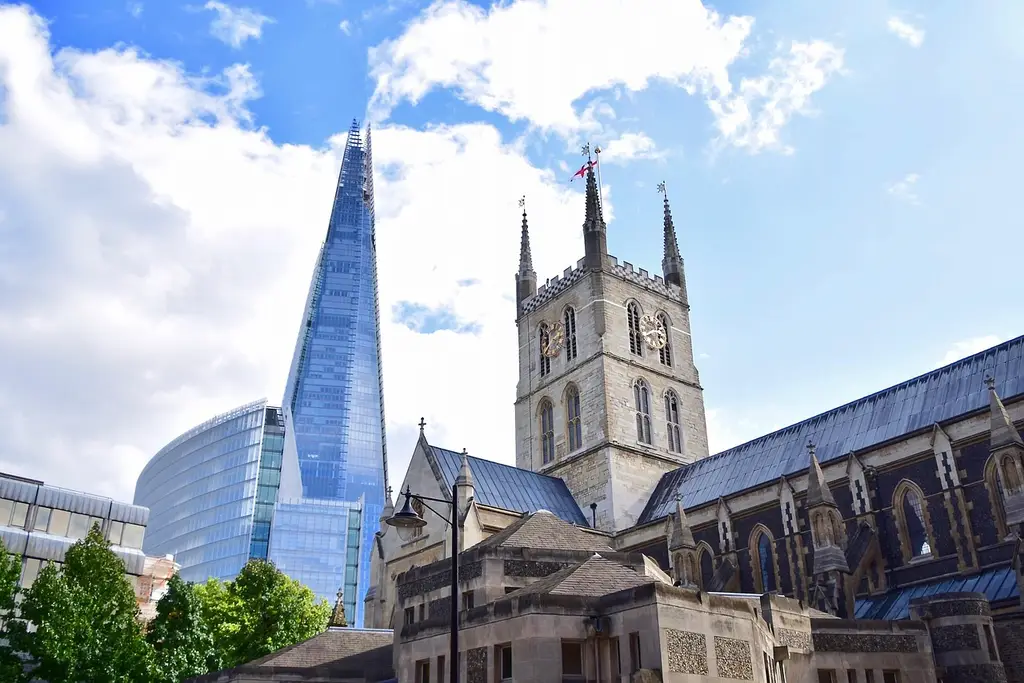
Sky Garden is a free alternative to the paid London Eye or Shard views, if you book the ticket window in advance
Theatre day-seat and lottery schemes (via individual West End theatre websites) release same-day discounted tickets, worth checking if you want a show without full price
London's food reputation mixes two truths: the old jokes about bad British food are out of date, and some of that reputation still tracks in specific, avoidable places. The curry house tradition is central to the city's food identity and often left out of guides fixated on Borough Market and fine dining; Brick Lane's curry houses trace to Bangladeshi immigration and remain a real institution. Borough Market itself is excellent but tourist-heavy at peak hours, go early on a weekday. Fish and chips done properly, thick batter, fresh oil, from a chippy rather than a tourist-strip stand, is genuinely good. The Sunday roast is a real weekly institution, worth booking ahead for. Reputation still outruns reality on any major tourist thoroughfare.
GBP 16-24·traditional pubs across every neighbourhood
Must try
Roast meat, potatoes, Yorkshire pudding and gravy, a weekly institution rather than a tourist dish. Book ahead at popular pubs; Sunday afternoon sittings fill up.
Curry
GBP 12-22·Brick Lane and the wider East End
Must try
Rooted in Bangladeshi immigration from the mid-20th century, this is one of the most genuinely important food traditions in the city and often skipped by visitors chasing more obviously British dishes.
Fish and chips
GBP 9-15·chip shops citywide, less so in the most touristy strips
Must try
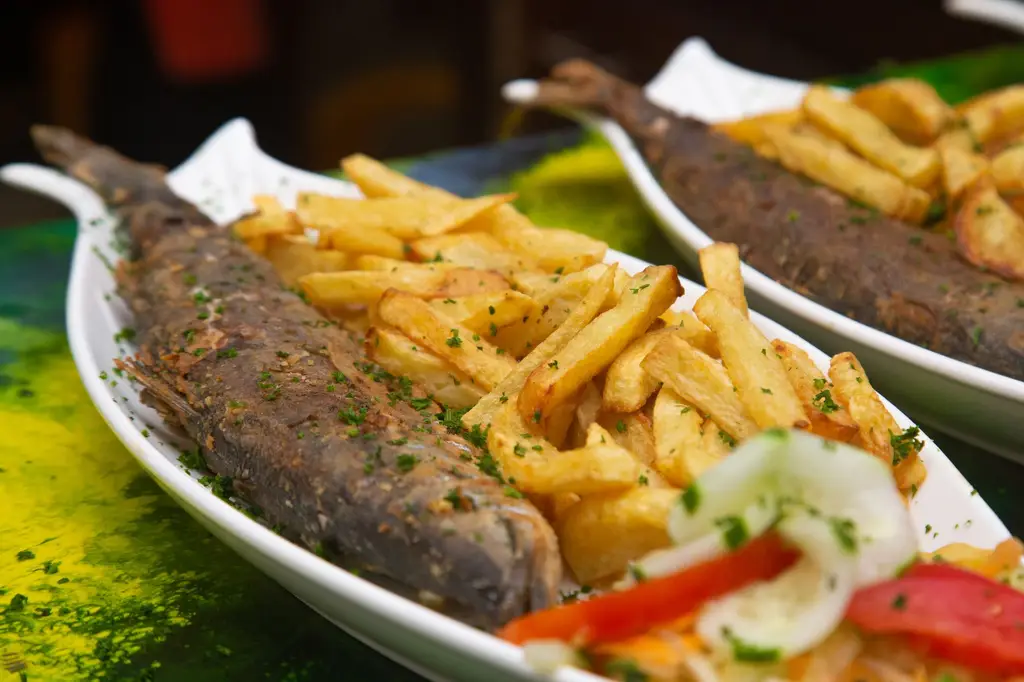
Done properly it is genuinely good, thick fresh batter and hot oil. Avoid the shops directly outside major attractions and ask locally for the nearest proper chippy instead.
Borough Market food stalls
GBP 6-15 per item·Borough Market, near London Bridge
Must try
A genuine working market with excellent produce and prepared food, but crowded and tourist-heavy by midday. Go early on a weekday for the real experience.
Full English breakfast
GBP 8-14·greasy spoons and cafes, not hotel buffets
Eggs, bacon, sausage, beans, toast and grilled tomato, best from an unpretentious cafe rather than a hotel buffet built purely for volume over quality.
Modern British tasting menus
GBP 90-200 per person·the city's higher-end restaurants across Fitzrovia, Shoreditch and beyond
London's fine-dining scene is genuinely world class now, chefs working seriously with British produce. This is where the old reputation is most clearly out of date.
Afternoon tea
GBP 45-90 per person·hotels across Mayfair and Knightsbridge
Tiered stands of finger sandwiches, scones and pastries with tea service, a genuine tradition dressed up for tourists at the top end but still worth doing once.
Imm-Aroy
as of 2026-09
Viral
Thai dessert counter tucked inside a Chinatown supermarket that went viral for mango sticky rice, now expanding to a second, bigger site in Bloomsbury. Verified and expanding, not just a one-week TikTok spike. Takeaway only with a couple of outdoor seats, so don't expect a sit-down meal. Worth the walk for the sticky rice, not worth changing your plans for.
Bacchanalia
as of 2026-09
Viral
Greek-inspired Mayfair restaurant with Damien Hirst sculptures and Greco-Roman statues overhead. The spectacle, not the food, is what gets filmed. Confirmed open with active 2026 reviews. The room is genuinely wild but pricing runs high and food quality is inconsistent by most accounts. Go for the theatre, not the cooking, and know what you're paying for before you sit down.
Circolo Popolare
as of 2026-09
Viral
Big Mamma group's maximalist Fitzrovia Italian, known for carbonara served in a wheel of pecorino. Packed since 2019, still is. This one earned its staying power rather than riding an algorithm. No bookings and a long wait are part of the deal, so only worth it if you're prepared to queue.
Miokuru
as of 2026-09
Viral
A Soho handroll bar built around Tokyo counter culture, pairing British produce with hand-rolled sushi. Opened mid-2026 and picked up write-ups from The Infatuation, Forbes and Time Out within weeks. Real and busy. Seats are limited and it's one of the most talked-about restaurants in London.
The Pem
as of 2026-09
Viral
Conrad London St James handed its restaurant to chef Romy Gill, who shifted the menu to regional Indian cooking. Multiple trade outlets confirm the relaunch went live in June 2026. Hotel dining that's actually worth a special trip out for. Still getting press in September, so it's holding attention.
ENDO, Chelsea
as of 2026-09
Viral
Ten-seat omakase counter from chef Endo Kazutoshi, with Moga, a listening bar, upstairs. Opened in Chelsea over summer 2026, covered by the Evening Standard, Time Out and The Caterer. Tiny room, big name behind it. Expect to book weeks out if you actually want a seat.
Loaded jacket potato queue culture
as of 2026-09
Viral
Loaded baked potatoes became a queue-around-the-block thing across London through 2026, written up by the New York Times and The Times as a real, visible tourist phenomenon. This is a trend, not one address. Follow wherever the line is that month rather than a fixed shop.
Safety and scams
London is generally safe for tourists; the real risks are petty theft (pickpocketing on crowded Tube lines and around major sights) and phone-snatching by moped riders in some areas, not violent crime aimed at visitors. Keep bags zipped and phones out of back pockets on the Tube and at markets. Traffic looks right-hand-drive unfamiliar to North American visitors; look both ways properly at crossings, the painted "look right" reminders on kerbs exist for a reason.
Common mistakes
Trying to see too many neighbourhoods in one day instead of picking two and doing them properly
Not booking Sky Garden, the British Museum's popular exhibitions or Tower of London slots ahead, then being surprised by sold-out or long-queue days
Standing on the left on Underground escalators; London's unwritten rule is walk left, stand right, and holding up the left side draws real irritation
Assuming all museums are free; the big nationals are, but many smaller and specialist museums, plus major exhibitions inside free museums, do charge
Underestimating how spread out the city is and trying to walk between sights that are actually a Tube ride apart
Frequently asked questions
How many days do you need in London?
Three days covers the highlights at a rushed pace; five to seven is comfortable and lets you add Greenwich or a day trip without feeling behind. London genuinely supports two weeks if you're not in a hurry, since the free museums alone could fill several of those days.
Is the Tube expensive?
Pay-as-you-go with a contactless card or phone is capped daily and weekly by zone, so casual users rarely overpay. It's not cheap by global standards, but the cap means you can't accidentally spend more than the cap regardless of how many trips you take.
Which London museums are free?
The British Museum, National Gallery, Tate Modern, Tate Britain, Natural History Museum, Science Museum, V&A and National Portrait Gallery all offer free general admission, a long-standing UK national museum policy. Special or blockbuster exhibitions inside them usually do charge.
Is Oxford a day trip from London?
Yes, and for most visitors it should be. Trains from Paddington take under an hour, and the town centre is compact enough to see properly in a day. Staying overnight only makes sense if you're combining it with the wider Cotswolds.
What's the best time of year to visit London?
Late May through June and September offer the best balance of daylight, weather odds and crowd levels. December has the atmosphere of Christmas markets and lights but short, often wet days.
Do I need to book the Tower of London or British Museum in advance?
The British Museum's general admission doesn't need advance booking, though popular special exhibitions do. The Tower of London strongly recommends advance booking, especially for a guaranteed Crown Jewels time slot in high season.
How do I get from Heathrow to central London?
The Elizabeth line and Heathrow Express both run into central London; the Elizabeth line is cheaper and still fast (roughly 30-45 minutes to central stations depending on your stop), while the Express is quicker but pricier. The Tube's Piccadilly line is the slowest but cheapest direct option.
Is London safe for tourists?
Yes, in the sense that matters most to visitors: violent crime aimed at tourists is rare. The realistic risks are pickpocketing on crowded transport and around major sights, and phone-snatching in some areas, both avoidable with normal caution.
Should I get a Railcard for a UK trip that includes London?
If you're doing more than two or three intercity trips (to Oxford, Edinburgh, Manchester, Liverpool), a Railcard at around GBP 35 for the year, saving roughly a third on most fares, usually pays for itself fast.
What should I skip in London?
The London Eye is skippable if you've already got Sky Garden's free view or the Tate Modern's free viewing level; all three offer a similar vantage without the Eye's ticket price. Madame Tussauds and similar paid attraction chains are consistently the lowest-value tickets in the city for the price.