Things to Do in New York City: Itineraries, Costs and Food
Five boroughs, one subway map, and more good restaurants per block than you can plan around. The observation decks get all the marketing; the neighborhoods are where the city actually lives.
By Labeeb Mirza · Published September 8, 2026 · Updated September 8, 2026
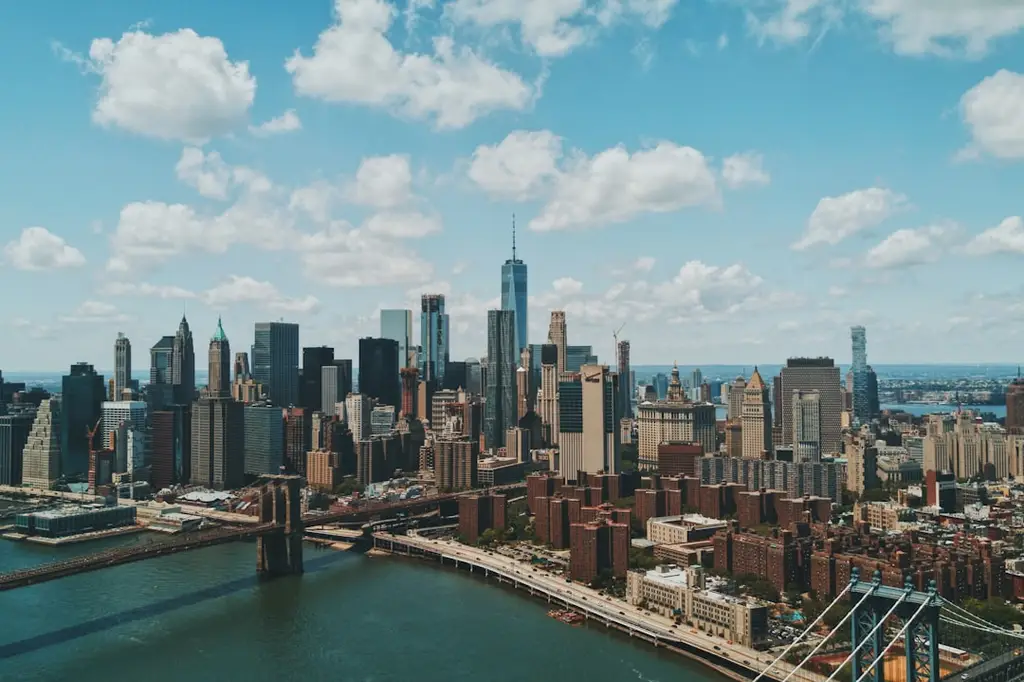
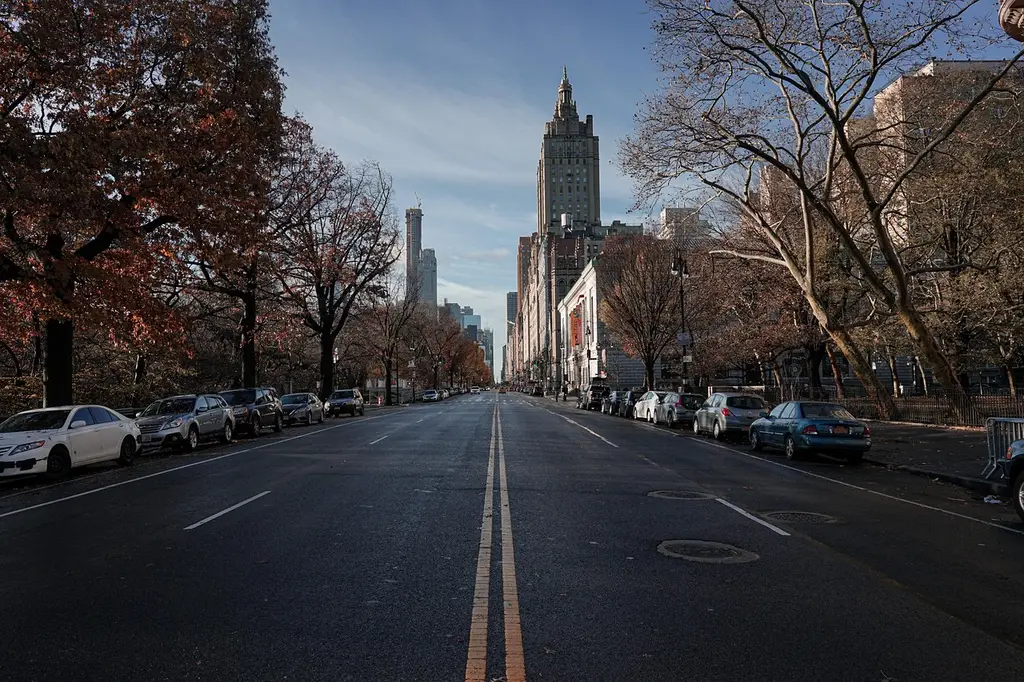
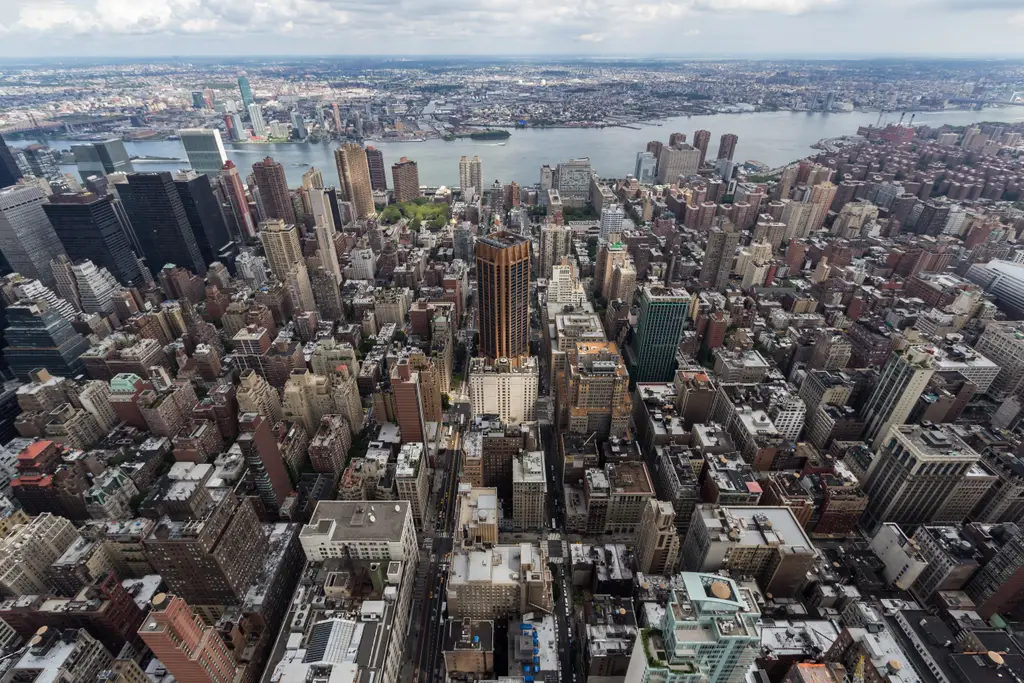
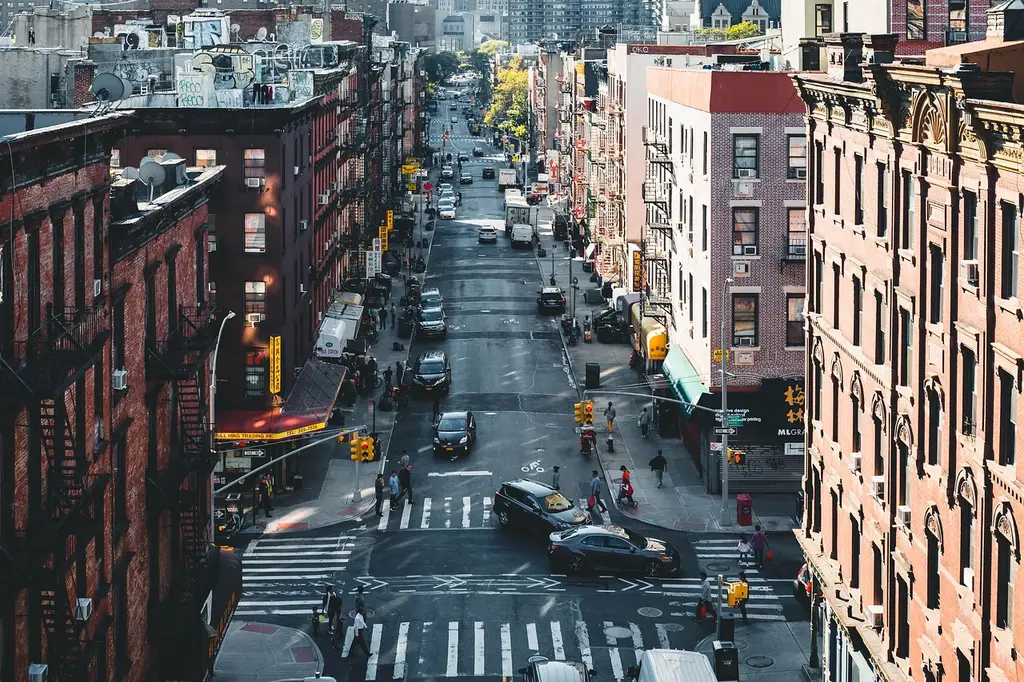
New York is bigger and more repetitive to visit than people expect: Midtown's grid of towers is one city, and Brooklyn's brownstone blocks are almost another. Most first-time visitors spend the whole trip in a strip of Manhattan between Times Square and the Village and never see the other four boroughs, which is a real gap because Queens, Brooklyn, the Bronx, and Staten Island are where a lot of the food and neighborhood character live. Manhattan still earns the itinerary time: the observation decks, the museums, Central Park, and the density of things within walking distance make it the right base for a first visit. The subway is the fastest way to understand the city's actual shape, and OMNY, the tap-to-pay system on every turnstile, has quietly replaced the old MetroCard for most riders. Expect crowds everywhere that shows up in a movie, and expect the crowds to thin out fast one or two subway stops away from anything famous. Sales tax, commonly cited at 8.875% combined state, city, and MTA surcharge, gets added at checkout on nearly everything and never shows up on the price tag, and tipping at a sit-down restaurant is close to mandatory rather than a nice gesture. Four days covers the Manhattan highlights without rushing. A week lets you add a full Brooklyn day and the Statue of Liberty properly rather than as a rushed morning stop. Two weeks is enough to work through all five boroughs as their own days, which is how this itinerary treats it: no day trips out of the city, because New York alone has that much in it.
What I actually think
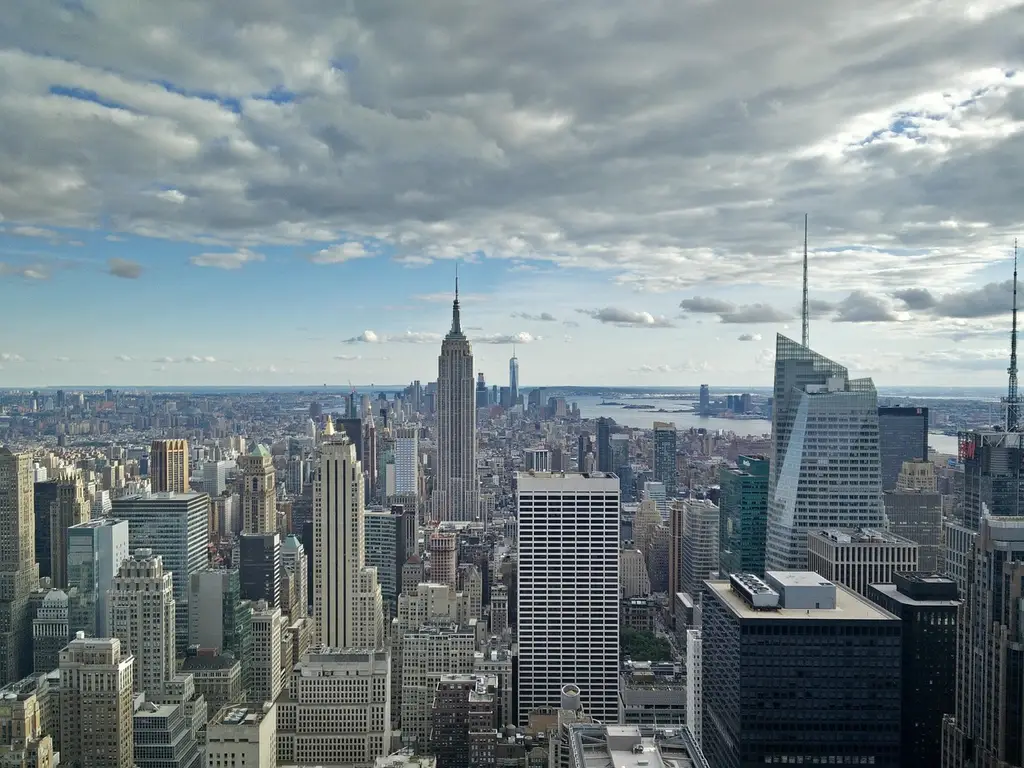
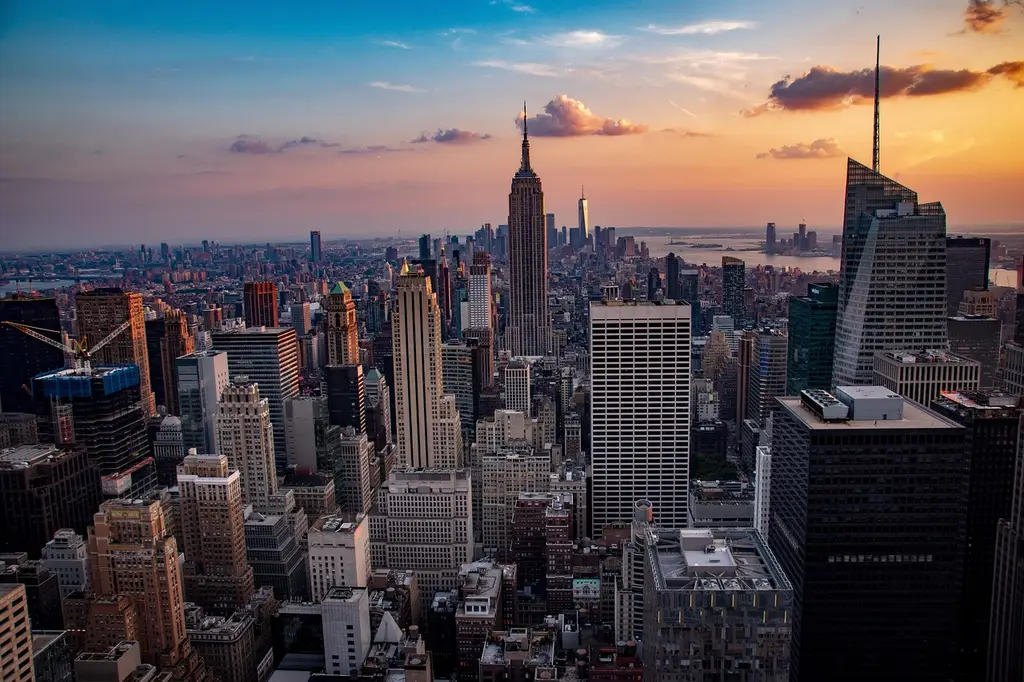
Of the four observation decks, I would not do all four on one trip, the views overlap more than the marketing suggests. If I had to pick one, it's Top of the Rock: you get the Empire State Building in the frame and a straight look up Central Park, which the taller decks downtown and at Hudson Yards can't give you.
The subway looks intimidating on a map and isn't once you're actually using it. OMNY removed the need to plan a MetroCard purchase, and the weekly cap means you stop thinking about fares entirely after a few days of normal sightseeing.
Sales tax in the city is never on the price tag or the menu, it lands at checkout. The commonly cited combined rate is 8.875%, made up of the 4% New York State rate plus a local New York City portion and a 0.375% Metropolitan Commuter Transportation District surcharge; the 4% state rate and the 0.375% surcharge are confirmed against tax.ny.gov, but not the exact city portion or the final combined figure, so treat 8.875% as the widely used number rather than one verified end to end. Tipping 18-20% at a sit-down restaurant is treated as the actual bill rather than a bonus. Budget both in before you land, not after the first receipt surprises you.
Manhattan gets all the attention and Brooklyn and Queens are where a lot of the best food and the least touristy neighborhoods actually are. A trip that stays inside Manhattan the whole time is a real city seen through one narrow slice of it.
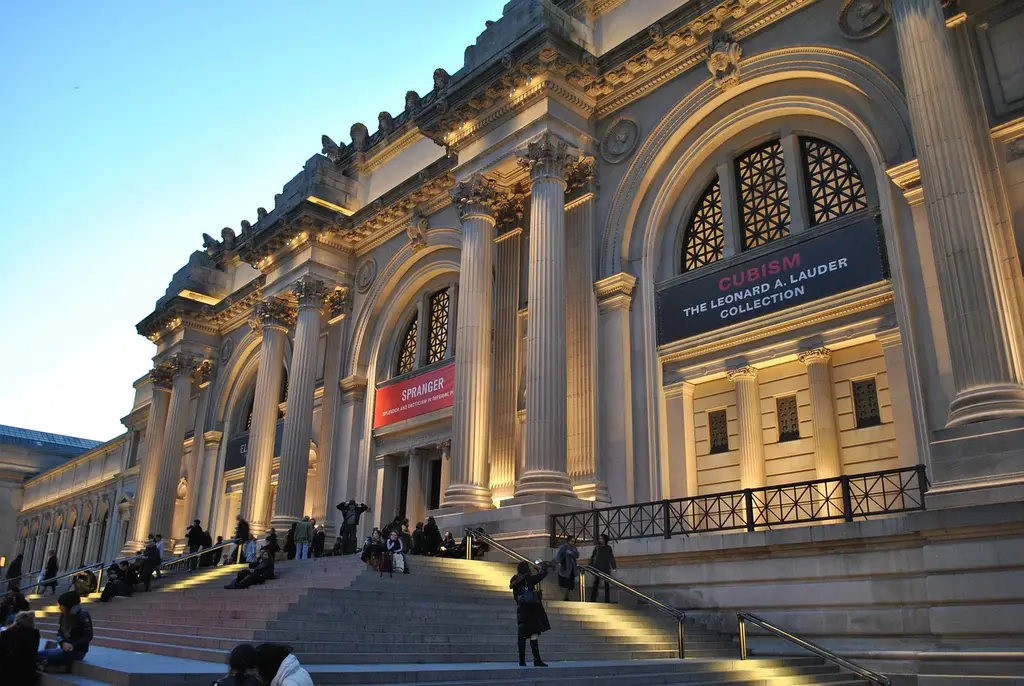
Museums here reward picking two or three sections rather than trying to see everything. The Met in particular is large enough that treating it like a checklist just leaves you exhausted by the second hour with most of the building still unseen.
Itineraries
Midtown's essentials: an observation deck, Central Park, and Times Square in one focused day.
Day 1: Midtown Manhattan
Morning
Top of the Rock at or near opening, then walk through Rockefeller Center to Fifth Avenue.
Afternoon
Central Park, entering near 59th Street, walking as far as time allows toward the Central Park Zoo or the Mall.
Evening
Times Square at dusk when the signs light up, then dinner in the Theater District or Hell's Kitchen.
Tip: Book Top of the Rock tickets online for a specific time slot before you land.
Midtown, Downtown and the 9/11 Memorial, and the Met plus Central Park in depth.
Day 1: Midtown Manhattan
Morning
Top of the Rock, then Rockefeller Center.
Afternoon
Central Park and the zoo.
Evening
Times Square, then dinner nearby.
Tip: Buy an OMNY-compatible card or use a contactless bank card from the first ride.
Day 2: Downtown and the 9/11 Memorial
Morning
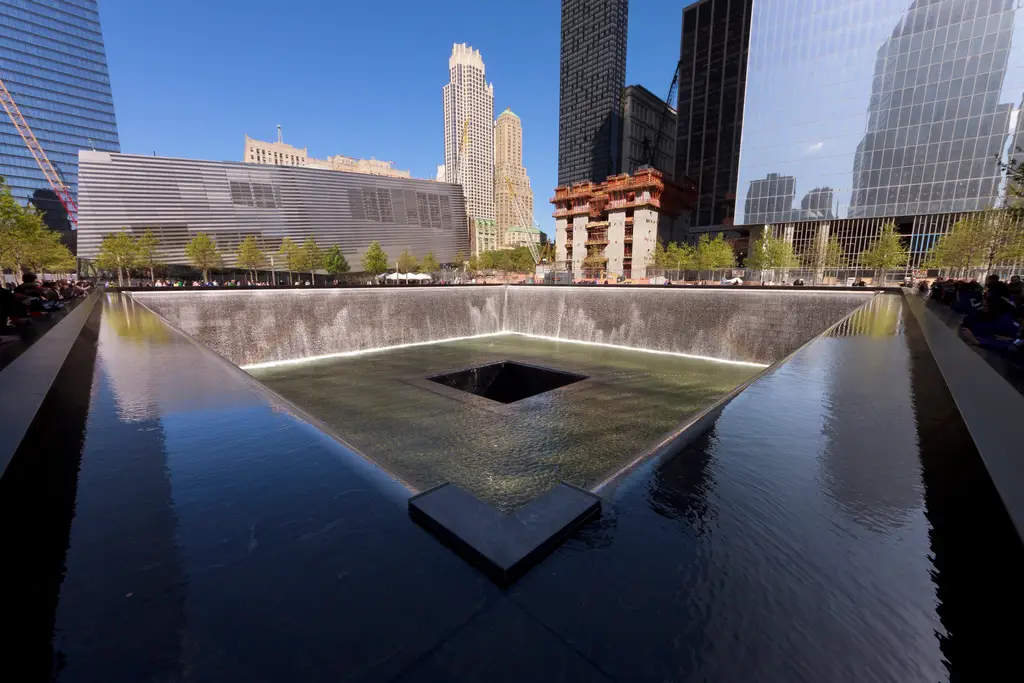
9/11 Memorial and Museum, budgeting real time for the exhibits.
Afternoon
Walk to the Statue of Liberty ferry area at Battery Park, or take the free Staten Island Ferry for a skyline view without a ticket.
Evening
Dinner in the Financial District or a short subway ride to Greenwich Village.
Tip: Book 9/11 Museum tickets online in advance, walk-up availability is limited.
Day 3: Museums and Central Park
Morning
The Met, picking two or three wings rather than trying to see all of it.
Afternoon
Walk through Central Park from the Met toward the Upper West Side.
Evening
Dinner on the Upper West Side or back downtown.
Tip: The Met is genuinely large; don't schedule anything else immediately after it.
The 3-day Manhattan core plus a full Brooklyn day and MoMA.
Day 1: Midtown Manhattan
Morning
Top of the Rock, then Rockefeller Center.
Afternoon
Central Park and the zoo.
Evening
Times Square, then dinner nearby.
Tip: This is the busiest day, keep the rest of the trip lighter.
Day 2: Downtown and the 9/11 Memorial
Morning
9/11 Memorial and Museum.
Afternoon
Statue of Liberty ferry area or the free Staten Island Ferry.
Evening
Dinner downtown or in the Village.
Tip: Book 9/11 Museum tickets online ahead.
Day 3: Museums and Central Park
Morning
The Met.
Afternoon
Walk through Central Park.
Evening
Dinner on the Upper West Side.
Tip: Pick two or three wings of the Met rather than the whole building.
Show all 5 days
Day 4: MoMA and Chelsea
Morning
MoMA, budgeting two to three hours.
Afternoon
Walk the High Line from the Meatpacking District through Chelsea, ending at Chelsea Market.
Evening
Dinner in Chelsea or the West Village.
Tip: Book MoMA timed entry online, especially for weekends.
Day 5: Brooklyn
Morning
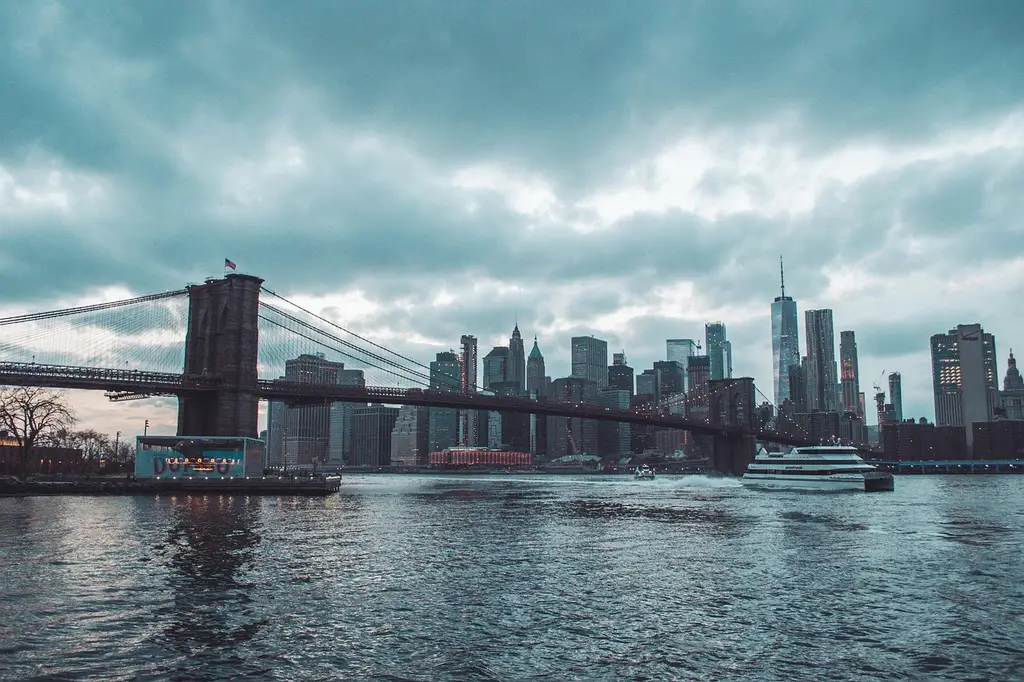
Walk across the Brooklyn Bridge into DUMBO for the skyline view back at Manhattan.
Afternoon
Brooklyn Heights Promenade, then the subway to Williamsburg for its independent shops and cafes.
Evening
Dinner in Williamsburg.
Tip: Walk the bridge from the Manhattan side in the morning to have the sun behind you for photos.
The 5-day itinerary plus the Statue of Liberty and Ellis Island properly, and Queens.
Day 1: Midtown Manhattan
Morning
Top of the Rock, then Rockefeller Center.
Afternoon
Central Park and the zoo.
Evening
Times Square, then dinner nearby.
Tip: Get comfortable with OMNY today, you'll be tapping constantly all week.
Day 2: Downtown and the 9/11 Memorial
Morning
9/11 Memorial and Museum.
Afternoon
Wall Street and the Financial District on foot.
Evening
Dinner downtown or in the Village.
Tip: Book 9/11 Museum tickets online ahead.
Day 3: Statue of Liberty and Ellis Island
Morning
Early ferry from Battery Park to Liberty Island.
Afternoon
Ellis Island's immigration museum, most visitors rush or skip it entirely and shouldn't.
Evening
Dinner back in Manhattan near Battery Park or the Village.
Tip: Book crown access weeks ahead in summer, it sells out fast.
Show all 7 days
Day 4: Museums and Central Park
Morning
The Met.
Afternoon
Walk through Central Park.
Evening
Dinner on the Upper West Side.
Tip: The Met alone is a half-day commitment, plan accordingly.
Day 5: MoMA and Chelsea
Morning
MoMA.
Afternoon
The High Line through Chelsea to Chelsea Market.
Evening
Dinner in Chelsea or the West Village.
Tip: Book MoMA tickets ahead for weekends.
Day 6: Brooklyn
Morning
Brooklyn Bridge walk into DUMBO.
Afternoon
Brooklyn Heights Promenade, then Williamsburg.
Evening
Dinner in Williamsburg.
Tip: Take the subway back rather than the bridge at night, it's poorly lit.
Day 7: Queens
Morning
Astoria for Greek and Middle Eastern food and a quieter, more residential feel.
Afternoon
Long Island City for the waterfront park and its skyline view across the East River, plus MoMA PS1 if you want more contemporary art.
Evening
Dinner in Astoria before heading back to Manhattan.
Tip: Long Island City to Midtown is one short subway ride, don't skip Queens for being 'far'.
All five boroughs, deep enough that New York alone fills two weeks without a single day trip outside the city.
Day 1: Midtown Manhattan
Morning
Top of the Rock, then Rockefeller Center.
Afternoon
Central Park and the zoo.
Evening
Times Square, then dinner nearby.
Tip: Set up OMNY on day one, you'll use it every day.
Day 2: Downtown and the 9/11 Memorial
Morning
9/11 Memorial and Museum.
Afternoon
Wall Street and the Financial District.
Evening
Dinner downtown.
Tip: Book 9/11 Museum tickets ahead.
Day 3: Statue of Liberty and Ellis Island
Morning
Ferry to Liberty Island.
Afternoon
Ellis Island's immigration museum.
Evening
Dinner near Battery Park or the Village.
Tip: Book crown access far ahead if you want it, especially in summer.
Show all 14 days
Day 4: The Met and Central Park
Morning
The Met.
Afternoon
Walk through Central Park.
Evening
Dinner on the Upper West Side.
Tip: Two or three wings of the Met is a full morning on its own.
Day 5: MoMA and Chelsea
Morning
MoMA.
Afternoon
The High Line through Chelsea to Chelsea Market.
Evening
Dinner in Chelsea or the West Village.
Tip: Book MoMA ahead for weekends.
Day 6: Greenwich Village, SoHo, and Chinatown
Morning
Greenwich Village streets and Washington Square Park.
Afternoon
SoHo for architecture and shopping, then Chinatown for a late lunch.
Evening
Little Italy or Chinatown for dinner.
Tip: SoHo's cast-iron buildings are worth a slow walk rather than a straight line through.
Day 7: Brooklyn: DUMBO and Brooklyn Heights
Morning
Brooklyn Bridge walk into DUMBO.
Afternoon
Brooklyn Heights Promenade.
Evening
Dinner in Brooklyn Heights or DUMBO.
Tip: Walk the bridge from Manhattan in the morning for better light.
Day 8: Brooklyn: Williamsburg and Bushwick
Morning
Williamsburg's independent shops and cafes.
Afternoon
Bushwick for street art and a slower, more local pace.
Evening
Dinner in Williamsburg.
Tip: This is the least touristy day so far, go without a fixed plan.
Day 9: Queens
Morning
Astoria for the neighborhood and its food scene.
Afternoon
Long Island City waterfront and MoMA PS1.
Evening
Dinner in Astoria.
Tip: Flushing is a worthwhile detour later in the trip if you want the larger Chinatown.
Day 10: Harlem and Upper Manhattan
Morning
Harlem, including the Apollo Theater block and 125th Street.
Afternoon
Morningside Heights and Columbia University's campus.
Evening
Dinner in Harlem.
Tip: A Sunday gospel service is a genuine local tradition if your dates line up and you're respectful of it being a place of worship, not a show.
Day 11: The Bronx
Morning
Yankee Stadium, tour or a game if the schedule allows.
Afternoon
The New York Botanical Garden or the Bronx Zoo, both large enough to fill an afternoon on their own.
Evening
Dinner in the Bronx or back in Manhattan.
Tip: Pick one Bronx destination rather than two, both need real time.
Day 12: Coney Island and Brighton Beach
Morning
Coney Island's boardwalk and the old amusement park rides.
Afternoon
Brighton Beach for its Russian and Eastern European food scene, a short walk down the boardwalk from Coney Island.
Evening
Dinner in Brighton Beach.
Tip: This is a full subway ride from Manhattan, budget close to an hour each way.
Day 13: Open day
Morning
Revisit a favorite neighborhood or finish anything the first twelve days missed.
Afternoon
Shopping or a second pass through a museum.
Evening
A dinner somewhere you liked earlier in the trip.
Tip: Book anything special a few days ahead, good tables fill up fast on weekends.
Day 14: Staten Island Ferry and departure
Morning
The free Staten Island Ferry round trip for a last skyline and Statue of Liberty view.
Afternoon
Pack, last stop wherever you liked most.
Evening
Departure.
Tip: Budget real buffer time to the airport, especially from JFK during weekday rush hour.
9am-12am daily·from USD 44 for the 86th floor observatory, plus a USD 5 booking fee per ticket, excluding tax·1.5-2 hours
book timed entry online in advance; walk-up tickets exist but the line grows long by mid-morning
The most famous of the four observation decks, and the most crowded. Go right at 9am or after 9pm for a shorter wait, and know you're looking at everything except the building you're standing on.
daily 8am-12am·from USD 42 for Timed Admission (observation deck only); From USD 72 for an All-Inclusive Pass (adds The Beam and SKYLIFT); From USD 185 for a premium guided VIP Pass·1-1.5 hours
book timed entry online in advance
Of the four decks, this is the one I'd pick first. The view includes the Empire State Building itself and a clean look up Central Park, which the other three can't offer, and the crowds are lighter than the Empire State Building's.
9am-9pm daily, hours shift seasonally, confirm for your dates·general admission from USD 39, plus a USD 3.50 processing fee, excluding tax; combination and all-inclusive tiers run higher·1.5-2 hours
book timed entry online in advance
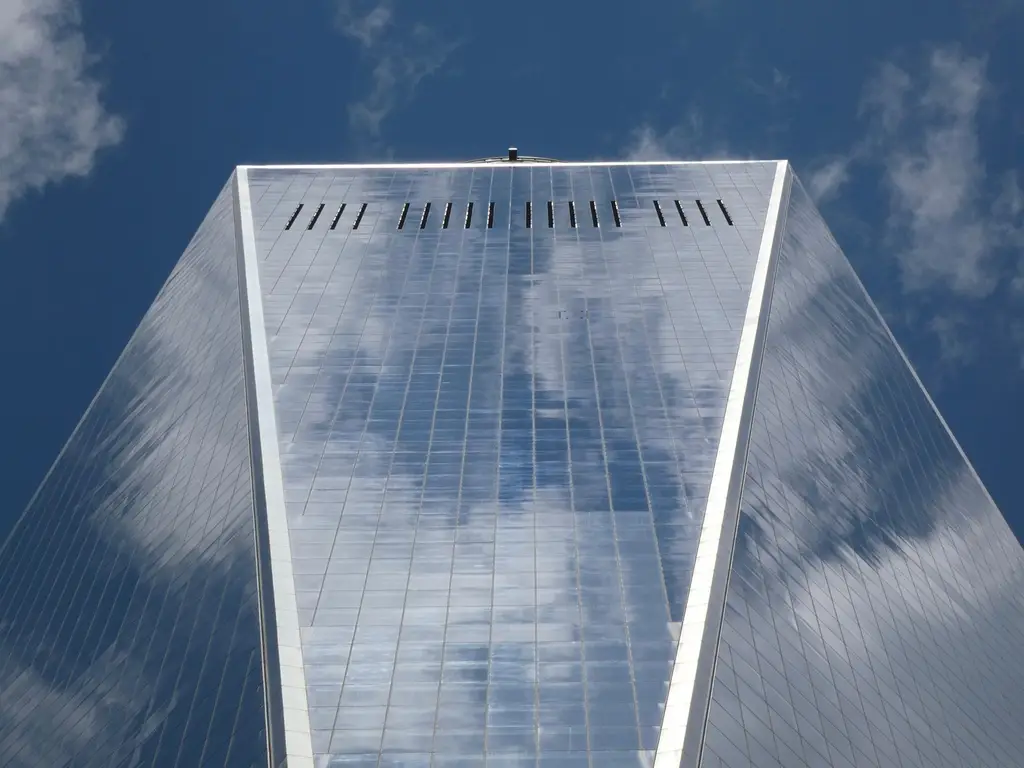
The tallest of the four and the newest building, but the view sits over Lower Manhattan and the harbor rather than the classic Midtown skyline, so it reads as more distant and less recognizable in photos. Pair it with the 9/11 Memorial next door rather than making a special trip for it alone.
generally 9am-10pm, hours shift by day and season, confirm for your dates·General Admission from USD 42 (plus a USD 2 processing fee); a lowest-price Advance Saver (book 14+ days ahead) runs from USD 34; Flex Admission (arrive any time, no time slot) from USD 73; Priority Access (skip the line) from USD 88·1-1.5 hours
book timed entry online in advance
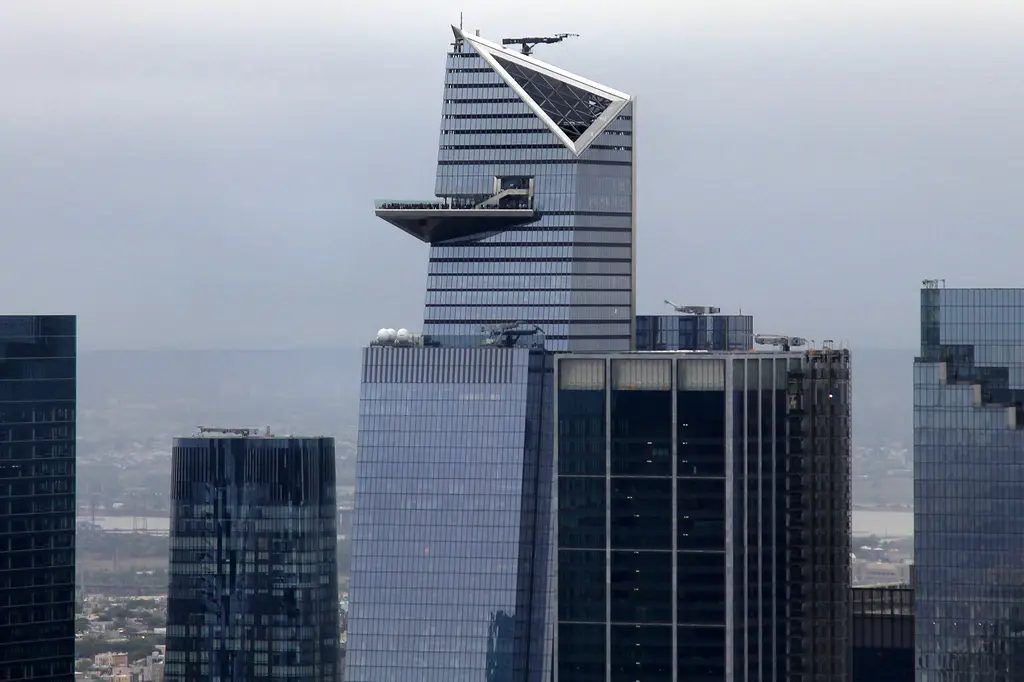
The most expensive of the four and the one I'd skip first. The glass floor is a genuine photo moment, but Hudson Yards sits away from the rest of Midtown, and the view itself is less complete than Top of the Rock's for a higher price.
daily 8:00am-12:00am, last entry 10:30pm·SUMMIT Experience (general admission, three floors of art/views/cafe) from USD 44 (plus a USD 3 processing fee); SUMMIT Ascent (adds the external glass elevator ride) from USD 68; Ultimate SUMMIT (adds a cocktail at Apres) from USD 82·1.5-2 hours
book timed entry online in advance
The newest of the observation decks and the most experiential rather than pure-view, mirrored rooms and art installations alongside the skyline. Entrance is inside Grand Central Terminal, easy to combine with a Midtown day without a special trip.
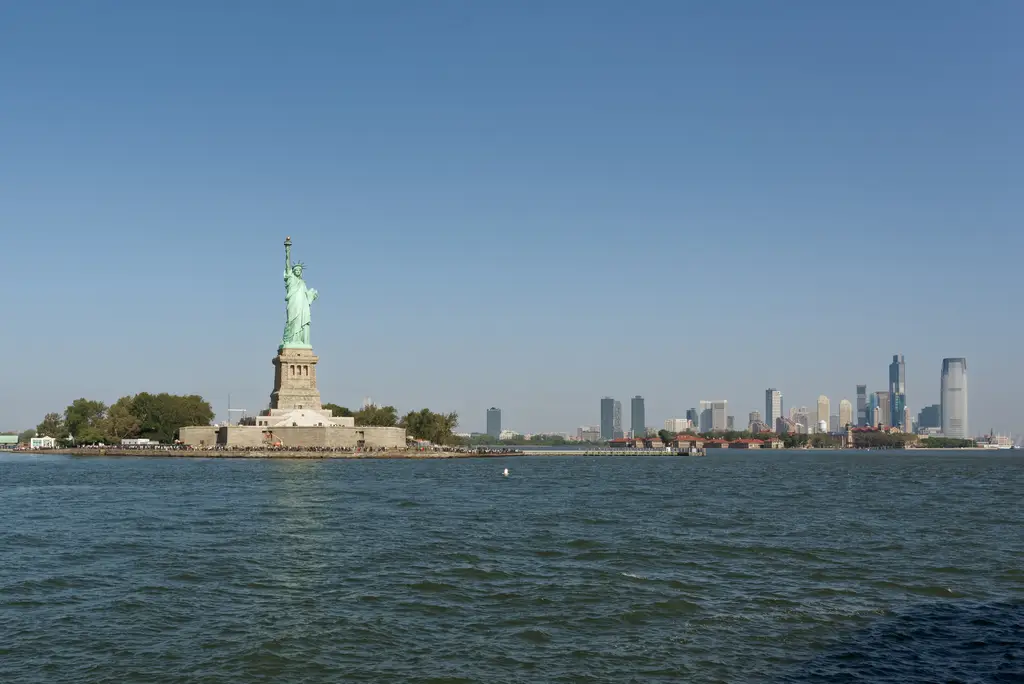
ferries run daily from Battery Park, exact schedule shifts seasonally, confirm for your dates on the official ferry site·Statue City Cruises ferry: USD 26 adults (13+), USD 23 seniors (62+), USD 17 ages 4-12, under 4 free. Pedestal access adds USD 0.30, crown access adds USD 0.30. The National Park Service charges no separate entry fee·half day, 4-5 hours for both islands
book ferry tickets online well in advance, especially for crown access which sells out weeks ahead in summer
The ferry fee is transportation, not admission, and it's the only legitimate way to reach either island, ignore anyone selling tickets on the street near Battery Park. Ellis Island's immigration museum is worth the extra hour most people skip.
A honeycomb-shaped climbable structure of interlocking staircases at Hudson Yards, reopened in March 2026 after a multi-year closure, now fitted with steel-mesh safety netting following a string of suicides at the site. It's back open with the safety changes in place, but the structure's history is genuinely grim and worth knowing before you go. Whether it's worth the visit depends more on how you feel about that history than on the view, which is decent but not extraordinary for Hudson Yards' prices.
High Line
as of 2026-09
Viral
An elevated park built on a disused freight rail line running through Chelsea and the West Side, gardens, public art and river views along a roughly 1.5-mile elevated walkway. Free and one of the better urban park conversions anywhere, still worth doing despite being firmly on every visitor's list now. Go early morning or weekday evening to avoid walking shoulder to shoulder for the whole length.
Little Island
as of 2026-09
Viral
A small artificial park built on concrete tulip-shaped pillars over the Hudson at Pier 55, with an amphitheater, gardens and a free program of concerts and performances in season. Free to enter, a genuinely well-designed public space rather than a gimmick, though the tulip-pillar structure gets more attention online than the park itself deserves. Check the events calendar, the free performances are the real draw.
Brooklyn Bridge walk
as of 2026-09
Viral
The pedestrian promenade across the Brooklyn Bridge, a wooden walkway raised above the traffic lanes with views of the Manhattan and Brooklyn skylines and the harbor below. Free and genuinely worth doing once, but it's badly overcrowded most of the day, with a separated bike lane added specifically because pedestrians and cyclists kept colliding. Cross very early morning or after dark for something closer to a pleasant walk.
Summit One Vanderbilt observation deck
as of 2026-09
Viral
An observation deck near Grand Central with mirrored rooms, glass-floor elevators, and an outdoor terrace, distinct from the older Empire State and Top of the Rock decks. Pricey and leans hard into Instagram-bait design over substance, the mirrored rooms photograph better than they feel to actually stand in. If you only do one Manhattan observation deck, the view quality across all of them is fairly similar, price and gimmick tolerance should decide it.
Governors Island
as of 2026-09
Viral
A car-free island in New York Harbor reached by a short ferry, former military base turned park with historic forts, art installations, hammock groves and skyline views back at Lower Manhattan. A genuinely relaxed break from Manhattan's density, the ferry ride alone is worth the trip. Seasonal, generally open only warmer months, check the current schedule before planning around it.
More to see (4)
7
The Metropolitan Museum of Art
Sun-Tue and Thu 10am-5pm, Fri-Sat 10am-9pm·USD 30 adult (this is now a fixed price, not the old pay-what-you-wish model, which is now reserved for NY State residents and NY/NJ/CT students); USD 22 seniors (65+) and visitors with a disability; USD 17 students; free for children 12 and under and for members·3-4 hours
Closed Wednesday, plus Thanksgiving Day, and the first Monday in Maywalk in, or book timed entry online through the official site; a same-day ticket covers both Met locations
One of the largest art museums in the world, genuinely too big to see in one visit. Pick two or three wings rather than trying to walk the whole building, and check the official site for current admission terms before you go since the museum has changed its pricing structure for non-New-York residents in recent years.
10:30am-5:30pm daily, until 8:30pm Friday; galleries close about 15 minutes before the museum·USD 30 adult; USD 22 seniors (65+) and visitors with a disability; USD 17 full-time students with ID; free for 16 and under and for members·2-3 hours
Closed open every day except Thanksgiving and Christmasbook timed entry online in advance, especially weekends
Dense with recognizable modern and contemporary work, Van Gogh's Starry Night among it, and small enough to cover properly in an afternoon unlike the Met. Free admission evenings exist periodically, worth checking the site for current terms.
April 2-October 31: Mon-Fri 10am-5pm, weekends and federal holidays 10am-5:30pm. November 1-March: daily 10am-4:30pm. Last entry one hour before closing·USD 22.95 adult (13+); USD 15.95 for limited admission·1.5-2 hours
walk in, or book online through the official site
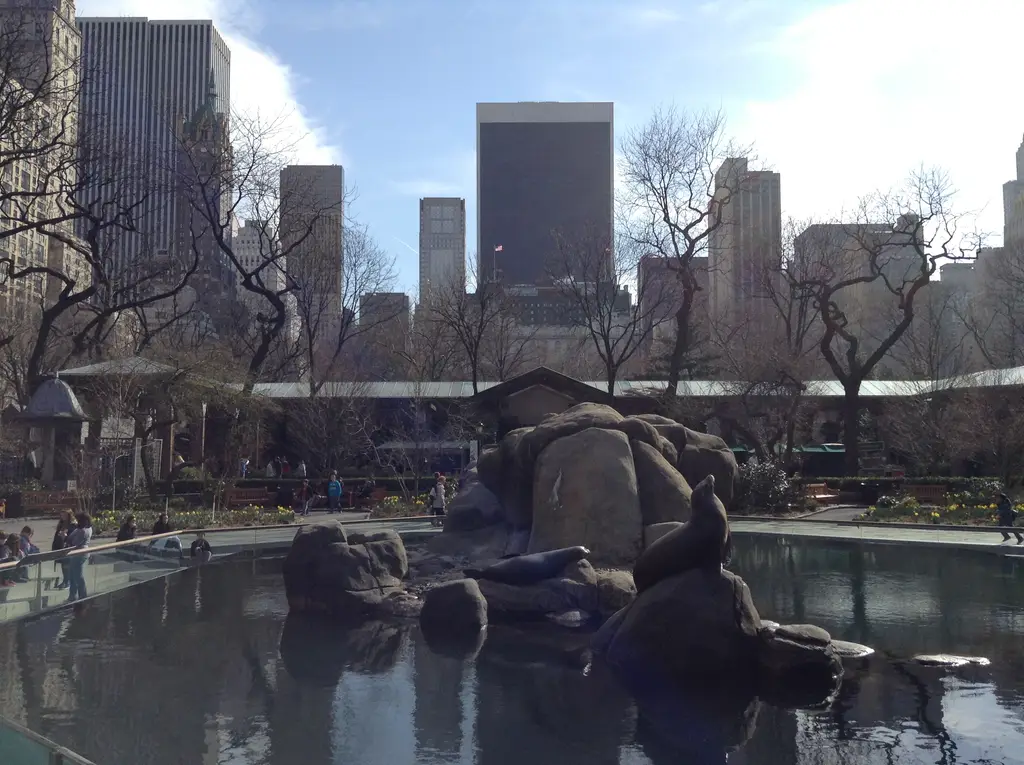
Small compared to the Bronx Zoo, and that's the point: it's inside Central Park itself, walkable between Fifth Avenue sights, and a good stop if you don't have a full day to spare for a bigger zoo.
Memorial (outdoor, free): daily 8am-8pm. Museum: Wednesday-Monday 9am-7pm, plus select Tuesday and holiday hours·Memorial: free. Museum: USD 24-36 adult (dynamic pricing, buyable up to 6 months ahead); guided tours that include admission run USD 48-85 depending on the tour·2.5-3 hours for the museum, 30-45 minutes for the memorial alone
Closed Museum closed Tuesdays except select dates, check before you gomuseum requires a timed ticket booked online in advance
The outdoor memorial pools are free and open to anyone; the museum below is the part that needs a ticket and real time, and it is heavier than most visitors expect, budget the emotional bandwidth as well as the hours.
Times Square, the Empire State Building, and Rockefeller Center are all close, though it's loud at street level and pricier than most other areas.
Greenwich Village / West Village
Suits: a quieter, more residential base with good restaurants
Tree-lined streets and a genuine neighborhood feel, a short subway ride from Midtown rather than a walk.
Lower Manhattan / Financial District
Suits: the 9/11 Memorial, One World Observatory, and Statue of Liberty ferries
Quiet on weekend nights once the offices empty, but close to the ferry terminals and often better value than Midtown hotels.
Williamsburg, Brooklyn
Suits: travelers who want a local, less touristy base with skyline views back toward Manhattan
A short subway or ferry ride to Midtown, with its own dense restaurant and bar scene that doesn't shut down early.
Upper West Side
Suits: a calmer stay near Central Park and the American Museum of Natural History
Residential and a bit removed from downtown sights, but close to the park and well served by two subway lines.
Getting there and around
Getting there
John F. Kennedy (JFK), LaGuardia (LGA), and Newark (EWR) all serve the city. JFK's AirTrain connects to the subway at Jamaica or Howard Beach for about 90 minutes to Midtown; a taxi runs a flat $70 plus tolls and tip to Manhattan. LaGuardia has no direct rail link yet; a taxi or rideshare to Midtown takes 30-50 minutes depending on traffic. Newark connects via NJ Transit or Amtrak to Penn Station in about 30 minutes.
Getting around
The subway is the backbone and it runs 24 hours. Pay with OMNY, the contactless tap system built into every turnstile: tap a bank card, phone, or an OMNY card, and a single ride costs USD 3. The part almost no first-time visitor knows about is the OMNY weekly fare cap: once you hit USD 35 in taps on subways and local buses within any rolling seven-day period, every additional ride that week is free automatically, no pass to buy, no registration required, it just caps. That makes OMNY function like an unlimited weekly MetroCard without you having to plan for it. Walking covers a lot of Manhattan between subway stops; taxis and rideshares are easy but slow in Midtown traffic.
Map
City
Recommended (numbered)
Mentioned in an itinerary
Locations on this map
New York City40.76, -73.99
Empire State Building40.75, -73.99
Top of the Rock40.76, -73.98
One World Observatory40.71, -74.01
Edge at Hudson Yards40.75, -74.00
Summit One Vanderbilt40.75, -73.98
Statue of Liberty and Ellis Island40.69, -74.04
The Metropolitan Museum of Art40.78, -73.96
MoMA40.76, -73.98
Central Park Zoo40.77, -73.97
9/11 Memorial and Museum40.64, -74.04
Midtown Manhattan40.75, -73.98
Rockefeller Center40.76, -73.98
Fifth Avenue40.80, -73.95
Street40.71, -74.00
Mall40.73, -73.81
Times Square40.76, -73.99
Theater District40.76, -73.99
Hell's Kitchen40.76, -73.99
Battery Park40.70, -74.02
Staten Island Ferry40.64, -74.07
Financial District40.71, -74.01
Greenwich Village40.73, -74.00
Upper West Side40.79, -73.98
Village40.72, -73.99
Chelsea40.75, -74.00
Meatpacking District40.74, -74.01
Chelsea Market40.74, -74.00
West Village40.73, -74.01
Brooklyn Bridge40.71, -74.00
DUMBO40.70, -73.99
Manhattan40.76, -73.99
Brooklyn Heights Promenade40.70, -74.00
Williamsburg40.71, -73.95
Wall Street40.71, -74.01
Liberty Island40.69, -74.05
High Line40.74, -74.01
Greek40.71, -74.01
Middle Eastern40.60, -74.01
Long Island City40.75, -73.95
East River40.80, -73.84
Astoria40.77, -73.93
SoHo40.72, -74.00
Chinatown40.72, -74.00
Washington Square Park40.73, -74.00
Little Italy40.72, -74.00
Brooklyn Heights40.70, -74.00
Bushwick40.69, -73.92
Upper Manhattan40.78, -73.95
Apollo Theater40.81, -73.95
Morningside Heights40.81, -73.96
Columbia University40.81, -73.96
Harlem40.81, -73.95
Bronx40.85, -73.88
Yankee Stadium40.83, -73.93
New York Botanical40.86, -73.88
Garden40.72, -73.63
Bronx Zoo40.85, -73.88
Coney Island40.58, -73.99
Brighton Beach40.58, -73.96
Russian40.77, -73.98
What it costs
Stay
Food
Transport
Activities
Daily cost breakdown, USD per person
Tier
Stay
Food
Transport
Activities
Total
Budget
USD 75
USD 45
USD 15
USD 30
USD 165
Mid-range
USD 280
USD 85
USD 20
USD 35
USD 420
Splurge
USD 550
USD 190
USD 60
USD 100
USD 900
A mid-range day: USD 280 hotel room in Midtown or the Village, USD 3 OMNY-tapped subway rides that count toward the week's USD 35 cap, USD 8 bagel and coffee breakfast, USD 15 pizza-by-the-slice lunch, USD 44 plus fees for Top of the Rock, USD 70 dinner with a drink at a sit-down restaurant including tax and tip. Comes to roughly USD 420 without a second museum or a Broadway ticket added in.
Money savers
The OMNY weekly fare cap: once you hit USD 35 in subway and local bus taps within any seven-day period, every further ride that week is free, no pass or registration needed, it just caps automatically on the card or phone you keep tapping
The Staten Island Ferry is free, runs 24 hours, and gives a real Statue of Liberty and skyline view without paying for a harbor cruise
MoMA and several other museums run periodic free admission evenings, worth checking the official site before booking a paid ticket
A slice of pizza or a halal cart plate runs USD 4-12 and is genuinely good, not a compromise meal, across most of Manhattan and the outer boroughs
New York eats in layers. There is pizza, which every neighborhood argues about and which stays shockingly good even at a nothing-special corner spot. There are bagels, which are a different product entirely from what most of the country calls a bagel, boiled and dense and best with lox before noon. There are the delis, thinning out but still holding the line on pastrami. And underneath all of it is the immigrant food that actually makes the city's reputation: Flushing's Chinese food, Jackson Heights' South Asian and Latin American strip, Sunset Park's Fuzhounese spots. Eat outside Manhattan at least once. That is where the ceiling actually is.
USD 2-5 per slice·Corner pizzerias across every borough, not one specific shop
Must try
Thin, foldable and served hot from a reheated pie, the city's actual daily food. Even an ordinary corner spot clears the bar most cities' best pizzeria is aiming for.
Bagels with lox and cream cheese
USD 8-16 with lox·Delis and bagel shops on the Upper West Side and Lower East Side
Must try
Boiled then baked, dense and chewy in a way a supermarket bagel never approaches. Ask for a scoop of cream cheese, not a smear, and eat it before noon like everyone else does.
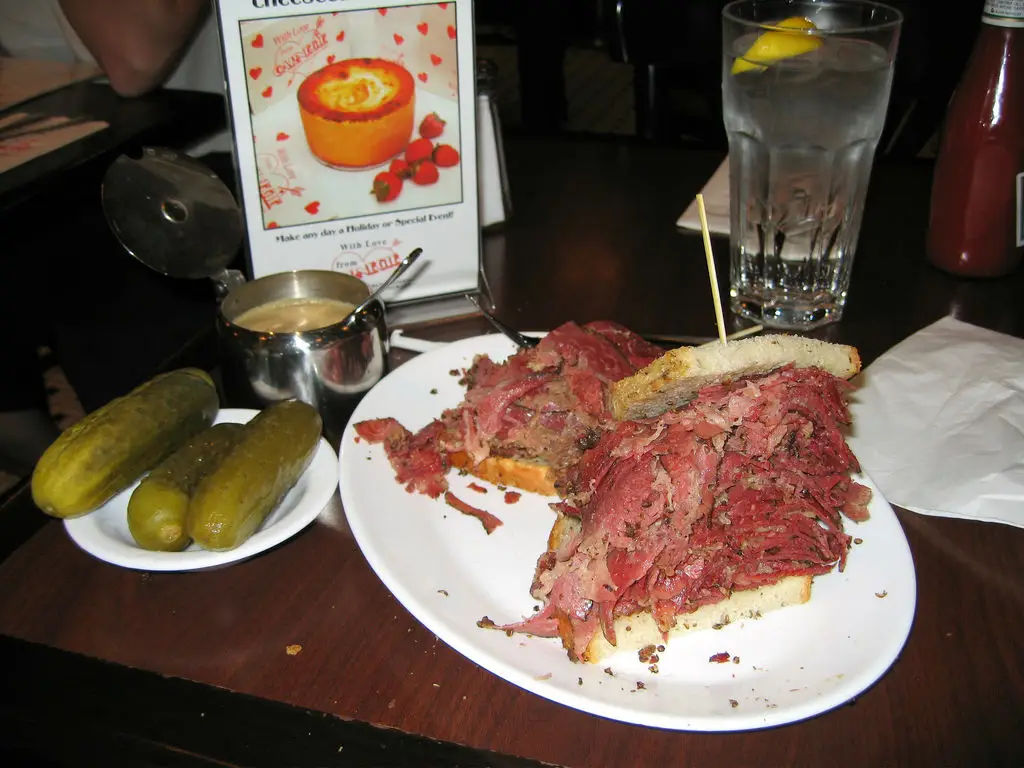
Pastrami on rye
USD 22-30·The handful of surviving old-school Jewish delis, mostly Midtown and the Lower East Side
Must try
Hand-cut, fatty, and stacked absurdly high, served with mustard on rye. Fewer of these delis survive every year, which is exactly why one is worth the price.
Dim sum and Cantonese barbecue
USD 15-30 per person·Manhattan Chinatown and Flushing, Queens
Must try
Flushing is the deeper, less touristed version, with regional Chinese food beyond Cantonese too. Roast duck hanging in a window is a reliable sign the kitchen behind it is serious.
Halal cart chicken and rice
USD 8-12·Street carts across Midtown and Downtown, especially near 53rd and 6th
Chicken and rice over lettuce, tomato and pita, finished with white sauce and a hot sauce most people underestimate. The city's most reliable late-night, cheap-eats meal.
New York cheesecake
USD 6-9 a slice·Delis and bakeries citywide
Dense and rich with cream cheese, served plain or with a fruit topping, nothing like the lighter cheesecakes elsewhere. A slice from a diner is as good a version as a famous bakery's.
Momos and South Asian street food
USD 6-14·Jackson Heights, Queens, along 74th Street
One of the densest South Asian food strips outside South Asia itself, momos, chaat and biryani from stalls and small storefronts. Less known to visitors than it should be.
Smash burger boom
as of 2026-09
Viral
A wave of thin, griddled, heavily-caramelized smash burgers across the city, following a national trend that started a few years back. The good ones are genuinely good, but the trend has produced a lot of interchangeable versions charging more than a diner burger for a similar result.
Dot cakes (Butterfield Market origin)
as of 2026-09
Viral
A sprinkle-coated layer cake, dotted all over with rainbow nonpareils, that started at Butterfield Market on the Upper East Side and went TikTok-viral. Lines wrap the block and cakes sell out in minutes, but multiple tasters call the cake itself pretty average. This is a photo trend more than a dessert worth the wait.
Push-pop sushi
as of 2026-09
Viral
Sushi rice, fish, and toppings layered into a plastic push-pop tube instead of a roll, sold by vendors and pop-ups around the city as a portable, Instagram-friendly format. It's a gimmick dressed as a dish. Fun for one photo, not something you'd order twice, and it says nothing about the quality of the fish inside.
Paid line-sitting for viral food
as of 2026-09
Viral
A small gig economy of people who get paid to wait in multi-hour lines outside TikTok-famous bakeries and restaurants so customers can skip the wait. Tells you more about the city's queue-for-content culture than about the food. If a place needs a hired line-sitter, the hype has outrun the product.
Luxury grocery store boom
as of 2026-09
Viral
A wave of high-end, aesthetics-first grocery stores opening across Manhattan and Brooklyn, charging premium prices for curated snacks and produce. Worth a walk-through for the spectacle, not the shopping list. Prices have become their own news story, which tells you who these stores are actually built for.
Safety and scams
New York is safe by most measures for a city its size, and violent crime affecting visitors in tourist areas is rare. Pickpocketing on crowded subway cars and around Times Square is the more common issue, so keep bags zipped and phones out of back pockets. Some subway stations and stretches of Midtown show visible homelessness and public drug use, which reads as unsettling to some visitors but is rarely dangerous. Standard city awareness, watching your belongings, sticking to well-lit streets late at night, covers nearly all of the real risk.
Common mistakes
Booking all four observation decks instead of picking one or two based on what the view actually offers
Forgetting that sales tax, commonly cited at 8.875% combined, is added at checkout and isn't shown on the menu or price tag
Tipping under 15-18% at a sit-down restaurant, which reads as a genuine shortfall here rather than a judgment call
Trying to see the Met or the American Museum of Natural History in under two hours; both need half a day to do properly
Buying Statue of Liberty ferry or crown access tickets from a street vendor near Battery Park instead of the official Statue City Cruises site
Staying only in Manhattan and never crossing into Brooklyn or Queens, which misses a large share of the city's actual character
Frequently asked questions
How many days do you need in New York City?
Three to four days covers the Midtown highlights, the 9/11 Memorial, and one museum without rushing. A week adds the Statue of Liberty properly and a full Brooklyn day. Two weeks is enough to work through all five boroughs, which is genuinely worth doing rather than staying in Manhattan the whole trip.
What is OMNY and how does the weekly fare cap work?
OMNY is the tap-to-pay system on every subway turnstile and bus, replacing the old MetroCard for most riders. Tap a contactless bank card, phone, or an OMNY card for a USD 3 ride. Once your taps on subways and local buses hit USD 35 within any rolling seven-day period, every further ride that week is free automatically, no pass to buy.
Which NYC observation deck is worth visiting?
Top of the Rock is the strongest single choice: it includes the Empire State Building in the view and a clean line up Central Park, with shorter lines than the Empire State Building itself. One World Observatory and Edge at Hudson Yards both sit away from the classic Midtown skyline and cost more for a less complete view. Doing all four in one trip is overkill.
Is sales tax included in prices in New York City?
No. Sales tax, commonly cited at 8.875% combined state, city, and MTA surcharge, is added at checkout and never shown on the menu or price tag, which catches most first-time visitors off guard. This research confirmed the 4% state rate and the 0.375% surcharge against tax.ny.gov but not the exact city portion, so check the current combined rate before you go. Budget for it on top of every listed price, at restaurants, shops, and attractions alike.
Do I need to tip in New York City restaurants?
Yes, 18-20% at a sit-down restaurant is the real norm here, close to compulsory rather than optional, and the card machine will prompt preset percentages even at counter service, where tipping is genuinely optional.
Do Canadians need a visa to visit New York?
Generally, no. Canadian citizens can enter the US for short tourist stays with just a valid passport, without a visa and without going through the ESTA process, since ESTA and the Visa Waiver Program apply to a separate list of countries that doesn't include Canada. This is the generally understood rule rather than one this research could directly confirm against a fetched official source, so check current requirements on cbp.gov or travel.state.gov before you fly.
How much does it cost to visit the Statue of Liberty?
The National Park Service charges no entry fee, but the Statue City Cruises ferry, the only legitimate way to reach the island, costs USD 26 for adults, USD 23 for seniors, and USD 17 for ages 4-12. Pedestal and crown access each add a small additional fee and often need booking weeks ahead in summer.
Is New York City safe for visitors?
Yes, by most measures, for a city its size. Violent crime affecting tourists in typical visitor areas is rare; pickpocketing on crowded subway cars and around Times Square is the more common issue. Standard city awareness covers nearly all of the real risk.
Should I stay in Manhattan or Brooklyn?
Manhattan is the easier first-visit base, walkable to most major sights. Brooklyn, especially Williamsburg, works well if you want a quieter, more local stay and don't mind a short subway or ferry ride into Manhattan each day, and it's often better value for the same quality of hotel.
What is the best time of year to visit New York City?
April to June and September to November offer the mildest weather and the most workable crowds. July and August bring heat and humidity that make a full day of walking genuinely tiring, and December is festive but the busiest and most expensive month around Fifth Avenue and Rockefeller Center.