A mountain town at 1,600 m that has been over-built, ringed by hand-cut rice terraces and H'mong and Dao villages that have not. Come for the walking, not the town.
By Labeeb Mirza · Published September 8, 2026 · Updated September 8, 2026
Best timeSep-Oct
Daily budget (mid)VND 1,900,000
Ideal length3 days
CurrencyVND
Overview
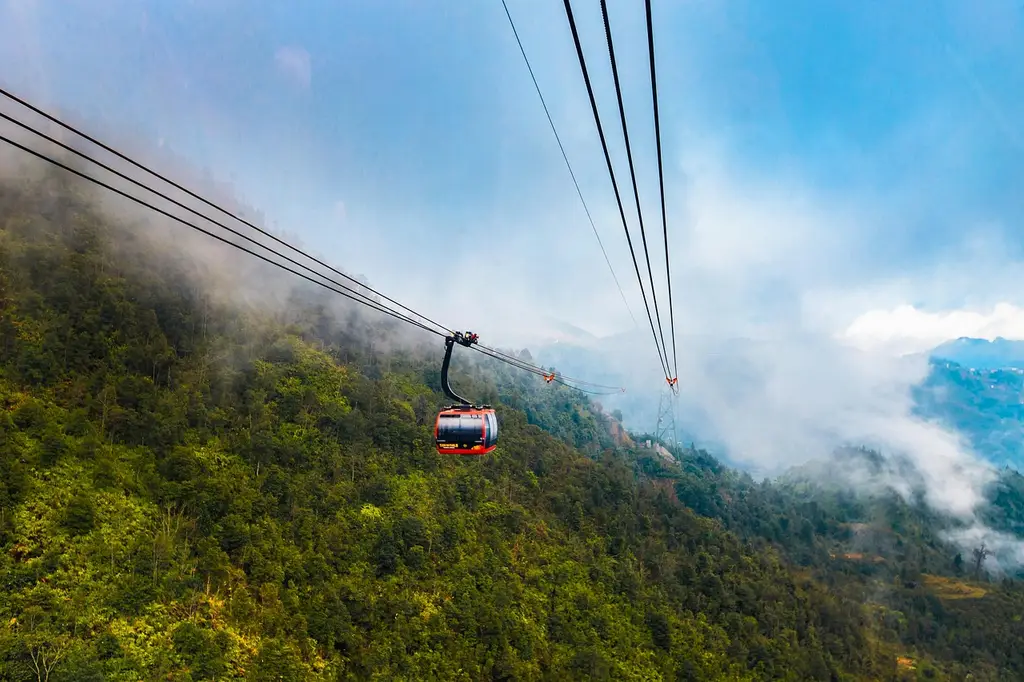
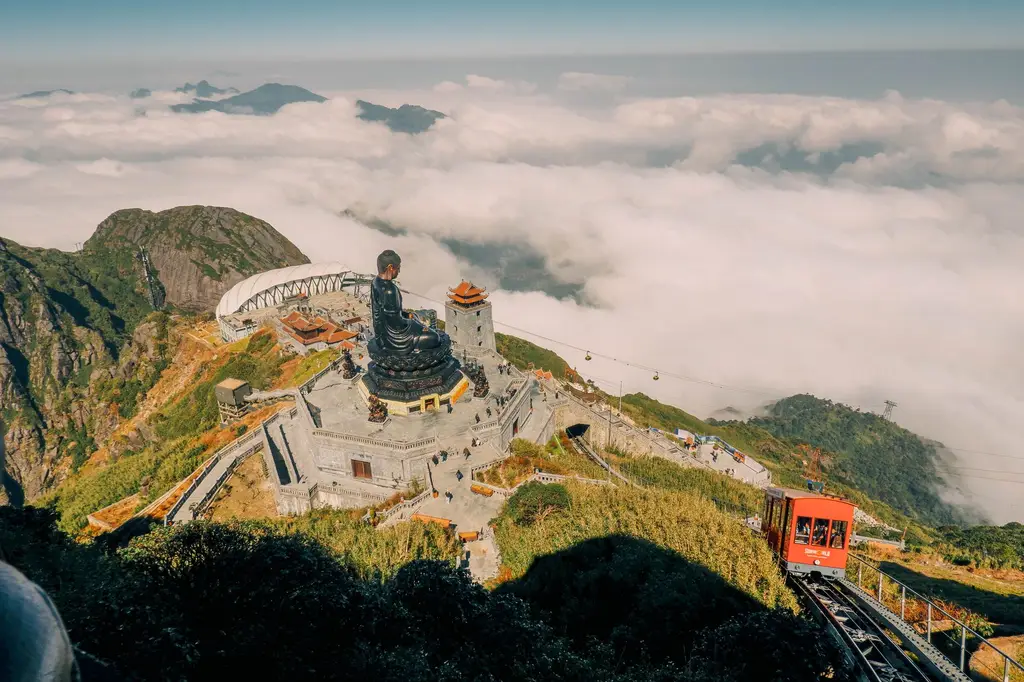
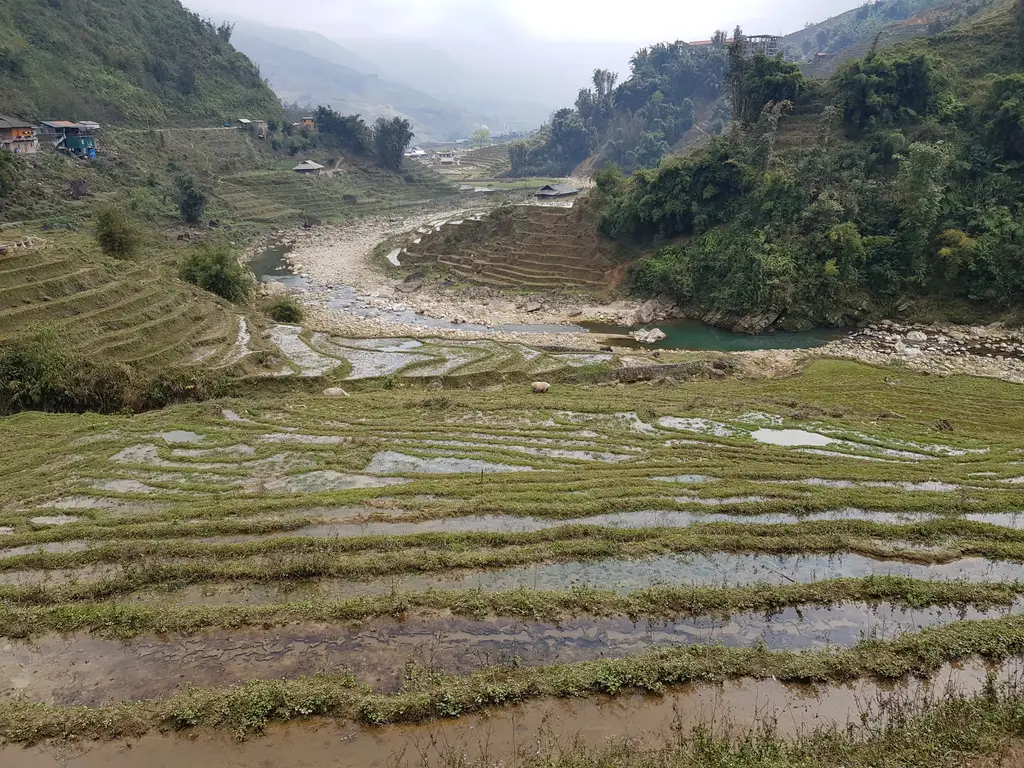
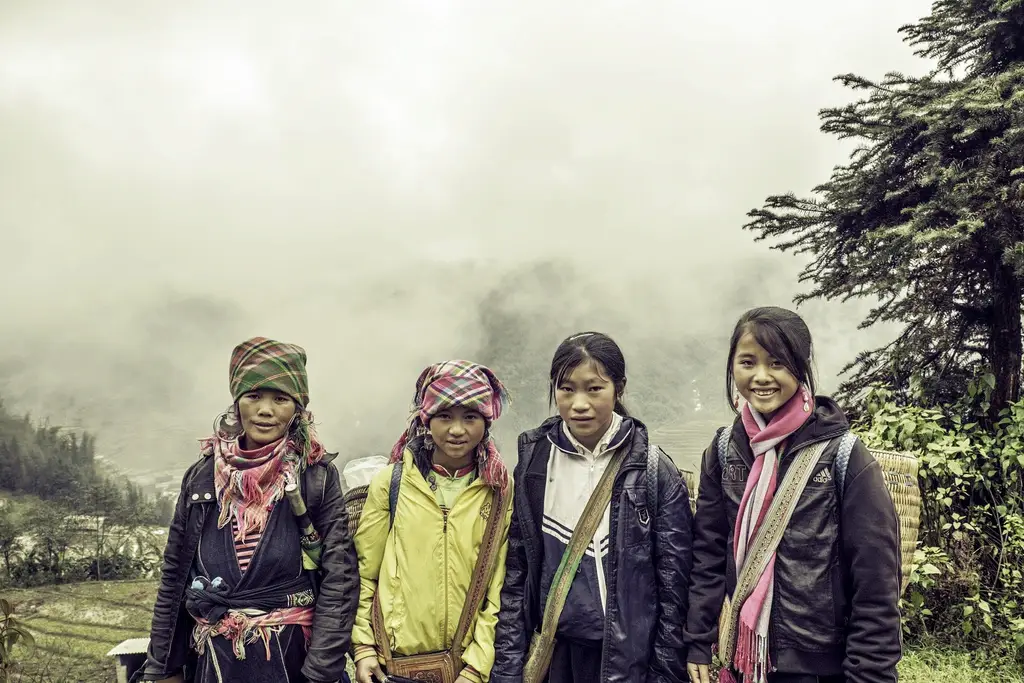
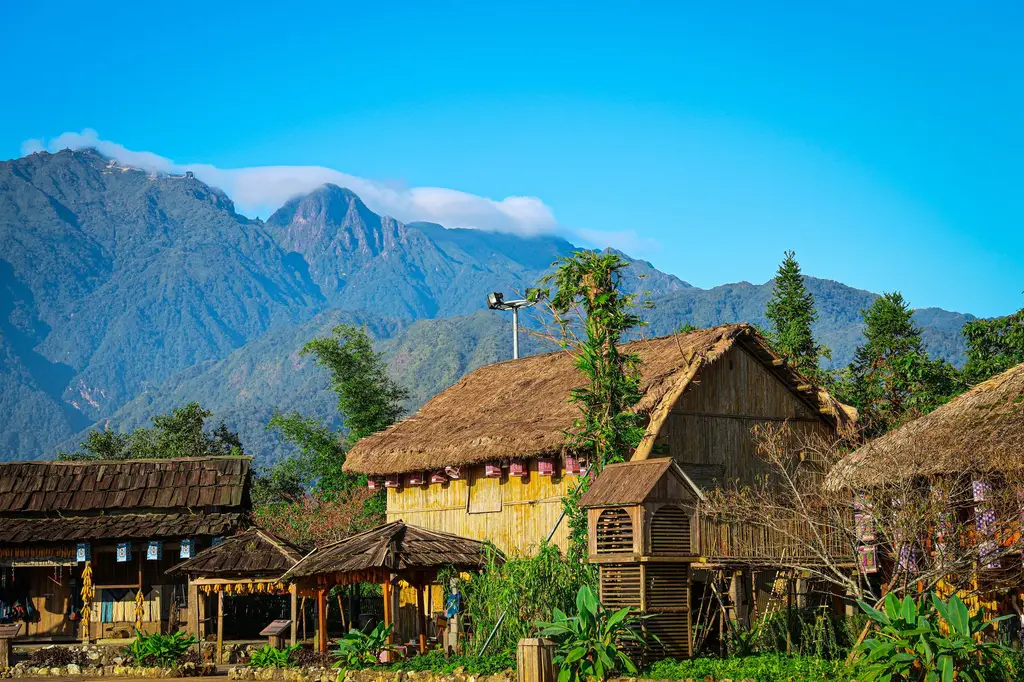
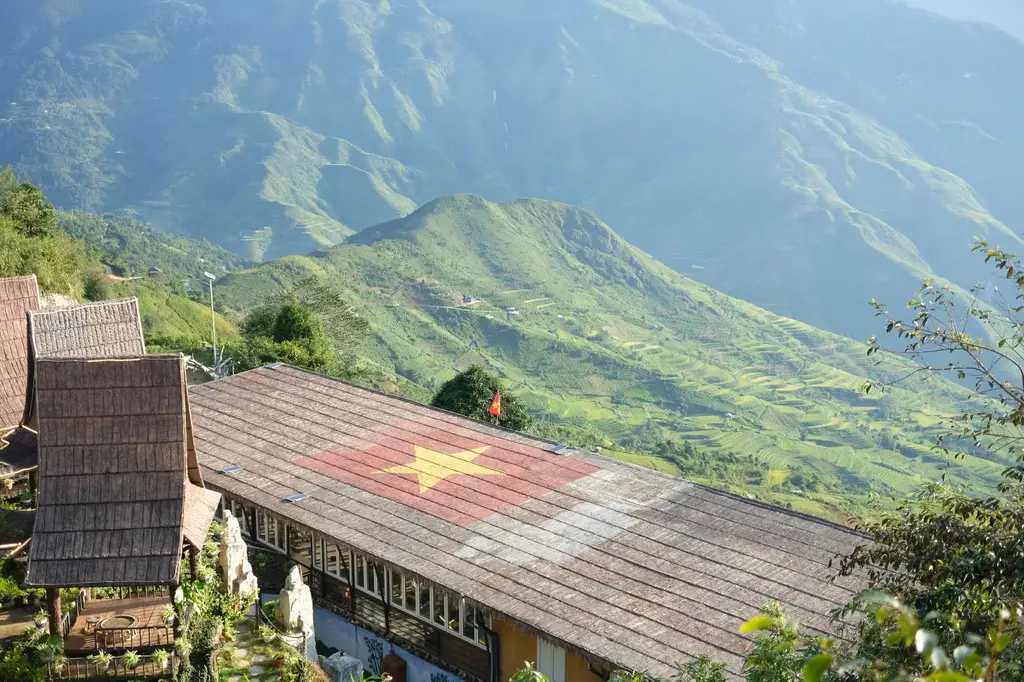
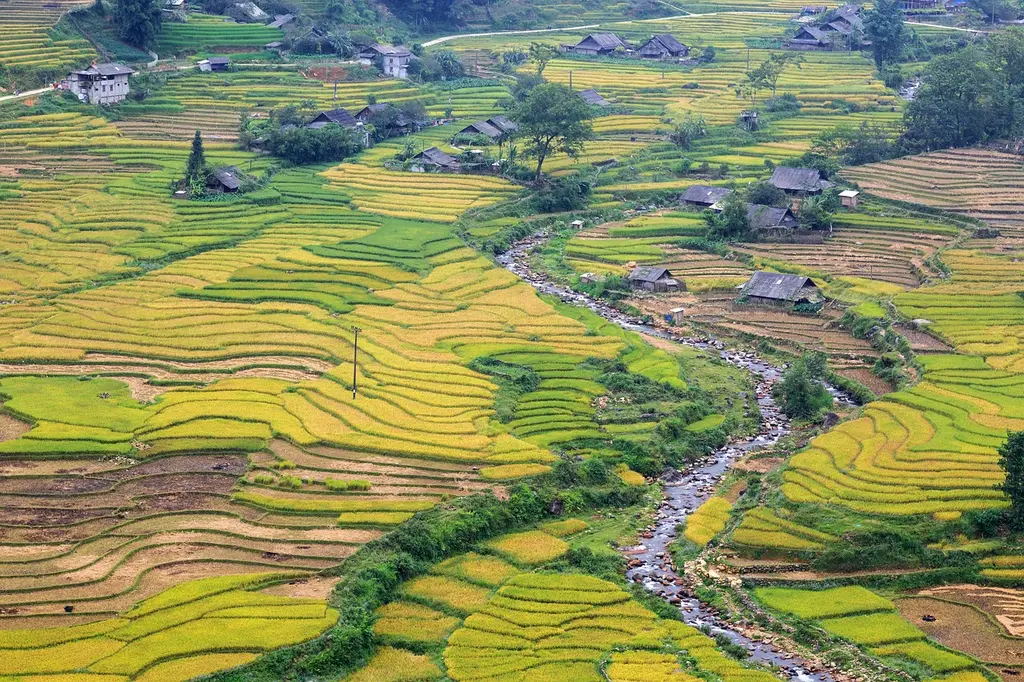
Sapa sits at roughly 1,600 m in Lao Cai province, about 250 km northwest of Hanoi, and it is the one place in Vietnam where you will want a real jacket. The town itself is not the reason to come. Concrete hotels went up fast, a shopping strip replaced a lot of what used to be market ground, and the arithmetic explains it: 4,860 visitors in 1995, two million by 2022. You can feel that in the town centre. What still works is everything outside it. The Muong Hoa Valley drops away south of town in terraces cut by hand over generations, with Y Linh Ho, Lao Chai, Ta Van and Giang Ta Chai spaced along it. North of town, Ta Phin is Red Dao country. Ethnic minority communities are the majority here rather than a sideshow: roughly 52% H'mong, 25% Dao, with Tay and Giay populations as well, and Kinh Vietnamese concentrated mainly in the centre. Two hours of walking changes the character of the trip completely. Then there is Fansipan at 3,147 m, the highest point in mainland Southeast Asia, with a cable car that carries you to within a stair climb of the top in twenty minutes. It is a strange attraction and a popular one, and worth doing once if the sky is clear. That last part is the catch. Sapa spends a good share of the year inside a cloud.
What I actually think
Sapa town itself has been built up hard and is not the attraction. The valleys are. Do not judge the place from the main street.
Book a guide through one of the operators that actually employs local women rather than a hotel desk. The difference in where your money lands is significant.
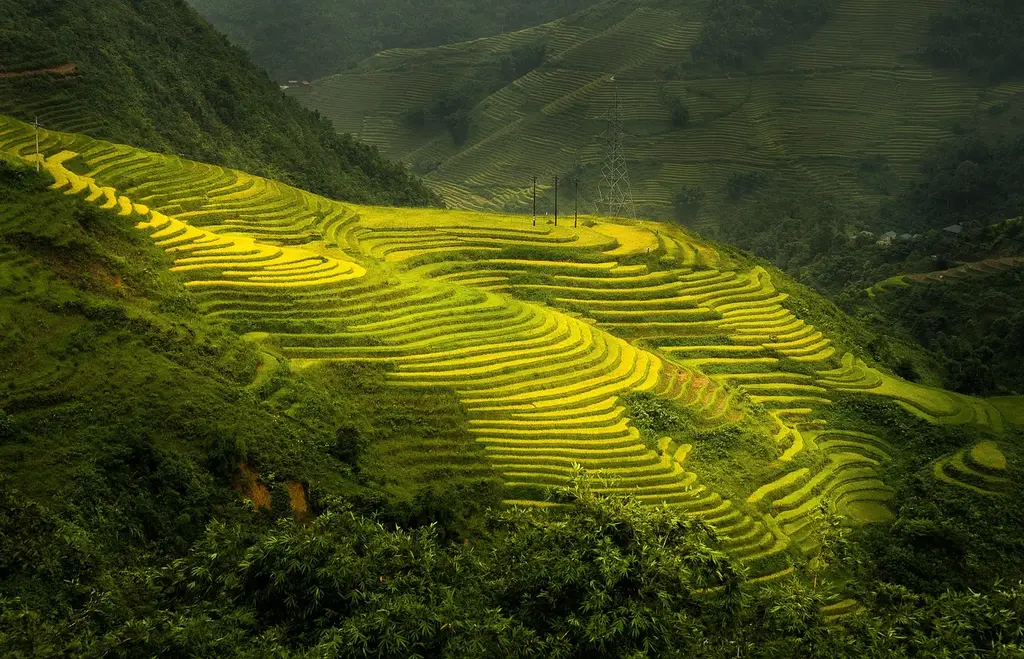
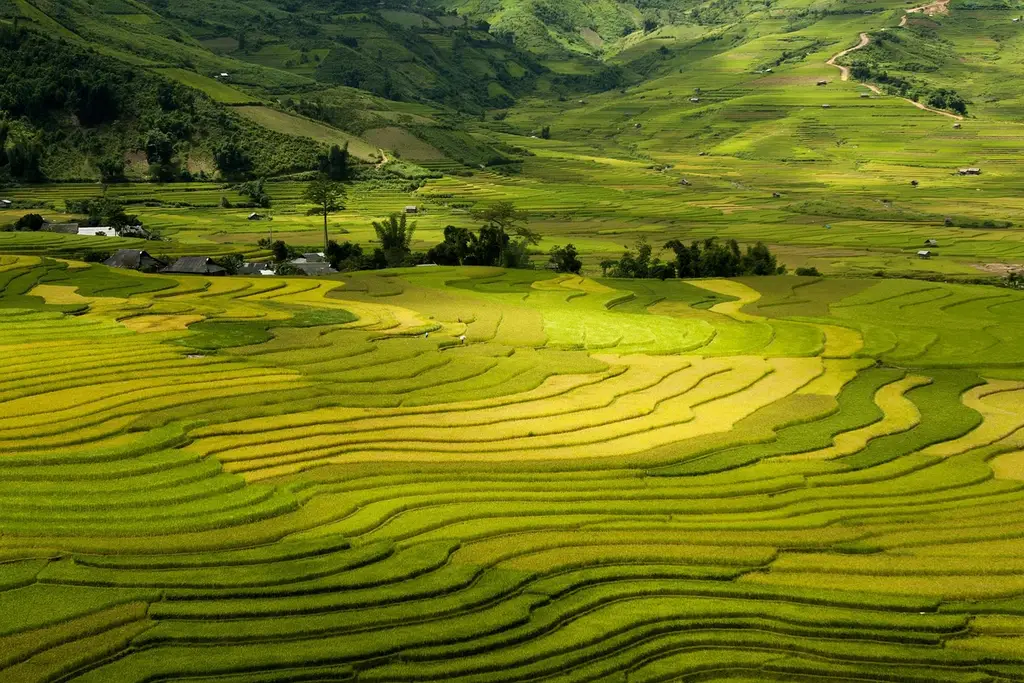
The terraces look completely different depending on the month, and photos online rarely say when they were taken. Green is midsummer, gold is around September.
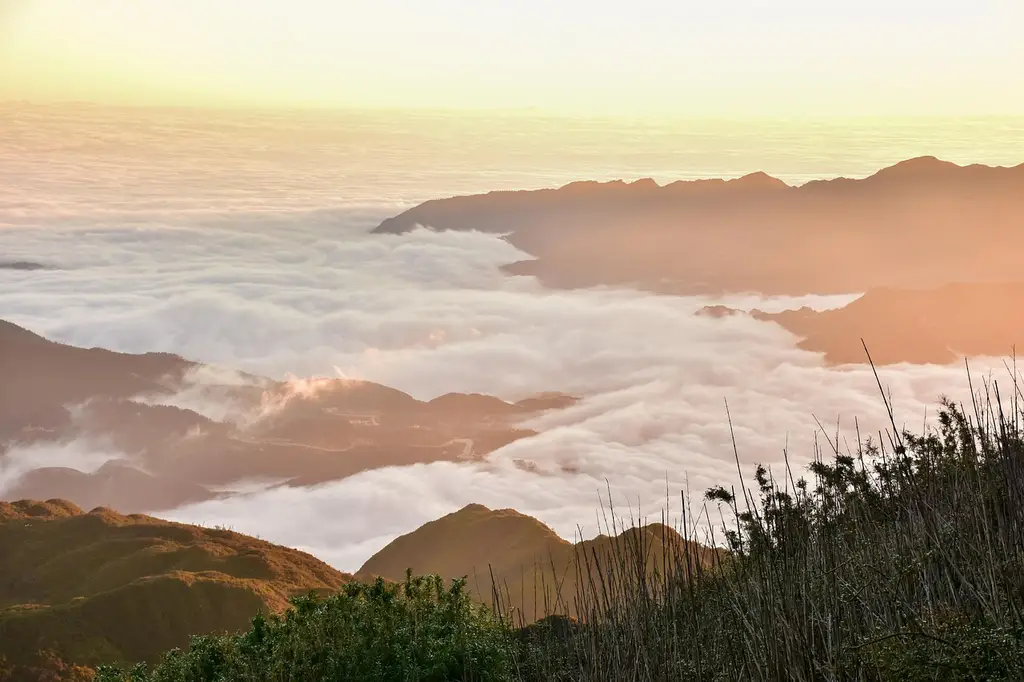
Cloud and rain can sit on the valley for days. Build in a spare day rather than betting a single afternoon on the view.
Itineraries
Honestly thin. One day in Sapa is the Fansipan cable car plus a walk around town, and that is the whole of it.
Day 1: Fansipan and the town on foot
Morning
Be at the Fansipan station for the 07:30 opening, before cloud closes the summit and before the weekend crowd. Cable car up, twenty minutes and 1,410 m of climb, then take the stairs to the top rather than the 70,000 VND funicular. Allow three hours up there with photographs.
Afternoon
Back in town by early afternoon. Walk the lake, look into the 1930s stone church, then head downhill to Cat Cat if you want a second ticket, understanding it is a paid stair walk rather than a village. Better use of the same two hours: start walking out along the Muong Hoa road until the buildings stop.
Evening
Grilled skewers at the night market stalls under the church, then a hotpot of local trout if you are still hungry. Early night if you are on a morning bus.
Tip: If the summit is socked in at 07:30, hold the ticket and walk the valley instead.
The shortest version that justifies the trip: Fansipan, then two days walking Muong Hoa Valley with a homestay night in Ta Van.
Day 1: Arrive, town, and Fansipan
Morning
Arrive on the overnight bus or train and drop bags. Coffee on the ridge above the lake while you work out whether the mountain is visible. If it is clear, go straight to the Fansipan funicular station and up.
Afternoon
Summit and back down. If the cloud has beaten you, swap this for the road out to Silver Waterfall at 20,000 VND and Tram Ton Pass, and try Fansipan on day three instead.
Evening
Book your valley trek in person at an office in town, preferably one owned and staffed by local H'mong or Dao guides. Ask who is actually walking with you and what they are paid. Then eat at the market.
Tip: Confirm the trek starts by walking from Y Linh Ho, not from a van drop at Lao Chai.
Day 2: Y Linh Ho to Lao Chai to Ta Van, homestay night
Morning
Out of town by 08:30 on foot or by short transfer to Y Linh Ho, then down into the valley on clay paths. The terraces open up within the first hour and this stretch is the walk most people came for.
Afternoon
Through Lao Chai and along the Muong Hoa stream to Ta Van, five or six hours of walking in total with a long lunch. Village entry fees are a few tens of thousands of dong. Arrive with daylight left to sit still and watch the valley.
Evening
Homestay dinner: black chicken broth, foraged greens, sticky rice, corn wine you did not ask for. This is the best food you will eat here and the part of the trip that pays a household directly.
Tip: Bring cash in small notes; nothing in the valley takes cards.
Day 3: Giang Ta Chai and out
Morning
Walk on from Ta Van to Giang Ta Chai, a Red Dao settlement, crossing the suspension bridge and climbing to the waterfall above the village. Quieter than yesterday's stretch because most day tours turn around before it.
Afternoon
Transfer back to Sapa town, shower, eat properly. If Fansipan is still owed to you and the sky opened up, the last cable cars run to 17:00.
Evening
Overnight bus or the sleeper train from Lao Cai back to Hanoi.
Tip: Leave two hours of slack for the Lao Cai transfer if you are on the train.
A regional trekking trip using Sapa as a base: Muong Hoa Valley over two days, Ta Phin, Fansipan, and Bac Ha market if your dates land on a Sunday.
Day 1: Arrive and settle into town
Morning
In from Hanoi. Walk the lake and the church, get your bearings on which way the valley falls away, buy anything warm you failed to pack.
Afternoon
Book two things in person: a two-day valley trek with a local guide, and either Bac Ha for Sunday or the Tram Ton road. Visit the covered market to see what the highland food economy actually looks like before the tourist version of it.
Evening
Skewers and beer at the night market. Sort your daypack: layers, water, cash in small notes, real shoes.
Tip: Ask the trek office directly what share of the fee reaches the guide. A good one answers.
Day 2: Into Muong Hoa Valley
Morning
Walk out through Y Linh Ho into the terraces. Slow start, steep clay, and the best light of the day on the paddies if you are here in the green or gold months.
Afternoon
Lao Chai and on to Ta Van, taking the long route rather than the road. Five or six hours total. Swim in the stream if it is July or August and warm enough.
Evening
Homestay night in Ta Van. Cook with the household if they offer; it is usually the best hour of the trip.
Tip: Bed rolls in a shared loft are the norm, not a downgrade. Bring earplugs.
Day 3: Deeper valley, second night out
Morning
On from Ta Van through Giang Ta Chai and up towards Ban Ho or Su Pan, past the point where day walkers turn back. Fewer vendors, harder path, better views.
Afternoon
Longer walking day, six to seven hours. The valley narrows and the terraces stack more steeply here. Stop at a trailside stall for com lam and grilled pork.
Evening
Second homestay night, ideally in a different village and a different household from last night, which spreads the money around.
Tip: Wash your socks; there is no second dry pair coming.
Show all 5 days
Day 4: Fansipan
Morning
Transfer back to town early, then the 07:30 opening at the Fansipan cable car. Twenty minutes and 1,410 m up, stairs to the summit at 3,147 m, three hours at the top if the sky holds.
Afternoon
Down and out on the Tram Ton road: Silver Waterfall for 20,000 VND and Vietnam's highest road pass. Do this by rented motorbike only if the fog has lifted.
Evening
Local trout hotpot in town. Book tomorrow's Bac Ha seats if it is Saturday.
Tip: Buy Fansipan tickets online the night before to skip the counter queue.
Day 5: Ta Phin, or Bac Ha if it is Sunday
Morning
Sunday: 07:00 departure for Bac Ha, 110 km east, arriving before the coach crowd around 08:30 for the Flower H'mong market. Any other day: out to Ta Phin, 12 km northeast, Red Dao country and much quieter than Muong Hoa.
Afternoon
Bac Ha runs until mid-afternoon and gets you back around 16:00 to 17:00. Ta Phin gives you an afternoon walk between hamlets and a Dao herbal bath at 100,000 to 200,000 VND, booked through the household.
Evening
Last dinner in town, then the night bus or the Lao Cai sleeper.
Tip: Bac Ha runs Sunday only. Build the whole five days around that if you want it.
A week of trekking across the Lao Cai highlands rather than a week in Sapa: Muong Hoa, Ta Phin, Bac Ha, and two nights out towards Y Ty.
Day 1: Arrive, town, Fansipan if clear
Morning
In from Hanoi, bags down, coffee, and a look at the mountain. Fansipan is a sky-dependent booking so take a clear morning when you get one, even on arrival day.
Afternoon
Cable car up if the summit is visible, otherwise the lake, the church and the covered market. Buy warm layers.
Evening
Book the week in person: three-day valley trek, Ta Phin, and Y Ty transport. Eat at the night market.
Tip: Book Y Ty homestays before you go; turning up expecting rooms does not work there.
Day 2: Y Linh Ho to Lao Chai to Ta Van
Morning
Down into Muong Hoa Valley on foot from the edge of town, on clay paths through the terraces, arriving in Y Linh Ho by mid-morning.
Afternoon
Through Lao Chai to Ta Van alongside the stream. Five or six hours walking. The busiest stretch of the week and still the prettiest.
Evening
Homestay dinner and corn wine in Ta Van.
Tip: Small notes only in the valley, and more of them than you think.
Day 3: Ta Van to Ban Ho, second homestay
Morning
Out past Giang Ta Chai and beyond where the day tours reverse. The path gets rougher and the vendor traffic drops away almost entirely.
Afternoon
Long descent towards Ban Ho, Tay country and noticeably warmer and lower than Sapa. Six to seven hours all in.
Evening
Tay stilt-house homestay, which is a different setup and a different kitchen from the H'mong villages upstream.
Tip: Lower altitude means mosquitoes; repellent matters here and not in town.
Show all 7 days
Day 4: Ban Ho to Thanh Phu and back to Sapa
Morning
Walk out through Thanh Phu and Su Pan, climbing back up the valley wall. Slow going and the least photographed part of the route.
Afternoon
Transfer to Sapa town. Shower, laundry, a real bed, a meal that is not rice.
Evening
Rest properly. Confirm the Bac Ha seats or Ta Phin plan for the next two days.
Tip: Give your guide a straight tip in cash directly rather than through the office.
Day 5: Ta Phin and the Red Dao
Morning
Out 12 km northeast to Ta Phin. Walk between hamlets, past the ruined French seminary, and look at the indigo and embroidery work being done rather than the version sold in town.
Afternoon
Dao herbal bath, 100,000 to 200,000 VND, booked with the household providing it. This is one of the few Sapa experiences where the payment chain is short.
Evening
Overnight in Ta Phin rather than commuting back, or return to town for the trout hotpot.
Tip: Buy handicrafts here, from the adult who made them, not from street sellers in town.
Day 6: Bac Ha Sunday market, or push on to Y Ty
Morning
If it is Sunday, leave at 07:00 for the 110 km run to Bac Ha and get in before the coaches for the Flower H'mong market, livestock pens and all. Otherwise head northwest towards Y Ty, roughly 70 km of mountain road.
Afternoon
Bac Ha returns around 16:00 to 17:00. The Y Ty road is slow and worth breaking at the terraces around Muong Hum and Sang Ma Sao.
Evening
Sapa if you did Bac Ha; a homestay in Y Ty or A Lu if you went northwest.
Tip: Bac Ha only happens on Sunday, so build the week around your arrival date.
Day 7: Y Ty valleys, then out
Morning
Early cloud sitting in the Y Ty valleys is what photographers come for, and it usually clears by mid-morning. Ha Nhi earthen houses here look nothing like the H'mong villages near Sapa.
Afternoon
Back down to Lao Cai directly rather than doubling through Sapa, which saves a couple of hours.
Evening
Night bus or the Lao Cai sleeper to Hanoi, arriving early morning.
Tip: Y Ty is where Sapa was twenty years ago. Behave accordingly.
Sapa cannot fill two weeks. This is a northern-highlands loop out of Sapa across Lao Cai, Bac Ha, Mu Cang Chai and Y Ty, with Ha Giang flagged as a separate trip rather than covered here.
Day 1: Hanoi to Sapa, settle in
Morning
Arrive on the overnight sleeper into Lao Cai and the 38 km bus up, or step off a morning limousine van straight into town.
Afternoon
Lake, church, covered market. Buy the layers you did not pack and shoes with tread if yours have none.
Evening
Book the two-week shape in person: valley treks, Fansipan, Bac Ha for whichever Sunday you can reach, Y Ty and Mu Cang Chai transport.
Tip: Two Sundays fall inside fourteen days. Put Bac Ha on one and Can Cau market on the other.
Day 2: Fansipan
Morning
First cable cars at 07:30 before the summit clouds over. Twenty minutes, 1,410 m, then the stairs to 3,147 m.
Afternoon
Come down and take the Tram Ton road: Silver Waterfall at 20,000 VND, Vietnam's highest road pass, Love Waterfall in the national park if you want the 70,000 VND version.
Evening
Trout or sturgeon hotpot in town. Pack a trekking bag and leave the rest at the hotel.
Tip: If day two is fogged in, swap it with any later town day; the ticket is not the constraint, the sky is.
Day 3: Y Linh Ho to Lao Chai to Ta Van
Morning
Walk out of town and down into Muong Hoa Valley through Y Linh Ho on wet clay paths.
Afternoon
Lao Chai then Ta Van beside the stream, five or six hours. Terraces stacked all the way up both valley walls.
Evening
First homestay night. Cook with the household if invited.
Tip: Cash in small notes; card payments do not exist past the town limits.
Show all 14 days
Day 4: Ta Van to Ban Ho
Morning
Through Giang Ta Chai and out past the turnaround point for day tours, over the suspension bridge and above the waterfall.
Afternoon
Long descent to Ban Ho, Tay country, warmer and greener than Sapa.
Evening
Tay stilt-house homestay and a different kitchen from last night.
Tip: Different village, different household, each night. That is the point.
Day 5: Ban Ho, Nam Cang, Thanh Phu
Morning
Walk upstream towards Nam Cang, Red Dao settlements at the far southern end of the Sapa trekking area and among the least visited.
Afternoon
Continue to Thanh Phu, five to six hours on paths rather than roads.
Evening
Third homestay night. By now you know what a good one looks like.
Tip: Pay village entry fees where asked; that money is local revenue, not a scam.
Day 6: Back to Sapa, rest day
Morning
Climb out of the valley and transfer to town. Shower, laundry, a bed with a mattress.
Afternoon
Do nothing on purpose. Coffee on the ridge, a slow lunch, repack.
Evening
Confirm tomorrow's Bac Ha seats if it is Saturday.
Tip: Build a rest day in at day six. Six days of terrace walking hurts more than it sounds.
Day 7: Bac Ha Sunday market
Morning
Leave at 07:00 for the 110 km run east, arriving around 08:30 ahead of the coaches. Flower H'mong traders, livestock pens, tools, textiles, food rows.
Afternoon
Bac Ha town and the Hoang A Tuong palace, then the drive back arriving 16:00 to 17:00.
Evening
Skewers at the night market and an early night before the Y Ty road.
Tip: Buy from the adult traders in the market, never from children working the aisles.
Day 8: Sapa to Y Ty
Morning
Northwest by road, roughly 70 km but slow. Stop at Muong Hum market and the terraces at Sang Ma Sao.
Afternoon
Into Y Ty, Ha Nhi country, with earthen-walled houses that look nothing like anything near Sapa.
Evening
Y Ty homestay, booked well ahead. Cold nights even in summer up here.
Tip: The road is the attraction. Do not try to do it after dark.
Day 9: Y Ty and A Lu
Morning
Cloud fills these valleys at dawn and burns off by mid-morning, which is why photographers put up with the drive.
Afternoon
Walk or ride out to A Lu and the terraces along the Chinese border. Very few other visitors, and villages that are working rather than hosting.
Evening
Second Y Ty night, or start back towards Bat Xat.
Tip: Carry your passport near the border and do not photograph border posts.
Day 10: Y Ty to Sapa, then south towards Mu Cang Chai
Morning
Back down the mountain road, collecting your stored bag in Sapa.
Afternoon
South out of Lao Cai province towards Mu Cang Chai in Yen Bai, a long transfer over the O Quy Ho and Khau Pha passes.
Evening
Arrive Mu Cang Chai. Different province, same terraced landscape at a bigger scale.
Tip: This is a full transfer day. Do not schedule anything else into it.
Day 11: Mu Cang Chai terraces
Morning
The La Pan Tan, Che Cu Nha and Ze Xu Phinh terraces were designated a national heritage site in 2007, and the harvest festivals here run in early October.
Afternoon
Walk up into the fields rather than shooting them from the road viewpoints. Local guides available in La Pan Tan.
Evening
Homestay in La Pan Tan or Mu Cang Chai town.
Tip: Mu Cang Chai at harvest beats anything within walking distance of Sapa.
Day 12: Khau Pha Pass and Tu Le
Morning
Khau Pha, one of the four great northern passes, with the terraces falling away below the road for kilometres.
Afternoon
Down into Tu Le valley, known for its sticky rice, and a slow afternoon among Thai villages.
Evening
Tu Le or back to Mu Cang Chai.
Tip: Paragliding runs off Khau Pha in the autumn window if that appeals.
Day 13: North again, or a second market Sunday
Morning
If this lands on a Sunday, get back into Lao Cai province for Can Cau market north of Bac Ha, smaller and less touristed than Bac Ha itself. Otherwise work back towards Sapa or Lao Cai at a slow pace.
Afternoon
Last walking in whichever valley you liked best. Buy textiles from the people who made them.
Evening
Final night in Sapa town or Lao Cai city, depending on your train.
Tip: Can Cau also runs Saturday in some schedules; confirm locally before driving out.
Day 14: Out, and what to do instead of forcing more Sapa
Morning
Morning in Lao Cai, or a last cable car run if Fansipan owed you a clear day.
Afternoon
Bus or train south. Six hours by road, about 7.5 hours by sleeper rail from Lao Cai.
Evening
Into Hanoi. If you have more time, the honest recommendation is the Ha Giang loop next, roughly a day east of here: far more remote, harder roads, three to four days minimum, and a different trip that this Sapa guide does not attempt to cover in depth.
Tip: Ha Giang deserves its own planning and its own guide, not the tail end of a Sapa itinerary.
Things to do
1Sun World Fansipan Legend cable car
2Photo by Quý Nguyễn on PexelsFansipan summit on foot (Hoang Lien National Park)
8Photo by Sea Man on PexelsSilver Waterfall (Thac Bac) and Tram Ton Pass
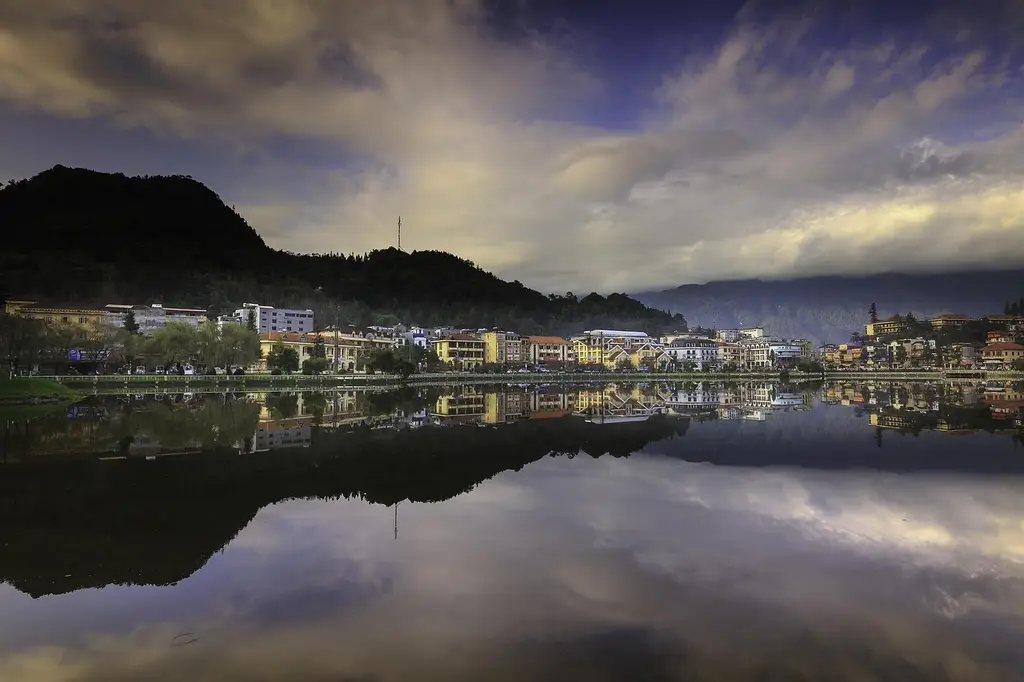
9Sapa town centre, the lake and the stone church
10Y Ty and the far Lao Cai border valleys
1
Sun World Fansipan Legend cable car
07:30 to 17:00 (Sun World lists these hours and notes they can change, so check before you go)·750,000 VND adult, 550,000 VND for children 1 to 1.4 m; the funicular from the upper station to the summit is 70,000 VND extra; the town-to-cable-car funicular is a separate 100,000 VND·4-5 hours from town
Walk in or buy online at booking.sunworld.vn; queues build after 09:00 on weekends and Vietnamese holidays
The 6.3 km ride climbs 1,410 m in about twenty minutes. Go on the first cars of the day, before cloud fills the summit. On a grey morning you are paying 750,000 VND to stand in fog.
2
Fansipan summit on foot (Hoang Lien National Park)
Daylight starts, typically 06:00-07:00 departures·150,000 VND park entry for the climb, plus a guide and porters arranged in Sapa·2 days and 1 night is the common format; strong hikers do it in one long day
Arrange in Sapa a day or two ahead; a guide is required in practice and sensible regardless
The mountain that made Sapa famous is now something you can ride up. Walking it is a genuinely hard climb through wet forest, and the top is shared with cable car crowds either way.
3
Muong Hoa Valley rice terraces
Always open·Free to walk the public lanes; individual villages charge small entry fees·Half a day minimum, better as 2-3 days with homestay nights
Walk in, or hire a local guide the day before
The terraces are farmland on a working timetable. Flooded and planted around late May and June, deep green through July and August, gold from mid-September, bare brown from November.
4
Lao Chai to Ta Van trek
Always open; most walks start 08:30-09:00·Village entry fees of a few tens of thousands of dong; guide rates quoted per group·5-6 hours walking, 10-12 km depending on the route
Book at an office in Sapa the day before rather than online from abroad
The standard first trek, and busy for it. Starting from Y Linh Ho instead of the road head, and staying overnight in Ta Van rather than turning back, thins the crowd considerably.
5
Cat Cat Village
Roughly 06:00 to 18:00; check before you go·70,000 VND, 30,000 VND for children under 10·1.5-2 hours
Three kilometres downhill from town and run much closer to a paid attraction than a village: ticket gate, staged photo spots, souvenir stalls. Fine as an hour of stair climbing. Not a substitute for walking further out.
6
Ta Phin (Red Dao village)
Always open; herbal bath houses generally run afternoon into evening·Small village entry fee; a Dao herbal bath is typically 100,000-200,000 VND·Half a day, or an overnight
Walk in; book a bath or homestay through the village rather than a town agency
Twelve kilometres northeast and much quieter than Muong Hoa. The Red Dao herbal bath is the local draw and, unlike most Sapa add-ons, the money tends to stay in the household providing it.
Ban Mong Alpine Coaster
as of 2026-09
Viral
A German-built gravity coaster near Mong Village, just over a kilometre of track through the valley, with riders controlling their own speed via a brake. Worth it for the novelty and the valley views, and it's one of the few Sapa attractions that still runs in fog. Not worth a special detour if you're short on time.
Fansipan Cable Car
as of 2026-09
Viral
A long gondola ride up to Fansipan Peak, the highest point in Indochina at 3,143 metres, passing over forest and waterfalls before reaching a temple complex near the summit. Worth doing for the scale of the view, though the summit area itself is crowded and built up, not a wilderness experience.
Cat Cat Village
as of 2026-09
Viral
A Black H'mong hillside settlement a short walk from Sapa town, with terraced rice fields, a waterfall, and remains of an old French-built hydro plant. Pleasant walk but heavily commercialized now, with souvenir stalls lining the path. Go for the terraces and the walk down, not for an authentic village experience.
Ta Phin Red Dao herbal bath
as of 2026-09
Viral
A wooden-tub herbal bath tradition of the Red Dao community, made from a boiled mix of mountain herbs, offered in Ta Phin village about 15km from Sapa town or at simpler spas in town itself. Genuinely relaxing after a day of trekking and cheap at village prices. Town-based versions are more polished but pricier and less authentic.
Bac Ha Sunday Market
as of 2026-09
Viral
A weekly ethnic minority market about 100km from Sapa town where Flower H'mong, Tay and Dao communities trade textiles, livestock and produce, running only on Sundays from early morning. Worth the trip if your schedule lines up with Sunday, arrive by 7am before tour buses take over. Not worth rearranging an itinerary around if it means a long backtrack.
O Quy Ho Pass and Heaven's Gate viewpoint
as of 2026-09
Viral
Vietnam's longest mountain pass, climbing to about 2,073m on Highway 4D, with a summit viewpoint known for seas of cloud below at sunrise, best from October to December. Worth it for the view alone, best reached by rented motorbike or car before dawn. Skip it if switchback mountain roads make you nervous, some sections are narrow with blind corners.
Muong Hoa Valley trek
as of 2026-09
Viral
A 10-15km trekking route through H'mong and Dao villages including Lao Chai and Ta Van, past terraced rice fields, usually done as a 4-6 hour guided walk with entry around 150,000 VND. A better way to see the valley than from a viewpoint alone. September and October bring the best light, when the terraces turn gold.
More to see (4)
7
Bac Ha Sunday Market
Sunday morning; tours from Sapa leave about 07:00 and return 16:00-17:00·Free to enter; day tours from Sapa run about 10-12 USD, roughly 260,000-320,000 VND·Full day, including 110 km each way
Closed Monday to Saturday, it only runs on SundayBook Saturday at any Sapa office; seats on the Sunday runs sell out in high season
Bigger and more of a working market than anything in Sapa, with Flower H'mong traders buying tools, livestock and food rather than performing. Get there before the coaches, around 08:30.
8
Silver Waterfall (Thac Bac) and Tram Ton Pass
Daylight hours·20,000 VND for Silver Waterfall; nearby Love Waterfall inside Hoang Lien National Park is 70,000 VND·1-2 hours for the waterfall, half a day with the pass
Twelve kilometres out on the road to Lai Chau. The waterfall is a roadside stop and thin in dry months. Tram Ton Pass, Vietnam's highest road pass, is the better reason to make the trip.
9
Sapa town centre, the lake and the stone church
Always open·Free·1 hour
The 1930s stone church and the lake are the only fragments of old Sapa left intact at street level. Worth a walk on arrival evening, not a slot in your itinerary.
10
Y Ty and the far Lao Cai border valleys
Always open·Free; transport and guide are the cost·2-3 days from Sapa
Arrange transport and a homestay ahead; do not turn up expecting rooms
About 70 km northwest by mountain road, Ha Nhi and Hmong country, and roughly where Sapa sat twenty years ago. Cloud sits in these valleys most mornings, which is the point for photographers and the problem for everyone else.
Where to stay
Sapa town centre (around the church and Cau May)
Suits: First-timers, short trips, anyone catching an early bus
Densest cluster of hotels, food and trek offices. Noisy, over-built, and the most convenient base by a distance.
Sapa Lake and the ridge above it
Suits: Views without leaving town
Ten minutes uphill from the centre buys quieter streets and valley-facing rooms. Check whether the view is a wall.
Ta Van, Muong Hoa Valley
Suits: Homestay nights, walkers, slow travel
About 10 km south of town, in the terraces. Tay and H'mong homestays plus a growing number of boutique places.
Lao Chai
Suits: Closer valley base with easy access back to town
Nearer than Ta Van and busier with day walkers. Good if you want one homestay night without committing to a long trek.
Ta Phin
Suits: Red Dao villages, herbal baths, fewer tour groups
Roughly 12 km northeast. Much quieter than Muong Hoa and set up for overnight visitors rather than passing coaches.
Thanh Kim and the outer ridges
Suits: Splurge stays, honeymoons, people who want to see nobody
Isolated eco-lodges 40 minutes to an hour out. Expect shuttle schedules rather than walking anywhere for dinner.
Getting there and around
Getting there
The Hanoi to Lao Cai expressway changed the maths. Direct limousine vans and sleeper buses now reach Sapa town in about six hours for roughly 350,000 to 500,000 VND, which is why most travellers no longer bother with the train. The overnight sleeper (SP1 leaves Hanoi 21:35) still runs to Lao Cai in about 7.5 hours, then it is 38 km on by public bus, 50,000 VND, about 50 minutes.
Getting around
The town centre is small enough to cross on foot in fifteen minutes, and steep enough that you will notice. Everything else needs wheels or legs. Motorbike rental runs about 70,000 to 150,000 VND a day; xe om drivers wait around the church and the lake. Shared minibuses run down into Muong Hoa Valley for a few tens of thousands of dong. A separate funicular links the town to the Fansipan cable car station for 100,000 VND. Most valley walking is on paved lanes and dirt paths.
Map
City
Recommended (numbered)
Mentioned in an itinerary
Locations on this map
Sapa22.34, 103.84
Sun World Fansipan Legend cable car22.33, 103.84
Fansipan summit on foot (Hoang Lien National Park)22.34, 103.84
Muong Hoa Valley rice terraces22.33, 103.84
Lao Chai to Ta Van trek22.31, 103.88
Cat Cat Village22.33, 103.83
Ta Phin (Red Dao village)22.36, 103.85
Bac Ha Sunday Market22.50, 104.31
Silver Waterfall (Thac Bac) and Tram Ton Pass22.36, 103.78
Sapa town centre, the lake and the stone church22.33, 103.84
Y Ty and the far Lao Cai border valleys22.66, 103.61
VND22.33, 103.85
H'mong22.33, 103.84
Giang Ta Chai22.30, 103.90
Ban Ho22.26, 103.97
Su Pan22.33, 103.84
Thanh Phu22.48, 103.98
Muong Hum22.47, 103.65
Ha Nhi22.39, 103.48
Mu Cang Chai21.85, 104.09
Love Waterfall22.35, 103.77
Nam Cang22.24, 104.00
Tuong22.34, 103.84
Bat Xat22.60, 103.69
Quy Ho22.34, 103.84
Thai22.34, 103.84
Can Cau22.44, 103.44
Ha Giang22.33, 103.84
What it costs
Stay
Food
Transport
Activities
Daily cost breakdown, VND per person
Tier
Stay
Food
Transport
Activities
Total
Budget
VND 200,000
VND 250,000
VND 50,000
VND 200,000
VND 700,000
Mid-range
VND 800,000
VND 500,000
VND 200,000
VND 400,000
VND 1,900,000
Splurge
VND 2,600,000
VND 1,000,000
VND 600,000
VND 1,000,000
VND 5,200,000
Homestay bed in Ta Van with breakfast, 400,000. Noodle soup at a market stall, 10,000. Packed lunch on the trail, 60,000. Share of a local guide's day rate across four walkers, 250,000. Shared minibus back to town, 60,000. Grilled skewers and a beer at the night market, 180,000. Around 960,000 VND, roughly CAD 50.
Money savers
Take the 50,000 VND public bus from Lao Cai station to Sapa rather than a hotel minibus at 150,000 to 250,000, or a private car at about 30 USD
Skip the 70,000 VND summit funicular at the top of the cable car and climb the stairs; it is the last few hundred metres and the only part of Fansipan you actually walk
Book your trek at an office in Sapa town, ideally one owned by local H'mong or Dao guides, rather than through a Hanoi agency; you pay less and more of it stays here
Eat in the covered market and at the night market stalls: noodle soup around 10,000 VND, fried rice around 15,000, a main dish around 30,000
Silver Waterfall costs 20,000 VND; Love Waterfall inside the national park costs 70,000. On a dry-season day neither is much, so pick the cheap one
Walk into Muong Hoa Valley from the edge of town instead of paying for a jeep transfer. The first two hours downhill are the walk people book tours to do
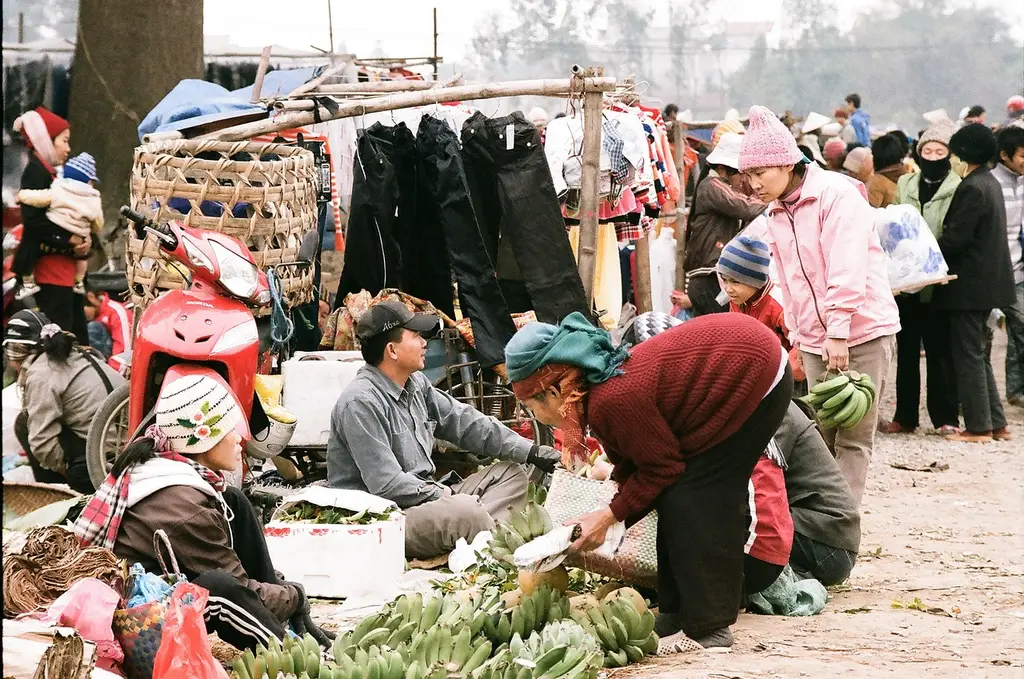
Sapa's real food happens off the main street, in a homestay kitchen with a wood fire and no menu at all. In town, it's grilled skewers standing up at the night market, cash only, point and pay per stick. Restaurants along Cau May cook a softened version of highland dishes for tour groups, competent but not the thing you came for. The valley is different. Book a homestay in Ta Van or Lao Chai and dinner is black chicken broth, foraged greens and sticky rice, followed by corn wine you did not ask for and shouldn't refuse outright. Thang co, the H'mong horse-meat stew, is a genuine dish rather than a tourist stunt, and it's fine to skip it if organ meat isn't your thing.
Thang co
Grilled skewers (do nuong)
Sapa trout and sturgeon, sold locally as salmon
Com lam
Black chicken and mountain herbs
Thang co
VND 40,000-70,000 a bowl·Sapa covered market and the Bac Ha market food rows
H'mong stew built from horse meat and offal, simmered for hours with local spices. A genuine highland dish rather than a tourist invention, and plenty of visitors will not want it.
Grilled skewers (do nuong)
VND 15,000-40,000 a stick·the night market strip below the church and around the lake
Must try
Charcoal grills come out at dusk: pork belly, chicken wings, wild mushrooms, sweet potato, whole small fish. Point, pay per stick, eat standing up. The cheapest good meal in town.
Sapa trout and sturgeon, sold locally as salmon
VND 150,000-300,000·restaurants in the town centre and along the Tram Ton road
Must try
Cold mountain streams made Sapa a fish-farming area, and the trout and sturgeon here are farmed nearby, not flown in. Usually served as hotpot or sashimi-style with mustard leaf. It is not salmon.
Com lam
VND 15,000-30,000 a tube·trailside stalls in Muong Hoa Valley and market stands in town
Must try
Sticky rice packed into bamboo tubes and roasted over coals, taking a faint smoke and grass flavour. Sold in bundles, eaten with sesame salt or grilled pork. The standard trekking snack.
Black chicken and mountain herbs
included in homestay dinner, roughly VND 100,000-200,000 a head·homestay kitchens in Ta Van, Lao Chai and Ta Phin
Must try
H'mong black chicken has dark bone and skin and turns up in broth with foraged greens. Homestay dinners are where highland food is actually good. Town restaurants cook a softened version of it.
Corn wine (ruou ngo)
VND 20,000-50,000 a bottle at market·homestays and the Bac Ha market spirit sellers
Distilled maize spirit, poured after dinner, and the reason a lot of trekkers start day two slowly. Bac Ha is the well-known source. Refusing a second glass is fine and nobody minds.
Pho Khuyen
as of 2026-09
Viral
A tiny breakfast stall in an alley off Tue Tinh Street near the old market, serving one dish only, Sapa-style chicken pho, open roughly 6 to 10am. Small and old, and a July 2026 shop survey re-checked it as still open. This is the kind of place worth an early alarm, not a new opening riding a trend.
Seven-color sticky rice
as of 2026-09
Viral
Sticky rice dyed with plant-based colors, gac fruit red, pandan green, turmeric yellow, rooted in ethnic-minority cooking traditions, sold across Sapa's markets. Genuinely part of local practice, not manufactured for photos, even though it photographs well. Easy to find, no verification risk.
Thắng cố
as of 2026-09
Viral
H'mong horse and buffalo meat stew simmered with offal and mountain herbs, traditionally cooked in a huge shared pot at the weekend market. Strong, gamey, not for everyone. Try it at the Saturday market rather than a tourist restaurant version, which tends to be watered down.
Cơm lam
as of 2026-09
Viral
Sticky rice packed into a length of bamboo and grilled over coals until the husk chars, a staple across Sapa's hill villages. Good with grilled meat or on its own. Sold widely at stalls and homestays around Cat Cat and Ta Van, quality varies stall to stall.
Sapa salmon and sturgeon hot pot
as of 2026-09
Viral
Sapa's high elevation supports Vietnam's only cold-water fish farms, and local restaurants run salmon and sturgeon hot pot as a signature dish. Genuinely local, not imported novelty. Fresher and cheaper than salmon anywhere else in Vietnam, worth the queue at a busy spot.
Grilled skewers on Cau May street
as of 2026-09
Viral
Evening street stalls along Cau May grill skewered meats, tofu, and vegetables over charcoal, a nightly ritual for both locals and visitors. Cheap, smoky, and social. Pick stalls with the most turnover, the food sits out otherwise and quality drops fast in the cold.
Safety and scams
Nothing here is dangerous in the usual sense. The real hazards are weather and footing: cloud drops visibility fast, terrace paths turn to slick clay after rain, and lows near freezing in December and January catch out people who packed for Hanoi. Motorbiking the mountain roads in fog is how tourists actually get hurt. Expect insistent guide and souvenir approaches in town, which is pushy rather than threatening.
Common mistakes
Treating Sapa town as the destination. The town is a base with a hotel problem; the valleys are the trip
Coming in November through April expecting the photographs you saw. The terraces are bare mud and brown stubble outside the growing season
Booking the trek from Hanoi. You pay a Hanoi margin and often get a Hanoi guide reading a script instead of someone from the valley you are walking through
Doing Cat Cat Village and calling it a village visit. It is a ticketed walk 3 km from town
Buying the Fansipan cable car ticket before looking at the sky. There is no view refund
Packing for tropical Vietnam. Sapa has recorded lows of minus 6 and it snows here occasionally; you need a real layer, not a rain shell
Planning Bac Ha for the wrong day. That market runs on Sunday only, and everything else in the area is a much smaller substitute
Buying trinkets from children working the streets and calling it help. See the FAQ on this
Booking one night and one trek. Sapa's returns compound with distance from town, and distance takes days
Frequently asked questions
How do I get from Hanoi to Sapa, and is the train still worth it?
Direct limousine vans and sleeper buses now use the expressway and reach Sapa town in about six hours for roughly 350,000 to 500,000 VND, which has made them the default. The overnight train still runs to Lao Cai in about 7.5 hours, then a 38 km bus at 50,000 VND. Take the train for the berth and the novelty, the bus for the door-to-door time.
When are the Sapa rice terraces green or golden?
The terraces are a single wet-season crop. They flood and get planted around late May and June, run deep green through July and August, and turn gold from mid-September into October, with harvest festivals in the wider region in early October. From November to April they are bare brown. Timing shifts a week or two by year and altitude, so ask locally.
How much is the Fansipan cable car?
750,000 VND for an adult round trip and 550,000 for children between 1 and 1.4 m, operated by Sun World, listed hours 07:30 to 17:00. The funicular from the upper station to the summit is 70,000 VND on top, and the separate funicular from town to the cable car base is 100,000 VND. Prices change, so check Sun World before you go.
Is the cable car cheating, or should I hike Fansipan?
It is a shortcut and it does undersell the mountain: twenty minutes replaces what used to be a two to three day climb, and you share the summit with people in trainers either way. Walk it if the climb is the point, with a guide and a 150,000 VND park permit. Ride it if the view is the point. Doing both is not unreasonable.
How do I choose a trekking operator that actually pays local guides?
Book in Sapa, not Hanoi, and ask three direct questions: who is walking with me, are they from the valley we are entering, and what share of this fee do they receive. Locally owned operations answer easily. Sapa Sisters is owned and run by H'mong women guides, and Sapa O'Chau is a registered social enterprise founded by Shu Tan. Both are reasonable starting points.
Should I buy things from children selling souvenirs in Sapa?
No, and this is not a judgement call. ChildSafe's guidance to travellers is explicit: do not buy goods or services offered by children, and do not give money or gifts to children, because the income keeps them working instead of in school. Buy the same textiles from adult makers in Ta Phin or the market, and support adult-run homestays and cooperatives instead.
Is Cat Cat Village worth the ticket?
As a village visit, no. It is 3 km downhill from town, costs 70,000 VND, and is run with a ticket gate, staged photo points and souvenir rows. Treat it as a pleasant hour of stair walking. If you want to see how people actually live here, spend the same money getting further out to Ta Phin or a homestay night in Muong Hoa Valley.
How cold does Sapa get, and how is its weather different from the rest of Vietnam?
Colder than anywhere else travellers go here. The town sits at about 1,600 m, December and January average highs of 12 to 13C, the record low is minus 6.1C, and snow has been recorded in town more than once. Central Vietnam worries about autumn typhoons and the south splits dry and wet; Sapa's problem is cold, cloud and rain. Pack a real insulating layer.
Do I need to visit Bac Ha market, and which day?
Sunday only. Tours leave Sapa around 07:00 for the 110 km drive and get back 16:00 to 17:00, typically 10 to 12 USD per person. It is a working market where Flower H'mong traders buy livestock, tools and food, which makes it more interesting than the Sapa market. Plan your dates around it or skip it entirely.
How many days do I need in Sapa?
Three at the absolute minimum, five to seven to do it properly. One day gets you the cable car and nothing else. The value here scales with distance from town, and distance costs days: two nights in the valleys, or a run out to Y Ty, is what separates a real trip from a photo stop. Two weeks needs the wider northern loop.