Things to Do in Budapest: Itineraries, Costs and Food
Two cities split by the Danube, Buda's hills and Pest's grid, tied together by thermal baths, ruin bars, and a public transit system that makes a car pointless.
By Labeeb Mirza · Published September 8, 2026 · Updated September 8, 2026
Budapest was two separate towns until 1873, Buda on the hilly west bank and Pest flat on the east, and the split still shapes how the city feels today. Buda has the castle district, the funicular, and baths built over the same hot springs the Romans used. Pest has the Parliament building, wide boulevards, and the Jewish Quarter, where courtyard bars now sit in buildings left half-derelict after decades of neglect. The Danube runs between the two halves, crossed by nine bridges, and first-time visitors tend to underestimate how much walking that geography demands. Hungary joined the EU in 2004 but never adopted the euro, so the forint (HUF) is the only currency that works at a real rate, and the city runs on numbers with a lot of zeros, which trips people up before they adjust. The thermal baths are not a gimmick built for tourists; Budapest sits on a geological fault line with over a hundred natural springs, and bathing here goes back through the Ottomans to the Romans. Szechenyi and Gellert are the two everyone names, different enough in character that picking between them actually matters. Three to four days covers the core sights properly. A week adds a full bath afternoon without rushing it, plus a day trip to the Danube Bend or Lake Balaton. The city is compact enough to walk a lot of it, but the metro, tram, and bus network is good enough that you rarely need to.
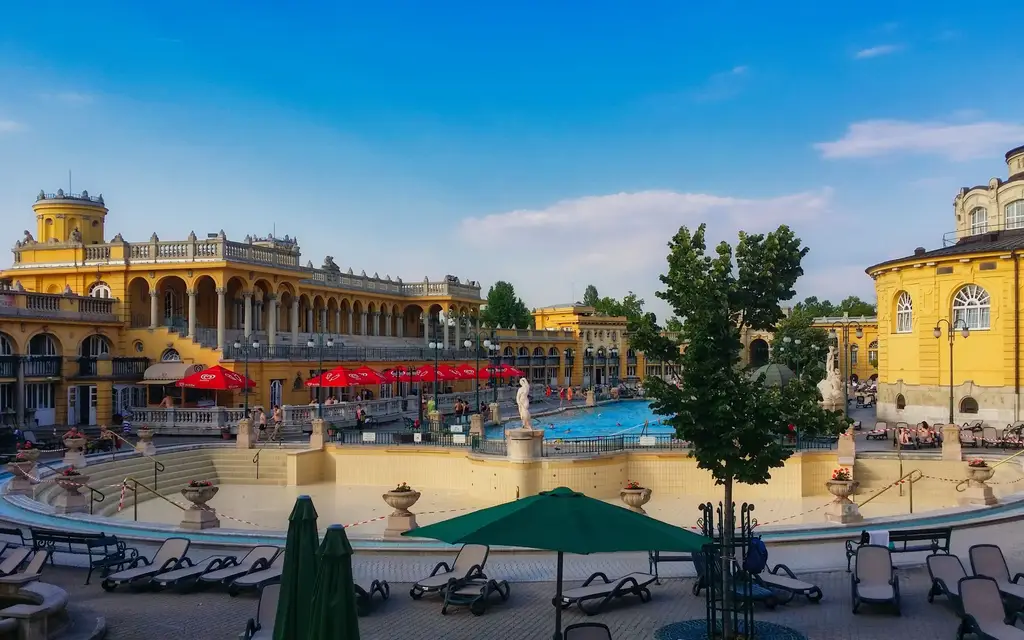
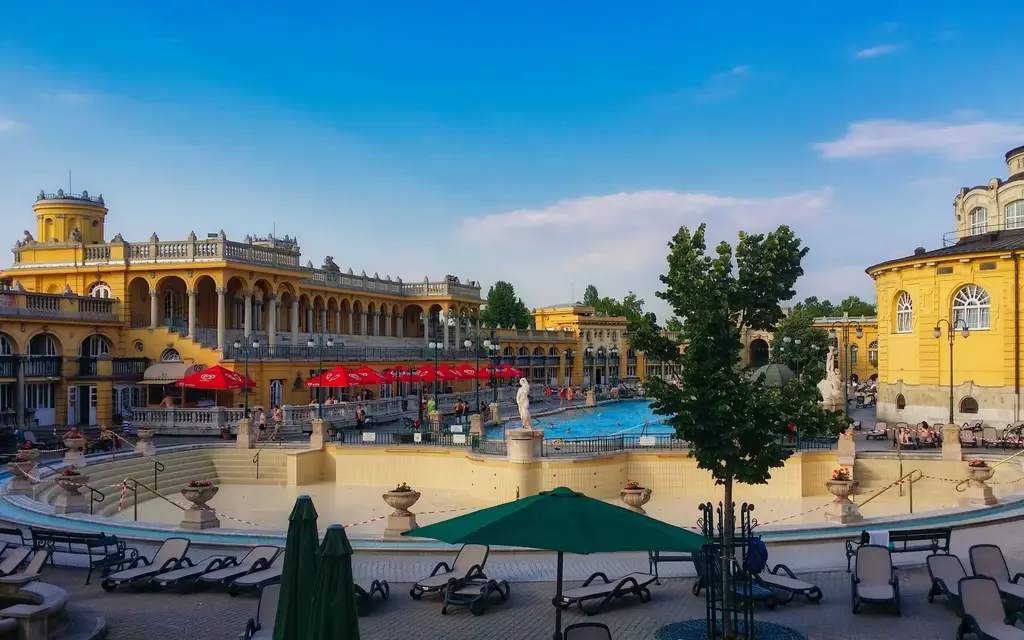
Szechenyi and Gellert solve different problems and people often pick the wrong one for what they actually want. Szechenyi is the loud, social, outdoor-pool afternoon with a crowd around you. Gellert is quieter and more about the building itself. If you want photos of the domed outdoor pools everyone posts, that is Szechenyi, not Gellert.
The forint's zero count is disorienting for the first day and then you stop noticing. What does not stop being a problem is dynamic currency conversion at card terminals: always tap through to pay in HUF, never your home currency, or you are paying a worse rate for no reason.
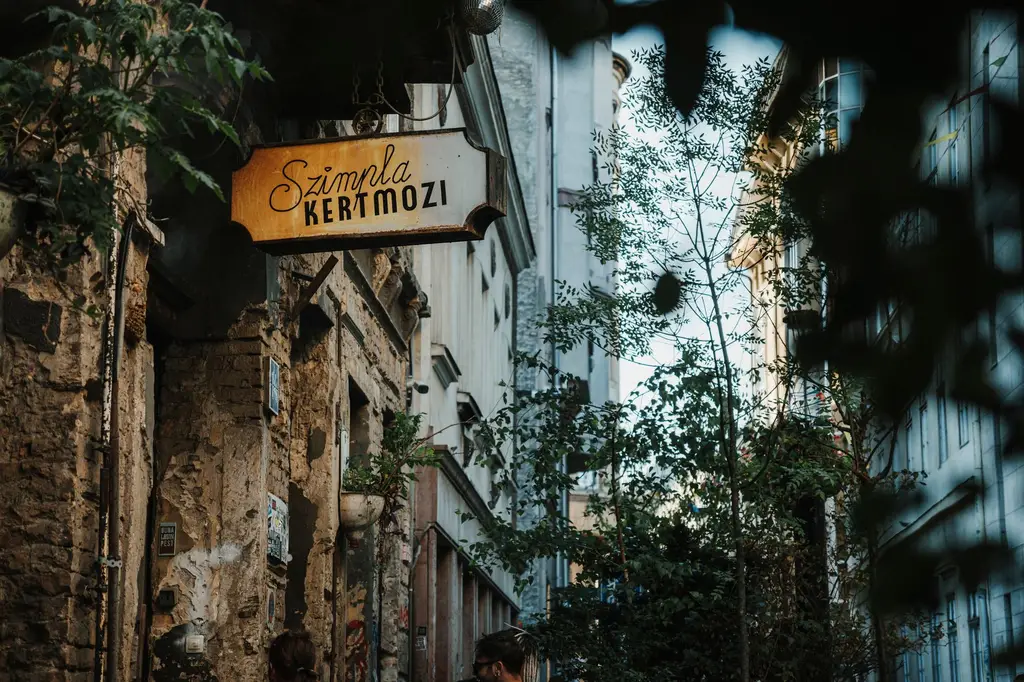
Szimpla Kert on a Saturday night is not the ruin bar experience people describe when they talk about ruin bars. Go on a weekday afternoon, or pick one of the quieter courtyard bars nearby, if you want the atmosphere the category is actually known for rather than a queue.
Buda and Pest genuinely feel like different cities and treating them as one flat destination is a mistake. Plan Buda's hills as their own half-day rather than trying to fold a castle-hill walk into the same afternoon as a Pest museum.
The baths reward slowing down more than any other part of the city. Budget a real afternoon, not an hour between two other stops, or you spend more time changing than soaking.
The essential Danube-split loop: Parliament and the Basilica in Pest, Castle Hill in Buda, one bath in the afternoon.
Day 1: Both banks in a day
Morning
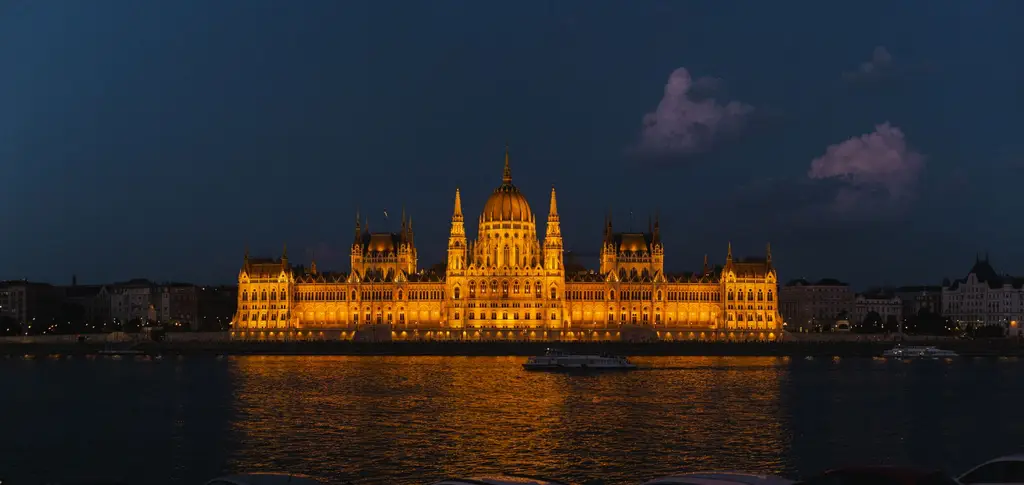
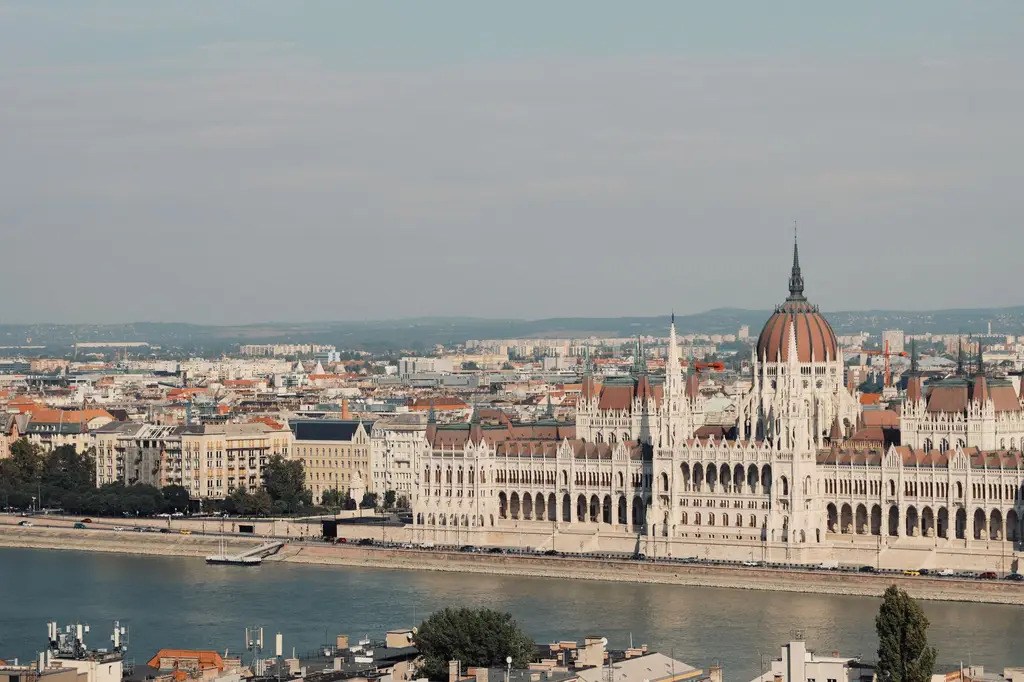
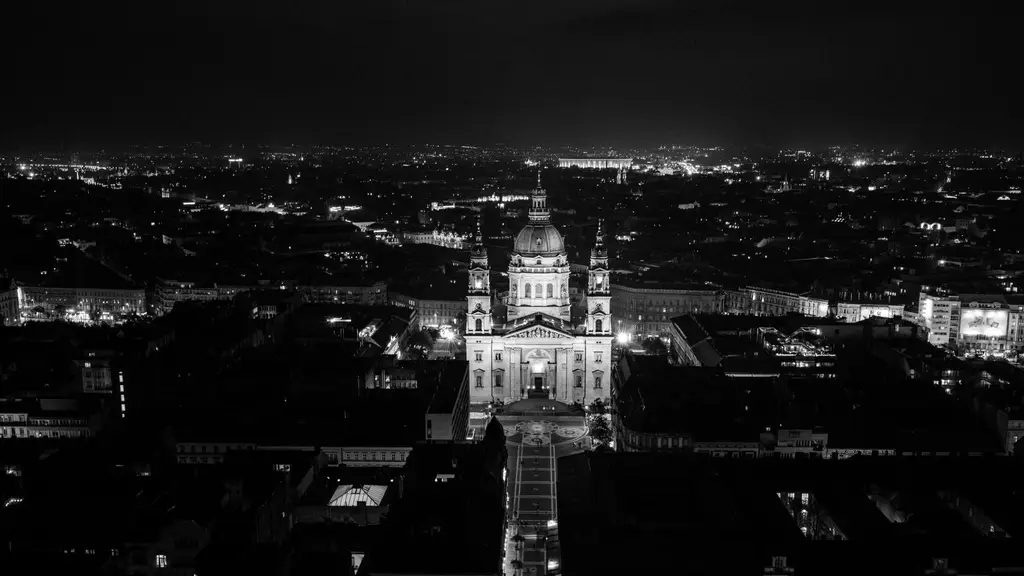
Walk the Danube promenade past Parliament (photos from outside if you have not booked the tour) and over to St. Stephen's Basilica.
Afternoon
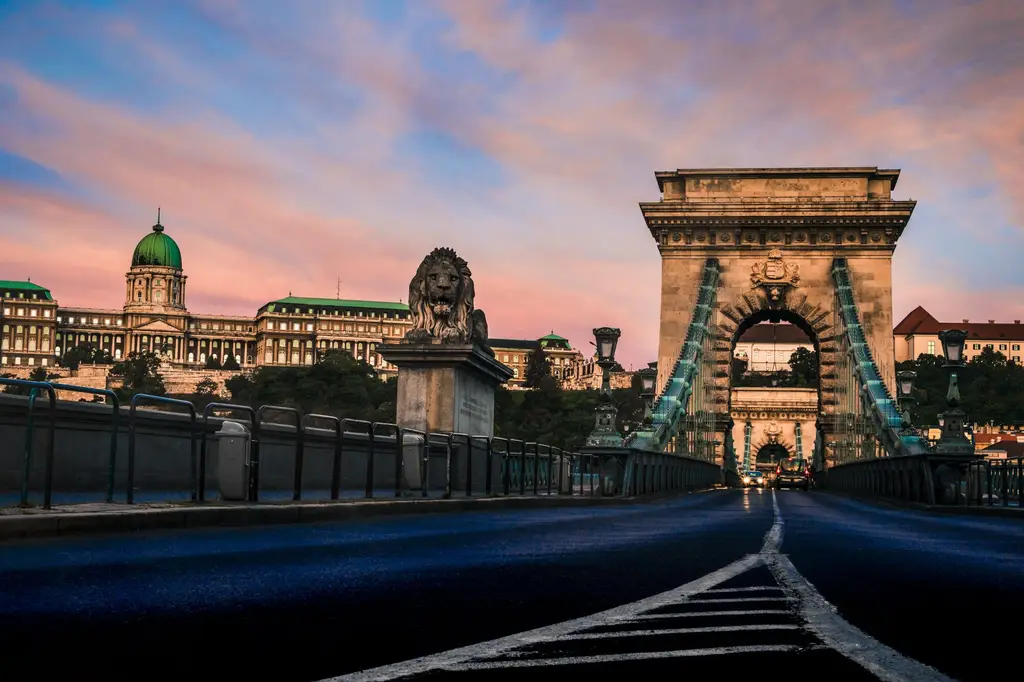
Cross to Buda via the Chain Bridge, ride the funicular or walk up to Fisherman's Bastion and the Castle District for the view.
Evening
Head to Szechenyi or Gellert for a bath session, then dinner in District VII near the ruin bars.
Tip: Book any Parliament tour slot before you land; same-day tickets often sell out in peak season.
Adds a full bath afternoon and the Jewish Quarter's history and nightlife to the one-day core.
Day 1: Pest core
Morning
Parliament exterior or tour, then St. Stephen's Basilica.
Afternoon
Shoes on the Danube Bank, then the Great Market Hall for a langos lunch and a wander.
Evening
Dinner in District VI or VII.
Tip: Buy a BKK travelcard on day one; you will use it constantly.
Day 2: Buda Castle District
Morning
Funicular up to Buda Castle, walk the district, Fisherman's Bastion.
Afternoon
Long bath session at Szechenyi or Gellert, budgeting a real 3 hours.
Evening
Dinner near the Danube on the Buda side.
Tip: Bring your own towel and flip-flops to the baths; rentals cost extra and queue.
Day 3: Jewish Quarter and ruin bars
Morning
Dohany Street Synagogue and the surrounding Jewish Quarter streets.
Afternoon
Wander District VII's courtyards, coffee at a local cafe.
Evening
Ruin bar crawl, going earlier in the evening on a weeknight if you want it quieter.
Tip: Weeknight ruin bars are a genuinely different experience from Saturday night ones.
The 3-day core at a slower pace plus a full day on the other bath and a day out to the Danube Bend.
Day 1: Pest core
Morning
Parliament and St. Stephen's Basilica.
Afternoon
Great Market Hall and the riverside walk.
Evening
Dinner in District VI.
Tip: Buy the travelcard on arrival.
Day 2: Buda Castle District
Morning
Castle Hill and Fisherman's Bastion.
Afternoon
Szechenyi Bath, a full afternoon.
Evening
Dinner on the Buda side.
Tip: Go to Szechenyi on a weekday if your schedule allows; weekends run busier.
Day 3: Jewish Quarter
Morning
Dohany Street Synagogue.
Afternoon
District VII courtyards and cafes.
Evening
Ruin bars, early start for a calmer crowd.
Tip: Carry cash; some smaller bars are cash-preferred.
Show all 5 days
Day 4: Gellert and the other side of Buda
Morning
Gellert Bath, a slower architectural counterpart to Szechenyi.
Afternoon
Gellert Hill for the Citadel viewpoint above the bath.
Evening
Free evening, revisit a neighborhood you liked.
Tip: Compare Gellert's mosaics against Szechenyi's outdoor pools; they are genuinely different experiences.
Day 5: Day trip: the Danube Bend
Morning
Train or boat to Szentendre, a riverside town with a preserved old center and museums.
Afternoon
Continue to Visegrad for the hilltop citadel view over the river bend, if time allows.
Evening
Back to Budapest for a final dinner.
Tip: Check the train and boat schedules the night before; the boat runs less frequently outside peak season.
The 5-day itinerary plus a Lake Balaton day trip and one genuinely open day.
Day 1: Pest core
Morning
Parliament and St. Stephen's Basilica.
Afternoon
Great Market Hall and the riverside walk.
Evening
Dinner in District VI.
Tip: Buy the travelcard on arrival.
Day 2: Buda Castle District
Morning
Castle Hill and Fisherman's Bastion.
Afternoon
Szechenyi Bath, a full afternoon.
Evening
Dinner on the Buda side.
Tip: Weekday visits to Szechenyi run calmer than weekends.
Day 3: Jewish Quarter
Morning
Dohany Street Synagogue.
Afternoon
District VII courtyards and cafes.
Evening
Ruin bars on a weeknight.
Tip: Carry some cash for smaller bars.
Show all 7 days
Day 4: Gellert and Gellert Hill
Morning
Gellert Bath.
Afternoon
Gellert Hill and the Citadel viewpoint.
Evening
Free evening.
Tip: Bring your own towel to save on rental fees.
Day 5: Day trip: the Danube Bend
Morning
Szentendre's old center and museums.
Afternoon
Visegrad's hilltop citadel, if time allows.
Evening
Dinner back in Budapest.
Tip: Confirm the boat or train schedule the day before.
Day 6: Day trip: Lake Balaton
Morning
Train to a Balaton town such as Siofok or Balatonfured, roughly 1.5-2 hours each way.
Afternoon
Lakeside walk, a swim in season, or wine tasting if visiting the Badacsony side.
Evening
Train back to Budapest.
Tip: This is a long day by train; consider it only if you are not also doing Eger.
Day 7: Open day and departure prep
Morning
Revisit a favorite neighborhood or a bath you want to repeat.
Afternoon
Last-minute shopping at the Great Market Hall or a design shop in District VI.
Evening
Final dinner.
Tip: Keep this day flexible as a buffer for anything that ran long earlier in the week.
Budapest alone does not honestly fill two weeks. This runs the full 7-day city and day-trip itinerary, then adds Eger for its wine and thermal caves and extends into a loop connecting to the other cities in this Hungary dataset, which is the standard way a longer Hungary trip is actually built.
Day 1: Pest core
Morning
Parliament and St. Stephen's Basilica.
Afternoon
Great Market Hall and the riverside walk.
Evening
Dinner in District VI.
Tip: Buy the travelcard on arrival.
Day 2: Buda Castle District
Morning
Castle Hill and Fisherman's Bastion.
Afternoon
Szechenyi Bath.
Evening
Dinner on the Buda side.
Tip: Weekday visits run calmer.
Day 3: Jewish Quarter
Morning
Dohany Street Synagogue.
Afternoon
District VII courtyards.
Evening
Ruin bars.
Tip: Carry cash for smaller venues.
Show all 14 days
Day 4: Gellert and Gellert Hill
Morning
Gellert Bath.
Afternoon
Citadel viewpoint.
Evening
Free evening.
Tip: Bring your own towel.
Day 5: Day trip: the Danube Bend
Morning
Szentendre.
Afternoon
Visegrad citadel.
Evening
Back to Budapest.
Tip: Confirm schedules the day before.
Day 6: Day trip: Lake Balaton
Morning
Train to Siofok or Balatonfured.
Afternoon
Lakeside time or wine tasting.
Evening
Train back.
Tip: A long day by train; pace the rest of the week around it.
Day 7: Day trip: Eger
Morning
Train to Eger (roughly 2 hours), the castle and old town center.
Afternoon
The thermal baths and the Valley of the Beautiful Women for a wine cellar tasting.
Evening
Train back to Budapest.
Tip: Eger's baths are a genuinely different, less crowded thermal experience than Budapest's.
Day 8: Travel day, regional loop begins
Morning
Open, pack for the next leg of the loop.
Afternoon
Onward travel to the next city in the itinerary.
Evening
Settle into the new base.
Tip: Check this dataset's other Hungary city pages for how the loop connects.
Day 9: Second city, day one
Morning
Core sights of the second city.
Afternoon
Continue exploring at a relaxed pace.
Evening
Local dinner.
Tip: See that city's own page for specifics.
Day 10: Second city, day two
Morning
Remaining sights or a local day trip.
Afternoon
Open time.
Evening
Dinner.
Tip: Pace this slower than Budapest; smaller cities need less time per sight.
Day 11: Third city, day one
Morning
Travel and settle in.
Afternoon
Core sights.
Evening
Local dinner.
Tip: See that city's own page for specifics.
Day 12: Third city, day two
Morning
Remaining sights.
Afternoon
Open time or a local day trip.
Evening
Dinner.
Tip: Keep a buffer here in case earlier travel days ran long.
Day 13: Return to Budapest
Morning
Travel back to Budapest.
Afternoon
Revisit a favorite bath or neighborhood.
Evening
A proper final dinner.
Tip: Book anywhere special a few days ahead.
Day 14: Departure
Morning
Pack, last coffee.
Afternoon
Head to the airport with buffer time.
Evening
Departure.
Tip: The 100E bus takes 30-40 minutes to the airport; add buffer for luggage and check-in.
The big, famous one on the Pest side: neo-baroque building, several large outdoor pools where locals play chess in the water, and a genuinely social, crowded atmosphere. Pricing runs in tiers (no cabin, cabin, or locker), and the site (szechenyibath.hu) returned a 403 during research, so confirm current prices and hours directly before you go.
2
Gellert Thermal Bath
check before you go·check before you go·2.5-3.5 hours
walk in, or online through the operator's site
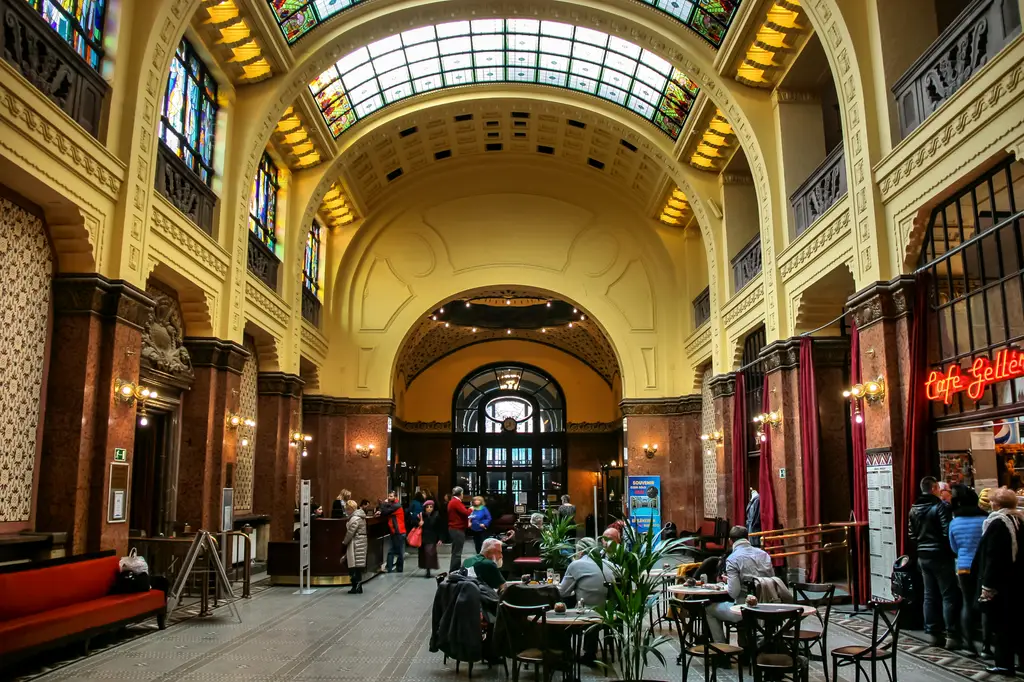
On the Buda side, inside the Art Nouveau Gellert Hotel: mosaic tiles, an indoor wave pool, and a more intimate, architecturally striking space than Szechenyi. Suits people who want the building as much as the water. Site (gellertbath.hu) returned a 403 during research; confirm pricing tiers and hours before you go.
3
Hungarian Parliament Building
check before you go, guided tours run on a timed schedule that varies seasonally·check before you go·1-1.5 hours for the guided tour
book ahead online, tours sell out days in advance in peak season
The interior is only accessible by guided tour and EU citizens get a different (usually cheaper) rate than non-EU visitors, which the official booking site did not return during this research. Confirm the current price tiers and tour schedule before booking.
4
Buda Castle and the Castle District
the district itself is always open; individual museums inside keep their own hours·free to walk the district; museums charge separately·2-3 hours to walk the district and viewpoints
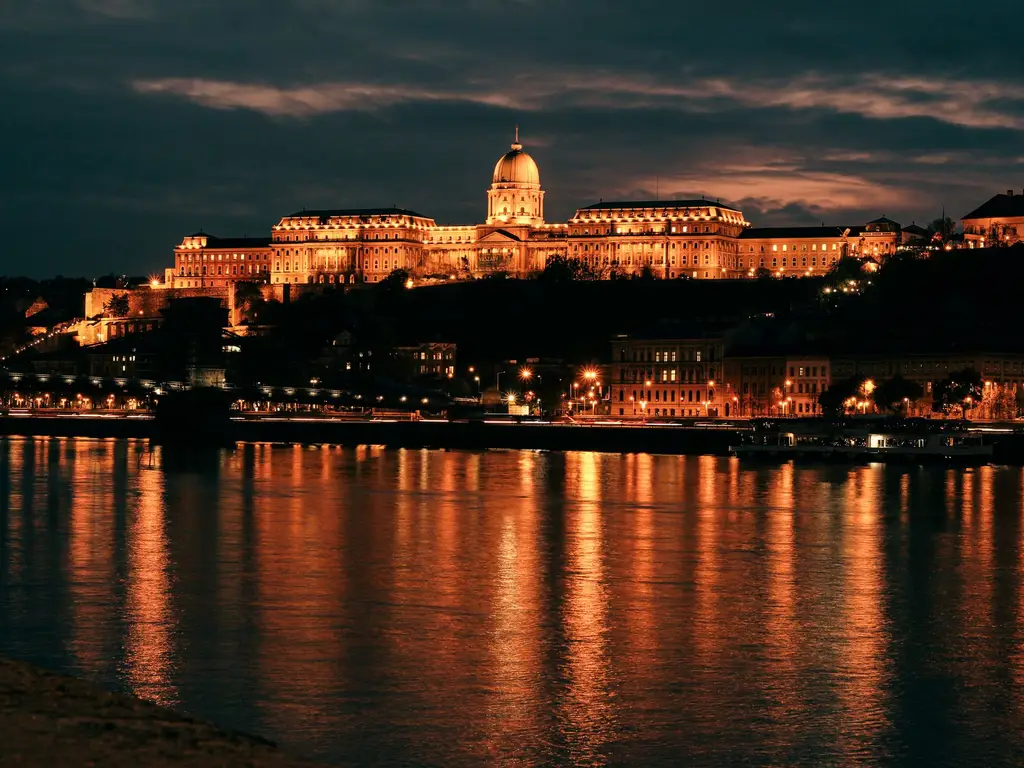
The former royal palace now houses the Hungarian National Gallery and the Budapest History Museum. Most people come for the views and the Fisherman's Bastion nearby rather than the palace interior itself.
5
Fisherman's Bastion
the terraces are open 24 hours; the upper lookout towers charge admission during the day·free to walk the lower terraces; check before you go for the paid upper-tower fee·30-45 minutes
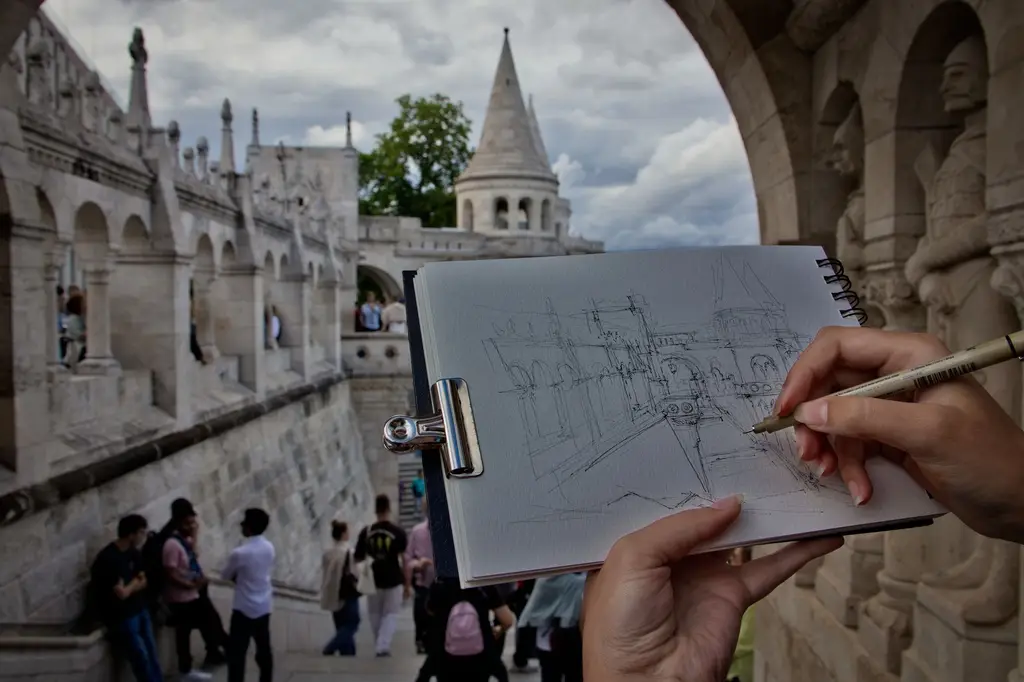
A neo-Romanesque viewing terrace built for the view, not defense, despite the name. Go at sunrise or after the tour buses leave in the evening if you want it without a crowd.
6
St. Stephen's Basilica
check before you go, generally open daily with a midday closure around services·a small entry donation for the church; a separate paid ticket for the dome viewing terrace·45-60 minutes, longer with the dome climb
Budapest's largest church, and the dome is one of two points in the city (with Buda Castle's hill) that legally cannot be built higher than, a 96-meter cap tied to the founding of the Hungarian state in 896.
Szechenyi Thermal Bath
as of 2026-09
Viral
A large Neo-Baroque thermal bath complex in City Park with outdoor and indoor pools fed by natural hot springs, chess players a fixture at the outdoor pool in cooler months. Genuinely one of the best thermal bath experiences in Europe and the outdoor pools deliver on the postcard image. Weekends and the 'sparty' night events get packed and rowdy, go on a weekday morning for the actual relaxing version.
Szimpla Kert and the District VII ruin bars
as of 2026-09
Viral
Ruin bars built into abandoned buildings and courtyards in the old Jewish Quarter, mismatched furniture, courtyard seating, and a Sunday farmers market at Szimpla itself. Szimpla remains open and is confirmed still running, but it's fully on the tourist circuit now and prices reflect that. The format is worth experiencing once, the district has quieter, less-hyped ruin bars if you want the same idea without the queue.
Fisherman's Bastion
as of 2026-09
Viral
A neo-Romanesque and neo-Gothic terrace on Castle Hill with turrets and arches built purely as a viewing platform, overlooking the Danube and Pest. The view is real and the lower terraces are free. The upper towers charge admission for a view that's barely different, skip paying unless you want the postcard shot from that exact spot.
Danube river cruise
as of 2026-09
Viral
Evening boat trips along the Danube past the illuminated Parliament building, Chain Bridge and Castle Hill, sold in both budget public-ferry and pricier dinner-cruise versions. The view at night is legitimately spectacular and one of the best skyline experiences in Europe. Skip the dinner-cruise upsell, a basic one-hour sightseeing cruise gets you the same view for a fraction of the cost.
Great Market Hall
as of 2026-09
Viral
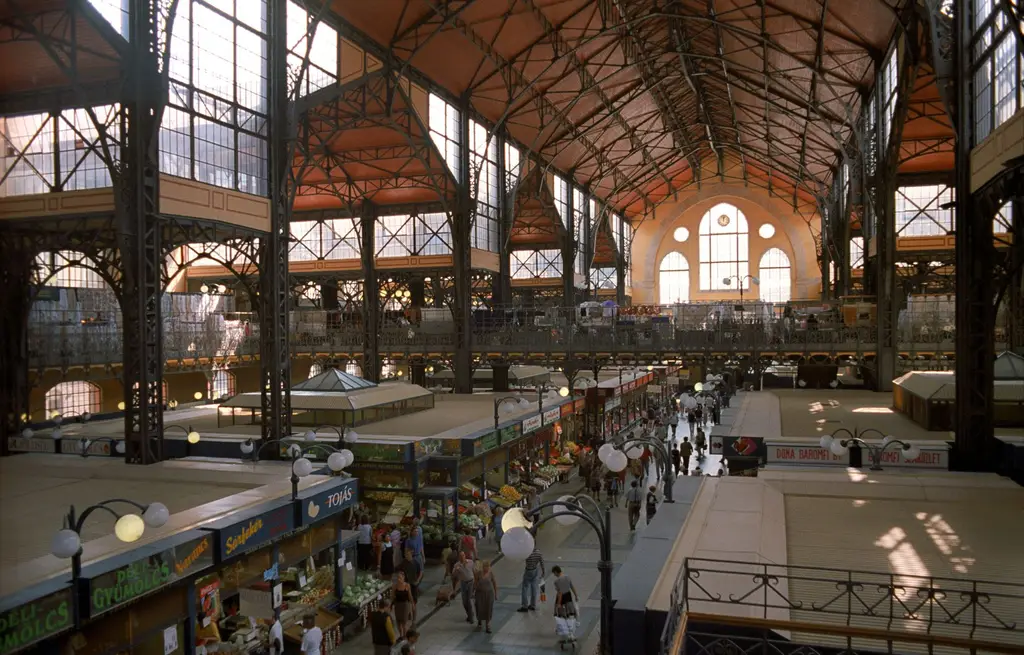
A 19th-century covered market near the Liberty Bridge, ground floor for produce and paprika, upper floor for souvenirs and stalls. Worth a walk-through for the building and the ground-floor stalls where locals still shop, the upper floor is mostly tourist-priced souvenirs.
Gellert Baths
as of 2026-09
Viral
An Art Nouveau thermal bath complex attached to the historic Gellert Hotel, mosaic tiled pools and an outdoor wave pool in season. More architecturally ornate than Szechenyi but smaller and pricier, book ahead in peak season. Pick this over Szechenyi if you want the elegant version rather than the social one.
More to see (3)
7
Great Market Hall (Nagyvasarcsarnok)
check before you go, closed Sundays·free to enter·45-60 minutes
Closed Sundays
A working market first, souvenir stop second: ground floor for produce and paprika, upper floor for stalls selling langos and other fast Hungarian food to a lunch crowd rather than only tourists.
8
Szimpla Kert and the Jewish Quarter ruin bars
varies by venue, generally afternoon into the early morning·free entry, pay for drinks·2+ hours
Ruin bars are old or half-derelict buildings and courtyards in District VII filled with mismatched secondhand furniture and turned into bars, a genuine post-2000s Budapest invention. Szimpla Kert started the trend and is still the name everyone knows, but weekend nights there now run closer to a tourist-crowd venue than the scrappy original; the category is bigger than any one bar.
9
Shoes on the Danube Bank
always open·free·10-15 minutes
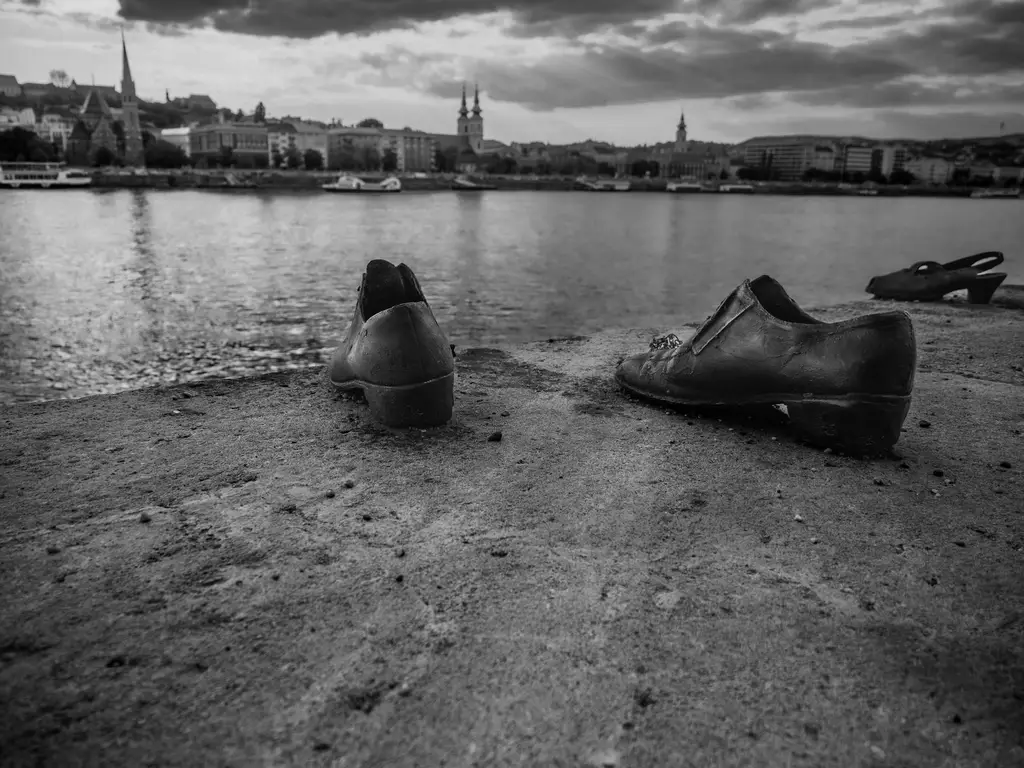
Sixty pairs of iron shoes set into the embankment, a memorial to Jews shot into the river by Arrow Cross militia in 1944-45. Quiet and easy to miss if you are not looking for it; worth the short stop on a riverside walk.
Where to stay
District V (Belvaros/Lipotvaros)
Suits: first-timers who want to walk to the main Pest sights
Parliament, St. Stephen's Basilica, and the Danube promenade are all in reach on foot, with a corresponding tourist-price markup on food.
District VII (Jewish Quarter/Erzsebetvaros)
Suits: nightlife and the ruin bar scene
Walk to Szimpla Kert and the rest of the courtyard bars, but expect noise on weekend nights and book with that in mind.
District VI (Terezvaros)
Suits: a calmer base still close to the center
Andrassy Avenue runs through it, with the Opera House and easy metro access to both Pest and the baths.
District I (Castle District, Buda)
Suits: quiet, views, and a slower pace
Cobbled streets and Danube views from the hill, but every evening out means a walk down and a bus or funicular back up.
District IX (Ferencvaros)
Suits: travelers who want a more local, less touristy district
Close to the Great Market Hall and the tram lines along the river, with a younger, more residential feel than the center.
Getting there and around
Getting there
Budapest Ferenc Liszt International Airport (BUD) sits about 16km southeast of the center. The 100E express bus runs to Deak Ferenc ter in the city center in roughly 30-40 minutes on a standard BKK fare (HUF 2,500 for the airport shuttle single ticket, per bkk.hu). Fotaxi is the airport's official taxi partner, with a staffed desk in arrivals and standard metered city tariffs rather than a flat quote; avoid drivers who approach you before you reach that desk.
Getting around
Buy a BKK ticket or travelcard and use it on the metro, tram, bus, and trolleybus network, all one system. A single ticket is HUF 500 (HUF 700 if bought on board), a block of 10 is HUF 4,500, and a 24-hour travelcard at HUF 2,750 pays for itself after about five rides in a day; a 72-hour card is HUF 5,750 (all per bkk.hu). Trams 4 and 6 loop the Grand Boulevard and are a cheap way to see a lot of the city from a seat. Buda's hills, including the Castle District, are steep enough that the funicular or bus 16 beats walking up in the heat. Central Pest is flat and walkable district to district; crossing into Buda means committing to a bridge and a hill.
Map
City
Recommended (numbered)
Mentioned in an itinerary
Locations on this map
Budapest47.50, 19.04
Szechenyi Thermal Bath47.52, 19.08
Gellert Thermal Bath47.49, 19.04
Hungarian Parliament Building47.50, 19.05
Buda Castle and the Castle District47.49, 19.04
Fisherman's Bastion47.50, 19.03
St. Stephen's Basilica47.50, 19.05
Great Market Hall (Nagyvasarcsarnok)47.49, 19.06
Szimpla Kert and the Jewish Quarter ruin bars47.50, 19.06
Shoes on the Danube Bank47.50, 19.04
Chain Bridge47.50, 19.04
District VII47.50, 19.08
District VI47.51, 19.07
VII47.50, 19.08
Buda Castle District47.50, 19.03
Dohany Street Synagogue47.50, 19.06
Castle Hill47.50, 19.04
Szechenyi Bath47.52, 19.08
Gellert Hill47.49, 19.04
Citadel47.49, 19.05
Danube Bend47.76, 18.93
Szentendre47.67, 19.08
Visegrad47.78, 18.97
Lake Balaton46.88, 17.85
Balaton47.51, 19.05
Siofok46.91, 18.05
Balatonfured46.96, 17.89
Badacsony47.56, 18.95
Eger47.45, 19.02
What it costs
Stay
Food
Transport
Activities
Daily cost breakdown, HUF per person
Tier
Stay
Food
Transport
Activities
Total
Budget
HUF 7,000
HUF 4,500
HUF 800
HUF 2,700
HUF 15,000
Mid-range
HUF 22,000
HUF 9,000
HUF 1,500
HUF 7,500
HUF 40,000
Splurge
HUF 65,000
HUF 22,000
HUF 5,000
HUF 8,000
HUF 100,000
A mid-range day: HUF 22,000 for a central hotel room split two ways or solo in budget aparthotel, HUF 1,500 in BKK travelcard use, a Szechenyi bath afternoon (exact ticket price check before you go, budget roughly HUF 8,000-12,000 for a locker-tier ticket based on comparable Budapest bath pricing), lunch at the Great Market Hall for around HUF 3,000, and a sit-down dinner with a couple of drinks for HUF 6,000-8,000. Comes to roughly HUF 38,000-42,000 before souvenirs.
Money savers
Buy a 24-hour or 72-hour BKK travelcard instead of single tickets if you are moving around more than four or five times a day; it pays for itself fast
Avoid the bureaux de change on Vaci utca, several are known for posting a headline buy rate that is not the rate you actually get; use a bank ATM or a card with no foreign transaction fee instead
When a card terminal asks whether to charge you in HUF or your home currency, always choose HUF; the home-currency option (dynamic currency conversion) applies a worse exchange rate on the spot
Eat at the Great Market Hall's upper-floor food stalls or a neighborhood etterem off the main tourist streets instead of a restaurant directly on Vaci utca or right by the Basilica
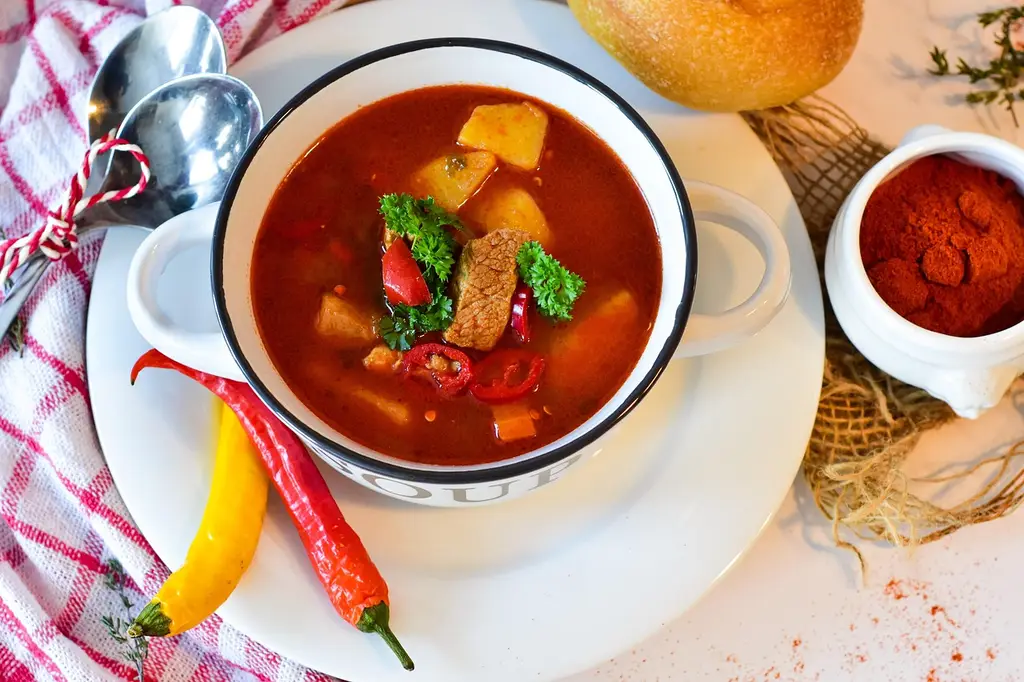
Budapest's food is built on paprika used as a real ingredient, not a garnish, and on market halls that still function as working markets rather than photo backdrops. Goulash is the dish most misunderstood abroad: in Hungary it is a soup, gulyasleves, with beef, potato and paprika in a light broth, not the thick stew served under that name elsewhere, that dish is actually porkolt. Langos, deep-fried dough loaded with sour cream and cheese, is the city's street food staple and a legitimate hangover cure. Chimney cake, kurtoskalacs, is spit-roasted and sugar-crusted, better fresh off the roller than reheated. The Great Market Hall's upper floor leans touristy; the smaller neighbourhood halls are calmer and cheaper.
HUF 2,200-3,500·traditional etterem across the city, away from the most touristy strips
Must try
A beef and potato soup seasoned heavily with paprika, thinner and lighter than most visitors expect. What gets served as goulash abroad is closer to Hungarian porkolt, a stew, not this.
Langos
HUF 1,200-2,000·the Great Market Hall's upper floor and street stalls citywide
Must try
Deep-fried dough topped with sour cream and grated cheese at minimum, often garlic and more besides. Cheap, filling, and best eaten hot rather than left to cool.
Chimney cake (kurtoskalacs)
HUF 1,500-2,500·Christmas markets and stalls near the Castle District and Vorosmarty ter
Must try
Sweet dough wrapped around a spit, roasted over coals and rolled in sugar, cinnamon or nuts. Buy it fresh off the roller; a cold one loses most of the appeal.
Fisherman's soup (halaszle)
HUF 2,800-4,000·riverside restaurants along the Danube and traditional etterem
A fiery paprika-based fish soup, usually carp, with a very different profile from goulash despite the shared paprika base. Not for anyone avoiding spice.
Somloi galuska
HUF 1,800-2,800·traditional cafes and confectioneries across the city
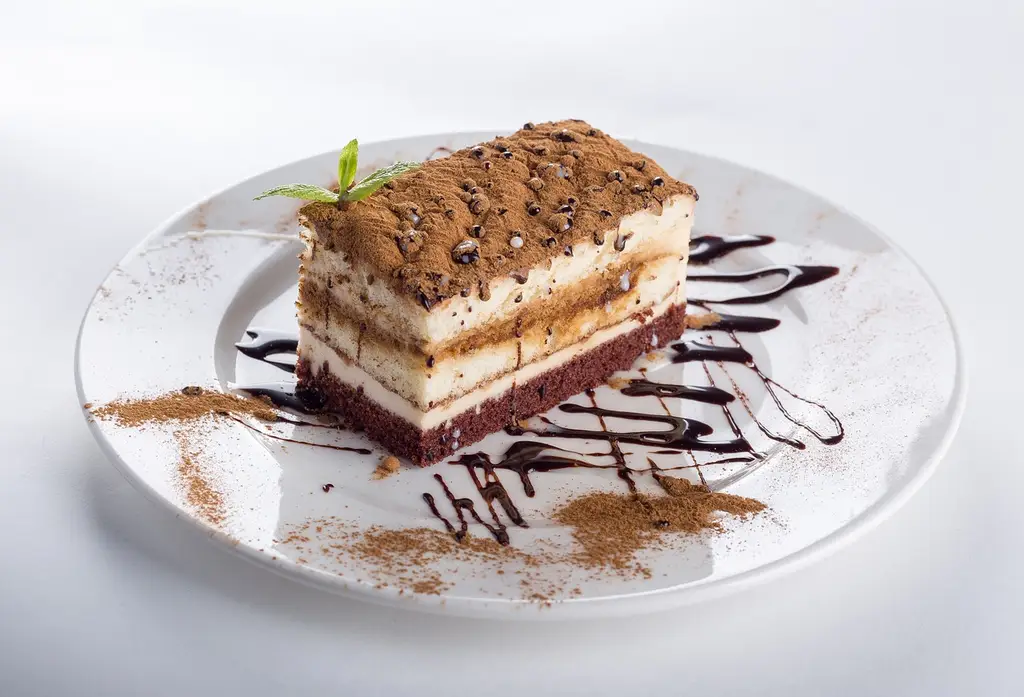
A layered sponge cake dessert with rum, chocolate sauce, walnuts and whipped cream, dense and genuinely rich rather than a light finish to a meal.
Porkolt
HUF 2,800-4,200·traditional etterem citywide
Must try
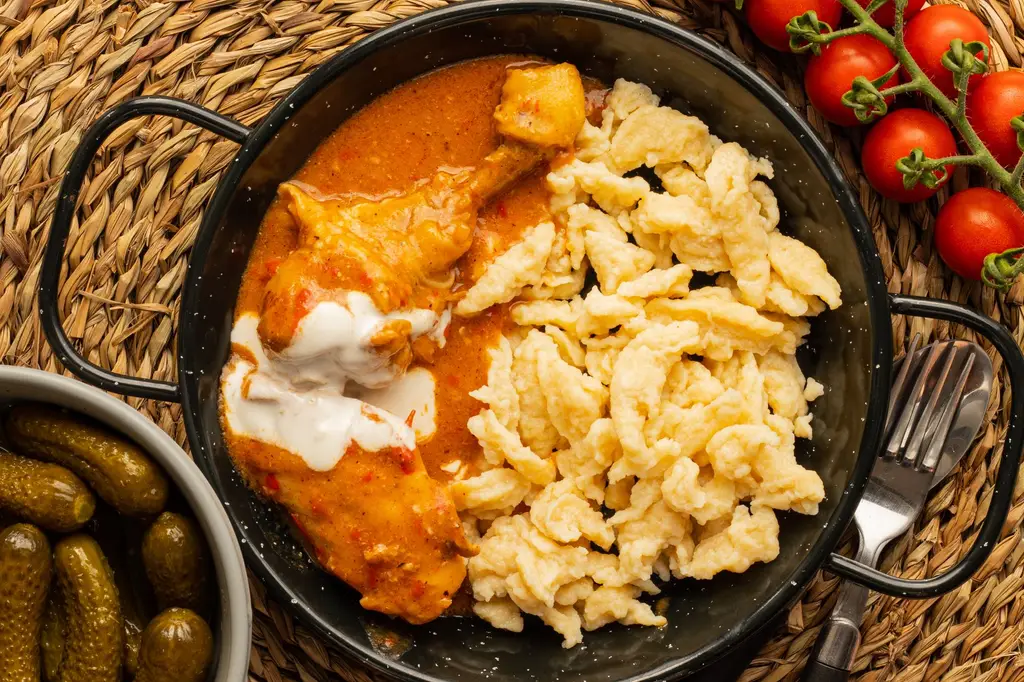
The thick, paprika-heavy stew that most non-Hungarians think of when they hear goulash. Usually pork or beef, served with nokedli, small egg dumplings, rather than rice.
Great Market Hall stalls
HUF 1,000-3,000 per item·the Great Market Hall (Nagycsarnok), central Pest
A working produce and food market since 1897, with paprika sellers, butchers and an upper-floor food court that leans toward tourists but is still a reasonable first stop.
Karavan street food court
as of 2026-09
Viral
A long-running street food court in the Jewish Quarter next to Szimpla Kert, with rotating food trucks covering Hungarian and international dishes. Not new, but still the reliable choice for a casual dinner near the ruin bars; go on the earlier side to get a table.
Time Out Market Budapest new food stalls
as of 2026-09
Viral
The food hall added new kitchens for autumn 2026, including a concept from chef Akos Sarkozi and a Textura x Borkonyha collaboration called Fuzio. Time Out Market keeps rotating in chef-driven stalls, so this is a good excuse to go back even if you've done the hall before.
Gordon Ramsay Bar & Grill Budapest
as of 2026-08
Viral
Gordon Ramsay's steakhouse concept opened in Budapest in summer 2026 and was reportedly full on opening day. It's a big-name import so expect tourist prices and a wait, not a locals' spot.
Nobu Budapest, reopened
as of 2026-06
Viral
Nobu Budapest finished a renovation and reopened on June 1 2026, with Nobu Matsuhisa attending the relaunch in person. Same brand, refreshed room. Worth it if you already like Nobu, not a discovery pick.
Popeyes, first Hungary location
as of 2025-10
Viral
Popeyes opened its first Hungarian restaurant at Westend mall in October 2025, with a launch stunt flying in its chicken sandwich by helicopter. Fast food, but it's the first of a US chain in the country and it got real press attention.
McDonald's in a modernist landmark building
as of 2026-08
Viral
A new McDonald's opened inside a heritage-listed modernist building in downtown Budapest in August 2026, described as the first of its kind in Hungary for its design. Odd one to recommend, but the building itself is the reason to look, not the menu.
Safety and scams
Budapest is safe from violent crime by most measures. The real risks are financial: bureaux de change on Vaci utca and around other tourist strips advertising a headline rate that is not what you actually receive, dynamic currency conversion at card terminals quietly worsening your exchange rate, and unlicensed taxis approaching arriving passengers before they reach the airport's official Fotaxi desk. Pickpocketing happens on crowded trams and at the Christmas markets but is not a dominant problem the way it is in some other European capitals.
Common mistakes
Getting into a taxi that approaches you in the arrivals hall instead of walking to the Fotaxi desk or catching the 100E bus
Exchanging cash at a Vaci utca bureau de change without checking the actual rate you will receive against the posted one
Letting a card terminal charge you in your home currency instead of HUF, which triggers a worse dynamic conversion rate
Treating Buda and Pest as a single afternoon rather than budgeting real time for the hill and the crossing
Showing up to Szechenyi or Gellert without knowing the cabin-vs-locker pricing tiers and getting upsold at the counter
Assuming Szimpla Kert on a Saturday night represents the ruin bar scene, then judging the whole category on a crowded, touristy night
Frequently asked questions
How many days do you need in Budapest?
Three to four days covers Pest's main sights, Castle Hill, and one proper bath afternoon without rushing. A week lets you add both Szechenyi and Gellert plus a day trip to the Danube Bend or Lake Balaton. Budapest alone is not really a two-week destination; longer stays work better paired with Eger or the rest of a Hungary loop.
Szechenyi or Gellert, which bath should I visit?
Szechenyi is the bigger, louder, more social experience with large outdoor pools on the Pest side, and it is the one behind most photos you have seen of Budapest baths. Gellert is smaller, quieter, and more about the Art Nouveau building itself, on the Buda side. Many visitors do both if they have the time.
Does Budapest use the euro?
No. Hungary is in the EU but not the eurozone, and the currency is the forint (HUF). Euros are occasionally accepted at some tourist-facing businesses at a poor conversion rate, but do not count on it; withdraw or pay in HUF.
Is it safe to take a taxi from Budapest Airport?
Yes, if you use the official channel. Fotaxi is the airport's official taxi partner with a staffed desk in the arrivals hall and standard metered tariffs. Avoid drivers who approach you before that desk, since unlicensed taxis overcharging arriving tourists is a known problem at the airport.
What is a ruin bar?
A bar set up inside an old, abandoned, or partially derelict building or courtyard, usually in District VII, furnished with mismatched secondhand furniture. It is a genuinely Budapest invention that started in the early 2000s. Szimpla Kert is the best known, though its weekend nights now draw more of a tourist crowd than a local one.
How do you get from Budapest Airport to the city center?
The 100E express bus runs to Deak Ferenc ter in roughly 30-40 minutes on a standard BKK airport shuttle ticket. The official Fotaxi desk in arrivals offers a metered taxi alternative. Avoid taxis that approach you before you reach that desk.
Should I pay in HUF or my home currency when a card terminal asks?
Always choose HUF. When a terminal offers to charge you in your home currency, it is applying dynamic currency conversion, which uses a worse exchange rate than your own bank's. Paying in HUF lets your card issuer handle the conversion, usually at a better rate.
Is Budapest expensive?
It is inexpensive relative to Western Europe on the ground, though prices have risen in recent years. A budget day runs roughly HUF 15,000 and a mid-range day roughly HUF 40,000 per person; treat both as a snapshot given currency movement.
What should I bring to the thermal baths?
Your own towel and flip-flops if you have them; rentals are available but cost extra and involve a queue. Bring a swimsuit, since none are sold or rented at some locations. Confirm current cabin-versus-locker ticket pricing before you go, since tiers and prices change.
Is Vaci utca worth visiting?
It is central and walkable, with the Great Market Hall at its southern end, but restaurant and currency-exchange prices there run well above the same goods a few streets back. Walk it for the atmosphere and photos, then eat and change money elsewhere.