Things to Do in Guadalajara: Itineraries, Costs and Food
Mexico's second city and the birthplace of mariachi, tequila, and charrería. A walkable colonial core, real crafts towns next door, and none of the coastal-resort script.
By Labeeb Mirza · Published September 8, 2026 · Updated September 8, 2026
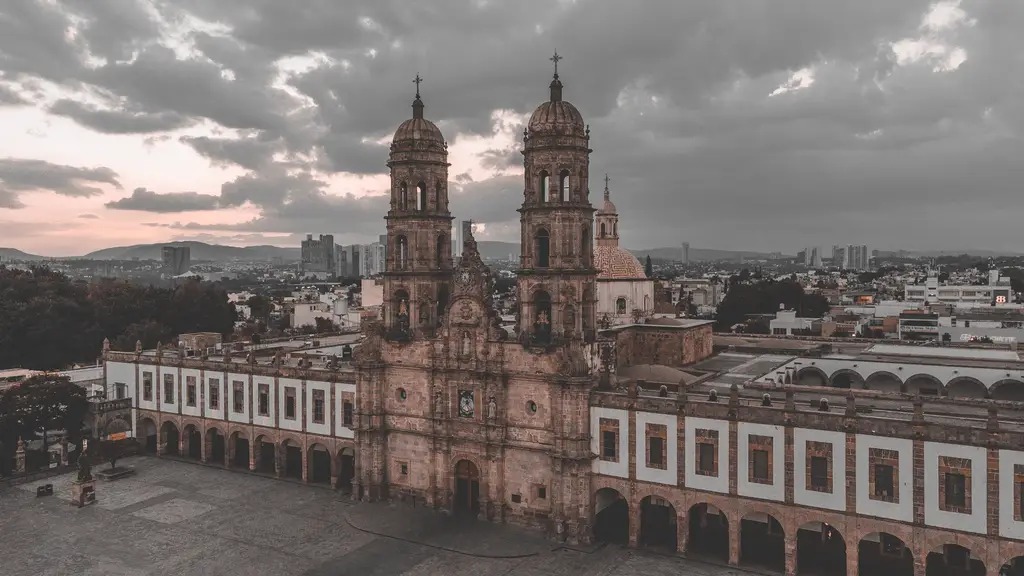
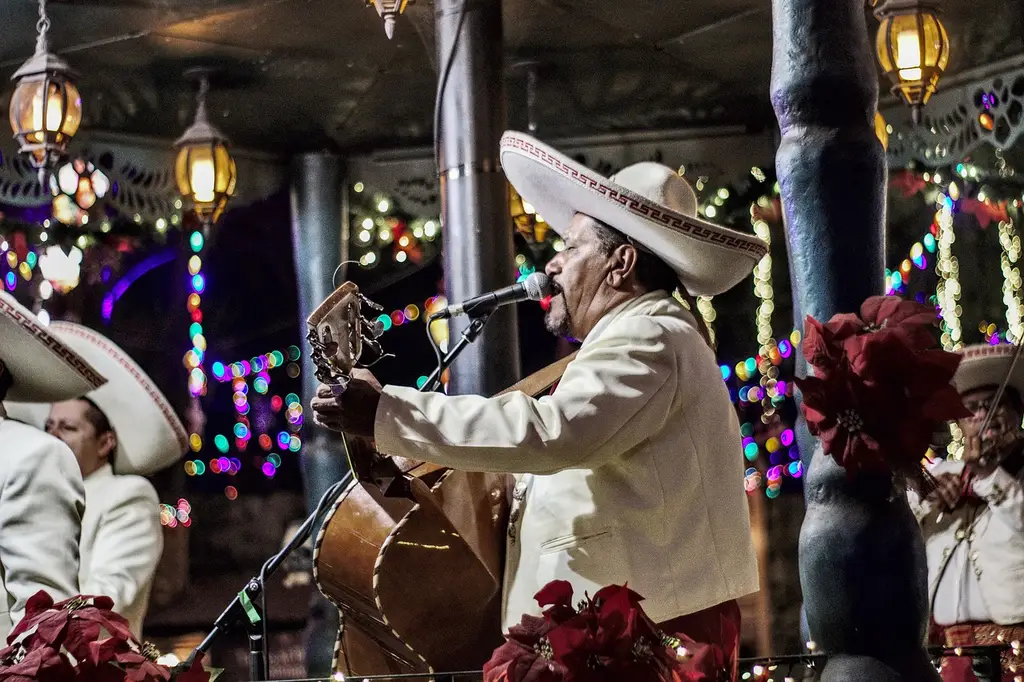
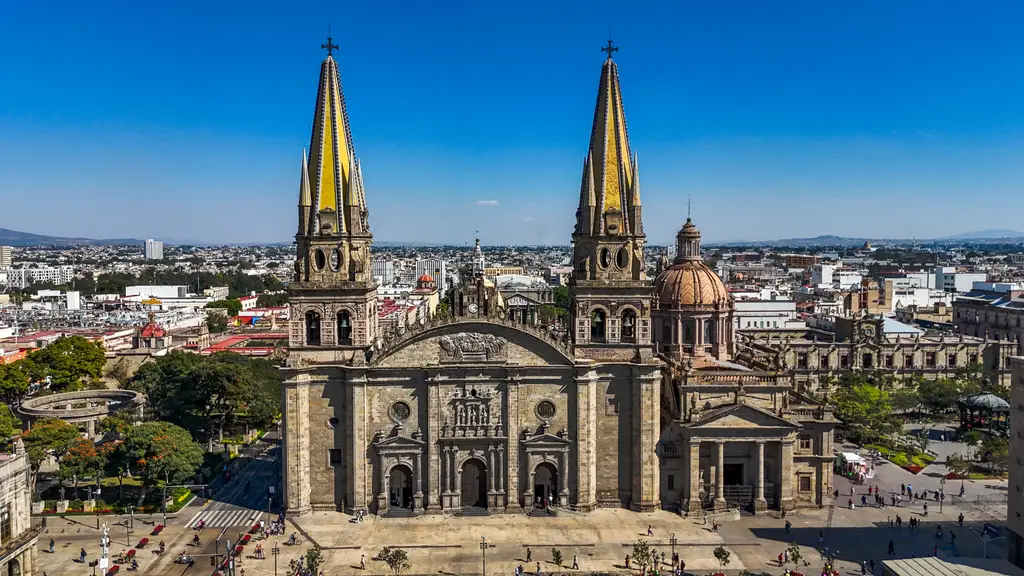
Guadalajara doesn't try to be Mexico City and it doesn't try to be a beach town either. It's the capital of Jalisco, sitting at 1,566 meters, and it's the place that actually invented the things people associate with Mexican culture from outside the country: mariachi music started here, tequila can only legally be called tequila if it comes from this region, and charrería, the original Mexican rodeo, has deep roots in Jalisco's ranching culture. The historic center is dense with 19th-century architecture, the cathedral's mismatched spires anchor the main plaza, and the Hospicio Cabañas holds one of the most important mural cycles in the country. Twenty minutes away, Tlaquepaque is a former village turned open-air gallery of Jalisco crafts, all cobblestone streets and courtyard restaurants. Tonalá, a bit further out, is where the crafts actually get made, with a market that takes over the streets twice a week. An hour or so past that, the town of Tequila sits inside the actual agave landscape that gives the spirit its name, a UNESCO-listed stretch of blue agave fields. None of this is beach-resort Mexico. It's a real, working city of five million people in its metro area, with a downtown you can walk, a nightlife strip in Chapultepec/Americana that locals actually use, and day trips that go somewhere with a point instead of just a photo. Come for the tequila and mariachi mythology if you want, but the city holds up on its own terms.
What I actually think
Labeeb: the altitude here is easy to forget about because Guadalajara doesn't look or feel like a mountain city, but 1,566 meters is enough that a fast walk up from the market to the cathedral plaza will remind you.
Labeeb: the biggest adjustment coming from a beach-resort mental model of Mexico is that nobody here is selling you a vacation. It's a functioning city with its own rhythm, and the tourist infrastructure is thinner and more honest for it.
Labeeb: Tlaquepaque and Tonalá get lumped together in guides but they're not interchangeable. Tlaquepaque is curated and priced for it. Tonalá is where you actually see the volume of production, and going on a non-market day there is a genuinely different, quieter experience than going on Thursday or Sunday.
Labeeb: the safety conversation about Jalisco needs more nuance than a single line. The state has real higher-risk areas, but the historic center, Tlaquepaque, and Chapultepec are a different reality than the border zones the advisories flag. Don't let a state-level headline decide the trip for you, and don't ignore it either.
Itineraries
A fast-paced day covering the historic center's core sights, a market lunch, and dinner in Chapultepec, skipping museum depth to fit it all in.
Day 1: Centro Histórico in a day
Morning
Start at the cathedral for the mismatched spires, then walk over to Teatro Degollado to see the neoclassical facade and lobby if it's open. Both sit right on the same plaza, so you're not covering much ground yet, just getting oriented before the day picks up pace.
Afternoon
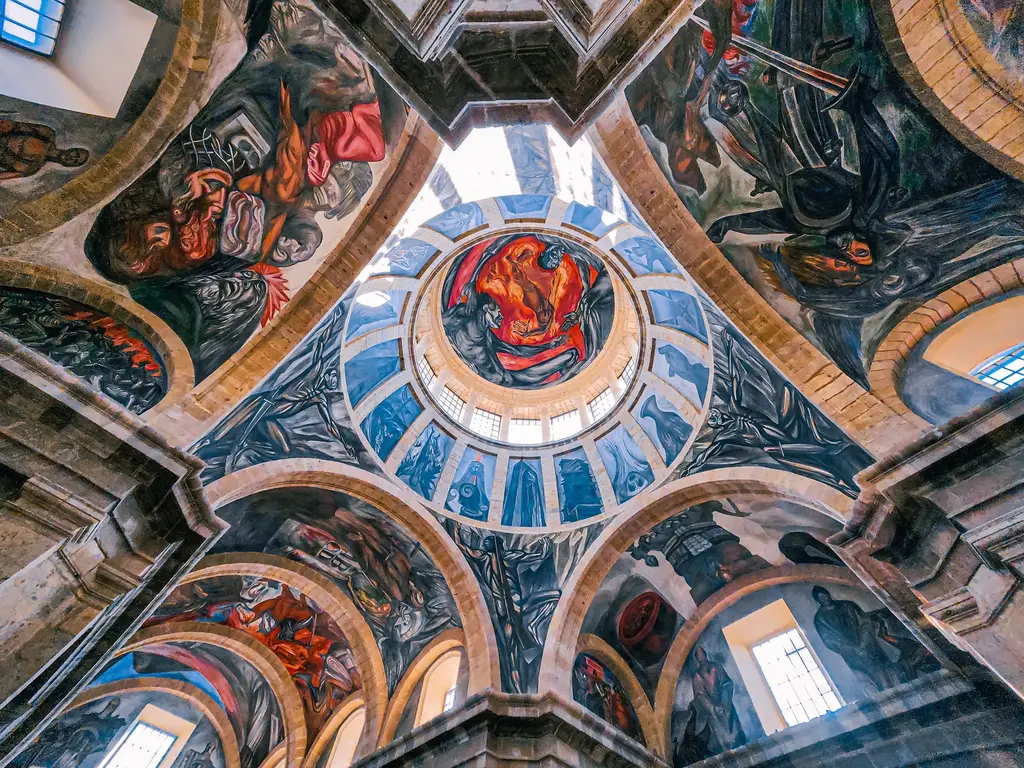
Head to Hospicio Cabañas for Orozco's ceiling fresco 'The Man of Fire,' the reason to prioritize this over a quick museum stop. Afterward, grab lunch at Mercado San Juan de Dios, the food stalls upstairs are less touristy than street level and a good chance to try a torta ahogada.
Evening
Cross town to Chapultepec/Americana for dinner and a drink along the tree-lined avenue. This is the neighborhood locals actually go out in, so it's worth ending the day here even if you're staying in Centro, and a good gauge of how the city feels off the tourist track.
Tip: Move fast and accept you'll skip museum depth today; this is the tight version of Guadalajara.
Three days split between Centro's core sights, an afternoon in Tlaquepaque's galleries, and a full day trip out to Tequila's agave landscape.
Day 1: Centro Histórico, properly
Morning
Start at the cathedral to see the mismatched 19th-century spires, then walk to Teatro Degollado for the neoclassical facade facing the same plaza. Give Hospicio Cabañas the real time it deserves this time around, especially the courtyard under Orozco's dome, rather than rushing through in twenty minutes.
Afternoon
Break for lunch at Mercado San Juan de Dios; head up to the food stalls on the second level for a torta ahogada, they're less touristy and cheaper than the sit-down spots at street level. Spend the rest of the afternoon working through whichever museum or church you skipped in the morning.
Evening
Walk the smaller plazas around Centro as the light changes, this is when the cathedral and Teatro Degollado photograph best. Grab dinner somewhere in the historic core rather than trekking to Chapultepec tonight, save the nightlife neighborhood for tomorrow when you're not already worn out from walking.
Tip: Hospicio Cabañas needs 1.5-2 hours minimum; don't budget it like a quick stop.
Day 2: Tlaquepaque and Chapultepec nightlife
Morning
Head to Tlaquepaque for the morning, the pedestrian streets and courtyard galleries are calmer earlier before tour groups arrive. Browse the ceramics, glass, and textile shops, prices here run higher than Tonalá because you're paying for the setting, but the quality and presentation are real.
Afternoon
Settle into a long lunch at one of Tlaquepaque's courtyard restaurants, this is a slower-paced neighborhood and the food is worth lingering over. Keep browsing galleries into the early afternoon before heading back toward central Guadalajara, traffic can be heavy so leave more time than you think you need.
Evening
Head into Chapultepec/Americana for dinner and drinks along the tree-lined avenue, this is the neighborhood where locals actually go out, not a tourist strip dressed up to look like one. Bars and boutique restaurants line the street; there's no need to plan ahead, just walk until something looks good.
Tip: Go to Tlaquepaque before midday; it gets busier and hotter as the afternoon wears on.
Day 3: Tequila day trip
Morning
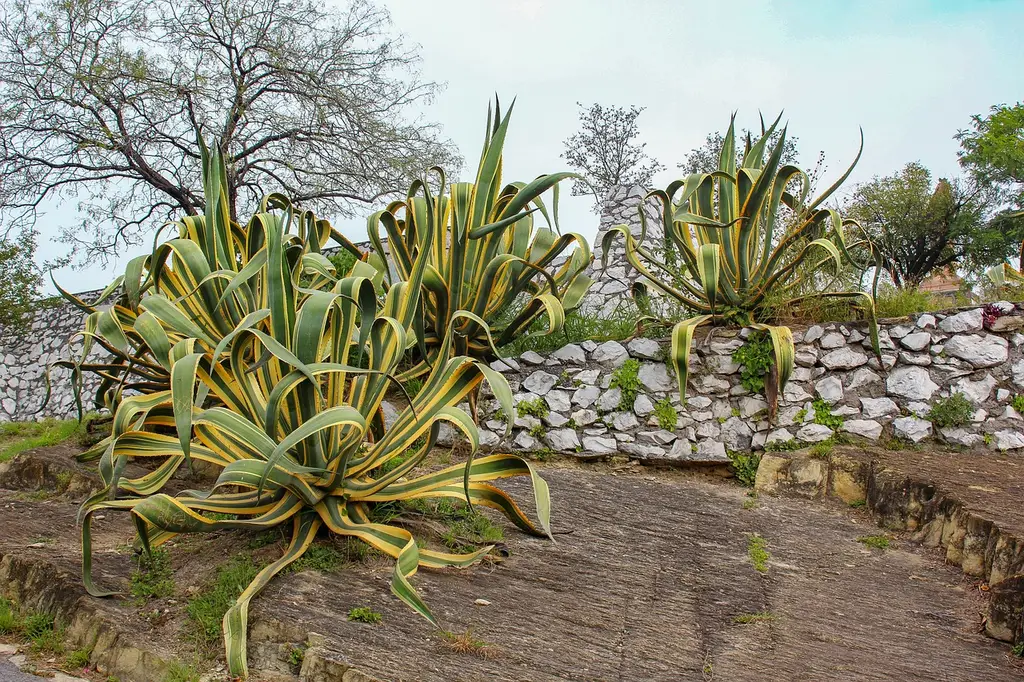
Head out early for the roughly 60 km drive or tour bus to Tequila town, budget more than an hour depending on traffic leaving the city. The blue agave fields along the way are the UNESCO-listed landscape that gives the spirit its name, worth slowing down for photos if you're driving yourself.
Afternoon
Tour a distillery, book ahead if it's one of the named operations like Jose Cuervo, especially on weekends; smaller family operations are often walk-in friendly. Tastings and tour prices vary widely, budget MXN 300-900 or more depending on the operator and how many tastings are included in your ticket.
Evening
Have lunch in Tequila town before heading back, then make the return drive to Guadalajara in time for a relaxed evening. This is a full day, so don't plan anything demanding once you're back, a slow dinner near your hotel is enough after the driving and the tastings.
Tip: Skip the big-name tours for a smaller distillery if you want a comparable tasting for a third of the price.
Five days covering Centro's landmarks, both crafts towns of Tlaquepaque and Tonalá, a Tequila day trip, and one open day to revisit whatever stood out.
Day 1: Cathedral, Hospicio Cabañas, Teatro Degollado
Morning
Start at the cathedral for the mismatched 19th-century spires, the result of an earthquake damaging the originals and the replacements not quite matching. It's a short walk from most Centro hotels and takes 30-45 minutes to see properly before the crowds build up around the plaza.
Afternoon
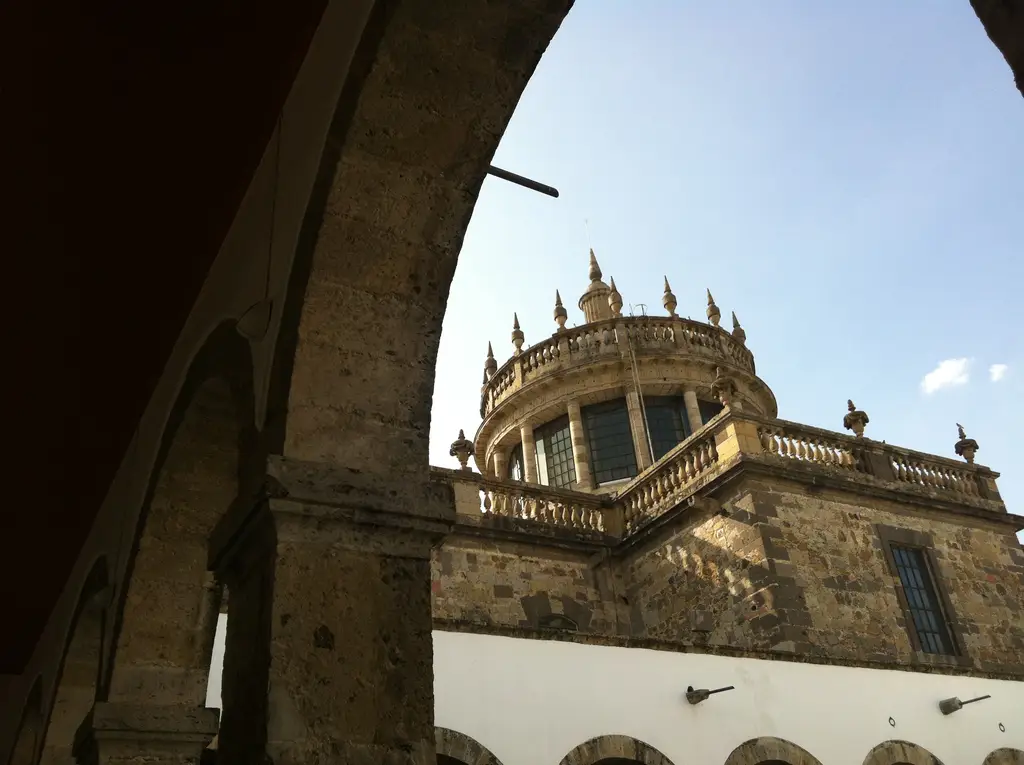
Spend the bulk of the afternoon at Hospicio Cabañas, a UNESCO World Heritage Site since 1997 and home to Orozco's ceiling fresco 'The Man of Fire.' Budget 1.5-2 hours, people tend to underestimate this one and end up rushing the courtyard where the real fresco cycle lives.
Evening
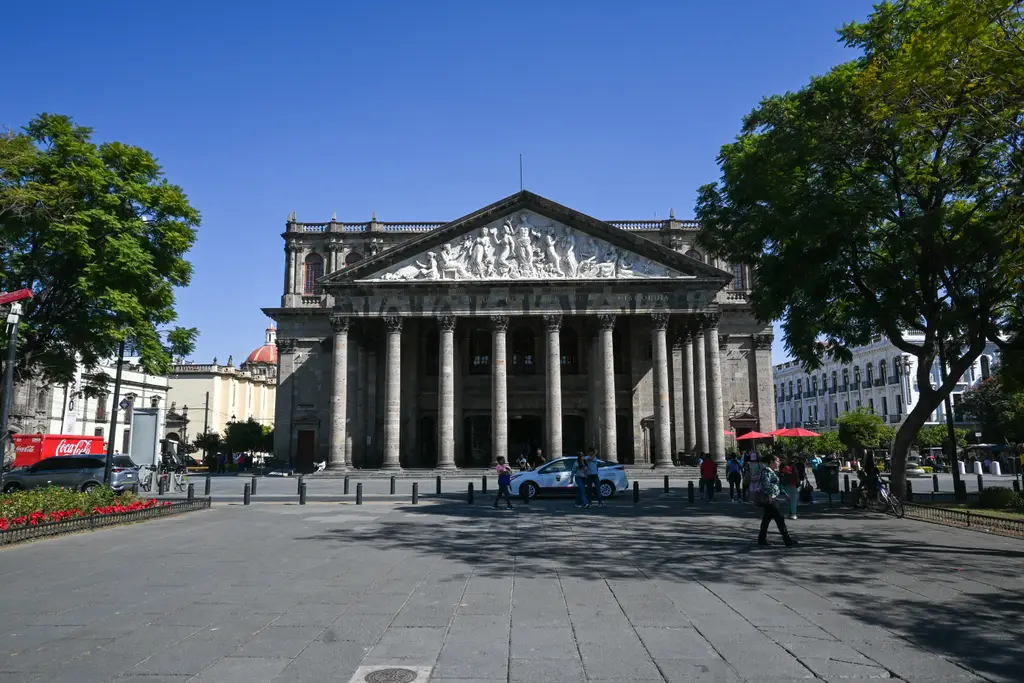
Finish at Teatro Degollado, the neoclassical opera house facing the same cathedral plaza; the exterior and lobby are free to view even without a show. Have dinner somewhere in Centro tonight and save Chapultepec's nightlife for a later evening in the trip.
Tip: Confirm Hospicio Cabañas hours before you go, they can shift and the official site doesn't always load.
Day 2: Tlaquepaque, easing into the pace
Morning
Take the morning to get to Tlaquepaque and start working through its pedestrian streets and courtyard galleries. This is a slower neighborhood by design, so don't rush it, the appeal is wandering in and out of ceramics, glass, and textile shops rather than checking off a list.
Afternoon
Have a long lunch at one of the courtyard restaurants, it's the kind of place worth sitting in rather than eating fast. Prices run higher here than in Tonalá since you're paying for the setting and the curation, but for a slow afternoon it's worth it.
Evening
Keep the evening loose, either stay in Tlaquepaque for a quieter dinner or head back toward Centro or Chapultepec if you want more energy. There's no wrong choice here, this is meant to be the day you stop moving fast.
Tip: Some galleries close Mondays, check before building your day around a specific shop.
Day 3: Tonalá market day
Morning
Head to Tonalá, ideally timed to a Thursday or Sunday when the market takes over the streets, this is where most of Tlaquepaque's inventory actually gets made. Go on a market day or you'll find a much smaller, quieter version of the town than the crafts scene promises.
Afternoon
Spend the afternoon working through the stalls, prices are noticeably lower than Tlaquepaque for comparable ceramics, glass, and textiles since you're closer to the source. This is also a more local scene, less built for tourists, so take your time and expect to bargain a little.
Evening
Head back toward Centro or Chapultepec for dinner once the market winds down in the late afternoon. It's a full day on your feet, so keep the evening simple, a relaxed meal and an early night before tomorrow's Tequila trip.
Tip: Verify the current Thursday/Sunday market schedule locally before planning the whole day around it.
Show all 5 days
Day 4: Tequila day trip
Morning
Leave early for the roughly 60 km trip out to Tequila town, the blue agave fields along the way are a UNESCO World Heritage Site inscribed in 2006. Whether you're driving, touring, or catching the Tequila Express train on a weekend it runs, budget more time than the distance suggests.
Afternoon
Tour a distillery, book ahead for named operations like Jose Cuervo especially on weekends, or walk into a smaller family operation for a comparable tasting at a fraction of the price. Tour and tasting prices vary widely, budget MXN 300-900 or more depending on the operator.
Evening
Have a late lunch or early dinner in town before the drive back to Guadalajara. This is a full day out and back, so keep tonight low-key once you're back in the city, you'll have covered a lot of ground.
Tip: Verify the current Tequila Express operator and schedule before planning a day around it; operators change periodically.
Day 5: Open day
Morning
Use the morning for whatever pulled at you earlier in the trip, a return visit to a market you wanted more time in, or a slower start if the pace has caught up with you. This day is deliberately unstructured rather than padded with a new destination.
Afternoon
If a charrería event happens to be on, this is the day to catch it, Jalisco's ranching culture and the original Mexican rodeo tradition are worth seeing if the timing lines up. Otherwise keep wandering wherever you didn't fully cover earlier in the trip.
Evening
Head to Chapultepec/Americana for a final dinner and drink along the tree-lined avenue, it's the neighborhood locals actually go out in and a good way to close out the trip. No fixed plan needed, just walk until something looks good.
Tip: Don't manufacture a destination for this day, an honest open day beats a forced one.
A full week covering Centro over two days, both crafts towns, a Tequila day trip, a Lake Chapala excursion, and a deliberately slow closing day.
Day 1: Cathedral, Hospicio Cabañas, Teatro Degollado
Morning
Start at the cathedral for the mismatched 19th-century spires, a short walk from most Centro hotels and about 30-45 minutes to see properly before the plaza fills up. It's free to enter and generally open daily, though hours can shift around Mass times.
Afternoon
Spend the core of the afternoon at Hospicio Cabañas, a UNESCO World Heritage Site since 1997 and home to Orozco's ceiling fresco 'The Man of Fire.' Budget 1.5-2 hours here, this is the museum people underbudget most and then wish they'd given more time.
Evening
Close the day at Teatro Degollado, the neoclassical opera house on the same plaza, the exterior and lobby are free to view even without catching a show. Have dinner in Centro tonight, you've got six more days to get to Chapultepec.
Tip: Hospicio Cabañas closes Mondays typically, verify locally before planning day one around it.
Day 2: More of Centro
Morning
Use the morning to see whatever museums and churches got skipped on day one, Centro is denser with 19th-century architecture than a single day gives you credit for. Wander without a fixed list, the smaller plazas around the main square are worth as much time as the headline sights.
Afternoon
Break for a market lunch, either back at Mercado San Juan de Dios or a smaller neighborhood fonda if you want something quieter than the tourist crowds near the entrances. The food stalls upstairs are consistently better and cheaper than the sit-down restaurants at street level.
Evening
Keep exploring Centro into the evening while the light is good for photos of the cathedral and Teatro Degollado. This is your last full Centro day before the trip moves outward to the crafts towns and Tequila, so don't rush it.
Tip: This is the day to slow down; you covered the highlights yesterday, today is depth.
Day 3: Tlaquepaque, full day
Morning
Spend the morning working through Tlaquepaque's pedestrian streets and courtyard galleries before the tour groups thicken up. Browse ceramics, glass, and textiles, this is a curated, priced-for-it version of Jalisco crafts, worth it for the setting even if Tonalá is cheaper for the same goods.
Afternoon
Settle into a long lunch at one of the courtyard restaurants, it's the kind of neighborhood built for sitting rather than rushing between stops. Keep browsing into the afternoon, there's enough here to fill a full day without repeating yourself.
Evening
Have dinner in Tlaquepaque itself for a quieter close to the day, or head back toward Chapultepec if you want more energy after a slow afternoon. Either way, this is a good day to end without a fixed agenda.
Tip: Prices here are higher than Tonalá; budget accordingly if you're planning to buy.
Show all 7 days
Day 4: Tonalá market day
Morning
Head to Tonalá, ideally on a Thursday or Sunday when the market takes over the streets, this is where most of Tlaquepaque's inventory is actually produced. Verify the current schedule locally, going on a non-market day gets you a much smaller version of the town.
Afternoon
Work through the stalls at a fraction of Tlaquepaque's prices for comparable ceramics, glass, and textiles, this is the more local, less curated version of the same crafts scene. Expect crowds if it's a market day, and expect to bargain a little on anything you buy.
Evening
Head back into the city for dinner once the market thins out in the late afternoon. It's a full day on your feet between the market and the travel, so keep tonight simple ahead of tomorrow's Tequila trip.
Tip: This is where the volume of production actually happens; don't skip it for Tlaquepaque alone.
Day 5: Tequila day trip
Morning
Leave early for the roughly 60 km trip to Tequila town, the blue agave fields lining the route are the UNESCO-listed landscape that gives the spirit its name, inscribed in 2006. Whether driving, touring, or catching the Tequila Express on a weekend it runs, give yourself more time than the distance implies.
Afternoon
Tour a distillery, named operations like Jose Cuervo need advance booking especially on weekends, while smaller family operations in town are often walk-in friendly for a comparable tasting at a fraction of the price. Budget MXN 300-900 or more depending on the operator and tastings included.
Evening
Have lunch or an early dinner in town before the drive back to Guadalajara. It's a full day out and back, so keep the evening low-key once you're home, you'll have covered a lot of ground and tasted a lot of agave.
Tip: Verify the Tequila Express schedule before planning around it; operators change periodically.
Day 6: Lake Chapala and Ajijic
Morning
Head out to Lake Chapala, about an hour from Guadalajara, for a genuinely different pace than the city or the crafts towns. This is Mexico's largest natural lake, and the drive out gives you a look at the wider Jalisco landscape beyond the valley the city sits in.
Afternoon
Spend the afternoon in Ajijic, a lakeside town with a sizeable expat community that gives it a different feel from anywhere else on this trip, part fishing village, part retirement town. Walk the waterfront and the cobblestone streets, this is a low-key contrast day rather than a checklist stop.
Evening
Have dinner lakeside before heading back to Guadalajara for the night, or stay later if the sunset over the water is worth lingering for. This is meant to be a slower day after five days of moving around the city and its crafts towns.
Tip: This is a contrast day, not a highlight-reel day; go in expecting quiet rather than spectacle.
Day 7: Slow day in Chapultepec/Americana
Morning
Sleep in and start the day slow in Chapultepec/Americana, this is your last full day and there's no reason to rush it after six days of moving between the city and its day trips. Wander the tree-lined avenue and pop into whatever cafe looks good.
Afternoon
Spend the afternoon in the boutiques along the avenue, or use the time to go back to a market or gallery that stood out earlier in the week. Being honest about it, the region doesn't have an eighth distinct destination beyond what's already listed, so this day is deliberately unstructured.
Evening
Close the trip with dinner out in Chapultepec, the neighborhood locals actually go out in, and maybe a last drink somewhere along the strip. This is a fitting way to end a week that started in the formality of Centro.
Tip: Don't force a new destination into today; an honest slow day beats a manufactured one.
Two weeks covering Centro, both crafts towns, two Tequila-region days, Lake Chapala, and Mazamitla; several later days stay deliberately open since the region runs out of unique destinations before day 14.
Day 1: Cathedral, Hospicio Cabañas, Teatro Degollado
Morning
Start at the cathedral for the mismatched 19th-century spires, a short walk from most Centro hotels and about 30-45 minutes to see properly. It's free to enter and generally open daily, though hours can shift around Mass times, so don't plan too tightly around a schedule.
Afternoon
Spend the core of the afternoon at Hospicio Cabañas, a UNESCO World Heritage Site since 1997 and home to Orozco's ceiling fresco 'The Man of Fire.' Budget 1.5-2 hours, this is a museum worth sitting with rather than rushing through in twenty minutes.
Evening
Close the day at Teatro Degollado, the neoclassical opera house facing the same plaza, free to view the exterior and lobby without a show. Have dinner somewhere in Centro tonight, there's no need to range far on day one of fourteen.
Tip: Pace yourself, this is a long trip; don't try to see everything in the first two days.
Day 2: More of Centro
Morning
Use the morning for additional churches and museums around Centro that got skipped on day one, the historic core has more density than a single day accounts for. Wander the smaller plazas without a fixed itinerary, some of the best moments here aren't the headline sights.
Afternoon
Break for a market lunch, either back at Mercado San Juan de Dios or a quieter neighborhood fonda. The food stalls upstairs at the market are consistently better and cheaper than the sit-down spots near the entrances, and less crowded with tour groups.
Evening
Keep wandering Centro into the evening, the cathedral and Teatro Degollado photograph well as the light changes. This is your last dedicated Centro day for a while, tomorrow the trip moves out to the crafts towns.
Tip: Take this day slower than day one, you have two weeks, there's no need to rush.
Day 3: Tlaquepaque, full day
Morning
Spend the morning in Tlaquepaque's pedestrian streets and courtyard galleries before the crowds build. Browse the ceramics, glass, and textile shops, this is the curated, priced-for-it version of Jalisco crafts, and worth it for the setting even with higher prices than Tonalá.
Afternoon
Settle into a long lunch at one of the courtyard restaurants, this neighborhood is built for sitting rather than moving fast between stops. Keep browsing into the afternoon, there's enough here to fill a full day comfortably without repetition.
Evening
Have dinner in Tlaquepaque for a quiet close, or head back toward Chapultepec for more energy if the day left you wanting it. Either way this is a good day to leave unstructured after it.
Tip: Budget more for purchases here than in Tonalá; you're paying for curation and setting.
Show all 14 days
Day 4: Tonalá market day
Morning
Head to Tonalá, ideally on a Thursday or Sunday market day, this is where most of Tlaquepaque's inventory is actually made. Verify the current schedule locally, a non-market day shows you a much smaller version of the town than the crafts reputation suggests.
Afternoon
Work through the stalls at prices well below Tlaquepaque for comparable ceramics, glass, and textiles, this is the more local, working version of the same crafts scene. Expect crowds on a market day and expect to bargain a little on anything you buy.
Evening
Head back toward the city for dinner as the market winds down in the late afternoon. It's a full day on your feet, keep tonight simple ahead of two Tequila-region days coming up.
Tip: This is where the volume of production happens; don't treat it as optional next to Tlaquepaque.
Day 5: Tequila day trip
Morning
Leave early for the roughly 60 km trip to Tequila town, the blue agave fields along the route are the UNESCO-listed landscape inscribed in 2006 that gives the spirit its name. Whether driving, touring, or catching the Tequila Express, budget more time than the distance suggests.
Afternoon
Tour a distillery, named operations like Jose Cuervo need advance booking especially on weekends, smaller family operations in town are often walk-in friendly for a comparable tasting at a fraction of the price. Budget MXN 300-900 or more depending on operator and tastings.
Evening
Have lunch or an early dinner in town before heading back to Guadalajara. Keep tonight low-key once you're home, you've got a second Tequila-region day tomorrow if the schedule lines up.
Tip: Verify the Tequila Express schedule before planning around it, operators change periodically.
Day 6: Second Tequila-region day
Morning
If you didn't already cover it on day five, use this morning for a different distillery, or catch the Tequila Express train if the weekend schedule lines up with your dates. This day only makes sense as a distinct stop if day five didn't already cover the ground.
Afternoon
Spend the afternoon exploring more of the agave landscape at a slower pace than a single rushed day trip allows, or try raicilla, the lesser-known agave spirit from Jalisco's coast and mountains, alongside the more famous export you tried yesterday.
Evening
Head back to Guadalajara for the evening, this is your second full day out of the city in a row, so keep dinner simple and low-key once you're back. Tomorrow moves to a different kind of day trip entirely.
Tip: Skip this day if day five already covered the same distillery and landscape ground.
Day 7: Lake Chapala and Ajijic
Morning
Head out to Lake Chapala, about an hour from Guadalajara and Mexico's largest natural lake, for a genuinely different pace than the city or the crafts towns. The drive out shows the wider Jalisco landscape beyond the valley the city sits in.
Afternoon
Spend the afternoon in Ajijic, a lakeside town with a sizeable expat community that gives it a different character from anywhere else on this trip. Walk the waterfront and cobblestone streets, this is a contrast day rather than a checklist stop.
Evening
Have dinner lakeside before heading back to Guadalajara, or linger if the sunset over the water is worth it. This is meant to slow the trip down after a run of day trips.
Tip: Go in expecting quiet and a different pace, not a highlight-reel day.
Day 8: Mazamitla mountain day
Morning
Head out to Mazamitla, a mountain pueblo mágico a couple hours from Guadalajara, for a genuine change of scenery from the valley. The cooler climate and pine forest are a real contrast to the heat and altitude of the city.
Afternoon
Spend the afternoon walking the town's streets and surrounding forest, this is a slower, cooler version of Jalisco than anything else on the trip so far. There's no headline attraction here, the appeal is the climate and the change of pace itself.
Evening
Head back to Guadalajara in the evening, or stay the night in Mazamitla if you want to extend the cooler climate a little longer before returning to the city's heat and pace.
Tip: This is a genuine change of scenery, not another crafts town; go for the climate.
Day 9: Recovery day in Chapultepec/Americana
Morning
Sleep in and take the morning slow in Chapultepec/Americana, by day nine of a two-week trip a genuinely unscheduled morning is worth more than another attraction. Wander the tree-lined avenue and find a cafe that looks good.
Afternoon
Spend the afternoon in the boutiques and shops along the avenue with no fixed plan, this is deliberately a recovery day rather than a padded destination. Being direct about it, the region doesn't have a new full-day attraction to offer at this point in the trip.
Evening
Have dinner out in Chapultepec, the neighborhood locals actually go out in, and take the evening at whatever pace feels right after over a week of moving around.
Tip: Let this day be genuinely unscheduled; you've earned the break by day nine.
Day 10: Return to Centro or a cooking class
Morning
Go back to the historic center for anything missed earlier in the trip, a museum you skipped, a church you didn't get to, or a plaza you wanted to sit in longer. This is a catch-up day rather than a new destination.
Afternoon
If you want a hands-on food day instead, book a cooking class, Guadalajara's food scene runs from torta ahogada to birria to Jalisco-style pozole, so a class is a good way to understand the dishes you've been eating rather than just eating them.
Evening
Have dinner wherever the day's activity leaves you, either back in Centro or somewhere new if the cooking class took you elsewhere in the city. Keep it simple after ten days of moving around.
Tip: Pick whichever you didn't get to earlier, a missed museum or a cooking class, not both in one day.
Day 11: Los Altos region day trip
Morning
Head out to the wider Los Altos region, a rural stretch of Jalisco known for its ranching towns, if you want the ranch-culture side of the state rather than more colonial architecture. This is a genuinely different landscape from anything else on the trip.
Afternoon
Spend the afternoon in the ranching towns themselves, this region has deep roots in the charrería tradition, the original Mexican rodeo, so it's worth the drive if that culture interests you more than another crafts market or church.
Evening
Head back to Guadalajara for the evening, this is a longer day trip than most of the others on this itinerary, so keep dinner simple once you're back in the city.
Tip: This day is for ranch culture and charrería roots, skip it if that's not a draw for you.
Day 12: Open day
Morning
Use the morning for whatever you want a second look at, a market, a gallery, or a slower start if the pace of the last eleven days has caught up with you. This day is deliberately open rather than filled with a manufactured stop.
Afternoon
If a charrería event or lucha libre match happens to be scheduled, this is the day to catch it. Otherwise keep the afternoon loose and follow whatever's pulled at you since you arrived.
Evening
Have dinner wherever the day took you, there's no fixed plan for tonight either. By this point in a two-week trip an honest open day is worth more than another checklist stop.
Tip: Don't force plans onto this day; let it be genuinely open.
Day 13: Slow day, nothing scheduled
Morning
Keep the morning fully unscheduled, sleep in, have a slow coffee, and don't feel obligated to see anything new. By day thirteen the point isn't more sights, it's a comfortable pace heading into departure.
Afternoon
Spend the afternoon doing whatever feels right, a last walk through a neighborhood you liked, a final round of shopping, or simply resting before the trip wraps up. There's nothing on the agenda by design.
Evening
Have a relaxed final full dinner somewhere you've already enjoyed rather than trying something new tonight. This is a deliberately quiet day before departure, not a missed opportunity.
Tip: Resist the urge to fill this day; it's meant to be genuinely slow.
Day 14: Departure day
Morning
Use whatever time you have before your flight for a last coffee or walk near your hotel, nothing new needs to happen this morning. Pack with time to spare given Guadalajara's traffic can be unpredictable heading to the airport.
Afternoon
Head to Guadalajara International Airport, about 16 km south of downtown and roughly 25-40 minutes by car depending on traffic. Budget extra time if you're leaving from Chapultepec or Tlaquepaque rather than Centro.
Evening
There's no scheduled evening activity for departure day, most flights out mean your evening is already gone by the time you clear security. If your flight is later, a final relaxed dinner near the airport or downtown works fine, nothing new needs planning today.
Tip: Confirm your airport transfer the night before; ride-share pickup is restricted to a designated zone.
8Photo by Edgar Mosqueda Camacho on PexelsHospicio Cabañas courtyards and Orozco murals (standalone note on the fresco cycle)
1
Catedral de Guadalajara
generally open daily, roughly 8:00-20:00, hours can shift around Mass times·free·30-45 minutes
The mismatched spires got that way after a 19th-century earthquake damaged the originals and the replacements didn't quite match. Check before you go for exact hours.
2
Hospicio Cabañas (Instituto Cultural Cabañas)
check before you go·check before you go, likely under 100 MXN with the usual Sunday free-entry policy for Mexican residents·1.5-2 hours
Closed Mondays (typical for Mexican state museums, verify locally)
UNESCO World Heritage Site since 1997, designed by Manuel Tolsá, and home to Orozco's ceiling fresco 'The Man of Fire.' The official site didn't load when I tried to verify current hours and price, confirm before visiting.
check before you go; exterior always viewable·free to view exterior and lobby; performance tickets vary·20-30 minutes without a show
book ahead for performances
Neoclassical opera house facing the cathedral plaza. Worth timing a visit around a performance if you can, the interior is the real draw.
4
Mercado San Juan de Dios (Mercado Libertad)
open daily, specific stall hours vary, generally mid-morning to early evening·free to enter·1-2 hours
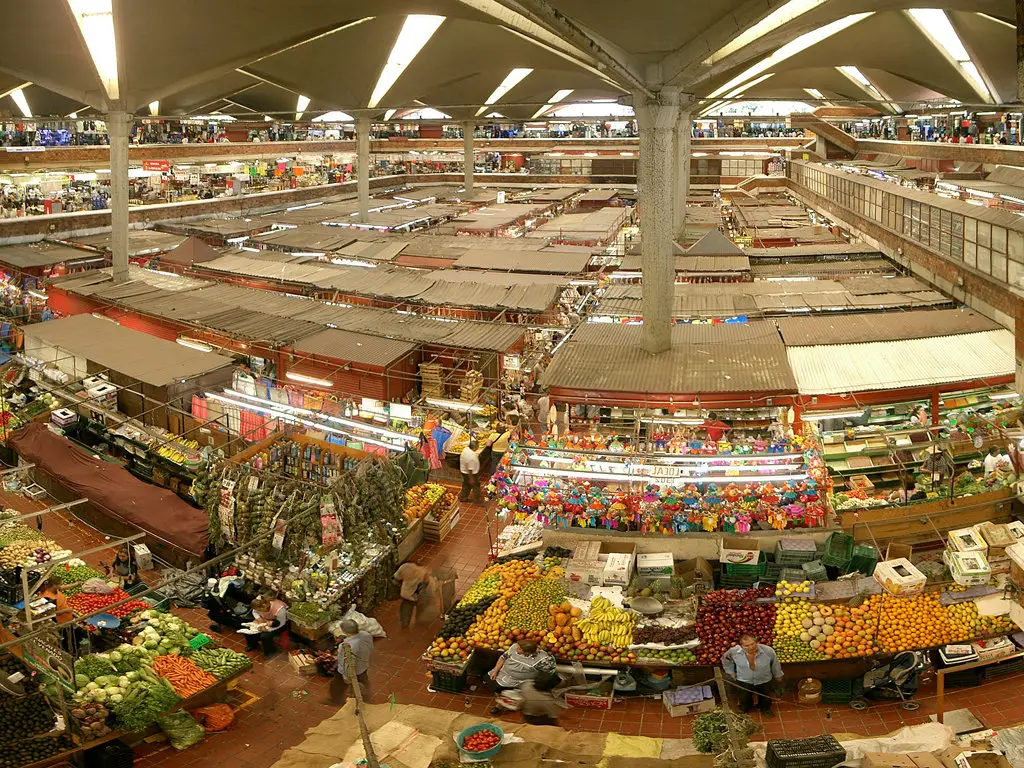
Commonly cited as the largest indoor market in Latin America, about 40,000 square meters and roughly 3,000 stalls. Watch your bag, it's crowded and touristy near the entrances, more local by the food stalls upstairs.
5
Tlaquepaque historic center
streets always open; shop hours roughly 10:00-19:00·free to walk; purchases vary·half day
Closed some galleries close Mondays, varies by shop
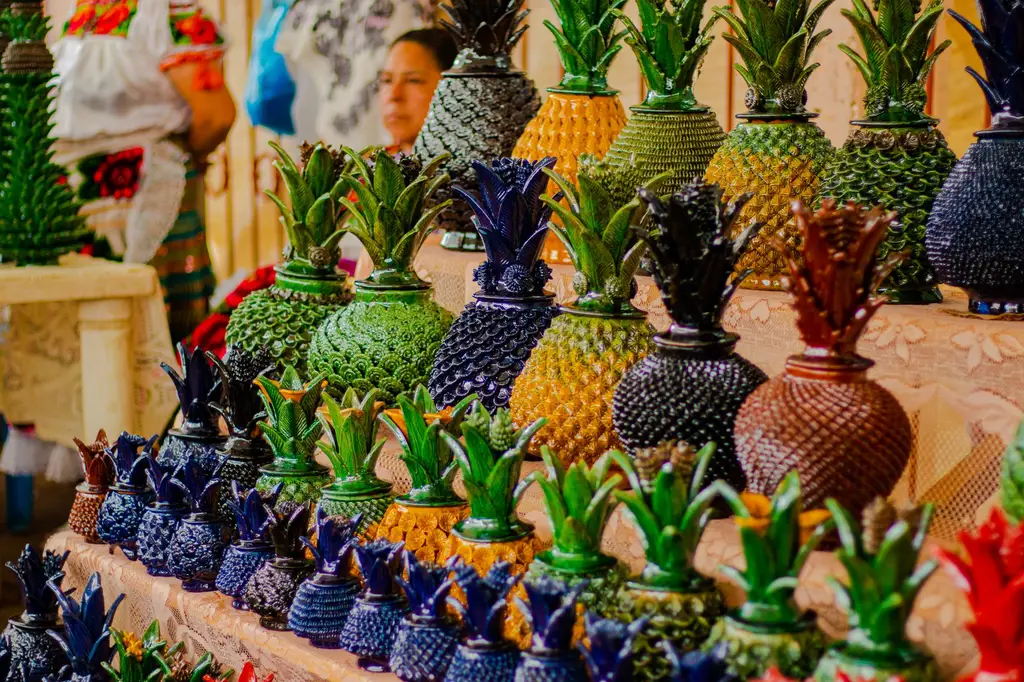
Pedestrian streets, courtyard restaurants, and galleries selling Jalisco ceramics, glass, and textiles. Prices are higher than Tonalá since you're paying for the setting.
6
Tonalá crafts market
Thursdays and Sundays are the big market days, verify current schedule locally·free to browse·half day
This is where a lot of Tlaquepaque's inventory actually gets made. Go on a market day or you'll find a much smaller version of the town.
Colonia Americana
as of 2026-09
Viral
Neighbourhood of tree-lined streets, mid-century architecture, independent galleries and bars, named the coolest neighbourhood in the world by Time Out. The Time Out title drove a real spike in visitors. It's a legitimately good area to walk and eat in, just know the hype is doing some of the marketing here.
Instituto Cultural Cabañas (Hospicio Cabañas)
as of 2026-09
Viral
UNESCO World Heritage former hospice housing José Clemente Orozco's murals, the artistic centerpiece of the historic center. One of the genuinely great art sites in Mexico, not just a regional stop. Don't skip this for the trendier neighbourhoods.
Mercado San Juan de Dios
as of 2026-09
Viral
Latin America's largest indoor market, three floors of food stalls, handicrafts, and electronics. Chaotic and worth it for an hour of wandering and street food. Watch your bag, it's a market, not a boutique.
Tlaquepaque
as of 2026-09
Viral
Artisan district known for ceramics, blown glass, and folk art galleries in a pedestrian colonial setting. Good for buying actual craftwork rather than souvenir-shop versions. Prices reflect the craft, don't expect it to be cheap.
José Cuervo Express tequila train
as of 2026-09
Viral
Five-hour round-trip train tour from Guadalajara to Tequila town, including an open bar, a distillery tour at La Rojeña, and an agave field walk. Touristy but does what it says. Book ahead, it sells out on weekends.
Chapultepec corridor nightlife
as of 2026-09
Viral
Tree-lined avenue and surrounding blocks where locals actually go for craft beer, mezcal bars, and dinner, less touristy than the historic center. This is where to go if you want Guadalajara's actual nightlife rather than a tourist version of it.
More to see (2)
7
Tequila town and agave landscape day trip
distillery tour times vary by operator·distillery tours vary widely, budget MXN 300-900+ depending on operator and tastings included·full day
book ahead for named distillery tours (Jose Cuervo and others), especially weekends
Tequila town is about 60 km from Guadalajara. The surrounding agave fields are a UNESCO World Heritage Site (inscribed 2006). The Tequila Express tourist train runs weekends; verify current operator and schedule before planning around it, tourist trains in Mexico change operators periodically.
Hospicio Cabañas courtyards and Orozco murals (standalone note on the fresco cycle)
same as Hospicio Cabañas above·included with Hospicio Cabañas admission·included above
Listed separately because people budget 20 minutes for the whole museum and then spend an hour under the dome. Bring something to sit on the floor with, you'll want to look up for a while.
Where to stay
Centro Histórico
Suits: first-timers, culture-focused trips
Cathedral, Hospicio Cabañas, Teatro Degollado all in walking range; loud and touristy near the plazas.
Chapultepec / Americana
Suits: nightlife, food, longer stays
Tree-lined avenue, bars, restaurants, boutique hotels; the neighborhood locals actually go out in.
Tlaquepaque
Suits: quiet base, crafts and gallery focus
Small, walkable, slower pace; less central for anything downtown, worth it if that's your priority.
Getting there and around
Getting there
Guadalajara International Airport (GDL) is about 16 km south of downtown, roughly 25-40 minutes by car depending on traffic. Airport taxis run on a fixed-price ticket system from a counter inside arrivals; ride-share pickup is restricted to a designated zone. Expect somewhere in the MXN 250-450 range for a taxi into downtown, check current posted rates on arrival.
Getting around
The historic center, Tlaquepaque, and Chapultepec are each walkable on their own but spread out from each other, so you'll move between them by car or transit. Guadalajara has a light rail system (Tren Ligero, 3 lines) plus a BRT line (Mi Macro), both cheap and useful for cutting across town. Uber works well and is the default for most visitors after dark. Traffic gets bad at rush hour; budget extra time.
Map
City
Recommended (numbered)
Mentioned in an itinerary
Locations on this map
Guadalajara20.66, -103.35
Catedral de Guadalajara20.68, -103.35
Hospicio Cabañas (Instituto Cultural Cabañas)20.68, -103.34
Teatro Degollado20.68, -103.34
Mercado San Juan de Dios (Mercado Libertad)20.68, -103.34
Tlaquepaque historic center20.65, -103.32
Tonalá crafts market20.67, -103.30
Tequila town and agave landscape day trip20.69, -103.32
Hospicio Cabañas courtyards and Orozco murals (standalone note on the fresco cycle)20.68, -103.34
Chapultepec20.67, -103.37
Americana20.67, -103.36
Centro20.67, -103.39
Jose Cuervo20.66, -103.35
MXN19.63, -101.59
Jalisco20.70, -103.33
Lake Chapala20.30, -103.24
Ajijic20.30, -103.26
Tequila-region20.69, -103.32
Mazamitla20.67, -103.39
Los Altos20.70, -103.36
Guadalajara International Airport20.53, -103.31
What it costs
Stay
Food
Transport
Activities
Daily cost breakdown, MXN per person
Tier
Stay
Food
Transport
Activities
Total
Budget
MXN 350
MXN 250
MXN 100
MXN 200
MXN 900
Mid-range
MXN 1,200
MXN 500
MXN 250
MXN 250
MXN 2,200
Splurge
MXN 3,200
MXN 1,000
MXN 500
MXN 300
MXN 5,000
Hostel or budget hotel around MXN 350-500, tacos and a torta ahogada for under MXN 150 total across the day, Uber rides between downtown and Tlaquepaque around MXN 100-150, Hospicio Cabañas entry likely under MXN 100. That lands a real mid-range day around MXN 1,000-1,300 without stretching for anything.
Money savers
Most state museums, including Hospicio Cabañas, run free-entry days for residents, usually Sunday, worth checking if you have any residency angle or just to confirm current policy before assuming it applies to tourists
Eat where the market vendors eat: the upstairs food stalls at San Juan de Dios are cheaper and better than the sit-down restaurants at street level
Tren Ligero and Mi Macro fares are a fraction of an Uber for the same cross-town trip and run reliably
Skip the branded Tequila distillery tours and go to a smaller family operation in town, prices are a third of the big names for a comparable tasting
Guadalajara invented more Mexican food than it gets credit for. Torta ahogada is the city's own sandwich, birria the dish it shares uneasily with Tijuana over who does it better, and tequila the spirit named for the town an hour away that you can visit in an afternoon. Eating here means market stalls at Mercado San Juan de Dios and Mercado Corona in the morning, birria at Nueve Esquinas at lunch, and a tequila or raicilla tasting in the evening in Chapultepec or Americana. It is a less polished food scene than Mexico City's, closer to the everyday cooking of Jalisco, and better for it.
MXN 60-100·Any stand around Mercado San Juan de Dios or Mercado Corona
Must try
A pork sandwich drowned, not dipped, in a spicy tomato-arbol chile sauce until it collapses. Order it 'media' if you want half the sauce, ordering it full-strength is a genuine test.
Slow-cooked goat or beef in a chile broth, served with tortillas and consomme for dipping. Jaliscans consider this the original birria, not the Tijuana-adjacent version that went viral online.
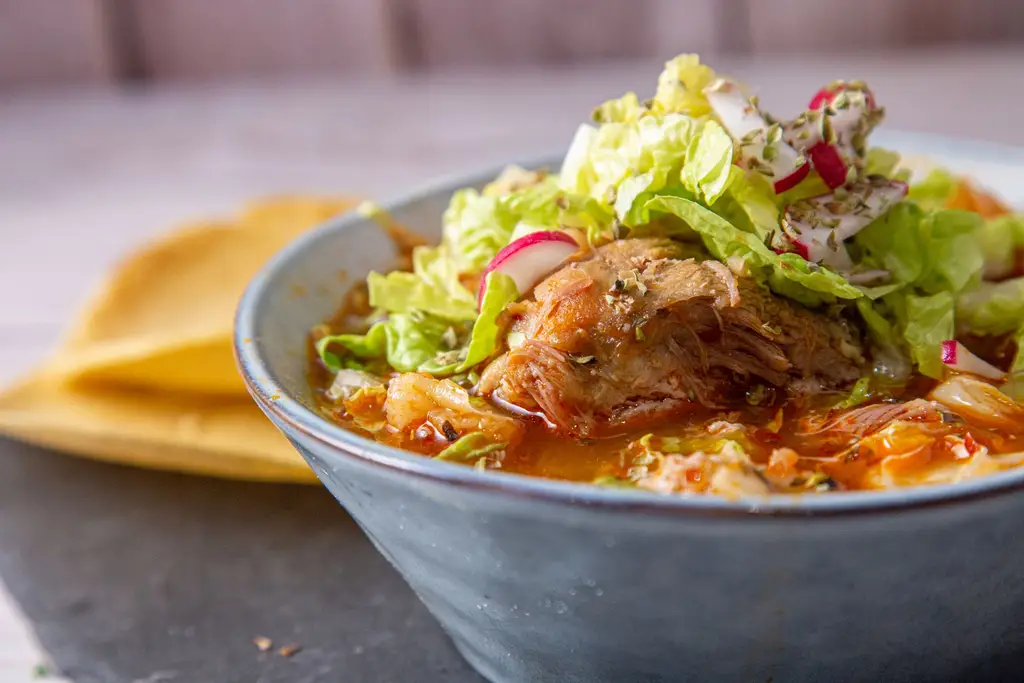
Pozole
MXN 80-140·Thursday market stalls and family-run fondas citywide
Hominy stew in a red or white broth, topped table-side with radish, oregano, lime and chile. Traditionally a Thursday dish, and still often hardest to find any other day.
Tequila and raicilla tastings
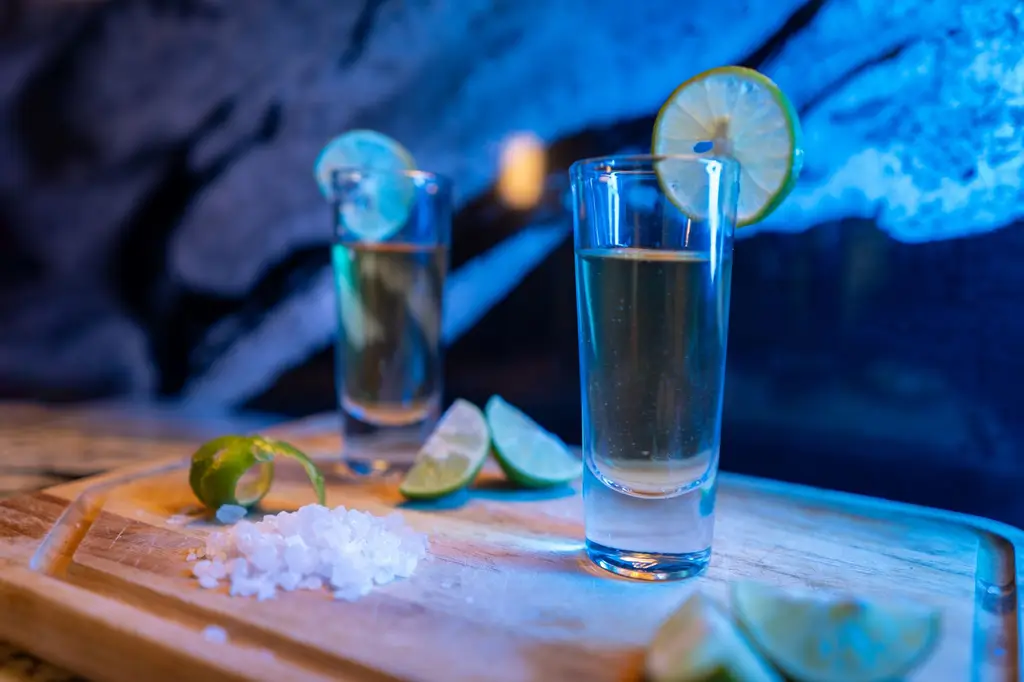
MXN 150-500 for a flight·Tequila town, an hour west, or specialty bars in Chapultepec and Americana
Must try
Tequila is protected by geography the way champagne is, and the town it is named for makes for an easy day trip. Raicilla, a rougher agave spirit from the coast, is worth trying if a bar pours it.
Carne en su jugo
MXN 90-150·Neighborhood fondas across the city
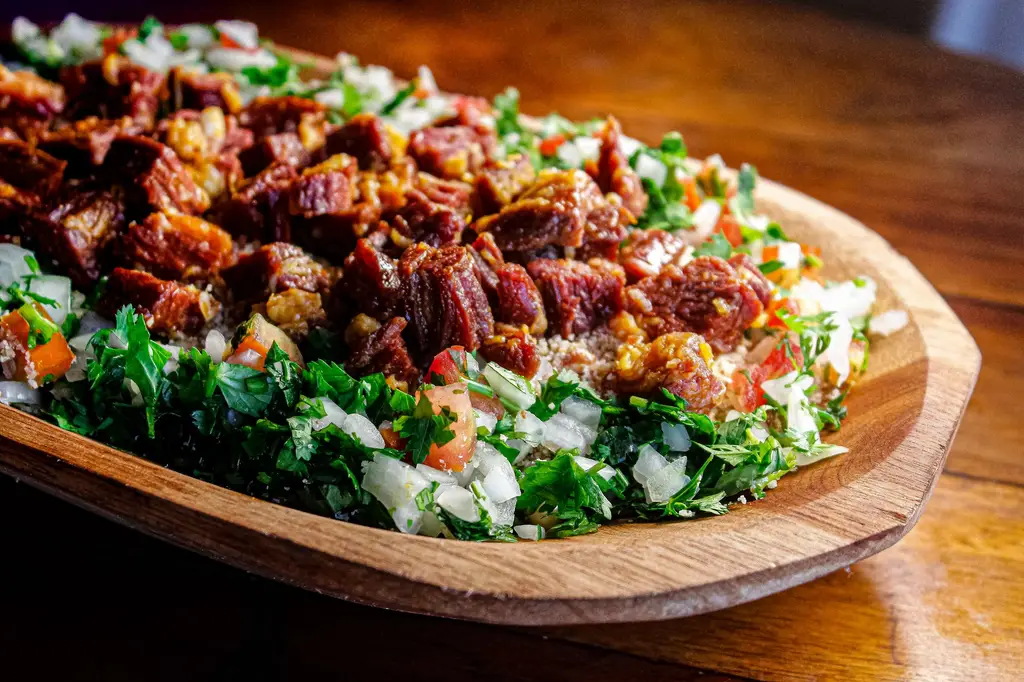
Diced beef simmered in its own juices with bacon and beans, closer to a broth than a stew, topped with raw onion and cilantro. A Guadalajara specialty that rarely turns up on menus outside Jalisco.
Jericalla
MXN 25-45·Market dessert stalls and traditional bakeries
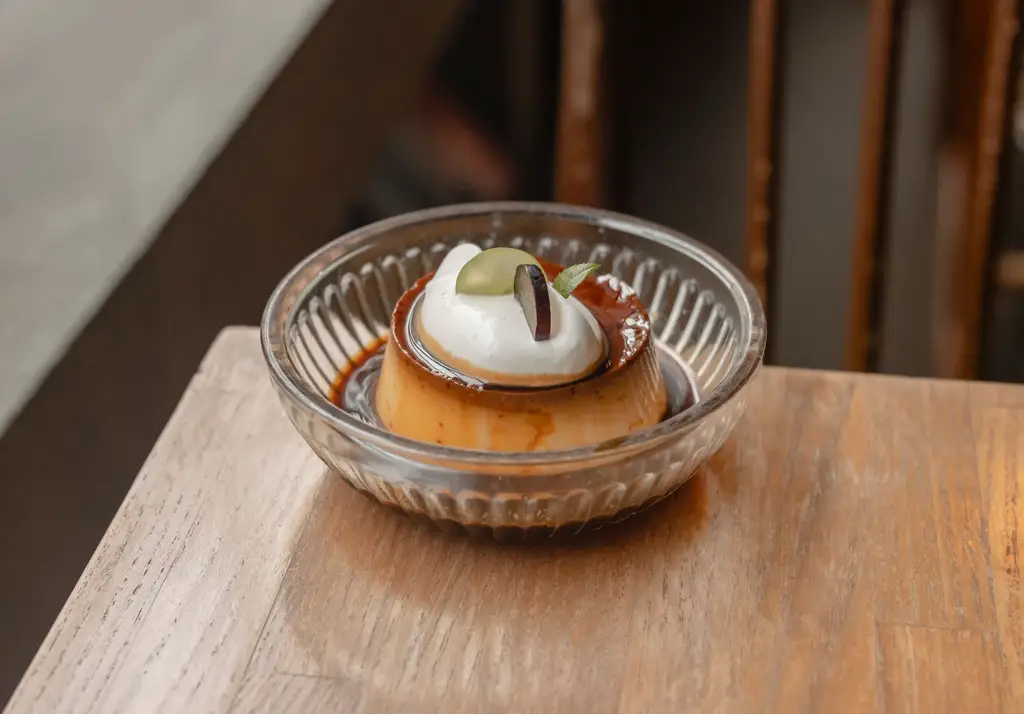
A custard similar to creme brulee but denser and less sweet, baked until the top browns and slightly cracks. Guadalajara's answer to flan, and locals will insist it is better.
Karne Garibaldi
as of 2026-09
Viral
A carne en su jugo restaurant famous since the 1990s for a Guinness record on service speed, still running multiple locations across Guadalajara. This was a local institution long before it was an Instagram stop, which is exactly why it holds up. Reviews still hold around 4.2-4.8 across platforms. Go for the dish, not the speed gimmick.
Alcalde and Xokol earn Michelin stars
as of 2026-09
Viral
Guadalajara's first two Michelin stars went to Alcalde and Xokol in the 2026 guide, putting Jalisco cuisine on the national fine-dining map alongside CDMX and Oaxaca. Six-plus outlets covered this, it's a real inflection point for the city's dining reputation, not a one-off press release. Worth the splurge if you're already rating restaurants highly on your trip.
Guadalajara named Mexico's best food city
as of 2026-09
Viral
TasteAtlas ranked Guadalajara the top food city in Mexico and second in Latin America for 2025-2026, with local dishes like torta ahogada, pozole, carne en su jugo, and biónico all landing on the site's best-of lists. TasteAtlas rankings are more crowd-vote than critical authority, but the pattern lines up with the Michelin news, so the city's food moment looks real, not manufactured.
Biónico
as of 2026-09
Viral
A Jalisco dessert of chopped fruit, granola, condensed milk, and cream, native to Guadalajara, that TasteAtlas rated among the world's best desserts in 2025. Cheap, everywhere, and genuinely refreshing in the heat. Order it from a fruteria, not a restaurant.
Century-old cantinas having a moment
as of 2026-09
Viral
Guadalajara's historic cantinas, some over 100 years old, are getting renewed attention as celebrity and local hangouts, serving classic botanas alongside drinks. This is the old-school counterpoint to the Michelin stars, less plated, more character. Go for the atmosphere as much as the food.
Safety and scams
The historic center, Tlaquepaque, and Chapultepec/Americana are the areas visitors stick to and they're generally fine with normal city precautions. The Canadian government advisory flags avoiding non-essential travel to parts of Jalisco within 50 km of the Michoacán border, which is well outside the tourist zones described here, and recommends a high degree of caution for the rest of the state including Guadalajara. Pickpocketing in crowded markets and taxi overcharging are the realistic risks in the areas you'll actually visit; don't hail street taxis, use Uber or a hotel-called cab instead.
Common mistakes
Treating Guadalajara like a stopover before Puerto Vallarta instead of budgeting real days for it
Skipping Tonalá because Tlaquepaque looks like 'the crafts town' on a map, when Tonalá is where most of that inventory is actually produced and cheaper
Booking a Tequila distillery tour without checking whether it's a big-name operation needing advance reservation or a smaller one you can walk into
Assuming the Jalisco travel advisory applies uniformly to the whole state instead of reading which specific areas it flags
Underestimating how spread out the city is and trying to walk between downtown and Chapultepec
Frequently asked questions
Is Guadalajara safe for tourists?
The historic center, Tlaquepaque, and Chapultepec are the areas visitors use and are generally safe with normal precautions. Canada's advisory flags specific border areas of Jalisco near Michoacán for avoidance, which sit well outside the tourist zones, while recommending general high caution for the rest of the state.
How far is Tequila town from Guadalajara?
About 60 km, roughly an hour or more by road depending on traffic and route. It's a comfortable day trip, whether by rental car, tour, or the Tequila Express train on the days it runs.
Is Mercado Libertad really the largest indoor market in Latin America?
That's the commonly cited claim, based on its roughly 40,000 square meter footprint and about 3,000 vendor stalls across three levels. Treat it as the standard local claim rather than an independently audited ranking.
What's the best time to visit Guadalajara?
October through April, the dry season, with mild days and cool nights due to the 1,566 meter altitude. May runs hottest before the summer rains, which arrive as short, heavy afternoon downpours rather than all-day washouts.
Do I need to book Tequila distillery tours in advance?
Depends on the operator. Larger, name-brand distilleries get busy on weekends and benefit from advance booking. Smaller family operations in town are often walk-in friendly. Check the specific operator's current policy before you go.
How many days do you need in Guadalajara?
Three days covers the historic center, one crafts town, and a Tequila day trip comfortably. A week lets you add both Tlaquepaque and Tonalá plus Lake Chapala. Two weeks starts running into deliberately open days since the region's unique destinations run out before then.
Tlaquepaque or Tonalá, which is better?
They're not interchangeable. Tlaquepaque is curated, walkable, and priced for the setting, better for a relaxed gallery afternoon. Tonalá is where most of that inventory actually gets made, cheaper and more local, especially on its Thursday or Sunday market days when the streets fill with stalls.
Is Guadalajara worth visiting compared to Puerto Vallarta or Mexico City?
It's a different kind of trip, a real working city rather than a beach resort or the capital's scale. It's the birthplace of mariachi and tequila, has a walkable colonial core, and puts you close to crafts towns and the actual agave landscape, without the coastal-resort script.
What's a realistic daily budget for Guadalajara?
Figures run roughly MXN 900 budget, 2,200 mid-range, and 5,000 splurge per person per day excluding flights, about USD 53/129/294 at a rough MXN 17 to 1 rate. A real mid-range day, hotel, food, transport, and one paid activity, tends to land around MXN 1,000-1,300.
Is mariachi actually from Guadalajara?
Yes, mariachi music started in this region, which is part of why Jalisco carries so much of Mexico's cultural identity from outside the country, alongside tequila and charrería, the original Mexican rodeo. Live mariachi shows up around the historic plazas and at dedicated venues in the city.