Things to Do in Oaxaca: Itineraries, Costs and Food
Mexico's food and mezcal capital: mole in seven regional forms, tlayudas the size of a plate, and a colonial center that hasn't been prettied up into a theme park.
By Labeeb Mirza · Published September 8, 2026 · Updated September 8, 2026
Best timeOct-Apr
Daily budget (mid)MXN 2,200
Ideal length3 days
CurrencyMXN
Overview
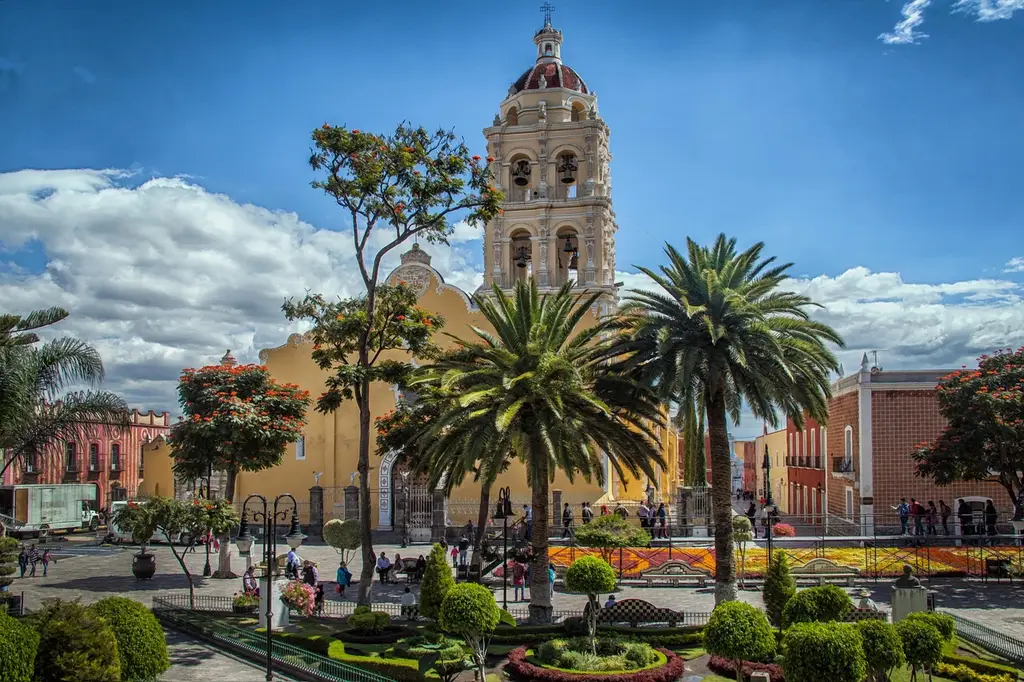
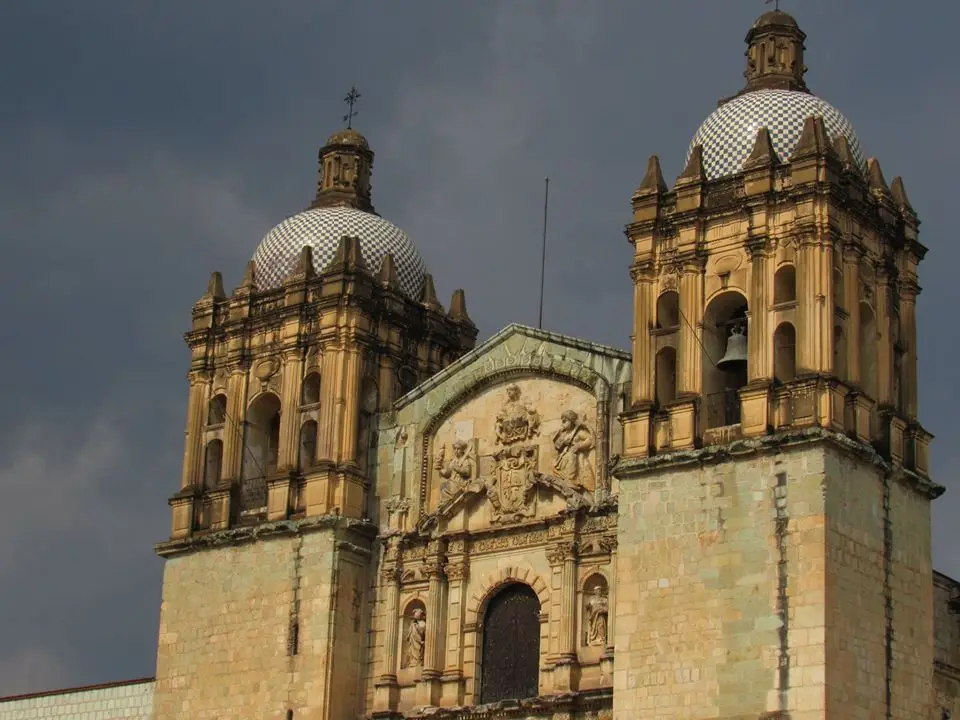
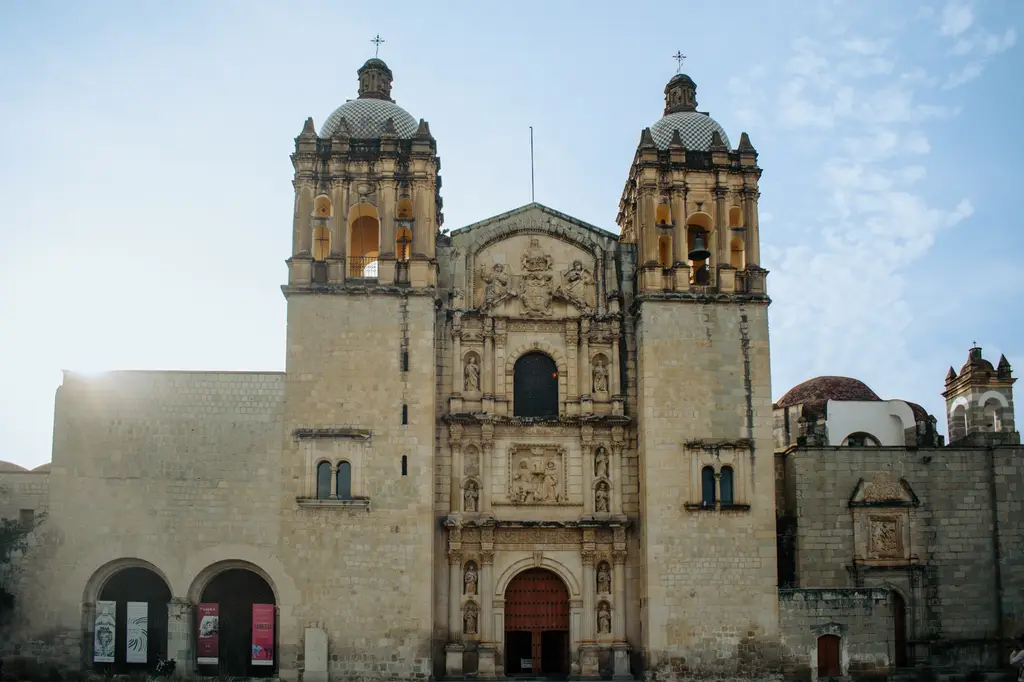
Oaxaca de Juárez sits in a highland valley in southern Mexico, a colonial city built from the same green-grey stone as the mountains around it. It gets called Mexico's culinary capital often enough that the phrase has lost some meaning, but the claim holds up here better than almost anywhere else in the country. Mole is the reason: Oaxaca is home to what locals call the siete moles, seven distinct regional sauces (negro, rojo, amarillo, verde, coloradito, chichilo, and manchamanteles), each built on chilies, spices, and sometimes chocolate, and each a real dish rather than a menu gimmick. Add tlayudas, quesillo, chapulines, and mezcal, and eating becomes the main activity here, not a break between sightseeing. The city is compact and walkable, centered on a zocalo with the Cathedral on one side and Santo Domingo church a short walk north, its facade thick with carved stone and its interior gilded almost to excess. Markets double as tourist attractions and genuine neighborhood food halls, especially 20 de Noviembre and Benito Juárez. Beyond the city, the valley holds Monte Alban, a Zapotec capital built on a leveled mountaintop, and Mitla, known for stone mosaic work found nowhere else in Mexico. Villages within an hour specialize in single crafts: Teotitlán del Valle in wool weaving, San Bartolo Coyotepec in black pottery, Santiago Matatlán in mezcal. None of this reads as staged. It's what the region has always made, and tourism arrived on top of it.
What I actually think
Labeeb: the mole in Oaxaca is not one dish, it's a whole category, and treating negro and verde as interchangeable is like treating a curry and a stew as the same thing. Order more than one across a trip if you can.
Labeeb: mezcal caught me off guard the first time because I'd mentally filed it as 'tequila's cousin' and assumed similar strength. A lot of it runs noticeably hotter, and a tasting flight is a much better way to learn what you actually like than committing to a full glass of the first pour.
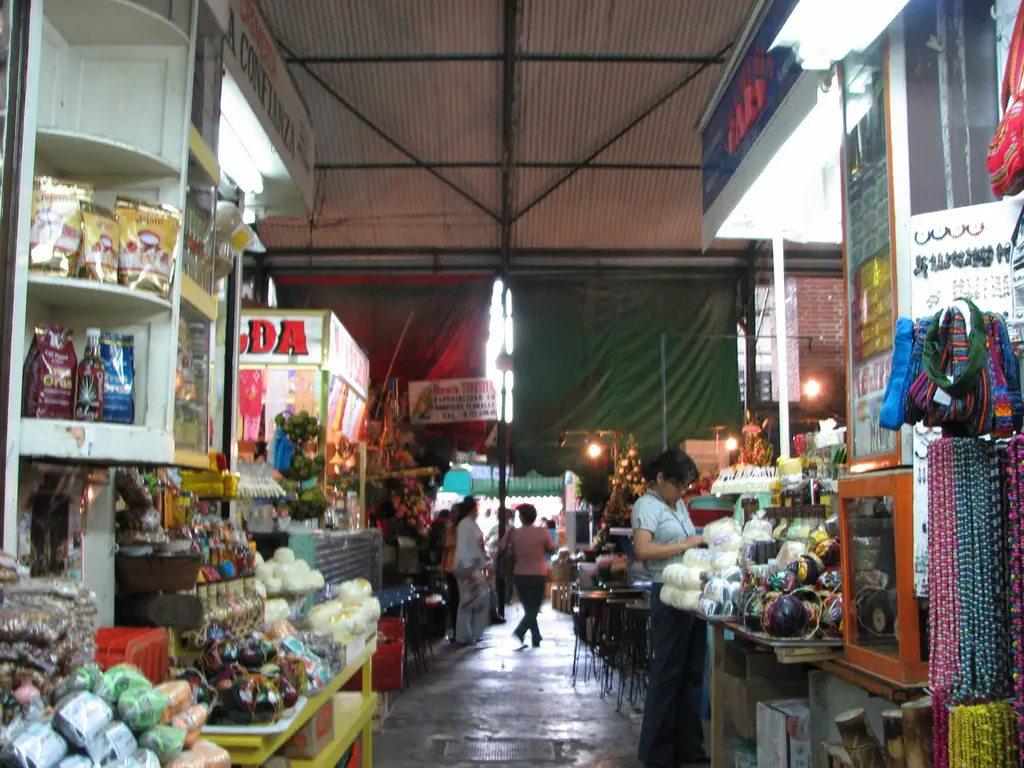
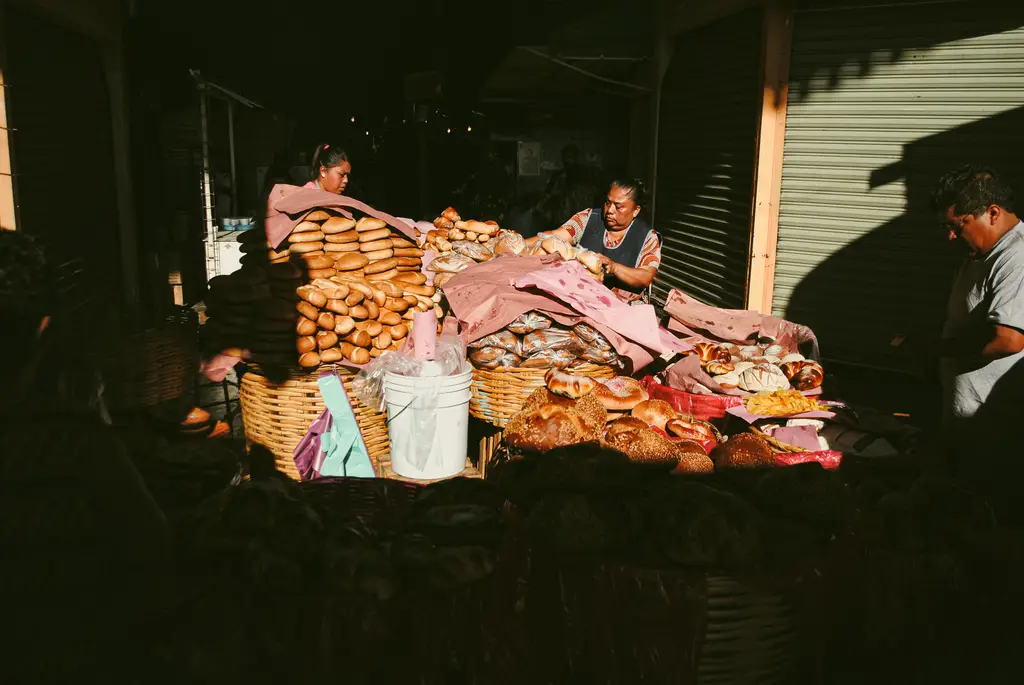
Labeeb: the markets are where the city's actual character shows up, more than the churches. Watching someone grill a cut of meat you just picked out yourself, three feet away, tells you more about Oaxaca than another gilded altar does.
Labeeb: the valley day trips (Monte Alban, Mitla, the craft villages) are genuinely spread out, and cramming three into one day means rushing all of them. Pick two, or accept you're seeing less of each.
Labeeb: cobblestones in the historic center are murder on wheeled suitcases and not much kinder to ankles after dark when the lighting gets patchy. Pack shoes that can handle uneven ground, not just city sneakers.
Itineraries
The absolute minimum: zocalo, Santo Domingo, and one market. Honest heads-up: one day barely scratches the city and skips the valley entirely.
Day 1: Centro on foot
Morning
Start at the zocalo and the Cathedral, then walk north to Templo de Santo Domingo de Guzman. The gilded interior is one of the most ornate in Mexico, and the attached Museo de las Culturas de Oaxaca is worth the extra hour for the Monte Alban Tomb 7 artifacts.
Afternoon
Head to Mercado 20 de Noviembre for lunch in the smoke-filled pasillo de humo, where you pick a cut of meat and they grill it in front of you. Afterward, walk east into Jalatlaco, a former village absorbed into the city with cobblestone streets and colorful facades.
Evening
Wind down with a mezcal flight at a centro mezcaleria. A flight of several pours is the standard way to compare varieties made from different maguey species rather than committing to one bottle, and it's a better introduction than a full glass of the first pour.
Tip: One day only scratches the surface; skip the valley entirely and focus on centro and one market.
City plus one valley day trip. Enough to eat properly and see Monte Alban, not enough for the craft villages or the coast.
Day 1: Centro
Morning
Start at the zocalo and Cathedral, then walk to Templo de Santo Domingo de Guzman. Its gilded interior is one of the most ornate in Mexico, and the attached Museo de las Culturas de Oaxaca holds artifacts from Monte Alban's Tomb 7, one of the richest tombs found in the Americas.
Afternoon
Head to Mercado Benito Juárez for lunch, closer to the zocalo and easier to navigate than 20 de Noviembre. Browse the crafts, chocolate, and mezcal stalls alongside the food stands, then spend the rest of the afternoon wandering centro's colonial streets around the Cathedral.
Evening
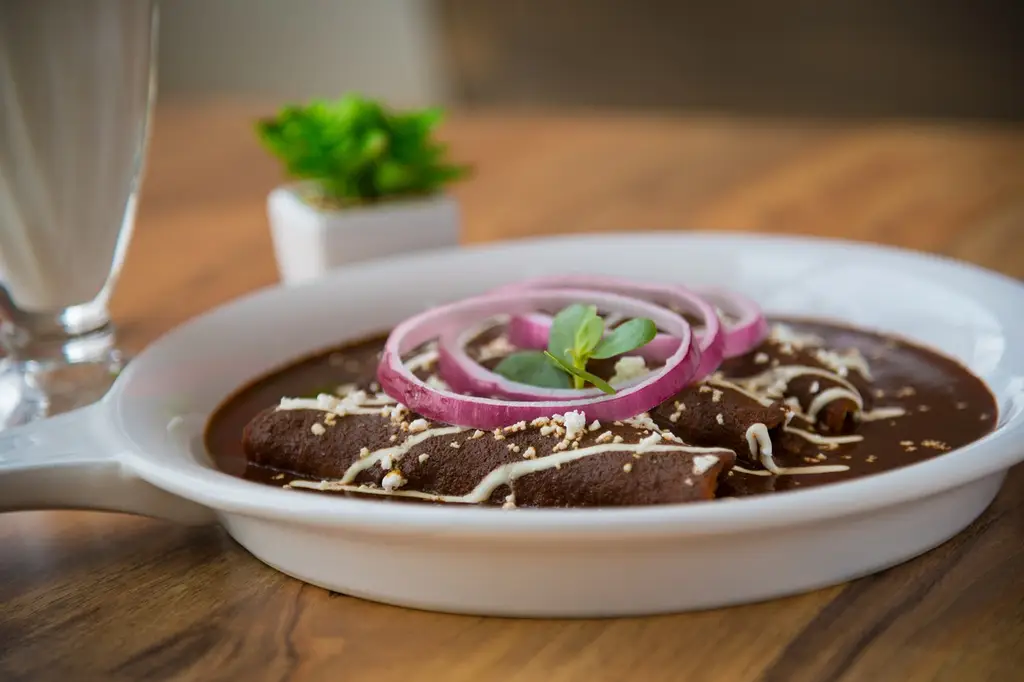
Sit down for a proper mole dinner. Order mole negro if you only try one, it's the best known of the siete moles, dark and complex from charred chilies and chocolate, usually served over chicken or turkey.
Tip: Three days covers the city plus one valley day trip; save the craft villages for a longer stay.
Day 2: Monte Alban
Morning
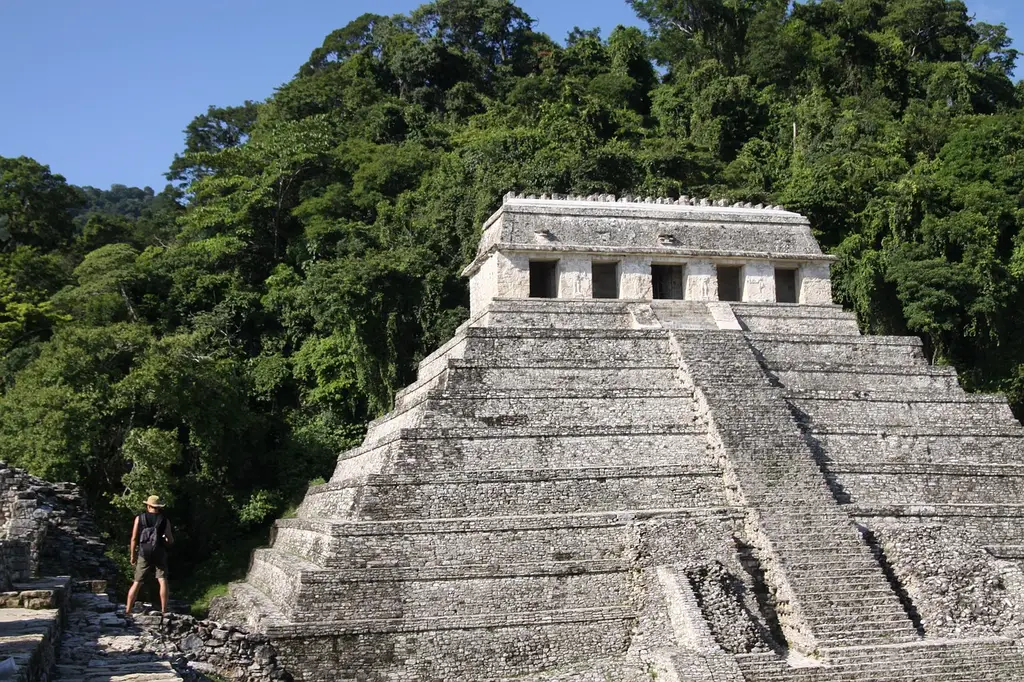
Head to Monte Alban archaeological zone early, before the heat and tour buses arrive. This Zapotec capital was built by leveling an entire mountaintop and occupied for over a thousand years; budget two to three hours and expect little shade once you're up on the plazas.
Afternoon
Come back into the city for lunch, then spend the afternoon at Mercado 20 de Noviembre, the city's real food market. Go hungry and explore the smoke-filled meat-grilling aisle where you pick your cut and watch it cook in front of you.
Evening
Round out the day with a mezcal tasting. A flight of several pours costs well under CAD 20 total at most bars and is the normal way to compare maguey varieties rather than committing to a full glass.
Tip: Book a half-day tour bundling Monte Alban with Santa Maria del Tule if you'd rather not manage transport yourself.
Day 3: Mitla and a craft village
Morning
Head out to Mitla archaeological zone, about 44 km east of the city. It's known for intricate stone mosaic fretwork found nowhere else in Mexico, a different character from Monte Alban's scale, and takes about an hour to an hour and a half to see properly.
Afternoon
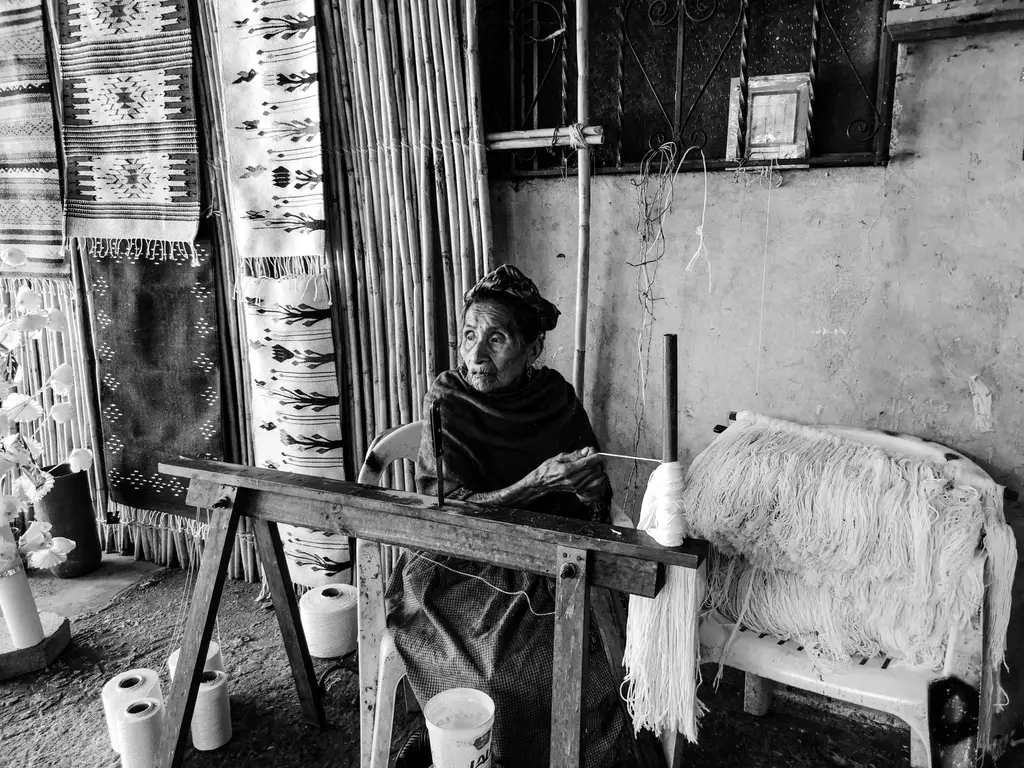
On the way back, stop in Teotitlán del Valle, a Zapotec weaving village where many families still use natural dyes like cochineal for red and indigo for blue. Buying a rug direct from a weaving family costs less than a shop in centro and supports the actual makers.
Evening
Return to the city for dinner in centro before you wrap up the trip. If you haven't already, this is a good last chance for a mezcal flight or a second mole to compare against the first.
Tip: Combine with a mezcal palenque visit if Santiago Matatlán fits along the return route.
Full city coverage plus the classic valley loop, including a mezcal village and Hierve el Agua.
Day 1: Centro
Morning
Start at the zocalo and Cathedral, then walk to Templo de Santo Domingo de Guzman for its gilded interior, one of the most ornate in Mexico. Continue into the attached Museo de las Culturas de Oaxaca, which holds artifacts from Monte Alban's Tomb 7.
Afternoon
Spend the afternoon at Mercado Benito Juárez, closer to the zocalo and a good first stop for crafts, chocolate, and mezcal stalls alongside the food stands. Use the rest of the afternoon to get oriented around centro before the trip gets busier.
Evening
Sit down for an evening mole dinner. Try mole negro if it's your first, dark and complex from charred chilies and chocolate, usually served over chicken or turkey and a good baseline for the moles that follow.
Tip: Five days lets you add the craft villages and mezcal country on top of the standard city-and-valley loop.
Day 2: Monte Alban
Morning
Head to Monte Alban archaeological zone early to beat the heat and the tour buses. This Zapotec capital was built by leveling an entire mountaintop and held for over a thousand years; plan on two to three hours and expect little shade once you're up on the plazas.
Afternoon
Come back into the city for a market crawl, hitting both Mercado Benito Juárez and Mercado 20 de Noviembre if you skipped one on day one. Compare the crafts-and-chocolate side of Benito Juárez against the food-focused pasillo de humo at 20 de Noviembre.
Evening
Do a proper mezcal tasting in the evening. A flight of several pours is the normal way to compare varieties made from different maguey species rather than committing to a single bottle.
Tip: Go up to Monte Alban as early as the site allows; the plazas have almost no shade by midday.
Day 3: Mitla and Hierve el Agua
Morning
Head out to Mitla archaeological zone, about 44 km east of the city, known for intricate stone mosaic fretwork found nowhere else in Mexico. Budget an hour to ninety minutes, a different kind of site from Monte Alban's scale.
Afternoon
Continue on to Hierve el Agua's petrified waterfalls, a natural rock formation that looks like a frozen cascade, before heading back toward the city. This stretch is why a rental car or organized tour helps more than colectivos alone.
Evening
Stop in Teotitlán del Valle on the way back for its wool weaving, many families still using natural dyes like cochineal and indigo. Buying direct from a weaving family costs less than a centro shop before you head back for dinner.
Tip: This is a full day; combine only these three stops rather than adding a fourth.
Show all 5 days
Day 4: Mezcal country
Morning
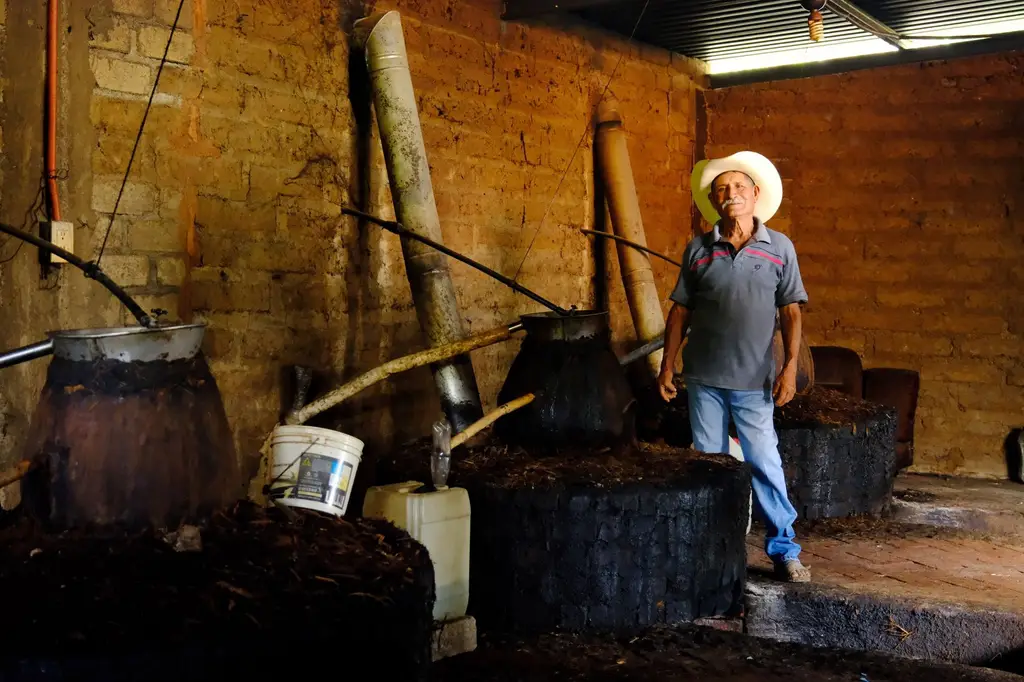
Head to Santiago Matatlán, which calls itself the world capital of mezcal, for a palenque visit. Watching a distillery roast agave in earthen pits and crush it with a stone wheel makes the drink make sense in a way a bar tasting never quite does.
Afternoon
On the way back, stop in San Bartolo Coyotepec for its black pottery, barro negro, burnished to a metallic sheen without any glaze. It's an easy add to the same day trip southeast of the city and doesn't take long to see.
Evening
Close out the valley portion of the trip with a farewell dinner in centro, maybe a second mole to compare against day one, before the slower final morning.
Tip: Book the palenque visit ahead through a tour operator or driver; walk-ins are hit or miss at smaller producers.
Day 5: Slow morning, depart
Morning
Have a last market breakfast. Tamales oaxaqueños, wrapped in banana leaf rather than corn husk, are a good choice, softer and often mole-based compared to central Mexican tamales.
Afternoon
Use the rest of the morning and early afternoon for souvenir shopping in centro: mezcal bottles, black pottery, or a small woven textile if you didn't buy direct in the villages.
Evening
Head to the airport or bus station for departure, budgeting extra time if you're catching an ADO bus to Mexico City or Puebla.
Tip: Buy mezcal at a shop rather than the airport for better selection and prices.
City and valley fully covered, plus the start of a coastal extension. Honest note: Oaxaca city and the valley alone don't need a full week; this itinerary stretches into the coast to use the extra days well.
Day 1: Centro
Morning
Start at the zocalo and Cathedral, then walk to Templo de Santo Domingo de Guzman for its gilded interior, one of the most ornate in Mexico. The attached Museo de las Culturas de Oaxaca holds artifacts from Monte Alban's Tomb 7, one of the richest tombs found in the Americas, and is worth doing the same day for context.
Afternoon
Spend the afternoon at Mercado Benito Juárez, closer to the zocalo and more geared to visitors than 20 de Noviembre, with crafts, chocolate, and mezcal stalls alongside the food stands. It's a good first stop to get oriented before the less touristy market later in the week.
Evening
Have a relaxed dinner in centro to ease into the trip. Save the full mole comparison for later in the week once you've had a chance to try a few of the siete moles side by side.
Tip: Seven days is more than the city and valley need alone; this itinerary uses the extra time on the coast.
Day 2: Monte Alban
Morning
Head to Monte Alban archaeological zone early, before the heat and tour buses. This Zapotec capital was built by leveling an entire mountaintop and occupied for over a thousand years; plan two to three hours and expect little shade once you're up on the plazas.
Afternoon
Come back into the city for a market crawl through Mercado 20 de Noviembre, the city's real food market with a smoke-filled meat-grilling aisle where you pick a cut and watch it cook in front of you. Go hungry.
Evening
Do a mezcal tasting in the evening, a flight of several pours rather than one bottle, the normal way to compare maguey varieties and production styles side by side.
Tip: Colectivos to Monte Alban run frequently and cost a fraction of a private tour.
Day 3: Mitla and Hierve el Agua
Morning
Head out to Mitla archaeological zone, about 44 km east of the city, known for intricate stone mosaic fretwork found nowhere else in Mexico. Budget an hour to ninety minutes for a site with a very different character from Monte Alban's scale.
Afternoon
Continue to Hierve el Agua's petrified waterfalls before starting back toward the city. A rental car or organized tour makes stringing these stops together easier than relying on colectivos alone.
Evening
Stop in Teotitlán del Valle on the return for its wool weaving; many families still use natural dyes like cochineal for red and indigo for blue. Buy direct from a weaving family rather than a centro shop.
Tip: This is a full day; don't try to add a fourth stop.
Show all 7 days
Day 4: Mezcal country
Morning
Head to Santiago Matatlán, which calls itself the world capital of mezcal, for a palenque visit. Watching a distillery roast agave in earthen pits and crush it with a stone wheel makes the drink make sense in a way a bar tasting never will.
Afternoon
On the way back, stop in San Bartolo Coyotepec for barro negro, the distinctive black pottery burnished to a metallic sheen without glaze. It's an easy add to the same day trip southeast of the city.
Evening
Have dinner in centro and pack for the coast tomorrow; this is your last night in the highlands for the trip.
Tip: Book the palenque ahead through a tour operator; walk-ins are hit or miss at smaller producers.
Day 5: Travel to the coast
Morning
Travel to Puerto Escondido, either a short flight or a longer bus ride down from the highlands to the Oaxaca coast. Give the whole morning to the trip rather than scheduling anything else around it.
Afternoon
Check into your coast accommodation and get oriented, a different pace entirely from the highland valley, warmer, slower, and built around the beach rather than churches and markets.
Evening
Spend the evening on the beach watching the sunset, your first taste of the coastal extension after a highland-heavy first half of the trip.
Tip: Confirm your flight or bus timing in advance; connections between the valley and coast aren't frequent.
Day 6: Coast
Morning
Take a surf lesson or spend the morning on the beach in Puerto Escondido, known for its surf breaks along Zicatela beach. Either way, this is the slow, unstructured day the itinerary has been building toward.
Afternoon
Use the afternoon for a day trip to Zipolite or Mazunte, both a short drive from Puerto Escondido and each with a different character, Zipolite more laid-back, Mazunte known for its turtle center.
Evening
Catch the sunset back on the coast, either where you started the day or wherever the afternoon trip left you.
Tip: Book a surf lesson in advance during high season; good instructors fill up.
Day 7: Coast, depart
Morning
Spend a last morning on the beach before packing up, no fixed plans, just whatever the tide and the weather allow.
Afternoon
Head to the airport for departure from Puerto Escondido directly, or connect back through Oaxaca city depending on your flight home.
Evening
If your flight is later, use the extra time for one last coastal meal before the trip wraps up.
Tip: Check whether Puerto Escondido has a direct flight home before routing back through Oaxaca city.
The full version: unhurried city and valley time, a real mezcal-country stretch, and several days on the coast. Honest note: this is the itinerary where the region actually earns two weeks; the city and valley alone would leave the second week idle.
Day 1: Centro
Morning
Start at the zocalo and Cathedral, then walk to Templo de Santo Domingo de Guzman. Its gilded interior is one of the most ornate in Mexico, and with two weeks ahead there's no need to rush through it.
Afternoon
Continue into the attached Museo de las Culturas de Oaxaca, which holds artifacts from Monte Alban's Tomb 7, one of the richest tombs found in the Americas. Take the time to actually read the placards since the pace of this trip allows for it.
Evening
Have a relaxed dinner in centro. With two weeks on the ground, there's no need to rush the mole comparison, that can wait for later in the trip.
Tip: This is the itinerary where the region earns two weeks; don't front-load every sight into the first days.
Day 2: Markets and centro
Morning
Spend the morning at Mercado Benito Juárez, closer to the zocalo, browsing crafts, chocolate, and mezcal stalls alongside the food stands. It's the more visitor-geared of the two main markets, a good place to get oriented first.
Afternoon
Head to Mercado 20 de Noviembre for lunch in the smoke-filled pasillo de humo, where you pick a cut of meat and watch it grilled in front of you. Go hungry and skip a big breakfast beforehand.
Evening
Walk Jalatlaco in the evening, a former village absorbed into the city with cobblestone streets and colorful facades, quieter than centro but still walkable from it.
Tip: Go to 20 de Noviembre hungry; it's a lunch market first and a browsing market second.
Day 3: Monte Alban
Morning
Head to Monte Alban archaeological zone early, before the heat and tour buses arrive. This Zapotec capital was built by leveling an entire mountaintop and occupied for over a thousand years; plan two to three hours.
Afternoon
Expect little shade once you're up on the plazas, so bring water and a hat. Head back into the city for a relaxed lunch once you've covered the site at your own pace.
Evening
Do a mezcal tasting in the evening, a flight of several pours rather than committing to a single bottle, the normal way to compare maguey varieties side by side.
Tip: Book a half-day tour bundling Monte Alban with Santa Maria del Tule if you'd rather skip managing transport.
Show all 14 days
Day 4: Mitla and Hierve el Agua
Morning
Head out to Mitla archaeological zone, about 44 km east of the city, known for intricate stone mosaic fretwork found nowhere else in Mexico. Budget an hour to ninety minutes for the site itself.
Afternoon
Continue to Hierve el Agua's petrified waterfalls, a natural rock formation worth the extra drive, before heading back toward the city with time to spare given the slower pace of this trip.
Evening
Have dinner back in the city, no rush since tomorrow is dedicated to the craft villages rather than another valley day.
Tip: A rental car or organized tour makes stringing Mitla and Hierve el Agua together easier than colectivos alone.
Day 5: Craft villages
Morning
Spend the morning in Teotitlán del Valle, a Zapotec weaving town where many families still use natural dyes, cochineal for red and indigo for blue. Buying direct from a weaving family costs less than a centro shop.
Afternoon
Continue to San Bartolo Coyotepec for barro negro, the distinctive black pottery burnished to a metallic sheen without glaze. Both villages combine easily into one relaxed day southeast of the city.
Evening
Head back to the city for dinner, having spent the day supporting the actual craftspeople rather than a shop in centro.
Tip: Book a weaving demonstration ahead through a family-run studio if you want more than a quick browse.
Day 6: Mezcal country
Morning
Head to Santiago Matatlán, which calls itself the world capital of mezcal, for a palenque visit. Watching a distillery roast agave in earthen pits and crush it with a stone wheel makes the drink make sense in a way a bar tasting never will.
Afternoon
If time allows, continue to San Baltazar Chichicapam for a second, smaller producer and a quieter contrast to Matatlán's more visited palenques.
Evening
Head back to the city for dinner, mezcal country covered at the pace two weeks allows rather than crammed into a single rushed day.
Tip: Book the palenque visit ahead through a tour operator or driver; walk-ins are hit or miss at smaller producers.
Day 7: Rest day in the city
Morning
Take a genuinely slow morning, coffee in centro, no site on the schedule, a deliberate break after six days of valley trips and craft villages.
Afternoon
Book a cooking class or a guided market tour in the afternoon to go deeper on the food than a single meal can, especially useful this far into a mole- and mezcal-heavy trip.
Evening
Have a farewell dinner in centro before the coast portion of the trip begins tomorrow, a good moment for one more mole you haven't tried yet.
Tip: Use this day as the buffer if any earlier valley day trip ran long.
Day 8: Travel to the coast
Morning
Spend the morning finishing any packing and checking out of your centro or Jalatlaco stay before heading to the airport or bus station.
Afternoon
Travel to Puerto Escondido, either a short flight or a longer bus ride down from the highland valley to the coast.
Evening
Check in and get oriented on the coast, a different pace from the city, warmer and built around the beach rather than markets and churches.
Tip: Confirm your flight or bus timing in advance; connections between the valley and coast aren't frequent.
Day 9: Puerto Escondido
Morning
Spend the morning on the beach adjusting to the coast's slower rhythm after a week and a half of city and valley days.
Afternoon
Take a surf lesson in the afternoon; Puerto Escondido is known for its surf breaks along Zicatela beach and lessons are easy to book locally.
Evening
Have dinner near the beach and let the day end without much of a plan, the whole point of the coastal stretch.
Tip: Book a surf lesson in advance during high season; good instructors fill up.
Day 10: Puerto Escondido
Morning
Spend the morning at Zicatela beach, the town's main stretch and the center of its surf culture, whether or not you're getting back in the water yourself.
Afternoon
Keep the afternoon open, a swim, a nap, or just reading somewhere with a view, there's no valley day trip to rush toward here.
Evening
Head to Punta Zicatela for sunset, one of the better vantage points on this stretch of coast.
Tip: Coastal days work best with no fixed schedule; leave room to do less than planned.
Day 11: Zipolite and Mazunte
Morning
Take a day trip to Zipolite, a short drive from Puerto Escondido and known for a more laid-back scene than Zicatela.
Afternoon
Continue to Mazunte, home to a turtle center and a quieter beach than either Zicatela or Zipolite, a good contrast to close out the loop.
Evening
Head back to Puerto Escondido for dinner, or stay for the evening in Mazunte if the pace suits you better.
Tip: Zipolite and Mazunte combine easily into one day since they sit close together along the coast.
Day 12: Coast, slow day
Morning
Keep the whole day open, this is the itinerary's deliberate slow point after eleven days of moving between sights.
Afternoon
Spend the afternoon however the mood takes you, more beach, a nap, or a short walk into town for a coffee.
Evening
Have dinner wherever's convenient and let the day close without a schedule, the coast is built for exactly this.
Tip: Resist the urge to schedule a day trip here; the point of this day is not having one.
Day 13: Coast, wind down
Morning
Take a last beach morning before the trip shifts back into travel mode, the final unhurried stretch of the coastal extension.
Afternoon
Pack up and, if your departure flight is out of Oaxaca city rather than the coast, start the trip back toward the highlands.
Evening
Have a final coastal dinner, or your first dinner back in the city if you've already made the return trip.
Tip: Check whether your outbound flight leaves from the coast or requires the trip back to Oaxaca city.
Day 14: Depart
Morning
Use the morning for any last packing or a final walk, depending on whether you're departing from the coast or Oaxaca city.
Afternoon
Head to the airport for departure, budgeting extra time if you're connecting through Mexico City or catching an ADO bus for part of the route.
Evening
Trip over. If your flight is delayed or overnight, use the extra hours for one last meal rather than sitting in a terminal the whole time.
Tip: Build in a buffer day if your return routing depends on a tight regional connection.
Check before you go; INAH lists the zone as open year-round; exact daily hours are not independently confirmed here·Not independently verified here. INAH archaeological zones are generally free for Mexican residents on Sundays, and free for seniors, children under 13, and people with disabilities; check the exact adult fee at inah.gob.mx or the INAH ticket portal before you go·2-3 hours
Walk in, or book a half-day tour that bundles it with Santa Maria del Tule and Mitla
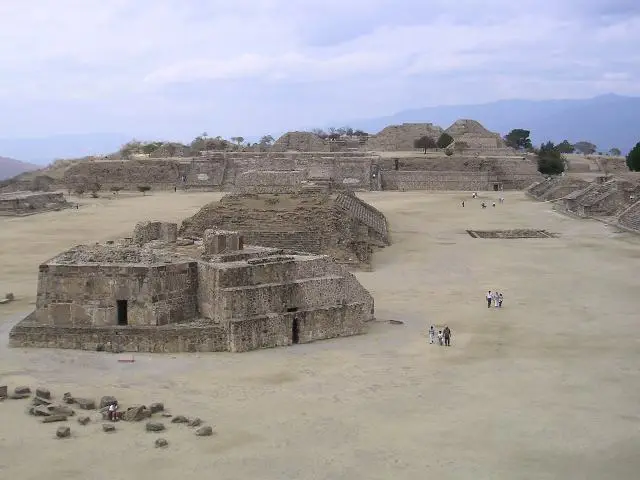
A Zapotec capital built by leveling an entire mountaintop, occupied for over a thousand years. Go early to beat both the heat and the tour buses, and expect little shade once you're up on the plazas.
Check before you go; INAH lists the zone as open year-round; exact daily hours are not independently confirmed here·Not independently verified here; same Sunday/senior/child exemptions as Monte Alban apply. Check the exact adult fee before you go·1-1.5 hours
Walk in, or combine with Teotitlán del Valle and a mezcal palenque as a day trip
About 44 km east of the city. Known for intricate stone mosaic fretwork found nowhere else in Mexico, different in character from Monte Alban's scale.
Roughly 7am-1pm and 4pm-8pm daily, typical for active Mexican churches; confirm locally as mass times shift the window·Free to enter the church·30-45 minutes
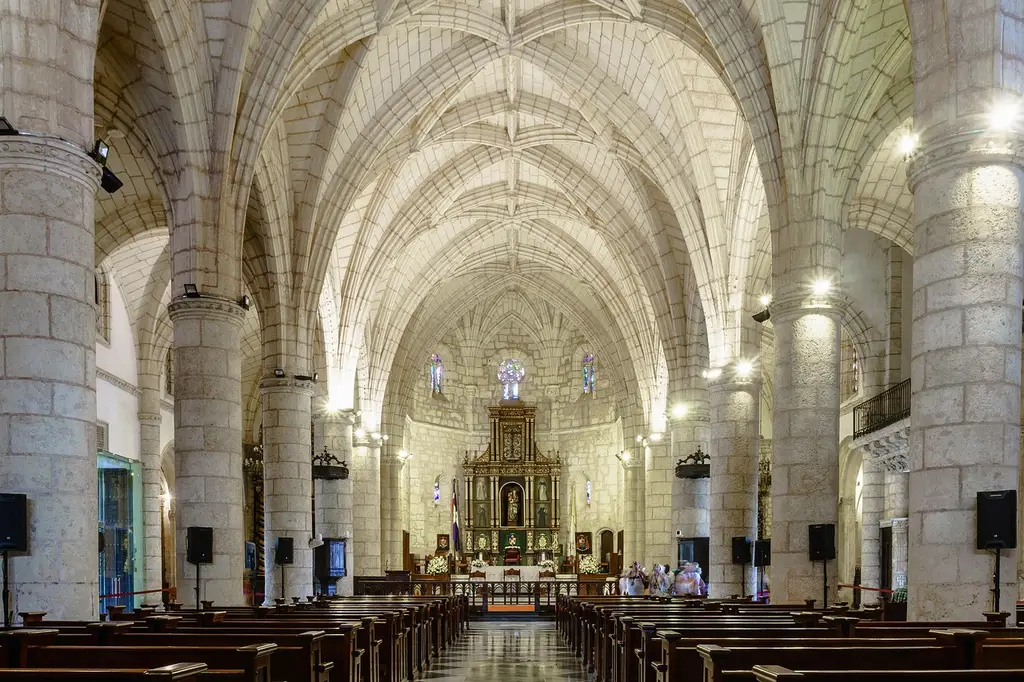
The gilded interior is one of the most ornate in Mexico. The attached former monastery now houses the Museo de las Culturas de Oaxaca next door, which does charge admission and is worth the extra hour.
4
Museo de las Culturas de Oaxaca (in the Santo Domingo complex)
Typically Tuesday-Sunday, roughly 10am-6pm; closed Mondays·Modest MXN fee for foreign visitors; check current rate before you go·1.5-2 hours
Closed Monday
Holds artifacts from Monte Alban's Tomb 7, one of the richest tombs found in the Americas. Worth doing before or after the archaeological site itself for context.
Roughly 8am-8pm daily·free to browse; you pay per item or meal·1-2 hours
Closer to the zocalo and more geared to visitors than 20 de Noviembre, with crafts, chocolate, and mezcal stalls alongside food. Good first stop to get oriented before the less touristy market.
6
Mercado 20 de Noviembre
Roughly 8am-9pm daily·free to browse; you pay per item or meal·1-2 hours
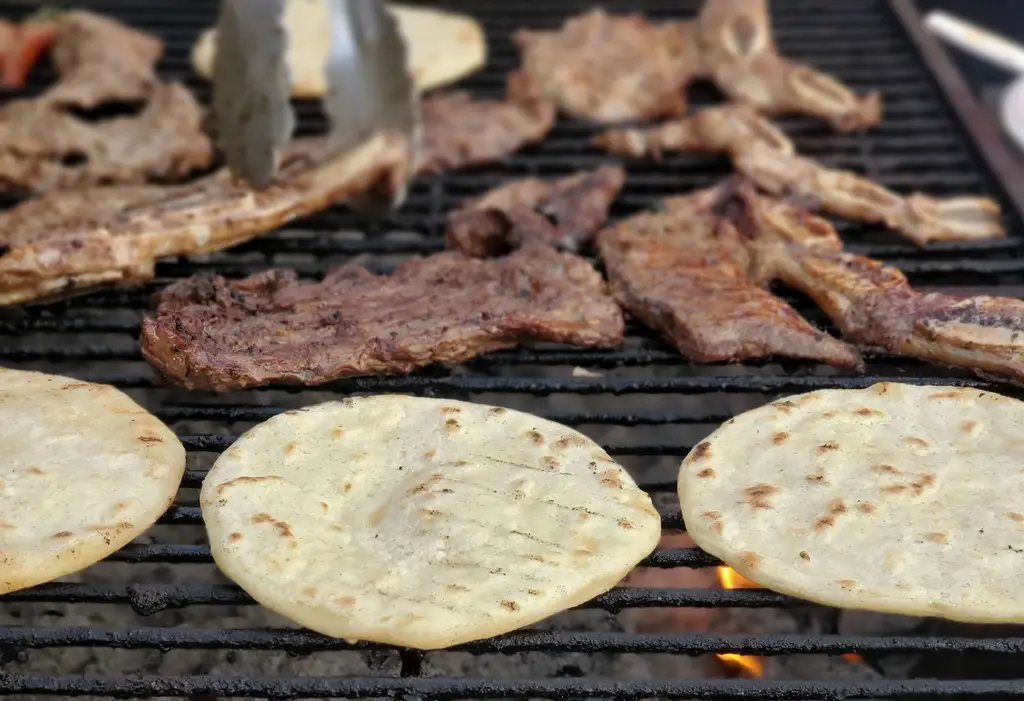
The city's real food market, with a smoke-filled meat-grilling aisle (pasillo de humo) where you pick a cut and they cook it in front of you. Go hungry, go for lunch, not breakfast.
Monte Alban archaeological site
as of 2026-09
Viral
A Zapotec hilltop city dating back over 2,500 years, a flattened mountaintop with plazas, ball courts and tombs overlooking the Oaxaca valley, about 20 minutes from the city. One of the great archaeological sites in Mexico and far less crowded than Teotihuacan. Bring water and a hat, there's almost no shade across the main plaza.
Hierve el Agua
as of 2026-09
Viral
Mineral-rich springs that have calcified over centuries into petrified waterfall formations on a cliffside, with natural infinity-edge pools to swim in. Access has been disrupted before by local community disputes over tourism revenue, most recently resolved years back, so check current status locally before making the roughly hour-and-a-half trip out. When open, it's a striking and unusual sight worth the drive.
Mezcal palenque tour
as of 2026-09
Viral
Small-scale distillery visits in the villages around Oaxaca where mezcal is still made in traditional palenques, roasting agave in earthen pits and distilling in clay or copper stills. This is one of the most genuine artisanal-production experiences in Mexico, not staged for visitors since these are working distilleries. Go with a guide who has a real relationship with a specific palenque rather than a generic tasting-room stop.
Teotitlan del Valle weaving village
as of 2026-09
Viral
A Zapotec village outside Oaxaca City known for hand-woven wool rugs and textiles dyed with natural pigments including cochineal insects, with workshops open to visitors. A real craft tradition still practiced by the families who sell it, worth the visit even if you're not buying. Prices for a genuine hand-dyed piece are not cheap, and shouldn't be.
Santo Domingo de Guzman church and cultural center
as of 2026-09
Viral
A heavily gilded 16th-century church in the city center attached to a former convent that now houses the Museum of Oaxacan Cultures and an ethnobotanical garden. The gold-leaf interior of the church is genuinely striking and the botanical garden behind it, guided-tour only, is an underrated addition most visitors skip.
More to see (4)
7
Mezcal tasting in the city (mezcaleria crawl)
Most mezcalerias open evenings, roughly 5pm-midnight·A flight of several pours typically runs well under CAD 20 total; exact pricing varies by bar·2-3 hours
Walk in, though popular spots fill up on weekends
Mezcal is not tequila with a different name. It's made from many species of maguey, not just blue agave, is usually made in small batches, and often runs stronger than tequila. A tasting flight is the normal way to compare varieties rather than committing to one bottle.
8
Palenque visit in Santiago Matatlán
Varies by palenque; most take visitors by appointment or as part of a tour·Varies; some small producers charge nothing for a tour and tasting if you buy a bottle, others charge a set tour fee·Half day including transport
Book through a tour operator or arrange directly if you have a driver; walk-ins are hit or miss at smaller producers
Santiago Matatlán calls itself the world capital of mezcal. Seeing a palenque (the distillery) roast agave in earthen pits and crush it with a stone wheel makes the drink make sense in a way a bar never will.
9
Teotitlán del Valle weaving village
Workshops generally open daytime hours, roughly 9am-6pm·Free to visit workshops; rugs and textiles priced individually and can run from modest to several hundred CAD for large hand-dyed pieces·2-3 hours
Walk in, or book a workshop demonstration ahead through a family-run studio
A Zapotec town specializing in wool weaving, many families still using natural dyes (cochineal for red, indigo for blue). Buying direct from a weaving family costs less and puts money where it matters more than a shop in centro.
10
San Bartolo Coyotepec black pottery village
Workshops generally open daytime hours, roughly 9am-6pm·Free to visit workshops; pottery priced individually·1-1.5 hours
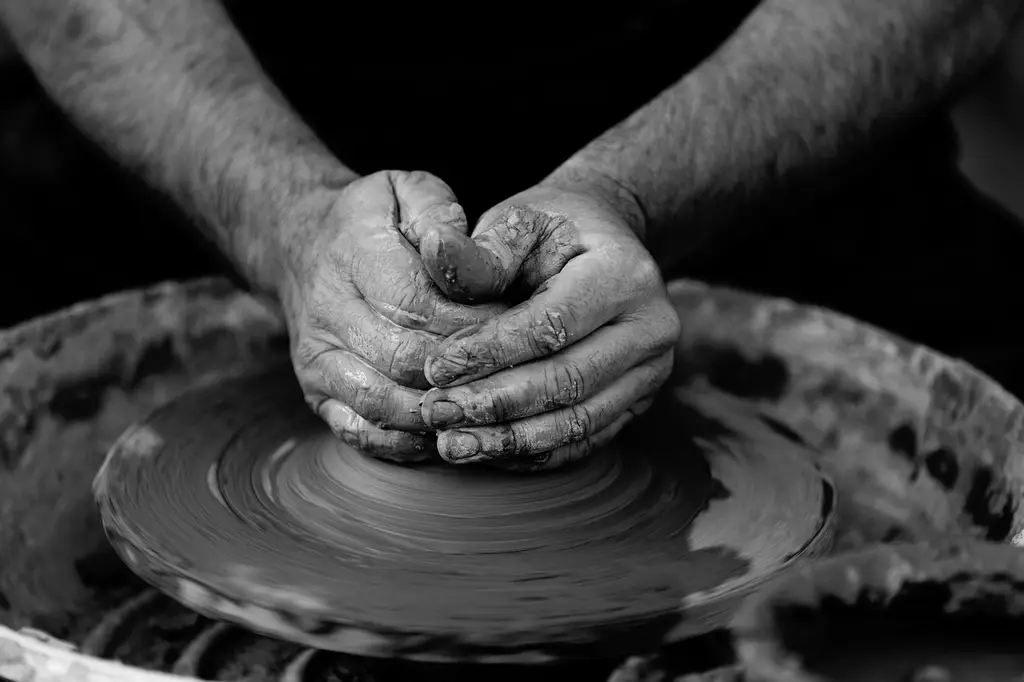
Home of barro negro, the distinctive black pottery burnished to a metallic sheen without glaze. Easy to combine with Mitla or a mezcal village on the same day trip southeast of the city.
Where to stay
Centro Historico (around the zocalo)
Suits: first-timers who want to walk to the Cathedral, Santo Domingo, and both main markets
Highest density of restaurants and colonial architecture, but also the loudest and most touristed part of the city.
Jalatlaco
Suits: travelers who want a quieter, still-central neighborhood with real neighborhood feel
A former village absorbed into the city, cobblestone streets, colorful facades, a short walk east of the center.
Xochimilco (Oaxaca's, not Mexico City's)
Suits: longer stays wanting a residential, artsy pocket near the aqueduct
North of downtown, home to several boutique hotels and a slower pace than centro.
Reforma / Colonia Reforma
Suits: travelers wanting more space and quiet, willing to taxi or walk further
A leafier, more residential area north of centro with some higher-end boutique stays.
Getting there and around
Getting there
Oaxaca's airport (OAX) has direct flights from Mexico City (about 1 hour) and some US cities, plus limited seasonal international routes. From the airport, a colectivo shuttle into the city center runs roughly 20-25 minutes and costs a modest fixed fare in MXN; private taxis cost more. First-class ADO buses connect Oaxaca to Mexico City (around 6-7 hours) and Puebla.
Getting around
The historic center is flat, compact, and walkable; most sights and restaurants sit within a 15-20 minute walk of the zocalo. Cobblestones make wheeled luggage and mobility aids harder going than they look. For day trips to Monte Alban, Mitla, Teotitlán del Valle, or Hierve el Agua, colectivos (shared vans) leave from set points and are cheap; ride-hailing apps and organized tours cover the same ground with less waiting. A rental car helps for stringing several villages into one day but isn't necessary for the city itself.
Map
City
Recommended (numbered)
Mentioned in an itinerary
Locations on this map
Oaxaca17.07, -96.73
Monte Alban archaeological zone17.06, -96.72
Mitla archaeological zone16.92, -96.36
Templo de Santo Domingo de Guzman17.07, -96.72
Museo de las Culturas de Oaxaca (in the Santo Domingo complex)17.07, -96.72
Mercado Benito Juárez17.06, -96.73
Mercado 20 de Noviembre17.06, -96.73
Mezcal tasting in the city (mezcaleria crawl)16.92, -96.35
Palenque visit in Santiago Matatlán16.86, -96.38
Teotitlán del Valle weaving village17.05, -96.50
San Bartolo Coyotepec black pottery village16.95, -96.69
Jalatlaco17.07, -96.72
Americas17.06, -96.65
Zapotec17.07, -96.73
Hierve16.86, -96.28
Agua17.09, -96.72
Mexican17.13, -96.77
Mexico City17.04, -96.71
Puebla17.08, -96.74
Zicatela15.84, -97.04
Zipolite15.66, -96.52
Mazunte15.67, -96.55
San Baltazar Chichicapam16.76, -96.49
Punta Zicatela15.83, -97.05
What it costs
Stay
Food
Transport
Activities
Daily cost breakdown, MXN per person
Tier
Stay
Food
Transport
Activities
Total
Budget
MXN 400
MXN 250
MXN 100
MXN 150
MXN 900
Mid-range
MXN 1,200
MXN 500
MXN 200
MXN 300
MXN 2,200
Splurge
MXN 3,500
MXN 1,200
MXN 500
MXN 300
MXN 5,500
A mid-range day: boutique guesthouse room around 1,200 MXN, colectivo to Monte Alban and back around 100 MXN, market lunch (tlayuda plus a mezcal) around 150 MXN, museum entry at Santo Domingo around 90 MXN, and a proper mole dinner with a mezcal flight around 500-600 MXN. Comes to roughly 2,100-2,300 MXN.
Money savers
Eat market meals at 20 de Noviembre or Benito Juárez instead of centro restaurants; the food is often better, not just cheaper
Colectivos to Monte Alban, Mitla, and the valley villages cost a fraction of a private tour and run frequently
Mezcal tasting flights at a mezcaleria cost less per pour than buying full bottles to compare at home
Sundays bring free entry for Mexican residents to INAH sites; this doesn't apply to foreign visitors, but it does mean sites are more crowded with locals that day, worth knowing either way
Oaxaca is the country's most serious food city, and it earns that reputation on tradition rather than trend. The state claims seven distinct moles, not one, ranging from bright yellow and coloradito to the deep, almost bitter negro, and a good market comedor will make several of them from scratch every morning. Two market halls anchor the daily eating: one for breakfast and produce, one built around a grill where you buy meat by weight and eat it at communal tables. Mezcal here is a craft, not a shot, with small palenques outside the city distilling it in copper stills the way they have for generations. Skip nothing you cannot pronounce. It is usually the best thing on the table.
MXN 180-320·Sit-down restaurants across Centro, and the best market comedores
Must try
The darkest and most complex of the seven moles, built from charred chiles and chocolate over hours. Usually served over chicken or turkey with rice. Order it your first night.
The other six moles
MXN 200-350 for a tasting flight·Traditional comedores and mole-focused restaurants in Centro
Must try
Coloradito, amarillo, verde, chichilo, manchamanteles and rojo each use a different chile base and none taste alike. A mole tasting flight, offered at a handful of restaurants, is the fastest education.
Tlayuda
MXN 80-150·Street stalls around the markets and evening tlayuda specialists citywide
Must try
A large, thin, crisped tortilla spread with bean paste, lard, cheese and your choice of meat, folded and grilled over charcoal. Oaxaca's answer to pizza, and just as personal a choice of toppings.
Chapulines
MXN 30-80 for a bag·Both major markets, sold by the scoop
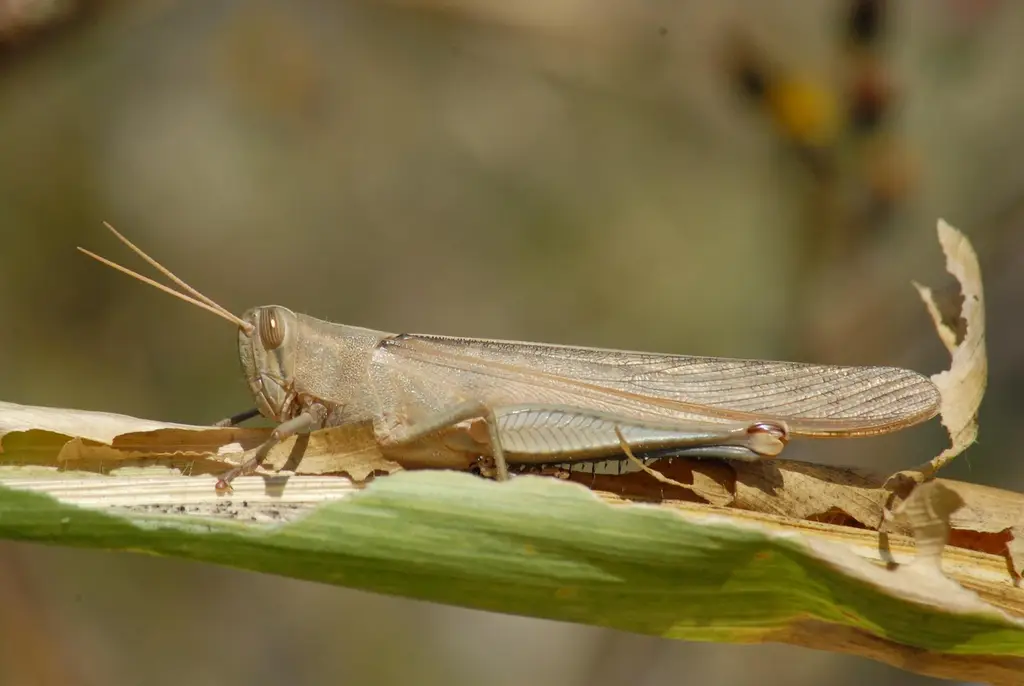
Toasted grasshoppers seasoned with chile, lime and salt, crunchy and sour-salty rather than alarming. A handful on a tlayuda or tostada is the normal way to eat them, not straight from the bag.
Quesillo
MXN 60-100 for a ball·Markets and cheese stalls throughout the city
Oaxaca's stretched string cheese, sold in balls and pulled apart at the table. Melts into everything from tlayudas to empanadas and is mild enough to eat plain.
Tamales oaxaquenos
MXN 20-35 each·Market breakfast stalls
Wrapped in banana leaf rather than corn husk, which changes both the texture and the flavor. Usually filled with mole and chicken. A market breakfast staple before 9am.
Grilled meats at Mercado 20 de Noviembre
MXN 150-250 per person·The market's grill hall, in the smoke-filled corridor at the back
Must try
Buy raw beef, chorizo or tasajo by weight from a butcher stall, hand it to the grill next door, and eat it at long communal tables with tortillas and salsa. Loud, cheap, and the closest thing to a rite of passage here.
Mezcal flight
MXN 150-450·Mezcalerias in Centro and Jalatlaco, or a palenque in Santiago Matatlan
Must try
Espadin is the everyday agave, but a good bar will pour rarer wild varieties like tobala too. Sipped slowly with orange slices and sal de gusano, not shot.
Mezcal tourism and palenque visits
as of 2026-09
Viral
Day trips out to small-batch distilleries around Santiago Matatlan and Tlacolula, watching agave roasted and crushed the traditional way. Genuinely worth doing if you have a free day, though the closer palenques near the city are more polished and less personal than ones another 30-40 minutes out.
Tierra del Sol
as of 2026-09
Viral
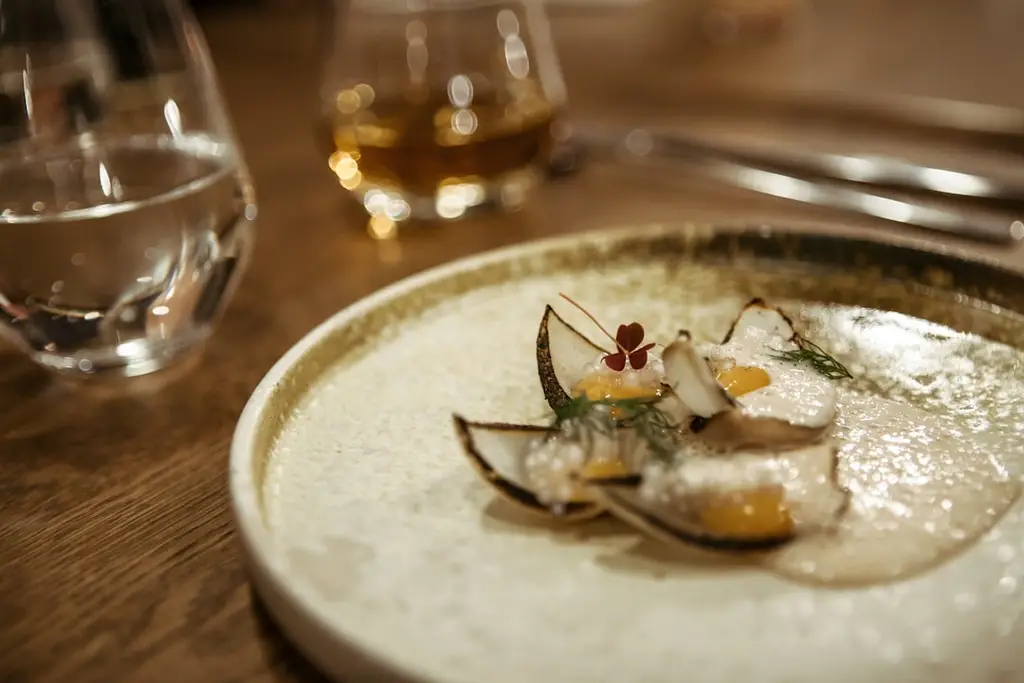
A Mixtec cuisine restaurant in Oaxaca named the best restaurant in Mexico for 2026 by the Guía México Gastronómico, built around indigenous Oaxacan ingredients and techniques. This isn't hype, it's a genuine reference point for what Oaxacan fine dining can do beyond the usual mole-and-mezcal tourist circuit. Book ahead.
Guelaguetza food trail
as of 2026-09
Viral
Every July, Oaxaca's Guelaguetza festival turns into a citywide eating tour: tlayudas, pan de yema, chocolate de metate, and artisanal mezcal at stalls and comedores across town. Time your trip to late July if you want the full spread. Outside festival season you still get all these foods, just more scattered.
Tlayudas as an export dish
as of 2026-09
Viral
Oaxacan tlayudas, moles, and chapulines have been spreading to CDMX and other cities (León, for one) via transplant restaurants, a sign of how far Oaxacan food culture is traveling. Good context for why Oaxaca itself feels like the source people are chasing. Eat the original here rather than the export version.
Feria de la Tlayuda
as of 2026-07
Viral
An annual food festival in the Oaxaca Valley town known as the birthplace of the tlayuda, built around tasajo, cecina and rib versions of the dish. Distinct from the tlayuda-as-export-dish entry already on file; this is the origin-town festival itself, dated and covered by two outlets in July 2026.
Safety and scams
Oaxaca city itself carries the same general caution as any Mexican tourist center: watch belongings in markets and bus stations, use licensed taxis or ride-hailing apps at night, and don't flash cash or jewelry. Canada's advisory for Mexico overall calls for a high degree of caution due to crime, but does not single out Oaxaca state for the stronger 'avoid non-essential travel' warnings applied to areas like parts of Guerrero or Chiapas. The main region-specific risk noted in the advisory is seismic: Oaxaca sits in an active earthquake zone, so know basic earthquake safety if you're staying any length of time.
Common mistakes
Treating mole as one dish rather than a family of at least seven distinct regional sauces worth trying separately
Assuming mezcal drinks like tequila and pounding a full glass instead of sipping a tasting flight
Cramming Monte Alban, Mitla, Hierve el Agua, and a craft village into a single day and rushing all of them
Showing up for Day of the Dead expecting a costume parade rather than a family cemetery observance you're welcome to watch respectfully, not join
Booking Day of the Dead accommodation late; the last week of October fills up and prices spike hard months out
Wearing city sneakers on the cobblestones and regretting it by day two
Skipping the markets for restaurant-only meals and missing the best food in the city
Frequently asked questions
Is Oaxaca city safe to visit?
Generally yes, with standard big-city precautions. Canada's advisory calls for a high degree of caution across Mexico broadly, but doesn't flag Oaxaca state the way it flags Guerrero or parts of Chiapas. Watch belongings in markets and bus stations, use licensed transport at night, and you're covering the real risk here.
What is the best time to visit Oaxaca?
October through April, the dry season, is most comfortable. Late October into early November brings Day of the Dead, the busiest and most expensive window by far, worth it if that's the point of your trip but book far ahead. May is hot before the summer rains, which run roughly June through September.
Is Day of the Dead in Oaxaca a tourist show?
No. It's a genuine family and community observance: home altars, candlelight cemetery vigils, and neighborhood comparsas. Visitors are welcome to observe respectfully in public spaces and cemeteries like Xoxocotlán, but it's not staged for tourists and treating a vigil as a photo op is a bad look. Hotel prices spike hard in this window, so book early.
What's the difference between mezcal and tequila?
Tequila is a mezcal made specifically from blue agave under its own regulated category. Mezcal more broadly can be made from many species of maguey, is often produced in small batches at family-run palenques, and frequently runs at a higher proof than tequila. A tasting flight, not a shot, is the normal way to try several at once.
How many days do you need in Oaxaca?
Three days covers the city and one valley day trip. Five days lets you add the craft villages and a mezcal-country day. A week or two only makes sense if you extend into the Oaxaca coast (Puerto Escondido, Zipolite, Mazunte), since the city and valley alone don't need that much time.
Can you visit Monte Alban and Mitla in one day?
Yes, they're often combined on a single day trip since both sit along a similar route from the city, though it makes for a full day. Doing them on separate days lets you also fit in Hierve el Agua or a craft village without rushing.
How much does a trip to Oaxaca cost per day?
Budget travelers can get by on roughly 900 MXN a day, about USD 45 or CAD 62, mid-range runs closer to 2,200 MXN, and a splurge day lands around 5,500 MXN, per person including accommodation, food, transport, and activities. Market meals and colectivos instead of private tours are the easiest ways to cut costs without cutting much.
Where's the best area to stay in Oaxaca city?
Centro Historico puts you within walking distance of the Cathedral, Santo Domingo, and both main markets, though it's the loudest and most touristed part of the city. Jalatlaco offers a quieter, still-central alternative with real neighborhood feel. Xochimilco and Reforma sit further out and suit longer, slower stays over a first short visit.
Should I add Puerto Escondido or the Oaxaca coast to my trip?
Only if you have a week or more. The city and valley alone don't need that much time, so a week or two-week trip works best when it extends into the coast, Puerto Escondido for surf and beach, with Zipolite and Mazunte as easy day trips from there. A three- or five-day trip should stay focused on the city and valley instead.
When exactly does Day of the Dead happen in Oaxaca?
The main observances fall in late October into early November, built around November 1 and 2, though family altars and cemetery vigils start building in the days before. This is the busiest and most expensive window of the year in Oaxaca, so book accommodation months ahead if you're planning around it.