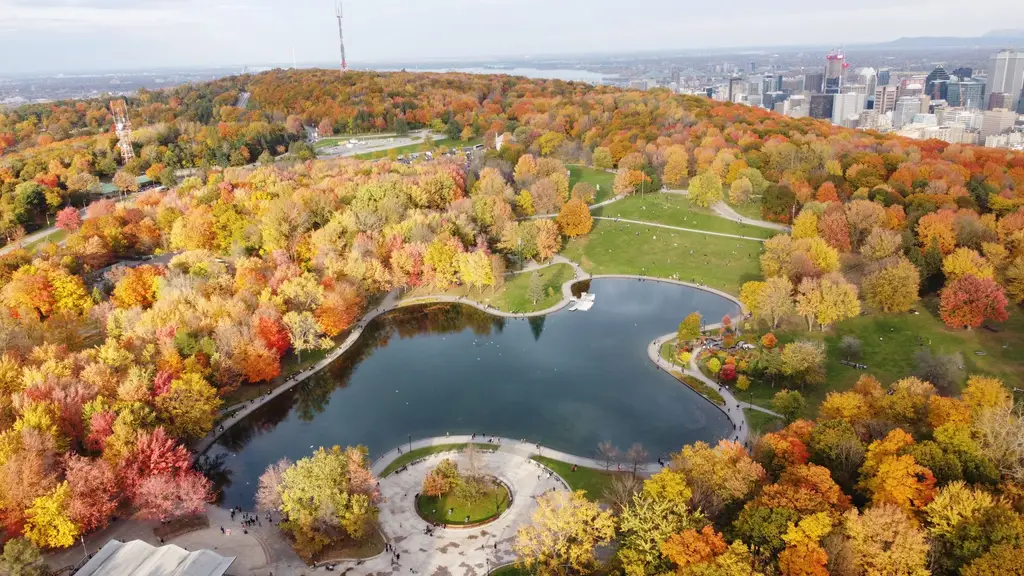
Montreal is North America's second-largest French-speaking city after Paris, and that fact shapes almost everything about visiting it. Street signs, menus and the default greeting are in French first, but downtown and the tourist core are comfortably bilingual, and opening with "bonjour" before switching to English if needed is the norm rather than a formality. The city sits on an island in the St. Lawrence River, founded in 1642 as Ville-Marie, and the layers show: Old Montreal's stone streets and Notre-Dame Basilica sit a short walk from Mount Royal, the wooded hill Frederick Law Olmsted (also responsible for Central Park) landscaped into a public park in the 1870s. Montreal's food scene punches well above its size, from smoked meat sandwiches to a bagel rivalry with two shops that have been arguing for decades over which is better. Summer runs a packed festival calendar, the Jazz Festival and Just for Laughs among them, and the Plateau and Mile End neighbourhoods fill their terrasses the moment the weather turns. Winter is the other half of the story and it is not a footnote: December through March brings real cold, routinely -10C to -20C with wind chill, and heavy snow that changes how the city moves. That's what the underground city, RESO, exists for, more than 30km of connected tunnels linking metro stations, malls, offices and hotels so you can cross downtown without a coat. Four days covers the core neighbourhoods properly; a week lets you add Mount Royal at a slower pace and a day trip to Quebec City without rushing either city.
Montreal being French-speaking is not a wall, it is a courtesy test. Open with bonjour, let them switch to English if that is easier, and the whole city relaxes. Walking in already speaking English first reads as an assumption, not a convenience.
The bagel rivalry is worth trying but not worth arguing about. Both shops are good, both are different from a New York bagel, and picking a side is more fun as a running joke than a serious debate.
Nobody warns you enough about how cold Montreal actually gets. A winter visit without knowing about the underground city means retreating indoors every twenty minutes; knowing about it means you can cross downtown without ever feeling the wind.
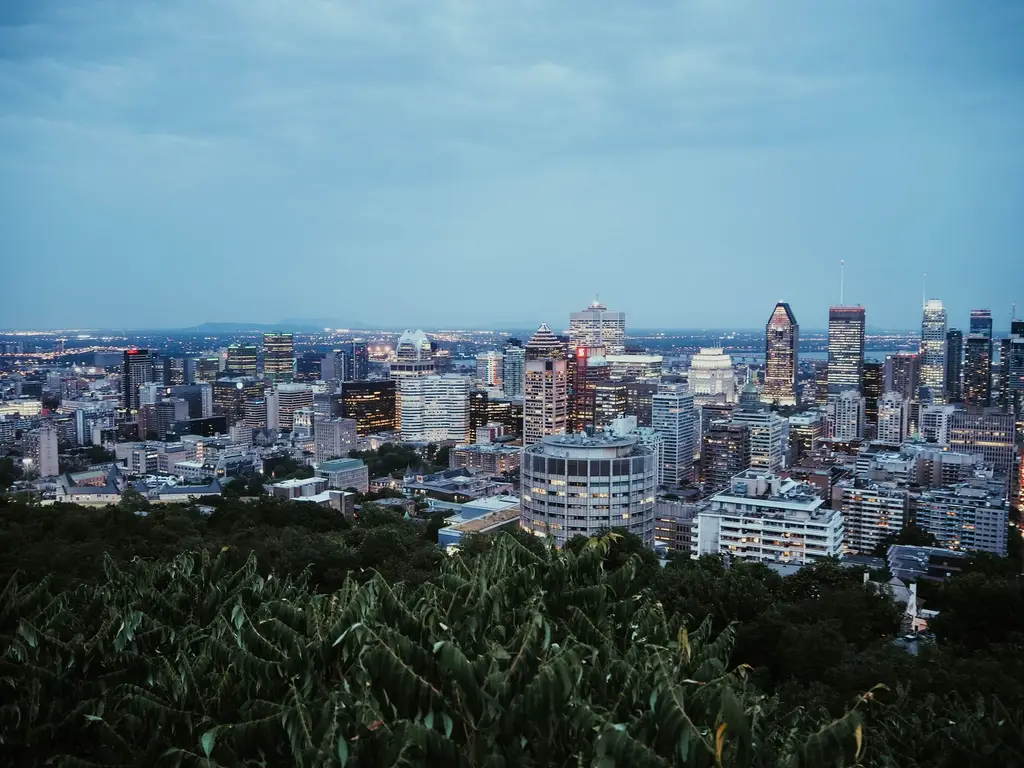
Mount Royal is better in the late afternoon than most guides suggest. The Kondiaronk Belvedere gets crowded at sunset for good reason, but the walk up an hour or two earlier is quieter and you still catch the view changing as the light drops.
Old Montreal is genuinely beautiful and genuinely a tourist trap for food. The good meals are a ten-minute walk away in the Plateau or Mile End; treat Old Montreal as a place to look at, not necessarily where you eat.
Old Montreal and Mount Royal, the two anchors of the city, in one focused loop.
Day 1: Old Montreal and the mountain
Morning
Notre-Dame Basilica at opening, then a walk through Old Montreal's stone streets to the Old Port waterfront.
Afternoon
Metro or taxi up toward Mount Royal, walk the Olmsted path to the Kondiaronk Belvedere for the skyline view.
Evening
Dinner in the Plateau, a short trip down from the mountain, rather than back in Old Montreal.
Tip: Wear real walking shoes; Old Montreal's cobblestones and the mountain trail both punish sandals.
Adds the Plateau, Mile End food scene, and MBAM to the one-day Old Montreal and Mount Royal core.
Day 1: Old Montreal and the mountain
Morning
Notre-Dame Basilica, then the Old Port waterfront.
Afternoon
Mount Royal Park and the Kondiaronk Belvedere.
Evening
Dinner in the Plateau.
Tip: Get an OPUS card at your first metro station; you'll use transit daily from here.
Day 2: Museum and markets
Morning
Montreal Museum of Fine Arts, budgeting a full two to three hours.
Afternoon
Walk or metro to Jean-Talon Market for lunch by grazing, then wander Little Italy.
Evening
Dinner and a bar in Mile End.
Tip: Check MBAM's free-admission windows before buying a ticket, your dates might line up.
Day 3: Mile End and the Village
Morning
Bagel breakfast in Mile End, then a slow walk through the neighbourhood's shops and cafes.
Afternoon
Saint Joseph's Oratory, a short trip from Mile End.
Evening
Free evening, Plateau or downtown depending on where you're staying.
Tip: Confirm the Oratory's current hours before you go; they weren't fully verifiable ahead of this trip.
The 3-day core plus the Old Port's paid attractions and Space for Life, at a less rushed pace.
Day 1: Old Montreal and the mountain
Morning
Notre-Dame Basilica, then the Old Port waterfront.
Afternoon
Mount Royal Park and the Kondiaronk Belvedere.
Evening
Dinner in the Plateau.
Tip: This is the most tourist-dense day of the trip; keep the rest lighter.
Day 2: Museum and markets
Morning
Montreal Museum of Fine Arts.
Afternoon
Jean-Talon Market, then Little Italy.
Evening
Dinner in Mile End.
Tip: Cash helps at the smaller market stalls; not everyone takes cards.
Day 3: Mile End and the Village
Morning
Bagel breakfast and a walk through Mile End.
Afternoon
Saint Joseph's Oratory.
Evening
Dinner in the Village or Plateau.
Tip: Slow this day down deliberately; it's the calmest day of the trip by design.
Show all 5 days
Day 4: Old Port and the waterfront
Morning
AURA evening ticket aside, revisit Old Montreal at a slower pace, then the Grande Roue or Montreal Science Centre if it suits your group.
Afternoon
Bota Bota or a walk along the Lachine Canal.
Evening
AURA light show at Notre-Dame Basilica if you didn't do it day one.
Tip: Book Old Port paid attractions online in peak season; queues build fast on weekends.
Day 5: Space for Life
Morning
Biodome and Botanical Garden, Space for Life's cluster near the Olympic Stadium.
Afternoon
Insectarium or the Olympic Stadium's observation tower if open.
Evening
Final dinner, Plateau or wherever you liked best.
Tip: Confirm current Space for Life hours and pricing directly on espacepourlavie.ca before you go.
The 5-day city itinerary plus a Quebec City day trip and one true rest day.
Day 1: Old Montreal and the mountain
Morning
Notre-Dame Basilica, then the Old Port waterfront.
Afternoon
Mount Royal Park and the Kondiaronk Belvedere.
Evening
Dinner in the Plateau.
Tip: Get an OPUS card sorted today.
Day 2: Museum and markets
Morning
Montreal Museum of Fine Arts.
Afternoon
Jean-Talon Market, then Little Italy.
Evening
Dinner in Mile End.
Tip: Check MBAM's free windows first.
Day 3: Mile End and the Village
Morning
Bagel breakfast and a walk through Mile End.
Afternoon
Saint Joseph's Oratory.
Evening
Dinner in the Village or Plateau.
Tip: Save this day's pace for the rest of the week.
Show all 7 days
Day 4: Old Port and the waterfront
Morning
A slower Old Montreal revisit, then the Grande Roue or Science Centre.
Afternoon
Lachine Canal walk or Bota Bota.
Evening
AURA light show at Notre-Dame Basilica.
Tip: Book paid Old Port attractions ahead in peak season.
Day 5: Space for Life
Morning
Biodome and Botanical Garden.
Afternoon
Insectarium.
Evening
Free evening.
Tip: Confirm hours directly on espacepourlavie.ca.
Day 6: Day trip: Quebec City
Morning
Train (roughly 3 hours from Montreal's Central Station) or drive (about 2.5-3 hours) to Quebec City.
Afternoon
Walk the walled Old Town, Château Frontenac and the Dufferin Terrace.
Evening
Dinner in Quebec City's Old Town before heading back, or stay over if your schedule allows.
Tip: Quebec City deserves its own separate trip planning if you can spare an overnight; a single day covers the highlights but rushes them.
Day 7: Rest day and departure prep
Morning
Open, revisit a favourite neighbourhood or finish shopping at the markets.
Afternoon
Pack, last coffee somewhere you liked.
Evening
Departure or a final dinner if flying out the next morning.
Tip: Keep this day genuinely flexible; it's your buffer if an earlier day ran long.
Montreal alone doesn't honestly fill two weeks. This covers the full city itinerary in the first week, then uses Montreal as a base for the Eastern Townships and an overnight in Quebec City for the second week, the standard way repeat visitors extend a Quebec trip. See the separate Quebec City page for a deeper look at that city rather than duplicating it here.
Day 1: Old Montreal and the mountain
Morning
Notre-Dame Basilica, then the Old Port waterfront.
Afternoon
Mount Royal Park and the Kondiaronk Belvedere.
Evening
Dinner in the Plateau.
Tip: Get an OPUS card on arrival.
Day 2: Museum and markets
Morning
Montreal Museum of Fine Arts.
Afternoon
Jean-Talon Market, then Little Italy.
Evening
Dinner in Mile End.
Tip: Check MBAM's free-admission windows.
Day 3: Mile End and the Village
Morning
Bagel breakfast and a walk through Mile End.
Afternoon
Saint Joseph's Oratory.
Evening
Dinner in the Village or Plateau.
Tip: This is the calm middle of week one.
Show all 14 days
Day 4: Old Port and the waterfront
Morning
A slower Old Montreal revisit, then the Grande Roue or Science Centre.
Afternoon
Lachine Canal walk or Bota Bota.
Evening
AURA light show at Notre-Dame Basilica.
Tip: Book Old Port attractions ahead in peak season.
Day 5: Space for Life
Morning
Biodome and Botanical Garden.
Afternoon
Insectarium.
Evening
Free evening.
Tip: Confirm hours directly on espacepourlavie.ca.
Day 6: Eastern Townships day trip
Morning
Drive southeast into the Eastern Townships (Cantons-de-l'Est), roughly 1.5-2 hours to the Magog / Lake Memphremagog area.
Afternoon
A vineyard or cidery visit, the region has a growing wine and cider scene, plus lake views.
Evening
Drive back to Montreal or stay over in Magog or North Hatley.
Tip: This region needs a car; there's no practical transit route from Montreal.
Day 7: Rest day, end of week one
Morning
Open, revisit a favourite neighbourhood.
Afternoon
Pack for the Quebec City leg, last errands.
Evening
Free evening.
Tip: Use this day to genuinely rest before the second week starts.
Day 8: Travel to Quebec City
Morning
Train (roughly 3 hours from Central Station) or drive (about 2.5-3 hours) to Quebec City.
Afternoon
Settle in, walk the ramparts of the Old Town.
Evening
Dinner in the walled city.
Tip: Book a Quebec City hotel in advance in peak summer and winter carnival season.
Day 9: Quebec City Old Town
Morning
Château Frontenac exterior and the Dufferin Terrace, then the narrow streets of Petit-Champlain.
Afternoon
Citadelle of Quebec if the timing works, or the Musée de la civilisation.
Evening
Dinner in Old Quebec.
Tip: See the separate Quebec City page for full details rather than repeating them here.
Day 10: Montmorency Falls and Île d'Orléans
Morning
Montmorency Falls, a short drive or bus from Quebec City, higher than Niagara Falls.
Afternoon
Île d'Orléans for farms, cider, and river views.
Evening
Back to Quebec City for a final dinner.
Tip: Rent a car for this day if you don't already have one; it makes both stops far easier.
Day 11: Travel back to Montreal
Morning
Morning train or drive back to Montreal.
Afternoon
Rest, or catch anything missed in week one.
Evening
Free evening.
Tip: Keep this day light after a busy Quebec City stretch.
Day 12: Neighbourhoods, slower pace
Morning
A slow walk through Griffintown and along the Lachine Canal.
Afternoon
Atwater Market for a final round of market food.
Evening
Dinner wherever you liked most on the trip.
Tip: This is a good day to slow down deliberately after two weeks of moving.
Day 13: Open day
Morning
Revisit a favourite site at a different time of day, or catch anything the trip missed.
Afternoon
Shopping or a last walk up Mount Royal.
Evening
A proper final dinner.
Tip: Book anywhere special a few days ahead; good tables fill up on weekends.
Day 14: Departure
Morning
Pack, last coffee and bagel.
Afternoon
Head to the airport with buffer time.
Evening
Departure.
Tip: YUL is smaller than most hub airports, but leave buffer time for traffic on the way there.
8Photo by Egor Komarov on PexelsSpace for Life (Biodome, Botanical Garden, Insectarium)
1
Notre-Dame Basilica
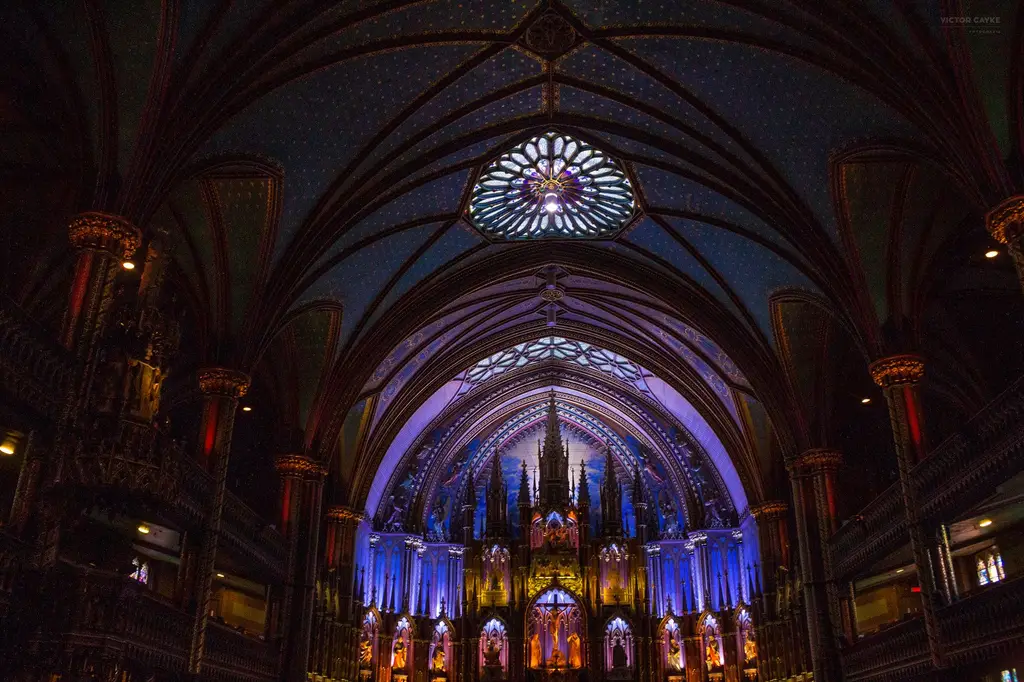
Daytime visits Monday-Saturday 9am-4pm, Sunday 12:30pm-4pm (Eastern time); the AURA evening light show runs separately after hours·CAD 16 adult, CAD 15 senior (65+), CAD 14 student (17-22), CAD 10 child (6-16), free under 6, CAD 40 family pass (2 adults + 2 children) for the daytime visit; AURA evening show runs CAD 37 adult, CAD 32 senior, CAD 31 student, CAD 22 child; a combo ticket for both starts around CAD 45·30-45 minutes for the daytime visit, 45-60 minutes for AURA
walk in for daytime visits before 4pm; tickets after 4pm and for AURA go through the basilica's ticketing partner, Fever
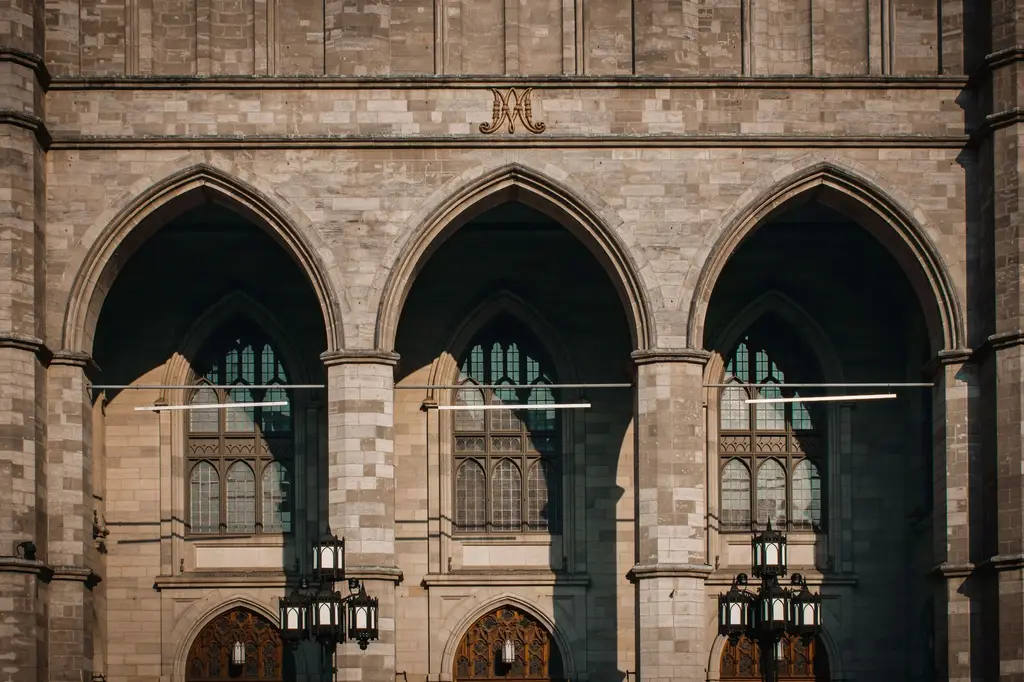
Gothic Revival interior from the 1820s, deep blue vaulted ceiling with gold stars, one of the most photographed church interiors in North America. AURA is a projected light and sound show over the nave, worth it once but skippable on a tight budget.
open daily, 6am-midnight·free (parking is paid)·2-4 hours depending on how much of the trail network you cover
Frederick Law Olmsted designed the park in the 1870s. The Kondiaronk Belvedere gives the best skyline view in the city; Beaver Lake has boat rentals in summer and a skating rink in winter. The Olmsted path is the gentlest route up if you're not looking for a hike.
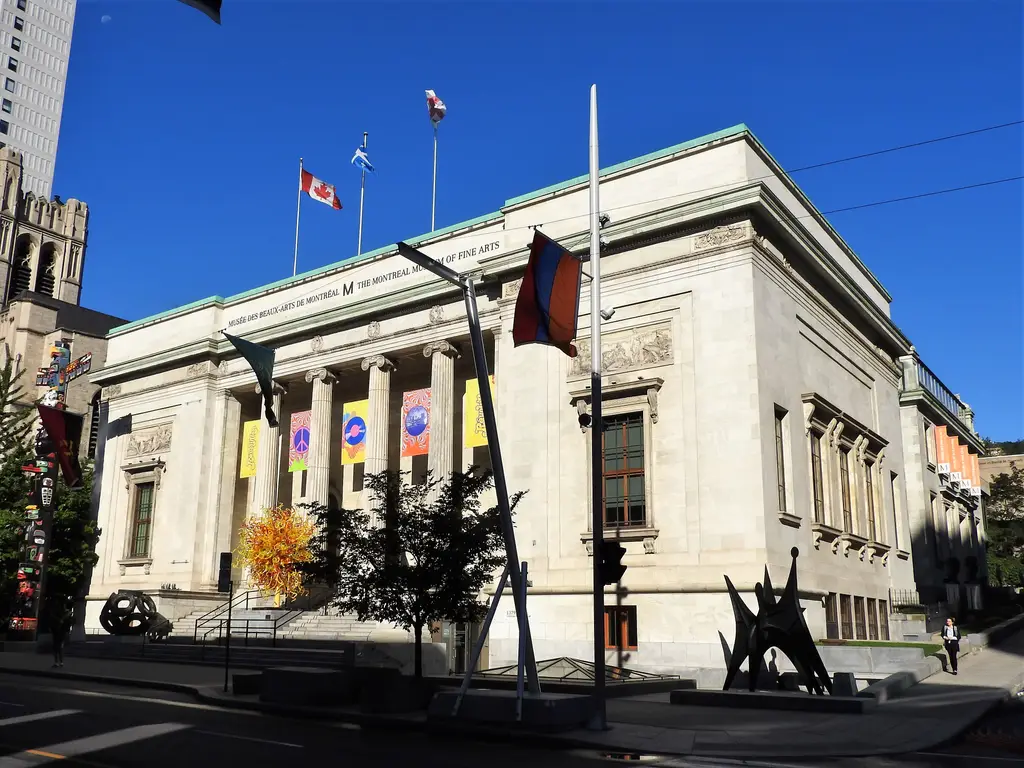
Tuesday-Sunday 10am-5pm, Wednesday until 9pm; closed Mondays·CAD 32 general admission (ages 26+); free for 25 and under and for members. Wednesday evenings 5-9pm run a reduced CAD 16 for ages 26+ (confirm this promotion is still running before you go); free for seniors 65+ Tuesday mornings 10am-1pm, free for families Saturday mornings 10am-1pm, and free for Quebec residents the first Sunday of the month with reservation·2-3 hours
Closed Mondays, plus Easter Monday, Labour Day, Christmas Day and New Year's Daywalk in, or book ahead online for the free-access windows since they fill up
One of Canada's largest museums, strong in Quebec and Canadian art alongside international collections, spread across several connected pavilions on Sherbrooke Street. The free windows are genuinely useful if your dates line up, not just a marketing line.
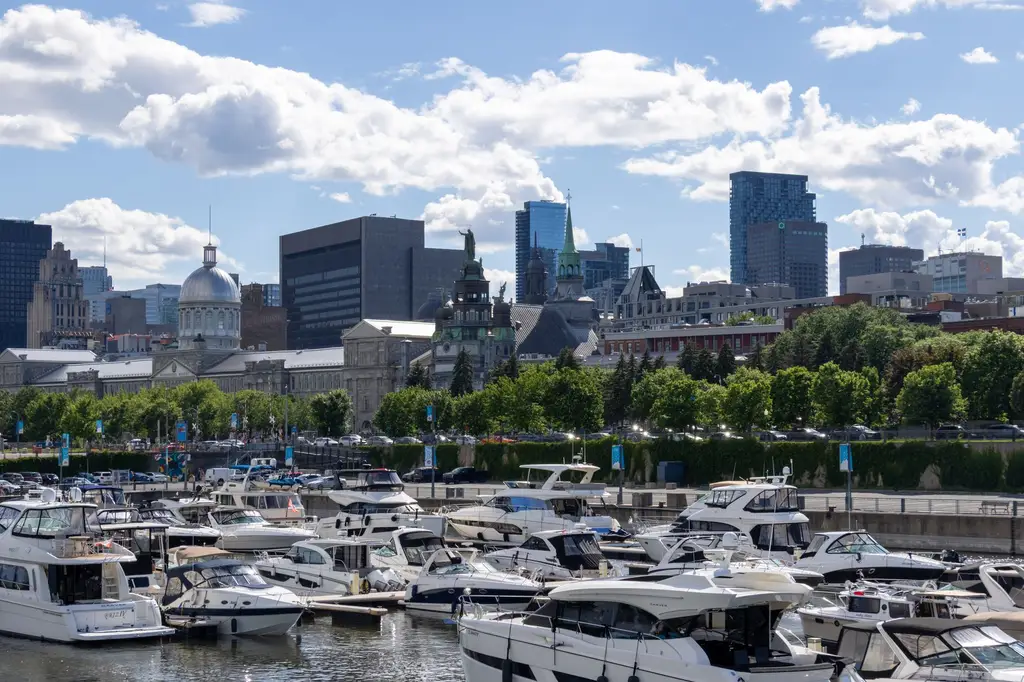
the waterfront itself is open daily 6am-midnight; individual attractions inside it (Montreal Science Centre, the Grande Roue observation wheel, Bota Bota floating spa) keep their own hours and sell separate tickets·free to walk the waterfront; paid attractions inside price separately and weren't independently confirmed this research pass, check montrealsciencecentre.com and the operator sites directly·1-2 hours for the waterfront alone, more if you add the Science Centre or the wheel
walk in for the port itself; book the Science Centre and Grande Roue online in peak season
A working port turned public waterfront, right below Old Montreal's stone streets. The Grande Roue gives a 60-metre view over the river and the old city; skip it if you've already done Mount Royal's lookout and are on a budget.
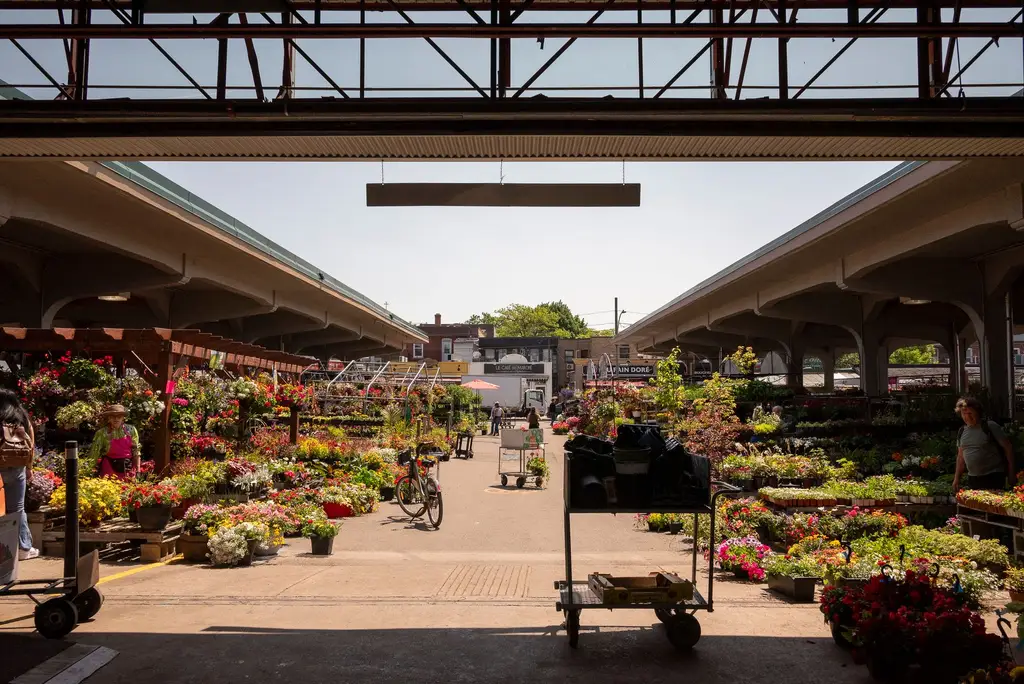
Monday-Saturday 8am-6pm, Sunday 8am-5pm; moves partly indoors from October through late April·free to enter, bring cash for the smaller stalls·1-1.5 hours
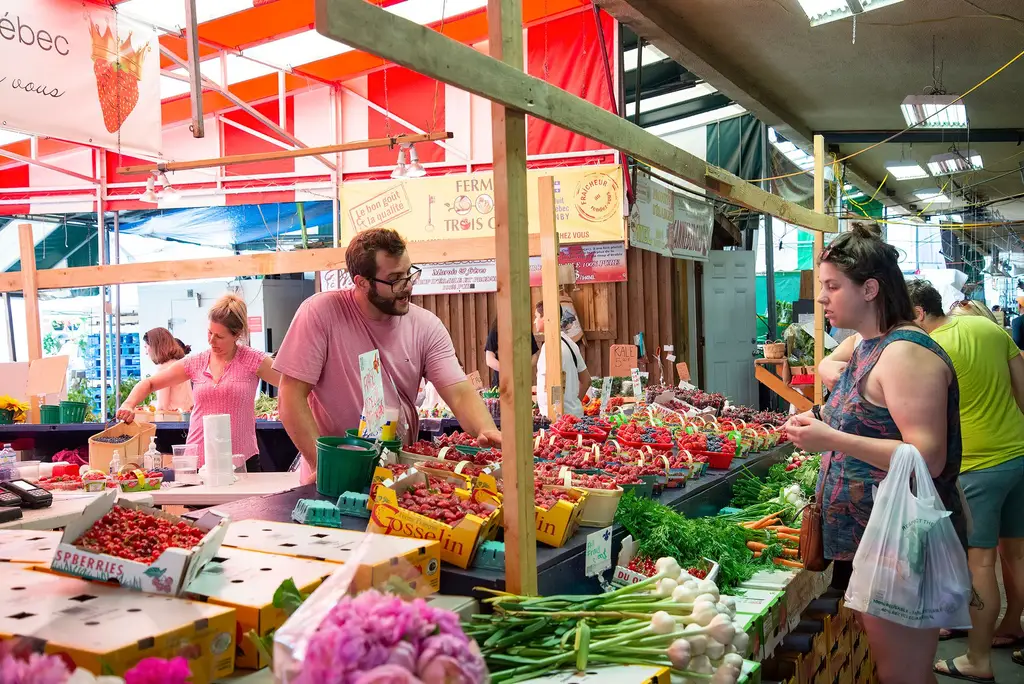
One of the largest open-air markets in North America, in Little Italy. Go for produce, cheese counters and a quick lunch from one of the food stalls rather than a formal sit-down meal. Weekend mornings are busiest.
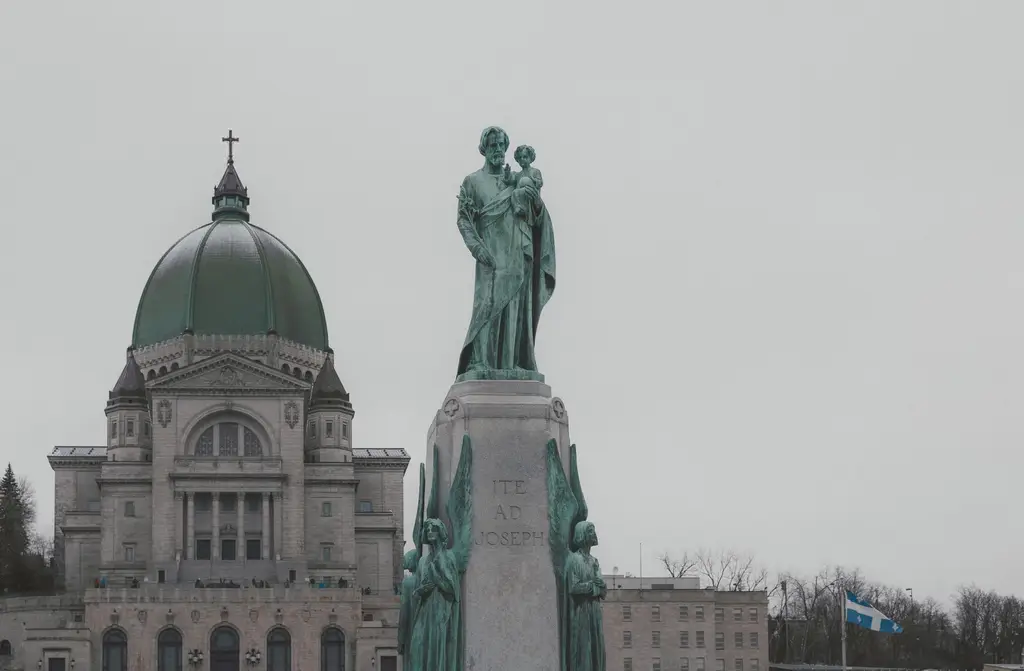
check before you go: the basilica publishes sanctuary access hours on its own site but this research pass could not independently confirm exact daily opening and closing times·free to enter the basilica; museum and dome/observatory access, if applicable, weren't confirmed this pass, check saint-joseph.org·45-90 minutes
walk in; guided tours run daily at 1:30pm in summer (confirmed June-Sept only, check for other months)
A massive domed basilica on the western slope of Mount Royal, one of the largest churches in the world by dome size. The climb up the exterior stairs (some visitors do the pilgrim stairs on their knees) is as much a landmark as the interior.
Touring installation by Japanese artist Chiharu Shiota opening September 26, 2026 at the Montreal Museum of Fine Arts, built from intricate webs of red, black and white thread filling the exhibition space. This is a limited-run show, opens the same month as this note. Confirm end dates before you plan a trip around it, museum shows like this usually run several months but check first.
OASIS Immersion (Palais des congrès)
as of 2026-09
Viral
Canada's largest indoor immersive digital art attraction, running rotating shows like Root for Nature (biodiversity) and an animal-themed Carnival of the Animals. This is the real immersive-exhibit boom in Montreal, not a one-off pop-up. Ticket price is steep for what is essentially projected visuals, decide based on whether you like that format.
Jean-Talon Market
as of 2026-09
Viral
Century-old open-air market in Little Italy selling Quebec produce, maple syrup, cheese, and seafood, surrounded by Italian and Portuguese restaurants. Saturday morning is when it's actually busy and worth it. Go for the walk and the produce, not expecting a curated tourist experience.
Mount Royal
as of 2026-09
Viral
The volcanic hill the city is named for, with a lookout over downtown, the St. Lawrence River, and the Monteregian Hills beyond. Free, always there, and the best sunset view in the city. No reason to skip it.
Old Montreal and the Old Port
as of 2026-09
Viral
Cobblestone historic district along the St. Lawrence with 17th and 18th century architecture, now full of shops and street performers. Genuinely pretty, also genuinely the most tourist-trap-priced part of the city for anything you buy there. Walk it, eat elsewhere.
Just for Laughs Festival
as of 2026-09
Viral
The world's largest comedy festival, running July 15 to 26, 2026 across multiple Montreal venues. Book tickets for named comedians early, they sell out. Street-level free programming is worth showing up for even without a ticket.
More to see (2)
7
Underground City (RESO)
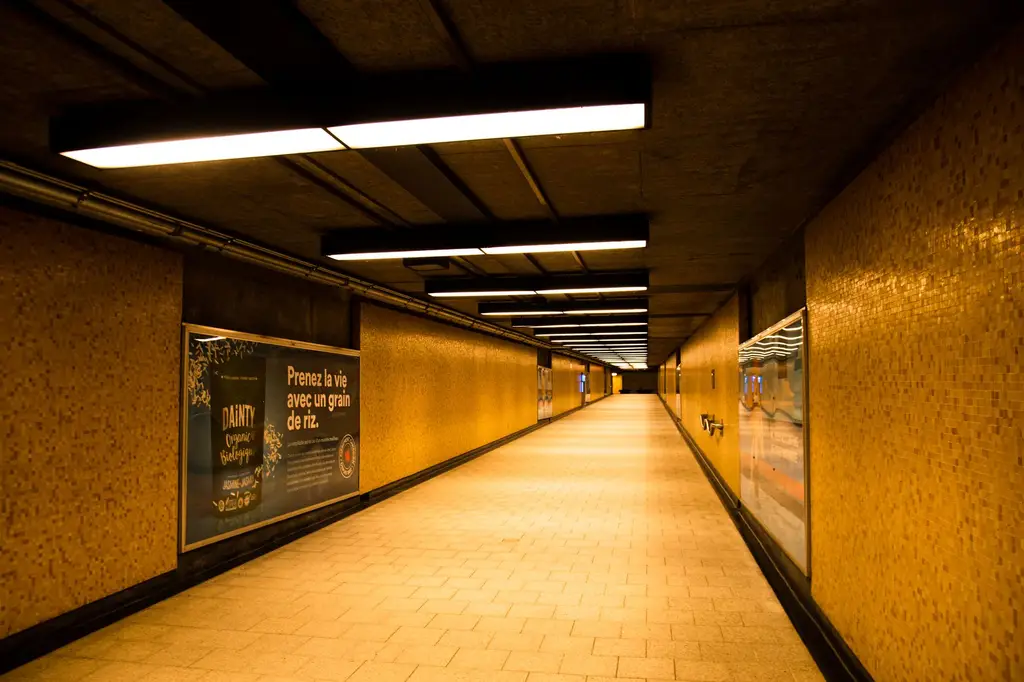
no single set of hours; it's a network of tunnels connecting buildings that each keep their own hours, generally accessible from early morning into the evening·free·varies, it's infrastructure you pass through rather than a single sight
More than 30km of connected tunnels linking metro stations, malls, office towers and hotels under downtown, built up since the 1960s. It matters far more in January than in July; use it to cross downtown without a coat rather than as a sightseeing goal in itself.
8
Space for Life (Biodome, Botanical Garden, Insectarium)
check before you go: this research pass could not reach espacepourlavie.ca's hours and pricing page directly (it blocked automated access), so treat any figure as unconfirmed until you check the site·check before you go; the complex typically sells a combined passport ticket alongside individual admission, but this pass could not verify current CAD figures against the operator's own page·half a day if doing more than one of the four sites (Biodome, Botanical Garden, Insectarium, Planetarium)
walk in, or book online through espacepourlavie.ca
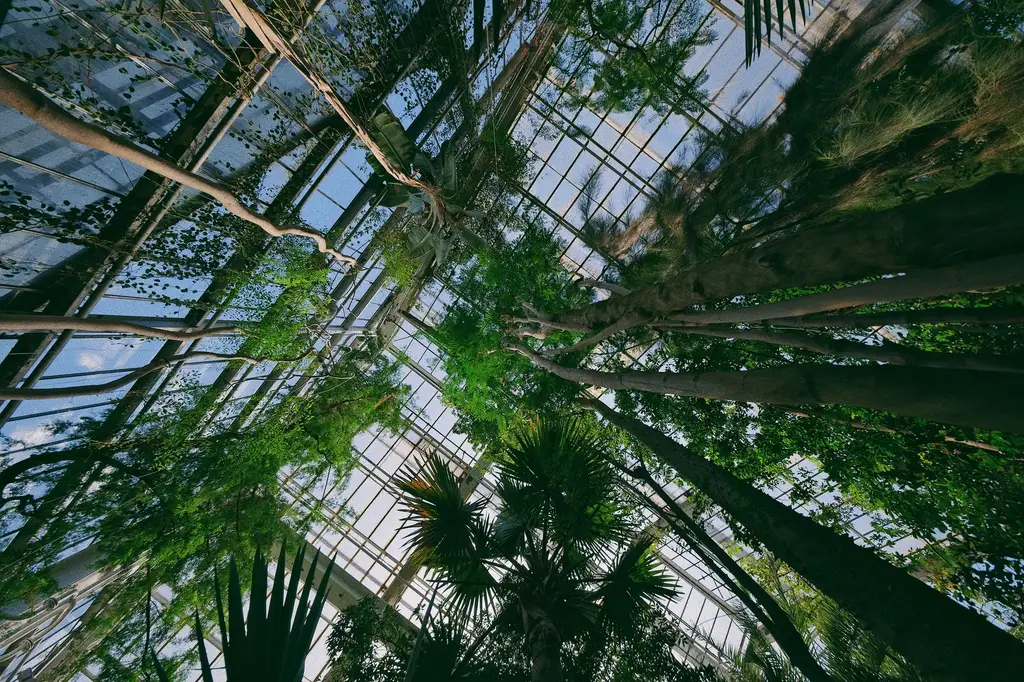
Four science museums clustered near the Olympic Stadium: an indoor ecosystem walk-through (Biodome), one of the largest botanical gardens in the world with a well-known Chinese and Japanese garden, an insect museum, and a planetarium. Good with kids and good on a rainy day.
Suits: first-timers who want cobblestone streets and the historic core on foot
Walk to Notre-Dame Basilica and the Old Port, but it's the most tourist-priced food and quietest at night.
Plateau Mont-Royal
Suits: travellers who want neighbourhood life, terrasses and an easy walk to Mount Royal
Colourful row houses with outdoor staircases, dense with restaurants and bars, a short walk or metro ride from downtown.
Mile End
Suits: food-focused visitors and a slower, more residential pace
Home to the bagel shops and a strong independent restaurant and coffee scene, a bit further from the main sights.
Downtown (Ville-Marie / Quartier des Spectacles)
Suits: festival-goers and anyone leaning on the underground city in winter
Closest to the metro hub and RESO tunnels, and the festival venues cluster here, but it's the least distinctly Montreal of the options.
Griffintown
Suits: travellers wanting new hotels and an easy walk to the Old Port and Atwater Market
A former industrial district turned condo and hotel zone, functional rather than charming.
Getting there and around
Getting there
Montreal-Trudeau Airport (YUL) is about 20km southwest of downtown. The STM 747 express bus runs to downtown on a special all-day fare (higher than a standard single ride, confirm the current price at stm.info) in roughly 40-60 minutes depending on traffic. A taxi or rideshare to downtown takes 20-30 minutes outside rush hour; confirm whether a flat rate applies before you get in.
Getting around
The STM runs four metro lines plus buses on a shared fare system, and an OPUS card is the standard way to pay; STM's fare structure changed under the July 2025 ARTM reform, so check stm.info for current single-ride and day-pass prices rather than trusting an old number. Bixi bike share covers most of the central boroughs April to November. The city is very walkable, especially the Plateau, Mile End and Old Montreal, but Montreal is also genuinely hilly around Mount Royal. In winter, the underground city (RESO) connects downtown metro stations, malls, office towers and hotels through more than 30km of tunnels, which is the practical way to move around without fighting the cold.
Map
City
Recommended (numbered)
Mentioned in an itinerary
Locations on this map
Montreal45.50, -73.57
Notre-Dame Basilica45.50, -73.56
Mount Royal Park45.51, -73.59
Montreal Museum of Fine Arts (MBAM)45.50, -73.58
Old Port of Montreal (Vieux-Port)45.50, -73.55
Jean-Talon Market45.54, -73.62
Saint Joseph's Oratory45.49, -73.62
Underground City (RESO)45.50, -73.57
Space for Life (Biodome, Botanical Garden, Insectarium)45.51, -73.58
Old Montreal45.50, -73.56
Olmsted45.50, -73.59
Kondiaronk Belvedere45.50, -73.59
Plateau45.52, -73.58
Mile End45.52, -73.60
Village45.52, -73.55
Grande Roue45.51, -73.55
Montreal Science Centre45.50, -73.55
Bota Bota45.50, -73.55
Lachine Canal45.46, -73.60
Olympic Stadium45.56, -73.55
Science Centre45.50, -73.55
Quebec City46.81, -71.21
Frontenac45.53, -73.55
Eastern Townships45.29, -72.21
Cantons-de-l'Est45.31, -72.09
Magog45.42, -73.64
Lake Memphremagog45.09, -72.28
North Hatley45.28, -71.97
Central Station45.50, -73.57
Citadelle of Quebec45.51, -73.57
Old Quebec45.50, -73.56
Orl45.51, -73.55
Griffintown45.49, -73.56
Atwater Market45.48, -73.58
What it costs
Stay
Food
Transport
Activities
Daily cost breakdown, CAD per person
Tier
Stay
Food
Transport
Activities
Total
Budget
CAD 55
CAD 35
CAD 12
CAD 13
CAD 115
Mid-range
CAD 220
CAD 75
CAD 12
CAD 43
CAD 350
Splurge
CAD 450
CAD 160
CAD 40
CAD 110
CAD 760
A mid-range day: CAD 220 boutique hotel room in the Plateau split two ways or solo in a mid hotel, an STM day pass for transit (confirm the current price, fares changed in 2025), CAD 32 MBAM admission, a CAD 12 bagel-and-coffee breakfast in Mile End, a CAD 20 smoked meat sandwich lunch, and a CAD 55 dinner with a glass of wine in the Plateau. Add 15% tax and a 15-20% tip at the sit-down meals.
Money savers
MBAM runs several free-admission windows (senior mornings, family Saturdays, first Sunday of the month for Quebec residents); check the calendar before buying a full-price ticket
Mount Royal Park and the Old Port waterfront are both free and are two of the best things to do in the city
Jean-Talon or Atwater Market for a picnic lunch runs well below a sit-down restaurant for better produce
Skip the paid Old Port attractions (Science Centre, Grande Roue) if budget matters; the free waterfront walk and Mount Royal lookout cover the view and the atmosphere
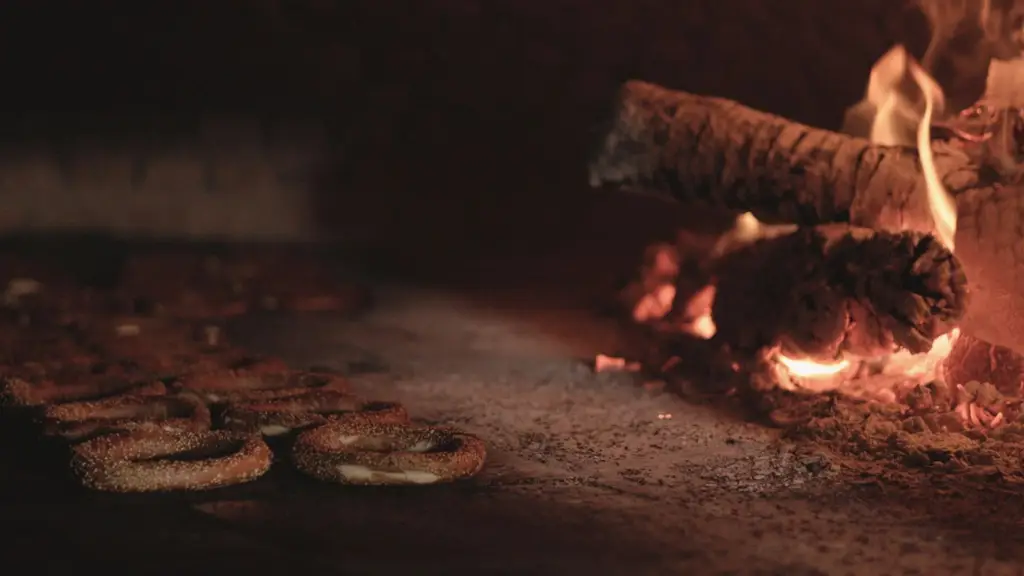
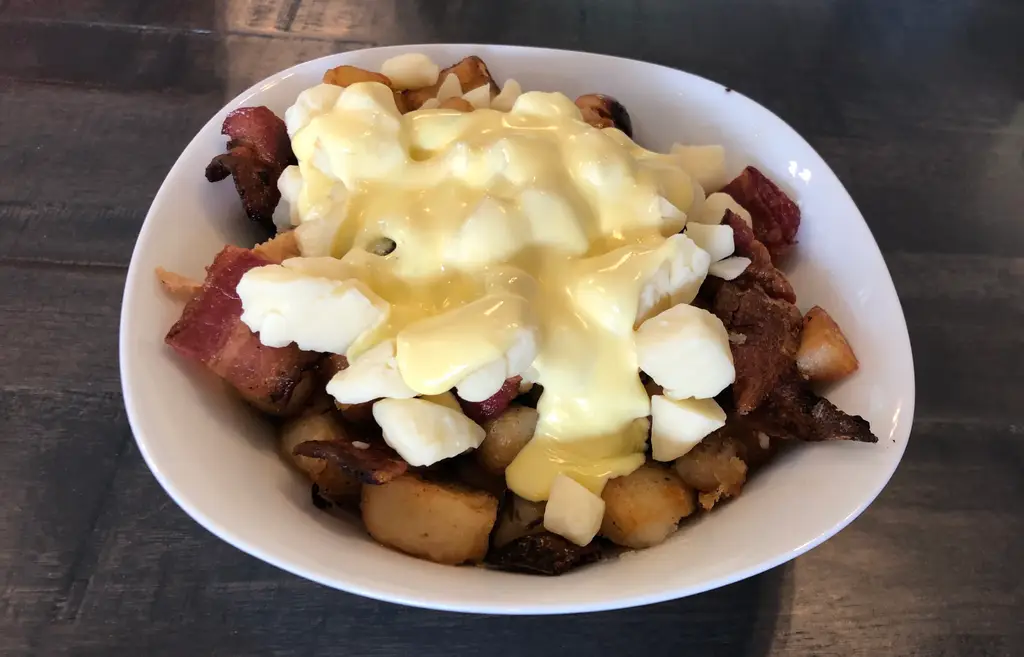
Montreal's food identity runs on two long-running arguments and a lot of genuinely great food beneath them. The first is bagels versus New York's: Montreal bagels are boiled in honey water and baked in a wood-fired oven, smaller, sweeter and denser than a New York bagel, and the two are not really interchangeable, they are different products that happen to share a name. The second is poutine, done properly with squeaky fresh curds and gravy that does not drown them, best from a casse-croute rather than a sit-down chain. Add smoked meat piled absurdly high at the surviving delis and market produce from Jean-Talon, and this is one of the strongest food cities in the country.
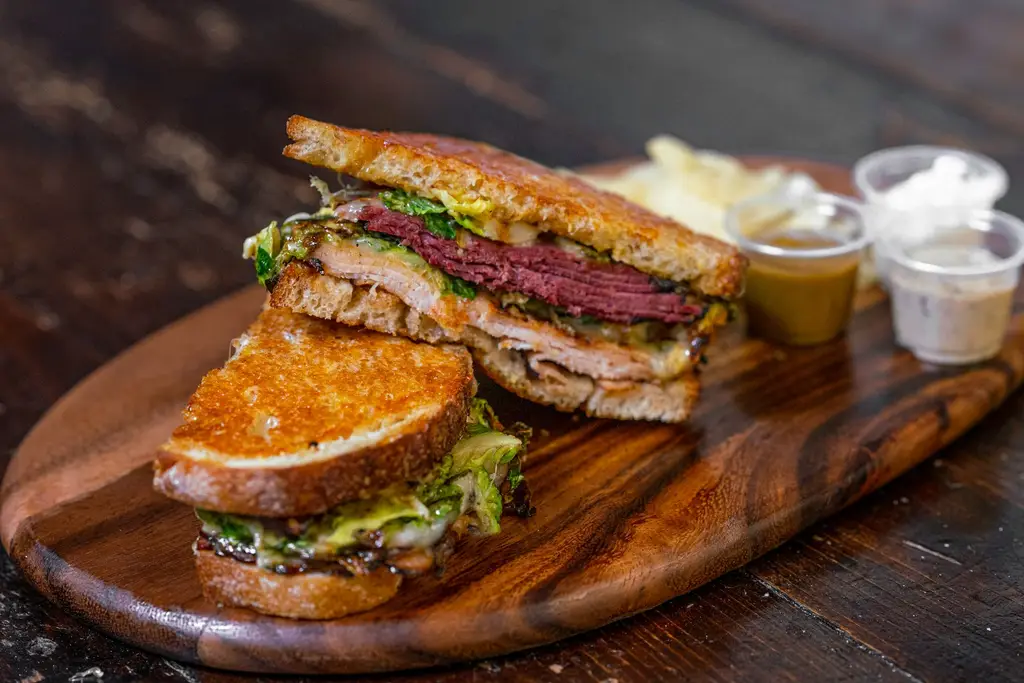
Beef brisket cured and smoked in-house, hand-cut and stacked high on rye with mustard. Order it medium fat the first time; the leanest cut is drier than most people expect.
Montreal bagel
CAD 1-2 each·Bakeries in Mile End and the Plateau
Must try
Boiled in honey-sweetened water, then baked in a wood-fired oven, smaller and sweeter than a New York bagel. Buy them warm straight from the oven if you can time it.
Poutine
CAD 8-14·Casse-croutes and diners citywide
Must try
Fries, squeaky cheese curds and gravy, invented in rural Quebec but perfected here. The curds should still squeak against your teeth; if they don't, it is not a good version.
Tourtiere
CAD 12-20·Bakeries and traditional Quebecois restaurants, especially around the holidays
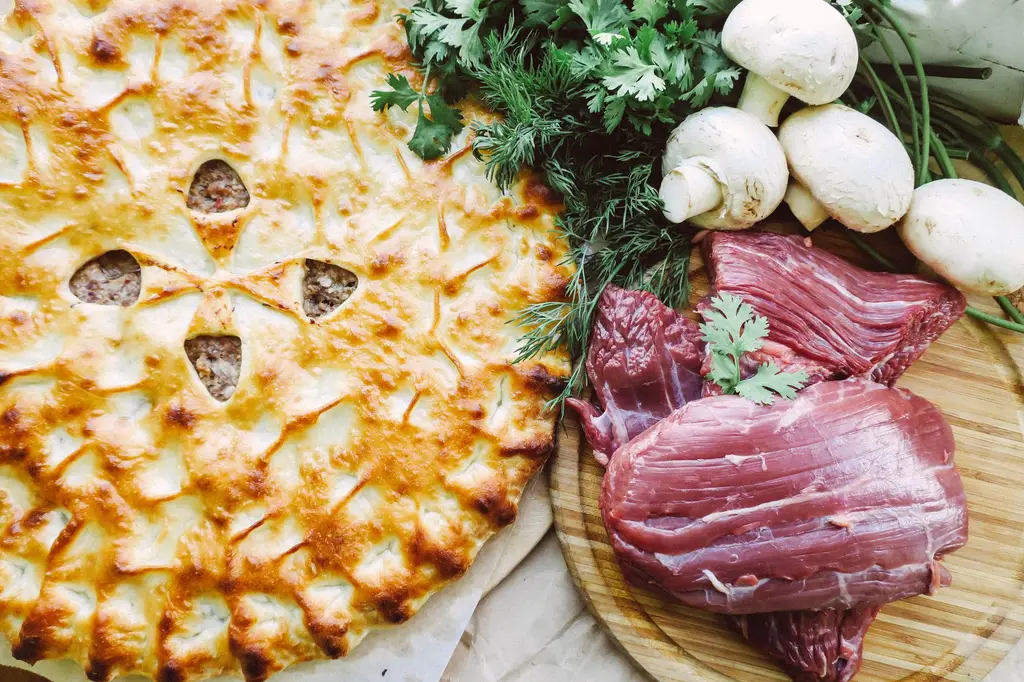
A spiced meat pie, usually pork or a pork-beef mix, that is a Quebec Christmas tradition available year-round in the city. Comfort food in the most literal sense.
Market produce and cheese
CAD 5-25 depending on what you buy·Jean-Talon Market and Atwater Market
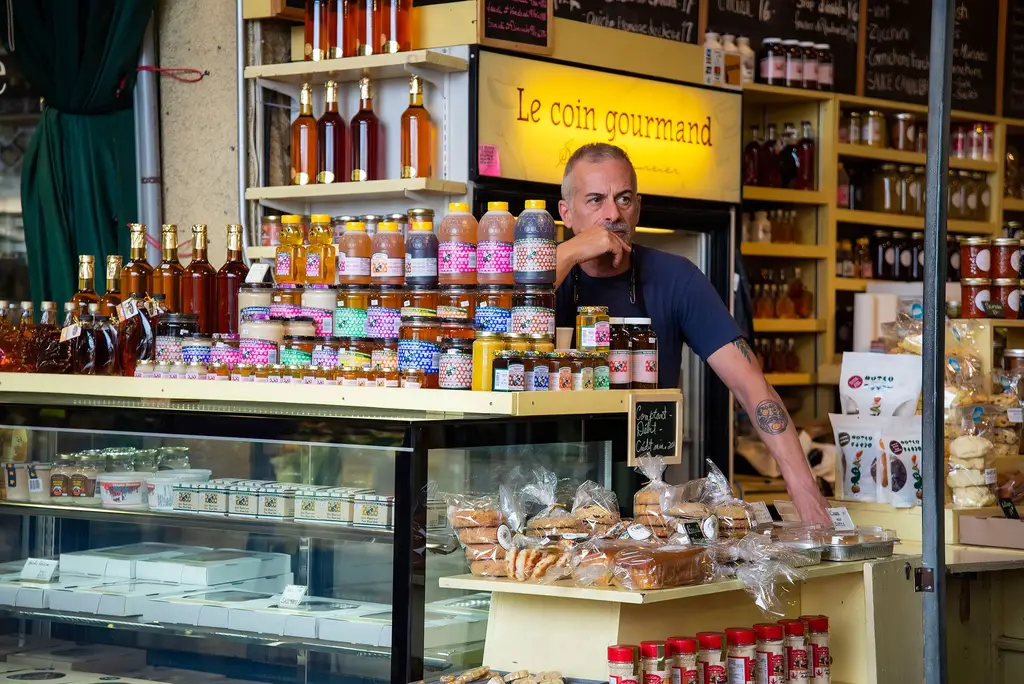
Quebec has a strong artisanal cheese industry, and both markets sell it alongside produce, maple products and prepared food. Jean-Talon is the bigger and more local of the two.
Maple products
CAD 6-20·Markets and specialty shops citywide, more concentrated at Jean-Talon
Maple taffy, maple butter and grades of syrup darker and more assertive than most exported syrup. Worth buying here rather than at the airport, both cheaper and better selection.
Cafe Alphabet
as of 2026-09
Viral
Mile-End cafe on Rue Clark known for its Freddo Cappuccino, a Greek-style iced espresso drink with sweetened cold foam. Rated 4.7 stars with 600+ reviews as of mid-2026 and still getting people to cross town for it. This one has actual staying power behind the hype, not just a single viral clip.
Fresh onigiri counters (Musubi MTL, Le NIGIRIZ)
as of 2026-09
Viral
A wave of dedicated onigiri counters, including one inside Jean-Talon Market, making rice balls to order in front of customers. This is a category trend more than a single business, which makes it a safer recommendation. Onigiri as street food has staying power in Montreal, not just a two-week fad.
Schwartz's Deli
as of 2026-09
Viral
The century-old Plateau smoked meat institution, still showing up constantly in Montreal food content. It is a tourist queue, always has been, and locals know it. But it earns the queue. The smoked meat is still genuinely good, and it has outlasted every trend that came after it.
Hof Kelsten
as of 2026-09
Viral
Eastern European Jewish bakery known for caraway rye, croissants, chocolate babka, and rugelach, repeatedly named among the city's best bakeries. This one's earned its reputation over years, not a flash-in-the-pan pick. The rye bread alone is worth the stop.
Non-alcoholic and plant-based menu expansion
as of 2026-09
Viral
Montreal restaurants are building out full mocktail programs and treating plant-based dishes as equals to meat mains, not afterthoughts. This is a real shift in how menus are written, not a token vegan option tacked on. Worth seeking out if you don't drink or eat meat.
Nose-to-tail cooking with local Quebec produce
as of 2026-09
Viral
A wave of Montreal kitchens building dishes around whole-animal use and seasonal Quebec produce rather than imported staples. Good for people who want to actually taste where they are instead of eating the same menu you'd get anywhere. Prices run higher than a typical bistro.
Safety and scams
Montreal is a safe city by North American standards, with petty theft and pickpocketing the main real risk, concentrated in crowded festival crowds and on the metro rather than any specific dangerous neighbourhood. Winter brings its own hazard: icy sidewalks are a genuine slip risk from December through March, more than most visitors expect. Language is not a safety issue, it's a social one; starting in French and switching if needed avoids friction rather than any actual risk.
Common mistakes
Underestimating the winter cold and not knowing the underground city exists until halfway through a trip
Treating French as optional and opening every interaction in English, which reads as presumptuous even though most people downtown speak both
Eating every meal in Old Montreal because it's where you're staying, and missing the better food a short walk or metro ride away
Not checking Quebec's combined ~15% sales tax and 15-20% tipping norm before budgeting a trip, then being surprised at the till
Trying to fit Notre-Dame Basilica, Mount Royal, and both bazaars-equivalent markets into one day without accounting for how spread out Montreal actually is
Skipping a Quebec City day trip on a longer visit; it's under 3 hours by train or car and a genuinely different city, not a repeat of Montreal
Frequently asked questions
How many days do you need in Montreal?
Three to four days covers Old Montreal, Mount Royal, the museum and the food neighbourhoods without rushing. A week lets you add the Old Port's paid attractions, Space for Life, and a Quebec City day trip. Montreal alone isn't really a two-week destination; longer stays work better paired with Quebec City or the Eastern Townships.
Do I need to speak French in Montreal?
No, but it helps socially. Downtown and the tourist core are comfortably bilingual, and most people working in hospitality speak both languages. Starting with bonjour and merci before switching to English if needed is the local norm and is genuinely appreciated, rather than a strict requirement.
How cold does Montreal get in winter?
Genuinely cold. December through March routinely sees -10C to -20C with wind chill, plus heavy snow. It's a real consideration for trip planning, not a footnote: it's why the underground city (RESO) exists and why festival season shifts to summer, though winter has its own events like Igloofest.
What is Montreal's underground city?
RESO is a network of more than 30km of connected tunnels linking metro stations, malls, office towers and hotels under downtown, built up since the 1960s. It matters far more in winter than summer; use it to cross downtown without a coat rather than treating it as a sightseeing destination in itself.
Is Montreal expensive?
It's mid-range by North American standards, cheaper than Toronto or Vancouver for accommodation. Quebec's combined sales tax (5% GST plus 9.975% QST, roughly 15% total) is added at checkout rather than shown on the price tag, and 15-20% tipping is standard at restaurants and bars, both of which catch first-time visitors off guard.
Should I visit Quebec City from Montreal?
Yes, if you have more than four or five days. It's roughly 2.5-3 hours away by train or car and is a genuinely different city: a walled Old Town with a European feel that Montreal doesn't have. A single day covers the highlights; an overnight lets you see it properly.
Which bagel is better in Montreal, St-Viateur or Fairmount?
Both shops are well-regarded and genuinely different from a New York bagel: boiled in honey water and wood-fired, denser and sweeter. Locals argue about it constantly and there's no settled answer; trying both on the same trip is the honest approach.
Is Montreal safe for tourists?
Yes, by North American standards. The main real risk is petty theft in festival crowds and on the metro, not violent crime. Winter brings a different hazard: icy sidewalks are a genuine slip risk from December through March that catches visitors unfamiliar with the climate off guard.
Do I need a car in Montreal?
No, for the city itself. The STM metro and bus network plus Bixi bike share (April-November) and a very walkable downtown and Plateau cover almost everything. A car becomes useful only for day trips outside the city, like the Eastern Townships, where transit options are limited.
When is festival season in Montreal?
Summer, roughly June through August, when the Jazz Festival, Just for Laughs, Osheaga and others run back to back downtown and in the Quartier des Spectacles. It's also the most crowded and expensive stretch for hotels, so book well ahead if a specific festival is the reason for the trip.