Things to Do in Quebec City: Itineraries, Costs and Food
The only walled city north of Mexico, and the most French part of Canada: colder than Montreal, more French-speaking than Montreal, and built around a winter that defines the place.
By Labeeb Mirza · Published September 8, 2026 · Updated September 8, 2026
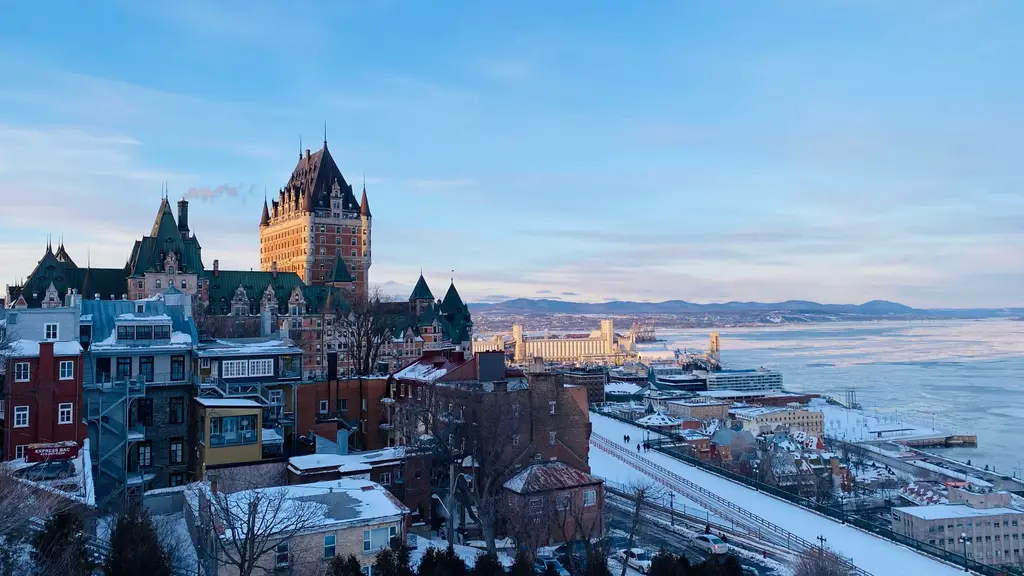
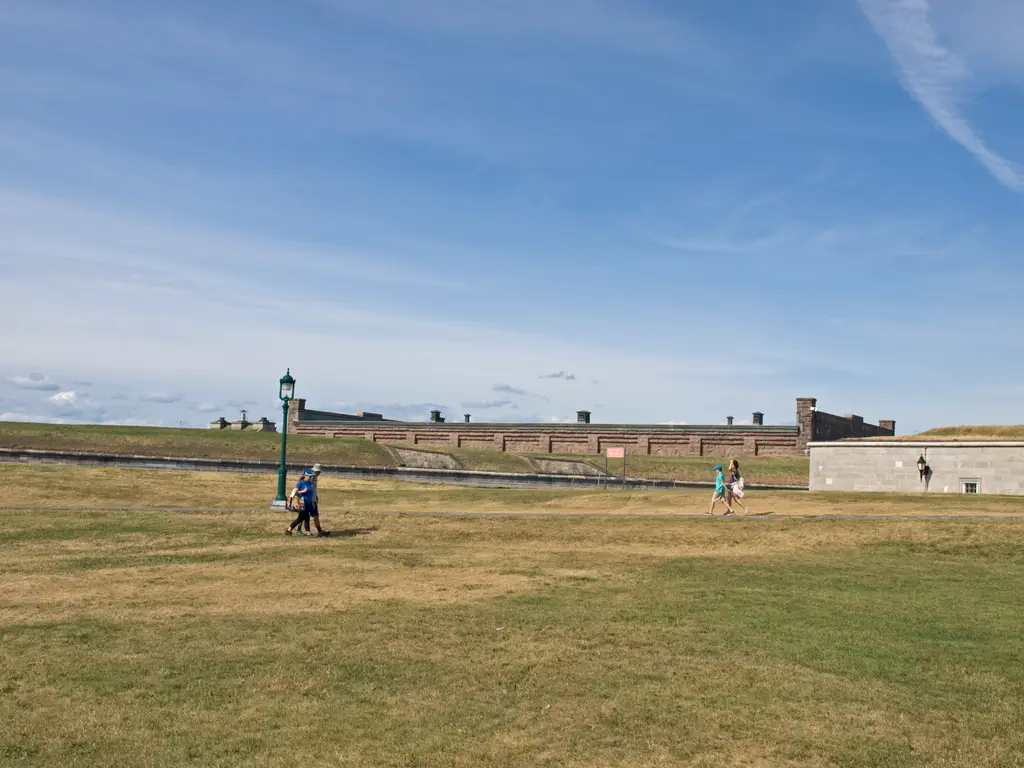
Quebec City is where New France actually started, and Old Quebec still looks the part: stone ramparts you can walk the full loop of, a citadel that's still an active military base, a fortified skyline that got the whole district a UNESCO listing. It's smaller and slower than Montreal, and that comparison matters more here than most guides let on. Quebec City is more francophone than Montreal, not less. Montreal runs comfortably bilingual downtown; Quebec City doesn't, day to day this is a French-first city, and a Canadian visitor who assumes Toronto-level English coverage will be surprised in a way a Montreal trip doesn't prepare you for. English gets you through hotels, the Citadelle, and the big museums without trouble. It gets thinner fast once you're in a neighbourhood restaurant or a Saint-Roch corner store. Winter is the other thing to plan around properly rather than as an afterthought. Quebec City runs colder than both Toronto and Montreal, sits at a latitude and along a river valley that pile snow up in a way those two don't, and the city leans into it rather than shutting down: Carnaval de Québec turns most of February into an outdoor festival, an ice hotel gets rebuilt from scratch every winter nearby, and the frozen St. Lawrence becomes part of the scenery instead of just an obstacle. Three to five days covers Old Quebec properly. A week lets you add Montmorency Falls and Île d'Orléans without rushing. Go into winter dressed for it and the city gives you something Toronto and Montreal, for all their charms, don't.
What I actually think
I underestimated how much more French Quebec City is than Montreal before the first time I went. Montreal will meet you halfway in English almost anywhere downtown. Quebec City won't, not because anyone's unfriendly about it, it's just genuinely a French-first city day to day. Learn bonjour, merci, and l'addition s'il vous plaît before you land and the whole trip gets easier.
Winter here isn't a scaled-up version of a Toronto winter, it's colder and the snow actually accumulates and stays. Pack for it properly, real boots with grip, not just a warmer coat, because the sloped streets in Upper Town get genuinely slick.
Walking the ramparts twice, once in daylight and once after the day-trip crowds clear out, gave me two different cities. The daytime version is the one on the postcards. The evening one, with the streetlights on the stone, is the one that's actually quiet.
The tax and tip stacking caught me off guard the first time even though I already knew the rate. A CAD 40 dinner becomes closer to CAD 55 once QST, GST, and an honest tip land on it, and that math is worth doing before you sit down, not after the bill arrives.
Don't try to fit the Citadelle, the ramparts, and a museum into one day just because they're all close together. Old Quebec is small on a map and slow on foot, between the hills and the stairs, and rushing it is the fastest way to end a trip tired instead of happy.
Itineraries
The Old Quebec core: ramparts, Château Frontenac's terrace, Petit-Champlain, and the Citadelle if timing allows.
Day 1: Old Quebec in a day
Morning
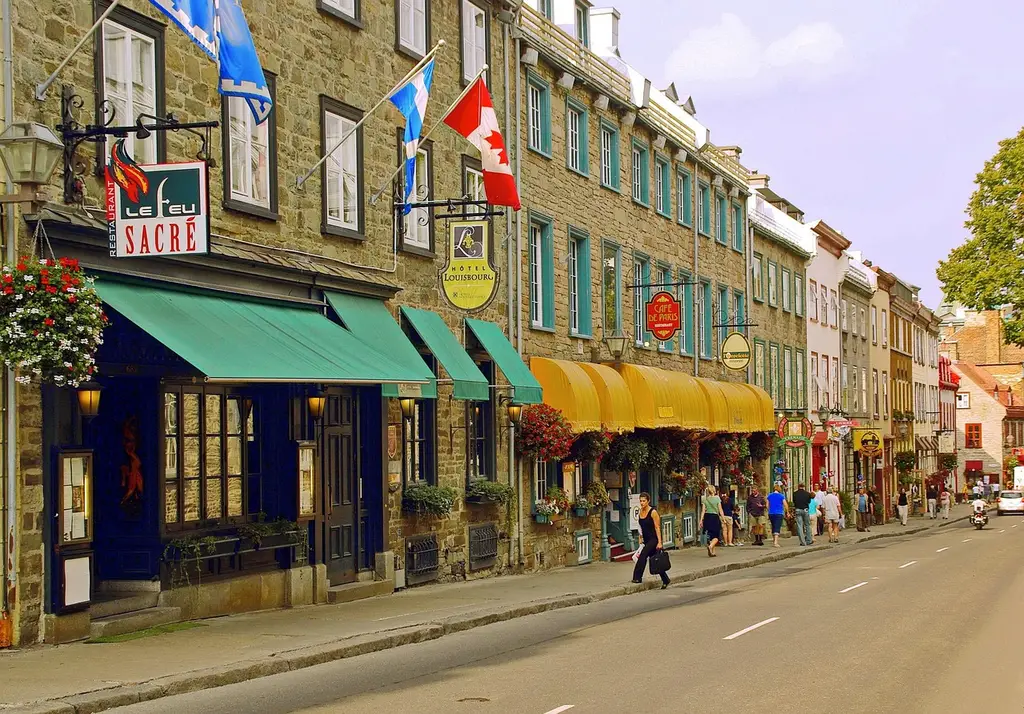
Walk Dufferin Terrace and the ramparts from Upper Town, then take the funicular or the stairs down to Petit-Champlain and Place-Royale for North America's oldest commercial street.
Afternoon
Lunch in Lower Town, then either the Citadelle's guided tour if you can fit the 1.5-2 hours, or a slower walk back up through Upper Town's side streets.
Evening
Dinner in Old Quebec or a short walk to Saint-Roch for better prices, then Dufferin Terrace again after dark when the crowds thin out.
Tip: Check the Citadelle's current tour times before you commit the afternoon to it, tours are guided-only and run on a schedule.
Adds the Plains of Abraham, one museum, and a proper walk through Saint-Roch to the one-day core.
Day 1: Old Quebec essentials
Morning
Dufferin Terrace and the ramparts walk from Upper Town.
Afternoon
Petit-Champlain and Place-Royale in Lower Town, then the Citadelle's guided tour.
Evening
Dinner in Old Quebec, then the terrace again after dark.
Tip: Buy an RTC day pass if you're planning to use the bus more than twice; it pays for itself fast.
Day 2: Battlefields and art
Morning
The Plains of Abraham on foot, then MNBAQ for Quebec and Canadian art.
Afternoon
A slower walk through Montcalm and Grande Allée for lunch and shopping outside the walls.
Evening
Dinner in Saint-Roch, noticeably better value than Old Quebec for the same quality.
Tip: MNBAQ and the Plains of Abraham share a border, so plan the route as one continuous walk rather than backtracking.
Day 3: Old Port and Musée de la civilisation
Morning
Musée de la civilisation and a walk through the Old Port.
Afternoon
Marché du Vieux-Port for fresh cheese curds and produce, then free time in whichever neighbourhood you liked most.
Evening
A final dinner in Old Quebec or Petit-Champlain.
Tip: The market is a working food market first, gift shop second, go hungry.
The 3-day core plus a Montmorency Falls and Île d'Orléans day, at a less rushed pace.
Day 1: Old Quebec essentials
Morning
Dufferin Terrace and the ramparts walk.
Afternoon
Petit-Champlain and Place-Royale, then the Citadelle.
Evening
Dinner in Old Quebec.
Tip: This is the most crowded day of the trip in summer; keep the rest lighter.
Day 2: Battlefields and art
Morning
The Plains of Abraham, then MNBAQ.
Afternoon
Montcalm and Grande Allée.
Evening
Dinner in Saint-Roch.
Tip: Comfortable shoes matter more here than almost anywhere else on the trip, the park is large.
Day 3: Old Port and Musée de la civilisation
Morning
Musée de la civilisation.
Afternoon
Marché du Vieux-Port and the Old Port waterfront.
Evening
Free evening.
Tip: Slow this day down deliberately, it's the calmest day of the trip by design.
Show all 5 days
Day 4: Montmorency Falls day trip
Morning
Bus or short drive out to Montmorency Falls, budgeting 1.5-2.5 hours at the park.
Afternoon
Return to the city for a late lunch, then a slower walk through whichever neighbourhood you haven't fully covered.
Evening
Dinner near your accommodation.
Tip: Check current hours and pricing on Sepaq's own site before you go, they weren't fully verifiable in advance during this research.
Day 5: Île d'Orléans
Morning
Cross the bridge to Île d'Orléans for farm stands, cider producers, and river views.
Afternoon
A slow loop of the island's villages, stopping wherever looks good.
Evening
Final dinner back in the city.
Tip: The island rewards not having a fixed plan, it's small enough to wander without getting lost.
The 5-day city and island itinerary plus a Charlevoix day trip and one true rest day.
Day 1: Old Quebec essentials
Morning
Dufferin Terrace and the ramparts walk.
Afternoon
Petit-Champlain and Place-Royale, then the Citadelle.
Evening
Dinner in Old Quebec.
Tip: Buy an RTC day pass on day one if you'll use transit more than a couple of times.
Day 2: Battlefields and art
Morning
The Plains of Abraham, then MNBAQ.
Afternoon
Montcalm and Grande Allée.
Evening
Dinner in Saint-Roch.
Tip: Save one museum for a rainy or bitterly cold day rather than doing both back to back.
Day 3: Old Port and Musée de la civilisation
Morning
Musée de la civilisation.
Afternoon
Marché du Vieux-Port and the Old Port.
Evening
Free evening.
Tip: This is a good day to slow the pace deliberately.
Show all 7 days
Day 4: Montmorency Falls day trip
Morning
Bus or drive to Montmorency Falls.
Afternoon
Return to the city for a late lunch.
Evening
Dinner near your accommodation.
Tip: Confirm current hours and pricing before you go.
Day 5: Île d'Orléans
Morning
Cross to Île d'Orléans for farm stands and cider.
Afternoon
A slow loop of the villages.
Evening
Dinner back in the city.
Tip: Bring cash for smaller farm stands, not every one takes cards.
Day 6: Charlevoix day trip
Morning
Drive or organized tour along the coast road to Baie-Saint-Paul, roughly an hour from the city.
Afternoon
Baie-Saint-Paul's galleries and river views, then on to La Malbaie if time allows.
Evening
Return to Quebec City for dinner.
Tip: This is a long day; if you have a car it's more flexible than a fixed-schedule tour.
Day 7: Rest day and departure prep
Morning
Open, revisit a favourite neighbourhood or finish any shopping in Petit-Champlain.
Afternoon
Pack, last coffee somewhere you liked.
Evening
Departure or a final dinner if flying out the next morning.
Tip: Keep this day genuinely flexible, it's your buffer if an earlier day ran long.
Quebec City alone cannot honestly fill two weeks. This covers the full city and near-city itinerary in the first week, then uses Quebec City as a base for a deeper Charlevoix loop and a Montreal day trip by train in the second, which is the realistic way to extend a Quebec City trip rather than padding the city itself.
Day 1: Old Quebec essentials
Morning
Dufferin Terrace and the ramparts walk.
Afternoon
Petit-Champlain and Place-Royale, then the Citadelle.
Evening
Dinner in Old Quebec.
Tip: Buy an RTC day pass on day one.
Day 2: Battlefields and art
Morning
The Plains of Abraham, then MNBAQ.
Afternoon
Montcalm and Grande Allée.
Evening
Dinner in Saint-Roch.
Tip: Comfortable shoes, the park is large.
Day 3: Old Port and Musée de la civilisation
Morning
Musée de la civilisation.
Afternoon
Marché du Vieux-Port.
Evening
Free evening.
Tip: A good day to slow down.
Show all 14 days
Day 4: Montmorency Falls day trip
Morning
Bus or drive to Montmorency Falls.
Afternoon
Return for a late lunch.
Evening
Dinner near your accommodation.
Tip: Confirm hours and pricing before you go.
Day 5: Île d'Orléans
Morning
Cross to Île d'Orléans.
Afternoon
A slow loop of the villages.
Evening
Dinner back in the city.
Tip: Bring some cash for farm stands.
Day 6: Baie-Saint-Paul and Charlevoix
Morning
Drive or tour to Baie-Saint-Paul, about an hour along the coast.
Afternoon
Galleries, the river, and lunch in town.
Evening
Overnight in Charlevoix rather than the long drive back.
Tip: Staying a night here rather than day-tripping makes the drive worth it.
Day 7: La Malbaie and return
Morning
La Malbaie's waterfront and grounds around the historic Manoir Richelieu.
Afternoon
Scenic drive back to Quebec City along the river road.
Evening
Dinner back in the city, end of week one.
Tip: The coast road is worth taking both directions for the different river views.
Day 8: Rest day
Morning
Open, catch up on anything missed in week one.
Afternoon
Slow neighbourhood walk, Saint-Roch or Montcalm.
Evening
Free evening.
Tip: After six travel days in a row, a genuinely unplanned day helps more than another attraction.
Day 9: Day trip to Montreal
Morning
VIA Rail to Montreal, about 3 hours each way.
Afternoon
Old Montreal on foot, a genuinely different, more bilingual city than Quebec City.
Evening
Dinner in Montreal before the train back, or stay overnight and return the next day.
Tip: Book the train a few days ahead in peak season, the Montreal-Quebec City corridor sells out.
Day 10: Montreal, second day or return
Morning
More of Montreal if staying overnight, or a train back to Quebec City if you did it as a single long day.
Afternoon
Free time depending on which option you took.
Evening
Back in Quebec City for the night.
Tip: Two cities in one short hop is one of the better arguments for basing a longer Canada trip out of Quebec City.
Day 11: Second museum and market pass
Morning
Whichever of MNBAQ or Musée de la civilisation you haven't fully covered yet.
Afternoon
A return trip to Marché du Vieux-Port for gifts and food to take home.
Evening
Dinner in Petit-Champlain.
Tip: Museum fatigue is real by this point in a trip; keep this one shorter than the first visit.
Day 12: Open day
Morning
Revisit a favourite site at a different time of day.
Afternoon
Shopping or a slow walk you haven't done yet.
Evening
A proper dinner out.
Tip: Book anywhere special a few days ahead, good tables fill up even outside peak season.
Day 13: Final neighbourhood day
Morning
Whichever neighbourhood ended up being the favourite, one more slow walk through it.
Afternoon
Last-minute shopping and packing.
Evening
A final dinner somewhere memorable.
Tip: Resist the urge to add one more day trip this late; a calm final day beats a rushed one.
Day 14: Departure
Morning
Pack, last coffee.
Afternoon
Head to the airport or train station with buffer time.
Evening
Departure.
Tip: Winter travel days need more buffer than the transit estimate suggests, storms happen.
Dufferin Terrace and the exterior are accessible at all hours; interior guided tour hours could not be verified against fairmont.com during this research·free to view from Dufferin Terrace and the surrounding streets; interior guided tour pricing could not be verified during this research, check before you go·20-30 minutes to view from outside and walk the terrace; 45-60 minutes with a guided interior tour
walk in for the exterior and terrace; interior tours are typically run by a licensed local operator rather than the hotel directly, book ahead in peak season once you've confirmed the current operator
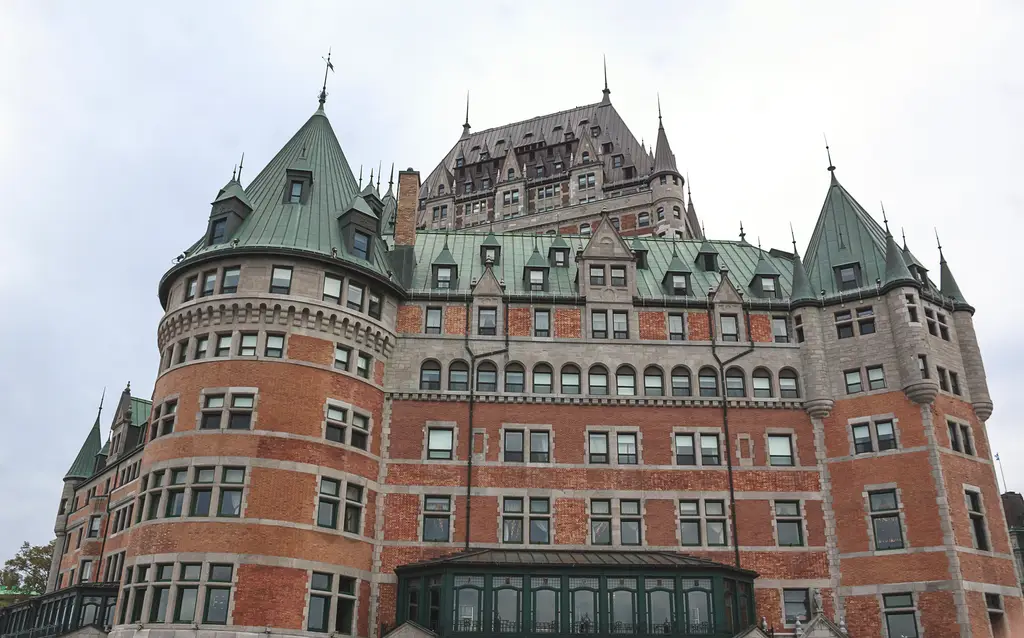
The building most people photograph in Quebec City, and you don't need to be a guest to see the best of it. The free view from Dufferin Terrace, especially at sunset, beats most of what you'd pay for inside.
9am-5:30pm daily, May 16-Aug 31, 2026; 10am-5:30pm daily, Sept 1, 2026-May 21, 2027·CAD 22 adult, CAD 20 senior (65+) or student (18+), CAD 8 ages 11-17, free age 10 and under, CAD 50 family (2 adults plus up to 3 children under 18); includes a 60-minute guided outdoor tour and museum access·1.5-2 hours
Closed Christmas Day and New Year's Daywalk in, or buy ahead online through the Citadelle's own ticketing site; visits are guided-only
Still an active base for the Royal 22nd Regiment, which is why every visit is guided rather than self-directed. Tours run rain or shine, so dress for the weather, not the forecast you hoped for.
the park itself has no gate and no posted hours; individual buildings inside it, like the Martello towers, keep their own separate hours that could not be verified during this research·free to walk the park; individual paid sites inside it (Martello towers, some seasonal exhibits) charge separately, current CAD figures not verified, check before you go·1-3 hours depending on how much of the battlefield history you want
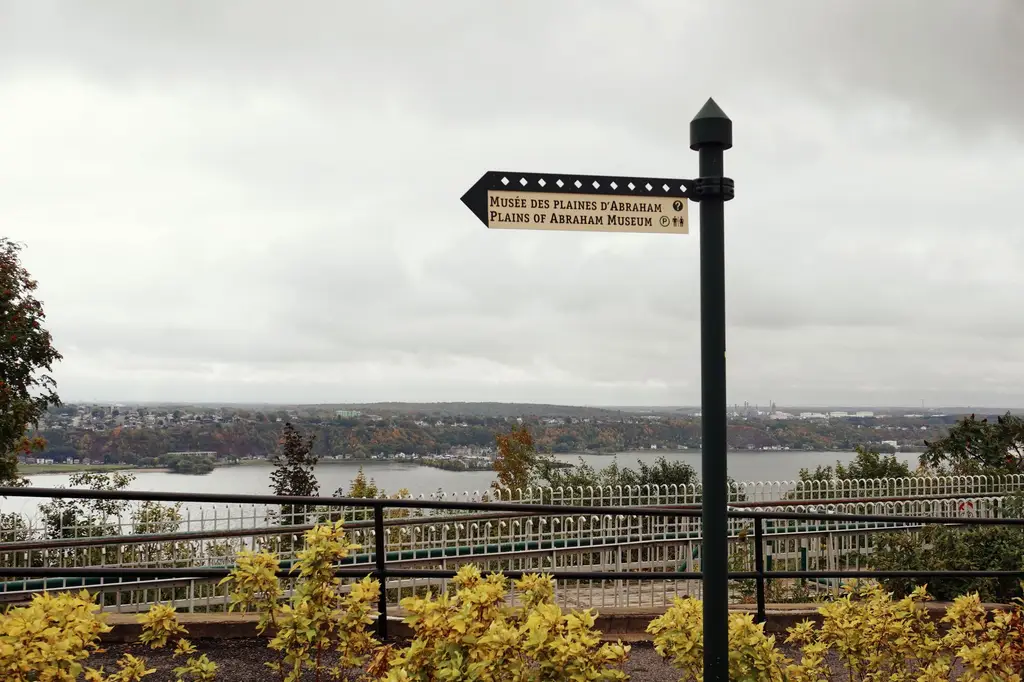
The site of the 1759 battle that decided who ran North America, now a huge public park bordering the Citadelle and MNBAQ. In winter parts of it are used for cross-country skiing and tobogganing in some years; confirm what's actually running before you plan around it.
could not be verified against sepaq.com during this research, which blocked automated access; check before you go·parking and the cable car are both paid separately from park entry; exact current CAD figures could not be verified, check before you go·1.5-2.5 hours
walk in; the cable car and via ferrata slots can be booked ahead in peak season through Sepaq's own site
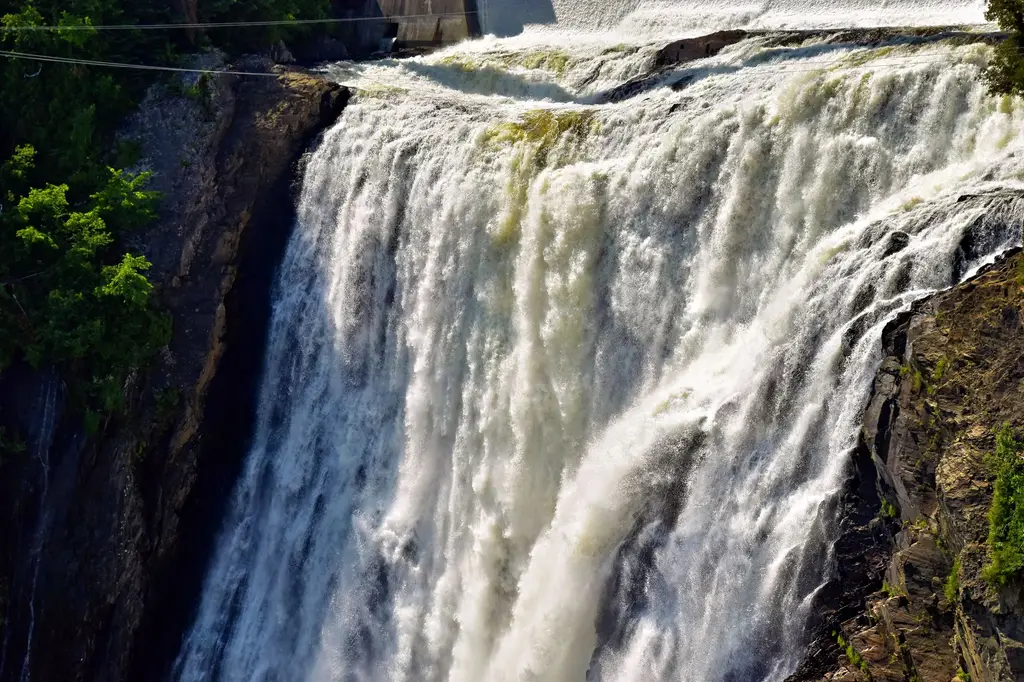
A short drive or bus ride east of downtown. In winter the spray freezes into a mound locals call the sugar loaf, and ice climbing on the frozen falls is a genuine local winter activity, confirm it's operating before you build a day around it.
reported as roughly 10am-5pm; the full weekly schedule and closing day could not be verified against mcq.org during this research, check before you go·not confirmed during this research, check mcq.org's own rates page before you go·2-3 hours
walk in, or online through the museum's own ticket shop
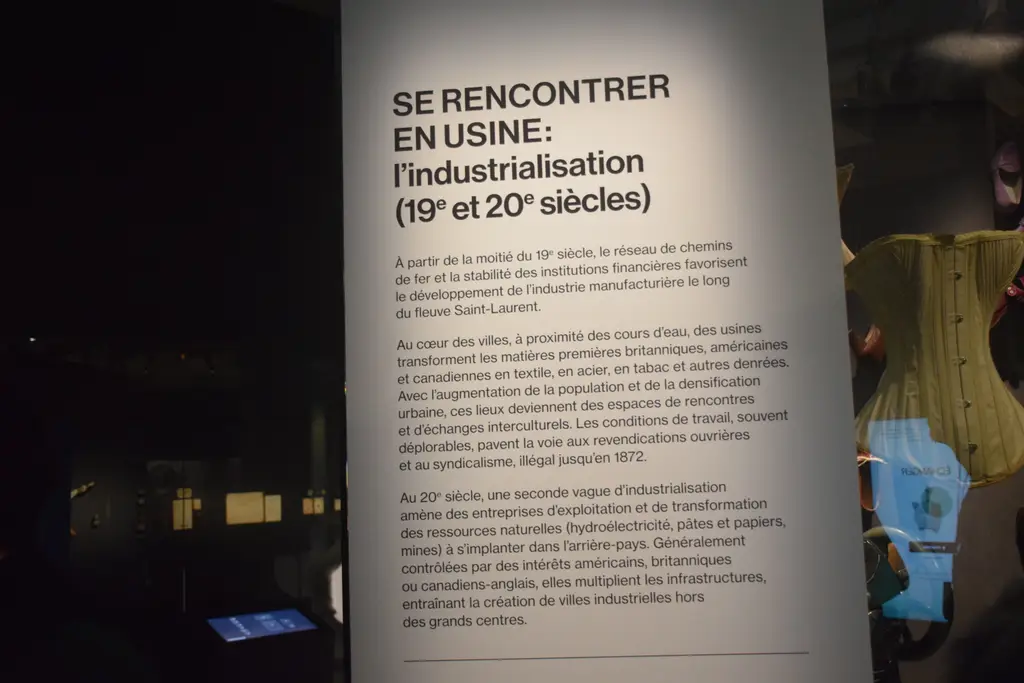
A general-audience history and culture museum by the Old Port, family-friendly and a good indoor option on a genuinely cold day, which in Quebec City is most winter days.
not confirmed during this research, check before you go·standard general admission not confirmed during this research; only special-exhibition pricing was findable, check mnbaq.org directly·2-3 hours
walk in, or online through the museum's own ticket shop
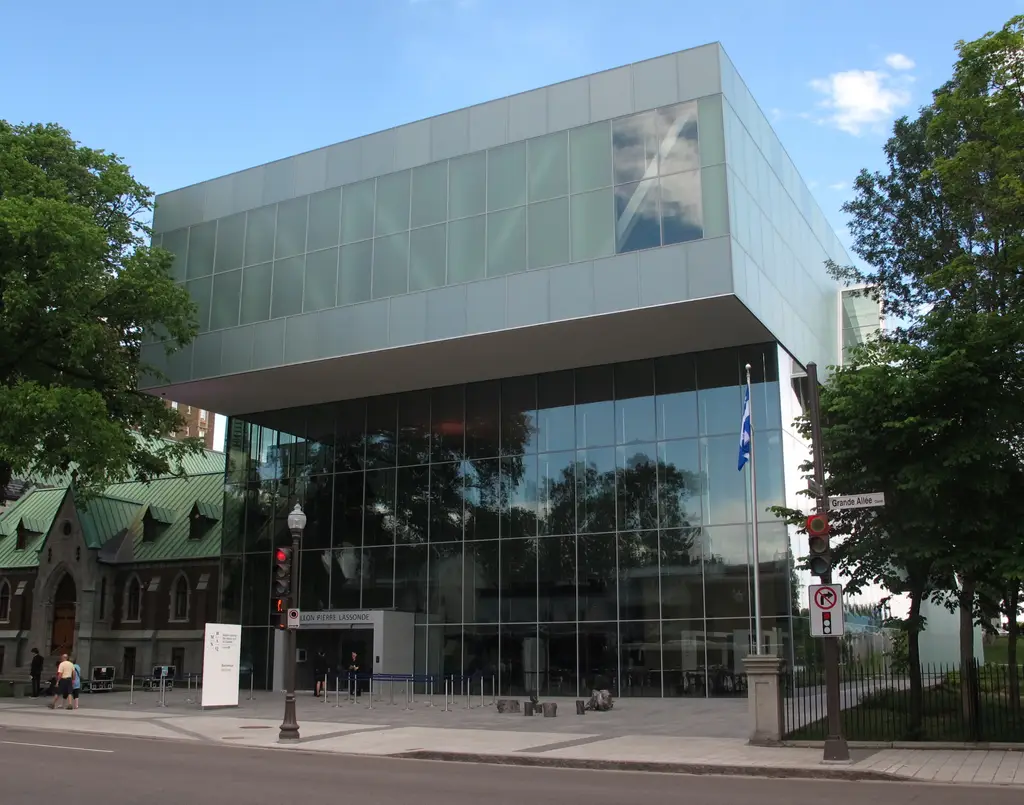
Quebec and Canadian art inside and beside the Plains of Abraham, anchored by the Riopelle collection. Easy to combine with a walk across the battlefield park.
New family entertainment centre opening in Quebec City (opening reported for 2026) with a free-flying butterfly aviary, a large mirror maze, jungle-themed mini-golf with animatronics, and an indoor playground. This is brand new, confirm it's actually open before you build a day around it since opening dates for this venue have shifted in reporting. Good option for a rainy day with kids if it is.
AURA at Saint-Roch Church
as of 2026-09
Viral
Immersive light and sound show by Moment Factory (the studio behind Montreal and Paris versions), staged inside a converted church, starting December 5. Time-limited installation starting December 5, 2026. Moment Factory's other AURA shows have been well reviewed, but confirm current dates before booking.
Napoleon: The Immersive Epic
as of 2026-09
Viral
VR experience, North American premiere in Quebec City, a 28-minute journey through key moments of Napoleon's life. Niche subject for a niche audience. If you're into history and VR it's a genuinely different format than the usual immersive projection show.
Old Quebec and Petit-Champlain
as of 2026-09
Viral
UNESCO-listed walled old town with cobblestone streets, the oldest commercial street in North America, and views over the St. Lawrence. This is the reason people come to Quebec City and it holds up. Go off-season if you can, summer crowds are heavy.
Quebec Winter Carnival
as of 2026-09
Viral
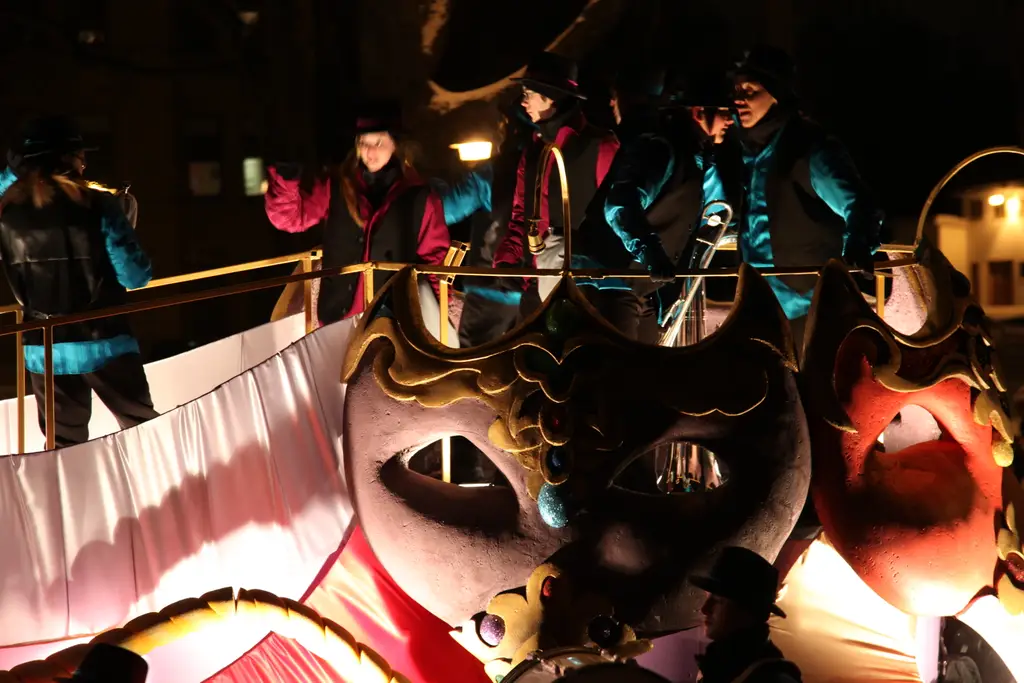
Annual February festival (running February 6-15, 2026) with parades, ice sculptures, and Bonhomme Carnaval, plus a themed Ice Palace. One of the better winter festivals in Canada, not a new discovery but still the city's biggest annual draw. Dress for real cold.
Ice canoe race on the St. Lawrence
as of 2026-09
Viral
Extreme ice canoeing race held during Winter Carnival (February 8, 2026), paddlers and runners crossing ice floes on the river between Quebec City and Lévis. Spectator event, free to watch from the shore or the ferry. Genuinely unusual, worth seeing once if you're there in February.
More to see (3)
7
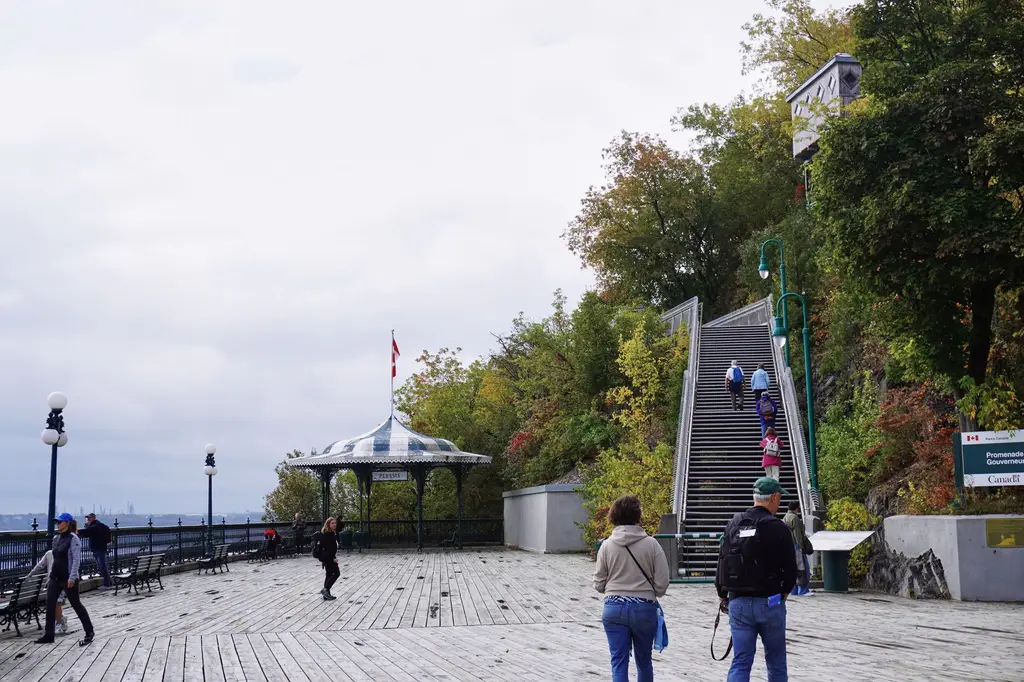
Old Quebec ramparts walk and Dufferin Terrace
always open, outdoor public space·free·1-2 hours for the terrace and a full loop of the walls
Quebec City is the only fortified city north of Mexico with its walls still intact, and walking them is free and self-paced. Go once in daylight for the river views and once after dark when the crowds thin out.
runs February 5-14, 2027, with evening and weekend programming across several downtown sites and the Plains of Abraham·an Effigie access pass covers many sites and activities; exact current CAD pricing could not be verified against carnaval.qc.ca during this research, check before you go·half a day to a full day per visit, spread across multiple sites
walk in for the outdoor sculptures and parades; buy the Effigie pass online or at a physical outlet ahead of your visit
The largest winter carnival in the world, built around Bonhomme, night parades, snow sculptures, and an ice canoe race across the frozen St. Lawrence. Book accommodation well ahead, the city fills up for it.
seasonal, typically winter months only; the exact 2026-27 season dates could not be verified due to site access problems, check before you go·day-visit and overnight pricing not verified during this research, check before you go·1-2 hours for a day visit
book ahead once you've confirmed the season is running, especially for an overnight stay
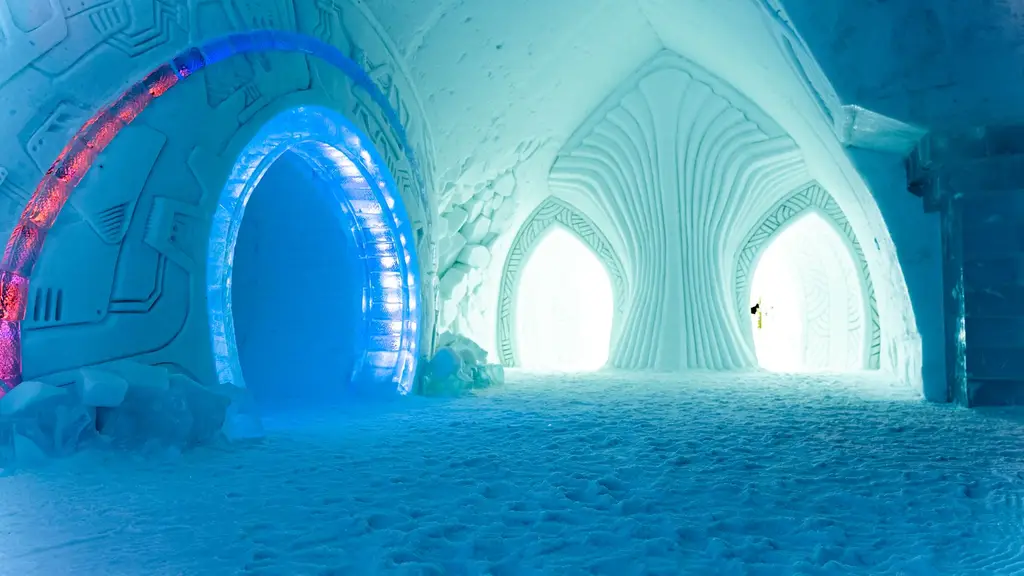
Rebuilt from snow and ice every winter a short drive outside the city. A day visit lets you see the ice rooms and bar without committing to a night on an ice bed, worth doing even if you're staying somewhere warmer.
Where to stay
Upper Town (Vieux-Québec, Haute-Ville)
Suits: first-timers who want to walk to everything
Château Frontenac, the ramparts, and most museums are a short walk away; also the most touristy and priciest area for food.
Lower Town (Petit-Champlain, Place-Royale)
Suits: travellers who want cobblestone charm and don't mind stairs or the funicular
North America's oldest commercial street, dense with shops and restaurants, genuinely beautiful and genuinely crowded in summer.
Saint-Roch
Suits: a more local, less touristy base with good food
A short walk or bus ride from Old Quebec, with a younger, more residential feel and noticeably lower restaurant prices.
Montcalm / Grande Allée
Suits: travellers who want nightlife and a walkable stretch of restaurants and bars
Just outside the walls near the Plains of Abraham, with easier parking than inside Old Quebec if you have a car.
Getting there and around
Getting there
Québec City Jean-Lesage International Airport (YQB) sits about 15km west of downtown. RTC bus route 76 runs between the airport and the Sainte-Foy bus and train stations most days; a taxi downtown takes 20-25 minutes outside rush hour. Most visitors from elsewhere in Canada arrive by VIA Rail from Montreal, about 3 hours, or drive Autoroute 40/20 along the St. Lawrence.
Getting around
Old Quebec is compact and walkable, but it's built on a cliff: Upper Town and Lower Town are connected by steep stairs, sloped streets, and the funicular that links Château Frontenac's terrace to Petit-Champlain (a short paid ride, or free with some transit passes). RTC runs the city's buses; a single fare is CAD 3.85 by card or CAD 4.00 cash, a day pass CAD 10.50. Most of what a first-time visitor wants is within Old Quebec's walls or a short bus ride away, and a car is more parking cost than convenience unless you're heading out to Charlevoix or the South Shore. Winter sidewalks are salted and ploughed but genuinely icy in spots; boots with real tread matter more than they do in Toronto or Montreal.
Map
City
Recommended (numbered)
Mentioned in an itinerary
Locations on this map
Quebec City46.81, -71.21
Château Frontenac46.81, -71.21
Citadelle of Quebec46.81, -71.21
Plains of Abraham / Battlefields Park46.80, -71.23
Montmorency Falls46.89, -71.15
Musée de la civilisation46.82, -71.20
Musée national des beaux-arts du Québec (MNBAQ)46.80, -71.22
Old Quebec ramparts walk and Dufferin Terrace46.81, -71.21
Carnaval de Québec (Quebec Winter Carnival)46.83, -71.25
Ice Hotel (Hôtel de Glace)46.94, -71.48
Petit-Champlain46.81, -71.20
Place-Royale46.81, -71.20
Saint-Roch46.82, -71.23
Canadian46.84, -71.27
Montcalm46.80, -71.23
Grande All46.80, -71.22
Old Port46.82, -71.20
Vieux-Port46.82, -71.20
Baie-Saint-Paul47.44, -70.51
La Malbaie47.66, -70.15
Charlevoix46.82, -71.21
Montreal46.76, -71.29
Old Montreal45.50, -73.56
What it costs
Stay
Food
Transport
Activities
Daily cost breakdown, CAD per person
Tier
Stay
Food
Transport
Activities
Total
Budget
CAD 60
CAD 40
CAD 10
CAD 20
CAD 130
Mid-range
CAD 160
CAD 80
CAD 20
CAD 30
CAD 290
Splurge
CAD 350
CAD 150
CAD 50
CAD 100
CAD 650
A mid-range day: CAD 160 hotel room in Upper Town or Saint-Roch split two ways or solo in a smaller property, CAD 10.50 RTC day pass, CAD 22 for the Citadelle tour, CAD 20 crepe or poutine lunch, CAD 45 sit-down dinner in Petit-Champlain that becomes closer to CAD 60 once tax and a 18% tip land on top. Comes to roughly CAD 260-290 without a museum or a second activity added in.
Money savers
Walking the ramparts, Dufferin Terrace, and most of Old Quebec's streets costs nothing; save the paid-attraction budget for the Citadelle and one museum rather than everything
Eat in Saint-Roch instead of Upper Town or Petit-Champlain for noticeably lower prices on the same quality of food
Factor the 14.975% combined tax and an 18-20% tip into every restaurant bill before you order, it routinely adds a quarter or more to the number on the menu
Skip the Château Frontenac's interior tour and get the same view for free from Dufferin Terrace, especially near sunset
Quebec City eats closer to rural Quebec tradition than Montreal's more cosmopolitan mix, and that shows in the menu: poutine, tourtiere, and cretons at breakfast rather than a wider international spread. Every price point does poutine here, from a casse-croute counter to a proper bistro in Old Quebec, and it is worth trying more than one version since gravy and curd quality vary a lot. Winter brings sugar shacks just outside the city where maple syrup is boiled down and poured straight onto snow. Saint-Roch has quietly become the better neighborhood for a real breakfast, away from the tourist strip in Old Quebec where prices run higher for less.
CAD 9-15·Anywhere from a casse-croute counter to a sit-down bistro, across every neighborhood
Must try
Fries, squeaky curds and gravy, and Quebec City takes the dish just as seriously as Montreal does. Curds should squeak; if they don't, move on to a different spot.
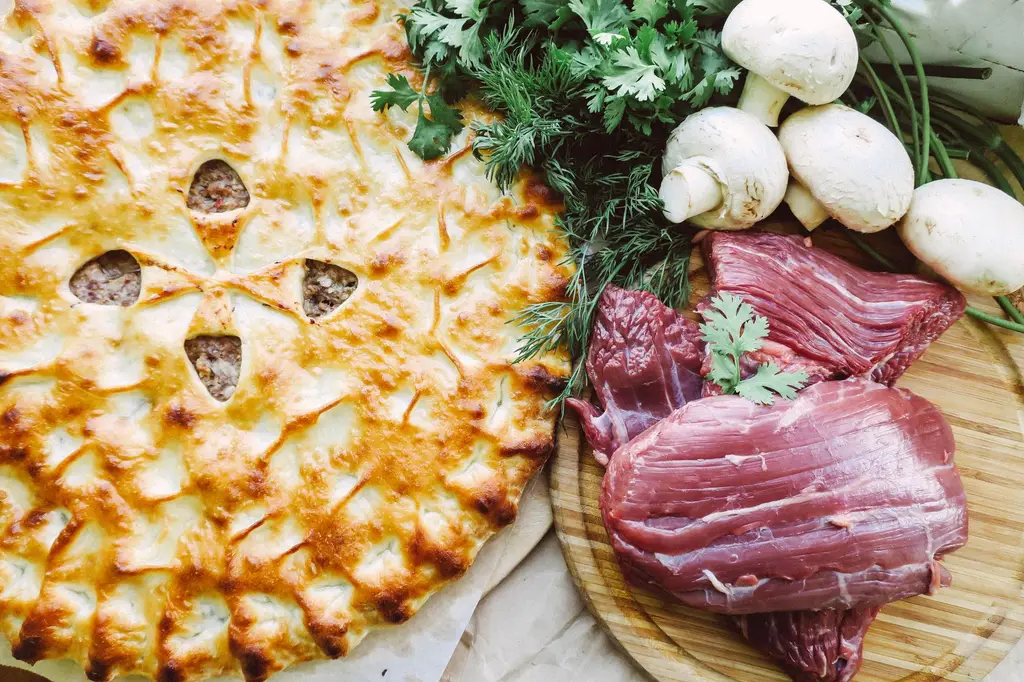
Tourtiere
CAD 12-18·Bistros and bakeries across Old Quebec and Saint-Roch, especially in winter
A spiced meat pie, traditionally eaten around the holidays but available year-round. Heavier and more savory than most visitors expect from the word 'pie'.
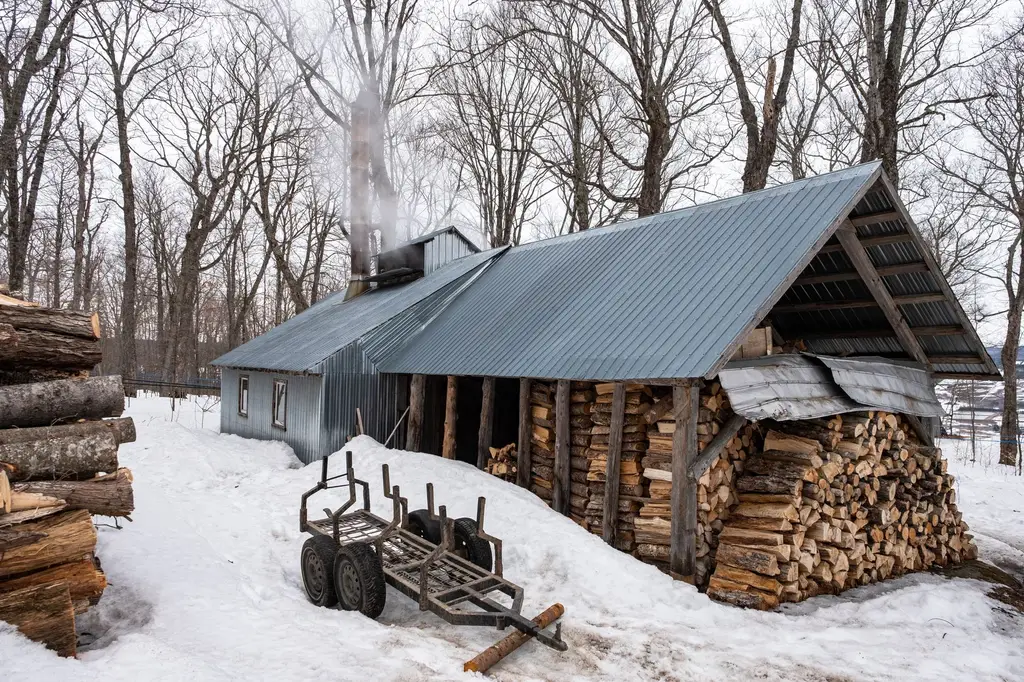
Tire sur la neige (maple taffy on snow)
CAD 3-5 per stick, often included in a sugar shack meal·Cabanes a sucre (sugar shacks) outside the city, mostly a winter and early-spring activity
Hot maple syrup poured onto packed snow and rolled onto a stick as it hardens. A genuinely fun, kid-friendly stop if you're visiting in sugaring season, roughly March into April.
Fromage en grains (cheese curds)
CAD 6-10 for a bag·Markets and grocery stores citywide, particularly the Marche du Vieux-Port
Eaten plain, room temperature, and squeaky, the same curds that go into poutine but worth trying on their own to understand what makes a good batch.
Cretons and a proper breakfast
CAD 10-16 for a full breakfast·Neighborhood cafes in Saint-Roch and Montcalm rather than the tourist strip
A spiced pork spread eaten on toast, a Quebec breakfast staple that rarely shows up on Old Quebec's tourist-facing menus. Saint-Roch's cafes do it better and cheaper.
Tarte au sucre (sugar pie)
CAD 5-8 a slice·Bakeries and bistros across Old Quebec and Saint-Roch
A dense maple and brown sugar pie, closer to pecan pie without the pecans, served in thin slices because it's rich. A traditional dessert that predates the current maple obsession.
Saint-Roch neighbourhood
as of 2026-09
Viral
District west of Old Quebec that has become the city's specialty coffee and independent restaurant hub, with roasters like Cafe Saint-Henri and Nektar alongside newer wine bars. This is where the interesting food and coffee is actually happening now, away from the Old Quebec tourist strip. Safer to recommend than any one shop since the whole area is shifting together.
Modern Quebecois tasting menus
as of 2026-09
Viral
A city-wide shift toward tasting menus built on hyper-local terroir, including produce grown on Ile d'Orleans, at restaurants like Coteau. Not a single hot spot, but a real direction the city's fine dining has been moving in. Good if you want a serious meal, less useful if you just want something quick and photogenic.
Saint-Sau Boulangerie-Café
as of 2026-09
Viral
The decades-old Boulangerie Louis Marchand in the Saint-Sauveur neighbourhood changed hands and rebranded as Saint-Sau Boulangerie-Café in spring 2026. A legacy bakery under new ownership with a cafe bolted on. Worth checking if you liked the old bakery, since a name change like this usually comes with a menu shift too.
Dot cakes
as of 2026-09
Viral
A brightly coloured, polka-dot-frosted cake trend that spread across Quebec in mid-2026, with bakeries reportedly assigning staff full time just to keep up. This is a looks-first dessert built for a photo, not a flavour hunt. It showed up in coverage from both Le Journal de Montréal and La Presse within a week of each other, so it's real demand, not one shop's marketing.
Paul Pizza
as of 2026-09
Viral
A New York-style pizza spot in Limoilou, opened in early 2026 by a 26-year-old chef. Four separate local outlets covered the opening between January and April 2026, which is heavy attention for one pizzeria. Limoilou keeps turning out these small, chef-driven spots worth tracking.
Safety and scams
Quebec City is safe by most measures, with low rates of violent crime and a walkable, well-lit historic core. The real hazards are physical rather than criminal: icy, sloped streets and stairs in winter, and the funicular and steep staircases between Upper and Lower Town catching people in unsuitable shoes. Petty theft exists but isn't concentrated the way it is in bigger tourist cities. Confirm a taxi's meter is running, and keep in mind that outside Old Quebec's tourist core, service defaults to French first.
Common mistakes
Assuming Quebec City will run in English the way Toronto or even Montreal does, and getting caught out the first time a server or shopkeeper answers only in French
Underestimating winter here as just a colder version of Toronto, and packing a coat without boots that actually grip ice
Not budgeting for the roughly 15% combined tax and an 18-20% tip landing on every restaurant bill, then being surprised at checkout
Trying to do the Citadelle, the full ramparts walk, and a museum in a single day, all close together on a map but genuinely large on foot
Skipping Montmorency Falls and Île d'Orléans because they feel like a detour, when both are a short trip from downtown and worth a half day each
Visiting during Carnaval without booking accommodation well ahead, the city genuinely fills up for its own festival
Frequently asked questions
How many days do you need in Quebec City?
Three days covers Old Quebec, the Citadelle, and one museum without rushing. Five days adds Montmorency Falls and Île d'Orléans. A week lets you add Charlevoix. Quebec City alone isn't a two-week destination; longer stays work better paired with deeper Charlevoix time or a Montreal day trip by train.
Is Quebec City more French than Montreal?
Yes, noticeably. Montreal runs comfortably bilingual, especially downtown. Quebec City is genuinely French-first day to day; English gets you through hotels, the Citadelle, and the major museums, but a neighbourhood restaurant or shop is a different experience. A few French phrases go further here than in Montreal.
How cold does Quebec City get in winter?
Colder than both Toronto and Montreal in the same week, with real, accumulating snow rather than the occasional dusting. Winter here isn't a footnote to the trip, it changes what's open, what you should pack, and shapes the city's own identity around events like Carnaval de Québec.
Is the Quebec Ice Hotel still open?
It's rebuilt from snow and ice every winter a short drive outside the city, but exact current-season operating dates and pricing should be confirmed directly before you plan around it, since this changes year to year and isn't independently verifiable.
When is Carnaval de Québec?
The 2027 edition runs February 5-14, confirmed on the festival's own site. It's the largest winter carnival in the world, built around the character Bonhomme, night parades, snow sculptures, and an ice canoe race across the frozen St. Lawrence. Book accommodation well ahead, the city fills up for it.
Do I need a car in Quebec City?
Not for Old Quebec itself, it's compact and walkable, connected by the funicular between Upper and Lower Town. A car becomes useful for Montmorency Falls, Île d'Orléans, and especially Charlevoix, though a bus or organized tour reaches Montmorency Falls without one.
Are prices in Quebec City shown with tax included?
No. Quebec's combined sales tax, 5% GST plus 9.975% QST, about 14.975% total, is added at the till, not built into the menu or shelf price. Combined with a 15-20% tipping norm at sit-down restaurants, the real bill runs noticeably above the number you first see.
How do you get from Quebec City to Montreal?
VIA Rail runs the corridor in about 3 hours, generally more comfortable and central than driving. It's a realistic day trip if you want to see both cities on one Quebec City-based visit, though staying overnight in Montreal makes for a less rushed version of the same idea.
Is Quebec City safe?
Yes, by most measures, with low violent crime and a walkable, well-lit historic core. The real hazard is physical: icy, sloped streets and staircases in winter between Upper and Lower Town. Dress and shoe for that season specifically rather than for a generic Canadian winter.