Things to Do in Manuel Antonio: Itineraries, Costs and Food
A small Pacific coast town wrapped around Costa Rica's smallest, most visited national park, where sloths and monkeys share trails with beach-bound crowds.
By Labeeb Mirza · Published September 8, 2026 · Updated September 8, 2026
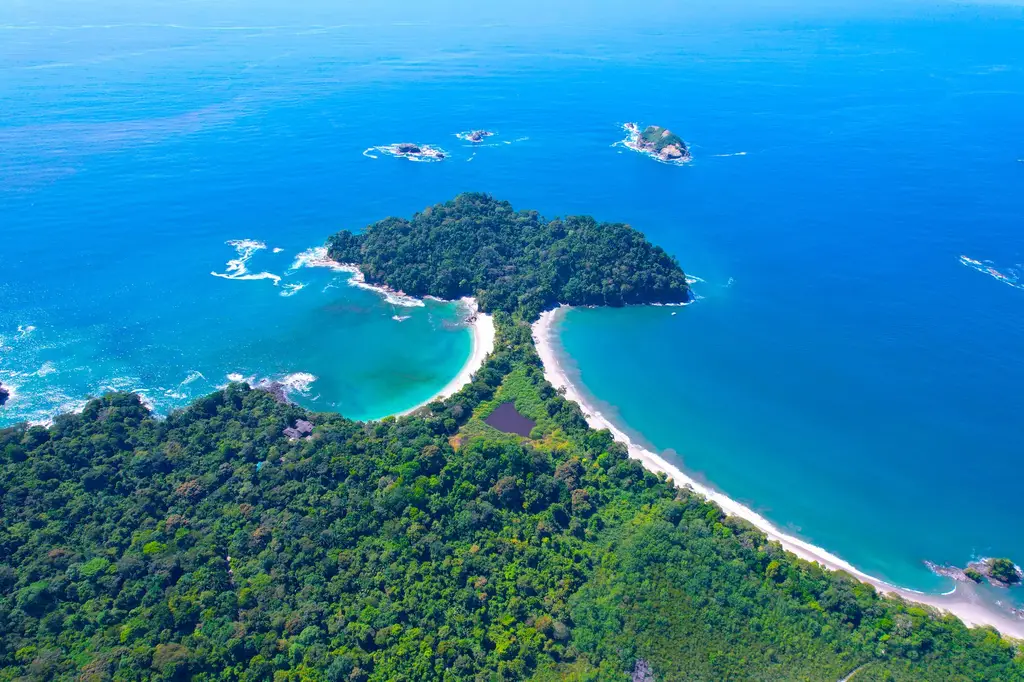
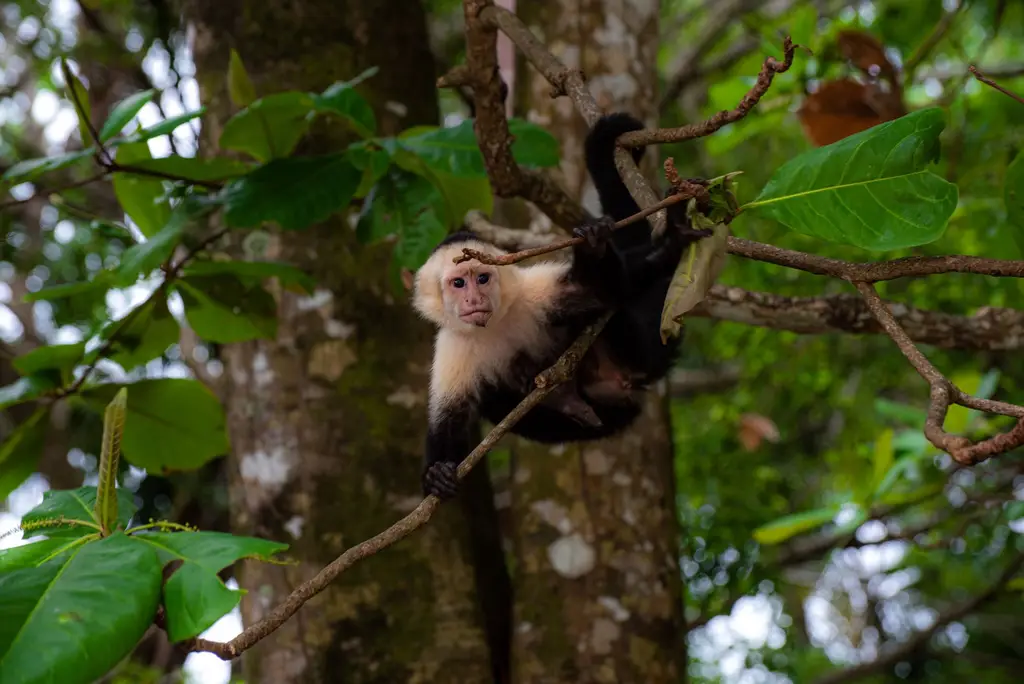
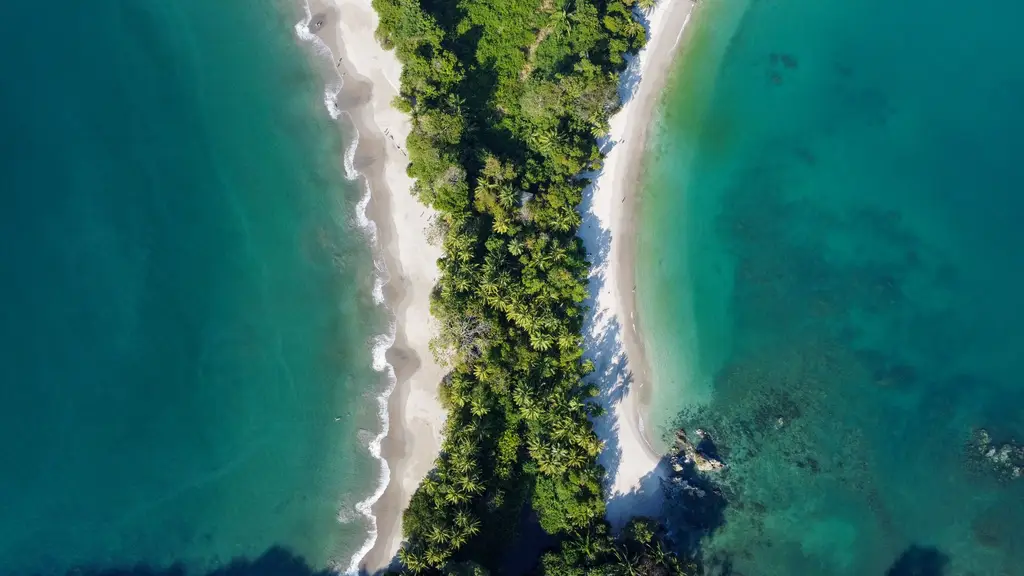
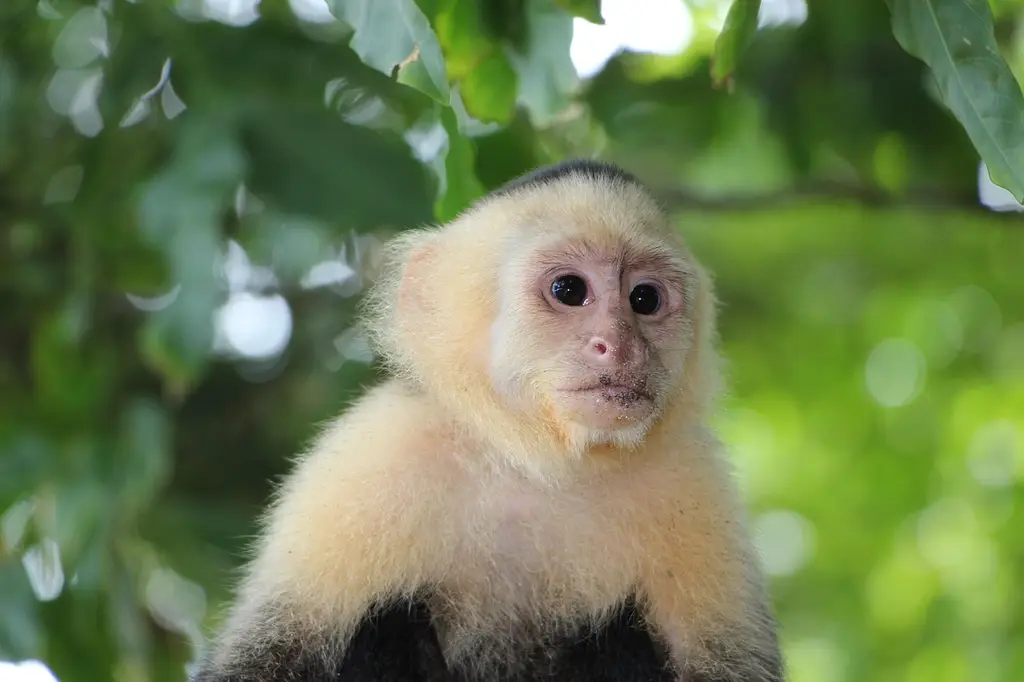
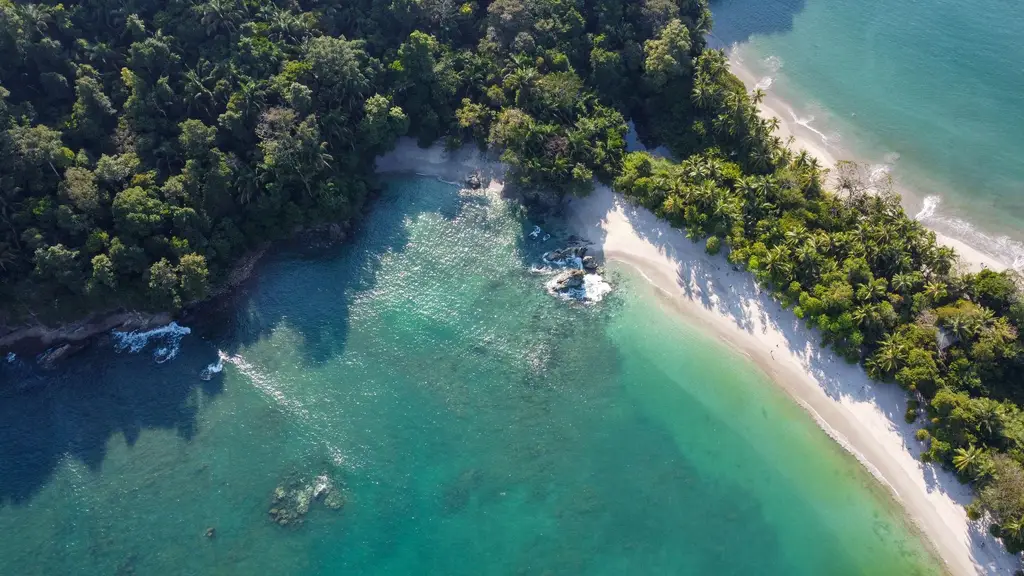
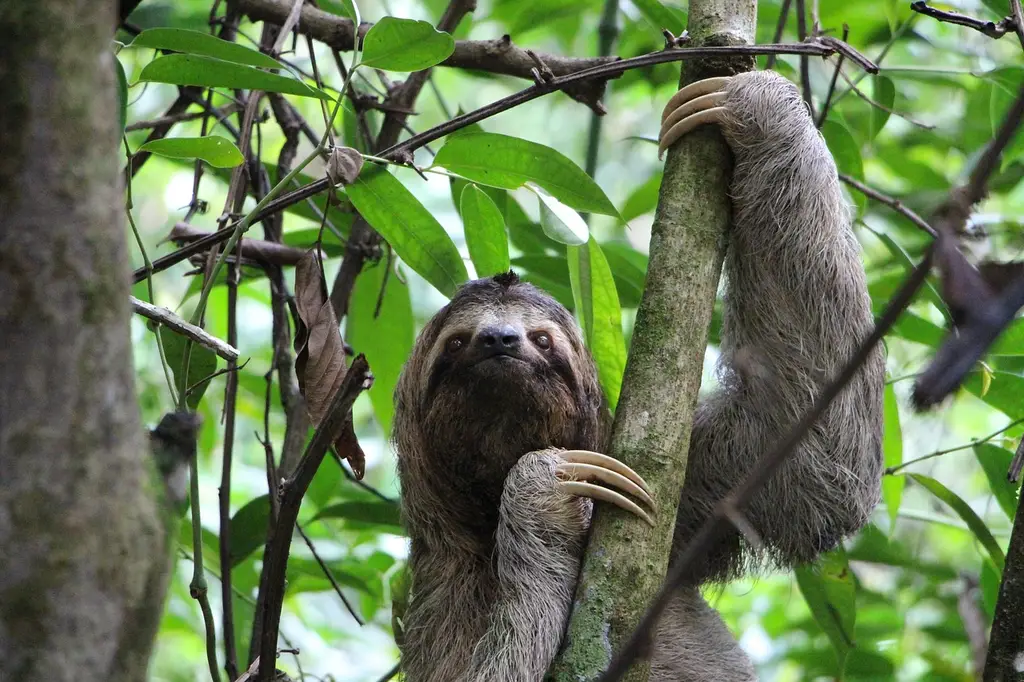
Manuel Antonio is really two places stacked on one hillside: a strip of hotels and restaurants along the road from Quepos, and the national park at the bottom of it, a compact reserve where rainforest runs straight into white sand beaches. The park is small, under 700 hectares of land plus a marine section, but it packs in one of the highest wildlife-sighting rates in the country. Sloths hang low enough to photograph without a zoom lens, white-faced capuchins raid picnic bags, squirrel monkeys move through the canopy in loose troops, and iguanas sun themselves on the trail edges without moving for anyone. That density is exactly why the park now runs a hard visitor cap and a reservation system, and why the whole town's rhythm bends around park hours. Outside the park, Manuel Antonio works as a beach base: surf breaks, tide pools, boat tours into the mangroves at Damas Island, and a hillside covered in mid-range to high-end hotels with ocean views. It's more developed and more expensive than most of the Costa Rican coast, and it draws a heavier day-tripper crowd from San Jose because it's close enough for a long day trip. Two to three nights is enough to do the park properly and get a beach day in without rushing.
Labeeb: the reservation requirement for Manuel Antonio catches people off guard. Do it before you land, not the night before.
Labeeb: paying for a licensed guide at the park entrance is one of the few guide upsells I'd actually call worth it here, they carry spotting scopes and radio each other about where the sloths and monkeys currently are, so you see far more per hour than walking the trails solo.
Labeeb: the town's single main road gets genuinely hot to walk at midday, plan errands for morning or after 4pm.
Labeeb: Playa Biesanz gets a fraction of the crowd Espadilla does and it's not even inside the park boundary, worth the short unmarked trail to find it.
A single focused day: national park in the morning, beach and town in the afternoon.
Day 1: Park and beach
Morning
Enter Manuel Antonio National Park early, ideally with a licensed guide, and spend 3-4 hours on the main trails looking for sloths, capuchins, squirrel monkeys, and iguanas before the midday heat and crowds build.
Afternoon
Cool off on one of the park's beaches or head to Playa Espadilla just outside the gate, then walk back up into town for lunch at a soda away from the main strip.
Evening
Dinner on the beach road with an ocean view, then an early night if you're catching transport out the next morning.
Tip: Book the park reservation before you land, not on arrival.
National park day, a beach and boat tour day, and a slower recovery day.
Day 1: Arrival and settle in
Morning
Travel from San Jose or Quepos, check into your hotel, unpack.
Afternoon
Walk Playa Espadilla or Playa Biesanz for an easy first swim without a booking.
Evening
Dinner in town, early night to be ready for an early park entry the next day.
Tip: Confirm your park reservation time slot the night before.
Day 2: Manuel Antonio National Park
Morning
Enter the park at opening with a guide, spend the morning on the wildlife trails.
Afternoon
Time on one of the park's protected beaches, then exit before the afternoon rain builds.
Evening
Relaxed dinner, no plans, recover from the heat.
Tip: Bring reef-safe sunscreen, water, and cash for park-side snacks.
Day 3: Damas Island and departure prep
Morning
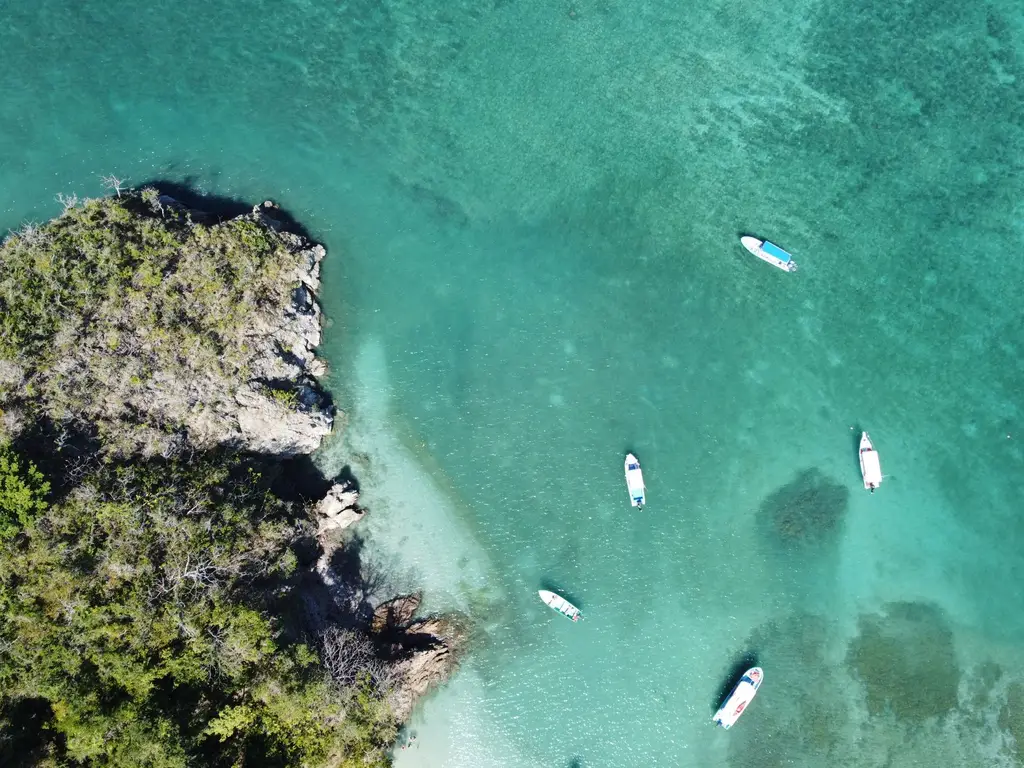
Damas Island mangrove boat tour for birds and estuary wildlife, a different ecosystem from the park.
Afternoon
Free time for souvenir shopping in Quepos or a last swim.
Evening
Final dinner, pack for an early departure.
Tip: Book the mangrove tour a day or two ahead in high season.
Park, beaches, mangrove tour, and an inland day at Rainmaker before departure.
Day 1: Arrival
Morning
Travel in from San Jose or Quepos airport, settle into accommodation.
Afternoon
Easy beach walk at Playa Espadilla, no bookings needed.
Evening
Dinner in town, early night.
Tip: Reserve your park slot before this trip starts.
Day 2: Manuel Antonio National Park
Morning
Guided park visit for the wildlife trails.
Afternoon
Beach time inside the park before exiting.
Evening
Low-key dinner, recover from the heat.
Tip: Aim for the earliest available entry slot.
Day 3: Damas Island mangroves
Morning
Boat tour through the Damas Island estuary.
Afternoon
Rest or a second beach session at Playa Biesanz.
Evening
Dinner with a view on the hillside.
Tip: Bring binoculars for the mangrove birdlife.
Show all 5 days
Day 4: Rainmaker inland day
Morning
Drive or shuttle inland to Rainmaker Conservation Park for the hanging bridges and river canyon.
Afternoon
Return to Manuel Antonio, shower, relax.
Evening
Casual dinner, pack for the next region if moving on.
Tip: Rainmaker's trails get slick after rain, wear real hiking shoes.
Day 5: Free day and departure
Morning
Sportfishing charter out of Quepos or a slow beach morning.
Afternoon
Last-minute shopping, transfer prep.
Evening
Departure or onward travel.
Tip: Build in extra time for the coastal highway on departure day.
Regional itinerary using Manuel Antonio as a base with a day trip further south toward Uvita.
Day 1: Arrival
Morning
Travel in, check in.
Afternoon
Playa Espadilla for an easy first swim.
Evening
Dinner in town.
Tip: Confirm the park reservation before landing.
Day 2: Manuel Antonio National Park
Morning
Guided park visit.
Afternoon
Park beach time.
Evening
Rest.
Tip: Bring cash, card machines inside the park area are unreliable.
Day 3: Damas Island mangroves
Morning
Boat tour.
Afternoon
Recovery, pool or beach.
Evening
Dinner out.
Tip: Wear light long sleeves for mosquitoes on the boat.
Show all 7 days
Day 4: Rainmaker inland day
Morning
Hanging bridges and river canyon at Rainmaker.
Afternoon
Return and rest.
Evening
Casual dinner.
Tip: Trails are wetter and cooler than the coast, pack a light layer.
Day 5: Day trip south to Uvita / Marino Ballena
Morning
Drive roughly 1.5-2 hours south to Marino Ballena National Park for the whale-tail sandbar and a quieter beach.
Afternoon
Explore Uvita, lunch at a local soda, swim at low tide when the sandbar is exposed.
Evening
Drive back to Manuel Antonio, dinner.
Tip: Check tide times before the drive, the sandbar is only visible at low tide.
Day 6: Slow beach day
Morning
Playa Biesanz for a quieter swim and light snorkeling.
Afternoon
Free time, spa or hammock, or a sportfishing half-day.
Evening
Nicer dinner on the hillside strip.
Tip: Book any sportfishing charter a few days ahead.
Day 7: Departure
Morning
Pack, last walk on the beach.
Afternoon
Transfer to Quepos airport or shuttle to San Jose.
Wednesday-Monday 7:00am-3:00pm·USD 16 + IVA (Costa Rica's 13% VAT, so roughly USD 18 total) for foreign/non-resident adults (over 12); USD 5 + IVA for children 2-12; under-2s free. Costa Rican residents and nationals pay CRC 1,600 adult / CRC 500 child (6-12); residents 65+ enter free with ID.·4-6 hours
Closed TuesdayTickets are sold only through the official online portal (serviciosenlinea.sinac.go.cr, linked from the SINAC park page) and each ticket is valid for one entry only; bring photo ID matching the ticket. The park page does not publish the exact daily visitor cap figure, only that entry is ticket-limited, so book as early as you have dates rather than relying on a specific number.
Costa Rica's smallest but most visited park, run on a hard reservation system. The exact daily cap number isn't published on the official page; the practical takeaway is the same, book online well ahead rather than showing up hoping for a walk-in spot.
Free public beach right by the park entrance, no reservation needed. Livelier and less protected than the beaches inside the park.
3
Damas Island mangrove boat tour
Morning and afternoon departures, tour-operator dependent·check before you go·3-4 hours
book a day or two ahead in season
Boat tours through the Damas Island mangrove estuary for birds, crabs, and the occasional caiman. Run by private operators, no single official park-style booking site to verify against.
4
Rainmaker Conservation Park
check before you go·check before you go·3-4 hours
advance booking recommended
Private reserve inland toward the mountains with hanging bridges over a river canyon and cooler, wetter forest than the coast. Could not verify hours or price against an official page; confirm before you go.
5
Playa Biesanz
always open·free·2-3 hours
Small cove beach reached by a short unmarked trail off the main road, calmer water than Espadilla, popular for snorkeling at high tide.
6
Quepos sportfishing charters
Typically half-day or full-day departures, early morning start·check before you go·4-8 hours
book a few days ahead
Quepos is a recognized sportfishing hub for sailfish and marlin. Prices vary widely by boat and operator, confirm directly before booking.
Manuel Antonio National Park guided walk
as of 2026-09
Viral
Guided naturalist walks with spotting scopes through one of Costa Rica's smallest but most biodiverse parks, aimed at finding camouflaged sloths and monkeys. A guide raises your chance of actually spotting wildlife from around 40% to 85-90%. Skip the guide and you're mostly walking a pretty trail without seeing much.
KSTR Wildlife Sanctuary tour
as of 2026-09
Viral
Guided tours of a rescue and rehabilitation sanctuary housing sloths, monkeys, and parrots, supporting ongoing conservation work. This is a legitimate rescue operation, not a photo-op sloth encounter, which is the distinction that matters. Avoid any operator offering you a sloth to hold for a picture, that's a different and welfare-questionable business.
Damas Island mangrove boat tour
as of 2026-09
Viral
Boat tours through the mangrove estuary at Damas Island, spotting monkeys, birds, and reptiles in the roots and canopy. Quieter and less crowded than the national park itself. Good option if the park trails feel too busy.
Catamaran sunset tour
as of 2026-09
Viral
Half-day sailing trips along the coast near Quepos, usually including lunch, snorkeling, and a sunset return. Reliable and scenic, priced like most Costa Rica boat tours. Fine as a relaxed day after a more active one.
Canopy zipline tours
as of 2026-09
Viral
Zipline circuits through rainforest canopy near Quepos, often marketed as another way to spot wildlife from above. Fun for the zipline itself, don't expect to actually see much wildlife while moving fast through the canopy. Treat it as an adventure activity, not a nature tour.
ATV and waterfall rainforest tours
as of 2026-09
Viral
Off-road ATV tours to jungle waterfalls with swimming stops in natural pools. Standard adventure-tour combo, well-executed by most local operators. Good if you want to combine off-roading with a swim.
Where to stay
Manuel Antonio hill (main road)
Suits: First-timers, ocean-view seekers
Closest to the park entrance, walkable to restaurants, priced at a premium for the view.
Quepos town
Suits: Budget travelers, longer stays
Cheaper beds, real town feel, a short bus or taxi ride from the park entrance.
Playa Espadilla / beach road
Suits: Beach-first travelers
Flatter, closer to the sand, less climbing than the hillside hotels.
Getting there and around
Getting there
Fly into San Jose (SJO), then either a 25-minute domestic flight to Quepos (XQP) or a 3-3.5 hour drive/shuttle south on the coastal highway. Shared shuttles run USD 15-45 one way; private transfers run USD 100-180. Domestic flights run roughly USD 90-150 one way.
Getting around
The town is a single road climbing from Quepos to the park entrance, walkable in sections but steep and hot at midday. Local buses run the Quepos-Manuel Antonio route cheaply and frequently. Taxis (official red cars) and hotel shuttles cover everything else. A rental car is useful for day trips south toward Uvita but is dead weight for anything inside town.
Map
City
Recommended (numbered)
Mentioned in an itinerary
Locations on this map
Manuel Antonio9.39, -84.13
Manuel Antonio National Park9.43, -84.16
Playa Espadilla (public beach, outside park)9.40, -84.16
Rainmaker Conservation Park9.58, -84.21
Playa Biesanz9.40, -84.16
Quepos sportfishing charters9.42, -84.16
Uvita9.17, -83.74
Marino Ballena9.13, -83.75
Marino Ballena National Park9.13, -83.75
Isla Damas9.45, -84.19
Dominical9.25, -83.86
What it costs
Stay
Food
Transport
Activities
Daily cost breakdown, CRC per person
Tier
Stay
Food
Transport
Activities
Total
Budget
CRC 20
CRC 20
CRC 5
CRC 15
CRC 60
Mid-range
CRC 70
CRC 40
CRC 15
CRC 15
CRC 140
Splurge
CRC 200
CRC 80
CRC 40
CRC 0
CRC 320
Hostel dorm or budget cabina USD 20, casado lunch USD 8, dinner from a soda USD 10, local bus into the park entrance USD 2, park entrance fee (confirm current price on SINAC), water and snacks USD 5.
Money savers
Eat at sodas in Quepos town instead of the restaurant strip on the hill, prices drop noticeably a few blocks off the main road
Stay in Quepos and bus up rather than paying the hillside ocean-view premium
Skip the paid boat tours and just walk Playa Biesanz for snorkeling instead
Book the park reservation yourself directly rather than paying a hotel or agency markup on top of the entrance fee
Manuel Antonio's food leans coastal and simple: whole fish grilled over charcoal, ceviche made that morning, and casados everywhere else. Quepos town, just down the hill from the park entrance, has the better prices and the more honest cooking; the beachfront restaurants right along Playa Espadilla charge a real premium for the view. This is not a food destination the way parts of Mexico or even San Jose's Barrio Escalante can claim to be, but a good grilled fish dinner after a day in the park is one of the better simple meals in the country.
CRC 9,000-15,000·Beachfront restaurants along Playa Espadilla
Must try
A whole fish grilled over charcoal, served with rice, beans and salad. The signature dinner here, best eaten watching the sunset even though you'll pay for that view.
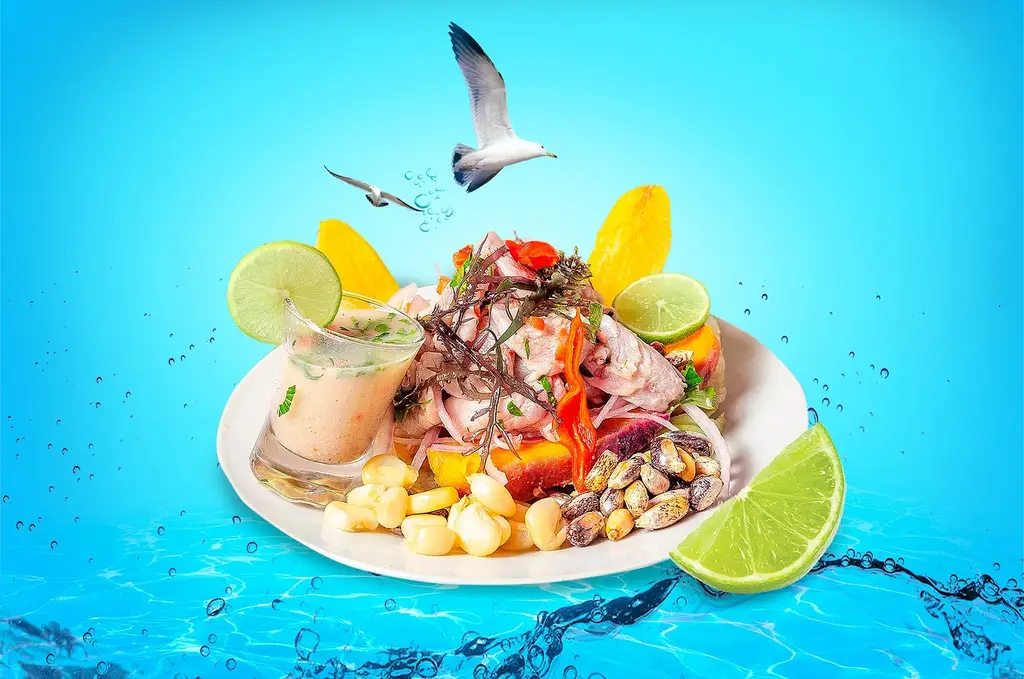
Fresh ceviche
CRC 4,000-7,000·Quepos waterfront stands and restaurants
Must try
Local fish cured in lime with onion, cilantro and chile, usually made that morning at the smaller waterfront spots. Cheaper and often fresher in Quepos than on the beach.
Casado
CRC 3,500-6,000·Sodas in Quepos town
The standard rice, beans, plantain and protein plate, noticeably cheaper in Quepos than at the beachfront restaurants a short drive up toward the park entrance.
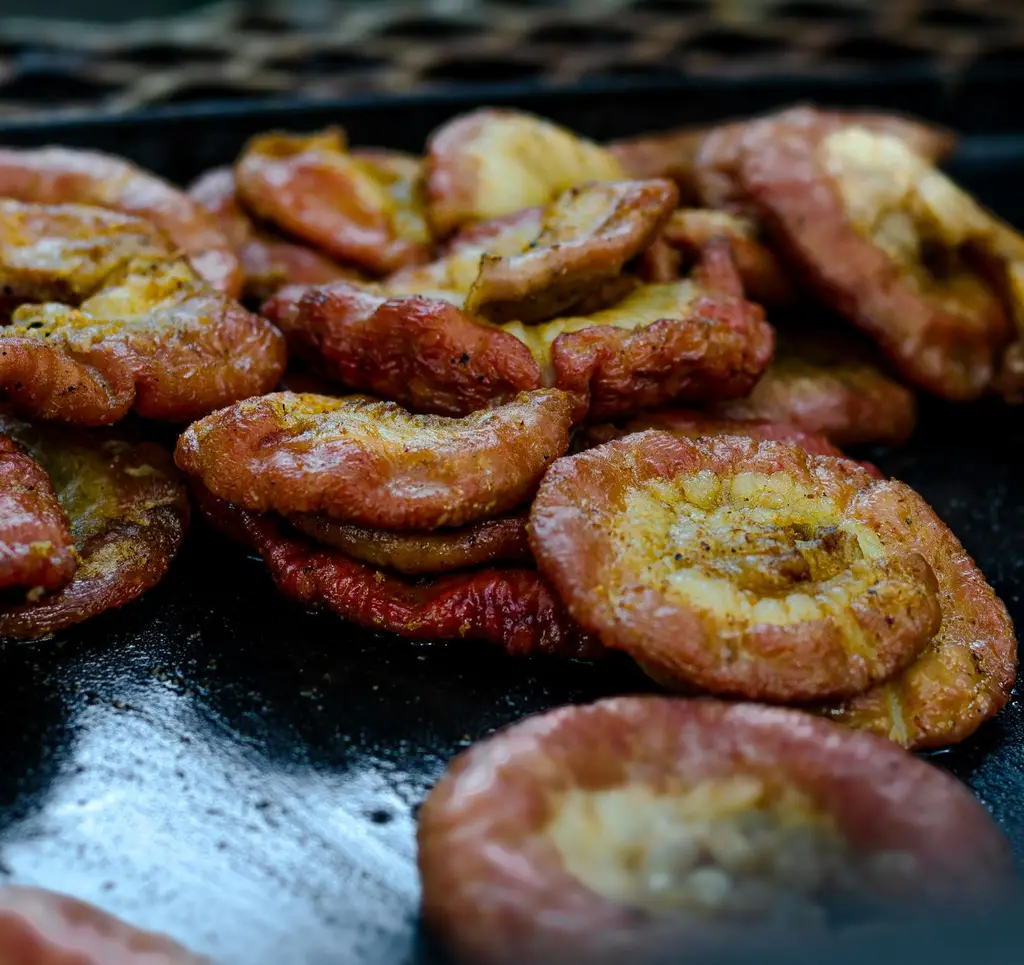
Patacones with guacamole
CRC 2,500-4,000·Almost any soda or restaurant in town
Twice-fried green plantain rounds, crisp outside and starchy inside, served as an appetizer or side. A reliable, simple snack while you wait on a main.
Arroz con leche
CRC 1,500-2,500·Sodas and small restaurants in Quepos
Rice pudding with cinnamon, a simple, homestyle dessert that shows up on most soda menus. Not fancy, but a good finish after a plate of grilled fish.
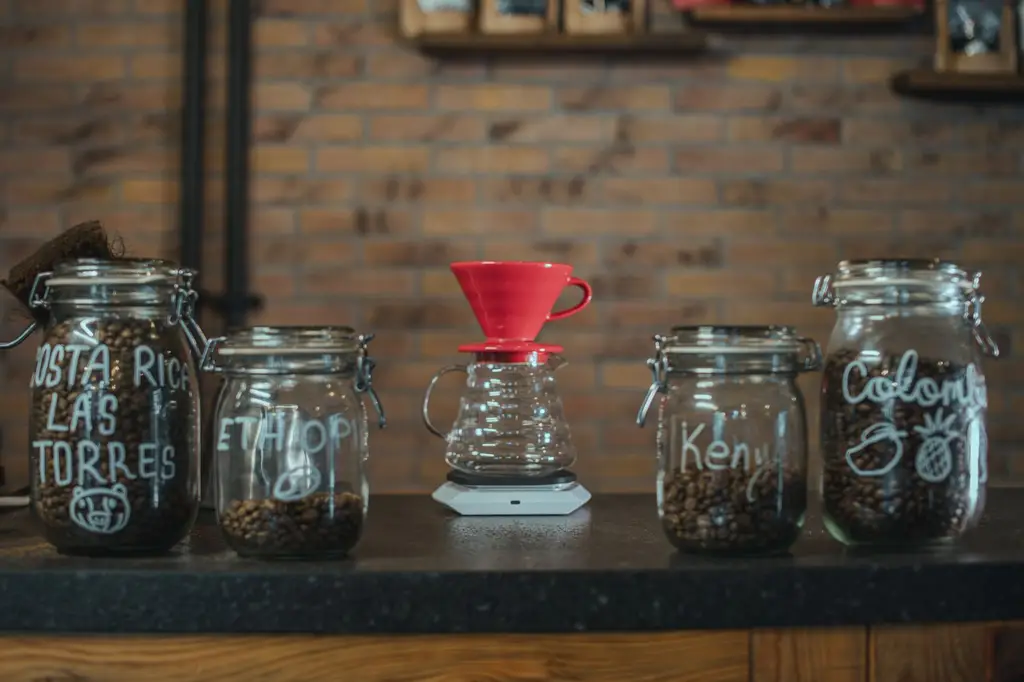
Local coffee
CRC 1,200-2,200·Cafes in Quepos and near the park entrance
Grown in the hills above the coast, brewed strong and usually served with condensed milk if you ask for it 'con leche'. A good way to start the day before the park.
El Avion
as of 2026-09
Viral
A restaurant and bar built inside a decommissioned cargo plane on a hillside above Manuel Antonio, with ocean views and a mixed Costa Rican-international menu. The novelty of eating in a plane has kept this one relevant for years rather than a single viral moment. Reviews note the setting outshines the food, some inconsistency reported. Go for the view and the story, keep expectations modest on the plates.
Emilio's Cafe
as of 2026-09
Viral
A hillside breakfast and coffee spot overlooking Manuel Antonio beach, run by an owner known for sourcing his own coffee. Consistently well reviewed through 2026, ranked in the top 20 of nearly 100 restaurants in town. A genuinely good, reliable breakfast stop rather than a hype spot.
Safety and scams
Manuel Antonio is generally safe but has a real theft problem on the beaches, unattended bags and phones disappear fast, and rental car break-ins happen at trailhead parking. Riptides exist on the open beaches, swim near lifeguarded areas when possible. Do not feed the monkeys or leave food accessible, they will take it aggressively. Traffic on the narrow hillside road has no real shoulder for pedestrians.
Common mistakes
Showing up to Manuel Antonio National Park without a reservation, assuming walk-in entry is possible; the park runs a daily cap and reservations are required, confirm current rules on the official SINAC site before you travel
Leaving bags unattended on the beach while swimming
Bringing food into the park in an open bag, provoking capuchin monkeys to grab it
Trying to see the whole park solo without a guide and missing most of the wildlife a guide would have spotted
Underestimating the humidity and skipping water for a multi-hour park visit
Booking a hillside hotel for the view without checking how steep and long the walk to the beach or restaurants actually is
Frequently asked questions
Do I need a reservation for Manuel Antonio National Park?
Yes. Manuel Antonio runs on an online reservation system through SINAC, Costa Rica's national parks authority, with a daily visitor cap. Walk-in entry is not guaranteed and can mean being turned away. Book your entry slot in advance directly through the official SINAC booking site before you travel.
What is the daily visitor cap and closing day for Manuel Antonio National Park?
The park is known for operating a hard daily cap and a weekly closing day as part of its reservation system, but we could not verify the current specific numbers against an official source. Confirm the current cap, closing day, and entrance price directly on the official SINAC site before your trip.
How much does it cost to enter Manuel Antonio National Park?
Pricing differs for Costa Rican residents, other Central American nationals, and foreign visitors, and it can change. Treat any price you see on a blog as unverified and confirm the current fee on the official SINAC booking system before you go.
Is Manuel Antonio worth visiting if I've already seen other Costa Rica parks?
Yes for wildlife density specifically. It's one of the smallest parks in the country but has one of the highest sighting rates per hour, sloths, both capuchin and squirrel monkeys, and iguanas are commonly seen on a single visit, which isn't guaranteed in larger, less-trafficked parks.
Should I hire a guide inside the park?
It's genuinely worth it here. Licensed guides carry spotting scopes and share real-time information with each other about where animals currently are, so a guided group typically sees significantly more wildlife per hour than someone walking the trails alone.
How many days do I need in Manuel Antonio?
Two to three days covers the national park and a beach day comfortably. A full week or more only makes sense if you're using the town as a base for day trips to Damas Island, Rainmaker, or further south toward Uvita and Marino Ballena.
Is Manuel Antonio expensive compared to the rest of Costa Rica?
Yes, noticeably. Limited buildable land on the hillside and high demand push accommodation and restaurant prices above most other coastal towns. Staying in Quepos town instead of on the hill and eating at local sodas cuts costs significantly.
Can I see the park's beaches without paying to enter?
Yes. Playa Espadilla, just outside the park gate, is a free public beach with no reservation needed, and Playa Biesanz is a separate free cove beach nearby. Both are less protected and typically busier than the beaches inside the park itself.
What's the best time of year to visit Manuel Antonio?
December through April is the dry season with the most reliable weather, though it's also the busiest and most expensive stretch. May, June, November and early December offer a shoulder-season balance of decent weather and lighter crowds.