Things to Do in San Jose: Itineraries, Costs and Food
San Jose is mostly a stopover, not a destination in itself. Most visitors land here and leave within a day for the coast, Arenal, or Monteverde.
By Labeeb Mirza · Published September 8, 2026 · Updated September 8, 2026
Best timeDec-Apr
Daily budget (mid)CRC 100
Ideal length3 days
CurrencyCRC
Overview
San Jose sits in the Central Valley at about 1,170 meters, which makes it noticeably cooler than the beach towns most people are headed to. Be honest about what this city is: a transit hub. Almost everyone flying into Juan Santamaria International passes through San Jose on the way to somewhere else, and very few extend their stay here on purpose. That said, it's not nothing. The Museo del Oro Precolombino and the Teatro Nacional are genuinely worth an afternoon if you have one, and the Central Valley around the city holds a cluster of day trips (Poas or Irazu volcano, the Orosi Valley, coffee farms, the Basilica in Cartago) that are easier to reach from San Jose than from the coast. The city itself is a working Latin American capital, not a resort town: traffic, noise, uneven sidewalks, uneven blocks. Downtown has real museums and a genuinely nice pedestrian core around Avenida Central during the day, and it empties out and gets rougher after dark in some areas. Treat San Jose the way most Ticos do: a place to sleep, eat well, maybe hit a museum, and then move on to the volcanoes, cloud forest, or coast that actually brought you to Costa Rica.
What I actually think
Labeeb: San Jose in the dry season mornings feels genuinely pleasant, cool air, clear light on the mountains ringing the valley, and then by early afternoon the volcano peaks nearby cloud over and stay that way. Plan volcano day trips for the morning, not as an afterthought.
Labeeb: the altitude difference from the coast catches people off guard. You land at a beach-brain temperature expectation and San Jose is sweater weather at night, especially if you're coming straight off a flight.
Labeeb: the safety advice for downtown San Jose isn't paranoia, it's specific. Rougher blocks are rougher in a way you can feel walking through them in daylight, and that gap between day and night character is real, not exaggerated by guidebooks.
Labeeb: treating this city as a one or two night layover rather than a destination is the right call. The Central Valley day trips are the actual draw, San Jose itself is where you sleep between them.
Itineraries
A single day in the city before heading onward, museums and downtown only.
Day 1: San Jose city day
Morning
Museo del Oro Precolombino first thing, then walk Plaza de la Cultura and Avenida Central. Coffee stop in the pedestrian core.
Afternoon
Teatro Nacional visit, then Mercado Central for lunch at a soda inside the market. Watch your bag in the crowded aisles.
Evening
Taxi to Barrio Escalante for dinner, it's the neighborhood that actually feels good to walk around after dark.
Tip: Do the museums before 2 PM, they close by 4:30 and 4:00 respectively.
City day plus two Central Valley day trips before moving on to the coast or Arenal.
Day 1: San Jose city day
Morning
Museo del Oro Precolombino, then Plaza de la Cultura and downtown walk.
Afternoon
Teatro Nacional, Mercado Central for lunch, browse the craft stalls.
Evening
Dinner in Barrio Escalante.
Tip: Confirm your Poas or Irazu reservation for tomorrow before you sleep.
Day 2: Poas Volcano day trip
Morning
Early departure for Poas Volcano National Park, aim to be at the crater viewpoint before mid-morning clouds roll in.
Afternoon
Stop at a Central Valley coffee farm on the way back for a tour and tasting.
Evening
Relaxed dinner back in San Jose or Escazu.
Tip: Poas requires an advance online SINAC reservation, book before you go.
Day 3: Cartago and Orosi Valley
Morning
Basilica de Nuestra Senora de los Angeles in Cartago.
Afternoon
Drive the Orosi Valley loop for mountain and lake views, or substitute Irazu Volcano if you skipped Poas.
Evening
Head to the airport or onward transport toward the coast or Arenal.
Tip: Cartago and Orosi pair well as one loop, don't try to do both volcanoes on this trip length.
San Jose as a base for the Central Valley: both volcanoes, Cartago, Sarchi, and coffee country.
Day 1: Arrival and city orientation
Morning
Land, settle in, rest if it's an early flight.
Afternoon
Museo del Oro Precolombino and downtown walk.
Evening
Dinner in Barrio Escalante.
Tip: Book both SINAC volcano reservations now if you haven't already.
Day 2: Poas and coffee country
Morning
Poas Volcano National Park, early for the crater.
Afternoon
Coffee farm tour in the Central Valley on the way back.
Evening
Free evening in San Jose.
Tip: Bring a light jacket, Poas sits above 2,700m and gets cold and windy.
Day 3: Cartago and Orosi
Morning
Basilica in Cartago.
Afternoon
Orosi Valley scenic loop.
Evening
Return to San Jose.
Tip: The Basilica gets busy on weekends with pilgrims, weekdays are calmer.
Show all 5 days
Day 4: Irazu and Sarchi
Morning
Irazu Volcano National Park, the highest point accessible by road in the country.
Afternoon
Sarchi for oxcart workshops on the way back, or as a standalone half day if Irazu runs long.
Evening
Teatro Nacional if you haven't been yet, or a relaxed dinner.
Tip: Irazu and Sarchi in one day is ambitious, split them if your schedule allows a 6th day.
Day 5: Departure or onward travel
Morning
Mercado Central for last-minute souvenirs and coffee to bring home.
Afternoon
Head to the airport or transfer point for the coast or Arenal.
Evening
n/a
Tip: Buy coffee at the Mercado, not the airport, prices roughly double past security.
This is a Central Valley regional itinerary based in San Jose, not seven days inside the city.
Day 1: Arrival and city orientation
Morning
Land, settle in.
Afternoon
Museo del Oro Precolombino and Plaza de la Cultura.
Evening
Dinner in Barrio Escalante.
Tip: Confirm SINAC reservations for both volcanoes now.
Day 2: Poas and coffee country
Morning
Poas Volcano National Park.
Afternoon
Coffee farm tour and tasting.
Evening
Free evening.
Tip: Book the farm tour a day ahead in high season.
Day 3: Cartago and Orosi
Morning
Basilica de Nuestra Senora de los Angeles.
Afternoon
Orosi Valley loop.
Evening
Return to San Jose.
Tip: Bring cash for small roadside stops in the valley.
Show all 7 days
Day 4: Irazu volcano
Morning
Irazu Volcano National Park.
Afternoon
Return via Cartago if you want a second look, or rest in San Jose.
Evening
Teatro Nacional visit.
Tip: Irazu's summit is exposed, pack a windbreaker even in dry season.
Day 5: Sarchi and Zarcero
Morning
Sarchi oxcart workshops.
Afternoon
Zarcero's topiary park if time allows, about 45 minutes further.
Evening
Return to San Jose for dinner.
Tip: Combine Sarchi and Zarcero only if you have a full day, they're not close together.
Day 6: Free day or extend to La Paz Waterfall Gardens
Morning
La Paz Waterfall Gardens near Poas, a private reserve with trails and wildlife exhibits.
Afternoon
Return to San Jose.
Evening
Final dinner, revisit Barrio Escalante or try somewhere new.
Tip: This is a good day to swap in whatever you skipped earlier in the week.
Day 7: Departure
Morning
Mercado Central for coffee and souvenirs.
Afternoon
Transfer to airport or onward to the coast.
Evening
n/a
Tip: Leave 2-3 hours of buffer for airport traffic from downtown.
A full Central Valley regional itinerary using San Jose as a base, not fourteen days in the city itself.
Day 1: Arrival and city orientation
Morning
Land, settle in.
Afternoon
Museo del Oro Precolombino and downtown walk.
Evening
Dinner in Barrio Escalante.
Tip: Book both SINAC volcano reservations immediately.
Day 2: Poas and coffee country
Morning
Poas Volcano National Park.
Afternoon
Coffee farm tour.
Evening
Free evening.
Tip: Go early, Poas clouds over by midday.
Day 3: Cartago and Orosi
Morning
Basilica de Nuestra Senora de los Angeles.
Afternoon
Orosi Valley loop.
Evening
Return to San Jose.
Tip: Weekdays are quieter at the Basilica.
Show all 14 days
Day 4: Irazu volcano
Morning
Irazu Volcano National Park.
Afternoon
Rest or explore Cartago further.
Evening
Teatro Nacional.
Tip: Pack layers, the summit is cold and windy year-round.
Day 5: Sarchi and Zarcero
Morning
Sarchi oxcart workshops.
Afternoon
Zarcero topiary park.
Evening
Return to San Jose.
Tip: This makes a long day, start early.
Day 6: La Paz Waterfall Gardens
Morning
La Paz Waterfall Gardens near Poas.
Afternoon
Return via a second coffee region stop if you want more depth.
Evening
Free evening in San Jose.
Tip: Good rain-day option, most of the park is covered trail.
check before you go·check before you go·1-1.5 hours
walk in (typical for this museum, unverified)
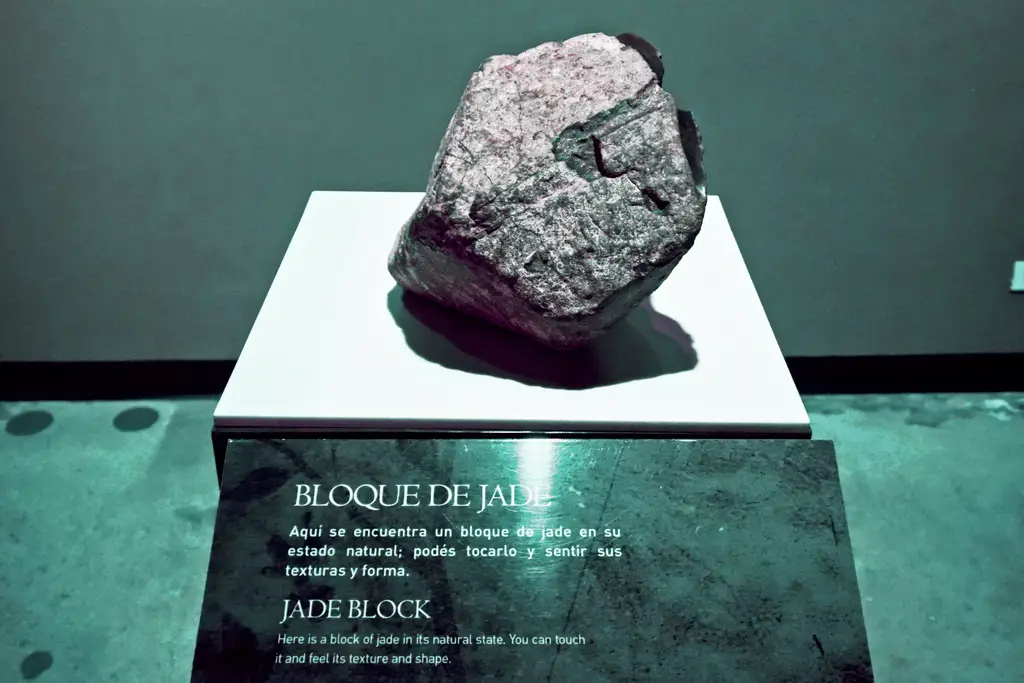
Largest jade collection in the Americas, pre-Columbian pieces plus indigenous ceramics and gold. Could not reach an official site to confirm current hours or price.
4
Mercado Central
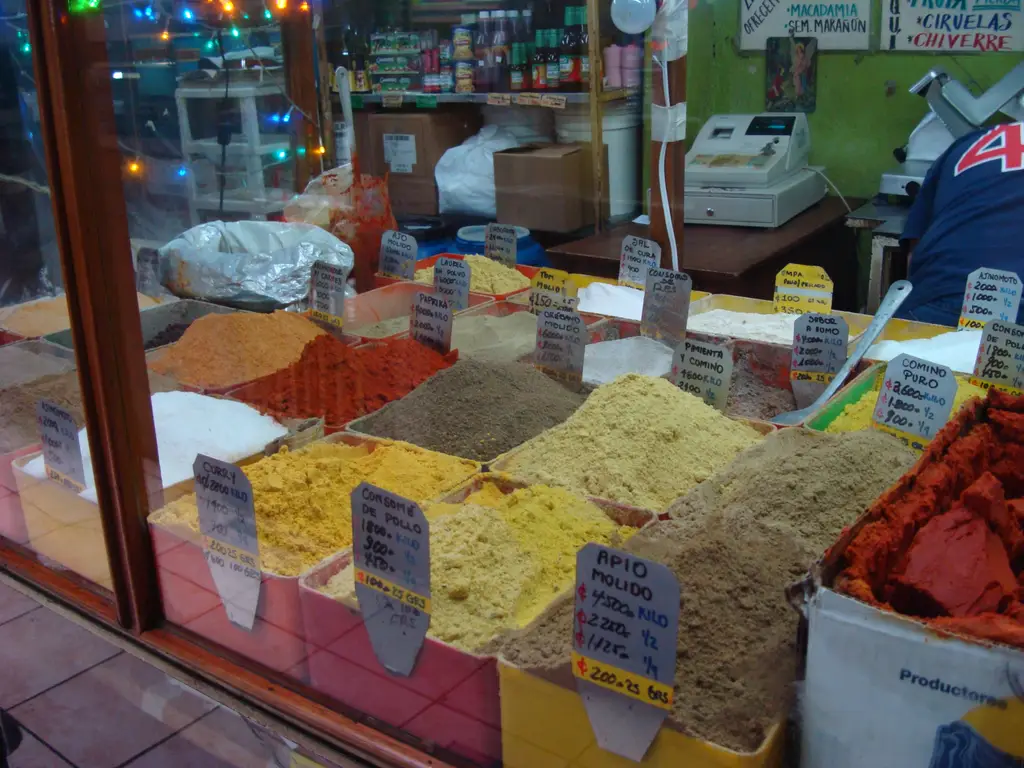
6:00 AM - 6:00 PM (Mon-Sat, shorter Sun), typical market hours·free to enter·1 hour
Century-old covered market: sodas, spice stalls, leather goods. Watch your bag, it's also a pickpocket hotspot the safety advisory flags directly.
5
Basilica de Nuestra Senora de los Angeles (Cartago)
check before you go·free·1-1.5 hours incl. travel from San Jose
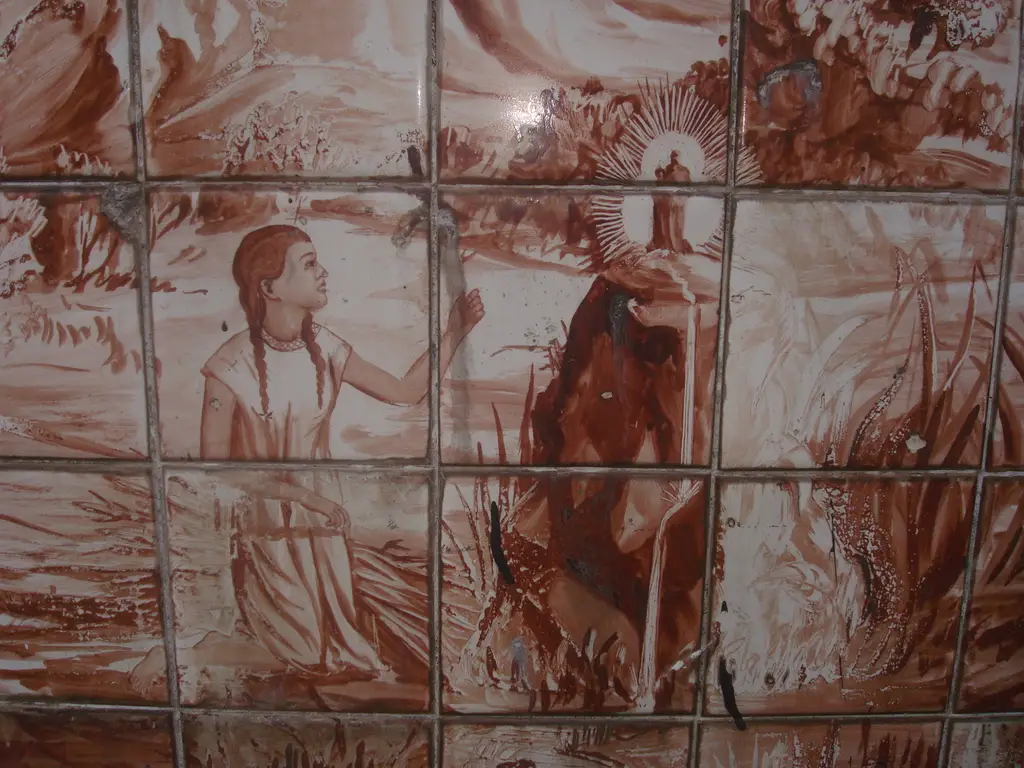
Byzantine-style basilica in Cartago (Costa Rica's former capital, 30-40 min from San Jose), home to La Negrita, the country's patron saint icon. Hours unconfirmed; confirm before you go.
6
Poas Volcano National Park
check before you go·check before you go·half day incl. travel (about 1.5 hours each way from San Jose)
advance online reservation required through SINAC's booking system
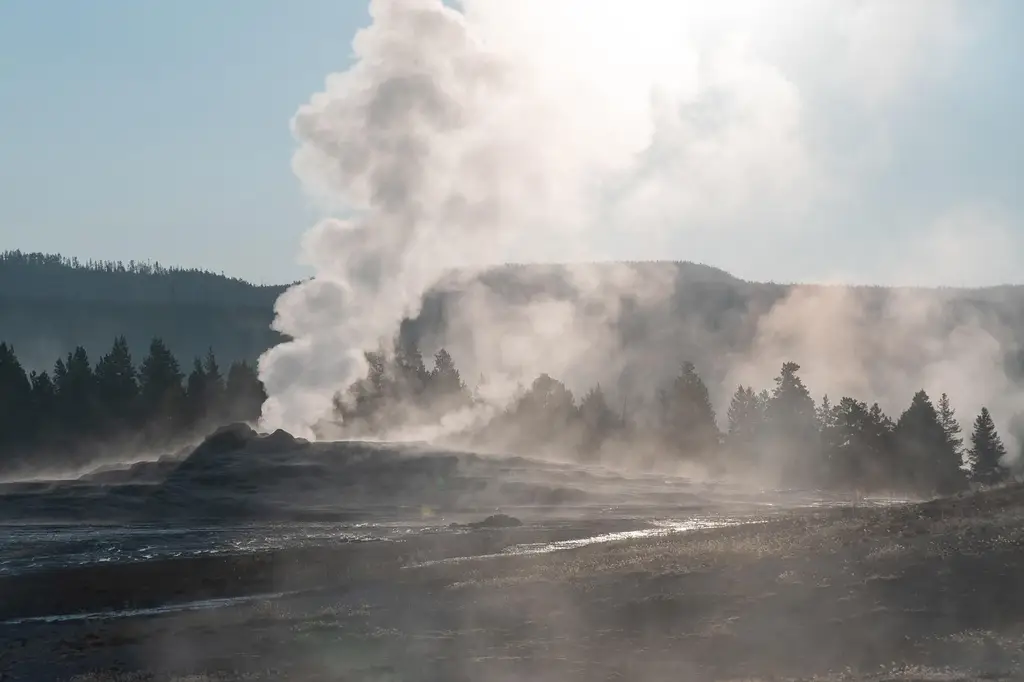
Active crater lake, one of the most accessible volcanoes in Costa Rica. SINAC confirms Poas is on the mandatory online reservation system; couldn't confirm current price or hours through it.
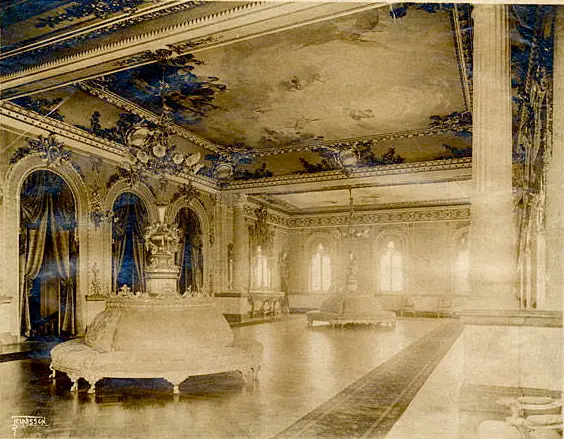
Neo-classical opera house modeled on the Paris Opera House, San José's top-rated attraction, hosting opera and symphony since 1897. Worth the interior tour even if you're not seeing a performance. The building itself is the draw.
Museo del Oro Precolombino (Pre-Columbian Gold Museum)
as of 2026-09
Viral
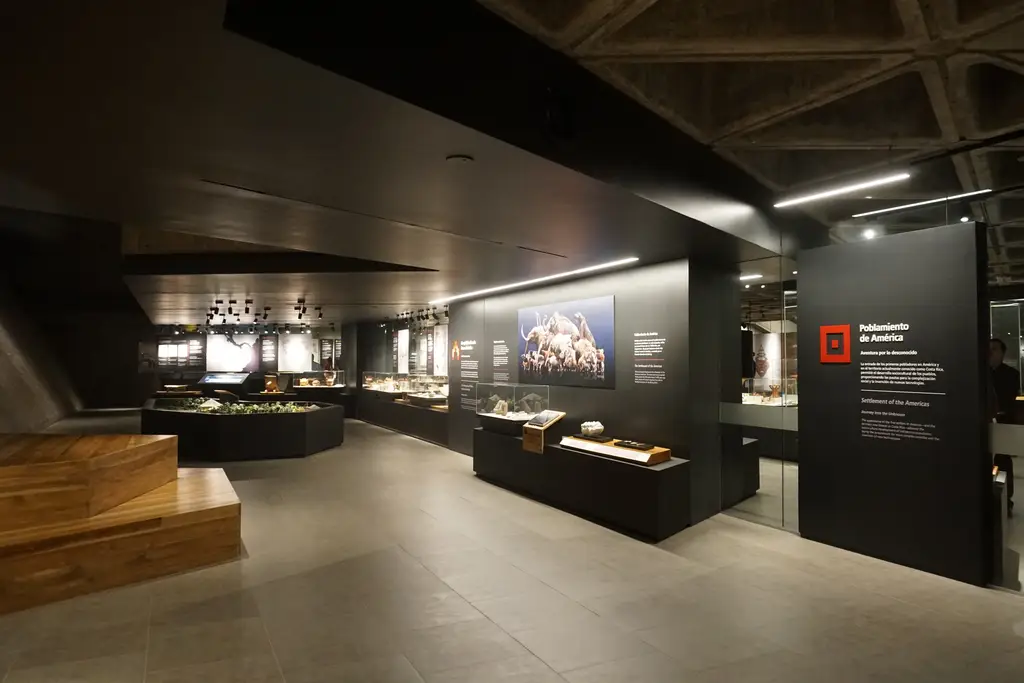
Underground museum beneath the Plaza de la Cultura holding pre-Columbian gold artifacts. Small but dense, an hour is enough. Good rainy-day option in a city that isn't otherwise built for tourists.
Mercado Central
as of 2026-09
Viral
Historic central market with food stalls, sodas, and craft vendors, a working local market rather than a tourist recreation. Go for the atmosphere and a coffee, not expecting a curated experience. It's genuinely a locals' market.
Coffee and chocolate estate tours (Doka Estate or Café Britt)
as of 2026-09
Viral
Half-day tours from San José to coffee plantations on the Poás or Barva volcano foothills, covering harvesting, roasting, and tasting, often paired with a chocolate-making stop. Reliably good and educational, a solid way to spend a morning outside the city. Doka's setting on the volcano slopes is the better version of the two.
Poás Volcano National Park day trip
as of 2026-09
Viral
Day trip to one of Costa Rica's most-visited active volcanoes, with a crater lake roughly 15 city blocks wide. Check the park's access and crater-viewing status before booking, activity levels and closures vary. When open, it's a genuinely dramatic sight for a short drive from the capital.
More to see (3)
7
Irazu Volcano National Park
check before you go·check before you go·half day incl. travel (about 1.5-2 hours each way from San Jose)
advance online reservation required through SINAC's booking system
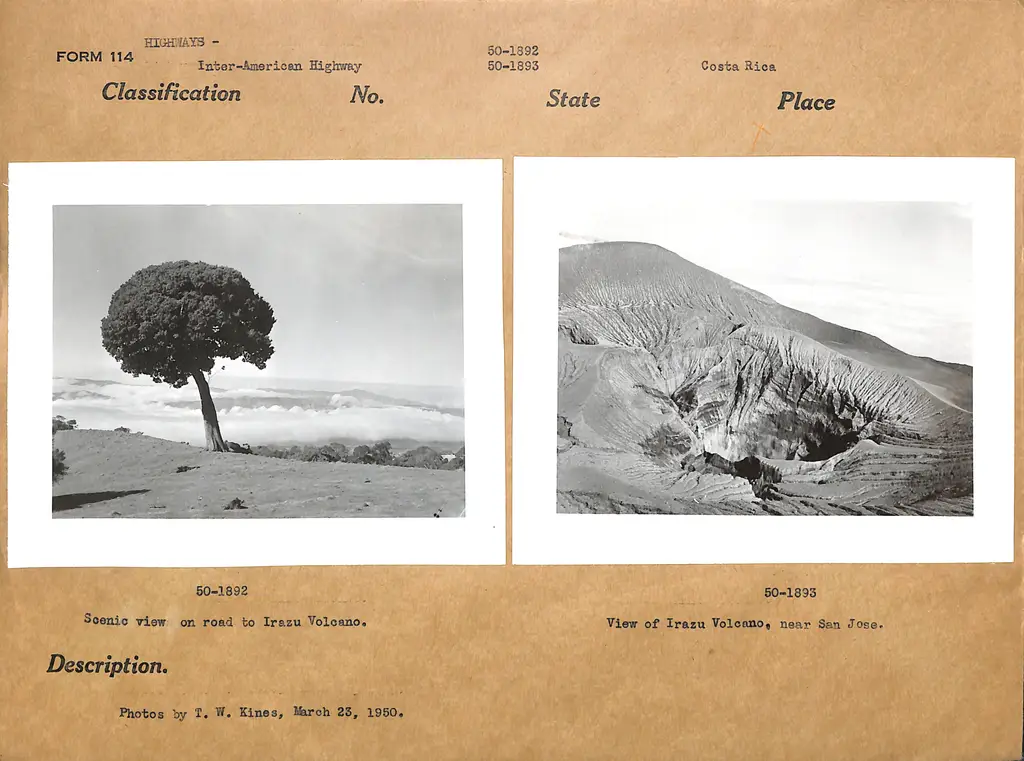
Costa Rica's highest volcano at 3,432m, lunar grey crater on clear days with views to both coasts. Same SINAC reservation system as Poas; price/hours unconfirmed.
evenings, most restaurants open ~5-6 PM to late·varies by restaurant·2-3 hours
walk in, reservations recommended for popular spots on weekends
The city's actual food scene: a walkable strip of Costa Rican and international restaurants a short taxi ride from downtown, feels more like a neighborhood than a tourist zone.
9
Sarchi (day trip)
shops generally 8 AM - 5 PM·free to visit, oxcarts/crafts cost extra·half day incl. travel (about 1 hour each way)
Closed Sunday (many workshops)
Small Central Valley town known for hand-painted oxcarts (carretas), Costa Rica's folk-art symbol. Workshops open most weekdays; exact hours vary by vendor.
Where to stay
Barrio Escalante
Suits: food-focused travelers, couples
Walkable restaurant district, quieter at night than downtown proper, easy taxi access.
Downtown / Avenida Central
Suits: museum-hopping, one-night layovers
Closest to Museo del Oro and Teatro Nacional; go quiet and empty out after dark.
Escazu / Santa Ana
Suits: business travelers, longer stays, families
Upscale suburban malls and restaurants west of the city, calmer but car-dependent.
Near the airport (Alajuela)
Suits: early flights, pure layovers
Skip the city entirely; several hotels run free airport shuttles.
Getting there and around
Getting there
Juan Santamaria International (SJO) sits in Alajuela, about 20 minutes from downtown San Jose without traffic, 45-60 minutes during rush hour. Official airport taxis (orange) cost roughly USD 25-30 to downtown; Uber typically runs USD 12-20 depending on time of day and traffic.
Getting around
Walk the downtown core (Avenida Central, the museum district) by day, it's compact and pedestrianized in stretches. For anything further, use Uber or a red taxi (insist on the meter, or Maria Teresa). Local buses are cheap but confusing for visitors and not worth the learning curve for a short stay. Don't rent a car just to explore San Jose itself, parking is scarce and traffic circulation downtown is genuinely bad; rent one only if you're using the city as a base for Central Valley day trips.
Map
City
Recommended (numbered)
Mentioned in an itinerary
Locations on this map
San Jose9.93, -84.09
Museo del Oro Precolombino9.93, -84.08
Teatro Nacional de Costa Rica9.93, -84.08
Museo del Jade INS9.93, -84.07
Mercado Central9.93, -84.08
Basilica de Nuestra Senora de los Angeles (Cartago)9.86, -83.91
Costa Rican food is simpler than a lot of visitors expect, especially anyone arriving with Mexican or Peruvian food in mind, and San Jose is the clearest place to understand why. The soda, a small, family-run lunch counter, is the country's real food institution: a set plate of rice, beans, plantain, salad and a protein for a few dollars, eaten fast at a counter or a plastic table. There is little chile heat and few bold sauces, the cooking leans on freshness and simplicity rather than seasoning. Barrio Escalante has become the city's one genuinely trendy food neighborhood, with a growing coffee and small-restaurant scene, but the soda is still where the country actually eats.
CRC 3,000-6,000·Sodas citywide, especially downtown and Barrio Escalante
Must try
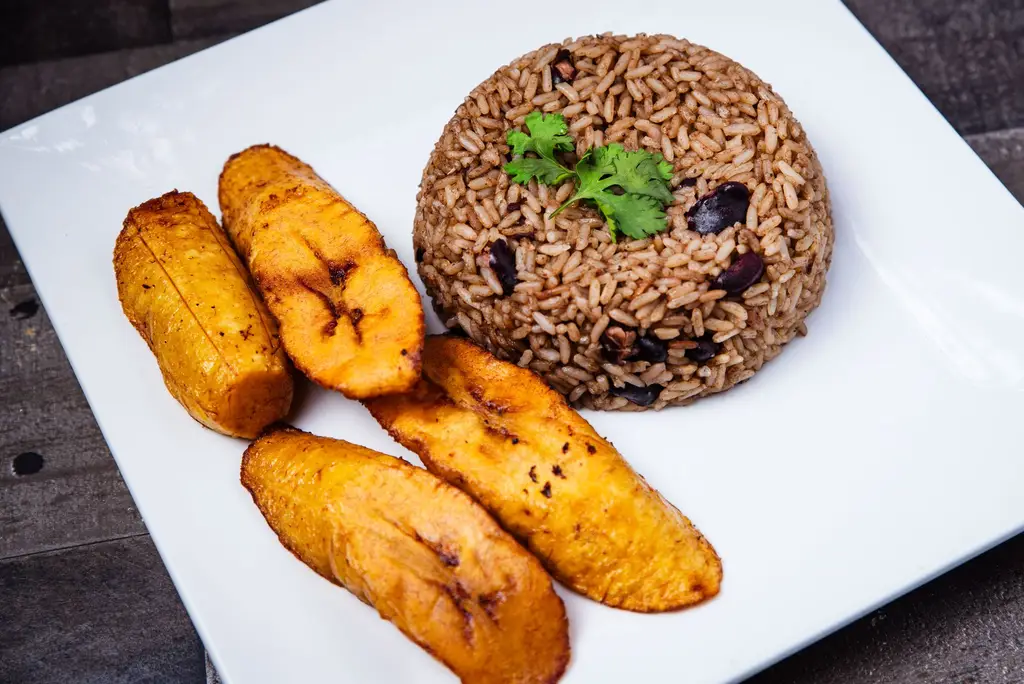
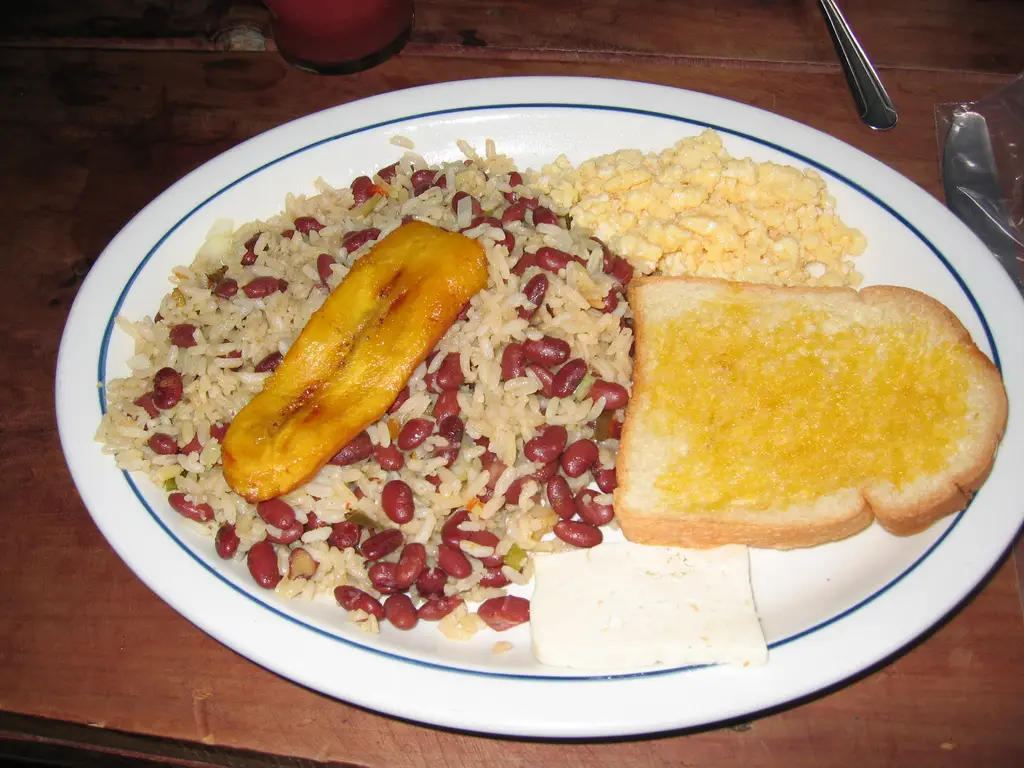
The standard Costa Rican plate: rice, beans, plantain, salad and a protein, usually chicken, fish or beef. Cheap, filling, and the fastest way to understand how the country actually eats.
Gallo pinto
CRC 2,000-3,500·Any soda, breakfast hours
Must try
Rice and beans fried together with onion, pepper and cilantro, the national breakfast. Usually served with eggs, cheese and fried plantain on the side.
Chifrijo
CRC 3,500-5,500·Bars and sodas around downtown and Escalante
Must try
Rice and beans layered with fried pork, pico de gallo and tortilla chips, invented as a bar snack and now a staple. Order it to share with a beer.
Costa Rican coffee
CRC 1,200-2,500·Barrio Escalante cafes, Mercado Central stalls
Must try
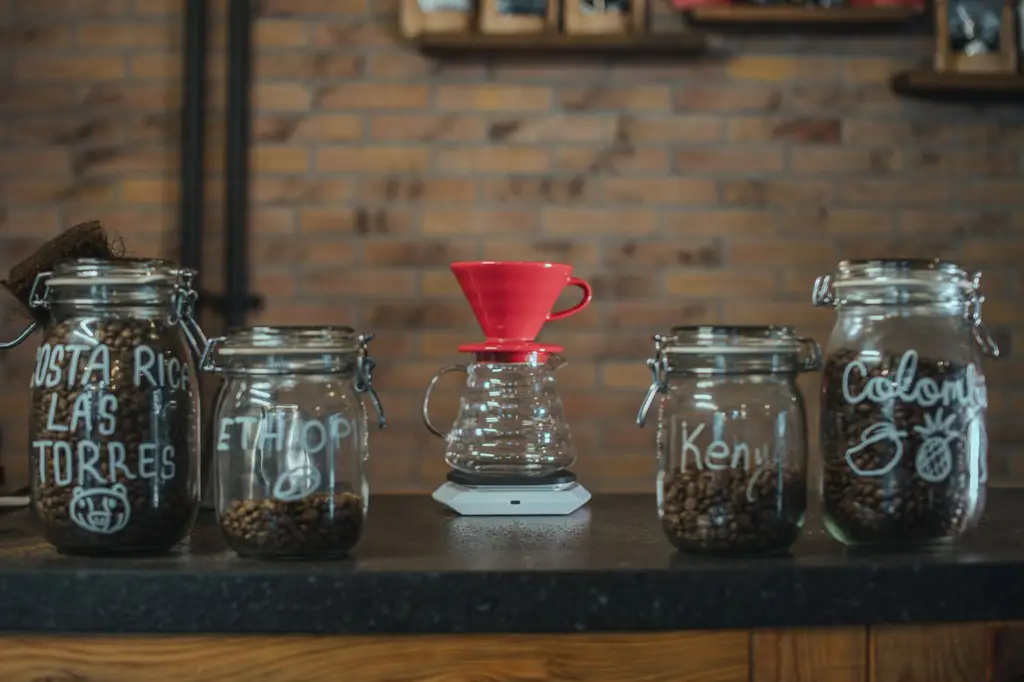
Costa Rica exports most of its best coffee, so drinking it fresh here is genuinely a different experience. Escalante's cafes take the pour-over and roasting side seriously.
Empanadas
CRC 800-1,500·Sodas and bakeries citywide, common breakfast grab
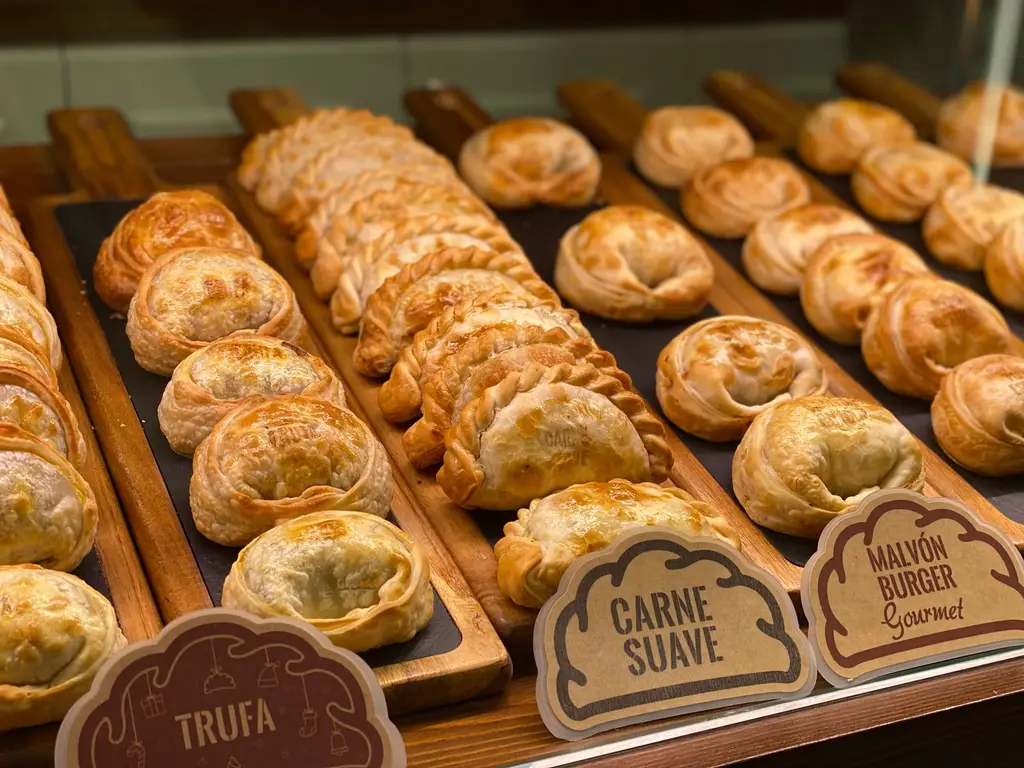
Corn or wheat dough filled with cheese, beans or picadillo, fried or baked and sold nearly everywhere. A cheap, portable breakfast or snack that fits between meetings or sightseeing stops.
Olla de carne
CRC 4,000-6,500·Traditional sodas and family restaurants, more common on weekends
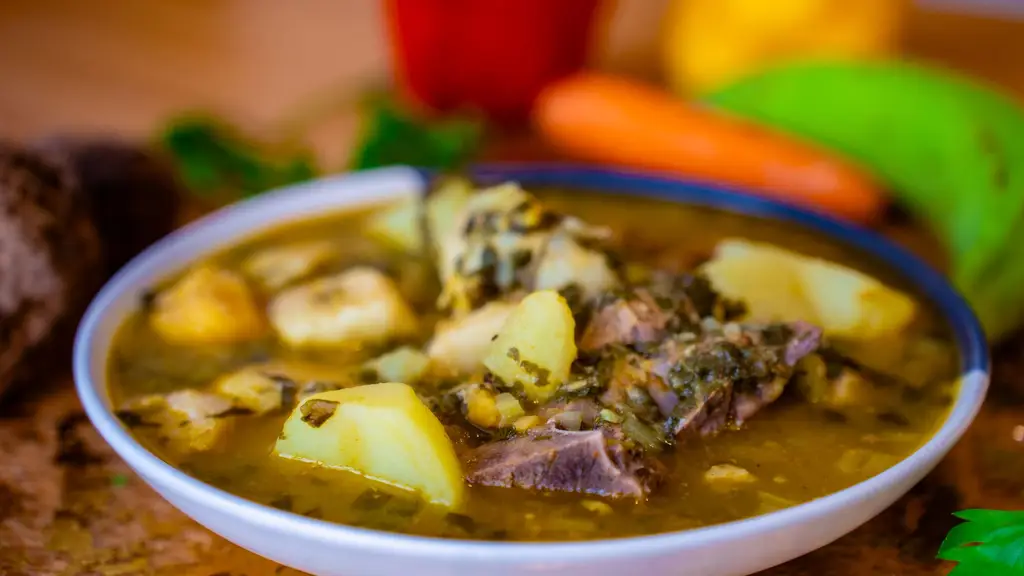
A hearty beef and vegetable stew with yuca, corn, plantain and squash, closer to home cooking than restaurant food. Worth seeking out if you want something beyond the casado.
Mercado Central sodas
as of 2026-09
Viral
Small family-run soda counters inside San Jose's Central Market serving casados and gallo pinto at old-school prices. This is the reliable, unglamorous answer, not a trend. It's been true for decades and it's still true now. Go for a cheap real meal, not for a social media moment.
Ola Wok
as of 2026-09
Viral
A newly opened seafood and Asian-fusion restaurant in San Jose's Barrio Chino, mixing Peruvian, Thai and Chinese influences around a seafood cazuela. Genuinely new and getting real social traction, but it's too fresh to have a track record. Treat it as a bet, not a sure thing, and confirm current hours before you go.
Cafeoteca
as of 2026-09
Viral
Specialty coffee shop and roastery in San Jose that landed a spot on the World's 100 Best Coffee Shops ranking, one of five Costa Rican cafes to make regional top-100 lists. This isn't a marketing stunt, multiple outlets (elfinancierocr, Delfino.cr, Diario Extra, AmeliaRueda) independently covered the ranking through March and April 2026. Worth the detour if you care about where your coffee comes from, not just where you drink it.
Barrio Escalante's food and coffee cluster
as of 2026-09
Viral
The tree-lined blocks around Avenida Escalante keep adding restaurants, cafes, and one-off gastronomic festivals (Korean, Russian) inside a few walkable blocks northeast of downtown. TripAdvisor's own 2026 shortlist of the neighborhood's best restaurants and a steady run of pop-up festivals back this up. Go for a walk-and-graze evening rather than committing to one restaurant, the density is the point.
Burger Weeks
as of 2026-09
Viral
Annual citywide event where dozens of San Jose restaurants (around 27 in a recent edition) each run a limited-edition burger; a recent edition reportedly sold over 20,000 burgers. It's a spring event, not a place you can walk into any week of the year, so time your trip if this is the draw. Good barometer of which kitchens are getting attention that season.
Caldosa
as of 2026-09
Viral
A Costa Rican street snack, shredded green mango or cabbage, consomme, lime and chili spooned into a bag of crushed chips, sold by cart vendors around San Jose and at school gates and parks nationwide. It's been a fixture for years and keeps showing up in food-culture coverage (including a MasterChef Celebrity Colombia segment), so it's not fading, just don't expect a sit-down restaurant version. Find a cart, not a menu.
Safety and scams
Global Affairs Canada rates Costa Rica 'exercise a high degree of caution.' In San Jose that means petty theft and pickpocketing in tourist areas, downtown zones like Coca-Cola terminal and Mercado Central, and passport theft. Car break-ins are a nationwide issue, never leave anything visible in a parked car. Violent crime against tourists is uncommon; opportunistic theft is the real risk.
Common mistakes
Spending 3-4 days in San Jose itself when the city only really has a day of sightseeing in it
Walking downtown after dark without knowing which blocks to avoid
Renting a car just for the city days, then fighting for parking and dealing with confusing one-way streets
Booking Poas or Irazu without the mandatory SINAC online reservation and getting turned away at the gate
Leaving bags visible in a parked rental car, even for five minutes at a trailhead or restaurant
Frequently asked questions
Is San Jose Costa Rica worth visiting?
Worth a day or two, not a full trip. Most travelers use it as a landing point before heading to the coast, Arenal, or Monteverde. The Museo del Oro and Teatro Nacional are genuinely good, and it's the easiest base for Central Valley day trips like Poas and Irazu volcano.
How many days do you need in San Jose?
One full day covers the city's museums and downtown core. Add two to four more days only if you want to use it as a base for volcano, coffee, and Cartago day trips rather than as a destination in itself.
Is San Jose Costa Rica safe for tourists?
Global Affairs Canada rates the country 'exercise a high degree of caution.' Petty theft and pickpocketing target tourists in specific downtown zones and markets. Violent crime against visitors is uncommon. Stay alert in crowds, avoid displaying valuables, and don't walk unfamiliar downtown blocks alone after dark.
Do I need to reserve entry to Poas or Irazu Volcano in advance?
Yes. Both parks require advance reservation and payment through SINAC's online booking system before you arrive; walk-up entry isn't guaranteed. Book as soon as your dates are set, especially in dry season.
How far is San Jose airport from downtown?
Juan Santamaria International sits in Alajuela, about 20 minutes from downtown San Jose with no traffic and up to an hour during rush periods. Official taxis and Uber both operate from the airport.
What's the weather like in San Jose compared to the Costa Rica coast?
San Jose sits at roughly 1,170m in the Central Valley, which keeps it noticeably cooler than the beaches, expect sweater-weather evenings even in dry season. Rainy season (May-November) brings predictable afternoon downpours; dry season (December-April) is clearer but afternoons still cloud over near the volcanoes.
Can I do Poas and Irazu volcano as day trips from San Jose?
Yes, both are roughly 1.5-2 hours from San Jose by car and are commonly done as separate half-day trips. Go early, since cloud cover typically rolls in by late morning at both craters.
Is it worth renting a car in San Jose?
Not for the city itself, downtown parking and traffic circulation are difficult. It becomes worth it once you're using San Jose as a base for Central Valley day trips (Poas, Irazu, Sarchi, Orosi Valley) where public transit options are limited.
What should I not miss in San Jose if I only have one day?
Museo del Oro Precolombino and the Teatro Nacional cover the city's best sights in half a day. Add Mercado Central for lunch and a walk through downtown's pedestrian core, then head to Barrio Escalante for dinner.