Things to Do in Puerto Viejo: Itineraries, Costs and Food
Costa Rica's Caribbean coast, and it doesn't act like the Pacific side. Afro-Caribbean and Bribri culture, reggae, coconut rice, and rainforest running straight into the sea.
By Labeeb Mirza · Published September 8, 2026 · Updated September 8, 2026
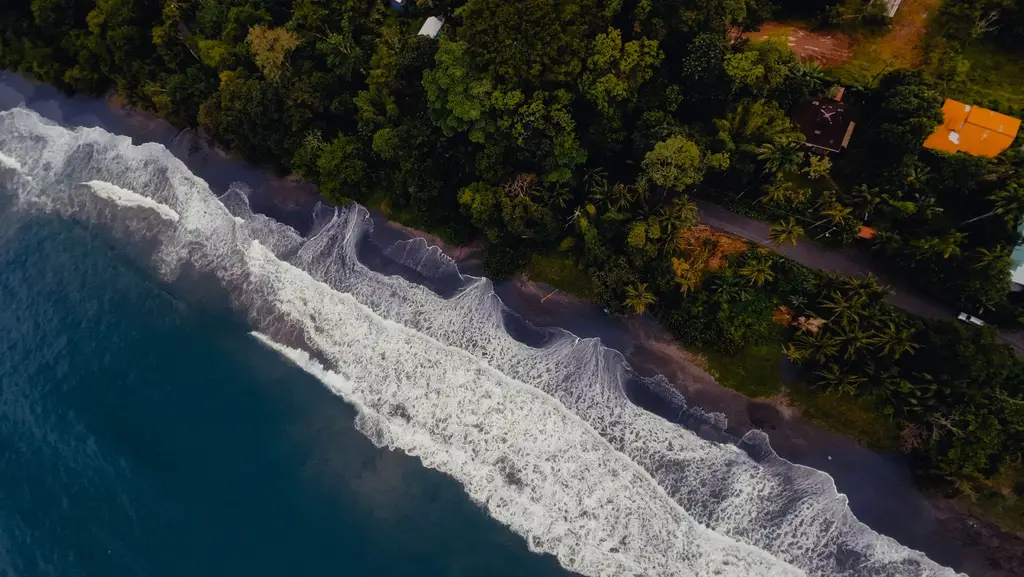
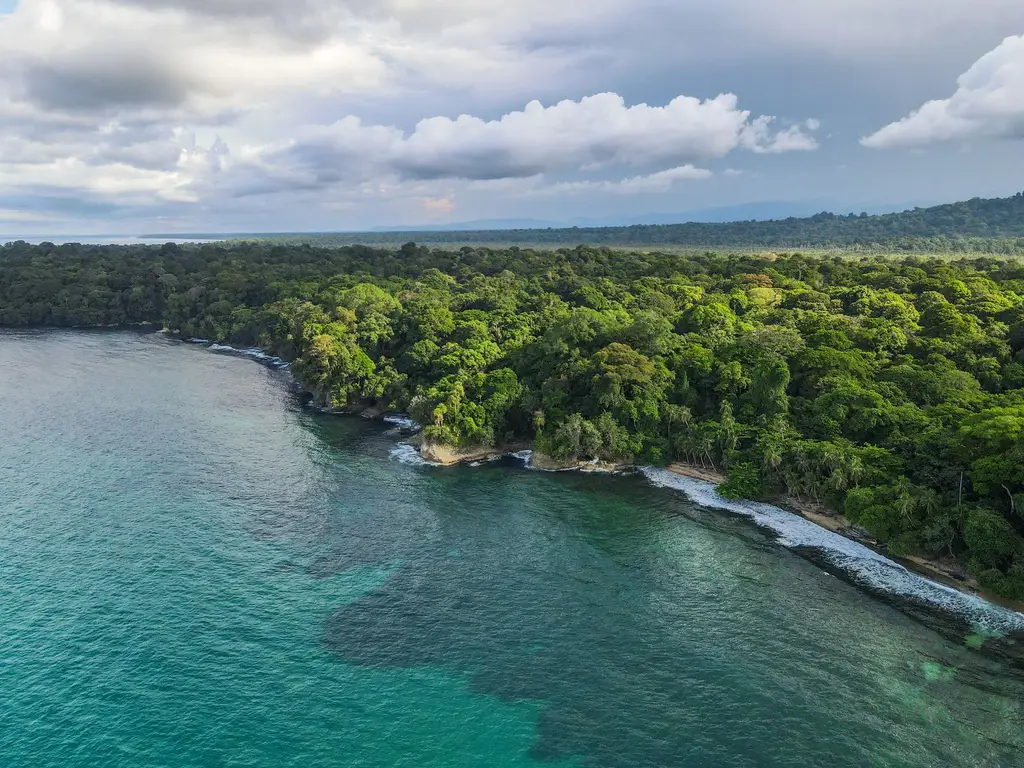
Puerto Viejo de Talamanca sits on Costa Rica's Caribbean coast, about four hours from San Jose by road, and it feels like a different country from Tamarindo or Manuel Antonio. The culture here is Afro-Caribbean and Bribri indigenous, not the mestizo Pacific-coast default: Caribbean-inflected Spanish and Patois-inflected English are both spoken on the street, reggae and calypso play out of open-air bars, and the food leans on coconut milk, rondon stew, and rice and beans instead of gallo pinto and casado. This is not a footnote. It changes the music, the pace, the vendors on the road, and what people are actually here for. The town itself is small and low-key, a grid of a few sandy streets a short walk from the water, with beach bars, board rental shacks, and a bicycle culture that's more practical than aesthetic. What draws people south along the coast road toward Punta Uva, Cocles, and Manzanillo is the combination of jungle and reef running right up to the sand, plus serious wildlife: sloth rehabilitation centers, howler and white-faced monkeys, toucans, and depending on season, nesting sea turtles. Roads get rougher the further south you go, and a 4x4 or a bike with good tires helps past Punta Uva. Puerto Viejo works best as a base for exploring this whole southern Caribbean stretch rather than a single destination to sit in.
What I actually think
Labeeb: The Pacific-versus-Caribbean split in Costa Rica is bigger than most trip planning accounts for. Different food, different rhythm to the town, different weather logic entirely, and treating this as an add-on to a Pacific-coast itinerary undersells it.
Labeeb: Guided wildlife tours consistently outperform solo walking here. Sloths and monkeys sit still or move high in canopy cover, and a trained guide's eye finds far more in an hour than a self-guided walk finds in three.
Labeeb: The coast road south of town rewards taking it slow. Cocles, Punta Uva, and Manzanillo each have a distinct character, and rushing straight to the furthest point skips beaches that are genuinely worth stopping at.
Labeeb: Rain here doesn't follow the same logic as the Pacific side's dry season marketing. Packing a rain layer regardless of month is the sane move, not an overreaction.
Labeeb: Renting a bike over a car for the in-town stretch is both cheaper and more practical, the road is flat, mostly shaded, and short enough that a car adds parking hassle without saving real time.
A single day covering the Jaguar Rescue Center, a beach stop, and Puerto Viejo town.
Day 1: Wildlife and beach sampler
Morning
Morning tour at the Jaguar Rescue Center (book the 9:30am slot ahead), then bike toward Playa Cocles.
Afternoon
Lunch at a soda in Cocles, beach time, continue biking to Punta Uva if there's daylight left.
Evening
Dinner and reggae bar in Puerto Viejo town.
Tip: Rent the bike in the morning, it covers the whole day's route.
Town, wildlife, and the beaches south to Punta Uva without pushing to Manzanillo.
Day 1: Arrival and town orientation
Morning
Arrive from San Jose, check in, walk the town center.
Afternoon
Rent a bike, easy ride to Playa Cocles for a first swim.
Evening
Dinner at a Caribbean-style soda, rondon or rice and beans.
Day 2: Wildlife day
Morning
Guided tour at the Jaguar Rescue Center.
Afternoon
Bike or taxi to Punta Uva, swim in the calmer water.
Evening
Sunset drink on the beach, dinner back in town.
Day 3: Cahuita
Morning
Drive or taxi to Cahuita National Park, walk the Kelly Creek trail for monkeys and sloths.
Afternoon
Lunch in Cahuita town, browse the small shops.
Evening
Return to Puerto Viejo for a final dinner.
Adds Manzanillo and the Gandoca-Manzanillo refuge to the 3-day base itinerary.
Day 1: Arrival and town orientation
Morning
Arrive from San Jose, check in, walk the town center.
Afternoon
Rent a bike, ride to Playa Cocles.
Evening
Dinner in town.
Day 2: Wildlife day
Morning
Jaguar Rescue Center guided tour.
Afternoon
Bike to Punta Uva, beach afternoon.
Evening
Dinner near Punta Uva or back in town.
Day 3: Cahuita
Morning
Cahuita National Park walk, Kelly Creek entrance.
Afternoon
Lunch and browsing in Cahuita town.
Evening
Return to Puerto Viejo.
Show all 5 days
Day 4: Manzanillo and the refuge
Morning
Bike or taxi to Manzanillo, guided hike into Gandoca-Manzanillo Wildlife Refuge.
Afternoon
Snorkel or swim near Manzanillo if conditions allow.
Evening
Casual dinner in Manzanillo village before heading back.
Day 5: Rest and depart
Morning
Slow beach morning near town.
Afternoon
Last-minute souvenir stop, depart for San Jose.
Evening
Travel day, plan for the 4+ hour drive or shuttle back.
Regional: Puerto Viejo as a base with day legs to Cahuita, Punta Uva, and Manzanillo/Gandoca-Manzanillo, not a single-site stay.
Day 1: Arrival
Morning
Travel from San Jose.
Afternoon
Check in, town orientation walk.
Evening
Dinner in town.
Day 2: Jaguar Rescue Center and Cocles
Morning
Guided tour at the rescue center.
Afternoon
Beach afternoon at Cocles.
Evening
Dinner and live music if available.
Day 3: Cahuita leg
Morning
Cahuita National Park, Kelly Creek trail.
Afternoon
Cahuita town lunch and shops.
Evening
Return to Puerto Viejo.
Show all 7 days
Day 4: Punta Uva
Morning
Bike to Punta Uva, swim.
Afternoon
Optional kayak or snorkel rental.
Evening
Sunset dinner near the beach.
Day 5: Manzanillo and Gandoca-Manzanillo leg
Morning
Travel to Manzanillo, guided refuge hike.
Afternoon
Beach or snorkel time in Manzanillo.
Evening
Dinner in the village before heading back.
Day 6: Bribri community day
Morning
Arranged visit to a Bribri community (Yorkin or Kekoldi) via a cooperative.
Afternoon
Cultural activities and lunch with the community.
Evening
Return to Puerto Viejo, casual dinner.
Day 7: Rest and depart
Morning
Free morning, last beach time.
Afternoon
Depart for San Jose.
Evening
Travel day.
Regional: a slower version of the 1-week plan with repeat beach days, a Limon/Tortuguero-adjacent option, and buffer days for rain, still based out of Puerto Viejo.
Day 1: Arrival
Morning
Travel from San Jose.
Afternoon
Check in, town orientation.
Evening
Dinner in town.
Day 2: Settle in
Morning
Bike rental, slow ride to Cocles.
Afternoon
Beach afternoon.
Evening
Dinner in town.
Day 3: Jaguar Rescue Center
Morning
Guided tour.
Afternoon
Rest or beach.
Evening
Reggae bar night in town.
Show all 14 days
Day 4: Cahuita leg
Morning
Cahuita National Park walk.
Afternoon
Cahuita town.
Evening
Return to Puerto Viejo.
Day 5: Punta Uva
Morning
Bike to Punta Uva.
Afternoon
Swim, kayak rental.
Evening
Dinner near the beach.
Day 6: Rest day
Morning
Free morning, laundry, slow start.
Afternoon
Short beach walk.
Evening
Casual dinner.
Day 7: Manzanillo and Gandoca-Manzanillo
Morning
Travel to Manzanillo, refuge hike.
Afternoon
Snorkel if conditions allow.
Evening
Dinner in the village.
Day 8: Bribri community day
Morning
Arranged community visit.
Afternoon
Cultural activities.
Evening
Return to Puerto Viejo.
Day 9: Surf or lesson day
Morning
Surf lesson at Cocles for beginners, or watch Salsa Brava for experienced surfers.
Afternoon
Rest.
Evening
Dinner in town.
Day 10: Buffer/rain day
Morning
Flex day for weather, indoor options or a slow cafe morning.
Afternoon
Catch up on a missed beach or tour.
Evening
Dinner in town.
Day 11: Optional Tortuguero side trip start
Morning
Travel toward Tortuguero via Limon and boat transfer for a canal and wildlife side trip, or repeat a favorite beach if skipping this.
Afternoon
Canal boat tour if going, more beach time if not.
Evening
Overnight in Tortuguero or back in Puerto Viejo.
Day 12: Tortuguero or beach continuation
Morning
Turtle-nesting season info walk if in season and going, or Punta Uva return.
Afternoon
Travel back to Puerto Viejo if away.
Evening
Dinner in town.
Day 13: Last full day
Morning
Final beach morning, favorite spot revisit.
Afternoon
Souvenir shopping, pack.
Evening
Farewell dinner in town.
Day 14: Depart
Morning
Final coffee, checkout.
Afternoon
Travel to San Jose.
Evening
Departure.
Things to do
1Photo by Pau Delgado on PexelsCahuita National Park (Kelly Creek entrance)
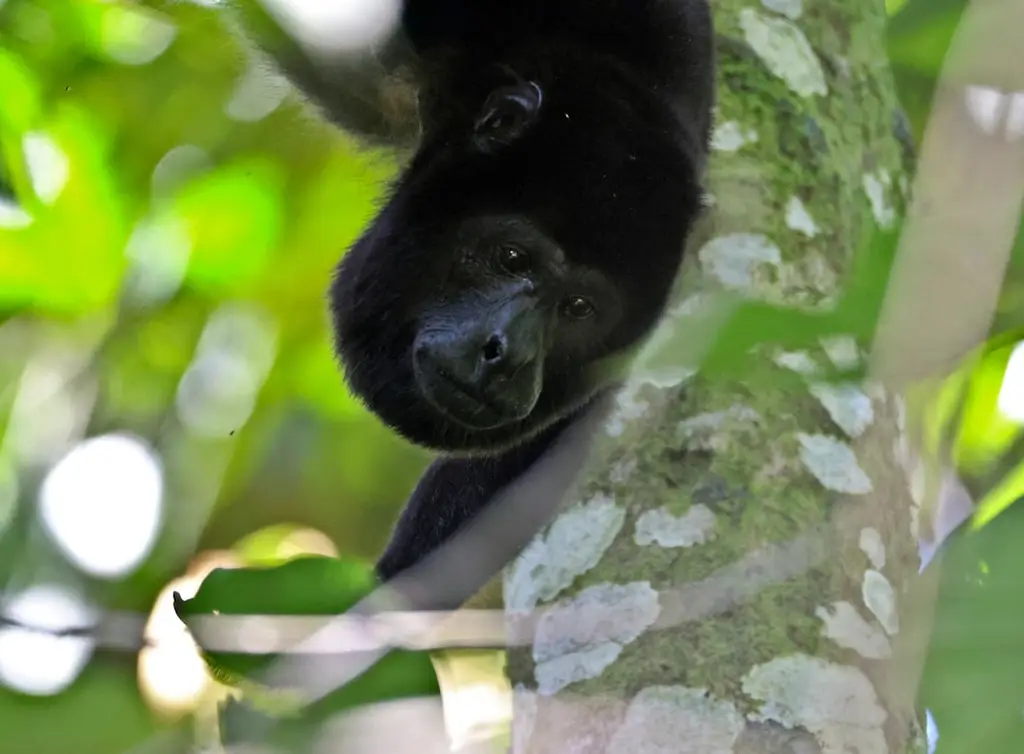
6Photo by Frank Eiffert on UnsplashSloth sanctuary day tours (South Caribbean guided operators)
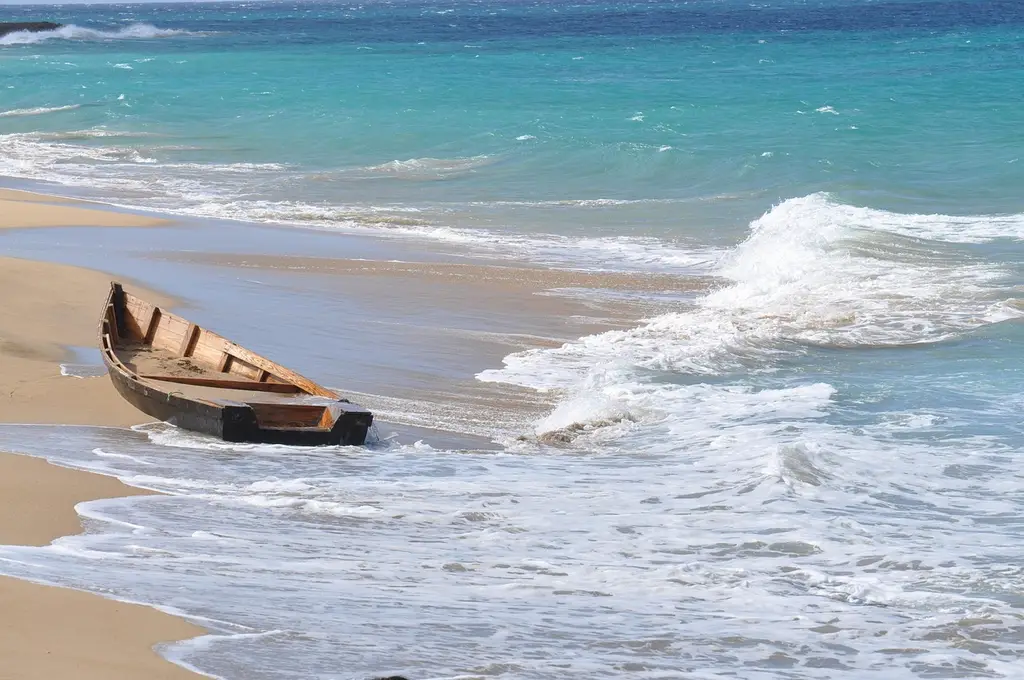
7Puerto Viejo town beach and reef break
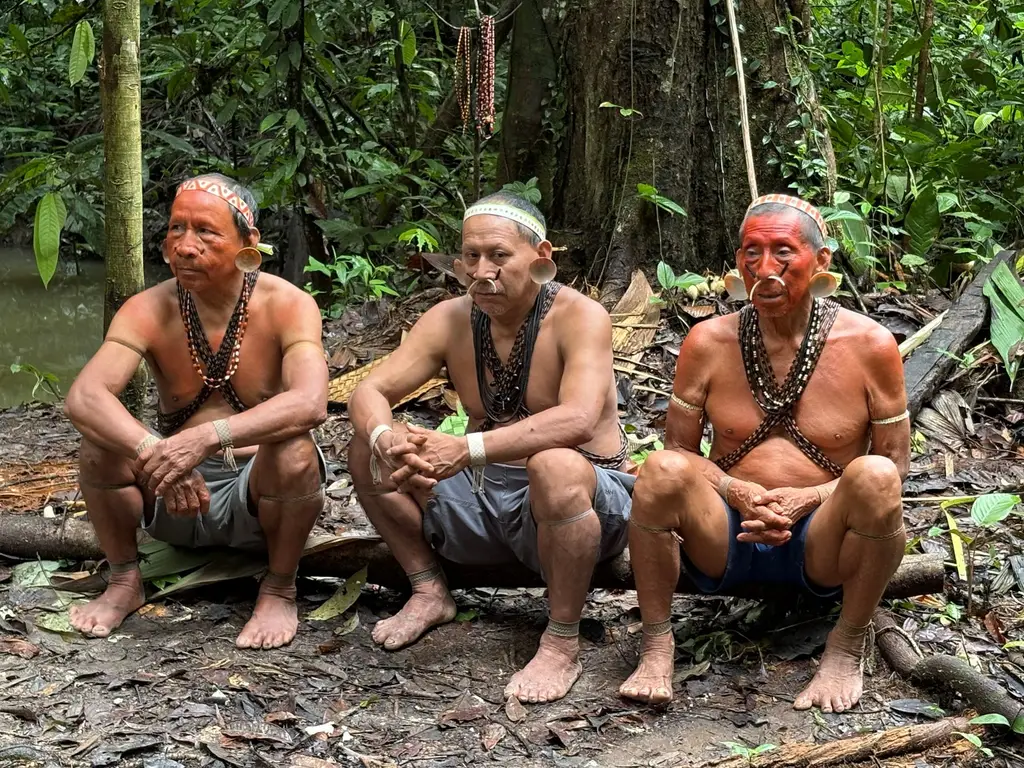
8Photo by Valerie Sutton on PexelsBribri indigenous community visit (Yorkin or Kekoldi)
1
Cahuita National Park (Kelly Creek entrance)
Historically 8am-4pm daily·check before you go·2-4 hours
Historically a donation-based, walk-up entrance at Kelly Creek (a fixed-fee entrance exists at Puerto Vargas further south). SINAC's own online booking system does not list Cahuita, which suggests walk-up still holds, but confirm the current fee locally before you go.
2
Jaguar Rescue Center
Public tours daily at 9:30am and 11:30am; private tours daily at 2pm (limited spots)·check before you go on tickets.jaguarrescue.foundation·2 hours for a public tour
advance booking recommended, tours fill up in high season
Wildlife rehab center for injured, orphaned, or ex-pet sloths, monkeys, birds, and reptiles. Guided tours only, no wandering the enclosures alone, and that structure is most of the value here.
check before you go·check before you go·half day for a guided hike
walk in for the trail; book ahead for a guided nature walk or turtle-nesting tour in season
Not on SINAC's online reservation system, consistent with a walk-up entrance, but current fee and hours could not be confirmed against an official source. Coastal rainforest trail past Manzanillo village, monkeys and birdlife common, snorkeling on the reef when water is clear.
4
Playa Cocles
always open·free·half day
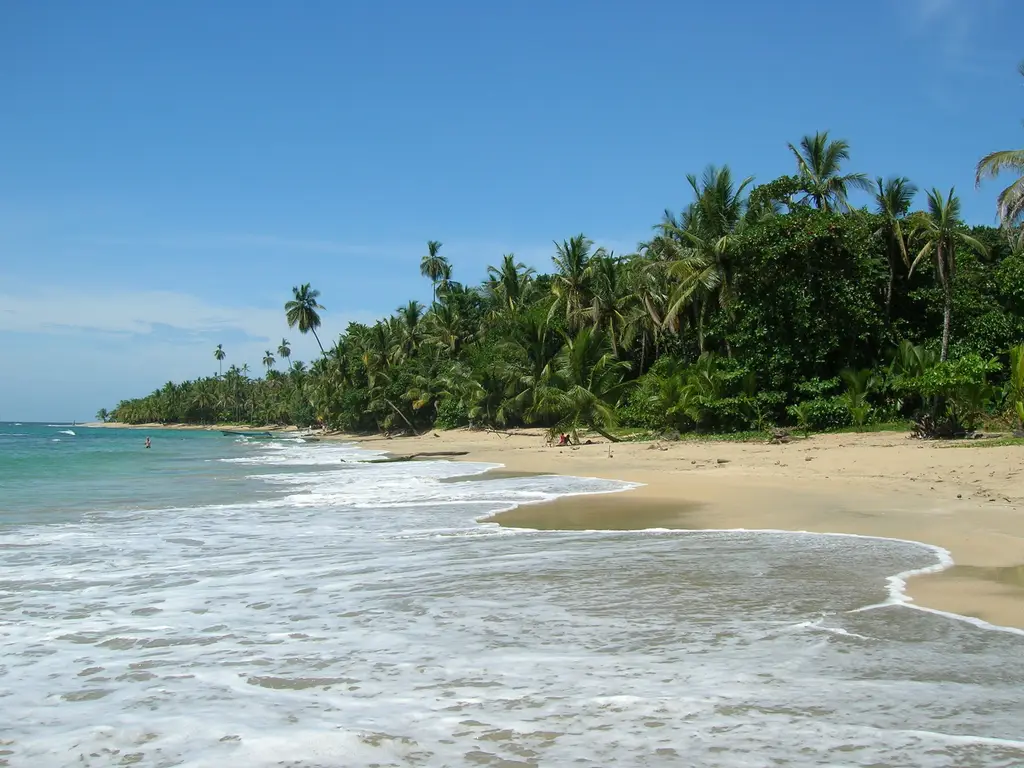
The main surf beach, with a real shorebreak and rip currents strong enough that casual swimmers should stay close to shore. Several surf schools operate out of shacks along the sand.
5
Punta Uva Beach
always open·free·half day
Calmer, more swimmable water than Cocles, backed by jungle, and generally considered the prettiest beach on this stretch of coast.
6
Sloth sanctuary day tours (South Caribbean guided operators)
varies by operator·check before you go·2-3 hours
advance booking
Multiple sloth-focused wildlife tours operate in the region beyond the Jaguar Rescue Center; a guided tour finds far more animals than walking a trail solo, since guides spot movement in the canopy travelers miss.
Jaguar Rescue Center
as of 2026-09
Viral
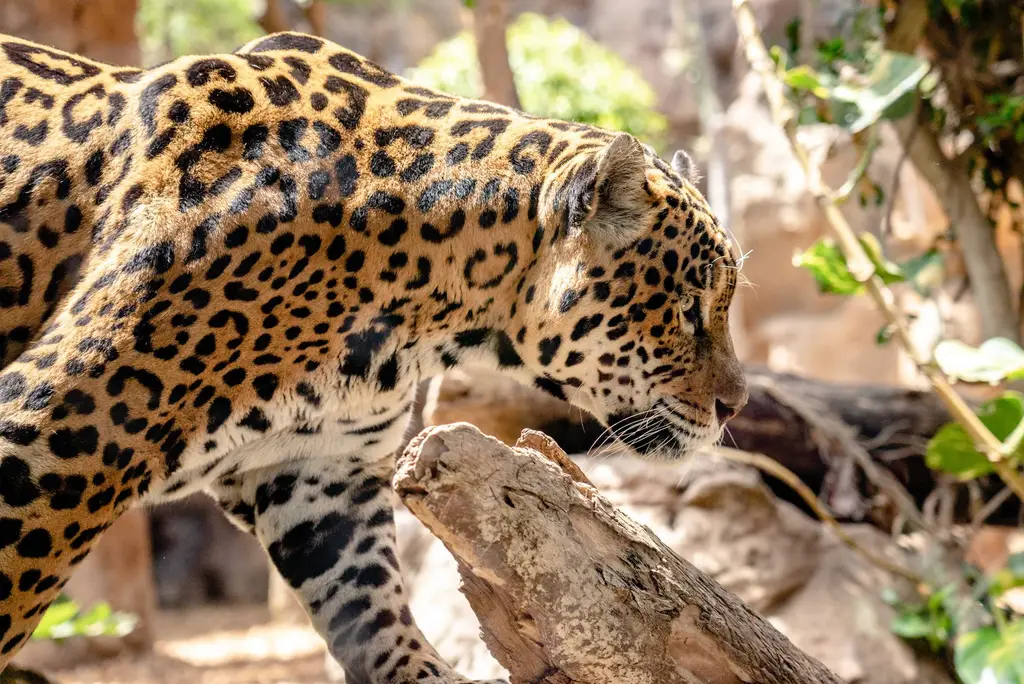
Nonprofit wildlife rescue and rehabilitation center founded in 2008, with guided tours through enclosures of sloths, monkeys, toucans, snakes, and big cats bound for release. A genuine rescue-and-release operation, worth supporting over any roadside animal photo stand. Book ahead, tour slots fill up.
Cahuita National Park snorkeling
as of 2026-09
Viral
Costa Rica's largest coral reef system, reachable by a snorkel trip followed by a rainforest hike with a guide. The reef has had bleaching and sediment issues over the years, so visibility varies by day and season. Still worth it on a calm, clear day.
Bribri Indigenous Reserve tour
as of 2026-09
Viral
Half-day small-group tours meeting Bribri families, learning about medicinal plants, making cacao paste by hand, and swimming at a mountain waterfall. One of the better cultural tours in the region because it's run by the community itself rather than an outside operator. Worth prioritizing over a generic jungle tour.
Surf lessons at Playa Cocles
as of 2026-09
Viral
The area's most popular beginner surf spot, with lessons available year-round and bigger swells in the December-March season. Good for beginners, the swell picks up seasonally so ask before booking if you want calmer water. Plenty of local instructors, no need to book far ahead.
Gandoca-Manzanillo National Wildlife Refuge
as of 2026-09
Viral
Wildlife refuge south of Puerto Viejo with over 360 bird species and white-sand beaches, less developed than the town's main beaches. Quieter and less commercial than the tours closer to town. Good if you want nature without a tour bus.
Cacao and chocolate-making tours
as of 2026-09
Viral
Tours of small cacao plantations run by Bribri families, covering fermentation, roasting, grinding and making chocolate by hand. Small-scale and genuinely hands-on, not a factory tour. A good complement to the Bribri reserve visit rather than a duplicate of it.
More to see (2)
7
Puerto Viejo town beach and reef break
always open·free·1-2 hours
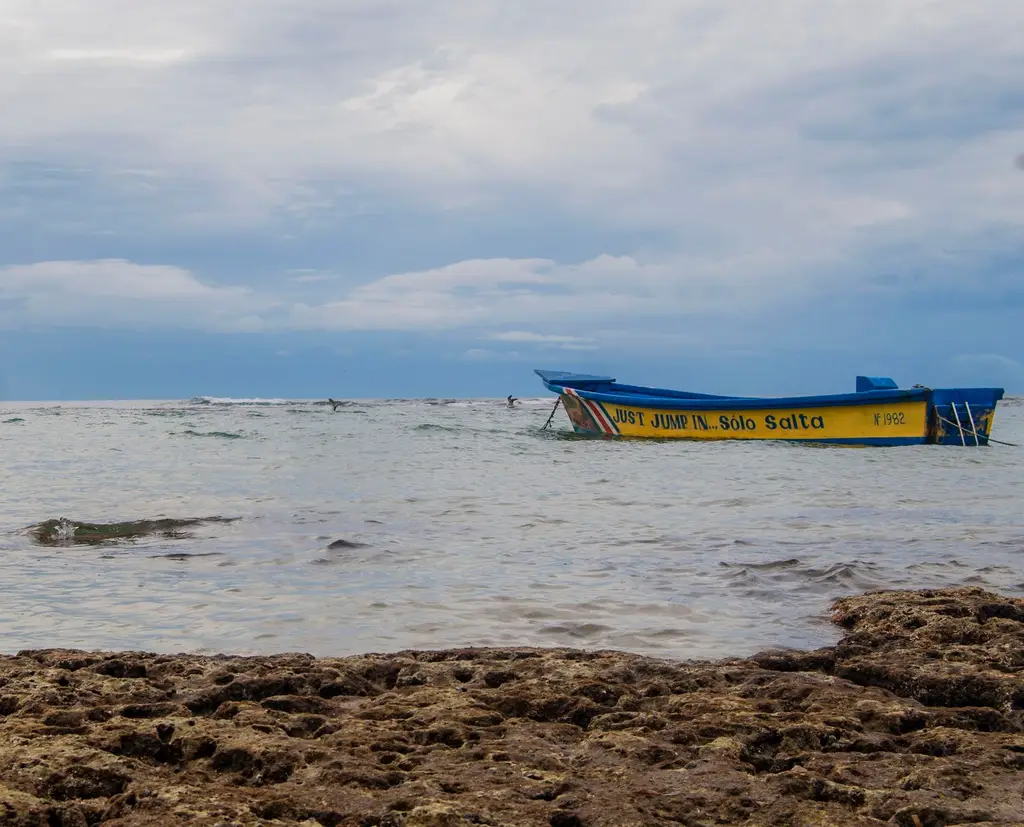
Home to Salsa Brava, a well-known reef break for experienced surfers only. The town beach itself is narrow and mostly a walk-through rather than a lounging spot.
8
Bribri indigenous community visit (Yorkin or Kekoldi)
by arrangement·check before you go·full day
advance booking required, usually through a community-run tourism cooperative
River-access Bribri villages in the Talamanca mountains run their own guided cultural and nature visits. Book through the community's own cooperative rather than a reseller where possible.
Where to stay
Puerto Viejo town center
Suits: first-timers who want nightlife, restaurants, and walkability
Closest to bars and the bus stop, but the busiest and least beach-quiet option at night.
Playa Cocles
Suits: surfers and travelers wanting beach-front without total isolation
A 10-15 minute bike ride from town, better beach than the town's own patchy stretch, still has restaurants nearby.
Punta Uva
Suits: couples and anyone prioritizing a quieter, more scenic beach
Calmer water good for swimming, jungle-backed, but fewer restaurants and a longer ride into town.
Manzanillo
Suits: travelers who want to base near the wildlife refuge and skip crowds entirely
The end of the paved road, minimal infrastructure, best for those renting a car or committed to biking further.
Getting there and around
Getting there
No commercial airport in Puerto Viejo. Fly into San Jose (SJO), then it's about a 4-4.5 hour drive or direct shuttle (roughly USD 45-60 one-way) via Limon. A rental car covers the same route in similar time; buses from San Jose's Terminal Caribe run daily and cost far less but take longer with stops.
Getting around
The town center is walkable, but almost everyone rents a bike (roughly USD 5-8/day) to reach the beaches south toward Cocles, Punta Uva, and Manzanillo, a flat, mostly paved 10-15km stretch. Taxis and colectivos cover the same road for those who'd rather not pedal in the heat. A rental car or ATV helps for trips further out or if the coast road turns muddy after rain; no metro or rideshare app here.
Map
City
Recommended (numbered)
Mentioned in an itinerary
Locations on this map
Puerto Viejo9.66, -82.76
Cahuita National Park (Kelly Creek entrance)9.66, -82.76
Jaguar Rescue Center9.66, -82.75
Gandoca-Manzanillo Wildlife Refuge9.60, -82.64
Playa Cocles9.65, -82.74
Punta Uva Beach9.64, -82.69
Puerto Viejo town beach and reef break9.66, -82.76
Bribri indigenous community visit (Yorkin or Kekoldi)9.65, -82.76
Salsa Brava9.66, -82.75
Limon9.66, -82.76
What it costs
Stay
Food
Transport
Activities
Daily cost breakdown, CRC per person
Tier
Stay
Food
Transport
Activities
Total
Budget
CRC 20
CRC 20
CRC 6
CRC 9
CRC 55
Mid-range
CRC 55
CRC 35
CRC 10
CRC 10
CRC 110
Splurge
CRC 160
CRC 70
CRC 20
CRC 10
CRC 260
Hostel dorm or budget cabina USD 20, bike rental USD 6, breakfast at a soda USD 5, rice and beans lunch USD 7, beach day (free), Jaguar Rescue Center tour USD 25 shared across activities budget, dinner USD 10.
Money savers
Rent a bike instead of taxis or a car for the Cocles-Punta Uva-Manzanillo stretch, it's flat and the road is decent
Eat at sodas and roadside coconut/rice-and-beans stands over beachfront restaurants aimed at tourists
Cahuita's Kelly Creek entrance has historically run on donation rather than a fixed high price, unlike Pacific-side parks with mandatory SINAC fees
Buy fruit and snacks from roadside stands between Puerto Viejo and Manzanillo rather than convenience stores in town
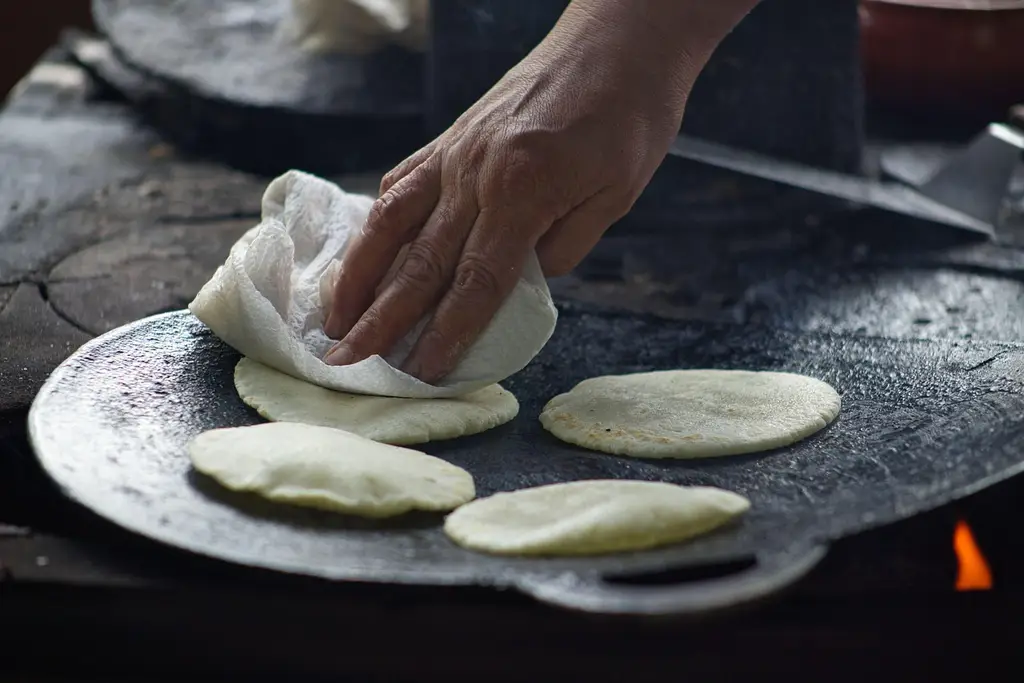
Puerto Viejo eats differently from the rest of Costa Rica, and it is the clearest exception to the country's generally simple food. The Caribbean coast has its own Afro-Caribbean culinary tradition, built on coconut milk, allspice and slow-cooked stews rather than the plain rice-and-beans of the Pacific side and San Jose. Rondon, a fish and vegetable stew simmered in coconut milk, is the dish that best tells you where you are. Family-run sodas cook it the way it has been cooked for generations, and the fresh coconut water sold roadside the length of the coast road is the best free refreshment in the country.
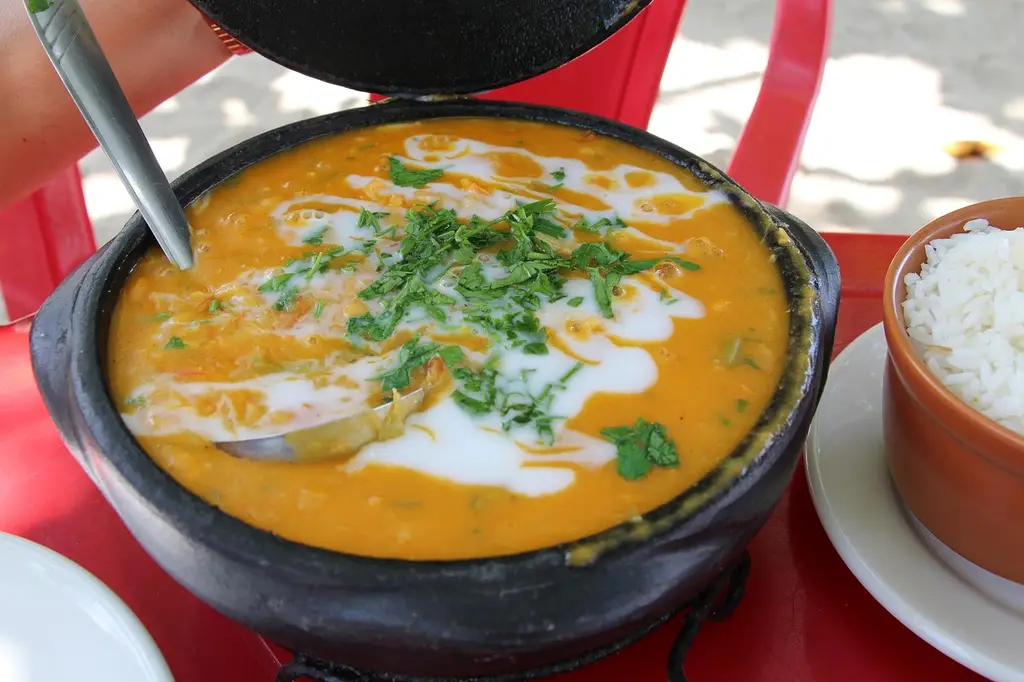
Rondon
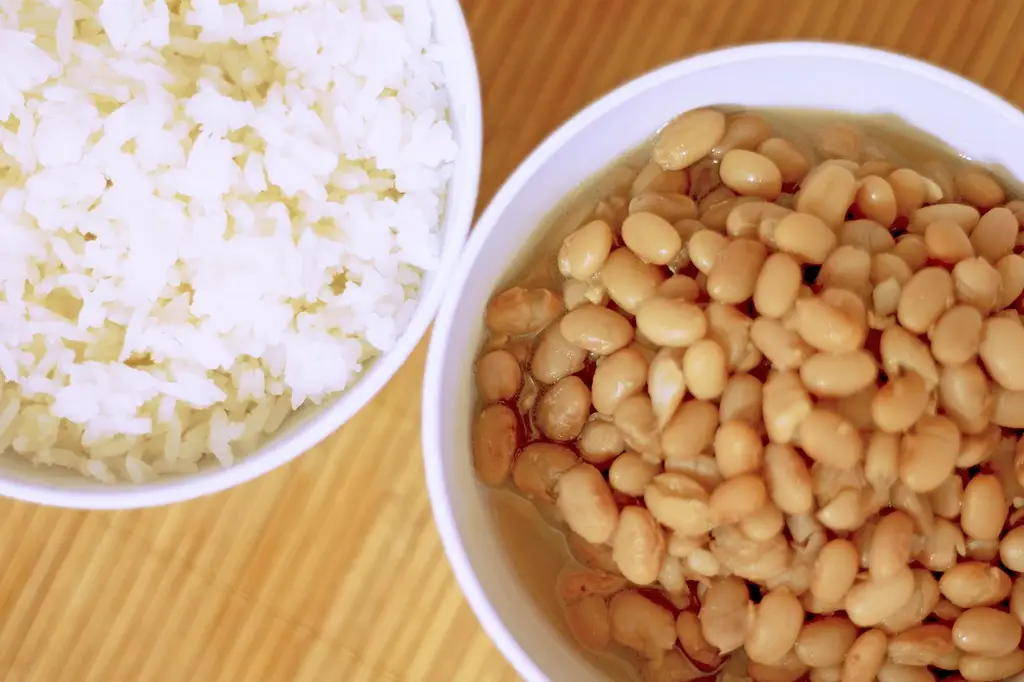
Rice and beans, Caribbean style
Pan bon
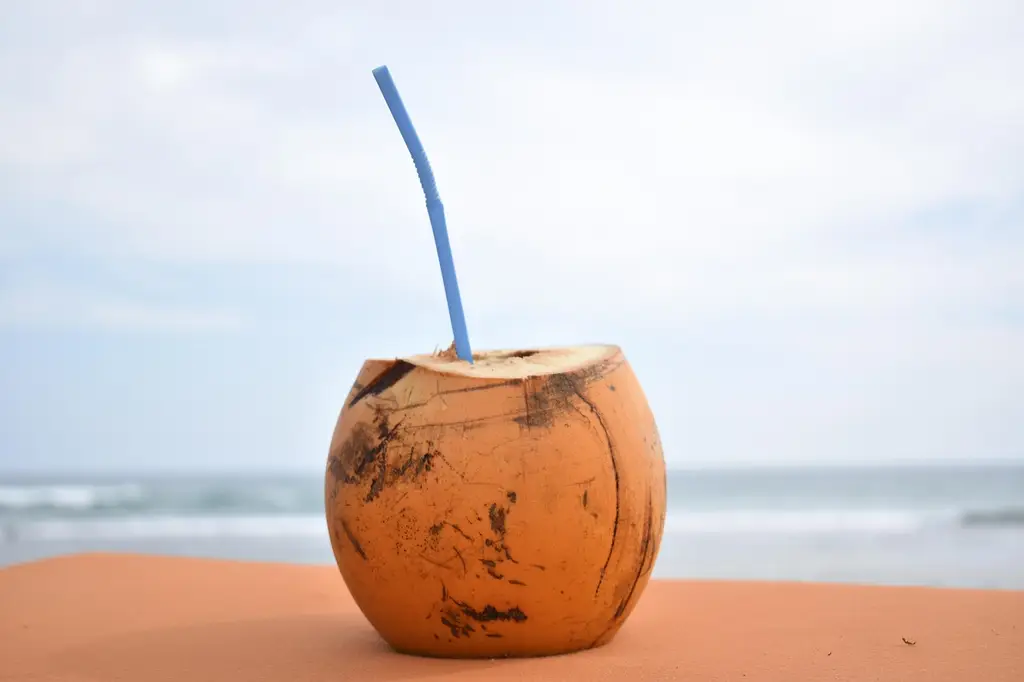
Fresh coconut water
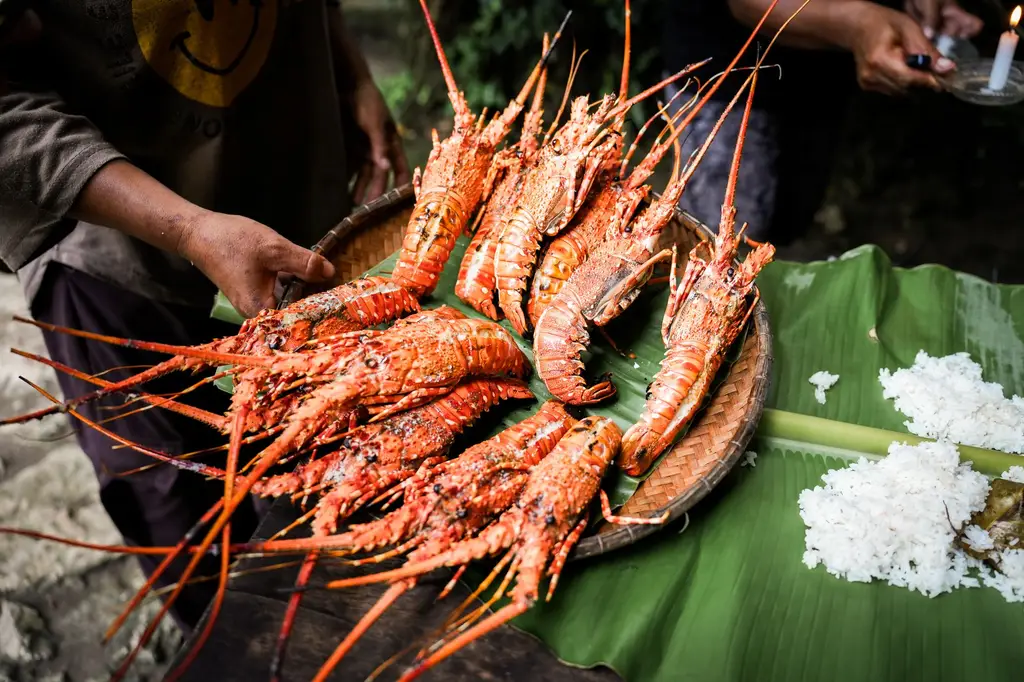
Photo by Labskiii on PexelsGrilled whole fish or lobster
CRC 5,000-8,000·Caribbean-run sodas and family kitchens around Puerto Viejo and Cahuita
Must try
A stew of fish, root vegetables and dumplings simmered in coconut milk with allspice and thyme, distinct from anything on the Pacific side. Order it a day ahead at some spots since it takes hours to cook.
Rice and beans, Caribbean style
CRC 3,500-6,000·Sodas throughout Puerto Viejo and Cahuita town
Must try
Cooked in coconut milk rather than plain, which sets it apart from the gallo pinto served everywhere else in the country. Usually the base for a full Caribbean plate with chicken or fish.
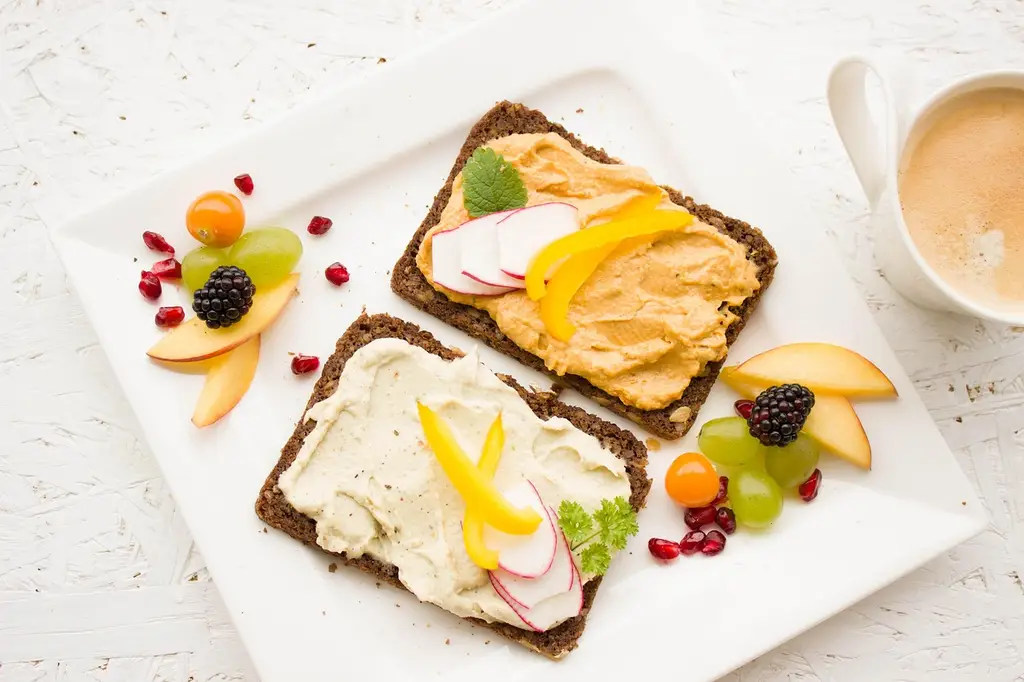
Pan bon
CRC 1,000-2,000 a slice·Bakeries in Puerto Viejo and Limon
A dark, dense spiced fruit bread, sweet and slightly molasses-flavored, a Caribbean-Costa Rican specialty rarely found outside this coast. Good with a coffee mid-morning.
Fresh coconut water
CRC 1,000-1,500·Roadside stands the length of the coast road
Must try
Machete-cut and served straight from the coconut, sold constantly along the road between Puerto Viejo and Manzanillo. The best cheap refreshment on this coast, full stop.
Grilled whole fish or lobster
CRC 8,000-16,000·Beachfront spots in Puerto Viejo and Punta Uva
Simple and fresh, usually grilled with little more than salt, lime and a Caribbean spice rub. Lobster prices fluctuate with the season and catch.
Cacao and local chocolate
CRC 3,000-6,000 for a tour, CRC 2,000-4,000 for chocolate·Small chocolate producers and tours around the Talamanca region inland from town
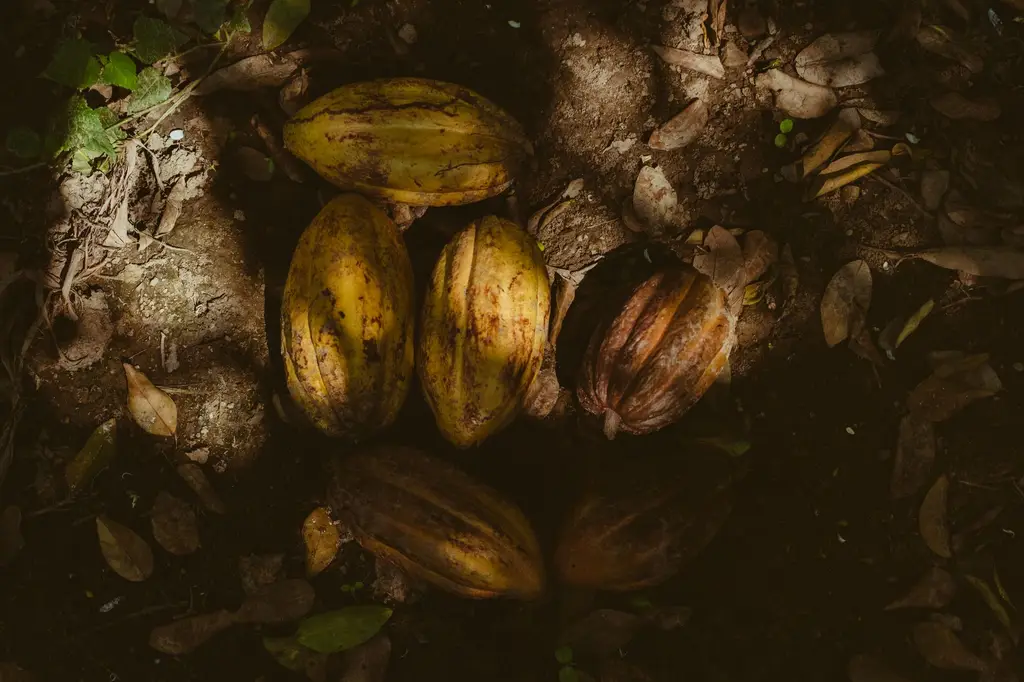
The Bribri and Cabecar communities in the hills behind Puerto Viejo have grown cacao for generations, and a handful of small operations sell bean-to-bar chocolate and run short farm tours.
Bean-to-bar cacao and Caribbean-cacao fusion dining
as of 2026-09
Viral
Puerto Viejo's cacao economy has moved from farm tours into full dining: Caribeans runs a bean-to-bar chocolate factory with forest tours, and Cacao Huasi combines a cacao bar with Caribbean food and sunset cocktails. Both venues show up as operating in recent reviews. This has been building for years rather than appearing overnight, but it's the honest current shape of Puerto Viejo's food identity, not a listicle invention. Worth doing once, especially the tour.
Safety and scams
Generally safe for a beach town, but petty theft from unattended bags and rental bikes happens, especially on quiet stretches of beach. Riptides at Cocles and the reef break at Salsa Brava are real hazards for casual swimmers and inexperienced surfers. Some cannabis use is visibly tolerated locally but it remains illegal; buying from street vendors carries the usual scam and safety risk any informal market does.
Common mistakes
Assuming Pacific-coast dry season months guarantee sun here, they don't, and travelers who skip rain gear regret it
Trying to see Cahuita, the beaches, and Manzanillo in a single rushed day trip instead of giving the coast road proper time
Swimming at Cocles or near Salsa Brava without checking conditions first
Leaving bikes or bags unattended on the beach while swimming
Booking wildlife tours the same day rather than in advance during high season, when popular slots fill up
Frequently asked questions
Is Puerto Viejo the same weather as Tamarindo or the rest of the Pacific coast?
No. The Caribbean coast doesn't run the Pacific's dry season/green season split. Rain spreads more evenly across the year here, with drier stretches often around February-March and September-October, but it can rain in any month. Don't plan a Puerto Viejo trip around Pacific-coast dry season dates.
How is Puerto Viejo culturally different from the rest of Costa Rica?
The Caribbean coast has a strong Afro-Caribbean and Bribri indigenous influence, distinct from the mestizo culture of San Jose and the Pacific towns. Expect Caribbean-inflected Spanish and Patois-English, reggae and calypso, and a food tradition built on coconut milk and rondon rather than gallo pinto and casado.
Do I need a 4x4 in Puerto Viejo?
Not for the paved stretch between town and Punta Uva. Further south toward Manzanillo and on some inland roads, surfaces roughen and a 4x4 helps, especially after rain. A bike covers the main tourist stretch fine.
How do I get from San Jose to Puerto Viejo?
By shuttle van (about 4-4.5 hours, roughly USD 45-60), rental car on the same route, or public bus from Terminal Caribe, which is cheaper but slower with stops. There's no commercial airport in Puerto Viejo.
Is Cahuita National Park free?
The Kelly Creek entrance has historically operated on a donation basis rather than a fixed high fee, while a separate entrance at Puerto Vargas charges a set price. Confirm the current fee locally since park pricing changes; it doesn't appear on SINAC's online reservation system.
Can I see sloths in Puerto Viejo?
Yes, most reliably through a guided visit to the Jaguar Rescue Center or a dedicated sloth tour, since guides spot far more wildlife in the canopy than a solo walk turns up. Wild sightings happen too, but they're inconsistent without a trained eye.
Do sea turtles nest near Puerto Viejo?
The Caribbean coast does see nesting activity, including at Gandoca-Manzanillo further south, with different species and timing than the well-known Pacific-side nesting sites. Check current season and species specifics locally or with a guide, since this varies year to year and wasn't independently confirmed for this write-up.
How many days do I need for Puerto Viejo and the south Caribbean coast?
Three days covers the town, one wildlife tour, and the nearest beaches. Five to seven days lets you add Cahuita, Manzanillo, and the Gandoca-Manzanillo refuge properly, treating Puerto Viejo as a base for the whole coastal stretch rather than a single stop.
Is Puerto Viejo safe?
Generally yes for a small beach town, with petty theft from unattended bags the main real risk, plus genuine ocean hazards at Cocles and the Salsa Brava reef break. Standard beach-town precautions apply; nothing here is unusual for Costa Rica.
What language is spoken in Puerto Viejo?
Spanish is the primary language, but with a Caribbean inflection distinct from the Pacific coast, and English (with local Patois influence) is widely spoken given the Afro-Caribbean heritage of the region. Bribri is also spoken in nearby indigenous communities.