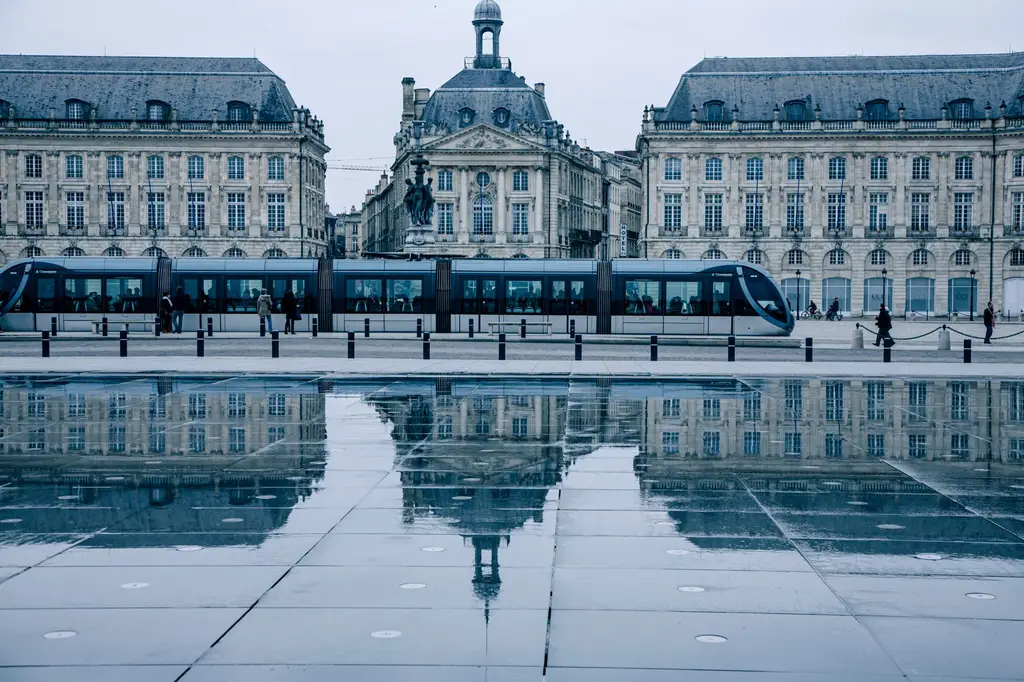
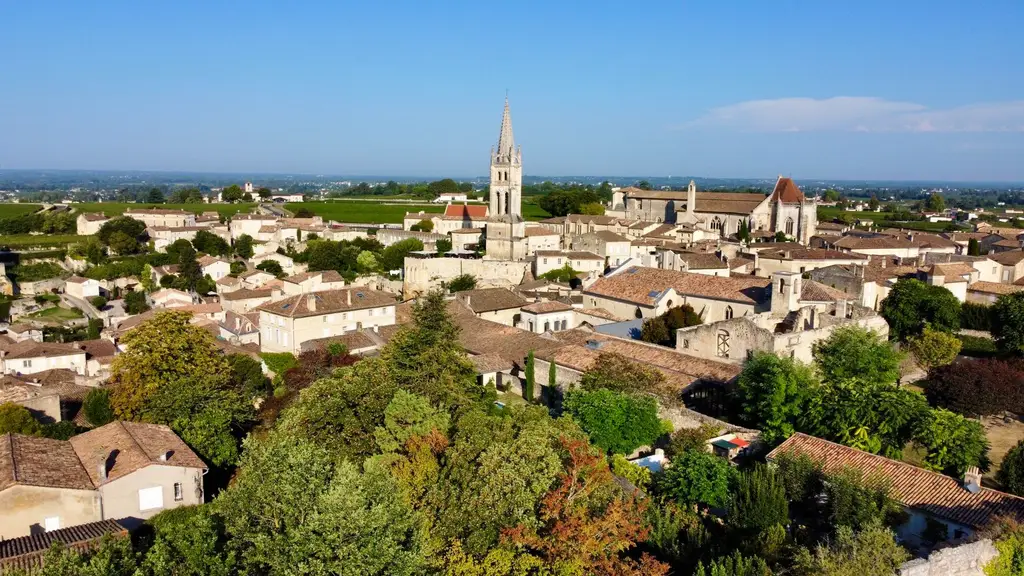
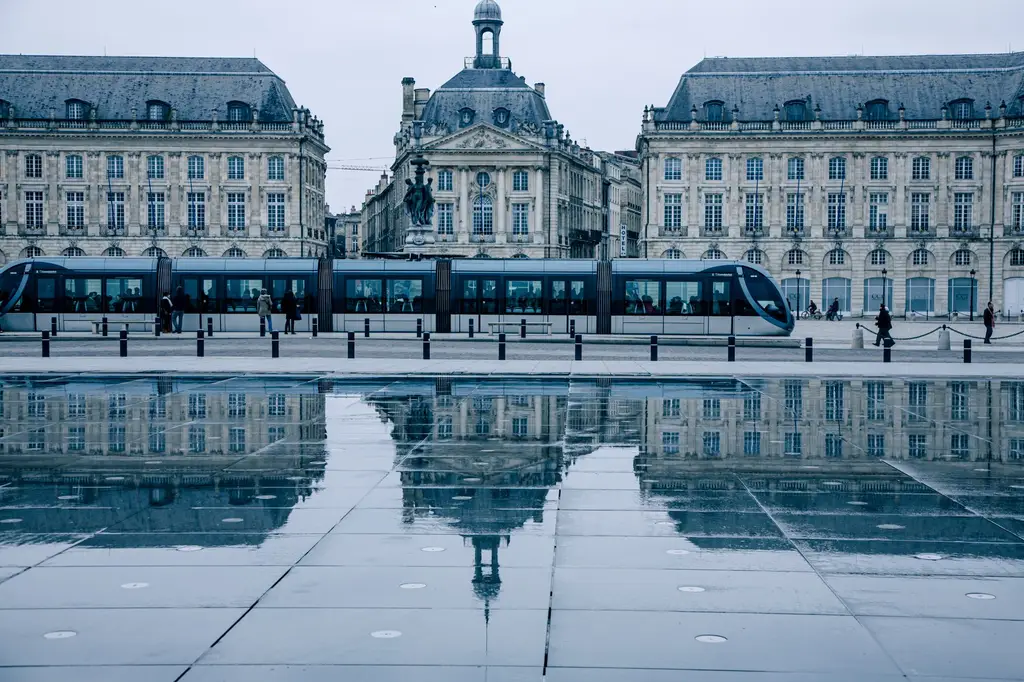
Bordeaux spent the 18th century getting rich on the coffee, cocoa, and sugar trade, and it built itself accordingly: a long, near-uniform crescent of pale limestone buildings along the river that UNESCO now protects as the Port of the Moon. Unlike a lot of French cities that wear one obvious identity, Bordeaux runs two in parallel. There's the walkable historic core, tram lines, a Saturday market, and a genuinely good restaurant scene, and then there's the wine, which isn't a side attraction here so much as the reason the city exists in its current form. Within an hour you can be standing in Saint-Emilion's medieval streets or tasting at a Medoc chateau whose name is on a wine list somewhere expensive. The city itself is compact enough to walk end to end in under an hour, and its centerpiece, the Place de la Bourse facing its own reflection in the Miroir d'eau, is one of the more photographed squares in France for a reason. Three to four days lets you see the city and do one proper day trip into the vineyards. A week gives you the city plus Saint-Emilion, the Medoc or Sauternes, and a day at the coast. Go in September if the harvest interests you more than perfect weather; go in May or June if it's the other way around.
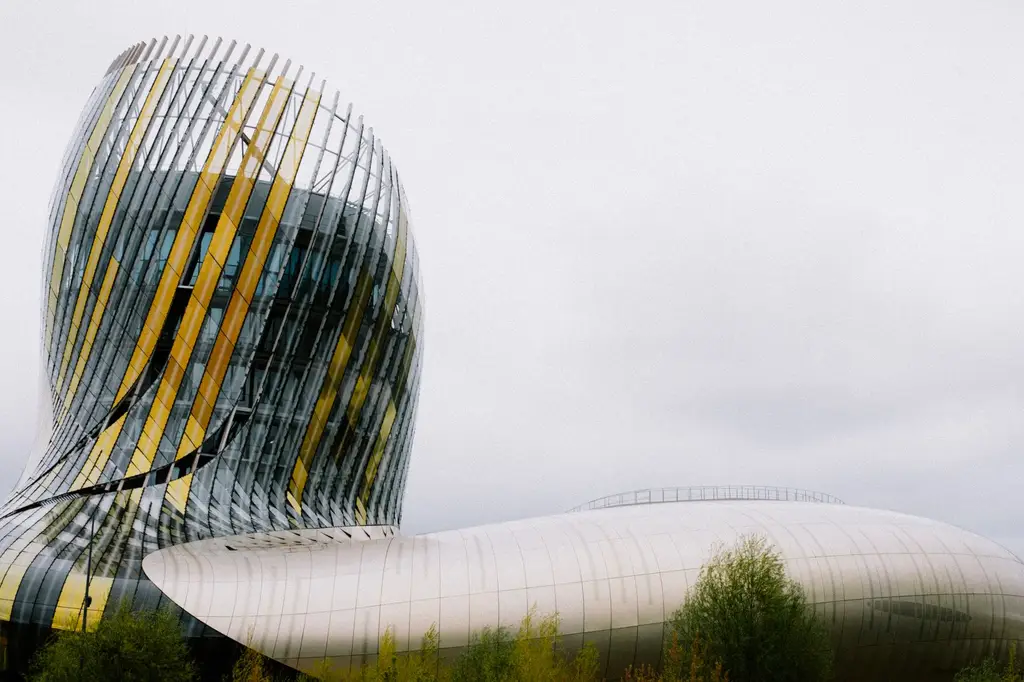
Bordeaux is one of the few cities where I'd actively plan around a museum's opening hours the way you'd plan around a restaurant reservation. The Cite du Vin gets busy midday and is much better first thing or in the late afternoon.
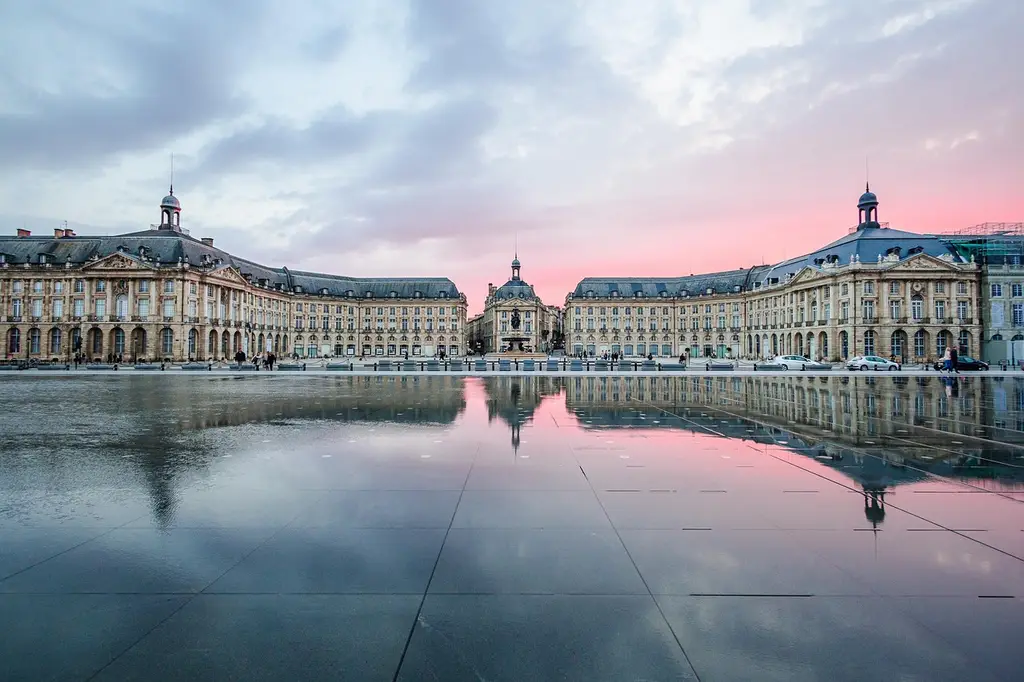
The Miroir d'eau is worth building a walk around, but don't treat it as a guaranteed photo. I'd check that it's actually filled before crossing town for it, since it comes offline for maintenance and nobody advertises the schedule loudly.
Everyone treats the Medoc as a Bordeaux day trip you can wing. It isn't. The famous communes are spread out with thin public transit, and a chateau visit without an appointment usually means standing outside a locked gate.
Saint-Emilion is small enough that a few hours covers the town itself, but I'd rather arrive on an early train and have the streets before the tour groups than try to out-walk a crowd later in the day.
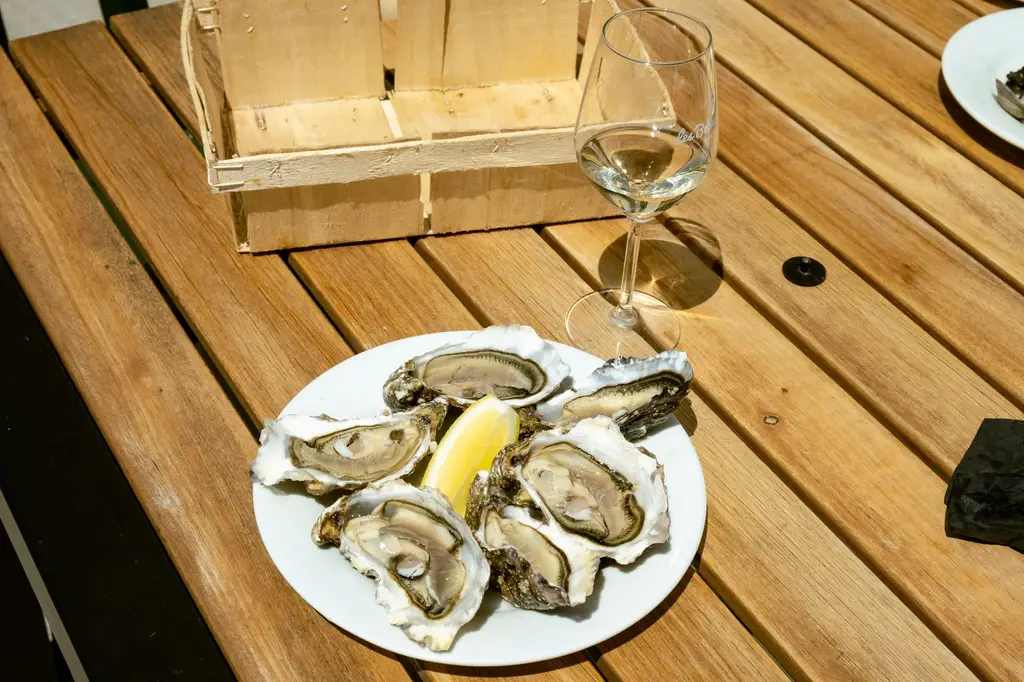
The food here undersells itself compared to the wine. A market oyster lunch with a glass of white was as good a meal as anything I had in a proper restaurant.
The compact city core: Place de la Bourse, the old town, and the Cite du Vin.
Day 1: Bordeaux city core
Morning
Place de la Bourse and the Miroir d'eau early, before the square fills up, then a walk through Saint-Pierre to the Cathedrale Saint-Andre.
Afternoon
Rue Sainte-Catherine for shopping and lunch, then the tram out to the Cite du Vin for the exhibition and the belvedere tasting.
Evening
Walk or tram back to Chartrons for dinner and a glass of wine along the old quay.
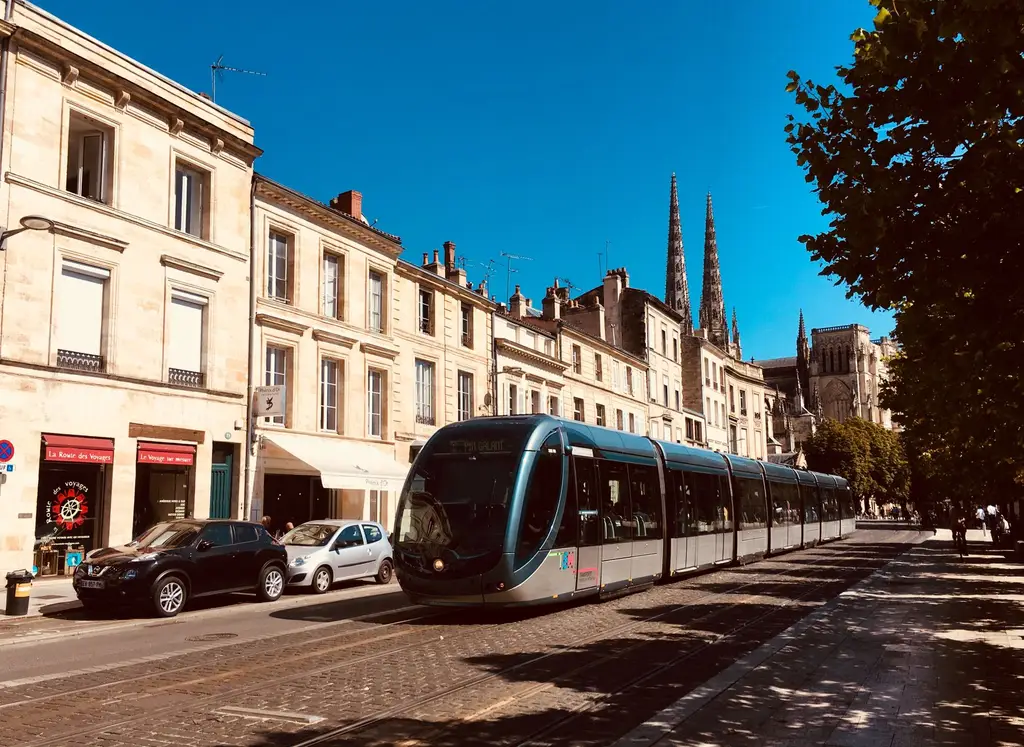
Tip: Buy a tram day pass in the morning; you'll use it at least four times covering this ground.
The city core plus one wine-region day trip to Saint-Emilion.
Day 1: Bordeaux city core
Morning
Place de la Bourse and the Miroir d'eau, then the Cathedrale Saint-Andre and Pey Berland Tower.
Afternoon
Basilique Saint-Michel and the surrounding market streets, then Rue Sainte-Catherine.
Evening
Chartrons for dinner.
Tip: Confirm the Miroir d'eau is filled before building your morning around it; it's drained periodically for cleaning.
Day 2: Day trip: Saint-Emilion
Morning
TER train to Saint-Emilion, roughly 35-45 minutes (confirm current timetable); walk the medieval streets before the tour groups arrive.
Afternoon
Monolithic church tour, then a chateau visit or tasting near town if you booked ahead.
Evening
Train back to Bordeaux for dinner.
Tip: Buy the train ticket in advance in summer; weekend trains to Saint-Emilion sell out.
Day 3: Cite du Vin and the museums
Morning
Cite du Vin at opening, before the midday crowd.
Afternoon
Musee des Beaux-Arts or the Base sous-marine, then Marche des Capucins for a late lunch.
Evening
Free evening in Saint-Pierre.
Tip: Market stalls at Capucins wind down by early afternoon; go before 1pm.
The 3-day core plus the Medoc and a day at Arcachon Bay and the Dune du Pilat.
Day 1: Bordeaux city core
Morning
Place de la Bourse and the Miroir d'eau, Cathedrale Saint-Andre.
Afternoon
Basilique Saint-Michel, Rue Sainte-Catherine.
Evening
Chartrons.
Tip: This is your longest walking day; wear real shoes.
Day 2: Day trip: Saint-Emilion
Morning
TER train, medieval town before the crowds.
Afternoon
Monolithic church, chateau visit if booked.
Evening
Back to Bordeaux.
Tip: Book any chateau appointment before you leave the city.
Day 3: Cite du Vin and museums
Morning
Cite du Vin.
Afternoon
Musee des Beaux-Arts or Base sous-marine.
Evening
Free evening.
Tip: Buy Cite du Vin tickets online if visiting July-August.
Show all 5 days
Day 4: Day trip: Medoc
Morning
Rental car or organized tour north into the Medoc; the public transit option here is thin, this is the one day worth arranging a car or a booked tour for.
Afternoon
Chateau visits around Margaux or Pauillac, by appointment.
Evening
Back to Bordeaux for dinner.
Tip: Confirm chateau appointments a week or more ahead; the well-known names don't take walk-ins.
Day 5: Day trip: Arcachon Bay and Dune du Pilat
Morning
TER train to Arcachon, under an hour, for the bay and oyster shacks.
Afternoon
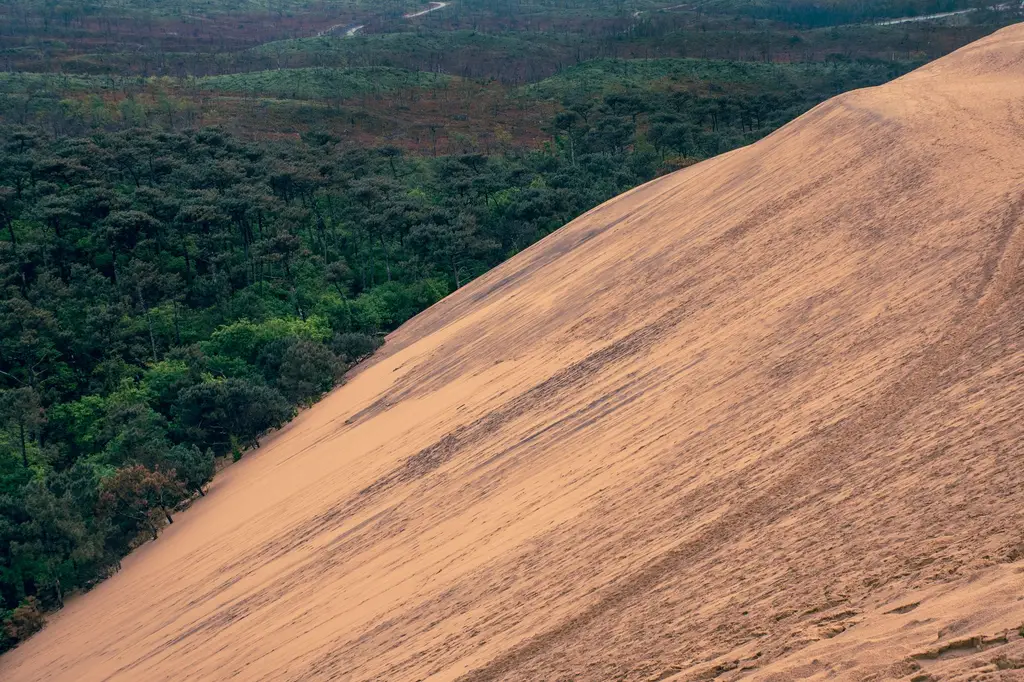
Bus or taxi to the Dune du Pilat, Europe's largest sand dune, and climb it for the view over the bay and the pine forest.
Evening
Train back to Bordeaux.
Tip: The dune has no shade; bring water and go earlier rather than at midday in summer.
Full Bordeaux city core plus Saint-Emilion, the Medoc, Arcachon, and Sauternes as day trips.
Day 1: Bordeaux city core
Morning
Place de la Bourse and Miroir d'eau, Cathedrale Saint-Andre.
Afternoon
Basilique Saint-Michel, Rue Sainte-Catherine.
Evening
Chartrons.
Tip: Get a tram day pass; you'll use transit most days this week.
Day 2: Day trip: Saint-Emilion
Morning
TER train, medieval streets early.
Afternoon
Monolithic church, chateau tasting.
Evening
Back to Bordeaux.
Tip: Book the chateau, not just the train.
Day 3: Cite du Vin and museums
Morning
Cite du Vin at opening.
Afternoon
Musee des Beaux-Arts or Base sous-marine, Marche des Capucins.
Evening
Rest evening.
Tip: Save the market for lunch, not dinner, it closes early.
Show all 7 days
Day 4: Day trip: Medoc
Morning
Car or organized tour north; the communes are spread out enough that this isn't a walk-and-train day.
Afternoon
Chateau visits around Margaux, Saint-Julien, or Pauillac.
Evening
Back to Bordeaux.
Tip: Group tours solve the transit problem if you don't want to drive.
Day 5: Day trip: Arcachon Bay and Dune du Pilat
Morning
TER train to Arcachon.
Afternoon
Dune du Pilat climb, bay views.
Evening
Back to Bordeaux.
Tip: Bring water, the dune has no shade and the climb is steeper than it looks from the base.
Day 6: Day trip: Sauternes
Morning
Car or tour south into Sauternes, sweet-wine country with a very different rhythm from the Medoc's grand estates.
Afternoon
Chateau tasting focused on Sauternes and Barsac, by appointment.
Evening
Back to Bordeaux for a final dinner in the center.
Tip: Sauternes tastings run smaller and less formal than Medoc's; a good contrast if you did both.
Day 7: Free day and departure prep
Morning
Anything missed earlier in the week, or a slow morning in Chartrons.
Afternoon
Last-minute shopping on Rue Sainte-Catherine, pack.
Evening
Final dinner.
Tip: Keep this day as buffer; it's your recovery if an earlier day trip ran long.
Bordeaux alone doesn't fill two weeks. This covers the city and its wine-region day trips in the first week, then uses Bordeaux as a base for the wider Nouvelle-Aquitaine region: the Dordogne, Cognac, La Rochelle, and the Basque coast in the second.
Day 1: Bordeaux city core
Morning
Place de la Bourse and Miroir d'eau, Cathedrale Saint-Andre.
Afternoon
Basilique Saint-Michel, Rue Sainte-Catherine.
Evening
Chartrons.
Tip: Sort out a tram pass on day one.
Day 2: Day trip: Saint-Emilion
Morning
TER train, medieval town.
Afternoon
Monolithic church, chateau tasting.
Evening
Back to Bordeaux.
Tip: Book ahead in summer.
Day 3: Cite du Vin and museums
Morning
Cite du Vin.
Afternoon
Musee des Beaux-Arts, Marche des Capucins.
Evening
Rest evening.
Tip: A lighter day after two intense ones.
Show all 14 days
Day 4: Day trip: Medoc
Morning
Car or organized tour north.
Afternoon
Chateau visits around Margaux or Pauillac.
Evening
Back to Bordeaux.
Tip: Book appointments at least a week out.
Day 5: Day trip: Arcachon Bay and Dune du Pilat
Morning
TER train to Arcachon.
Afternoon
Dune du Pilat.
Evening
Back to Bordeaux.
Tip: Go early to avoid the midday heat on the dune.
Day 6: Day trip: Sauternes
Morning
Car or tour south.
Afternoon
Sweet-wine tastings around Sauternes and Barsac.
Evening
Back to Bordeaux.
Tip: Pair this with a lighter lunch, the wines are rich.
Day 7: Rest day in Bordeaux
Morning
Open, catch up on anything missed.
Afternoon
Shopping or a slow revisit of a favorite district.
Evening
Open.
Tip: A full rest day matters more than another chateau by this point.
Day 8: Onward to Cognac
Morning
Train or car north to Cognac, about 90 minutes, for the town and a cognac house tour.
Afternoon
Walk the old town along the Charente river.
Evening
Overnight in Cognac or return to Bordeaux depending on your route.
Tip: Cognac house tours generally want a booking, similar to Bordeaux chateaux.
Day 9: La Rochelle
Morning
Train onward or from Bordeaux to La Rochelle, a fortified Atlantic port town with a very different feel from wine country.
Afternoon
Walk the old harbor towers and the covered market.
Evening
Seafood dinner by the port.
Tip: La Rochelle's towers and old port are the reason to come; budget a half day minimum.
Day 10: Dordogne: Sarlat-la-Caneda
Morning
Travel to Sarlat, roughly 2 hours from Bordeaux by car or train with a change; a medieval market town in the Dordogne valley.
Afternoon
Walk the old town, visit a nearby cave or chateau if time allows.
Evening
Overnight in the Dordogne to give the region proper time.
Tip: This region rewards slowing down; don't try to combine it with a same-day return to Bordeaux.
Day 11: Dordogne, second day
Morning
A prehistoric cave site or riverside village like La Roque-Gageac.
Afternoon
Canoe on the Dordogne river if the season allows, or another market town.
Evening
Travel back toward Bordeaux.
Tip: Book cave tickets ahead, the well-known sites cap daily visitor numbers.
Day 12: Basque coast: Biarritz or Bayonne
Morning
TGV or TER south to Biarritz or Bayonne, about 2 hours, a genuinely different coastline and culture from wine country.
Afternoon
Beach and old town walking, or a Bayonne ham and chocolate detour.
Evening
Dinner in the Basque style, different from anything you've eaten so far this trip.
Tip: This is a long day trip; consider an overnight if you want more than a few hours there.
Day 13: Return to Bordeaux, unhurried
Morning
Slow morning back in Bordeaux, coffee in Saint-Pierre.
Afternoon
Revisit a favorite district or finish any wine shopping.
Evening
A proper final dinner, splurge if you haven't yet.
Tip: Book a well-known restaurant ahead if this is the plan; walk-ins are unreliable on a Friday or Saturday.
Day 14: Departure
Morning
Pack, last shopping near Gare Saint-Jean or in the center.
Afternoon
Tram to the airport (about 35-45 minutes) or TGV onward.
Evening
Departure.
Tip: Leave more buffer than you think for the airport tram in peak travel periods.
always open (public square); the water mirror runs seasonally, typically daytime through early evening·free·30-60 minutes
The reflecting pool across from the square is periodically drained for cleaning and maintenance, so don't plan a trip around it alone. Confirm it's running before you go; early morning or evening light gives the best reflection.
2
Cite du Vin
generally 10am-6pm or 10am-7pm depending on season·around EUR 22 adult (unverified against the current official price, confirm before you go)·2-3 hours
Closed some Mondays off-season; check before visitingadvance online booking recommended in peak season
A wine museum and sensory exhibition, not a working chateau. It explains wine culture globally, which pairs well before a chateau visit rather than replacing one. A tasting is included at the top-floor belvedere.
cathedral generally free access during the day; tower climb has separate, more limited hours·cathedral free; tower entry a small fee, a few euros·45-75 minutes
Closed check locally, tower typically closed Monday
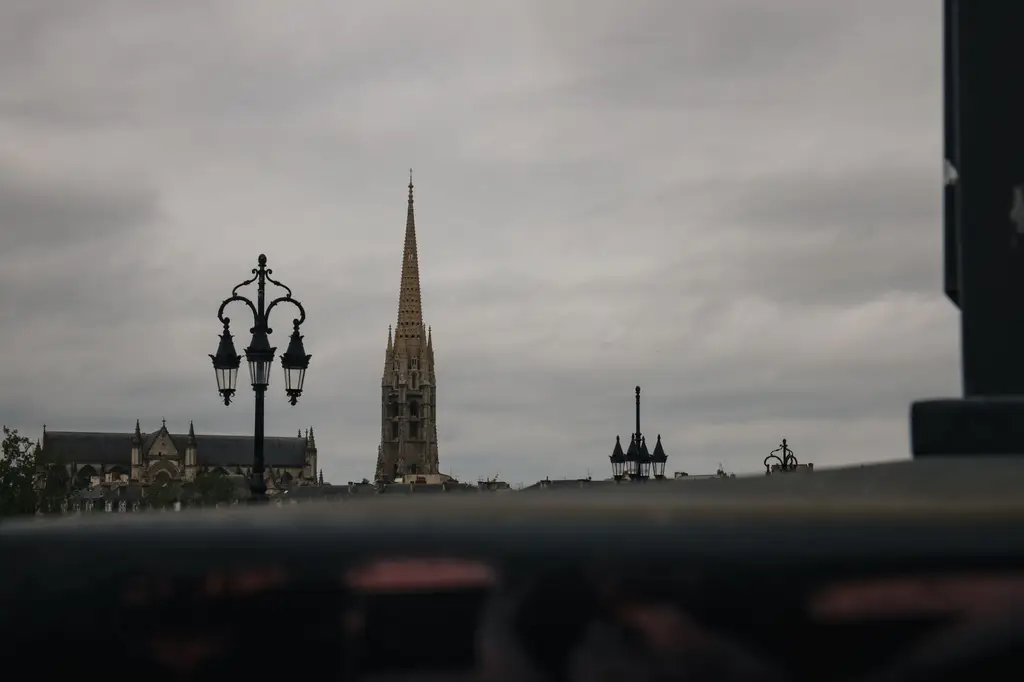
The detached bell tower predates most of the current cathedral facade and gives a rooftop view over the old town if you're willing to climb it.
4
Basilique Saint-Michel
generally open daytime, hours vary·free to enter; tower climb has a small fee·30-45 minutes
Flamboyant Gothic church with its own separate bell tower, one of the tallest in France. The surrounding square hosts a flea market some mornings.
5
Musee des Beaux-Arts de Bordeaux
roughly 11am-6pm·around EUR 8 adult, permanent collection sometimes free·1.5-2 hours
Closed Tuesdays
A manageable, well-hung collection spanning Renaissance to 20th century, a good option on a day the weather turns.
6
Base sous-marine
varies, generally Sunday-Thursday 10am-6pm, Friday-Saturday 10am-9pm·varies by exhibition·1-2 hours
walk in for most exhibitions
A WWII German submarine pen repurposed as a cultural and exhibition space. Cavernous and strange, nothing like the rest of the city's architecture.
Cité du Vin
as of 2026-09
Viral
An interactive wine museum in a striking curved building on the Garonne, marking its 10th anniversary with special exhibitions, plus a rooftop tasting room with river views. It's more experience design than deep wine education, but it's genuinely well done and the rooftop view alone is worth the ticket.
Bassins des Lumières
as of 2026-09
Viral
A digital art centre in a former WWII submarine base on the water, showing a Matisse-focused immersive projection show launched February 2026, with the venue rotating shows through the year. The setting, water and all, is more striking than most immersive-art venues. Confirm what's actually showing before you book, the program changes.
Miroir d'Eau, Place de la Bourse
as of 2026-09
Viral
A shallow reflecting pool on the riverfront that periodically mists over into fog and mirrors the 18th-century facades of Place de la Bourse behind it, free and open-air. Free, photogenic, and genuinely popular on social media for good reason. Best at golden hour, gets crowded with kids splashing by midafternoon.
Saint-Émilion day trip
as of 2026-09
Viral
A half-day or full-day trip from Bordeaux to the medieval hilltop wine town of Saint-Émilion, with vineyard and winery tours, cellar visits and the town's underground monolithic church. Worth it if you have a car or book a tour, the train connection is inconvenient. The town itself is small, don't plan a full day there alone.
Bordeaux cycling network
as of 2026-09
Viral
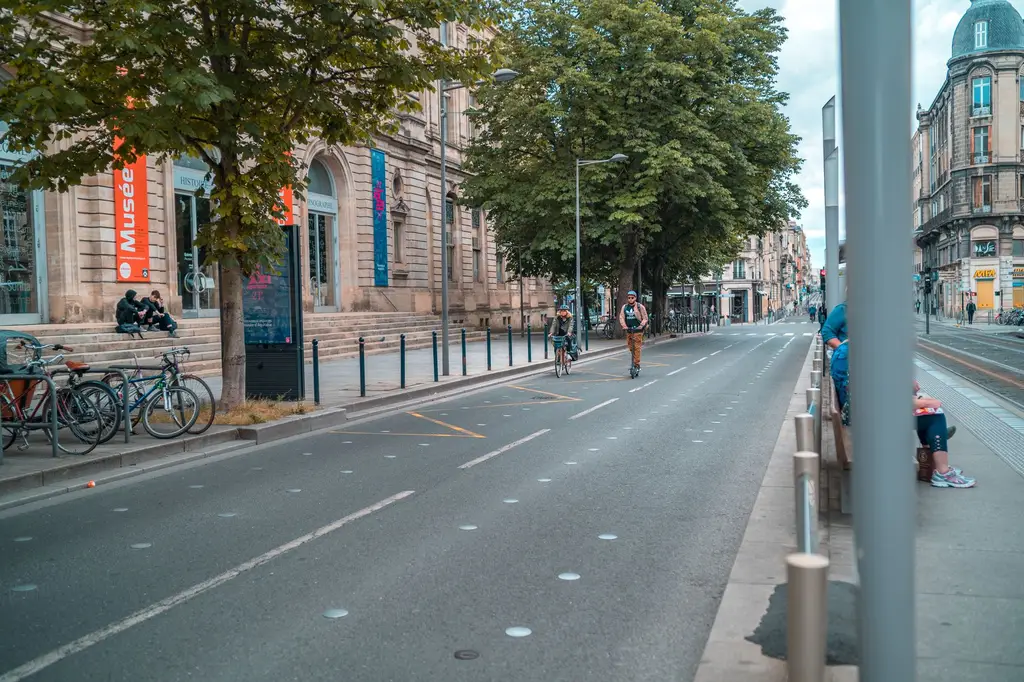
An expanding network of car-free cycle tracks through the city and along the Garonne, with bike and e-bike rentals widely available; Bordeaux markets itself as France's leading cyclotourism city. Genuinely one of the easier French cities to cycle in. Rental bike quality varies a lot between operators, check reviews first.
More to see (2)
7
Chartrons district
always accessible·free to walk·1.5-2 hours
The old wine-merchant quarter, riverside warehouses now holding wine bars and shops. Quieter than the center and a good place for an evening glass without the crowds.
8
Marche des Capucins
generally 6am-1pm, closed Mondays·free to browse·1-1.5 hours
Closed Mondays
Bordeaux's main covered food market, oysters and a glass of white wine for breakfast is a genuine local habit here, not a tourist bit.
Where to stay
Saint-Pierre / Golden Triangle
Suits: first-timers who want to walk to everything
The historic core between the Cathedral and the river, close to Place de la Bourse and Rue Sainte-Catherine, but the busiest and priciest area.
Chartrons
Suits: travelers who want the wine-trade history without the crowds
The old wine merchant quarter along the river north of downtown, now full of wine bars and independent shops, a 15-20 minute walk to the center.
Saint-Jean (near Gare Saint-Jean)
Suits: anyone prioritizing train connections for wine-region day trips
Right at the main station, less atmosphere, useful if you're doing Saint-Emilion or Arcachon by train and want a short walk with luggage.
Bastide (right bank)
Suits: budget travelers who don't mind a bridge crossing
Across the Garonne from the old town, cheaper, quieter, connected by tram and a pedestrian bridge with a view back at Place de la Bourse.
Getting there and around
Getting there
TGV from Paris Montparnasse runs roughly hourly on the LGV Sud Europe Atlantique line and takes about 2 hours 4 minutes at up to 320 km/h; fares vary widely by advance purchase, roughly EUR 30-90, check SNCF Connect for the current window. Bordeaux-Merignac Airport (BOD) is 15 km west; tram line F (with a shuttle connection) runs into the center in about 35-45 minutes for a standard single fare.
Getting around
The historic center, from the Cathedral to the river, is walkable in under an hour end to end. Five tram lines (A-E, plus airport-linked F) and a bus network run by TBM cover the rest; a single ticket is around EUR 1.90, a day pass around EUR 5.50, and both cover tram and bus. A public bike-share system operates city-wide. For Saint-Emilion or the Medoc you're leaving the tram network behind for a TER train, a rental car, or an organized tour.
Map
City
Recommended (numbered)
Mentioned in an itinerary
Locations on this map
Bordeaux44.84, -0.58
Place de la Bourse and the Miroir d'eau44.84, -0.58
Cite du Vin44.86, -0.55
Cathedrale Saint-Andre and Pey Berland Tower44.84, -0.58
Basilique Saint-Michel44.83, -0.57
Musee des Beaux-Arts de Bordeaux44.84, -0.58
Base sous-marine44.87, -0.56
Chartrons district44.86, -0.56
Marche des Capucins44.83, -0.57
Saint-Pierre44.84, -0.57
Rue Sainte-Catherine44.84, -0.57
Saint-Emilion44.84, -0.80
Medoc44.90, -0.67
Margaux44.79, -0.61
Pauillac44.90, -0.58
Dune du Pilat44.59, -1.21
Arcachon44.83, -0.58
Europe44.92, -0.50
Saint-Julien44.79, -0.50
Sauternes44.79, -0.61
Barsac44.82, -0.57
Cognac44.84, -0.58
Charente44.85, -0.64
Atlantic44.72, -0.54
Sarlat-la-Caneda44.89, 1.22
Dordogne44.88, -0.46
Biarritz44.85, -0.61
Bayonne44.83, -0.36
TER44.81, -0.58
Basque44.91, -0.42
Gare Saint-Jean44.83, -0.56
What it costs
Stay
Food
Transport
Activities
Daily cost breakdown, EUR per person
Tier
Stay
Food
Transport
Activities
Total
Budget
EUR 30
EUR 25
EUR 5
EUR 10
EUR 70
Mid-range
EUR 90
EUR 45
EUR 10
EUR 15
EUR 160
Splurge
EUR 220
EUR 110
EUR 30
EUR 90
EUR 450
A mid-range day: EUR 90 hotel room (split two ways or solo), EUR 5.50 tram day pass, EUR 22 Cite du Vin ticket, EUR 15 market lunch at Marche des Capucins, EUR 8 canneles and coffee, EUR 40 dinner with a glass of Bordeaux. Comes to roughly EUR 145-160, not counting a chateau visit.
Money savers
Marche des Capucins has cheap, fresh seafood and produce stalls, a fraction of a sit-down lunch downtown
Walking Place de la Bourse, the Miroir d'eau, the Cathedral, and Chartrons costs nothing and covers most of the postcard shots
TBM's day pass covers tram and bus together and pays for itself after two or three rides
Many chateaux tastings are free or low-cost if you buy a bottle afterward; ask before assuming a tasting fee applies
Bordeaux is not a food-first destination the way Lyon is, and it doesn't pretend to be. Almost everything here is built around wine, and a meal is often chosen to fit a bottle rather than the other way around. That means the city's best eating tends to happen in wine bars in Chartrons and Saint-Pierre, where the pour matters as much as the plate, and where staff will steer you toward a pairing rather than just handing over a list. What Bordeaux does have that's genuinely its own: canelés, Arcachon oysters, and a steak sauce named for the city. Marche des Capucins is the real produce and food market, unglamorous and locally run, and a Saturday morning oyster breakfast there with a glass of white wine is a proper local tradition, not a tourist invention. Meal times run close to the standard French pattern, and reservations at the better wine bars are worth making a day ahead on weekends.
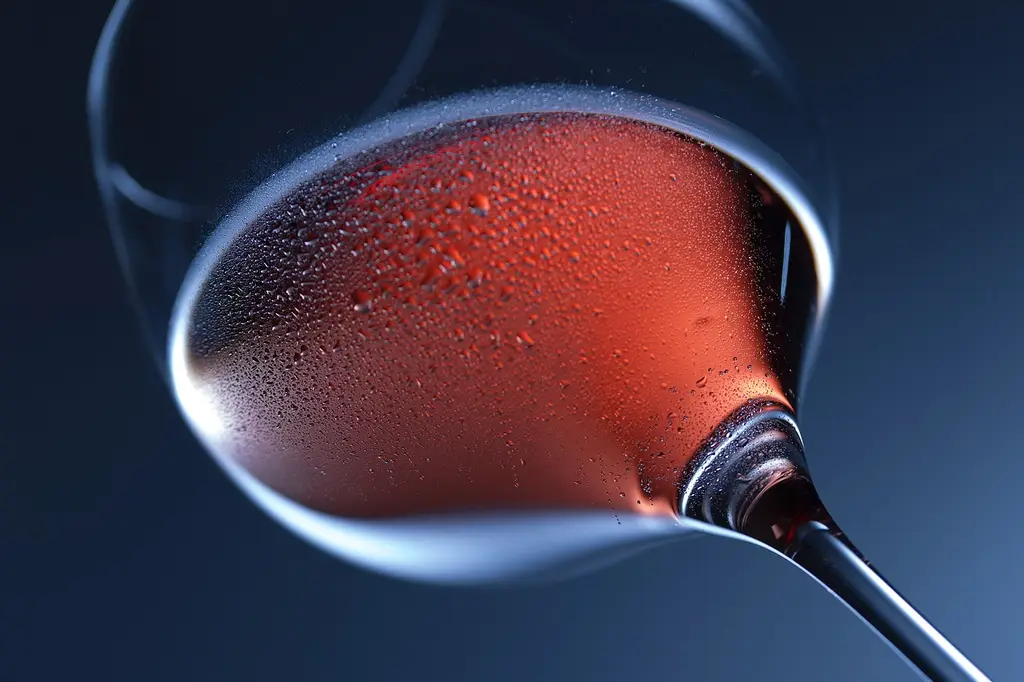
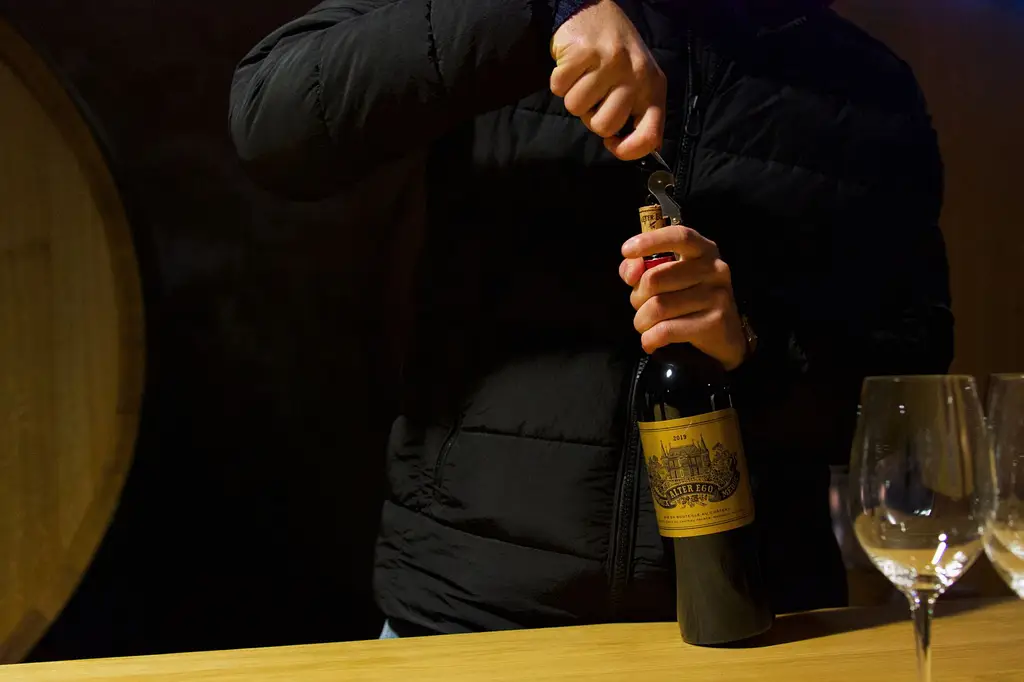
Photo by Liv Kao on PexelsWine by the glass, paired rather than ordered blind
Canelés
EUR 1.50-3 each·bakeries citywide, especially around Saint-Pierre and the market halls
Must try
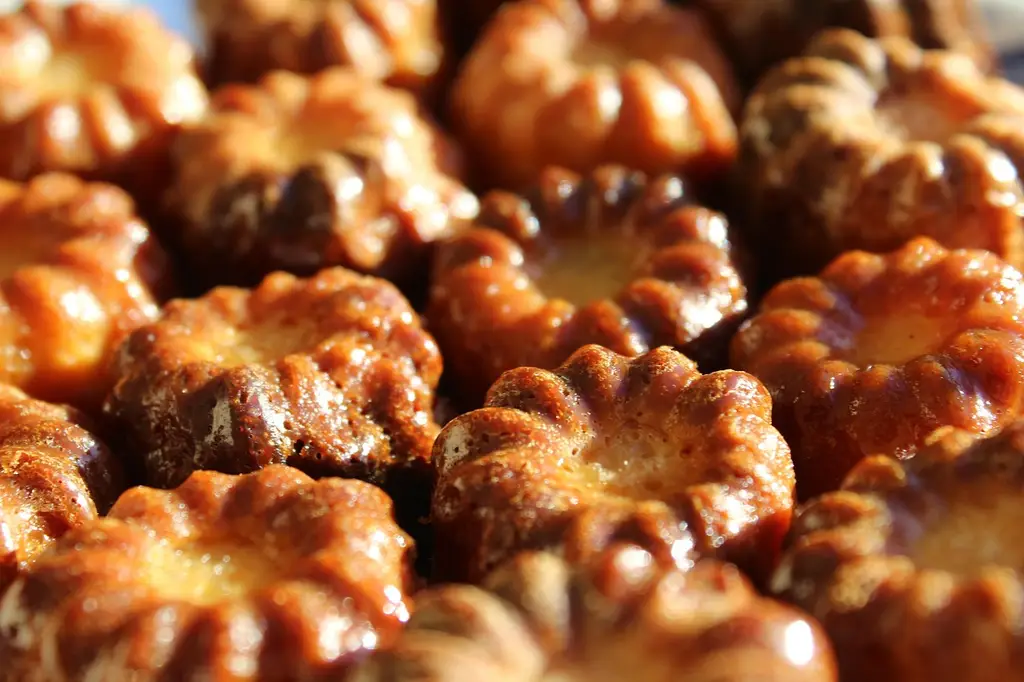
Small custard pastries with rum and vanilla in the center and a dark caramelized crust, a Bordeaux original. Best within a few hours of baking, they go rubbery by the next day.
Arcachon Bay oysters
EUR 12-20 per dozen·Marche des Capucins and seafood counters throughout the city
Must try
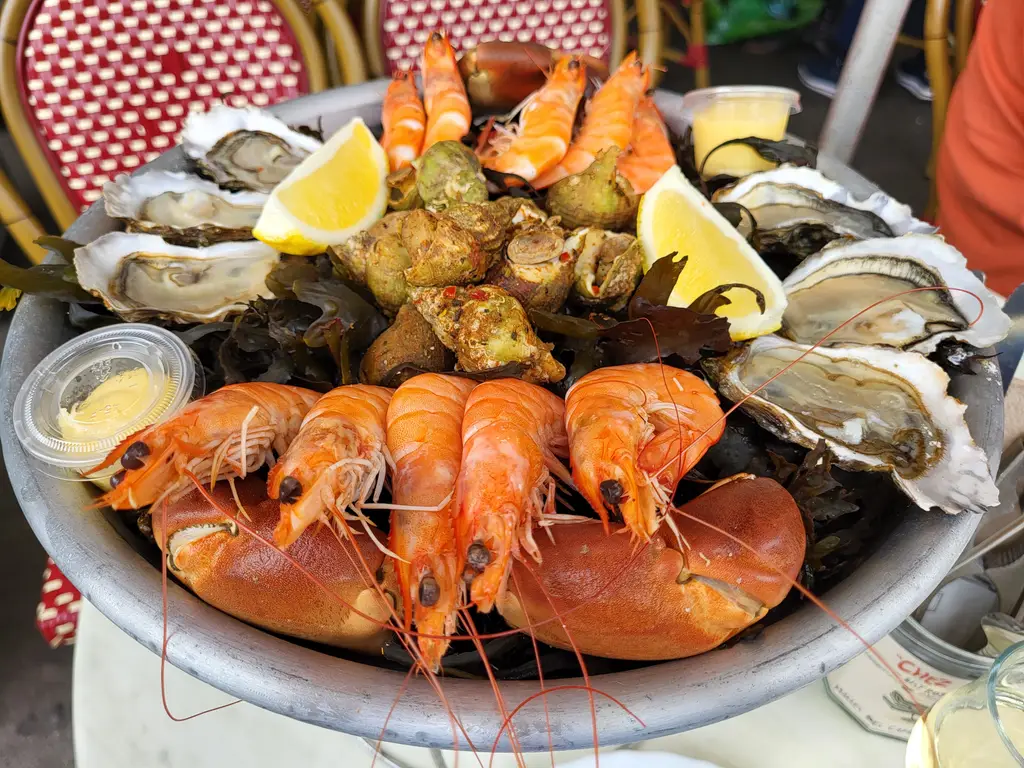
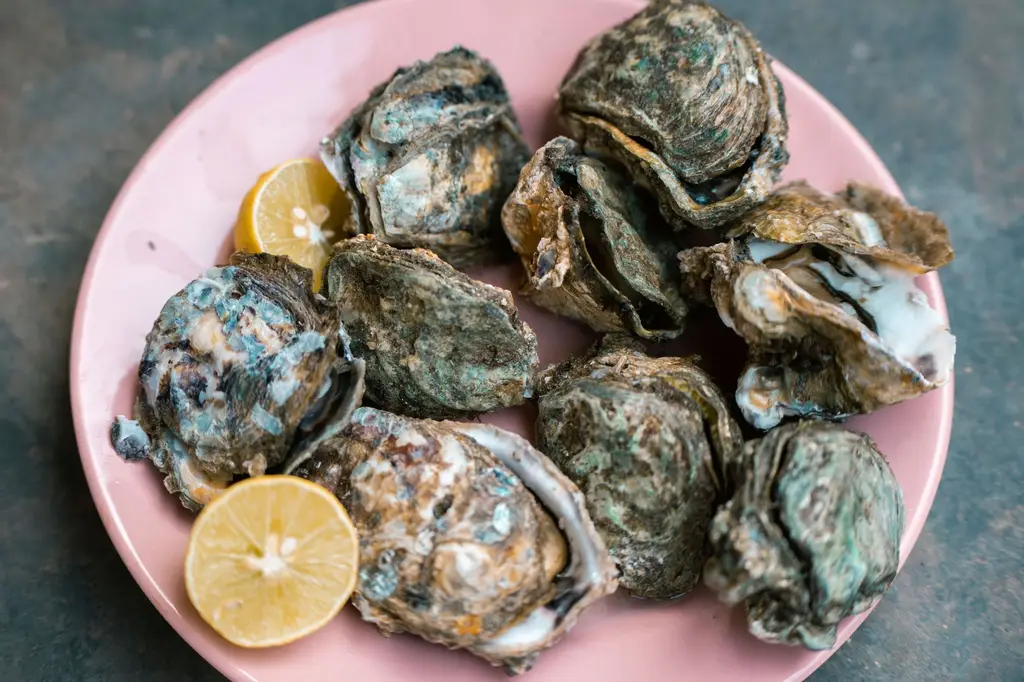
Farmed an hour southwest in the bay; eaten raw with a squeeze of lemon or a local vinegar-shallot mignonette, often paired with small grilled sausages called crepinettes and a glass of white Bordeaux.
Marche des Capucins Saturday oyster breakfast
EUR 10-18·Marche des Capucins
Must try
A genuine local ritual: a plate of oysters and a glass of chilled white wine standing at a market counter on Saturday morning, before the rest of the city is properly awake.
Entrecote a la bordelaise
EUR 22-32·bistros throughout the center
Must try
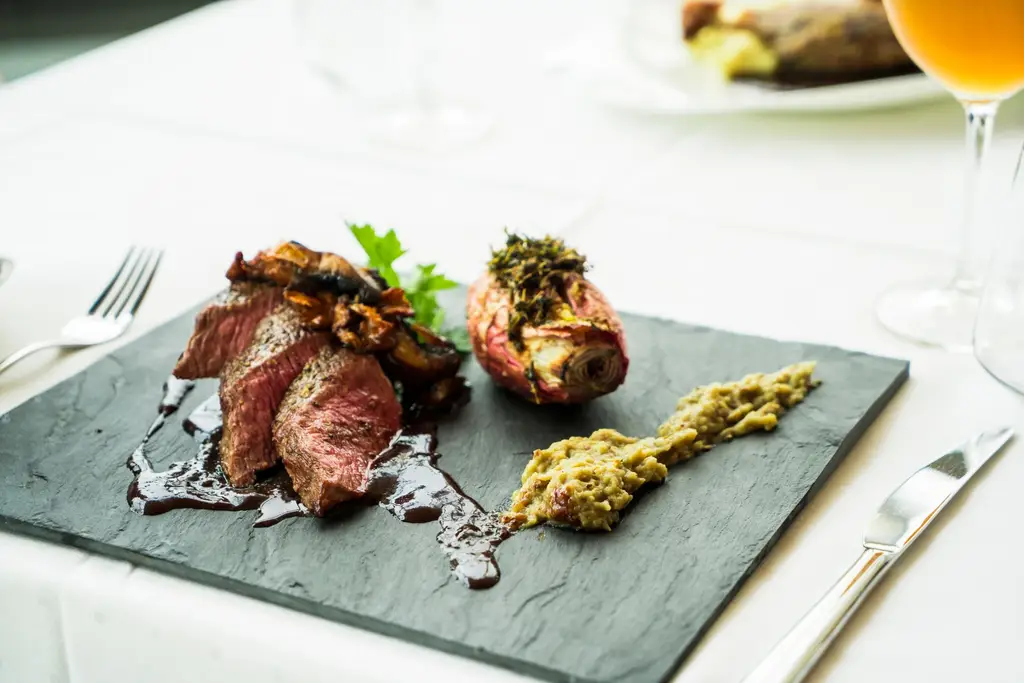
Steak in a red wine and bone marrow reduction, sometimes grilled over vine cuttings for the smoke. About as regionally specific a steak dish as France produces.
Lamproie a la bordelaise
EUR 20-28·traditional bistros, less common on modern menus
Lamprey eel stewed in red wine, a genuinely old-school regional dish that's worth trying once even if it sounds rough on paper.
Wine by the glass, paired rather than ordered blind
EUR 6-12 a glass·wine bars in Chartrons and Saint-Pierre
Must try
Most wine bars will pour a flight or advise a pairing rather than just handing you a list; ask, since Bordeaux's own wine culture leans toward guided tasting over self-service.
Chartrons natural wine bar scene
as of 2026-09
Viral
The old wine-merchant district has become the city's cluster of modern wine bars and caves a manger, mixing natural and biodynamic bottles with cheese and charcuterie plates. A district-level trend, safe to point people at without betting on one address. It's also genuinely rooted in Bordeaux's actual wine trade, not an import.
The canele debate
as of 2026-09
Viral
Bordeaux's caramelized rum-and-vanilla pastry has picked up a second wind on food TikTok, with locals and creators arguing over which bakery makes the best one. The dish has real staying power, it predates the internet by centuries. The 'best canele in Bordeaux' videos are mostly noise; pick any respected patisserie and you'll be fine.
Grain (Croix-Blanche boulangerie)
as of 2026-09
Viral
A bakery near Place des Martyrs de la Resistance that opened in 2024 and got voted Bordeaux's best chocolatine within a year, plus a best baguette tradition win. Multiple local write-ups back this one, and it still shows live hours and a 4.7 rating. Worth a stop, not a detour.
Matcha and specialty coffee bar wave
as of 2026-09
Viral
New coffee shops built around matcha and Japanese-style drinks have opened across Bordeaux, layering onto an already strong specialty coffee scene. The city now runs its own Coffee Week and Coffee Show, so this reads as a real trend, not a one-shop gimmick.
Heritage-grain bread trend
as of 2026-09
Viral
Bordeaux bakers are working with old wheat varieties like petit epeautre and khorasan instead of standard flour, pitched as easier to digest and more flavorful. This is an industry-wide shift covered by trade sources, so expect to see it at more than one bakery.
Riverside dining on the Garonne
as of 2026-09
Viral
New restaurants and pontoon-style spots along the Garonne quays are pushing open-air, boat-adjacent dining instead of standard terraces. I only turned up one solid source on specific new openings, so treat this as a scene to scout in person, not a locked stop.
Safety and scams
Bordeaux is safe by ordinary standards; violent crime against visitors is rare. The real risks are petty: pickpocketing on trams and around Rue Sainte-Catherine, and the usual nightlife caution around unattended drinks. Watch for scooters and cyclists on shared streets in the old town, they move faster than the pedestrian crowds suggest.
Common mistakes
Assuming Medoc chateaux are reachable by public transit the way Saint-Emilion roughly is; most need a car or a booked tour
Showing up to a chateau without an appointment, many operate by reservation only, especially the well-known names
Not booking the Saint-Emilion train or a wine tour ahead during summer weekends, when both fill up
Treating the Cite du Vin as equivalent to a chateau visit rather than a complement to one
Visiting in mid-August expecting full restaurant and chateau availability; a real share of small businesses close for a stretch
Underestimating what a proper chateau tour and tasting costs; the well-known Medoc and Saint-Emilion estates are not a casual few euros
Frequently asked questions
How many days do you need in Bordeaux?
Three to four days covers the city and one wine-region day trip without rushing. A week lets you add the Medoc, Arcachon, and Sauternes. Bordeaux alone isn't really a two-week destination; longer stays work better built around the wider Nouvelle-Aquitaine region.
How do you get from Paris to Bordeaux?
TGV from Paris Montparnasse on the LGV Sud Europe Atlantique line takes about 2 hours 4 minutes at speeds up to 320 km/h, running roughly hourly. Fares vary a lot by how far ahead you book, generally EUR 30-90; check SNCF Connect for the current window.
Can you visit Medoc chateaux without a car?
It's difficult. The Medoc's famous communes, Margaux, Pauillac, Saint-Estephe, are spread out with limited public transit between them. Most visitors either rent a car for the day or book an organized tour; Saint-Emilion, by contrast, is workable by train.
How far is Saint-Emilion from Bordeaux, and do you need to book ahead?
By TER train it's roughly 35-45 minutes, confirm the current timetable since it can vary by service. Book the train and any chateau appointment ahead in summer, weekend trains and tastings both fill up.
Is the Cite du Vin worth visiting if you're also doing a chateau tour?
Yes, but as a complement rather than a substitute. It's an exhibition on wine culture globally with a tasting included, not a working vineyard. Go before a chateau visit for context, not instead of one.
Is the Miroir d'eau in Bordeaux always full of water?
No. The reflecting pool in front of Place de la Bourse is periodically drained for cleaning and maintenance, so don't build a single-purpose trip around it. Check locally or ask at your hotel before crossing town for the photo.
When is the wine harvest in Bordeaux, and is it worth timing a visit around it?
The vendanges typically happen in September. It's an interesting time to see the vineyards working, but some chateaux reduce or pause public tastings during it, and the region gets busier than the quieter shoulder months of May, June, or October.
Is Bordeaux walkable?
The historic center is compact, walkable end to end in under an hour, and the tram network covers the rest of the city easily. Day trips into wine country are a different story and generally need a train, car, or tour.
Do you need to book chateau tastings in advance?
For anything well known, yes, often a week or more ahead, especially in the Medoc where many operate strictly by appointment. Some smaller estates and Saint-Emilion tasting rooms take walk-ins, but don't count on it in peak season.
Is Bordeaux expensive?
It's mid-range for France. A budget traveler can manage on roughly EUR 70/day with hostel accommodation and market food; a comfortable mid-range trip runs closer to EUR 160/day. Chateau tours and tastings are where costs jump, and vary widely by estate.