Things to Do in Marseille: Itineraries, Costs and Food
France's oldest city and its second largest: a working port with a rough edge, a limestone coastline right at its back door, and a Notre-Dame lookout you can see from most of it.
By Labeeb Mirza · Published September 8, 2026 · Updated September 8, 2026
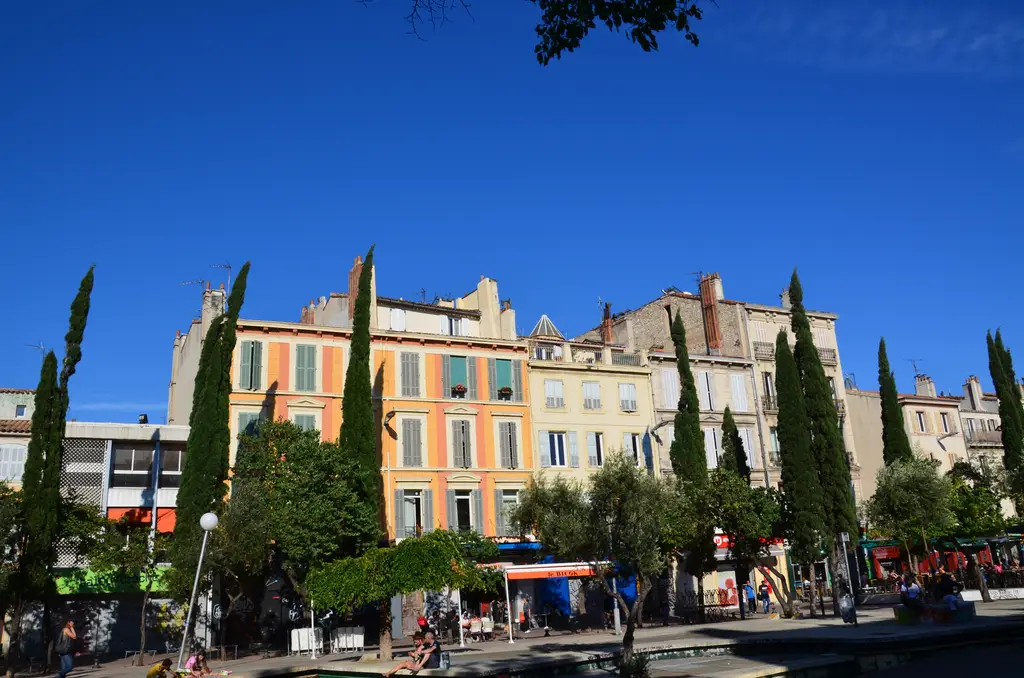
Marseille was founded around 600 BC by Greek settlers from Phocaea, which makes it older than Paris by a long way, and it has never really behaved like the rest of France. It is a port city first, a tourist city a distant second, and that ordering shows in how it looks and feels. The Vieux Port still runs a fish market most mornings. Le Panier's lanes are steep and narrow and painted over in a way no planning committee would approve. La Canebière cuts through the middle of it like a spine. None of this is styled for a postcard, and that is more or less the point: Rick Steves calls it a city where the streets are the paintings, and that is closer to right than any list of monuments. Marseille also carries a reputation problem, some of it earned, most of it about neighborhoods a visitor has no reason to enter. Drug-trafficking violence is real and well documented, and it is concentrated in specific northern housing projects, not in the Vieux Port, Le Panier, or the Calanques. The honest read is: petty theft and scams are the tourist-facing risk here, same as any big port city, and the harder crime problem sits somewhere you are not going to wander into by accident. South of the center, the coastline turns into limestone cliffs and turquoise inlets, the Calanques, which is the single best reason to add a couple of extra days here beyond the museums.
Marseille takes longer to like than most French cities, and I think that is by design rather than a flaw. It does not perform for visitors the way Paris or Nice does.
The safety conversation around this city is mostly about neighborhoods a tourist itinerary never touches. I would not spend energy worrying about the Vieux Port or Le Panier after dark, but I would keep a hand on my bag on the metro and around the port during the day, same as any port city with heavy foot traffic.
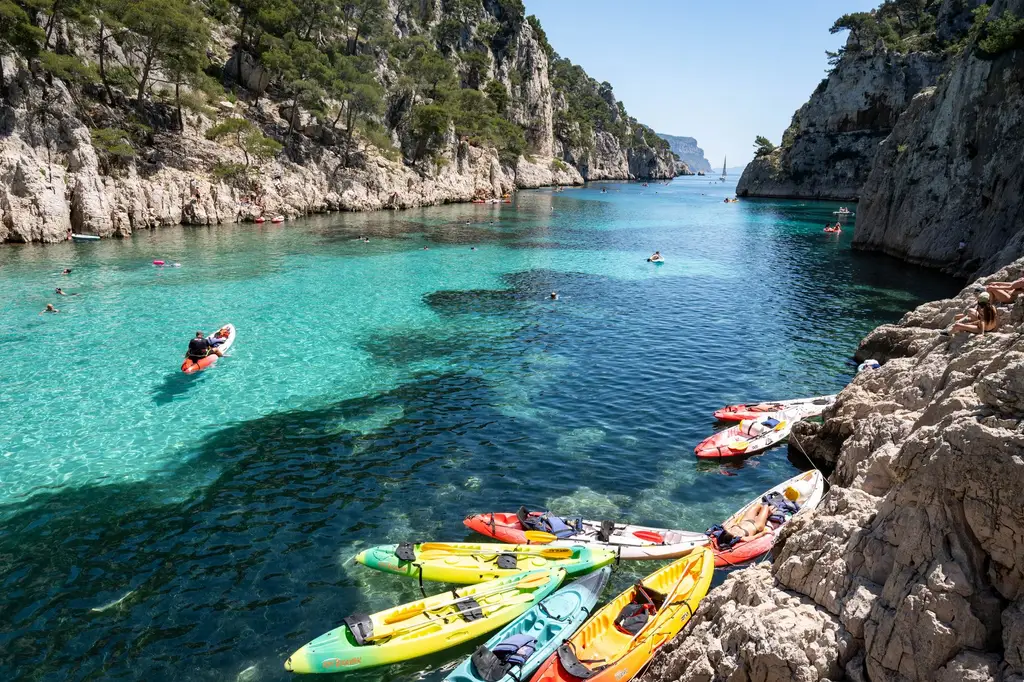
The Calanques are the argument for staying an extra two days. Photos of them undersell how different the water color looks in person, and how much better they are before 9am, before the day-trippers and the heat arrive.
I would skip most of the boat tour operators hawking trips along the Vieux Port quay. Walking or a bus to Sormiou or Morgiou and going in on foot gets you a better version of the same coastline for less money.
August is a strange month to visit. Half the small restaurants close for the owners' own holiday, the same as everywhere else in France, and the heat plus Calanques crowding make it the least comfortable month rather than the best one.
The compact core: Vieux Port, Le Panier, Notre-Dame de la Garde.
Day 1: Old Port to the Basilica
Morning
Start at the Vieux Port for the morning fish market, then climb into Le Panier for an hour of wandering its painted lanes and La Vieille Charité.
Afternoon
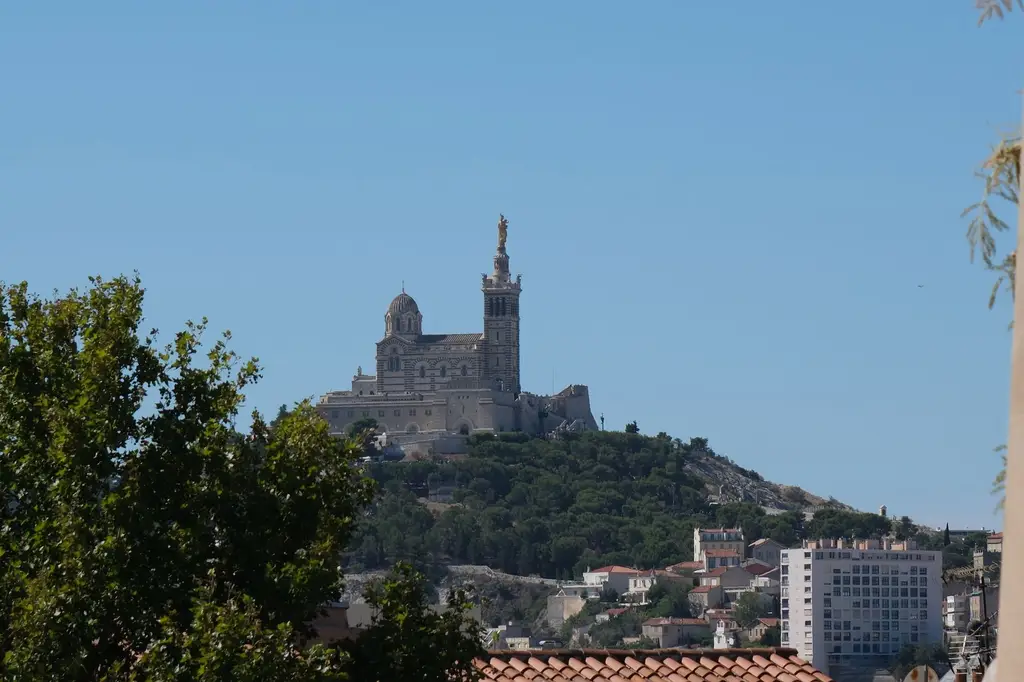
Walk or bus up to Notre-Dame de la Garde for the view over the whole city and bay, then back down toward the port.
Evening
Dinner near the Vieux Port or a short walk to Cours Julien for something less touristy, with a pastis on a terrace first.
Tip: Wear real shoes; Le Panier and the climb to Notre-Dame de la Garde are both on uneven, sloped stone.
Adds MuCEM, Château d'If, and a first taste of the Calanques.
Day 1: Old Port to the Basilica
Morning
Vieux Port market, then Le Panier and La Vieille Charité.
Afternoon
Notre-Dame de la Garde for the view.
Evening
Dinner near Cours Julien.
Tip: Buy an RTM day ticket at a metro station if you're not walking everywhere.
Day 2: MuCEM and Château d'If
Morning
MuCEM and the Fort Saint-Jean footbridge, then the free J4 esplanade.
Afternoon
Ferry from the Vieux Port to Château d'If, a couple of hours including the crossing.
Evening
Back to the port for a bouillabaisse dinner.
Tip: Book the Château d'If ferry ahead in summer, boats fill up.
Day 3: First taste of the Calanques
Morning
Bus toward Luminy or Callelongue and hike into the nearest open calanque, Sugiton or Morgiou depending on access rules that day.
Afternoon
Swim, then hike back out before the afternoon heat peaks.
Evening
Casual dinner in Endoume or back toward the center.
Tip: Check calanques-parcnational.fr the morning of for any fire-risk closures before you set out.
The 3-day core plus a Cassis day trip and a slower day in Cours Julien and the markets.
Day 1: Old Port to the Basilica
Morning
Vieux Port market, Le Panier.
Afternoon
Notre-Dame de la Garde.
Evening
Dinner near the port.
Tip: Start early to beat the midday heat on the climb up.
Day 2: MuCEM and Château d'If
Morning
MuCEM.
Afternoon
Château d'If ferry.
Evening
Bouillabaisse dinner.
Tip: Book the ferry in advance in summer.
Day 3: Calanques on foot
Morning
Hike into Sormiou or Morgiou from the Marseille side.
Afternoon
Swim and picnic at the calanque, hike back before the heat.
Evening
Rest evening near your hotel.
Tip: Carry more water than feels necessary, there's none for sale on most of the trails.
Show all 5 days
Day 4: Day trip: Cassis and its calanques
Morning
Train to Cassis, about 25-30 minutes, then a walk or short boat to Port-Miou or En Vau.
Afternoon
Cassis harbor for lunch, a smaller and calmer port town than Marseille itself.
Evening
Train back to Marseille for dinner.
Tip: Cassis gets its own summer crowds too; go early if the calanque hike is the priority.
Day 5: Cours Julien, Noailles market, slow morning
Morning
Sleep in, then the Noailles market off La Canebière for North African pastries and produce.
Afternoon
Cours Julien's street art and independent shops.
Evening
A proper sit-down dinner near Cours Julien to close out the trip.
Tip: This is the day to buy anything you want to take home, the market stalls are cheaper than the port-side shops.
Full Marseille core plus Cassis, the Frioul islands, and Aix-en-Provence as day trips.
Day 1: Old Port to the Basilica
Morning
Vieux Port market, Le Panier.
Afternoon
Notre-Dame de la Garde.
Evening
Dinner near the port.
Tip: Get an RTM pass sorted today if using transit.
Day 2: MuCEM and Château d'If
Morning
MuCEM.
Afternoon
Château d'If ferry.
Evening
Bouillabaisse dinner.
Tip: Book the ferry ahead in summer.
Day 3: Calanques on foot
Morning
Hike into Sormiou or Morgiou.
Afternoon
Swim, hike back before peak heat.
Evening
Rest evening.
Tip: Check for fire-risk closures the morning you go.
Show all 7 days
Day 4: Day trip: Cassis
Morning
Train to Cassis, walk or boat to a calanque.
Afternoon
Harbor lunch in Cassis.
Evening
Back to Marseille.
Tip: Cassis is small; a half day covers it comfortably.
Day 5: Frioul Islands
Morning
Ferry from the Vieux Port to the Frioul archipelago, a rockier, quieter alternative to the Calanques.
Afternoon
Walk the islands, swim off the rocks, lunch at one of the small harborside spots.
Evening
Back to Marseille for dinner.
Tip: Bring your own water and snacks, options on the islands are limited.
Day 6: Day trip: Aix-en-Provence
Morning
Train or bus to Aix, about 30-45 minutes, a complete change of pace from Marseille's port energy.
Afternoon
Cours Mirabeau, the old town, and the market squares.
Evening
Back to Marseille.
Tip: Aix is calmer and more polished than Marseille; a useful contrast rather than a substitute.
Day 7: Cours Julien, Noailles, departure prep
Morning
Noailles market.
Afternoon
Cours Julien and any sites missed earlier in the week.
Evening
Final dinner, pack for departure.
Tip: Keep this day flexible as a buffer against an earlier weather or closure disruption.
Marseille alone will not fill two weeks. This uses it as a base for the wider Provence coast, with the city and Calanques in week one and Cassis, La Ciotat, Aix, and Avignon filling week two, plus rest days.
Day 1: Old Port to the Basilica
Morning
Vieux Port market, Le Panier.
Afternoon
Notre-Dame de la Garde.
Evening
Dinner near the port.
Tip: Sort transit tickets or a pass on arrival.
Day 2: MuCEM and Château d'If
Morning
MuCEM.
Afternoon
Château d'If ferry.
Evening
Bouillabaisse dinner.
Tip: Book the ferry ahead in summer.
Day 3: Calanques on foot
Morning
Hike into Sormiou or Morgiou.
Afternoon
Swim, hike back before peak heat.
Evening
Rest evening.
Tip: Check for fire-risk closures that morning.
Show all 14 days
Day 4: Cours Julien and Noailles
Morning
Noailles market.
Afternoon
Cours Julien street art and shops.
Evening
Dinner near Cours Julien.
Tip: A lighter day after three intense ones.
Day 5: Frioul Islands and rest
Morning
Ferry to the Frioul archipelago.
Afternoon
Swim off the rocks, slow lunch.
Evening
Open.
Tip: Good day to slow down before week two's day trips.
Day 6: Day trip: Cassis
Morning
Train to Cassis, hike or boat to a calanque.
Afternoon
Harbor lunch.
Evening
Back to Marseille.
Tip: Cassis is a half-day trip; combine with a slow evening.
Day 7: Rest day in Marseille
Morning
Open, revisit a favorite neighborhood.
Afternoon
Laundry, planning, an unhurried lunch.
Evening
Open, end of week one.
Tip: By day seven a full rest day matters more than another sight.
Day 8: Day trip: La Ciotat
Morning
Train to La Ciotat, about 35-40 minutes, birthplace of cinema and a quieter shipbuilding-turned-harbor town.
Afternoon
Old town and the calanques on the La Ciotat side, less crowded than Cassis or Marseille's.
Evening
Back to Marseille.
Tip: La Ciotat gets a fraction of Cassis's crowds for a similar coastline.
Day 9: Day trip: Aix-en-Provence
Morning
Train or bus to Aix, 30-45 minutes.
Afternoon
Cours Mirabeau, old town, market squares.
Evening
Back to Marseille.
Tip: A useful contrast day, calmer and more manicured than Marseille.
Day 10: Day trip: Avignon
Morning
TGV to Avignon, roughly 35 minutes on the fast line, or a slower regional option.
Afternoon
Palais des Papes and the old walled city.
Evening
Back to Marseille, or overnight in Avignon if the day runs long.
Tip: This is a longer day; check the last return train before committing to staying late.
Day 11: Rest day
Morning
Open.
Afternoon
Open.
Evening
Open.
Tip: Two full-day trips back to back justify a recovery day.
Day 12: Second Calanques day, further out
Morning
Hike to En Vau or another calanque not covered on day 3, further along the massif toward Cassis.
Afternoon
Swim, slow lunch on the trail.
Evening
Back to Marseille.
Tip: Pick a calanque you skipped earlier in the trip rather than repeating one.
Day 13: Return to Marseille, unhurried
Morning
Slow morning, coffee near Cours Julien.
Afternoon
Revisit whichever neighborhood you liked most, or the Noailles market for gifts.
Evening
A proper final dinner, bouillabaisse if you haven't had it yet.
Tip: Book a well-regarded bouillabaisse restaurant ahead; the real version takes advance notice at some places.
Day 14: Departure
Morning
Pack, last-minute shopping near the Vieux Port.
Afternoon
Airport shuttle to Marseille Provence Airport or TGV onward from Saint-Charles.
Evening
Departure.
Tip: Build in extra time for the airport shuttle; it runs on regular but not high-frequency intervals.
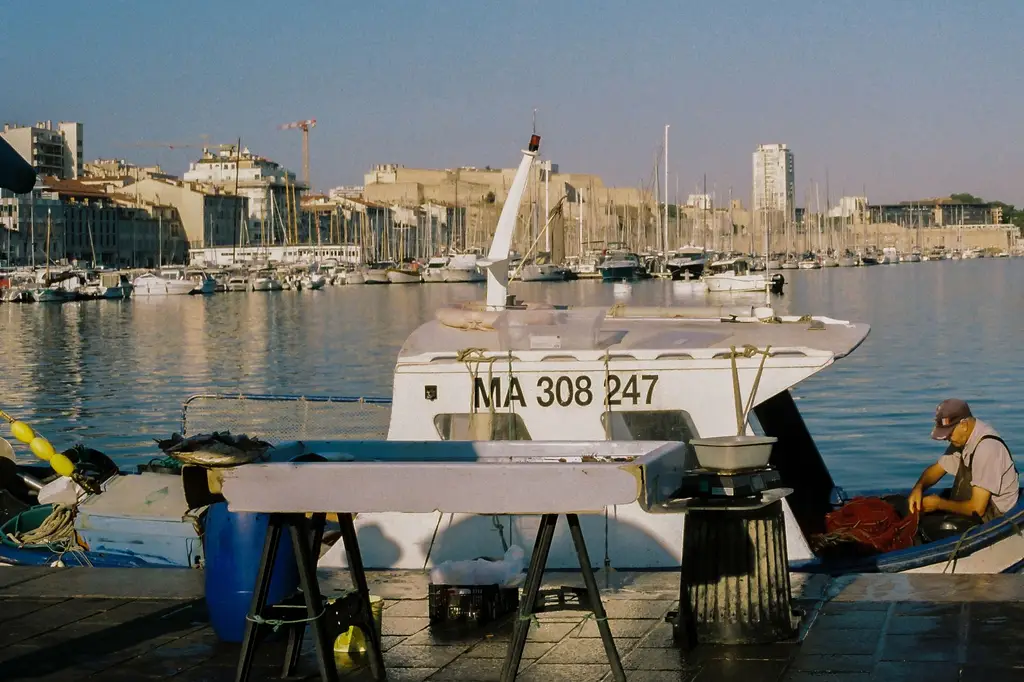
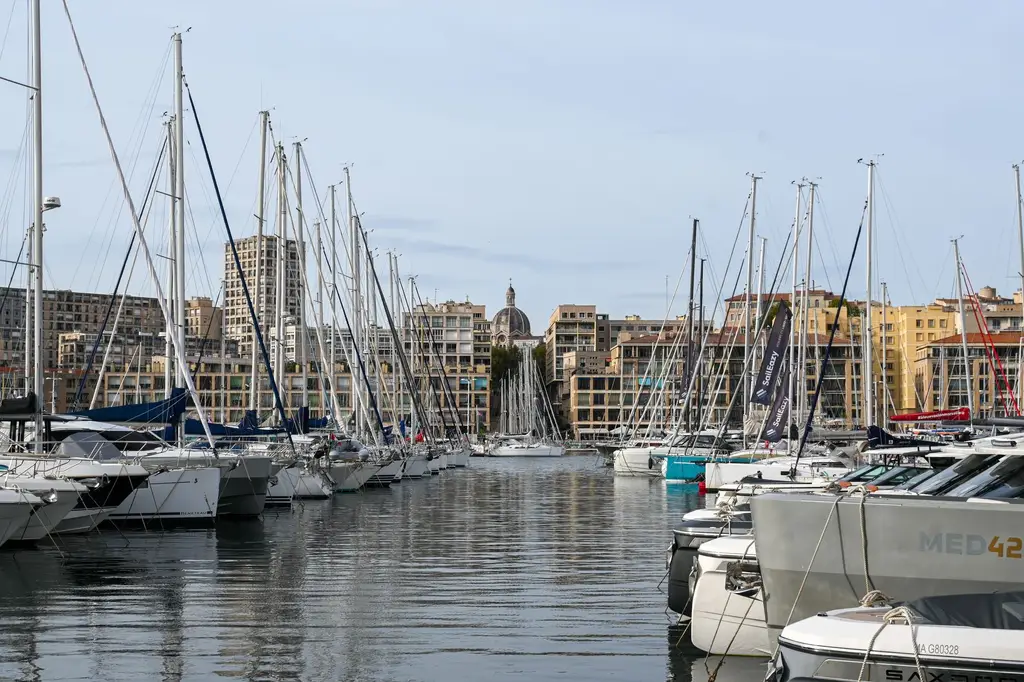
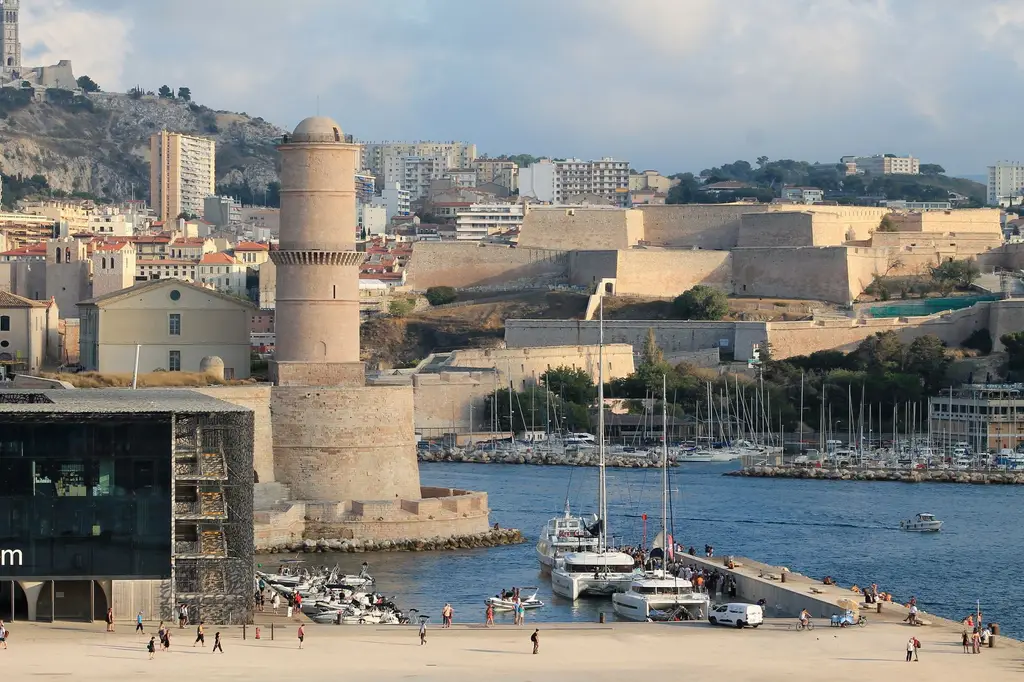
Working harbor, not a museum piece. Fish sellers set up along the Quai des Belges most mornings; boats to the Calanques and Frioul islands leave from here.
generally open daily, roughly 7am-7pm with seasonal variation·free to enter the basilica·1-1.5 hours including the walk up
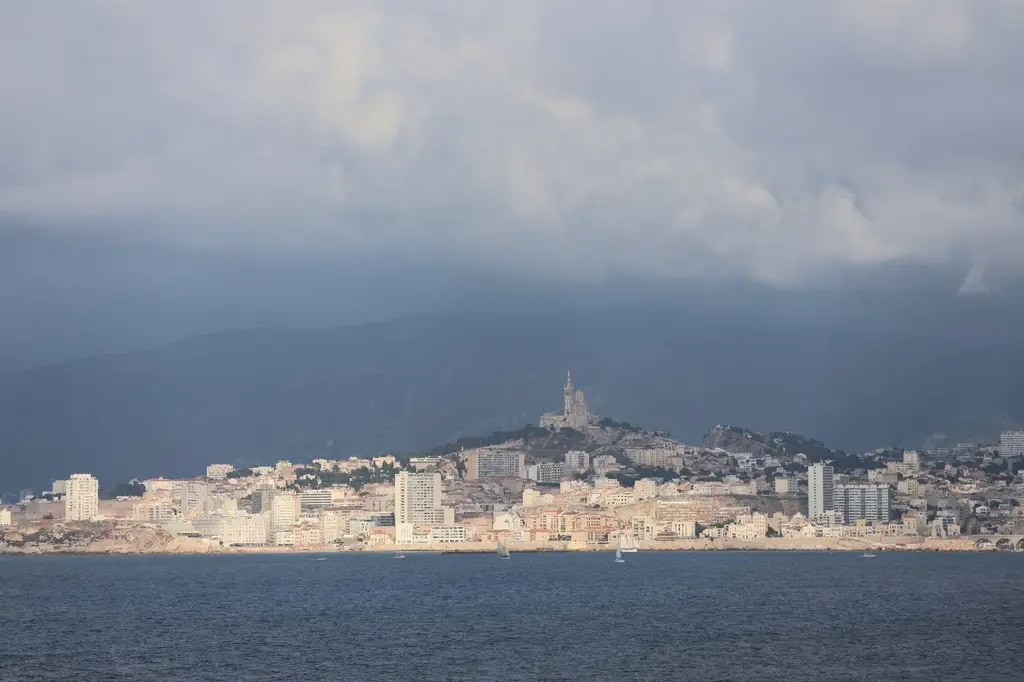
The one sight Rick Steves says is essential, and the view over the whole city and the bay is why. This guide could not verify current exact hours from an official site; check on arrival or at the tourist office.
3
MuCEM (Museum of European and Mediterranean Civilisations)
10am-7pm, days and seasonal hours vary·check before you go, could not confirm current EUR rate; outdoor terraces and the J4 esplanade are free·2-3 hours
Closed Mondays (typical museum pattern, confirm before you go)walk in or online at mucem.org
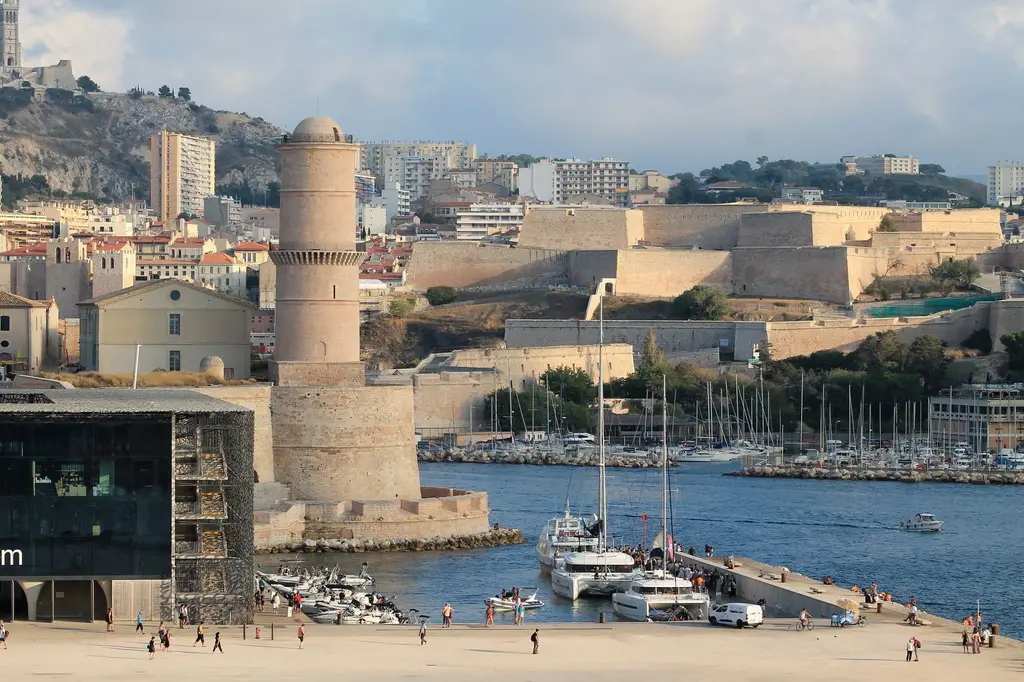
Modern building connected to Fort Saint-Jean by a footbridge over the water. The free outdoor areas alone are worth the walk even if you skip the paid exhibits.
always open (neighborhood, not a single site)·free to walk·2-3 hours
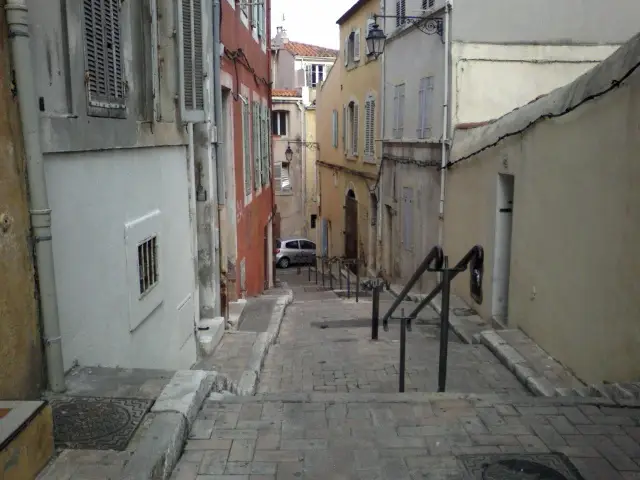
Marseille's oldest neighborhood, steep lanes, hand-painted buildings, home to La Vieille Charité almshouse-turned-museum complex. Go slow, it rewards wandering more than a checklist.
5
Château d'If
check before you go·EUR 7 adult, free under 26 (EU residents; verify current non-EU rate)·2-3 hours including the ferry
recommended in advance in summer via the official ticketing platform
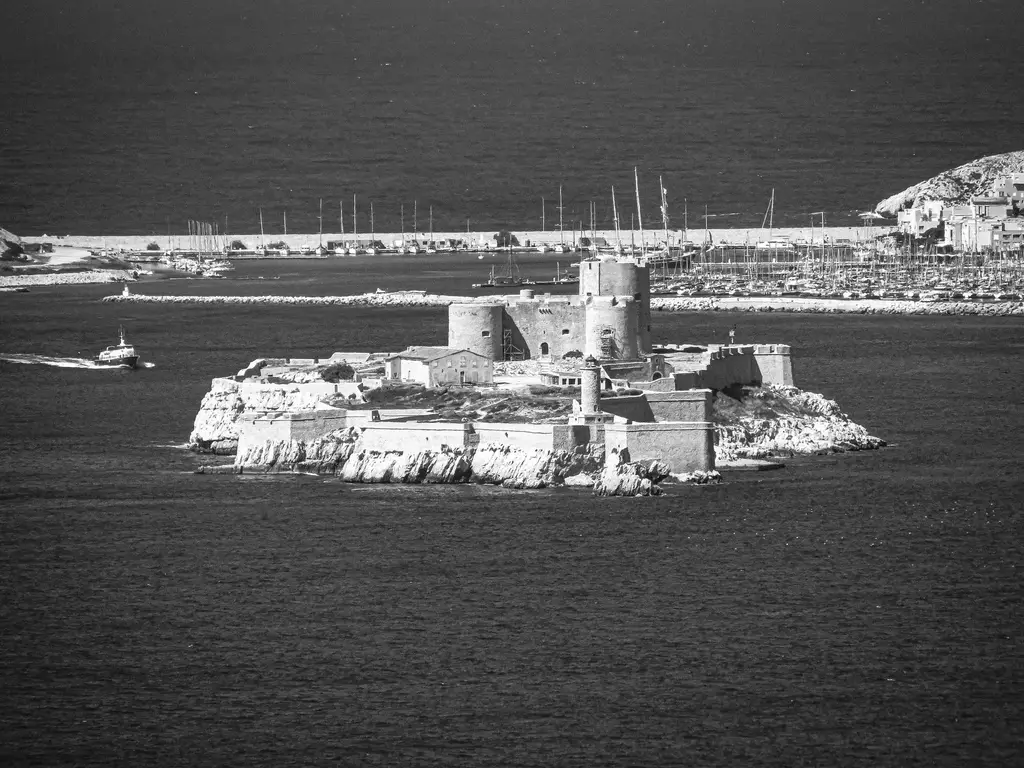
The fortress-turned-prison that inspired The Count of Monte Cristo. The island itself is small; most of the visit is the boat ride out and the views back at the city.
A square and surrounding streets covered in street art that changes year to year, ringed by bars and independent restaurants. Better in the evening than midday.
Cosquer Méditerranée
as of 2026-09
Viral
A permanent high-tech replica of the Cosquer prehistoric cave, its ice-age paintings now submerged in the real Mediterranean, recreated near the MuCEM with a moving vehicle ride through the reconstructed cave. One of the better replica-cave experiences in Europe and it runs year-round. Worth the ticket price, book ahead in summer.
Calanques National Park
as of 2026-09
Viral
Limestone cliffs and hidden coves stretching between Marseille and Cassis, good for hiking, swimming and kayaking, with popular spots like Calanque de Sugiton now requiring an advance online reservation to limit overcrowding. Still worth the effort, but check the reservation system before you go, several calanques will turn you away without a booking in peak season.
Le Panier
as of 2026-09
Viral
Marseille's oldest neighbourhood, a maze of steep pastel-colored streets and staircases covered in street art and murals, above the Vieux-Port. Good for an unhurried walk with a camera. Get there early, it's a tight grid of streets and gets uncomfortably packed with tour groups by midday.
MuCEM and its rooftop walkway
as of 2026-09
Viral
The Museum of Civilisations of Europe and the Mediterranean, a striking modern building connected to the old Fort Saint-Jean by an elevated footbridge, both free to walk. The architecture and the free rooftop walk to the fort are the real draw. The paid exhibitions inside are hit or miss depending on what's on.
Vieux-Port to Notre-Dame de la Garde walk
as of 2026-09
Viral
A walking or short bus route from the old port up to the hilltop basilica of Notre-Dame de la Garde, which has the best panoramic view of the city and the bay. The view alone justifies the climb, and entry to the basilica is free. Wear real shoes, the last stretch is steep.
More to see (2)
7
Calanques National Park (Sormiou, Morgiou, Sugiton, En Vau)
varies by calanque and season, some require summer reservations·free to enter on foot; boat trips and parking cost extra·half day to full day per calanque
Sugiton has a reservation system as of the 2026 park announcements; car access to some calanques is restricted or reservation-only in peak summer months. This guide could not confirm the exact current rules, they change year to year with fire risk. Check calanques-parcnational.fr before you go.
The best reason to add days to a Marseille trip. Some calanques close entirely during high fire-risk periods in summer, sometimes with only days of notice.
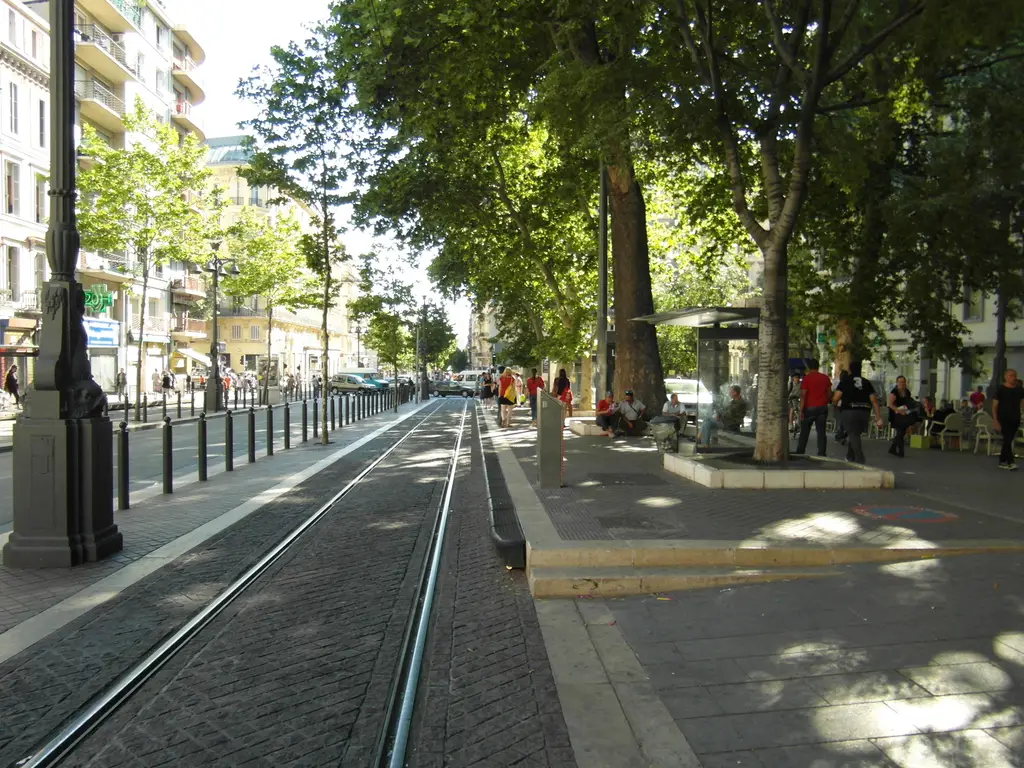
Marseille's main boulevard, running from the Vieux Port inland. Once the city's grand commercial spine, now a mix of shops, cafes, and some worn stretches. Worth walking once, not the highlight of the trip.
Where to stay
Vieux Port
Suits: first-timers who want to walk everywhere
Central, touristy, easy access to Le Panier and the boat quays, but the priciest and busiest part of town.
Le Panier
Suits: travelers who want atmosphere over convenience
Steep, narrow, painted lanes, genuinely charming, but noisy at night and light on parking.
Cours Julien / La Plaine
Suits: younger travelers and anyone who wants nightlife and street art
Bars, independent shops, murals, a 15-20 minute walk from the port, feels more like where Marseille actually lives.
Endoume / Vauban
Suits: travelers who want quiet and proximity to the Calanques
Residential, close to the coastal path toward the Calanques, less to do at night.
Saint-Charles station area
Suits: one-night stays and early departures
Convenient for trains, but the immediate station district is rougher than the postcard neighborhoods and thins out fast after dark.
Getting there and around
Getting there
Marseille Saint-Charles station is on the LGV Méditerranée line: TGV from Paris Gare de Lyon takes about 3 hours, with fares from roughly EUR 30-90 depending on how far ahead you book (SNCF Connect). Marseille Provence Airport (MRS) sits about 25km northwest of the city; the airport shuttle bus into Saint-Charles runs regularly and takes about 25 minutes.
Getting around
The center is walkable: Vieux Port, Le Panier, and La Canebière are all within about 20 minutes of each other on foot. RTM runs two metro lines, three tram lines, and an extensive bus network; a single ticket and multi-ride options exist but this guide could not confirm current single-fare pricing from the official RTM site during research, confirm at rtm.fr/tarifs or in the RTM app before you go. Notre-Dame de la Garde is a steep uphill walk or a short bus ride (line 60) from the Vieux Port. Boats to the Calanques and the Frioul islands leave from the Vieux Port quay.
Map
City
Recommended (numbered)
Mentioned in an itinerary
Locations on this map
Marseille43.30, 5.37
Vieux Port (Old Port)43.29, 5.37
Notre-Dame de la Garde43.28, 5.37
MuCEM (Museum of European and Mediterranean Civilisations)43.30, 5.36
Le Panier43.30, 5.37
Château d'If43.28, 5.33
Cours Julien43.29, 5.38
Calanques National Park (Sormiou, Morgiou, Sugiton, En Vau)43.20, 5.55
La Canebière43.30, 5.38
Basilica43.29, 5.37
Fort Saint-Jean43.30, 5.36
Luminy43.23, 5.44
Callelongue43.21, 5.35
Endoume43.28, 5.35
Cassis43.21, 5.54
Port-Miou43.21, 5.52
Noailles43.30, 5.38
Frioul Islands43.28, 5.31
Frioul43.28, 5.31
Aix-en-Provence43.53, 5.45
Aix43.31, 5.38
Cours Mirabeau43.53, 5.45
La Ciotat43.18, 5.61
Avignon43.28, 5.38
Papes43.95, 4.81
Marseille Provence Airport43.44, 5.21
TGV43.30, 5.38
Saint-Charles43.30, 5.38
What it costs
Stay
Food
Transport
Activities
Daily cost breakdown, EUR per person
Tier
Stay
Food
Transport
Activities
Total
Budget
EUR 35
EUR 20
EUR 5
EUR 10
EUR 70
Mid-range
EUR 80
EUR 35
EUR 10
EUR 15
EUR 140
Splurge
EUR 200
EUR 60
EUR 20
EUR 30
EUR 310
A mid-range day: EUR 80 hotel room in Vieux Port or Cours Julien, EUR 6 transit for the day, EUR 15 bouillabaisse-adjacent lunch at a Vieux Port bistro, EUR 7 Château d'If ferry and entry, EUR 30 sit-down dinner near Cours Julien with a glass of local rosé. Comes to roughly EUR 130-140.
Money savers
Walking Le Panier, the Vieux Port, La Canebière, and Cours Julien costs nothing and covers most of the character of the city
Panisse (chickpea fritters) and pan bagnat from a market stall run a few euros and beat a sit-down lunch
The Calanques on foot are free; skip the guided boat tours unless you specifically want to see them from the water
Notre-Dame de la Garde is free entry, the walk up is the only cost, and the view rivals anything ticketed in the city
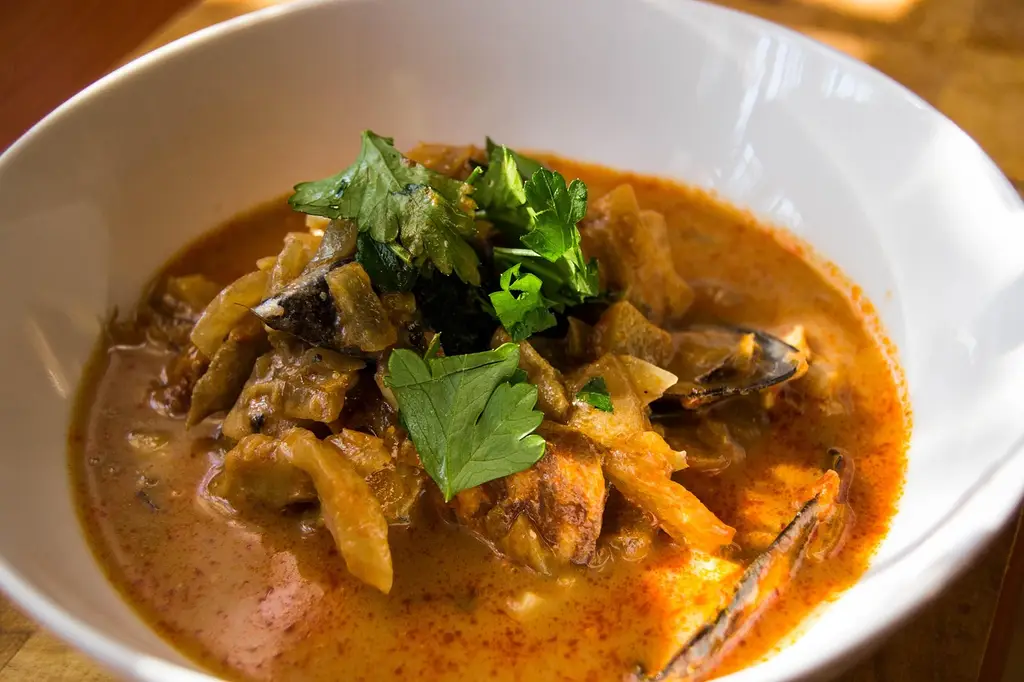
Marseille eats like the port city it is: fish first, North African food woven through the everyday, and an aperitif culture built around pastis on a cafe terrace. The dish everyone comes for is bouillabaisse, but the real version is not a casual lunch. A handful of serious restaurants signed the Charte de la Bouillabaisse Marseillaise, a charter fixing which Mediterranean rockfish must go in, and the fish is often filleted at the table after the broth arrives with rouille and croutons. That kind of bouillabaisse runs EUR 60 to 90 or more per person and sometimes needs 24 to 48 hours' advance order, so it is closer to a planned dinner than a walk-in meal. Cheap bouillabaisse on a menu board near the Vieux-Port is not the same dish and shouldn't be mistaken for it. Beyond that, the city's food leans street and market: panisses, navettes, and a Noailles market that reflects Marseille's large North African population better than almost any restaurant does.
EUR 60-90+·restaurants that have signed the Charte de la Bouillabaisse Marseillaise, mostly around the Vieux-Port and the Corniche
Must try
The real version uses specific Mediterranean rockfish, comes with rouille and croutons, and the fish is often filleted tableside. Order 24-48 hours ahead where the restaurant asks for it.
Panisse
EUR 3-6·street stalls and casual spots around Le Panier and the Vieux-Port
Must try
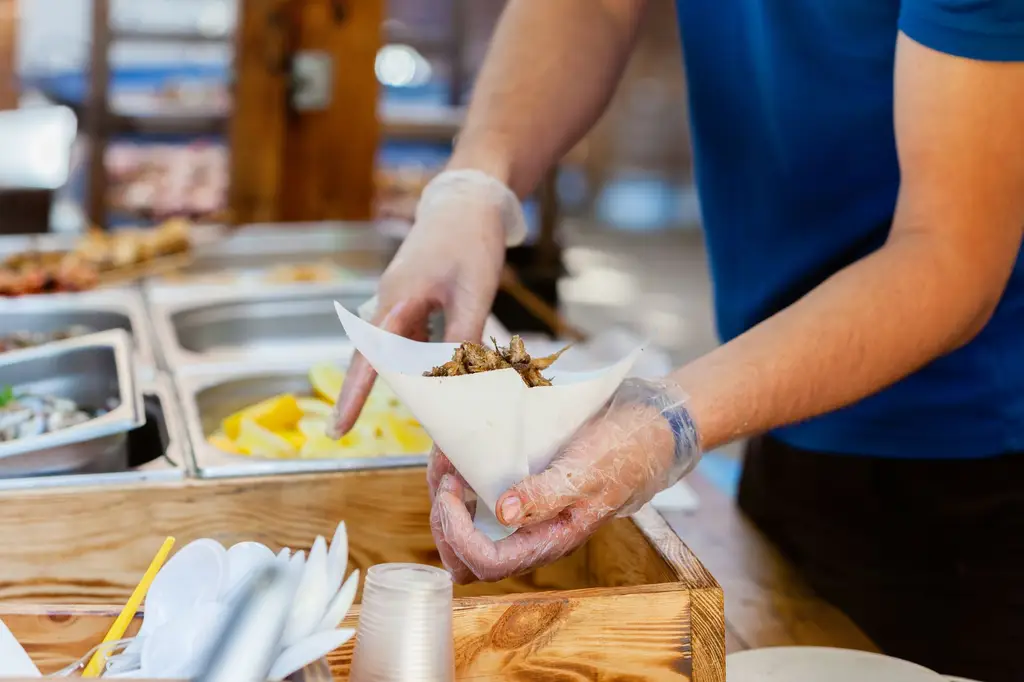
Fried chickpea flour discs, a Marseille staple, cheap and filling, sold in paper cones and eaten by hand while walking.
Navettes
EUR 6-10 for a bag·Le Four des Navettes near Saint-Victor, the historic maker, plus other bakeries along Rue du Four à Chaux and around Le Panier
Must try
Small orange-blossom-flavored boat-shaped biscuits tied to the city's Candlemas tradition, sold year-round and firm enough to keep for weeks.
Pastis
EUR 4-7·any cafe terrace around the Vieux-Port or Cours Julien
Must try
The anise aperitif is a Marseille and broader Provencal habit, ordered with a jug of water on the side to dilute it yourself, usually well before dinner rather than with the meal.
North African market food
EUR 3-10 per item·the Noailles market area off La Canebière
Must try
Reflects the city's large North African community: spices, pastries, and prepared food that is some of the best value eating in the center. Go hungry and graze rather than order one thing.
Pieds et paquets
EUR 18-26·traditional bistros away from the Vieux-Port tourist strip
Tripe parcels and lamb's trotters stewed in a tomato and white wine sauce, a genuinely old-school Marseille dish and an acquired taste. Worth ordering once if offal doesn't bother you.
Old Port and Cours Julien's new-restaurant wave
as of 2026-09
Viral
Marseille is opening restaurants faster than it has in years, concentrated around the Old Port, Joliette, Le Panier, and Cours Julien, most built on local produce and short supply chains. This is a real, verifiable citywide shift, not one shop I can vouch for. I could not confirm a single specific viral spot still operating well enough to name with confidence, so treat this as where to wander rather than a booking.
Flower Burger
as of 2026-09
Viral
All-vegan burger chain from Milan with a Marseille location near Catalans beach, known for naturally colored buns (beet pink, spirulina green) and gluten-free options. Genuinely well reviewed, not just a novelty. Good option if you want something different from the port's fish-and-pastis default.
Jo's Burger
as of 2026-09
Viral
World burger champion Joannes Richard opened his first French restaurant in Marseille in December 2025, backed by former rugby player Sébastien Chabal. The celebrity angle got it covered everywhere, but reviews since have stayed positive, not just hype. Worth it if you like burgers.
Café de la Consigne at the Vieux-Port
as of 2026-09
Viral
A former sanitary checkpoint building on the Vieux-Port waterfront was converted into a cafe with seating right at the water's edge. The setting is the draw, not the food. Go for a drink at golden hour rather than a full meal.
Noailles as a multicultural food district
as of 2026-09
Viral
Marseille's Noailles neighborhood is drawing attention for its mix of North African food, a new ramen spot, and a pizzeria dating to 1962, packed around its produce market. This feels like a real neighborhood, not staged food tourism. Go hungry and wander instead of targeting one address.
Auffo's Michelin star
as of 2026-09
Viral
Chef Coline Faulquier's restaurant Auffo, at the Vallon des Auffes, earned its first Michelin star in the 2026 guide and was singled out as one of the rare affordable starred tables. A Michelin star that doesn't require a big budget is unusual enough to matter. Book ahead.
Safety and scams
Petty theft, not violence, is the real tourist-facing risk: bag and phone snatching around the Vieux Port and on trams and buses, plus distraction scams. Marseille's documented drug-trafficking violence is real but concentrated in specific northern housing districts, not the Vieux Port, Le Panier, Cours Julien, or the Calanques. Ordinary street awareness covers the tourist zones.
Common mistakes
Judging the whole city by its reputation and skipping it entirely, when the actual risk is geographically narrow and well away from anywhere a visitor goes
Leaving a bag unattended or a phone on a café table facing the street around the Vieux Port
Visiting the Calanques midday in July or August and finding a packed trailhead and no parking rather than the quiet coastline in the photos
Assuming small restaurants are open in August; a real share of them close for a few weeks, same as across France
Skipping Cours Julien and La Canebière's side streets because they are not in the top five sights, and missing the neighborhoods where the city actually feels lived-in
Booking a boat tour to see the Calanques instead of hiking in on foot for free, which is often the better experience for less money
Frequently asked questions
Is Marseille safe for tourists?
Yes, for the areas tourists actually visit. Marseille has a genuine drug-trafficking violence problem, but it is concentrated in specific northern housing districts, not the Vieux Port, Le Panier, Cours Julien, or the Calanques. In the tourist zones, ordinary petty theft and scams are the real risk, similar to any large port city.
How many days do you need in Marseille?
Two to three days covers the city itself: Vieux Port, Le Panier, Notre-Dame de la Garde, MuCEM. Add two more for the Calanques and a day trip to Cassis if you want the coastline, which is worth doing.
Do you need a reservation to visit the Calanques?
Some calanques, including Sugiton, have introduced summer reservation systems in recent years, and access by car is restricted or reservation-only at several sites during peak season. These rules shift year to year with fire risk, so check calanques-parcnational.fr close to your visit rather than relying on last year's rules.
Can you visit the Calanques without a car?
Yes. RTM buses run toward Luminy and Callelongue near several trailheads, and boat trips from the Vieux Port reach some calanques directly by water. Hiking in on foot from a bus stop is generally the cheapest and most flexible option.
What is the best time to visit Marseille?
May, June, and September. Summer is very hot, the Calanques get crowded past capacity, and a real share of small restaurants close for the French August holiday period. Winter is mild but quieter for boat trips and some coastal access.
How do you get from Marseille to Paris?
The TGV from Marseille Saint-Charles to Paris Gare de Lyon takes about 3 hours, with fares from roughly EUR 30-90 depending on how far ahead you book through SNCF Connect.
Is Marseille worth visiting compared to Nice or Cannes?
It is a different trip, not a competing one. Nice and Cannes are polished resort towns; Marseille is a working port city with rougher edges and, arguably, more character. If you want a beach resort, go to Nice. If you want a real city with the Calanques attached, Marseille earns the extra effort.
What should you eat in Marseille?
Bouillabaisse is the signature dish, a proper version takes real preparation time so treat quick cheap versions with suspicion. Panisse, navettes, and the North African market food around Noailles are all worth seeking out and cost far less.
Do restaurants close in August in Marseille?
Many small, family-run restaurants close for a few weeks in August, a pattern that holds across France, not just Marseille. Larger tourist-facing restaurants near the Vieux Port generally stay open.
Is Le Panier safe to walk around at night?
Generally yes, it's a dense, lived-in, well-trafficked tourist neighborhood, though like anywhere in a big city, stick to the lit and busier lanes rather than empty side streets late at night. This is different from the specific northern districts tied to drug-trafficking violence, which are not places a tourist itinerary would take you anyway.