Things to Do in Paris: Itineraries, Costs and Food
The Louvre alone needs a strategy, not a checklist. Notre-Dame reopened in December 2024. The metro dropped paper tickets for a tap card. Plan around all three.
By Labeeb Mirza · Published September 8, 2026 · Updated September 8, 2026
Best timeApr to Jun
Daily budget (mid)EUR 200
Ideal length3 days
CurrencyEUR
Overview
Paris packs the Louvre, Notre-Dame, the Eiffel Tower and about a dozen other things every visitor has already seen a photo of into a city you can walk across in half a day. That density is the appeal and the problem. The center, roughly the 1st through 8th arrondissements plus Montmartre, is where almost everyone spends almost all their time, which means the same streets, the same queues, and the same 11am crush at every big-name site. The way through it is timing, not stamina: book timed entry where it exists, go early or late where it doesn't, and accept that some famous things (the Mona Lisa crowd, the top of the Eiffel Tower at midday) are worse than skipping them. Three things catch a lot of returning visitors off guard. Notre-Dame reopened in December 2024 after the 2019 fire and five years of restoration, and its access rules are not the same as before. The Louvre now runs on mandatory timed-entry booking, no walking up and buying a ticket at the door. And the metro has largely moved off paper tickets onto a contactless card called Navigo Easy. None of this is exotic, it's just newer than most guidebooks. Outside the center, Paris is also a genuinely good base: Versailles is a 40-minute train ride, Giverny and Chartres are both doable as day trips, and the RER connects straight to Disneyland Paris if that's on the list. A week covers the city properly. Two weeks only makes sense if you're using Paris as a hub for the Île-de-France region and beyond.
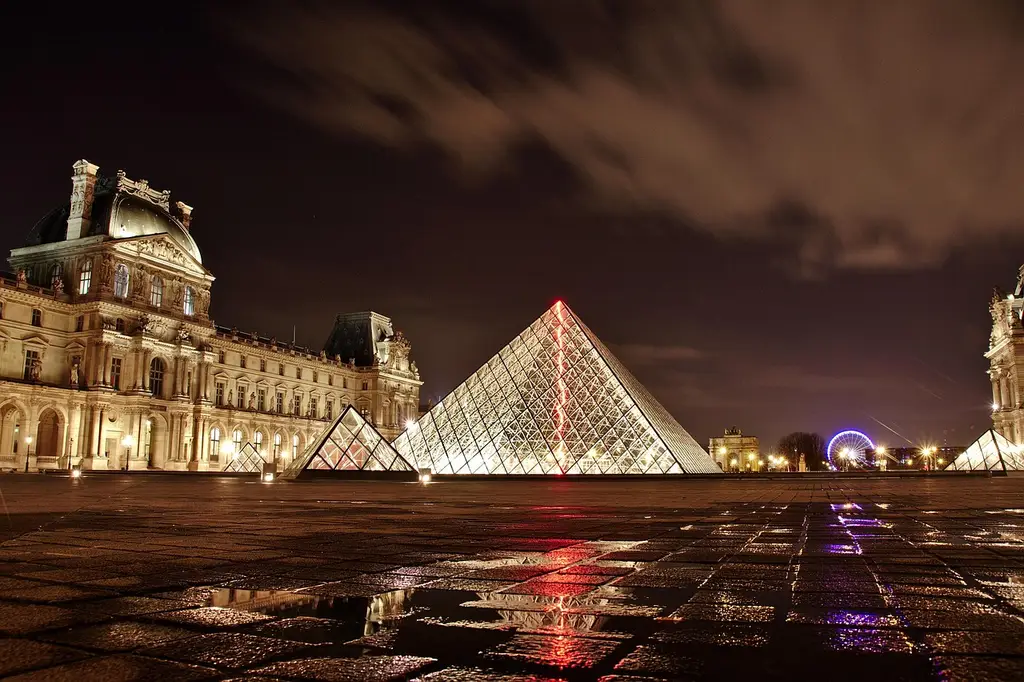
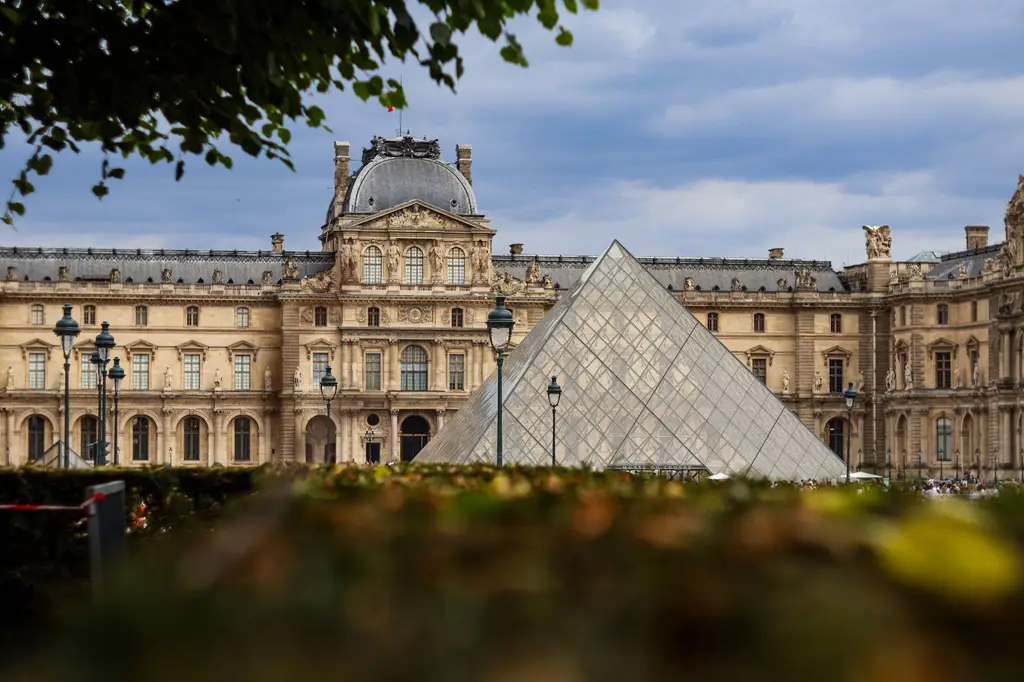
The Louvre is the one place in Paris where treating it like a checklist actively ruins the visit. I would rather see one wing properly than power-walk to three famous paintings and remember none of them clearly.
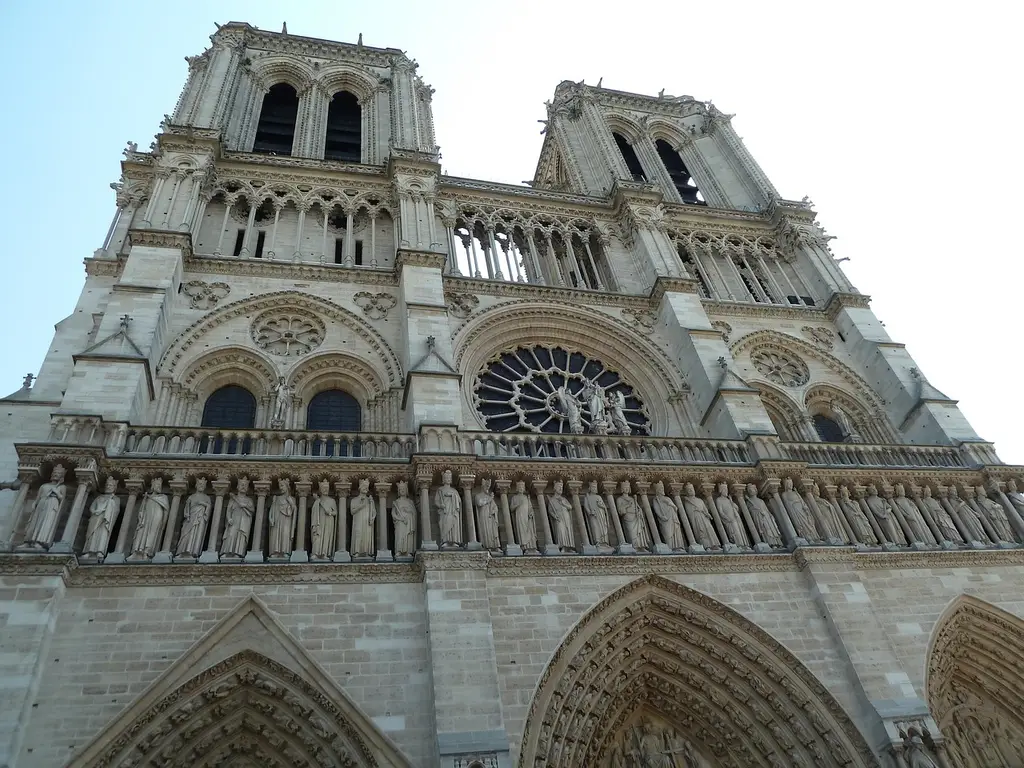
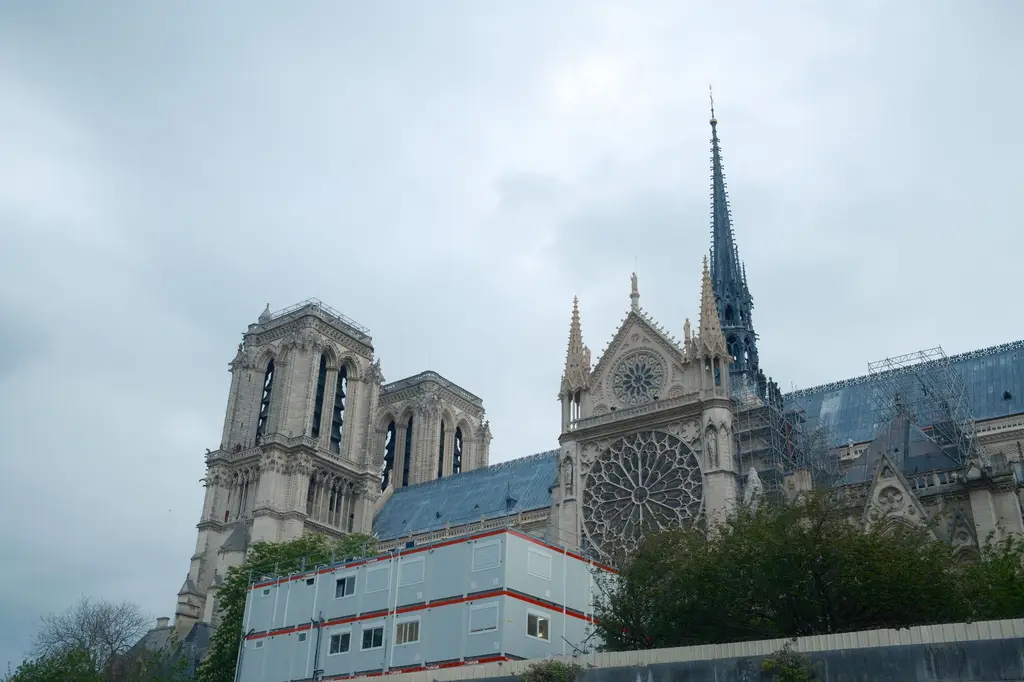
Notre-Dame post-restoration is worth the queue, but it is a different visit than the one people remember from before 2019. Book the timed slot if it exists when you're going rather than assuming you can just walk up.
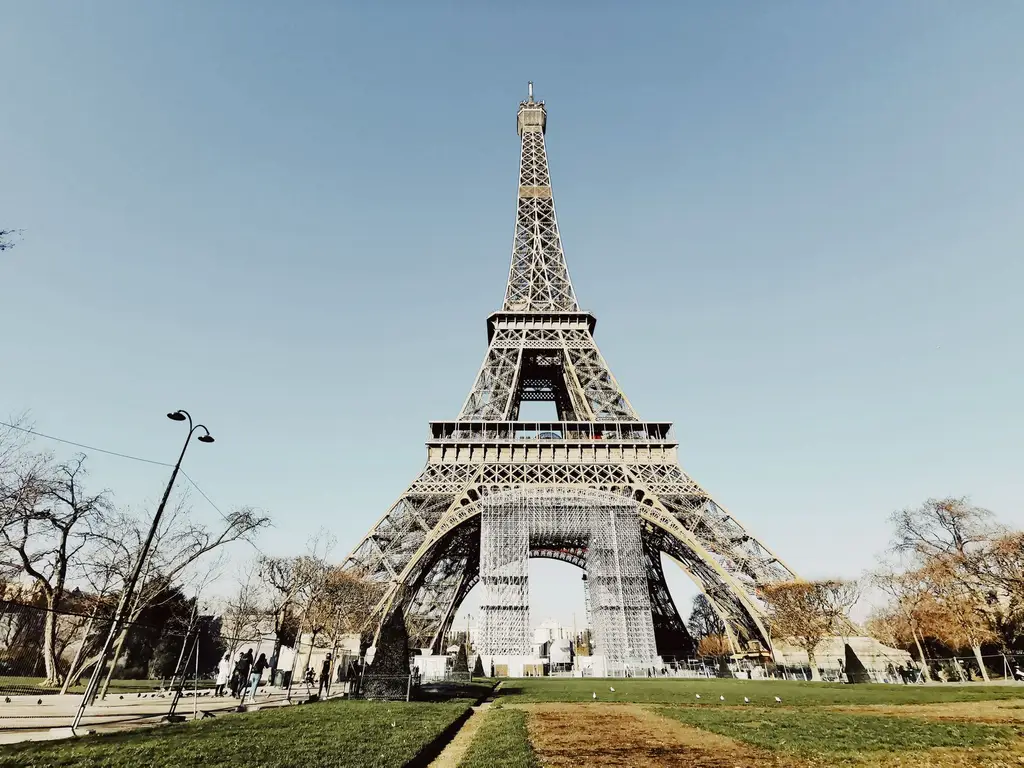
The Eiffel Tower is the most overrated queue in the city. The view of the tower, from Trocadéro or across the river, beats the view from the tower every time I've compared them.
Skip the paper ticket confusion entirely and get a transit card on day one. It sounds like a small thing until you're the person holding up a metro gate on your first morning.
August catches people off guard. A lot of the small, independent restaurants that make a neighborhood worth staying in just close for two to four weeks, so a favorite spot from a spring trip can be shuttered in summer.
Itineraries
The essential axis: Louvre in the morning, Notre-Dame and the Latin Quarter midday, Eiffel Tower at dusk.
Day 1: Louvre to the Eiffel Tower
Morning
Louvre at opening (book the earliest slot you can get). Pick one wing, Denon for the big names, and don't try to cover the rest.
Afternoon
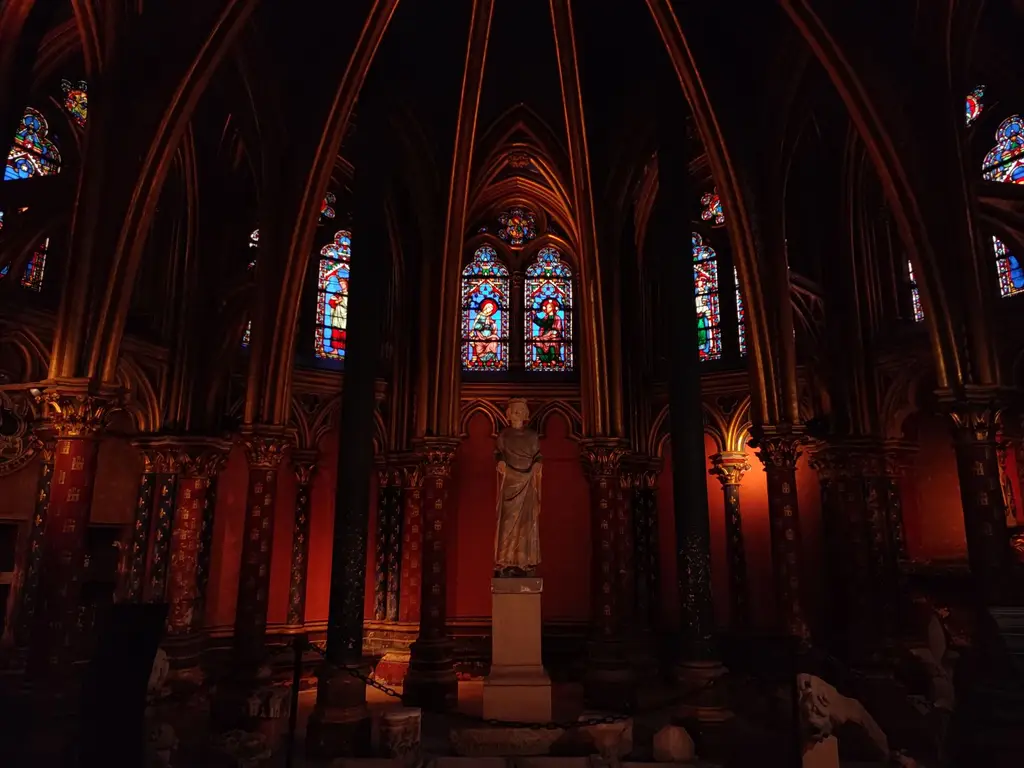
Walk along the Seine to Île de la Cité for Notre-Dame's nave and Sainte-Chapelle if you booked ahead, then lunch in the Latin Quarter.
Evening
Cross to the Left Bank and walk toward the Eiffel Tower for a pre-booked sunset slot, or watch it light up from Trocadéro across the river instead.
Tip: Book the Louvre and any Eiffel Tower slot before you land; same-day availability is unreliable.
Adds Montmartre and the Orsay-Musée-focused Left Bank to the one-day core.
Day 1: Louvre to the Eiffel Tower
Morning
Louvre at opening, Denon wing.
Afternoon
Île de la Cité: Notre-Dame and Sainte-Chapelle, lunch in the Latin Quarter.
Evening
Eiffel Tower at sunset or the Trocadéro view across the river.
Tip: Wear real walking shoes; this day covers a lot of ground on foot.
Day 2: Left Bank and Musée d'Orsay
Morning
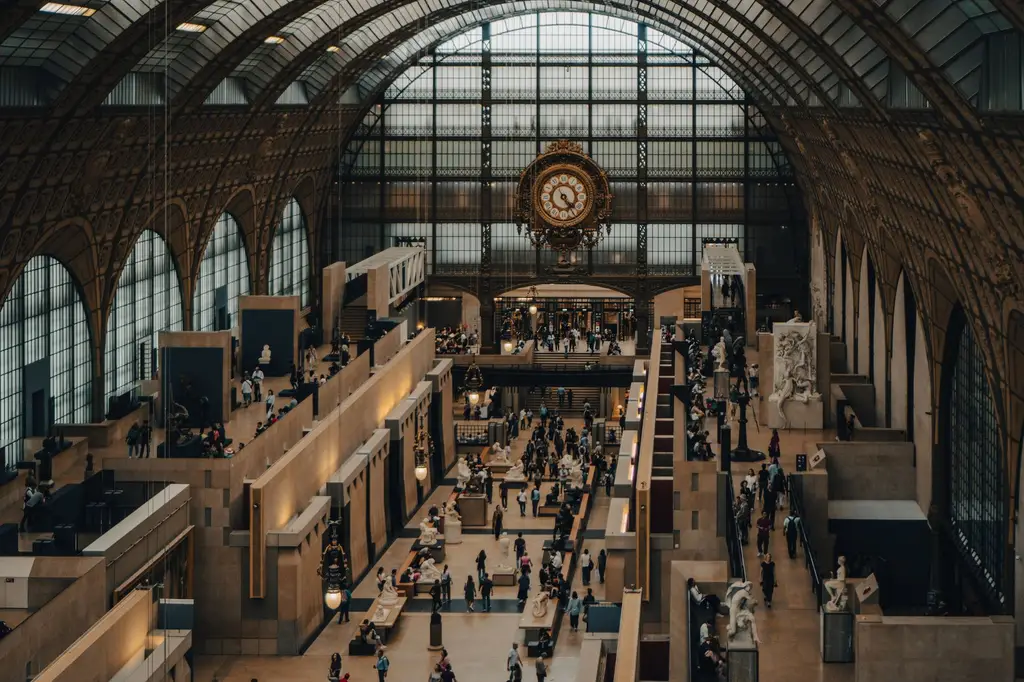
Musée d'Orsay at opening, a smaller, faster museum than the Louvre.
Afternoon
Luxembourg Gardens, then Saint-Germain-des-Prés for browsing and a cafe stop.
Evening
Dinner in the 6th or a Seine riverbank walk toward the Île Saint-Louis for ice cream.
Tip: The Orsay's top floor Impressionist galleries get busy by midday; go straight there first.
Day 3: Montmartre and Le Marais
Morning
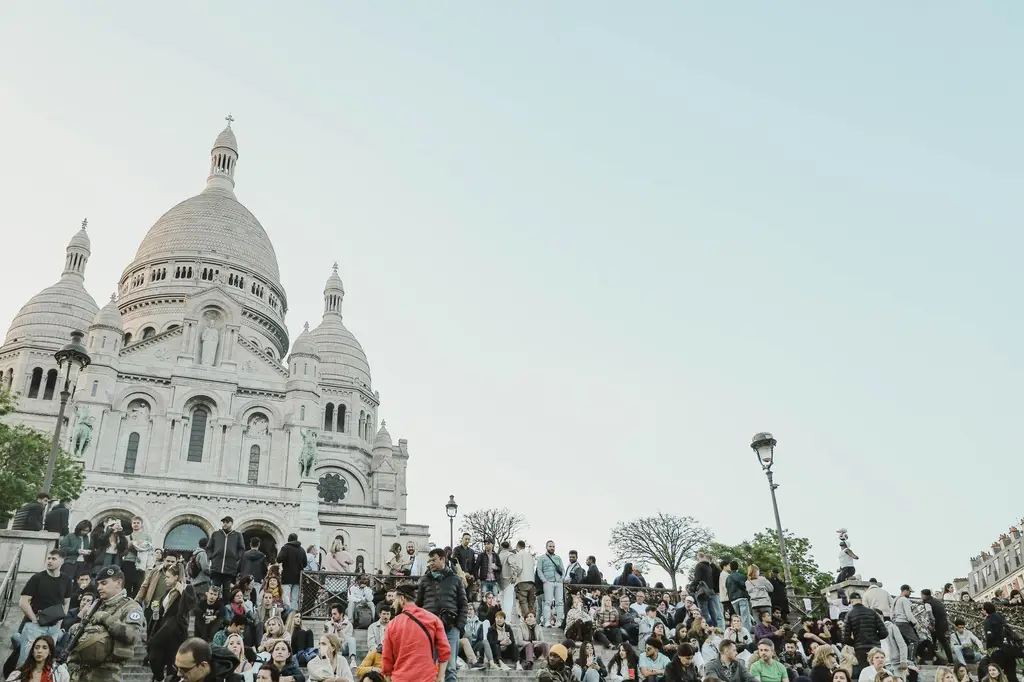
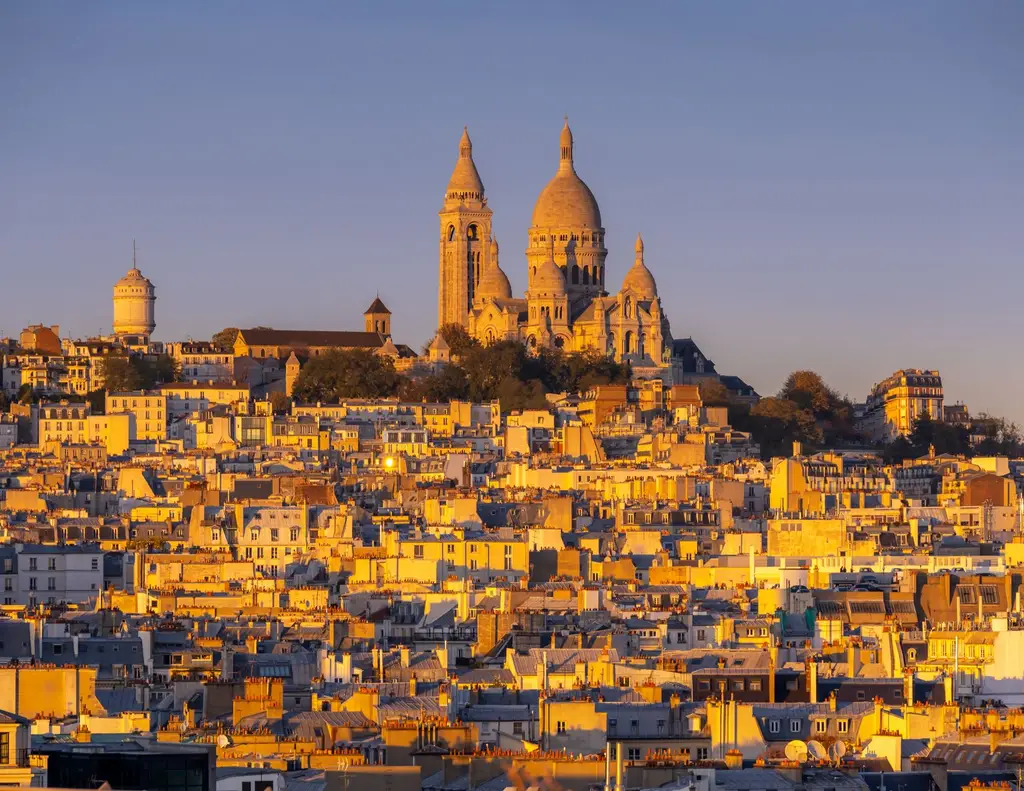
Montmartre before 9am for Sacré-Cœur and the quiet steps before the crowds arrive.
Afternoon
Le Marais for Rue des Rosiers falafel and the Musée Carnavalet (free, city history).
Evening
Canal Saint-Martin for a casual dinner away from the tourist center.
Tip: Place du Tertre's 'artist' portraits are aggressively upsold; agree a price before anyone starts sketching.
The 3-day core plus a Versailles day trip and a slower, market-focused day.
Day 1: Louvre to the Eiffel Tower
Morning
Louvre at opening, one wing only.
Afternoon
Île de la Cité, Notre-Dame and Sainte-Chapelle.
Evening
Eiffel Tower or the Trocadéro view.
Tip: Book everything time-sensitive before you land.
Day 2: Left Bank and Musée d'Orsay
Morning
Musée d'Orsay at opening.
Afternoon
Luxembourg Gardens, Saint-Germain-des-Prés.
Evening
Riverbank walk to Île Saint-Louis.
Tip: Orsay's Impressionist floor first, before the tour groups arrive.
Day 3: Montmartre and Le Marais
Morning
Montmartre and Sacré-Cœur before 9am.
Afternoon
Le Marais, Rue des Rosiers, Musée Carnavalet.
Evening
Canal Saint-Martin dinner.
Tip: Agree any street portrait price up front.
Show all 5 days
Day 4: Day trip: Palace of Versailles
Morning
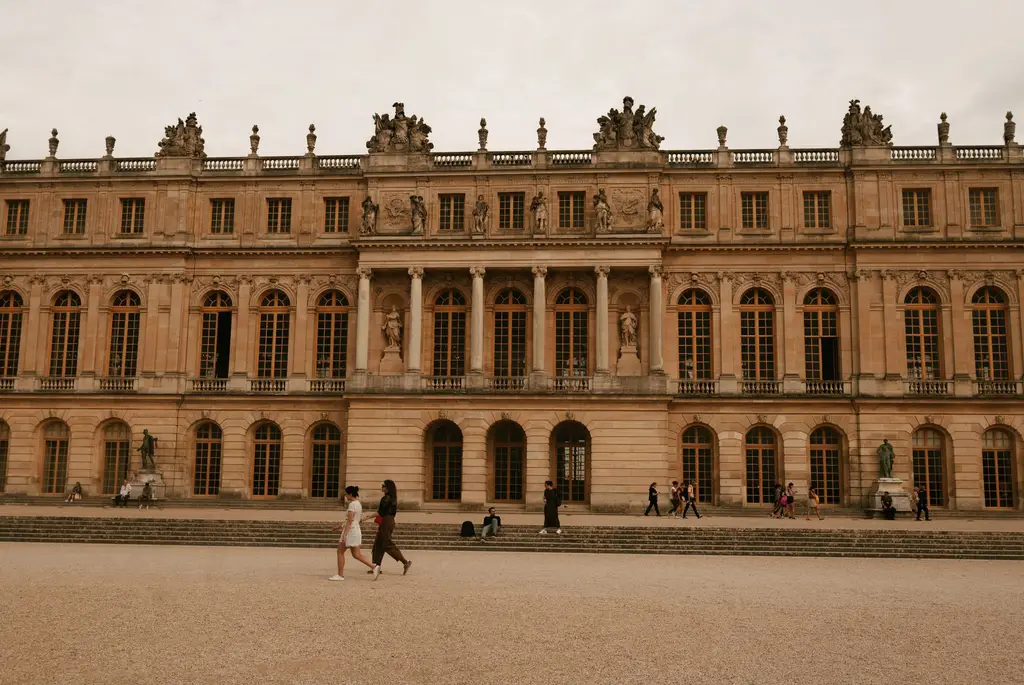
RER C to Versailles, about 40 minutes. Palace state apartments at your booked time slot.
Afternoon
The gardens and Marie-Antoinette's Trianon estate, which need more time than most people budget.
Evening
Train back to Paris for a late dinner.
Tip: Bring a picnic or eat in the town of Versailles; on-site food is expensive and crowded.
Day 5: Markets and a slower pace
Morning
Marché d'Aligre for cheese, produce, and people-watching, no itinerary pressure.
Afternoon
Arc de Triomphe terrace and a walk down the Champs-Élysées, or revisit a favorite neighborhood.
Evening
A proper sit-down dinner reservation, the one splurge meal of the trip.
Tip: Book a well-reviewed bistro a few days ahead; the good ones fill up on weekend nights.
Full Paris core plus Versailles and Giverny as day trips from a single base.
Day 1: Louvre to the Eiffel Tower
Morning
Louvre at opening.
Afternoon
Île de la Cité, Notre-Dame, Sainte-Chapelle.
Evening
Eiffel Tower at sunset.
Tip: Book time-sensitive tickets before landing.
Day 2: Left Bank and Musée d'Orsay
Morning
Musée d'Orsay.
Afternoon
Luxembourg Gardens, Saint-Germain.
Evening
Île Saint-Louis riverbank walk.
Tip: Orsay's top floor first.
Day 3: Montmartre and Le Marais
Morning
Sacré-Cœur before 9am.
Afternoon
Le Marais and Musée Carnavalet.
Evening
Canal Saint-Martin dinner.
Tip: Skip the Place du Tertre portrait sellers unless you actually want one.
Show all 7 days
Day 4: Day trip: Palace of Versailles
Morning
RER C, 40 minutes. Palace state apartments.
Afternoon
Gardens and the Trianon estate.
Evening
Back to Paris for dinner.
Tip: Rent a bike inside the gardens if your legs are tired; the estate is bigger than it looks on a map.
Day 5: Day trip: Giverny
Morning
Train to Vernon then a short shuttle or bike ride to Giverny, Claude Monet's house and water-lily garden, roughly 45-50 minutes from Paris by train.
Afternoon
Monet's garden and studio, then a slow lunch in the village.
Evening
Back to Paris.
Tip: Giverny's garden is seasonal, best April through October; check it's open before you plan the day.
Day 6: Arc de Triomphe and markets
Morning
Arc de Triomphe terrace at a booked slot.
Afternoon
Marché d'Aligre or Marché des Enfants Rouges for lunch and browsing.
Evening
A splurge dinner reservation.
Tip: Book the dinner a few days out; the well-known bistros fill fast on weekends.
Day 7: Flex day and departure prep
Morning
Revisit whichever site or neighborhood you liked most, or a return Louvre visit for a different wing.
Afternoon
Last-minute shopping and packing.
Evening
Final dinner, early night before departure.
Tip: Keep this day loosely planned; it's your buffer if an earlier day ran long.
Paris alone doesn't need two weeks of city itinerary. This uses it as an Île-de-France base, with the city's own sites in the first week and Chartres, Fontainebleau, and Disneyland Paris filling the second, plus rest days. Say this to yourself before booking: pace it, don't pad it.
Day 1: Louvre to the Eiffel Tower
Morning
Louvre at opening.
Afternoon
Île de la Cité, Notre-Dame, Sainte-Chapelle.
Evening
Eiffel Tower at sunset.
Tip: Book everything time-sensitive before landing.
Day 2: Left Bank and Musée d'Orsay
Morning
Musée d'Orsay.
Afternoon
Luxembourg Gardens, Saint-Germain.
Evening
Riverbank walk.
Tip: Impressionist floor first.
Day 3: Montmartre and Le Marais
Morning
Sacré-Cœur before 9am.
Afternoon
Le Marais, Musée Carnavalet.
Evening
Canal Saint-Martin dinner.
Tip: Skip the Place du Tertre upsell if it's not your thing.
Show all 14 days
Day 4: Arc de Triomphe and markets
Morning
Arc de Triomphe terrace.
Afternoon
Marché d'Aligre.
Evening
Neighborhood dinner.
Tip: A lighter day after three intense ones.
Day 5: Rest day in Paris
Morning
Open, catch up on anything missed.
Afternoon
Shopping or a second, slower Louvre visit.
Evening
Open.
Tip: By day five a real rest day matters more than another museum.
Day 6: Day trip: Palace of Versailles
Morning
RER C, 40 minutes. Palace state apartments.
Afternoon
Gardens and the Trianon estate.
Evening
Back to Paris.
Tip: Bring a picnic; on-site food is pricey and crowded.
Day 7: Day trip: Giverny
Morning
Train to Vernon, then Giverny.
Afternoon
Monet's garden and studio.
Evening
Back to Paris, end of week one.
Tip: Seasonal, roughly April through October.
Day 8: Day trip: Chartres
Morning
Train from Gare Montparnasse, roughly an hour, to Chartres Cathedral, one of the best-preserved Gothic cathedrals in France with original medieval stained glass.
Afternoon
Walk the old town's cobbled streets along the Eure river.
Evening
Train back to Paris.
Tip: Bring binoculars if you have them; a lot of the best glasswork is high and hard to see in detail from the floor.
Day 9: Rest day in Paris
Morning
Slow morning, coffee in a neighborhood cafe rather than a landmark one.
Afternoon
Return to a favorite market or arrondissement.
Evening
Open.
Tip: Alternate day trips with rest days; back-to-back trips wear you out fast.
Day 10: Day trip: Fontainebleau
Morning
Train from Gare de Lyon, about 40 minutes, to the Château de Fontainebleau, a royal residence for eight centuries and less crowded than Versailles.
Afternoon
The surrounding forest has walking trails and bouldering areas if you want to get outside the château itself.
Evening
Back to Paris.
Tip: Less crowded than Versailles and genuinely worth comparing the two if you're a palace person.
Day 11: Day trip: Disneyland Paris
Morning
RER A direct to Marne-la-Vallée, about 40 minutes, if this is on the list for kids or nostalgia.
Afternoon
Full day at the park.
Evening
Late train back or stay on-site depending on your ticket.
Tip: This eats a full day; only add it if it's actually wanted, not as a default.
Day 12: Return to Paris, unhurried
Morning
Slow morning, bakery breakfast.
Afternoon
Revisit whichever neighborhood you liked most, or the Louvre for a wing you skipped.
Evening
A proper final splurge dinner.
Tip: Book the dinner a few days ahead if it's a name you actually want.
Day 13: Flex day
Morning
Buffer for anything weather or crowds pushed off an earlier day.
Afternoon
Last shopping, gifts from a market rather than a souvenir shop near a monument.
Evening
Open.
Tip: Keep this genuinely flexible; you'll use it.
Day 14: Departure
Morning
Pack, final coffee.
Afternoon
RER B to CDG (about 50 minutes) or Orlyval/RER B to Orly, leaving buffer for security.
Evening
Departure.
Tip: Check current RER schedules the morning of; weekend engineering works are common and add time.
9am-6pm daily except Tuesday; Wednesday and Friday until 9pm. Last entry one hour before closing.·EUR 22 (non-EEA visitors, per the museum's own published rate); free for under-18s and for EU/EEA residents under 26·3-4 hours for a focused visit, a full day if you want to see it properly
Closed TuesdayMandatory timed-entry booking online, no walk-up sales at the door. Book as early as you have dates, popular slots (weekends, mornings) sell out weeks ahead in high season.
Don't try to see the whole museum. Pick one wing (Denon for the Mona Lisa and Italian painting, Richelieu for decorative arts and French painting) and treat a second visit as the plan, not a failure.
Hours vary seasonally; check the current schedule on the official ticketing site before you go·EUR 22 standard; free for EU residents under 26 (per the site's own published rate)·45-60 minutes
Advance online booking recommended, especially for a morning slot when the light through the stained glass is best
The upper chapel is the whole reason to come, floor-to-ceiling 13th-century stained glass with almost no wall left between the windows. Go on a sunny morning if you can pick the date.
Reopened December 2024 after the 2019 fire and restoration; hours are published on the cathedral's own site and have shifted since reopening·free to enter the nave·45-90 minutes including queue time
Free timed-entry slots are bookable online and are worth taking; without one you queue on the street, which can run long at peak hours
This is not the pre-fire Notre-Dame experience. Access, queueing and any tower/crypt visits changed after the restoration; check the cathedral's own site for current rules rather than an old guidebook, official pages blocked automated verification during this research.
Generally 9am-11:45pm (later in summer); check the tower's own site for the current schedule·EUR 23.50 adult to the 2nd floor by lift, EUR 14.80 by stairs; EUR 36.70 adult to the summit by lift, EUR 28.00 by stairs-then-lift. Youth (12-24) and child (4-11)/disabled rates run roughly half the adult price on each tier; under-4s free.·2-3 hours including security and lift queues
Book online well ahead, same-day tickets are unreliable in high season and walk-up lines routinely run 1-2 hours
Not covered by the Paris Museum Pass. The view from the top is genuinely better from Montparnasse Tower or the Trocadéro gardens if you'd rather skip the queue and the crowd on the tower itself.
Palace generally 9am-6:30pm (shorter in low season); the estate's own site has the current schedule and seasonal variations·Passeport ticket (the only ticket that includes the palace, timed entry): EUR 35 standard / EUR 32 reduced (France and EEA residents) in high season (1 Apr-31 Oct), EUR 25/22 in low season. A cheaper late-entry Passeport (from 4pm high season, 3pm low season) runs EUR 28/25 or EUR 18/15 respectively. Trianon estate-only ticket (no palace) is EUR 15/12 year-round.·Half a day minimum, a full day with the gardens and Trianon estate
Closed MondayTimed entry required, book online at least a few days ahead in shoulder season and further out for summer weekends
A 40-minute RER C ride from central Paris. Skip the palace-only ticket if you have a full day; the gardens and Marie-Antoinette's estate are worth more time than the state apartments.
9:30am-6pm Tuesday, Wednesday, Friday-Sunday; 9:30am-9:45pm Thursday. Last admission to the museum 5pm (9pm Thursday), exhibitions close 15 minutes earlier.·EUR 16 full rate online (EUR 14 at the museum), EUR 11 reduced rate (sold on site only), EUR 12 night rate Thursdays after 6pm (EUR 10 at the museum); free for under-18s and EEA residents under 26·2-3 hours
Closed MondayTimed entry recommended, especially Thursday evenings and weekends
A former train station holding the best Impressionist and Post-Impressionist collection in the city. Smaller and faster to see well than the Louvre, a good counter-programming day.
Three free public swimming spots on the Seine (Bras Marie, Bras de Grenelle, Bercy) opened after a 1.4 billion euro cleanup, running summer months with lifeguards, changing rooms and water quality checks. Genuinely novel and free, but sessions are weather and water-quality dependent and get cut with little notice. Go, but have a backup plan for the day.
Atelier des Lumières
as of 2026-09
Viral
A converted 19th-century foundry in the 11th arrondissement that projects large-scale digital art shows across floor-to-ceiling walls, with the specific exhibition rotating every few months. The format works and the space is genuinely impressive. Check what's actually showing before booking, since exhibits rotate and a previously marketed show may already have closed.
Paris Plages
as of 2026-09
Viral
Annual July-August event that turns stretches of the Seine riverbank and the Bassin de la Villette into temporary beaches with deckchairs, water activities and free events. Free and pleasant for an afternoon, but it is deckchairs on a riverbank, not an actual beach. Manage expectations.
Le Marais
as of 2026-09
Viral
Dense historic district on the Right Bank mixing narrow medieval streets, independent boutiques, galleries and Place des Vosges, one of the oldest planned squares in Paris. Worth a slow wander, especially early morning before the crowds. Weekends get packed and shops along Rue des Rosiers are shoulder to shoulder.
Montmartre and the Sacré-Cœur walk
as of 2026-09
Viral
A climb through Montmartre's steep, cobbled streets, past the last working Paris vineyard, up to the Sacré-Cœur basilica and its free panoramic terrace. The view is real and free. Place du Tertre at the top is a tourist-trap artist market, walk past it rather than paying for a portrait.
Covered passages walking route
as of 2026-09
Viral
A self-guided walk linking 19th-century glass-roofed shopping arcades (Galerie Vivienne, Passage des Panoramas, Passage du Grand-Cerf) that have become a popular photo route. Free, atmospheric, and a good rainy-day option. Some passages close early evening and on Sundays, check before building a route around them.
More to see (2)
7
Arc de Triomphe
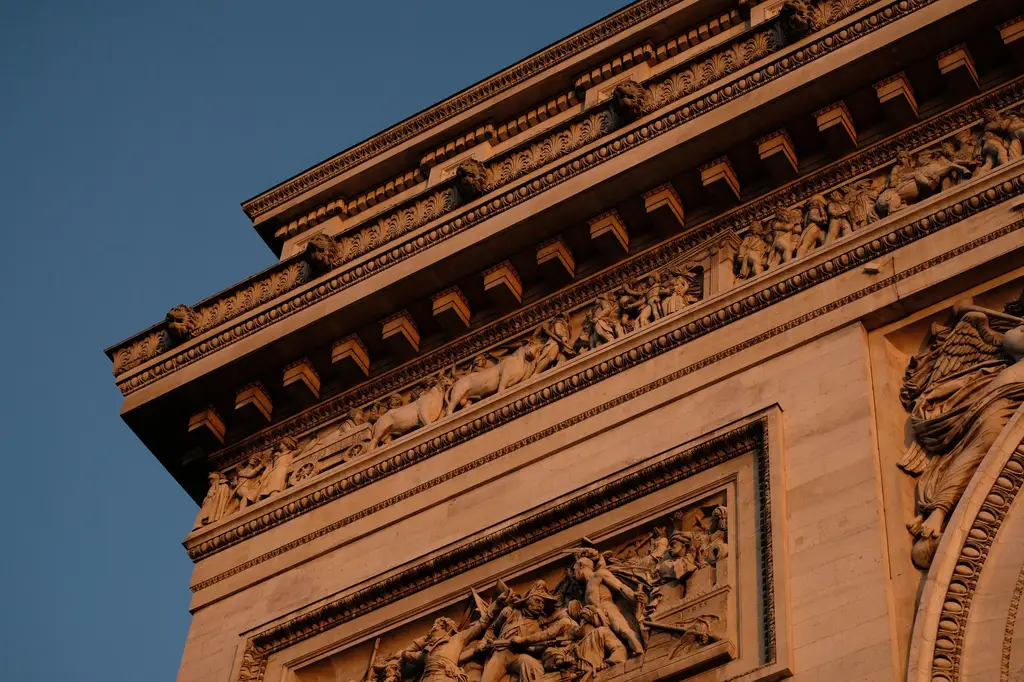
Generally 10am-10:30pm, shorter in winter·EUR 22 adult (1 Apr-30 Sep, cheaper 1 Oct-31 Mar); EUR 16 on Wednesdays April-September; free for under-18s and EU/EEA residents 18-25·45-60 minutes
Book ahead for sunset, the terrace fills up fast in the hour before dark
284 steps to the terrace, no lift for most visitors. The view down the Champs-Élysées and across to the Eiffel Tower is a better wide shot of the city than the tower itself gives you.
Basilica generally 6am-10:30pm; dome and crypt have separate, shorter hours·basilica free to enter; dome climb is a small paid extra·2-3 hours to walk the neighborhood properly
Go before 9am or after 6pm to get the steps and the view without the crowd. Place du Tertre, the 'artists square', is louder and more tourist-priced than it looks in photos.
Central, dense with cafes and small museums, walkable to Notre-Dame and the Louvre, but loud on weekend nights.
Saint-Germain-des-Prés (6th)
Suits: travelers prioritizing atmosphere and food over budget
Literary cafe history, close to the Seine and Luxembourg Gardens, consistently one of the pricier areas to sleep in.
Montmartre (18th)
Suits: anyone who wants quieter evenings and doesn't mind hills
Village feel above the city, cheaper than the center, but a real climb back up after a late dinner.
Canal Saint-Martin / 10th
Suits: younger travelers, better value, local bar scene
Less postcard-pretty, more residents than tourists, good mid-range food without the center's markup.
Latin Quarter (5th)
Suits: first-timers wanting walkability plus a student-neighborhood energy
Narrow medieval streets near Notre-Dame and the Panthéon, some of the most tourist-trap restaurants in the city mixed in with genuinely good ones.
Getting there and around
Getting there
Charles de Gaulle (CDG) is the main international hub, 25km northeast; the RER B train runs to central Paris in about 50 minutes for roughly EUR 11-13, or a taxi runs a flat rate (around EUR 55-77 depending on which bank you're headed to) in 45-60 minutes depending on traffic. Orly (ORY) is closer, 13km south, reachable by the Orlyval shuttle plus RER B or the Orlybus, both in the EUR 9-13 range and roughly 35-45 minutes to the center.
Getting around
The Métro (16 lines) and RER (regional express rail) cover the city densely; you're rarely more than a 5-10 minute walk from a station in the center. Paper t+ tickets have been phased out in favor of Navigo Easy, a reloadable contactless card you buy once (a few euros) and top up with single rides or day passes. As of 2026-09-08 a single Métro/Train/RER ticket is EUR 2.55 and a Bus/Tram ticket is EUR 2.05 (both bought via the app or on Navigo Easy); a Forfait Navigo Jour (unlimited one calendar day) is EUR 12.30 and a Forfait Navigo Semaine (unlimited one calendar week) is EUR 32.40, both covering the whole Île-de-France zone including RER out to Versailles and CDG. A one-way Paris <> airport ticket (Orly or CDG) is EUR 14. Visitors doing 3+ days are usually better off with the weekly pass than paying per ride. Central Paris is flat and dense enough to walk large stretches between sights, and Vélib' bike-share stations are everywhere for short hops. Fares move periodically; confirm on Île-de-France Mobilités before you land.
Map
City
Recommended (numbered)
Mentioned in an itinerary
Locations on this map
Paris48.86, 2.35
Musée du Louvre48.86, 2.34
Sainte-Chapelle48.86, 2.34
Cathédrale Notre-Dame de Paris48.85, 2.35
Eiffel Tower48.86, 2.29
Palace of Versailles48.87, 2.31
Musée d'Orsay48.86, 2.33
Arc de Triomphe48.87, 2.30
Montmartre and Sacré-Cœur48.89, 2.34
Denon48.86, 2.39
Seine48.86, 2.29
Latin Quarter48.85, 2.34
Left Bank48.85, 2.34
Luxembourg Gardens48.85, 2.34
Saint-Germain-des-Pr48.85, 2.33
Saint-Louis48.87, 2.32
Le Marais48.86, 2.36
Rue48.84, 2.28
Rosiers48.86, 2.36
Carnavalet48.86, 2.36
Canal Saint-Martin48.87, 2.37
Aligre48.85, 2.38
Champs48.87, 2.30
Saint-Germain48.86, 2.33
Trianon48.87, 2.25
Giverny49.08, 1.53
Vernon49.09, 1.50
Claude Monet48.83, 2.36
Enfants Rouges48.86, 2.36
Chartres48.85, 2.34
Gare Montparnasse48.84, 2.32
Chartres Cathedral48.45, 1.49
Eure48.87, 2.40
Fontainebleau48.89, 2.39
Gare de Lyon48.84, 2.37
Disneyland Paris48.87, 2.77
Marne-la-Vall48.07, 2.88
CDG48.90, 2.36
Orlyval48.74, 2.33
RER48.84, 2.37
Orly48.87, 2.33
What it costs
Stay
Food
Transport
Activities
Daily cost breakdown, EUR per person
Tier
Stay
Food
Transport
Activities
Total
Budget
EUR 40
EUR 30
EUR 10
EUR 10
EUR 90
Mid-range
EUR 110
EUR 60
EUR 15
EUR 15
EUR 200
Splurge
EUR 300
EUR 120
EUR 25
EUR 40
EUR 485
A mid-range day: EUR 110 hotel room (split two ways), EUR 8-10 Navigo day travel, EUR 22 Louvre ticket, EUR 15 bakery lunch and coffee, EUR 12 crepe or market snack in the afternoon, EUR 35-45 sit-down bistro dinner with a glass of wine. Comes to roughly EUR 200-210 per person before any extra museum or a splurge meal.
Money savers
EU/EEA residents under 26 get free entry to most national museums including the Louvre and Orsay; carry ID
Many museums, including the Louvre, offer free entry on the first Sunday of the month October through March; expect the heaviest crowds of the month on that day too
Bakeries sell a full lunch (sandwich, pastry, drink) for EUR 8-12, consistently cheaper and often better than a sit-down tourist-area lunch
Parks, the Seine riverbanks, and most church interiors (Notre-Dame, Saint-Sulpice, Saint-Eustache) are free
A weekly Navigo pass beats paying per ride once you're taking the metro more than a few times a day
Eating in Paris runs on three formats and it helps to know which is which before you sit down. A bistro is small, seasonal, chalkboard menu, and closes when the owner feels like it. A brasserie is bigger, open all day, Alsatian in its bones, and where you go for choucroute or a seafood platter under brass fittings and mirrors. A cafe is for coffee, a croque monsieur or an omelette, and the right to sit for three hours without anyone bothering you. Kitchens keep hours that trip up visitors on a northern-European clock: lunch service runs roughly 12 to 2:30pm, dinner rarely starts before 7:30pm, and a lot of kitchens shut completely from 2:30 to 7. Show up at 4pm wanting a hot meal and you'll be sent to a cafe. The smartest move at lunch is the formule or prix fixe, a fixed two or three course menu that turns a good restaurant into an affordable one. Service is legally built into the bill, so a tip is a rounding gesture, never an obligation.
EUR 1.50-3.50·any neighborhood boulangerie, not the ones directly facing a major monument
Must try
Walk two streets away from a landmark and the bakery quality goes up while the price drops. A real boulangerie beats a chain bakery every time, even the famous chains near the sights.
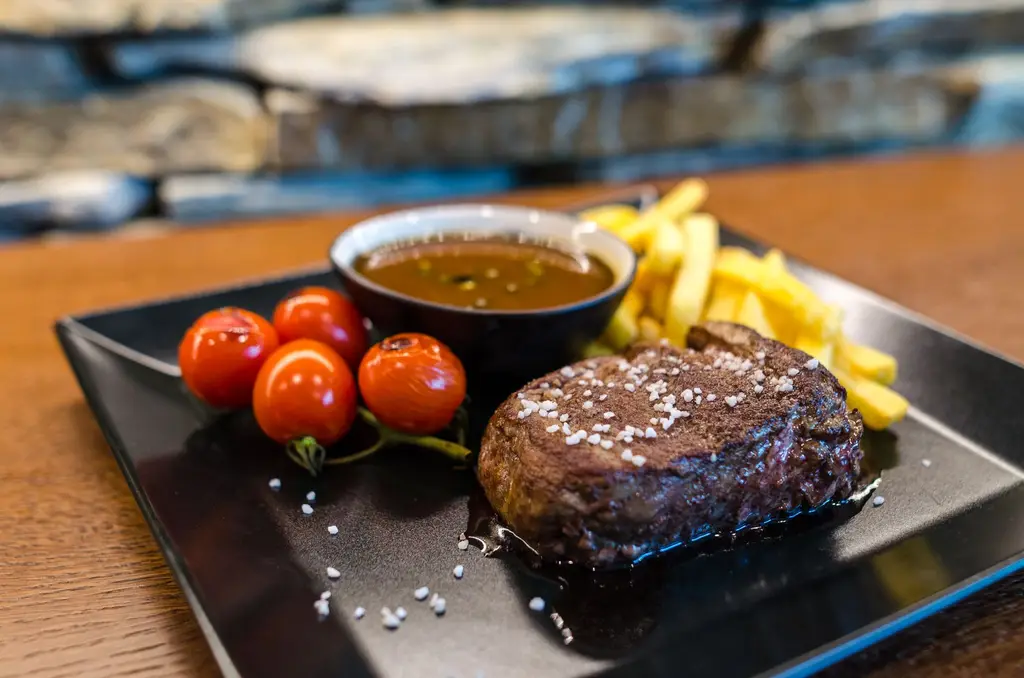
Steak-frites and classic bistro fare
EUR 18-26·neighborhood bistros in the 10th, 11th, and 5th arrondissements
Must try
The unglamorous residential streets have better ratio of quality to price than anywhere near the Eiffel Tower or the Champs-Élysées. Order it saignant if you want it properly rare.
Choucroute and seafood platter
EUR 22-45·traditional brasseries with brass fittings and mirrors, common in the center and near the old train stations
The brasserie's Alsatian half: sauerkraut piled with sausage and pork, or a tiered plateau of oysters and shellfish, both served all afternoon when bistros are shut.
Cheese and charcuterie
EUR 8-15·Marché d'Aligre or Marché des Enfants Rouges
Covered markets where you can buy by the gram and eat on a bench nearby; cheaper and fresher than a restaurant cheese plate.
Falafel
EUR 8-12·Rue des Rosiers, Le Marais
Must try
The Marais' historic Jewish quarter has a strip of falafel counters; a sandwich runs well under a sit-down lunch anywhere else in the neighborhood.
Jambon-beurre
EUR 4-7·any boulangerie or corner sandwich counter, everywhere
Must try
Ham, butter, a fresh baguette, nothing else. The everyday lunch of the whole city and a fair test of how good a bakery's bread actually is.
Wine bar small plates
EUR 6-14 per plate·Canal Saint-Martin and the 11th arrondissement
Natural wine bars serving a few small plates instead of a full menu are where a lot of the city's better casual cooking has moved.
Macarons
EUR 2-3 each·any patisserie, though the famous names cluster near the 8th and Saint-Germain
Genuinely touristy at this point, and some of the famous houses charge a premium for what a smaller neighborhood patisserie does just as well. Worth trying once, not worth a special trip.
Formule lunch menu
EUR 16-24·almost any sit-down bistro, roughly 12 to 2:30pm
Must try
A fixed two or three course lunch, often the same kitchen and ingredients as the pricier dinner menu at half the cost. The best way to eat well in Paris without overspending.
Maison Louvard's crookie
as of 2026-09
Viral
A croissant sliced open and stuffed with raw cookie dough then baked again, invented by baker Stephane Louvard in 2022. It went from 100 to 2,000 sold a day after TikTok found it. It earned the hype. It's genuinely good, but you're paying about 7 euros and queueing for a pastry, not a meal. Go early or skip it if you hate lines.
Shwi (Canal Saint-Martin)
as of 2026-09
Viral
Lebanese street-food spot from the Kubri team, open since spring 2026, built around 24-hour marinated farrouj meshwi chicken charbroiled and wrapped with toum garlic sauce. The chicken and toum are the real draw and worth the wait most days. Quality is inconsistent though, some reviewers got undercooked or fatty pieces, and the portion feels small for the price. Order confidently but don't expect it every visit.
Mamiche (babka and cinnamon roll)
as of 2026-09
Viral
Long-running bakery in the 9th/10th with a babka, a ham-and-cheese viennoiserie, and a cinnamon roll that keep coming up as the reason people detour there. Not a flash-in-the-pan opening, it's been going since 2016 and still pulls a line. Worth it if you're already in the neighborhood, not worth crossing the city for.
9th/10th arrondissement bakery-snacking wave
as of 2026-09
Viral
A cluster of bakeries in these two arrondissements now run lunch counters off the same ovens: sourdough sandwiches, focaccia, and elevated viennoiserie sitting next to the bread. A real shift in how Paris bakeries operate, not one address. Good for a quick, better-than-average lunch if you're already walking that stretch.
Global-influenced coffee-pastry hybrids
as of 2026-09
Viral
A cluster of new bakery-coffee hybrids opened across Paris this fall, several with international angles: Japanese-style cheesecake, Norwegian coffee, Hong Kong cafe format, alongside classic French flans and Paris-Brest. Worth a stop if you're already nearby. It's spread across many arrondissements rather than one strip, so it's not a single trip-worthy destination.
Two-ingredient Japanese soufflé cheesecake
as of 2026-09
Viral
A minimalist Japanese-style soufflé cheesecake, marketed as needing only two ingredients, has started appearing on Paris pastry counters. Light and less sweet than a French cheesecake. Grab one if you spot it. Still too rare in Paris to plan a trip around.
Safety and scams
Paris is safe for the vast majority of visits; violent crime against tourists is rare. The real risks are pickpocketing on the metro, at Montmartre, near the Eiffel Tower, and on RER B to and from CDG, plus a handful of well-documented scams: the fake petition (a distraction while someone else's hands move), the friendship bracelet tied onto your wrist before a demand for payment, and the 'found ring' offered as a gift then sold. Keep bags zipped and in front of you on crowded transit and decline anyone approaching with a clipboard or bracelet.
Common mistakes
Trying to walk up and buy a same-day Louvre ticket; it's timed entry only, booked online
Assuming Notre-Dame works the way it did before 2019; the reopened cathedral has different access and booking norms
Booking a summer trip without checking that a favorite restaurant isn't in its August closure window
Buying single paper metro tickets out of habit; the system has largely moved to the Navigo Easy contactless card
Spending an entire day inside the Louvre trying to see everything instead of picking one or two wings
Standing in the Eiffel Tower queue without a pre-booked slot and losing half a day to it
Walking distracted through Montmartre or the RER B platforms with a phone or bag left open, prime pickpocketing territory
Frequently asked questions
How many days do you need in Paris?
Three to four days covers the core sights without rushing. A week lets you add Versailles and Giverny as day trips. Two weeks in Paris alone is more than most people need; it works better as a base for the wider Île-de-France region.
Is the Paris Museum Pass worth it?
It's worth it if you're covering four or more paid sites (Louvre, Orsay, Sainte-Chapelle, Versailles, Arc de Triomphe) in a short window, since the per-visit cost drops fast. As of 2026-09-08 the pass costs EUR 85 for 2 days (48 hours), EUR 105 for 4 days (96 hours), or EUR 125 for 6 days (144 hours), plus service fees on some sales channels; the operator says the savings kick in from your 4th, 5th or 6th visit respectively. For a lighter 2-3 day trip hitting one or two museums, paying per site is usually cheaper. It does not cover the Eiffel Tower.
Do you need to book Notre-Dame in advance?
Entry to the nave is free, but the cathedral reopened in December 2024 with a different access setup than before the fire. Free timed slots are bookable online and worth taking to skip the street queue, which can run long at peak hours. Check the cathedral's own site for the current process.
Can you just walk into the Louvre?
No. The Louvre now requires a booked timed-entry slot, there's no buying a ticket at the door. Book online as far ahead as your dates allow; weekend and morning slots sell out weeks ahead in high season.
What metro ticket should I buy in Paris?
Paper t+ tickets have been largely phased out. Get a Navigo Easy contactless card on arrival and load it with single rides or a day pass, or buy a Navigo Découverte weekly pass if you're staying several days and riding often. Check current fares on Île-de-France Mobilités, they change periodically.
Is the Eiffel Tower included in the Paris Museum Pass?
No. The Eiffel Tower sells its own tickets separately and isn't part of the Museum Pass. Book directly through the tower's official site well ahead of your visit.
Are restaurants closed in Paris in August?
Many independent restaurants, bakeries, and small shops close for two to four weeks sometime in August, though it's less citywide than in smaller French towns. If you have a specific restaurant in mind for an August trip, check it's open before you build a day around it.
How do you get from Paris to Versailles?
RER C runs directly from central Paris to Versailles Château Rive Gauche station in about 40 minutes. Buy a return ticket covering the RER zone out to Versailles, it isn't included in a standard central-zone metro ticket.
What are common tourist scams in Paris?
The fake petition (a distraction while a second person picks your pocket), the friendship bracelet tied onto your wrist before a payment demand, and a 'found' gold ring offered as a gift then sold to you. Decline anyone approaching with a clipboard, string, or ring near major monuments.
Is Paris walkable?
Yes, the center is dense and flat enough that you can cover several arrondissements on foot in a day. The metro fills the gaps for longer hops or when you're tired, and it's rarely more than a short walk to a station.