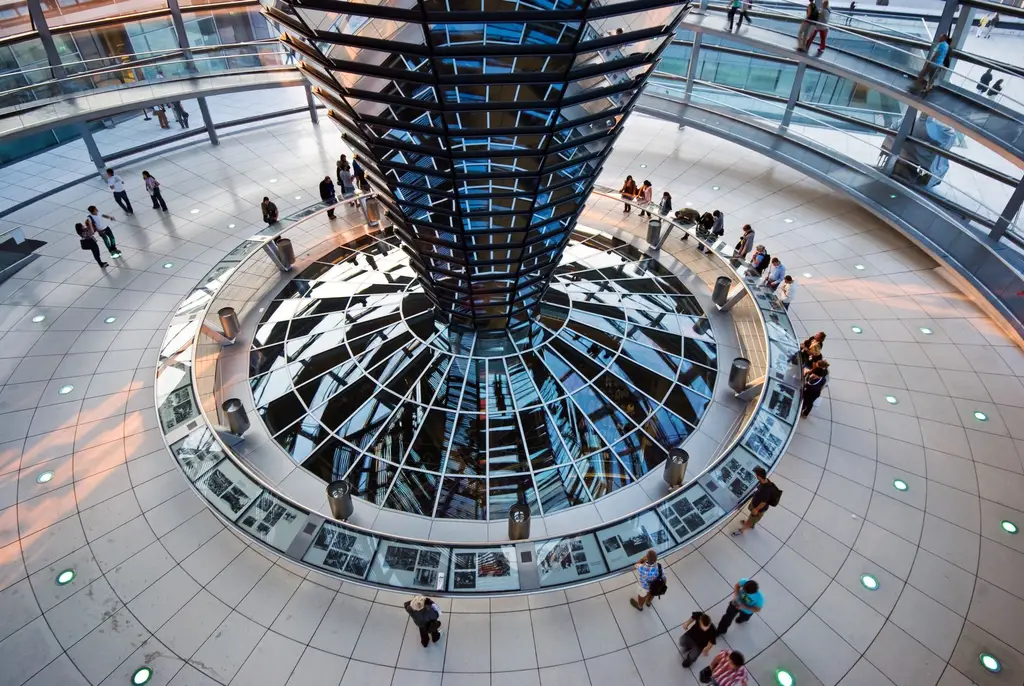
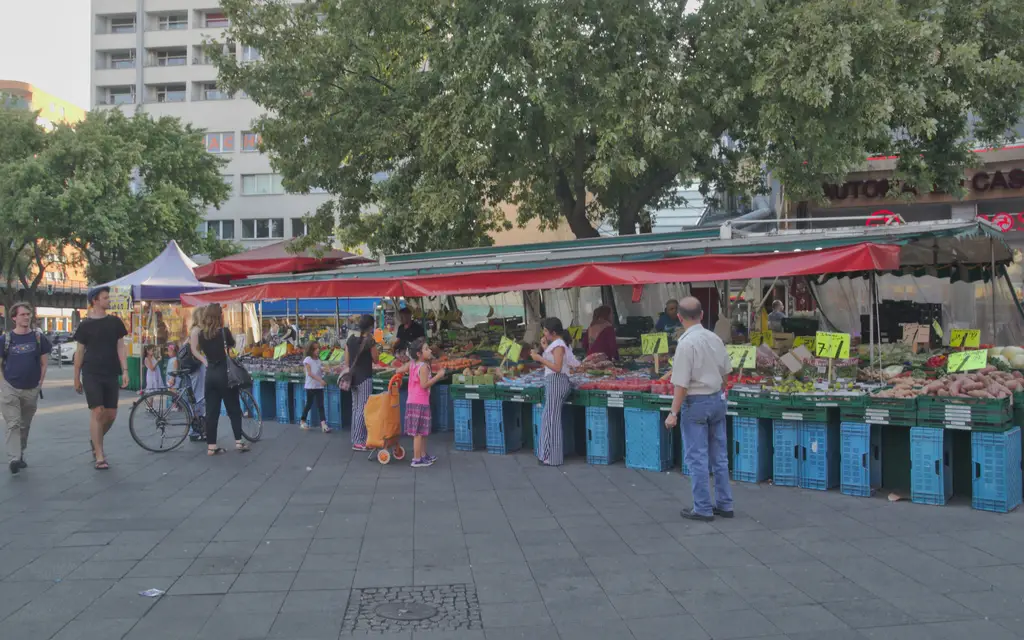
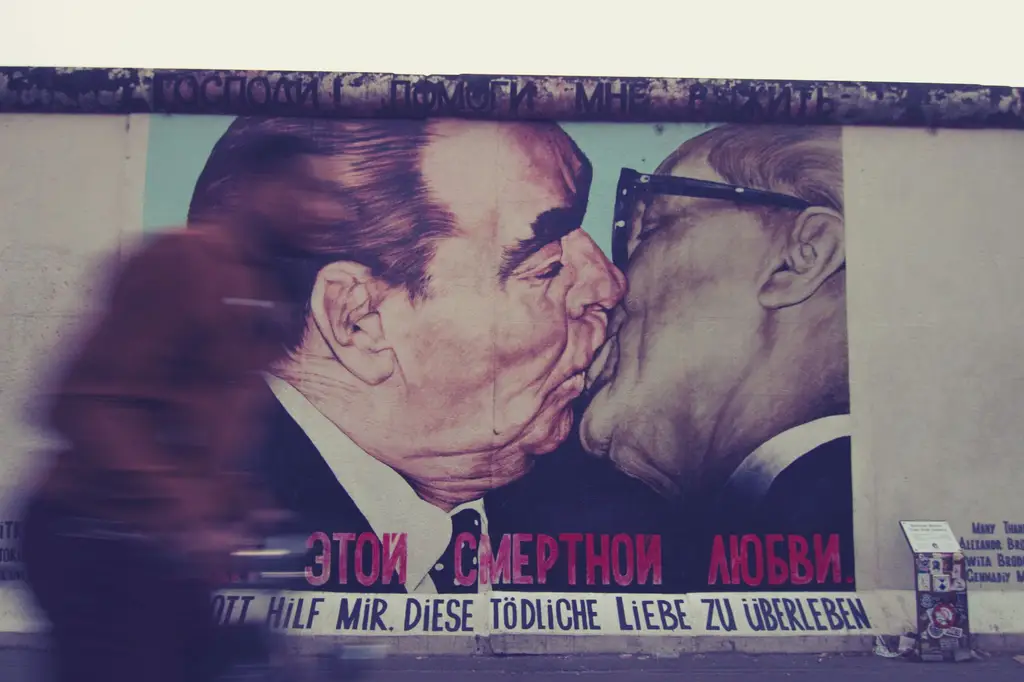
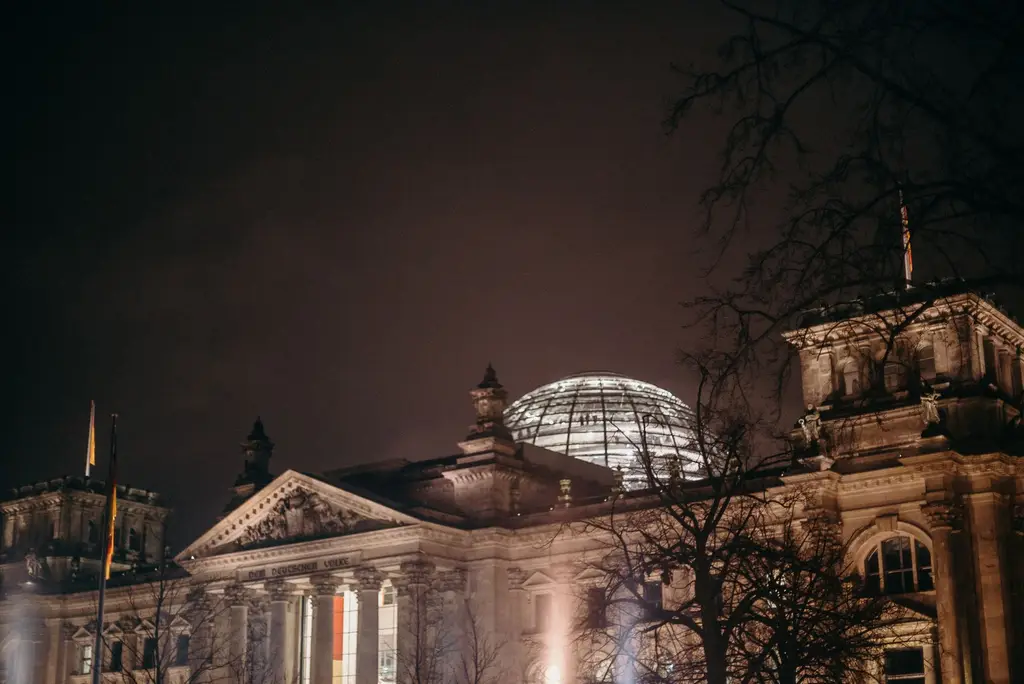
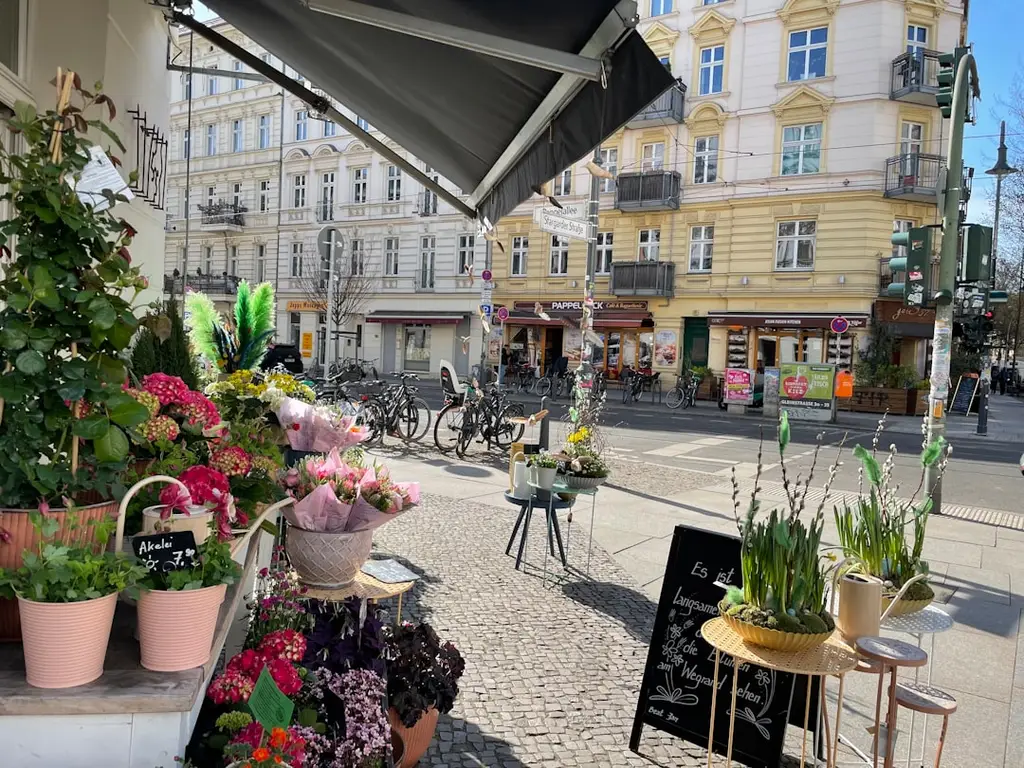
Berlin does not look like a capital. There is no single skyline, no grand boulevard that ties it together, because the city spent forty years split in two and is still stitching the seam back together in places. What you get instead is a series of neighbourhoods that each feel like their own small city: Mitte's museums and government buildings, Kreuzberg's graffiti and Turkish markets, Prenzlauer Berg's cafes and prams, Friedrichshain's clubs that don't ask what time it is. The history is not tucked into a museum wing, it is on the street. A stretch of the Wall still stands as the East Side Gallery, brass Stolpersteine are set into the pavement outside buildings where Jewish residents once lived, and the Reichstag's glass dome sits on top of the building the Nazis burned and the Soviets shelled. Berlin is also, relative to Paris or London, cheap to eat and drink in, and it is flat and bikeable in a way few European capitals are. Expect grey weather more often than not, decent but unglamorous food outside a few excellent exceptions, and a nightlife scene that genuinely runs until Monday morning in some clubs. Four to five days covers the core; a week lets you add Potsdam and slow down.
The Reichstag dome registration process is more friction than most tourists want to deal with for a free viewpoint, which is exactly why the queue thins out once you're through the door. It's worth the form-filling.
Berlin's museums close on Monday more consistently than other German cities I've seen, plan around it rather than showing up and hoping.
The city looks poorer and rougher around the edges than Munich or Frankfurt, and that's not a flaw, it's part of what keeps rent and food prices down relative to the rest of Western Europe.
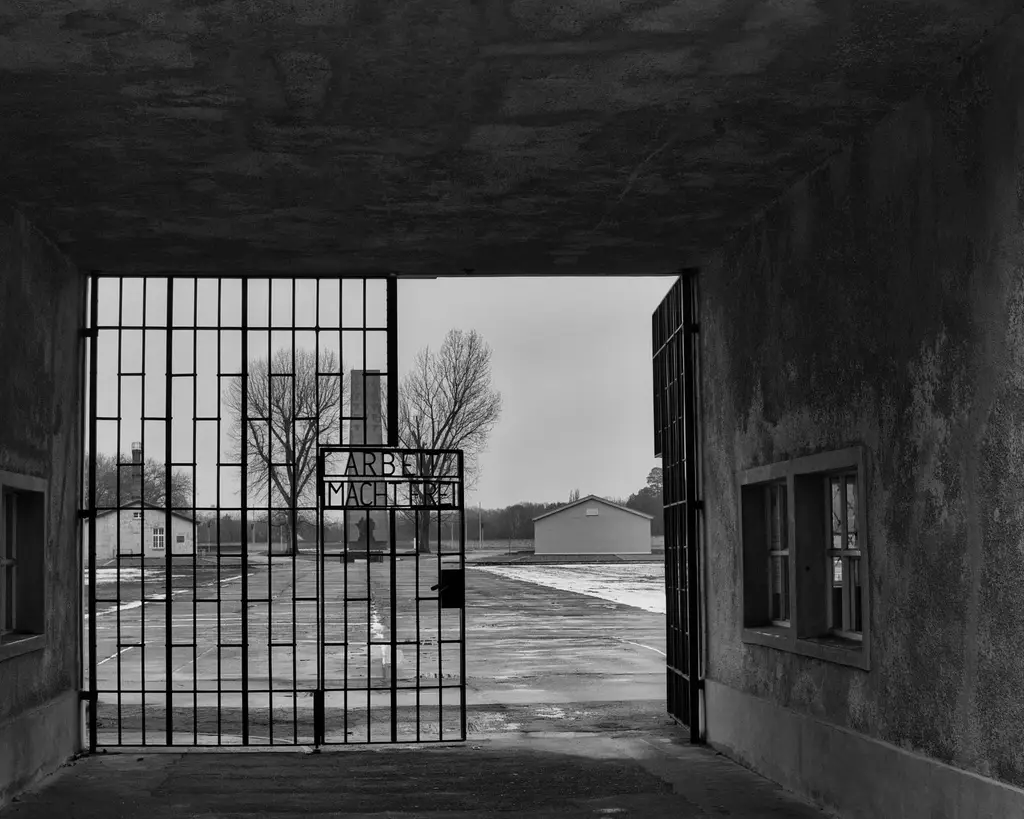
Sachsenhausen is the kind of half-day trip people put off because it sounds heavy, and it is, but skipping it in favour of another museum is the wrong trade if you actually care about the history the city is built on.
The Pergamonmuseum's ongoing renovation catches people out. Check what's actually open in the building before you buy a ticket expecting the famous altar hall.
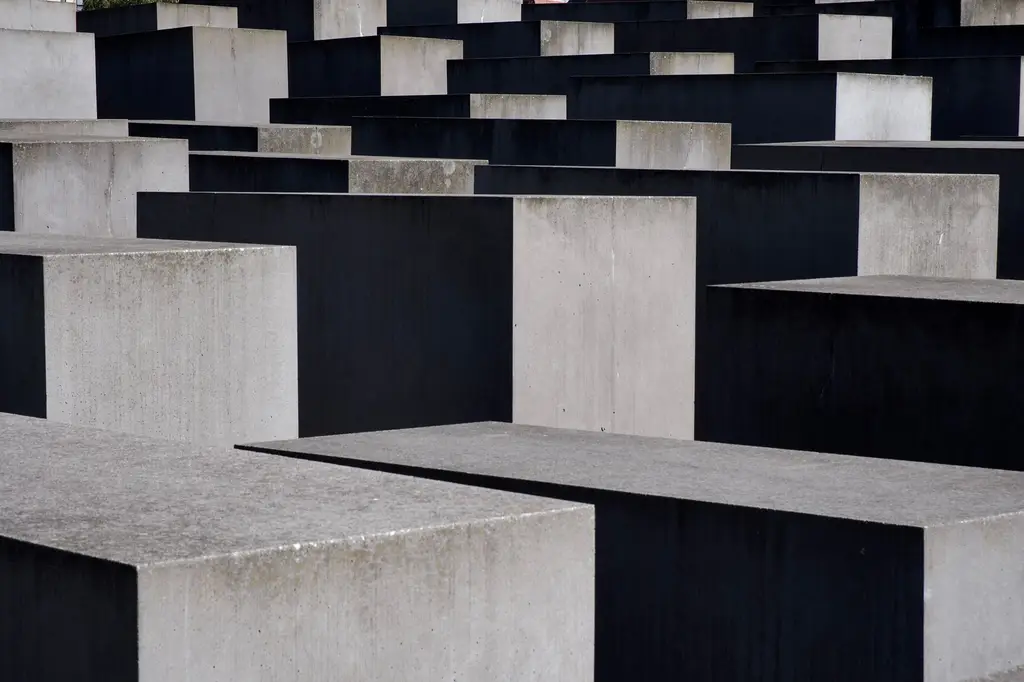
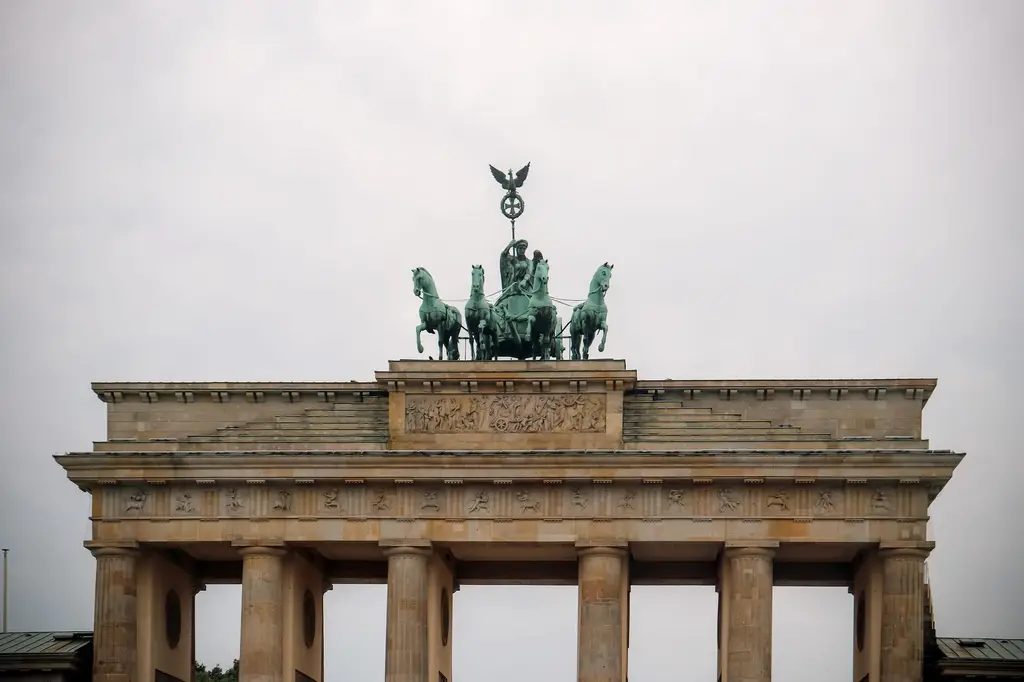
The essential Mitte core: Brandenburg Gate, Reichstag, and the Memorial to the Murdered Jews of Europe.
Day 1: Central Berlin in a day
Morning
Start at the Brandenburg Gate, then walk to the Reichstag for your pre-booked dome slot. Give the dome a full hour, the views over the government quarter are worth lingering for.
Afternoon
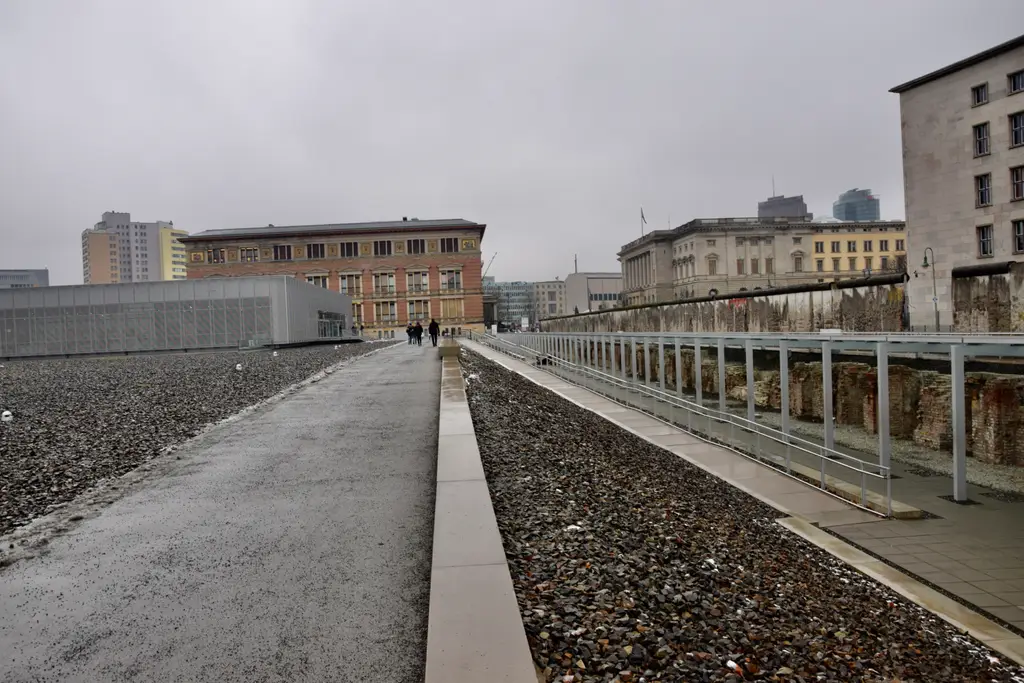
Walk south to the Memorial to the Murdered Jews of Europe, spend time in the underground Information Centre, then continue to Checkpoint Charlie and the open-air Topography of Terror exhibition nearby.
Evening
Head to Kreuzberg for dinner, doner or a sit-down Turkish meal, then a walk along the Landwehr Canal if the weather holds.
Tip: Book the Reichstag slot weeks ahead if your date is fixed, this is the one thing that can't be improvised.
Mitte's history core, Museum Island, and the Wall sites, with a Kreuzberg evening.
Day 1: Government quarter and memorials
Morning
Brandenburg Gate and Reichstag dome (pre-booked).
Afternoon
Memorial to the Murdered Jews of Europe, then Topography of Terror.
Evening
Dinner and a bar in Kreuzberg near Kottbusser Tor.
Tip: Both memorial sites are free and open daily, no advance booking pressure here.
Day 2: Museum Island and Mitte
Morning
Pick two Museum Island institutions based on interest, the Neues Museum for the Nefertiti bust and Egyptian collection is a strong choice.
Afternoon
Walk through the Nikolaiviertel old quarter, then to Alexanderplatz.
Evening
Dinner near Hackescher Markt, a livelier, more restaurant-dense pocket of Mitte.
Tip: Buy Museum Island tickets online the night before to skip the ticket-counter queue.
Day 3: The Wall and East Berlin
Morning
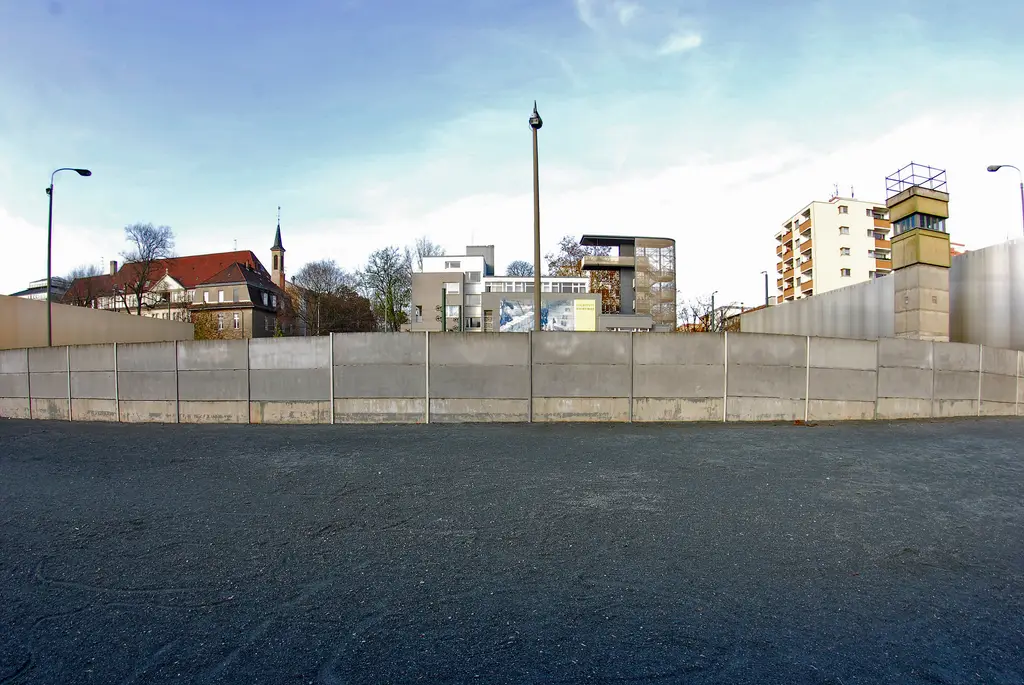
Bernauer Strasse and the Berlin Wall Memorial, the most complete surviving section with its documentation centre.
Afternoon
East Side Gallery, then cross into Friedrichshain for a coffee or late lunch.
Evening
Free evening, Friedrichshain and Kreuzberg both have strong nightlife if you want it.
Tip: The Wall Memorial gives more historical context than the East Side Gallery, do it first if time is short.
The 3-day core plus a full day at Sachsenhausen and a Potsdam day trip.
Day 1: Government quarter and memorials
Morning
Brandenburg Gate and Reichstag dome (pre-booked).
Afternoon
Memorial to the Murdered Jews of Europe, then Topography of Terror.
Evening
Dinner and a bar in Kreuzberg.
Tip: Book the Reichstag slot as early as the online system allows.
Day 2: Museum Island and Mitte
Morning
Two Museum Island institutions, pre-booked timed entry.
Afternoon
Nikolaiviertel and Alexanderplatz.
Evening
Dinner near Hackescher Markt.
Tip: Check which Pergamonmuseum galleries are open before buying a ticket.
Day 3: The Wall and East Berlin
Morning
Bernauer Strasse and the Berlin Wall Memorial.
Afternoon
East Side Gallery and Friedrichshain.
Evening
Free evening for nightlife or a quieter dinner.
Tip: The Wall Memorial is more substantive than the East Side Gallery.
Show all 5 days
Day 4: Day trip: Sachsenhausen
Morning
S-Bahn out to Oranienburg (around 45 minutes), then a short walk or bus to the Sachsenhausen Memorial.
Afternoon
Spend 3-4 hours at the memorial and exhibitions, this is a heavy, deliberately unhurried visit.
Evening
Return to Berlin, a low-key dinner in Prenzlauer Berg to decompress.
Tip: Go with time and no other plans after, rushing this site does it a disservice.
Day 5: Day trip: Potsdam
Morning
Regional train to Potsdam (around 25 minutes from Berlin Hauptbahnhof), visit Sanssouci Palace and its gardens.
Afternoon
Walk the Dutch Quarter and the town centre.
Evening
Return to Berlin for a final dinner in Mitte.
Tip: Sanssouci's interior visits often need timed tickets in summer, book ahead if visiting May-September.
The 5-day itinerary with two extra days for Kreuzberg, Prenzlauer Berg, and a slower pace.
Day 1: Government quarter and memorials
Morning
Brandenburg Gate and Reichstag dome (pre-booked).
Afternoon
Memorial to the Murdered Jews of Europe, then Topography of Terror.
Evening
Dinner and a bar in Kreuzberg.
Tip: Book the Reichstag slot early.
Day 2: Museum Island and Mitte
Morning
Two Museum Island institutions, pre-booked.
Afternoon
Nikolaiviertel and Alexanderplatz.
Evening
Dinner near Hackescher Markt.
Tip: Check current Pergamonmuseum gallery status.
Day 3: The Wall and East Berlin
Morning
Bernauer Strasse and the Berlin Wall Memorial.
Afternoon
East Side Gallery and Friedrichshain.
Evening
Free evening for nightlife.
Tip: The Wall Memorial beats the East Side Gallery for substance.
Show all 7 days
Day 4: Day trip: Sachsenhausen
Morning
S-Bahn to Oranienburg and the Sachsenhausen Memorial.
Afternoon
3-4 hours at the memorial.
Evening
Quiet dinner in Prenzlauer Berg.
Tip: Don't rush this one.
Day 5: Day trip: Potsdam
Morning
Train to Potsdam, Sanssouci Palace and gardens.
Afternoon
Dutch Quarter and town centre.
Evening
Dinner in Mitte.
Tip: Book Sanssouci interior tickets ahead in summer.
Day 6: Kreuzberg and the canal
Morning
Markthalle Neun food market, then a slow walk along the Landwehr Canal.
Afternoon
Explore Kreuzberg's street art and independent shops around Bergmannkiez.
Evening
A proper sit-down dinner, this district has some of Berlin's best casual restaurants.
Tip: Markthalle Neun's Thursday street food market is louder and busier than the rest of the week.
Day 7: Prenzlauer Berg and a slow finish
Morning
Wander Prenzlauer Berg's residential streets and the Mauerpark flea market if it's a Sunday.
Afternoon
Coffee, a bookshop or two, no fixed plan.
Evening
A final dinner wherever the day has led.
Tip: Mauerpark's Sunday flea market and karaoke are worth timing a visit around.
Two weeks using Berlin as a base, with the 7-day core plus Dresden, Leipzig, and the Baltic coast as multi-day extensions. This is a regional itinerary, not fourteen days inside the city alone.
Day 1: Government quarter and memorials
Morning
Brandenburg Gate and Reichstag dome (pre-booked).
Afternoon
Memorial to the Murdered Jews of Europe, then Topography of Terror.
Evening
Dinner in Kreuzberg.
Tip: Book the Reichstag slot as early as possible.
Day 2: Museum Island and Mitte
Morning
Two Museum Island institutions.
Afternoon
Nikolaiviertel and Alexanderplatz.
Evening
Dinner near Hackescher Markt.
Tip: Check current gallery openings before buying tickets.
Day 3: The Wall and East Berlin
Morning
Bernauer Strasse and the Wall Memorial.
Afternoon
East Side Gallery and Friedrichshain.
Evening
Free evening.
Tip: The Wall Memorial has more depth than the gallery.
Show all 14 days
Day 4: Day trip: Sachsenhausen
Morning
S-Bahn to Oranienburg.
Afternoon
3-4 hours at the memorial.
Evening
Quiet dinner in Prenzlauer Berg.
Tip: Give this the time it needs.
Day 5: Day trip: Potsdam
Morning
Train to Potsdam, Sanssouci Palace.
Afternoon
Dutch Quarter.
Evening
Dinner in Mitte.
Tip: Book Sanssouci ahead in summer.
Day 6: Kreuzberg and the canal
Morning
Markthalle Neun market.
Afternoon
Bergmannkiez.
Evening
Sit-down dinner.
Tip: Thursday market day is busiest.
Day 7: Prenzlauer Berg
Morning
Residential streets and Mauerpark if Sunday.
Afternoon
Cafes and bookshops.
Evening
Final Berlin dinner before travelling on.
Tip: Time it for a Sunday if you want the flea market.
Day 8: Travel to Dresden, first impressions
Morning
Train to Dresden (around 2 hours from Berlin Hauptbahnhof).
Afternoon
Frauenkirche and the rebuilt Altstadt.
Evening
Dinner in the Neustadt district.
Tip: Dresden was rebuilt from near-total destruction in 1945, the reconstruction itself is the story.
Day 9: Dresden's museums
Morning
Zwinger Palace and its collections.
Afternoon
Green Vault treasury if timed tickets are available.
Evening
Free evening in the Neustadt.
Tip: The Historic Green Vault requires advance timed tickets, book before you arrive.
Day 10: Travel to Leipzig
Morning
Train to Leipzig (around 1.5 hours from Dresden).
Afternoon
Explore the city centre and the Nikolaikirche, central to the 1989 protests.
Evening
Dinner in the Karli district.
Tip: Leipzig gets a fraction of the tourists Dresden and Berlin do, it's worth the extra stop.
Day 11: Leipzig's culture
Morning
Bach sites, including St. Thomas Church.
Afternoon
Spinnerei art district, a former cotton mill turned gallery complex.
Evening
Free evening.
Tip: Leipzig's live music and gallery scene rivals Berlin's at a fraction of the price.
Day 12: Return to Berlin
Morning
Train back to Berlin.
Afternoon
Revisit anything missed, or a slower neighbourhood walk.
Evening
Dinner in a district not yet covered.
Tip: Use this as a buffer day, trains do occasionally run late.
Day 13: Baltic coast day trip
Morning
Train to Usedom or another Baltic coast town for a change of pace from cities.
Afternoon
Beach or coastal walk.
Evening
Return to Berlin for a final night.
Tip: This is a long day, check current train times before committing.
Day 14: Final day in Berlin
Morning
Anything left on the list, or a market morning.
Afternoon
Last-minute shopping or a final museum.
Evening
Departure or a final Berlin dinner.
Tip: Keep this day flexible for delays earlier in the trip.
8:00-24:00 daily, last entry 21:45·free·1-1.5 hours
Mandatory advance online registration through the Bundestag's visitor service; registration typically opens a few weeks before your visit date and slots fill quickly in summer. Same-day walk-up registration exists at a separate visitor centre but is unreliable in peak season. Bring the passport used at registration.
Free but the paperwork puts people off, which is exactly why it's worth doing. Book as early as the booking window allows if you have fixed dates.
Field of stelae always open; underground Information Centre Tue-Sun 10:00-19:30 (seasonal variation), last entry 45 minutes before close·free·1-2 hours
Closed Monday (Information Centre only, the memorial field itself never closes)Walk in for the field; the Information Centre can have queues, arriving right at opening avoids the worst of it. Group tours can be booked ahead through the Stiftung Denkmal.
Walking the stelae field is free and always accessible, day or night. The underground exhibition is the part that actually explains what you're looking at.
Berlin Wall Memorial (Gedenkstätte Berliner Mauer)
Outdoor grounds and Visitor Centre generally 9:30-19:00 April-October, shorter in winter; documentation centre closes earlier·free·2 hours
Closed Monday (documentation centre)Walk in, no advance booking needed
The Bernauer Strasse stretch is the most complete surviving Wall section with the death strip layout intact. More informative than the East Side Gallery, which is really a mural wall now.
4
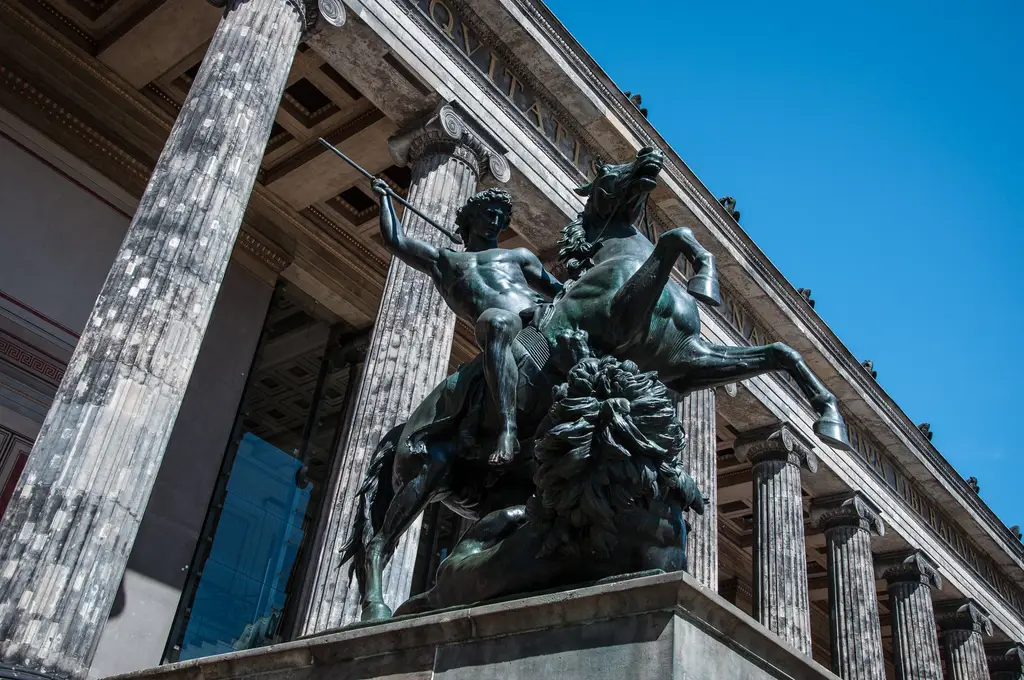
Museum Island (Pergamonmuseum, Neues Museum, Altes Museum)
Generally 10:00-18:00, Neues Museum and Pergamonmuseum sometimes to 20:00 on Thursdays; hours vary by museum, check each individually·single museum from EUR 12-14, Museum Island day pass around EUR 24, under-18s free·half day for two museums, full day for all
Closed Monday (most Museum Island museums)Timed-entry tickets recommended online in advance, especially for the Pergamonmuseum, which has been running with major galleries closed for renovation for several years, verify current gallery status before buying
Check which Pergamonmuseum wings are open before paying full price. The renovation has closed the famous Pergamon Altar hall for an extended period, buy tickets knowing this.
Sits on the former Gestapo and SS headquarters site. Dense and text-heavy rather than visual, worth it if you actually read the panels rather than skim.
There's nothing to buy a ticket for, it's a public square. Go once during the day and once lit at night, it changes character completely.
Teufelsberg
as of 2026-09
Viral
A former Cold War NSA listening station on an artificial hill in Charlottenburg-Wilmersdorf, its radomes and towers now covered in what the site calls Europe's largest street art gallery. Guided history and street-art tours run regularly. Confirmed still operating with bookable tours. Worth it if you like Cold War history or street art, skip if neither interests you since it's a trek out from the center.
Tempelhofer Feld
as of 2026-09
Viral
A decommissioned airport turned enormous public park, the old runways and taxiways left intact for cycling, skating, kite-flying and urban gardening plots. Free, genuinely well used by locals rather than staged for tourists, and huge enough that it never feels crowded. One of Berlin's best uses of leftover infrastructure.
East Side Gallery
as of 2026-09
Viral
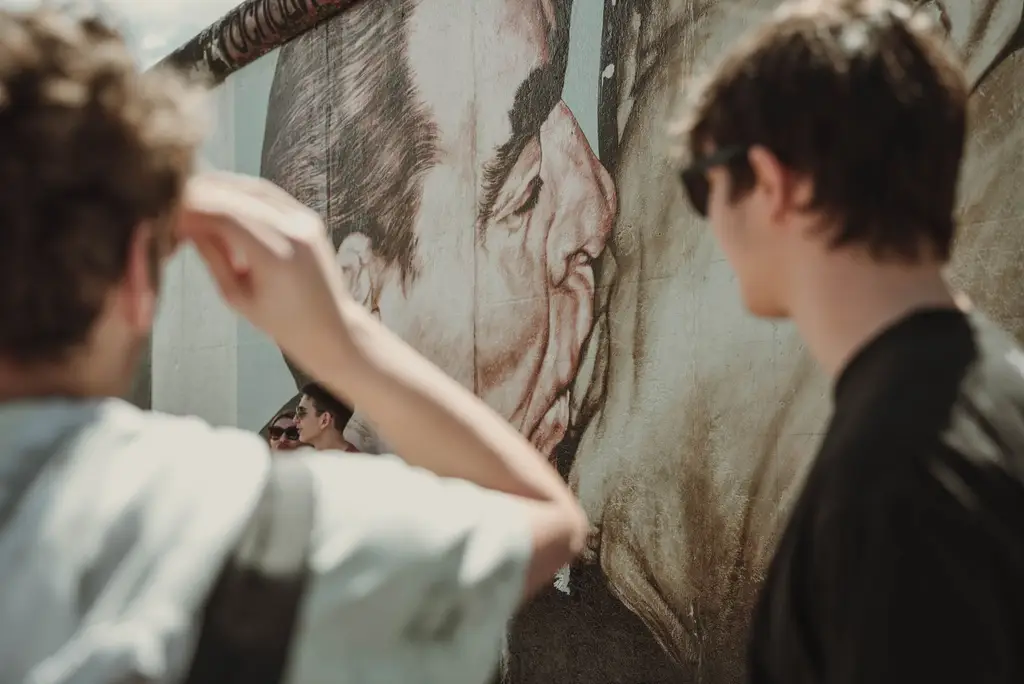
The longest surviving stretch of the Berlin Wall, over a kilometer of murals painted by international artists after 1990, running along the Spree in Friedrichshain. Free and open-air, worth an hour's walk. Some panels get touched up or repainted over time so don't expect a static museum piece, it's a living gallery.
Mauerpark Sunday flea market and karaoke
as of 2026-09
Viral
A long-running Sunday flea market in the park straddling former East and West Berlin, plus an open-air karaoke session in the old amphitheater that draws a crowd every week. Still a genuine local institution, not built for tour buses, though it's well known enough now that Sundays get busy. Go for the karaoke even if you don't sing, the audience is the show.
Museum Island
as of 2026-09
Viral
Five state museums on an island in the Spree, including the Neues Museum with the Nefertiti bust and the Bode Museum, with the Pergamon Museum's north wing still closed for a multi-year renovation not expected to reopen until around 2027. Still worth a full day even with the Pergamon closed, the Neues Museum alone justifies the ticket. Check which wings are open before you buy, since the closure has run long.
Holocaust Memorial (Memorial to the Murdered Jews of Europe)
as of 2026-09
Viral
A field of 2,711 concrete slabs of varying heights near the Brandenburg Gate, free and open at all hours, with an underground information center beneath it. Sober and worth the visit, not a photo backdrop despite how it gets used online. The underground exhibition is the part people skip and shouldn't.
More to see (2)
7
East Side Gallery
always open (outdoor)·free·45 minutes-1 hour
The longest surviving stretch of the Wall, painted with murals in 1990 and repainted since. More of a street art gallery now than a historical site, treat it as that.
8
Sachsenhausen Memorial and Museum
grounds 8:30-18:00 (summer) or 8:30-16:30 (winter), exhibitions close earlier·free·half day including travel
Walk in, though guided tours can be booked ahead. Reachable by S-Bahn from central Berlin (around 45 minutes) plus a short walk or bus.
A former concentration camp about an hour outside the city, not a casual add-on. Go if you want to understand this history properly, not to check a box.
Suits: first-time visitors who want museums and sights on foot
Central and well connected, but touristy and pricier than the outer districts.
Kreuzberg
Suits: travellers who want food, nightlife, and a grittier feel
Turkish markets, canal-side bars, some of the best doner and vegan food in the city.
Prenzlauer Berg
Suits: a quieter base with good cafes
Leafy, gentrified, easy S-Bahn and tram access into Mitte.
Friedrichshain
Suits: nightlife-focused trips
Home to much of Berlin's club scene and the East Side Gallery, louder at night.
Getting there and around
Getting there
Berlin Brandenburg Airport (BER) sits about 18km southeast of the centre. The Airport Express train reaches Hauptbahnhof in around 30 minutes for roughly EUR 3.80 with a standard transit ticket. A taxi into Mitte runs EUR 40-55 depending on traffic. If arriving by train, most long-distance services stop at Hauptbahnhof, centrally located and well connected to the U-Bahn and S-Bahn.
Getting around
The BVG network of U-Bahn, S-Bahn, trams, and buses covers the whole city and runs a reduced night service on weekends. A single AB-zone ticket (covers the city core) costs around EUR 3.80, a day ticket around EUR 9.90; buy from machines at any station before boarding, since Berlin's system is proof-of-payment and inspectors do fine you. The Deutschlandticket also covers all of it if you're staying a full month. Central Berlin is flat and genuinely walkable district by district, though the city as a whole is too spread out to walk between neighbourhoods.
Map
City
Recommended (numbered)
Mentioned in an itinerary
Locations on this map
Berlin52.52, 13.40
Reichstag Dome52.52, 13.38
Memorial to the Murdered Jews of Europe52.51, 13.38
Berlin Wall Memorial (Gedenkstätte Berliner Mauer)52.54, 13.39
Museum Island (Pergamonmuseum, Neues Museum, Altes Museum)52.52, 13.40
Topography of Terror52.51, 13.38
Brandenburg Gate52.52, 13.38
East Side Gallery52.50, 13.44
Sachsenhausen Memorial and Museum52.54, 13.25
Central Berlin52.54, 13.40
Checkpoint Charlie52.51, 13.39
Kreuzberg52.50, 13.41
Turkish52.55, 13.35
Kottbusser Tor52.50, 13.42
Mitte52.52, 13.40
Egyptian52.51, 13.36
Nikolaiviertel52.52, 13.41
Alexanderplatz52.52, 13.41
Hackescher Markt52.52, 13.40
East Berlin52.52, 13.49
Bernauer Strasse52.54, 13.40
Friedrichshain52.51, 13.45
Oranienburg52.47, 13.53
Prenzlauer Berg52.54, 13.43
Potsdam52.51, 13.38
Berlin Hauptbahnhof52.52, 13.37
Sanssouci Palace52.40, 13.04
Markthalle Neun52.50, 13.43
Bergmannkiez52.49, 13.39
Mauerpark52.54, 13.40
Final Berlin52.45, 13.51
Dresden52.50, 13.42
Altstadt52.54, 13.20
Neustadt52.55, 13.20
Leipzig51.34, 12.37
Nikolaikirche52.52, 13.41
Karli52.48, 13.53
Thomas Church52.51, 13.43
Usedom52.41, 13.53
Baltic52.53, 13.39
What it costs
Stay
Food
Transport
Activities
Daily cost breakdown, EUR per person
Tier
Stay
Food
Transport
Activities
Total
Budget
EUR 25
EUR 20
EUR 4
EUR 15
EUR 64
Mid-range
EUR 80
EUR 40
EUR 10
EUR 25
EUR 155
Splurge
EUR 180
EUR 70
EUR 20
EUR 40
EUR 310
A day ticket on BVG (EUR 9.90) covers transit. Currywurst or a doner for lunch (EUR 6-8), a proper sit-down dinner in Kreuzberg (EUR 18-25), a museum ticket (EUR 12-14), and a mid-range double hotel room split two ways lands a mid-range day around EUR 130-150 per person.
Money savers
Berlin WelcomeCard bundles transit with discounted museum entry if you're hitting several paid sights in a few days.
Spätis (late-night corner shops) sell beer far cheaper than any bar, and drinking in public parks is legal and normal.
Many memorial sites and permanent collections at state museums are free, so build a day around Topography of Terror, the Wall Memorial, and the Reichstag before paying for anything.
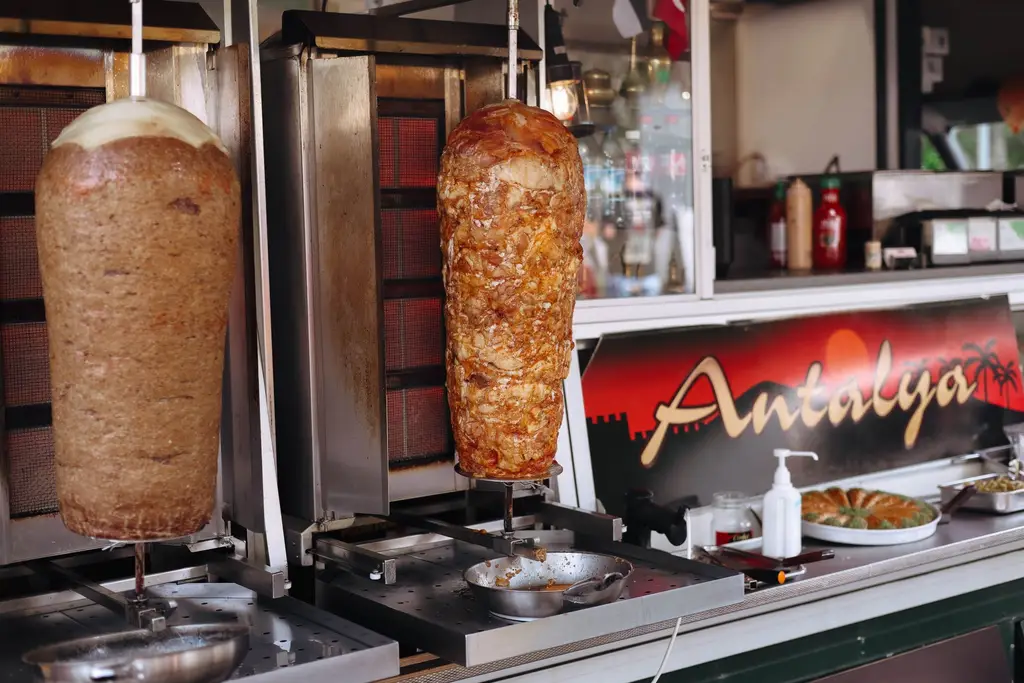
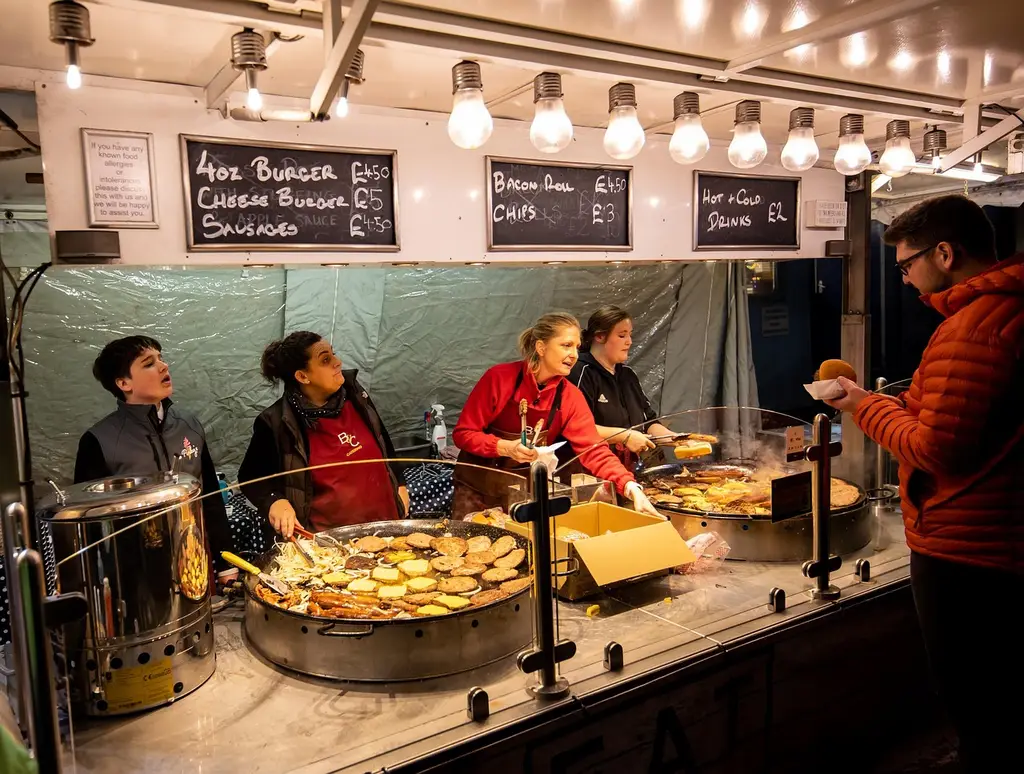
Berlin eats late, cheap and mixed. A proper sit-down dinner rarely starts before 8pm, and the city runs on Imbiss stands, doner counters and beer gardens rather than white tablecloths. Turkish and Vietnamese food are as central to the city's identity as anything German, a legacy of postwar labor migration and reunification-era waves of immigration. Weekly markets double as food halls. What Berlin does not have in abundance is fine German cooking in the old sense; for that, go south. What it has instead is variety, low prices by European capital standards, and a food culture that shrugs off formality. Sunday hits hard here: many kitchens and neighbourhood spots close, so build markets and bakeries into that day's plan rather than a specific restaurant.
EUR 3-5·Curry 36 in Kreuzberg or Konnopke's Imbiss under the U-Bahn in Prenzlauer Berg
Must try
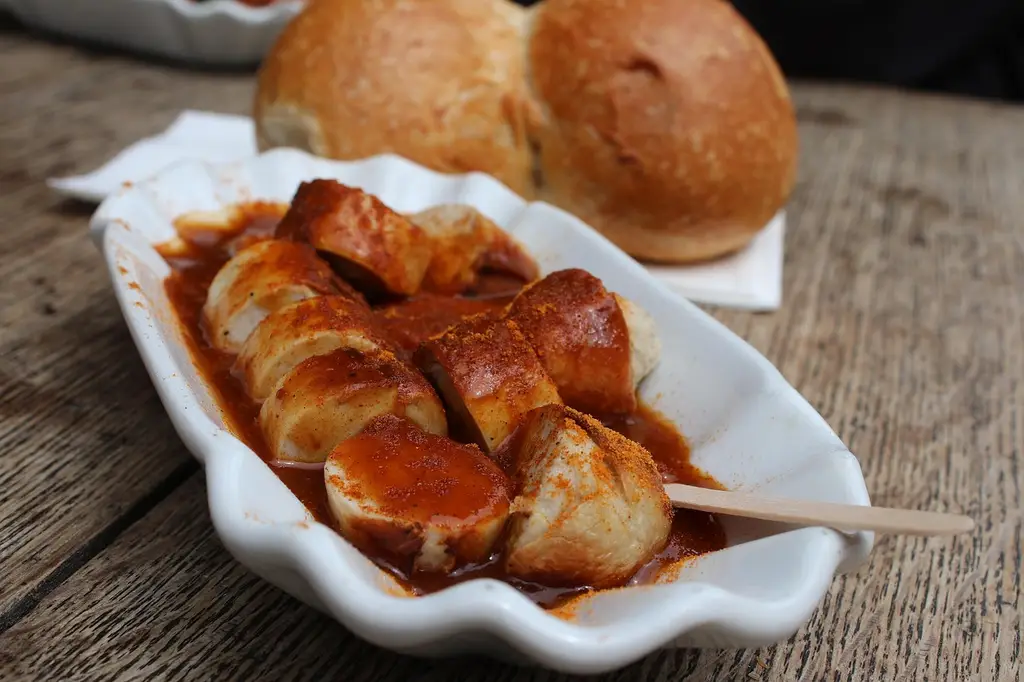
Sliced bratwurst doused in curry ketchup and dusted with curry powder, eaten standing up off a paper tray. The city's actual signature dish, not a tourist invention.
Doner kebab
EUR 5-7·Kreuzberg around Kottbusser Tor and Mehringdamm
Must try
Berlin's Turkish community effectively invented the doner sandwich format in the 1970s and Kreuzberg still does it best. Order it durum-style, wrapped, if you want it less messy.
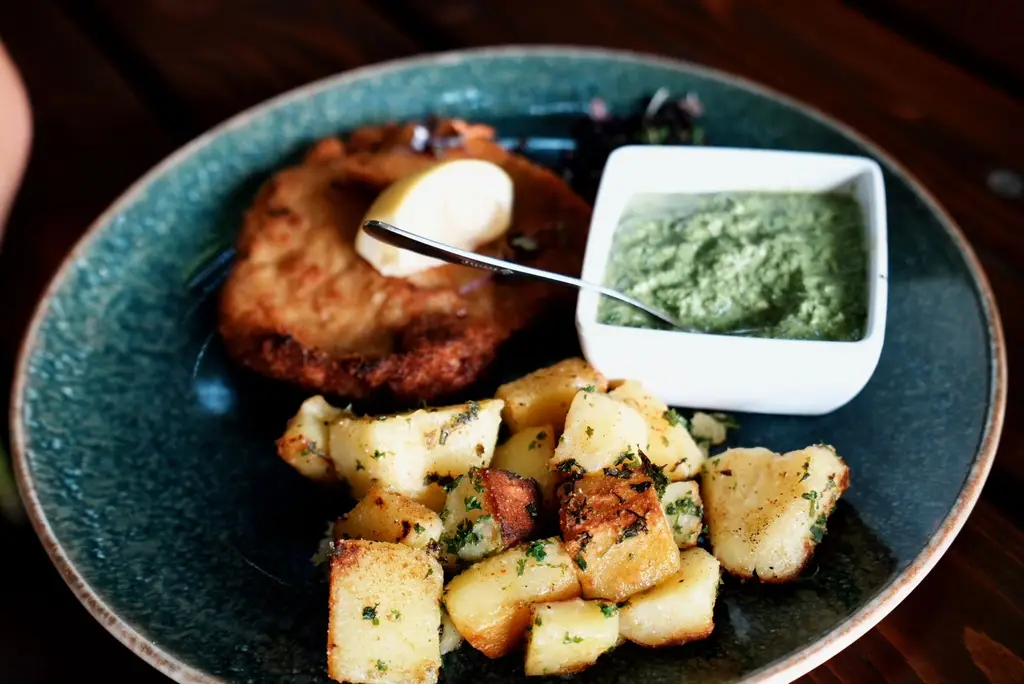
Schnitzel and pork knuckle
EUR 14-22·traditional Gaststätte across Mitte and Charlottenburg
Standard German comfort food, breaded pork or veal cutlet or a slow-roasted knuckle with crackling. Portions are large; split one if you are also ordering starters.
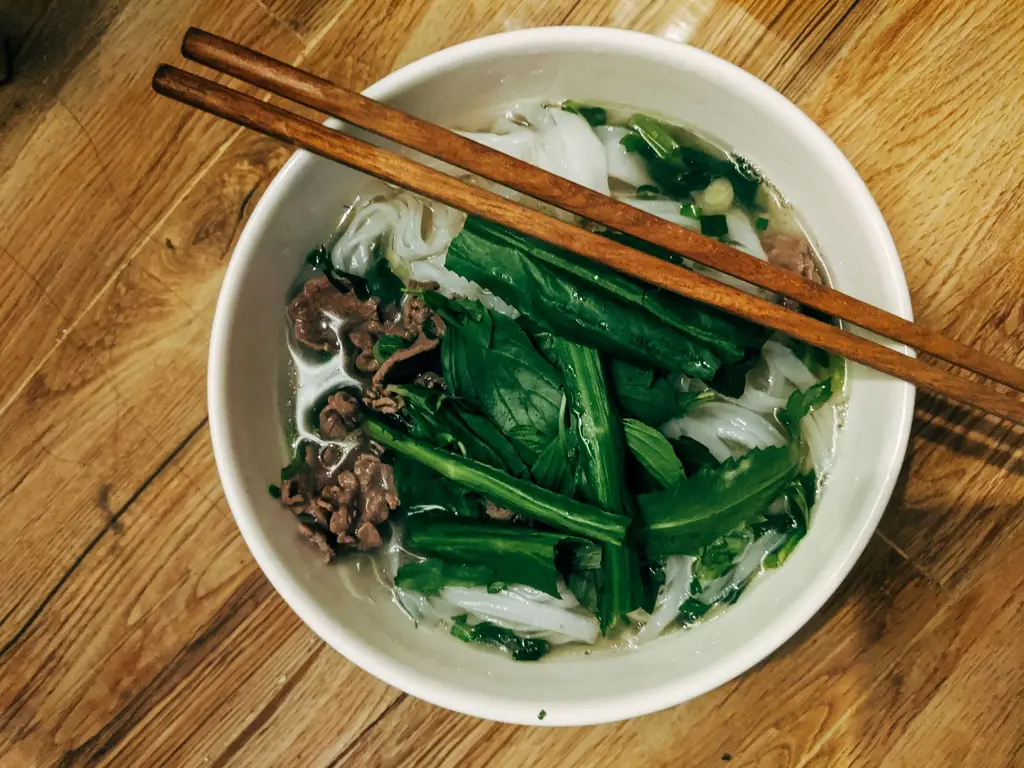
Vietnamese food
EUR 8-13·Dong Xuan Center in Lichtenberg and the restaurant strip along Kastanienallee
Must try
A large Vietnamese community settled in East Berlin from the 1980s onward, and the food here is genuine rather than a Western adaptation. Pho and bun cha are the safe entry points.
Markthalle Neun food stalls
EUR 6-12 per dish·Kreuzberg, Thursday street food nights and the regular market days
A restored 19th century market hall with a rotating mix of German, Turkish and international vendors under one roof. Go hungry and share plates.
Berliner (jam doughnut)
EUR 1.50-2.50·bakeries citywide
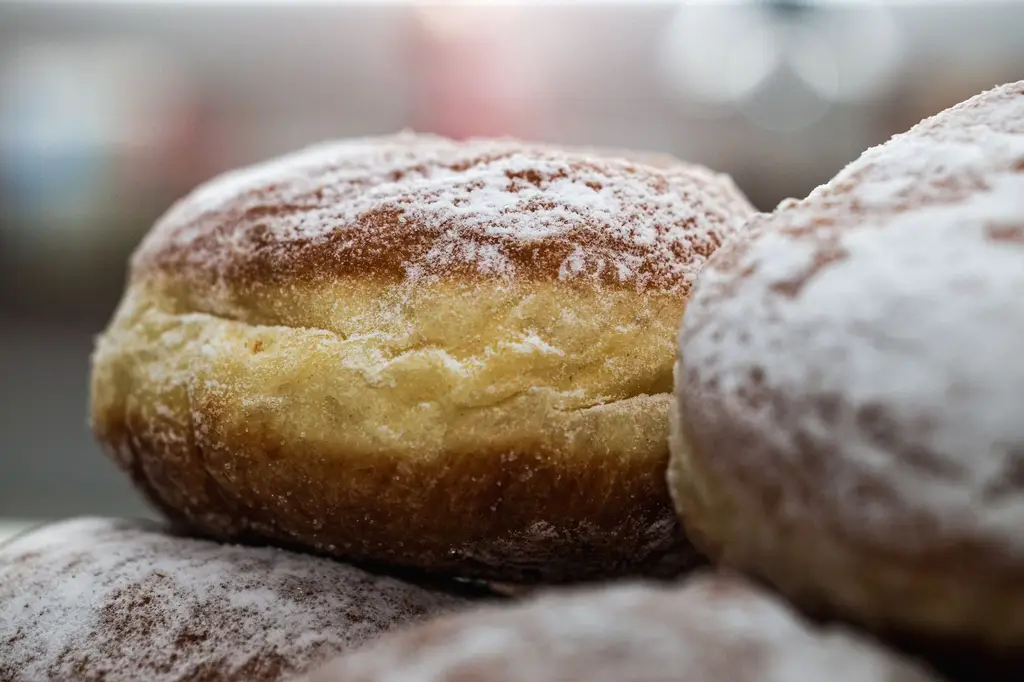
A round, sugar-dusted doughnut filled with jam, technically not called a Berliner by Berliners themselves, who just say Pfannkuchen. Order that word and you get the joke right.
Craft beer and beer gardens
EUR 4-6 a glass·Prater Garten in Prenzlauer Berg, one of the city's oldest
Berlin's beer culture is more relaxed than Bavaria's, bring-your-own-food is tolerated at some gardens, and Berliner Weisse, a sour wheat beer often mixed with syrup, is the local specialty.
Third-wave Vietnamese and Neukölln bakeries
as of 2026-09
Viral
A wave of younger Vietnamese-German chefs updating pho and banh mi shops in Neukölln and Kreuzberg with tighter menus and better sourcing. Real and ongoing rather than a single viral spot; ask locally for whichever storefront is newest rather than chasing a specific name that may have already turned over.
Bonvivant
as of 2026-09
Viral
Vegan fine-dining restaurant in Schöneberg that became the sixth vegan Michelin-starred restaurant in the world in February 2026. This one's the real deal: plant-based fine dining with a Michelin star is rare anywhere. Worth the trip if you like tasting menus. Not cheap, book ahead.
Stick sushi pop-up, Mitte
as of 2026-09
Viral
Berlin outpost of the viral New York stick-sushi format, whole rolls served on a stick, opened April 2026 with a first-100-rolls-free launch stunt. It's a novelty format riding a New York trend, and lines were already forming within days of opening. Fun for the photo, not a serious sushi meal.
Georgian food scene
as of 2026-09
Viral
A cluster of Georgian restaurants, including Leliani in Friedrichshain, has built real momentum across Berlin through 2025-2026, with khinkali and khachapuri leading the way. The strongest emerging cuisine trend in Berlin by breadth of coverage, not one hyped opening but a whole scene. Leliani is the newest and most polished of the bunch.
Polish food revival
as of 2026-09
Viral
Berlin is finally giving Polish cooking real attention through the Pierogi Social Club and related pop-ups, per a May 2026 feature in a major Berlin paper. Coverage is still thin, one strong source so far, so treat this as an early signal rather than a sure thing. Worth checking out if you're already curious about pierogi.
Sonnenallee fried chicken scene
as of 2026-09
Viral
A competitive cluster of Middle Eastern fried chicken shops on Neukölln's Sonnenallee got fresh press in mid-2026 as a local rivalry worth seeking out. A long-running neighborhood scene, not a 2026 invention, but it's getting new attention now. Go hungry and compare two spots back to back, that's the actual fun of it.
Safety and scams
Berlin is generally safe for tourists, with the usual big-city caveats: watch belongings on crowded U-Bahn lines and around Alexanderplatz, and some parks (Görlitzer Park in particular) have an active low-level drug market that's more a nuisance than a danger if you're not participating. Public transit at night is well used and reasonably safe. The bigger annoyance than crime is the bureaucracy around things like the Reichstag booking and museum queues.
Common mistakes
Not booking Reichstag dome slots early enough and finding the visitor centre walk-up unreliable.
Assuming Museum Island is one museum instead of five separate institutions with different hours and tickets.
Skipping Sachsenhausen because it sounds heavy, then regretting having only seen the lighter historical sites.
Not validating a transit ticket before boarding, which BVG inspectors fine on the spot with no leniency for tourists.
Frequently asked questions
How many days do you need in Berlin?
Three to four days covers the core historical sites, Museum Island, and one neighbourhood evening out. Five days adds Sachsenhausen and Potsdam as day trips. Anything beyond a week is better spent extending into Dresden or Leipzig than staying in Berlin alone.
Do you need to book the Reichstag dome in advance?
Yes, in practice. Registration is free but mandatory through the Bundestag's online system, and slots in summer fill up weeks ahead. A same-day walk-up option exists at a separate visitor centre but is not reliable, especially in peak season.
Is Berlin expensive?
Less than Paris, London, or Amsterdam. Food, drink, and public transit are noticeably cheaper, though accommodation prices have risen in recent years and central Mitte hotels can match other Western European capitals.
Is Berlin safe?
Yes, by big-city standards. Petty theft on crowded transit and around Alexanderplatz is the main risk. A few parks have visible low-level drug activity that's more a nuisance than a danger to bystanders.
What is the best area to stay in Berlin?
Mitte for first-time visitors who want museums and sights within walking distance. Kreuzberg for food and a livelier, less polished feel. Prenzlauer Berg for a quieter base with good cafes and easy transit into the centre.
Is the Berlin WelcomeCard worth it?
If you're combining several paid museum visits with heavy transit use over 2-3 days, it can pay off. If you're mostly visiting free sites like the memorials and the Wall Memorial, a standard transit ticket is cheaper.
Do shops close on Sundays in Berlin?
Yes, almost entirely, in line with national law. Restaurants, cafes, museums, and memorial sites stay open, but supermarkets and retail shops are closed except for a handful of exceptions at train stations and airports.
Is the Pergamonmuseum worth visiting during the renovation?
Partly. Major galleries, including the famous Pergamon Altar hall, have been closed for an extended renovation. Check the current status on the Staatliche Museen zu Berlin site before buying a ticket, so you know what you're actually paying to see.