Things to Do in Naples: Itineraries, Costs and Food
Loud, dense, unpolished and completely alive. Naples is where pizza was born and where Pompeii sits an hour away. Not for people who want their Italy sanitized.
By Labeeb Mirza · Published September 8, 2026 · Updated September 8, 2026
Best timeApr to Jun
Daily budget (mid)EUR 140
Ideal length3 days
CurrencyEUR
Overview
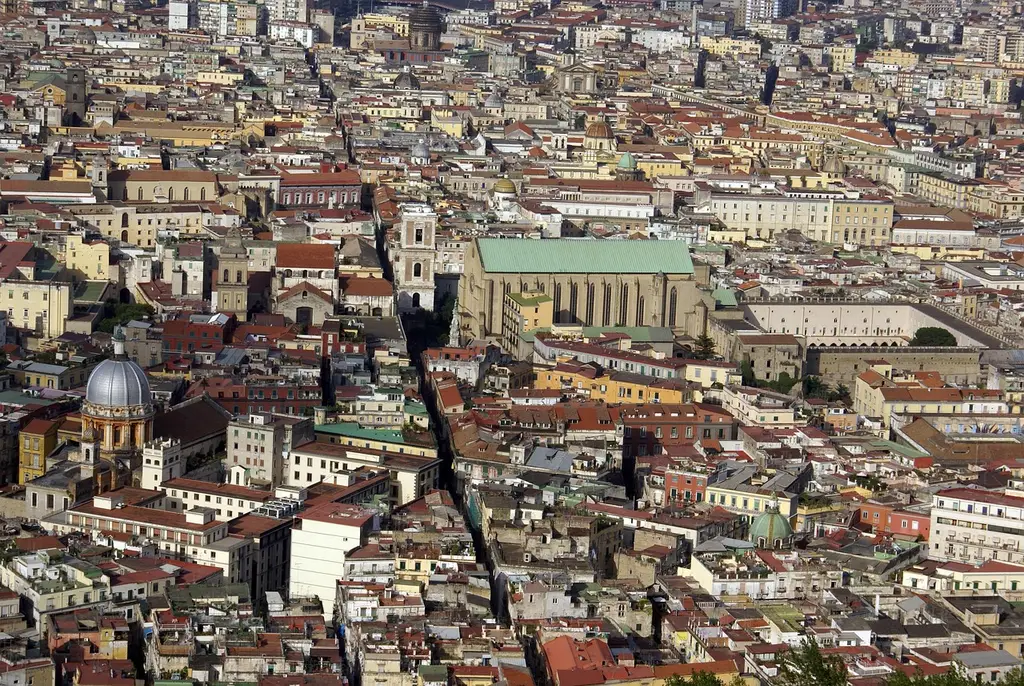
Naples is not Florence with worse PR. It is a different country wearing the same passport. Motorbikes cut through pedestrian streets, laundry hangs across alleys three stories up, and graffiti covers half the historic center. Traffic lights are a suggestion. Some travelers land at Napoli Centrale, see the station district, and leave within the hour, convinced the guidebook warnings were understated. Others fall for it completely and come back every year. Both reactions are reasonable and neither is wrong.
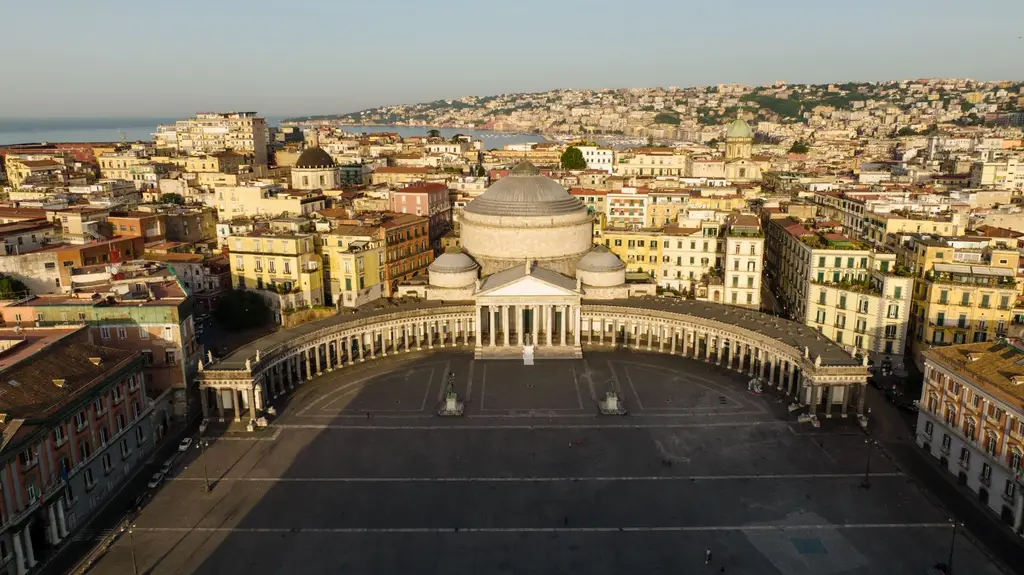
What the chaos buys you is real. Naples has the best pizza on earth, made in wood-fired ovens by people whose families have been doing it for four generations, and it costs less than a mediocre slice in most Western capitals. It has a UNESCO-listed historic center, Spaccanapoli, that has been continuously inhabited since the Greeks founded it. It has the National Archaeological Museum, which holds more Pompeii and Herculaneum artifacts than the sites themselves. And it sits forty minutes from Pompeii, Herculaneum, and Vesuvius, and under two hours from Sorrento, the Amalfi Coast, and Capri.
The honest pitch: come for two or three days in the city itself, treat that as a base, and let the ruins and the coast do the heavy lifting on a longer trip. Naples proper is compact and can be walked in a couple of focused days. What justifies a week or two is the region around it, not the city stretched thin.
What I actually think
Naples is a love-it-or-bounce-off-it city and the split happens fast, usually within the first hour off the train. I'd rather spend three days somewhere that provokes a reaction than a week somewhere pleasant and forgettable.
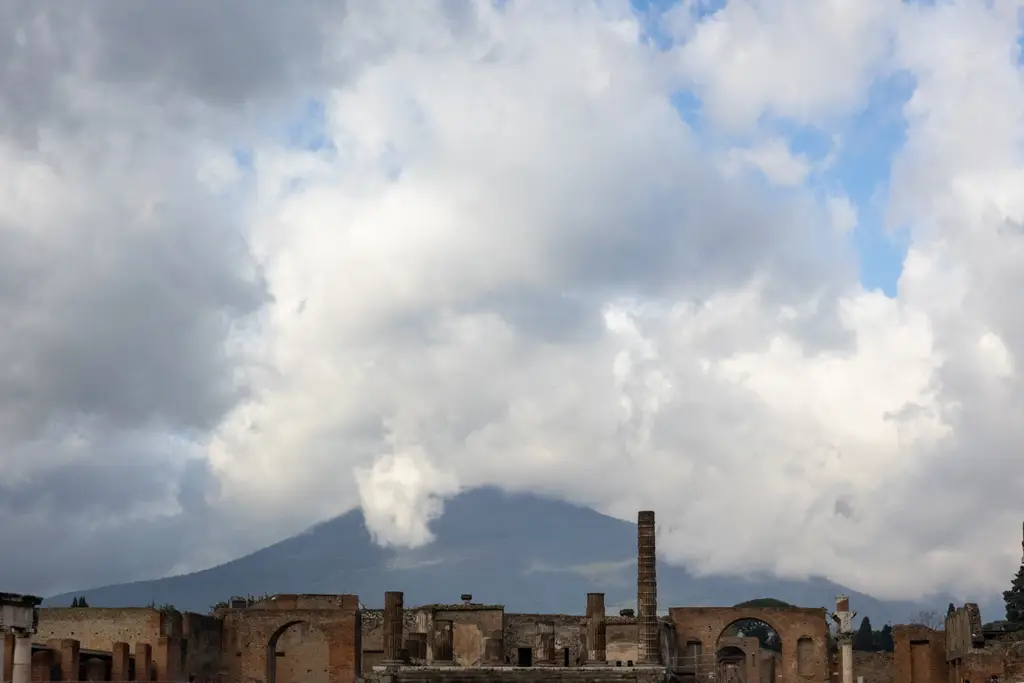
Pompeii beats the Roman Forum for me, not because the ruins are better preserved in every spot, but because you can walk into actual houses, see the wheel ruts in the paving stones, and stand in a bakery with the ovens still there. Rome's forum is a skyline of columns you observe from a path. Pompeii is a city you walk through.
The pizza gap between here and the export version sold abroad is bigger than people expect. Neapolitan pizza has a wet, floppy center by design, meant to be eaten with a fork before the crust goes soggy, and the cornicione (the puffed edge) is the point, not a garnish. If you've only had the crispy, evenly-baked American-Italian version, the real thing reads as underdone at first bite.
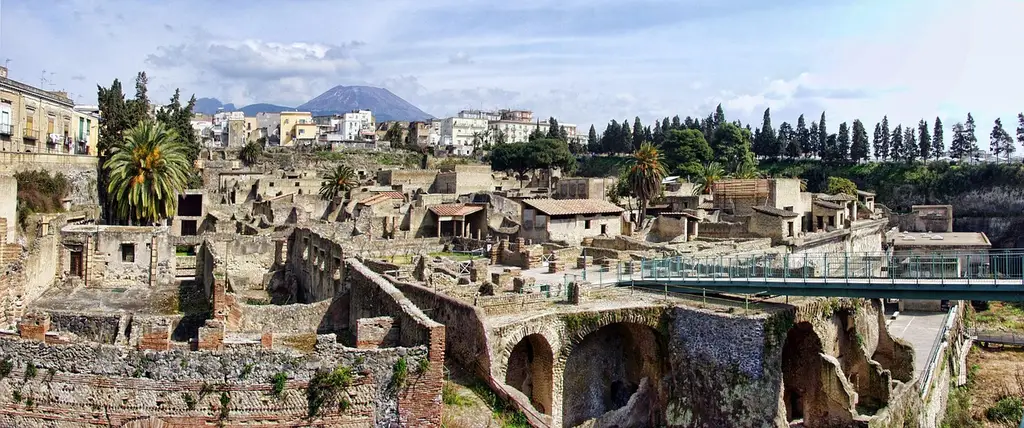
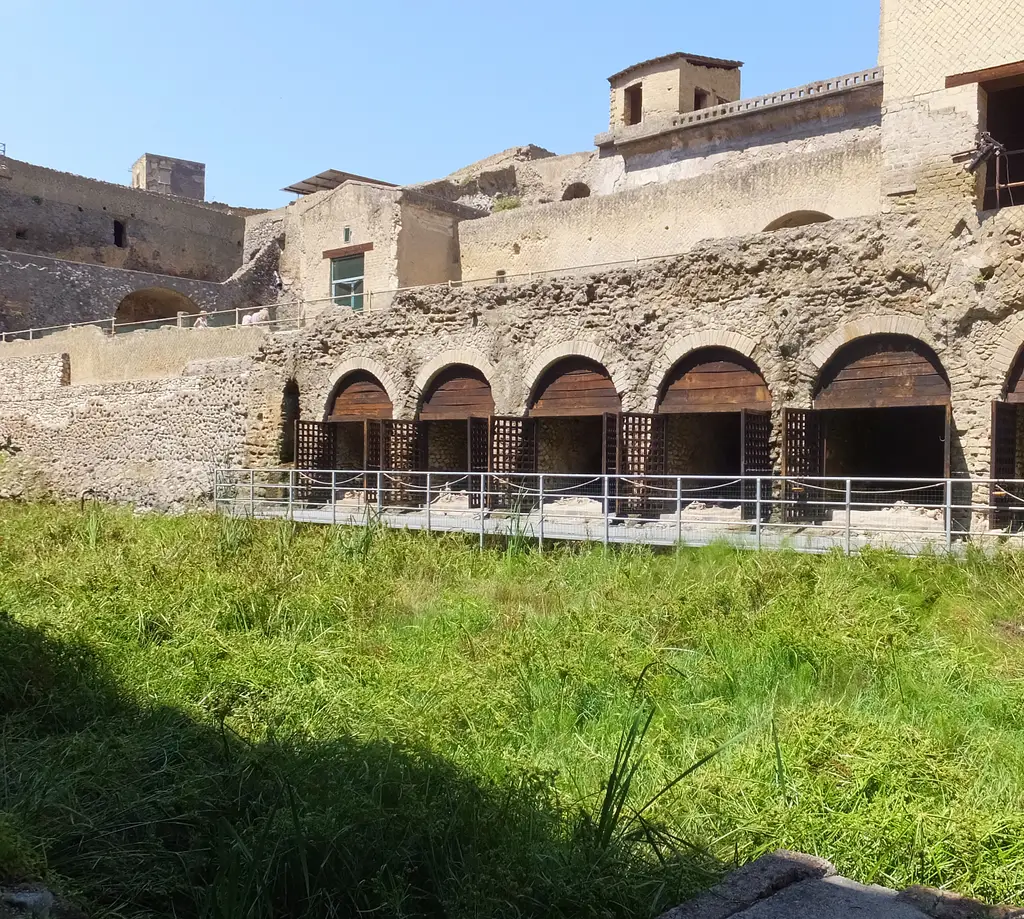
Herculaneum is the one people skip because Pompeii is famous, and that's the mistake. It's smaller, so you actually finish it without your legs giving out, and because it was buried in volcanic mud instead of ash, wood beams, furniture, and even food carbonized rather than vanished. Go to both if you have the time; go to Herculaneum alone if you don't.
The safety reputation is overstated as a blanket claim and understated in specific spots. Nobody's getting mugged walking through Spaccanapoli at 3pm. But pickpocketing on crowded buses and scooter bag-snatching near Napoli Centrale at night are real enough that locals warn about them unprompted, which tells you something.
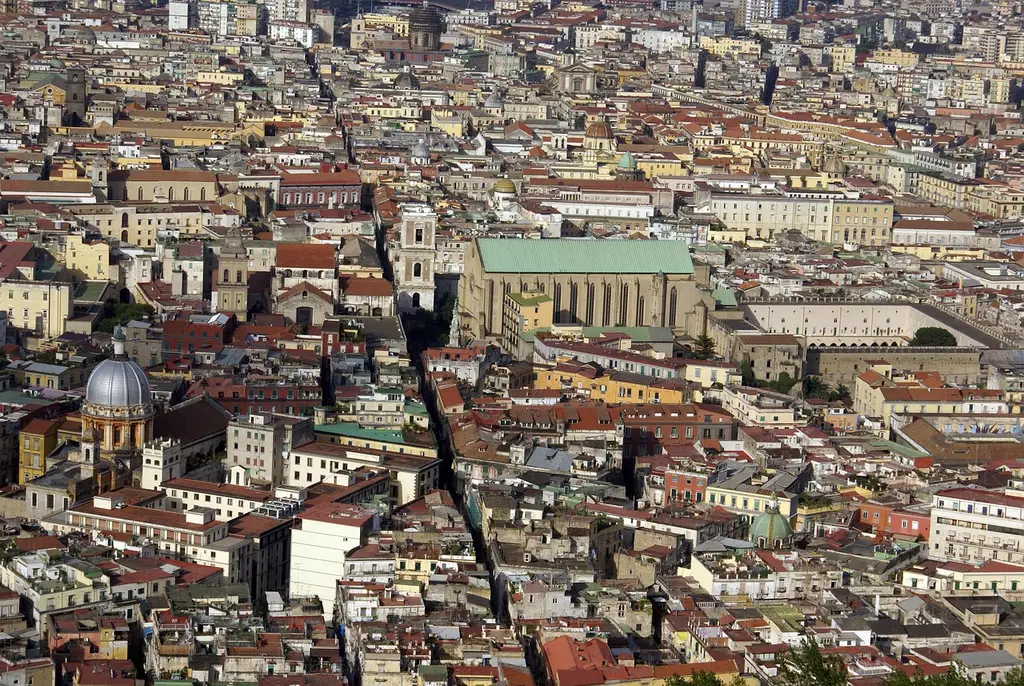
Photo by Brian Jeffery Beggerly from S'pore (Singapore), Singapore, licensed CC BY 2.0, via Wikimedia Commons
Itineraries
Not enough time for both the city and Pompeii properly. Pick one: a fast hit of the historic center, or a Pompeii day trip skipping Naples itself.
Day 1: Pompeii day trip or Centro Storico sprint
Morning
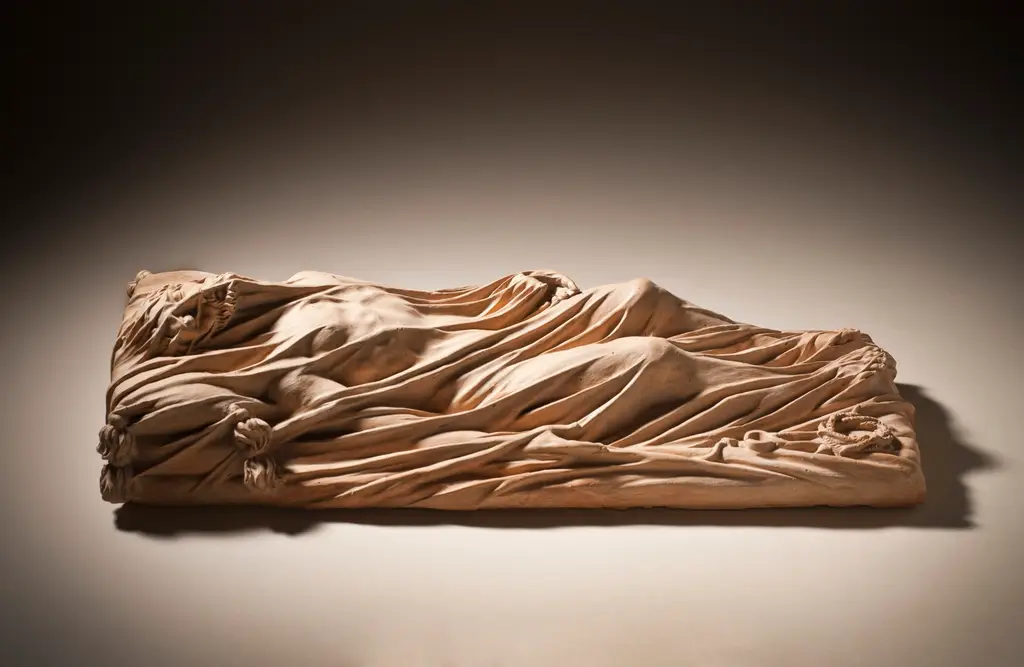
Pick one focus for the day: catch an early Circumvesuviana train to Pompei Scavi for the ruins, or start at Cappella Sansevero to see the Veiled Christ if you're staying in the city. Trying to cram both into one day means rushing through both and enjoying neither.
Afternoon
If you went to Pompeii, spend the afternoon walking the ruins at your own pace before heading back on the train. If you stayed in the city, walk Spaccanapoli past the Duomo and San Domenico Maggiore, then stop for a pizza lunch near Via dei Tribunali before continuing to wander the old streets.
Evening
If you have time after Pompeii or the city walk, swing by MANN for an hour to see the mosaics before it closes. Otherwise head straight to Napoli Centrale or the airport for your evening train or flight onward.
Tip: Decide ruins-or-city before you leave the hotel; the Circumvesuviana runs regularly but a late start eats into scarce hours.
The realistic minimum to see Naples itself properly plus one full day at Pompeii.
Day 1: Historic center
Morning
Start at Cappella Sansevero to see the Veiled Christ, having booked tickets online well ahead since walk-ups are routinely turned away. Go right at opening to beat the crowds in the small rooms, then step out into the old city with the morning still fresh.
Afternoon
Walk Spaccanapoli, the dead-straight street that splits the old city in two, past the Duomo and its Baroque churches. Take it slow rather than treating it as a checklist, and browse the presepe nativity workshops and street food stalls along the way before your underground tour.
Evening
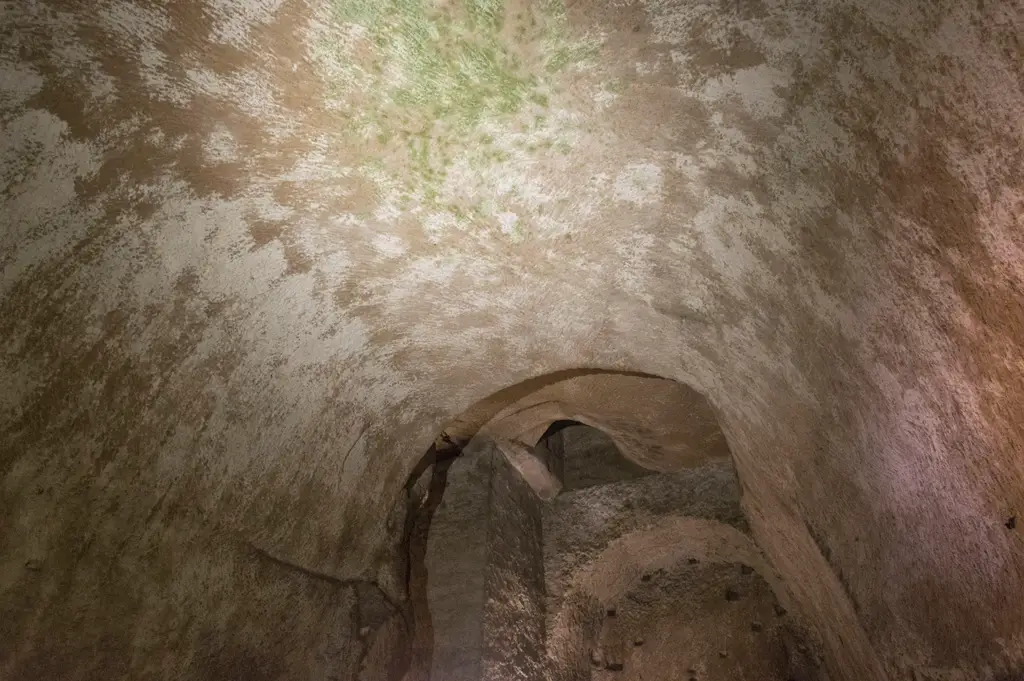
Take the Napoli Sotterranea tour through the Greek and Roman aqueduct tunnels and WWII air-raid shelters below the city, bringing a light jacket since it stays cool underground even in summer. Finish with pizza dinner in Centro Storico, wet-centered and charred at the edge, the real version.
Tip: Book Cappella Sansevero online 1-2 weeks ahead; walk-up visitors are turned away far more often than the museum's small size suggests.
Day 2: Pompeii
Morning
Catch the Circumvesuviana train early to Pompei Scavi and spend the morning walking the ruins, an entire working Roman city rather than a fenced-off site. Wear real shoes for the ancient paving stones and bring water, since there's little shade and the ground is uneven throughout.
Afternoon
Keep exploring Pompeii through the afternoon, since 4-6 hours is what it actually takes to see the highlights without rushing. Look for the wheel ruts worn into the paving stones and the bakery with its ovens still standing, details a rushed visit skips entirely.
Evening
Take the Circumvesuviana back to Naples and unwind with an evening walk along the Chiaia seafront near Villa Comunale park. It's a quieter, more upscale stretch of the city than the historic center, a good contrast after a long day on your feet at the ruins.
Tip: Buy Circumvesuviana tickets before boarding and validate them; the ride to Pompei Scavi takes about 30-40 minutes each way.
Day 3: Museum and Vomero
Morning
Spend the morning at the National Archaeological Museum, where the best Pompeii and Herculaneum mosaics and frescoes actually live, including the Alexander Mosaic. Go on a weekday if you can, since it gets busier on weekends and this is where the ruins you walked through make full sense.
Afternoon
Take the funicular up to Vomero, the hilltop residential district with views over the whole bay and a break from the noise below. Walk over to Castel Sant'Elmo for the fortress and the panorama, a calmer way to spend an afternoon after two intense days of ruins and crowds.
Evening
Head back down for a final Neapolitan meal, pizza again or a plate of ragù napoletano slow-cooked for hours, before your trip wraps up. Three days is a realistic minimum for the city itself plus a full day at Pompeii without feeling rushed anywhere.
Tip: Ride the funicular rather than a taxi to Vomero; it's cheaper, faster in traffic, and covered by the same ANM transit ticket.
Naples city plus Pompeii, Herculaneum, and a day trip to Sorrento or the start of the Amalfi Coast, leaning on the region as promised.
Day 1: Historic center
Morning
Head to Cappella Sansevero first, booked ahead, to see the Veiled Christ before the small rooms fill up. From there walk into Spaccanapoli, the street that splits the old city in two, taking in the Baroque churches along the way.
Afternoon
Keep working through Spaccanapoli toward the Duomo, stopping to browse the presepe nativity workshops and street food stalls rather than rushing the district. It's a place to wander slowly, not a checklist to clear before lunch.
Evening
Take the Napoli Sotterranea tour through the aqueduct tunnels and WWII shelters beneath the city, bringing a light layer since it's cool underground. Finish with dinner near Via dei Tribunali, home to some of the city's best wood-fired pizza.
Tip: Book Cappella Sansevero online well ahead; it's one of the most oversold small museums in Italy despite its size.
Day 2: Pompeii
Morning
Take an early Circumvesuviana train to Pompei Scavi and give the ruins the full day they need, since this is an entire ancient city rather than a fenced-off site. Wear real shoes and bring water for the exposed, uneven paving.
Afternoon
Continue through Pompeii into the afternoon, walking into actual houses and standing in a bakery with its ovens still intact. Four to six hours is roughly what it takes to see the highlights without feeling rushed.
Evening
Ride the Circumvesuviana back to Naples and settle in for the evening, since the day trip alone is tiring on your feet. Keep dinner simple and close to your accommodation after a long day at the ruins.
Tip: The site caps daily visitors and tickets are now personalized by name; buy timed entry online in advance.
Day 3: Herculaneum and Vesuvius
Morning
Spend the morning at Herculaneum, smaller and far less crowded than Pompeii, where wood beams and furniture survived because the site was buried in volcanic mud rather than ash. It's an easier, more contained visit than the day before.
Afternoon
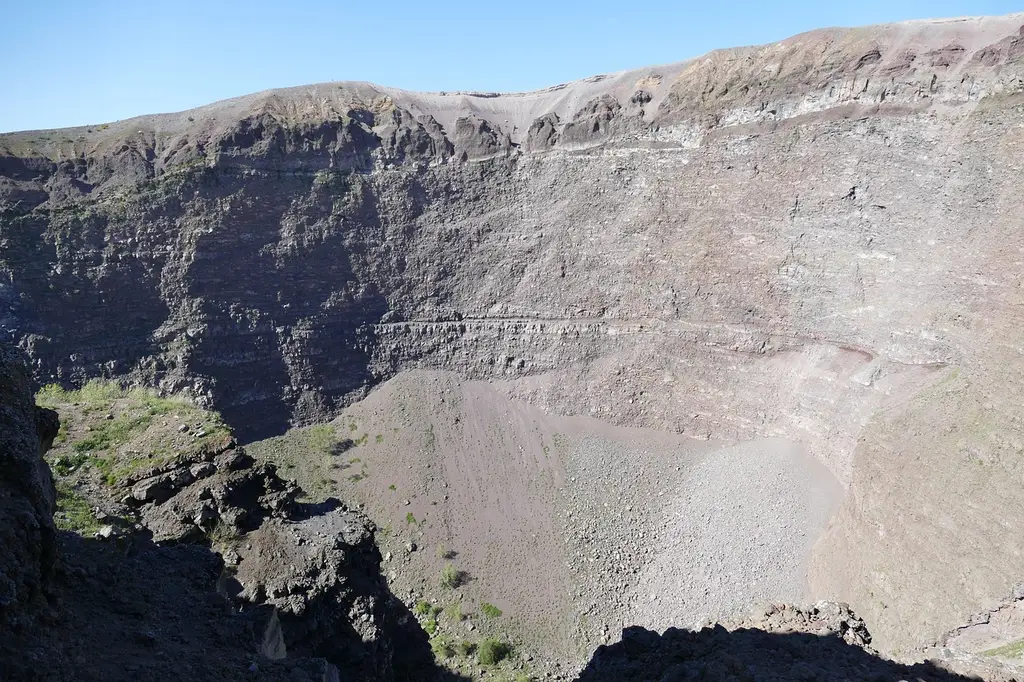
Head up to Mount Vesuvius for the crater hike, booking the timed entry slot in advance especially on summer weekends. The final climb is a steep, shadeless gravel switchback, but standing on the volcano that buried Pompeii is worth it.
Evening
Return to Naples for dinner, having covered both major ruin sites and the volcano itself in a single well-paced day. This combination works because Herculaneum is quick relative to Pompeii, leaving real time for Vesuvius.
Tip: Check the weather before committing to Vesuvius; the crater trail closes in high wind or bad conditions with little notice.
Show all 5 days
Day 4: Sorrento day trip
Morning
Take the Circumvesuviana to Sorrento, a clifftop town about an hour from Naples and a preview of the Amalfi Coast without a multi-night commitment. Wander the compact center and its lemon groves once you arrive.
Afternoon
Continue exploring Sorrento's streets and viewpoints over the Bay of Naples, or take an optional boat out for views toward Capri if the timing works. It's a slower, calmer pace than the city you left that morning.
Evening
Ride the Circumvesuviana back to Naples in the early evening, giving yourself time to settle before dinner. This day is the region-over-city payoff the trip is built around, not padding.
Tip: Check the Circumvesuviana return schedule before you leave Naples; evening trains thin out and missing one adds a long wait.
Day 5: Museum and city
Morning
Spend the morning at the National Archaeological Museum, where the best mosaics and frescoes from Pompeii and Herculaneum actually live, including the Alexander Mosaic. It ties together everything you saw at the ruins earlier in the trip.
Afternoon
Take the funicular up to Vomero for the bay views and a look at Castel Sant'Elmo, a quieter close to the trip after several intense days. The hilltop air feels noticeably different from the historic center.
Evening
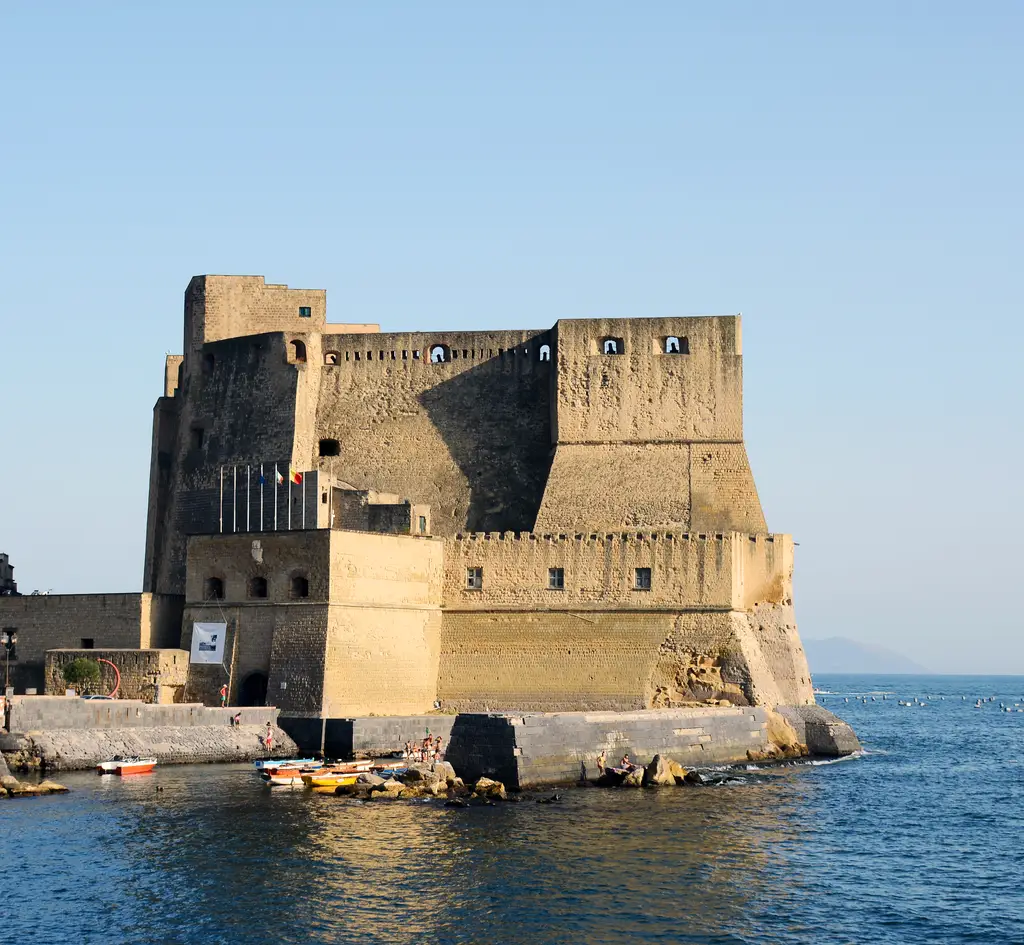
Wind down along the Chiaia seafront and finish at Castel dell'Ovo for sunset over the bay, a fitting last view before departure. It's free to walk the ramparts and a good spot for final photos.
Tip: Aim to reach Castel dell'Ovo about 30 minutes before sunset; the ramparts fill up on clear evenings.
Naples as a base for the wider region: the city, both major ruin sites, Vesuvius, and a proper multi-day swing through Sorrento, the Amalfi Coast and Capri.
Day 1: Arrival and historic center
Morning
Settle into your accommodation and head to Cappella Sansevero, booked well in advance, to see the Veiled Christ before the crowds build in its small rooms. This is the best way to open a longer trip without wasting daylight.
Afternoon
Walk Spaccanapoli and the Duomo at an unhurried pace, taking in the Baroque churches, presepe workshops, and street food stalls that line the old city's main artery. With a full week ahead, there's no need to rush this district.
Evening
Have pizza dinner in Centro Storico, wet-centered and charred at the edge in the traditional style, near Via dei Tribunali. It's the right first meal to set expectations for the rest of the trip.
Tip: Book Cappella Sansevero online before you land; it routinely sells out further ahead than its small size suggests.
Day 2: Pompeii
Morning
Take an early Circumvesuviana train to Pompei Scavi and give the ruins the full day, since this is a working ancient city and not a compact site. Wear sturdy shoes for the ancient paving stones and bring plenty of water.
Afternoon
Keep exploring through the afternoon, walking into actual houses and standing in a bakery with its ovens still standing rather than observing from a distance. Four to six hours is the realistic minimum to see the highlights properly.
Evening
Ride the train back to Naples and keep the evening low-key after a long day of walking exposed ground in the heat. Save energy for Herculaneum and Vesuvius tomorrow.
Tip: Buy timed-entry Pompeii tickets online in advance; the site caps daily visitors and now personalizes tickets by name.
Day 3: Herculaneum and Vesuvius
Morning
Spend the morning at Herculaneum, smaller and quieter than Pompeii, where volcanic mud preserved wood beams and organic material that Pompeii lost to ash. It's a faster visit that still rewards close attention.
Afternoon
Head to Mount Vesuvius for the crater hike, having booked the timed entry slot ahead of time. The steep, shadeless final climb is worth the strange feeling of standing on the still-active volcano that buried Pompeii.
Evening
Return to Naples for dinner, having now covered both ruin sites and the volcano within the first three days. Use the evening to rest before tomorrow's transfer to the coast.
Tip: Combine Herculaneum and Vesuvius only if you have a full day free; both sites reward unhurried time.
Show all 7 days
Day 4: Sorrento base transfer
Morning
Take the train or ferry from Naples to Sorrento and check into your base for the coastal leg of the trip. This is where the pace shifts from city sightseeing to slower coastal days.
Afternoon
Settle into Sorrento, wander the compact clifftop center and its lemon groves, and get oriented for the Capri and Amalfi days ahead. There's no need to pack activities in on a transfer day.
Evening
Take an evening walk through town before dinner, letting the change of pace from Naples sink in. Sorrento is calmer and more geared toward visitors than the city you just left.
Tip: Confirm your Sorrento accommodation's proximity to the port or station; the town's streets are steep and narrow for luggage.
Day 5: Capri day trip
Morning
Take an early ferry from Sorrento to Capri to beat the day-tripper crowds arriving from Naples later in the morning. Head straight for the Blue Grotto or the chairlift to Monte Solaro depending on conditions and your interest.
Afternoon
Continue exploring Capri's cliffside paths and viewpoints, or linger at Monte Solaro for the panoramic view over the island and the bay. It's a full day, so pace yourself between the two main draws.
Evening
Take the ferry back to Sorrento in the early evening and have dinner in town once you're settled. Capri gets noticeably calmer once the day-trip crowds clear out.
Tip: Check the Blue Grotto's sea conditions before booking; rough water closes it with no advance warning.
Day 6: Amalfi Coast
Morning
Take the SITA bus or a boat along the coast to Positano and Amalfi, whichever transport matches the sea conditions and your patience for switchback roads. Start early since both towns get crowded by midday.
Afternoon
Take in the coastal views from Positano or Amalfi and swim if the season allows, treating this as the scenic centerpiece of the week rather than a rushed stop. The coast road itself is part of the experience.
Evening
Return to Sorrento by bus or boat in the early evening, timing your departure before the roads clog with returning traffic. Have a relaxed dinner back at your base.
Tip: Book SITA bus tickets or boat transfers ahead in summer; both fill up and roads jam badly on weekends.
Day 7: Return to Naples
Morning
Keep the morning free in Sorrento for a last coffee, a final lemon grove walk, or any shop you meant to return to. There's no need to rush the last easy morning of the trip.
Afternoon
Take the train back to Naples and head to the National Archaeological Museum, where the Pompeii and Herculaneum artifacts you saw in person now make more sense in context. It's a fitting way to close the loop.
Evening
Have a final dinner in Chiaia, along the seafront near Villa Comunale park, before departure. It's a calmer, more upscale note to end a week that started loud in the historic center.
Tip: Check your onward train or flight time before lingering in Sorrento; the return trip to Naples takes about an hour.
Naples as a hub for a slow, full regional trip covering the Amalfi Coast, Capri, Ischia, and the archaeological sites without rushing any of them. Deliberately not padded with extra city-only days.
Day 1: Arrival and historic center
Morning
Settle into your accommodation and get oriented before diving into the city, since two weeks means there's no need to rush the first day. Take a slow walk around your neighborhood to get your bearings.
Afternoon
Walk Spaccanapoli and the Duomo at an easy pace, taking in the Baroque churches and street life of the old city's main artery. With a long trip ahead, treat this as a first taste rather than the full district.
Evening
Have pizza dinner somewhere central, wet-centered and charred at the edge in the traditional style, to set the tone for the trip. Get an early night to recover from travel.
Tip: Don't overplan day one; jet lag and a new city are enough without a packed itinerary.
Day 2: Naples deep dive
Morning
Start at Cappella Sansevero, booked well ahead, to see the Veiled Christ before the crowds fill the small rooms. Go right at opening for the clearest view of the sculpture.
Afternoon
Spend the afternoon at the National Archaeological Museum, where the best Pompeii and Herculaneum artifacts live, including the Alexander Mosaic and the Secret Cabinet of Pompeian art. Give it two to three unhurried hours.
Evening
Take the Napoli Sotterranea tour through the aqueduct tunnels and WWII shelters below the city, bringing a light layer since it's cool underground. It's a good change of pace after a museum-heavy day.
Tip: Book Cappella Sansevero and Napoli Sotterranea in advance; both fill up faster than their size suggests.
Day 3: Pompeii
Morning
Take an early Circumvesuviana train to Pompei Scavi and start working through the ruins at a genuinely slow pace, since there's no need to rush with a full two weeks ahead. Wear sturdy shoes for the uneven ancient paving.
Afternoon
Keep exploring Pompeii through the afternoon, taking time to walk into houses and stand in the bakery with its ovens still intact rather than skimming the highlights. This is the one day worth taking fully slow.
Evening
Ride the Circumvesuviana back to Naples and rest, since a full day on exposed ancient ground in the heat is genuinely tiring. Keep dinner simple and close to home.
Tip: Buy timed-entry tickets online even with a slow pace planned; the site still caps daily visitors and personalizes tickets by name.
Show all 14 days
Day 4: Herculaneum and Vesuvius
Morning
Spend the morning at Herculaneum, smaller and quieter than Pompeii, where volcanic mud preserved wood and organic material that Pompeii lost to ash. It's a shorter, more contained visit than the previous day.
Afternoon
Head to Mount Vesuvius for the crater hike, having booked the timed slot ahead of time, especially if it's a summer weekend. The final climb is steep and shadeless, but the view and the volcano's history make it worthwhile.
Evening
Return to Naples for a relaxed dinner, having now finished both major ruin sites and the volcano itself. Use the extra time this trip length allows to simply rest.
Tip: Check conditions before Vesuvius; the crater trail closes in high wind or bad weather with little notice.
Day 5: Naples neighborhoods
Morning
Take the funicular up to Vomero for the hilltop views and a visit to Castel Sant'Elmo, a calmer district than the historic center below. Spend real time up here rather than treating it as a quick stop.
Afternoon
Walk down toward Chiaia and the seafront near Villa Comunale park, a quieter, more upscale stretch of the city worth lingering in. It's a good contrast after several intense archaeological days.
Evening
Finish at Castel dell'Ovo for the harbor and Vesuvius views at sunset, a fitting close to the Naples portion of the trip before heading to the coast. The ramparts are free to walk.
Tip: Aim for Castel dell'Ovo about 30 minutes before sunset; clear evenings draw a crowd to the ramparts.
Day 6: Transfer to Sorrento
Morning
Take the train to Sorrento and check into your base for the coastal half of the trip, marking the shift from city sightseeing to a slower pace. There's no rush on a transfer day.
Afternoon
Settle into Sorrento, wander the compact clifftop center and its lemon groves, and get oriented for Capri, Positano, and Amalfi ahead. Use the extra time to actually rest.
Evening
Take an evening walk through town before dinner, letting the calmer coastal pace set in after a busy first week. Sorrento feels deliberately more relaxed than Naples.
Tip: Confirm your Sorrento accommodation is near the port or station; the streets are steep and narrow with luggage.
Day 7: Capri
Morning
Take an early ferry from Sorrento to Capri to get ahead of the day-tripper crowds arriving later from Naples. Head to the Blue Grotto first if conditions allow, since it can close on rough seas.
Afternoon
Take the chairlift up to Monte Solaro for the island's best panoramic view, then spend the rest of the day wandering Capri's cliffside paths without rushing back. A full day here is worth the ferry fare.
Evening
Take the ferry back to Sorrento once the island quiets down and have a relaxed dinner back at your base. Capri is a different, calmer place once the crowds clear.
Tip: Check Blue Grotto sea conditions before booking; it closes on rough water with no advance notice.
Day 8: Positano
Morning
Take a boat or bus to Positano, choosing whichever suits the sea conditions and your tolerance for the coast road's switchbacks. Arrive early since the town gets crowded and steep by midday.
Afternoon
Spend the afternoon on the beach or working through Positano's cliffside streets and shops, treating this as a full day rather than a quick stop. The town rewards slow wandering more than most coastal towns.
Evening
Stay for dinner in Positano if your schedule allows, or head back toward Sorrento as the day cools. Either way, the light on the cliffs in the evening is worth catching.
Tip: Wear real shoes in Positano; the town is essentially a vertical staircase between the beach and the upper streets.
Day 9: Amalfi and Ravello
Morning
Head to Amalfi town to see the cathedral and the compact historic center, arriving early before the coast road traffic builds. It's smaller and easier to cover than Positano.
Afternoon
Take the bus up to Ravello for its gardens and coastal views from a higher vantage point above the sea. The climb up is worth it for a different perspective on the coastline.
Evening
Head back down to your base along the coast, having covered the two towns that anchor most people's image of the Amalfi Coast. Keep the evening low-key after a full day of transfers.
Tip: Ravello's gardens close earlier than the town itself; check hours before making the trip up from Amalfi.
Day 10: Amalfi Coast free day
Morning
Use this day for the Path of the Gods hike if you want an active day, starting early to avoid the midday heat on the exposed trail sections. Wear proper hiking shoes, not sandals.
Afternoon
Continue the hike into the afternoon, or if you skipped it, spend the day relaxing on a coastal beach instead. This is a deliberately unstructured day after nine days of steady sightseeing.
Evening
Wind down with dinner wherever you've based yourself for the coast, using the free day to actually recover rather than squeezing in another site. The trip has earned a slow evening.
Tip: The Path of the Gods takes 3-5 hours one way; plan transport back before you start, not after.
Day 11: Transfer to Ischia
Morning
Take the ferry from the coast to Ischia, shifting from the cliffside towns to the island's thermal spa culture for the trip's final stretch. It's a noticeably different pace again.
Afternoon
Settle into Ischia and visit one of the island's thermal spa gardens, easing into a slower, more restorative few days after two weeks of steady movement. There's no need to sightsee hard today.
Evening
Have a quiet dinner near your accommodation and let the island's slower rhythm take over. Ischia is a genuine change of scene from both Naples and the Amalfi towns.
Tip: Check ferry schedules to Ischia in advance; routes and frequency vary by season and operator.
Day 12: Ischia
Morning
Visit the Aragonese Castle, the island's main landmark, connected to the main town by a causeway with views back over Ischia. Go early before the day heats up.
Afternoon
Spend the afternoon at the beach or one of the island's thermal parks, treating this as genuine downtime near the end of a long trip. Ischia is built for exactly this kind of day.
Evening
Have dinner on the island and enjoy the last full day away from Naples before heading back for departure prep. This is the most relaxed day of the whole itinerary.
Tip: Thermal parks get busy on weekends; go on a weekday afternoon if your schedule allows.
Day 13: Return to Naples
Morning
Take the ferry back to Naples, closing the loop on the regional leg of the trip before your final day. Keep the morning light since ferry timing can shift with conditions.
Afternoon
Use the free afternoon for last-minute shopping or revisiting a neighborhood you liked earlier in the trip, rather than cramming in a new site. Two weeks is long enough to have favorites by now.
Evening
Have a relaxed dinner in the city, back where the trip started, with one full day left before departure. This is a good night to finalize any packing.
Tip: Check ferry-to-Naples timing before finalizing plans; delays are common in shoulder-season wind.
Day 14: Departure
Morning
Use the morning for a final pizza and pastry run, since a two-week trip earns one more sfogliatella and one more slice before leaving. Keep it close to your accommodation.
Afternoon
Finish any last packing and errands, allowing buffer time for Naples traffic on the way to the airport or station. Don't cut the transfer time close on departure day.
Evening
Head to the airport or onward train, closing out a trip that leaned on the wider region rather than padding the city itself with extra low-value days. That was the right call.
Tip: Budget extra time to Capodichino Airport; traffic near Napoli Centrale can be unpredictable at peak hours.
Summer (16 Mar-14 Oct): 9:00-19:00, last entry 17:30. Winter (15 Oct-14 Mar): 9:00-17:00, last entry 15:30·EUR 20 (Pompeii only) or EUR 25 (Pompeii + suburban villas + Boscoreale); EUR 2 reduced; free first Sunday of the month·4-6 hours
Buy timed-entry tickets online via vivaticket.it in advance, especially April-October; the site caps at 20,000 visitors a day and tickets are now personalized with the visitor's name
It's genuinely huge, most of a working Roman city, not a fenced-off ruin. Wear real shoes, bring water, and don't try to see it in two hours.
Summer (16 Mar-14 Oct): 8:30-19:30, last entry 18:00. Winter (15 Oct-15 Mar): 8:30-17:00, last entry 15:30·EUR 16 full, EUR 2 reduced; free first Sunday of the month·2-3 hours
Walk in outside peak summer weekends; buy ahead online in July-August
Smaller than Pompeii, far less crowded, and the buildings are better preserved because it was buried in mud rather than ash. Do this if you only have time for one site and want it quiet.
Daily 9:00-19:00, last entry 30 minutes before closing·around EUR 10-12 full price (check museosansevero.it for current rate)·45 minutes-1 hour
Closed TuesdayBook online well ahead, ideally 1-2 weeks for peak season; this is one of the most oversold small museums in Italy and walk-up visitors are routinely turned away
The Veiled Christ sculpture is worth the hassle. Go right at opening or close to closing to avoid the worst crush in the small rooms.
Typically 9:00-19:30, check official site as hours shift seasonally·around EUR 22 full price (check mann-napoli.it for current rate; official site's certificate could not be verified)·2-3 hours
Closed TuesdayWalk in outside weekends and holidays; book online for Saturday/Sunday in high season
This is where the best Pompeii and Herculaneum mosaics and frescoes actually live, including the Alexander Mosaic and the Secret Cabinet of erotic Pompeian art. See this before or after the ruins, not instead of them.
Guided tours depart 10:00, 12:00, 14:00, 16:00, 17:00, 18:00 daily, plus Thursday 21:00 for pre-booked groups of 10+·around EUR 10-13 (check napolisotterranea.org for current rate)·1.5 hours
Book ahead for weekend afternoons; smaller groups can often join without a reservation
Greek and Roman aqueduct tunnels under the city, plus WWII air-raid shelters. Bring a light jacket, it's cool underground even in August.
The dead-straight street that splits the old city in two, lined with Baroque churches, presepe (nativity scene) workshops, and street food stalls. Go slow, it's a district, not a checklist.
Pompeii archaeological site
as of 2026-09
Viral
The excavated Roman city buried by Vesuvius in 79 AD, streets, villas, plaster casts of victims and frescoes preserved under volcanic ash, a roughly 30-minute train ride from Naples. Confirmed open and one of the few sites of this scale that fully lives up to its reputation. Go early, the site is enormous and shade is scarce, a guide or audio guide helps make sense of the scale.
Napoli Sotterranea (underground Naples)
as of 2026-09
Viral
Guided tours through ancient Greek and Roman aqueduct tunnels, cisterns and a WWII air-raid shelter running beneath the historic center, some passages narrow enough to require single file. A genuinely different way to see Naples, cool and quiet under a hot, loud city. Not for anyone uncomfortable in tight spaces, some sections are a real squeeze.
Quartieri Spagnoli (Spanish Quarter)
as of 2026-09
Viral
A dense grid of narrow streets in central Naples, laundry strung overhead, shrines to Diego Maradona and San Gennaro on building walls, small workshops and bars at street level. This is unfiltered Naples, not staged for visitors, and it's the neighbourhood worth the walk over anything curated for tourists. Keep valuables close, it's a real dense city neighbourhood, not a theme park.
Herculaneum archaeological site
as of 2026-09
Viral
A smaller, better-preserved sister site to Pompeii, buried by the same eruption, with multi-story buildings, wooden beams and carbonized furniture surviving intact. Smaller than Pompeii means less walking and shorter queues, and the preservation is arguably better since the site is more compact. Do both if you have two days, this one first if you only have one.
Certosa e Museo di San Martino
as of 2026-09
Viral
A former Carthusian monastery on a hill above Naples, Baroque church interior, cloisters, and a terrace with one of the best panoramic views over the bay and Vesuvius. Quieter than the crowded waterfront and the view rivals anything you'd pay a rooftop bar for. Combine with a walk down through the Vomero district.
Capri day trip by ferry
as of 2026-09
Viral
A hydrofoil or ferry crossing from Naples or Sorrento to the island of Capri, the Blue Grotto sea cave, Anacapri's chairlift, and cliffside walking paths. Beautiful but heavily marked up once you're on the island, and the Blue Grotto queue can eat half your day depending on sea conditions. Book the earliest crossing you can manage.
More to see (2)
7
Castel dell'Ovo
generally 9:00-19:30, hours vary, verify locally·free for the exterior and ramparts; confirm current policy on-site·1 hour
Naples' oldest castle, on a former island connected by causeway, with harbor and Vesuvius views. Good for sunset, skippable if short on time.
8
Mount Vesuvius crater hike
seasonal, roughly 9:00-16:00 or 17:00 depending on month·around EUR 12 park entry·2-3 hours round trip including transport to the trailhead
Closed closed in high winds or bad weather, verify before goingBook the timed entry slot online ahead, especially summer weekends
The last 20-minute climb is a steep gravel switchback with no shade. The volcano that buried Pompeii is still active and still monitored, which is a strange thing to stand on top of.
Where to stay
Centro Storico / Spaccanapoli
Suits: first-timers, culture-focused travelers
Walking distance to Sansevero, the Duomo, and Napoli Sotterranea, but loud and dense after dark.
Chiaia
Suits: comfort-seekers, couples
Quieter, upscale streets near the seafront and Villa Comunale park, still a walk from the old center.
Vomero
Suits: travelers who want distance from street noise
Hilltop residential district reached by funicular, calmer with views over the bay.
Near Napoli Centrale
Suits: one-night transit stops, early train departures
Convenient for Pompeii day trips but the grittiest, least charming base.
Getting there and around
Getting there
Naples Capodichino Airport (NAP) is 15-20 minutes from the center by taxi (fixed €18-25 fare) or the Alibus shuttle (about €5, 20-30 minutes to Napoli Centrale/Piazza Garibaldi). High-speed trains from Rome to Napoli Centrale take roughly 70 minutes.
Getting around
The historic center and most sights near Piazza Garibaldi and Spaccanapoli are walkable, though pavements are uneven and traffic doesn't fully stop for pedestrians. The Metro Line 1 (art-station stops like Toledo and Municipio) and funiculars up to the Vomero hilltop are useful for longer hops. A single ANM ticket covers metro, bus and funicular for 90 minutes; day passes exist. Skip renting a car in the city itself.
National Archaeological Museum of Naples (MANN)40.85, 14.25
Napoli Sotterranea (Naples Underground)40.85, 14.26
Spaccanapoli and Centro Storico40.85, 14.25
Castel dell'Ovo40.83, 14.25
Mount Vesuvius crater hike40.82, 14.43
Circumvesuviana40.76, 14.45
Pompei Scavi40.75, 14.48
Duomo40.85, 14.26
San Domenico Maggiore40.85, 14.25
Via40.84, 14.26
Tribunali40.85, 14.26
Napoli Centrale40.85, 14.27
Greek40.83, 14.24
Roman40.92, 14.46
Chiaia40.84, 14.23
Villa Comunale40.83, 14.24
Vomero40.84, 14.23
Alexander Mosaic40.75, 14.48
Castel Sant'Elmo40.84, 14.24
Neapolitan40.73, 13.91
Sorrento40.62, 14.37
Amalfi Coast40.64, 14.55
Bay of Naples40.70, 14.22
Capri40.55, 14.23
Amalfi40.87, 14.43
Blue Grotto40.56, 14.21
Monte Solaro40.55, 14.22
Positano40.84, 14.31
Ravello40.84, 14.31
Gods40.63, 14.53
Ischia40.73, 13.95
What it costs
Stay
Food
Transport
Activities
Daily cost breakdown, EUR per person
Tier
Stay
Food
Transport
Activities
Total
Budget
EUR 30
EUR 20
EUR 8
EUR 12
EUR 70
Mid-range
EUR 80
EUR 40
EUR 15
EUR 25
EUR 160
Splurge
EUR 180
EUR 70
EUR 30
EUR 40
EUR 320
Hostel bed or budget B&B (EUR 30), pizza takeaway and a market lunch (EUR 12), Napoli Sotterranea ticket (EUR 12), metro day pass (EUR 4.50), evening sfogliatella and coffee (EUR 4). Totals around EUR 65-70.
Money savers
Pizza a portafoglio (folded, takeaway) from a hole-in-the-wall costs a third of a sit-down margherita and is often just as good
First Sunday of the month is free entry at Pompeii, Herculaneum and most state museums including MANN
Buy the Campania Artecard if doing 3+ paid sites plus transport, it bundles entry and Circumvesuviana/metro rides
Skip the taxi from Napoli Centrale to the historic center, it's a 15-minute walk or one metro stop
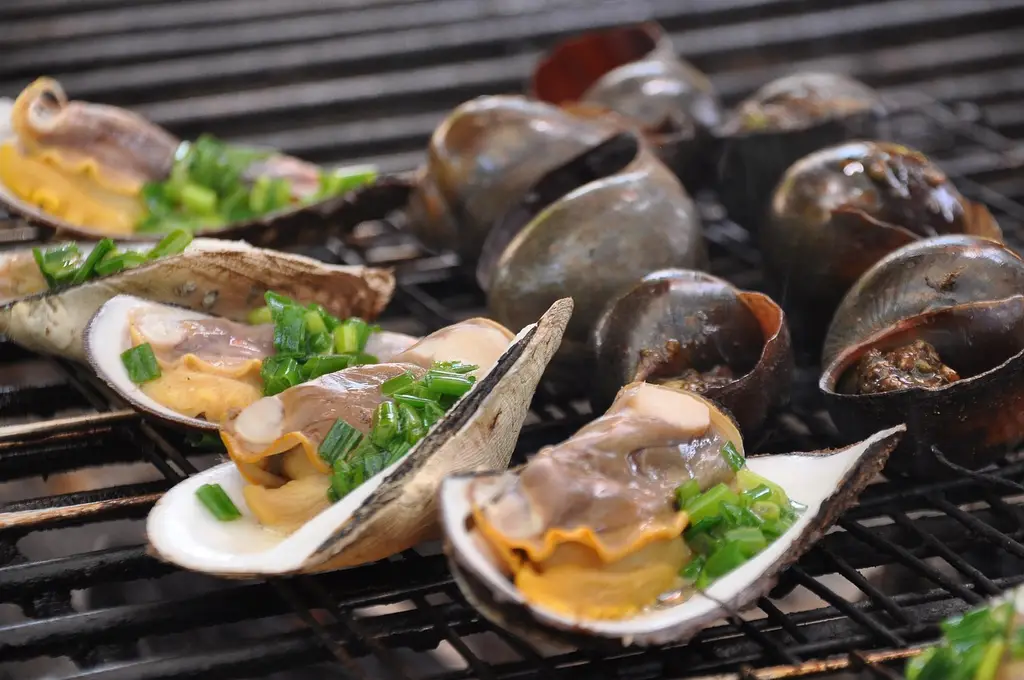
Naples eats later and louder than the rest of Italy, and pizza here is a matter of civic pride, not a gimmick. The AVPN, the body that certifies true Neapolitan pizza, sets real rules: a wood-fired oven around 430-485C, a cook time of roughly 60 to 90 seconds, and a soft, puffy, charred cornicione around the edge. Locals eat it with a knife and fork or folded into quarters, a portafoglio, never crisp edge to edge like a Roman pie. Coffee culture is just as intense: standing at the bar costs a euro or two, sitting down triples the price for the same cup. Street food runs on fried dough and fried seafood, cheap and meant to be eaten walking through Spaccanapoli.
Pizza margherita and marinara
Sfogliatella (riccia or frolla)
Fried street food (cuoppo)
Ragù napoletano and pasta e fagioli
Espresso
Babà
Pizza fritta
Pizza margherita and marinara
EUR 5-9·Centro Storico and the streets around Via dei Tribunali
Must try
The birthplace of both. Wet center, charred leopard-spotted crust, eaten folded or with a fork, never crispy edge to edge like elsewhere.
Sfogliatella (riccia or frolla)
EUR 2-4·bakeries (pasticcerie) all over the historic center
Must try
Shell-shaped pastry with ricotta filling. Riccia is flaky and layered, frolla is shortcrust and softer, both are breakfast food as much as dessert.
Fried street food (cuoppo)
EUR 5-8·street vendors near Spaccanapoli and the port
Must try
A paper cone of fried seafood, arancini, potato croquettes and zeppole, meant to be eaten walking rather than sat down over.
Ragù napoletano and pasta e fagioli
EUR 9-14·trattorias in the Quartieri Spagnoli and Chiaia
A slow-cooked tomato-meat sauce simmered for hours, a different animal from a quick weeknight ragu and worth the long menu wait.
Espresso
EUR 1-1.50 standing·any standing-room bar, not a sit-down cafe
Neapolitan coffee culture is about the counter, not the table. A euro or two standing, several times that seated for the identical cup.
Babà
EUR 3-5·pasticcerie across the historic center
A rum-soaked sponge cake, sometimes filled with cream, dense and boozy in a way that surprises people expecting a light dessert.
Pizza fritta
EUR 4-7·street stalls and old-school pizzerias in the historic center
Folded pizza dough fried instead of baked, stuffed with ricotta, provola or tomato. Heavier than a regular slice and genuinely different, not a lesser version.
Caffè sospeso
EUR 1-1.50·traditional bars across the historic center
A pay-it-forward custom: pay for two coffees, drink one, and leave the other for whoever asks at the counter can't afford one. Ask for it by name.
Pizzeria Gino Sorbillo
as of 2026-09
Viral
a family pizzeria on Via dei Tribunali, running since 1935, that became one of the most photographed queues in Naples. The pizza is solid, but the wait can run over an hour and several nearby pizzerias on the same street are just as good with no line.
Pintauro 1785
as of 2026-09
Viral
The Via Toledo bakery where the sfogliatella was reportedly invented in 1818 reopened in March 2026 after a closure, with a history of over 10 million sfogliatelle sold. This is about as close to the source as sfogliatella gets. Worth the detour if you're near Via Toledo.
Bufala Fest
as of 2026-09
Viral
Bufala Fest marked its 10th edition September 2 to 6, 2026, in Naples, with a dedicated food village serving buffalo mozzarella dishes and a full menu around 20 euros. A once a year window, only useful if your dates line up, but it's the real deal for mozzarella di bufala.
Naples' friggitoria and cuoppo scene
as of 2026-09
Viral
Naples' fried street food scene, cuoppo cones of fried seafood and vegetables sold from friggitorie across the historic center, got fresh 'best of' coverage through 2025-2026. This has been a Naples staple forever, and press coverage keeps growing. Cheap, fast, easy to find.
Mille & Un Babà
as of 2026-09
Viral
Naples' annual babà competition crowned its 2026 winner in March, a rum soaked babà design called 'Partenope in fiore.' Fun to know about, but it's a contest, not a place you walk into. Look for babà at any decent pasticceria instead.
Safety and scams
Real risks are pickpocketing on crowded buses and the metro, bag-snatching by scooter riders (hold bags on the building side of the pavement, not the street side), and petty theft near the station at night. Violent crime against tourists is rare. The city's reputation as broadly dangerous is overstated by people who never left the Napoli Centrale area; most visited neighborhoods are safe to walk in daylight and reasonably safe at night with normal city awareness.
Common mistakes
Trying to see Naples and Pompeii in one rushed day trip from Rome; Pompeii alone needs 4-6 hours and the train adds 2+ hours round trip
Skipping advance booking for Cappella Sansevero and getting turned away at the door, it sells out further ahead than people expect for its size
Judging the whole city by the immediate area around Napoli Centrale station, which is the least representative, grittiest patch of Naples
Wearing sandals or thin-soled shoes to Pompeii, the ancient paving stones and gaps between them are brutal on unprepared feet
Assuming a rental car helps in the city center; narrow one-way streets and aggressive parking make it a liability until you're clear of Naples
Frequently asked questions
Is Naples safe for tourists?
Yes, with normal city precautions. Real risks are pickpocketing on crowded transit and scooter bag-snatching, not violent crime. Most visited areas are fine in daylight and reasonably safe after dark. The city's dangerous reputation is overstated relative to what most travelers actually experience.
How many days do I need for Pompeii?
A half-day minimum, 4-6 hours if you want to see the highlights without rushing. It's a full ancient city, not a compact ruin site. Combine it with Herculaneum only if you have a full day free, they're both large.
Can I visit Naples as a day trip from Rome?
You can, but it's tight. The train is about 70 minutes each way, and if you also want to see Pompeii you're adding another hour of transfers on top. A single overnight makes the trip far less rushed.
Do I need to book Cappella Sansevero in advance?
Yes, strongly recommended, ideally a week or two ahead in peak season. It's a small museum with one famous sculpture and it sells out further in advance than its size suggests. Walk-ups are routinely turned away.
Is Naples worth visiting if I've already seen Rome and Florence?
Yes, precisely because it's different. Naples is grittier, louder and less polished than either, with a completely different energy. If you want more postcard Italy, skip it. If you want to see a real, lived-in Italian city, it delivers.
What's the difference between Pompeii and Herculaneum?
Pompeii is larger and more famous, buried in ash, showing more of the city layout. Herculaneum is smaller, buried in volcanic mud, and preserved wood and organic material that Pompeii lost. Herculaneum is also far less crowded.
Is Naples pizza actually different from pizza elsewhere?
Yes. Neapolitan pizza has a wet, soft center and a puffed, charred crust (the cornicione), meant to be eaten quickly with a fork, not a crisp, evenly-baked pie. If you've only had the export version, the real thing can taste underdone at first.
Should I base in Naples or Sorrento for the Amalfi Coast?
Naples for archaeology and city energy plus easy transit connections; Sorrento for a calmer base directly on the coast with shorter hops to Capri and Amalfi towns. Many travelers do a few nights in each.
How do I get from Naples airport to the city center?
The Alibus shuttle runs to Napoli Centrale/Piazza Garibaldi in about 20-30 minutes for roughly EUR 5. A taxi is a fixed fare of around EUR 18-25 and takes 15-20 minutes.
Is public transit in Naples reliable?
The Metro Line 1 and funiculars are modern and reliable; buses are slower and more crowded, and less predictable in traffic. For the historic center, walking is usually faster than waiting for a bus.