Things to Do in Venice: Itineraries, Costs and Food
A city built on water with no cars, no bikes, and a day-tripper entry fee on peak dates. Small enough to walk end to end, crowded enough to need a plan.
By Labeeb Mirza · Published September 8, 2026 · Updated September 8, 2026
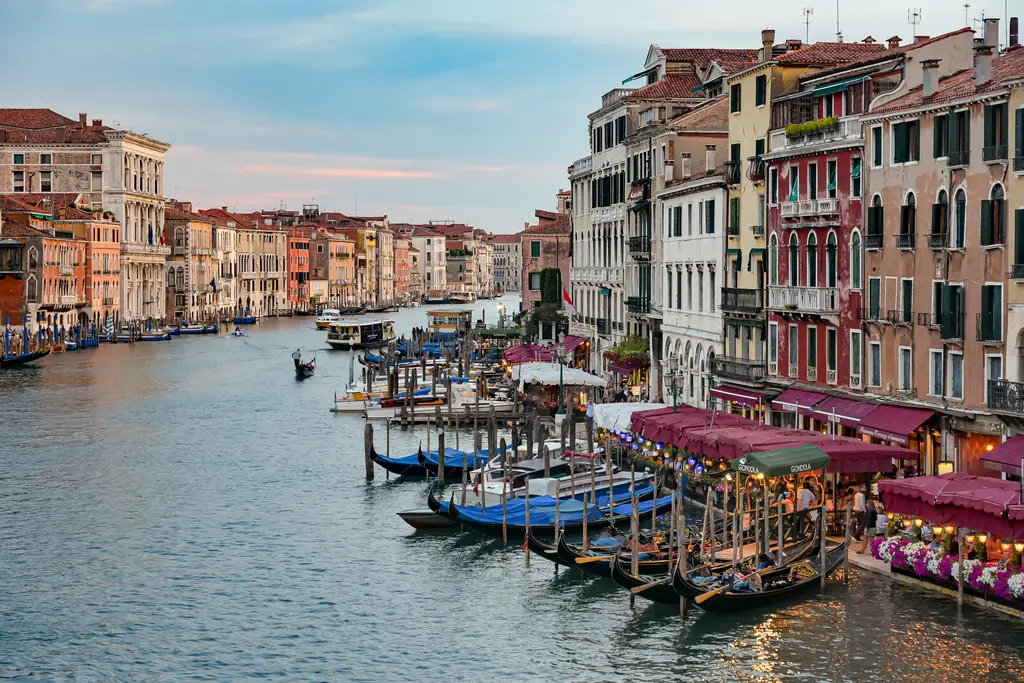
Venice is the only city in Europe where the transport question is not metro versus bus but boat versus your own two feet, and once that clicks the whole place gets simpler. There are no cars, no scooters, no bikes in the historic center, just 118 islands stitched together by roughly 400 bridges and a network of vaporetti (water buses) that move slower than you'd expect. The historic core is small: you can walk from the train station to St Mark's Square in under an hour if you don't get lost, and you will get lost, because street numbers follow a district-wide system that ignores the street you're standing on. That is part of the design, not a flaw to route around. Venice ran a defining experiment: on a set list of peak dates between spring and late July, day-trippers who weren't staying overnight had to register and, on short notice, pay a small access fee. That trial ended on 27 July 2026, and since then the fee no longer applies to anyone entering the city, though the city council could reintroduce some version of it in future years, so it's worth a quick check on cda.ve.it before you travel. Beyond the logistics, this is still a city that rewards walking without a destination, standing at a bacaro with a glass of wine and a few cicchetti, and getting up early enough to see St Mark's Square before the cruise-adjacent crowds arrive. The core sights are dense and can be seen properly in three days; everything past that is either repetition or a reason to use Venice as a base for the Veneto region.
The access fee sounded like a bigger deal online than it was in practice while it ran. It was really a day-tripper tax on a handful of dates, not a general entry fee, and it stopped applying entirely after the 2026 trial ended on 27 July, so don't plan around it unless the city brings back a version of it for a future year.
The crowd complaints are earned but overstated as a reason to skip the city. St Mark's Square at 8am and St Mark's Square at noon are two different places. Flip your schedule around the cruise and coach-tour rhythm and you get long stretches with almost nobody around.
Gondolas are a once thing, not a transport thing. They're fun for twenty minutes and priced accordingly. A traghetto crossing the Grand Canal costs a couple of euros and is basically the same boat with a fraction of the theater.
The historic center is smaller than people plan for. I've watched travelers block out five or six days for Venice proper when three does it properly and the rest turns into repetition or restlessness.
Acqua alta gets treated like a horror story in trip-planning forums and it's mostly a minor inconvenience outside a handful of severe events a year. Raised walkways go up in the worst-hit squares within hours, and most visits in flood season never see standing water at all.
Itineraries
A tight one-day pass through the core sights, doable but rushed; better as a sampler than a full trip.
Day 1: St Mark's Square to Dorsoduro in a Day
Morning
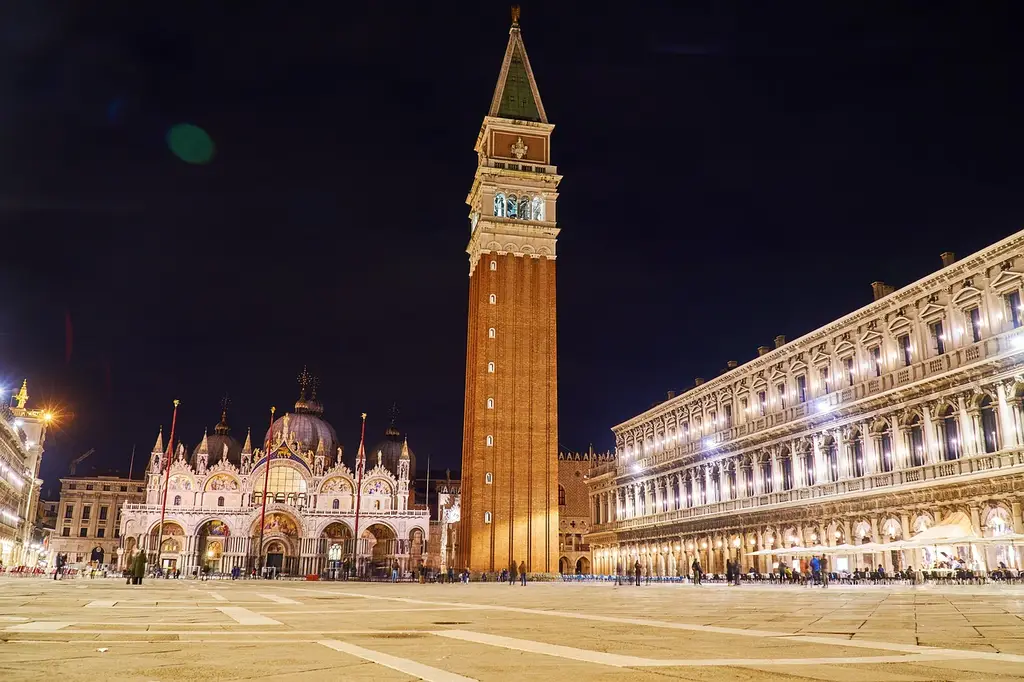
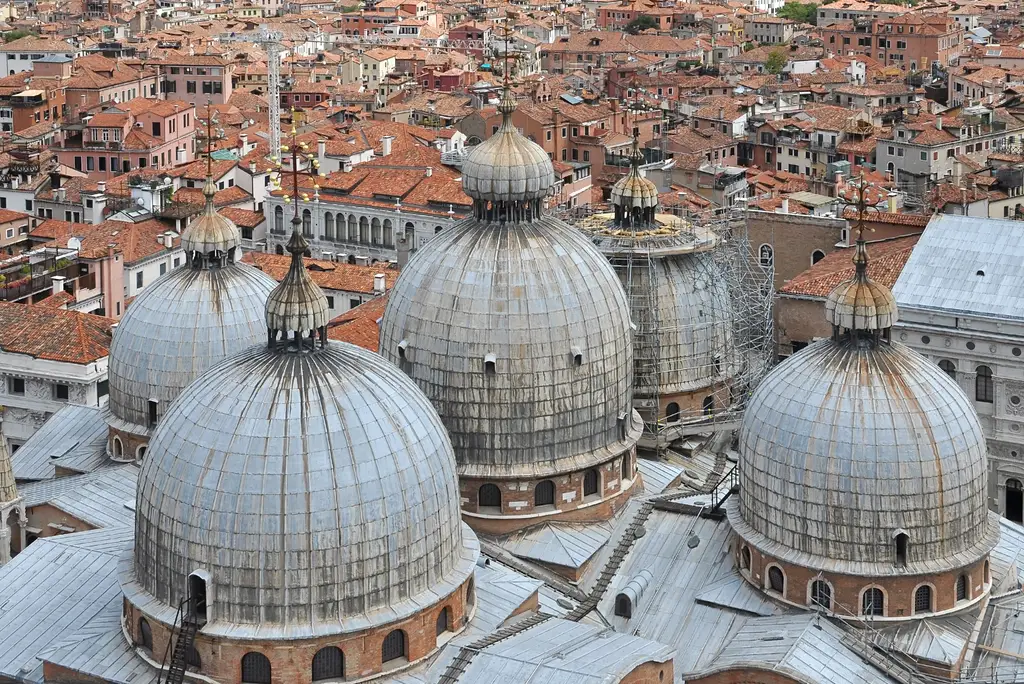
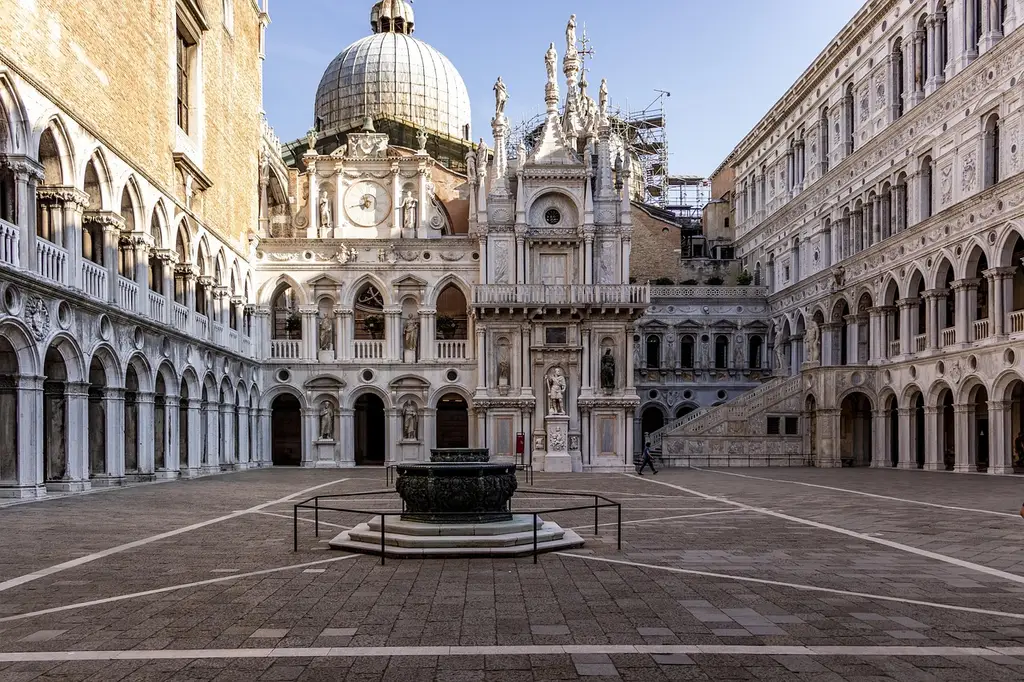
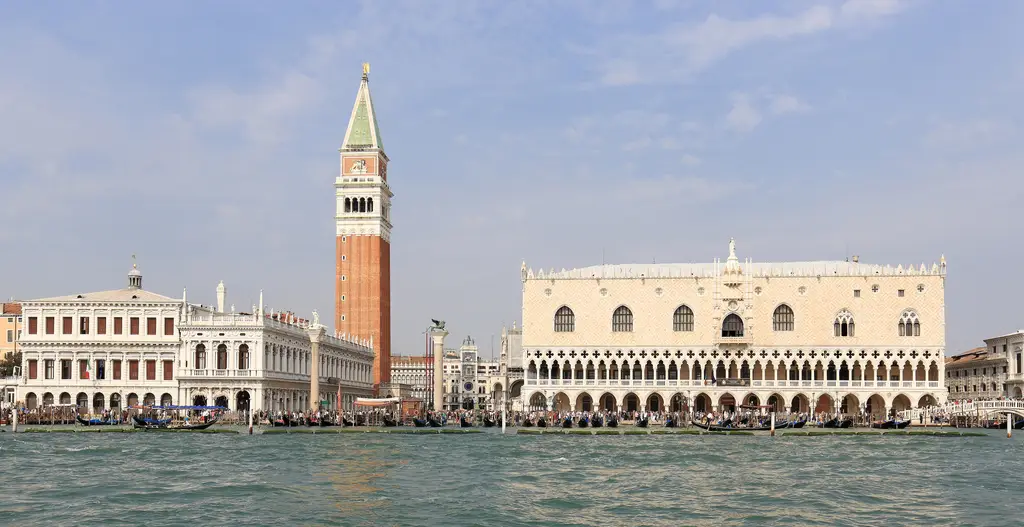
Start early at St Mark's Square before the crowds build: the Basilica first, since bare shoulders or knees get you turned away at the door, then the Campanile for a rooftop view over the lagoon, then the Doge's Palace for the state rooms and the Bridge of Sighs prison cells while the halls are still manageable.
Afternoon
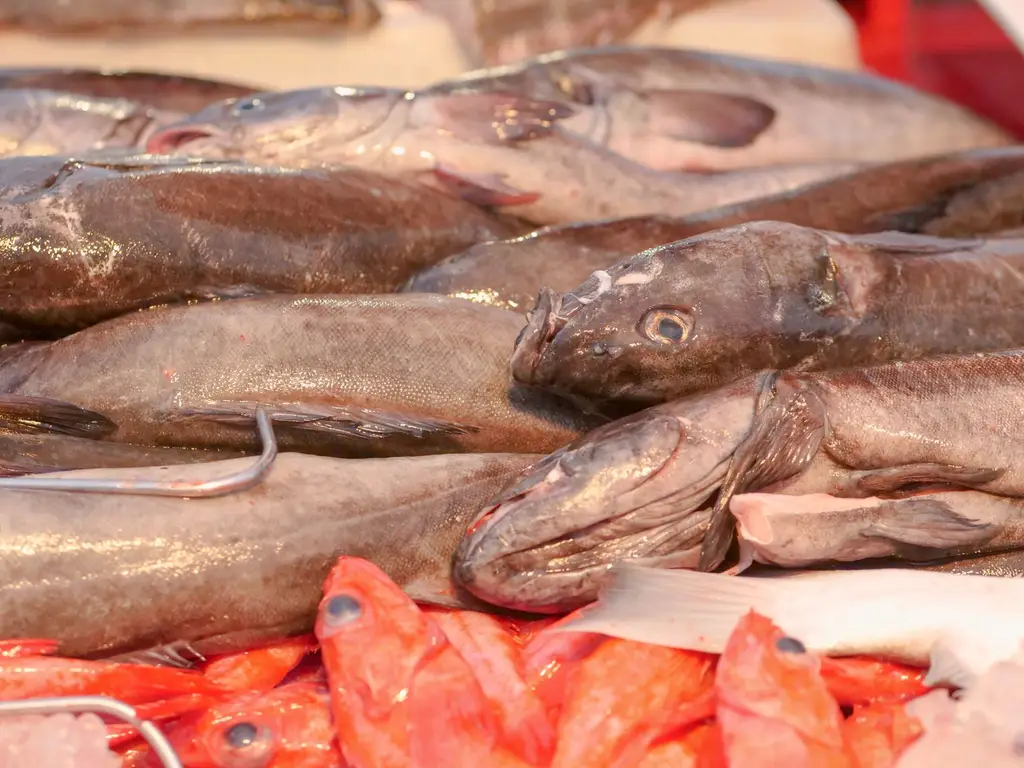
Cross the Rialto Bridge and walk through the Rialto Market while it is still working rather than picked over. Head into Cannaregio for a cicchetti lunch at a bacaro, small plates and a glass of wine standing at the bar, the fastest way to eat well without committing to a full sit-down meal.
Evening
Wander into Dorsoduro for a slower final stretch: quieter streets, university-neighborhood energy, and canal views without the San Marco crowds. Have dinner here rather than heading back toward the square, where prices climb once the live orchestras start and a coffee at a table can run 15-20 EUR.
Tip: Validate any vaporetto ticket at the yellow dock machine before boarding; inspectors fine on the spot, even for one stop.
The city itself, done properly. Three days genuinely covers Venice's core without padding.
Day 1: Basilica, Campanile and Doge's Palace at Opening
Morning
Arrive at St Mark's Square right at opening to beat the day-trip crowds. Start with the Basilica, dress code enforced at the door, then the Campanile for a rooftop view over the lagoon while the queue is still short, then move into the Doge's Palace for the state rooms, the armory, and the prison cells across the Bridge of Sighs.
Afternoon
Spend the afternoon in Castello, the city's largest sestiere and mostly residential, which means real bakeries and few souvenir shops. It is a good antidote to the density of the morning, with quieter streets, local bars, and views back across the lagoon toward San Giorgio Maggiore without the crowds the square draws all day.
Evening
Head into Cannaregio for a cicchetti dinner, working through a few bacari for small plates and wine rather than one sit-down restaurant. Cannaregio is also home to the old Jewish Ghetto and has some of the best bacari in the city, and it stays lively without the inflated prices near San Marco.
Tip: Book the Basilica skip-the-line slot online in peak season; the free walk-in queue can eat 30-45 minutes.
Day 2: Art Day: Rialto Market to Dorsoduro
Morning
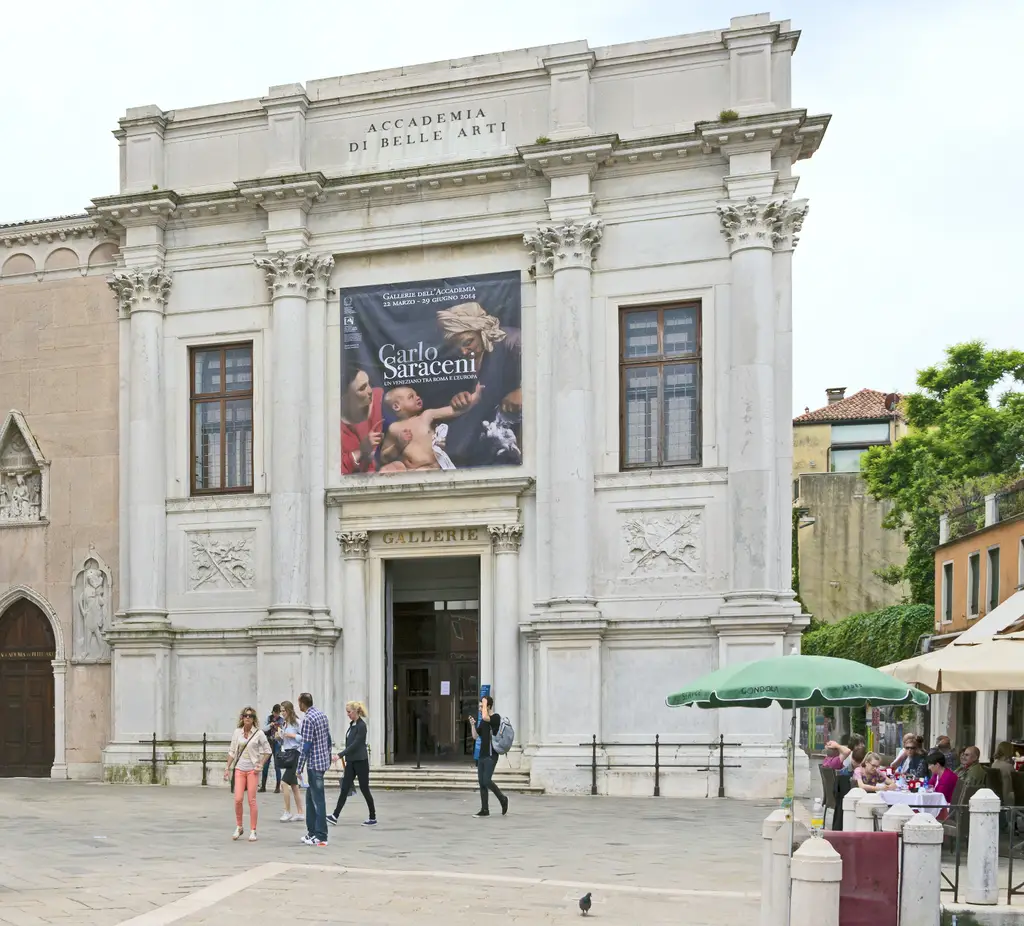
Get to the Rialto Market before 10am while it is still a working food market and not picked over, produce stalls daily except Sunday and the fish market running Tuesday to Saturday mornings. From there walk to the Gallerie dell'Accademia, Venice's best pre-1800 painting collection and consistently the least crowded major museum in the city.
Afternoon
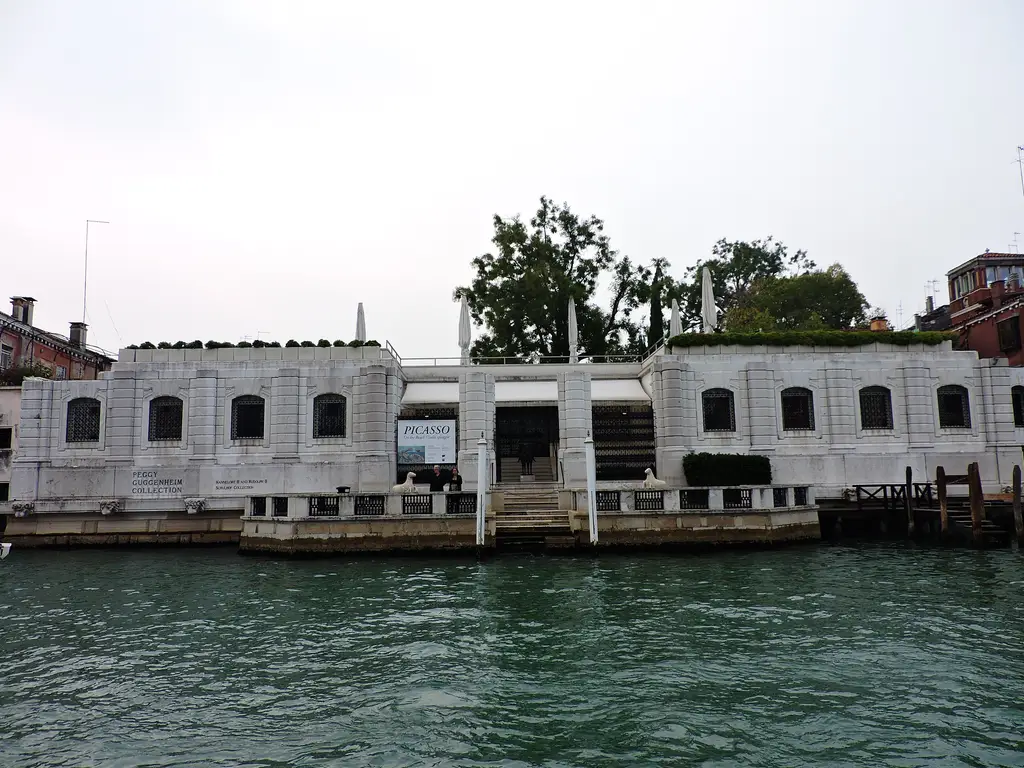
Continue to the Peggy Guggenheim Collection on the Grand Canal, a modern-art collection in a half-finished palazzo that is a deliberate contrast to the Byzantine gold everywhere else in the city. From there head to the Scuola Grande di San Rocco for wall-to-wall Tintoretto, more of his work in one room than anywhere else on earth.
Evening
Settle into Dorsoduro for the evening: university-neighborhood energy, genuinely quiet after dark, and a good base for a slow dinner after a day spent mostly on your feet in museums. This is also the neighborhood to come back to if you want a calmer read of the city than San Marco offers.
Tip: Pick up the mirrors the Scuola Grande di San Rocco lends visitors; they make the ceiling panels far easier to see.
Day 3: Murano, Burano and a Last Cicchetti Crawl
Morning
Take the vaporetto out to Murano first, before the day-trip crowds arrive. Walk two streets back from the main vaporetto stop to avoid the hard-sell glass shops and see the same glass-blowing work at lower prices, then continue by boat toward Burano for the rest of the morning.
Afternoon
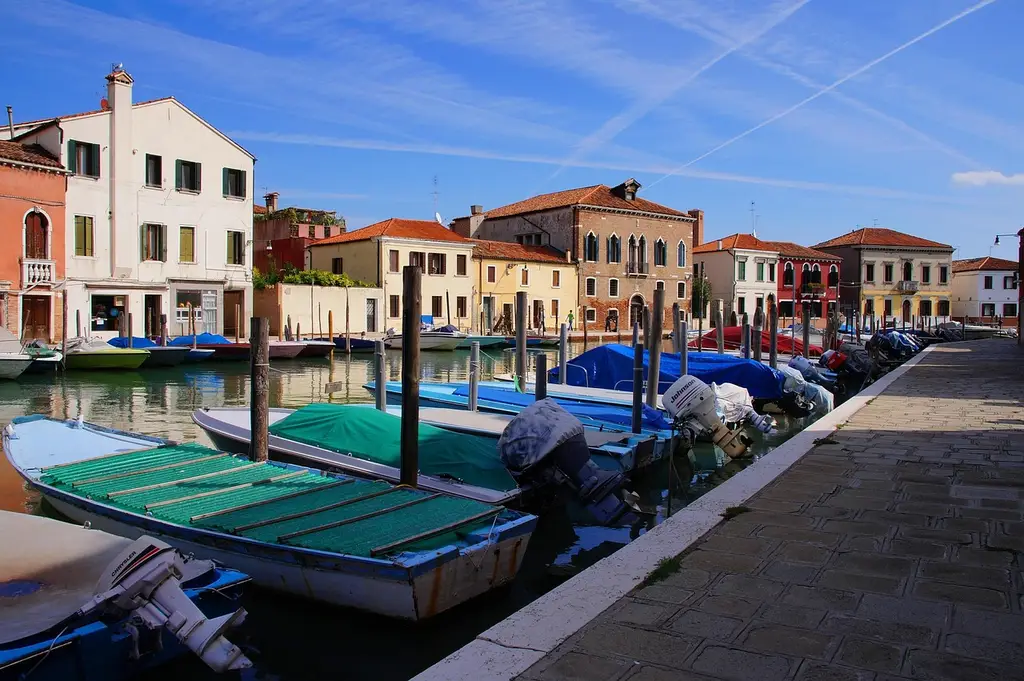
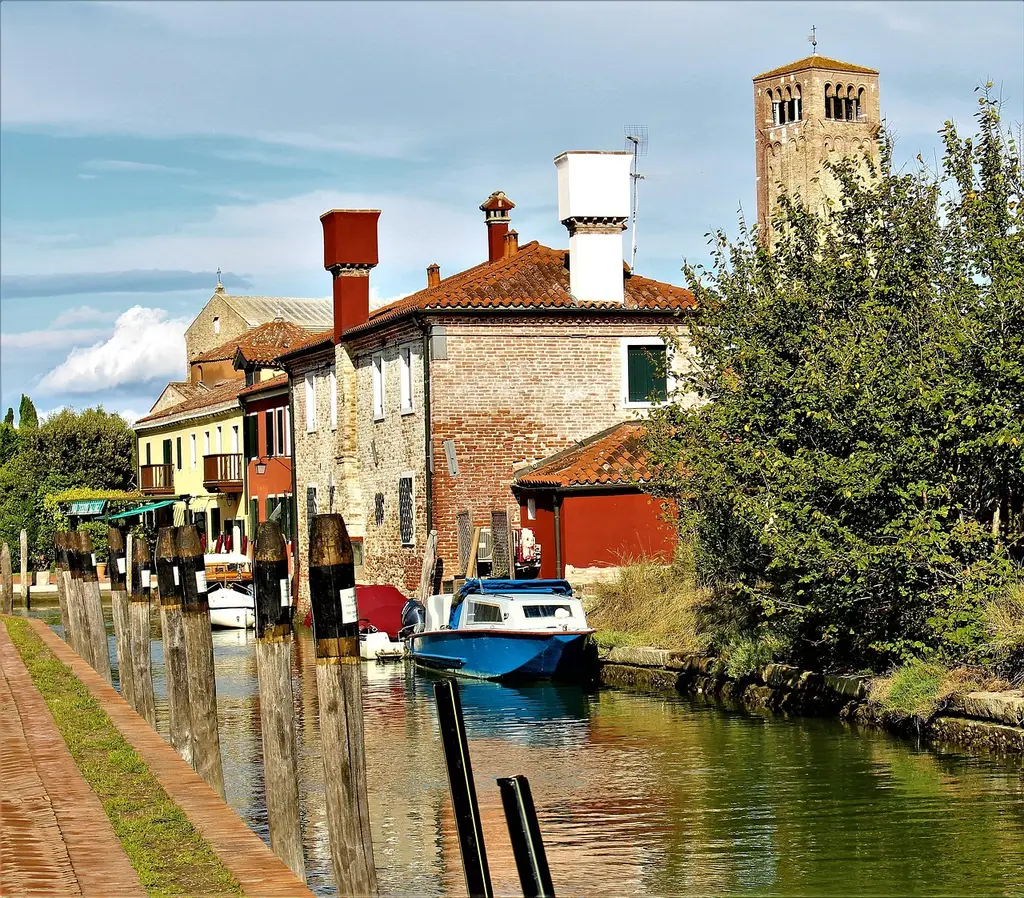
On Burano, walk a couple of blocks off the main canal to photograph the colored houses without the crowd taking the same shot everyone else is taking. If you left Venice by 9am, add Torcello for an hour or two; its cathedral mosaics rival St Mark's with a fraction of the visitors.
Evening
Ride the vaporetto back into central Venice for a last cicchetti crawl, working through two or three bacari for small plates and wine rather than a formal dinner. It is a low-key way to close out the trip after a full day of island-hopping by boat.
Tip: Pick two of Murano, Burano and Torcello unless you leave by 9am; cramming all three into one afternoon is rushed.
Venice's core takes three days; the extra two move out into the Veneto rather than repeat the city.
Day 1: Basilica, Campanile and Doge's Palace at Opening
Morning
Arrive at St Mark's Square right at opening to beat the day-trip crowds. Start with the Basilica, dress code enforced at the door, then the Campanile for a rooftop view over the lagoon while the queue is still short, then move into the Doge's Palace for the state rooms, the armory, and the prison cells across the Bridge of Sighs.
Afternoon
Spend the afternoon in Castello, the city's largest sestiere and mostly residential, which means real bakeries and few souvenir shops. It is a good antidote to the density of the morning, with quieter streets, local bars, and views back across the lagoon toward San Giorgio Maggiore without the crowds the square draws all day.
Evening
Head into Cannaregio for a cicchetti dinner, working through a few bacari for small plates and wine rather than one sit-down restaurant. Cannaregio is also home to the old Jewish Ghetto and has some of the best bacari in the city, and it stays lively without the inflated prices near San Marco.
Tip: Book the Basilica skip-the-line slot online in peak season; the free walk-in queue can eat 30-45 minutes.
Day 2: Art Day: Rialto Market to Dorsoduro
Morning
Get to the Rialto Market before 10am while it is still a working food market and not picked over, produce stalls daily except Sunday and the fish market running Tuesday to Saturday mornings. From there walk to the Gallerie dell'Accademia, Venice's best pre-1800 painting collection and consistently the least crowded major museum in the city.
Afternoon
Continue to the Peggy Guggenheim Collection on the Grand Canal, a modern-art collection in a half-finished palazzo that is a deliberate contrast to the Byzantine gold everywhere else in the city. From there head to the Scuola Grande di San Rocco for wall-to-wall Tintoretto, more of his work in one room than anywhere else on earth.
Evening
Settle into Dorsoduro for the evening: university-neighborhood energy, genuinely quiet after dark, and a good base for a slow dinner after a day spent mostly on your feet in museums. This is also the neighborhood to come back to if you want a calmer read of the city than San Marco offers.
Tip: Pick up the mirrors the Scuola Grande di San Rocco lends visitors; they make the ceiling panels far easier to see.
Day 3: Murano, Burano and a Last Cicchetti Crawl
Morning
Take the vaporetto out to Murano first, before the day-trip crowds arrive. Walk two streets back from the main vaporetto stop to avoid the hard-sell glass shops and see the same glass-blowing work at lower prices, then continue by boat toward Burano for the rest of the morning.
Afternoon
On Burano, walk a couple of blocks off the main canal to photograph the colored houses without the crowd taking the same shot everyone else is taking. If you left Venice by 9am, add Torcello for an hour or two; its cathedral mosaics rival St Mark's with a fraction of the visitors.
Evening
Ride the vaporetto back into central Venice for a last cicchetti crawl, working through two or three bacari for small plates and wine rather than a formal dinner. It is a low-key way to close out the trip after a full day of island-hopping by boat.
Tip: Pick two of Murano, Burano and Torcello unless you leave by 9am; cramming all three into one afternoon is rushed.
Show all 5 days
Day 4: Day Trip to Padua
Morning
Take the train to Padua, 25-40 minutes from Venice, and head straight for the Scrovegni Chapel, which requires an advance-booked timed entry, so reserve this before you leave Venice rather than trying to walk in. The chapel's Giotto frescoes are the reason for the whole day trip.
Afternoon
From the chapel, walk to the Basilica of St Anthony, one of the most visited pilgrimage churches in Italy, with a scale that makes it worth an hour on its own. Between sights, cut through Padua's university district, one of Europe's oldest universities, for a different pace than Venice's tourist core.
Evening
Spend the last stretch of the afternoon around Padua's market squares before catching a train back to Venice for the evening. There is no need to plan a formal dinner in Padua; a late cicchetti stop back in Venice covers it once you are back in familiar territory.
Tip: Book the Scrovegni Chapel timed slot online before leaving Venice; walk-up entry is not guaranteed.
Day 5: Day Trip to Verona
Morning
Catch the train to Verona, about an hour from Venice, and head to the Roman Arena first while the morning light is good and the crowds are thinner. The Arena is still a working performance venue, so check ahead if there is a rehearsal or event limiting access that day.
Afternoon
Walk to Piazza delle Erbe, Verona's old market square, for lunch and a slower wander through the surrounding streets. This is also the easiest point to fold in any of Verona's other central sights if you want to extend the afternoon before heading back toward the station.
Evening
Take an evening train back to Venice, arriving with enough time for a relaxed dinner in whichever sestiere you are staying in. This closes out the trip's Veneto leg and leaves the rest of the stay purely in Venice if you added extra nights.
Tip: Buy Venice-Verona train tickets in advance for peak-season weekends; walk-up fares run higher and seats can sell out.
Venice for three days, then a loop through the Veneto's other big draws by train. Don't try to squeeze this back into pure Venice time; the region earns the extra days.
Day 1: Basilica, Campanile and Doge's Palace at Opening
Morning
Arrive at St Mark's Square right at opening to beat the day-trip crowds. Start with the Basilica, dress code enforced at the door, then the Campanile for a rooftop view over the lagoon while the queue is still short, then move into the Doge's Palace for the state rooms, the armory, and the prison cells across the Bridge of Sighs.
Afternoon
Spend the afternoon in Castello, the city's largest sestiere and mostly residential, which means real bakeries and few souvenir shops. It is a good antidote to the density of the morning, with quieter streets, local bars, and views back across the lagoon toward San Giorgio Maggiore without the crowds the square draws all day.
Evening
Keep the evening loose: wander back through San Marco once the day-trip crowds have thinned, or stay in Castello for a low-key dinner among locals rather than tourists. With seven days ahead there is no need to force a specific neighborhood tonight.
Tip: Book the Basilica skip-the-line slot online in peak season; the free walk-in queue can eat 30-45 minutes.
Day 2: Art Day: Rialto Market to San Rocco
Morning
Get to the Rialto Market before 10am while it is still a working food market and not picked over, produce stalls daily except Sunday and the fish market running Tuesday to Saturday mornings. From there walk to the Gallerie dell'Accademia, Venice's best pre-1800 painting collection and consistently the least crowded major museum in the city.
Afternoon
Continue to the Peggy Guggenheim Collection on the Grand Canal, a modern-art collection in a half-finished palazzo that is a deliberate contrast to the Byzantine gold everywhere else in the city. From there head to the Scuola Grande di San Rocco for wall-to-wall Tintoretto, more of his work in one room than anywhere else on earth.
Evening
Settle into Dorsoduro for the evening: university-neighborhood energy, genuinely quiet after dark, and a good base for a slow dinner after a day spent mostly on your feet in museums. This is also worth returning to later in the trip if you want a calmer read of the city.
Tip: Pick up the mirrors the Scuola Grande di San Rocco lends visitors; they make the ceiling panels far easier to see.
Day 3: Full Lagoon Day: Murano, Burano and Torcello
Morning
Take the vaporetto out to Murano first, before the day-trip crowds arrive. Walk two streets back from the main vaporetto stop to avoid the hard-sell glass shops and see the same glass-blowing work at lower prices, then continue by boat toward Burano for the rest of the morning.
Afternoon
On Burano, walk a couple of blocks off the main canal to photograph the colored houses without the crowd taking the same shot everyone else is taking. With a full day allotted, add Torcello as well; its cathedral mosaics rival St Mark's with a fraction of the visitors and it rarely feels crowded.
Evening
Ride the vaporetto back into central Venice for the evening. This is a boat-heavy day, so plan a simple dinner close to wherever you are staying rather than crossing the city again after getting back from the outer islands, since the last connections back run less frequently after dark.
Tip: Leave Venice by 9am if you want all three islands comfortably; Torcello has the least frequent boat connections.
Show all 7 days
Day 4: Day Trip to Padua
Morning
Take the train to Padua, 25-40 minutes from Venice, and head straight for the Scrovegni Chapel, which requires an advance-booked timed entry, so reserve this before you leave Venice rather than trying to walk in. The chapel's Giotto frescoes are the reason for the whole day trip.
Afternoon
From the chapel, walk to the Basilica of St Anthony, one of the most visited pilgrimage churches in Italy, with a scale that makes it worth an hour on its own. Spend the rest of the afternoon working through Padua's market squares at a slower pace than Venice's tourist core allows.
Evening
Catch a train back to Venice for the evening and keep dinner simple, since most of the day was spent walking between sights in Padua. There is no need to plan anything elaborate here before continuing the Veneto loop the next morning.
Tip: Book the Scrovegni Chapel timed slot online before leaving Venice; walk-up entry is not guaranteed.
Day 5: Day Trip to Verona
Morning
Catch the train to Verona, about an hour from Venice, and head to the Roman Arena first while the morning light is good and the crowds are thinner. The Arena is still a working performance venue, so check ahead if there is a rehearsal or event limiting access that day.
Afternoon
Walk to Piazza delle Erbe, Verona's old market square, for lunch and a slower wander through the surrounding streets. If you care to, add Juliet's House nearby, though it is more novelty than substance and easy to skip if time is tight before the next leg of the trip.
Evening
Take an evening train back to Venice for dinner, or stay in Verona a little later if the day has run long; the connection back runs frequently enough not to force an early departure, and the ride itself is short.
Tip: Buy Venice-Verona train tickets in advance for peak-season weekends; walk-up fares run higher and seats can sell out.
Day 6: Day Trip to Vicenza
Morning
Take the train to Vicenza, about an hour from Venice, a quieter architectural city built almost entirely around Andrea Palladio's work. Start with a walk through the center to see several of his villas and palazzi up close before the day gets warm and busier.
Afternoon
Visit the Teatro Olimpico, Palladio's last work and the oldest surviving indoor theater in the world, with a permanent stage set built in forced perspective. Vicenza is far less touristed than Padua or Verona, so the pace here is noticeably slower and easier.
Evening
Head back to Venice by train for a relaxed dinner. This is a good night to revisit a neighborhood you liked earlier in the trip rather than exploring somewhere new, an easy way to close out a full day of walking in Vicenza.
Tip: Vicenza gets far fewer visitors than Padua or Verona; sights rarely need advance booking outside peak weekends.
Day 7: Bassano del Grappa or a Slow Venice Morning
Morning
Choose between two options depending on how the week has gone: a day trip to Bassano del Grappa and the foothills of the Dolomites for a taste of the mountains, or a slower final morning back in Venice revisiting a favorite sestiere without an itinerary.
Afternoon
If you went to Bassano del Grappa, spend the afternoon around its covered bridge and old town before heading back. If you stayed in Venice, use the afternoon for anything missed earlier in the week, a museum, a neighborhood, or simply more time spent walking with no fixed plan.
Evening
Head back toward your accommodation for a final dinner, ideally somewhere you already know you liked from earlier in the trip rather than gambling on something new the night before departure, and pack before you settle in for the night ahead.
Tip: Confirm the Venice-Bassano train schedule in advance; the last realistic connection back is earlier than it looks.
Venice as a base for the wider Veneto: cities, Lake Garda and a Dolomites taste. This stretches well past Venice itself, be clear with yourself that days 4 onward are a regional trip, not more Venice.
Day 1: Basilica, Campanile and Doge's Palace at Opening
Morning
Arrive at St Mark's Square right at opening to beat the day-trip crowds. Start with the Basilica, dress code enforced at the door, then the Campanile for a rooftop view over the lagoon while the queue is still short, then move into the Doge's Palace for the state rooms, the armory, and the prison cells across the Bridge of Sighs.
Afternoon
With two weeks ahead there is no need to rush; spend the afternoon wandering without a fixed plan, letting the crowds from the square thin out before circling back toward wherever you are staying. Use this slack time to get oriented to the district system before it becomes essential later.
Evening
Settle into a relaxed first dinner near your accommodation. There is plenty of time over the coming two weeks to work through specific neighborhoods properly, so tonight is about resetting after travel rather than trying to cover more ground on day one.
Tip: Book the Basilica skip-the-line slot online in peak season; the free walk-in queue can eat 30-45 minutes.
Day 2: Art Day: Rialto Market to San Rocco
Morning
Get to the Rialto Market before 10am while it is still a working food market and not picked over, produce stalls daily except Sunday and the fish market running Tuesday to Saturday mornings. From there walk to the Gallerie dell'Accademia, Venice's best pre-1800 painting collection and consistently the least crowded major museum in the city.
Afternoon
Continue to the Peggy Guggenheim Collection on the Grand Canal, a modern-art collection in a half-finished palazzo that is a deliberate contrast to the Byzantine gold everywhere else in the city. From there head to the Scuola Grande di San Rocco for wall-to-wall Tintoretto, more of his work in one room than anywhere else on earth.
Evening
Settle into Dorsoduro for the evening: university-neighborhood energy, genuinely quiet after dark, and a good base for a slow dinner after a day spent mostly on your feet in museums. Worth returning to later in the trip if you want a calmer read of the city.
Tip: Pick up the mirrors the Scuola Grande di San Rocco lends visitors; they make the ceiling panels far easier to see.
Day 3: Full Lagoon Day: Murano, Burano and Torcello
Morning
Take the vaporetto out to Murano first, before the day-trip crowds arrive. Walk two streets back from the main vaporetto stop to avoid the hard-sell glass shops and see the same glass-blowing work at lower prices, then continue by boat toward Burano for the rest of the morning.
Afternoon
On Burano, walk a couple of blocks off the main canal to photograph the colored houses without the crowd taking the same shot everyone else is taking. With a full day allotted, add Torcello as well; its cathedral mosaics rival St Mark's with a fraction of the visitors and it rarely feels crowded.
Evening
Ride the vaporetto back into central Venice for the evening. This is a boat-heavy day, so keep dinner simple and close to wherever you are staying rather than crossing the city again after the outer islands, since connections thin out once it's dark.
Tip: Leave Venice by 9am if you want all three islands comfortably; Torcello has the least frequent boat connections.
Show all 14 days
Day 4: Day Trip to Padua
Morning
Take the train to Padua, 25-40 minutes from Venice, and head straight for the Scrovegni Chapel, which requires an advance-booked timed entry, so reserve this before you leave Venice rather than trying to walk in. The chapel's Giotto frescoes are the reason for the whole day trip.
Afternoon
From the chapel, walk to the Basilica of St Anthony, one of the most visited pilgrimage churches in Italy, with a scale that makes it worth an hour on its own. Spend the rest of the afternoon working through Padua's market squares at a slower pace than Venice's tourist core allows.
Evening
Catch a train back to Venice for the evening and keep dinner simple, since most of the day was spent walking between sights in Padua. There is no need to plan anything elaborate here before continuing the Veneto loop the next morning.
Tip: Book the Scrovegni Chapel timed slot online before leaving Venice; walk-up entry is not guaranteed.
Day 5: Day Trip to Verona
Morning
Catch the train to Verona, about an hour from Venice, and head to the Roman Arena first while the morning light is good and the crowds are thinner. The Arena is still a working performance venue, so check ahead if there is a rehearsal or event limiting access that day.
Afternoon
Walk to Piazza delle Erbe, Verona's old market square, for lunch and a slower wander through the surrounding streets. This is also the easiest point to fold in any other central sights before heading back toward the station for the return leg.
Evening
Take an evening train back to Venice for dinner, or stay in Verona a little later if the day has run long; the connection back runs frequently enough not to force an early departure on such a short ride between the two cities.
Tip: Buy Venice-Verona train tickets in advance for peak-season weekends; walk-up fares run higher and seats can sell out.
Day 6: Day Trip to Vicenza
Morning
Take the train to Vicenza, about an hour from Venice, a quieter architectural city built almost entirely around Andrea Palladio's work. Start with a walk through the center to see several of his villas and palazzi up close before the day gets warm and busier.
Afternoon
Visit the Teatro Olimpico, Palladio's last work and the oldest surviving indoor theater in the world, with a permanent stage set built in forced perspective. Vicenza is far less touristed than Padua or Verona, so the pace here is noticeably slower and easier.
Evening
Head back to Venice by train for a relaxed dinner. With more of the trip still ahead, use tonight to rest rather than pack in anything else after a full day of walking in Vicenza's town center and villa grounds.
Tip: Vicenza gets far fewer visitors than Padua or Verona; sights rarely need advance booking outside peak weekends.
Day 7: Bassano del Grappa and Asolo
Morning
Head out toward Bassano del Grappa, a hill town known for its covered wooden bridge and old town, on the way toward the Dolomites foothills. This is a lower-key day than the previous city stops, more about the walk than a checklist of sights.
Afternoon
Continue on to Asolo, a smaller hill town nearby with views over the surrounding countryside, sometimes called the town of a hundred horizons. Both towns are easy to cover without a rigid plan, and the pace should feel noticeably slower than the Padua-Verona-Vicenza stretch just finished.
Evening
Head back toward Venice, or stay closer to the foothills if your route the next day continues toward Cortina, since day 8 moves further into the Dolomites region and starts with another half day of travel by bus and train.
Tip: Confirm same-day connections back toward Venice or onward to Belluno before setting out; regional trains run less frequently here.
Day 8: Travel to Cortina d'Ampezzo
Morning
Travel from the Bassano area to Cortina d'Ampezzo via Belluno, the standard route into the Dolomites without a car. Expect a half day of travel, so treat the morning as transit and settle in rather than planning sights before arrival.
Afternoon
Once in Cortina, use the afternoon to get oriented: a short walk through town, checking transport options for the hiking day ahead, and confirming any cable car or bus schedules needed for tomorrow, since weather can change plans on short notice.
Evening
Settle into your base for the next two nights and have an early dinner. The altitude and travel day both make an early night worthwhile before a hiking day tomorrow, and mountain restaurants tend to close earlier than in Venice.
Tip: Check the weather forecast for tomorrow's hike tonight; Dolomites routes are frequently weather-dependent and can close on short notice.
Day 9: Dolomites Hiking Day
Morning
Head out early toward the Tre Cime di Lavaredo or a cable-car route, weather dependent, since conditions here shift quickly and morning is usually the clearest window. Bring proper footwear and layers regardless of how the day looks from town.
Afternoon
Continue the hike or cable-car route through the afternoon, planning around whichever option the weather allowed in the morning. This is the one day of the trip built entirely around outdoor conditions rather than a fixed itinerary, so keep the schedule loose.
Evening
Return to Cortina for a well-earned dinner after a full day outdoors. Keep the evening low-key and turn in early, since tomorrow starts the travel day toward Lake Garda and another half day spent moving between regional trains and buses to get there.
Tip: Have a backup lower-altitude walk ready in case weather closes the higher routes; conditions can change within hours.
Day 10: Travel to Lake Garda
Morning
Travel from Cortina toward Lake Garda, basing in Sirmione or Malcesine for the next two nights. This is another travel-heavy morning, so treat it as transit rather than sightseeing time, and expect at least one change of train or bus along the way.
Afternoon
Once you arrive lakeside, use the afternoon to settle in and take a first walk along the water. The shift from mountain town to lake town is a deliberate change of pace after the Dolomites leg, warmer air and a much flatter landscape.
Evening
Have a relaxed dinner near the lake. This is one of the slower stretches of the whole two weeks, so there is no need to plan anything beyond a walk and a meal tonight, before a full day on the water tomorrow.
Tip: Book Cortina-to-Garda transport ahead; there is no single direct train, so connections take planning.
Day 11: Lake Garda Day
Morning
Spend the morning around Sirmione, known for its thermal springs and its castle on the tip of the peninsula. Walk the old town before it gets busy with day-trippers coming from elsewhere on the lake, since the peninsula narrows fast near the castle gates.
Afternoon
Take a boat across the lake to Malcesine for the afternoon, a smaller lakeside town with a different, quieter feel than Sirmione. Either base works for the two nights here; this is about seeing both sides of the lake before heading back toward Venice.
Evening
Have dinner lakeside, wherever you are based for the night. Lake Garda is the most purely relaxed stretch of the whole two weeks, so keep the evening unplanned and let the pace of whichever town you're in set the plan.
Tip: Check Sirmione's thermal spring hours in advance if you want to visit; some facilities require booking ahead in peak season.
Day 12: Return to Venice
Morning
Travel back to Venice from Lake Garda. Treat this as a transit morning and build in buffer time, since it is the longest single travel leg of the two weeks besides the original arrival, typically involving at least one train change.
Afternoon
Once back in Venice, use the afternoon as a recovery day: revisit a favorite sestiere from earlier in the trip rather than trying to see anything new, or head to the Lido for a beach afternoon if the weather suits it.
Evening
Have a relaxed dinner back in familiar territory. After the Veneto and Dolomites loop, this is a deliberate slow-down before the final two days of the trip, and a good chance to repeat a bacaro you liked earlier in the stay.
Tip: Build a buffer hour into the Garda-to-Venice trip; regional connections can run behind schedule.
Day 13: Day Trip to Chioggia
Morning
Take the trip out to Chioggia, a smaller fishing-town version of Venice at the southern edge of the lagoon, with its own canals and bridges but a fraction of the visitors. Spend the morning walking the town at an easy pace.
Afternoon
Continue around Chioggia's fish market and waterfront through the afternoon; it runs on a genuine local rhythm rather than a tourist schedule, a useful contrast after two weeks centered mostly on Venice's core sights and the wider Veneto loop just finished.
Evening
Head back to Venice for the evening and an easy dinner, with one full day left before departure, so there's no need to plan anything elaborate for tonight's meal or for the rest of the evening still ahead of you.
Tip: Chioggia is reachable by bus or boat from Venice; confirm the return schedule before heading out for the day.
Day 14: Free Morning and Departure
Morning
Keep the morning free for anything missed over the past two weeks, whether that is a specific attraction, a neighborhood you wanted more time in, or simply a last walk without a plan before packing and checking out of your accommodation.
Afternoon
Use the early afternoon for a last cicchetti crawl, working through a bacaro or two near your accommodation rather than a formal final meal. This is also the time to confirm your departure transport and any remaining luggage logistics before you leave.
Evening
Head to the airport or train station for departure, building in extra time given Venice's walking-and-boat-only transport and the bridges involved in getting anywhere at all with heavy luggage before your flight or train home eventually leaves the lagoon city.
Tip: Pack a soft bag rather than hard-shell luggage; bridge steps make rolling cases a genuine struggle on departure day.
Monday-Saturday roughly 9:30-17:15 (last entry 17:00); Sunday and religious holidays afternoon only, roughly 14:00-17:00, due to morning Mass·free general entry to the basilica; Pala d'Oro altarpiece about 5 EUR, Treasury about 7 EUR, Loggia dei Cavalli/museum with terrace access about 7 EUR·45 minutes for the basilica alone, 1.5-2 hours with the Pala d'Oro, Treasury and terrace
skip-the-line reservation available online for a small fee and worth it in peak season; otherwise walk in and queue, bags checked separately at the free deposit nearby
Bare shoulders and knees get you turned away at the door with no exceptions. Go at opening or in the last hour; midday is a slow shuffle through a dim, crowded interior.
daily, roughly 9:00-19:00 with extended summer hours; last entry one hour before closing·sold only as the St Mark's Square Museums Pass, about 30 EUR full, about 15 EUR reduced (6-14, students, EU seniors), covering the Palace, Museo Correr, Museo Archeologico and the Marciana Library halls·2-3 hours
Closed closed only on Christmas Day and New Year's Dayadvance online booking strongly recommended, 1-2 weeks ahead for summer weekends; the Secret Itineraries guided tour needs a separate advance booking
Most people rush the state rooms and skip the prison cells across the Bridge of Sighs, which are included and far less crowded.
Tuesday-Sunday 9:00-19:00, ticket sales end 18:00·20 EUR standard, 2 EUR reduced for EU citizens 18-25, free under 18; free entry on the first Sunday of the month·1.5-2 hours
Closed Mondaywalk in outside peak midday hours; book online in advance for weekends April-October
Venice's best pre-1800 Venetian painting collection and consistently the least crowded major museum in the city. Don't skip it for the Guggenheim alone.
Wall-to-wall Tintoretto, more of his work in one room than anywhere else on earth, and almost nobody visits. Bring the mirrors they lend you for the ceiling panels.
Visitors who aren't staying overnight must register online and pay a fee, checked via QR code at entry points, on roughly 60 designated days between April and July 2026, with a lower fee for advance bookers and a higher one for late registration. This is the overtourism story in Venice, not an attraction to seek out. It's seasonal, so if you're visiting outside that April-to-July window it won't be active, but treat it as a sign of where the city is headed, not a one-off.
Large cruise ship ban
as of 2026-09
Viral
Ships over 25,000 gross tonnes are permanently barred from St. Mark's Basin and the Giudecca Canal to protect the lagoon; they now dock at Marghera on the mainland instead. A real, lasting policy change rather than a stunt. Good for the lagoon and the skyline near San Marco, less relevant to what you'd actually go and do.
St. Mark's Square and gondola rides
as of 2026-09
Viral
The classic gondola ride along the canals and a walk through Piazza San Marco, sold constantly around the main tourist routes. Skip the gondola unless the price genuinely doesn't matter to you. It's marked up heavily and the square is one of the most crowded spots in Europe most of the year. Go right at opening or accept the crowd.
Venice Biennale Arte 2026
as of 2026-09
Viral
The 61st Art Biennale, titled 'In Minor Keys' and curated by Koyo Kouoh, runs May 9 to November 22, 2026 across the Giardini and Arsenale venues plus dozens of off-site shows in palazzi and churches around the city. A real international exhibition, not filler. Worth planning around if art is the draw, but it adds another layer of crowding on top of the usual sightseeing routes during its run.
Murano and Burano vaporetto day trip
as of 2026-09
Viral
Public vaporetto routes run from Venice out to Murano, known for glassmaking, and the more distant Burano, known for its brightly painted houses and lace-making history. Genuinely worth the boat ride to get outside the San Marco crush, though Burano in particular is now heavily photographed and can feel just as staged as the main city on a busy afternoon.
More to see (4)
7
Rialto Market
produce daily except Sunday, roughly 7:30-13:30; fish market Tuesday-Saturday only, mornings·free to browse·30-45 minutes
Closed Sunday (fish market also closed Monday)
Go before 10am for the market still working, not picked over. It's a functioning food market, not a tourist stall, and it shows.
8
Murano
island always accessible; Glass Museum (Museo del Vetro) daily 10:00-18:00, closed Wednesdays November-March·vaporetto fare to reach it; Glass Museum about 10 EUR·half day including travel
Closed Museo del Vetro closed Wednesdays in winter onlywalk in for the island; free glass-blowing demonstrations run at several furnaces without booking
Skip the glass shops that hard-sell you off the main vaporetto stop and walk two streets over for the same work at lower prices.
island always accessible; Lace Museum (Museo del Merletto) Wednesday-Monday 10:00-17:00·vaporetto fare to reach it; Lace Museum about 5 EUR·half day including travel
Closed Lace Museum closed Tuesday
The photogenic colored houses are real, so is the crowd taking the same photo. Walk two blocks off the main canal for the same houses with nobody in frame.
Cathedral of Santa Maria Assunta daily, roughly 10:30-17:30, shorter in winter·cathedral about 5 EUR, campanile about 5 EUR, combined ticket around 8 EUR·2-3 hours including travel
Venice's original settlement, now almost empty. The mosaics inside the cathedral rival St Mark's with a fraction of the people.
Where to stay
San Marco
Suits: first-timers who want everything on foot
Closest to the headline sights and priciest by far; loud with day-trip crowds until early evening, then quiet.
Cannaregio
Suits: budget stays, a more local feel
Home to the old Jewish Ghetto and some of the best bacari in the city, a 15-20 minute walk to San Marco.
Dorsoduro
Suits: art-focused trips, longer stays
Accademia and Guggenheim territory, university-neighborhood energy, genuinely quieter after dark.
Castello
Suits: travelers avoiding crowds without leaving the center
Largest sestiere, mostly residential east of San Marco, real bakeries and few souvenir shops.
Santa Croce / San Polo
Suits: central stays without San Marco prices
Rialto Market is here; a genuine mixed neighborhood, well connected to Piazzale Roma and the train station.
Giudecca
Suits: quiet, views, longer stays who don't mind a boat commute
An island across the water with skyline views of Venice proper; every trip into the center means a vaporetto ride.
Getting there and around
Getting there
Venice Marco Polo Airport (VCE) is the main hub, 8km from the city. Alilaguna water bus to San Marco takes about 75-90 minutes for 15-20 EUR; the ATVO/ACTV land bus to Piazzale Roma takes 20 minutes for around 10 EUR. Treviso Airport (TSF), 30km out, serves budget carriers with a 70-minute bus connection.
Getting around
There's no driving in the historic center, only walking and vaporetti. The core is compact enough to cross on foot in under an hour, though bridges mean stairs everywhere, hard going with rolling luggage. A single vaporetto ride costs 9.50 EUR and only makes sense for crossing the Grand Canal or reaching the outer islands; multi-day travel cards (25-65 EUR for 24-72 hours) pay off only if you're on and off boats constantly. Most sightseeing days need zero vaporetto rides at all.
Map
City
Recommended (numbered)
Mentioned in an itinerary
Locations on this map
Venice45.44, 12.32
St Mark's Basilica45.43, 12.34
Doge's Palace (Palazzo Ducale)45.43, 12.34
St Mark's Campanile45.43, 12.34
Gallerie dell'Accademia45.43, 12.33
Peggy Guggenheim Collection45.43, 12.33
Scuola Grande di San Rocco45.44, 12.33
Rialto Market45.44, 12.33
Murano45.46, 12.35
Burano45.49, 12.42
Torcello45.50, 12.42
St Mark's Square45.43, 12.34
Dorsoduro45.43, 12.32
Bridge of Sighs45.43, 12.34
Cannaregio45.44, 12.33
San Marco45.43, 12.33
EUR45.59, 12.85
Opening44.10, 9.82
Castello45.43, 12.35
San Giorgio Maggiore45.43, 12.34
Jewish Ghetto44.70, 10.63
Grand Canal45.44, 12.34
Byzantine45.43, 12.33
Tintoretto45.45, 12.33
Trip45.43, 9.27
Padua45.40, 11.90
Scrovegni Chapel45.41, 11.88
Giotto45.49, 12.19
Europe44.49, 11.36
Verona45.43, 12.33
Arena45.52, 11.66
Piazza45.70, 11.25
Erbe45.44, 12.33
Veneto45.44, 12.34
Juliet's House45.44, 11.00
Vicenza45.43, 12.33
Andrea Palladio45.43, 12.25
Palladio45.43, 12.25
Grappa45.43, 12.36
Bassano45.84, 12.70
Dolomites46.29, 12.05
Asolo45.44, 12.34
Cortina45.48, 12.23
Belluno45.53, 12.27
Lavaredo45.51, 12.26
Lido45.42, 12.37
Chioggia45.23, 12.29
What it costs
Stay
Food
Transport
Activities
Daily cost breakdown, EUR per person
Tier
Stay
Food
Transport
Activities
Total
Budget
EUR 45
EUR 25
EUR 8
EUR 12
EUR 90
Mid-range
EUR 150
EUR 55
EUR 25
EUR 30
EUR 260
Splurge
EUR 420
EUR 130
EUR 90
EUR 60
EUR 700
Hostel dorm bed 40 EUR, breakfast pastry and coffee standing at a bar 3 EUR, cicchetti and ombra wine lunch at a bacaro 12 EUR, walk everywhere (0 EUR transport), Gallerie dell'Accademia entry 20 EUR, pasta dinner off the tourist streets 15 EUR. Total around 90 EUR.
Money savers
Drink and eat standing at the bar (al banco) in any bacaro; sitting down, especially near San Marco, can double or triple the price for the identical plate.
Skip the vaporetto pass unless you're actively island-hopping; most sightseeing days in the historic center need zero rides.
Public drinking-water fountains (fontanelle) are all over the city and the tap water is safe; refill instead of buying bottled water.
Museums under the Musei Civici network offer combined passes that beat buying single tickets if you're doing three or more sites.
Buy Murano glass on Murano, not at San Marco souvenir shops charging a tourist-zone markup on the same pieces.
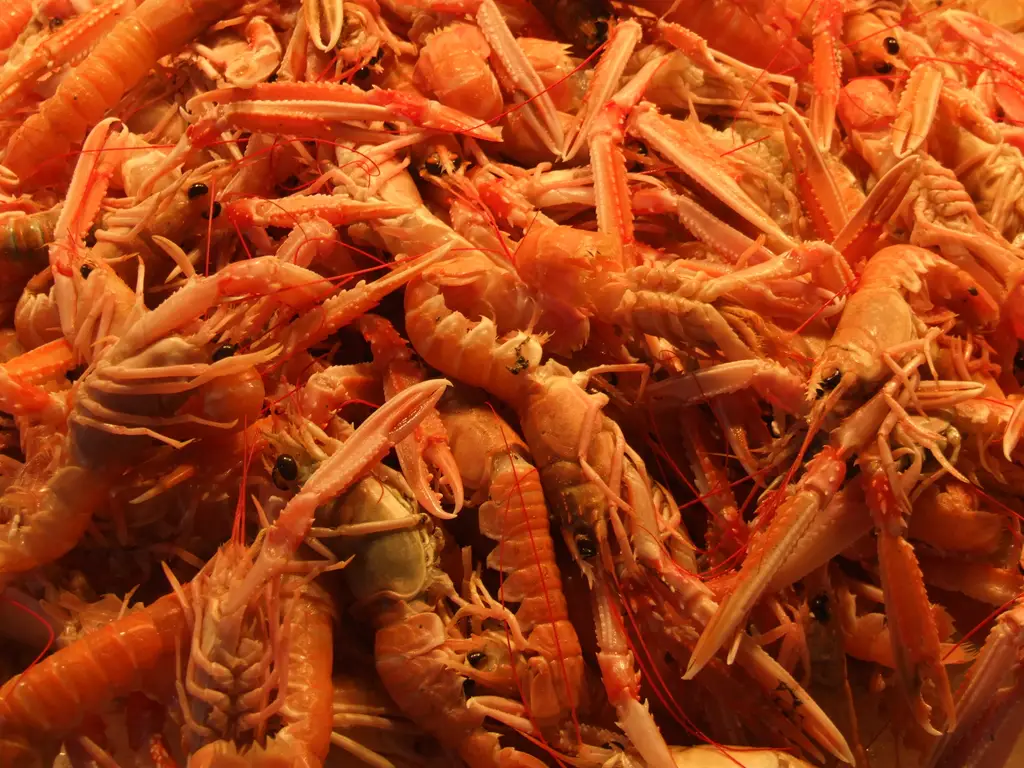
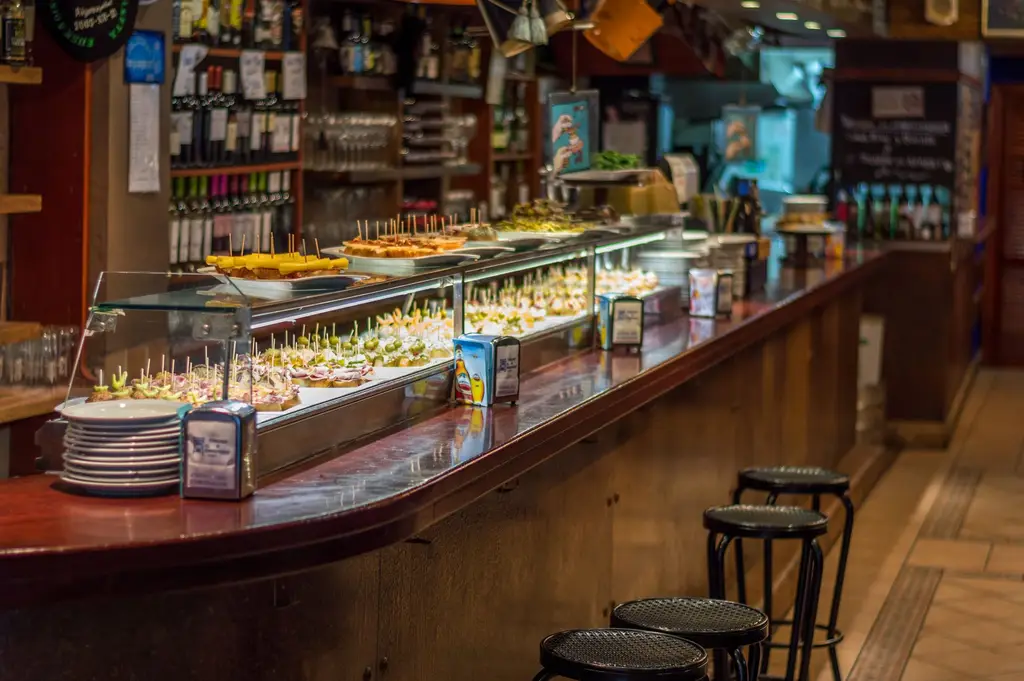
Eating in Venice means bacari, small traditional wine bars where cicchetti, bite-sized snacks, are eaten standing with a glass of wine rather than ordered as a starter. The real version happens in Cannaregio and around the Rialto market, hopping bar to bar rather than sitting for a full meal. Restaurants right on or near St Mark's Square and the Rialto Bridge, with photo menus and staff calling out in three languages, charge steep covers for low-quality plates aimed at one-time visitors. Walk five to ten minutes into Cannaregio or Dorsoduro instead. Spritz is the standard aperitivo, ordered at the same bars serving cicchetti, usually from late afternoon on.
EUR 2-5 per piece·bacari throughout Cannaregio and near Rialto
Must try
Small plates meant to be eaten standing with a glass of wine, the actual Venetian bar-crawl meal rather than a starter.
Sarde in saor
EUR 6-10·any traditional bacaro or trattoria
Must try
Sweet-and-sour marinated sardines with onions, a dish that predates refrigeration as a preservation method and still shows up on nearly every menu.
Baccalà mantecato
EUR 2-4 per crostino·bacari across Cannaregio and Dorsoduro
Must try
Whipped salt cod, creamy and mild, served on a crostino. Order it as part of a cicchetti round rather than as a main dish.
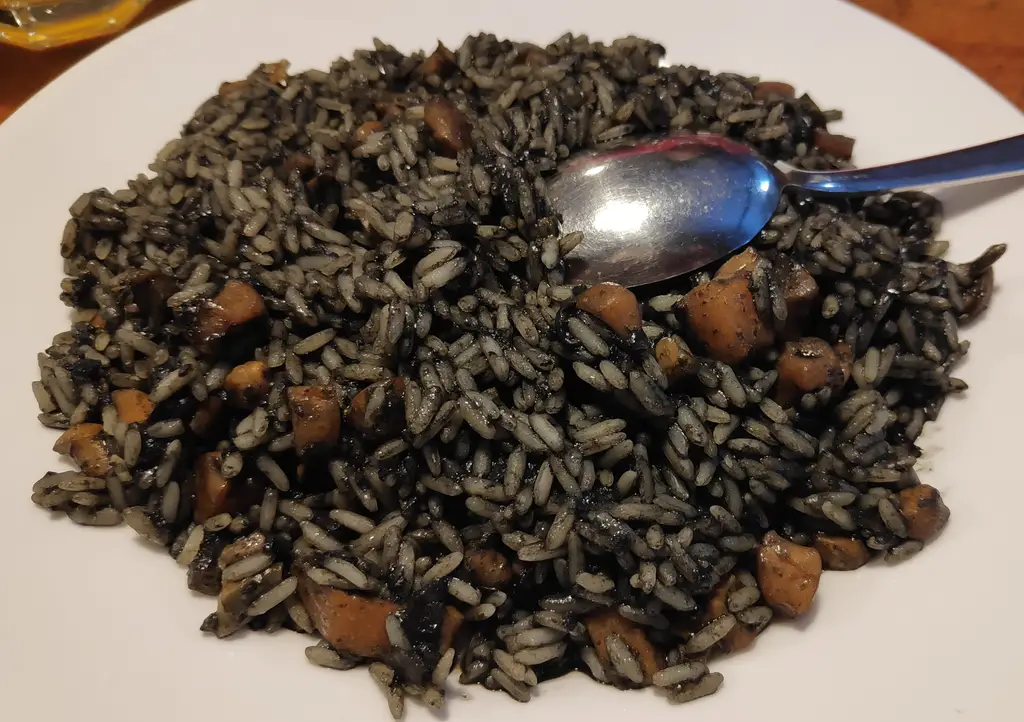
Risotto al nero di seppia
EUR 16-22·trattorias across Castello and Cannaregio
Cuttlefish-ink risotto, jet black and briny, one of the few Venetian dishes that's genuinely regional rather than generic Italian coastal cooking.
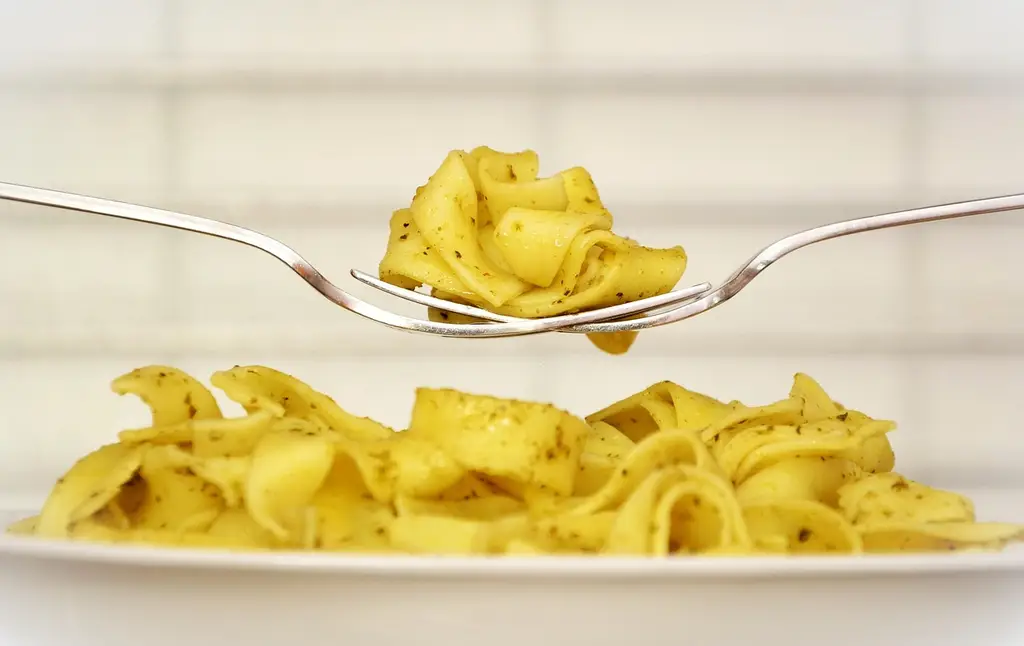
Bigoli in salsa
EUR 12-16·family-run trattorias off the main tourist routes
Thick whole-wheat pasta with an anchovy and onion sauce, plain-looking and one of the better values on most Venetian menus by far.
Fritto misto
EUR 15-22·seafood spots near Rialto Market
Mixed fried seafood, best eaten close to the market where the catch is freshest that morning rather than at a canal-view restaurant.
Spritz
EUR 4-7·bacari and street-side bars citywide, from late afternoon
The standard Venetian aperitivo, bitter and orange, ordered alongside cicchetti rather than as a solo drink before dinner the way it is elsewhere.
Cicchetti crawl, Rialto and Dorsoduro
as of 2026-09
Viral
Small plate, stand up wine bar eating around the Rialto market and Campo Santa Margherita, at spots like Do Mori, open since 1462. Not trending exactly, just correct. Beats a sit down tourist menu every time. No single viral food moment turned up for Venice, so this is the honest answer.
Natural wine bacari
as of 2026-09
Viral
A number of Venice bacari now pour natural, low-intervention wines alongside the traditional ombra glass, layered onto classic bacaro-hopping. Adds real variety to the usual house-wine pour, though prices creep up compared to a standard ombra.
Sarde in saor
as of 2026-09
Viral
Sweet-and-sour marinated sardines with onions, vinegar, pine nuts and raisins, a Venetian recipe dating back to the 13th century and a cicchetti-crawl staple. One of the most consistently good cicchetti orders in the city. Skip it if it's fried and soggy, it should be marinated, not just battered.
Baccalà mantecato
as of 2026-09
Viral
Whipped salt-cod spread served on grilled polenta or bread, a cicchetti staple across Rialto and Dorsoduro bacari. Texture is what matters here, it should be light and whipped, not gluey. Quality varies a lot bacaro to bacaro.
Trame tramezzino festival at Rialto
as of 2026-09
Viral
Venice's Trame tramezzino festival at Rialto ran three days in May 2026 with about 30 bars competing, serving roughly 15,000 tramezzini, with Bar Filovia taking the win. One time event each year, but it's a good signal for which bacari take their tramezzini seriously the rest of the year.
Safety and scams
Venice is low-crime by any city standard; the real risks are pickpockets in dense crowds around the Rialto Bridge, San Marco and the train station, plus overpriced menus and unofficial gondola touts. Acqua alta (seasonal flooding, mainly autumn through winter) closes low-lying areas for hours, not days. Scams involve rigged bracelets and unsolicited help with luggage that turns into a demand for cash. Don't worry about the water itself; the canals aren't a health concern for normal foot traffic.
Common mistakes
Bringing hard-shell rolling luggage; hundreds of bridge steps make it a genuine physical struggle, pack a backpack or soft bag instead.
Assuming the day-tripper access fee still applies: it ran on set 2026 dates and stopped entirely on 27 July 2026, so double-check cda.ve.it rather than budgeting for a fee that may not be charged on your dates.
Showing up to St Mark's Basilica in shorts or a sleeveless top and getting turned away at the door.
Sitting down at a San Marco square cafe with a live orchestra without checking the cover charge first; a coffee can run 15-20 EUR.
Trying to cram Murano, Burano and Torcello into one rushed afternoon; pick two, or give the trip a full day.
Boarding a vaporetto without validating the ticket at the yellow machine on the dock; inspectors fine on the spot.
Scheduling Gallerie dell'Accademia or the Musei Civici sites for a Monday, when several of them are closed.
Assuming Venice is a car-adjacent city; there's no taxi from your hotel door, everything past your own two feet is a boat.
Frequently asked questions
Do I need to pay to enter Venice?
No. The 2026 trial of the day-tripper Access Fee (Contributo di Accesso) ran on a set list of spring/summer dates and ended on 27 July 2026; as of that date the city confirmed the fee no longer applies and you can visit without payment or an exemption request, verified on the official cda.ve.it site 2026-09-08. When it was running, it cost EUR 5/day if booked by the fourth day before your visit or EUR 10/day if booked later, charged only to day-trippers entering the historic center (overnight guests were exempt via a free code from their accommodation). Whether it returns in 2027 or beyond is up to Venice's city council, so check cda.ve.it close to your travel dates rather than assuming either way.
How many days do I need in Venice?
Three days covers the historic center properly, including a Murano-Burano-Torcello day trip. One day is doable but rushed. Beyond three days you're either repeating ground or better off using Venice as a base for Padua, Verona and the rest of the Veneto.
Is Venice worth visiting despite the crowds?
Yes, but time your day around them. St Mark's Square before 9am or after 7pm is close to empty; the same square at noon in July is a genuine crush. Shoulder-season months (April-May, September-October) cut crowd volume significantly without sacrificing weather.
When is the best time to visit Venice?
Late April to early June or late September through October: mild weather, thinner crowds than summer, outdoor dining season. Avoid July-August for heat and volume, and be aware winter carries acqua alta flood risk, though it's manageable with planning.
Are gondola rides worth the money?
Once, as a novelty, yes. As transport, no. A private 30-minute ride runs well over 80 EUR and prices climb after 7pm. A traghetto, the same style boat used to cross the Grand Canal at a few fixed points, costs a couple of euros for a much shorter ride.
Do I need a vaporetto pass?
Usually not. The historic center is walkable, and a single ride costs 9.50 EUR versus 25 EUR for a 24-hour pass. Passes make sense only if you're crossing the Grand Canal or islands repeatedly in one day; most sightseeing itineraries stay on foot entirely.
What is acqua alta and when does it happen?
Acqua alta is seasonal high tide flooding, mainly October through January, that can put low squares like St Mark's under water for a few hours around peak tide. Raised walkways go up quickly in affected areas. Severe events are infrequent; most visits during flood season see nothing beyond a wet morning.
Can I visit Murano, Burano and Torcello in one day?
You can fit two comfortably, or all three if you leave by 9am and accept a tight schedule. Murano and Burano alone, without Torcello, is the more relaxed and common combination and still fills most of a day with travel time included.
Is Venice expensive compared to other Italian cities?
Yes, consistently 15-25% above Rome or Florence at every price tier, since almost everything arrives by boat. The gap narrows if you eat standing at bacari instead of sitting at restaurant tables, especially near St Mark's Square.
Is there a dress code for St Mark's Basilica?
Yes, enforced without exceptions: shoulders and knees must be covered for both men and women, and hats come off at the door. Bring a scarf or light cover-up even in summer heat; guards turn people away rather than compromise.