Ancient ruins, Renaissance churches and a papal state inside a modern capital. Rome rewards planning: the big sights require booked timed entry, sometimes weeks out.
By Labeeb Mirza · Published September 8, 2026 · Updated September 8, 2026
Best timeApr to early Jun
Daily budget (mid)EUR 165
Ideal length3 days
CurrencyEUR
Overview
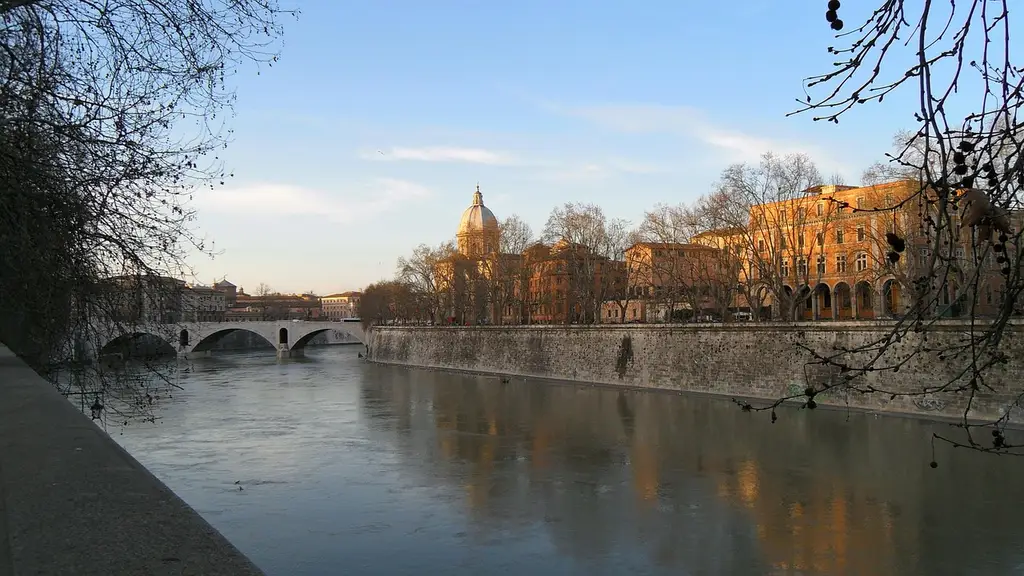
Rome is not one city, it is three or four laid on top of each other. Republican and Imperial ruins sit under medieval churches that were rebuilt in the Baroque period, all of it wired for 2026 tourism with QR-code timed entry and metal detectors. That layering is the whole appeal and also the source of most first-timer frustration: you cannot just show up at the Colosseum or the Vatican Museums and walk in anymore. Slots sell out, especially May through September, and the people who get burned are the ones who assumed a European capital works like a museum with a ticket booth. Book ahead and Rome opens up fast. The historic center, from Piazza Navona to the Pantheon to Campo de' Fiori, is compact enough to cover on foot in a few days, no metro required. The bigger sites, Vatican City and the Appian Way catacombs, need a transit plan or a long walk. Expect crowds at anything with a name you recognize, expect them to thin out before 9am and after 8pm, and expect the food to be better a few streets back from any landmark than directly in front of it. Rome is a five-day city if you want to do it properly, a three-day city if you are triaging, and a lifelong project if you let it be.
Book the Colosseum and Vatican before you land, not after. I've watched people try to sort it out from their hotel lobby the morning of and find every slot for three days gone. These aren't walk-up museums anymore, they're timed appointments, and treating them casually is the single most common way to lose half a day in this city.
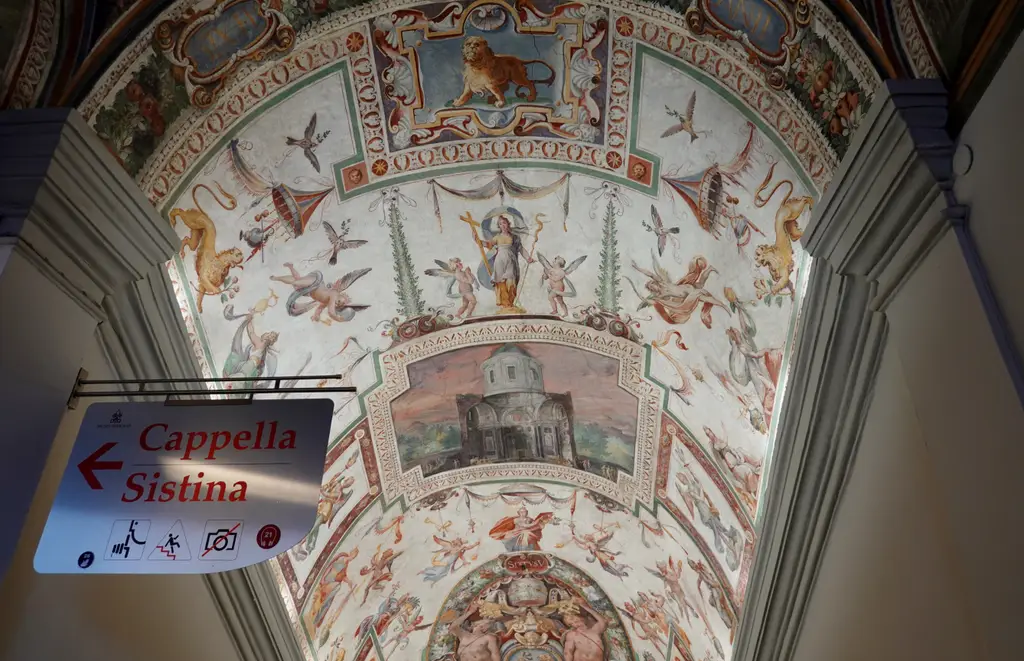
The Sistine Chapel is genuinely overrated as an experience, even though the ceiling itself is not. You get shuffled through with a hundred other people under a no-photos rule that nobody enforces, so it's also loud. If you want to actually look at it, take the first entry slot of the day or accept you're seeing it through a moving crowd.
Trastevere in daylight is a letdown after the hype. It's a nice enough neighborhood but nothing special to walk through at 2pm. At night, with the restaurants lit up and the crowd shifted from tourists with maps to actual diners, it makes sense. Don't burn an afternoon there expecting the postcard version.
August in Rome is not a stylistic choice, it's a logistics problem. Heat past 35C, half the family-run trattorias shut for ferragosto, and the ones still open are running skeleton staff. If your dates are flexible at all, shift toward late September.
The coperto and servizio charges that trip up first-timers aren't a scam, they're standard and usually listed on the menu in small print. What actually costs you is sitting down at a restaurant with a tout and a photo menu right next to a monument. Walk two streets over and the same dish is often ten euros less with no bread charge.
Itineraries
A single dense day hitting the two must-book sites and the free historic core on foot. Book both timed entries the moment you know your date.
Day 1: Ancient Rome, Then the Historic Center
Morning
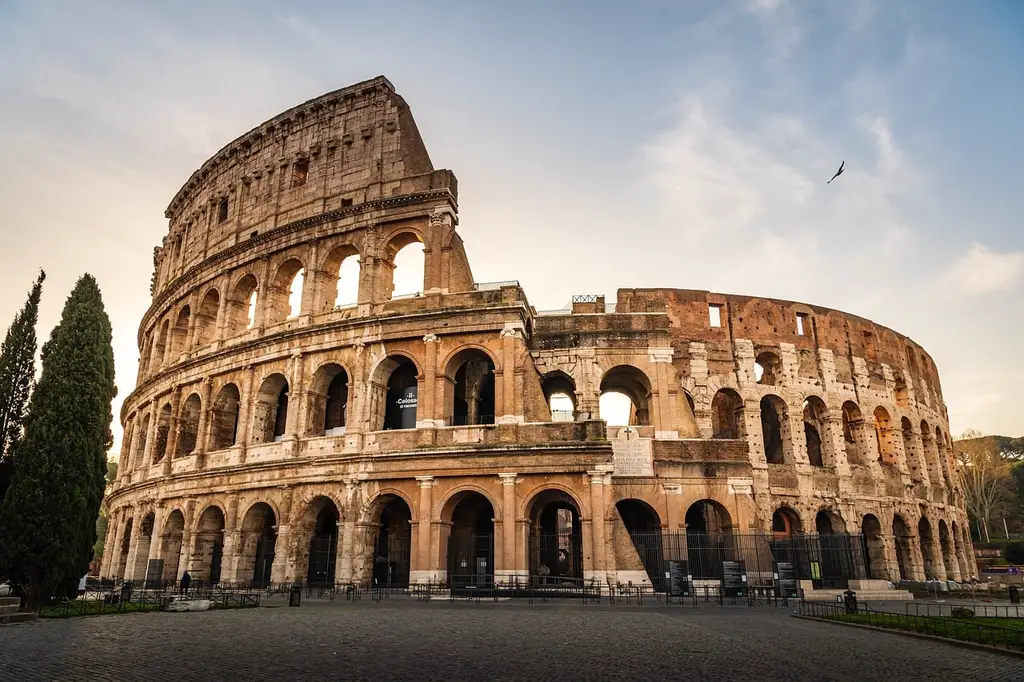
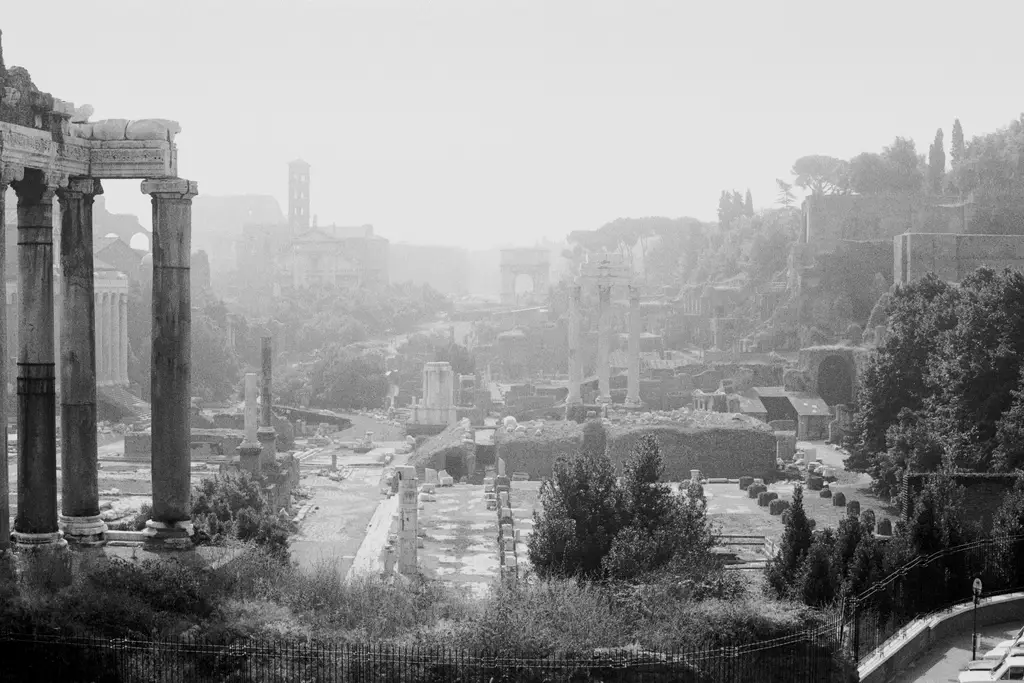
Take the earliest possible Colosseum, Forum, and Palatine Hill slot, booked weeks ahead through the official operator. One ticket covers all three sites. Most visitors rush the Colosseum and skip the other two, but the Forum and Palatine are quieter and worth the extra hour before you move on.
Afternoon
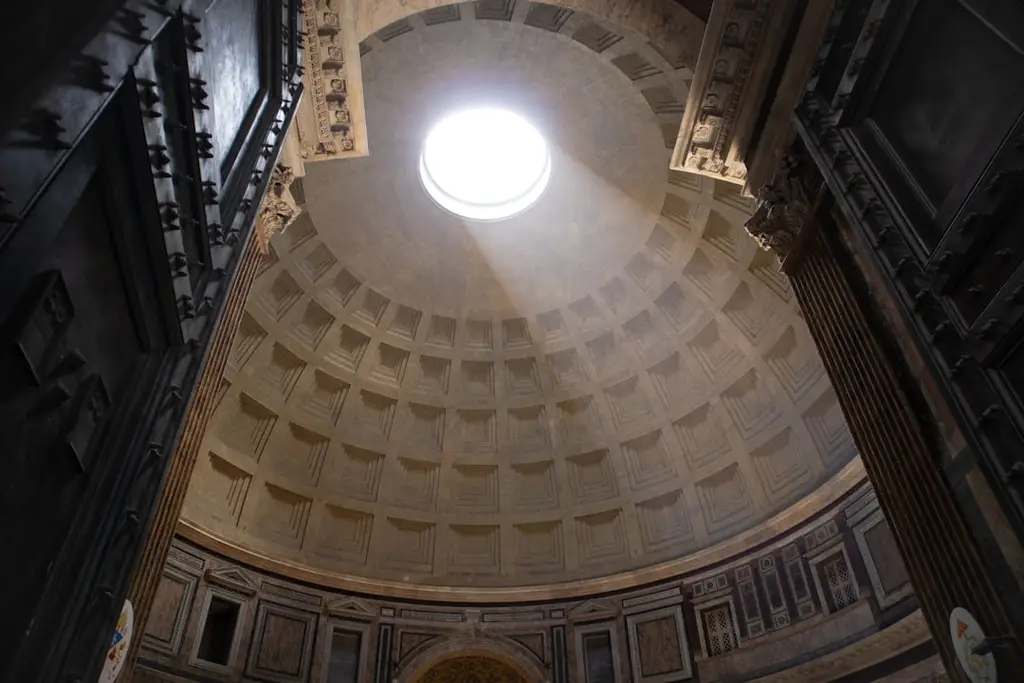
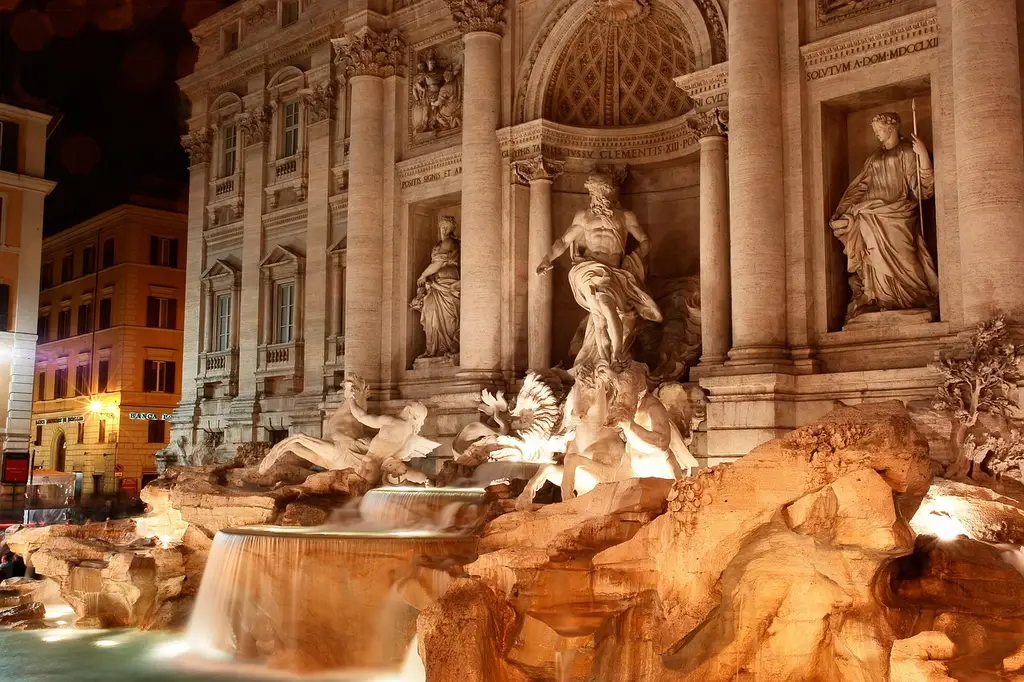
Walk from the ancient core toward the Pantheon, stopping to look up at the dome, then continue to Piazza Navona for a coffee and a look at the fountains. Finish at the Trevi Fountain by early afternoon before the evening crowds build, all of it covered on foot with no transit needed.
Evening
Cross the river into Trastevere for dinner. The neighborhood is unremarkable in daylight but changes completely after dark, when the restaurants fill and the streets around Piazza Trilussa turn into the version of Rome worth the walk across the river.
Tip: Book the Colosseum slot the moment your date is fixed; same-day walk-up entry rarely exists anymore.
Ancient Rome, Vatican City, and the historic center walking loop, with real time to eat instead of rushing between sights.
Day 1: Ancient Rome and the Capitoline Hill
Morning
Spend the morning at the Colosseum, Roman Forum, and Palatine Hill on a mandatory timed-entry slot booked weeks ahead. Budget three to four unhurried hours; the single ticket covers all three sites, and the Forum and Palatine reward slowing down rather than treating them as an afterthought to the Colosseum.
Afternoon
Head to Piazza Venezia to see the Vittoriano monument, then climb to the Capitoline Museums for Rome's oldest civic art collection and a view over the Forum from above. It's a shorter, calmer stop after a busy morning among the ruins.
Evening
Have dinner in Monti, the neighborhood just up the hill from the Colosseum. It's full of small wine bars and independent restaurants, and it's quieter after dark than the more central Centro Storico.
Tip: Book the Colosseum online weeks ahead; slots for summer dates sell out fastest, especially weekends.
Day 2: Vatican City First Entry
Morning
Take the first entry slot of the day at the Vatican Museums and Sistine Chapel, booked two to three weeks ahead online. Early entry is the only realistic way to see the ceiling without shuffling through a packed crowd; anything after 10am gets progressively more crowded and loud.
Afternoon
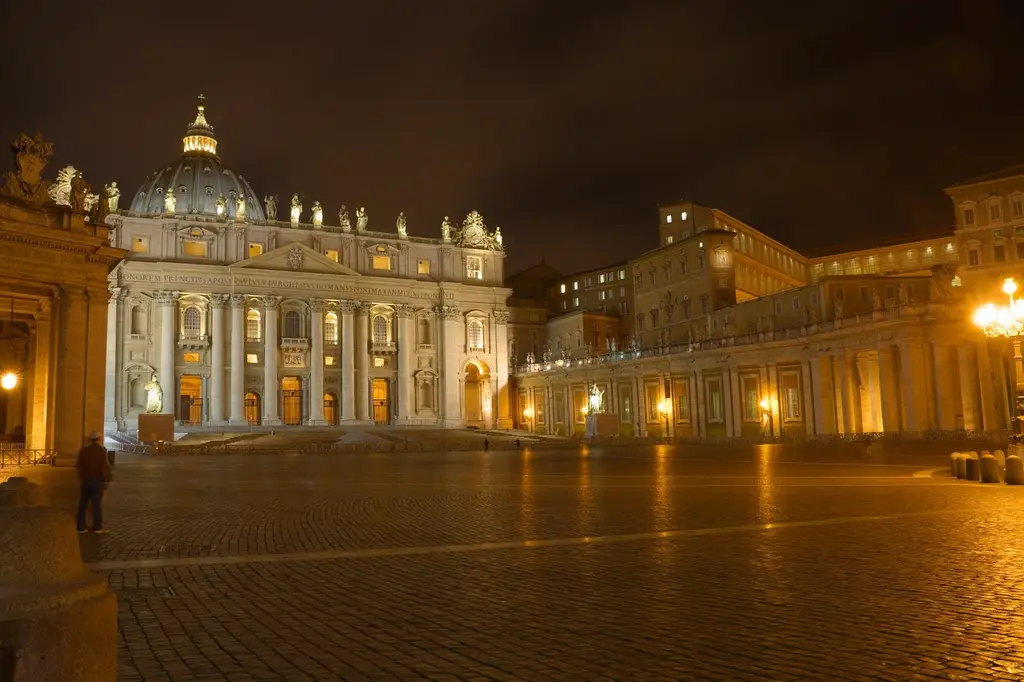
Move on to St. Peter's Basilica and, if you have the legs for it, the dome climb. Entry to the basilica is free but the security line can be long, so budget time for that. The dome adds roughly 45 minutes beyond the 1.5-2 hours for the basilica itself.
Evening
Walk through Prati, the calm residential neighborhood around the Vatican, for dinner. It's a good value area with fewer tourists than the historic center and a solid concentration of trattorias.
Tip: First entry beats every other Vatican strategy; book it even if it means an early alarm.
Day 3: Pantheon to Trastevere on Foot
Morning
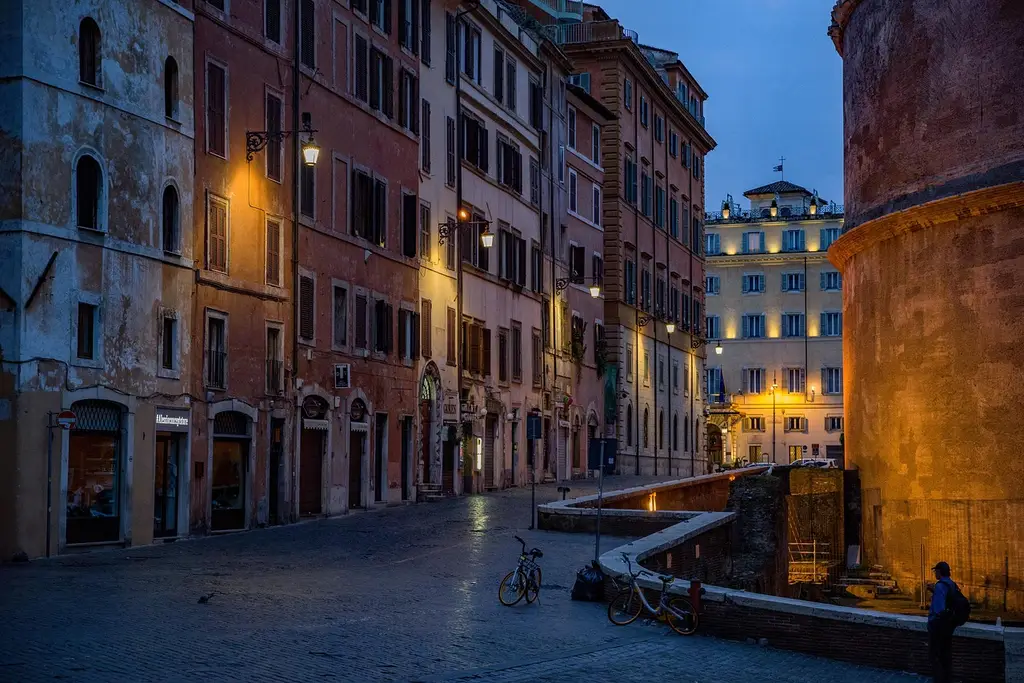
Start at the Pantheon, timed-entry booking recommended but walk-in usually works outside midday. It's still an active church, so a booked slot doesn't guarantee entry during Mass. From there it's a short walk to Piazza Navona to see the fountains and the surrounding cafes.
Afternoon
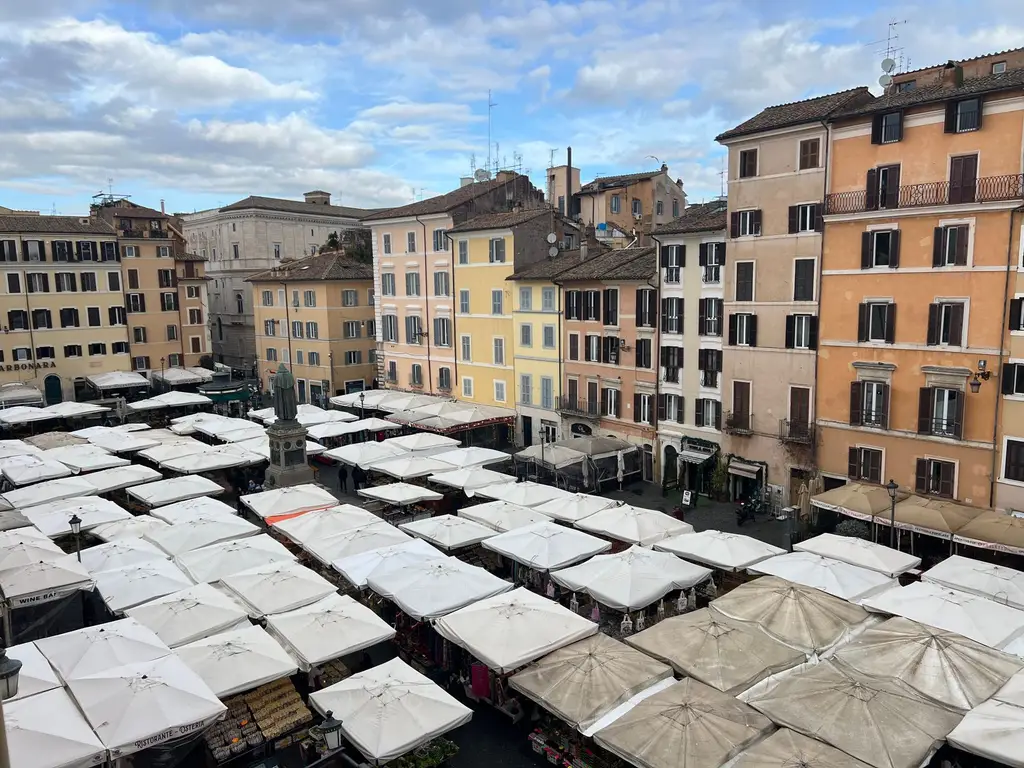
Continue to Campo de' Fiori, best in the morning market hours but still worth a look midday, then to the Trevi Fountain. All of these sit within a fifteen-minute walk of each other in the historic center, so the whole stretch works without any transit.
Evening
Spend the rest of the afternoon and dinner in Trastevere. It's a twenty to twenty-five minute walk or a short tram ride from the historic center, and the restaurant density there beats anywhere else in the city.
Tip: Do Campo de' Fiori before 2pm if you want the actual produce market, not just the square.
Everything from the 3-day version plus Galleria Borghese, Villa Borghese, and a slower pace through Testaccio and the Jewish Ghetto.
Day 1: Ancient Rome and the Capitoline Hill
Morning
Spend the morning at the Colosseum, Roman Forum, and Palatine Hill on a mandatory timed-entry slot booked weeks in advance. The single ticket covers all three sites; budget three to four hours and don't skip the Forum and Palatine just because the Colosseum draws the bigger line.
Afternoon
In the afternoon, walk to the Capitoline Museums for Rome's civic art collection and a view down over the Forum, then swing past Piazza Venezia and the Vittoriano monument on the way back down.
Evening
Dinner in Monti, the low-key neighborhood above the Colosseum with a good run of wine bars and small kitchens, quieter at night than the more touristed Centro Storico.
Tip: Book the Colosseum slot as soon as your dates are fixed, especially for a spring or summer trip.
Day 2: Vatican Museums, Sistine Chapel, and the Dome
Morning
Take the first entry slot at the Vatican Museums and Sistine Chapel, booked two to three weeks ahead. Early entry is the difference between a real look at the ceiling and shuffling through with a hundred other people under a no-photos rule nobody enforces.
Afternoon
Move to St. Peter's Basilica for the free-entry visit, then the dome climb if you have the energy left. The basilica alone takes 1.5-2 hours; add 45 minutes for the climb, either on foot or partway by elevator.
Evening
Spend the evening in Prati, the calm neighborhood around the Vatican with better value and fewer tourists than the historic center.
Tip: First entry of the day is the only way to beat the Sistine Chapel crowds; book it.
Day 3: Pantheon, Navona, and Trastevere
Morning
Start at the Pantheon with a timed-entry booking, though walk-in is often possible outside midday. It's still an active church, so hours can shift around Mass. Walk from there to Piazza Navona for the fountains and a coffee stop.
Afternoon
Head to Campo de' Fiori, then the Trevi Fountain, both close enough to cover on foot from Navona. Early afternoon avoids the worst of the crowds at both, though Trevi is never really quiet during the day.
Evening
Spend the rest of the afternoon and dinner in Trastevere, a walk or short tram ride across the river, with the best restaurant density in the city and a scene that only really starts after 7pm.
Tip: Visit the Pantheon and Trevi before 10am if you want either without a wall of phones.
Show all 5 days
Day 4: Galleria Borghese and the Spanish Steps
Morning
Visit Galleria Borghese, booked weeks ahead since visits are capped at a fixed two-hour slot by law. It's the one major Rome museum that never feels like a crush, and the Bernini sculptures alone justify booking early.
Afternoon
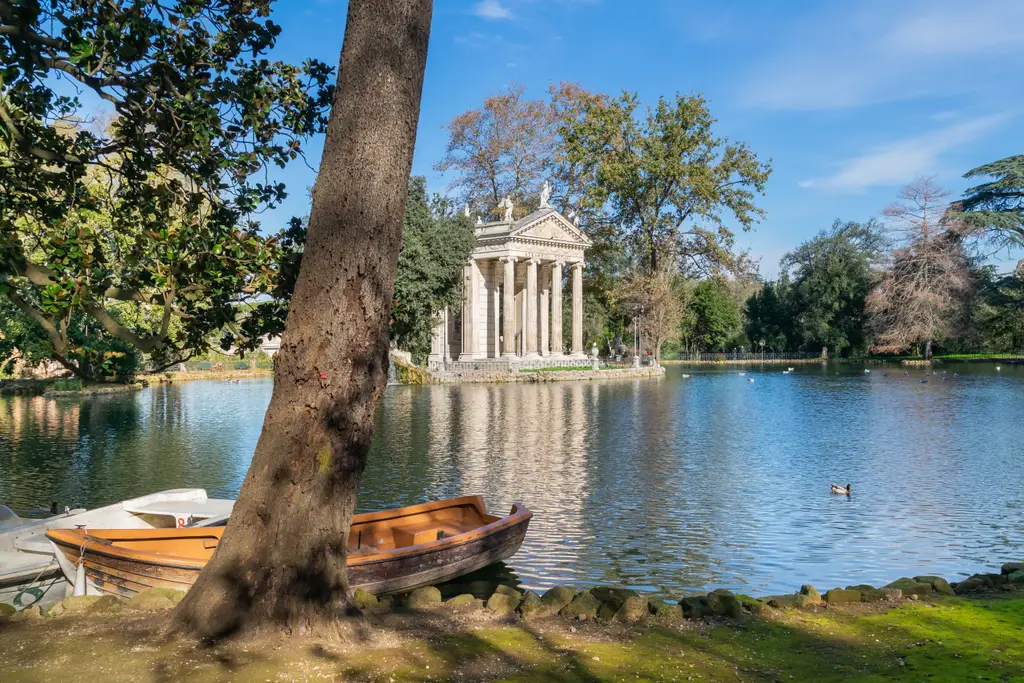
Walk through Villa Borghese Gardens afterward for a break from ruins and museums; it's pleasant rather than essential, worth it mainly because you're already there.
Evening
End the day at the Spanish Steps and along Via del Corso for shopping and people-watching before dinner nearby.
Tip: Book Galleria Borghese the moment your dates are fixed; slots vanish first for weekend visits.
Day 5: Testaccio Market and the Jewish Ghetto
Morning
Spend the morning at Testaccio Market, Rome's real food market with few tourists, then stay for lunch at one of the stalls or a nearby trattoria.
Afternoon
Walk to the old Jewish Ghetto near Portico d'Ottavia for carciofi alla giudia, the deep-fried whole artichokes that are a genuine Roman-Jewish specialty, best found roughly winter through spring.
Evening
Close the trip with a slow, food-focused walk through Trastevere, treating the evening as a proper last dinner rather than another checklist stop.
Tip: Testaccio is 15 minutes from the center by metro or bus; go hungry and skip breakfast.
A full week in Rome itself plus one day trip, for travelers who want depth over ground covered. No padding, just a slower version of the 5-day plan with breathing room and one trip outside the city.
Day 1: Ancient Rome and the Capitoline Hill
Morning
Spend the morning at the Colosseum, Roman Forum, and Palatine Hill, timed entry booked weeks ahead through the official operator. The single ticket covers all three; give the Forum and Palatine real time since they're far less crowded than the Colosseum itself.
Afternoon
In the afternoon, visit the Capitoline Museums for the city's oldest civic art collection and a good view over the Forum from above.
Evening
Dinner in Monti, the neighborhood just above the Colosseum, with a solid run of wine bars and independent kitchens that stay quieter after dark than the historic center.
Tip: Book the Colosseum online as early as you can; summer weekend slots go first.
Day 2: Vatican Museums, Sistine Chapel, and the Dome
Morning
Take first entry at the Vatican Museums and Sistine Chapel, booked two to three weeks out. It's the only reliable way to see the ceiling without shuffling through with the day's full crowd under a no-photos rule nobody actually enforces.
Afternoon
Move to St. Peter's Basilica, free to enter but with a security queue, then the dome climb if you're up for another 45 minutes on your feet.
Evening
Spend the evening in Prati, the calmer, more residential neighborhood around the Vatican.
Tip: First entry of the day beats every other Vatican Museums strategy; book it even if it's early.
Day 3: Pantheon, Navona, and Trastevere
Morning
Visit the Pantheon, timed entry recommended though walk-in usually works outside midday, then walk to Piazza Navona for the fountains and a coffee stop along the square.
Afternoon
Continue to Campo de' Fiori and the Trevi Fountain, both within easy walking distance of Navona in the compact historic center.
Evening
Cross to Trastevere for dinner, where the neighborhood shifts from flat and quiet by day to genuinely lively once the restaurants fill after dark.
Tip: Do the Pantheon and Trevi early; both are at their worst for crowds by midday.
Show all 7 days
Day 4: Galleria Borghese and the Spanish Steps
Morning
Visit Galleria Borghese in the morning, booked well ahead since entry is capped at a fixed two-hour slot by law, keeping it the one major museum in Rome that never feels overcrowded.
Afternoon
Spend the rest of the afternoon in Villa Borghese Gardens, a pleasant break rather than a must, easy to justify since you're already on site.
Evening
End at the Spanish Steps for the evening, with dinner nearby in one of the surrounding streets.
Tip: Book Galleria Borghese as soon as your dates are set; weekend slots fill weeks out.
Day 5: Day Trip to Ostia Antica
Morning
Take the train out to Ostia Antica, Rome's ancient port city. It's better preserved than most of the ruins in central Rome and draws a fraction of the crowd, so you can actually walk the old streets without a group blocking every doorway.
Afternoon
Keep exploring the site through early afternoon; the ruins cover a wide area including a theater, mosaics, and old warehouses, easily worth three to four hours before heading back.
Evening
Return to central Rome for a late dinner, back on home turf after a full day outside the city.
Tip: Go early to avoid midday heat on-site; there's little shade across most of the ruins.
Day 6: Testaccio, the Jewish Ghetto, and a Long Dinner
Morning
Spend the morning at Testaccio Market, the city's real produce and trattoria neighborhood with few tourists around, and stay for an early lunch at one of the stalls.
Afternoon
Walk to the old Jewish Ghetto near Portico d'Ottavia for carciofi alla giudia, the deep-fried whole artichokes that define the neighborhood's food, in season roughly winter through spring.
Evening
Head into Trastevere for a proper long dinner, treating it as the meal of the trip rather than another quick stop.
Tip: Testaccio is about 15 minutes from the center by metro; skip a big breakfast and go hungry.
Day 7: Catacombs and a Free Afternoon
Morning
Spend a slow morning in a neighborhood you haven't fully covered yet, whether that's Prati, Monti, or a second look at Testaccio, without a fixed itinerary.
Afternoon
Head out to the Appian Way to see the catacombs, the underground burial tunnels outside the ancient city walls, a completely different side of Rome from the Colosseum-and-Vatican core.
Evening
Keep the rest of the afternoon and evening free for anything missed from earlier days, or a last dinner at a favorite spot from the trip.
Tip: The Appian Way is a bus or bike ride out; check catacomb opening days before you go.
Two weeks is more than Rome alone can fill without padding, so this plan spends the first week in the city and builds the second around day trips: Tivoli, Ostia Antica, Orvieto, and a Naples/Pompeii day. Say this plainly to anyone planning 14 days here: don't try to stretch Rome itself past a week.
Day 1: Ancient Rome and the Capitoline Hill
Morning
Spend the morning at the Colosseum, Roman Forum, and Palatine Hill on a timed-entry slot booked weeks ahead. One ticket covers all three sites, and the Forum and Palatine deserve real time instead of being an afterthought to the Colosseum.
Afternoon
In the afternoon, visit the Capitoline Museums for Rome's oldest civic art collection and a view over the Forum from above the hill.
Evening
With two weeks ahead of you, keep the first dinner simple and close to your hotel rather than planning anything elaborate.
Tip: Book the Colosseum the day your dates are fixed; you have time to plan the rest around it.
Day 2: Vatican Museums, Sistine Chapel, and the Dome
Morning
Take first entry at the Vatican Museums and Sistine Chapel, booked two to three weeks out, the only real way to see the ceiling without a packed, shuffling crowd.
Afternoon
Continue to St. Peter's Basilica, free to enter but with a security line, then the dome climb for a view over the whole city.
Evening
Spend the evening in Prati, the calmer neighborhood around the Vatican, with dinner at one of the local trattorias.
Tip: First entry of the day is worth the early alarm; every later slot means a bigger crowd.
Day 3: Pantheon, Navona, and Trastevere
Morning
Visit the Pantheon, timed entry recommended though walk-in often works outside midday, then walk to Piazza Navona for the fountains and a coffee break.
Afternoon
Continue to Campo de' Fiori and the Trevi Fountain, both an easy walk from Navona within the compact historic center.
Evening
Cross to Trastevere for dinner, where the neighborhood turns from flat and quiet by day into the city's best restaurant scene after dark.
Tip: Hit the Pantheon and Trevi before 10am; both get progressively more crowded through the day.
Show all 14 days
Day 4: Galleria Borghese and the Spanish Steps
Morning
Visit Galleria Borghese, booked well ahead since visits are capped at a fixed two-hour slot by law, making it the one major Rome museum that never feels like a crowd crush.
Afternoon
Spend the rest of the afternoon in Villa Borghese Gardens, a relaxed break from ruins and museums since you're already on site.
Evening
End the day at the Spanish Steps, with dinner in one of the streets nearby.
Tip: Book Galleria Borghese as soon as your dates are set; it fills up weeks in advance.
Day 5: Testaccio and the Jewish Ghetto
Morning
Spend the morning at Testaccio Market, the real produce and trattoria neighborhood with few tourists, and stay for an early lunch there.
Afternoon
Walk to the old Jewish Ghetto near Portico d'Ottavia for carciofi alla giudia, the deep-fried whole artichokes that are the neighborhood's signature dish.
Evening
Close the day with a long, unhurried dinner in Trastevere, no agenda beyond good food.
Tip: Go to Testaccio hungry; it's about 15 minutes from the center by metro or bus.
Day 6: Catacombs and the Appian Way
Morning
Spend the morning at the catacombs along the Appian Way, the underground burial tunnels outside the old city walls and a completely different side of Rome from the ruins and churches downtown.
Afternoon
Keep the rest of the day free for anything missed from the first week, whether that's a site, a neighborhood, or just more time somewhere you liked.
Evening
Have a relaxed dinner wherever the day's wandering leaves you, without planning ahead.
Tip: Check catacomb opening days in advance; several sites rotate closures through the week.
Day 7: Rest Day Before the Trips Start
Morning
Take a genuine slow morning with no sites on the list, whether that means sleeping in or just having coffee somewhere without a plan.
Afternoon
Use the afternoon for laundry and logistics: sort out train tickets for the coming day trips and repack before the second week starts.
Evening
Take a slow neighborhood walk somewhere you haven't spent much time yet, and keep dinner low-key.
Tip: Book Tivoli, Orvieto, and Naples train tickets today if you haven't already; regional trains sell out.
Day 8: Day Trip to Tivoli
Morning
Take the train or bus out to Tivoli to see Villa d'Este, the Renaissance villa famous for its terraced gardens and elaborate fountains.
Afternoon
Continue to Villa Adriana, Emperor Hadrian's sprawling ancient villa complex outside town, larger and less crowded than most sites back in central Rome.
Evening
Head back to Rome for dinner, tired but with a full day of two very different sites behind you.
Tip: Villa d'Este and Villa Adriana are a short bus ride apart; plan the whole day around both.
Day 9: Day Trip to Ostia Antica
Morning
Take the train to Ostia Antica, Rome's ancient port city, quiet and remarkably well preserved compared to the more crowded ruins downtown.
Afternoon
Spend the afternoon walking the old streets, theater, and mosaics at a slow pace since the site draws far fewer visitors than the Colosseum ever does.
Evening
Return to Rome for the evening and a relaxed dinner back in your own neighborhood.
Tip: Go early to beat the midday heat; there's little shade across most of the ruins.
Day 10: Day Trip to Orvieto
Morning
Take the train to Orvieto, a hilltop town in Umbria known for its striped Gothic cathedral facade, one of the more striking church fronts in Italy.
Afternoon
Explore the underground caves beneath the town, carved into the volcanic rock and used for centuries for wells, cellars, and even an escape tunnel.
Evening
Head back to Rome for the evening, or stay for dinner in Orvieto before the last train if your schedule allows.
Tip: Check return train times before you go; Orvieto is a smaller station with fewer late departures.
Day 11: Full Day Trip to Naples and Pompeii
Morning
Take the high-speed train to Naples early, then continue on to Pompeii for the ruins of the city buried by Vesuvius in 79 AD.
Afternoon
Spend several hours walking the excavated streets and buildings at Pompeii; it's a genuinely long day, but the scale of the site makes it worth the early start.
Evening
Take the high-speed train back to Rome in the evening; expect a late arrival after a full day of travel and walking.
Tip: Buy high-speed train tickets in advance and start early; this is the longest day of the trip.
Day 12: Return to Rome's Sights
Morning
Spend the morning back at whichever Rome sight you most wanted a second look at, or something skipped earlier in the trip.
Afternoon
Continue with a second pass through a favorite neighborhood, walking without a fixed list after the previous day's long trip to Naples.
Evening
Keep dinner easy and close to your hotel after a demanding travel day the day before.
Tip: Treat today as a recovery day after Naples; don't overbook it.
Day 13: Shopping and a Final Museum
Morning
Spend the morning shopping or taking a cooking class, a good way to spend unstructured time toward the end of a long trip.
Afternoon
Visit a final museum, either a second pass through Galleria Borghese if you can get a slot, or a deeper look at the Capitoline Museums.
Evening
Have a proper final dinner somewhere memorable from earlier in the trip, rather than trying anything new this late.
Tip: Book a return visit to Galleria Borghese well ahead if you want another slot; it sells out.
Day 14: Slow Morning and Departure
Morning
Take a slow final morning near your hotel with one last espresso and pastry standing at a bar, the way most Romans actually start their day.
Afternoon
Use any remaining time before your flight for last-minute souvenirs or a final short walk through a neighborhood you liked.
Evening
Head to the airport with time to spare; Fiumicino's security lines can run long during peak season.
Tip: Leave more time than feels necessary for the airport; the Leonardo Express runs every 15-30 minutes.
9:00-19:15 in summer, closing as early as 16:30 in winter; last entry one hour before closing·18 EUR full ticket (covers all three sites), 2 EUR reduced for EU citizens 18-25, free under 18; Full Experience add-on with Arena floor and Underground from about 24 EUR·3-4 hours
mandatory timed entry through the official operator coopculture.it; book 1-2 weeks ahead off-season, 3-4 weeks ahead for summer dates or Arena/Underground slots
One ticket covers all three sites but most people only book the Colosseum slot and skip the Forum and Palatine, which are less crowded and just as good.
Monday-Saturday 8:00-20:00 (last entry 18:00); last Sunday of the month 9:00-14:00 (last entry 12:30)·20 EUR online, plus a 5 EUR booking fee; reduced rates for students and under-18s·3-4 hours minimum
Closed Sundays, except free entry on the last Sunday of the monthmandatory timed entry via tickets.museivaticani.va, book 2-3 weeks ahead; the free last-Sunday slot fills fastest and gets the worst crowds
The Sistine Chapel is a shuffling crowd, not a viewing room, at any time slot after 10am. First entry of the day is the only realistic way to get a few quiet minutes.
daily 7:00-19:00 (winter 18:30); dome open 7:30-18:00 (winter 17:00)·free entry to the basilica; dome climb 10 EUR on foot or 12 EUR with elevator partway·1.5-2 hours, plus 45 minutes for the dome
walk in for the basilica, but expect a security queue; dome tickets can be booked online to skip that line
Free entry means a long security line, not a quiet visit. Go right at opening or combine with a Vatican Museums exit through the side door if your route allows it.
Tuesday-Sunday 9:00-19:00, entries on the hour·15 EUR plus a 2 EUR booking fee, 2 EUR reduced for EU citizens 18-25·2 hours (visits are capped at exactly this)
Closed Mondaymandatory advance booking, often weeks ahead for weekend slots in spring and fall; buy through the official ticketing site the moment your dates are fixed
Capacity is capped by law, so it's the one major Rome museum that never feels like a crowd crush. Book the moment you know your dates, not the week before.
daily 9:00-19:00, last entry 18:30·5 EUR, 2 EUR reduced, free on the first Sunday of the month and for under-18s·30-45 minutes
timed-entry booking recommended online through pantheonroma.com, walk-in usually possible outside midday peak
It's still an active church, so a booked slot doesn't guarantee entry during Mass. The oculus rain-through on a wet day is worth timing a visit around.
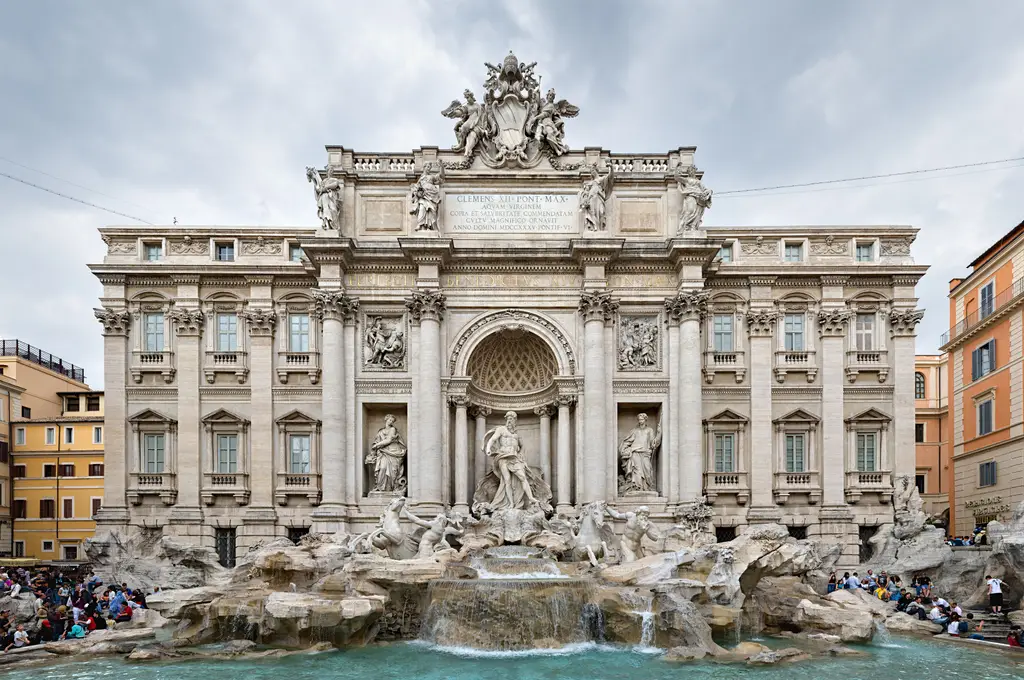
Go before 8am or after 11pm if you want a photo without fifty phones in it. The coin toss over your shoulder funds a Caritas charity program, not superstition alone.
Colosseum, Roman Forum and Palatine Hill
as of 2026-09
Viral
The combined ticket covering the Colosseum's arena floor and underground, plus the Forum and Palatine ruins, now sold almost entirely as timed entry. Overtourism here is severe, book the arena-floor add-on weeks ahead or you won't get it at all. The Forum and Palatine are less crowded than the Colosseum itself and arguably more rewarding to actually walk through.
Vatican Museums and Sistine Chapel
as of 2026-09
Viral
One of the largest museum complexes in the world ending at Michelangelo's Sistine Chapel ceiling, entry sold as timed slots with lines forming well before opening regardless. Worth it for the Sistine Chapel alone but the crowd density inside the chapel itself is genuinely unpleasant most of the day. Book the earliest morning slot or a late-afternoon one, midday is a crush.
Trastevere neighbourhood
as of 2026-09
Viral
A cobbled district across the Tiber with ivy-covered facades, small piazzas, and a bar and restaurant scene that runs well past midnight. Still has real local character despite being firmly on the tourist map now, especially in the daytime before the evening crowds arrive. Wander the smaller side streets off Piazza Santa Maria for a quieter version.
Appian Way cycling
as of 2026-09
Viral
Ancient Rome's oldest road heading southeast from the city, original paving stones, catacombs, and aqueduct ruins along a route that's largely closed to cars on Sundays. The honest alternative to the packed center, quiet, genuinely historic, and free to walk or rent a bike for. One of the best low-crowd things to do in Rome.
Testaccio neighbourhood and market
as of 2026-09
Viral
A working-class district south of the center built around a former slaughterhouse, now home to a covered food market and a nightlife strip that skews local over tourist. This is where you go to see Romans rather than tour groups. Less curated, less expensive, and a fair walk or short metro ride from the historic core.
Trevi Fountain
as of 2026-09
Viral
The Baroque fountain made famous by the coin-toss tradition, tucked into a small piazza that fills to capacity most of the day. Beautiful in person, but not worth more than the ten minutes it takes to see it and move on. Go very early morning if you want a photo without a wall of phones in it.
More to see (3)
7
Trastevere
always open (neighborhood, not a single site)·free to walk·half day or an evening
Go for dinner and getting lost, not a checklist. During the day it's pretty but flat; after 7pm the restaurants and bars are what make it worth the trip across the river.
8
Villa Borghese Gardens
dawn to dusk·free to enter; bike/pedal-cart rental and Bioparco zoo cost extra·1-3 hours
Pleasant, not essential. Worth it if you're already at Galleria Borghese or need a break from ruins; skip it on a tight three-day trip.
9
Campo de' Fiori
market 7:00-14:00 Monday-Saturday; the square itself is always open·free·30-45 minutes
Closed market closed Sundays
The morning market is genuine, mostly locals buying produce. By 10pm the same square is a loud student bar scene; go early if you want the real version.
Where to stay
Centro Storico (near Pantheon/Navona)
Suits: first-timers who want to walk everywhere
Priciest and loudest at night, but you can reach half the must-see list on foot in 20 minutes.
Monti
Suits: travelers who want a real neighborhood feel
Steps from the Colosseum, full of independent shops and wine bars, quieter than Centro Storico after dark.
Trastevere
Suits: food-focused trips, longer stays
Best restaurant density in the city, cobblestone charm, but a 20-25 minute walk or tram ride to the ancient core.
Prati (near Vatican)
Suits: Vatican-focused visits, families
Calmer, residential, good value, well connected by metro, but a hike from the Colosseum side of town.
Termini area
Suits: budget stays, early train departures
Cheapest hotels and best transit hub in the city, but rougher edges after dark near the station itself.
Testaccio
Suits: food lovers who don't mind a short commute
Rome's real market and trattoria neighborhood, few tourists, 15 minutes by metro or bus to the center.
Getting there and around
Getting there
Fiumicino (FCO) is the main airport: Leonardo Express train to Termini takes 32 minutes, costs about 14 EUR, runs every 15-30 minutes. Ciampino (CPA) handles budget carriers; a bus to Termini takes 40 minutes for about 6 EUR. Taxis from Fiumicino run a fixed 55 EUR rate to central Rome.
Getting around
The historic center is walkable and mostly flat. Two metro lines (A and B) cross at Termini and cover the Vatican, Colosseum, and Spanish Steps, but don't reach Trastevere or Campo de' Fiori well; buses and trams fill those gaps. A single ATAC ticket (BIT) costs 1.50 EUR for 100 minutes across metro, bus, and tram. Cobblestones are hard on wheels and heels.
Map
City
Recommended (numbered)
Mentioned in an itinerary
Locations on this map
Rome41.90, 12.50
Colosseum, Roman Forum & Palatine Hill41.89, 12.49
Vatican Museums & Sistine Chapel41.90, 12.46
St. Peter's Basilica41.89, 12.49
Galleria Borghese41.91, 12.49
Pantheon41.90, 12.48
Trevi Fountain41.90, 12.48
Trastevere41.89, 12.47
Villa Borghese Gardens42.02, 12.81
Campo de' Fiori41.90, 12.47
Ancient Rome41.90, 12.49
Piazza Navona41.90, 12.47
Piazza Trilussa41.89, 12.47
Capitoline Hill41.89, 12.48
Piazza Venezia41.90, 12.48
Vittoriano41.89, 12.48
Capitoline Museums41.89, 12.48
Monti41.89, 12.50
Centro Storico42.09, 12.27
Prati41.91, 12.46
Foot41.91, 12.48
Navona41.90, 12.47
Spanish Steps41.91, 12.48
Bernini41.90, 12.47
Via41.88, 13.11
Corso41.73, 12.28
Jewish Ghetto41.89, 12.48
Portico41.89, 12.48
Ottavia41.95, 12.39
Ostia Antica41.75, 12.29
Testaccio41.88, 12.47
Tivoli41.96, 12.80
Este41.96, 12.80
Renaissance40.84, 14.25
Villa Adriana41.94, 12.78
Orvieto41.89, 12.52
Umbria41.91, 12.49
Gothic43.89, 12.77
Naples40.84, 14.25
Pompeii40.75, 14.49
Vesuvius40.82, 14.43
Fiumicino41.77, 12.23
What it costs
Stay
Food
Transport
Activities
Daily cost breakdown, EUR per person
Tier
Stay
Food
Transport
Activities
Total
Budget
EUR 35
EUR 20
EUR 5
EUR 10
EUR 70
Mid-range
EUR 90
EUR 40
EUR 10
EUR 25
EUR 165
Splurge
EUR 250
EUR 80
EUR 30
EUR 60
EUR 420
Mid-range: 90 EUR three-star double split two ways, 10 EUR espresso and cornetto breakfast standing at a bar, 8 EUR ATAC day pass, 18 EUR trattoria lunch, 20 EUR Pantheon plus gelato, 35 EUR sit-down dinner with a glass of wine.
Money savers
Drink from the nasoni, the free public drinking fountains on nearly every street; bottled water at sights is marked up hard
Skip Roma Pass unless you're doing two paid major sites in a single day; the math only works out for a packed itinerary
Caravaggio paintings hang free in San Luigi dei Francesi and Santa Maria del Popolo, no ticket needed for some of Rome's best art
Eat where the menu is only in Italian and has no photos; anywhere with a tout outside is pricing for tourists, not locals
Aperitivo (a drink plus a full buffet of snacks, usually 10-15 EUR, 6-8pm) can replace dinner and cuts a real meal cost in half
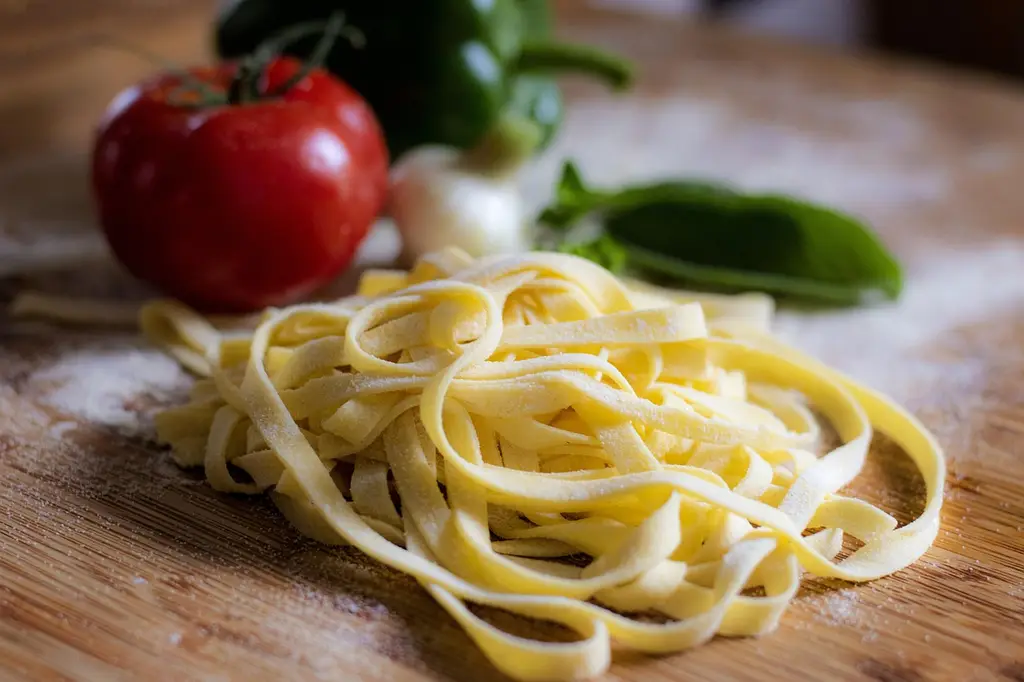
Romans eat lunch late, 12:30 to 2:30pm, and dinner rarely starts before 7:30 or 8. Kitchens close mid-afternoon outside the tourist center, so a 4pm craving usually means a bar snack, not a meal. A trattoria with a laminated photo menu near Piazza Navona, the Trevi Fountain or the Spanish Steps is built for turnover, not quality; walk two streets over instead. Expect coperto, a small per-person cover charge, on most bills, and sometimes a separate servizio charge on top, check the menu footer before you sit. Pasta here is built on four Roman classics, cacio e pepe, carbonara, amatriciana and gricia, and a good version of any of them has no cream.
Carbonara
Cacio e pepe
Amatriciana
Supplì
Carciofi alla giudia
Pizza al taglio
Carbonara
EUR 12-16·any real trattoria, avoid tourist-strip menus with photos
Must try
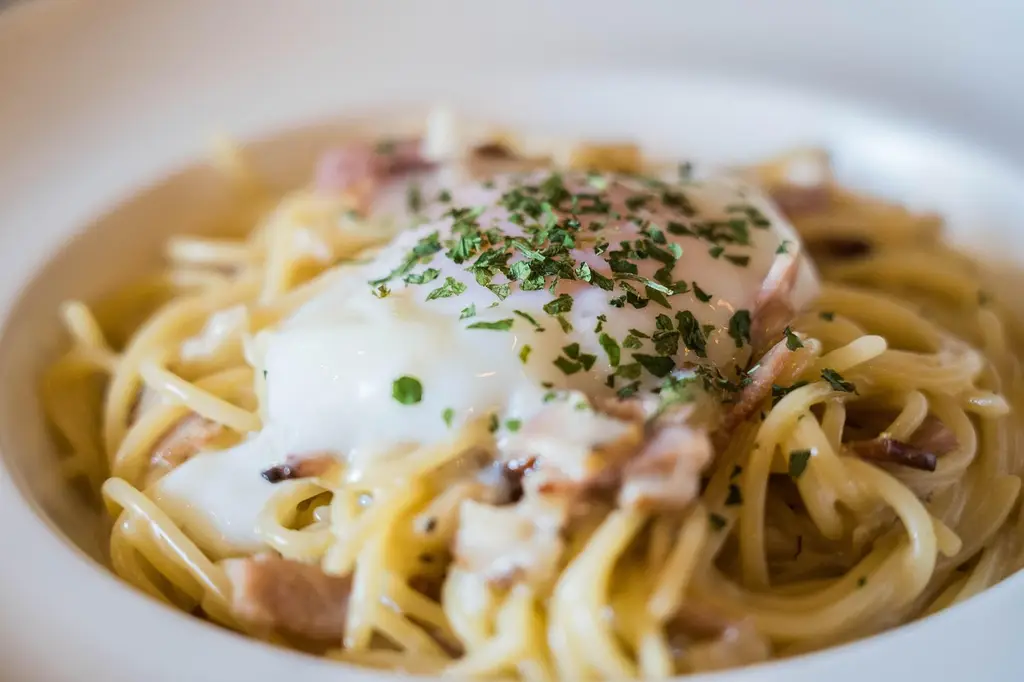
Guanciale, egg, pecorino, black pepper, and nothing else. If cream or bacon shows up on the menu, that's the tell to walk on.
Cacio e pepe
EUR 10-14·trattorias across Testaccio and Trastevere
Must try
Just pecorino, black pepper and pasta water, but it's easy to get wrong. A good version has no clumps and no cream anywhere near it.
Amatriciana
EUR 11-15·old-school trattorias citywide
Guanciale, tomato and pecorino, technically from the town of Amatrice but a Roman staple on every real menu. Ask if it's bucatini or rigatoni before you order.
Supplì
EUR 2-4 each·street-food counters near Campo de' Fiori and Testaccio Market
Must try
Fried rice balls with a molten mozzarella center, the Roman answer to arancini, best eaten standing up while it's still too hot to hold.
Carciofi alla giudia
EUR 8-12·the old Jewish Ghetto near Portico d'Ottavia
Must try
Whole artichokes deep-fried flat and crisp, a genuine Roman-Jewish specialty, in season roughly winter through spring. Order it whole, not as a side.
Pizza al taglio
EUR 3-6 per slice·bakeries and takeaway counters everywhere, priced by weight
Rectangular, thick-crust, sold by the slice by weight. A fast, cheap lunch that beats most sit-down pizzerias parked near landmarks.
Maritozzo
EUR 3-5·old-school pasticcerie, especially in Trastevere and Prati
A soft sweet bun split and stuffed with whipped cream, traditionally eaten for breakfast standing at the bar with a coffee.
Trapizzino
EUR 4-6·Testaccio Market and its own small chain around the city
A triangle of pizza dough stuffed with braised meat or vegetables, a modern Roman invention rather than a historic recipe. Good for eating on the move.
Gelato
EUR 3-5·anywhere the colors look muted and natural, not neon and piled high
Must try
Bright, mounded gelato usually means added air and stabilizers. The good stuff sits flat and covered in metal tins behind the counter.
Roscioli
as of 2026-09
Viral
a bakery and deli near Campo de' Fiori whose carbonara and cacio e pepe became a bucket-list stop on food TikTok and Instagram. The pasta is genuinely good, but book ahead. Walking in without a reservation usually means a long wait or a no.
Bistrot 64
as of 2026-09
Viral
A Michelin-recognized bistro known for charcoal-grilled Roman classics and a standout cacio e pepe, with tasting menus that stay under 100 euros. Locals keep it full for a reason. Good pick if you want fine dining without the fine dining bill.
Viride by Carlo Cracco
as of 2026-09
Viral
Carlo Cracco's first Rome restaurant, opened February 2026 inside the Corinthia Hotel near Piazza del Parlamento, with a marinated carbonara as one of its signature dishes. New and buzzy, but it's hotel fine dining at hotel fine dining prices. Go for the occasion, not the everyday meal.
A carciofi-only restaurant in central Rome
as of 2026-09
Viral
A restaurant in central Rome is built entirely around carciofi, serving Roman artichokes prepared several different ways instead of a standard menu. Couldn't confirm the name from a second source, so treat this as something to watch for rather than a booking recommendation.
Rome's food markets
as of 2026-09
Viral
Rome's food markets, flagged by Michelin's guide as some of the city's best eating, are where the real street food scene lives now. Skip the sit-down tourist menus near the sights and eat standing up at a market stall instead.
Safety and scams
Rome is safe for normal tourist behavior; violent crime against visitors is rare. The real risk is pickpocketing on crowded buses, the metro, and around Termini station, plus scams involving fake petitions or friendship bracelets near major sights. Watch bags on public transport and around the Colosseum and Trevi Fountain. Taxi meters are standard; only use official white cabs or a ride app.
Common mistakes
Assuming you can walk up to the Colosseum or Vatican Museums without a pre-booked timed slot
Eating at the restaurant with a tout standing outside directly facing a major landmark
Scheduling Vatican Museums and Colosseum on the same day; both need 3-4 unhurried hours
Wearing sights out flip-flops or thin sandals on Rome's uneven cobblestones for a full day of walking
Trying to see Rome by car; historic center traffic zones (ZTL) fine non-resident vehicles automatically
Packing the Trevi Fountain and Pantheon into midday, when both are at peak crowd density
Booking a hotel near Termini expecting Centro Storico walkability; it's a 20-25 minute walk to the core
Not checking St. Peter's Basilica dress code (shoulders and knees covered) and getting turned away at the door
Frequently asked questions
How many days do I need in Rome?
Three days covers the essentials at a rushed pace: ancient Rome, the Vatican, and the historic center. Five days lets you add Galleria Borghese and slow down. A week is comfortable without padding. Beyond that, build in day trips rather than trying to stretch Rome itself.
Do I really need to book the Colosseum and Vatican Museums in advance?
Yes. Both use mandatory timed-entry ticketing through their official operators, and walk-up availability is unreliable, especially May through September. Book through coopculture.it for the Colosseum and tickets.museivaticani.va for the Vatican as soon as your dates are fixed.
Is the Roma Pass worth it?
Only if you're packing in two paid major sites in a single day, since it includes free entry to your first two. For a slower trip, paying individual entry fees plus a standard transit ticket usually costs less than the pass.
What's the best time of year to visit Rome?
April to early June and late September through October: mild weather, manageable crowds, and full outdoor dining season. Avoid July and August if possible, when temperatures pass 35C and much of the city is on ferragosto closures.
How do I get from Fiumicino Airport to central Rome?
The Leonardo Express train runs every 15-30 minutes to Termini station, takes 32 minutes, and costs about 14 EUR. A fixed-rate taxi to the center runs 55 EUR. Avoid unlicensed drivers offering rides in the arrivals hall.
Is Rome walkable, or do I need to use public transit?
The historic center is compact and mostly flat, walkable in a few days without transit. Trastevere, the Vatican, and Testaccio are further out and better reached by metro, bus, or tram; a single BIT ticket costs 1.50 EUR for 100 minutes.
Does the Pantheon cost money to enter now?
Yes, since mid-2023 the Pantheon charges 5 EUR general admission, 2 EUR reduced, with free entry on the first Sunday of each month and for under-18s. It's still an active church, so hours can shift around Mass times.
What should I skip if I only have three days?
Villa Borghese Gardens and the Bioparco zoo are pleasant but skippable on a short trip. So is a second neighborhood-crawl day; pick one of Trastevere or Testaccio, not both, if time is tight.
Is Rome safe for tourists?
Yes, violent crime against visitors is rare. The real risks are pickpocketing on crowded buses, the metro, and around Termini, plus scams involving fake petitions or bracelets near major sights. Normal city awareness is enough.
Are restaurant coperto and servizio charges a scam?
No, they're standard cover and service charges usually printed on the menu in small type. What actually inflates your bill is sitting at a restaurant directly facing a landmark with a tout out front; walk a couple of streets over for the same food at a lower price.