Things to Do in Kuala Lumpur: Itineraries, Costs and Food
Malaysia's capital pairs the Petronas Twin Towers skyline with a city where Malay, Chinese and Indian food traditions sit in separate neighborhoods, not one blended cuisine, linked by a rail network that mostly works.
By Labeeb Mirza · Published September 8, 2026 · Updated September 8, 2026
Best timeJun to Aug
Daily budget (mid)MYR 320
Ideal length3 days
CurrencyMYR
Overview
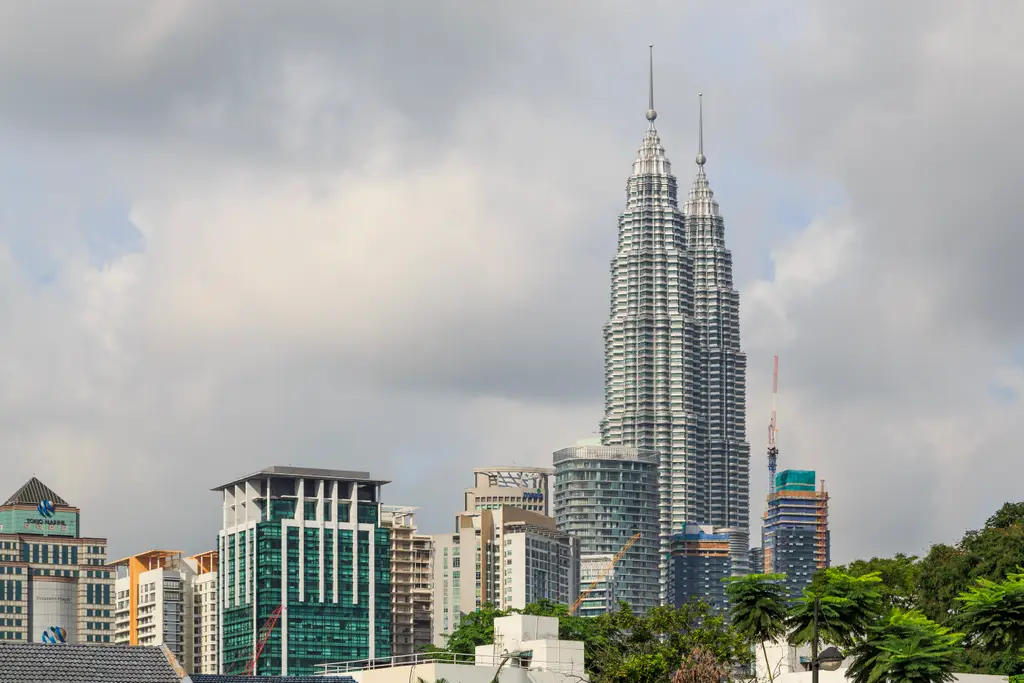
Kuala Lumpur is Malaysia's federal capital, built where the Klang and Gombak rivers meet, which is literally what the name means. It grew fast from a 19th-century tin-mining settlement into a metro area of roughly 8 million people, and that speed still shows: colonial-era buildings around Dataran Merdeka sit a short walk from the Petronas Twin Towers, stitched together by a rail network built to catch up with a city that grew around cars first.
What KL does better than most Southeast Asian capitals is food, and it is not one fused "Malaysian cuisine." Malay, Chinese and Indian communities settled in distinct pockets of the city and each still cooks closer to its own roots than to any hybrid, so a day of eating here means moving between neighborhoods rather than working down one menu. Jalan Alor's night stalls, Petaling Street's Chinatown, Brickfields' banana-leaf curry houses and Kampung Baru's Malay stalls are four different food cities inside one municipal boundary.
KL works well as a base for four or five days on its own, and for longer stays it stretches outward: Batu Caves sits just outside the city limits in Gombak, Genting Highlands is about an hour into the hills, and Putrajaya, the planned administrative capital, is twenty minutes south. Ramadan reshapes the city for a month a year, shifting restaurant hours toward evenings and filling streets with bazaars, and the dates shift yearly against the Islamic calendar, so check before building a trip around them.
What I actually think
KL surprised me by how separate the food cultures stay. I expected some blended 'Malaysian' menu and instead got three distinct cuisines a ten-minute ride apart, which is a better way to eat than any fusion plate.
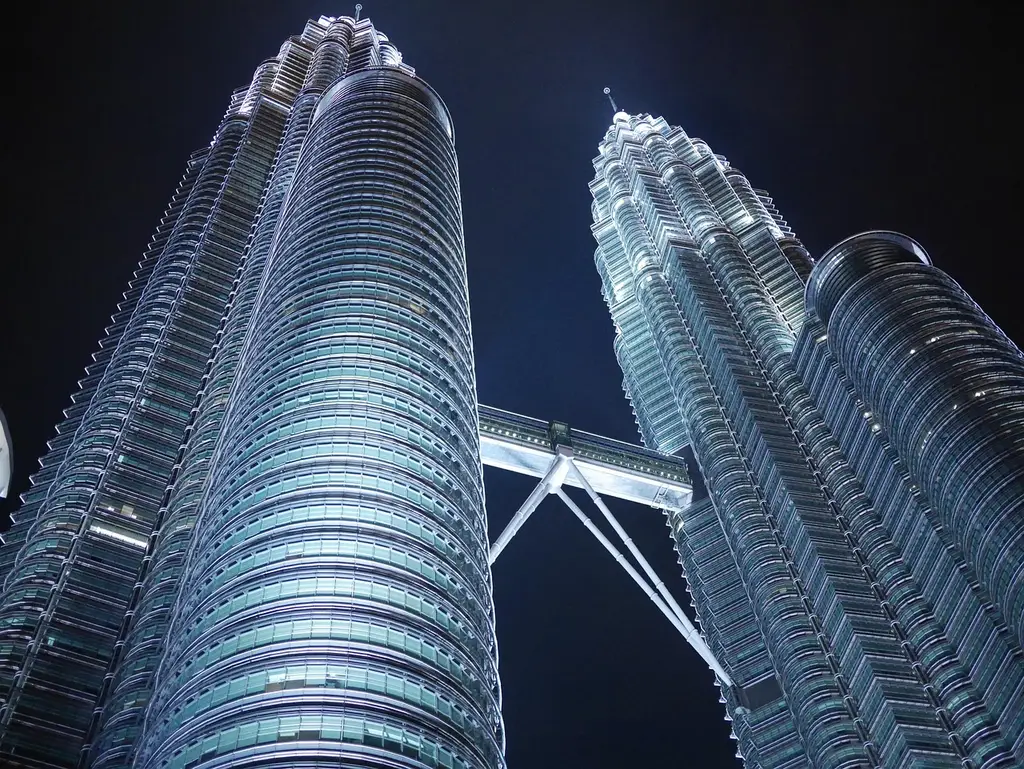
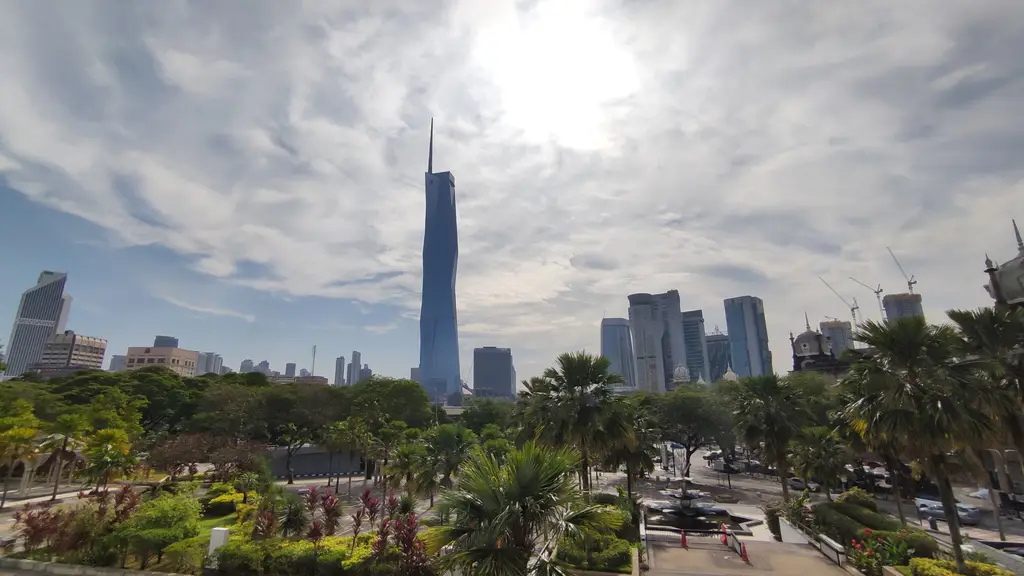
The Petronas Towers view from KLCC Park at ground level, free, at dusk, is close to as good as paying for the deck. I'd save the ticket money for Batu Caves or the mosque instead.
Ramadan month changes the whole rhythm of the city if you happen to be there for it. Restaurants shift to evening service and the bazaars are worth seeking out even if you're not fasting, the food is better and cheaper than most sit-down options.
The rail network covers less of the city than it looks like on the map. I'd budget for Grab between districts rather than assume every neighborhood connects by train.
Batu Caves is worth the trip out to Gombak, but the 272 steps in that heat are more of a workout than photos suggest. Go early and bring water.
Itineraries
The essential loop: colonial core and Chinatown by day, Petronas Towers and KLCC Park at dusk.
Day 1: Old KL to the towers
Morning
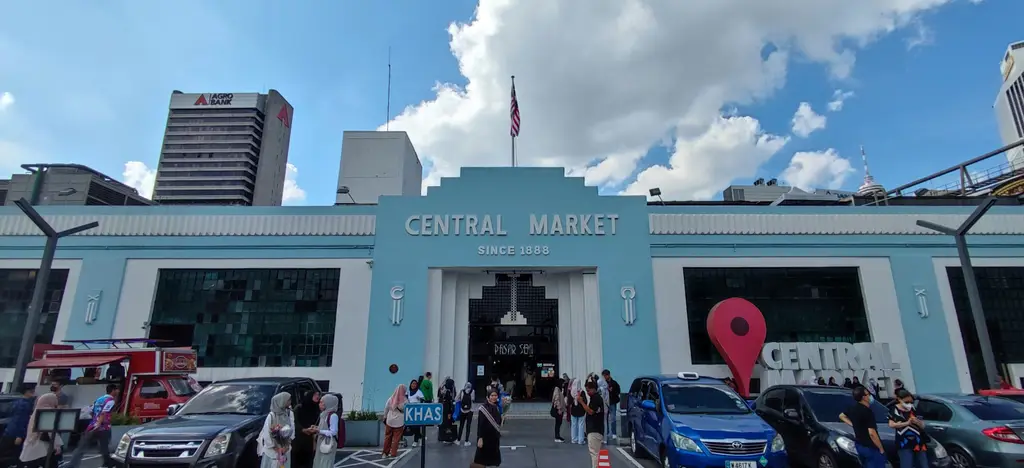
Dataran Merdeka and the colonial-era Sultan Abdul Samad Building, then Central Market and a walk through Petaling Street's Chinatown for an early lunch.
Afternoon
LRT or Grab up to KLCC. Suria KLCC mall for air-conditioned relief, then KLCC Park to walk the grounds around the towers.
Evening
Petronas Twin Towers at dusk from KLCC Park, then dinner at Jalan Alor's night stalls in Bukit Bintang.
Tip: Book a Petronas Towers deck ticket in advance if you want to go up rather than just view from outside.
Adds Batu Caves and the mosque/museum district to the one-day core loop.
Day 1: Old KL to the towers
Morning
Dataran Merdeka, Central Market, Petaling Street.
Afternoon
KLCC Park and Suria KLCC.
Evening
Jalan Alor for dinner.
Tip: Wear light, breathable clothes; the humidity is constant.
Day 2: Batu Caves and Little India
Morning
KTM Komuter train to Batu Caves, up the 272 steps to the main cave. Go early to avoid the midday heat on the open stairs.
Afternoon
Train back into the city, banana-leaf lunch in Brickfields.
Evening
Walk Brickfields' Little India streets, teh tarik at a mamak stall.
Tip: Bring water for the steps; there's little shade on the climb.
Day 3: Mosque, museum, and the new skyline
Morning
National Mosque (Masjid Negara), then Islamic Arts Museum Malaysia next door.
Afternoon
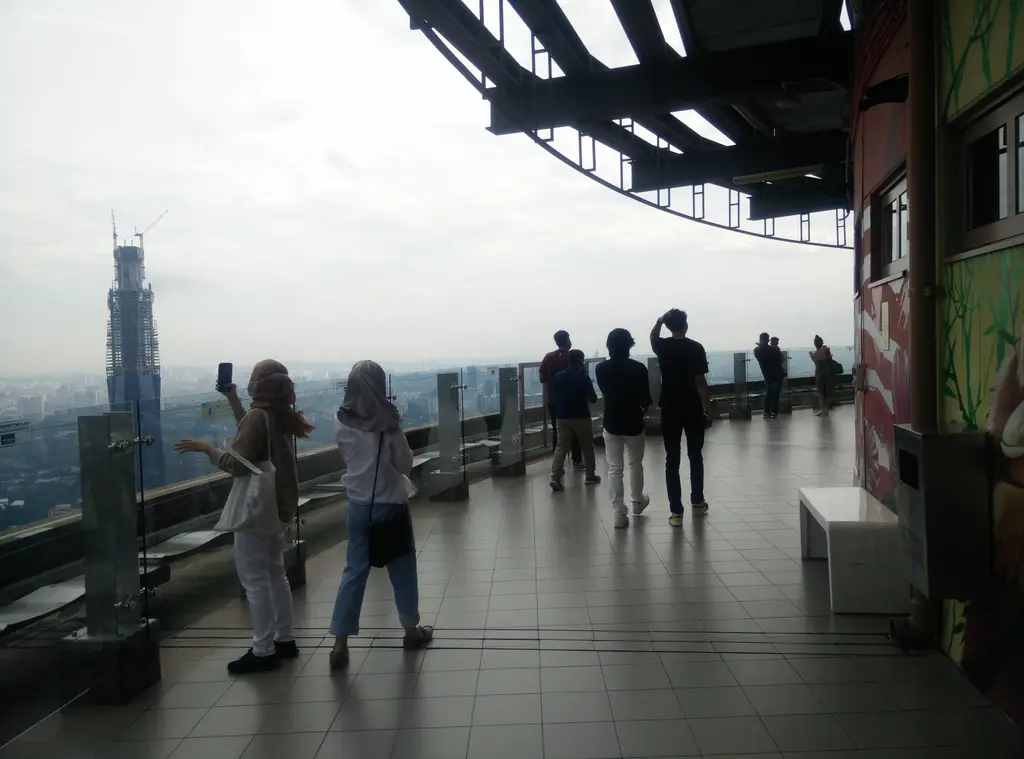
KL Tower on Bukit Nanas, or Merdeka 118's observation deck if you'd rather see the newer record-holder.
Evening
Free evening in Bukit Bintang or Bangsar.
Tip: Dress modestly for the mosque; robes are provided if needed.
The 3-day core plus a Putrajaya day trip and a slower Chinatown/temple day.
Day 1: Old KL to the towers
Morning
Dataran Merdeka, Central Market, Petaling Street.
Afternoon
KLCC Park and Suria KLCC.
Evening
Jalan Alor for dinner.
Tip: This is a heavy walking day; pace the rest of the trip lighter.
Day 2: Batu Caves and Little India
Morning
KTM Komuter to Batu Caves, main cave and steps.
Afternoon
Train back, banana-leaf lunch in Brickfields.
Evening
Brickfields evening walk.
Tip: Go early; the steps get uncomfortably hot by mid-morning.
Day 3: Mosque, museum, and the new skyline
Morning
National Mosque, then Islamic Arts Museum Malaysia.
Afternoon
KL Tower or Merdeka 118 observation deck.
Evening
Bangsar for dinner.
Tip: Buy tower or 118 tickets online if you want a set time slot.
Show all 5 days
Day 4: Day trip: Putrajaya
Morning
Train or Grab to Putrajaya, Malaysia's planned administrative capital about 20-25 minutes south. Putra Mosque and the pink-domed skyline over the man-made lake.
Afternoon
Boat cruise on Putrajaya Lake, or walk the Putrajaya Botanical Garden.
Evening
Back to KL for dinner.
Tip: Putrajaya is spread out and low on shade; a Grab between sights beats walking.
Day 5: Slower day: Thean Hou Temple and shopping
Morning
Sleep in, then Thean Hou Temple's hilltop grounds and city view.
Afternoon
Bukit Bintang for shopping, or Pavilion mall if you'd rather stay air-conditioned.
Evening
Final dinner in whichever food district you liked most.
Tip: This is the lightest day of the trip; use it to recover before departure.
Full KL core plus Genting Highlands and Putrajaya as day trips from a single base.
Day 1: Old KL to the towers
Morning
Dataran Merdeka, Central Market, Petaling Street.
Afternoon
KLCC Park and Suria KLCC.
Evening
Jalan Alor for dinner.
Tip: Buy a RapidKL day pass this morning if you're taking four or more rides.
Day 2: Batu Caves and Little India
Morning
KTM Komuter to Batu Caves.
Afternoon
Train back, lunch in Brickfields.
Evening
Brickfields evening walk.
Tip: Bring water and go before mid-morning heat sets in.
Day 3: Mosque, museum, and the new skyline
Morning
National Mosque, Islamic Arts Museum Malaysia.
Afternoon
KL Tower or Merdeka 118.
Evening
Bangsar dinner.
Tip: Book tower tickets ahead for a fixed time slot.
Show all 7 days
Day 4: Day trip: Genting Highlands
Morning
Cable car or bus up into the hills, about an hour from KL, noticeably cooler air at altitude.
Afternoon
Theme park rides or casino district, depending on what you're there for.
Evening
Cable car or bus back down to KL.
Tip: Bring a light jacket; the temperature drop at the top surprises most first-timers.
Day 5: Day trip: Putrajaya
Morning
Putra Mosque and the lakeside government district.
Afternoon
Boat cruise or Botanical Garden.
Evening
Back to KL for dinner.
Tip: Grab between Putrajaya's spread-out sights rather than walking the full loop.
Day 6: Thean Hou Temple and neighborhood day
Morning
Thean Hou Temple's hilltop grounds.
Afternoon
Explore Bangsar or Damansara, whichever fits your pace better.
Evening
Open evening.
Tip: Good day to slow down after two consecutive day trips.
Day 7: Free day and departure prep
Morning
Revisit whichever food district you liked most, or catch anything missed earlier.
Afternoon
Shopping in Bukit Bintang.
Evening
Final dinner, pack for departure.
Tip: Keep this day flexible as a buffer against an earlier rained-out plan.
Kuala Lumpur alone does not honestly fill two weeks. This uses the city's own sites in the first week and builds the second week around Malacca, the Cameron Highlands and Penang as regional trips from a KL base, plus rest days.
Day 1: Old KL to the towers
Morning
Dataran Merdeka, Central Market, Petaling Street.
Afternoon
KLCC Park and Suria KLCC.
Evening
Jalan Alor for dinner.
Tip: Get a RapidKL day pass sorted early.
Day 2: Batu Caves and Little India
Morning
KTM Komuter to Batu Caves.
Afternoon
Lunch in Brickfields.
Evening
Brickfields evening walk.
Tip: Go early to beat the heat on the steps.
Day 3: Mosque, museum, and the new skyline
Morning
National Mosque, Islamic Arts Museum Malaysia.
Afternoon
KL Tower or Merdeka 118.
Evening
Bangsar dinner.
Tip: Book tower tickets ahead.
Show all 14 days
Day 4: Thean Hou Temple and rest
Morning
Thean Hou Temple.
Afternoon
Slow afternoon, laundry, catch up.
Evening
Open.
Tip: A lighter day after three intense ones.
Day 5: Day trip: Putrajaya
Morning
Putra Mosque and lakeside district.
Afternoon
Boat cruise or Botanical Garden.
Evening
Back to KL.
Tip: Grab between sights rather than walking the full spread.
Day 6: Day trip: Genting Highlands
Morning
Cable car up into the hills.
Afternoon
Theme park or casino district.
Evening
Back down to KL.
Tip: Pack a light layer for the altitude.
Day 7: Free day, end of week one
Morning
Open, catch up on anything missed.
Afternoon
Shopping or a return to a favorite food street.
Evening
Open.
Tip: Rest matters more than another sight by day seven.
Day 8: Travel to Malacca
Morning
Bus from KL to Malacca (Melaka), roughly 2 hours south.
Afternoon
Jonker Street and the old Dutch and Portuguese quarter around the Stadthuys.
Evening
Malacca's night market on Jonker Street, if the day lands on a weekend.
Tip: Confirm the current bus schedule before you go; frequency varies by operator.
Day 9: Malacca
Morning
Baba Nyonya heritage houses and the Melaka River.
Afternoon
St Paul's Hill and A Famosa fort ruins.
Evening
Nyonya-style dinner, a distinct Peranakan cuisine specific to Malacca.
Tip: This city rewards a slower pace than KL; two days is enough without rushing.
Day 10: Travel to the Cameron Highlands
Morning
Bus back toward KL and onward to the Cameron Highlands, or direct if the route exists, several hours either way.
Afternoon
Settle in, tea plantation views once you're up in the hills.
Evening
Cooler mountain evening, a break from the lowland heat.
Tip: The route from Malacca to the Cameron Highlands usually connects through KL; check current bus routing.
Day 11: Cameron Highlands
Morning
BOH tea plantation tour.
Afternoon
Strawberry farms and the highland market town of Tanah Rata.
Evening
Steamboat dinner, a local Cameron Highlands specialty given the cooler weather.
Tip: Bring a proper layer; the highlands are genuinely cool compared to KL.
Day 12: Travel to Penang
Morning
Onward transport to Penang, several hours by bus or a domestic flight back through KL.
Afternoon
George Town's UNESCO-listed heritage core.
Evening
Penang street food, considered by many the best hawker food in the country.
Tip: This is a long travel day; confirm the fastest current routing before committing.
Day 13: Penang
Morning
George Town's street art and clan jetties.
Afternoon
Penang Hill funicular for a city view.
Evening
Another round of hawker food, this island does not need a second excuse.
Tip: Penang's food scene is dense enough to justify staying an extra day if your schedule allows.
Day 14: Return to KL and departure
Morning
Flight or bus back to Kuala Lumpur.
Afternoon
Last-minute shopping or a final KLCC Park walk if time allows.
Evening
Departure via KLIA Ekspres to the airport.
Tip: Leave a buffer of at least 3-4 hours before an international flight given the transfer and airport size.
check before you go·check before you go·1.5-2 hours including the security and lift queue
Closed typically closed one day a week for maintenance, day variesadvance online booking strongly recommended, daily tickets sell out
The official site does not load reliably, so treat hours and current pricing as unconfirmed until you check directly. The Skybridge (Level 41) and observation deck (Level 86) are sold as separate ticket tiers.
check before you go·check before you go·1.5-3 hours including the 272-step climb
walk in for the main cave and steps
Technically in Gombak, just outside KL proper, reached by KTM Komuter train from KL Sentral. No official temple committee site found; separate paid attractions inside the complex (Dark Cave, Ramayana Cave) have their own fees, confirm on arrival.
3
KL Tower (Menara Kuala Lumpur)
check before you go·check before you go·1-1.5 hours
walk in generally possible, book ahead in peak season
Sits on Bukit Nanas, a patch of forest reserve in the middle of the city; the official site blocks automated access, so confirm current hours and pricing before you go.
9:30am-6pm daily, last entry 5:30pm·check before you go·1.5-2.5 hours
One of the region's best collections of Islamic art and architecture models, next to the National Mosque and Lake Gardens. Hours confirmed on the official site; current ticket price was not listed, confirm before arrival.
check before you go·check before you go·1.5-2 hours
advance booking recommended
Opened as one of the world's tallest buildings; the observation deck sits above the Petronas Towers' deck in elevation. The official site loads without usable content, confirm hours and price directly.
generally open to non-Muslim visitors outside the five daily prayer times·free·30-45 minutes
Closed closed to non-Muslim visitors during prayer times
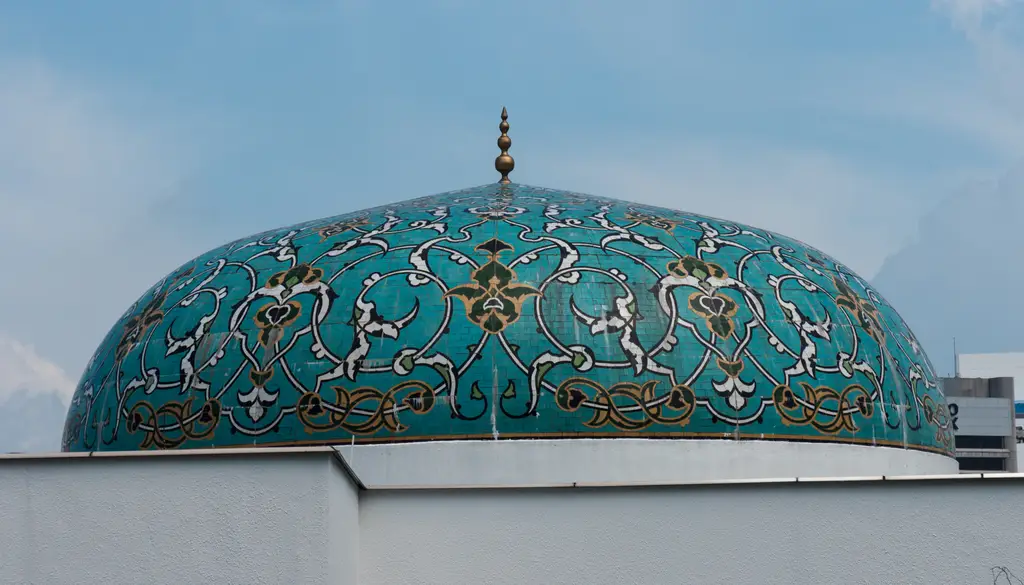
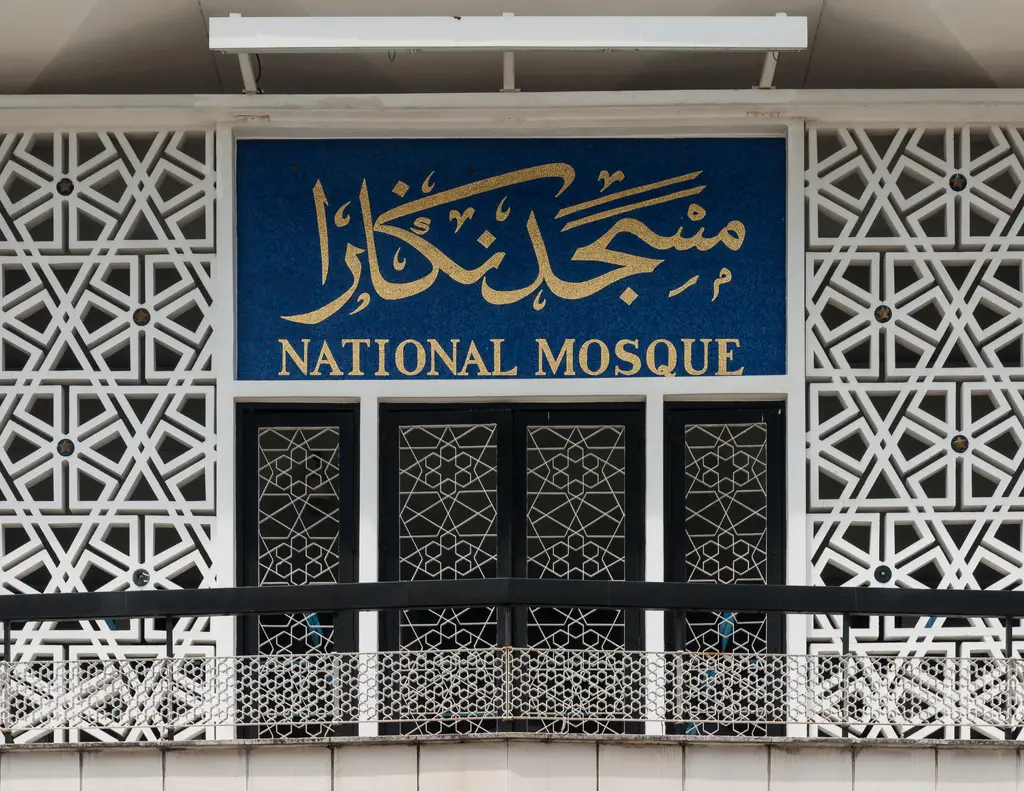
Modernist mosque built after independence, umbrella-shaped roof over a blue-tiled dome. Robes are provided at the entrance for visitors dressed immodestly; exact visiting-hour windows aren't confirmed against an official source.
Batu Caves temple complex
as of 2026-09
Viral
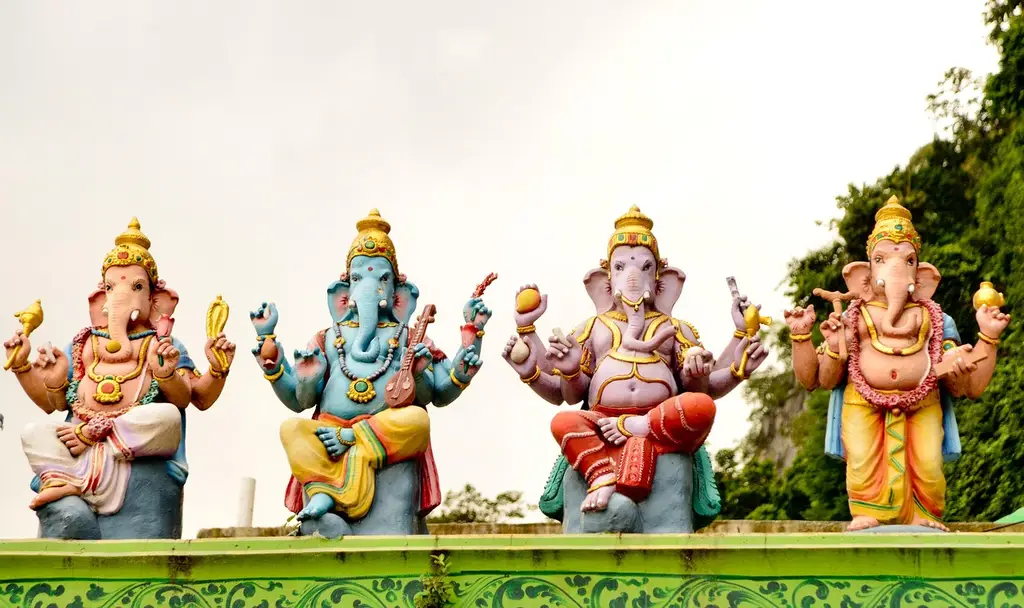
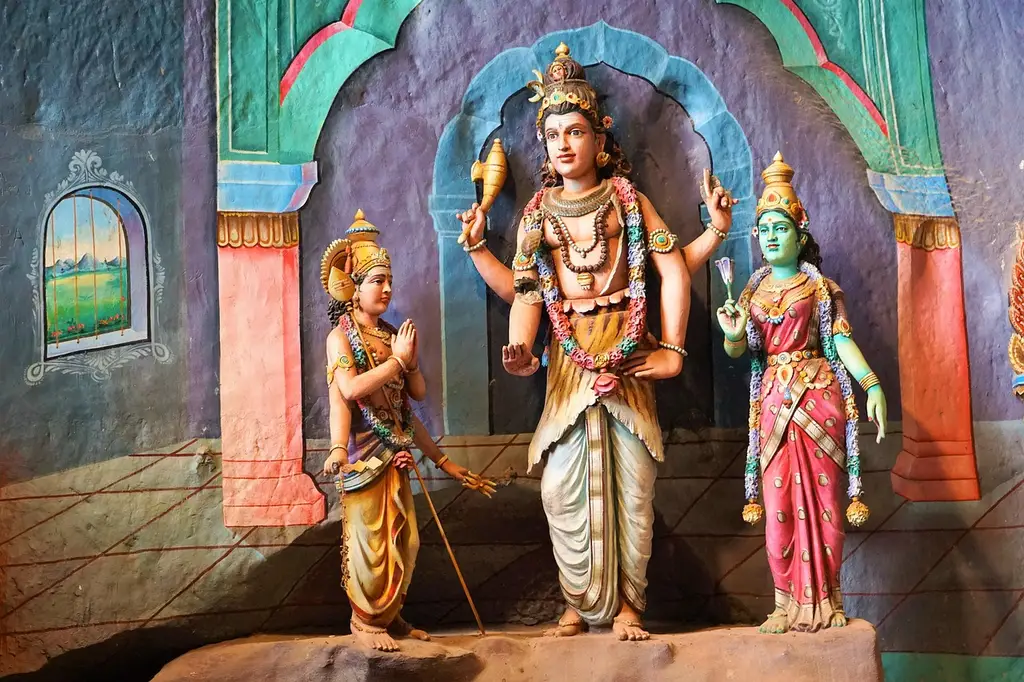
Limestone cave temple north of KL with a 140-foot gold Lord Murugan statue and 272 rainbow-painted steps leading up to the main cave shrine. Worth the trip, but go early. By mid-morning the steps are packed and the monkeys get pushy around anyone carrying food. Main cave is free, the smaller caves charge separately.
KLCC Park and Lake Symphony fountain show
as of 2026-09
Viral
Free evening fountain and light show on the artificial lake in KLCC Park, running most nights around 8, 9 and 10pm with the Petronas Twin Towers lit up behind it. One of the few free things in KL that actually delivers. The plaza fills up before showtime, so get there twenty minutes early for a clear line of sight.
Thean Hou Temple
as of 2026-09
Viral
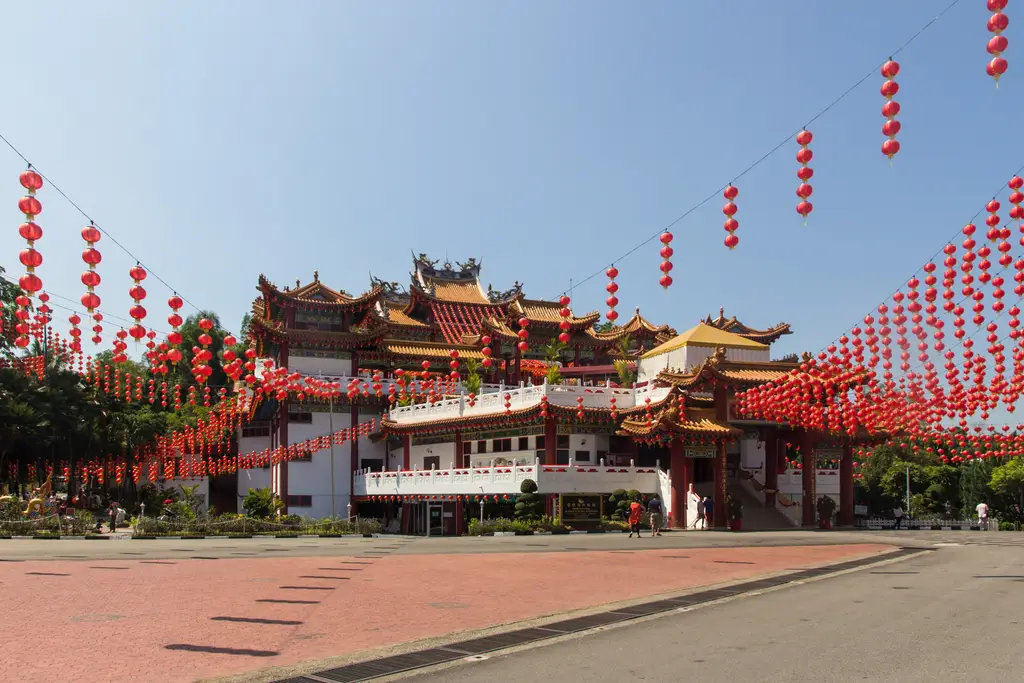
Six-tiered Chinese temple on a hill south of the city center, with wide courtyards, lantern displays, and a clear view over the KL skyline. Quieter than the headline attractions and the architecture holds its own without needing a crowd. Skip the souvenir stalls out front, they're the weakest part.
KL Forest Eco Park canopy walk
as of 2026-09
Viral
A roughly 200-metre elevated canopy walkway through the Bukit Nanas forest reserve, one of the last pockets of primary rainforest sitting inside a city center. The novelty holds up: real jungle a ten-minute walk from Bukit Bintang. It closes Fridays and in bad weather, so check before you go rather than showing up.
REXKL
as of 2026-09
Viral
A converted 1940s cinema in the city center now running rotating art exhibitions, immersive digital installations, live performances, and a bookstore-and-event-hall setup. What you get depends entirely on what's programmed that week. Check the calendar before going. An empty week makes it a nice building and not much else.
Petaling Street and Chinatown
as of 2026-09
Viral
KL's Chinatown market street, mid-upgrade for Visit Malaysia 2026 with a new roof and repainted arcades, still running its usual dense stretch of stalls at night. It's a tourist trap in the plain sense: counterfeit goods, inflated opening prices, expect to haggle. The renovation has genuinely improved a tired-looking stretch, and the night energy is real even if the shopping isn't.
More to see (2)
7
Central Market (Pasar Seni)
check before you go·free to browse·1-1.5 hours
Art Deco former wet market turned crafts and souvenir arcade, next to Chinatown. Domain for an official site does not resolve, confirm current hours locally.
8
Thean Hou Temple
check before you go·free·45-60 minutes
A hilltop Chinese temple in Robson Heights with a wide view over the southern city, busiest during Chinese New Year and the Mid-Autumn Festival. Confirm current visiting hours before going.
Where to stay
KLCC / Bukit Bintang
Suits: first-timers who want the skyline and shopping on the doorstep
Walking distance to the Petronas Towers and Suria KLCC, connected to Bukit Bintang's malls by covered skybridges; the priciest area.
Chinatown / Petaling Street
Suits: budget travelers who want to be in the middle of the food and street life
Cheap guesthouses and hostels, walkable to Central Market and the LRT, noisy at street level into the evening.
Bangsar
Suits: longer stays and a more residential, less touristy base
Leafy, good weekend food scene, but relies more on Grab or a short LRT connection into the center.
Brickfields
Suits: travelers prioritizing transit and Little India's food
KL Sentral is here, so every rail line and the airport express meet nearby; also the city's best banana-leaf curry houses.
Bukit Bintang (Changkat / Jalan Alor edge)
Suits: nightlife and late-night eating
Closest base to Jalan Alor's night food stalls and the bar strip on Changkat Bukit Bintang; can be loud after dark.
Getting there and around
Getting there
Kuala Lumpur International Airport (KLIA) and the budget-carrier terminal klia2 sit about 50km south of the city. KLIA Ekspres reaches KL Sentral in 28 minutes, trains every 20 minutes, MYR 55 one-way or MYR 100 return (about 10% cheaper booked online). Taxis and Grab cost more but run around the clock, roughly 45-75 minutes depending on traffic.
Getting around
RapidKL's LRT, MRT and Monorail lines cover most tourist areas cheaply, though the network has real gaps and some transfers mean a walk between stations. Grab is the default ride-hailing app, but pickup is often funneled into a designated bay rather than a door-side stop, both at KLIA/klia2 terminals and inside malls that historically reserved curb space for licensed taxis; check the app's pickup point on arrival. Central districts are walkable in short stretches; heat makes anything beyond 15-20 minutes unrealistic on foot.
Map
City
Recommended (numbered)
Mentioned in an itinerary
Locations on this map
Kuala Lumpur3.14, 101.69
Petronas Twin Towers3.16, 101.71
Batu Caves3.23, 101.67
KL Tower (Menara Kuala Lumpur)3.15, 101.70
Islamic Arts Museum Malaysia3.14, 101.69
Merdeka 118 (The View)3.14, 101.70
National Mosque (Masjid Negara)3.14, 101.69
Central Market (Pasar Seni)3.14, 101.70
Thean Hou Temple3.12, 101.69
Old KL3.08, 101.66
Dataran Merdeka3.15, 101.69
Sultan Abdul Samad Building3.15, 101.69
KLCC3.16, 101.71
Suria KLCC3.16, 101.71
KLCC Park3.16, 101.71
Jalan Alor3.15, 101.71
Bukit Bintang3.15, 101.71
Petaling Street3.14, 101.70
Little India3.13, 101.68
KTM Komuter3.21, 101.67
Brickfields3.13, 101.68
Brickfields' Little India3.13, 101.68
Bukit Nanas3.16, 101.70
Bangsar3.13, 101.68
Putrajaya3.04, 101.70
Putra Mosque2.94, 101.69
Putrajaya Lake2.92, 101.68
Putrajaya Botanical Garden2.95, 101.69
Pavilion3.15, 101.71
Genting Highlands3.17, 101.70
Botanical Garden3.13, 101.66
Damansara3.13, 101.64
Melaka3.11, 101.72
Dutch3.11, 101.67
Baba Nyonya3.15, 101.70
Peranakan3.29, 101.64
Penang3.14, 101.69
What it costs
Stay
Food
Transport
Activities
Daily cost breakdown, MYR per person
Tier
Stay
Food
Transport
Activities
Total
Budget
MYR 50
MYR 40
MYR 15
MYR 25
MYR 130
Mid-range
MYR 150
MYR 90
MYR 35
MYR 45
MYR 320
Splurge
MYR 450
MYR 220
MYR 60
MYR 120
MYR 850
A mid-range day: MYR 150 hotel room in Bukit Bintang (split two ways or solo), a couple of short Grab rides around MYR 10 each, nasi lemak breakfast from a stall for about MYR 6, char kway teow or laksa lunch in Chinatown for about MYR 12, one paid attraction ticket (confirm the current price before you go, treat MYR 60-100 as a planning range), and an Indian or Malay dinner in Brickfields or Kampung Baru for about MYR 25. Comes to roughly MYR 260-300 before any shopping.
Money savers
RapidKL sells an unlimited-ride day pass at station counters; worth it once you're doing four or more rides
Ramadan bazaars (roughly a month a year, dates shift with the Islamic calendar) turn entire streets into cheap food stalls open to everyone, not just those fasting
KLCC Park at the base of the Petronas Towers is free, with the best ground-level view of the towers at dusk without paying for a deck ticket
The covered skybridge network linking KLCC, Pavilion and Bukit Bintang malls lets you skip Grab rides between them and stay out of the heat
Kuala Lumpur is really three food cities stacked on top of each other. Malay cooking, nasi lemak, satay, rendang, centres on Kampung Baru, a low-rise village enclave inside the modern skyline, halal by default. Chinese hawker food, char kway teow, hokkien mee, wonton mee, runs through Petaling Street and Chinatown, generally not halal, shaped by Cantonese and Hokkien immigration during the tin-mining boom. Indian food, banana-leaf rice, roti canai, teh tarik, concentrates in Brickfields, Little India, near KL Sentral. These aren't fusion, they're distinct traditions sharing a city, not one 'Malaysian food'. Jalan Alor mixes a version of all three for a late crowd, touristy but genuinely busy with locals too.
MYR 6-15·Kampung Baru stalls and Village Park Restaurant in Damansara
Must try
Coconut rice with sambal, fried anchovies, peanuts and egg, Malaysia's national dish and the one thing to eat here if nothing else. Kampung Baru is a low-rise Malay village enclave inside the skyline.
Satay
MYR 0.80-1.50 per stick·Kajang, a short trip south, and hawker stalls citywide
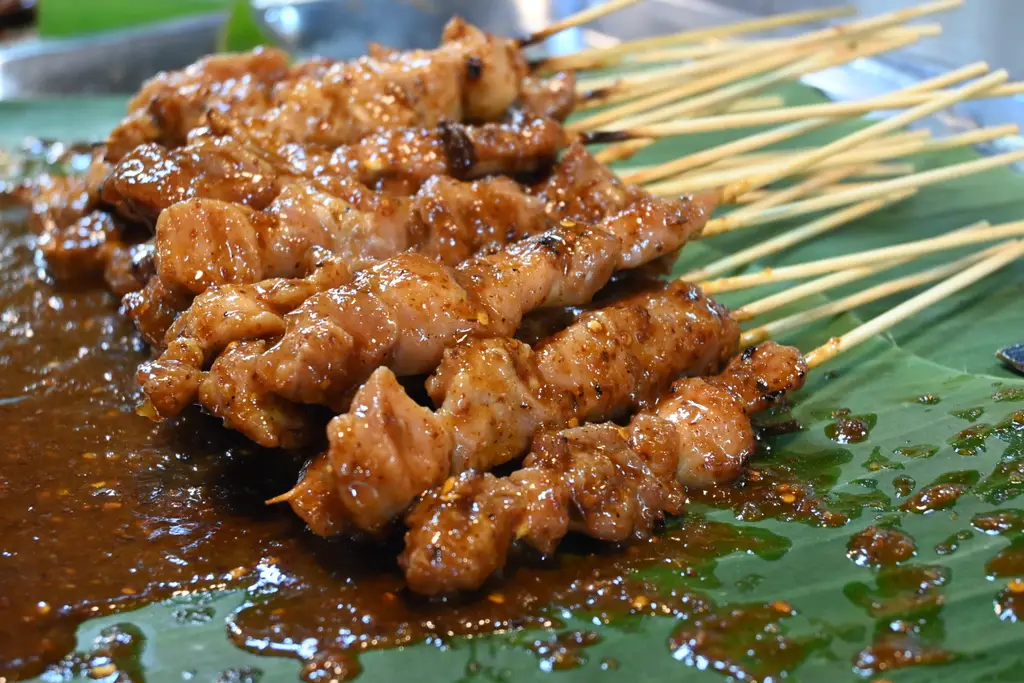
Skewered, char-grilled meat dipped in peanut sauce, Malay in origin though eaten across every community here. Kajang is the specific town credited as its home and worth a detour for satay purists.
Char kway teow
MYR 8-14·Petaling Street and hawker centres across Chinatown
Must try
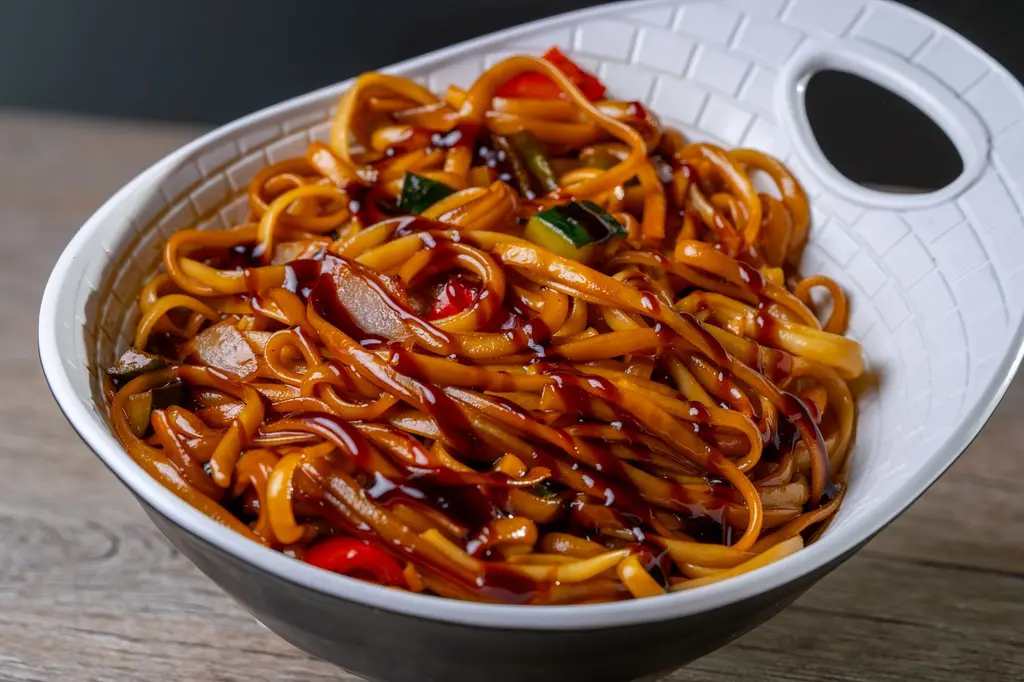
Flat rice noodles fried hard in a wok with prawns, egg and dark soy, a Cantonese-Hokkien dish from the tin-mining era. Good versions taste faintly smoky from the wok itself.
Hokkien mee
MYR 8-15·Petaling Street and Jalan Alor
Thick yellow noodles braised in dark soy and pork lard until nearly black, a KL-specific style, different from the drier Penang Hokkien mee, which is actually a prawn noodle soup.
Banana-leaf rice
MYR 8-14·Brickfields, Little India, near KL Sentral
Must try
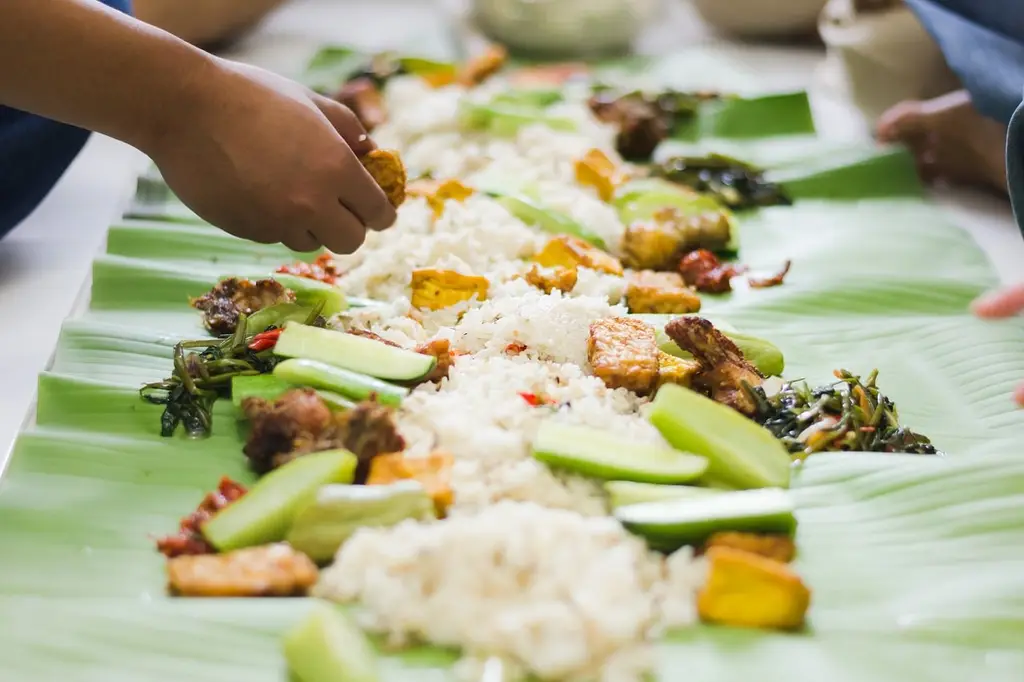
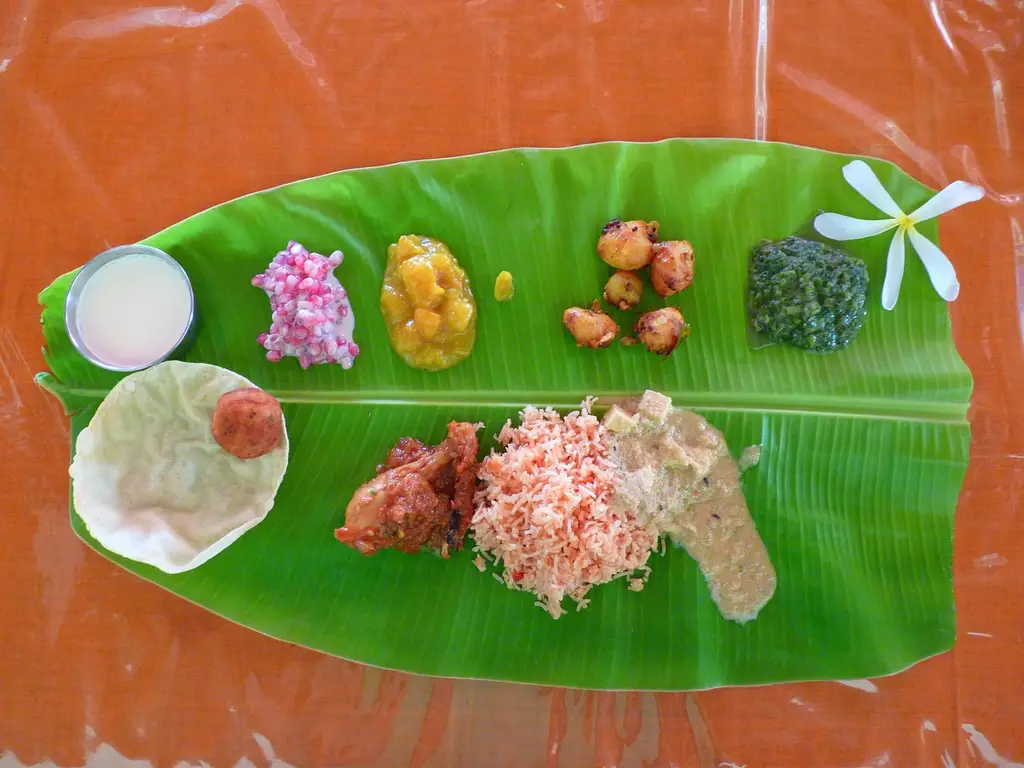
Rice scooped onto a banana leaf with vegetable curries, papadum and pickles, refills free until you fold the leaf toward yourself to signal done. Unlimited for a fixed price.
Roti canai and teh tarik
MYR 1.50-4·Mamak stalls citywide, many open 24 hours
Must try
Flaky flatbread torn and dipped in dhal or curry, paired with 'pulled' milk tea poured between cups to build a foam. The mamak stall, Indian Muslim, is a Malaysian institution in its own right.
Jalan Alor night market grazing
MYR 15-40 per person·Jalan Alor, Bukit Bintang
A single street of open-air stalls and plastic tables running late into the night, grilled seafood, satay, claypot rice. Touristy by KL standards but the crowd is a genuine local-tourist mix.
Ramadan bazaar food
MYR 3-15 per item·Pop-up bazaars across the city during Ramadan
An entirely different eating month, dozens of stalls sell dishes not always available the rest of the year. Dates shift annually with the Islamic calendar, check before planning around it.
Village Park Restaurant
as of 2026-09
Viral
A Damansara nasi lemak spot famous for crispy fried chicken, now KL's most-cited nasi lemak name and expanded into a small chain. The fried chicken is genuinely good. Weekend lines are long, weekday lunch is the move.
Don Don Donki Bukit Bintang food hall
as of 2026-09
Viral
The Japanese discount chain's KL outlet, with a food court serving wagyu and other Japanese items that circulate widely on social feeds. It's a novelty stop inside a retail store, not a destination meal. Worth ten minutes if you're already there.
Dong Baek
as of 2026-09
Viral
A Seoul import that opened in KL in January 2026, known for pressure-cooker Korean stews plus strawberry makgeolli and soju. Still drawing queues. A viral import that's actually held up past launch month. The sustained queue six months in is a real signal, not just opening-week hype.
Chinatown 1974
as of 2026-09
Viral
An eight-storey lifestyle hub that opened on Petaling Street, combining a food hall with a hotel, wellness floor, and rooftop bar. Too new to judge properly, and coverage so far is thin. A dedicated food hall inside a heritage-district building is a notable bet worth checking on later.
Jalan Alor food street
as of 2026-09
Viral
A closed-off street in Bukit Bintang lined end to end with hawker stalls and open-air restaurants running into the early hours. Prices lean tourist compared to hawker centres elsewhere in the city, but the sheer range and late hours are the draw.
Nasi kandar
as of 2026-09
Viral
A rice dish served with a mix of curries and side dishes ladled together, a Penang import that's now everywhere in KL. Order by pointing at what looks good, that's the actual custom. Skip places with a static, pre-plated version.
Safety and scams
Kuala Lumpur is generally safe for visitors who take normal city precautions. The real risks are petty theft, including bag-snatching from mopeds in crowded areas like Chinatown and Bukit Bintang at night, and overcharging by unmetered taxis, which is why Grab is worth defaulting to. Traffic is the bigger practical hazard: crossing wide roads outside marked crossings is genuinely dangerous given local driving habits.
Common mistakes
Assuming the LRT/MRT network connects every district; it has real gaps that require a Grab ride or a longer walk than the map suggests
Booking Petronas Towers or Merdeka 118 tickets on arrival instead of in advance, then finding the day sold out
Treating Malay, Chinese and Indian food as interchangeable and picking whatever's closest instead of seeking out the neighborhood that does a dish properly
Underestimating the heat and humidity and planning a walking-heavy day between distant districts
Visiting during Ramadan without checking that a specific restaurant is open for daytime service
Skipping Batu Caves because it's 'outside the city,' when it's a straightforward train ride and one of the more distinctive sights in the region
Frequently asked questions
How many days do you need in Kuala Lumpur?
Three days covers the core sights: the towers, Chinatown and colonial district, Batu Caves, and the mosque and museum area. Five to seven days lets you add Putrajaya and Genting Highlands as day trips. Two weeks works better built around Malacca, the Cameron Highlands and Penang rather than KL alone.
Is Grab restricted at KLIA airport or shopping malls in KL?
Pickup is commonly funneled into a designated bay rather than a direct curb stop, both at KLIA/klia2 terminals and inside many shopping malls, where taxi ranks have historically had priority. Check the app's assigned pickup point on arrival rather than expecting a door-side stop.
Is Kuala Lumpur food actually one Malaysian cuisine?
No. Malay, Chinese and Indian communities settled in distinct KL neighborhoods and largely still cook within their own traditions rather than a blended style. Jalan Alor, Petaling Street's Chinatown, Brickfields' Little India and Kampung Baru each serve genuinely different food.
How do you get from KL city to the airport?
KLIA Ekspres runs every 20 minutes from KL Sentral, takes 28 minutes to KLIA, and costs MYR 55 one-way or MYR 100 return (about 10% less booked online). Grab or a taxi takes 45-75 minutes depending on traffic and costs more.
Does Ramadan affect visiting Kuala Lumpur?
Yes. Many restaurants shift toward evening-only service during Ramadan's fasting hours, and Ramadan bazaars pop up across the city selling food to everyone, not only those fasting. The exact dates move every year against the Islamic calendar, so check the current-year dates before planning around them.
Is Batu Caves worth visiting from KL?
Yes, and it is closer than it sounds: technically in Gombak just outside the city, reached by a straightforward KTM Komuter train from KL Sentral. The 272-step climb to the main cave is the main effort involved; go early to avoid the midday heat on the open stairs.
How do you get around Kuala Lumpur without a car?
RapidKL's LRT, MRT and Monorail lines cover most tourist areas, but the network has gaps that mean a Grab ride or a longer walk than the map suggests. Grab is the default backup and generally reliable, aside from designated pickup points at some malls and the airport.
What should you wear to visit the National Mosque in KL?
Modest dress covering shoulders and knees; robes are provided at the entrance for visitors who need them. Non-Muslim visitors are generally admitted outside the five daily prayer times, so time your visit around those.
Is Kuala Lumpur expensive to visit?
It's inexpensive by regional standards. A budget traveler can get by on roughly MYR 130/day covering a hostel, hawker food and transit; a mid-range trip runs closer to MYR 320/day. Street food and public transport are both cheap; hotels and attraction tickets are where the budget moves.
What day trips are possible from Kuala Lumpur?
Batu Caves (Gombak, just outside the city), Putrajaya (planned administrative capital, about 20-25 minutes south) and Genting Highlands (hill resort, about an hour up) are all workable as single-day trips. Malacca, the Cameron Highlands and Penang are further and suit a multi-day extension rather than a day trip.