Things to Do in Kota Kinabalu: Itineraries, Costs and Food
Sabah's coastal capital, a working city of seafood markets and sunset waterfronts that exists mainly as the launch point for Mount Kinabalu, orangutan rehabilitation centres, and reef islands twenty minutes offshore.
By Labeeb Mirza · Published September 8, 2026 · Updated September 8, 2026
Best timeMar to early Oct
Daily budget (mid)MYR 350
Ideal length3 days
CurrencyMYR
Overview
Kota Kinabalu sits on the northwest coast of Borneo, backed by the South China Sea on one side and, on a clear evening, the silhouette of Mount Kinabalu on the other. Locals call it KK. It is Sabah's largest city and its main air and sea link to the rest of Malaysia, which shapes how most people use it: a night or two to sort logistics, eat, and adjust, then out to the mountain, the islands, or the orangutan centres further east. The city itself is modest. Colonial-era Jesselton was flattened by Allied bombing in 1945, so the old town is mostly postwar concrete, and the real draws are the waterfront night markets, the call to prayer echoing off the Sabah State Mosque, and the mix of people who live here: Kadazan-Dusun and Bajau communities alongside Malay, Chinese, and smaller indigenous groups, in different proportions from the Malay-Chinese-Indian mix you find in Peninsular Malaysia. Five islands of Tunku Abdul Rahman Marine Park are visible from the city jetty. Sepilok's orangutan and sun bear centres are a flight or long drive northeast. Mount Kinabalu, at 4,095 metres the highest peak between the Himalayas and New Guinea, is a two-hour drive up into the hills. Treat KK as a base rather than a destination in itself and it earns its keep quickly.
What I actually think
Kota Kinabalu the city underdelivers if you go in expecting a destination in its own right. It is a staging point, and once I stopped judging it against Kuala Lumpur or Penang and started treating it as a place to eat well, sort logistics, and sleep before or after the real trip, I liked it a lot more.
The seafood market on the waterfront at dusk is worth building an evening around. Pick your own fish, have it grilled or steamed to order, and eat at a plastic table looking at the water. It beats every sit-down restaurant I tried in the city for both price and quality.
Sepilok is not a place to rush. The platform viewing setup means you get one shot at a feeding window, and if you show up between sessions you'll see an empty enclosure and leave disappointed. Build your day around the schedule, not the other way round.
The islands off KK are genuinely close, which is easy to underestimate from a map. Twenty minutes by boat and you're snorkelling. Manukan gets crowded by late morning with day-trip groups from the big resorts, so if you only have time for one island, go early or pick Mamutik or Sulug instead.
Anyone treating the Kinabalu climb as a spontaneous add-on to a Borneo trip is setting themselves up to be turned away. The permit and quota system means this has to be the thing you plan the whole trip around, not a decision you make once you land in KK.
A single day in KK city: waterfront, market, mosque, sunset, no time for the mountain or the islands.
Day 1: Kota Kinabalu city in a day
Morning
Start at Gaya Street if it's a Sunday for the market, otherwise a local breakfast of noodles downtown. Walk the waterfront promenade and take a short taxi or Grab up to the Signal Hill Observatory Platform for a daytime view over the city and islands.
Afternoon
Visit the City Mosque in Likas, then head back downtown for lunch. If you have a few hours to spare, a single boat trip to Manukan or Sapi island for a couple of hours of snorkelling is doable, but it will feel rushed.
Evening
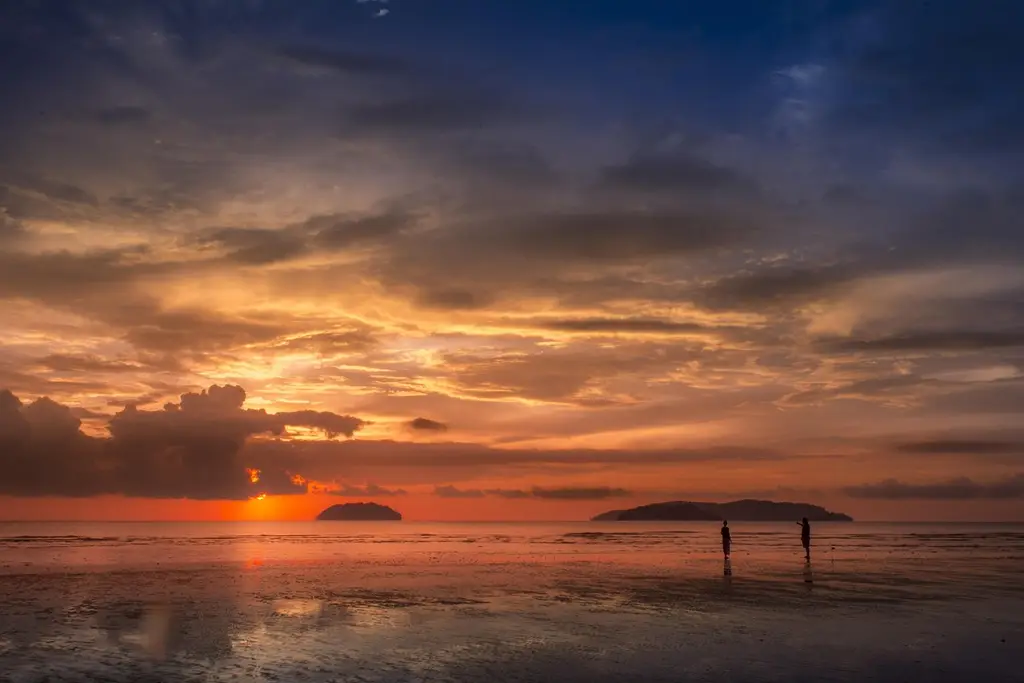
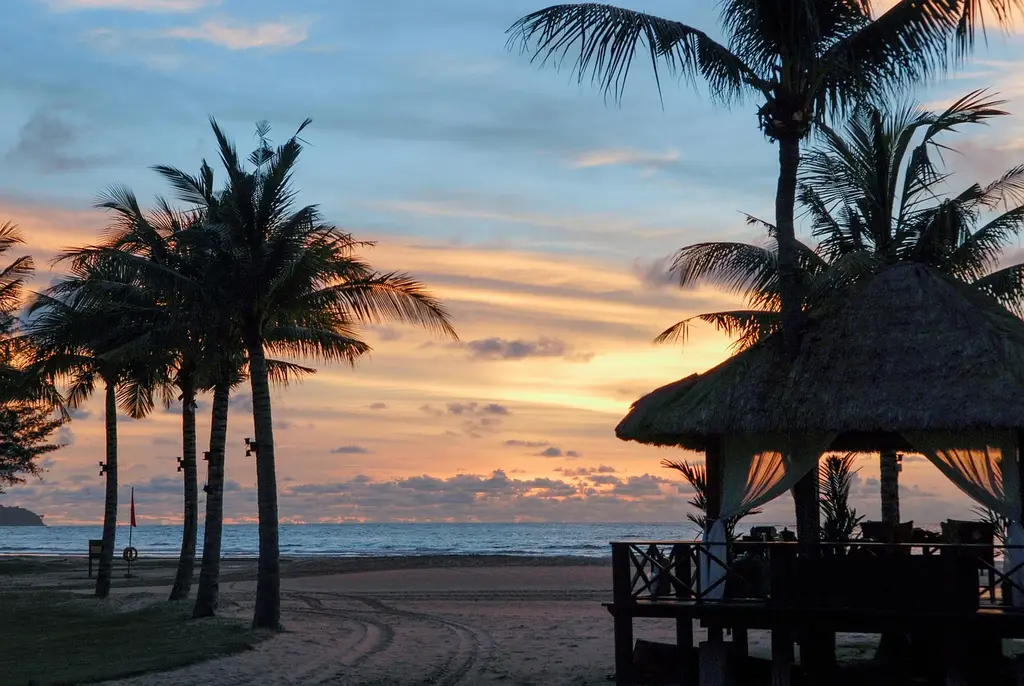
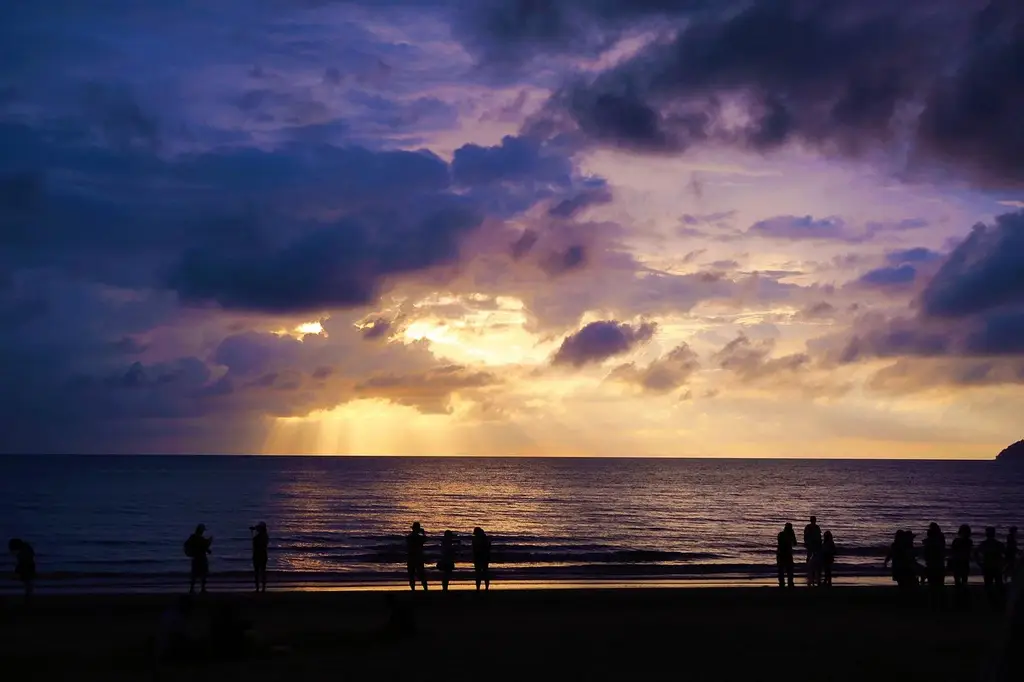
End at the waterfront night market for grilled seafood, then walk the promenade at sunset, one of the more reliable sunset spots in Southeast Asia thanks to the open sea to the west.
Tip: If you skip the islands, add a second Signal Hill visit at sunset instead of daytime.
City, one island day, and a day trip to Kinabalu Park without the summit climb.
Day 1: Arrive and settle into the city
Morning
Arrive, check in, and walk the city centre: waterfront, Atkinson Clock Tower, and the State Mosque.
Afternoon
Gaya Street for browsing (or the Sunday market if timing allows), then a slow lunch of Sabahan food like hinava or tuhau.
Evening
Waterfront night market for dinner and the sunset.
Tip: Confirm your island boat and Kinabalu Park transfer bookings tonight, not the morning of.
Day 2: Tunku Abdul Rahman Marine Park
Morning
Early boat from Jesselton Point to Manukan or Sapi island before the day-trip crowds arrive. Snorkel the reef edges near the jetty.
Afternoon
Island-hop to a second, quieter island like Mamutik if your ticket covers it, or relax on the beach.
Evening
Back in the city for dinner; try a restaurant away from the waterfront for variety after two meals of seafood.
Tip: Bring reef-safe sunscreen and water shoes; the coral near shore is shallow and sharp in spots.
Day 3: Kinabalu Park day trip
Morning
Drive or transfer roughly two hours up to Kinabalu Park. Walk part of the lower nature trails through montane forest without attempting the summit.
Afternoon
Stop at Kundasang for a highland lunch and views over the Kinabalu foothills; visit a strawberry or tea farm on the way back.
Evening
Return to KK for a final dinner.
Tip: The mountain is often cloud-covered by mid-morning; go early for the clearest views.
Adds Mari Mari Cultural Village and a slower island day to the 3-day plan, still without the multi-day summit climb.
Day 1: Arrive and settle into the city
Morning
Arrive, check in, walk the waterfront and downtown core.
Afternoon
Gaya Street and a local lunch.
Evening
Waterfront market dinner and sunset.
Tip: Book Mari Mari and your island transfer now if you haven't already.
Day 2: Mari Mari Cultural Village
Morning
Morning session at Mari Mari: guided walk through five Sabahan ethnic groups, demonstrations of fire-making and traditional cooking.
Afternoon
Lunch included on the tour, then return to the city with the afternoon free. Visit the City Mosque in Likas on the way back.
Evening
Rest or a quiet dinner near your hotel.
Tip: Morning sessions tend to be less rushed than the afternoon slot.
Day 3: Islands, full day
Morning
Early boat to Sapi for snorkelling before the crowds.
Afternoon
Move to Manukan or Gaya for a change of scenery; Gaya's trails are worth an hour if you want to walk rather than swim.
Evening
Back in the city, dinner away from the tourist strip.
Tip: Pack lunch or budget for island food stalls, which are pricier than the mainland.
Show all 5 days
Day 4: Kinabalu Park
Morning
Transfer up to Kinabalu Park, walk the lower forest trails, visit the park's botanical garden if open.
Afternoon
Kundasang for lunch and highland views, a stop at a tea or coffee farm.
Evening
Overnight near the park or return to KK, depending on your next day's plan.
Tip: An overnight near the park makes for a cooler, quieter evening than driving straight back.
Day 5: Slow morning and departure
Morning
A relaxed final morning: Gaya Street if you missed it earlier, or the Wetland Centre for a short walk.
Afternoon
Last-minute shopping or a final seafood lunch before heading to the airport.
Evening
Departure.
Tip: Keep the last day light. Sabah's roads and boat schedules run on their own timing and a tight connection adds stress for no reason.
Uses KK as a base for the two-day Kinabalu summit climb plus a flight or drive out to Sepilok for the orangutan and sun bear centres, alongside the city and islands.
Day 1: Arrive and settle into the city
Morning
Arrive, check in, walk the waterfront.
Afternoon
Gaya Street and lunch.
Evening
Waterfront market dinner, early night to prepare for the climb.
Tip: Your Kinabalu permit and guide should already be booked well before this trip; reconfirm the details tonight.
Day 2: Transfer to Kinabalu Park and start the climb
Morning
Drive to Kinabalu Park (about 2 hours), register, meet your compulsory guide, and start the ascent from Timpohon Gate.
Afternoon
Continue climbing through montane forest toward Laban Rata, roughly 3-6 hours of walking depending on pace and fitness.
Evening
Overnight at Laban Rata Resthouse, early dinner, early sleep ahead of a pre-dawn summit push.
Tip: Pack real cold-weather layers. Laban Rata sits above 3,200 metres and gets cold overnight even though KK is tropical.
Day 3: Summit and descend
Morning
Pre-dawn start for the final push to Low's Peak to catch sunrise, then descend to Laban Rata for a late breakfast.
Afternoon
Continue the descent back to Timpohon Gate, transfer back down to Kundasang or straight to KK.
Evening
Rest in KK or Kundasang; your legs will want it.
Tip: The descent is harder on the knees than the ascent is on the lungs. Trekking poles help.
Show all 7 days
Day 4: Recovery day and islands
Morning
A slow morning, then a half-day boat trip to one island (Sapi or Manukan) for easy swimming rather than another physical day.
Afternoon
Relax on the island or head back early if your legs need the rest.
Evening
Dinner at the waterfront market.
Tip: Don't schedule anything demanding the day after the climb. Most people underestimate the recovery.
Day 5: Fly or drive to Sepilok
Morning
Short flight from KK to Sandakan (about 40 minutes) or a long drive (5-6 hours); most travelers fly this leg. Transfer to Sepilok.
Afternoon
Afternoon feeding session at Sepilok Orangutan Rehabilitation Centre.
Evening
Overnight near Sepilok.
Tip: Check the feeding schedule before booking flight times so you land in time for a session.
Day 6: Sepilok and Sun Bear Centre
Morning
Morning feeding session at Sepilok, then walk next door to the Bornean Sun Bear Conservation Centre.
Afternoon
Return flight or drive back to KK.
Evening
Final dinner in the city.
Tip: Book the morning session; it's generally quieter than the afternoon one.
Day 7: Departure
Morning
Free morning for last errands or a final walk along the waterfront.
Afternoon
Airport transfer and departure.
Evening
Departure.
Tip: Leave a buffer before your flight. KK's domestic and international terminals are close but not identical.
A full Sabah circuit built around KK as the base: the Kinabalu summit climb, Sepilok and the Kinabatangan River for wildlife, island time, and Semporna for diving, rather than two weeks spent in the city itself.
Day 1: Arrive and settle into the city
Morning
Arrive, check in, walk the waterfront.
Afternoon
Gaya Street and a Sabahan lunch.
Evening
Waterfront market dinner.
Tip: Reconfirm your Kinabalu climb permit, Sepilok flights, and any dive bookings for Semporna now.
Day 2: City and Mari Mari
Morning
Mari Mari Cultural Village morning session.
Afternoon
City Mosque and a slow afternoon.
Evening
Early night ahead of the climb.
Tip: Pack your climb bag tonight; you won't want to think about logistics at 5am.
Day 3: Transfer to Kinabalu Park and start the climb
Morning
Drive to Kinabalu Park, register, meet your guide, start from Timpohon Gate.
Afternoon
Climb to Laban Rata through changing forest zones.
Evening
Overnight at Laban Rata, early sleep.
Tip: Hydrate more than feels necessary; altitude and exertion both dehydrate faster than you'd expect.
Show all 14 days
Day 4: Summit and descend
Morning
Pre-dawn summit push to Low's Peak for sunrise.
Afternoon
Full descent back to Timpohon Gate and transfer to Kundasang.
Evening
Rest in Kundasang, highland air a relief after the exertion.
Tip: Book a Kundasang stay rather than pushing straight back to KK the same night.
Day 5: Kundasang recovery
Morning
Slow morning, short walk at a nearby farm or viewpoint over the Kinabalu range.
Afternoon
Transfer back to KK.
Evening
Easy dinner, no plans.
Tip: Use this day to actually rest. The itinerary only works if you respect it.
Day 6: Islands
Morning
Boat to Sapi or Manukan for snorkelling.
Afternoon
Second island or beach time.
Evening
Waterfront dinner.
Tip: This is the easiest day of the trip physically; enjoy it.
Day 7: Fly to Sandakan, Sepilok
Morning
Flight to Sandakan, transfer to Sepilok.
Afternoon
Afternoon feeding session at Sepilok Orangutan Rehabilitation Centre.
Evening
Overnight near Sepilok.
Tip: Sepilok's forest trail near the centre is worth a walk beyond the feeding platform.
Day 8: Sun Bear Centre and Rainforest Discovery Centre
Morning
Morning Sepilok session, then the Bornean Sun Bear Conservation Centre next door.
Afternoon
Rainforest Discovery Centre canopy walk nearby if time allows.
Evening
Transfer toward the Kinabatangan River.
Tip: Book Kinabatangan river lodges ahead; the good ones fill up in dry season.
Day 9: Kinabatangan River
Morning
Early river cruise for wildlife: proboscis monkeys, hornbills, and, with luck, elephants along the banks.
Afternoon
Rest at the river lodge through the heat of the day.
Evening
Night river cruise for nocturnal wildlife.
Tip: Bring a zoom lens or binoculars; wildlife here is real, not staged, and keeps its distance.
Day 10: Transfer to Semporna
Morning
Transfer from the Kinabatangan area to Semporna, several hours by road.
Afternoon
Settle into Semporna, confirm dive or snorkel bookings for the following days.
Evening
Seafood dinner in Semporna town.
Tip: Semporna is the jump-off point for Sipadan and nearby reefs; permits for Sipadan itself are limited and should be arranged well ahead through a licensed operator.
Day 11: Diving or snorkelling day
Morning
Boat out to the reefs around Mabul, Kapalai, or Sipadan depending on your booking and certification.
Afternoon
Second dive or snorkel session, surface interval on the boat or a nearby island.
Evening
Return to Semporna.
Tip: Non-divers have real snorkelling options here too; you don't need to be certified to justify the trip out.
Day 12: Second dive day or rest
Morning
Another reef day if diving, or a slower morning around Semporna if not.
Afternoon
Free time, market browsing in town.
Evening
Dinner in Semporna.
Tip: Build in at least one non-diving day if you're doing multiple dive days; fatigue adds up in the heat.
Day 13: Return to KK
Morning
Flight or long drive back to KK (a flight via Tawau is the common route).
Afternoon
Free afternoon in the city, last souvenir shopping on Gaya Street.
Evening
Final dinner at the waterfront night market.
Tip: Give this travel day some slack. Connections in this part of Sabah aren't always tight or frequent.
Day 14: Departure
Morning
Free morning, a last walk along the waterfront.
Afternoon
Airport transfer and departure.
Evening
Departure.
Tip: Two weeks here covers the mountain, the reef, and the rainforest without feeling rushed; that's the honest use of this much time in Sabah.
Things to do
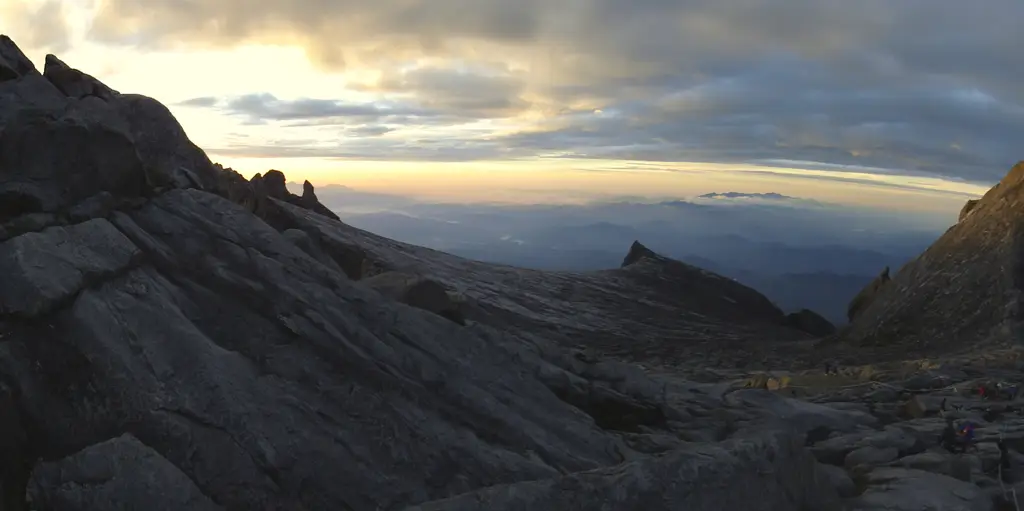
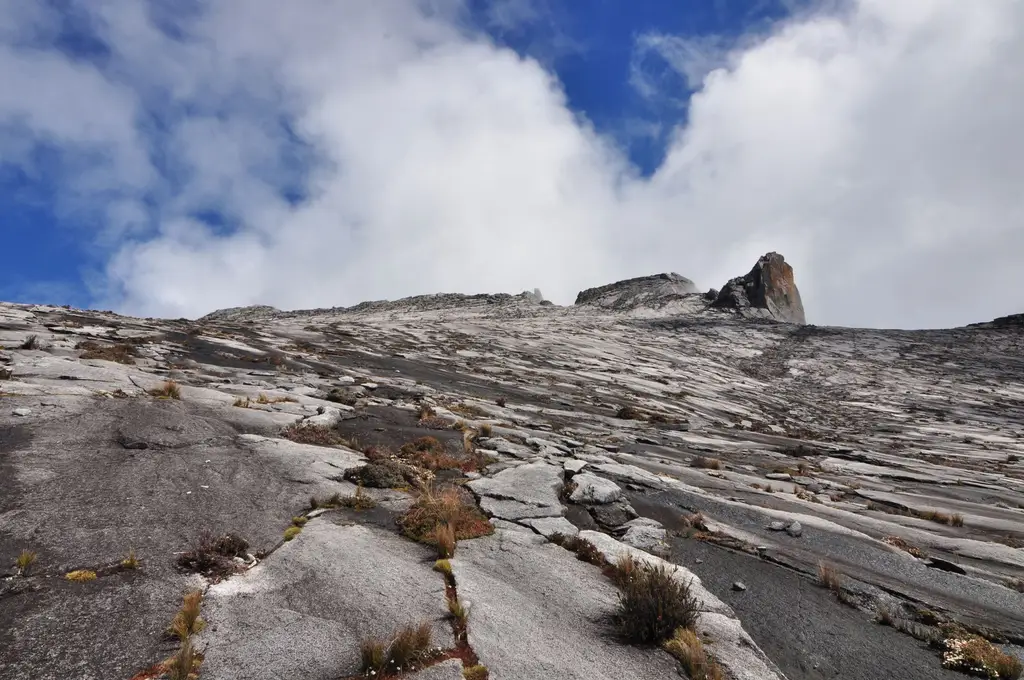
1Photo by Nadzrin on PexelsMount Kinabalu summit climb (Kinabalu Park)
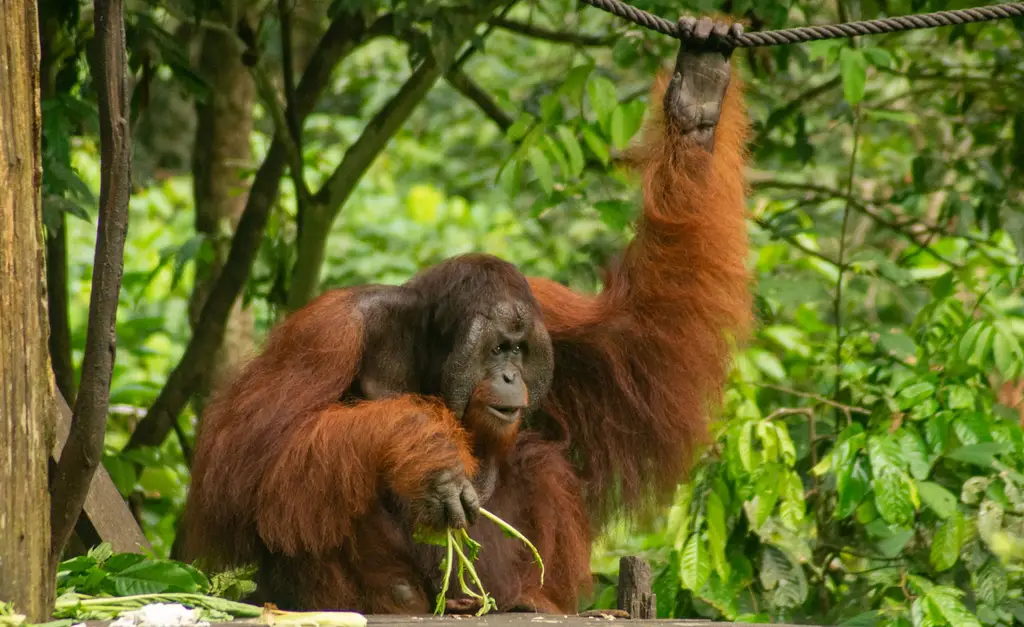
2Photo by Tim Morgan on PexelsSepilok Orangutan Rehabilitation Centre
Park grounds open daily; climb start times are set by your booked operator, typically early morning from Timpohon Gate·check before you go·2 days, 1 night (standard route via Laban Rata)
Book well in advance through Sabah Parks or an authorised operator; a daily climber quota applies and a certified mountain guide is compulsory
This is the one fact on this page you should re-verify directly with Sabah Parks before booking flights. Quotas, the booking operator, and pricing have changed more than once over the years, and the current official page could not be cleanly read. Do not plan a trip around a remembered number.
check before you go (feeding sessions run at set times, typically mid-morning and mid-afternoon)·check before you go·2-3 hours
walk in, though arriving before a feeding session is worth planning around
Run under the Sabah Wildlife Department as a rescue and rehabilitation facility for orphaned and displaced orangutans, not a zoo. Viewing is from a platform at scheduled feeding times, no touching or selfies with the animals, and the goal for every resident here is eventual release, not display. Some orangutans that can no longer survive wild do stay long-term.
Sits next to Sepilok and runs on the same rescue-and-rehabilitate logic for the world's smallest bear species. Pair the two in one visit since they are a five-minute walk apart and both work around morning feeding windows.
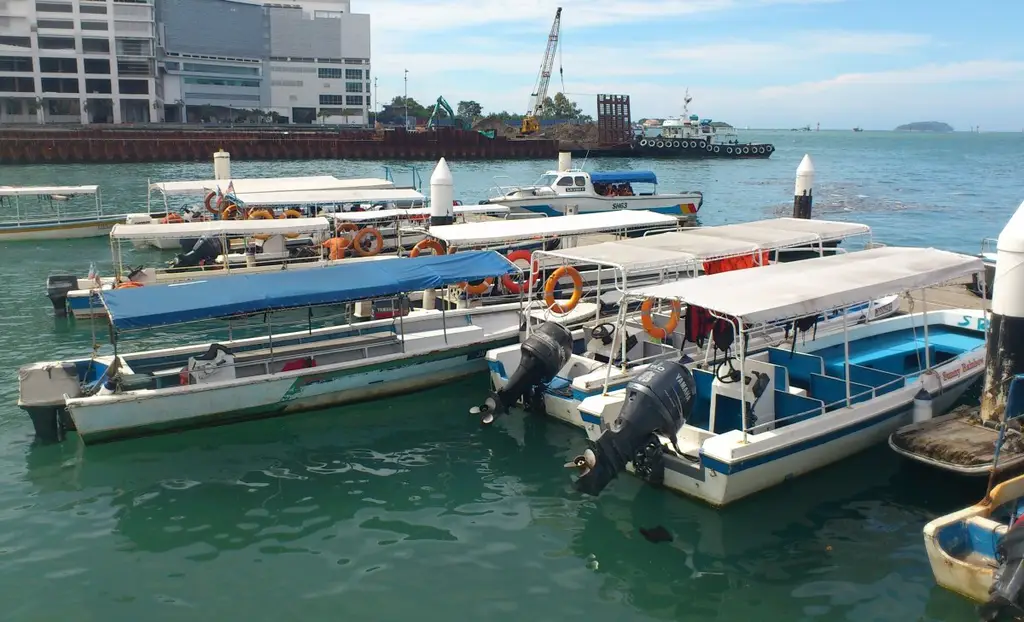
boats generally run daytime hours from Jesselton Point; check before you go·check before you go (a park conservation fee applies on top of the boat transfer)·half day to full day
walk in at the jetty for a boat transfer, or book a package tour; go earlier in the day for calmer water and fewer day-trippers
Five islands a short boat ride from the city jetty: Manukan and Sapi are the developed, snorkel-heavy ones, Gaya is the largest with hiking trails, Mamutik and Sulug are quieter. Most people combine two islands in a day.
two sessions daily, 10am and 2pm·check before you go (includes transfer, guided tour, cultural show and food tasting)·3-4 hours including transfer
book ahead, a deposit is required to hold your session
A recreated village walking visitors through five Sabahan ethnic groups, Kadazan-Dusun, Rungus, Lundayeh, Bajau, and Murut, with house-by-house demonstrations of fire-making, blowpipe use, and traditional cooking. Touristy by design, but a fast way to understand Sabah's ethnic makeup if you don't have time to visit the interior.
Sunday mornings, roughly 6am to 1pm·free to browse·1-2 hours
Closed runs Sunday only
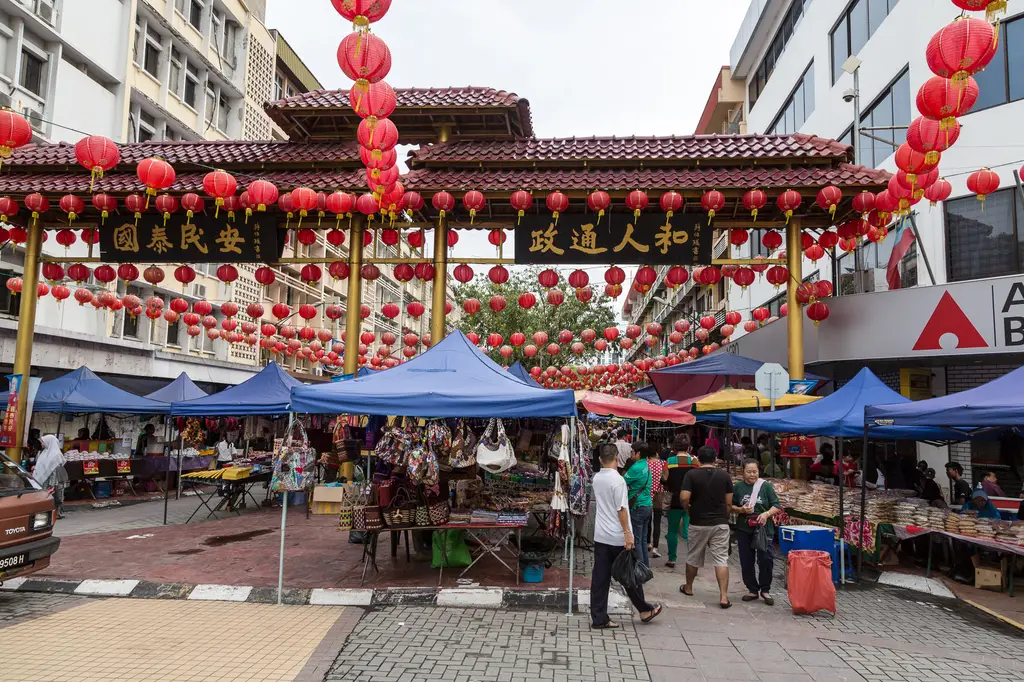
A street market running the length of Gaya Street: produce, snacks, orchids, secondhand goods, and food stalls. Go early, both for the cooler air and because stalls start packing up by late morning.
Tanjung Aru sunset beach
as of 2026-09
Viral
A city beach ranked among the region's best-known sunset spots, with a boardwalk, water park, and food stalls that fill up as the sun goes down. Crowds build 45-60 minutes before sunset, so arrive early for a spot on the sand rather than the boardwalk. It's popular for a reason, the actual sunset delivers.
Tunku Abdul Rahman Marine Park island hopping
as of 2026-09
Viral
Boat day trips to the five islands off Kota Kinabalu's coast, Gaya, Manukan, Mamutik, Sapi, and Sulug, for snorkeling, beach time, and clear water. The most popular day trip out of KK for good reason, the water and reefs hold up. On busy days the islands get genuinely crowded, so this isn't a quiet-beach experience.
Kinabalu Park canopy walkway and Poring Hot Springs
as of 2026-09
Viral
Full-day trip from KK combining a canopy walkway roughly 40 metres above the forest floor with a soak in Poring's sulphur hot springs, inside a UNESCO World Heritage park. A long day with a lot of driving, but the canopy walk and the altitude change from the coast are both worth it. Sabah Parks banned single-use plastic bags from 2026, so bring your own.
Filipino Market (Handicraft Market)
as of 2026-09
Viral
Waterfront market complex with a wet market, hawker stalls, and a handicraft section selling pearl jewellery, woven goods, and traditional textiles, busiest on weekends. Better for browsing and cheap souvenirs than for anything you'd call fine craft. The seafood stalls are the more interesting part of a visit than the handicraft tables.
KK Hop-On Hop-Off bus
as of 2026-09
Viral
Double-decker hop-on hop-off bus launched in 2025, covering 17 stops around Kota Kinabalu with tickets starting around RM20. Solid budget option for a first orientation lap of the city. Traffic can drag the loop out, so don't plan a tight schedule around it.
More to see (3)
7
Signal Hill Observatory Platform
check before you go, generally open during daylight hours·free·30-45 minutes
A short uphill walk or drive from downtown for a rooftop-level view over the city and the islands. Best near sunset, and free, which makes it an easy add-on rather than a dedicated outing.
8
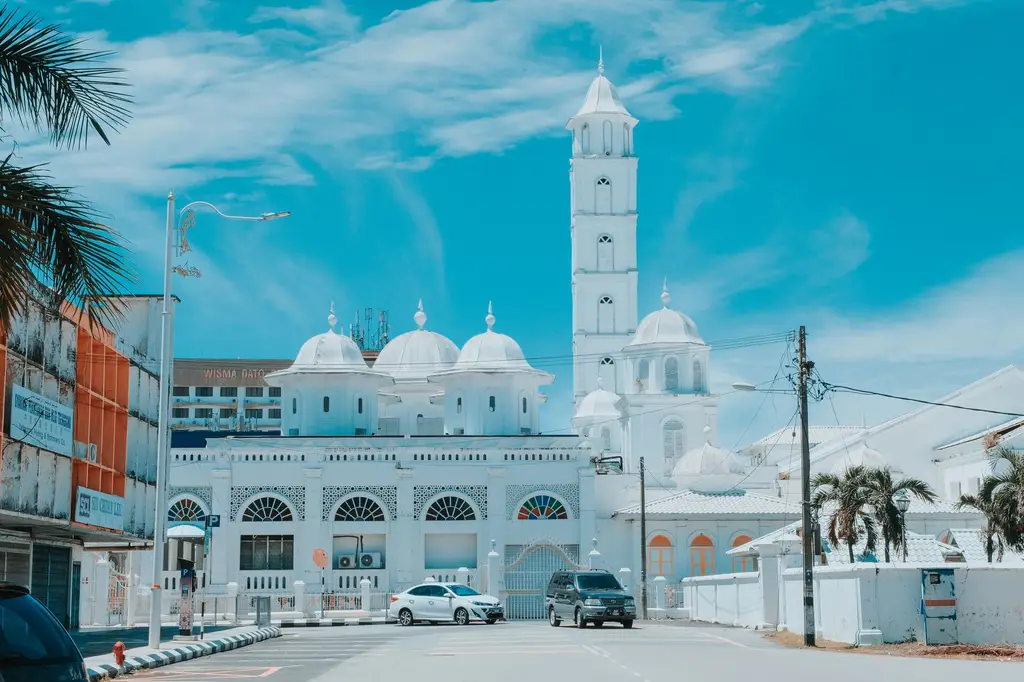
Sabah State Mosque (Masjid Negeri) and Kota Kinabalu City Mosque
grounds viewable outside prayer times; check before you go for visitor access windows·free·30-60 minutes
walk in, dress modestly and expect restricted access during prayer times
The City Mosque, on stilts over an artificial lagoon in Likas, photographs better at dusk. The older State Mosque downtown is plainer but easier to combine with a city walk.
9
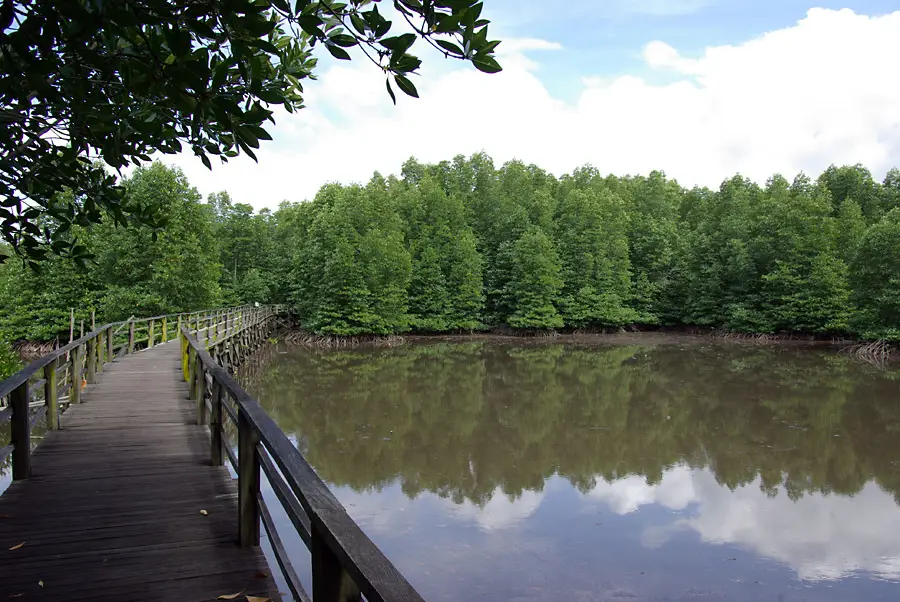
Kota Kinabalu Wetland Centre
check before you go·check before you go·1-1.5 hours
A mangrove boardwalk in Likas run by the Sabah Wetlands Conservation Society, worth it mainly for birdwatchers or anyone wanting a quiet green pocket a few minutes from the city centre.
Close to Gaya Street, Jesselton Point jetty, and the sunset promenade; the most convenient base for a short stay.
Tanjung Aru
Suits: travelers who want a beach and resort pool over city bustle
Home to the well-known sunset beach, a short drive or Grab from downtown, quieter at night.
Kota Kinabalu Wetland Centre area / Likas
Suits: longer stays or those with a car
Residential and cheaper, birdwatching on the doorstep, further from the main restaurant strip.
Kinabalu Park (Kundasang / Ranau)
Suits: anyone climbing or spending a night near the mountain
Cooler highland air, farm stalls and strawberry farms nearby, about two hours from KK city by road.
Getting there and around
Getting there
Kota Kinabalu International Airport (BKI) sits about 7km south of the city centre, roughly 15-20 minutes by taxi or Grab. It is Malaysia Airlines' Borneo hub and AirAsia's secondary hub, with direct flights from KL, Singapore, and several other Asian cities plus Perth.
Getting around
The city centre is walkable: waterfront, Gaya Street, and most hotels sit within a 15-minute radius. Grab is cheap and the easiest way to reach the airport, Sepilok flights, or bus terminals. Buses and shared vans (minivans) run to Kinabalu Park and other towns from the Inanam and Padang Merdeka terminals, but schedules are informal and it is worth asking your hotel to confirm departure points and times rather than relying on a printed timetable. Boats to Tunku Abdul Rahman Marine Park leave from the Jesselton Point jetty in the city centre. For Kinabalu Park or Sepilok, most visitors book a private transfer or join a tour rather than navigate public transport, since the alternative is multiple van changes for a saving of a few ringgit.
Map
City
Recommended (numbered)
Mentioned in an itinerary
Locations on this map
Kota Kinabalu5.97, 116.07
Mount Kinabalu summit climb (Kinabalu Park)6.00, 116.21
Sabah State Mosque (Masjid Negeri) and Kota Kinabalu City Mosque6.04, 116.12
Kota Kinabalu Wetland Centre5.99, 116.09
Likas5.99, 116.10
Manukan5.97, 116.00
Sapi6.01, 116.01
Atkinson Clock Tower5.98, 116.08
Sabahan5.98, 116.09
Jesselton Point5.99, 116.08
Mamutik5.97, 116.01
Kundasang5.99, 116.57
Timpohon Gate6.03, 116.55
Laban Rata6.06, 116.57
Low's Peak6.08, 116.56
Sandakan5.99, 116.13
Sipadan5.99, 116.08
What it costs
Stay
Food
Transport
Activities
Daily cost breakdown, MYR per person
Tier
Stay
Food
Transport
Activities
Total
Budget
MYR 60
MYR 40
MYR 25
MYR 25
MYR 150
Mid-range
MYR 180
MYR 90
MYR 50
MYR 30
MYR 350
Splurge
MYR 500
MYR 220
MYR 100
MYR 60
MYR 880
A mid-range day in the city: MYR 180 for a decent hotel double, MYR 15 Grab from the airport area to downtown, MYR 25 seafood dinner plate at a waterfront market stall, MYR 20 breakfast noodles, MYR 40 return boat transfer to one island, MYR 30 park conservation fee and snorkel gear rental. Comes to roughly MYR 310 for the day, less if splitting the room two ways.
Money savers
Waterfront night market seafood stalls (Filipino Market and the nearby food court) undercut restaurant prices for the same fish, cooked to order
Gaya Street Sunday Market is free to browse and a cheap breakfast stop before a longer day
Shared vans from the Inanam terminal to Kinabalu Park cost a fraction of a private transfer if your schedule can flex
Sapi and Manukan islands both charge the same conservation fee, so pick whichever the day's boat schedule makes cheapest rather than paying for a multi-island package you won't fully use
Kota Kinabalu eats differently from Peninsular Malaysia, close enough to notice within a day. Kadazan-Dusun cooking, Sabah's indigenous food, runs on sour and fermented flavours that don't show up on a KL or Penang menu: bambangan, a wild mango pickle, and tuhau, pickled wild ginger, are built for a different palate than the Malay-Chinese-Indian mix on the peninsula. Layered over that is genuinely excellent, cheap seafood; the waterfront night market by Jesselton Point runs on a pick-your-catch-by-weight system that's hard to get wrong. Halal food is the default here as across most of Malaysia, though the largely Christian Kadazan-Dusun community also serves pork, so it's worth checking a specific restaurant rather than assuming either way.
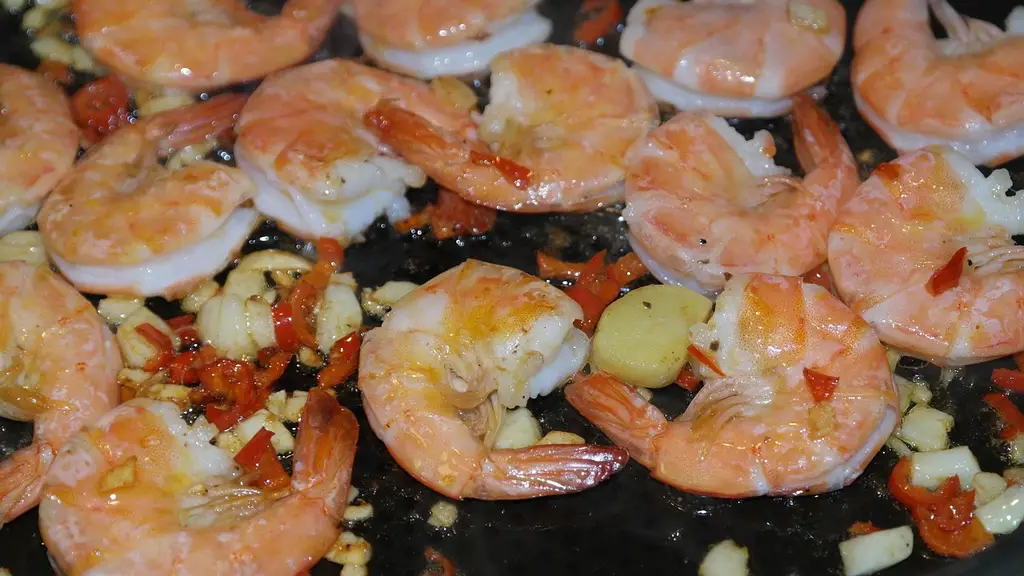
Grilled or steamed fresh fish and seafood
Sinalau bambangan
Hinava
Tuhau
Ngiu chap
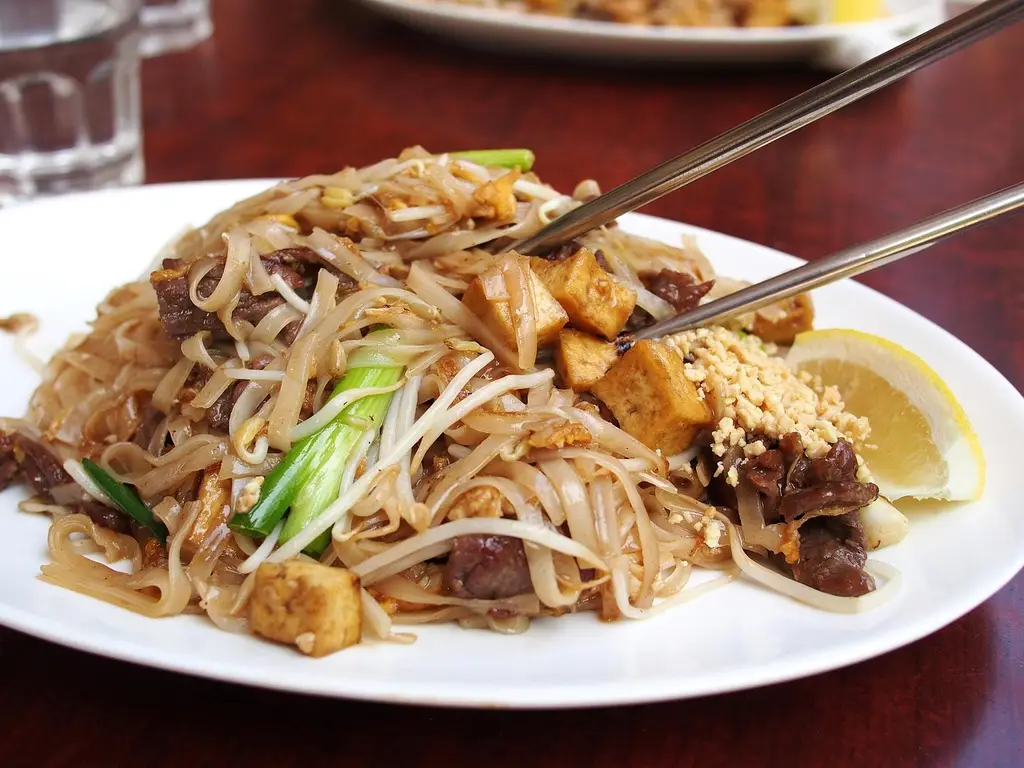
Beaufort mee
Grilled or steamed fresh fish and seafood
MYR 30-70 per kg·Waterfront night market stalls near Jesselton Point
Must try
Pick your catch by weight, have it cooked to order. The standard way to eat well in KK without a reservation.
Sinalau bambangan
MYR 15-30·Local Kadazan-Dusun restaurants around the city
Must try
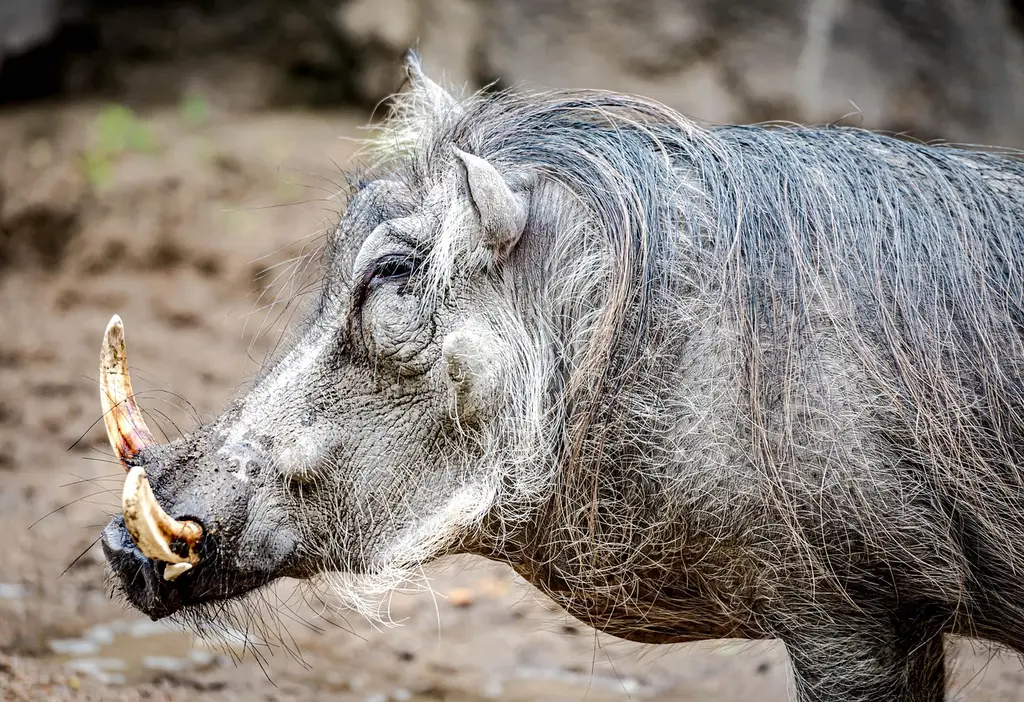
Smoked wild boar or venison eaten with bambangan, a sour wild mango pickle unique to Sabah. Not on every menu, worth seeking out.
Hinava
MYR 10-20·Local eateries and the Gaya Street market
Must try
A Kadazan-Dusun raw fish salad cured in lime juice with chili and ginger flower, similar logic to ceviche.
Tuhau
MYR 5-12·Local Sabahan restaurants
Pickled wild ginger, sharp and polarizing, usually served as a side rather than a main dish.
Ngiu chap
MYR 8-14·Kopitiams across the city, especially the older downtown blocks
A Hakka beef noodle soup invented in Sabah, mixed offal, beef balls and brisket in a clear broth, distinct from the Cantonese beef noodles found elsewhere in Malaysia.
Beaufort mee
MYR 8-12·Kopitiams and stalls, best found in the town of Beaufort itself, a day trip inland
Flat noodles fried in dark sauce with pork or seafood, named for the small railway town where it originates. Worth combining with the Beaufort-to-Tenom scenic rail line.
Sabah tea and local coffee
MYR 5-15·Cafes around Gaya Street and the highland farms near Kinabalu Park
Sabah grows both; a stop at a highland tea or coffee farm is a common add-on for anyone driving to or from the mountain.
Gaya Street Sunday Market
as of 2026-09
Viral
A long-running Sunday street market along Gaya Street with food stalls, produce and local goods stretching several blocks. Go early for the food stalls before the tourist crowds thicken. It's an institution, not a new trend, but it's still the best Sunday-morning food crawl in the city.
Korean-greeting fruit stalls
as of 2026-09
Viral
Fruit vendors around Kota Kinabalu markets have started greeting shoppers in Korean, capitalizing on a wave of Korean tourists. More a tourism-marketing quirk than a food trend on its own, but it's a real signal about who's visiting, and it's spreading across multiple stalls, not just one.
Sabah Fest 2026
as of 2026-09
Viral
A month-long festival launched by the Sabah Tourism Board running through 2026, combining live music with street food vendors. It's a broad tourism event, not a single food destination, but it's the clearest signal of what Sabah is pushing as food tourism.
Kota Kinabalu seafood markets recognition
as of 2026-09
Viral
Regional travel press has been naming Kota Kinabalu's fresh seafood markets among Asia's standout seafood-market experiences. This is positioning, not a new opening, so it's thinner than the other entries. Include it as color, not as a specific place to send people.
Hinava
as of 2026-09
Viral
A Kadazan-Dusun raw fish salad cured in lime juice with shallots, chili, and grated ginger torch fruit, Sabah's answer to ceviche. Fresh fish is essential here, only order it somewhere with visible turnover. A genuinely local dish, not a tourist invention.
Filipino Market seafood section
as of 2026-09
Viral
Kota Kinabalu's Filipino Market has a seafood wing where vendors sell the day's catch, some stalls will cook it on the spot. Haggling is normal and expected. Go early for the best selection, it thins out by midafternoon.
Safety and scams
Kota Kinabalu is a low-crime city by regional standards. The real risks are practical: rip currents and jellyfish at some beaches, sunburn and dehydration on the Kinabalu climb, and boat cancellations to the islands during rough monsoon seas. Petty theft happens at markets and beaches like anywhere touristed, so keep bags zipped and don't leave valuables on a beach towel. Tap water is not generally drunk straight; bottled or filtered is standard.
Common mistakes
Booking the Kinabalu climb after arriving in KK, rather than months ahead when the quota can fill up
Treating Sepilok as a quick photo stop instead of planning around the actual feeding times
Assuming public buses to Kinabalu Park run on a fixed schedule; confirm departure points and times locally rather than trusting an old timetable
Skipping the waterfront night markets for a hotel restaurant, and paying more for a worse plate of fish
Underestimating how cold Laban Rata gets overnight on the climb and packing only tropical-weight layers
Frequently asked questions
How many days do I need in Kota Kinabalu?
The city itself takes a day, maybe two. Most people use KK as a base and spend three to seven days total once you add an island day, the Kinabalu climb, or a trip out to Sepilok. Two weeks lets you cover the mountain, the reef around Semporna, and the rainforest without rushing.
Do I need a permit to climb Mount Kinabalu?
Yes. Climbers need a permit booked through Sabah Parks or an authorised operator, a compulsory certified guide, and a spot within a daily climber quota. Book well ahead of your trip dates and verify the current process, price, and booking operator directly with Sabah Parks, since these details change over time.
Is Sepilok Orangutan Rehabilitation Centre ethical to visit?
It is run by the Sabah Wildlife Department as a rescue and rehabilitation centre for orphaned and displaced orangutans, not a zoo or entertainment venue. Viewing happens from a platform at scheduled feeding times with no touching or selfies, and the goal for the animals there is eventual return to the wild.
How do I get from Kota Kinabalu to the islands?
Boats to Tunku Abdul Rahman Marine Park leave from the Jesselton Point jetty in the city centre, a short walk or Grab ride from most downtown hotels. The crossing to the nearest islands takes about 15-20 minutes.
How far is Sepilok from Kota Kinabalu?
Sepilok sits near Sandakan on the other side of Sabah, roughly a 40-minute flight or a 5-6 hour drive from KK. Most visitors fly this leg rather than drive it, especially on shorter trips.
What is the best time of year to visit Kota Kinabalu?
March to early October is the drier season, best for the Kinabalu climb and reliable island boats. November to February brings the northeast monsoon, with heavier rain and rougher seas that can cancel boat trips.
Is Kota Kinabalu safe for tourists?
Yes, by regional standards it's a low-crime city. The real risks are practical: rip currents at some beaches, sun and altitude on the climb, and monsoon-season boat cancellations. Keep valuables secured at markets and beaches as you would anywhere touristed.
What currency and payment methods work in Kota Kinabalu?
Malaysian ringgit (MYR) is the currency. Cards are widely accepted at hotels and larger restaurants; smaller stalls, markets, and transport are cash-based, so carry ringgit for day-to-day spending.
What is Kaamatan and does it affect travel plans?
Kaamatan is the Kadazan-Dusun harvest festival, celebrated on 30-31 May with traditional dance, beauty pageants, and gatherings across Sabah. Some businesses and offices adjust hours around it, and it's worth timing a visit around if you want to see the cultural side of Sabah rather than avoid the crowds.
Can I visit Kota Kinabalu without climbing Mount Kinabalu?
Yes. Kinabalu Park's lower nature trails, the islands, Sepilok, and Mari Mari Cultural Village make for a full trip without the summit climb, which is physically demanding and requires its own separate booking well ahead of time.