Things to Do in Malacca: Itineraries, Costs and Food
A UNESCO-listed port city where Malay Sultanate, Portuguese, Dutch and British layers sit within a ten-minute walk of each other, and Peranakan culture runs through all of it.
By Labeeb Mirza · Published September 8, 2026 · Updated September 8, 2026
Best timeJune through August is…
Daily budget (mid)MYR 320
Ideal length3 days
CurrencyMYR
Overview
Malacca (Melaka) was the region's dominant trading port for a century before any European ship arrived, and the built city still reads like a stack of the powers that fought over it after. The Portuguese took it in 1511 and left the Porta de Santiago gate, the last fragment of the A Famosa fortress. The Dutch held it from 1641 and left the red-painted Stadthuys and Christ Church around the main square. The British took over in 1824 under the Anglo-Dutch Treaty and left the shophouse streetscape that survives today. Layered through it is Peranakan, or Baba Nyonya, culture: descendants of Chinese traders who intermarried with local Malays, whose townhouses line Jonker Street and whose cuisine is its own distinct thing, not a subset of Chinese or Malay food. Melaka and George Town were jointly inscribed as a UNESCO World Heritage Site in 2008, as the Historic Cities of the Straits of Malacca. The historic core is compact enough to walk in a day, which is both the draw and the limit: this is not a city that needs a week on its own. Most visitors treat it as a two-to-three-day trip, often as a side trip from Kuala Lumpur, about two hours away by road. What it does well in that time is dense: a fort gate, a hilltop church ruin, a river lined with murals and old godowns, a street of century-old townhouses, and food that does not exist in quite the same form anywhere else in Malaysia.
Melaka reads faster than people plan for. Give it a proper day and a half of walking and you've covered the fort, the church ruin, the museum row and Jonker Street without rushing, which surprises visitors who block out four or five days.
The three colonial layers are genuinely distinct once you know what you're looking at: the Portuguese gate is squat and defensive, the Dutch square is civic and symmetrical, the British left the shophouse grid. Most people flatten all of it into 'old town' and miss the point.
Satay celup is the dish I'd send someone here for over anything else. It's a communal hot-pot version of satay unique to Melaka, and it's a better representation of the city's mixed food culture than any single Nyonya or Portuguese dish alone.
The Jonker Street night market is worth one visit and one visit only if you're short on time. It's fun and the food is good, but it's also the most generic tourist-market experience in the city; the museums and the Portuguese Settlement tell you more.
I'd skip an overnight stay purely inside the Jonker Street strip if you're a light sleeper. The night market noise carries into the shophouse hotels built right on top of it.
The core historic walk: fort gate, hilltop church, Dutch square and Jonker Street in one loop.
Day 1: The historic core on foot
Morning
A Famosa's Porta de Santiago gate, then the climb up St Paul's Hill to the church ruins before the midday heat sets in.
Afternoon
Down to the Stadthuys and Christ Church at the main square, then a slow walk up Jonker Street through the Peranakan townhouses, stopping at the Baba Nyonya Heritage Museum if the tour timing lines up.
Evening
Dinner in Chinatown, satay celup if you haven't had it, then the night market if it's a Friday, Saturday or Sunday.
Tip: Start by 9am. The hill and square have almost no shade once the sun is high.
Adds the Portuguese Settlement, river district and a slower food-focused day to the one-day core.
Day 1: The historic core on foot
Morning
A Famosa and St Paul's Hill.
Afternoon
Stadthuys, Christ Church, then Jonker Street and the Baba Nyonya Heritage Museum.
Evening
Chinatown dinner, night market if the dates line up.
Tip: Check the museum's guided tour times before you plan the rest of the afternoon around it.
Day 2: River and Portuguese Settlement
Morning
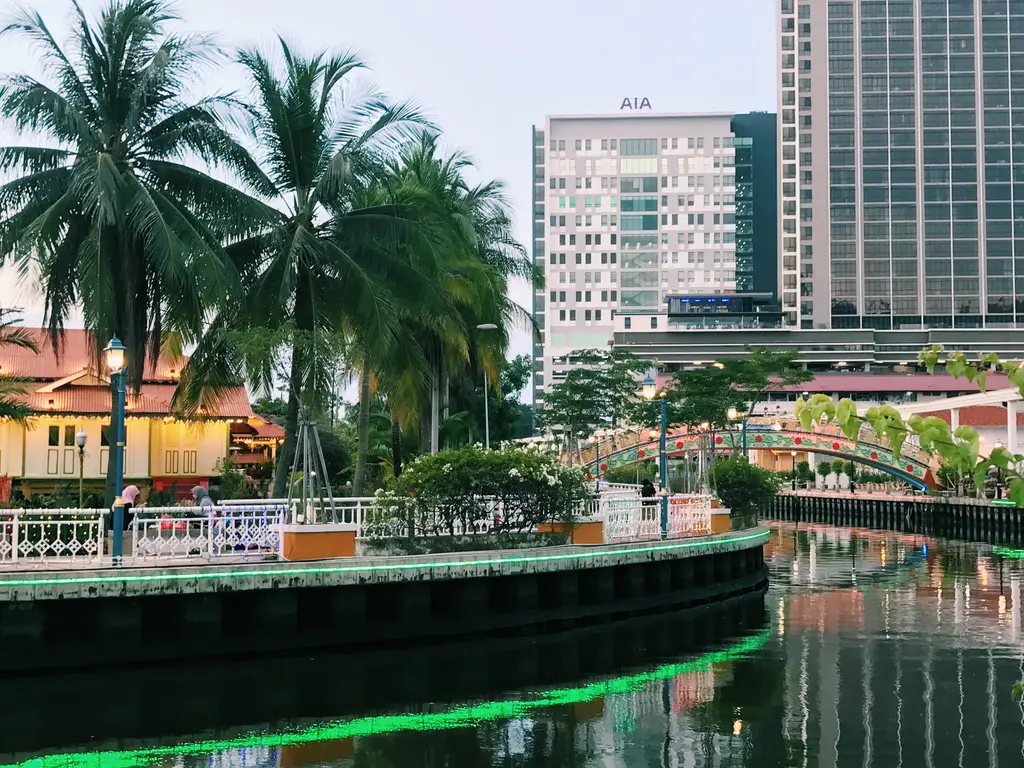
Kampung Morten's stilt houses, then a walk along the Melaka River's mural-lined stretch.
Afternoon
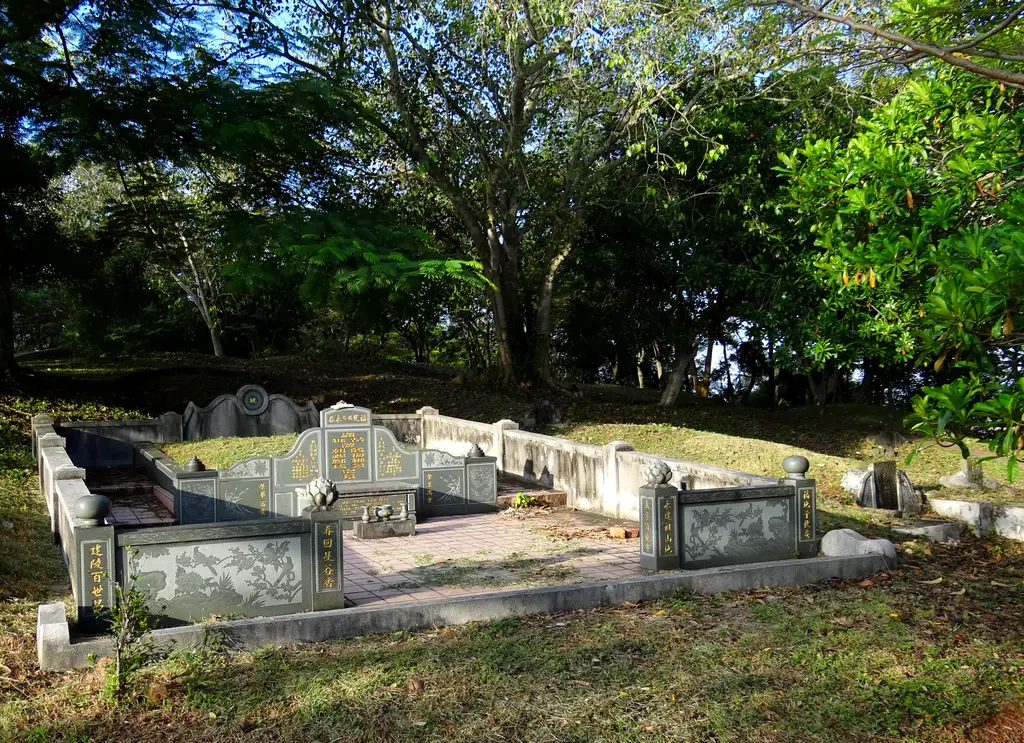
Bukit China for a quiet historical walk away from the crowds.
Evening
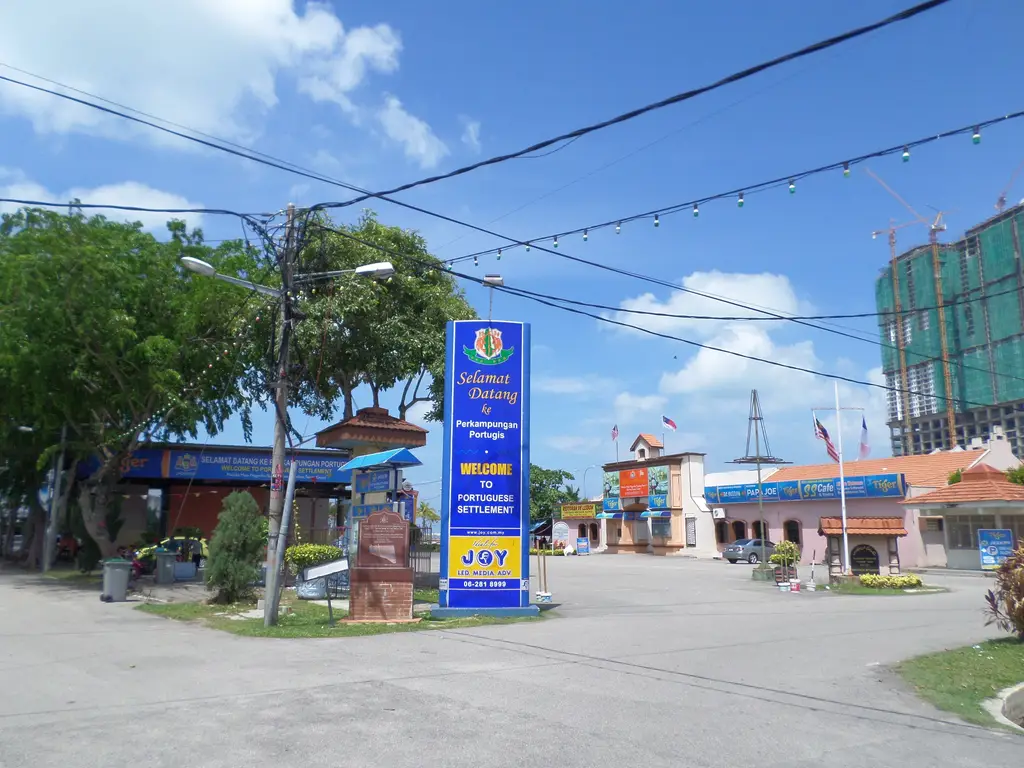
Grab to the Portuguese Settlement for Kristang seafood by the water.
Tip: The settlement is livelier Friday and Saturday nights; weeknights are quieter but still open.
Day 3: Slow morning, food and shopping
Morning
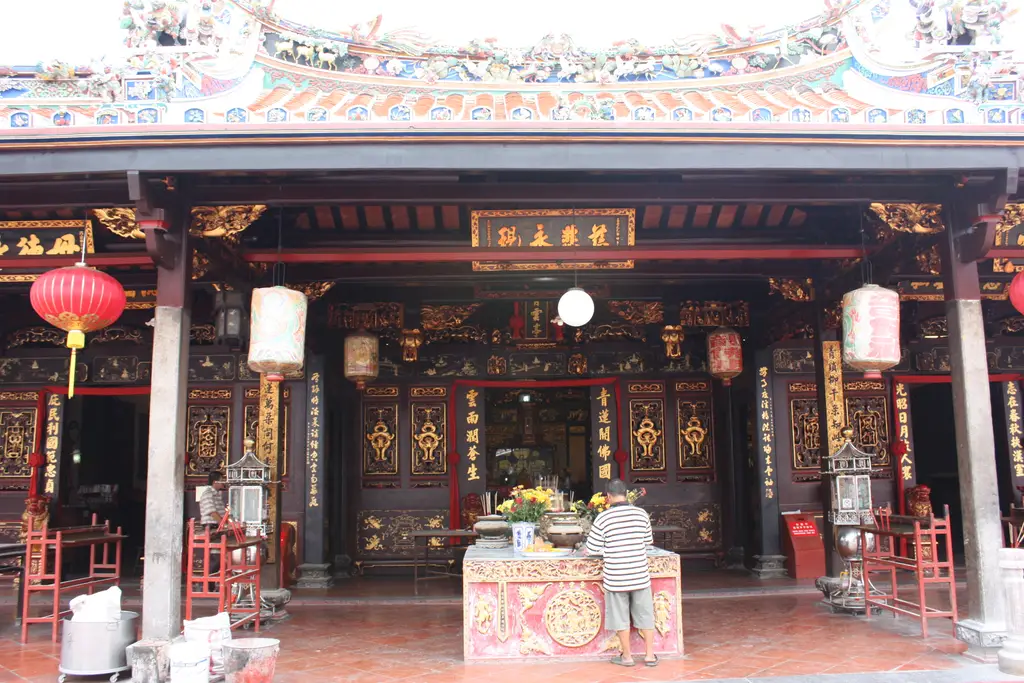
Sleep in, then Cheng Hoon Teng Temple and the surrounding Chinatown lanes.
Afternoon
Revisit whichever street you liked most, antique shopping on Jonker Street, laksa Nyonya lunch.
Evening
Open for a final dinner or an early departure.
Tip: Three days is enough to see Melaka properly without padding; don't feel obligated to fill a fourth.
The 3-day core plus two day trips, since the city itself runs out of new ground after about three days.
Day 1: The historic core on foot
Morning
A Famosa and St Paul's Hill.
Afternoon
Stadthuys, Christ Church, Jonker Street.
Evening
Chinatown dinner.
Tip: Start early; the hill has no shade.
Day 2: River and Portuguese Settlement
Morning
Kampung Morten and the riverside walk.
Afternoon
Bukit China.
Evening
Portuguese Settlement for dinner.
Tip: Weekend evenings are busier here than weeknights.
Day 3: Museums and Chinatown food
Morning
Baba Nyonya Heritage Museum tour, timed to its afternoon cutoff.
Afternoon
Cheng Hoon Teng Temple and antique shopping on Jonker Street.
Evening
Night market if the dates line up, otherwise a sit-down Nyonya dinner.
Tip: Confirm the museum's last tour time before building the rest of the day around it.
Show all 5 days
Day 4: Day trip: Port Dickson
Morning
Drive or Grab to Port Dickson, roughly an hour up the coast, for its beaches, a change of pace from the historic core.
Afternoon
Beach time or a seafood lunch along the coastal road.
Evening
Back to Melaka for the night.
Tip: Port Dickson's beaches are functional rather than postcard-perfect; go for the break from walking, not for a Malaysian Bali.
Day 5: Day trip: Muar
Morning
Drive or Grab south to Muar, about an hour, a Johor river town known for its own distinct hawker food scene.
Afternoon
Walk the riverside and try Muar's mee bandung and otak-otak, both associated with the town specifically.
Evening
Back to Melaka or onward, depending on your route out.
Tip: Muar is a food trip more than a sightseeing one; go hungry and don't overplan the itinerary.
Malacca cannot honestly fill 7 days on its own. This uses the historic core for the first three days, then builds the rest around it as day trips and a short coastal stay, using Melaka as a base rather than padding the city itself.
Day 1: The historic core on foot
Morning
A Famosa and St Paul's Hill.
Afternoon
Stadthuys, Christ Church, Jonker Street.
Evening
Chinatown dinner.
Tip: Start by 9am for the hill.
Day 2: River and Portuguese Settlement
Morning
Kampung Morten and the riverside.
Afternoon
Bukit China.
Evening
Portuguese Settlement dinner.
Tip: Better on a Friday or Saturday for atmosphere.
Day 3: Museums and Chinatown food
Morning
Baba Nyonya Heritage Museum.
Afternoon
Cheng Hoon Teng Temple, antique shopping.
Evening
Night market if the dates line up.
Tip: Check the museum's tour schedule first.
Show all 7 days
Day 4: Day trip: Muar
Morning
Grab or drive to Muar, about an hour south.
Afternoon
Riverside walk, mee bandung and otak-otak.
Evening
Back to Melaka.
Tip: A food-focused day; keep the plan loose.
Day 5: Coastal day: Port Dickson
Morning
Drive or Grab to Port Dickson, about an hour.
Afternoon
Beach time and a seafood lunch on the coastal road.
Evening
Overnight in Port Dickson for a change of scene, or head back to Melaka.
Tip: Book a Port Dickson hotel in advance if staying over; the good ones fill on weekends.
Day 6: Return to Melaka, slower pace
Morning
Back to Melaka, late morning.
Afternoon
Revisit a favorite street or neighborhood, or catch anything missed on day 1-3.
Evening
A proper final Nyonya or Portuguese dinner.
Tip: Use this as a buffer day if weather disrupted an earlier one.
Day 7: Departure or onward to Kuala Lumpur
Morning
Pack, last shopping on Jonker Street.
Afternoon
Express bus back to Kuala Lumpur, about 2 hours from Melaka Sentral.
Evening
Departure or KL arrival.
Tip: Book the return bus a day ahead on weekends; the popular departure times sell out.
Two weeks based in Melaka alone would mean padding the city with repeat visits, which isn't honest. This itinerary uses Melaka as a base for the first week, then builds a second week traveling south through Muar, Batu Pahat and toward Johor, framing it plainly as a regional Malaysian south-coast trip anchored on Melaka rather than a two-week Melaka stay.
Day 1: The historic core on foot
Morning
A Famosa and St Paul's Hill.
Afternoon
Stadthuys, Christ Church, Jonker Street.
Evening
Chinatown dinner.
Tip: Start early for the hill.
Day 2: River and Portuguese Settlement
Morning
Kampung Morten and the riverside.
Afternoon
Bukit China.
Evening
Portuguese Settlement dinner.
Tip: Weekend nights are livelier here.
Day 3: Museums and Chinatown food
Morning
Baba Nyonya Heritage Museum.
Afternoon
Cheng Hoon Teng Temple, antique shopping.
Evening
Night market if the dates line up.
Tip: Confirm the museum's tour schedule.
Show all 14 days
Day 4: Rest day in Melaka
Morning
Open, slow café morning.
Afternoon
Revisit a favorite street, or catch anything missed.
Evening
Open.
Tip: By day 4 a real rest day matters more than another sight.
Day 5: Coastal day: Port Dickson
Morning
Drive or Grab to Port Dickson, about an hour.
Afternoon
Beach and coastal seafood.
Evening
Overnight in Port Dickson.
Tip: Book ahead if it's a weekend.
Day 6: Return to Melaka
Morning
Back to Melaka.
Afternoon
Free afternoon.
Evening
Dinner in Chinatown, end of week one.
Tip: Use today to restock and repack for the second week.
Day 7: Day trip: Muar
Morning
Grab or drive south to Muar, about an hour.
Afternoon
Riverside walk, mee bandung and otak-otak.
Evening
Back to Melaka for the night.
Tip: A food day; keep plans loose.
Day 8: South to Batu Pahat
Morning
Drive or bus further south to Batu Pahat, a Johor river town, about 2 hours from Melaka.
Afternoon
Local hawker food and the riverside area.
Evening
Overnight in Batu Pahat.
Tip: This is a genuine regional detour, not a Melaka day trip; treat it as a new base for a night.
Day 9: Onward toward Johor Bahru
Morning
Continue south to Johor Bahru, about 1.5-2 hours from Batu Pahat.
Afternoon
Johor Bahru's old town and waterfront.
Evening
Overnight in Johor Bahru.
Tip: This day trades Melaka's colonial layers for a different, more modern Malaysian city.
Day 10: Johor Bahru, second day
Morning
Open, depending on what interests you in JB.
Afternoon
Open.
Evening
Open.
Tip: By this point the trip has become a Malaysian south-coast tour, not a Melaka stay; plan JB days around what you actually want to see there.
Day 11: North back toward Melaka
Morning
Travel back north to Melaka, roughly 3 hours by road.
Afternoon
Arrive, slow afternoon.
Evening
Dinner in Chinatown.
Tip: Long travel day; don't overplan it.
Day 12: Rest day in Melaka
Morning
Open.
Afternoon
Any Melaka sight missed earlier in the trip.
Evening
Open.
Tip: A second full rest day before the final push.
Day 13: Final Melaka day
Morning
Slow café morning, last Jonker Street shopping.
Afternoon
A last walk through whichever neighborhood you connected with most.
Evening
A final Nyonya or Portuguese dinner.
Tip: Book anything you still want to do; Melaka's core sites can all be revisited without a booking.
Day 14: Departure
Morning
Pack, last errands.
Afternoon
Express bus to Kuala Lumpur, about 2 hours, for onward flights.
Evening
Departure.
Tip: Book the KL-bound bus a day ahead if traveling on a weekend.
6Photo by Irwan Shah Bin Abdullah / https://ehalal.io/muslim-friendly-travel-2024/Malacca, licensed CC BY-SA 4.0, via Wikimedia CommonsCheng Hoon Teng Temple
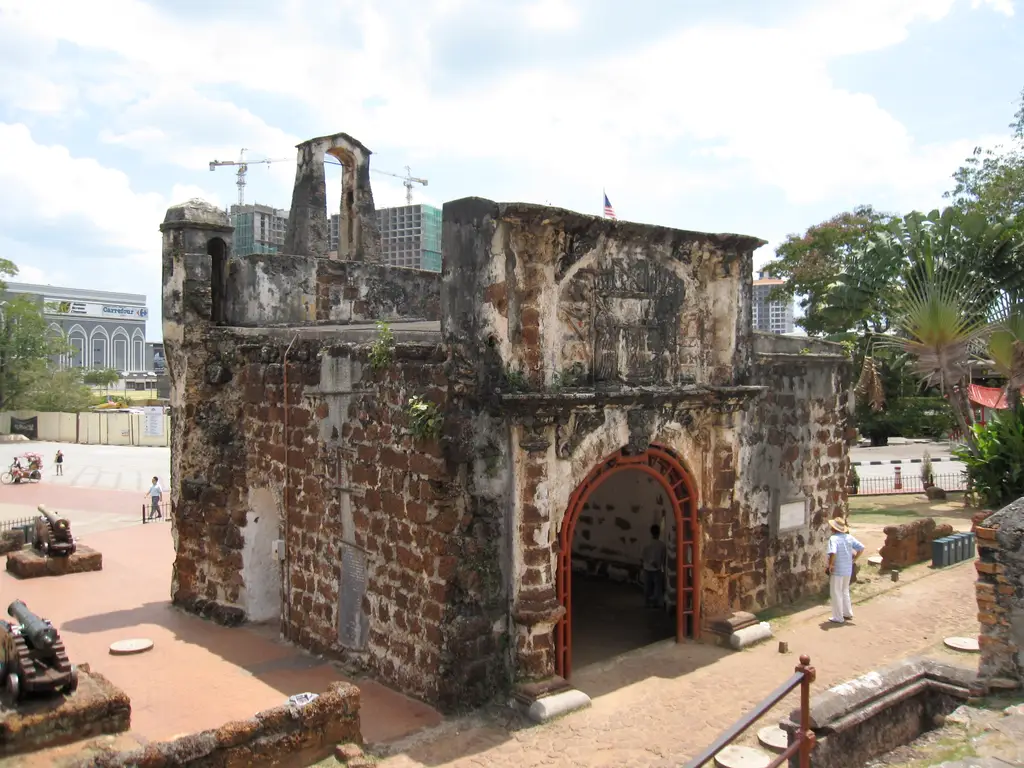
The last standing gate of the Portuguese fortress built in 1511 after they took the city; the British demolished most of the rest in the early 1800s. Small and often crowded for photos midday.
2
Stadthuys and the Melaka Museum
Tuesday-Sunday 9:00am-5:30pm·check before you go·45-60 minutes
Closed Mondays
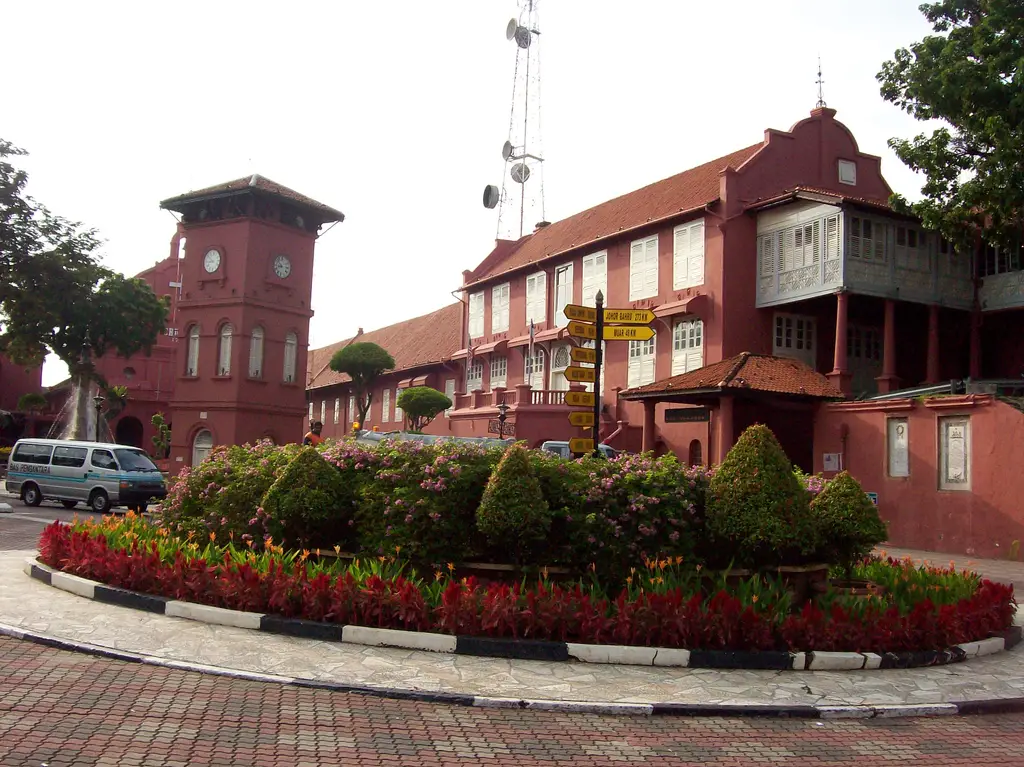
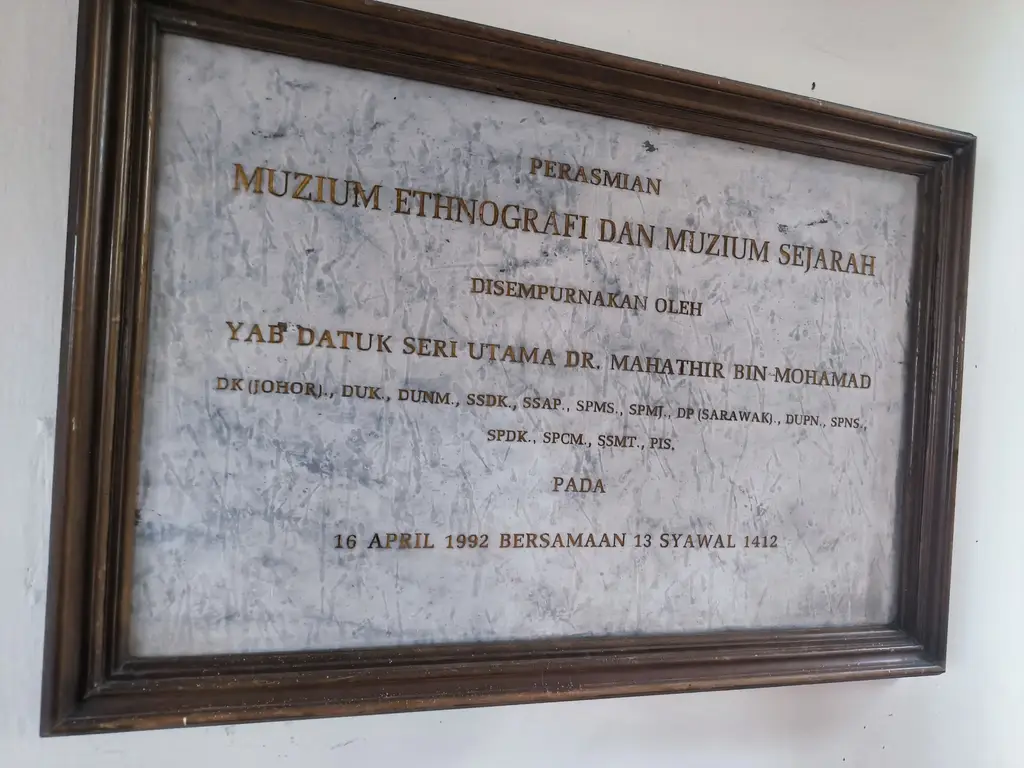
The red Dutch colonial town hall from the 1650s facing the main square, now a history and ethnography museum run by the state museum body PERZIM. Entry fee wasn't listed on the official site; confirm at the counter.
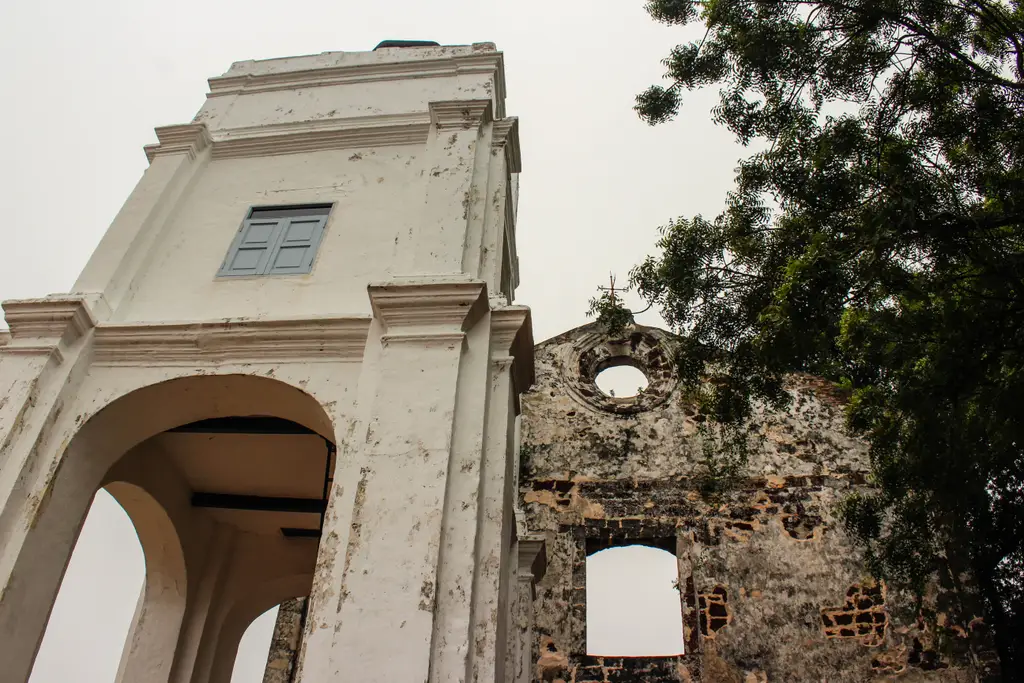
A roofless Portuguese-era chapel from 1521 on the hill above A Famosa, where St Francis Xavier's body was briefly buried before being moved to Goa. Best late afternoon for the harbor view and cooler air on the climb.
4
Jonker Street (Jalan Hang Jebat)
shops vary by day; night market runs Friday-Sunday evenings, check before you go for current times·free to walk·1-3 hours
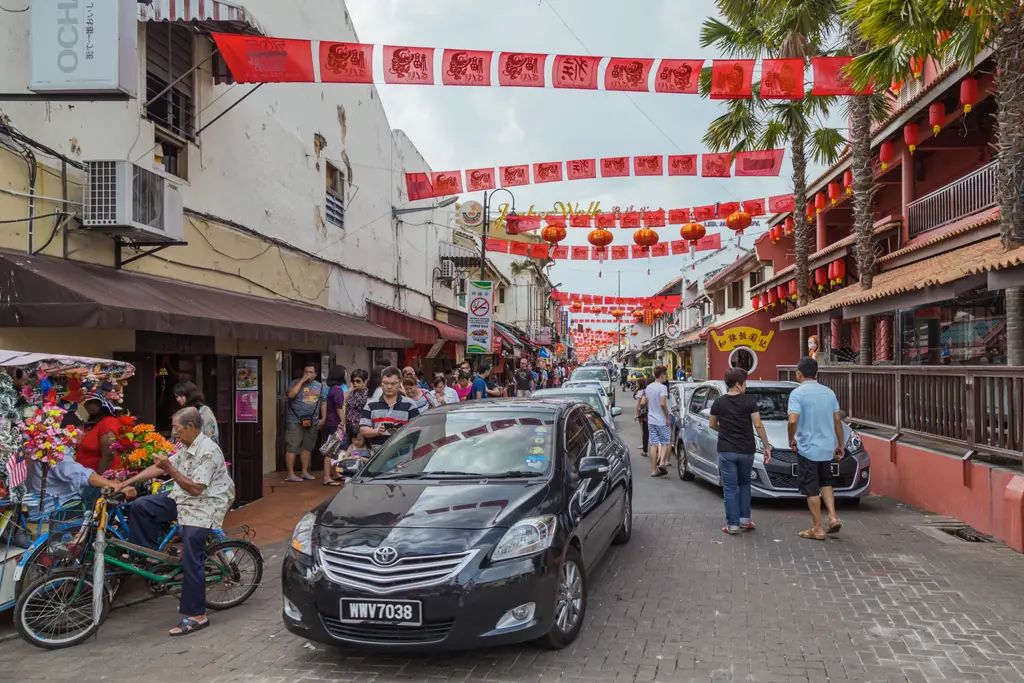
The spine of Melaka's Peranakan heritage core, lined with century-old Baba Nyonya townhouses, antique shops and food stalls. The weekend night market is the busiest single event in the old town.
5
Baba Nyonya Heritage Museum
10:00am-4:15pm weekdays except Tuesday, 10:00am-4:45pm weekends·check before you go (online ticketing available; a RM100 surcharge applies if you visit in costume)·45-60 minutes, guided tour only
Closed Tuesdayswalk in or book online in advance
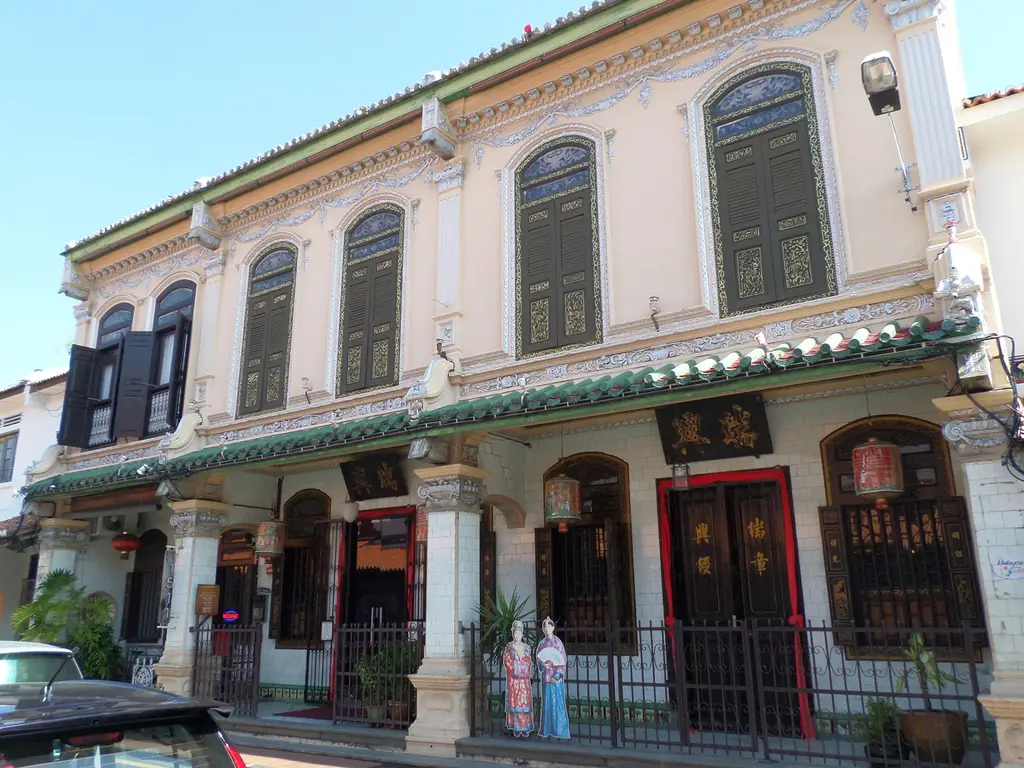
A restored townhouse on Jalan Tun Tan Cheng Lock furnished as a working Peranakan home, seen only on a guided walkthrough. Closing time is mid-afternoon, earlier than most visitors expect.
check before you go, commonly cited as roughly 7am-7pm daily·free·20-30 minutes
Widely described as the oldest functioning Chinese temple in Malaysia, built in 1645. No official website could be verified; hours are what's commonly reported rather than confirmed on a primary source.
Jonker Street Night Market
as of 2026-09
Viral
Weekend night market, Friday through Sunday evenings, that turns Melaka's main heritage street into a pedestrian strip of food stalls, antiques, and souvenir vendors. Touristy and crowded by 8pm, no question. Still the best single dose of Melaka's Peranakan-mixed street culture, just don't expect a bargain or a quiet stroll.
Melaka River Cruise
as of 2026-09
Viral
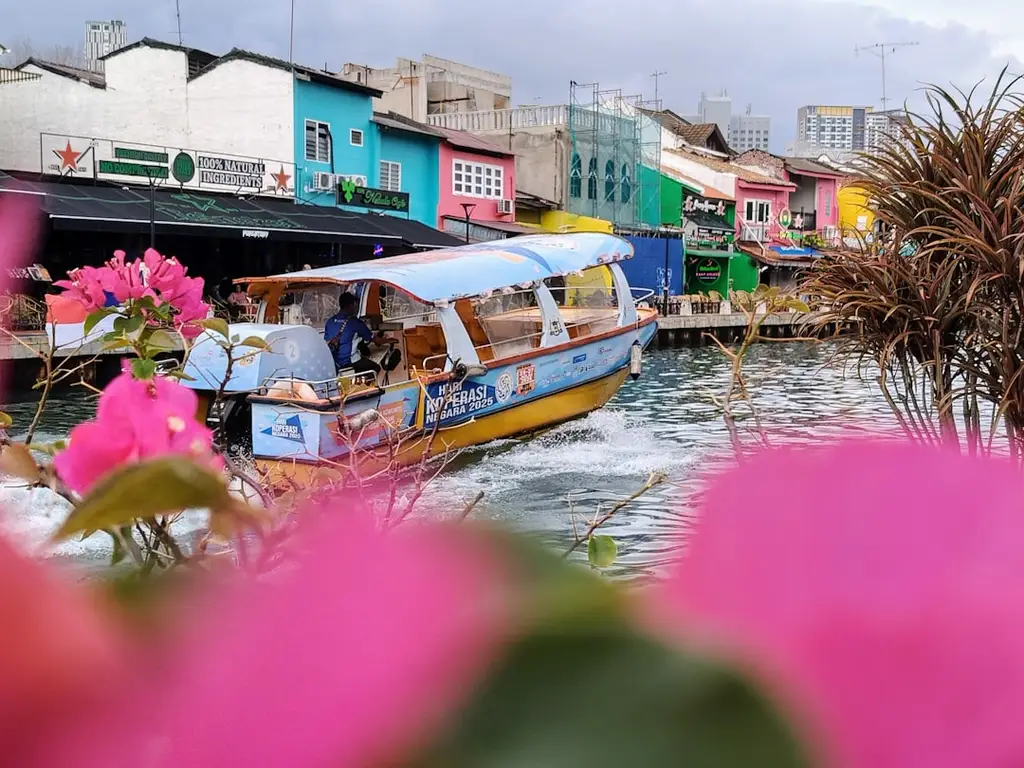
45-minute boat ride along the Melaka River past painted riverside murals, old godowns, and the UNESCO-listed heritage stretch of the city, running day and night departures. Relaxed and low-effort, especially the evening run once the riverside lighting kicks in. It's an overview lap of the city, not a deep dive, treat it that way.
Taming Sari Tower
as of 2026-09
Viral
A rotating viewing platform that rises about 80 metres above Melaka and turns a slow 360 degrees, giving riders a full panoramic sweep of the historic city without moving. Short and a little gimmicky, but the rotation means nobody has to fight for a window seat like on most towers. Ten minutes well spent, not a half-day plan.
Baba and Nyonya Heritage Museum
as of 2026-09
Viral
A restored 19th-century Peranakan townhouse complex on Jalan Tun Tan Cheng Lock, furnished with original Straits Chinese antiques, porcelain, and family heirlooms, viewed via guided tour. The best way to actually understand Peranakan culture here rather than just see it referenced on souvenir shirts down the street. Take the guided tour rather than wandering through alone.
St Paul's Hill and A Famosa fortress
as of 2026-09
Viral
A short climb past Portuguese watchtower ruins to the 1521 St Paul's Church ruins at the summit, with the 1511 A Famosa fortress gate nearby at the base of the hill. Genuinely old, genuinely free, and gives a better sense of Melaka's colonial layering than most paid attractions nearby. Little shade on the climb, so go outside midday heat.
More to see (3)
7
Portuguese Settlement (Ujong Pasir)
always open to walk; restaurants keep their own evening hours·free to walk·1.5-2 hours, evening for dinner
Home to Melaka's Kristang community, descendants of Portuguese settlers who intermarried locally centuries ago. The seafront square fills with seafood stalls in the evening; livelier Friday and Saturday.
8
Kampung Morten
always open (public streets)·free to walk·30-45 minutes
A cluster of traditional Malay stilt houses on the river's north bank, a short walk or riverside stroll from the old town. Quiet compared to Jonker Street and worth the detour for the architecture alone.
9
Bukit China
always open·free·30-45 minutes
Said to be the largest Chinese cemetery outside China, with graves dating back to the Ming era, on a hill donated to the Chinese community by a Melaka sultan. More of a quiet historical walk than a sight to photograph.
Where to stay
Jonker Street / Chinatown
Suits: first-timers who want to walk everywhere
Inside restored shophouses, steps from the night market and river, but the loudest and priciest area on weekend nights.
Banda Hilir
Suits: travelers who want the main square and river on their doorstep
Closest to Stadthuys, Christ Church and St Paul's Hill, with newer hotels alongside heritage guesthouses.
Klebang
Suits: anyone who wants a quieter base near the coast
Beachfront and a well-known coconut shake strip, but a 15-20 minute drive from the historic core.
Ayer Keroh
Suits: drivers and families using the highway exit or nearby attractions
Resort-style hotels near the zoo and botanical gardens, convenient for a car but removed from the walkable old town.
Getting there and around
Getting there
Melaka Sentral bus terminal is the main arrival point, roughly 2 hours from Kuala Lumpur's TBS terminal by express bus along the North-South Expressway, or a similar drive time by car or Grab. There's no meaningful rail link into central Melaka; buses and cars are how almost everyone arrives. Melaka Sentral sits about 15-20 minutes by taxi or bus from the historic core.
Getting around
The historic core, from the Stadthuys to Jonker Street, is entirely walkable and best covered on foot; most of it fits inside a square kilometer. Trishaws decorated with flowers and speakers do short tourist loops around the main square, more novelty than transport. Grab covers the wider city cheaply for trips to the Portuguese Settlement or Ayer Keroh. A rented bicycle works for Kampung Morten and the riverside, but the core streets are narrow, pedestrian-heavy and not built for cars.
Map
City
Recommended (numbered)
Mentioned in an itinerary
Locations on this map
Malacca2.19, 102.25
A Famosa (Porta de Santiago)2.44, 102.21
Stadthuys and the Melaka Museum2.19, 102.25
St Paul's Church ruins2.19, 102.25
Jonker Street (Jalan Hang Jebat)2.20, 102.25
Baba Nyonya Heritage Museum2.20, 102.25
Cheng Hoon Teng Temple2.20, 102.25
Portuguese Settlement (Ujong Pasir)2.18, 102.27
Kampung Morten2.20, 102.25
Bukit China2.20, 102.26
St Paul's Hill2.19, 102.25
Christ Church2.19, 102.25
Peranakan2.20, 102.25
Melaka River2.32, 102.25
Port Dickson2.41, 101.86
Muar2.19, 102.31
Johor2.37, 102.62
Kuala Lumpur3.15, 101.69
Melaka Sentral2.22, 102.25
Batu Pahat1.93, 103.00
Johor Bahru1.54, 103.72
What it costs
Stay
Food
Transport
Activities
Daily cost breakdown, MYR per person
Tier
Stay
Food
Transport
Activities
Total
Budget
MYR 60
MYR 40
MYR 15
MYR 15
MYR 130
Mid-range
MYR 180
MYR 90
MYR 30
MYR 20
MYR 320
Splurge
MYR 500
MYR 180
MYR 50
MYR 20
MYR 750
A mid-range day: MYR 180 heritage shophouse hotel room (split two ways or solo), MYR 20 Grab rides across town and to the Portuguese Settlement, MYR 15 laksa Nyonya lunch, MYR 25 guided walkthrough at the Baba Nyonya Heritage Museum, MYR 30 satay celup dinner, MYR 15 cendol and coconut shake stops through the day. Comes to roughly MYR 285-320.
Money savers
A Famosa, St Paul's Hill, Bukit China, Kampung Morten and the Jonker Street walk itself are all free
Jonker Street night market food stalls run MYR 5-15 a plate, cheaper than any sit-down Chinatown restaurant
Weekday hotel rates in Banda Hilir and Jonker Street drop noticeably versus Friday-Saturday nights
Melaka Sentral express buses undercut Grab or a rental car for the KL run if you don't need door-to-door timing
Melaka's food geography sits inside a small enough old town that most of it is walkable in an afternoon, which is both a blessing and the problem: Jonker Street gets swamped with day-trippers from KL and Singapore on weekends, and prices there reflect it more than the quality does. The city's real strength is how many distinct food traditions survive in close range. Peranakan, Nyonya, cooking, born from generations of Chinese-Malay intermarriage, sits minutes from Kristang food shaped by Portuguese descent in the Portuguese Settlement, a genuinely different lineage from either Chinese or Malay cooking and easy to miss if you never leave Chinatown. Go on a weekday morning for Jonker Street's satay celup without the queue.
MYR 1-3 per skewer·Jonker Street and the surrounding Chinatown lanes
Must try
A Melaka original: skewers of meat, seafood and vegetables cooked communally in a shared peanut-sauce pot, distinct from regular grilled satay found elsewhere in Malaysia.
Laksa Nyonya (Melaka-style)
MYR 6-10·Chinatown coffee shops and hawker stalls
Must try
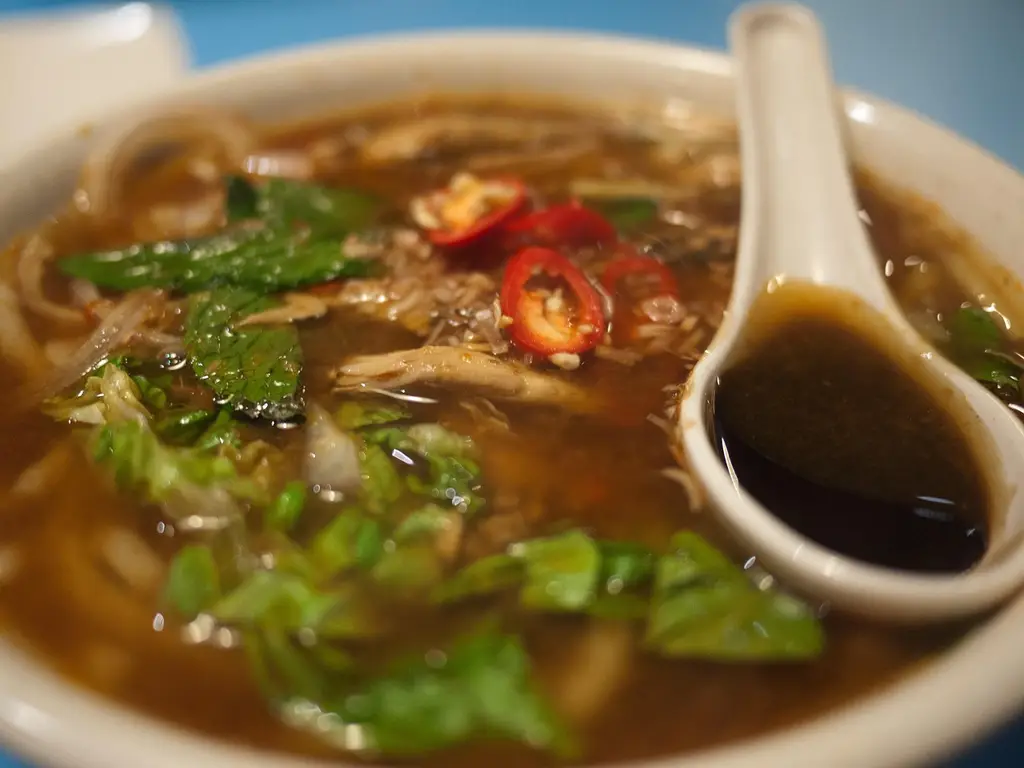
A coconut-milk-based laksa, richer and less sour than the assam laksa found further north in Penang; a genuinely different regional style, not a variant of the same dish.
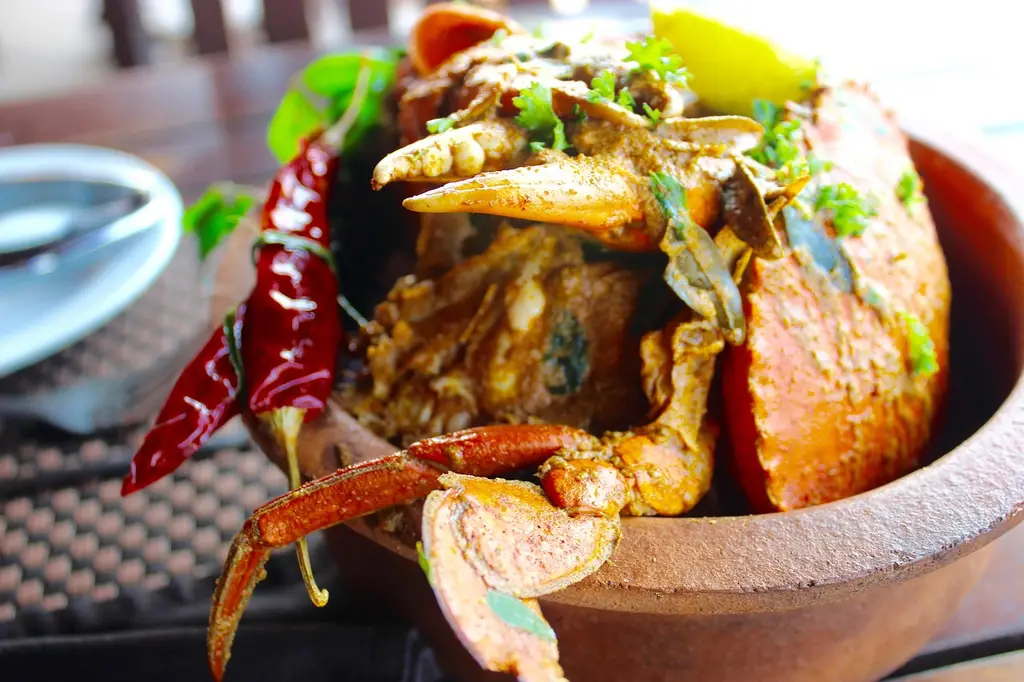
Grilled and curried seafood shaped by Kristang, Portuguese-descended, tradition rather than Malay or Chinese cooking; devil curry is the hot, vinegar-forward specialty.
Chicken rice ball
MYR 8-16·Chinatown restaurants along and near Jonker Street
Must try
Melaka's local variation on Hainanese chicken rice, served as compact steamed rice balls instead of a plate of rice; a specific local format, not found this way in most of Malaysia.
Cendol and coconut shakes
MYR 3-8·Jonker Street stalls and the Klebang coconut shake strip
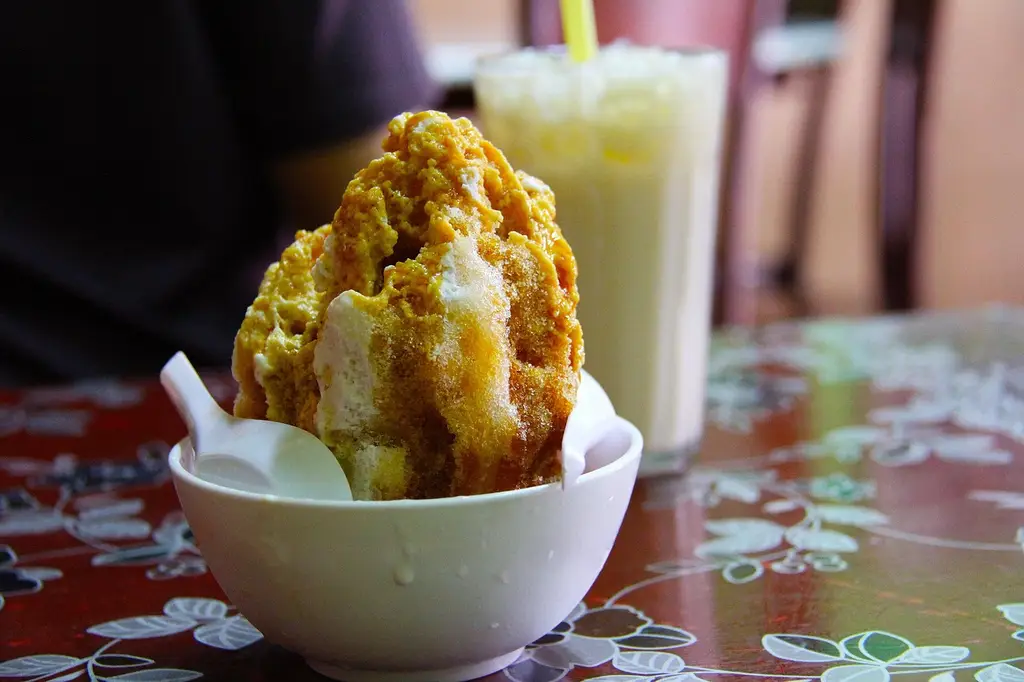
Shaved ice with palm sugar and pandan noodles; Melaka is one of the dish's most commonly cited origin points, alongside claims from elsewhere in the region.
Nyonya kuih
MYR 1-3 per piece·Jonker Street stalls and Peranakan bakeries in Chinatown
Small, colourful steamed or layered cakes made from glutinous rice, coconut and pandan, a Peranakan tradition passed down through home recipes as much as shops.
Asam pedas
MYR 10-20·Local restaurants across the city, particularly Malay-run eateries
A sour, spicy fish stew built on tamarind and chili paste, a Malay dish distinct from the Chinese-Peranakan food Melaka is usually known for.
Gula Melaka lava desserts
as of 2026-09
Viral
Pandan-wrapped desserts oozing dark palm sugar syrup when cut open, a dessert format built for video and now everywhere in Melaka's dessert shops. The gula melaka itself is the real local ingredient worth tasting. The lava gimmick is mostly for the camera.
Satay celup around Melaka Raya
as of 2026-09
Viral
Melaka's own take on steamboat: skewered ingredients dipped in a peanut satay sauce, served everywhere in the Melaka Raya food district. This predates any social trend and still holds up. Go where it's crowded with locals, not the tourist-facing shops on Jonker.
Charcoal-fired roti canai
as of 2026-09
Viral
Roti canai cooked over charcoal instead of gas, which gives the dough a smokier edge and a crisper crust than the standard version. A real technique, not a gimmick. Worth trying on a food crawl. Not worth a special trip on its own.
Claypot asam pedas in Kota Laksamana
as of 2026-09
Viral
Asam pedas served bubbling in a clay pot instead of a bowl, thick red gravy, sold around the Kota Laksamana area. The claypot keeps it hot and photographs well, which explains a lot of the buzz. Judge the asam pedas itself, not the pot.
Chicken rice ball shops
as of 2026-09
Viral
Melaka-style chicken rice rolled into golf-ball portions instead of served loose, sold at a handful of long-running shops around town. The dish is old, not new, but it's drawing fresh crowds. Go early or expect a wait at lunch and on weekend nights.
Mee racun
as of 2026-09
Viral
A dry noodle dish whose name translates roughly to poison noodles, a reference to how addictive the sauce is meant to be. Spreading as a viral order across Malaysia including Melaka. The name is carrying most of the hype. It's a solid spicy dry noodle, but treat viral as marketing until you've had a bowl.
Cendol in Kampung Hulu
as of 2026-09
Viral
Traditional cendol served from stalls in Kampung Hulu, known locally for a richer, more coconut-milk-heavy version than standard Melaka cendol. A legitimate reason to detour into Kampung Hulu if you already like cendol. It's a style variation, not a discovery.
Safety and scams
Melaka is low-risk by regional standards; violent crime against visitors is rare. The main annoyances are heat and crowding: the historic core has little shade at midday, and the main square and night market get dense enough for pickpocketing opportunists on weekend nights. Traffic around Jonker Street mixes trishaws, motorbikes and pedestrians in narrow lanes, so watch for vehicles more than for people.
Common mistakes
Blocking out four or five days for the historic core alone, when a day and a half of focused walking covers most of it
Visiting the Baba Nyonya Heritage Museum after 4pm and finding it closed; the last tour cuts off mid-afternoon
Treating the Jonker Street night market as the whole city rather than one evening of it
Skipping the Portuguese Settlement because it's a short Grab ride from the old town, and missing the one part of Melaka's food and culture that isn't Malay, Chinese or Peranakan
Walking the exposed hill up to St Paul's Church at midday instead of late afternoon, when the heat and the light are both worse
Frequently asked questions
How many days do you need in Malacca?
Two to three days covers the historic core properly: the fort gate, St Paul's Hill, the Dutch square, Jonker Street and the main museums. Beyond that, extra days work better as day trips to Port Dickson or Muar rather than more time inside the old town itself.
Is Malacca a UNESCO World Heritage site?
Yes. Melaka and George Town were jointly inscribed in 2008 as the Historic Cities of the Straits of Malacca, recognizing the layered Malay, Portuguese, Dutch and British colonial history and the surviving Peranakan townhouse architecture.
How do you get from Kuala Lumpur to Malacca?
Express buses run from Kuala Lumpur's TBS terminal to Melaka Sentral in roughly 2 hours along the North-South Expressway. Driving or a Grab takes a similar amount of time. There's no direct passenger rail line into central Melaka.
What is A Famosa in Malacca?
A Famosa was a Portuguese fortress built in 1511 after they captured Melaka. Only the Porta de Santiago gate survives; the British demolished most of the rest in the early 1800s. It's free to visit and always accessible.
What is the difference between Peranakan and regular Malaysian food?
Peranakan, or Nyonya, food comes from the Baba Nyonya community, descendants of Chinese settlers who intermarried with local Malays. It blends Chinese ingredients and techniques with Malay spices and coconut milk, producing dishes like laksa Nyonya and satay celup that aren't quite Chinese or Malay food on their own.
When is Jonker Street night market open?
It runs on weekend evenings, generally Friday through Sunday, though exact hours can shift; check locally before you go. Weeknights the street is much quieter, with regular shop hours rather than market stalls.
Is Malacca worth visiting as a day trip from Kuala Lumpur?
It works, but it's tight. With roughly 2 hours each way, a day trip leaves about 5-6 hours in the city, enough for the core sights around the square and Jonker Street but not much beyond it. An overnight stay lets you see it properly.
What is the Portuguese Settlement in Malacca?
Ujong Pasir, known as the Portuguese Settlement, is home to Melaka's Kristang community, descendants of Portuguese colonists who intermarried locally centuries ago. It has its own distinct Eurasian-influenced food, including devil curry, served at seafront stalls in the evening.
Does Ramadan affect visiting Malacca?
Some shop and market hours shift during Ramadan and the days around Hari Raya, particularly food stalls that normally run through the day. Confirm hours locally if traveling during this period, since specific schedule changes aren't published far in advance.
Can you fill a week or two weeks in Malacca alone?
Not honestly. The historic core is compact and most of it is covered in two to three days. Longer stays make more sense built around Melaka as a base, with day trips to Port Dickson or Muar, or a wider south-coast route through Johor.