Things to Do in Lisbon: Itineraries, Costs and Food
Seven hills of pastel facades over the Tagus, a tram that doubles as a ride and a pickpocket hazard, and a coastline within day-trip reach of the city center.
By Labeeb Mirza · Published September 8, 2026 · Updated September 8, 2026
Best timeMar to May
Daily budget (mid)EUR 110
Ideal length3 days
CurrencyEUR
Overview
Lisbon sits on hills the way San Francisco does, and the postcard photos undersell how steep they actually are. Alfama and Bairro Alto climb at grades that leave first-time visitors breathless within a block, which is part of why the city's iconic yellow trams exist in the first place: they were built to solve exactly this problem. What the photos get right is the light. The Tagus estuary is wide enough that Lisbon feels coastal even a few kilometers inland, and the low winter sun turns the calçada portuguesa paving and azulejo tilework into something worth stopping for on every second corner. The city was largely rebuilt after the 1755 earthquake, so central Baixa runs on a grid that's easy to navigate, while Alfama above it kept its medieval tangle of alleys. Lisbon spent years marketed as Western Europe's budget capital, and that reputation now needs a caveat: rents and hotel prices have climbed hard since the pandemic, driven by remote workers and a tourism boom, and locals feel it more than visitors do. It's still cheaper than Paris or Amsterdam for food, transit, and attractions, just not the bargain it was a decade ago. Four to five days covers the city properly, with Sintra, Cascais, and the Arrábida coast all reachable as day trips without changing hotels.
What I actually think
The hills are worse than any photo prepares you for. Alfama and the climb to the castle are a genuine workout, not a stroll, and I'd pack real walking shoes over anything with a flat sole.
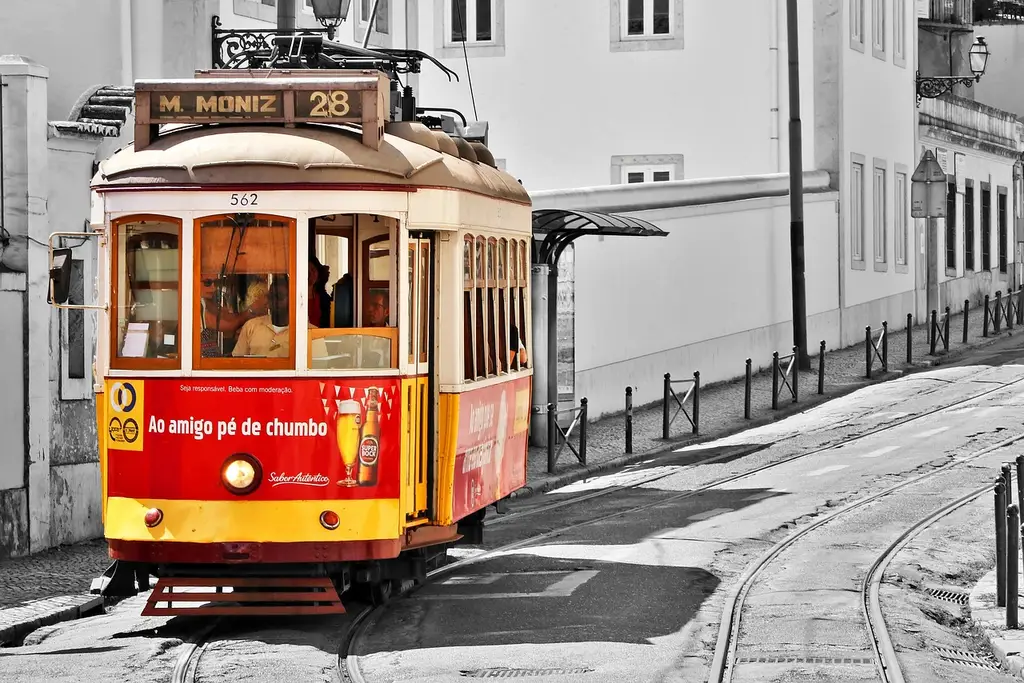
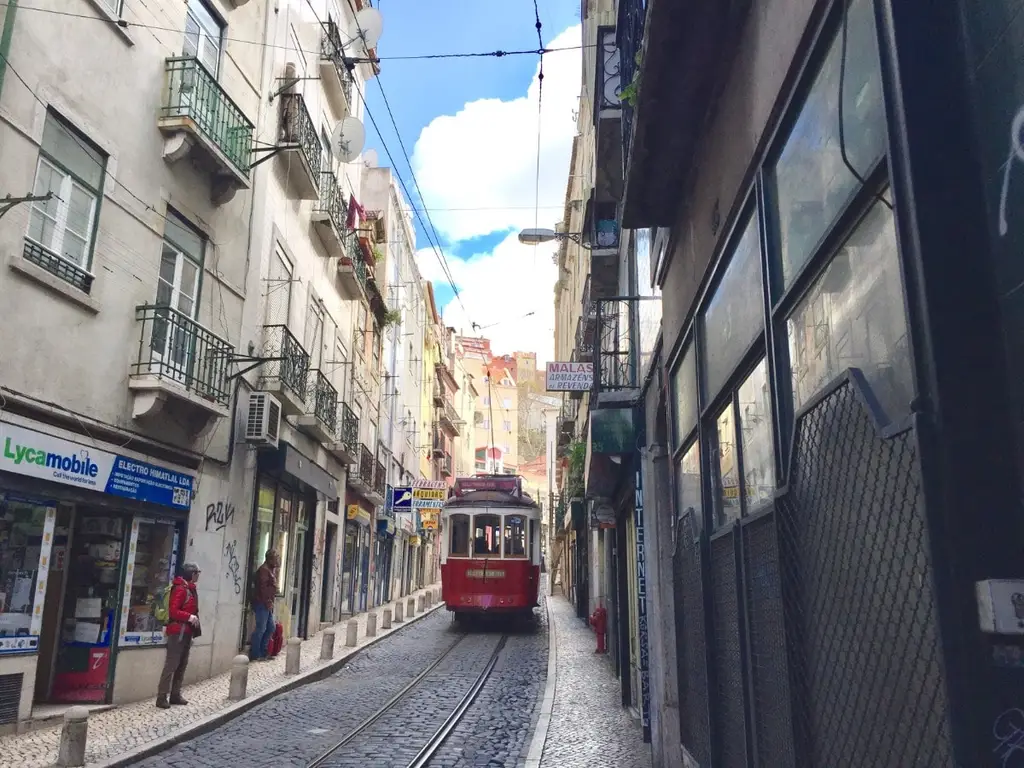
Everyone plans Tram 28 as a nostalgic ride and it is one, but it's also the most obvious pickpocket setup I've seen in a European capital: slow, packed, and full of distracted tourists holding phones up for photos. Ride it, just don't carry anything you'd hate to lose in an open pocket.
Lisbon's reputation as cheap Western Europe is outdated for accommodation specifically. Food, transit, and museum tickets still feel like a bargain next to Paris or London; hotel and short-term rental prices have caught up a lot faster than the rest of the cost of living.
Basing in Lisbon and day-tripping to Sintra beats basing in Sintra. Sintra is small, gorgeous by day, and dead by 8pm; Lisbon has the restaurants, fado houses, and nightlife, and the train between them runs every 20-30 minutes and takes about 40 minutes, so you lose almost nothing by commuting.
The viewpoints (miradouros) get overlooked in favor of the paid monuments, and they shouldn't. Some of the best moments I had were free: a bench at a miradouro at sunset beats most of the ticketed sights for the price.
Itineraries
The core loop: Baixa and the viewpoints in the morning, Alfama and the castle midday, fado at night.
Day 1: Baixa, Alfama, and a fado night
Morning
Walk Baixa's grid streets to Praça do Comércio, then ride the Elevador de Santa Justa or walk up to Miradouro de São Pedro de Alcântara for the first view over the city.
Afternoon
Ride Tram 28 (or walk, it's faster in traffic) up to Castelo de São Jorge, then wander down through Alfama's alleys toward the river.
Evening
Dinner in Alfama followed by a fado house; book ahead if it's a weekend.
Tip: Wear real shoes; this day is steep cobblestones from start to finish.
Adds Belém's monuments and a full Sintra day trip to the one-day core loop.
Day 1: Baixa, Alfama, and a fado night
Morning
Praça do Comércio and Baixa, then up to a miradouro for the view.
Afternoon
Castelo de São Jorge and a walk down through Alfama.
Evening
Dinner and fado in Alfama.
Tip: Buy a 24h Navegante pass this morning if you're covering ground by tram.
Day 2: Belém
Morning
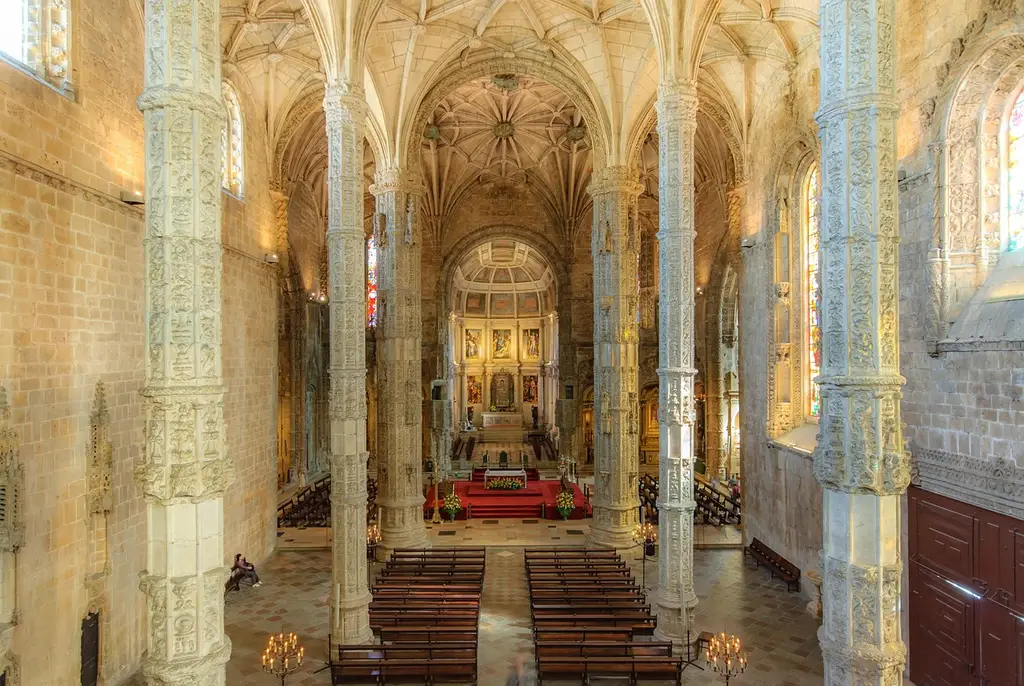
Tram or bus to Belém for Mosteiro dos Jerónimos at opening, before the tour groups.
Afternoon
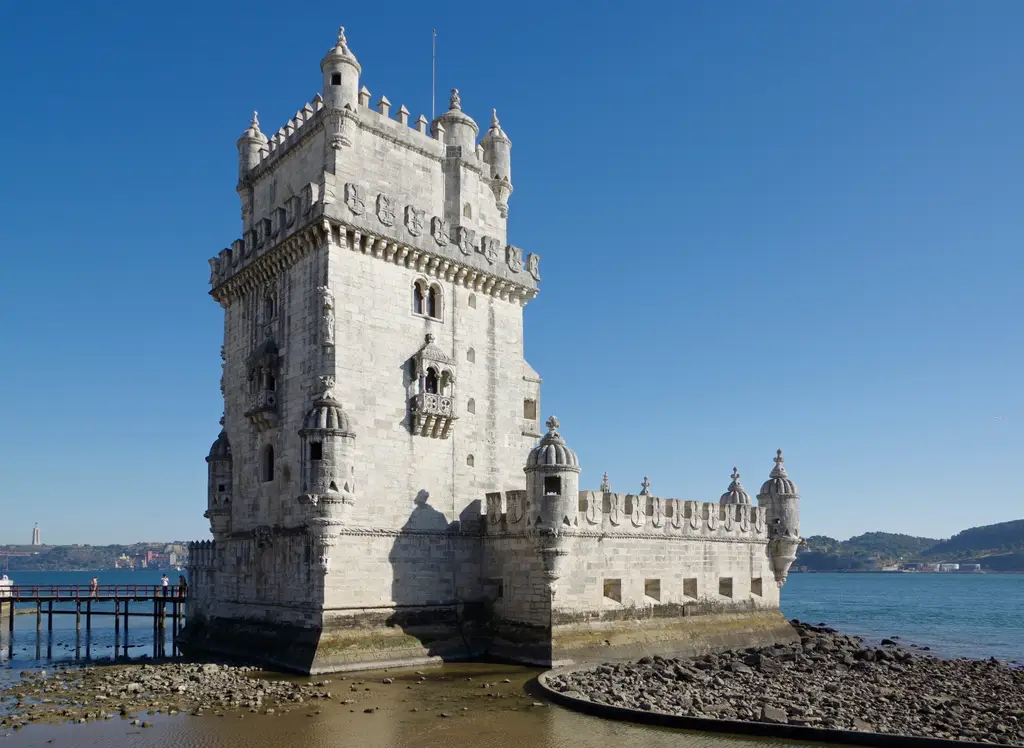
Pastéis de nata at the original Belém bakery, then MAAT along the riverfront and a walk to see Torre de Belém from outside (check current access status before planning to go in).
Evening
Back to central Lisbon for dinner in Príncipe Real or Chiado.
Tip: Belém is a 20-30 minute tram ride from the center; don't plan on walking it both ways.
Day 3: Day trip: Sintra
Morning
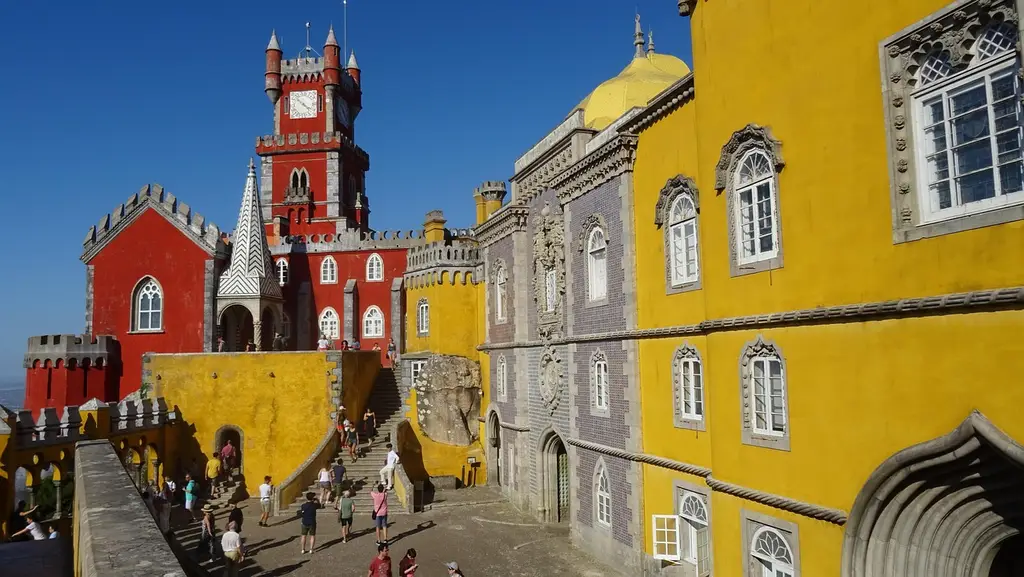
Train from Rossio Station, about 40 minutes, departures every 20-30 minutes. Pena Palace first, it draws the longest queues.
Afternoon
Quinta da Regaleira's gardens and initiation well, then a walk through Sintra's old town for lunch.
Evening
Train back to Lisbon for dinner; Sintra empties out after dark.
Tip: Book Pena Palace and Quinta da Regaleira tickets online in advance to skip the on-site queue.
The 3-day core plus a slower Bairro Alto and market day and a Belém-Cascais coastal day.
Day 1: Baixa, Alfama, and a fado night
Morning
Praça do Comércio and Baixa, then up to a miradouro.
Afternoon
Castelo de São Jorge and Alfama's alleys.
Evening
Dinner and fado in Alfama.
Tip: This is the most walking-heavy day; pace the rest of the trip lighter.
Day 2: Belém
Morning
Mosteiro dos Jerónimos at opening.
Afternoon
Pastéis de nata, MAAT, and Torre de Belém's exterior.
Evening
Dinner in Príncipe Real.
Tip: Check Torre de Belém's access status before you go; it's closed for restoration.
Day 3: Day trip: Sintra
Morning
Train from Rossio, Pena Palace first.
Afternoon
Quinta da Regaleira and Sintra's old town.
Evening
Train back for dinner in Lisbon.
Tip: Book palace tickets online in advance.
Show all 5 days
Day 4: Markets, Bairro Alto, and LX Factory
Morning
Time Out Market for breakfast or an early lunch, then a slow walk through Chiado's bookshops and cafes.
Afternoon
LX Factory across the river side of the bridge, more if it's a Sunday for the LX Market.
Evening
Petiscos and wine in Bairro Alto, which comes alive after dark.
Tip: LX Factory is a short tram or bus ride from central Lisbon, not walkable.
Day 5: Day trip: Cascais and the coast
Morning
Train from Cais do Sodré station toward Cascais, about 40 minutes along the coast.
Afternoon
Walk the Cascais marina and Boca do Inferno cliffs, or continue to Guincho beach for a windswept Atlantic coastline.
Evening
Train back to Lisbon for a final dinner.
Tip: The Cascais line runs along the water; sit on the right heading out for the view.
The 5-day itinerary plus a full Arrábida coast day and a rest day inside the city.
Day 1: Baixa, Alfama, and a fado night
Morning
Praça do Comércio and Baixa.
Afternoon
Castelo de São Jorge and Alfama.
Evening
Dinner and fado.
Tip: Get the Viva Viagem card sorted today.
Day 2: Belém
Morning
Mosteiro dos Jerónimos at opening.
Afternoon
Pastéis de nata and MAAT.
Evening
Dinner in Príncipe Real.
Tip: Check Torre de Belém's status before planning time around it.
Day 3: Day trip: Sintra
Morning
Train from Rossio, Pena Palace.
Afternoon
Quinta da Regaleira and the old town.
Evening
Back to Lisbon.
Tip: Book palace tickets in advance.
Show all 7 days
Day 4: Markets, Bairro Alto, and LX Factory
Morning
Time Out Market and Chiado.
Afternoon
LX Factory.
Evening
Bairro Alto petiscos.
Tip: Sunday is best for the LX Market if your dates line up.
Day 5: Day trip: Cascais and the coast
Morning
Train from Cais do Sodré to Cascais.
Afternoon
Marina, cliffs, or Guincho beach.
Evening
Back to Lisbon.
Tip: Sit on the right side heading out for coastal views.
Day 6: Day trip: Arrábida coast and Setúbal
Morning
Drive or bus toward Serra da Arrábida, roughly an hour from Lisbon, for turquoise-water beaches backed by limestone cliffs.
Afternoon
Setúbal for grilled fish and a walk through its market, or a boat trip to spot the resident dolphin pod in the Sado estuary.
Evening
Back to Lisbon for a final dinner.
Tip: This day is easiest with a rental car or organized tour; public transit to Arrábida's beaches is limited.
Day 7: Rest day and departure prep
Morning
Open morning, revisit a neighborhood or miradouro you liked most.
Afternoon
Last shopping in Chiado or Príncipe Real.
Evening
Final dinner, pack for departure.
Tip: Keep this day flexible as a buffer if weather disrupted an earlier day.
Lisbon and its immediate day trips fill about a week comfortably; the second week uses the city as a base for Sintra's further sights, Óbidos and the Silver Coast, and Évora in the Alentejo, with rest days built in.
Day 1: Baixa, Alfama, and a fado night
Morning
Praça do Comércio and Baixa.
Afternoon
Castelo de São Jorge and Alfama.
Evening
Dinner and fado.
Tip: Get the Viva Viagem card sorted on arrival.
Day 2: Belém
Morning
Mosteiro dos Jerónimos at opening.
Afternoon
Pastéis de nata and MAAT.
Evening
Dinner in Príncipe Real.
Tip: Check Torre de Belém's status before you go.
Day 3: Markets, Bairro Alto, and LX Factory
Morning
Time Out Market and Chiado.
Afternoon
LX Factory.
Evening
Bairro Alto petiscos.
Tip: Aim for a Sunday if the LX Market interests you.
Show all 14 days
Day 4: Rest day in Lisbon
Morning
Open, catch up on anything missed.
Afternoon
Revisit a favorite miradouro at a different time of day.
Evening
Open.
Tip: A full rest day early avoids burning out before the day trips start.
Day 5: Day trip: Sintra, the palaces
Morning
Train from Rossio, Pena Palace first.
Afternoon
Quinta da Regaleira and Sintra's old town.
Evening
Back to Lisbon.
Tip: Book tickets online in advance for both sites.
Day 6: Day trip: Sintra, further out
Morning
Bus onward to the Moorish Castle ruins and Monserrate Palace's gardens, both quieter than Pena.
Afternoon
Cabo da Roca, continental Europe's westernmost point, a short bus ride from Sintra center.
Evening
Back to Lisbon.
Tip: This day pairs well directly with day 5 if you're staying later in Sintra instead of two separate trips.
Day 7: Day trip: Cascais and the coast
Morning
Train from Cais do Sodré to Cascais.
Afternoon
Marina, cliffs, or Guincho beach.
Evening
Back to Lisbon, end of week one.
Tip: Sit on the right for coastal views heading out.
Day 8: Day trip: Arrábida coast and Setúbal
Morning
Travel to Serra da Arrábida for its beaches.
Afternoon
Setúbal for lunch and a market walk.
Evening
Back to Lisbon.
Tip: A rental car or organized tour makes this day far easier than public transit.
Day 9: Day trip: Óbidos and the Silver Coast
Morning
Bus or train north to the walled medieval town of Óbidos, about an hour from Lisbon.
Afternoon
Walk the town walls, try ginjinha served in a chocolate cup, a local specialty here.
Evening
Back to Lisbon.
Tip: Óbidos is compact; a half day covers it, pair it with an early start if you want the beach too.
Day 10: Rest day in Lisbon
Morning
Open.
Afternoon
Shopping or a return visit to a favorite neighborhood.
Evening
Open.
Tip: By day 10 a genuine rest day matters more than another sight.
Day 11: Évora, Alentejo
Morning
Train or bus to Évora, roughly 1.5 hours, a walled Roman and medieval city in Portugal's wine country.
Afternoon
The Roman Temple of Diana, Évora Cathedral, and the Chapel of Bones.
Evening
Overnight in Évora to make the most of the Alentejo's dark skies and slower pace, or a late train back to Lisbon.
Tip: This is far enough that staying one night beats a rushed same-day round trip.
Day 12: Alentejo wine country
Morning
A short drive or organized tour into the vineyards around Évora, one of Portugal's main wine regions.
Afternoon
Tasting and lunch at a local quinta.
Evening
Train back to Lisbon.
Tip: Book a winery visit in advance; walk-in tastings are less consistent outside the town center.
Day 13: Return to Lisbon, unhurried
Morning
Slow morning, coffee in Chiado.
Afternoon
Revisit whichever neighborhood you liked most, or Time Out Market for gifts and a last meal.
Evening
A proper final dinner and fado if you haven't already booked one.
Tip: Book a well-regarded fado house ahead if this is the plan; walk-ins are unreliable on weekends.
Day 14: Departure
Morning
Pack, last-minute shopping near Baixa.
Afternoon
Metro Red Line to the airport, about 16 minutes from São Sebastião.
Evening
Departure.
Tip: The airport is inside the city; you don't need the buffer time a suburban airport would require.
closed to the public·not selling tickets while closed·n/a while closed
Closed temporarily closed entirelyn/a
The official site states the tower is temporarily closed for conservation and restoration work, with no reopening date posted. Check the official site before planning around it; this status can change.
9:30am-5:30pm Tuesday-Sunday, last entry 5pm, ticket office closes 4:30pm·EUR 18 adult (verify current rate before visiting)·1-1.5 hours
Closed Mondayswalk in, or buy timed tickets online to skip the entry line
The cloister is the reason to come; the church itself is free to enter separately. Arrive at opening or after 3:30pm, the line by mid-morning in high season wraps around the block.
9am-9pm Mar-Oct, 9am-6pm Nov-Feb, last entry 30 min before close; wall-walks and towers close earlier (5:30pm winter, 6-9pm summer depending on daylight)·EUR 17 adult, EUR 8.50 age 13-25, EUR 14 senior 65+, free under 12·1.5-2.5 hours
walk in or buy online via the official BOL platform to skip the queue
The archaeological site and camera obscura are only accessible on the included guided tour, which runs limited hours and fills up; ask for the next slot as soon as you arrive.
trams run roughly 6am-11pm, every 10-20 minutes·same as any tram fare: EUR 3 cash on board, about EUR 1.90-2.20 on a Viva Viagem card·40-50 minutes for the full route, longer if you hop off
walk in, no reservations
Tram 28 is a genuine transit line, not a tourist ride, and it is also Lisbon's best-known pickpocket hotspot: packed carriages, slow speed, and constant tourist attention make it an easy target. Keep bags in front, phones in a zipped pocket, and consider riding it early morning both for space and for safety rather than mid-afternoon.
The riverfront square where the royal palace stood before the 1755 earthquake. Come at golden hour when the light hits the Tagus and the arch at Rua Augusta, and skip the overpriced restaurants ringing the square itself.
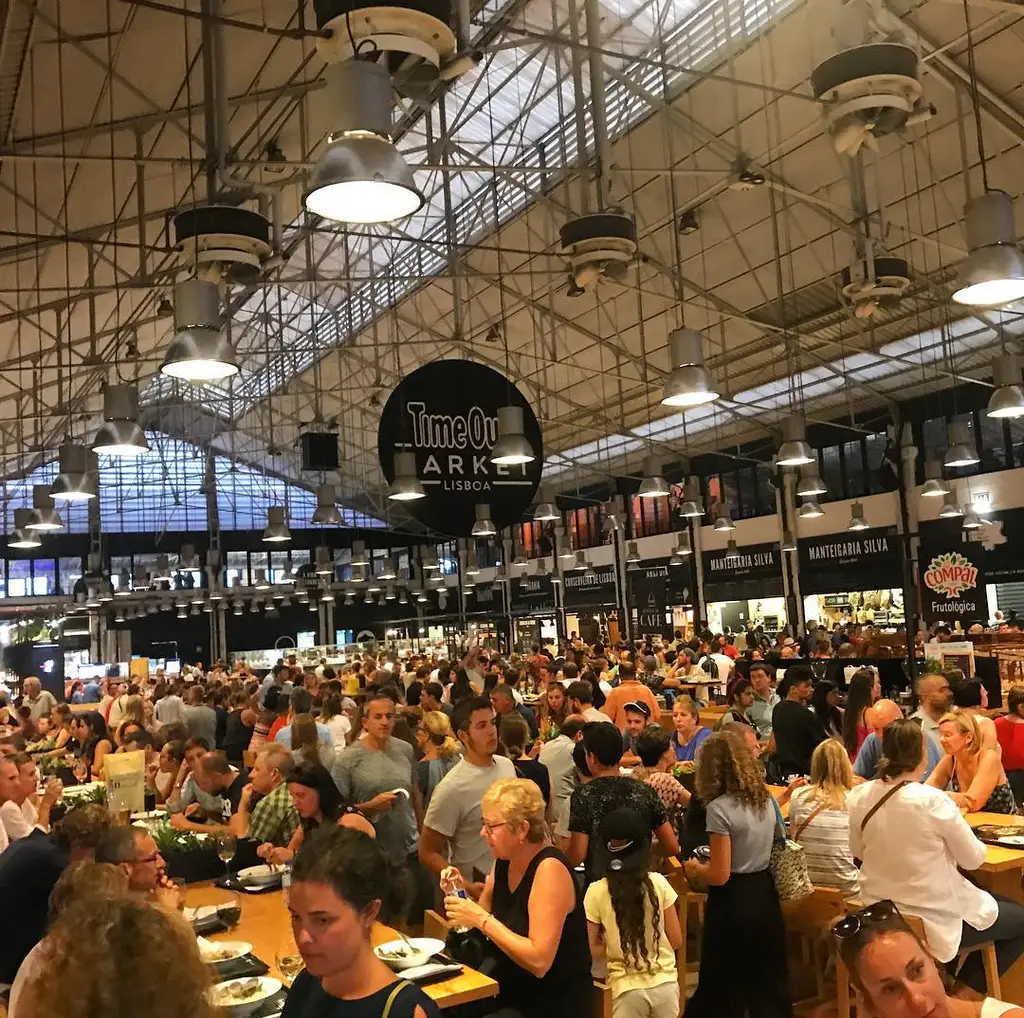
A curated food hall inside the historic Mercado da Ribeira building, stalls run by some of the city's better-known chefs. Communal tables mean you'll share space; go before 12:30pm or after 2:30pm to actually find a seat.
Lisbon's oldest surviving district, steep winding lanes below the castle, and small fado houses where the melancholic Portuguese musical tradition is performed live, often over dinner. The neighbourhood is genuinely atmospheric even without a show, wander it in daylight to see it without the evening crowd. For fado, pick a smaller casa over the big touristy dinner-show venues for a less scripted performance.
LX Factory
as of 2026-09
Viral
A former industrial complex under the 25 de Abril bridge converted into galleries, design shops, bars and a well-known bookstore inside an old printing hall. A solid half day, especially the bookstore, though it's now well established on the tourist circuit rather than an undiscovered spot. Weekday mornings are quieter than weekends.
Belem Tower and Jeronimos Monastery
as of 2026-09
Viral
A 16th-century fortified tower on the Tagus and the adjoining Manueline monastery, both UNESCO-listed and both linked to Portugal's Age of Discovery. The monastery's cloisters are the more impressive of the two and worth the ticket, the tower's interior is small for the queue it draws. Book the tower's timed entry ahead if you want to climb it rather than just view it from outside.
Tram 28 ride
as of 2026-09
Viral
A vintage yellow tram line running through some of Lisbon's steepest, narrowest historic streets, from Graca through Alfama, Baixa and Estrela. The route is genuinely scenic but the tram is now more tourist shuttle than transit, packed standing-room only most of the day and a known spot for pickpockets. Ride it early morning or accept it as a crowded fifteen minutes rather than a relaxing one.
Miradouro viewpoints
as of 2026-09
Viral
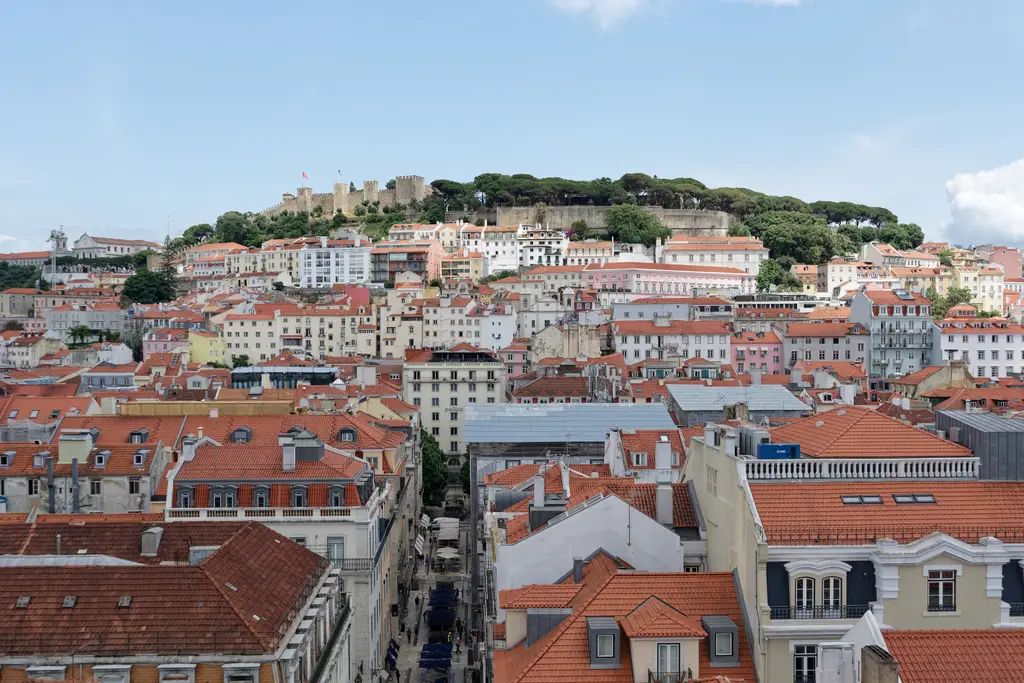
A series of public hillside viewpoints across the city, Senhora do Monte, Graca, and Portas do Sol among the best known, each looking out over a different slice of the skyline and river. Free, and a genuinely good way to see Lisbon's hills-and-river geography without paying for a rooftop bar. Senhora do Monte is the least crowded of the well-known ones.
Cristo Rei and the Cacilhas ferry
as of 2026-09
Viral
A large hilltop Christ statue across the Tagus from central Lisbon, reached by a short public ferry from Cais do Sodre to Cacilhas and then a bus or taxi up the hill. The view back toward Lisbon and the 25 de Abril bridge is one of the best in the city and the ferry ride alone is worth the couple of euros it costs. Far less crowded than anything on the Lisbon side of the river.
More to see (4)
7
Elevador de Santa Justa
check Carris timetable before going; historically runs roughly 7am-11pm with seasonal variation·included in a 24h Navegante pass; single ride otherwise costs the standard Carris fare, around EUR 3-5.30 cash if bought on board·15-20 minutes including the queue and viewing platform
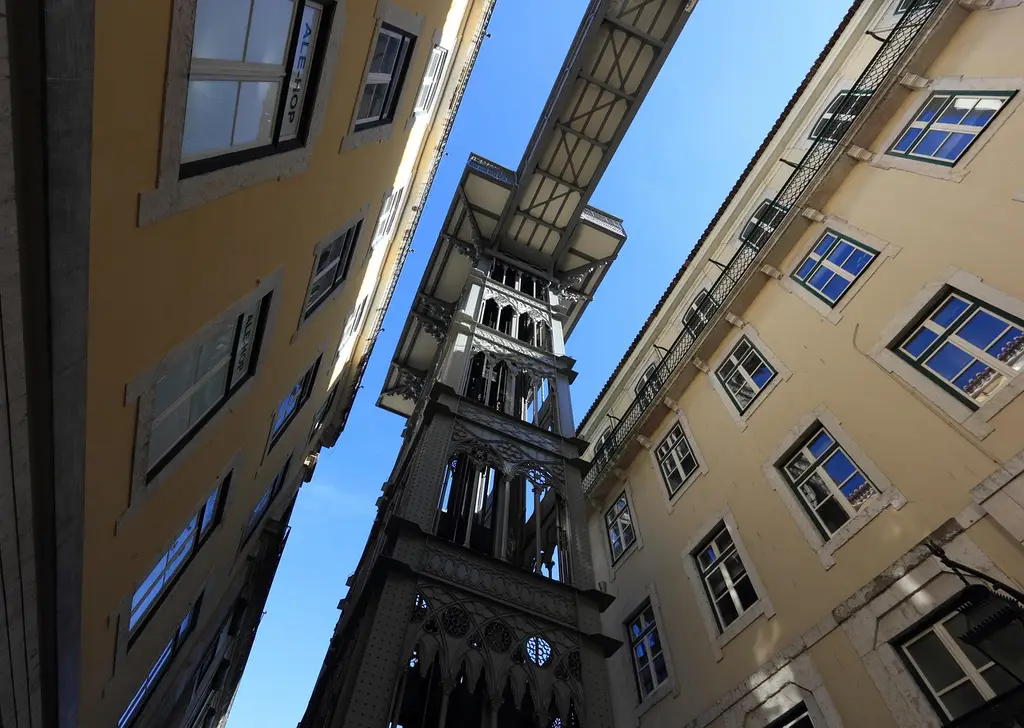
A wrought-iron 1902 elevator connecting Baixa to the Bairro Alto ridge, with a rooftop viewing platform above the top station. The line moves slowly at peak times; walking up the hill next to it and just paying for the viewing platform is often faster.
most fado houses in Alfama and Bairro Alto seat from around 7:30-8pm with sets running into the night·ranges widely: EUR 15-25 cover-only at casual spots up to EUR 50-80+ with a set dinner menu at established houses·2-3 hours
reserve ahead for the well-known houses, especially weekends
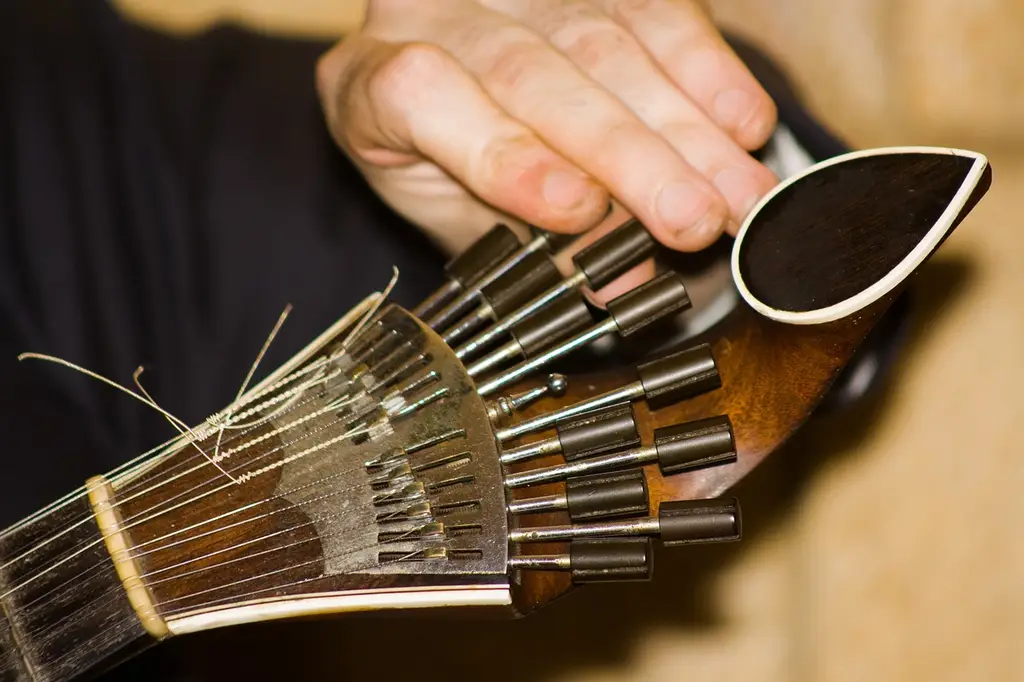
Fado is UNESCO-listed intangible heritage, mournful sung ballads accompanied by the Portuguese guitarra. Alfama and Bairro Alto both have concentrations of houses; the Museu do Fado in Alfama is a good primer before you go if you want the context.
9
Museu do Fado
10am-6pm Tuesday-Sunday, last entry 5:30pm·EUR 5 adult, EUR 2.50 age 13-25, EUR 4 senior 65+, free under 12·1-1.5 hours
Closed Mondays
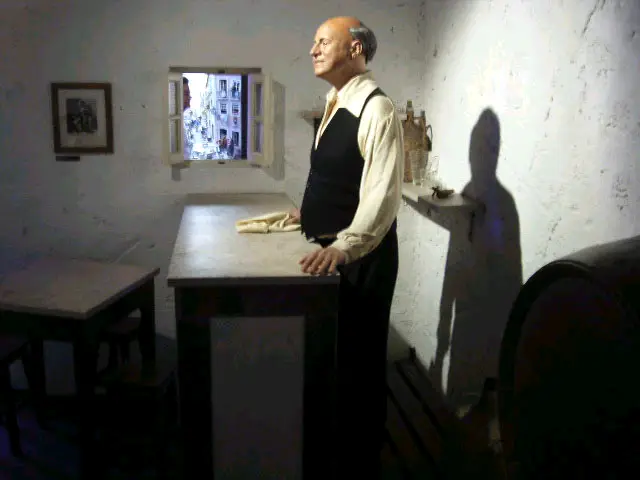
Small but well-curated, in Alfama near where fado houses cluster. Worth doing before an evening fado show rather than after, the context changes how you listen.
the complex is open access; individual shops and restaurants keep their own hours, most from around 10am-11pm, later on weekends·free to walk through, shops and restaurants priced individually·1.5-3 hours
A former industrial complex under the 25 de Abril bridge, now studios, indie shops, and restaurants. Weekday mornings are quiet; the Sunday LX Market brings the crowds and the best browsing at once.
Where to stay
Baixa
Suits: first-timers who want to walk everywhere
Flat, central, grid-planned after the 1755 quake. Good transit links but touristy and can feel generic at night.
Chiado
Suits: shopping, cafes, and a more upscale base
Adjacent to Baixa, still central, with better restaurants and bookshops but higher room rates.
Alfama
Suits: atmosphere over convenience
Medieval alleys, fado houses, castle views, and some of the steepest streets in the city. Charming but expect stairs and noise from Tram 28 traffic.
Príncipe Real
Suits: travelers who want a local, less touristy feel
Leafy, boutique-heavy, strong restaurant scene, still a 15-20 minute walk or short tram ride to the main sights.
Belém
Suits: quiet mornings near the monastery and tower
Excellent for the district's own sights but 20-30 minutes by tram or bus from central Lisbon's nightlife, so you're commuting for dinner.
Getting there and around
Getting there
Humberto Delgado Airport sits inside the city itself. The Metro Red Line runs from the Aeroporto station to São Sebastião in the center in about 16 minutes, with a single fare around EUR 1.90-2.20 depending on how you pay; a taxi or rideshare into central Lisbon runs roughly EUR 15-25 and 20-30 minutes depending on traffic. There's no dedicated airport train or express bus premium the way some capitals have; the metro is the fast option.
Getting around
The metro's four lines cover the center and the airport well, and trams (the famous 28 and 15) and funiculars handle the hills the metro doesn't reach. Buy a Viva Viagem card (reusable, small deposit) and load either pay-as-you-go trips or a 24-hour Navegante pass; a single metro ride runs about EUR 1.90-2.20 on the card versus more if you pay by contactless bank card at the gate. Central Lisbon is walkable but genuinely hilly: Alfama, Bairro Alto, and the climb to the castle are steep cobbled streets, not gentle inclines, and flat shoes with grip matter more here than in most European capitals.
Map
City
Recommended (numbered)
Mentioned in an itinerary
Locations on this map
Lisbon38.72, -9.14
Torre de Belém (Belém Tower)38.69, -9.22
Mosteiro dos Jerónimos (Jerónimos Monastery)38.70, -9.21
Castelo de São Jorge38.71, -9.13
Alfama and Tram 2838.71, -9.13
Praça do Comércio38.71, -9.14
Time Out Market Lisboa38.71, -9.15
Elevador de Santa Justa38.71, -9.14
A fado house evening38.71, -9.13
Museu do Fado38.71, -9.13
LX Factory38.70, -9.18
Baixa38.71, -9.14
Miradouro38.73, -9.36
MAAT38.70, -9.19
Real38.76, -9.23
Chiado38.71, -9.14
Sintra38.84, -9.35
Rossio Station38.71, -9.14
Pena Palace38.79, -9.39
Regaleira38.80, -9.40
Rossio38.71, -9.14
Bairro Alto38.71, -9.15
Cascais38.70, -9.42
Cais39.29, -9.34
Boca38.69, -9.43
Inferno38.69, -9.43
Guincho38.73, -9.47
Atlantic38.70, -9.42
Arr39.12, -7.29
Set38.77, -9.23
Serra38.79, -9.33
Sado38.72, -9.34
Moorish Castle38.79, -9.39
Monserrate Palace38.79, -9.42
Pena38.72, -9.14
Roca38.78, -9.50
Europe38.71, -9.17
Silver Coast39.23, -9.34
Alentejo38.74, -9.40
Roman38.71, -9.13
Cathedral38.71, -9.13
What it costs
Stay
Food
Transport
Activities
Daily cost breakdown, EUR per person
Tier
Stay
Food
Transport
Activities
Total
Budget
EUR 25
EUR 20
EUR 3
EUR 7
EUR 55
Mid-range
EUR 60
EUR 35
EUR 7
EUR 8
EUR 110
Splurge
EUR 150
EUR 60
EUR 15
EUR 25
EUR 250
A mid-range day: EUR 60 for a double room split two ways or a private hostel room, EUR 7 for a 24h Navegante transit pass, EUR 18 Jerónimos Monastery entry, EUR 12 lunch of grilled fish and a glass of vinho verde in Alfama, EUR 8 pastéis de nata and coffee, EUR 25 dinner with wine in Príncipe Real. Comes to roughly EUR 130 not counting a fado night out.
Money savers
Nishiki-style market eating doesn't exist here the same way, but the Mercado de Campo de Ourique and Time Out Market both let you eat well for EUR 8-12 a plate instead of a sit-down restaurant markup
Miradouros (viewpoints) like Senhora do Monte and Portas do Sol are free and beat paying for a rooftop bar for the same view
Book Sintra's palace tickets online in advance; walk-up prices and queue delays cost more time than money but the online discount is real at most sites
A Viva Viagem 24h Navegante pass pays for itself after 3-4 rides and covers metro, bus, tram, and the funiculars
Lisbon eats late by northern European standards: lunch runs from about 12:30 to 2:30pm, dinner rarely starts before 7:30 or 8pm, later on weekends, and a lot of the smaller kitchens close in between rather than serving straight through. The city's cheap-eats reputation is fading in the center: Baixa and Chiado are full of photo-menu restaurants charging close to Paris prices for average food, aimed squarely at tourists who won't be back to complain. Better, cheaper food is a short walk away in residential neighborhoods like Arroios, Anjos and Alcântara, where tascas serve the same grilled fish and bacalhau at half the markup. Petiscos, small shared plates, are the easiest way to eat well without committing to a full sit-down meal.
EUR 1.30-1.60·Fábrica de Pastéis de Belém, Belém district
Must try
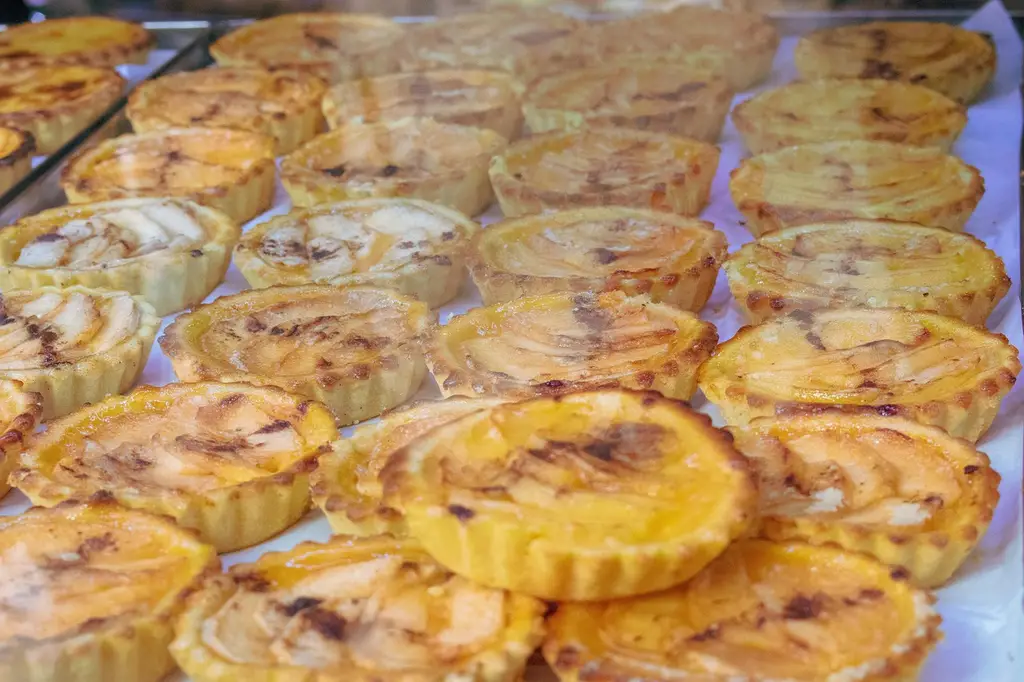
Made from a secret recipe guarded since 1837; locals distinguish this one from the generic pastel de nata sold everywhere else. Order two, still warm, with cinnamon shaken on top.
Bacalhau à Brás
EUR 9-15·tascas across Alfama, Bairro Alto and Mouraria
Must try
Salt cod shredded with egg, onion and matchstick fried potato. Portuguese cooks claim a different bacalhau recipe for every day of the year; this one is the easiest entry point.
Bifana
EUR 3-5·casual counters and cafes across Baixa and citywide
Must try
A thin pork cutlet marinated in garlic and white wine, stuffed into a plain bread roll. Cheap, fast, and the classic Lisbon lunch or late-night bite; order it with mustard.
Ginjinha
EUR 1.50-2.50·Ginjinha do Rossio, near Rossio Square
Must try
Sour cherry liqueur served in a small shot, sometimes with a cherry dropped in the glass, at a historic standing-room counter that's poured it for generations. Ask for it 'com' the cherry.
Sardinhas assadas (grilled sardines)
EUR 8-14·Alfama tascas, especially around the June Santo António festival
Whole sardines grilled over charcoal with bread and olive oil, no refinement intended. Best in season, roughly June through September, and best eaten with your hands.
Petiscos
EUR 4-9 per plate·Bairro Alto and Príncipe Real bars and tascas
Portugal's answer to tapas: cheese, cured meat, croquettes and grilled dishes shared over wine. Order two or three per person and let the table fill up gradually.
Seafood platter
EUR 20-40 per person·Cervejaria Ramiro, near Intendente
Must try
A genuinely famous, decades-old seafood hall known for prawns, crab and percebes (goose barnacles) rather than atmosphere. Expect a wait even on a weeknight; go hungry and order in rounds.
Food hall sampling
EUR 6-16 per stall·Time Out Market Lisboa, Cais do Sodré
A food hall built inside the old Mercado da Ribeira, with stalls run by well-known Lisbon chefs under one roof. Good for trying several kitchens at once, though it's priced for tourists, not locals.
Natural wine bars
as of 2026-09
Viral
A wave of small natural and orange wine bars has opened across Príncipe Real, Santos and Alcântara over the past several years. A genuine shift rather than a fad, and a good way to eat and drink well away from Baixa's tourist-menu restaurants.
Specialty coffee shops
as of 2026-09
Viral
Third-wave, locally roasted coffee shops have spread from a handful of pioneers to dozens across Príncipe Real, Santos and Anjos. Established enough now that it's just how good coffee works in Lisbon; worth seeking out over a hotel breakfast.
Pop and Roll Sushi, Largo da Trindade
as of 2026-09
Viral
Whole sushi rolls served inside a tube, eaten while walking like an ice pop. Grab-and-go format that jumped from New York and opened near Largo da Trindade in June 2026. Real gimmick with a real kitchen behind it, the founders also run Koppu Ramen. Fun once, not a destination meal at the price of a full tube.
Vicio, Príncipe Real
as of 2026-09
Viral
Spanish smash burger chain founded by a MasterChef Spain winner, opened its first Portugal location on Rua da Escola Politécnica in December 2024, counter seating and weekend DJ sets. Not brand new, but still the reference point locals point to when talking smash burgers, and the format keeps spreading. Go for the burger, not the club atmosphere.
American-style seafood boil
as of 2026-09
Viral
Cajun-style seafood boil, shellfish dumped in a bag onto butcher paper and eaten by hand, has started showing up on Lisbon menus. Still early and thin on choices in Lisbon compared to how established this is in the US. Worth trying once if you find a spot doing it properly, don't go out of your way yet.
Neo-tascas
as of 2026-09
Viral
A wave of chefs reworking the classic Lisbon tasca: family recipes and aluminum trays, but sharper cooking and design. Multiple outlets treat it as a real 2025-2026 movement, not a one-off. This is the most interesting Lisbon food story because it's not gimmick-driven. Some of it is just a tasca with better lighting, but the good ones nail comfort food without losing the soul.
Safety and scams
Lisbon is safe by any standard measure, violent crime against tourists is rare. The real risk is pickpocketing, concentrated on Tram 28, in Baixa's pedestrian streets, and around Rossio Square, where dense tourist crowds are an easy target. Bag-slashing and distraction theft show up in the same spots. Overblown fears about the neighborhoods themselves aren't warranted; Alfama and Mouraria at night are atmospheric, not dangerous, though poorly lit alleys are worth walking with a companion if you're unfamiliar with them.
Common mistakes
Basing in Sintra instead of Lisbon and losing the evenings to a town that has little open after dark
Riding Tram 28 mid-afternoon with a bag or phone in an open pocket, exactly when it's most crowded and most watched by pickpockets
Wearing anything without grip on Alfama's wet cobblestones, which get slick after any rain
Skipping advance tickets for Jerónimos Monastery or Sintra's palaces and losing an hour or more to the walk-up line in peak season
Assuming the whole city is still budget Western Europe; accommodation prices have risen enough that a last-minute mid-range hotel booking in summer can cost more than expected
Trying to fit Belém, the castle, and Sintra into one day; the distances and queues make this a rushed, exhausting day rather than three good ones
Frequently asked questions
How many days do you need in Lisbon?
Three days covers the core sights: Baixa, Alfama, the castle, and Belém. Five days lets you add Sintra and one coastal day trip without rushing. A week comfortably covers Lisbon plus Sintra, Cascais, and Arrábida.
Is it better to stay in Lisbon or Sintra?
Lisbon. Sintra is small and quiet after dark, with limited dining and no nightlife to speak of, while Lisbon has both and a 40-minute frequent train connects them. Basing in Sintra means commuting into Lisbon for every evening; basing in Lisbon costs you almost nothing to day-trip out.
Is Tram 28 safe to ride?
It's safe from violent crime but a known pickpocket target, packed carriages and constant tourist attention make it an easy environment for theft. Keep bags zipped and in front, avoid back pockets for phones or wallets, and consider riding early morning when it's less crowded.
Is Lisbon still a cheap European city to visit?
Partly. Food, public transit, and museum tickets remain noticeably cheaper than Paris, London, or Amsterdam. Accommodation has risen sharply since the pandemic due to remote-worker demand and a tourism boom, so don't expect the rock-bottom hotel prices Lisbon was known for a decade ago.
Can you visit Torre de Belém right now?
No. The official site states the tower is temporarily closed to the public for conservation and restoration work with no posted reopening date. Check the official site before planning time around it, and note Jerónimos Monastery nearby remains open.
How do you get from Lisbon Airport to the city center?
The Metro Red Line runs directly from the Aeroporto station to São Sebastião in about 16 minutes for a standard metro fare. A taxi or rideshare takes roughly 20-30 minutes depending on traffic and costs more, but skips any connections if you have heavy luggage.
How far is Sintra from Lisbon and how do you get there?
Trains leave Rossio Station roughly every 20-30 minutes and take about 40 minutes to reach Sintra. It's an easy day trip; book Pena Palace and Quinta da Regaleira tickets online in advance since queues build fast once tour buses arrive.
Are Lisbon's hills as steep as people say?
Yes. Alfama, Bairro Alto, and the climb to Castelo de São Jorge involve genuinely steep, often uneven cobbled streets, not gentle inclines. Photos flatten the grade; wear shoes with real grip and expect some routes to feel like stair climbs.
What's the best way to see fado in Lisbon?
Alfama and Bairro Alto both have concentrations of fado houses, ranging from a EUR 15-25 cover charge at casual spots to EUR 50-80+ with a full dinner menu at established names. Reserve ahead for weekends. Visiting the Museu do Fado first adds useful context before a show.
What is the biggest mistake first-time visitors make in Lisbon?
Underestimating the hills and overestimating how much fits in one day. Trying to combine Belém, the castle, and a Sintra day trip into 24 hours turns into a rushed slog; spreading them across separate days with real walking shoes makes for a far better trip.