Things to Do in Porto: Itineraries, Costs and Food
A working river port dressed in azulejo tile and port wine cellars, steeper and less polished than Lisbon, and cheaper for it.
By Labeeb Mirza · Published September 8, 2026 · Updated September 8, 2026
Best timeLate Sep to Oct
Daily budget (mid)EUR 110
Ideal length3 days
CurrencyEUR
Overview
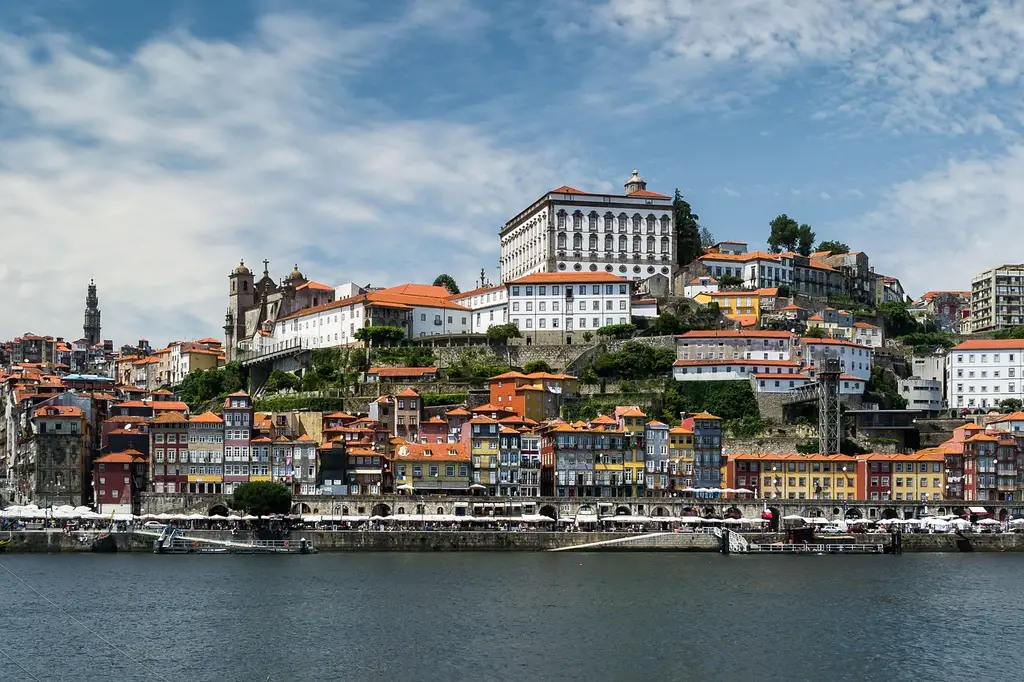
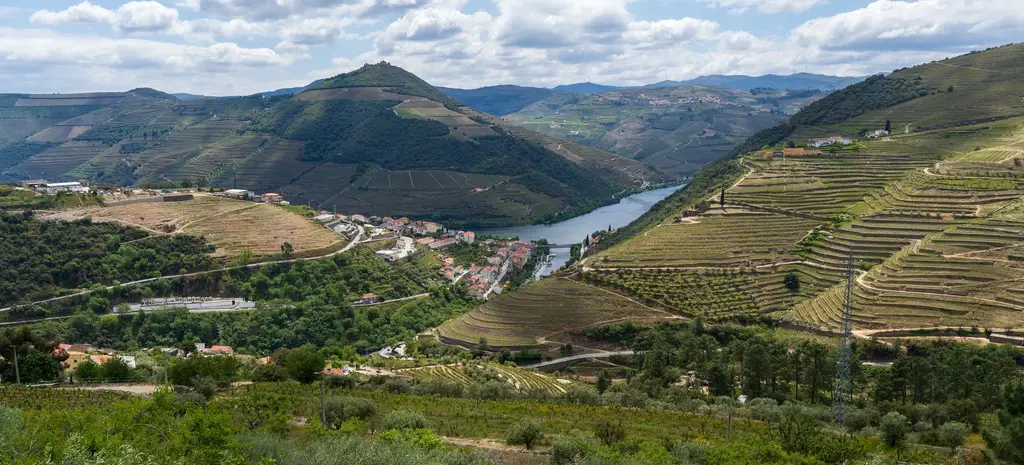
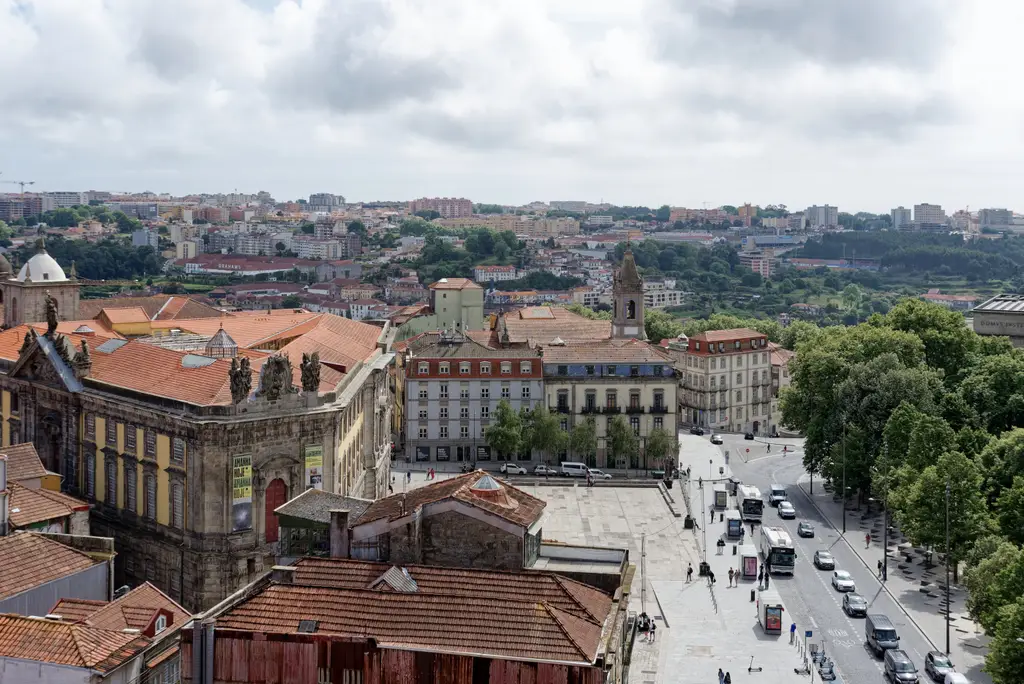
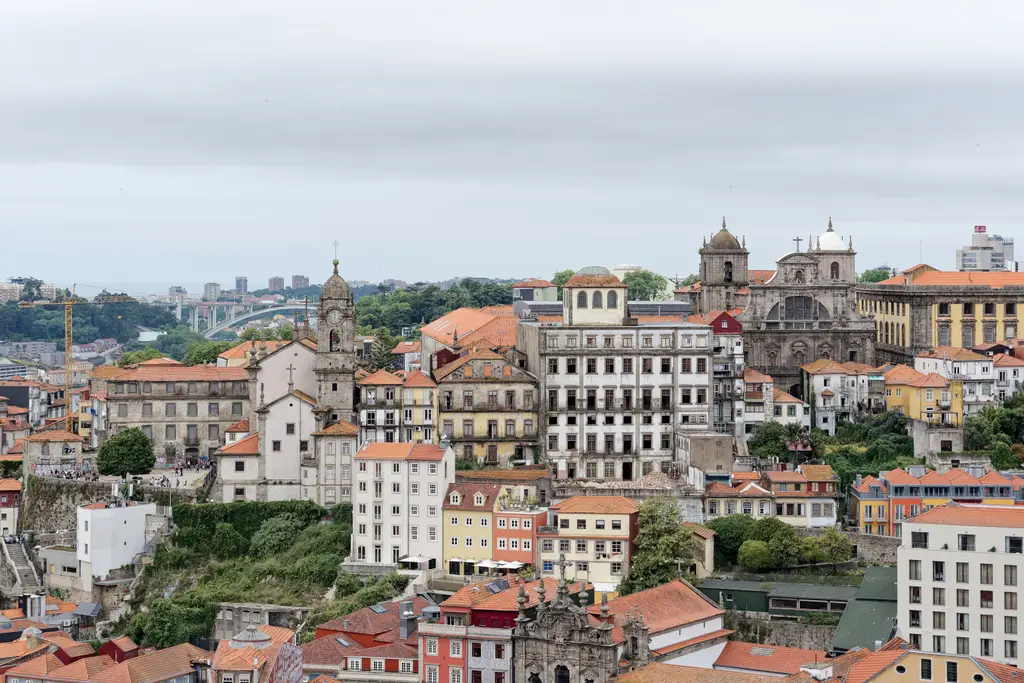
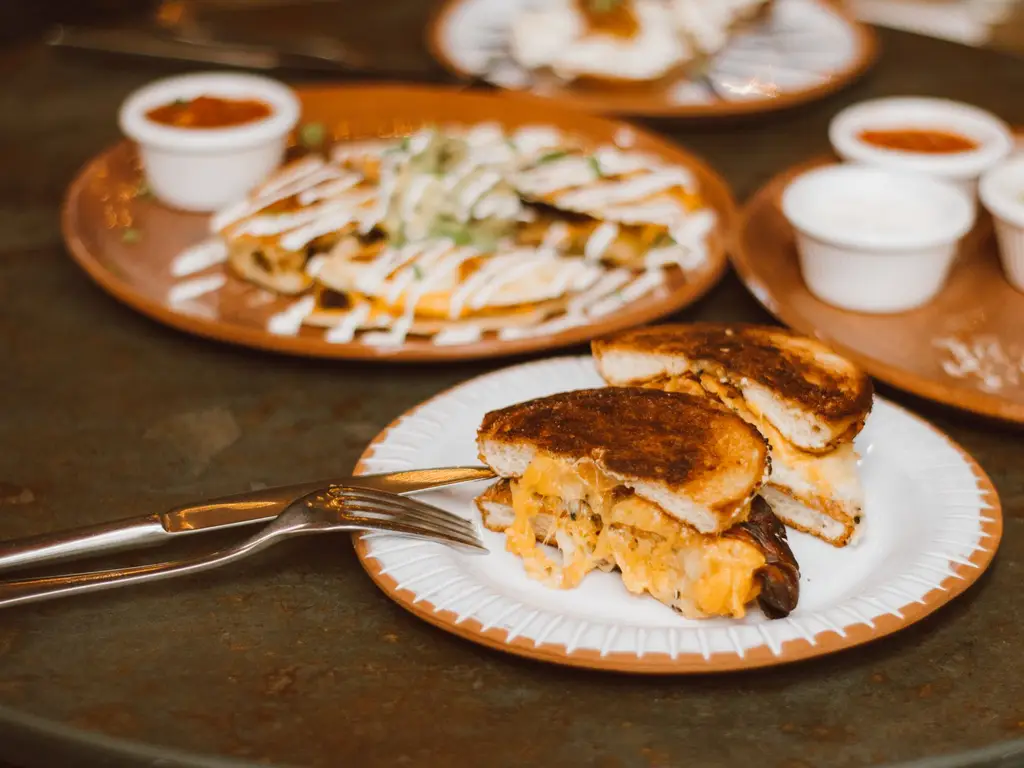
Porto sits on a granite gorge where the Douro River meets the Atlantic, and the city is built almost entirely on the slope down to it. The Ribeira district's stacked, peeling townhouses drop toward the water in a jumble that looks arranged for a photograph and isn't; people still live in most of them. Across the river in Vila Nova de Gaia, the port wine houses that gave the drink its name have aged barrels in riverside lodges since the 18th century, when British merchants shipped it out through the same gorge. Porto is Portugal's second city and its industrial one, and it wears that history more plainly than Lisbon does: less renovated, more graffiti, fewer international chains on the main streets. That's part of the appeal. The historic center is a UNESCO World Heritage site, small enough to walk in two or three days, and the food leans hearty and cheap rather than delicate. Francesinha, a sandwich buried in melted cheese and beer-spiked tomato sauce, is the local dish people either love or can't finish. Porto also functions as the natural base for the Douro Valley, the terraced vineyard region an hour or two upriver by train, which most visitors treat as a day trip even though it rewards staying over. The city itself is compact enough that four days covers it properly, longer if the Douro or a nearby town like Guimarães gets added on.
Porto's hills catch people off guard more than Lisbon's do, mostly because nobody warns you about them the same way. Ribeira to the cathedral is a genuine climb, not a stroll, and it comes up in the first hour.
I'd rather do one port lodge tour properly than three quickly. The tours blur together after the first, and the extra time is better spent on the free walk along the Gaia riverfront watching the rabelo boats.
Livraria Lello is worth the ticket once, but go in expecting a five-minute stop on a staircase, not a browse. The crowd management inside makes lingering awkward regardless of how the photos look online.
Francesinha divides people faster than any dish I've had in Portugal. Order it once, split it if you can, and don't plan much for the rest of the afternoon.
The Douro Valley day trip is worth doing even rushed, but it's the one part of a Porto trip I'd extend if I went again. An overnight in the valley beats the round-trip squeeze.
The compact core: Ribeira, the historic landmarks, and a Gaia port lodge before sunset.
Day 1: Historic center to Gaia
Morning
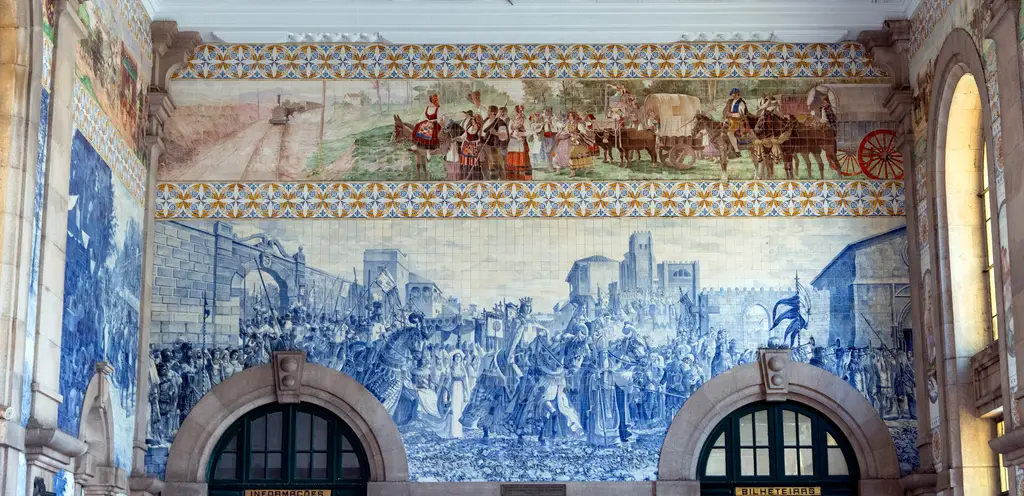
São Bento station's azulejo hall before the tour groups arrive, then Torre dos Clérigos for the climb and the view, followed by Livraria Lello on a pre-booked timed ticket.
Afternoon
Walk down to the Sé do Porto, then continue downhill into Ribeira for lunch by the water.
Evening
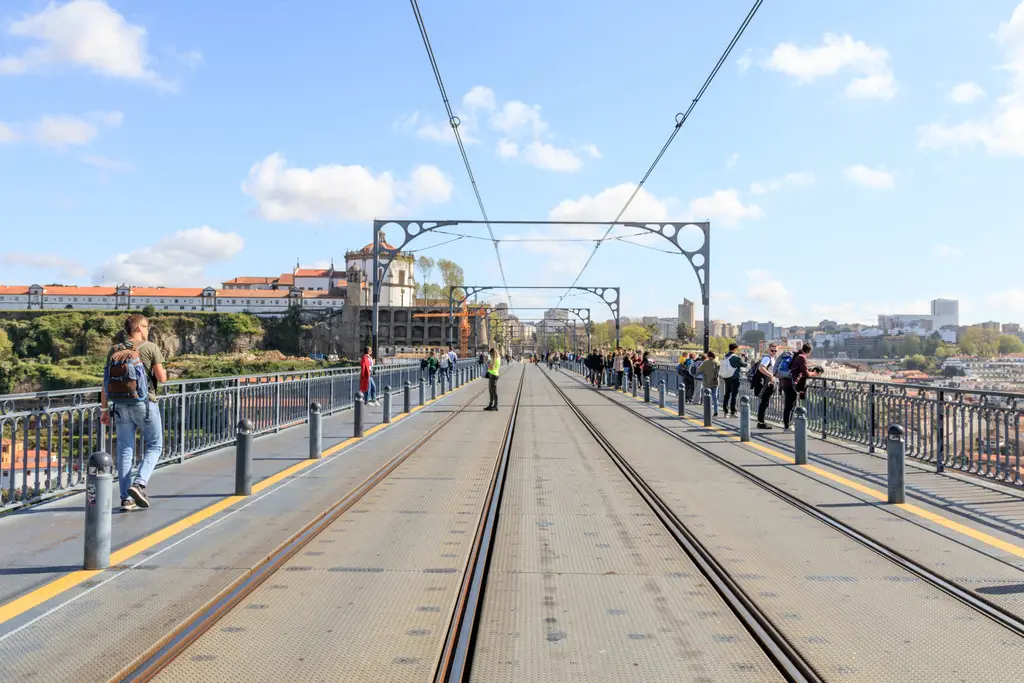
Cross the Dom Luís I Bridge's upper deck into Vila Nova de Gaia for a port lodge tour and tasting, then dinner back in Ribeira with the bridge lit up across the water.
Tip: Book the Lello ticket the night before; same-day slots often sell out by midday.
Adds Gaia's port houses and the western neighborhoods to the one-day core.
Day 1: Historic center to Gaia
Morning
São Bento station, Torre dos Clérigos, Livraria Lello.
Afternoon
Sé do Porto, then down into Ribeira for lunch.
Evening
Dom Luís I Bridge into Gaia for a port lodge tour, dinner in Ribeira.
Tip: Wear shoes with real grip; the stone streets are slick even when dry.
Day 2: Vila Nova de Gaia and the riverfront
Morning
A second, different port lodge, or a short river cruise from the Ribeira dock past the six bridges.
Afternoon
Palácio da Bolsa on a guided tour, then Mercado do Bolhão for lunch and browsing.
Evening
Cedofeita for dinner among the independent restaurants and bars.
Tip: Palácio da Bolsa is guided-tour only; check the day's tour times when you arrive rather than assuming walk-in access.
Day 3: Matosinhos and Foz do Douro
Morning
Metro or bus to Matosinhos for grilled fish and a walk along the working harbor.
Afternoon
Continue or backtrack to Foz do Douro for the Atlantic coastline and Tram 1 back into the center.
Evening
Free evening in Baixa for a final francesinha or a wine bar in Ribeira.
Tip: Matosinhos gets crowded at lunch on weekends; arrive before 1pm.
The 3-day core plus a Douro Valley day trip and a slower day around Boavista and Cedofeita.
Day 1: Historic center to Gaia
Morning
São Bento station, Torre dos Clérigos, Livraria Lello.
Afternoon
Sé do Porto, then Ribeira for lunch.
Evening
Dom Luís I Bridge into Gaia for a port lodge tour, dinner in Ribeira.
Tip: This is the most walking-heavy day; pace the rest of the trip lighter.
Day 2: Vila Nova de Gaia and the riverfront
Morning
A second port lodge or a short river cruise.
Afternoon
Palácio da Bolsa, then Mercado do Bolhão.
Evening
Cedofeita for dinner.
Tip: Buy an Andante 24 pass if you're covering more than two or three rides today.
Day 3: Matosinhos and Foz do Douro
Morning
Grilled fish in Matosinhos.
Afternoon
Foz do Douro and Tram 1 back into the center.
Evening
Free evening in Baixa.
Tip: Tram 1 is scenic but slow; treat it as the activity, not just transport.
Show all 5 days
Day 4: Day trip: Douro Valley
Morning
Train from São Bento or Campanhã toward Peso da Régua, one of Europe's more scenic rail lines, following the river through terraced vineyards.
Afternoon
A vineyard tour and tasting near Peso da Régua or Pinhão, or a river cruise if you'd rather stay on the water.
Evening
Train back to Porto; check the last return departure before you commit to a late lunch.
Tip: The valley genuinely rewards an overnight if your schedule allows it; the single-day round trip is a squeeze.
Day 5: Boavista and a slower pace
Morning
Sleep in, then Casa da Música's architecture and a coffee in the surrounding Boavista district.
Afternoon
Cedofeita's shops and cafes, or a return visit to whichever neighborhood you liked most.
Evening
A final riverside dinner in Ribeira.
Tip: Use this day as slack if weather or crowds disrupted an earlier one.
Full Porto core plus the Douro Valley, Guimarães, and Aveiro as day trips from a single base.
Day 1: Historic center to Gaia
Morning
São Bento station, Torre dos Clérigos, Livraria Lello.
Afternoon
Sé do Porto, then Ribeira for lunch.
Evening
Dom Luís I Bridge into Gaia, port lodge tour, dinner in Ribeira.
Tip: Book Lello the night before.
Day 2: Vila Nova de Gaia and the riverfront
Morning
A second port lodge or a river cruise.
Afternoon
Palácio da Bolsa, Mercado do Bolhão.
Evening
Cedofeita dinner.
Tip: Get an Andante Tour multi-day pass today if you're using transit daily.
Day 3: Matosinhos and Foz do Douro
Morning
Grilled fish in Matosinhos.
Afternoon
Foz do Douro, Tram 1 back.
Evening
Free evening in Baixa.
Tip: Weekday visits to Matosinhos are quieter than weekends.
Show all 7 days
Day 4: Day trip: Douro Valley
Morning
Scenic train to Peso da Régua or Pinhão.
Afternoon
Vineyard tour and tasting, or a river cruise.
Evening
Train back to Porto.
Tip: Check the return timetable before booking a late-afternoon tasting.
Day 5: Day trip: Guimarães
Morning
Train from Porto Campanhã, under an hour, to Guimarães, the town where Portugal's first king was born and the medieval castle sits.
Afternoon
Guimarães Castle, the Ducal Palace, and the compact old town's cobbled squares.
Evening
Train back to Porto for dinner.
Tip: Guimarães is small enough to see properly in half a day; don't over-plan it.
Day 6: Day trip: Aveiro
Morning
Train from Porto, under an hour, to Aveiro, a canal town sometimes called Portugal's Venice, more modest than the nickname suggests but worth the trip.
Afternoon
A moliceiro boat ride on the canals, and ovos moles, the local egg-yolk sweet, from one of the pastry shops near the canal.
Evening
Back to Porto for a final dinner in Ribeira.
Tip: Aveiro's boat rides queue up fast on weekends; go on a weekday if your schedule allows.
Day 7: Boavista, Casa da Música, and departure prep
Morning
Casa da Música and the Boavista district, or any Porto site missed earlier in the week.
Afternoon
Last-minute shopping in Baixa, pack for departure.
Evening
Final dinner, early night if the flight is a morning one.
Tip: Keep this day flexible as your buffer if weather disrupted an earlier trip.
Porto alone doesn't fill two weeks. This uses it as a base for the wider north of Portugal, with the city's own sites in the first week and Douro, Guimarães, Braga, Aveiro, and a Douro Valley overnight filling the second, plus rest days.
Day 1: Historic center to Gaia
Morning
São Bento station, Torre dos Clérigos, Livraria Lello.
Afternoon
Sé do Porto, Ribeira for lunch.
Evening
Dom Luís I Bridge into Gaia, port lodge tour, dinner in Ribeira.
Tip: Book Lello ahead.
Day 2: Vila Nova de Gaia and the riverfront
Morning
A second port lodge or river cruise.
Afternoon
Palácio da Bolsa, Mercado do Bolhão.
Evening
Cedofeita dinner.
Tip: Get a multi-day Andante pass now if you're transit-heavy this trip.
Day 3: Matosinhos and Foz do Douro
Morning
Grilled fish in Matosinhos.
Afternoon
Foz do Douro, Tram 1 back.
Evening
Free evening.
Tip: A good day to slow down before the trip's second half.
Show all 14 days
Day 4: Casa da Música and Boavista
Morning
Casa da Música's architecture and grounds.
Afternoon
Boavista shopping, a slow cafe stop.
Evening
Open.
Tip: A lighter day after three intense ones.
Day 5: Rest day in Porto
Morning
Open, catch up on anything missed.
Afternoon
Return visit to a favorite neighborhood at a different time of day.
Evening
Open.
Tip: Use it; the second week is heavier on travel days.
Day 6: Day trip: Guimarães
Morning
Train under an hour to Guimarães Castle and the old town.
Afternoon
Ducal Palace and the medieval squares.
Evening
Back to Porto.
Tip: Combine with Braga only if you're comfortable with a long day; otherwise keep them separate.
Day 7: Day trip: Braga
Morning
Train from Porto, about an hour, to Braga, one of Portugal's oldest cities and a religious center.
Afternoon
Bom Jesus do Monte's baroque staircase and hillside sanctuary, reachable by funicular or on foot.
Evening
Back to Porto for dinner, end of week one.
Tip: The Bom Jesus staircase climb is worth doing on foot once; take the funicular back down.
Day 8: Douro Valley, day one
Morning
Scenic train to Pinhão, deep in the terraced vineyards.
Afternoon
A vineyard tour and tasting, check into a quinta or valley guesthouse for the night.
Evening
Dinner at the quinta, watching the light change over the terraces.
Tip: Book valley accommodation well ahead in harvest season, late September into October.
Day 9: Douro Valley, day two
Morning
A river cruise or a second vineyard visit, or simply a slow walk through the terraces.
Afternoon
Train back to Porto.
Evening
Easy dinner back in the city.
Tip: This is the one add-on to a Porto trip most worth the extra night.
Day 10: Day trip: Aveiro
Morning
Train under an hour to Aveiro's canals.
Afternoon
Moliceiro boat ride, ovos moles from a canal-side pastry shop.
Evening
Back to Porto.
Tip: Go on a weekday if you can; the boats queue up on weekends.
Day 11: Rest day in Porto
Morning
Open.
Afternoon
Open.
Evening
Open.
Tip: A full rest day matters more by day 11 than another day trip.
Day 12: Second look at Ribeira and Gaia
Morning
A slower walk through Ribeira without a checklist.
Afternoon
A final port lodge, one of the smaller houses this time rather than the big names.
Evening
Sunset from the Dom Luís I Bridge's upper deck.
Tip: By this point you'll know which lodge style you preferred; pick accordingly.
Day 13: Free day, unhurried
Morning
Coffee in Cedofeita, whichever cafe you liked best.
Afternoon
Mercado do Bolhão for gifts and food to take home.
Evening
A proper final dinner, the francesinha if you haven't circled back to it.
Tip: Book a well-known restaurant a day or two ahead if this is the plan.
Day 14: Departure
Morning
Pack, last-minute errands near Baixa or Aliados.
Afternoon
Metro Line E to the airport, about 45 minutes from Trindade.
Evening
Departure.
Tip: Leave more transfer time than the metro schedule suggests during peak travel periods.
9am-7:30pm daily (confirmed on the official site)·ticket price not published on the official site's landing page; each ticket includes a reading voucher redeemable toward a book purchase. Historically around EUR 8, but confirm the current figure at booking·20-40 minutes
timed online ticket required in advance via tickets.livrarialello.pt; walk-up entry is not guaranteed in high season
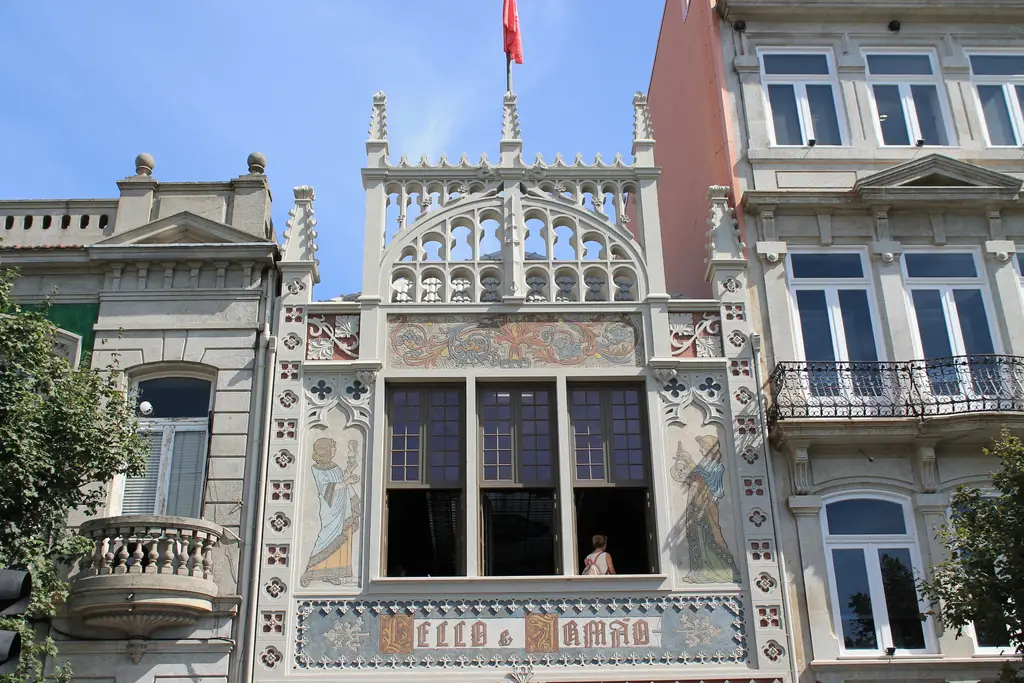
The neo-Gothic staircase and stained glass are the draw, not the book selection. Entry runs on timed slots and sells out days ahead in summer; the fee has risen before, so confirm the current price when booking.
9am-7pm daily·around EUR 9 for tower and museum combined; verify current tiered pricing before booking·45-60 minutes, including the 240-step climb
online booking recommended in peak season, walk-up usually possible off-season
The narrow spiral staircase is one-way and gets a queue by mid-morning. The top is the best 360-degree view of the city, better than any of the paid miradouros elsewhere in town.
guided tours run throughout the day, roughly 9am-6:30pm depending on season·around EUR 12 adult; check current pricing before visiting·45 minutes (guided tour only, no free-roam entry)
walk in for a same-day slot, though pre-booking online avoids a wait in summer
The former stock exchange's Arab Room, all gilt and Moorish plasterwork, is the highlight and takes years to build, not decades to notice as fake. Tours are guide-led and timed, so you cannot linger past your group.
always open (working train station)·free·15-20 minutes
Around 20,000 hand-painted azulejo tiles cover the main hall, depicting battles and royal history. It is a functioning station, not a museum, so early morning avoids the tour groups blocking the entrance.
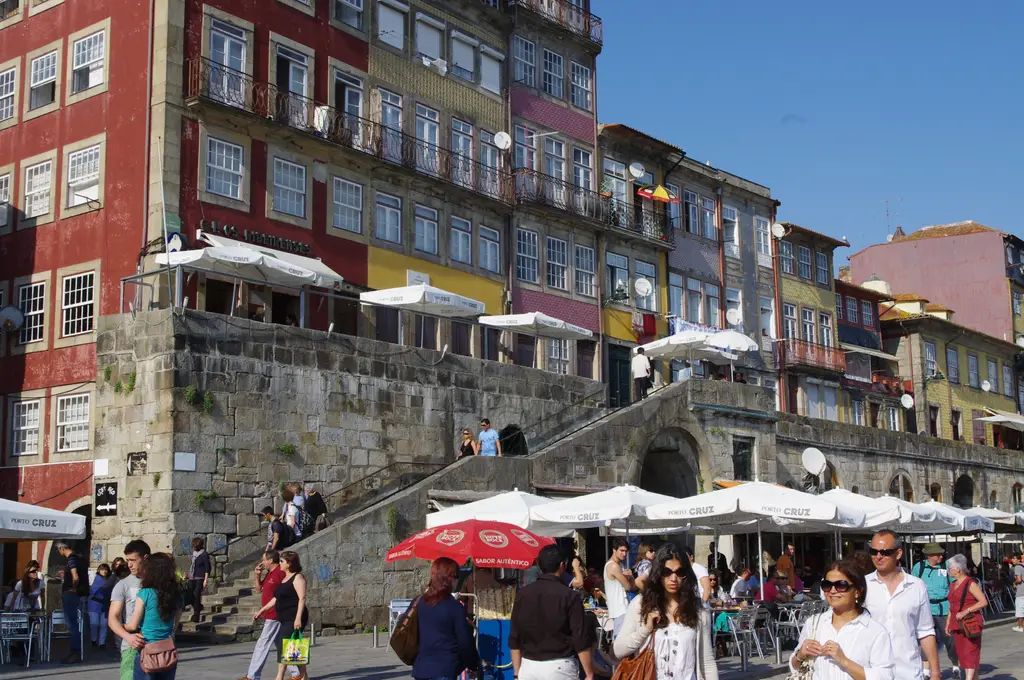
The Cais da Ribeira promenade is the best free thing in the city: colorful facades, river cruises departing from the dock, and the view across to Gaia's port lodges. Busiest at sunset, quiet before 9am.
6
Dom Luís I Bridge
always open (upper deck also carries Metro Line D)·free to walk·20-30 minutes to cross
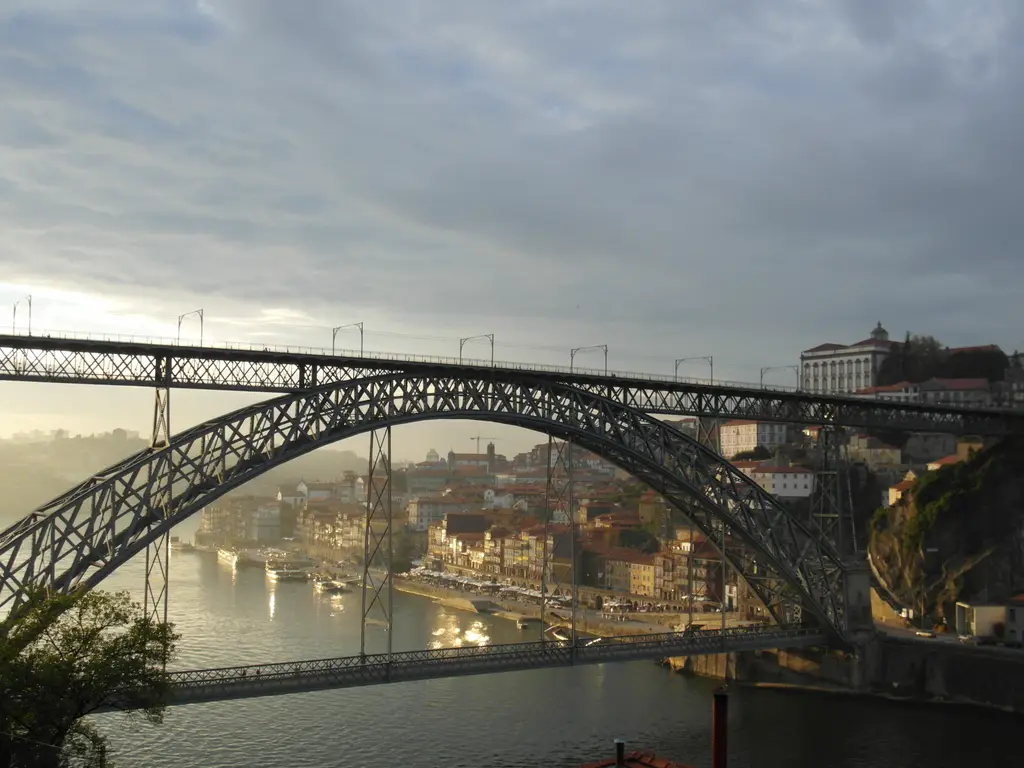
The upper deck is pedestrian and metro only, with the best view in the city and no traffic noise. The lower deck carries cars and is faster but far less scenic; take the upper one even if it means backtracking.
Livraria Lello
as of 2026-09
Viral
A century-old wood-carved bookstore with a red spiral staircase and stained-glass ceiling skylight, often cited as an inspiration for Harry Potter imagery, though that link is more marketing than confirmed fact. Beautiful, but now sells timed tickets that get credited toward a book purchase, and the crowd inside makes it hard to actually browse. Go right at opening if you want more than a quick look and a photo.
Dom Luis I Bridge walk
as of 2026-09
Viral
A double-deck iron bridge across the Douro connecting Porto to Vila Nova de Gaia, with a pedestrian walkway on both the lower road level and the upper metro level offering different vantage points. Free, and the upper deck view over the Ribeira waterfront and the port wine cellars across the river is one of the best in the city. Watch for cyclists and metro trains on the upper level, it's a shared crossing.
Ribeira district
as of 2026-09
Viral
Porto's riverside old town, a UNESCO-listed tangle of narrow lanes, tiled facades and balconies stacked above the Douro, lined with cafes and small squares. Genuinely photogenic and it earns the reputation, but it's the most tourist-dense part of the city so prices on the waterfront run high. A block or two uphill gets you the same architecture at local prices.
Port wine cellar tours in Vila Nova de Gaia
as of 2026-09
Viral
Guided visits through the historic port wine lodges lining the Douro's south bank, cellars stacked with aging barrels from producers who have operated there for generations, ending in a tasting. This is the real production process, not a staged version, since the wine actually ages in these cellars. Book a smaller producer over the biggest names if you want a less rushed, less crowded tour.
Clerigos Tower climb
as of 2026-09
Viral
A Baroque bell tower in the city center, roughly 240 steps up a narrow spiral staircase to a viewing platform over Porto's rooftops. Narrow and genuinely tiring, single-file traffic both ways can mean waiting mid-climb. The view at the top is worth it, but it's not a casual five-minute stop.
Foz do Douro coastal walk
as of 2026-09
Viral
A promenade following the coastline where the Douro river meets the Atlantic, lighthouses, a small fort, and rocky beaches west of the city center. A quiet, unhurried contrast to the packed Ribeira, popular with locals for a sunset walk or run. Easy to reach by tram along the riverfront.
More to see (3)
7
Vila Nova de Gaia port lodges
individual lodge hours vary, most operate roughly 10am-6pm·standard tour and tasting roughly EUR 15-25; premium tastings run higher·45-75 minutes per lodge tour
Closed varies by lodgewalk in for a same-day slot at most houses, book ahead for the well-known names in summer
Graham's, Taylor's, Sandeman, Ferreira, and Calem are the names most visitors tour; the tour and short tasting are similar across houses, so pick one for the cellar and lean on the free riverside walk for the rest.
8
Sé do Porto (Porto Cathedral)
generally 9am-6:30pm, cloisters close slightly earlier·cathedral free, cloisters around EUR 3-4·30-45 minutes
Fortress-like from outside, with a genuinely quiet interior compared to the crowds a few streets downhill. The terrace outside gives a good, uncrowded view over the rooftops toward the river.
9
Mercado do Bolhão
generally 8am-8pm, shorter hours Sunday·free to browse·45-90 minutes
Closed check individual stall hours, some close Sundays
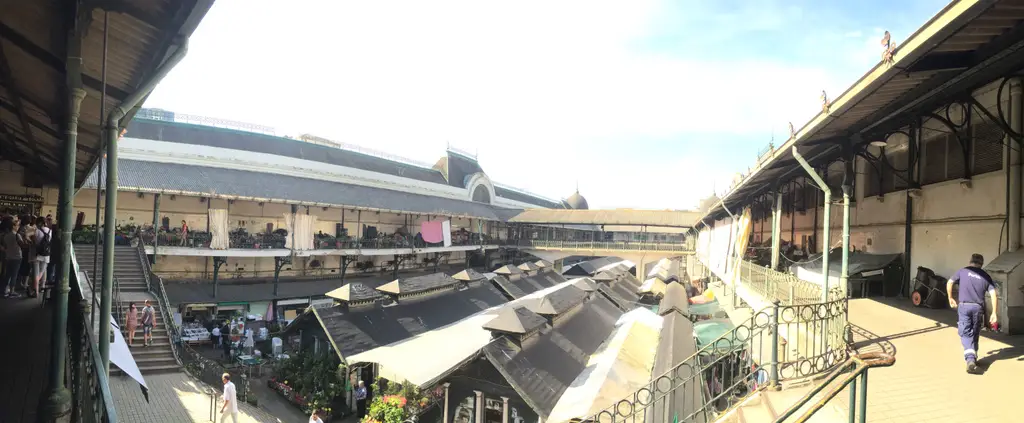
Reopened in 2022 after a long renovation, now split between traditional produce stalls downstairs and food counters upstairs. Less chaotic than it once was, but still the best place for cheap lunch and fresh fruit.
Where to stay
Ribeira
Suits: first-timers who want to wake up in the postcard view
Riverside and atmospheric, but the steepest, noisiest, and most tourist-priced part of town.
Baixa / Aliados
Suits: anyone prioritizing walkability and transit
Flatter than Ribeira, centered on Avenida dos Aliados, close to São Bento station and the metro.
Cedofeita
Suits: travelers who want a local, less touristy base
Residential streets, independent shops and cafes, a 10-15 minute walk to the historic center.
Vila Nova de Gaia
Suits: port wine fans and anyone chasing river views without Ribeira's prices
Across the Douro from the old town; the port lodges are here, and rooms often cost less than the equivalent view in Ribeira.
Foz do Douro
Suits: travelers who want a beach-town pace and don't mind a commute
Where the river meets the Atlantic, quieter and more residential, 20-30 minutes from the center by tram or bus.
Getting there and around
Getting there
Francisco Sá Carneiro Airport (OPO) sits about 11km northwest of the center. Metro Line E (violet) runs directly into the city, roughly 45 minutes to Trindade in the historic core, on a single Andante ticket. A taxi or ride-share into the center runs 20-30 minutes depending on traffic.
Getting around
The historic center is walkable but genuinely steep; Ribeira sits at river level and the rest of the city climbs sharply above it, so expect stairs and hills even where a map makes it look flat. The Andante card covers metro, bus, and some funicular and tram lines on one integrated fare system; buy a reloadable Andante Azul card or, for visitors doing several trips a day, the Andante Tour pass. Six metro lines connect the airport, Gaia, and the suburbs, though the historic center itself is best covered on foot. The funicular dos Guindais links Ribeira to Batalha up the steepest stretch, and Tram 1 runs a scenic riverside route to Foz do Douro.
Map
City
Recommended (numbered)
Mentioned in an itinerary
Locations on this map
Porto41.16, -8.63
Livraria Lello41.15, -8.61
Torre dos Clérigos41.15, -8.61
Palácio da Bolsa41.14, -8.62
São Bento Railway Station41.14, -8.61
Ribeira waterfront41.14, -8.61
Dom Luís I Bridge41.14, -8.61
Vila Nova de Gaia port lodges41.28, -8.41
Sé do Porto (Porto Cathedral)41.14, -8.61
Mercado do Bolhão41.15, -8.61
Foz41.15, -8.68
Douro41.12, -8.62
Matosinhos41.18, -8.68
Atlantic41.06, -8.57
Baixa41.25, -8.38
Douro Valley41.29, -7.74
Peso41.26, -8.48
Europe41.37, -8.69
Pinh38.62, -8.90
Casa41.21, -8.69
Boavista41.16, -8.64
Castle41.24, -8.03
Aveiro41.35, -8.75
Braga41.15, -8.61
Bom Jesus41.34, -8.44
Monte41.17, -8.32
Cedofeita41.16, -8.62
Aliados41.15, -8.61
Trindade41.15, -8.61
What it costs
Stay
Food
Transport
Activities
Daily cost breakdown, EUR per person
Tier
Stay
Food
Transport
Activities
Total
Budget
EUR 20
EUR 15
EUR 5
EUR 10
EUR 50
Mid-range
EUR 65
EUR 30
EUR 7
EUR 18
EUR 120
Splurge
EUR 150
EUR 70
EUR 20
EUR 45
EUR 285
A mid-range day: EUR 65 double room split two ways or a private hostel room, EUR 5.35 Andante 24 day pass, EUR 9 Torre dos Clérigos, EUR 6 francesinha lunch near Boavista, EUR 20 port lodge tour and tasting in Gaia, EUR 18 riverside dinner in Ribeira. Comes to roughly EUR 95-110 depending on the accommodation split.
Money savers
The Andante 24 day pass (EUR 5.35 for the two central zones) beats single tickets after two or three rides
Ribeira and the Dom Luís I Bridge's upper deck cost nothing and give the same view as most paid miradouros
Bolhão Market's upstairs food stalls run cheaper than a sit-down restaurant for a comparable lunch
Pick one Gaia port lodge tour rather than several; the tastings repeat and the free riverside walk between lodges is the actual scenery
Porto eats hearty and cheap compared with Lisbon, and the francesinha sets the tone: this is a city that treats a sandwich as a full commitment. Lunch runs roughly 12:30 to 2:30pm, dinner from about 7:30pm, and plenty of small tascas shut the kitchen between the two rather than serving all afternoon. Meals lean toward tripe, pork and grilled fish over anything delicate, a hangover from the city's working port history rather than a culinary pose. Mercado do Bolhão is the best single stop for cheap, fast food away from the tourist restaurants around Ribeira. Across the river in Vila Nova de Gaia, port wine tastings are a different, slower experience worth budgeting real time for.
Layers of cured meats and sausage under melted cheese, doused in a beer-and-tomato sauce, usually topped with a fried egg and served over fries. Genuinely heavy; don't plan anything active afterward.
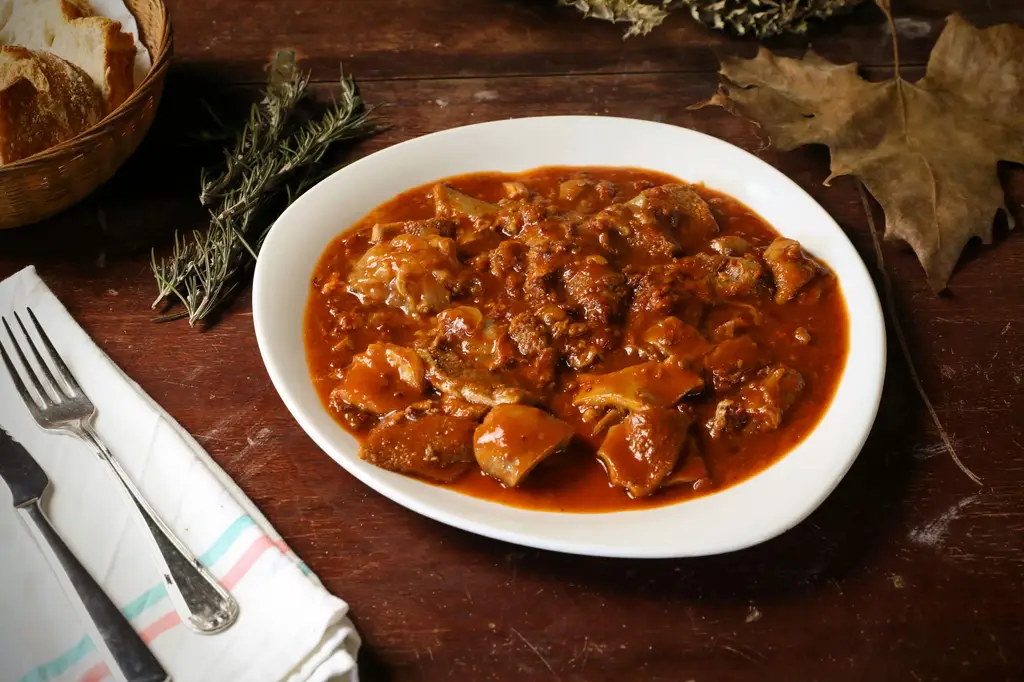
Tripas à moda do Porto
EUR 8-13·traditional tascas in Baixa and the older neighborhoods
Tripe stewed with white beans, sausage and vegetables, the dish that got Porto natives nicknamed tripeiros (tripe-eaters). An acquired taste, and a real piece of local identity rather than a novelty order.
Port wine tasting
EUR 15-25 per tasting·port lodges in Vila Nova de Gaia, across the Douro from Ribeira
Must try
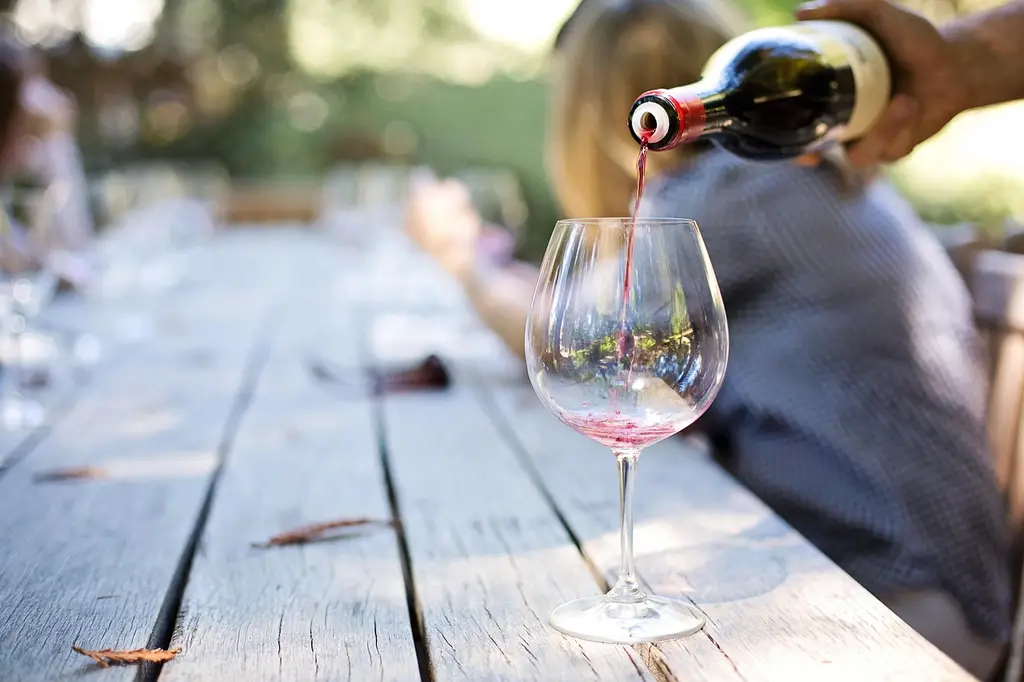
Tawny, ruby and white styles aged in riverside cellars since British merchants shipped it out through this same gorge. A short tasting flight is the easiest way to compare styles side by side.
Grilled fish and seafood
EUR 10-20·Matosinhos, a short metro ride from the center
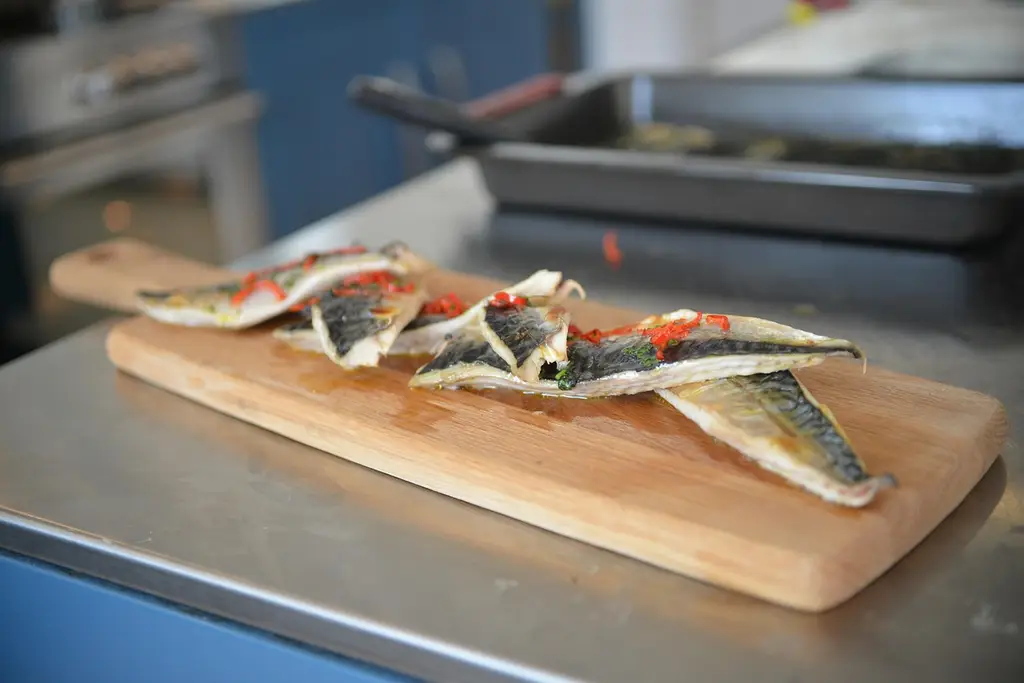
A working fishing port turned casual seafood district. Grilled sardines and the day's catch at prices noticeably below the touristy Ribeira waterfront restaurants.
Market lunch
EUR 6-12·Mercado do Bolhão, central Porto
Reopened in 2022 after a long renovation, split between fresh produce stalls downstairs and hot food counters upstairs. Cheaper and faster than a sit-down restaurant nearby.
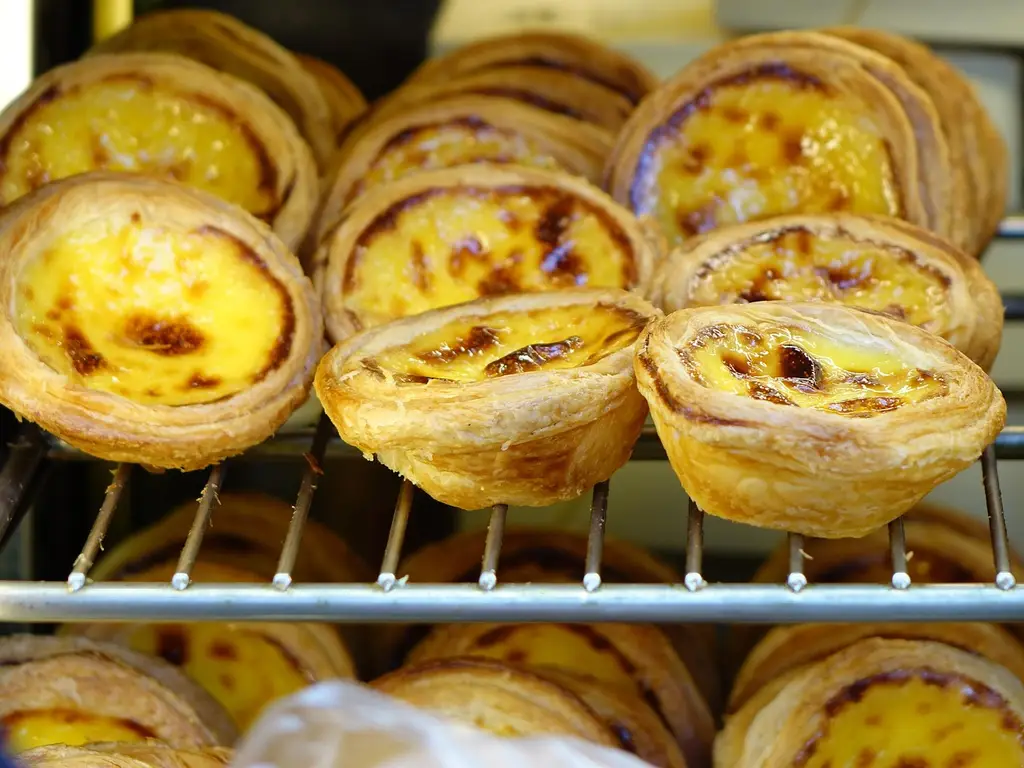
Pastel de nata
EUR 1.20-1.80·pastelarias across the city
Available everywhere in Porto, but unlike Lisbon, the city makes no claim to having invented it. Perfectly good, just not the point of a Porto food trip the way it is in Belém.
Marinated, fried cubes of pork, often served with roasted potatoes and greens. A heartier, less delicate style of cooking than what you'll find further south in Portugal.
Craft beer bars
as of 2026-09
Viral
Independent breweries and taprooms have spread through Cedofeita and around Miguel Bombarda over the past several years, alongside the older port wine scene. A real, lasting addition rather than a passing fad, and a good break from port lodge tastings on a longer trip.
Croissant à moda do Porto
as of 2026-09
Viral
A brioche-dough, Port-wine-touched local croissant style with its own annual city competition. The 2026 winner was Nougat Patisserie, from Paços de Ferreira. A genuine regional specialty having a moment, not a marketing stunt. The contest drew coverage from several major outlets. Seek out the winners list, skip anywhere calling a plain croissant this without the Port-wine touch.
Hikari
as of 2026-09
Viral
New premium omakase counter in Porto with limited seating and a Japanese ritual-focused menu, covered by major Portuguese outlets between February and August 2026. Multiple serious outlets covering it over that stretch says this isn't a flash-in-the-pan opening. Book ahead given the limited counter seats.
Gio Party and Pasta
as of 2026-09
Viral
Restaurant from chef Gio Rodrigues in Porto mixing fresh Italian pasta with circus performers, a magician and jugglers, and a party-club vibe at night. Opened April 2026. This is dinner theater more than a food destination. Go for the spectacle, don't expect the pasta to be the best in Porto.
Tra La Pasta Fresca
as of 2026-09
Viral
Italian spot on the Porto riverfront doing fresh handmade pasta daily plus a brunch menu, opened 2025 and still drawing coverage through mid-2026. Repeated coverage over more than a year means it stuck, not just an opening-week write-up. The river view is as much a draw as the food.
Tripas à moda do Porto revival
as of 2026-09
Viral
Renewed press and public interest in Porto's signature tripe stew, with roundups pointing to the tascas that still cook it the old way, some plates as cheap as 4 euros. This is the opposite of trendy food and that's the appeal, it's the dish locals actually eat. Go to a family-run tasca, not a tourist-menu restaurant, for the real version.
Safety and scams
Porto is safe for a European city of its size, with low rates of violent crime against visitors. Pickpocketing happens on crowded trams, in Ribeira, and around São Bento station, particularly Tram 1 and the funicular. The main practical risk is the terrain itself: cobblestones are uneven and often wet, and the steep stairs in Ribeira and near the cathedral are slick after rain. Watch for scooters and delivery bikes on the narrow one-way streets, which move faster than the streets suggest they should.
Common mistakes
Treating Porto as flat like parts of Lisbon and underestimating how much climbing a day in Ribeira and the historic center involves
Skipping a Livraria Lello ticket reservation and finding same-day entry sold out or hours-long in peak season
Doing more than one port lodge tour back to back, when the content repeats and the riverside walk between them is the better use of time
Assuming the francesinha is a light lunch and planning an active afternoon right after
Rushing the Douro Valley as a single-day round trip without checking the last train back, which can mean a tight connection at Peso da Régua or Pinhão
Not validating an Andante ticket before boarding; fare inspectors do check, and an unvalidated ticket counts as no ticket at all
Frequently asked questions
How many days do you need in Porto?
Three to four days covers the historic center, Gaia's port lodges, and one nearby neighborhood like Matosinhos or Foz do Douro without rushing. Five to seven days lets you add the Douro Valley, Guimarães, Braga, or Aveiro as day trips.
Is Porto cheaper than Lisbon?
Generally yes, for accommodation and casual dining, though the gap has narrowed as both cities' tourism prices have risen. Treat any specific percentage as a rough guide rather than a fixed rule and compare current listings before assuming a discount.
Do you need to book Livraria Lello in advance?
Yes, in practice. Entry runs on timed online tickets that regularly sell out days ahead in peak season, and same-day walk-up access is not reliable. The ticket is redeemable against a book purchase in-store on the day.
Which port lodge tour is best in Vila Nova de Gaia?
Graham's, Taylor's, Sandeman, Ferreira, and Calem are the most-visited names and offer broadly similar tour-plus-tasting formats. The content overlaps between houses, so most visitors do better picking one and spending the saved time on the free riverside walk.
How do you get from Porto airport to the city center?
Metro Line E runs directly from Francisco Sá Carneiro Airport to Trindade in the historic center in roughly 45 minutes, on a standard Andante ticket. Taxis and ride-shares take 20-30 minutes depending on traffic.
Is Porto safe for tourists?
Yes, by most measures, with low rates of violent crime. The main risks are pickpocketing on crowded trams and near São Bento station, and the steep, uneven, sometimes wet cobblestone streets, which cause more trip injuries than anything criminal.
Can you day trip to the Douro Valley from Porto?
Yes, by train from São Bento or Campanhã station to Peso da Régua or Pinhão, one of the more scenic rail routes in Europe. A single day is workable but tight; an overnight in the valley is worth it if your schedule allows.
What is the difference between the two decks of the Dom Luís I Bridge?
The upper deck carries Metro Line D and pedestrians only, with the best views and no traffic noise. The lower deck carries cars and pedestrians and is faster to cross but far less scenic.
What is francesinha and where should you try it?
A ham, sausage, and steak sandwich smothered in melted cheese and a beer-and-tomato sauce, usually with a fried egg and fries. It's sold across Baixa and Boavista rather than tied to one restaurant, and it's rich enough to plan a light rest of the day around.
What is the best time to visit Porto?
May, June, and September for warm, dry weather without August's peak heat and crowds. Late September into October adds the Douro grape harvest if you're combining the city with a valley trip.