Seville rewards an early start more than any other city in this guide. The Real Alcazar and the Cathedral are the two set pieces, and both are best seen before 11am, not because of light or photos but because by midday in summer the streets are close to unbearable. This is a city built for a slower rhythm than most visitors bring to it: long lunches, a siesta lull in the early afternoon when small shops genuinely shut their doors, and life restarting outdoors after 8pm when the heat breaks. The old town, Barrio Santa Cruz, is a tangle of narrow lanes that were laid out for shade, not tourists, and it still works. Across the river, Triana has its own identity, its own tapas bars, and noticeably fewer tour groups. Seville is walkable in a way Madrid and Barcelona aren't quite, everything worth seeing sits within about 2km of the Cathedral, so a short trip here doesn't feel rushed the way it can elsewhere. What it demands in return is respect for the climate: this is a city where the weather genuinely dictates the itinerary, not a caveat to work around.
What I actually think
The heat in Seville is not exaggerated for effect. Walking outside at 2pm in August feels physically different from anywhere else in this guide, and the city's own rhythm, shops shut, streets empty, is the correct response to it, not an inconvenience.
Barrio Santa Cruz looks like a stage set in photos and mostly isn't one. The narrow, shaded lanes were built that way on purpose, centuries before air conditioning, and they still do the job better than anything modern.
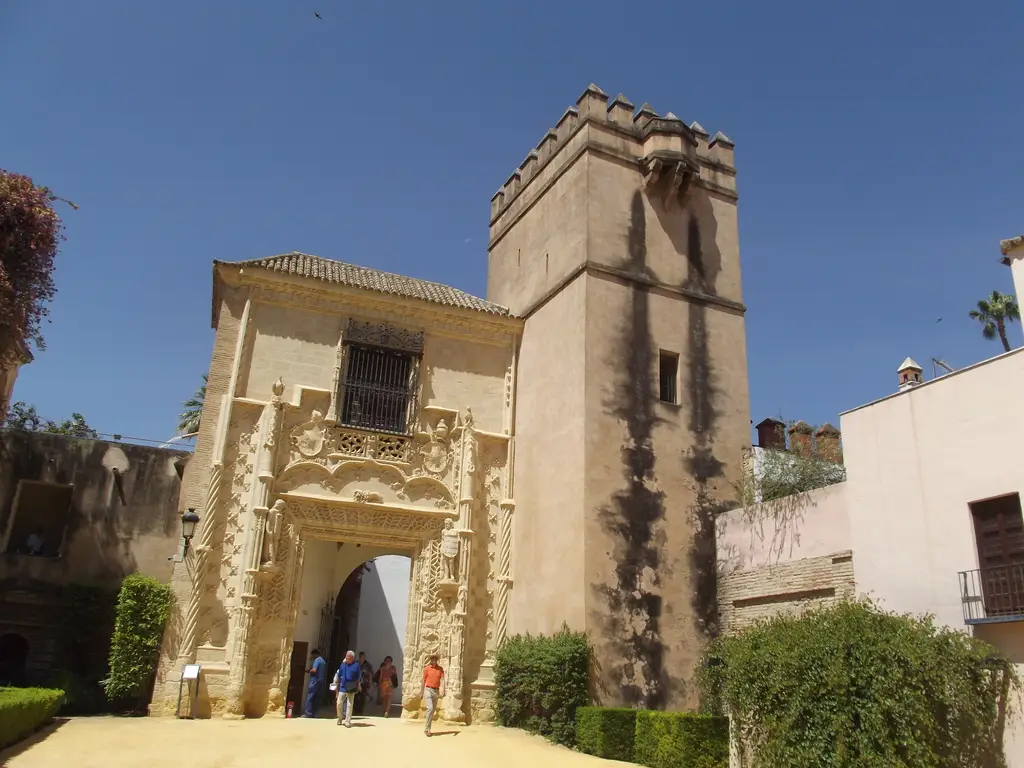
The Alcazar is worth the early alarm. Arrive at opening and you get twenty minutes of the Patio de las Doncellas close to empty, arrive at noon and you're shuffling through a wall of tour groups.
Triana gets skipped by visitors who only cross the river for a photo of the bridge, which is a mistake. The tapas there is less staged for tourists than most of what's around the Cathedral.
Seville is the most walkable city in this guide by a clear margin. Everything worth seeing fits inside a 20-minute radius, which makes a short trip here feel complete in a way three days in Barcelona doesn't.
Itineraries
The Cathedral and Alcazar back to back, with Santa Cruz filling the gaps.
Day 1: The essentials
Morning
Alcazar at opening, 9:30am, before the tour groups. Budget a full two hours including the gardens.
Afternoon
Lunch break in Santa Cruz during the worst heat, then Cathedral and Giralda climb around 4-5pm as the light softens.
Evening
Walk to Plaza de España for sunset, then dinner in El Arenal or Triana after 9pm.
Tip: Book both Alcazar and Cathedral tickets online the night before, don't rely on walk-up.
Old town, Triana, and a slower pace with room for markets and a day trip option.
Day 1: Alcazar and Santa Cruz
Morning
Real Alcazar at opening, two hours minimum.
Afternoon
Lunch and a slow wander through Santa Cruz's lanes, indoors during the peak heat hours.
Evening
Cathedral and Giralda around 5-6pm, dinner in El Arenal.
Tip: Carry water constantly if visiting May through September.
Day 2: Triana and the river
Morning
Mercado de Triana for breakfast and a look at real local shopping.
Afternoon
Metropol Parasol viewing platform, then Casa de Pilatos as a quieter counterpoint to the Alcazar.
Evening
Tapas crawl in Triana starting around 9pm.
Tip: Metropol Parasol at sunset gets a queue, book the slot ahead if you want that specific hour.
Day 3: Plaza de España and open pace
Morning
Plaza de España and the surrounding Maria Luisa Park before the heat builds.
Afternoon
Free time: bullring tour, a museum, or simply rest through the hottest hours.
Evening
Flamenco show in the evening, El Arenal has several tablaos, then a late dinner.
Tip: Don't overbook day three, Seville rewards slowing down more than any city in this guide.
Seville proper plus a day trip to Cordoba, an easy AVE ride away.
Day 1: Alcazar and Santa Cruz
Morning
Real Alcazar at opening.
Afternoon
Santa Cruz, lunch, rest through the heat.
Evening
Cathedral and Giralda, dinner in El Arenal.
Tip: Book both major sites online the night before.
Day 2: Triana and the river
Morning
Mercado de Triana.
Afternoon
Metropol Parasol and Casa de Pilatos.
Evening
Tapas crawl in Triana.
Tip: Save Casa de Pilatos for a slower, less crowded contrast to the Alcazar.
Day 3: Cordoba day trip
Morning
AVE train to Cordoba, about 45 minutes, to see the Mezquita-Catedral.
Afternoon
Wander Cordoba's Juderia quarter and courtyards, a smaller, quieter cousin of Santa Cruz.
Evening
Train back to Seville, dinner near your hotel.
Tip: Book the Cordoba train a few days ahead; the fastest slots sell out.
Show all 5 days
Day 4: Plaza de España and slower sights
Morning
Plaza de España and Maria Luisa Park early.
Afternoon
Bullring tour or a museum, plus genuine downtime.
Evening
Flamenco show, late dinner after.
Tip: Use this day to recover pace, not add more sights.
Day 5: Markets and departure
Morning
Mercado Lonja del Barranco for a final food stop.
Afternoon
Last-minute shopping or a return visit to a favourite spot.
Evening
Depart, or extend toward Cadiz if time allows.
Tip: Leave the morning loose, it's the easiest day to run long on.
A full week using Seville as a base for Cordoba and Ronda, since the city itself is fully covered in about 4 days.
Day 1: Alcazar and Santa Cruz
Morning
Real Alcazar at opening.
Afternoon
Santa Cruz, lunch, rest.
Evening
Cathedral and Giralda, dinner in El Arenal.
Tip: Book both tickets the night before.
Day 2: Triana
Morning
Mercado de Triana.
Afternoon
Metropol Parasol and Casa de Pilatos.
Evening
Tapas crawl in Triana.
Tip: Pace yourself, this is a heavy sightseeing day.
Day 3: Plaza de España and rest
Morning
Plaza de España and Maria Luisa Park.
Afternoon
Downtime through the heat, or a museum.
Evening
Flamenco show.
Tip: Use this as a genuine rest day if you've been moving fast.
Show all 7 days
Day 4: Cordoba day trip
Morning
AVE to Cordoba, Mezquita-Catedral.
Afternoon
Juderia quarter, courtyards, lunch.
Evening
Train back, quiet dinner.
Tip: Book the AVE ahead, especially in shoulder season.
Day 5: Ronda day trip
Morning
Bus or train to Ronda, about 1.5-2 hours, for the Puente Nuevo gorge bridge.
Afternoon
Wander Ronda's old town and viewpoints.
Evening
Return to Seville, dinner near your hotel.
Tip: Ronda's bus is often more direct than the train, check both before booking.
Day 6: Markets and neighbourhoods
Morning
Mercado Lonja del Barranco.
Afternoon
Bullring tour, revisit a favourite site, or shop along Calle Sierpes.
Evening
Last dinner in Triana.
Tip: This is the flexible day, use it to fill gaps or rest.
Day 7: Slow morning and departure
Morning
Coffee and a final walk through Santa Cruz.
Afternoon
Depart.
Evening
N/A
Tip: Keep the last morning unscheduled.
Seville alone can't honestly fill two weeks, so this builds outward across western Andalusia: Cordoba, Ronda, Cadiz, and a few beach or hill-town days.
Day 1: Alcazar and Santa Cruz
Morning
Real Alcazar at opening.
Afternoon
Santa Cruz.
Evening
Cathedral and Giralda.
Tip: Book tickets ahead.
Day 2: Triana
Morning
Mercado de Triana.
Afternoon
Metropol Parasol, Casa de Pilatos.
Evening
Tapas in Triana.
Tip: Pace this heavier day.
Day 3: Plaza de España and rest
Morning
Plaza de España.
Afternoon
Downtime.
Evening
Flamenco show.
Tip: Genuine rest day.
Show all 14 days
Day 4: Cordoba day trip
Morning
AVE to Cordoba.
Afternoon
Mezquita-Catedral, Juderia.
Evening
Return to Seville.
Tip: Book AVE ahead.
Day 5: Ronda day trip
Morning
Travel to Ronda.
Afternoon
Puente Nuevo, old town.
Evening
Return to Seville.
Tip: Consider staying a night in Ronda instead of a rushed return.
Day 6: Cadiz, base change
Morning
Train to Cadiz, about 1.5 hours, check into a hotel there.
Afternoon
Explore Cadiz's old town and sea walls, Spain's oldest continuously inhabited city.
Evening
Sunset on the Cadiz seafront, dinner near the cathedral.
Tip: Cadiz is a genuinely different pace from Seville, coastal and quieter.
Day 7: Cadiz beaches
Morning
La Caleta beach.
Afternoon
Wander the old quarter, market visit.
Evening
Seafood dinner.
Tip: Cadiz seafood is some of the best on this coast.
Day 8: Jerez de la Frontera
Morning
Day trip or move to Jerez, about 40 minutes from Cadiz, for sherry bodegas.
Afternoon
A bodega tour and tasting, plus the old town.
Evening
Return to Cadiz or continue toward Seville.
Tip: Book a bodega tour ahead, they run on a schedule.
Day 9: Back to Seville
Morning
Train back to Seville.
Afternoon
Free afternoon, revisit a favourite site.
Evening
Dinner in El Arenal.
Tip: Use today to slow back down after a fast few days on the road.
Day 10: Markets and neighbourhoods
Morning
Mercado Lonja del Barranco.
Afternoon
Calle Sierpes shopping, bullring tour.
Evening
Flamenco or live music.
Tip: This is a flexible catch-up day.
Day 11: Italica Roman ruins
Morning
Bus to Italica, about 30 minutes outside Seville, a well-preserved Roman city.
Afternoon
Explore the amphitheatre and mosaics.
Evening
Return to Seville, casual dinner.
Tip: Go early, there's very little shade on site.
Day 12: Slow day in Triana
Morning
Ceramics workshops and shops in Triana.
Afternoon
Riverside walk, rest.
Evening
Dinner at a Triana favourite from earlier in the trip.
Tip: Two weeks in, this is where fatigue sets in, plan a light day.
Day 13: Free day
Morning
Open, revisit the Alcazar gardens or a museum missed earlier.
Afternoon
Open.
Evening
Final dinner in Santa Cruz.
Tip: Leave this genuinely unplanned rather than cramming in one more sight.
Day 14: Departure
Morning
Last coffee and walk.
Afternoon
Depart.
Evening
N/A
Tip: Confirm airport transfer timing the night before, midday flights are common from Seville.
9:30am-7:00pm April-September, 9:30am-5:00pm October-March·EUR 15.50 general admission; EUR 5.50 additional for the Royal Upper Rooms (Cuarto Real Alto); EUR 8.00 reduced (over 65, students 14-30, European Youth Card)·2-3 hours
Book online in advance, especially April to September; walk-up tickets sell out by mid-morning in peak season
Go at opening. A working royal palace since the 14th century, still used by the Spanish royal family, and the gardens alone are worth an hour.
Mon-Sat 11:00am-6:00pm, Sun 2:30-7:00pm (Sept-June); Mon-Sat 9:30am-6:00pm, Sun 12:30-7:00pm (July-Aug), last access to Cathedral and Giralda tower at 5pm·EUR 13.00 online, EUR 14.00 at the door·1.5-2 hours
Book online, walk-up queues run long by mid-morning
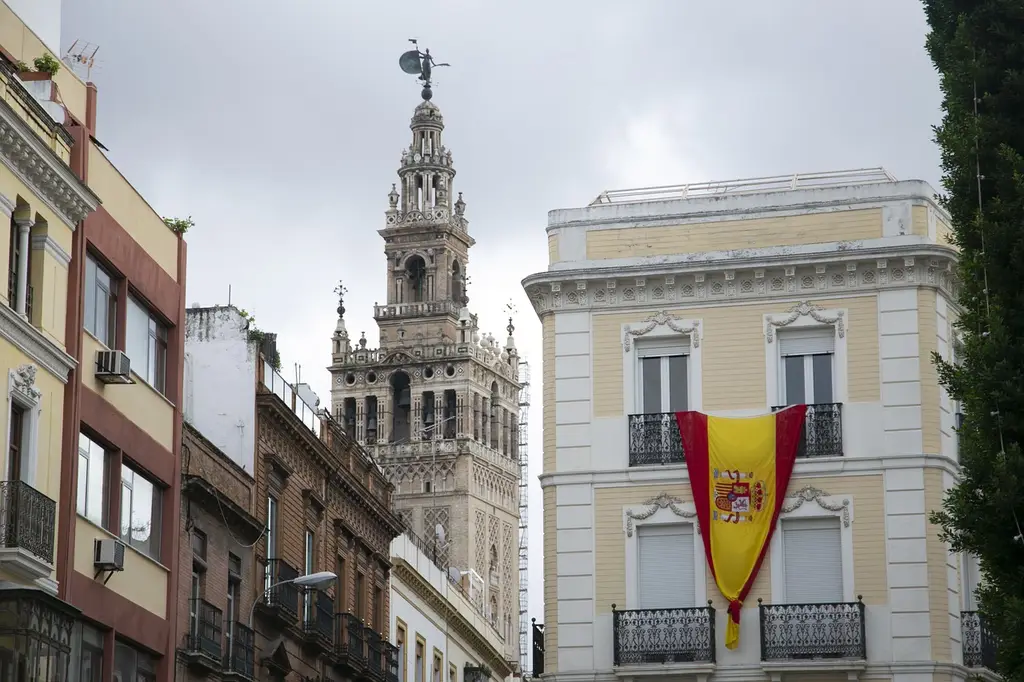
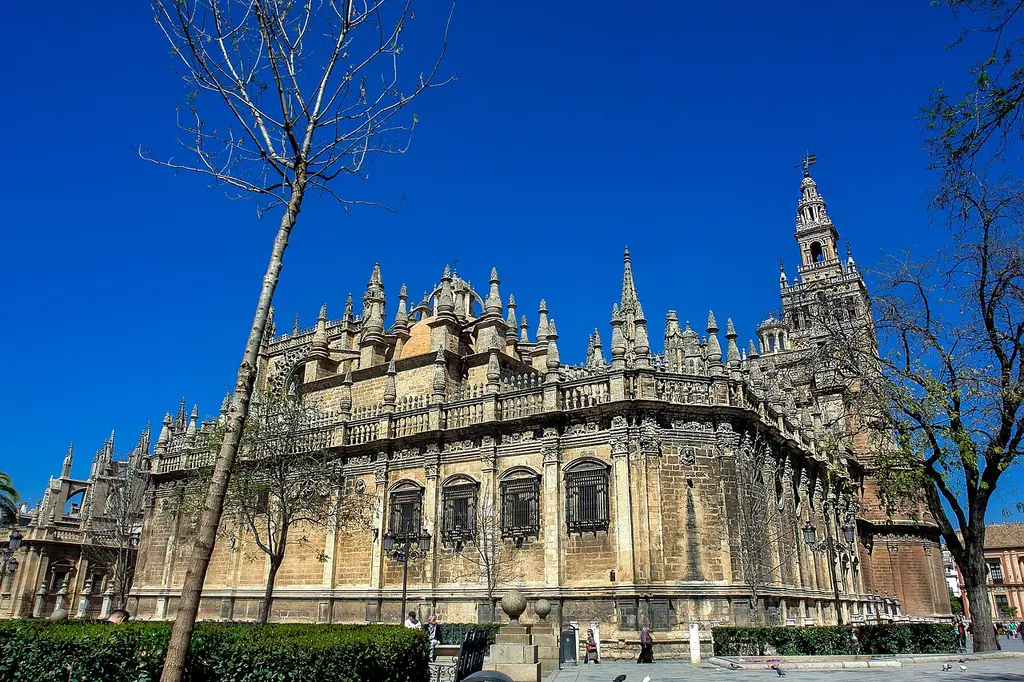
The largest Gothic cathedral by volume anywhere. Climb the Giralda for the best rooftop view in the city, ramps not stairs, so it's an easier climb than it looks.
Always open (plaza); building interior not open to the public·free·45 min-1.5 hours
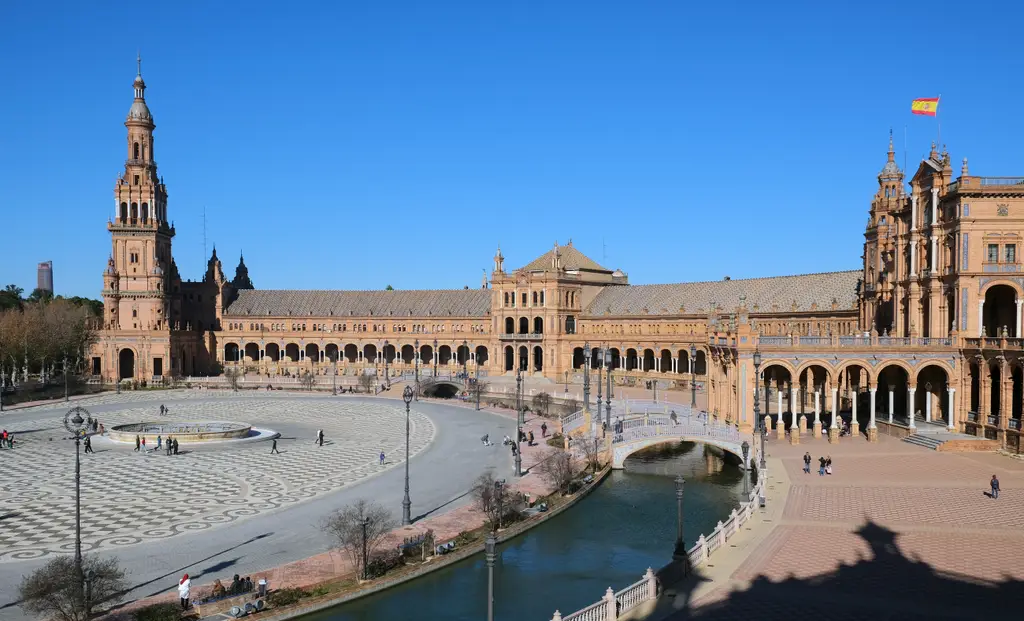
Built for the 1929 Ibero-American Exposition. Go early morning or after sunset when the heat and crowds both drop; rowing on the canal is a genuine option, not just a photo prop.
4
Barrio Santa Cruz
always open·free·1-2 hours to wander
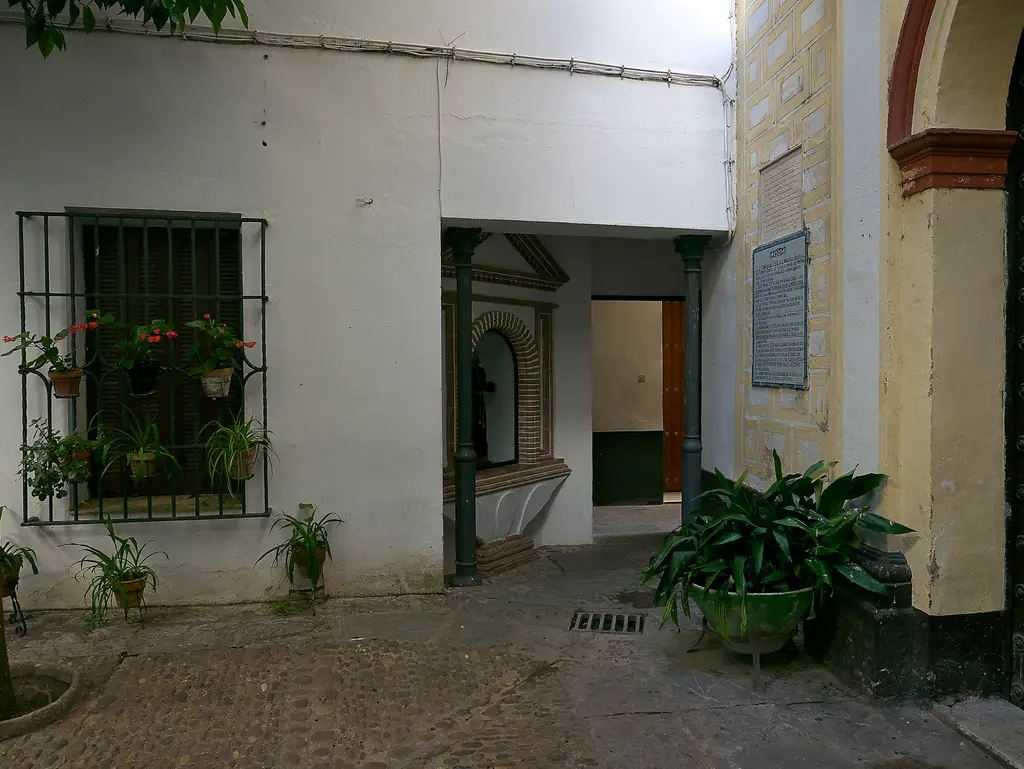
The old Jewish quarter, narrow lanes deliberately built for shade. Best experienced without a fixed route, get lost on purpose in the early evening.
5
Triana
always open·free to walk; individual sites vary·2-3 hours including tapas
Across the Guadalquivir river, the historic ceramics and flamenco quarter. Mercado de Triana is a real market, not staged for tourists, and worth a slower visit than a photo stop.
6
Metropol Parasol (Las Setas)
Plaza always open; viewing platform typically 9:30am-midnight, hours can shift seasonally·Around EUR 5-15 depending on time slot for the rooftop walkway (check current pricing)·45 min-1 hour
walk in for most slots, book ahead for sunset
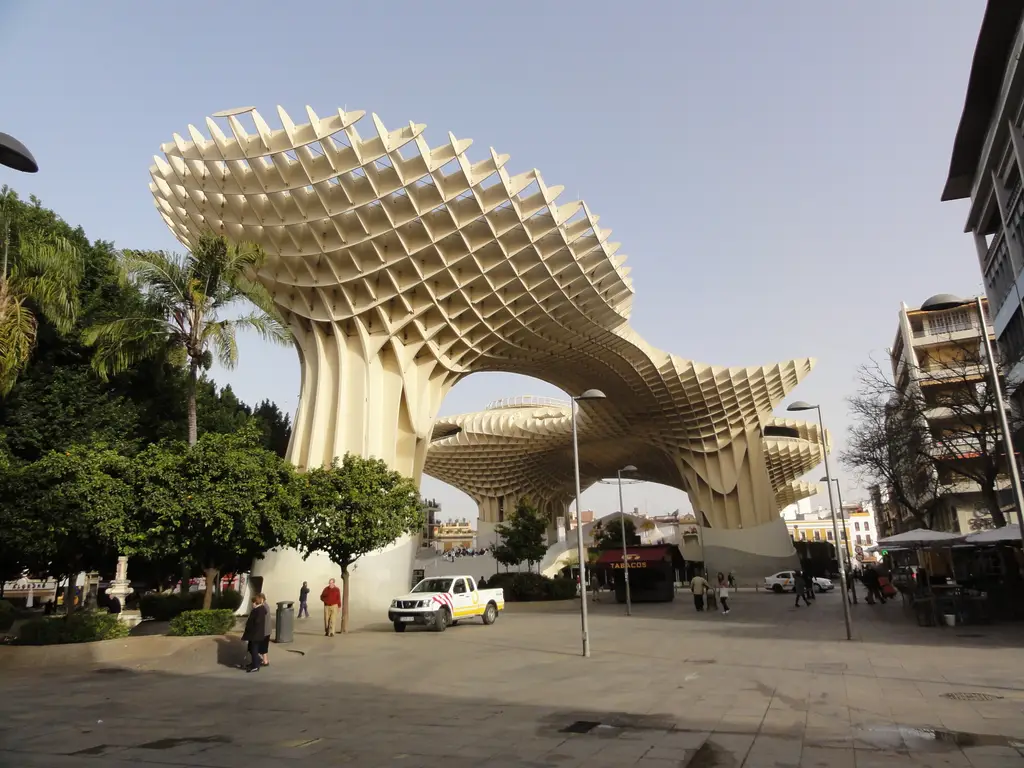
The largest wooden structure in the world, built over a Roman archaeological site you can also visit at ground level. Divides opinion on looks; the sunset view over the city settles it.
Seville Flamenco Biennial
as of 2026-09
Viral
A citywide flamenco festival held every two years across multiple venues in Seville, this edition running September 9 to October 3, 2026. This is the real deal for flamenco, programmed by serious performers rather than built for a tour bus schedule. Worth planning a visit around if flamenco is the actual draw rather than a nightly dinner show.
Triana
as of 2026-09
Viral
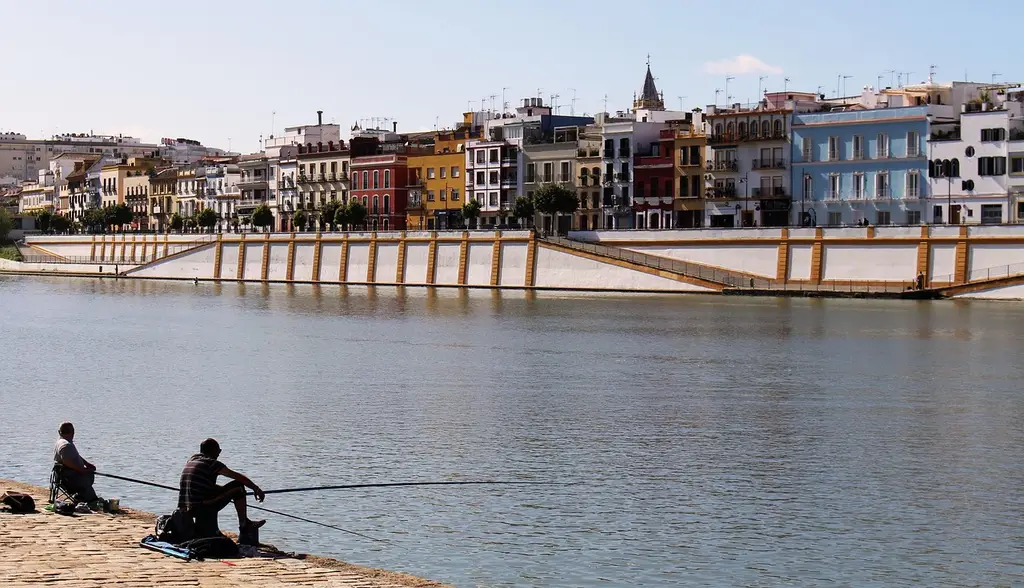
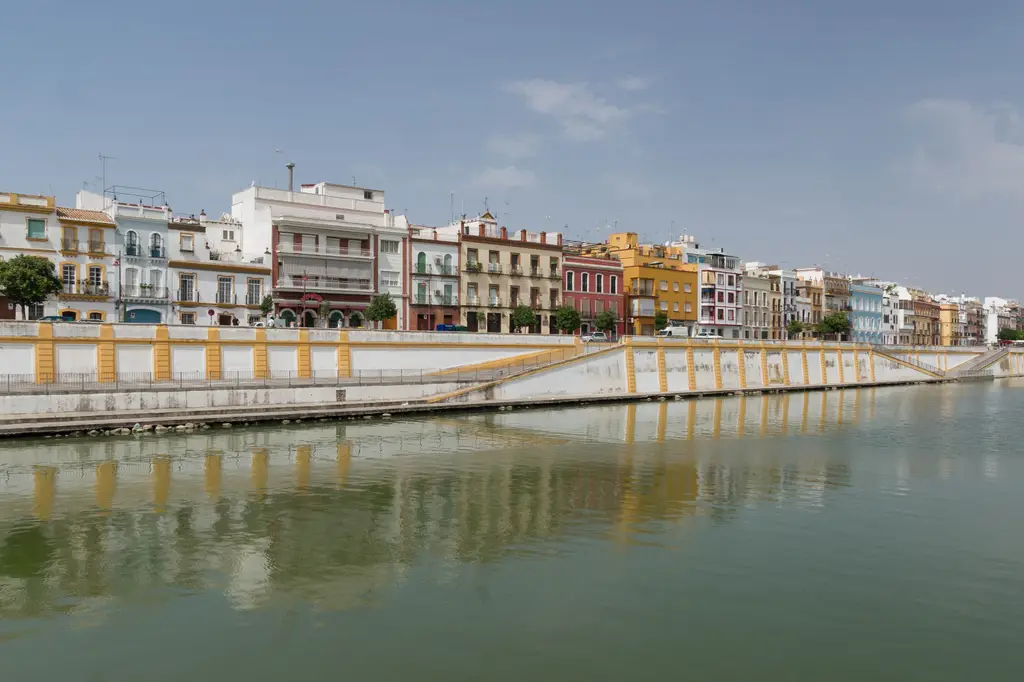
The neighbourhood across the Guadalquivir river from the historic center, considered flamenco's birthplace, known for ceramics workshops, a covered market, and riverside bars along Calle Betis. Less staged than Santa Cruz and still has an actual local pulse rather than being purely a backdrop. Good for an evening away from the cathedral crowds, cross the bridge at sunset for the skyline view back toward the old town.
Santa Cruz flamenco tablaos
as of 2026-09
Viral
Small ticketed flamenco venues in the old Jewish quarter, some housed in centuries-old buildings with capacities under 100 people. Quality and intimacy beat the larger touristic dinner-show venues by a wide margin, but the difference is entirely in which venue you pick. The bigger halls can feel like a stage show run for buses, the small rooms don't.
Real Alcazar
as of 2026-09
Viral
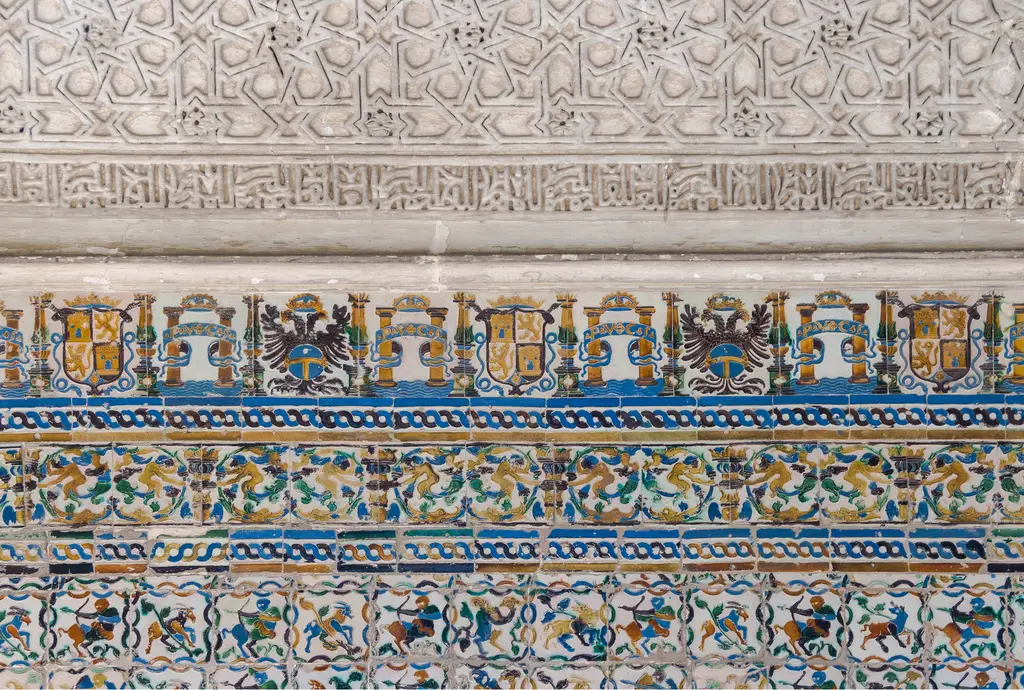
A working royal palace combining Mudejar, Gothic and Renaissance architecture across courtyards, tiled halls and a large formal garden, still used by the Spanish royal family on visits. One of the very few Seville attractions that lives up to the buildup. Book a timed entry well ahead in high season, ticket-window queues run long and slots do sell out.
Plaza de España
as of 2026-09
Viral
A vast semicircular building and plaza built for the 1929 Ibero-American Exhibition, tiled alcoves representing each Spanish province, a moat you can row a small boat across, and a central fountain. Photogenic and genuinely impressive at scale, come early morning for quiet light or late afternoon for the golden-hour version everyone posts. Midday brings tour groups and heat with little shade.
Metropol Parasol (Las Setas)
as of 2026-09
Viral
A large wooden lattice structure downtown, nicknamed the mushrooms, with a rooftop walkway offering panoramic views of the old city and a small museum of Roman and Moorish ruins underneath. Polarizing architecture but the rooftop view is legitimately one of the better vantage points in Seville and less crowded than the cathedral's Giralda tower. Go for sunset if the ticket timing allows it.
More to see (2)
7
Casa de Pilatos
9:00am-6:00pm daily (typical; can shift seasonally, check before you go)·EUR 12 full palace, EUR 8 ground floor only (approximate, verify current rate)·1-1.5 hours
walk in, book ahead in peak season
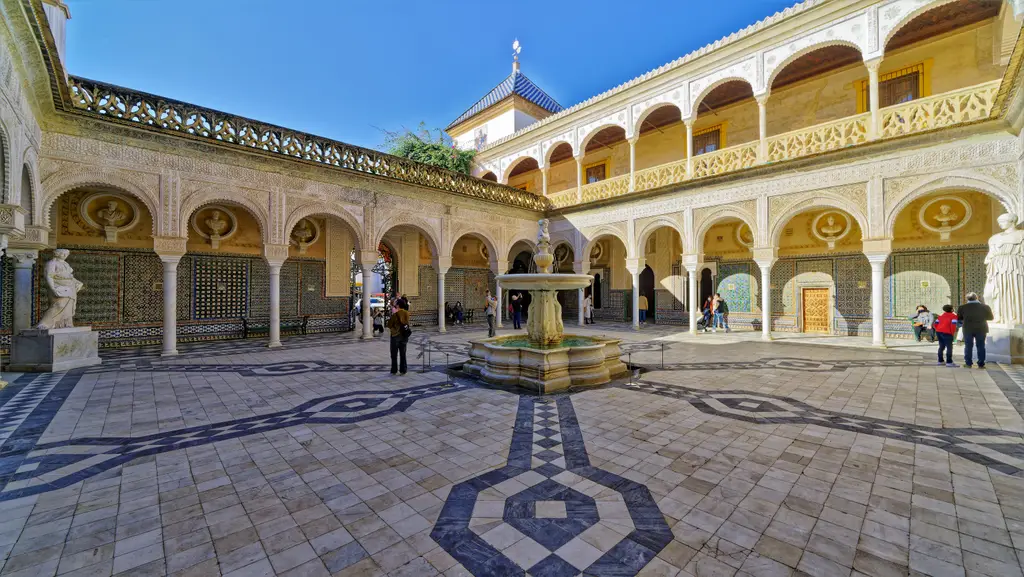
A quieter, less crowded answer to the Alcazar with similar Mudejar tilework. Most tour groups skip it, which is the appeal.
8
Bullring (Real Maestranza)
Guided tours typically 9:30am-9:30pm (non-bullfight days), shorter on fight days·Around EUR 10 for the guided tour (check current rate)·45 min-1 hour
Closed Varies on bullfight dayswalk in for the museum tour
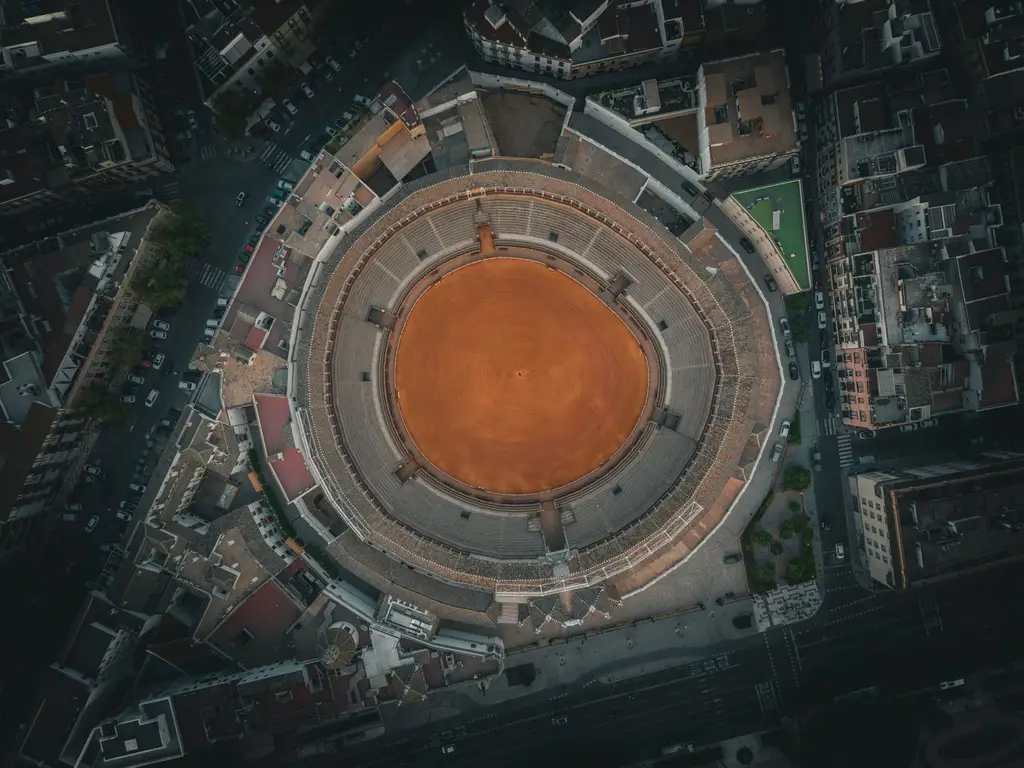
Worth visiting as architecture and history whether or not you have any interest in attending a fight, which remains a genuinely divisive tradition in Spain.
Where to stay
Barrio Santa Cruz
Suits: First-time visitors who want to walk everywhere
Steps from the Cathedral and Alcazar, atmospheric at night, can feel like a tourist set piece by day.
Triana
Suits: Travellers who want a more local feel
Across the river, cheaper, strong tapas and ceramics scene, a 10-15 minute walk to the sights.
El Arenal
Suits: Bullring, riverside, flamenco venues
Central and quieter than Santa Cruz at night, close to the river for evening walks.
Alameda de Hercules
Suits: Nightlife and a younger crowd
North of the centre, Seville's bar and restaurant strip, less postcard-pretty, better prices.
Getting there and around
Getting there
Seville Airport (SVQ) sits about 10km from the centre; a taxi runs a fixed rate of roughly EUR 25-30, and the EA airport bus costs around EUR 4 and takes 35-40 minutes into the centre. Seville's Santa Justa train station connects to Madrid by AVE high-speed rail in about 2.5 hours, with Barcelona around 5.5 hours direct.
Getting around
The old town and Triana are almost entirely walkable, and most first-time visitors won't need public transport for sightseeing. Seville also has an extensive bike-share system (Sevici) and flat terrain that makes cycling genuinely pleasant, unusual for a Spanish city. A single tram line (MetroCentro) and a small metro network exist but mainly serve residents commuting from the suburbs, not tourist routes. Taxis are metered and reasonably priced for longer hops, useful in the worst of the summer heat.
Map
City
Recommended (numbered)
Mentioned in an itinerary
Locations on this map
Seville37.39, -5.98
Real Alcazar37.38, -5.99
Seville Cathedral and Giralda37.39, -6.00
Plaza de España37.38, -5.99
Barrio Santa Cruz37.39, -5.99
Triana37.38, -6.00
Metropol Parasol (Las Setas)37.39, -5.99
Casa de Pilatos37.39, -5.99
Bullring (Real Maestranza)37.39, -6.00
El Arenal37.39, -6.00
Maria Luisa Park37.37, -5.99
Cordoba37.40, -5.98
Mezquita-Catedral37.88, -4.78
Mercado Lonja37.39, -6.00
Barranco37.39, -6.00
Cadiz37.38, -5.99
Ronda37.41, -5.94
Puente Nuevo37.36, -4.98
Calle Sierpes37.39, -5.99
Juderia37.38, -5.99
La Caleta37.39, -5.96
Frontera37.12, -5.46
Jerez37.38, -5.99
Italica Roman37.44, -6.05
Italica37.44, -6.04
Roman37.39, -5.99
What it costs
Stay
Food
Transport
Activities
Daily cost breakdown, EUR per person
Tier
Stay
Food
Transport
Activities
Total
Budget
EUR 25
EUR 20
EUR 5
EUR 15
EUR 65
Mid-range
EUR 70
EUR 40
EUR 10
EUR 15
EUR 135
Splurge
EUR 160
EUR 80
EUR 20
EUR 40
EUR 300
Mid-range hostel-turned-hotel room EUR 70. Coffee and tostada breakfast EUR 4. Alcazar ticket with Royal Rooms EUR 21. Tapas lunch in Santa Cruz, three plates and a beer, EUR 18. Bike rental for the afternoon EUR 5. Sit-down dinner in Triana at 9:30pm, EUR 25. Total: around EUR 143.
Money savers
Sevici bike-share day pass runs a few euros and covers most of the flat old town faster than walking
Casa de Pilatos and Metropol Parasol both cost far less than the Alcazar and draw a fraction of the crowd
Mercado de Triana and Mercado Lonja del Barranco both work as a cheap, real lunch instead of a sit-down restaurant
Cathedral tickets bought online in advance save a euro over the door price and skip the queue entirely
Seville is often credited as the historical birthplace of tapas, and tapeo, moving bar to bar for one or two small plates at each stop, is the default way to eat dinner here, not an occasional novelty. Unlike Granada, nothing arrives free with a drink; you order and pay per plate. Standing at the barra instead of sitting at a mesa or terraza table is often meaningfully cheaper for the same food, worth doing if you're watching cost. Salmorejo and gazpacho get confused constantly; salmorejo is thicker, richer, usually topped with jamon and egg, while gazpacho is thinner and more acidic. Jamon iberico culture runs deep here, ask for bellota grade if quality matters to you.
Thicker, richer cousin of gazpacho, usually topped with jamon and hard-boiled egg. A starter, not a soup course, and a good gauge of a kitchen's quality.
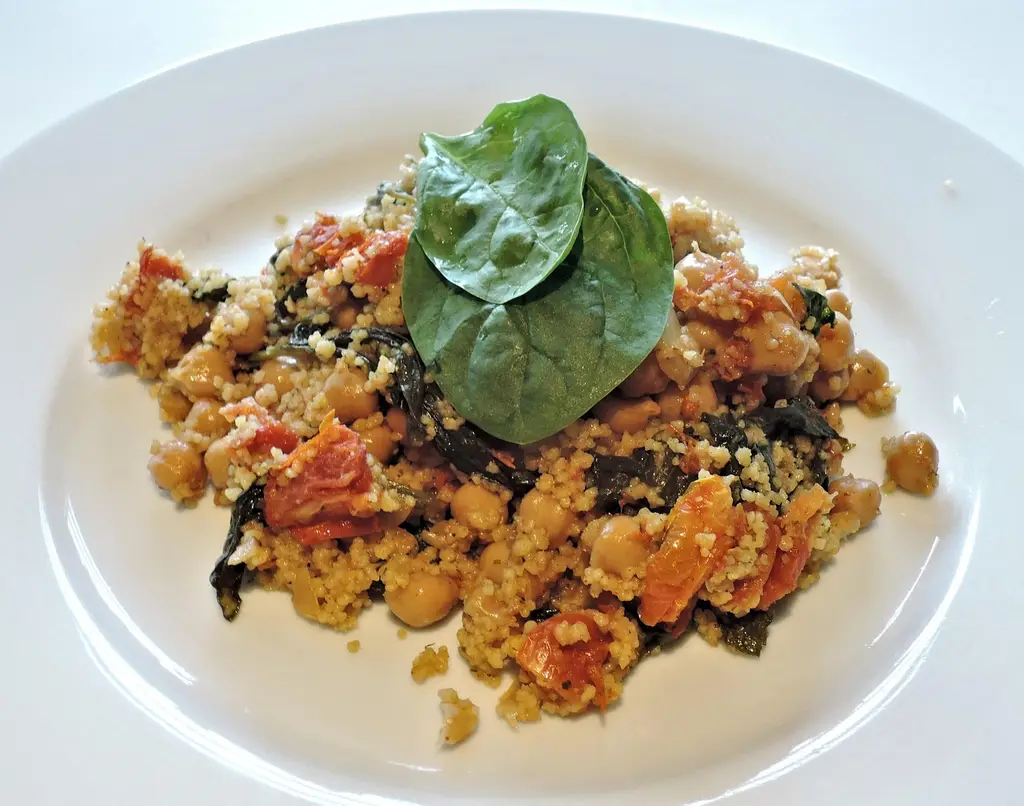
Espinacas con garbanzos
EUR 4-7·Traditional tabernas around the old town
Must try
Spinach and chickpeas, a dish with real Moorish roots, cheap and filling, on most old-school tapas menus.
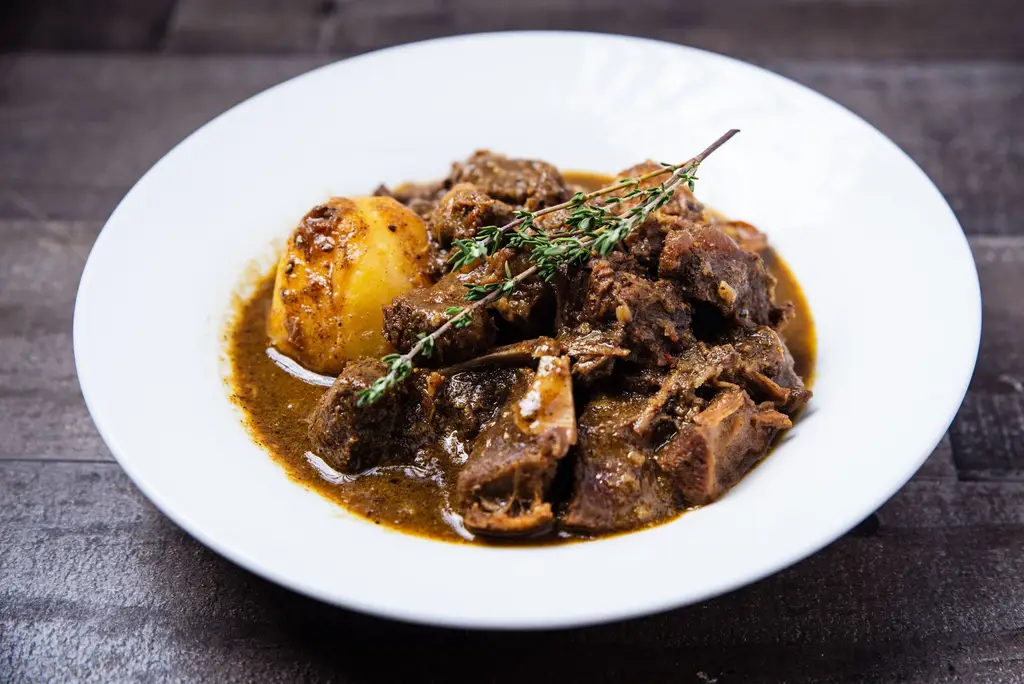
Cola de toro
EUR 12-18·Sit-down restaurants near the bullring and Triana
Slow-braised oxtail, one of the few genuinely Sevillano dishes with a direct link to the city's bullfighting history.
Pescaito frito
EUR 6-12·Mercado del Arenal and riverside spots
Must try
Lightly fried small fish, a Cadiz province specialty that's just as common in Seville. Eaten as a snack, not a main.
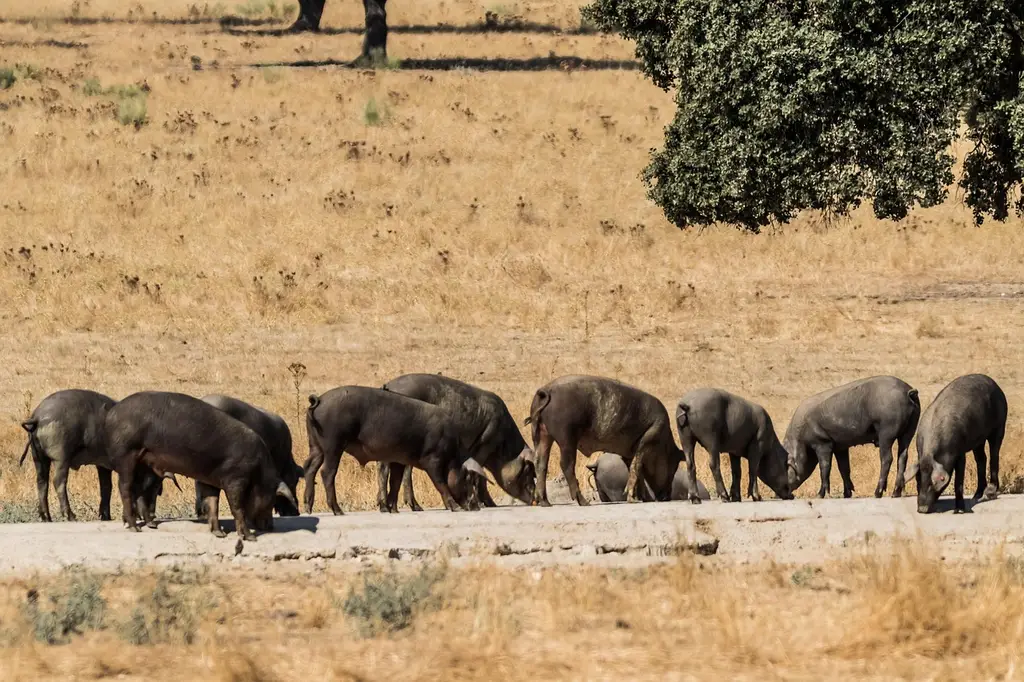
Jamon iberico
EUR 8-18 per tapa plate·specialist bars and delis around Santa Cruz and the old town
Must try
Cured ham from acorn-fed Iberian pigs, sliced thin and eaten standing at the bar. Ask for jamon iberico de bellota if you want the top grade, and expect to pay for it.
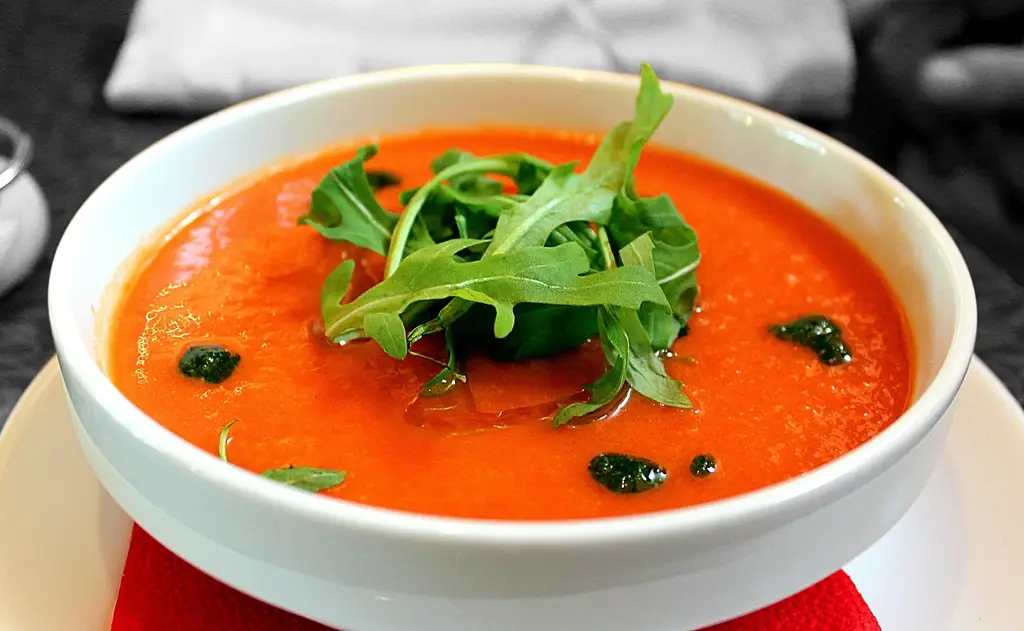
Gazpacho
EUR 4-7·tapas bars and casual restaurants everywhere in summer
Must try
A cold raw tomato soup, thinner and more acidic than salmorejo and often confused with it. Order both side by side once to taste the difference.
Puntillitas
EUR 8-14·seafood tabernas around El Arenal and Triana
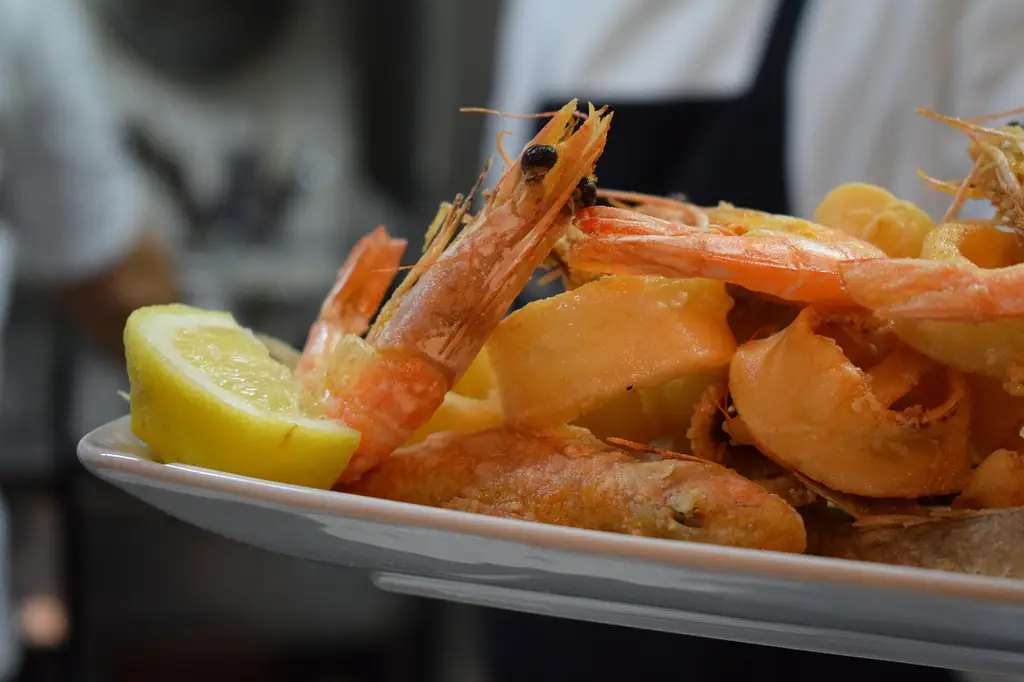
Whole baby squid, flash-fried and eaten by the handful, a lighter counterpart to pescaito frito. Order with a cold beer, not wine.
Cañabota
as of 2026-09
Viral
One Michelin star seafood restaurant near Capilla de San Andrés, fish counter entrance, open kitchen, menu built daily off the Atlantic catch. Not a social media flash. It earned its star in 2022 and still holds it. Reservation only, not cheap, worth it if you want a serious seafood tasting menu.
Bodeguita Romero
as of 2026-09
Viral
Old school tapas bar known for its pringá sandwich, one of Seville's classic no frills spots long before anyone filmed it. Was famous before social media found it, which is the best sign. Confirmed across repeated 2026 guides though not by one single authoritative source, so call it solid rather than certain.
El Rinconcillo
as of 2026-09
Viral
Seville's oldest tavern, founded in 1670, serving espinacas con garbanzos, pavía de bacalao and salmorejo at a mahogany bar. Worth the queue once. It's a tourist stop, but locals still go, and reviews say the food holds up even when service gets rushed at peak hours.
Rastrojo
as of 2026-09
Viral
New tapas bar on Calle Zaragoza from chef Juan Fernando Fernández, reworking classic Andalusian dishes like pavía in the former Almoradux space. Promising, but only one solid write-up turned up in research so far. Flag it as newer and less corroborated than the rest of this list, not a sure thing yet.
Lena al Lomo, El Arenal
as of 2026-04
Viral
A wood-fired grill restaurant opened its second Seville location in the Arenal neighborhood in spring 2026, confirmed operating by multiple local outlets. Meat-forward and centrally located, good if you want a sit-down grill dinner near the bullring area.
Cafe La Raza, Parque Maria Luisa
as of 2026-07
Viral
The historic Bar Citroen, closed since 2021, reopened in July 2026 under new management as Restaurante Cafe La Raza in Parque Maria Luisa. 92 years of history and a real comeback story, not a new concept dressed up as one. Good stop if you're already in the park.
Safety and scams
Seville is a low-violent-crime city; the real risks are heat and petty theft. Pickpocketing happens around the Cathedral, Alcazar queue, and Triana market, standard city caution applies. The dangerous part is the heat itself, June through August, midday sun causes genuine heatstroke risk, drink more water than feels necessary, avoid strenuous walking between noon and 5pm, and take the local habit of an afternoon lull seriously rather than pushing through it.
Common mistakes
Scheduling the Alcazar or Cathedral for midday in summer instead of opening hours
Assuming Seville tapas are free the way they are in Granada, they're generally paid per plate
Booking a restaurant dinner for 7pm and finding it not properly open, or eating alone in an empty tourist-menu place
Skipping Triana entirely and only seeing the old town side of the river
Underestimating how long the Alcazar takes and rushing the gardens, which are half the site
Frequently asked questions
How many days do you need in Seville?
Three full days covers the Alcazar, Cathedral, Triana, and Santa Cruz properly without rushing. Two days works if you're efficient. Beyond three or four days, most visitors are better off day-tripping to Cordoba, Ronda, or Cadiz than staying entirely within the city.
How hot does Seville get in summer?
Genuinely dangerous, not just uncomfortable. July and August afternoons regularly hit 40-44C. Locals and repeat visitors plan around it: sightseeing before 11am and after 7-8pm, indoors or resting through the middle of the day.
Do you need to book Alcazar tickets in advance?
Yes, especially April through September. Walk-up tickets can sell out by mid-morning in peak season. Book online a few days to a week ahead; for Semana Santa or Feria de Abril, book weeks out.
Is Seville walkable?
Very. Almost everything worth seeing sits within a 20-minute walk of the Cathedral, and the old town is flat. It's the most compact of the five Spanish cities in this guide.
Are tapas free in Seville?
No, not automatically the way they are in Granada. Most Seville bars charge per tapa, though some traditional spots include a small free bite with a drink order, it's not the reliable norm the way it is further south.
What's the difference between the Alcazar and the Cathedral?
The Alcazar is a Mudejar-style royal palace, still used by the Spanish royal family, with extensive gardens. The Cathedral is the largest Gothic cathedral by volume in the world, built on the site of a former mosque, with the Giralda tower attached. Most visitors do both in one day.
Is Seville expensive?
Cheaper than Barcelona or Madrid for comparable comfort. Mid-range travellers can expect around EUR 130-140 a day covering a decent hotel, sit-down meals, and the main sights.
Can you day-trip to Cordoba or Ronda from Seville?
Yes, both are straightforward. Cordoba is about 45 minutes by AVE. Ronda is 1.5-2 hours by bus or train. Both work as a single long day or a more relaxed overnight.
When is Semana Santa and does it affect visiting Seville?
Semana Santa is Holy Week before Easter, dates shift each year. Seville's processions are among the most elaborate in Spain, but hotel prices spike sharply and the city gets extremely crowded. Book far ahead if visiting during it, or avoid it if you prefer a quieter trip.