Things to Do in Madrid: Itineraries, Costs and Food
Spain's capital by geography, not by beach or single landmark: three world-class art museums a walk apart, a palace bigger than Versailles, and dinner that never starts before nine.
By Labeeb Mirza · Published September 8, 2026 · Updated September 8, 2026
Best timeApr-May
Daily budget (mid)EUR 145
Ideal length3 days
CurrencyEUR
Overview
Madrid doesn't have a single postcard image the way Barcelona or Seville do, and that's part of the point. It became Spain's capital because it sits in the middle of the country, not because it's the prettiest city on the map, and it makes up for that with density instead. The Prado, the Reina Sofia and the Thyssen-Bornemisza sit within about fifteen minutes' walk of each other, three of the world's stronger painting collections stacked along what locals call the Golden Triangle of Art. The Royal Palace, still the official residence for state ceremonies even though the king lives elsewhere, has more rooms than Buckingham Palace and Versailles combined by most counts. Underneath all of that, the city runs on a rhythm built around eating late and staying out later: lunch rarely starts before 2pm, dinner rarely before 9pm, and a nightlife scene that's genuinely just getting going after midnight rather than winding down. There's no beach and no single Gaudi-style landmark to build a trip around, which is exactly why first-time visitors sometimes underrate it next to Barcelona. That undersells it. Madrid rewards walking without a fixed plan more than most European capitals, from the Hapsburg-era streets around Plaza Mayor down through La Latina's tapas bars to Malasana's converted 19th-century shopfronts. It's also the easiest Spanish city to leave from for a day trip: Toledo, Segovia and Avila are all under an hour away by train, so a Madrid base doubles as an anchor for the rest of central Spain.
Madrid runs later than Barcelona or Seville, and I mean that literally, not as a cliche. A dinner reservation before 9pm usually gets you an empty restaurant and a waiter who isn't quite ready for you yet.
The Golden Triangle of Art sounds like a marketing phrase and turns out to be accurate. Having the Prado, the Reina Sofia and the Thyssen within walking distance of each other changes how you plan a museum day compared with a city where they're spread across town.
The Palacio Real's free evening window is one of the better deals in European sightseeing if your schedule fits it, but it's popular enough that you can't treat it as a guaranteed walk-in.
Retiro on a Sunday afternoon is as close as Madrid gets to a beach day. There's no coastline in this city, so the park absorbs that role, and it shows in how full it gets by mid-afternoon.
The Bernabéu tour is worth doing even with no interest in football. The scale of the rebuild is the more interesting story than the trophy room, and the tour is built around it.
The Royal Palace in the morning, the art triangle after lunch, Retiro and tapas in the evening.
Day 1: Palace to park
Morning
Palacio Real at opening, budget close to two hours including the armoury and gardens if you have time.
Afternoon
Walk or metro to the Reina Sofia for Guernica and the 20th-century collection, then a menu del dia lunch nearby.
Evening
Retiro Park for a slow walk or a rowboat, then a tapas dinner in La Latina after 9pm.
Tip: Book the Palacio Real ticket online the moment your dates are fixed, especially April through September.
The old town and palace, the full art triangle and Retiro, then modern Madrid and the Bernabeu.
Day 1: Palace and the old town
Morning
Palacio Real at opening, then a wander down to Plaza Mayor.
Afternoon
Lunch around Plaza Mayor or La Latina, then a slow walk through the old streets toward Puerta del Sol.
Evening
Tapas crawl along Cava Baja in La Latina, starting around 9pm.
Tip: Wear real walking shoes, the old town's cobbled streets are harder on feet than they look.
Day 2: The art triangle and Retiro
Morning
Museo del Prado at opening, two to three hours for the highlights.
Afternoon
Museo Reina Sofia after lunch, then Retiro Park for the rest of the afternoon.
Evening
Dinner in Chueca or Salamanca, whichever fits your pace better.
Tip: Buy timed tickets for both museums the night before if you're visiting April through September.
Day 3: Gran Via, Malasana and the Bernabeu
Morning
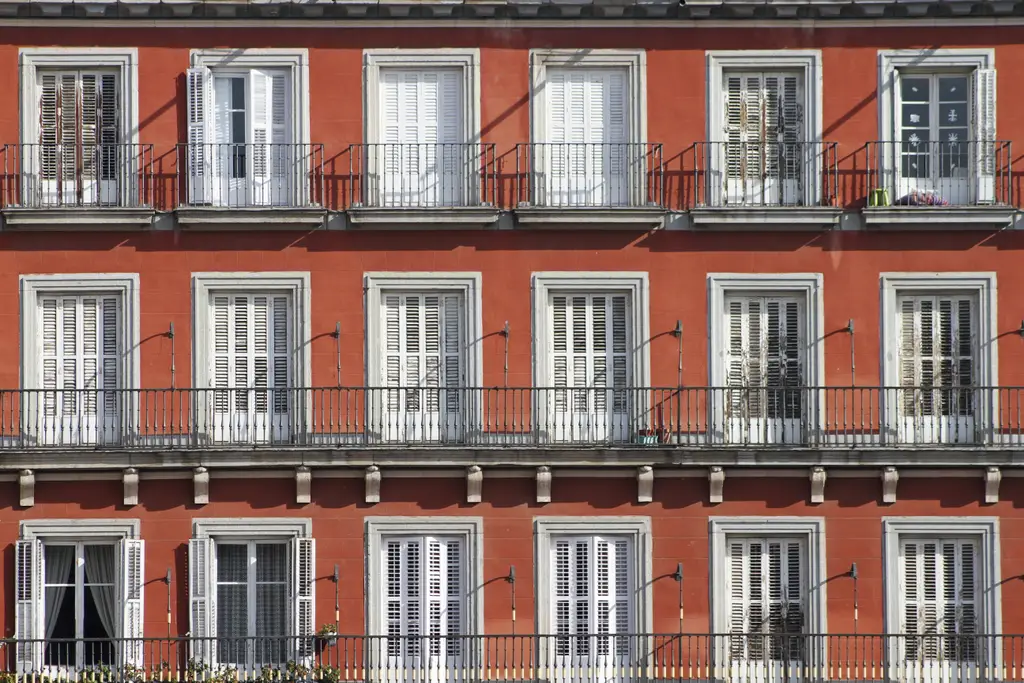
Gran Via and a walk through Malasana's converted 19th-century blocks.
Afternoon
Santiago Bernabeu Stadium Tour, roughly two hours including the museum.
Evening
Sunset at Templo de Debod, then a final dinner in Malasana or Chueca.
Tip: Check the Bernabeu tour schedule for matchday restrictions before you book the slot.
The 3-day Madrid core plus day trips to Toledo and Segovia, both under an hour by train.
Day 1: Palace and the old town
Morning
Palacio Real at opening.
Afternoon
Plaza Mayor and La Latina, lunch nearby.
Evening
Tapas crawl along Cava Baja.
Tip: Book the Palacio Real ticket as soon as your dates are set.
Day 2: The art triangle and Retiro
Morning
Museo del Prado.
Afternoon
Museo Reina Sofia, then Retiro Park.
Evening
Dinner in Chueca.
Tip: Buy timed museum tickets ahead in high season.
Day 3: Gran Via, Malasana and the Bernabeu
Morning
Gran Via and Malasana.
Afternoon
Santiago Bernabeu Stadium Tour.
Evening
Sunset at Templo de Debod, dinner nearby.
Tip: Confirm the tour schedule against any matchday restrictions.
Show all 5 days
Day 4: Day trip: Toledo
Morning
High-speed train to Toledo, around 30 minutes, for the cathedral and the walled old town.
Afternoon
Wander the Jewish quarter and the Alcazar's exterior, lunch in the old town.
Evening
Train back to Madrid, casual dinner near your hotel.
Tip: Toledo's old town is steep and largely car-free, comfortable shoes matter more here than elsewhere.
Day 5: Day trip: Segovia
Morning
High-speed train to Segovia, around 30 minutes, for the Roman aqueduct.
Afternoon
Segovia's cathedral and the Alcazar, which reputedly inspired a Disney castle design.
Evening
Train back to Madrid for a final dinner.
Tip: Segovia's Alcazar sits at the far end of the old town, budget extra walking time to reach it.
Full Madrid core plus Toledo, Segovia and El Escorial as day trips, with a slower final day.
Day 1: Palace and the old town
Morning
Palacio Real at opening.
Afternoon
Plaza Mayor and La Latina.
Evening
Tapas crawl along Cava Baja.
Tip: Book the palace ticket the moment your dates are fixed.
Day 2: The art triangle and Retiro
Morning
Museo del Prado.
Afternoon
Museo Reina Sofia, then Retiro Park.
Evening
Dinner in Chueca.
Tip: Buy timed tickets ahead for both museums.
Day 3: Gran Via, Malasana and the Bernabeu
Morning
Gran Via and Malasana.
Afternoon
Santiago Bernabeu Stadium Tour.
Evening
Sunset at Templo de Debod, dinner nearby.
Tip: Check matchday restrictions on tour hours before booking.
Show all 7 days
Day 4: Day trip: Toledo
Morning
Train to Toledo, about 30 minutes.
Afternoon
Old town, cathedral, Alcazar exterior.
Evening
Train back to Madrid.
Tip: Wear comfortable shoes, the old town is steep.
Day 5: Day trip: Segovia
Morning
Train to Segovia, about 30 minutes.
Afternoon
Roman aqueduct, cathedral, Alcazar.
Evening
Train back to Madrid.
Tip: The aqueduct is a short walk from the station, the Alcazar is further.
Day 6: Day trip: El Escorial
Morning
Train to San Lorenzo de El Escorial, about an hour, for the royal monastery and palace complex.
Afternoon
Explore the monastery's library, basilica and royal apartments.
Evening
Train back to Madrid, dinner near your hotel.
Tip: The monastery is large, budget a full morning and afternoon if you want to see most of it.
Day 7: Markets and an unhurried finish
Morning
El Rastro if it falls on a Sunday, or Mercado de San Anton on another day.
Afternoon
Revisit a favourite neighbourhood or museum missed earlier in the week.
Evening
Final dinner, book ahead if it's a specific restaurant.
Tip: Keep this day flexible as a buffer for anything an earlier day didn't fit.
Madrid alone doesn't fill two weeks of sightseeing, so this uses it as a base for central Spain, with the city's own sites in the first week and day and overnight trips to Toledo, Segovia, Avila, El Escorial, Aranjuez and Cuenca filling the second, with rest days built in.
Day 1: Palace and the old town
Morning
Palacio Real at opening.
Afternoon
Plaza Mayor and La Latina.
Evening
Tapas crawl along Cava Baja.
Tip: Book the palace ticket as soon as your dates are set.
Day 2: The art triangle and Retiro
Morning
Museo del Prado.
Afternoon
Museo Reina Sofia, then Retiro Park.
Evening
Dinner in Chueca.
Tip: Buy timed tickets ahead in high season.
Day 3: Gran Via, Malasana and the Bernabeu
Morning
Gran Via and Malasana.
Afternoon
Santiago Bernabeu Stadium Tour.
Evening
Sunset at Templo de Debod, dinner nearby.
Tip: Check the tour schedule against matchday restrictions.
Show all 14 days
Day 4: Markets and Salamanca
Morning
El Rastro if it's a Sunday, or Mercado de San Anton on another day.
Afternoon
Salamanca's grid streets and shopping.
Evening
Free evening.
Tip: A lighter day after three heavier ones.
Day 5: Rest day
Morning
Open, catch up on anything missed.
Afternoon
Return to a favourite site at a different time of day, or logistics.
Evening
Open.
Tip: A genuine rest day matters more than another attraction at this point.
Day 6: Day trip: Toledo
Morning
Train to Toledo, about 30 minutes.
Afternoon
Old town, cathedral, Alcazar exterior.
Evening
Train back to Madrid.
Tip: The old town is steep and largely car-free.
Day 7: Day trip: Segovia, end of week one
Morning
Train to Segovia, about 30 minutes.
Afternoon
Roman aqueduct, cathedral, Alcazar.
Evening
Train back to Madrid.
Tip: A relaxed way to close out the first half of the trip.
Day 8: Day trip: El Escorial
Morning
Train to San Lorenzo de El Escorial, about an hour.
Afternoon
Monastery, library, royal apartments.
Evening
Train back to Madrid.
Tip: Budget a full morning and afternoon for the monastery complex.
Day 9: Avila, overnight
Morning
Train to Avila, under an hour, for the complete medieval city walls.
Afternoon
Walk the walls and explore the old town within them.
Evening
Overnight in Avila rather than rushing back.
Tip: The walls are walkable in sections, don't feel obligated to do the full loop.
Day 10: Avila to Madrid
Morning
A slower morning in Avila, cathedral and city gates.
Afternoon
Train back to Madrid.
Evening
Easy dinner near your hotel.
Tip: Check the train schedule the night before, some routes run less frequently midweek.
Day 11: Day trip: Aranjuez
Morning
Train to Aranjuez, about 45 minutes, for the royal palace and gardens along the Tagus river.
Afternoon
Palacio Real de Aranjuez and the Jardin del Principe.
Evening
Train back to Madrid.
Tip: Aranjuez is flatter and quieter than Toledo or Segovia, a good lower-key day.
Day 12: Day trip: Cuenca
Morning
Train to Cuenca, roughly an hour, for the Casas Colgadas, the hanging houses over the gorge.
Afternoon
Wander the old town's steep streets and the cathedral.
Evening
Train back to Madrid.
Tip: Cuenca's old town is genuinely steep, this is the most physically demanding day trip on the list.
Day 13: Return to Madrid, unhurried
Morning
Slow morning, coffee in Malasana or Chueca.
Afternoon
Revisit whichever neighbourhood or museum you liked most.
Evening
A proper final dinner, book ahead if it's a specific restaurant you've been saving.
Tip: Book this dinner a few days out, the better places fill up.
Day 14: Departure
Morning
Pack, last-minute shopping near your hotel.
Afternoon
Airport Express bus or metro to Barajas, budget at least 90 minutes before your flight for security.
Evening
Departure.
Tip: Confirm your airport transport option and timing the night before.
Things to do
1Photo by Bartolomé Esteban Murillo, licensed Public domain, via Wikimedia CommonsMuseo del Prado
I could not confirm the current opening hours against the official site this pass. The museum has historically run long daily hours with a shorter Sunday and holiday schedule; check the calendar on museodelprado.es before planning your day.·Admission pricing and free-entry hours change periodically. Check the official ticket page for the current rate rather than assuming a fixed figure.·2-3 hours for the highlights, half a day if you want Velazquez, Goya and Bosch properly
Timed online tickets are recommended in high season; walk-up entry is possible outside peak hours but expect a queue
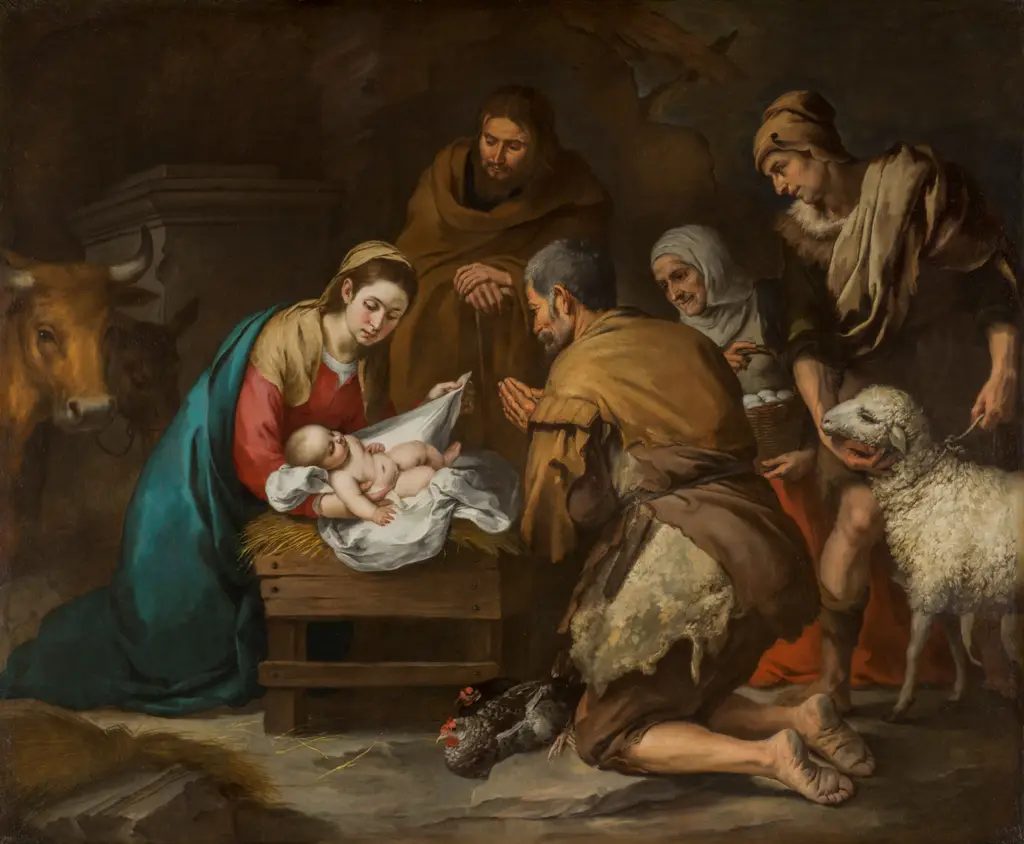
Founded in 1819 and expanded in 2007 by Rafael Moneo, adding roughly 16,000 square metres of exhibition space. Come for Velazquez's Las Meninas and Goya's Black Paintings, and don't try to see the whole collection in one visit, there's too much of it.
Winter (October-March): Monday-Saturday 10am-6pm, Sunday and public holidays 10am-4pm. Summer (April-September): Monday-Saturday 10am-7pm, Sunday and public holidays 10am-4pm. Last admission is one hour before closing. The Royal Kitchen keeps slightly different hours, 10:15am-5pm in winter and 10:15am-7pm in summer, and the palace runs reduced hours on a handful of individual dates around national holidays each year.·Ticket prices are set by Patrimonio Nacional and change periodically, check tickets.patrimonionacional.es for the current rate. Free entry runs Monday-Thursday 5-7pm (4-6pm in winter) for EU citizens, EU residents and citizens of Ibero-American countries, subject to online booking.·1.5-2.5 hours
Closed New Year's Day, Epiphany, Labour Day and Christmas DayBook online through the official ticket site, especially for a specific time slot in high season
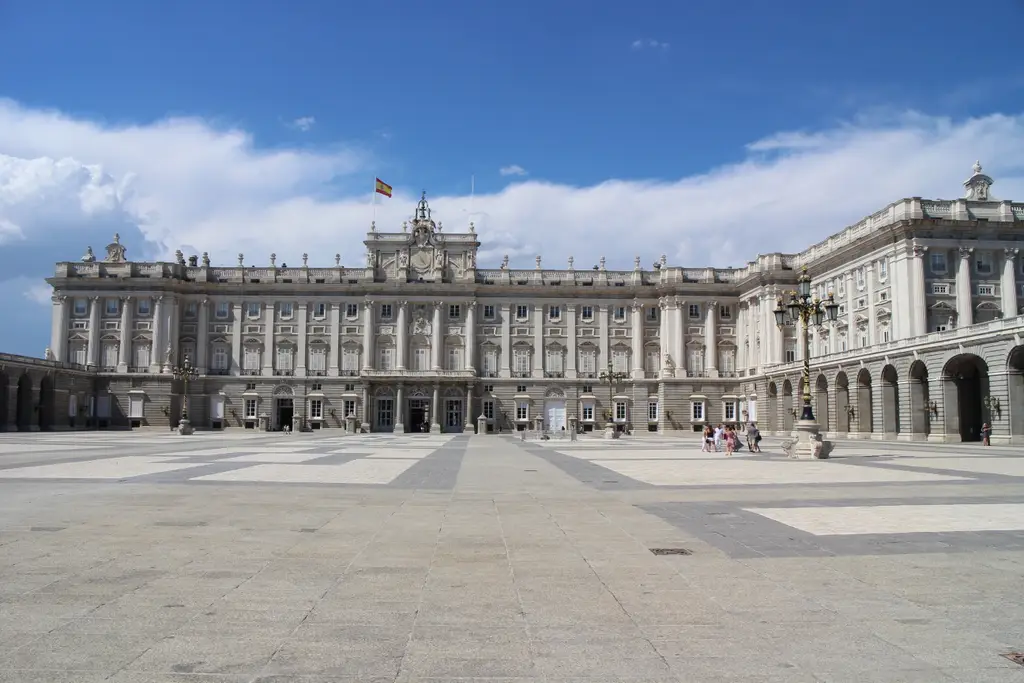
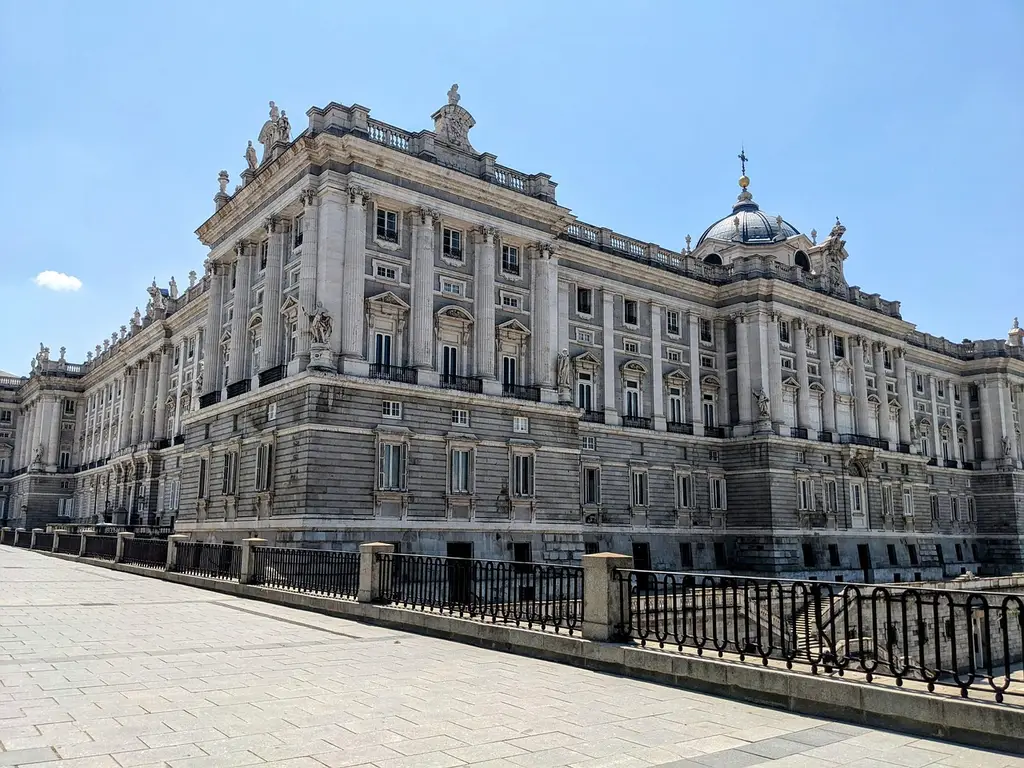
At roughly 135,000 square metres and 3,418 rooms, this is the largest royal palace in Western Europe by floor area, though only a fraction of the rooms are open to the public. It's still used for state ceremonies, so which rooms are on view can shift and the palace occasionally closes for official functions.
Monday 10am-9pm, Tuesday closed, Wednesday-Saturday 10am-9pm, Sunday 10am-12:30pm and 2:30-7pm. Galleries close 15 minutes before the stated closing time.·EUR 12 general admission, EUR 18 combined with an audioguide (ticket office only). Free entry is available at set hours with online booking, plus a handful of fixed free days spread through the year; check the current schedule since it's updated annually.·1.5-2.5 hours, longer if you want the Guernica room to yourself
Closed TuesdaysBook online for free-entry slots; timed entry isn't required for paid admission but is worth doing in high season
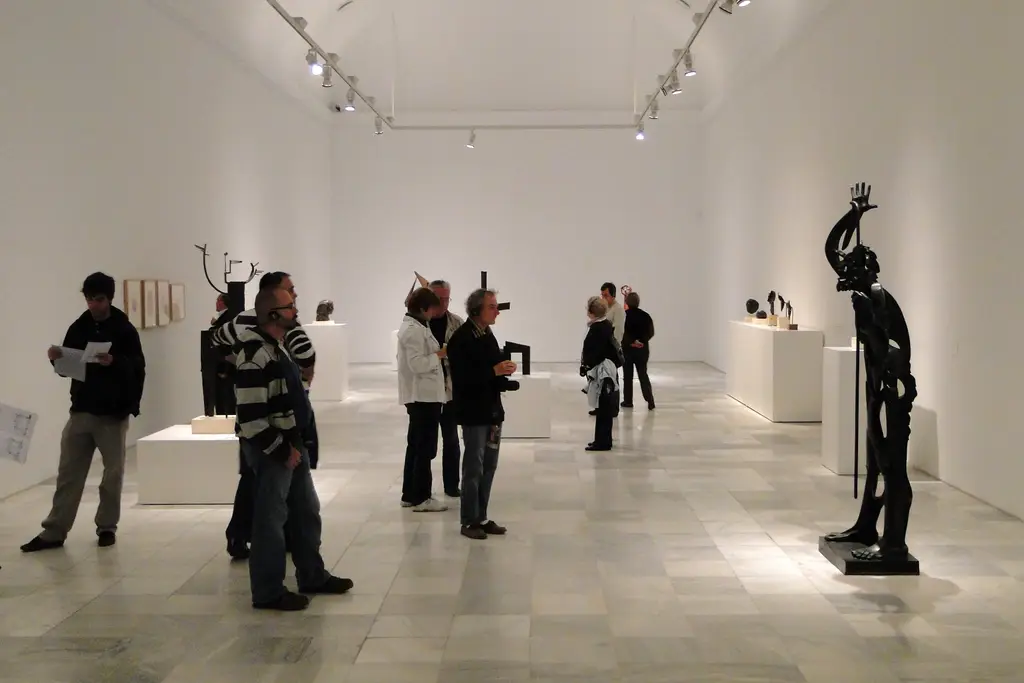
The building was once a public hospital, and the newer Jean Nouvel wing next door hosts temporary shows. Most people come for one painting, Picasso's Guernica, and end up staying for the rest of the 20th-century Spanish collection.
Gates typically run from early morning to around midnight, exact times shift seasonally and I could not confirm the current schedule against an official source, check the posted hours at any gate.·free to enter; rowing boats on the lake and Palacio de Cristal exhibitions have their own separate costs·1-3 hours
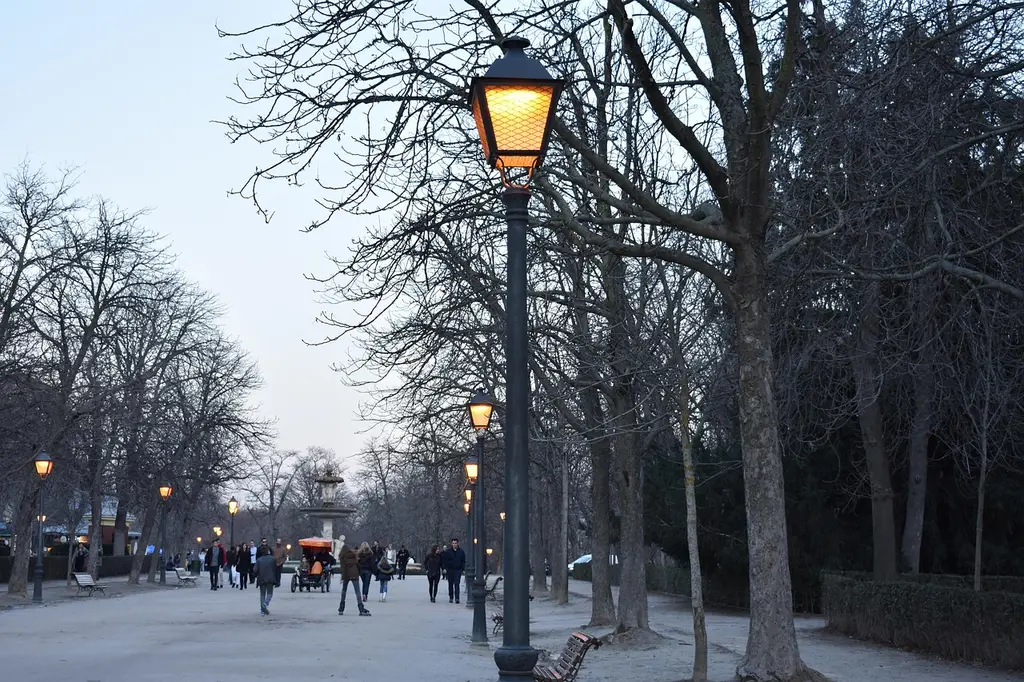
Madrid's central park, genuinely used by locals for jogging and picnics rather than only visited for photos. Rent a rowboat on the lake in the afternoon, or skip the crowds near the entrance and take the quieter paths toward the Palacio de Cristal.
5
Plaza Mayor
always open, public square·free·20-40 minutes
Built in the early 1600s as a market and bullfighting square, now ringed by cafes charging tourist prices for the location. Walk through it on the way somewhere else rather than sitting down to eat here.
6
Gran Via
always open, public street·free to walk·30-60 minutes
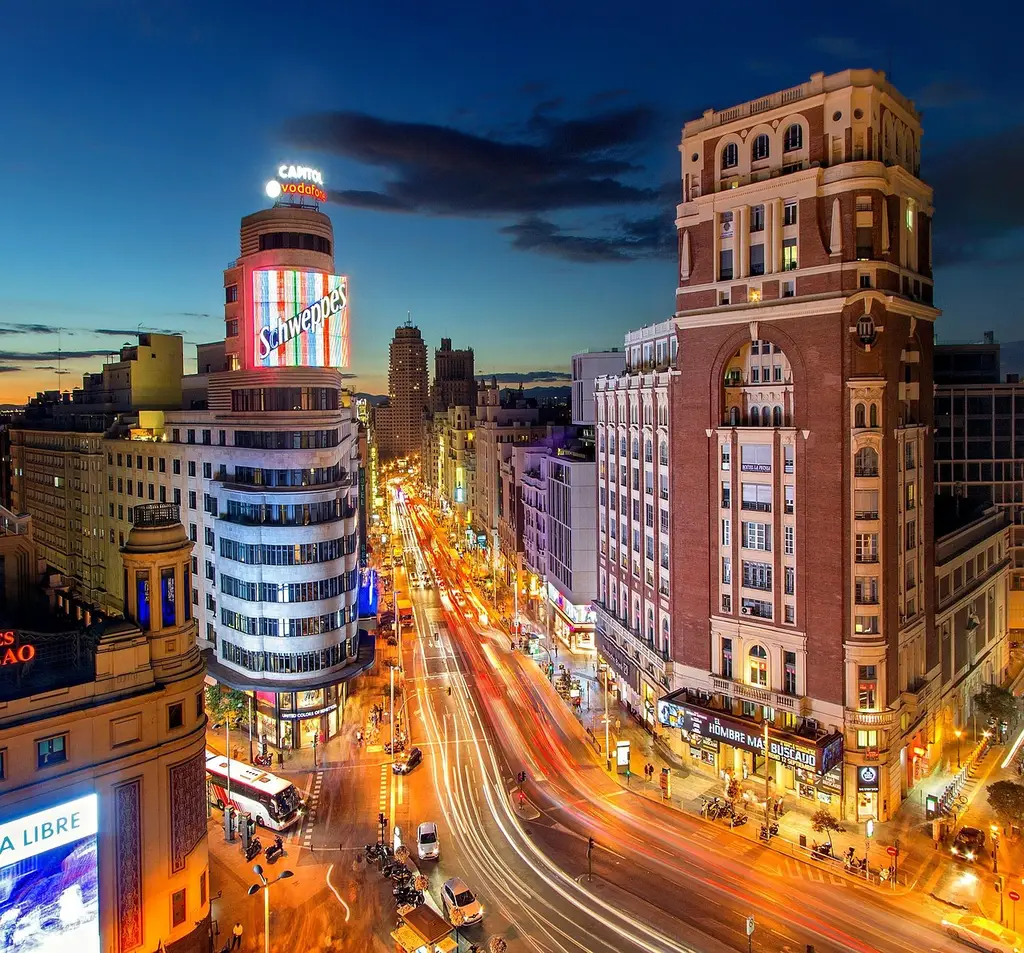
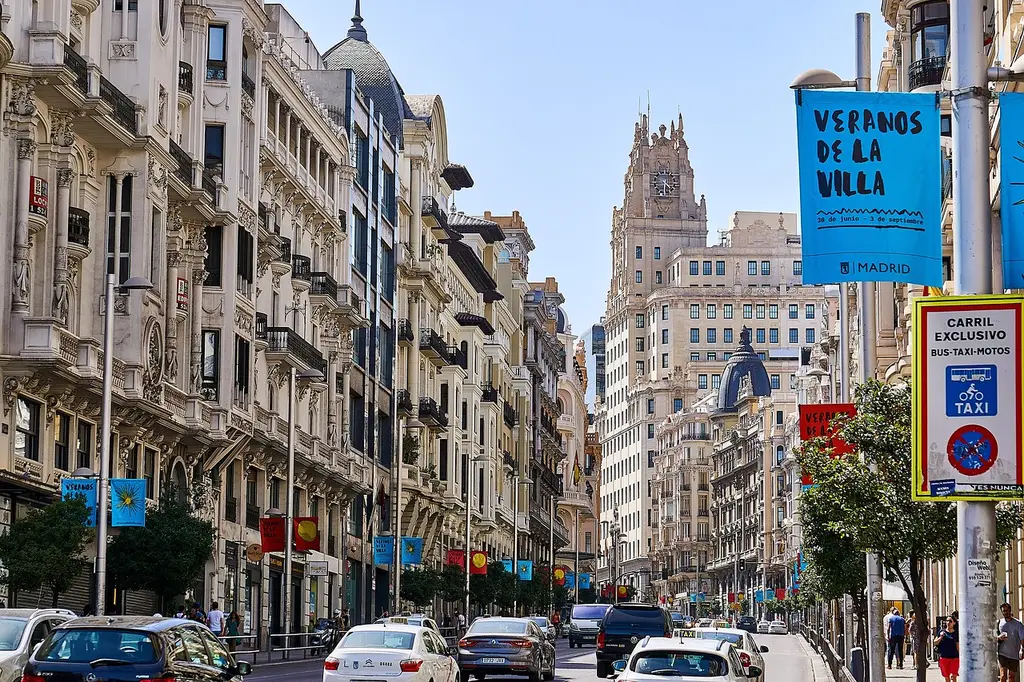
Madrid's early 20th-century answer to Broadway: theatres, flagship stores, and architecture that rewards looking up rather than straight ahead. It's the busiest, loudest street in the centre, walk it once for the buildings and skip it if you want a quiet coffee.
Santiago Bernabeu Stadium Tour
as of 2026-09
Viral
The stadium tour and club museum operating at full capacity after a five-year renovation completed in late 2023 into 2024, with a retractable roof and a rebuilt capacity of about 83,186. Worth it even as a non-fan for the scale of the rebuild, book ahead since demand is higher post-renovation than it used to be.
Malasana nightlife district
as of 2026-09
Viral
The old working-class neighbourhood turned into Madrid's densest concentration of bars, vintage shops and late-opening venues. Genuinely local as much as visitor-driven, though the core streets get loud and crowded on weekend nights.
El Rastro Sunday flea market
as of 2026-09
Viral
Madrid's long-running Sunday flea market along Ribera de Curtidores in La Latina, stalls selling everything from antiques to secondhand clothes. Come for the atmosphere and the bars that fill up afterward more than for a serious bargain. Pickpockets work the crowd here, keep bags zipped.
Palacio de Cibeles rooftop viewpoint
as of 2026-09
Viral
A ticketed rooftop terrace atop the Cibeles Palace, Madrid's city hall building, with a panoramic view over the fountain and the Gran Via skyline. Less crowded than Templo de Debod at sunset, a solid alternative if you want the view without the crush.
Matadero Madrid
as of 2026-09
Viral
A former municipal slaughterhouse converted into a large arts and culture complex south of Retiro, hosting exhibitions, cinema, design markets and a food hall. A genuine local cultural hub rather than a tourist attraction dressed up as one, check the current exhibition schedule before making a special trip.
Templo de Debod at sunset
as of 2026-09
Viral
The Egyptian temple's terrace above Principe Pio has become one of the more reliably crowded sunset spots in the city as its reputation has spread. Still worth it, but arrive well before sunset for a spot on the terrace wall, it fills in fast.
More to see (3)
7
Mercado de San Miguel
Historically open later than most Spanish markets, into the evening most days of the week. I could not confirm the current schedule against an official source, check before you go.·free to browse, EUR 3-10 per tapa or snack·45 minutes-1.5 hours
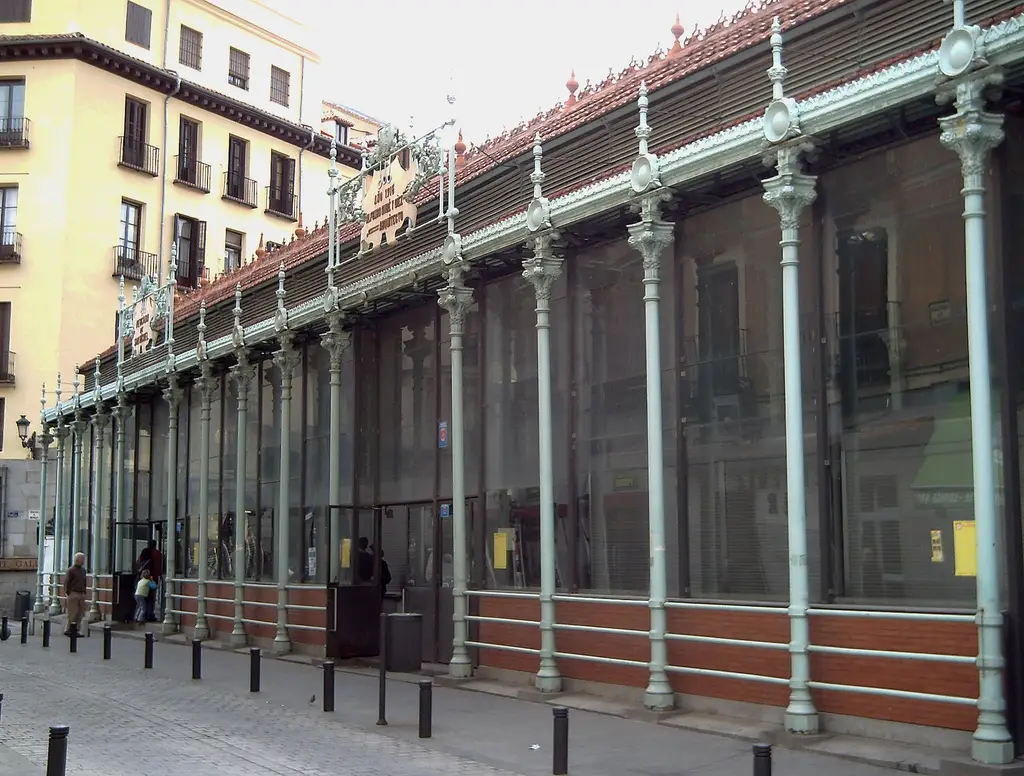
A restored 1916 iron-framed market turned into a standing-room tapas hall, priced well above a neighbourhood bar precisely because of that popularity. Good for grazing and people-watching, not for a full meal at market prices.
Tour hours vary by matchday and season. Check the official booking site for the current schedule before planning around it.·Ticket prices are set by the club and change periodically, check the official Bernabeu tour site for the current rate.·1.5-2 hours
Closed Matchdays run reduced or restricted tour hoursBook online in advance, the post-renovation tour draws bigger crowds than before
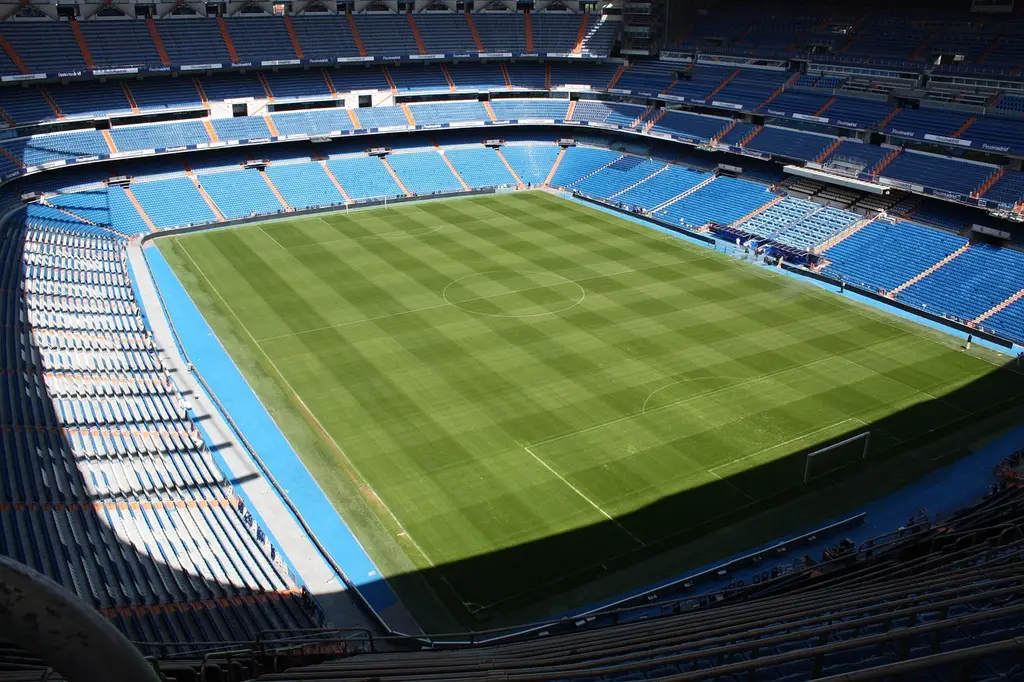
The stadium reopened in December 2023 after a five-year renovation that cost roughly EUR 1.76 billion, added a retractable roof, and brought capacity to about 83,186. Worth it for the scale of the rebuild even without an interest in Real Madrid, though a committed fan will get more out of the club museum than a neutral visitor will.
The gardens around the temple are always open; interior viewing hours vary and I could not confirm the current schedule against an official source, check before you go.·free·30-45 minutes
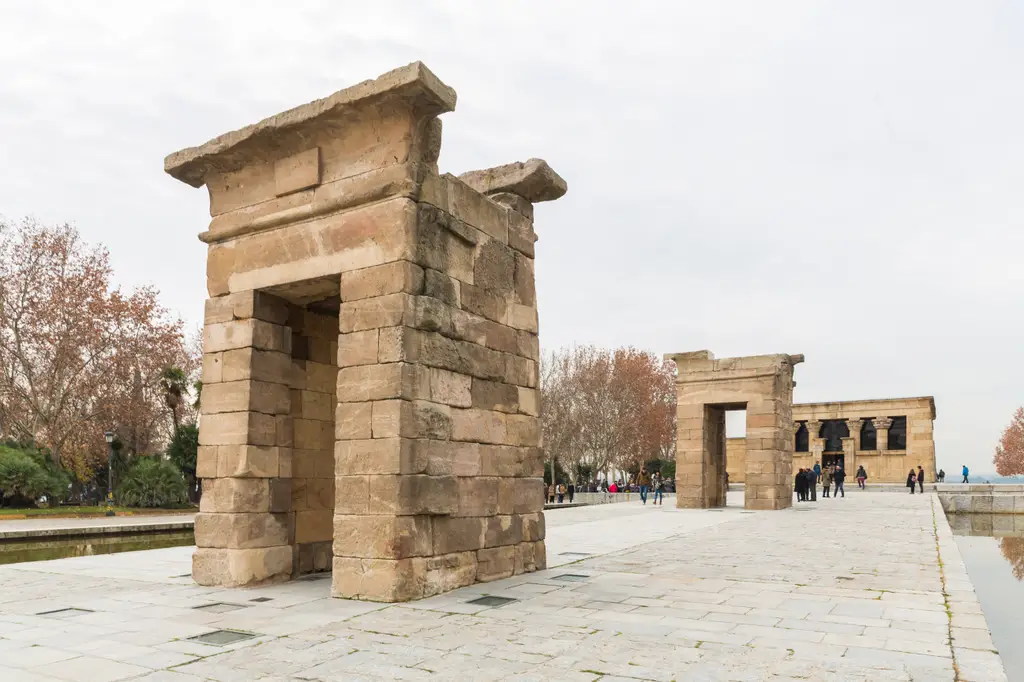
A 2nd-century BC Egyptian temple gifted to Spain in 1968 and relocated stone by stone to a hill above Principe Pio. The real reason to come is sunset, when the terrace fills up for the view over the Casa de Campo skyline.
Where to stay
Sol / Centro
Suits: first-timers who want to walk to everything
Dead central, a short walk from Plaza Mayor and the Prado, but the loudest and most tourist-priced part of town at night.
La Latina
Suits: travellers who want the tapas crawl on their doorstep
Steep, narrow streets, Cava Baja's bar strip, and Sunday mornings that fill up fast with El Rastro market crowds.
Malasana
Suits: a younger crowd who want nightlife and independent shops
Converted 19th-century buildings, vintage stores, and bars that get going late, expect noise on weekend nights.
Salamanca
Suits: travellers who want quiet streets and upscale shopping
Grid-planned and residential, further from the old town, better for a calmer stay than a walking-everywhere trip.
Chueca
Suits: food-focused visitors who still want to be central
Madrid's LGBTQ+ district, dense with good small restaurants and bars, walkable to Gran Via and the Prado in under 15 minutes.
Getting there and around
Getting there
Adolfo Suarez Madrid-Barajas Airport (MAD) sits about 12km northeast of the centre. The Airport Express bus runs 24 hours to Atocha, Cibeles and Plaza de Espana in around 40 minutes for EUR 5 one-way, card payment accepted on board. Metro Line 8 also reaches the airport but carries a separate airport supplement on top of the standard fare. A taxi into the centre runs a fixed rate, confirm the current figure with the driver or at the airport taxi rank before setting off.
Getting around
Madrid's metro is one of Europe's largest networks, close to 300 stations across the city and into the suburbs, running on a fare system unified with Cercanias commuter trains and EMT buses. Single tickets, a 10-trip Metrobus card, and short-stay tourist travel passes are all sold at station machines; check current prices there or on the CRTM site since fares shift periodically. The centre, from Sol out through La Latina, Malasana and Chueca, is flat and entirely walkable, closer in feel to Barcelona's old town than to a hilly city like Lisbon. Save the metro for crossing to Retiro's far side, out to the Bernabeu, or between neighbourhoods on the edge of the centre.
Map
City
Recommended (numbered)
Mentioned in an itinerary
Locations on this map
Madrid40.42, -3.70
Museo del Prado40.41, -3.69
Palacio Real (Royal Palace)40.42, -3.72
Museo Reina Sofia40.41, -3.69
Retiro Park40.41, -3.68
Plaza Mayor40.42, -3.71
Gran Via40.42, -3.71
Mercado de San Miguel40.42, -3.71
Templo de Debod40.42, -3.72
Guernica40.41, -3.69
La Latina40.41, -3.71
Puerta40.42, -3.70
Sol40.42, -3.70
Cava Baja40.41, -3.71
Chueca40.42, -3.70
Salamanca40.43, -3.68
Malasana40.43, -3.70
Toledo40.41, -3.71
Alcazar40.40, -3.70
Segovia40.41, -3.72
Roman40.44, -3.65
Disney40.40, -3.63
El Escorial40.58, -4.13
San Lorenzo de El Escorial40.59, -4.15
El Rastro40.41, -3.71
Mercado de San Anton40.42, -3.70
Avila40.42, -3.68
Aranjuez40.03, -3.60
Tagus40.04, -3.43
Palacio Real de Aranjuez40.04, -3.61
Jardin40.42, -3.69
Principe40.42, -3.72
Cuenca40.41, -3.66
Casas Colgadas40.08, -2.13
Airport Express40.45, -3.55
Barajas40.47, -3.58
What it costs
Stay
Food
Transport
Activities
Daily cost breakdown, EUR per person
Tier
Stay
Food
Transport
Activities
Total
Budget
EUR 25
EUR 20
EUR 8
EUR 12
EUR 65
Mid-range
EUR 80
EUR 42
EUR 10
EUR 13
EUR 145
Splurge
EUR 220
EUR 85
EUR 20
EUR 25
EUR 350
A mid-range day: EUR 80 hotel room, EUR 6 for a couple of metro rides, EUR 12 general admission to the Reina Sofia, a EUR 15 menu del dia lunch near La Latina, EUR 8 grazing at Mercado de San Miguel, EUR 30 tapas dinner with drinks in Malasana. Comes to roughly EUR 150-155 without a splurge meal or the Palacio Real ticket.
Money savers
Palacio Real's free entry window, Monday-Thursday evenings, and the Reina Sofia's free hours and fixed free days both need advance online booking but cut two of the city's pricier tickets to zero
Retiro Park, Plaza Mayor, Gran Via and Templo de Debod all cost nothing to visit
Menu del dia lunch specials (starter, main, drink, often dessert) run EUR 12-16 at neighbourhood restaurants versus paying a la carte at dinner for similar food
A 10-trip Metrobus card is shareable between people and works out cheaper per ride than single tickets bought one at a time
Madrid doesn't have one dominant local cuisine so much as a habit of absorbing dishes from the rest of Spain and treating them as its own once they've stuck around long enough. Cocido madrileno, a three-course chickpea and meat stew eaten as a slow Sunday lunch, is the closest thing to a signature. Tapas culture here means bar-hopping through La Latina's Cava Baja or around Malasana rather than one long sit-down meal, and a fair number of old-school bars still put out a small free bite with your first drink, closer to Granada's tradition than Barcelona's pay-per-plate model. Dinner starts late, often after 9pm, and a proper night out running past midnight isn't unusual behaviour here, it's the default.
EUR 15-25·traditional tabernas across the city, especially for Sunday lunch
Must try
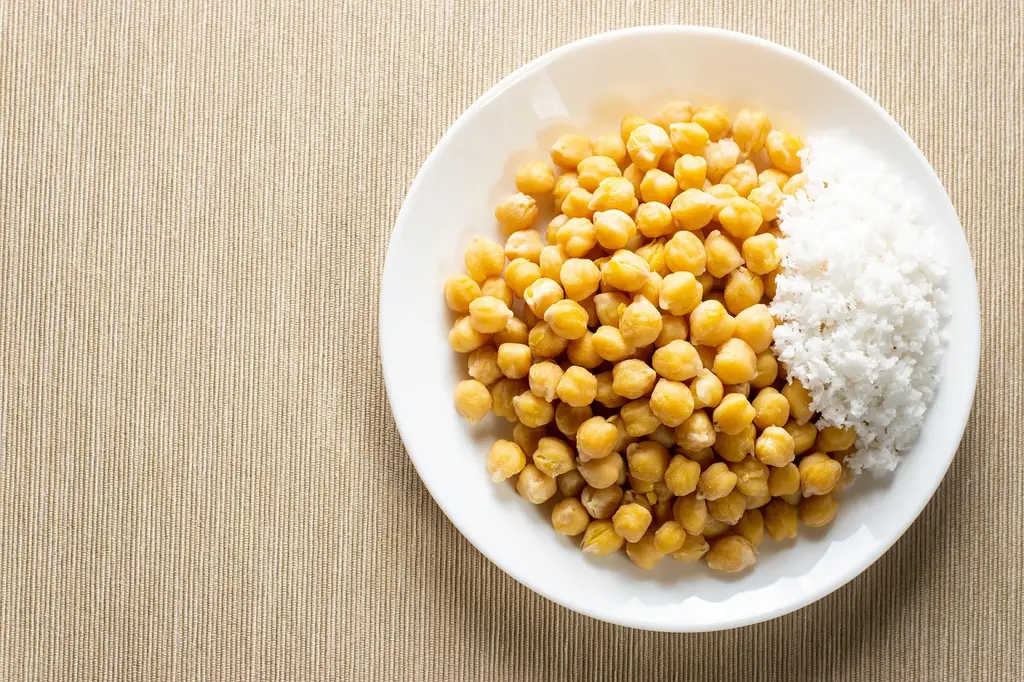
A three-course chickpea stew: broth first, then vegetables and chickpeas, then the meats. Order it at lunch, it's too heavy for anything else and most kitchens only serve it midday.
Bocadillo de calamares
EUR 3-6·bars around Plaza Mayor and across La Latina
Must try
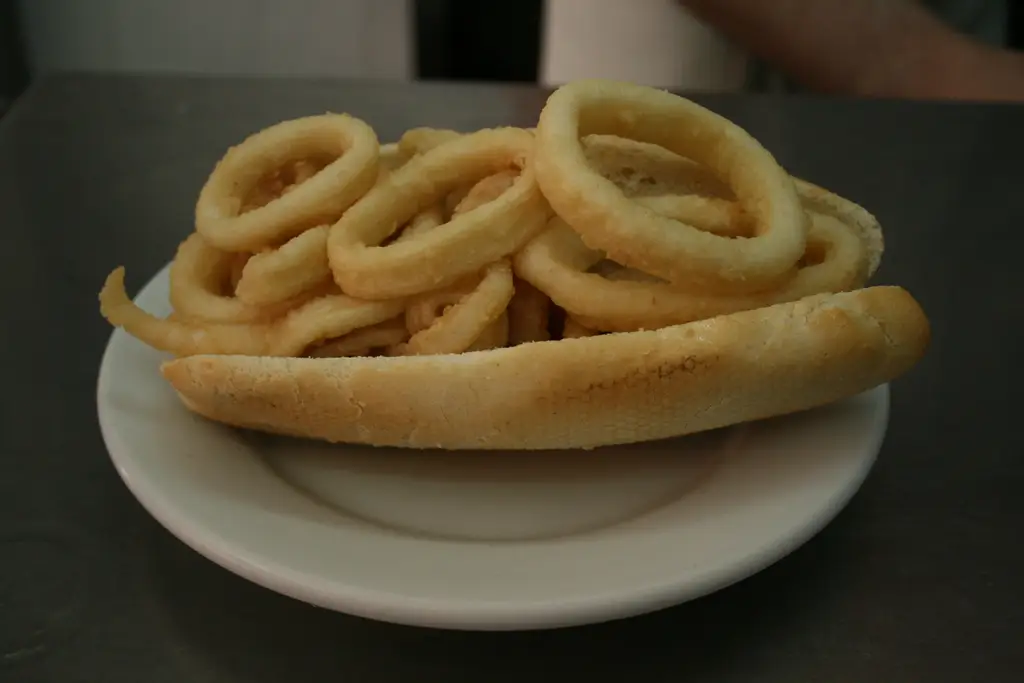
Fried squid rings stuffed into a plain baguette roll, a Madrid classic born of a landlocked city's habits rather than proximity to the sea. Eat it standing at the counter.
Tortilla espanola
EUR 4-9·any traditional bar, quality varies a lot from one to the next
Must try
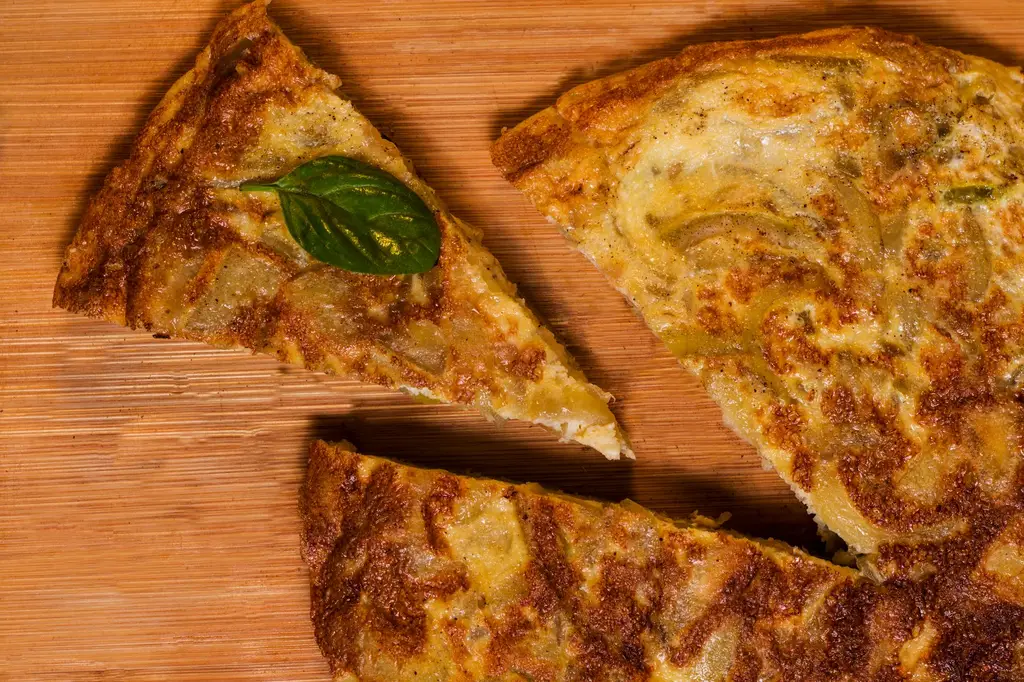
Potato and egg omelette. Ask for it 'poco hecha' if you want the centre still soft, Madrid kitchens tend to lean that way more than other regions do.
Callos a la madrilena
EUR 8-14·old-school tabernas, mostly a colder-weather dish
Tripe stew with chorizo and morcilla, rich and an acquired texture for first-timers. Cold-weather food, don't expect to find it easily in the middle of summer.
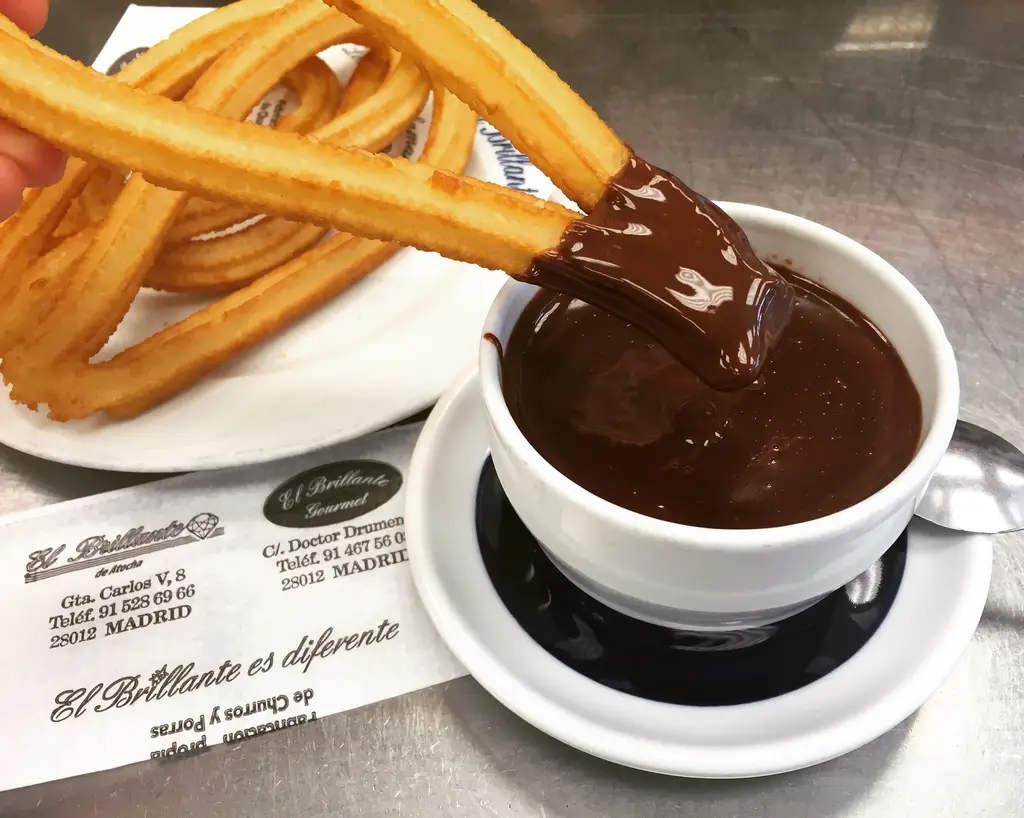
Churros con chocolate
EUR 4-7·chocolaterias across the city
Must try
Fried dough dipped in thick drinking chocolate, eaten either at breakfast or after a night out. Madrid treats both as equally normal times for it.
Gambas al ajillo
EUR 8-16·seafood-leaning tabernas and tapas bars
Must try
Prawns sizzled in olive oil, garlic and dried chilli, served still bubbling in the dish it was cooked in. Order bread specifically to mop up the oil.
Huevos rotos
EUR 7-12·gastrobars across Malasana and Chueca
Fried eggs broken over a bed of fries, often topped with jamon or chorizo. A newer bar dish rather than an old one, but it's everywhere now.
Torreznos
EUR 6-10·tabernas specializing in Castilian cooking
Twice-fried pork belly, crackling skin included, a Castile-and-Leon import that Madrid has fully adopted as a beer snack.
Caja de Cerillas
as of 2026-09
Viral
A newer Madrid restaurant named Spain's best new restaurant of 2026 in Tapas Magazine's awards, part of a wave of ambitious openings clustered around the city's autumn dining season. One specific award from one publication, not yet corroborated elsewhere in my research, treat it as promising rather than settled.
Vermuterias in La Latina and Malasana
as of 2026-09
Viral
A resurgence of old-style vermouth-on-tap bars across La Latina and Malasana, pouring vermut with olives and canned seafood the way Barcelona treats its Saturday ritual. A real shift across a category, not one address. Worth building a Sunday late-morning around rather than chasing a single spot.
Natural wine bars, Malasana and Chamberi
as of 2026-09
Viral
A wave of small natural-wine-focused bars opening across Malasana and Chamberi, leaning on low-intervention Spanish producers rather than the standard taberna house list. This one has staying power rather than being pure hype, worth seeking out if you want something other than the usual house red.
Mercado de San Anton
as of 2026-09
Viral
A multi-floor food market in Chueca, grocery stalls on the ground floor, tapas counters in the middle, and a rooftop restaurant on top. Less touristed than San Miguel and a fairer read on what Madrid actually eats day to day, worth the detour.
Craft beer bars, Chamberi and Conde Duque
as of 2026-09
Viral
A growing number of small breweries and taprooms concentrated in Chamberi and around Conde Duque, a shift from Madrid's traditional caña-and-terraza culture. Worth knowing about if you want something other than the same lager, though it hasn't replaced the classic terraza scene.
Safety and scams
Madrid is safe against violent crime by most measures. Pickpocketing concentrates around Puerta del Sol, Plaza Mayor, the metro and the Sunday Rastro market crowd specifically. Nightlife runs late and loud, especially around Malasana and Chueca on weekends, more noise nuisance than danger. Watch drinks in busy bar-hopping areas the way you would anywhere, and keep bags zipped in metro crowds and market crowds alike.
Common mistakes
Booking a dinner reservation for 7pm and finding the kitchen isn't properly running yet
Trying to see the Prado's entire collection in one visit instead of picking a few rooms and going deep
Assuming an attraction's hours without checking the official site the same week, several change seasonally
Skipping Retiro Park entirely because it doesn't look like a must-see on a list of landmarks
Walking from the centre toward the Bernabeu instead of taking the metro, it's further than it looks on a map
Expecting a beach or coastal atmosphere, Madrid is landlocked and doesn't try to be a seaside city
Frequently asked questions
How many days do you need in Madrid?
Three days covers the Royal Palace, the art triangle, and the old town without rushing. Five to seven lets you add Toledo, Segovia, or El Escorial as day trips. Madrid alone is not really a two-week city, longer stays work better built around central Spain as a whole.
Do you need to book Prado tickets in advance?
Recommended in high season and around holidays, though walk-up entry is possible outside peak hours. Check the official site for current booking options before your visit since availability and hours shift seasonally.
Is the Royal Palace free to visit?
There's a free entry window Monday-Thursday, 5-7pm in summer and 4-6pm in winter, for EU citizens, EU residents, and citizens of Ibero-American countries, with online booking required. Outside that window it's a paid ticket through Patrimonio Nacional.
Is Madrid walkable?
The centre is, and it's flat, which makes it easier going than a hilly city. Sol, La Latina, Malasana and Chueca all connect on foot in under 20 minutes. The Bernabeu and the far side of Retiro are better reached by metro.
What time do people eat dinner in Madrid?
Rarely before 9pm. Lunch runs from around 2pm and can be the bigger meal of the day. A 7pm reservation risks finding the kitchen not yet fully running.
Is Madrid safe for tourists?
Yes for violent crime, which is rare against visitors. The real risk is pickpocketing around Puerta del Sol, Plaza Mayor, the metro, and the Sunday Rastro market. Standard city caution covers it.
Can you day trip to Toledo or Segovia from Madrid?
Yes, both are easy. High-speed trains reach Toledo and Segovia in around 30 minutes each, making them straightforward single-day trips without an early start required.
Do you need to book the Bernabeu stadium tour ahead of time?
Booking online in advance is worth doing, especially since the post-renovation tour draws more visitors than before the stadium's 2023 reopening. Tour hours also shift around matchdays, check the schedule before you plan the day around it.
Is Madrid or Barcelona better for a first trip to Spain?
Different trips. Barcelona has the beach and Gaudi's architecture, Madrid has the stronger museum lineup and no coastline to compete for your time. Neither is strictly better, pick based on whether art and nightlife or architecture and sea air matter more to you.