Things to Do in Bandung: Itineraries, Costs and Food
A highland city 145km from Jakarta known for cooler air, factory-outlet shopping and Sundanese food, best used as a base for volcano and tea-plantation day trips.
By Labeeb Mirza · Published September 8, 2026 · Updated September 8, 2026
Bandung sits at 708 meters in a river basin ringed by volcanic mountains, which is the whole reason it exists as a getaway. Jakarta sea-level heat does not reach up here; average temperatures hover around 24°C, and locals call it Kota Kembang, the flower city, for the parks the Dutch planted when they built it as a colonial hill resort. It is the third-most populous city in Indonesia at around 2.5 million people, and almost none of them are there for you. This is a domestic weekend city. Jakarta residents come up on Fridays for the air, the shopping strips on Jalan Riau and Cihampelas, and the food, then head back Sunday night. International tourists who show up are usually en route to somewhere else in West Java or curious about the 2023 high-speed train. That framing matters for how you plan a trip: Bandung city center itself is a day, maybe two, of Dutch Art Deco streets, Sundanese food and outlet malls. What extends a trip is the highlands around it: Tangkuban Perahu volcano, the white crater lake at Kawah Putih, and the tea plantations near Ciwidey, none of which are reachable by public transit and all of which need a car or driver. Treat Bandung as a base, not a destination that fills a week on its own, and it works well. Treat it like Bali or Yogyakarta and you will run out of things to do by day three.
Bandung is where Jakarta goes for the weekend, which explains both its appeal and its problem. Cooler air and good food, plus weekend traffic that undoes both.
Go midweek if you possibly can. The difference in queues and time spent in a car is significant enough to change how the place feels.
It is a city for eating and browsing rather than sightseeing. Do not arrive with a list of landmarks and expect to be moved by them.
The train from Jakarta is far more pleasant than driving and worth choosing on principle alone.
A single day only makes sense as a Jakarta day trip via Whoosh, hitting the city center and one highland stop.
Day 1: Whoosh day trip from Jakarta
Morning
Early Whoosh from Halim to Padalarang, Grab into the city, breakfast around Braga and a walk through the Art Deco street.
Afternoon
Lunch at a Sundanese warung, then a hired car up to Tangkuban Perahu for the crater rather than the further Kawah Putih, which eats too much of a single day.
Evening
Back into the city for batagor and siomay near the old town before the last convenient Whoosh back to Jakarta.
Tip: Book a round-trip Whoosh time before you leave Jakarta, evening seats sell out on weekends.
City center on day one, Kawah Putih and Ciwidey on day two, Lembang and Tangkuban Perahu on day three.
Day 1: Old town and shopping
Morning
Braga street, Gedung Sate, coffee in Dago.
Afternoon
Cihampelas and Jalan Riau outlet shopping.
Evening
Mie kocok in the old town, early night after the train or drive up.
Tip: Arrive by early afternoon Whoosh to get a full first evening in the city.
Day 2: Ciwidey day trip
Morning
Hired car south to Kawah Putih, arrive before 09:00 to beat the shuttle queue.
Afternoon
Tea plantation stop on the drive back, tea tasting and photos.
Evening
Return to the city, dinner around Dago.
Tip: Bring a jacket, the crater sits at 2,430m and is genuinely cold.
Day 3: Lembang and the volcano
Morning
Drive to Tangkuban Perahu, check current access status before setting out.
Afternoon
Lembang night market area or Farmhouse if traveling with kids.
Evening
Last dinner in Dago, Whoosh or car back to Jakarta.
Tip: Combine Tangkuban Perahu and Lembang in one day, they are a 15-20 minute drive apart.
Bandung city and its highland day trips fill five days honestly, no padding needed, but do not expect variety beyond food, shopping and volcanic scenery.
Day 1: Arrival and old town
Morning
Whoosh from Jakarta, check into Dago.
Afternoon
Braga street and Gedung Sate.
Evening
Batagor and siomay near the old town.
Tip: Keep day one light after the train, save energy for the highland days.
Day 2: Ciwidey and Kawah Putih
Morning
Early departure to beat the crater's shuttle line.
Afternoon
Tea plantation stop and lunch on the drive back.
Evening
Free evening, rest.
Tip: Weekday visit only if you can control your dates, weekends are genuinely crowded here.
Day 3: Lembang and Tangkuban Perahu
Morning
Tangkuban Perahu crater.
Afternoon
Floating Market or Farmhouse depending on interest.
Evening
Lembang night market for dinner.
Tip: Combine both Lembang stops with the volcano since the drive is short between them.
Show all 5 days
Day 4: Shopping and food deep dive
Morning
Cihampelas and Jalan Riau outlets.
Afternoon
Nasi timbel lunch, then Dago cafe crawl.
Evening
Surabi from a roadside cart, an early night.
Tip: Set a spending cap before the outlets, it is easy to overbuy at these prices.
Day 5: Slow morning and departure
Morning
Revisit whichever spot you liked most, or a final food stop.
Afternoon
Whoosh back to Jakarta.
Evening
n/a, travel day.
Tip: Book the return Whoosh a day ahead if traveling on a Sunday.
A full week is more than Bandung and its immediate highlands can honestly fill, so this pairs three days in Bandung with a four-day Yogyakarta leg reached by train, a regional West/Central Java combination rather than padding out Bandung alone.
Day 1: Arrival, old town
Morning
Whoosh from Jakarta, settle into Dago.
Afternoon
Braga street and Gedung Sate.
Evening
Batagor near the old town.
Tip: Save shopping for a later day so you are not carrying bags on the highland trips.
Day 2: Ciwidey and Kawah Putih
Morning
Drive south, early to beat the shuttle line.
Afternoon
Tea plantation stop.
Evening
Rest in the city.
Tip: Pack a jacket, the crater is cold year-round.
Day 3: Lembang and Tangkuban Perahu
Morning
Volcano crater visit.
Afternoon
Floating Market or Farmhouse.
Evening
Lembang night market, then back to Bandung for a train the next day.
Tip: Do shopping on this day's way back through the city if you have energy left.
Show all 7 days
Day 4: Travel to Yogyakarta
Morning
Train from Bandung to Yogyakarta, several hours, scenic through the mountains.
Afternoon
Arrive Yogyakarta, settle in.
Evening
First taste of Yogyakarta street food around Malioboro.
Tip: Book the Bandung-Yogyakarta train well ahead, it is a long haul with limited daily departures.
Day 5: Yogyakarta temples
Morning
Borobudur at sunrise.
Afternoon
Rest and lunch back in the city.
Evening
Prambanan for sunset.
Tip: Hire a driver for the full day, the two temple complexes are on opposite sides of the city.
Day 6: Yogyakarta city
Morning
Kraton palace and the old town.
Afternoon
Taman Sari water castle and the surrounding kampung.
Evening
Gudeg dinner, a Yogyakarta specialty.
Tip: Wear comfortable shoes, the old town is best covered on foot.
Day 7: Departure
Morning
Last market stop or coffee.
Afternoon
Flight out of Yogyakarta.
Evening
n/a, travel day.
Tip: Yogyakarta's airport has better international connectivity than flying back through Bandung.
Two weeks cannot be filled by Bandung honestly. This builds a West Java base of Bandung plus its highlands, then extends through Yogyakarta and closes in Jakarta, treating Bandung as one stop on a Java itinerary rather than a two-week destination.
Day 1: Arrival in Jakarta
Morning
Land in Jakarta, settle in.
Afternoon
Rest from the flight, short walk near the hotel.
Evening
First Indonesian meal, adjust to the heat.
Tip: Do not schedule anything demanding on the arrival day.
Day 2: Jakarta orientation
Morning
Kota Tua old town.
Afternoon
National Monument and museum.
Evening
Food street in Menteng or Senopati.
Tip: Jakarta traffic is worse than Bandung's, budget more transit time than you think.
Day 3: Jakarta to Bandung
Morning
Whoosh from Halim to Padalarang.
Afternoon
Settle into Dago, walk Braga.
Evening
Batagor near the old town.
Tip: Take a mid-morning Whoosh so you land in Bandung with a full afternoon.
Show all 14 days
Day 4: Bandung city
Morning
Gedung Sate and the old town.
Afternoon
Cihampelas and Jalan Riau outlets.
Evening
Nasi timbel dinner in Dago.
Tip: Do shopping here rather than later, so bags are not a burden on day trips.
Day 5: Ciwidey and Kawah Putih
Morning
Early drive south, beat the shuttle queue.
Afternoon
Tea plantation stop and tasting.
Evening
Rest in the city.
Tip: Bring a jacket for the crater, it is consistently cold at altitude.
Day 6: Lembang and Tangkuban Perahu
Morning
Volcano crater, confirm access status first.
Afternoon
Floating Market or Farmhouse.
Evening
Lembang night market.
Tip: This is the last highland day, use it to see whichever spot you skipped earlier.
Day 7: Bandung slow day
Morning
Revisit a favorite spot or catch up on rest.
Afternoon
Cafe hopping in Dago.
Evening
Surabi and mie kocok, a last Bandung food round.
Tip: Keep this day genuinely light, it is the buffer before a travel day.
Day 8: Travel to Yogyakarta
Morning
Train from Bandung, several hours through the mountains.
Afternoon
Arrive Yogyakarta, settle in.
Evening
Malioboro street food.
Tip: Book this train segment before the trip, seats are limited and it is a long ride.
Day 9: Borobudur and Prambanan
Morning
Borobudur at sunrise.
Afternoon
Rest, lunch in the city.
Evening
Prambanan at sunset.
Tip: One driver for the whole day, the sites sit on opposite sides of Yogyakarta.
Day 10: Yogyakarta city
Morning
Kraton palace.
Afternoon
Taman Sari and the kampung around it.
Evening
Gudeg dinner.
Tip: Cover the old town on foot, it is compact and traffic-heavy for vehicles.
Day 11: Yogyakarta surroundings
Morning
Day trip to a nearby volcano viewpoint or the Kaliurang area.
Afternoon
Batik workshop or gallery visit in the city.
Evening
Free evening, local warung dinner.
Tip: Pace this as a slower day after the temple-heavy stretch.
Day 12: Travel to Jakarta
Morning
Flight from Yogyakarta to Jakarta.
Afternoon
Settle in, short rest.
Evening
Dinner in South Jakarta.
Tip: Yogyakarta has decent direct flight options into Jakarta, cheaper than a return through Bandung.
Day 13: Jakarta wrap-up
Morning
Shopping or a museum you missed on day two.
Afternoon
Free time, pack.
Evening
Final dinner.
Tip: Keep this day flexible for whatever got dropped earlier in the trip.
Day 14: Departure
Morning
Last-minute errands.
Afternoon
Transfer to the airport.
Evening
n/a, flight home.
Tip: Jakarta airport traffic is unpredictable, leave more buffer than feels necessary.
7Photo by egi daki on PexelsCihampelas / Jalan Riau factory outlets
8Farmhouse Susu Lembang
1
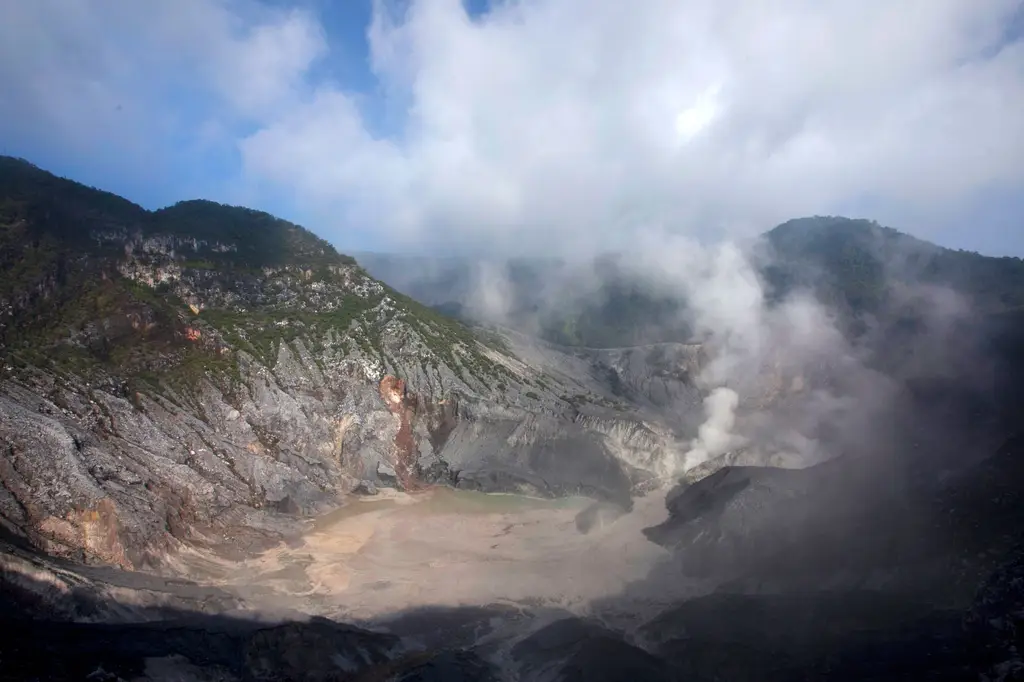
Tangkuban Perahu
07:00-17:00, check for closures before visiting·domestic IDR 30,000, foreign visitors roughly IDR 300,000 (10x local rate)·2-3 hours including drive
An active volcano crater about an hour from central Bandung. Has been closed for visitor access during past eruption activity (2019 most recently); confirm status before the trip, not after arriving.
2
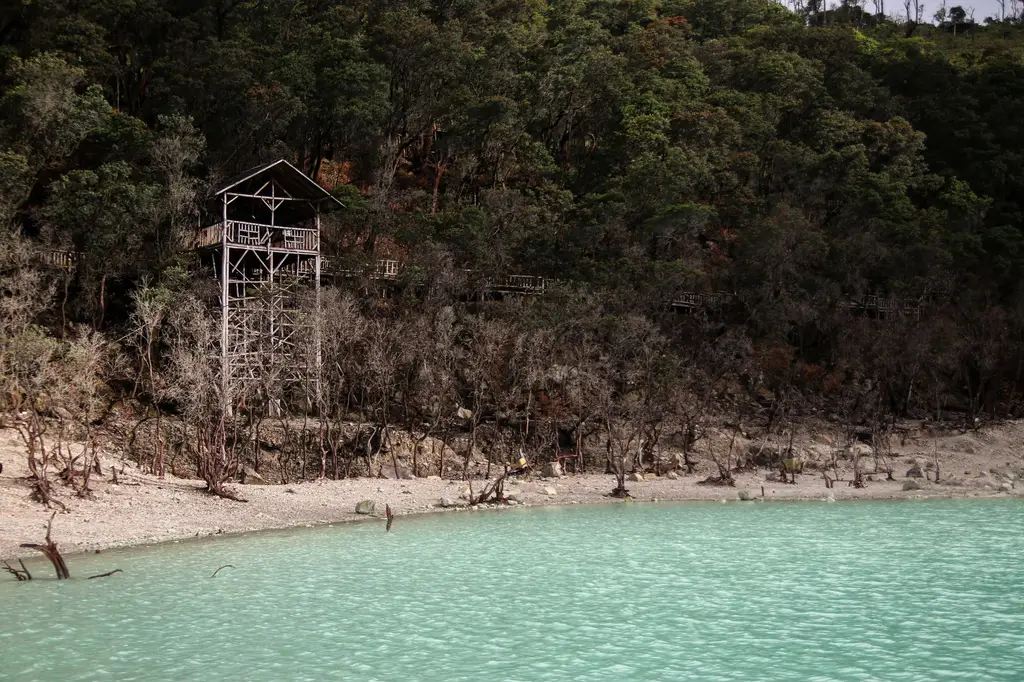
Kawah Putih
07:00-17:00·check current rate via West Java tourism site, budget roughly IDR 50,000-100,000 plus a mandatory shuttle fee·half day including drive
walk in, shuttle from the parking area is compulsory
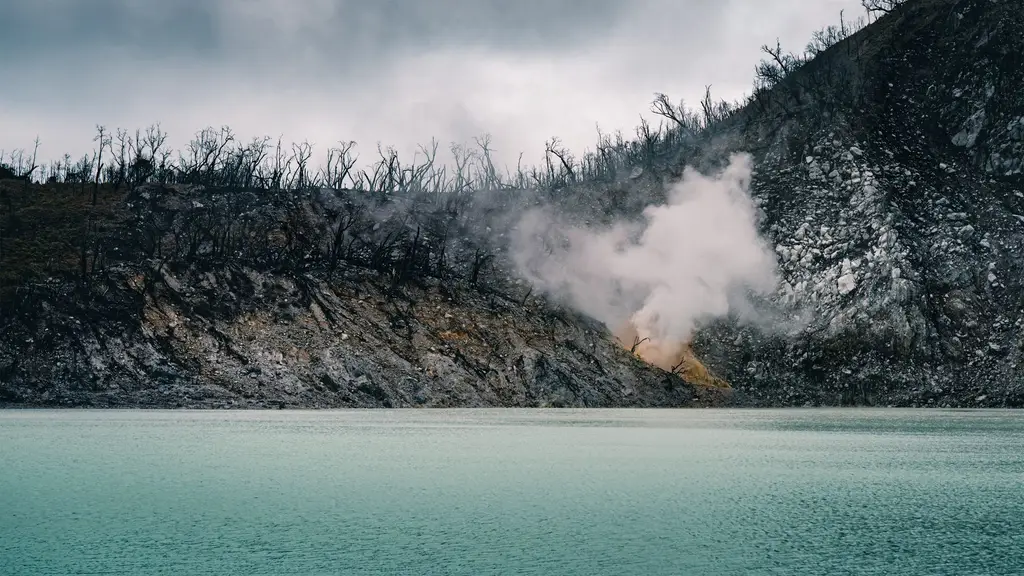
A white, sulfuric crater lake about 50km and roughly two hours south of the city. Cold at 2,430m, bring a jacket. Weekday visits avoid the worst of the crowds, which can hit 10,000 people on holidays.
3
Ciwidey tea plantations
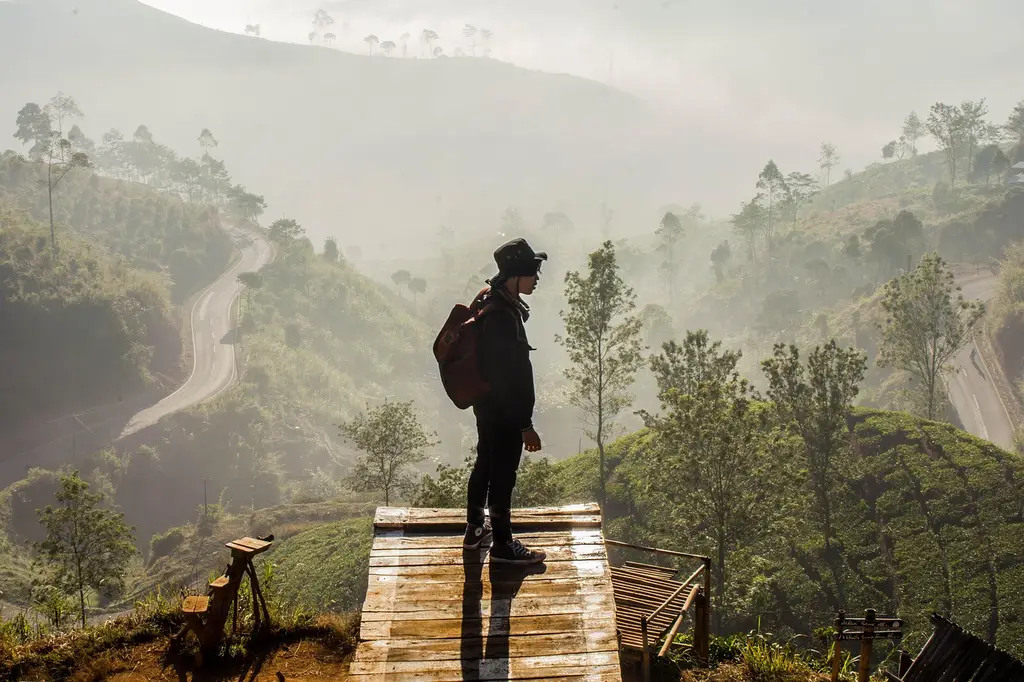
daylight hours, no gate·free to drive through, paid stops at specific plantations vary·1-2 hours as part of a Kawah Putih day trip
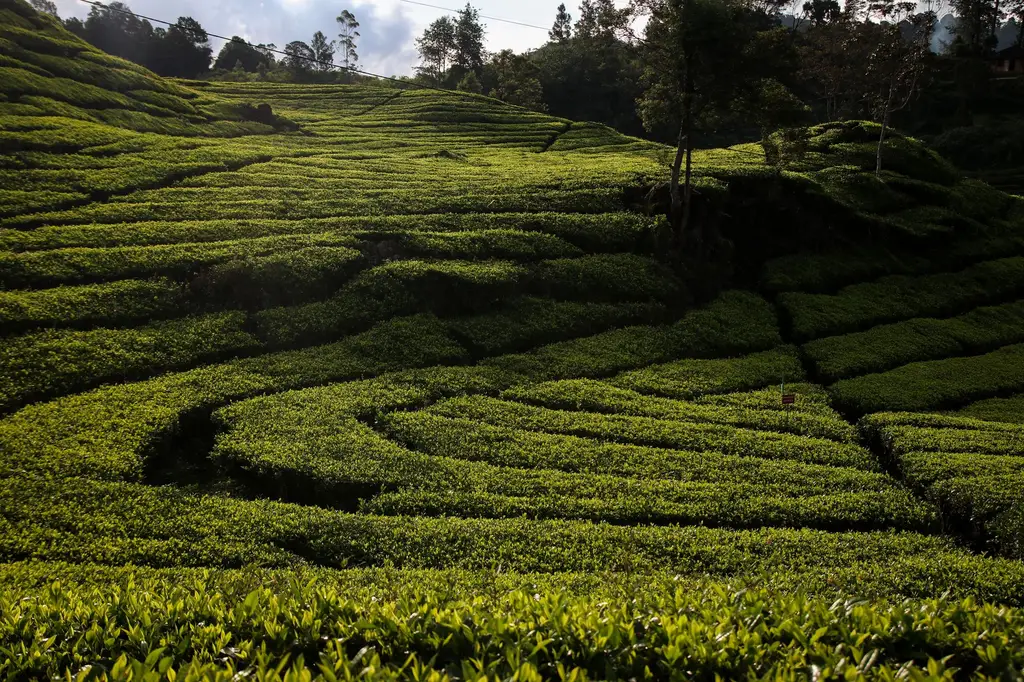
The road to Kawah Putih runs through rolling tea estates. Worth a stop for photos and coffee/tea tasting even if you are not doing a dedicated plantation tour.
4
Floating Market Lembang
09:00-18:00 weekdays, later on weekends, check current listing·entry around IDR 40,000-60,000, food bought separately with vouchers·2-3 hours
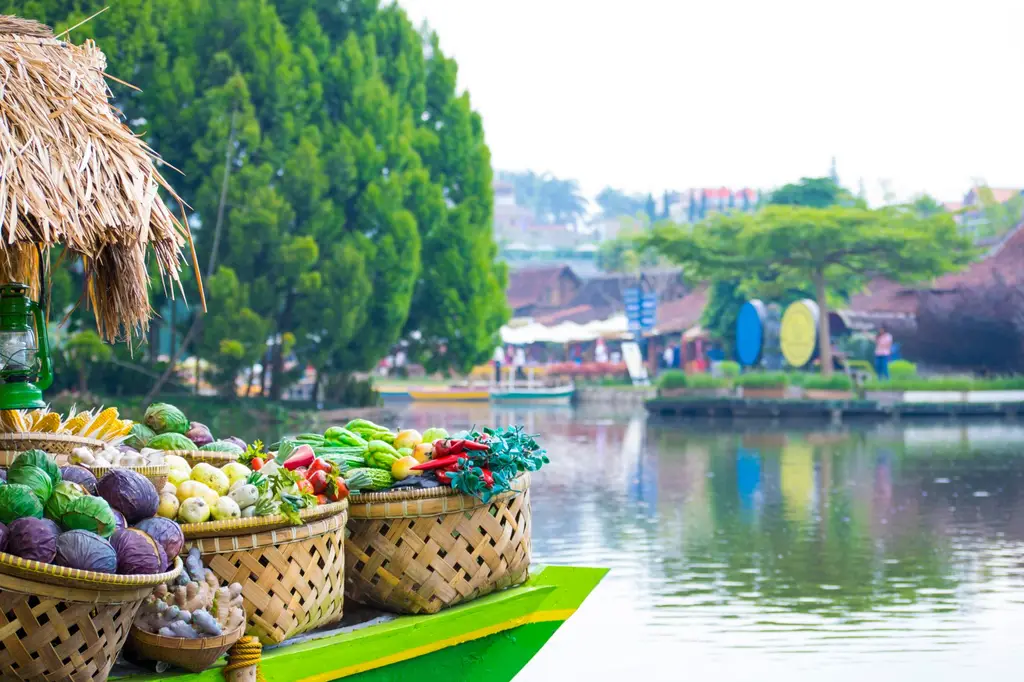
Food stalls on boats on a small lake, aimed squarely at domestic families. Fun for an hour, skip if you are short on time and have already done Ciwidey.
5
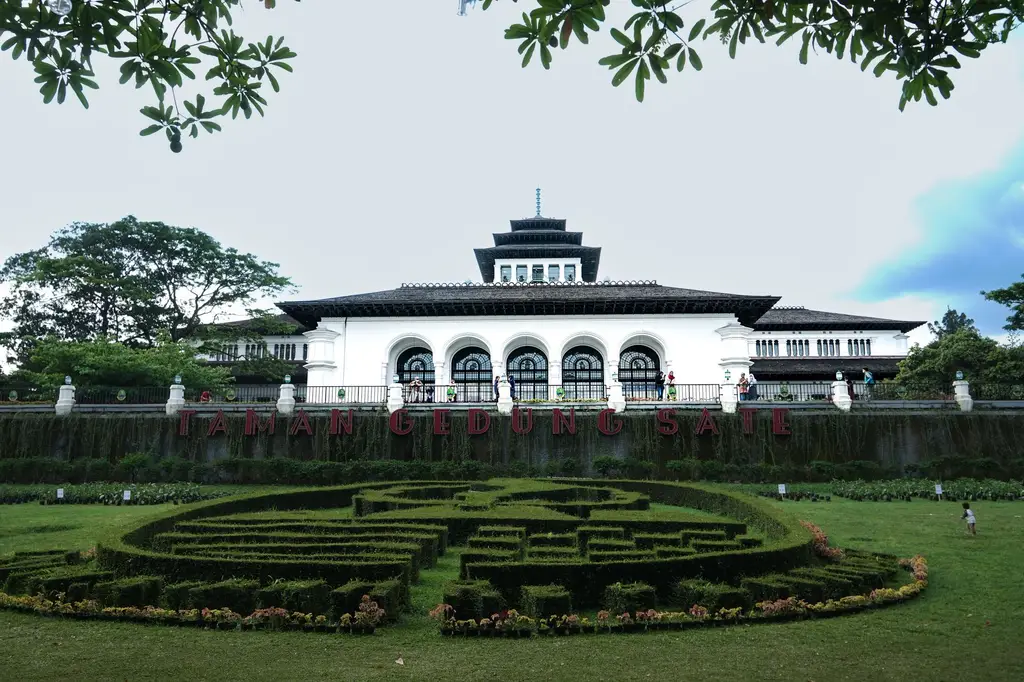
Gedung Sate
grounds viewable anytime, museum hours vary, typically 09:00-16:00 weekdays·free to view exterior, museum entry a small fee·30-45 minutes
Closed Monday (museum)
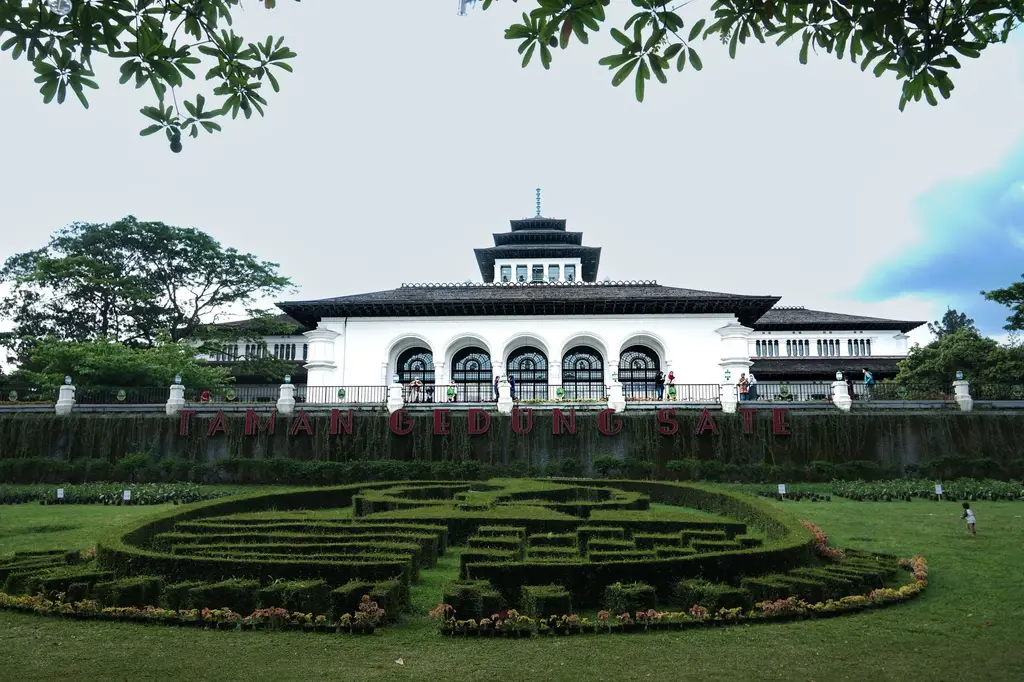
The provincial government building with the distinctive skewer-shaped roof ornament that gives it its name. A quick photo stop rather than a destination.
6
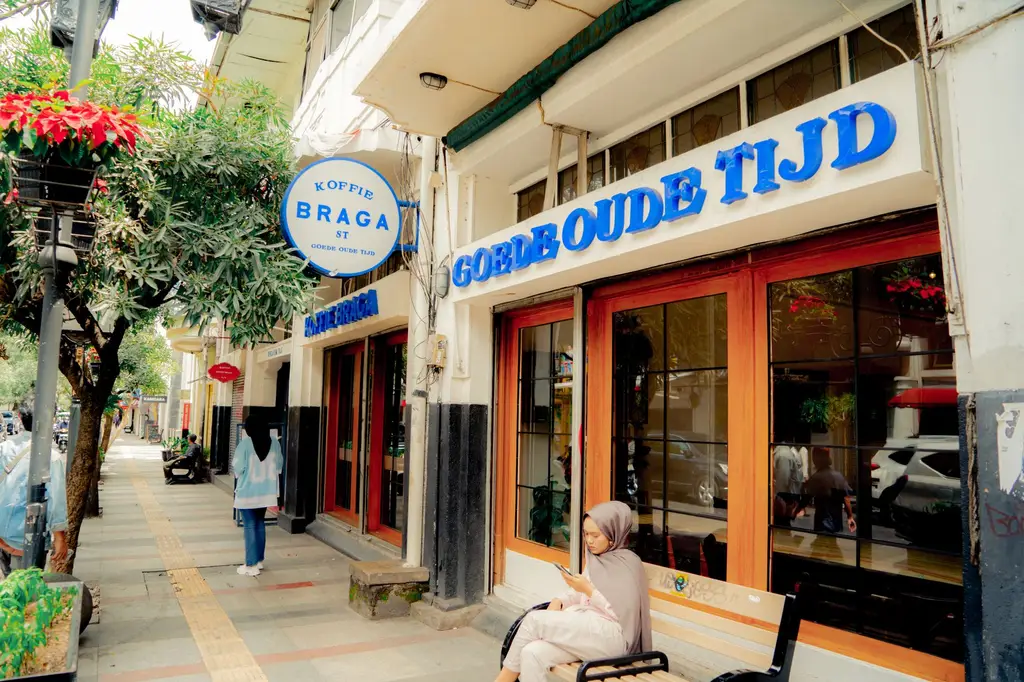
Jalan Braga
always open·free·1-2 hours
Dutch-era Art Deco street with old cafes and shopfronts. Better in late afternoon light and early evening when it is less hot underfoot.
Floating Market Lembang
as of 2026-09
Viral
Market area in the hills north of Bandung built around boats floating on a small lake, plus an adjoining flower garden, that has picked up fresh viral attention. It's been around for years and keeps getting relabeled 'new' by social content, so don't expect a brand-new venue, just a scenic lakeside walk that photographs well.
Jalan Lengkong Kecil evening strip
as of 2026-09
Viral
Street in central Bandung that has turned into a packed evening walking strip with vendor stalls and crowds building from early evening onward. The draw is the atmosphere of the walk itself, not any single stall, and it genuinely gets shoulder to shoulder. Go for the energy, not for a calm stroll.
Punclut hilltop viewpoint
as of 2026-09
Viral
Hillside area above Ciumbuleuit with sweeping views over Bandung's city lights, popular for evening and sunset visits. The view is real and free to take in, but it's a well-known sunset spot now, so expect a shared viewpoint rather than a quiet lookout.
NuArt Sculpture Park
as of 2026-09
Viral
Four-hectare outdoor sculpture park built and run by sculptor Nyoman Nuarta, one of the largest sculpture collections in Indonesia, with extended evening hours on weekends. Genuinely a different kind of stop from Bandung's cafe and viewpoint circuit, worth it if you want art rather than another photo backdrop.
Saung Angklung Udjo
as of 2026-09
Viral
Cultural venue and workshop dedicated to the angklung, a Sundanese bamboo instrument, running regular performances and hands-on sessions for visitors. A legitimate cultural experience rather than a manufactured one, and it's stayed operating and consistent for years, which says more than any viral spike.
Dusun Bambu, Lembang
as of 2026-09
Viral
Bamboo-themed park and recreation area in the Lembang hills with gardens, lakes, and family-oriented outdoor spaces. It's an established, well-run park rather than a new discovery, and it still draws heavy crowds during holidays, so weekday visits are the better bet.
More to see (2)
7
Cihampelas / Jalan Riau factory outlets
shops generally 10:00-21:00·free entry, obviously·half day if you actually shop
This strip is a real reason Jakarta residents come up for the weekend, brand-name overstock and export-surplus clothing at a fraction of mall prices. Not curated boutique shopping, expect to dig.
A themed dairy-farm attraction built for Instagram photos and families with young kids. Skip if that is not your thing, it is not a serious cultural stop.
Where to stay
Dago
Suits: first-time visitors, food and nightlife
Uphill, cooler, walkable food streets, good cafe scene, easy Grab access to everywhere else.
Braga / city center
Suits: history and colonial architecture fans
Art Deco buildings, close to Gedung Sate and the old town, busier and warmer at street level.
Setiabudi / Ciumbuleuit
Suits: those prioritizing quiet and cool air
Higher elevation, closer to Lembang, better for anyone doing multiple highland day trips.
Lembang
Suits: skipping the city and basing near the volcano
30-45 minutes from central Bandung, puts Tangkuban Perahu and the night market at your door.
Getting there and around
Getting there
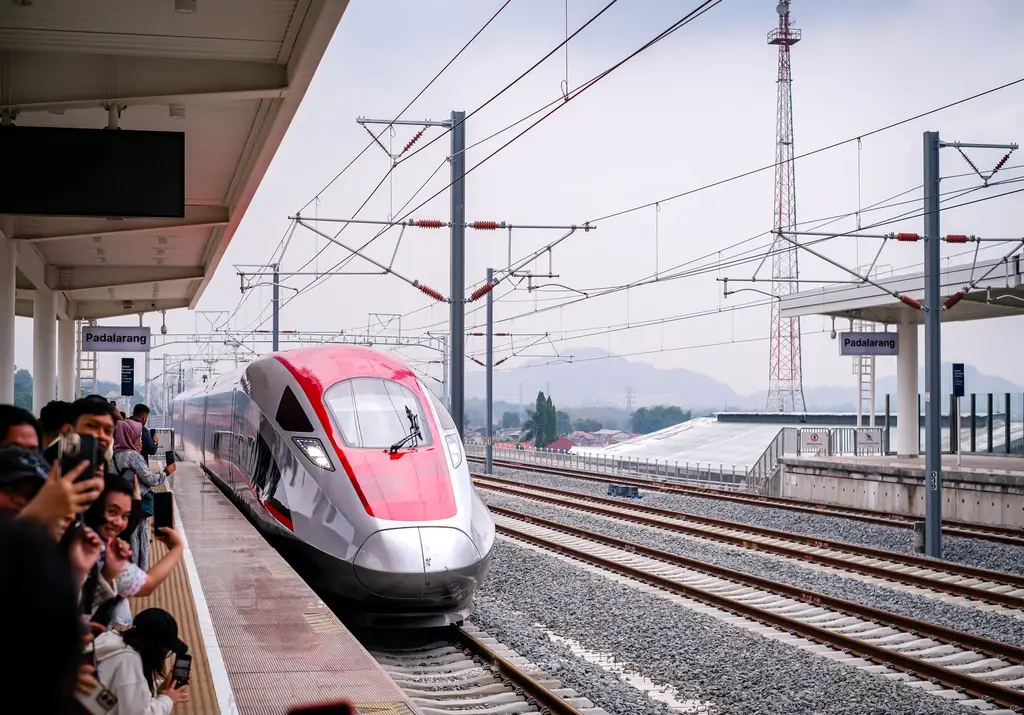
Whoosh high-speed rail from Jakarta's Halim station to Tegalluar or Padalarang takes 40-55 minutes, IDR 150,000-350,000 depending on class and promo. Argo Parahyangan intercity train from Gambir to Bandung Station runs about 3 hours. By toll road it is roughly 2-3 hours depending on Jakarta traffic and Puncak weekend jams. Husein Sastranegara airport in the city itself is restarting scheduled flights after a near three-year gap; until then Kertajati, 68km northeast, is the functioning airport and a slow option.
Getting around
Angkot (shared minivans) cover the city cheaply but are confusing without Indonesian and slow in traffic. Grab and Gojek work well and are the default for most visitors, cheap by Canadian standards even with surge pricing. The old Dutch grid around Braga and Dago is walkable in short stretches, but the city overall is not a walking city, distances between districts are real and sidewalks are inconsistent. None of the highland attractions (Tangkuban Perahu, Kawah Putih, Ciwidey) are reachable by angkot or ride-hail at reasonable cost; hire a car and driver for the day, arranged through your hotel or a local agency, typically IDR 600,000-900,000 for a full day covering one or two sites.
Map
City
Recommended (numbered)
Mentioned in an itinerary
Locations on this map
Bandung-6.92, 107.62
Tangkuban Perahu-6.77, 107.64
Kawah Putih-7.17, 107.40
Ciwidey tea plantations-7.10, 107.46
Floating Market Lembang-6.82, 107.62
Gedung Sate-6.90, 107.62
Jalan Braga-6.92, 107.61
Cihampelas / Jalan Riau factory outlets-6.90, 107.60
Farmhouse Susu Lembang-6.83, 107.61
Jakarta-6.91, 107.65
Whoosh-6.91, 107.60
Halim-6.86, 107.57
Padalarang-6.84, 107.50
Art Deco-6.87, 107.61
Sundanese-6.95, 107.75
Dago-6.88, 107.62
Yogyakarta-6.92, 107.66
Taman Sari-6.90, 107.61
Prambanan-6.96, 107.59
What it costs
Stay
Food
Transport
Activities
Daily cost breakdown, IDR per person
Tier
Stay
Food
Transport
Activities
Total
Budget
IDR 200,000
IDR 100,000
IDR 100,000
IDR 100,000
IDR 500,000
Mid-range
IDR 600,000
IDR 250,000
IDR 200,000
IDR 150,000
IDR 1,200,000
Splurge
IDR 1,800,000
IDR 500,000
IDR 500,000
IDR 200,000
IDR 3,000,000
A mid-range day: guesthouse in Dago at IDR 550,000, breakfast and two more meals at local Sundanese places for around IDR 200,000 total, Grab rides across the city for IDR 100,000, an afternoon at Kawah Putih with a hired driver splitting roughly IDR 700,000 for a half-day car across two people. Comes out close to IDR 1.2-1.5 million per person depending on group size.
Money savers
Split a full-day driver for highland trips three or four ways, the per-car rate barely moves with passenger count.
Eat at the warung strips around Jalan Cikapundung rather than the mall food courts, same food for a third of the price.
Book Whoosh premium economy off-peak, weekday morning fares run well under weekend rates.
Skip Farmhouse and Floating Market if you have limited time and are already doing Kawah Putih, they overlap in novelty.
Bandung is where Jakarta goes to eat on a weekend, and the city plays up to it. Sundanese food is the backbone here: raw vegetables and sambal, grilled fish, rice steamed in banana leaf, built around produce that grows well in the cooler highland air. Street food is dense and cheap, batagor and siomay vendors work nearly every block, a genuine Bandung invention rather than a Jakarta import. Alongside that sits a real cafe culture, the altitude and student population support hip coffee shops that would struggle in Jakarta's heat and rent. Weekends bring visible crowds of Jakarta day-trippers, so well-known spots fill fast; weekday mornings are calmer.
IDR 15,000-30,000·Street stalls citywide, especially Riau and the old town
Must try
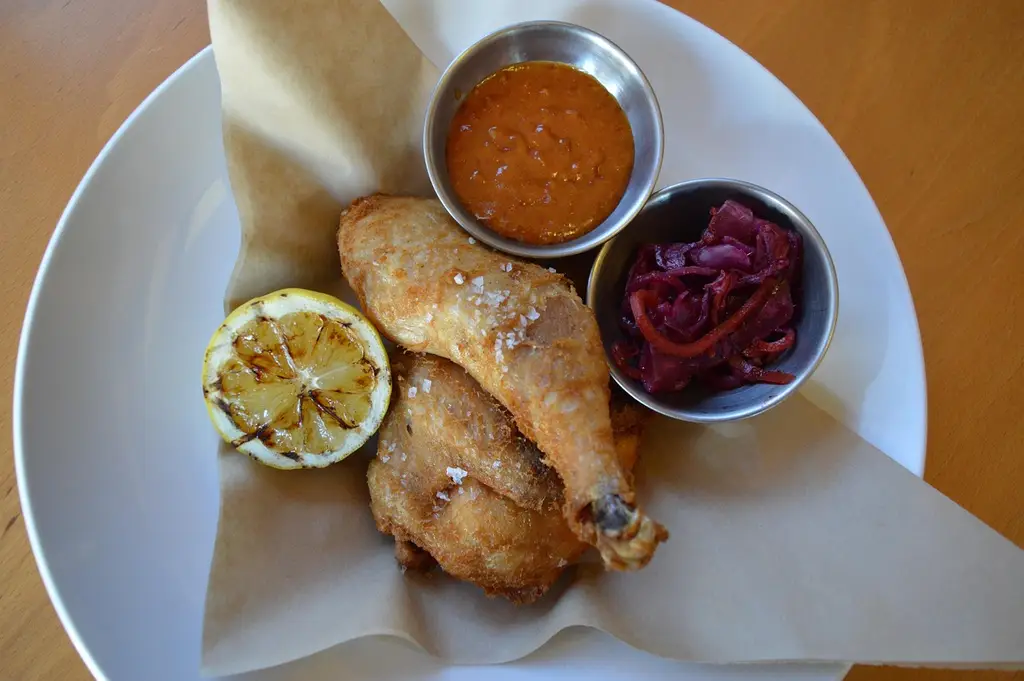
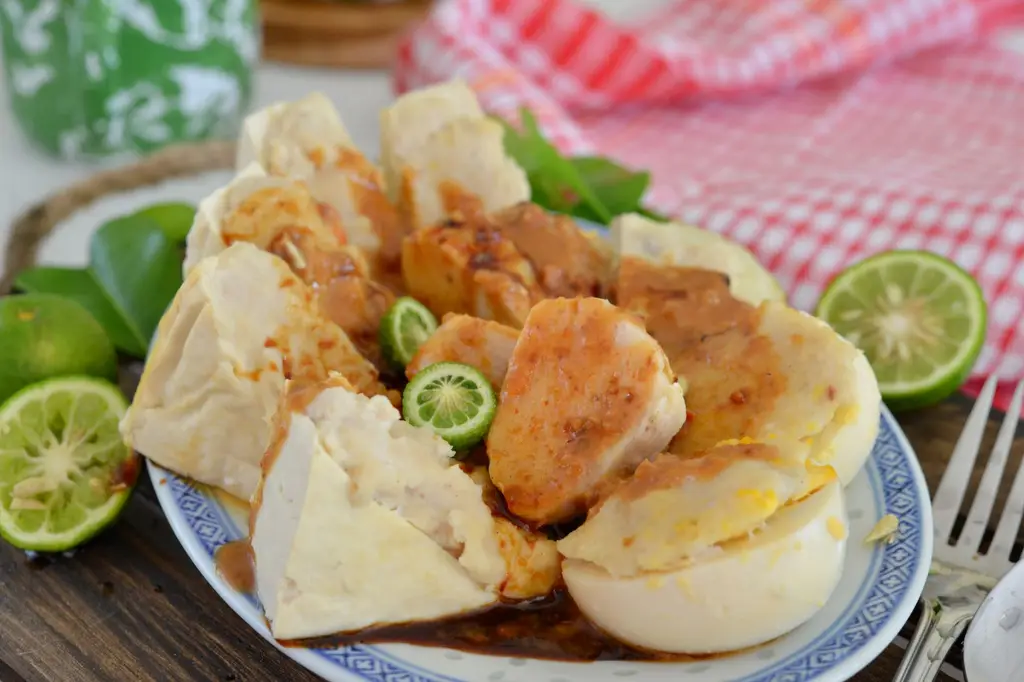
Fried fish and tofu dumplings served in peanut sauce, invented in Bandung in 1968. The city's signature street food, cheap, crunchy, and sold from carts on nearly every corner.
Siomay
IDR 15,000-30,000·The same street-cart circuit as batagor, often the same vendors
Must try
Steamed fish dumplings with peanut sauce, potato and egg, batagor's steamed cousin. Order both from one cart to compare textures side by side.
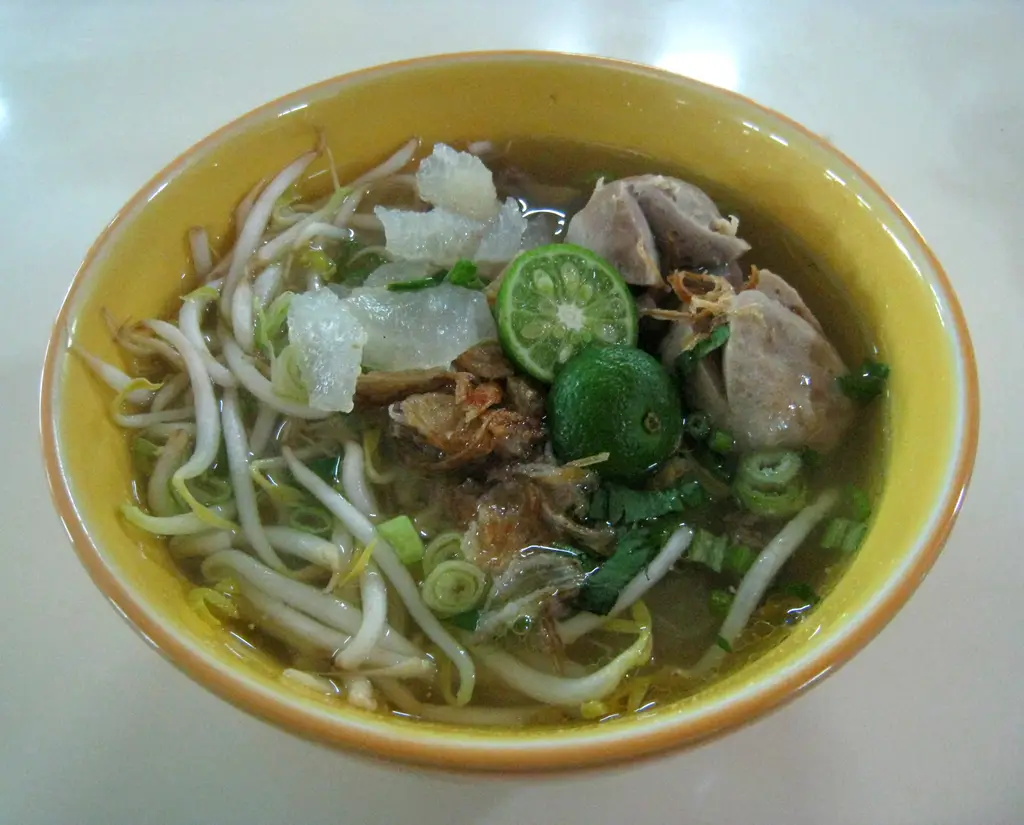
Mie kocok
IDR 20,000-40,000·Old-town noodle stalls, particularly Jalan Kebon Jati
Must try
Beef noodle soup with tendon and bean sprouts in a clear broth, a Bandung-specific dish distinct from Jakarta's mie ayam. Order it with extra lime and sambal.
Karedok
IDR 15,000-25,000·Sundanese warungs across Dago and the city centre
Raw vegetable salad in peanut sauce, the uncooked counterpart to gado-gado. Cucumber, long beans and bean sprouts stay crunchy since nothing gets blanched first.
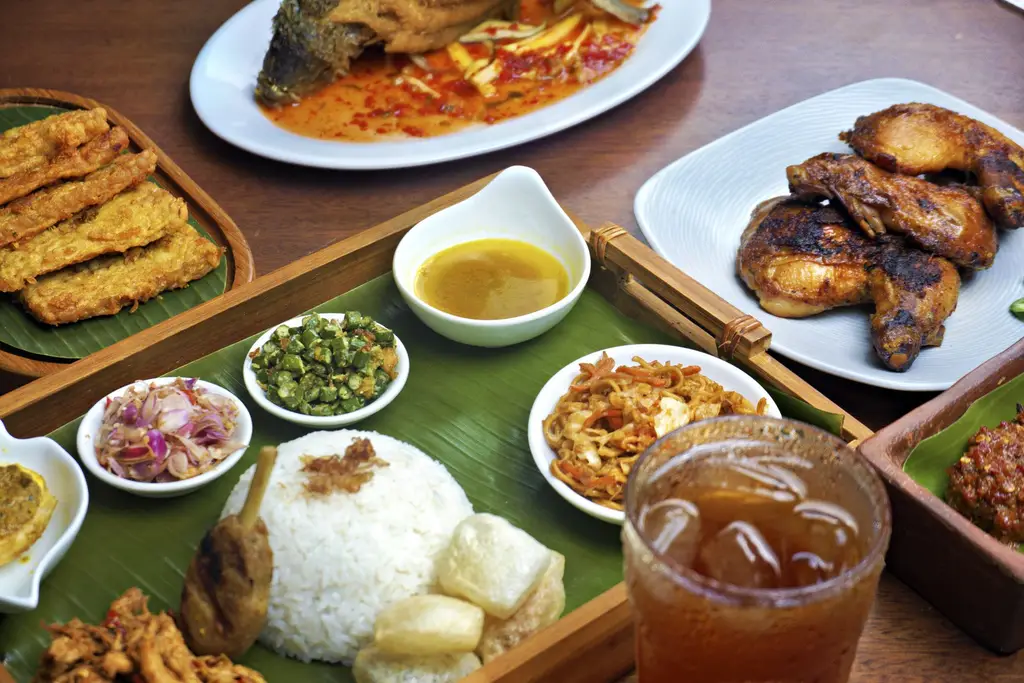
Nasi timbel
IDR 30,000-55,000·Sundanese restaurants across Dago and the city centre
Rice steamed in banana leaf, served with fried chicken or fish, salted egg and sambal. The standard Sundanese home-style plate and a good introduction to the region's cooking.
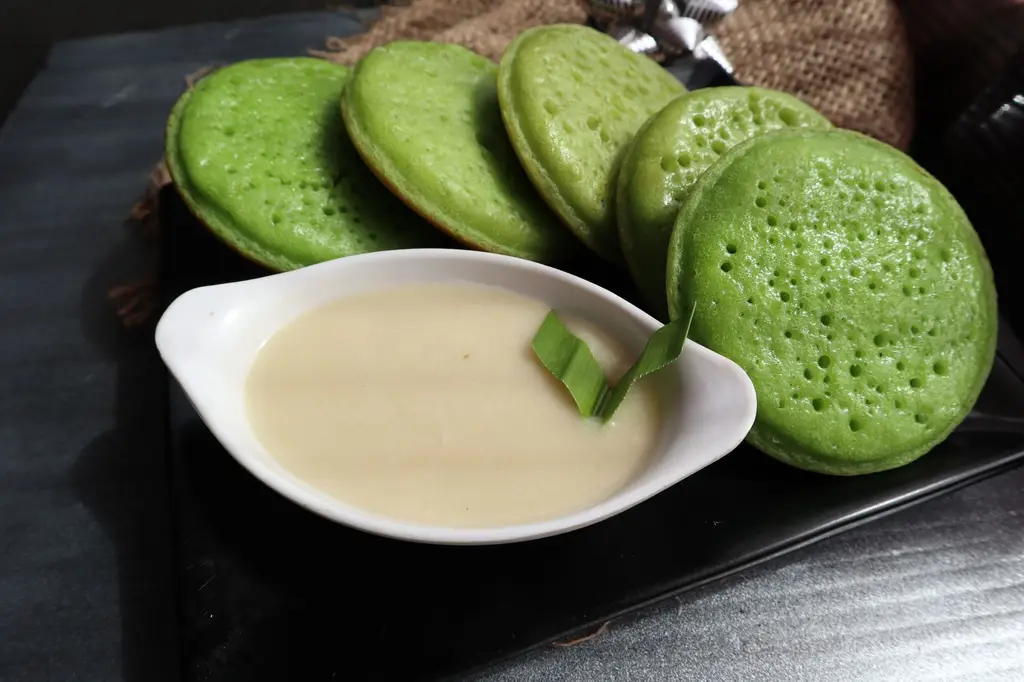
Surabi
IDR 8,000-20,000·Roadside carts, especially evenings around the old town
Coconut-milk rice pancakes cooked in small clay pots over charcoal, traditionally topped with palm sugar syrup or oncom, now also served with sweet toppings aimed at tourists.
Cireng
IDR 5,000-12,000·Street carts citywide
Fried cassava-flour fritters, chewy inside and crisp outside, dipped in spicy soy or peanut sauce. A snack rather than a meal, and one of the cheapest things you'll eat in the city.
Roti Gempol
as of 2026-09
Viral
Bandung institution since 1958, baking bread the traditional way over charcoal for a smokier crust than most modern bakeries produce. Actual staying power here, not a TikTok flash. Still busy because the bread is genuinely different, not because of a trend cycle.
Mie Gacoan
as of 2026-09
Viral
Nationwide Indonesian noodle chain built around extreme spice levels, with multiple branches now open across Bandung drawing long queues from students. It's a chain, not a hidden find, and that's fine. The spice challenge is the whole appeal, the noodles themselves are ordinary.
Dago and Cihapit dessert cafes
as of 2026-09
Viral
A cluster of newer dessert-focused cafes around the Dago and Cihapit areas, built for photos as much as for the food. Turnover in this scene is fast. Whatever's popular this month may be gone or replaced by next year, treat any single name as temporary.
Matcha cafe wave
as of 2026-09
Viral
Matcha-focused cafes, including tap-bar style setups, opened across Bandung through 2025 and 2026, with several spots pulling long queues by mid-2026. Bandung's cafe scene chases whatever Jakarta and Seoul are drinking, and matcha is just the current one. The better spots actually source decent tea, most don't bother.
Pasar Cihapit food hunting
as of 2026-09
Viral
Cihapit's traditional market got renewed 2026 coverage as a spot for old-school snacks, distinct from the dessert cafes clustered on the same street. Good to see a real market get attention instead of just the cafes around it. Go early, this kind of market thins out by midday.
Safety and scams
Bandung is a low-risk city by regional standards. The usual precautions apply: watch bags on crowded angkot and markets, agree on Grab/Gojek fares or use the in-app estimate, and be wary of drivers who quote flat unmetered rates near tourist spots. Mountain roads to Ciwidey and Lembang can flood or land-slip in wet season, check conditions before a highland day trip. Tangkuban Perahu has a real eruption history, follow current access status rather than assuming it is open.
Common mistakes
Treating Bandung city center as a multi-day destination and running out of things to do by the second afternoon.
Trying to reach Kawah Putih or Tangkuban Perahu by angkot or ride-hail instead of hiring a car for the day.
Visiting Kawah Putih or the Floating Market on a weekend or public holiday and getting stuck in the crowd and traffic that comes with it.
Booking Husein Sastranegara flights before checking whether the route has actually resumed scheduled service.
Skipping a jacket for the crater and tea-plantation trips because Bandung city itself doesn't feel that cold.
Frequently asked questions
Is Bandung worth visiting for international tourists?
It is worth two to three days if you are already in Jakarta or West Java, less so as a standalone flight destination. Its real audience is Jakarta weekenders after cooler air, shopping and food, and the highland day trips around it are genuinely good. Treat it as a stop, not a two-week trip.
How do I get from Jakarta to Bandung?
Whoosh high-speed rail from Halim to Padalarang or Tegalluar takes 40-55 minutes and costs IDR 150,000-350,000 depending on class and promo. The older Argo Parahyangan train from Gambir runs about 3 hours. By car via toll road, budget 2-3 hours depending on traffic.
Can I fly directly into Bandung?
Husein Sastranegara airport in the city itself is restarting scheduled service in stages after nearly three years of near-closure. Until routes are confirmed running, Kertajati airport 68km northeast is the functioning option, and it is a slow, inconvenient transfer into the city.
How do I get to Tangkuban Perahu and Kawah Putih without a tour?
Hire a car and driver for the day, arranged through your hotel or a local agency, typically IDR 600,000-900,000. Public transit and ride-hail do not reliably reach either site, the roads are mountainous and the pickup points are outside normal service areas.
Is Tangkuban Perahu currently open?
It has been closed to visitors during past periods of volcanic activity, most recently around 2019 eruptions. Confirm current access status before your trip rather than assuming it is open, conditions can change with little notice.
What is Bandung known for food-wise?
Batagor (fried fish and tofu dumplings in peanut sauce) originated here in 1968 and is the city's signature dish, alongside siomay, mie kocok beef noodle soup, and Sundanese rice plates like nasi timbel. It is a genuinely strong food city, not an afterthought to the shopping.
How many days do I need in Bandung?
Two to three days covers the city center and one or two highland day trips comfortably. Five days lets you do it without rushing. Beyond that, most people extend into Yogyakarta or elsewhere in Java rather than staying in Bandung itself.
Is Bandung cold?
The city itself sits around 24°C year-round, noticeably cooler than Jakarta but not cold. The highland attractions are a different story: Kawah Putih sits at 2,430m and regularly hits around 10°C, so bring a jacket for day trips even if the city feels mild.
What is the best time of year to visit Bandung?
June to September, the dry season, gives the clearest crater views and the least risk of highland roads flooding. December through March brings heavy rain that can disrupt trips to Kawah Putih and Ciwidey.
Is Bandung safe for tourists?
Yes, by regional standards it is low-risk. Standard precautions apply: agree on ride-hail fares, watch belongings on crowded transit, and check mountain road conditions in wet season before highland day trips.