Things to Do in Jakarta: Itineraries, Costs and Food
Southeast Asia's biggest working capital, not a beach holiday. Come for the food, the history in Kota Tua, and a jumping-off point to Java, and plan around the traffic.
By Labeeb Mirza · Published September 8, 2026 · Updated September 8, 2026
Jakarta is a city of 10-plus million people (over 30 million across greater Jabodetabek) that runs on business, not tourism, and it shows. There's no old quarter stretching for miles, no single skyline shot that sells the place, and the traffic is bad enough that Google routinely lists journeys across town in hours rather than minutes. Most travelers pass through on the way to Bali, Yogyakarta, or the volcanoes further into Java, and that's a reasonable way to treat it. But writing Jakarta off entirely misses what it actually does well. Kota Tua, the old Dutch colonial core, has cobblestone squares and museums worth a morning. The food scene, Betawi street snacks, Sundanese warungs, a whole Chinatown of noodle shops, modern Indonesian tasting menus in SCBD, is one of the strongest in the region and gets a fraction of the attention Bangkok or Hanoi does. Istiqlal Mosque is the largest in Southeast Asia and free to enter. And once you accept that you're not going to see everything in a day, the MRT and TransJakarta corridors make specific neighborhoods genuinely workable without a car. Treat Jakarta as what it is: a business hub, a stopover, a place to understand modern Indonesia before or after the parts of the country built for leisure. Budget your time by neighborhood, not by a checklist, and don't expect it to feel like a vacation the way Ubud or Seminyak does.
What I actually think
Jakarta is a working city rather than a holiday one, and it gets more interesting once you stop expecting it to be Bali. The food and coffee are genuinely good.
Give yourself far more transit time than the map suggests. The MRT is excellent but covers one corridor, and everything else is at the mercy of the traffic.
Most travellers pass through in a day and that is a defensible call. Two nights is plenty unless you have a specific reason to stay.
Malls here are social infrastructure rather than a tourist compromise. Air conditioning is a legitimate thing to plan an afternoon around.
A tight loop through old Jakarta and the modern center, workable if you have a layover or one free day.
Day 1: Old town to skyline in a day
Morning
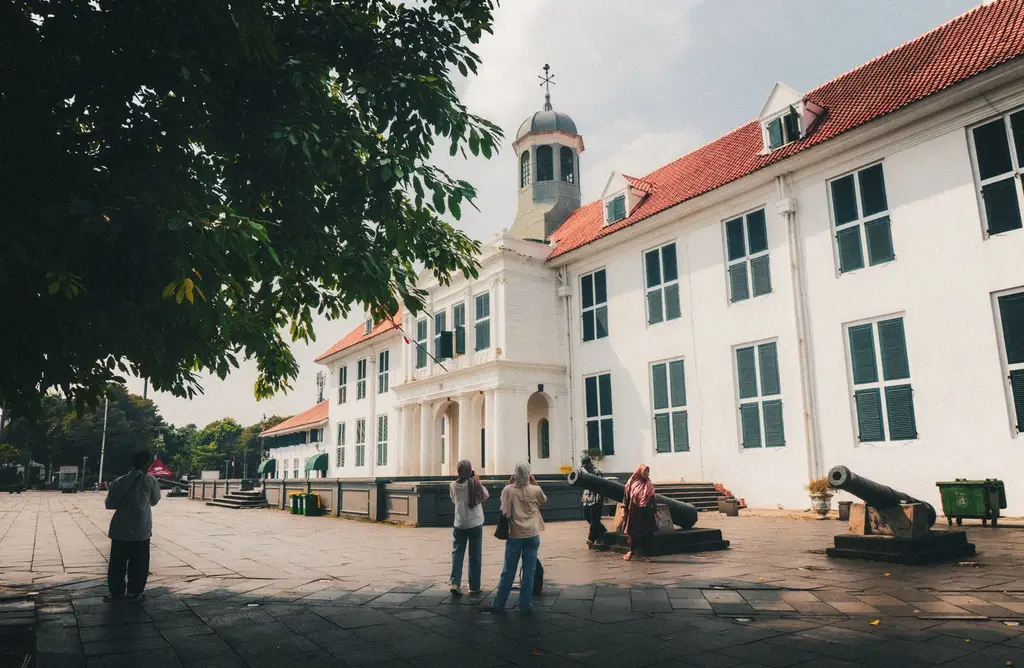
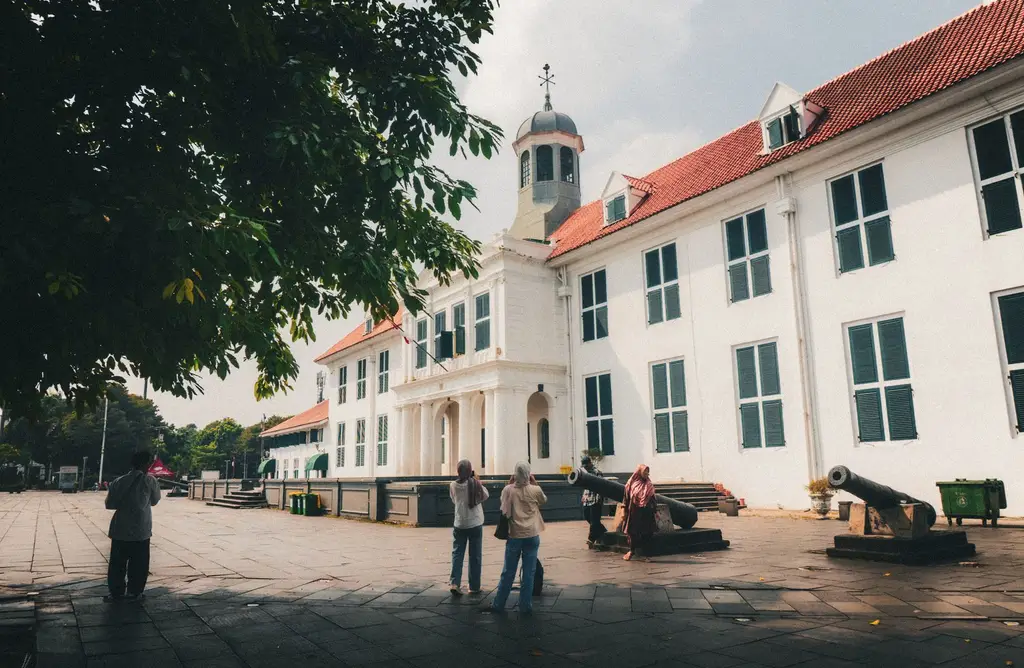
Start at Kota Tua by 8am to beat both the heat and the crowds. Walk Fatahillah Square, pop into the Jakarta History Museum, and rent one of the orange colonial bikes for a loop of the square.
Afternoon
Grab to Istiqlal Mosque, then walk across to Jakarta Cathedral through the connecting tunnel. If time allows, the National Museum is a 10-minute ride from there.
Evening
Head to SCBD or Sudirman for dinner, then up to a rooftop bar for the skyline before your flight or an early night.
Tip: Do this on a weekday if you can; Kota Tua gets dense with local visitors on weekends.
Enough time for the old town, the museums and mosque, and one proper night out, without pretending Jakarta needs more.
Day 1: Kota Tua and Sunda Kelapa
Morning
Kota Tua at opening, Fatahillah Square and the History Museum, then walk or Grab to Sunda Kelapa, the old wooden-schooner harbor a short ride north.
Afternoon
Lunch near Kota Tua, then Glodok for an afternoon of walking Petak Sembilan market and the temple at its center.
Evening
Dinner in Glodok's noodle shops, then Grab back to your hotel; this part of town has little nightlife after dark.
Tip: Sunda Kelapa is more interesting from a distance than up close; you can see the ship masts from the road without paying a harbor entry fee.
Day 2: Museums, mosque, and Monas
Morning
National Museum first, before the school groups arrive. Then Istiqlal Mosque, a 10-minute walk or short ride away.
Afternoon
Monas (the National Monument) sits between the two; walk the surrounding Merdeka Square park if the heat allows, or skip the tower queue and just view it from the grounds.
Evening
Dinner in Menteng, then an early night if day three starts with shopping and a rooftop.
Tip: Skip the Monas observation deck unless the sky is clear; the view is the whole point and Jakarta's haze often isn't cooperating.
Day 3: Shopping district and a proper night out
Morning
Grand Indonesia and Plaza Indonesia for shopping and air conditioning, especially useful if the weather has turned.
Afternoon
Rest or a spa; Jakarta's pace catches up with people faster than they expect.
Evening
Dinner in SCBD, then a rooftop bar for the skyline before you leave.
Tip: Book a dinner reservation in SCBD on a Friday or Saturday; the best places fill up with the local after-work crowd.
The 3-day core plus one full day trip to the Thousand Islands, since Jakarta itself runs out of new ground by day four.
Day 1: Kota Tua and Sunda Kelapa
Morning
Kota Tua at opening, Fatahillah Square and the History Museum.
Afternoon
Sunda Kelapa harbor, then Glodok for the afternoon.
Evening
Dinner in Glodok's noodle shops.
Tip: Wear closed shoes; Kota Tua's stones are uneven and the harbor area isn't cleaned up for tourists.
Day 2: Museums, mosque, and Monas
Morning
National Museum, then Istiqlal Mosque.
Afternoon
Merdeka Square and Monas grounds.
Evening
Dinner in Menteng.
Tip: Bring water; there's little shade between the museum and the mosque.
Day 3: Thousand Islands day trip
Morning
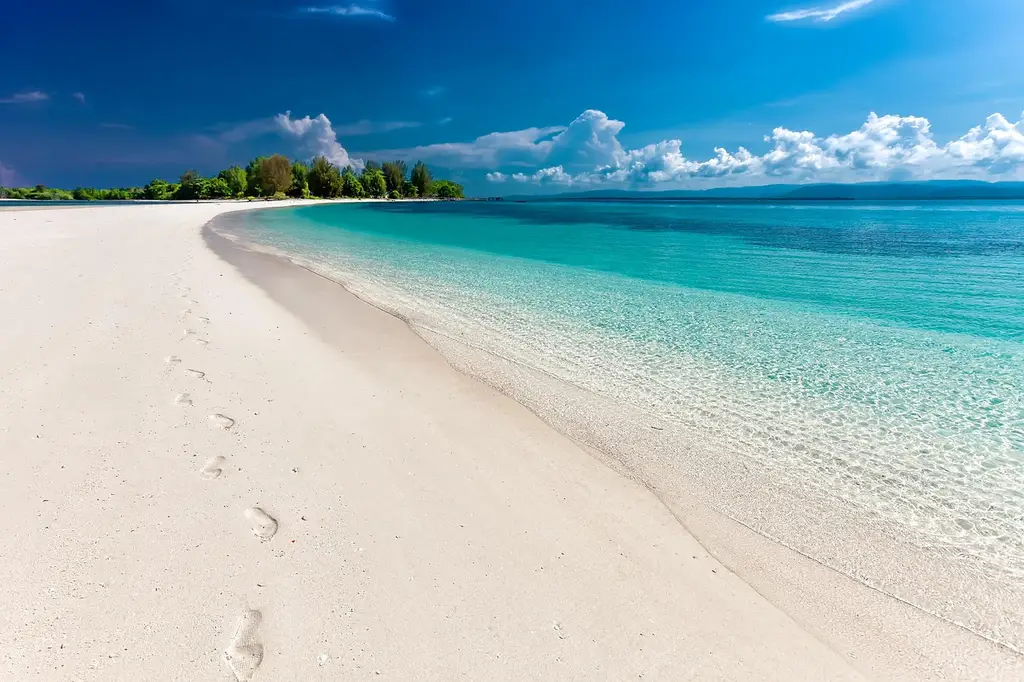
Early speedboat from Marina Ancol or Kali Adem harbor out to Pulau Tidung or Pulau Pramuka, roughly 1-1.5 hours depending on the boat and island.
Afternoon
Snorkeling, a slow lunch on the island, and a walk across Tidung's bridge to the smaller neighboring island if you picked that route.
Evening
Return speedboat back to Jakarta by early evening; don't plan anything demanding once you're back.
Tip: Book the boat and any snorkel gear the day before through your hotel or a local operator; walk-up prices at the harbor run higher.
Show all 5 days
Day 4: Ancol and the waterfront
Morning
Ancol Dreamland, Sea World if you have kids along or just like aquariums.
Afternoon
Dunia Fantasi if the theme park interests you, otherwise the art market and beach walk are enough.
Evening
Dinner back toward the city center.
Tip: Ancol is spread out; the free internal shuttle buses are worth using over walking between zones.
Day 5: Shopping, rooftop, departure
Morning
Grand Indonesia and Plaza Indonesia, or Pasar Baru if you want something less polished.
Afternoon
Pack, rest, or a last meal in SCBD.
Evening
Rooftop bar for a final skyline view before your flight.
Tip: Leave at least 3 hours of buffer for the airport transfer if you're flying out in the evening rush.
Jakarta genuinely fills about 4 days. This week uses it as a base and adds three day trips into West Java, since padding Jakarta alone past that point means inventing things to do.
Day 1: Kota Tua and Sunda Kelapa
Morning
Kota Tua at opening, Fatahillah Square and the History Museum.
Afternoon
Sunda Kelapa harbor, then Glodok.
Evening
Dinner in Glodok's noodle shops.
Tip: Do Kota Tua on a weekday if your schedule allows; it thins out considerably.
Day 2: Museums, mosque, and Monas
Morning
National Museum, then Istiqlal Mosque.
Afternoon
Merdeka Square and Monas grounds.
Evening
Dinner in Menteng.
Tip: The mosque tour guides (free, tip-based) explain the tunnel to the cathedral better than any signage does.
Day 3: Shopping district and Chinatown food
Morning
Grand Indonesia and Plaza Indonesia.
Afternoon
Rest, or Pasar Baru for something less air-conditioned.
Evening
Dinner in Glodok or SCBD, then a rooftop bar.
Tip: SCBD restaurants are busiest Thursday and Friday nights; book ahead or go earlier in the week.
Show all 7 days
Day 4: Ancol and the waterfront
Morning
Ancol Dreamland and Sea World.
Afternoon
Dunia Fantasi or the beach and art market.
Evening
Free evening, pack for the day trips ahead.
Tip: This is your last full day inside Jakarta proper; the rest of the week leaves the city.
Day 5: Day trip: Thousand Islands
Morning
Speedboat from Marina Ancol to Pulau Tidung or Pulau Pramuka.
Afternoon
Snorkeling and a slow island lunch.
Evening
Return to Jakarta by early evening.
Tip: Bring reef-safe sunscreen; some islands restrict regular sunscreen near the coral.
Day 6: Day trip: Bogor
Morning
KRL Commuter Line train from a central Jakarta station to Bogor, about an hour, then the Kebun Raya Bogor botanical gardens on foot from the station.
Afternoon
Lunch in Bogor, known locally for its constant light rain, then a walk through the old Dutch-era streets near the station if time allows.
Evening
Train back to Jakarta.
Tip: Bring an umbrella regardless of forecast; Bogor's nickname is the Rain City for a reason.
Day 7: Day trip: Bandung
Morning
Whoosh high-speed train from Halim to Padalarang or Tegalluar, then onward transport into central Bandung, total door to door usually under 2 hours.
Afternoon
Walk the Art Deco buildings around Asia-Africa Street and Braga, or head up to Lembang's cooler highlands if you'd rather skip the city center.
Evening
Train back to Jakarta in the evening.
Tip: Book Whoosh tickets a day or two ahead for weekend travel; weekday seats are easier to get last minute.
Two weeks built around Jakarta as a base rather than two weeks inside the city, which no honest itinerary would recommend. This one spends four days in Jakarta itself, then works outward through West Java to Yogyakarta and back, since that's the region the city actually connects to well by train and short flight.
Day 1: Kota Tua and Sunda Kelapa
Morning
Kota Tua at opening, Fatahillah Square and the History Museum.
Afternoon
Sunda Kelapa harbor, then Glodok.
Evening
Dinner in Glodok's noodle shops.
Tip: Wear closed shoes for the uneven cobblestones.
Day 2: Museums, mosque, and Monas
Morning
National Museum, then Istiqlal Mosque.
Afternoon
Merdeka Square and Monas grounds.
Evening
Dinner in Menteng.
Tip: Both the museum and mosque are walkable to each other if the heat isn't extreme.
Day 3: Shopping district and Chinatown food
Morning
Grand Indonesia and Plaza Indonesia.
Afternoon
Pasar Baru or rest.
Evening
Dinner in Glodok or SCBD, then a rooftop bar.
Tip: Save at least one SCBD dinner for later in the trip when you're back from Bandung; it's worth the return visit.
Show all 14 days
Day 4: Ancol and the waterfront
Morning
Ancol Dreamland and Sea World.
Afternoon
Dunia Fantasi or the beach.
Evening
Pack for two nights in the Thousand Islands.
Tip: This closes out the Jakarta-proper portion of the trip.
Day 5: Thousand Islands: Pulau Tidung
Morning
Speedboat from Marina Ancol to Pulau Tidung.
Afternoon
Snorkeling and the walk across the bridge to Tidung Kecil.
Evening
Overnight on the island in a simple homestay.
Tip: Rent a bike on arrival; Tidung has no cars and everything is faster on two wheels.
Day 6: Thousand Islands: Pulau Pramuka
Morning
Boat transfer between islands or back to Jakarta then out to Pulau Pramuka, depending on the operator's route that week.
Afternoon
Snorkeling and, if timed right, a look at the turtle conservation center on Pramuka.
Evening
Return speedboat to Jakarta.
Tip: Confirm the inter-island boat schedule before you commit to this route; some weeks it only runs from the mainland.
Day 7: Day trip: Bogor
Morning
KRL Commuter Line to Bogor, about an hour, then Kebun Raya Bogor on foot.
Afternoon
Lunch and a walk through the old Dutch-era streets.
Evening
Train back to Jakarta.
Tip: Bring an umbrella; Bogor earns its Rain City nickname most afternoons.
Day 8: Bandung: arrival and old town
Morning
Whoosh high-speed train from Halim, under an hour of actual travel time plus transfers.
Afternoon
Walk Asia-Africa Street and Braga, Bandung's Art Deco core.
Evening
Dinner in Bandung, known for its own strong food scene, then check into a hotel there for two nights.
Tip: Bandung sits higher and cooler than Jakarta; it's a genuine break from the heat.
Day 9: Bandung: Lembang highlands
Morning
Grab or hired car up to Lembang for the cooler hill country north of the city.
Afternoon
Farm cafes and viewpoints around Lembang, or Tangkuban Perahu volcano crater if you want a longer drive.
Evening
Back to Bandung for dinner.
Tip: Weekend traffic up to Lembang is heavy; go on a weekday if your schedule allows.
Day 10: Fly to Yogyakarta
Morning
Short flight from Bandung or back through Jakarta to Yogyakarta, roughly 1-1.5 hours in the air.
Afternoon
Settle into Yogyakarta and walk Malioboro Street.
Evening
Dinner near Malioboro or the Kraton palace grounds.
Tip: This is a clear regional extension beyond Jakarta and West Java; treat it as its own leg of the trip.
Day 11: Borobudur
Morning
Early departure for Borobudur temple, roughly 1-1.5 hours from Yogyakarta by road, to catch the site before the heat and the crowds.
Afternoon
Explore the temple complex and surrounding grounds.
Evening
Return to Yogyakarta for dinner.
Tip: Sunrise tours exist but book out weeks ahead and cost significantly more than a standard morning entry.
Day 12: Prambanan and the Kraton
Morning
Prambanan temple complex, closer to the city than Borobudur.
Afternoon
Yogyakarta's Kraton (Sultan's Palace) and the surrounding old city.
Evening
Dinner and, if the schedule lines up, a Ramayana ballet performance near Prambanan.
Tip: Combine Prambanan with an evening ballet ticket if the performance calendar matches your dates.
Day 13: Return to Jakarta
Morning
Flight back to Jakarta.
Afternoon
A slower afternoon back in the capital, whatever you skipped the first time around.
Evening
The SCBD dinner and rooftop bar you saved from earlier in the trip.
Tip: Keep this day light; two weeks of travel adds up faster than the itinerary suggests.
Day 14: Departure
Morning
Last-minute shopping in Thamrin or Grand Indonesia if you need it.
Afternoon
Head to the airport with a wide buffer for traffic.
Evening
Flight out.
Tip: Build in at least 3 hours from hotel to gate if you're leaving during evening rush hour traffic.
Things to do
1Photo by Imam Efendi on PexelsKota Tua (Fatahillah Square and Jakarta History Museum)
8Photo by Tom Fisk on PexelsTaman Mini Indonesia Indah (TMII)
9SKYE and other rooftop bars, Sudirman
1
Kota Tua (Fatahillah Square and Jakarta History Museum)
Square: always open. Jakarta History Museum: 9am-3pm Tuesday to Sunday·Square: free. Museum: nominal entry fee, a few thousand IDR·2-3 hours
Closed Monday (museum only, square is open daily)
The old Dutch colonial square, cobblestones, a former city hall turned museum, bike rentals in bright orange colonial-style bikes. Go before 10am on weekends or it fills with local visitors and street performers.
2
National Museum (Museum Nasional)
Roughly 8am-4pm Tuesday to Sunday, check current hours before you go as they've shifted post-renovation·Modest entry fee, higher for foreign visitors than domestic; check current pricing at the door·2-3 hours
Closed Monday
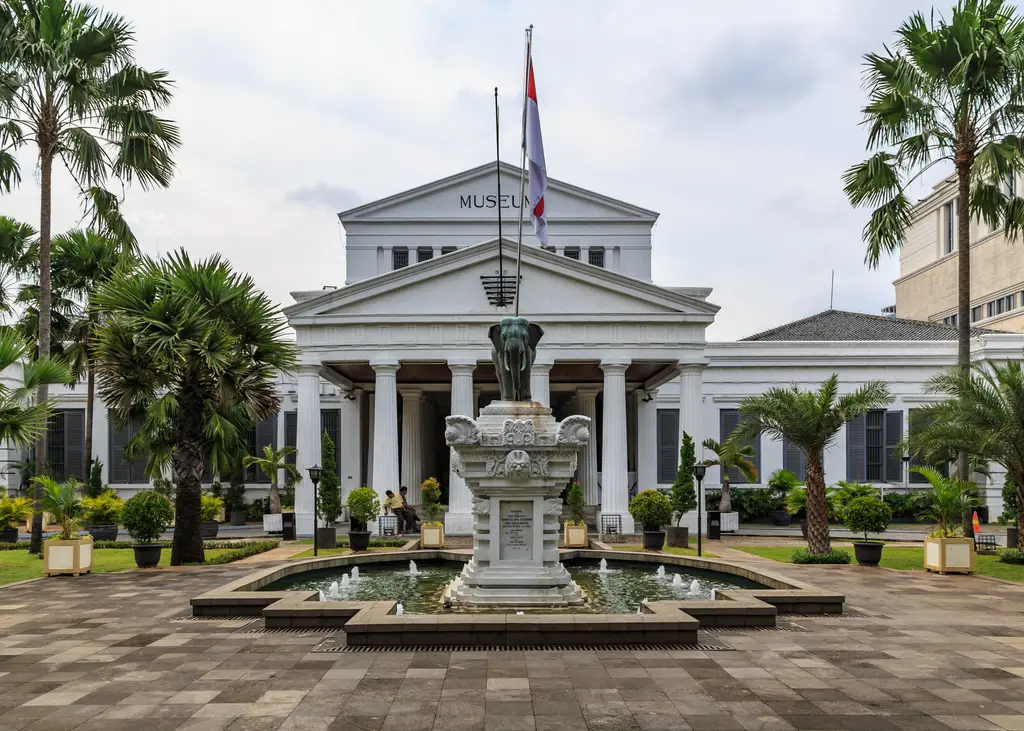
Nicknamed the Elephant Museum after the bronze elephant statue out front, gifted by Thailand's King Chulalongkorn. The bronze and ceramics collections are genuinely strong; the building itself was under partial renovation after a 2023 fire in one wing.
3
Istiqlal Mosque
Open outside of the five daily prayer times; non-Muslim visitors are generally welcome mid-morning to mid-afternoon·free·1-1.5 hours
walk in, dress modestly (robes and headscarves are available to borrow)
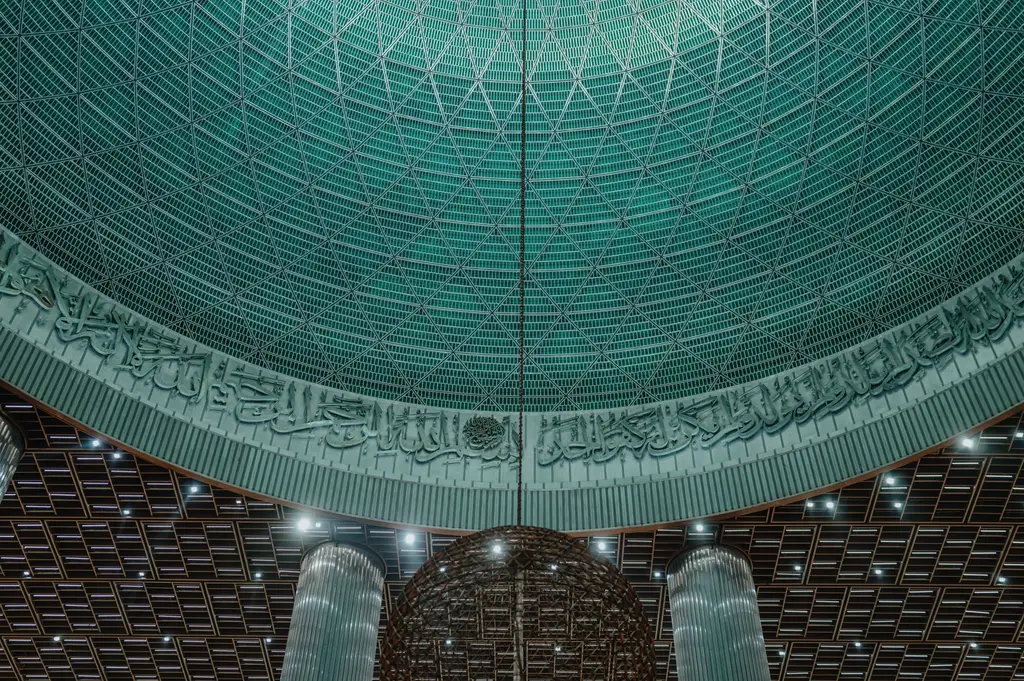
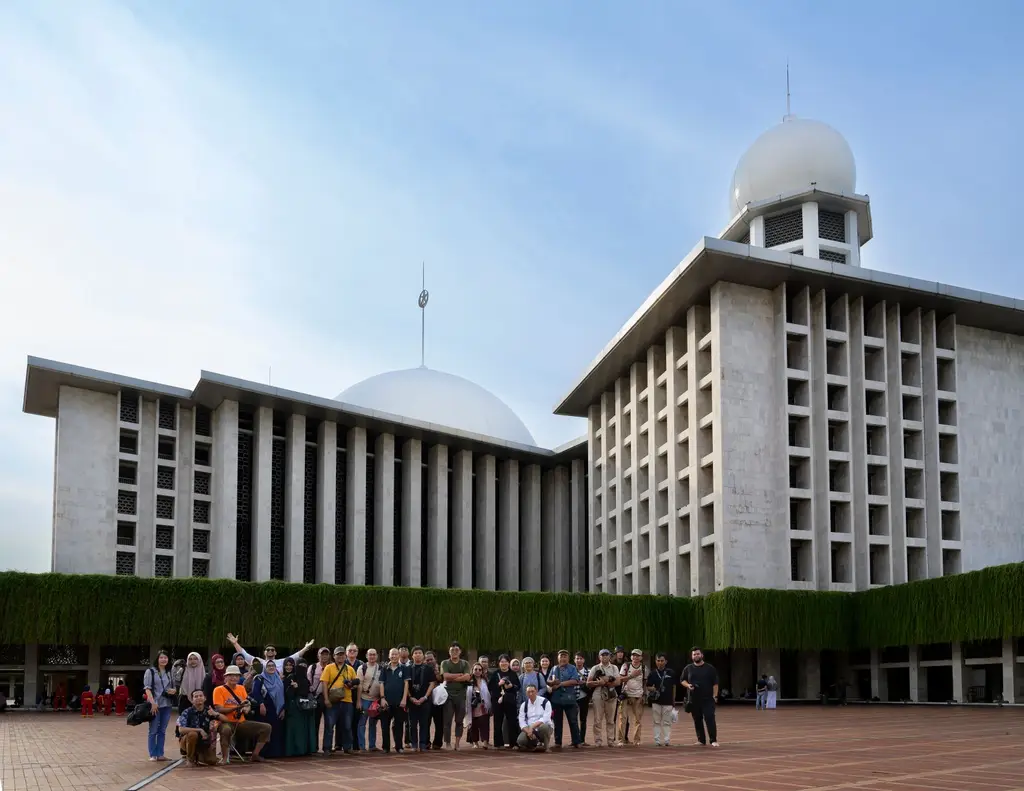
The largest mosque in Southeast Asia, built in 1978, holds over 200,000 worshippers. A pedestrian tunnel connects it directly to Jakarta Cathedral across the street, a deliberate symbol of religious coexistence.
4
Ancol Dreamland (Taman Impian Jaya Ancol)
Varies by attraction within the complex, generally 9am-6pm, later on weekends·Gate entry roughly 25,000-30,000 IDR per person; Dunia Fantasi theme park separately about 295,000 IDR weekdays, 325,000 IDR weekends·half day to full day
walk in, buy theme park tickets online to skip lines on weekends
A sprawling waterfront complex in North Jakarta with a theme park, Sea World, beaches, and an art market. The beaches are city beaches, not resort ones; go for the theme park and Sea World rather than swimming.
5
Grand Indonesia and Plaza Indonesia
10am-10pm daily, typically·free to browse·2-4 hours
Two connected malls on Thamrin that function as Jakarta's air-conditioned town square. Worth it for the scale, the food courts, and as a break from the heat, not for anything you can't buy elsewhere.
6
Pasar Baru
roughly 9am-5pm daily, quieter Sundays·free to walk, prices negotiable on goods·1-2 hours
One of Jakarta's oldest shopping streets, running since the Dutch era, known for fabric, tailors, and cheap eats. Less polished than the malls and more interesting for it.
House of Tugu, Kota Tua
as of 2026-09
Viral
Restored 15-year heritage project turning the former residence of Oei Tiong Ham into a cultural space in Jakarta's old town, recognized by Time magazine. One of the few Jakarta attractions with actual historical weight instead of a manufactured backdrop. Pair it with a walk through the rest of Kota Tua's colonial buildings rather than treating it as a standalone stop.
Museum MACAN
as of 2026-09
Viral
Modern and contemporary art museum in West Jakarta running rotating exhibitions, with a fresh set of 2026 shows including new commissions from Southeast Asian and international artists. A real museum program, not a pop-up, and it changes often enough to be worth a repeat visit. Closed Mondays, so check the schedule before going.
Kota Tua district walk
as of 2026-09
Viral
Old town district of colonial Dutch-era buildings, museums, and open squares in North Jakarta, walkable end to end on foot or by rented bike. The buildings are the real draw, some restored well and some just crumbling, which is honestly part of the appeal. Weekends get crowded with vendors and photo-seekers.
Habitat Park, SCBD
as of 2026-09
Viral
Park in the SCBD business district combining a botanical garden, small animal enclosures with turtles, iguanas, and birds, and a bird sanctuary. A pleasant green break inside a business district, but be clear-eyed that this is small species kept in park enclosures, not a wild setting, so it's closer to a mini zoo than a nature reserve. Fine as a short stop, not a wildlife experience.
Dunia Fantasi (Dufan), Ancol
as of 2026-09
Viral
Long-running theme park inside the Ancol Dreamland complex with more than 40 rides split across themed zones, plus live shows. It's an established park rather than anything new, but it still pulls crowds and is the honest answer if you want a full day of rides rather than a photo stop.
More to see (3)
7
Glodok (Jakarta's Chinatown)
Streets always open; individual shops and eateries vary, many close by 8-9pm·free to walk·2-3 hours
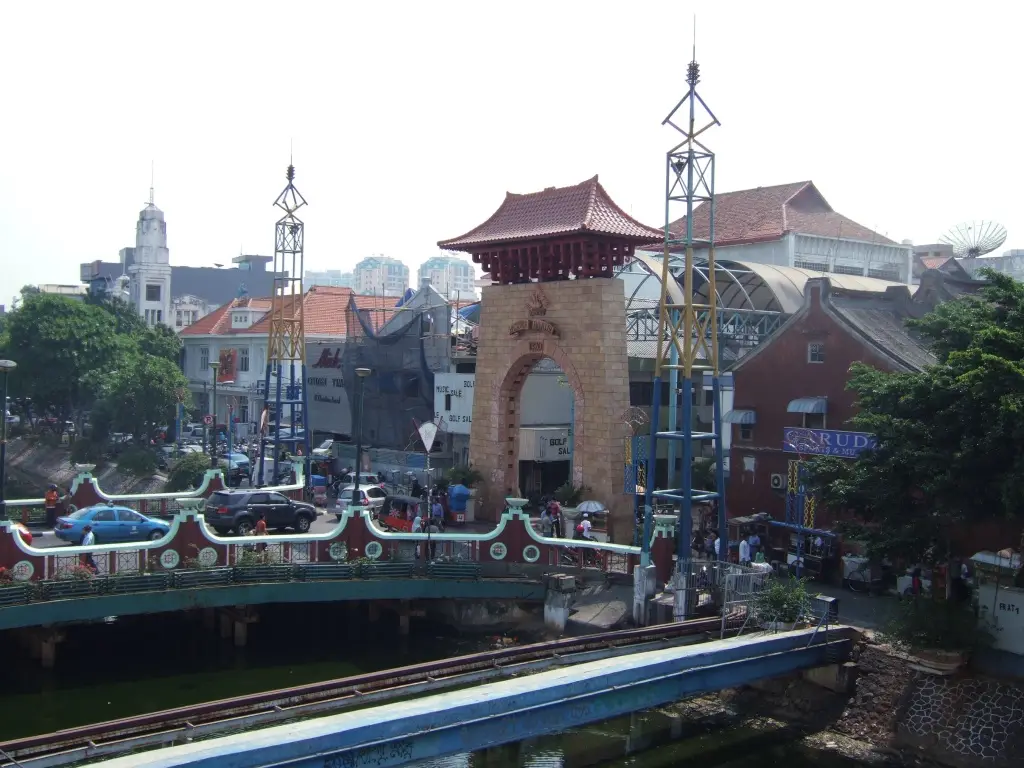
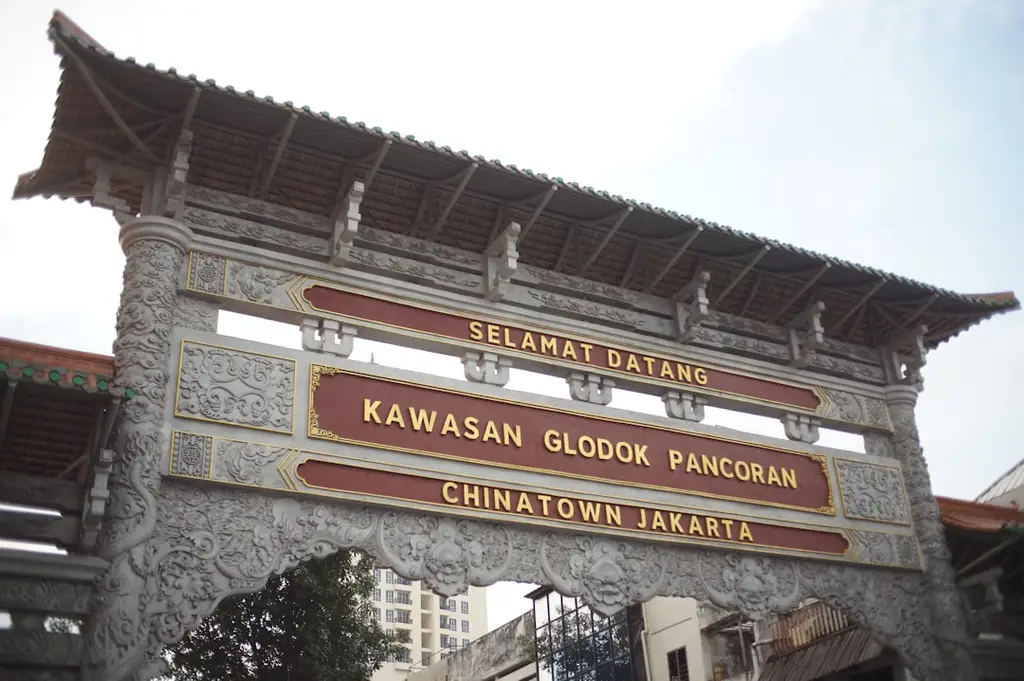
Petak Sembilan market and its temple sit at the center of Jakarta's oldest Chinese neighborhood. Go hungry, this is one of the best concentrated food streets in the city, and go on foot since parking is nonexistent.
8
Taman Mini Indonesia Indah (TMII)
roughly 7am-10pm daily, individual pavilions and museums have shorter hours·Gate entry is low, around 10,000-25,000 IDR; individual pavilions, the cable car, and museums charge separately·half day
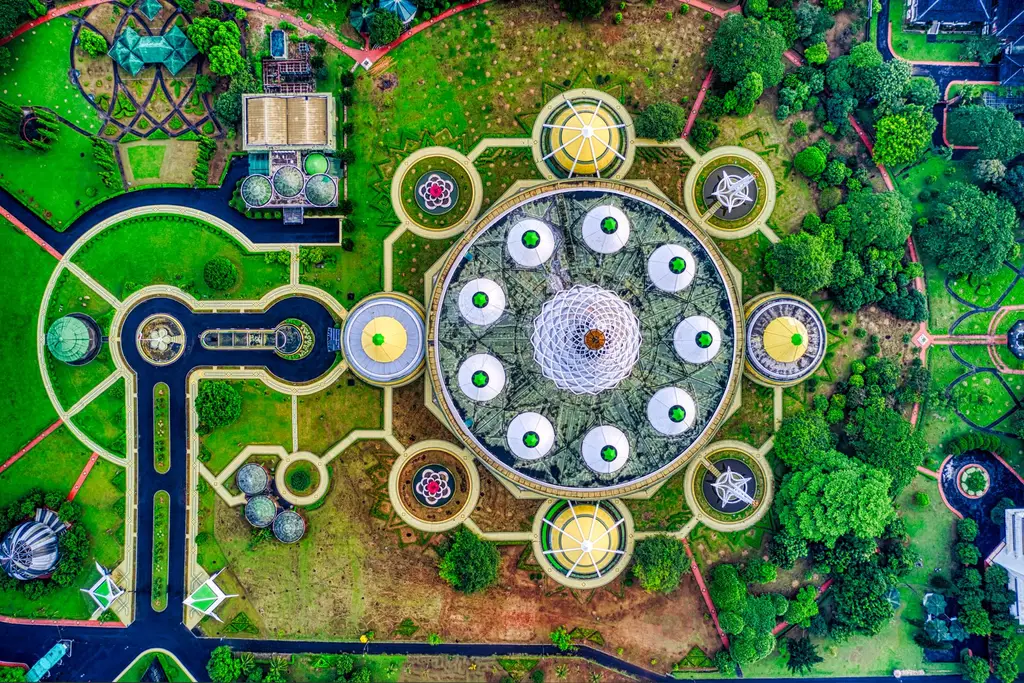
A large park built under Suharto with a full-scale pavilion for every Indonesian province. Feels dated in places but is the fastest way to get a sense of Indonesia's regional diversity without leaving Jakarta. Better with a rented golf cart than on foot; it's genuinely large.
9
SKYE and other rooftop bars, Sudirman
typically 5pm-1am·no cover, drinks from roughly 100,000 IDR·1-2 hours
walk in on weekdays, reserve ahead Friday and Saturday
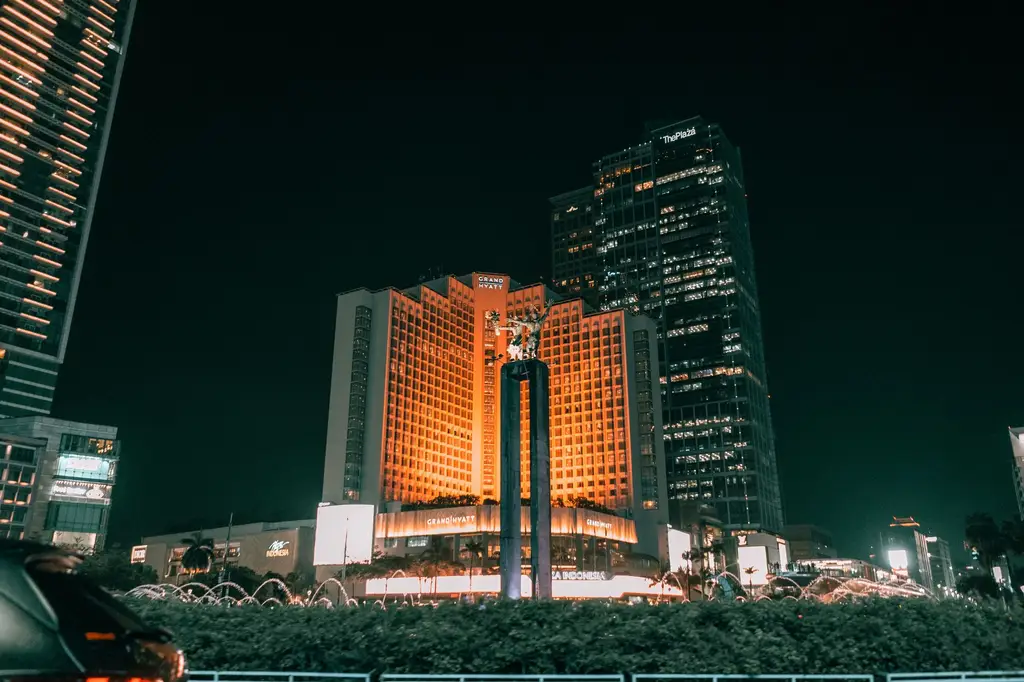
Jakarta doesn't have a single postcard viewpoint, but its rooftop bars on top of BCA Tower and nearby office towers give a real sense of how large and dense the city is after dark. Go for sunset, stay for the skyline.
Where to stay
Thamrin / Sudirman (Golden Triangle)
Suits: business travelers, first-timers
Central, walkable to Grand Indonesia and Plaza Indonesia, MRT access, most international hotel brands.
SCBD / Senopati
Suits: expats, longer stays, restaurants
Jakarta's newest commercial district, dense with modern Indonesian and international dining, quieter at night than Thamrin.
Menteng
Suits: quiet, colonial-era streets, embassies
Tree-lined and residential, close to the National Museum and Monas, fewer hotel options but pleasant to walk.
Kemang
Suits: nightlife, cafes, longer-term expat crowd
South Jakarta's bar and brunch district, further from the main sights, worth it mainly if nightlife matters to you.
Kota Tua / Gambir
Suits: budget stays, history-focused short trips
Close to the old town and Gambir station for trains out of the city, but thinner on food and nightlife after dark.
Getting there and around
Getting there
Soekarno-Hatta International Airport (CGK) is 20km northwest of the city. The Railink airport train reaches BNI City (Sudirman) station in 45-55 minutes for roughly 70,000-100,000 IDR. DAMRI buses run to Gambir, Thamrin, and other hubs for 40,000-80,000 IDR, 30-60 minutes off-peak. A taxi or Grab/Gojek car costs roughly 150,000-300,000 IDR and can take 45 minutes to well over 2 hours depending on traffic; don't book tight connections. Halim Perdanakusuma (HLP), closer to the city center, handles some domestic and regional flights and can be a faster in if your airline flies there.
Getting around
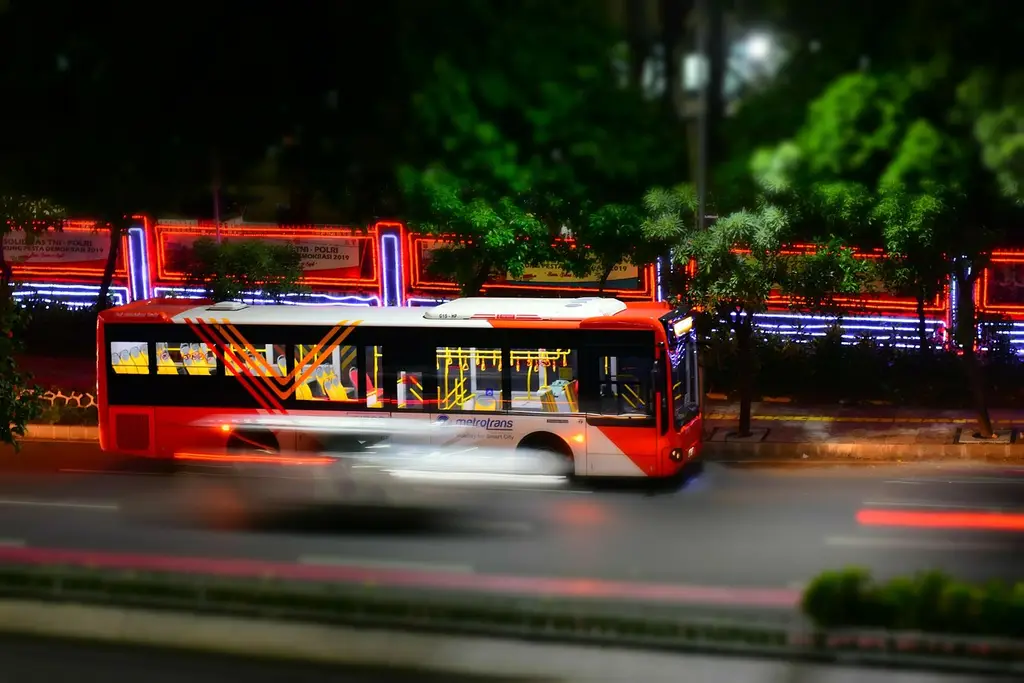
TransJakarta's BRT network (flat fare 3,500 IDR) covers most of the city on dedicated bus lanes and is the best value if your route matches a corridor. The MRT's North-South Line runs from Lebak Bulus to Bundaran HI and is fast and reliable for that corridor; the East-West extension toward Kota was still under construction through 2026. LRT Jabodebek's two lines (Cibubur and Bekasi) connect from Dukuh Atas. For everything else, Gojek and Grab are the default, cheap, metered, and they solve the language and haggling problem entirely. Do not rent or drive a car here; even locals avoid it when they can. Budget real time between neighborhoods, a trip that looks like 20 minutes on a map can take an hour at rush hour (roughly 7-10am and 4-8pm).
Map
City
Recommended (numbered)
Mentioned in an itinerary
Locations on this map
Jakarta-6.21, 106.85
Kota Tua (Fatahillah Square and Jakarta History Museum)-6.14, 106.82
SKYE and other rooftop bars, Sudirman-6.20, 106.82
Jakarta Cathedral-6.17, 106.83
SCBD-6.23, 106.81
Sunda Kelapa-6.13, 106.81
Monas-6.18, 106.83
National Monument-6.18, 106.83
Menteng-6.20, 106.83
Thousand Islands-5.64, 106.58
Marina Ancol-6.12, 106.83
Pulau Tidung-5.80, 106.50
Pulau Pramuka-5.75, 106.61
Tidung-5.80, 106.50
Sea World-6.13, 106.84
Dunia Fantasi-6.12, 106.83
Bogor-6.27, 106.87
Kebun Raya Bogor-6.60, 106.80
Bandung-6.12, 106.72
Halim-6.25, 106.88
Padalarang-6.20, 106.83
Tegalluar-6.98, 107.69
Braga-6.92, 107.61
Lembang-6.20, 106.83
Tidung Kecil-5.80, 106.52
Pramuka-6.19, 106.87
Tangkuban Perahu-6.21, 106.84
Yogyakarta-6.30, 106.90
Malioboro-6.13, 106.72
Kraton-6.17, 106.90
Borobudur-6.16, 106.84
Ramayana-6.35, 106.88
Prambanan-6.20, 106.85
Thamrin-6.20, 106.82
What it costs
Stay
Food
Transport
Activities
Daily cost breakdown, IDR per person
Tier
Stay
Food
Transport
Activities
Total
Budget
IDR 200,000
IDR 150,000
IDR 50,000
IDR 50,000
IDR 450,000
Mid-range
IDR 800,000
IDR 400,000
IDR 200,000
IDR 200,000
IDR 1,600,000
Splurge
IDR 2,800,000
IDR 1,000,000
IDR 500,000
IDR 400,000
IDR 4,700,000
Mid-range day: hotel in SCBD around 750,000 IDR, nasi uduk breakfast from a street cart 15,000 IDR, Grab to Kota Tua 40,000 IDR, museum entry a few thousand IDR, lunch at a Glodok noodle shop 40,000 IDR, Grab back and rooftop drink 150,000 IDR, dinner at a mid-range Indonesian restaurant 180,000 IDR. Total lands close to 1.2-1.5 million IDR once incidentals are added.
Money savers
Use the MRT and TransJakarta over Gojek/Grab for any trip along their corridors; a single TransJakarta ride is 3,500 IDR flat regardless of distance
Eat at Glodok or Blok M's Melawai food stalls rather than mall food courts; the same dishes run half the price
Book the Railink train instead of a car from the airport if you're arriving during rush hour; the fare difference is small compared to the time saved
Skip individual attraction tickets at TMII and just walk the park; most of the value is in the pavilions from outside, not the paid museums inside them
Jakarta eats like a city built by everyone else. Betawi food, the actual local cuisine, gets crowded out by the millions who moved in from Padang, West Java, and China, so what you find on any given block is more likely nasi padang or Sundanese grilled fish than kerak telor. Warungs, small family stalls, sit next to mall food courts that are genuinely good, not a downgrade, since Jakarta's heat and traffic push a lot of eating indoors. Street carts, kaki lima, still work the evenings in Menteng and Kebon Kacang. Nothing here is styled for a camera the way Bali or Penang is. It rewards knowing where to look rather than wandering.
IDR 25,000-40,000·Street carts around Kota Tua and weekend markets like Monas
Must try
A Betawi omelet of glutinous rice, egg and dried shrimp cooked over charcoal, then flipped so the heat chars the rice. Originally a harvest-festival food, now mostly a tourist-market item rather than daily eating.
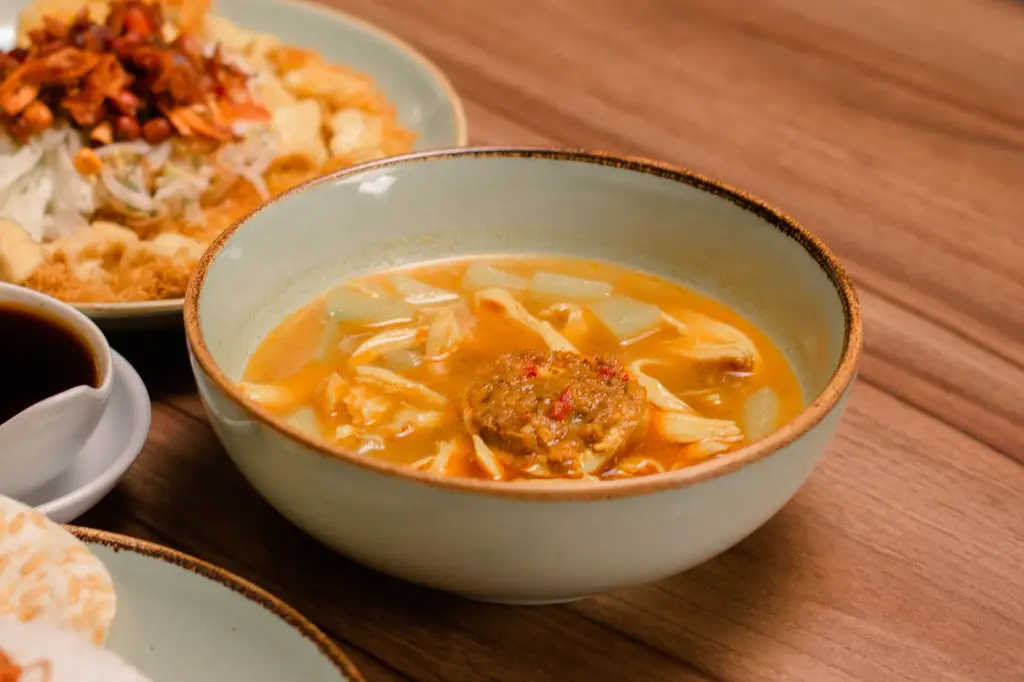
Soto Betawi
IDR 30,000-55,000·Warungs across Petamburan and Menteng
Must try
A rich coconut-and-beef broth soup, distinct from the clearer soto served elsewhere in Indonesia. Order it with extra emping, bitter melinjo crackers, crumbled on top.
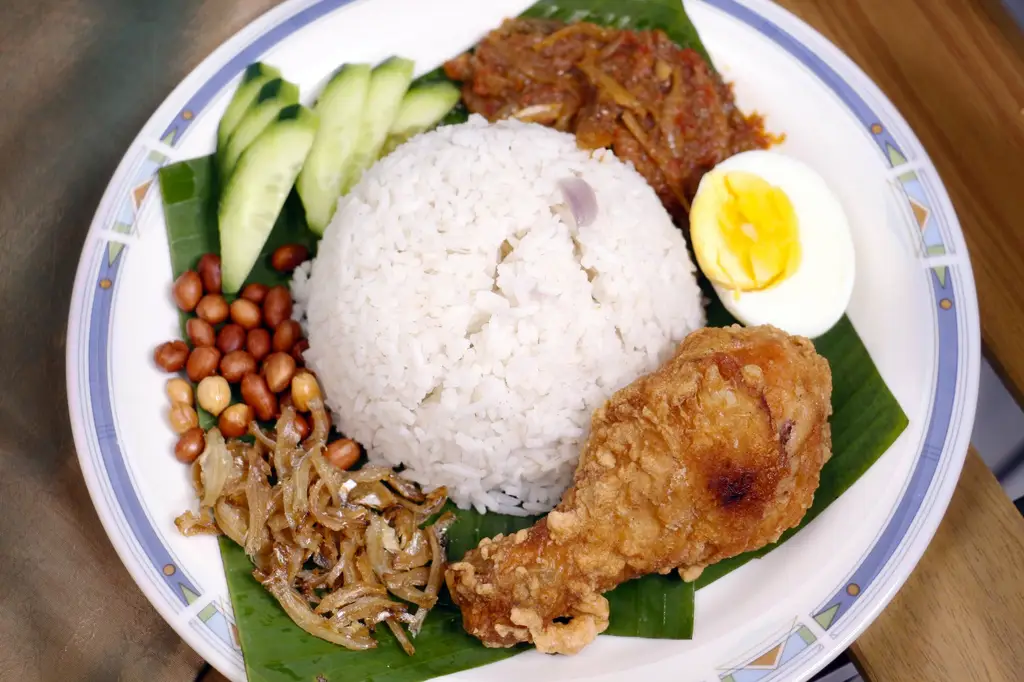
Nasi uduk
IDR 15,000-25,000·Street carts in the mornings around Kebon Kacang and Cikini
Must try
Coconut rice with fried chicken, tempeh and sambal, Jakarta's default breakfast. A full plate rarely runs past IDR 25,000 and vendors sell out by mid-morning.
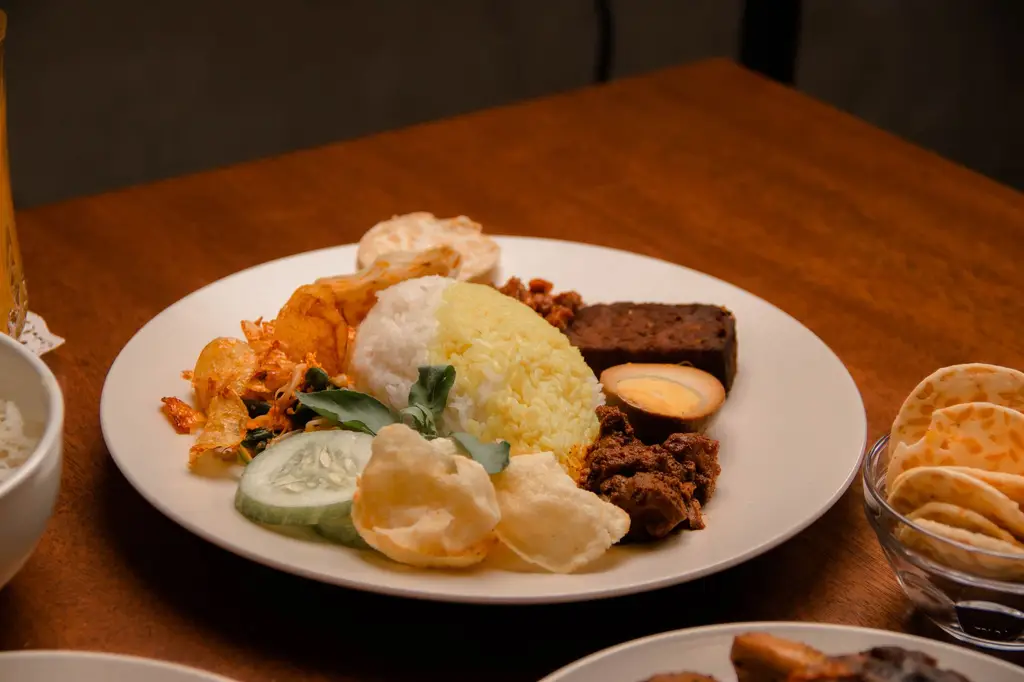
Nasi Padang
IDR 25,000-60,000·Padang restaurants on nearly every commercial street, especially Jalan Sabang
Must try
West Sumatran food served by the plate: a server sets down a dozen small dishes, rendang and gulai among them, and you pay only for what you eat. Jakarta has more Padang restaurants than Padang itself.
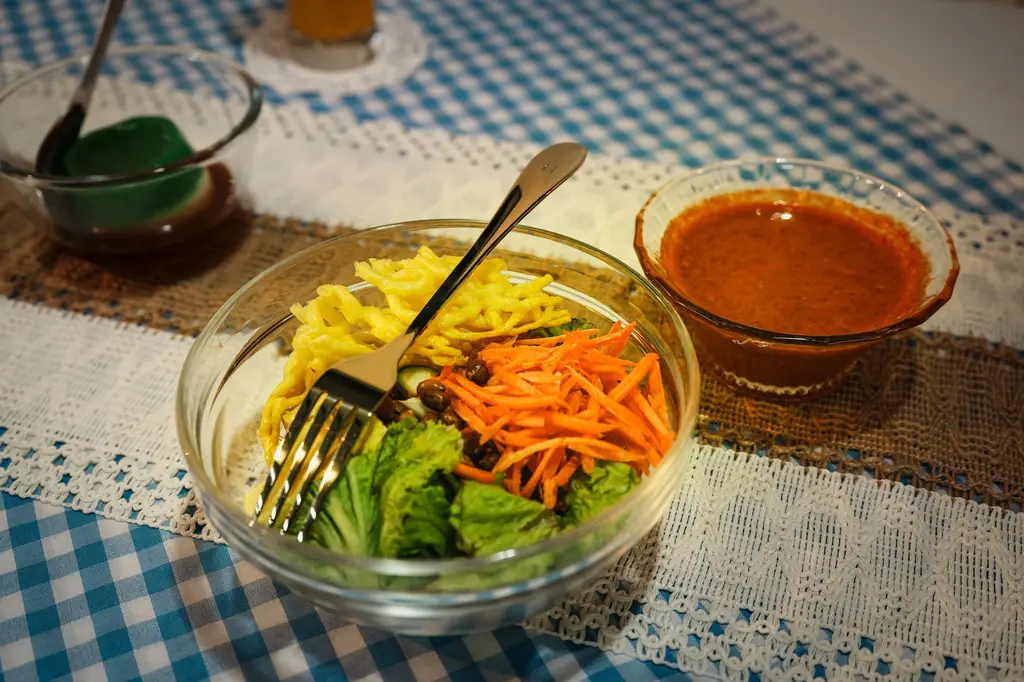
Gado-gado
IDR 20,000-35,000·Warungs and market stalls citywide
Blanched vegetables, tofu and tempeh in peanut sauce, Jakarta's answer to a salad. Quality depends entirely on the peanut sauce; a good warung grinds it fresh that morning.
Bakmi and dim sum, Glodok
IDR 25,000-50,000·Glodok and Petak Sembilan market, Jakarta's Chinatown
A dense noodle-shop street where several places have run for generations. Kopi Es Tak Kie, an old-school iced coffee stall, has been a fixture here since the 1920s.
Sundanese grilled fish and lalapan
IDR 35,000-70,000·Sundanese restaurants in Kemang, Menteng and Cikini
West Java's cooking, raw vegetables, sambal, grilled fish or chicken, is everywhere in Jakarta because so many residents trace back to the Sundanese heartland around Bandung.
Modern Indonesian tasting menus
IDR 400,000-1,200,000·SCBD and Senopati
A newer wave of restaurants reworking regional dishes into tasting-menu format. Prices run closer to Singapore than to a street stall, but the technique is real, not a gimmick.
Affordable Japanese donburi boom
as of 2026-09
Viral
A wave of casual Japanese chains and independent shops around Melawai and Blok M pushing sub-50k rupiah donburi and sushi sets to a younger crowd. Real shift in how Jakarta eats Japanese food, cheap and fast rather than hotel buffet style. Quality swings hard between shops though.
Kota Tua heritage cafes
as of 2026-09
Viral
Old colonial-era buildings around Kota Tua repurposed into coffee shops and restaurants, leaning on the Dutch Batavia architecture for atmosphere. The buildings carry it more than the coffee does. Worth a stop if you're already walking the old town, not a destination on its own.
Dubai Chewy Cookie wave
as of 2026-09
Viral
Pistachio-filled chewy cookie that went viral online in January 2026 and is still selling through malls and bakeries citywide, with booths at Jakarta Fair. Dubai chocolate did this to Jakarta a year ago and the hype just moved to a different dessert. Sellers keep multiplying even as the novelty fades.
Blok M as the food-hunting district
as of 2026-09
Viral
Blok M, especially the Blok M Hub food court, has become the default spot Jakarta crowds head to for viral food, with new stalls and queues reported nearly every month through 2026. This isn't one trend, it's a whole neighborhood that reinvents itself every few weeks. Go there instead of chasing whatever a single listicle names.
Butter tteok
as of 2026-09
Viral
Butter-glazed Korean rice cake, chewy tteok brushed with butter and sugar, spread to several Jakarta spots in early 2026 following the Korean street food trend. A simple snack riding Korean street food's long tail in Jakarta. Worth trying once, not worth a special trip.
Glodok's bakmi-and-snack mix
as of 2026-09
Viral
Glodok's old Chinatown bakmi shops now sit alongside newer viral snack stalls, with 2026 coverage treating the whole area as one combined food route. Pairing decades-old bakmi joints with whatever's trending on social media makes Glodok more interesting than most curated food streets.
Safety and scams
Violent crime against tourists is rare. The real risks are traffic, Jakarta has some of the worst pedestrian infrastructure of any major Asian capital, so cross carefully and don't assume drivers will stop, and flooding in the November-February wet season, which can strand low-lying neighborhoods for a day. Pickpocketing happens on crowded TransJakarta buses at rush hour. The standard scam is unmetered taxis quoting inflated fares; stick to Bluebird (the reputable metered taxi brand) or Gojek/Grab, which lock in the price before you get in. Tap water isn't drinkable anywhere in the city.
Common mistakes
Renting or driving a car; between the traffic and the road rules, it's not worth it even for confident drivers
Booking a tight connection between the airport and a meeting or flight without a large traffic buffer
Treating Jakarta like a beach destination; the closest real beaches are a boat ride away in the Thousand Islands
Walking between attractions that look close on a map without checking whether there's an actual sidewalk
Skipping the wet-season traffic and flood risk when picking dates, then getting stuck for hours in November rain
Assuming nightlife matches Bali; Jakarta's scene is real but concentrated in a few districts, not spread across the city
Not booking the Whoosh high-speed train to Bandung ahead of a weekend, when seats sell out
Frequently asked questions
Is Jakarta worth visiting?
For most leisure travelers, only as a stopover or short add-on, not a main destination. It's worth 2-4 days for the food, Kota Tua, and Istiqlal Mosque, especially if you're already flying through or connecting to the rest of Java. It's not a beach or resort trip.
How many days do you need in Jakarta?
Three to four days covers the core sights comfortably: Kota Tua, the National Museum, Istiqlal Mosque, and the food scene. Beyond that, you're better off adding a day trip to the Thousand Islands or Bogor than trying to invent more in-city itinerary.
Is Jakarta safe for tourists?
Yes, in terms of violent crime it's a low-risk city for visitors. The bigger practical risks are traffic and pedestrian safety, seasonal flooding, and standard scams like unmetered taxis. Use Bluebird taxis or Gojek/Grab and you avoid most of the friction.
What is the best time to visit Jakarta?
May through September, the dry season, when flooding and traffic-snarling downpours are less likely. Temperatures don't shift much year-round, so this is mostly about rain, not heat.
Is Jakarta walkable?
Not really, outside of specific pockets like Kota Tua or inside malls. Sidewalks are inconsistent or absent on many streets, and the city is spread over a huge area. Plan around the MRT, TransJakarta, and Gojek/Grab rather than walking between neighborhoods.
Do I need a visa to visit Jakarta?
Canadian passport holders can enter Indonesia visa-free for short stays or use visa-on-arrival depending on current rules at the time of travel; check the latest requirement before booking since Indonesia has changed its visa policy more than once in recent years.
Can you drink the tap water in Jakarta?
No. Stick to bottled or filtered water throughout the city, including for brushing your teeth if you're being cautious.
What are the best day trips from Jakarta?
The Thousand Islands (Pulau Seribu) for beaches and snorkeling, about 1-1.5 hours by speedboat from Marina Ancol. Bogor for the botanical gardens, about an hour by commuter train. Bandung for cooler highlands and Art Deco streets, under an hour by the Whoosh high-speed train from Halim.
How bad is Jakarta traffic really?
Bad enough that it should shape your itinerary. Cross-town trips that look like 20-30 minutes on a map can take over an hour during the roughly 7-10am and 4-8pm rush windows. Build buffer time into any airport transfer or scheduled activity.
Is Jakarta expensive?
Cheap by North American or Western European standards, more expensive than most of the rest of Indonesia. A comfortable mid-range day runs somewhere around 1.5-2 million IDR (roughly USD 95-125), with street food and public transit keeping costs down for budget travelers.