Yogyakarta (most people just say Jogja) is the city Java built its identity around. It's still ruled, in a ceremonial but genuinely functioning sense, by a Sultan who lives inside the Kraton at the center of town, and the old royal quarter around it hasn't been flattened for high-rises the way parts of Jakarta have. What pulls most travelers here, though, is what sits outside the city: Borobudur, the largest Buddhist monument on earth, about 40 km northwest, and Prambanan, Southeast Asia's largest Hindu temple complex, about 17 km east. Both are UNESCO World Heritage Sites and both are workable as day trips, which is the main reason Yogyakarta functions as a base rather than a destination in its own right. The city itself is flat, walkable in the old core, and cheap even by Indonesian standards, a fraction of what Bali charges for a similar hotel room or plate of food. It's also a university town, home to Gadjah Mada, one of Indonesia's largest and oldest universities, which keeps prices down and gives Malioboro Street its nightly crowd of students on motorbikes. Three to four days covers the city and both major temples without rushing; longer trips add Mount Merapi's slopes, a beach on the south coast, and towns further into Central Java.
A tight loop: Borobudur at opening, city sights in the afternoon.
Day 1: Borobudur and the old city
Morning
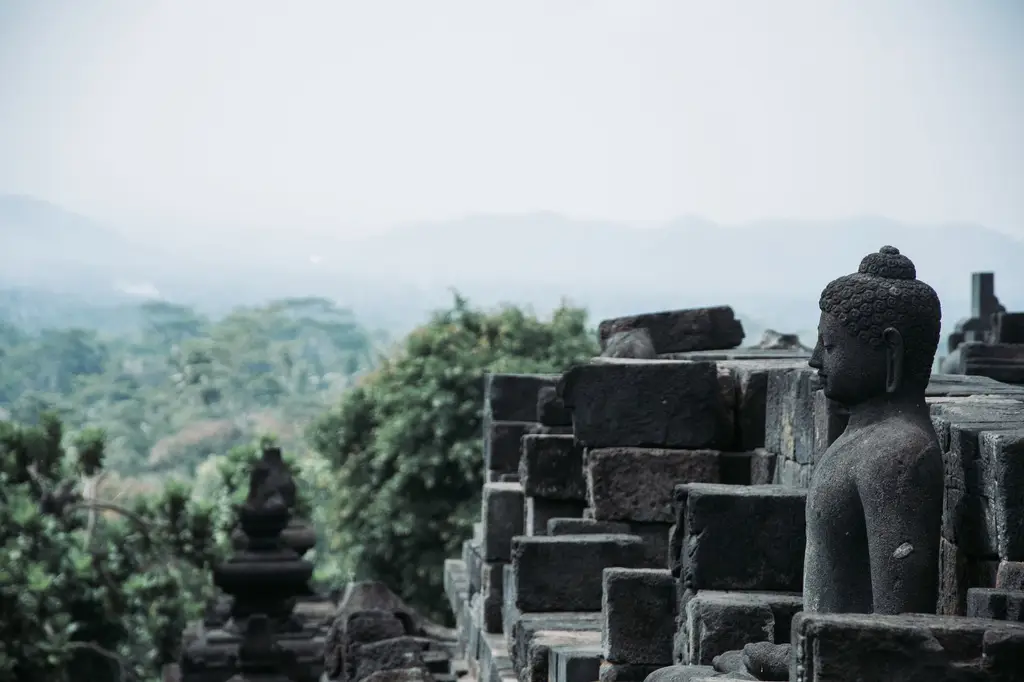
Leave by 6am for Borobudur, arrive for the grounds' 6:30am opening or an 8:30am structure slot if booked in advance. Walk the reliefs and platforms before the midday heat.
Afternoon
Back in the city by early afternoon: the Kraton, then Taman Sari a short walk away.
Evening
Malioboro Street for dinner and a walk, angkringan cart food if you want the local version over the tourist strip.
Tip: Book the 8:30am structure slot online at least a week out if you want to climb; grounds-only needs no advance booking.
Both major temples plus the old city, using Yogyakarta as a base.
Day 1: City core
Morning
Kraton, then Taman Sari, both an easy walk apart.
Afternoon
Wander the batik kampung and alun-alun (town squares) around the palace.
Evening
Malioboro for dinner and the night market atmosphere.
Tip: Kraton sometimes closes sections without notice for ceremonies; have a backup plan.
Day 2: Borobudur day trip
Morning
DAMRI shuttle or Grab to Borobudur for the 6:30am grounds opening or a booked structure slot.
Afternoon
Candi Pawon and Candi Mendut, the two smaller temples on the original pilgrimage route, both a short ride from Borobudur.
Evening
Return to Yogyakarta for dinner.
Tip: There's zero shade on the Borobudur structure; bring a hat and water.
Day 3: Prambanan and Tebing Breksi
Morning
Prambanan at opening, before tour buses arrive.
Afternoon
Tebing Breksi, a short ride from Prambanan.
Evening
Sunset at Tebing Breksi if timing allows, then dinner back in the city.
Tip: Prambanan doesn't use timed slots, so there's no need to book ahead the way Borobudur's climb does.
Adds Mount Merapi's jeep tracks and a slower day for the city's smaller sights.
Day 1: City core
Morning
Kraton and Taman Sari.
Afternoon
Batik kampung and local markets.
Evening
Malioboro dinner.
Tip: Agree a price before any becak or andong ride here.
Day 2: Borobudur day trip
Morning
Borobudur at opening or a booked climb slot.
Afternoon
Candi Pawon and Candi Mendut.
Evening
Back to Yogyakarta.
Tip: Bring cash; card acceptance at the temple complex is patchy.
Day 3: Prambanan and Tebing Breksi
Morning
Prambanan at opening.
Afternoon
Tebing Breksi.
Evening
Sunset at Tebing Breksi, dinner back in the city.
Tip: These two sit close together; do them the same day rather than splitting them.
Show all 5 days
Day 4: Mount Merapi jeep tour
Morning
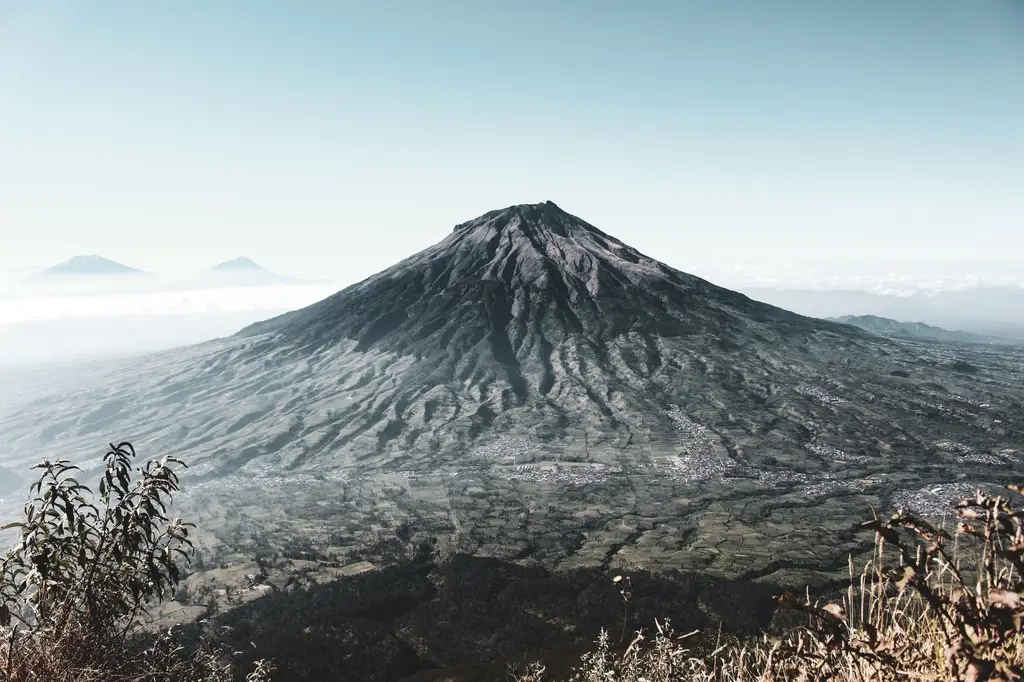
Jeep tour departing Kaliadem, bumping across the volcano's slopes and past the 2010 eruption ruins.
Afternoon
Return to the city, rest after a rough ride.
Evening
Sate klathak on Jalan Imogiri Timur if you're up for a specific detour.
Tip: Wear clothes you don't mind getting covered in volcanic dust.
Day 5: Parangtritis and departure prep
Morning
Drive south to Parangtritis Beach for the dunes and coastline.
Afternoon
Return to the city, last-minute shopping away from Malioboro for better prices.
Evening
Final dinner, pack for departure.
Tip: Don't swim at Parangtritis; the rip currents are real.
The 5-day core plus two additional slower days and a wider look at Central Java.
Day 1: City core
Morning
Kraton and Taman Sari.
Afternoon
Batik kampung and markets.
Evening
Malioboro dinner.
Tip: Get a TransJogja card early; it pays off over a week of city rides.
Day 2: Borobudur day trip
Morning
Borobudur at opening or a booked climb slot.
Afternoon
Candi Pawon and Candi Mendut.
Evening
Back to Yogyakarta.
Tip: Book the structure ticket before you leave home if climbing matters to you.
Day 3: Prambanan and Tebing Breksi
Morning
Prambanan at opening.
Afternoon
Tebing Breksi.
Evening
Sunset at Tebing Breksi.
Tip: Both sites are on the same side of the city, east, so combine the trip.
Show all 7 days
Day 4: Mount Merapi jeep tour
Morning
Jeep tour from Kaliadem.
Afternoon
Rest, laundry, catch up on sleep.
Evening
Open.
Tip: This day is genuinely tiring; don't stack anything else on top of it.
Day 5: Parangtritis and the south coast
Morning
Drive to Parangtritis.
Afternoon
Explore the dunes, a horse-cart ride if that interests you.
Evening
Back to the city for dinner.
Tip: The dunes get very hot by midday; go earlier rather than later.
Day 6: Punthuk Setumbu sunrise and slow city day
Morning
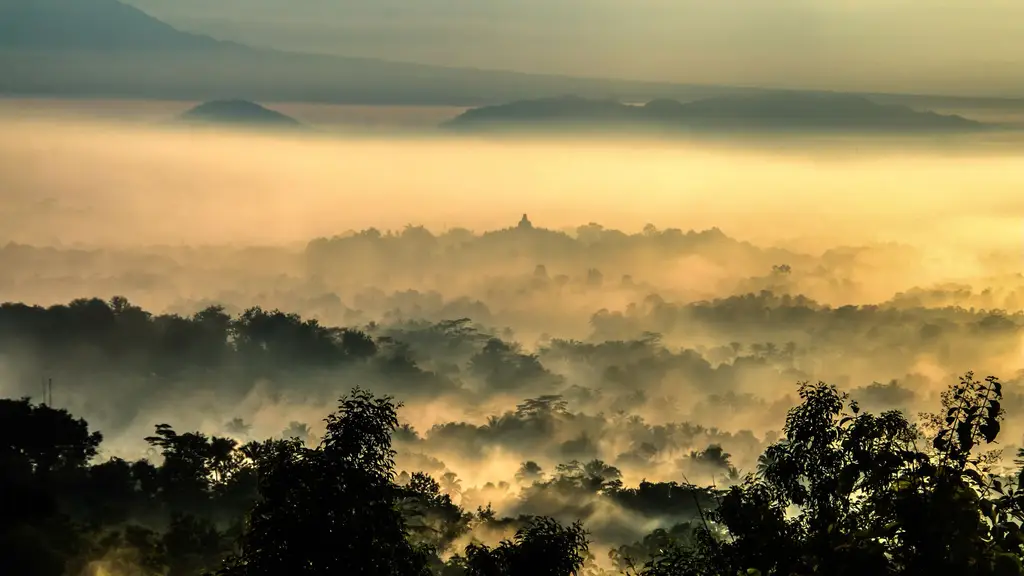
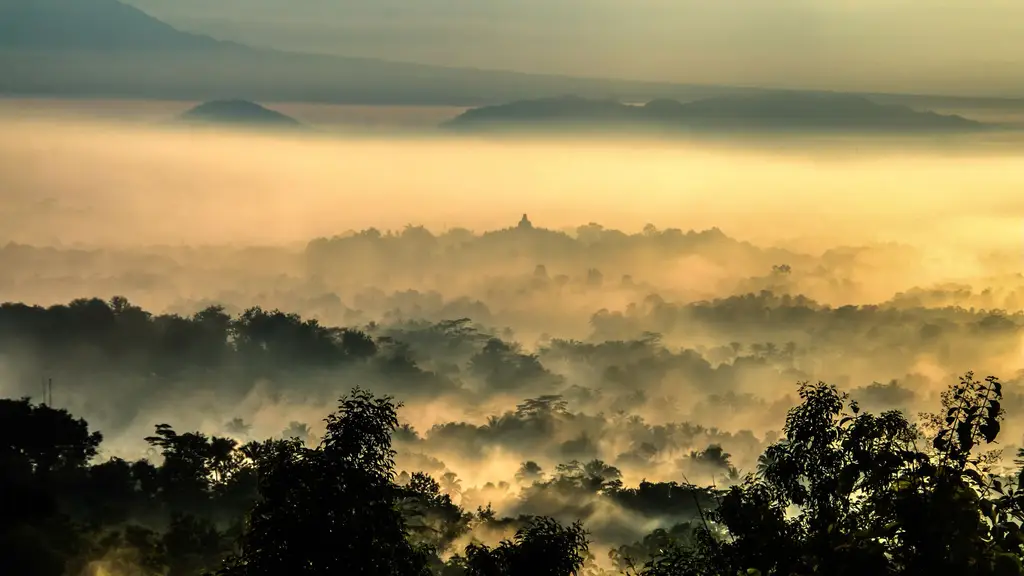
Early departure for sunrise at Punthuk Setumbu, watching Borobudur emerge from the mist below.
Afternoon
Return, rest, or revisit a favorite spot from earlier in the week.
Evening
Sate klathak on Jalan Imogiri Timur.
Tip: This sunrise trip means a 4am start; decide in advance if it's worth it to you over sleep.
Day 7: Free day and departure
Morning
Open for whatever got missed, or a return trip to Malioboro for gifts.
Afternoon
Pack, last errands.
Evening
Departure via the airport rail link to YIA, roughly 35-39 minutes from Yogyakarta Station.
Tip: Build in buffer time for the airport transfer; YIA sits about 40 km out.
Yogyakarta alone doesn't fill two weeks. This uses it as a base for the first week, then extends into Central Java (Solo, Dieng Plateau) and a Bali flight for the second, since Java and Bali aren't connected by road or rail.
Day 1: City core
Morning
Kraton and Taman Sari.
Afternoon
Batik kampung and markets.
Evening
Malioboro dinner.
Tip: Get a TransJogja card on day one.
Day 2: Borobudur day trip
Morning
Borobudur at opening or a booked climb slot.
Afternoon
Candi Pawon and Candi Mendut.
Evening
Back to Yogyakarta.
Tip: Book climb tickets before the trip if that's a priority.
Day 3: Prambanan and Tebing Breksi
Morning
Prambanan at opening.
Afternoon
Tebing Breksi.
Evening
Sunset at Tebing Breksi.
Tip: No advance booking needed at Prambanan.
Show all 14 days
Day 4: Mount Merapi jeep tour
Morning
Jeep tour from Kaliadem.
Afternoon
Rest day.
Evening
Open.
Tip: Wear clothes you don't mind getting dusty.
Day 5: Parangtritis and the south coast
Morning
Drive to Parangtritis.
Afternoon
Dunes and coastline.
Evening
Back to the city.
Tip: Skip the swim, the current is dangerous here.
Day 6: Punthuk Setumbu sunrise
Morning
Early sunrise trip to Punthuk Setumbu.
Afternoon
Rest and recover from the early start.
Evening
Sate klathak on Jalan Imogiri Timur.
Tip: Pair this with a driver who also handles your Borobudur transport, it's the same direction.
Day 7: Rest day in Yogyakarta
Morning
Open, revisit a favorite site or catch up on anything missed.
Afternoon
Shopping away from Malioboro's inflated prices.
Evening
Open.
Tip: By day 7, a full rest day matters more than another temple.
Day 8: Day trip: Solo (Surakarta)
Morning
Train to Solo, Yogyakarta's rival royal city, about an hour away.
Afternoon
Solo's own Kraton and old batik district, Kampung Batik Laweyan.
Evening
Train back to Yogyakarta.
Tip: Solo is far less touristed than Yogyakarta and worth it for the contrast alone.
Day 9: Dieng Plateau, day one
Morning
Drive north into the Dieng highlands, several hours from Yogyakarta.
Afternoon
Ancient Hindu temple complex and the volcanic Sikidang crater, both up in the cool highland air.
Evening
Overnight in Dieng, since it's too far for a same-day return.
Tip: Dieng is genuinely cold at altitude, pack a layer you wouldn't otherwise need in Java.
Day 10: Dieng Plateau, day two and return
Morning
Telaga Warna (the color-changing lake) and the surrounding highland scenery.
Afternoon
Drive back to Yogyakarta.
Evening
Rest after a long travel day.
Tip: This is an ambitious add-on; skip it if the trip is starting to feel rushed.
Day 11: Flight to Bali
Morning
Domestic flight from Yogyakarta to Bali; there's no road or rail connection between the islands.
Afternoon
Settle into Bali, a completely different pace and tourism infrastructure from Java.
Evening
Open.
Tip: Book the flight well ahead; direct Yogyakarta-Bali routes exist but aren't as frequent as Jakarta-Bali.
Day 12: Bali orientation
Morning
Open, depends entirely on where you've based yourself in Bali.
Afternoon
Open.
Evening
Open.
Tip: This itinerary is Yogyakarta-focused; treat Bali days as a separate trip bolted on rather than an extension of the Java plan.
Day 13: Bali, continued
Morning
Open.
Afternoon
Open.
Evening
Open.
Tip: Two days isn't enough to see much of Bali properly; consider this a preview rather than a full visit.
Day 14: Departure
Morning
Pack, last-minute errands.
Afternoon
Transfer to the airport for departure.
Evening
Departure.
Tip: Confirm your international departure point, Bali's Denpasar airport handles more long-haul routes than Yogyakarta's YIA.
Closed structure closed Mondays; grounds open dailyStructure climb tickets are capped at 1,200 people a day in hourly slots; book online 1-2 weeks ahead through the official ticket portal. Grounds tickets can usually be bought same day.
The 2022 plan to price the summit at $100 never happened. What did happen: since 2023 climbing the stupas requires a separate, capped ticket with a mandatory 1.5-hour guided session. Direct sunrise access from inside the temple ended in 2020.
2
Punthuk Setumbu (Borobudur sunrise viewpoint)
arrive by 4:30-5am for sunrise·small entrance fee, typically Rp30,000-50,000, confirm locally·1.5-2 hours including the climb up and back
walk in, though most people book it as part of a paid sunrise tour with transport
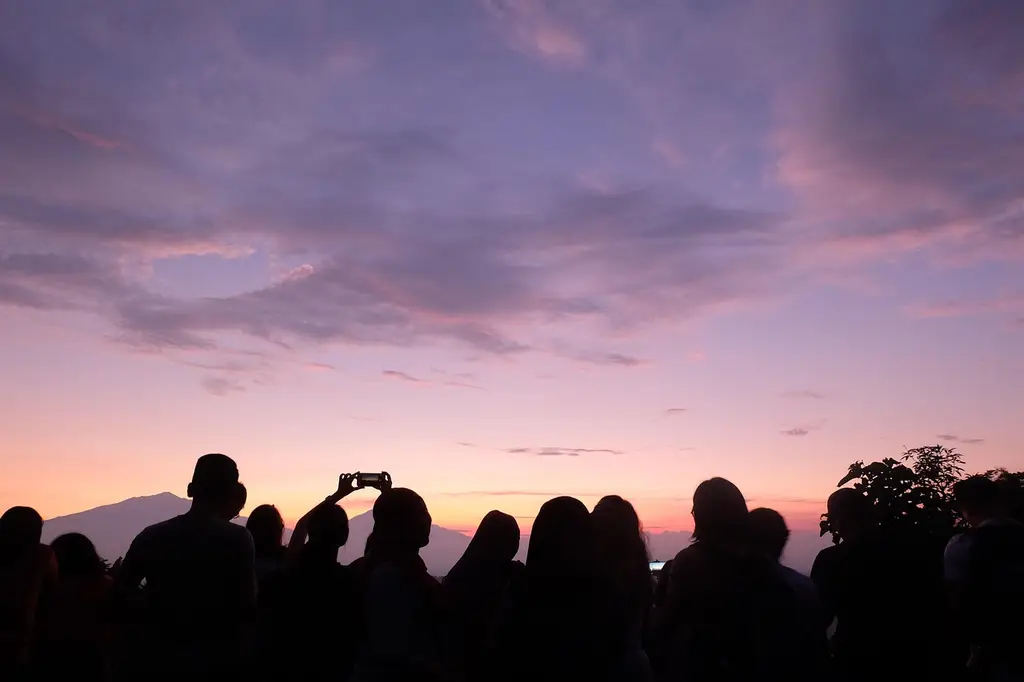
Since Borobudur stopped selling sunrise access on the monument itself in 2020, this hillside 15 minutes from the temple is the standard alternative. You watch Borobudur emerge from mist below you rather than standing on it.
3
Prambanan Temple
approximately 7am-5:30pm daily·Foreigner entry roughly Rp400,000; combination tickets with Borobudur have largely been phased out for foreign visitors as of 2025, so budget for both separately·2-3 hours
walk in, no advance timeslot required unlike Borobudur's structure ticket
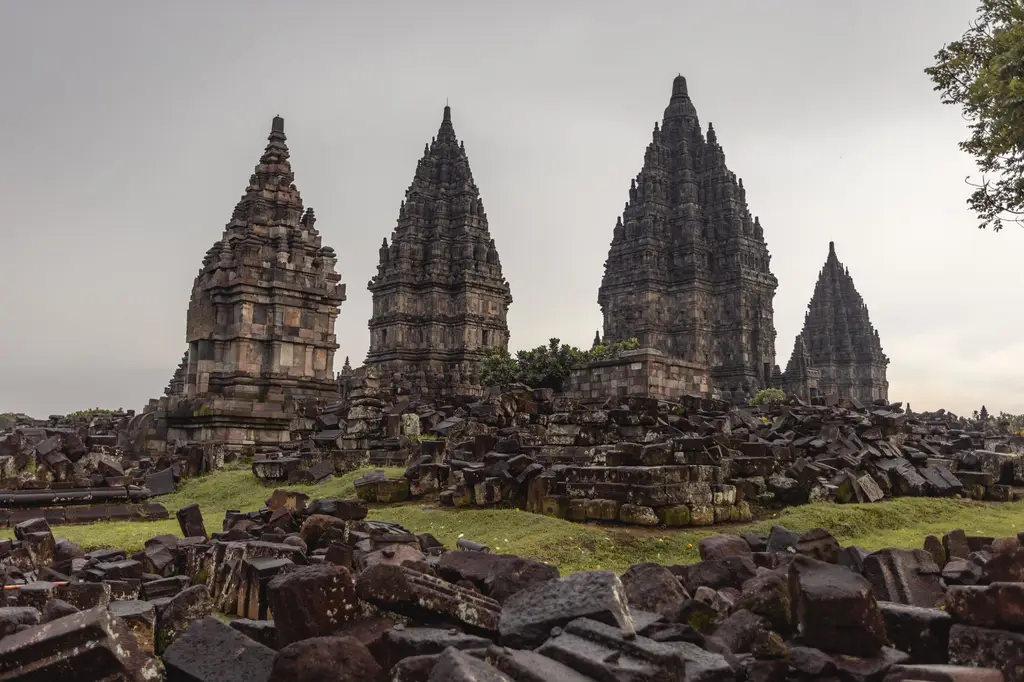
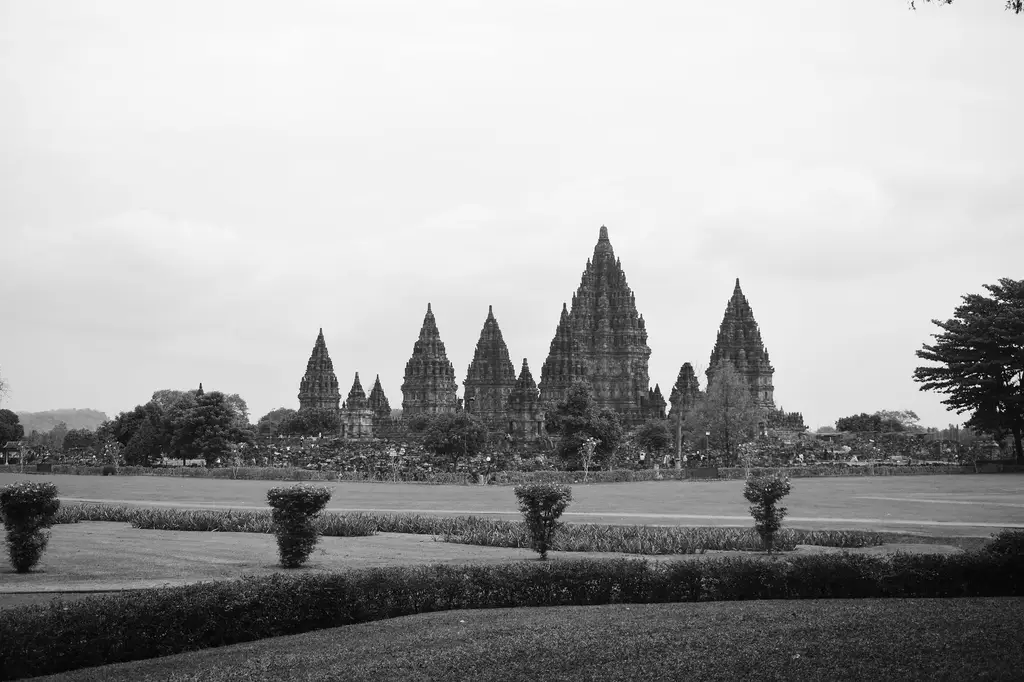
Taller and, to a lot of visitors, more photogenic than Borobudur, three main spires rising out of a wide grassy compound. Less strict about climbing than Borobudur; damage from a 2006 earthquake means some smaller structures stay roped off.
4
Kraton (Sultan's Palace)
check before you go, generally mornings only, closed for certain ceremonial days·modest entrance fee, tens of thousands of rupiah, confirm at the gate·1-1.5 hours
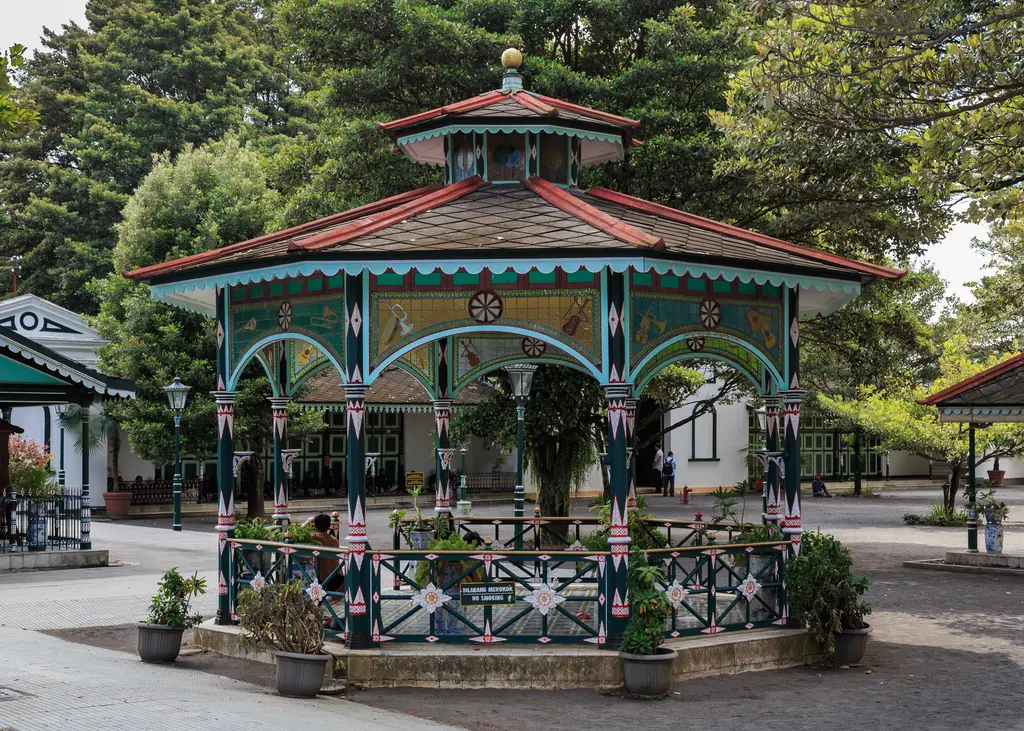
Still an active royal residence, not a museum piece, so parts close without notice for court ceremonies. Gamelan rehearsals sometimes happen in the pavilions on weekday mornings.
5
Taman Sari (Water Castle)
check before you go, generally daytime hours·modest entrance fee, tens of thousands of rupiah, confirm at the gate·45-60 minutes
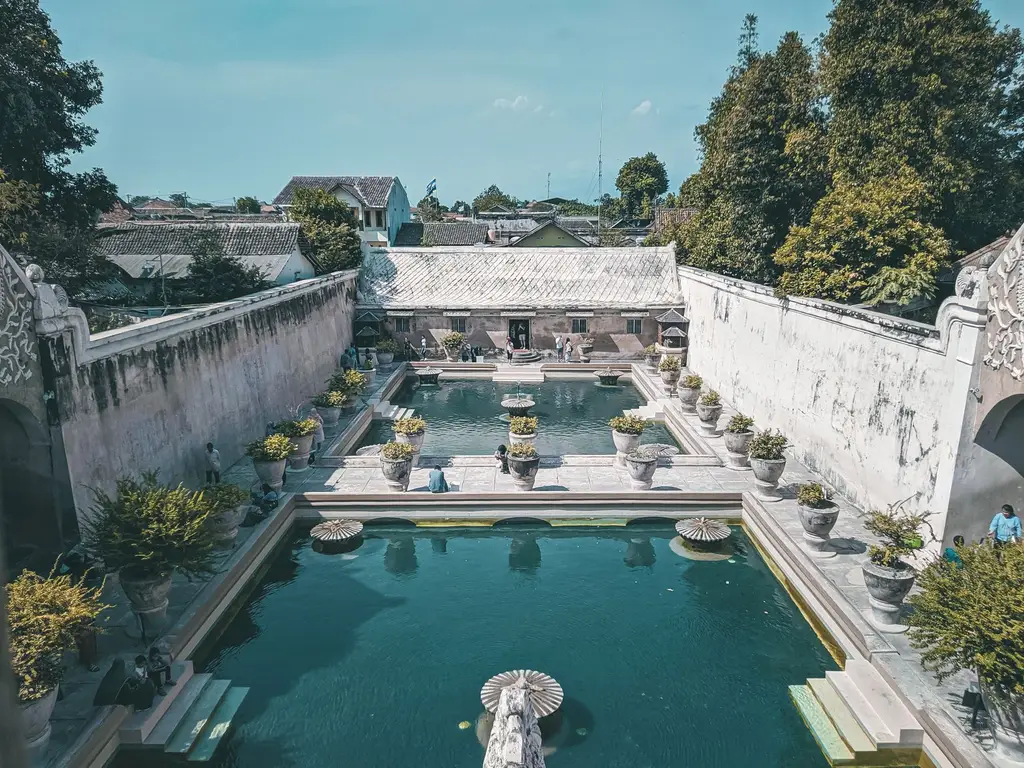
The 18th-century royal bathing complex a short walk from the Kraton. Local guides at the entrance offer tours through the underground tunnel system; agree a price first, it's not included in the ticket.
6
Malioboro Street
shops roughly 9am/10am-9pm/10pm; street vendors later·free to walk·1-2 hours
The main tourist strip and it shows: souvenir stalls, batik shops, and a lot of hard selling. Worth a walk for the street food and the pedestrianized night atmosphere, not really for shopping value.
World Landmarks Merapi Park, Sleman
as of 2026-09
Viral
Park that opened in March 2026 on the slopes toward Mount Merapi, featuring scaled replicas of world landmarks like the Eiffel Tower and Big Ben with the volcano as backdrop. It's a straightforward photo-op park, replicas rather than the real thing, but as a genuinely new 2026 opening with the Merapi backdrop it has more novelty than most landmark-park concepts.
HeHa Ocean View, Gunungkidul
as of 2026-09
Viral
Clifftop viewpoint and terraced photo spot overlooking the south coast, long popular for sunset visits, with new areas added. The ocean view is legitimately good. It's been a TikTok fixture for a while, so arrive for sunset and expect a full house doing the same photo poses.
Pantai Jungwok, Gunungkidul
as of 2026-09
Viral
South coast beach that has gone viral for its white and blue cliffside structures giving it a Santorini-style look against the ocean. The look is built for photos rather than an organic feature of the coastline. Know that going in if you're expecting a natural landscape.
Jomblang Cave rappel and Pindul cave tubing
as of 2026-09
Viral
Adventure day trip in Gunungkidul combining a vertical rope rappel into Jomblang's forest sinkhole, a walk to the 'heaven light' beam, then river tubing through Pindul Cave. This is a real adventure activity with an actual physical component, not a photo-op dressed up as one. Book through an operator that supplies proper harnesses and guides, and expect a full day.
Ramayana Ballet, Prambanan
as of 2026-09
Viral
Dialogue-free dance and drama performance of the Ramayana story staged near Prambanan temple, running continuously since 1961 with over 15,000 performances. Long-running and genuinely rooted in local tradition rather than a tourist invention, which gives it staying power the viral beach spots don't have. Check the show calendar since it doesn't run nightly year-round.
Malioboro Street
as of 2026-09
Viral
Yogyakarta's main pedestrian and shopping street running through the old city center, lined with vendors, batik shops, and street performers. It's touristy and can feel like a gauntlet of hawkers, but it's the closest thing Jogja has to a living street scene rather than a built attraction, worth an evening walk.
More to see (3)
7
Tebing Breksi
generally daytime into early evening·small entry/parking fee, tens of thousands of rupiah·1-1.5 hours
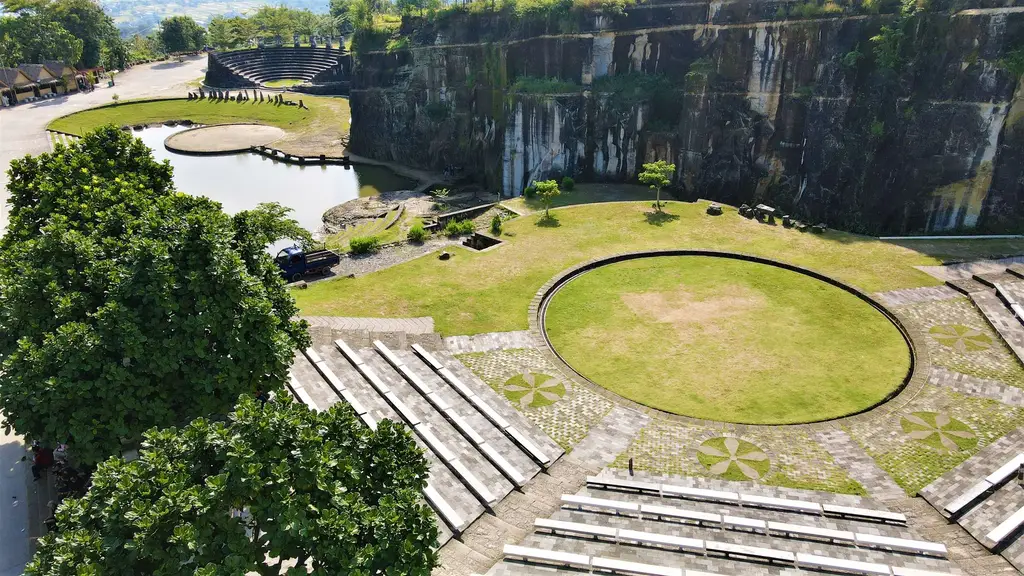
A former limestone quarry near Prambanan, now carved with reliefs and popular for sunset views over the surrounding hills. Combine with a Prambanan visit since they're close together.
8
Mount Merapi jeep (lava) tour
morning or afternoon departures, confirm with operator·shared jeep tours run several hundred thousand rupiah per jeep, split between passengers; confirm current rate with the operator·2-3 hours
book a day ahead through a Yogyakarta tour operator or your hotel
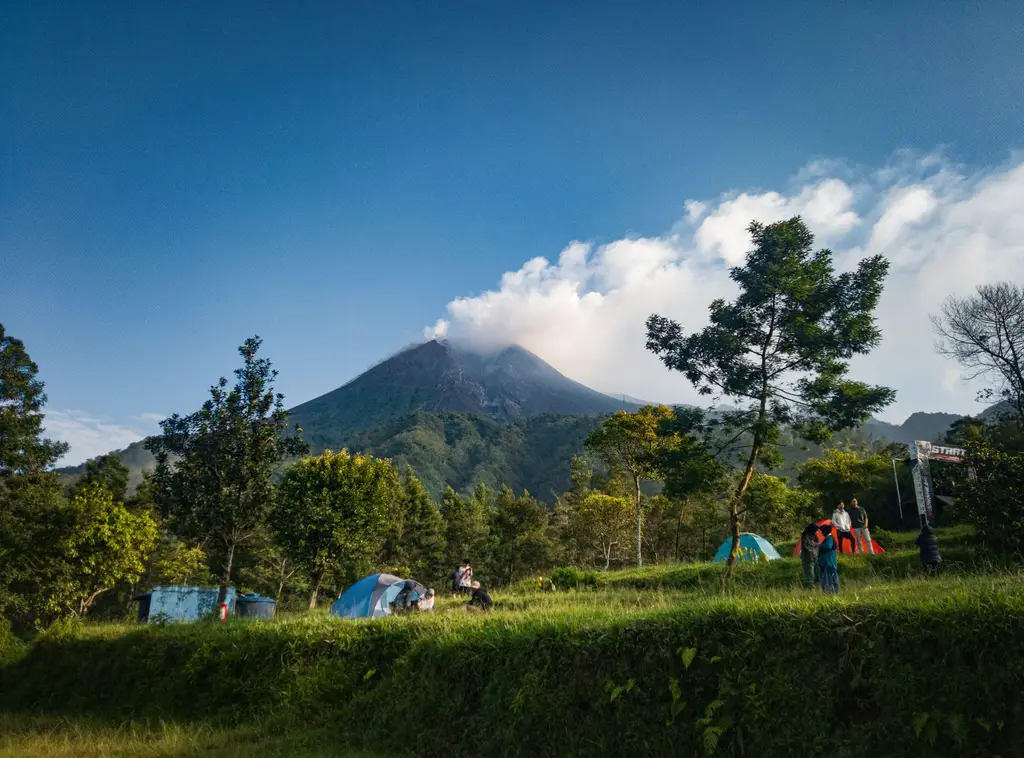
Bumpy 4x4 routes across Merapi's volcanic slopes near Kaliadem, past a buried house from the 2010 eruption. Not for anyone prone to motion sickness; the tracks are rough.
9
Parangtritis Beach
always open·small entrance/parking fee, tens of thousands of rupiah·2-3 hours
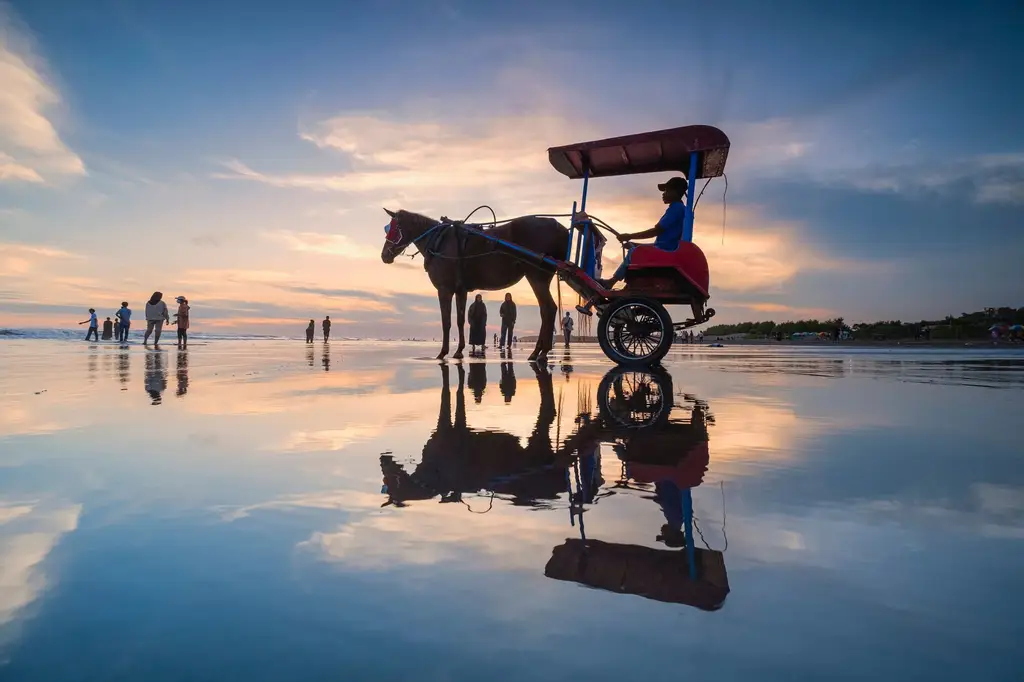
Black-sand beach about an hour south of the city. Strong rip currents make swimming genuinely dangerous, most people come for the sunset, sand dunes, and horse-cart rides rather than a swim.
Where to stay
Malioboro / Sosrowijayan
Suits: first-timers who want everything walkable
Budget guesthouses and mid-range hotels packed around the main tourist strip; noisy at street level, very central.
Prawirotaman
Suits: travelers who want cafes and a slightly calmer base
South of the Kraton, backpacker-turned-boutique district with a strong cafe and small-hotel scene.
Kraton / Alun-Alun area
Suits: anyone prioritizing the old city and batik neighborhoods
Inside or just outside the palace walls, quiet at night, close to Taman Sari.
Jalan Solo / northern Yogyakarta
Suits: longer stays and better-value hotels
More local, less scenic, but hotel rates drop noticeably a few kilometers from Malioboro.
Getting there and around
Getting there
Yogyakarta International Airport (YIA) in Kulon Progo, opened 2019-2020, handles nearly all commercial flights now and sits about 40 km from the city center, notably farther out than the old Adisutjipto airport it replaced. The Yogyakarta International Airport Rail Link runs directly to Yogyakarta Station in 35-39 minutes, roughly 50 trips a day; DAMRI shuttle buses and taxis also cover the route but take 60-90 minutes depending on traffic. Many travelers arrive overland instead: the Argo Taksaka runs from Jakarta Gambir to Yogyakarta in about 7.5 hours, and trains from Surabaya and Bandung connect through the same network into Yogyakarta or the secondary Lempuyangan station.
Getting around
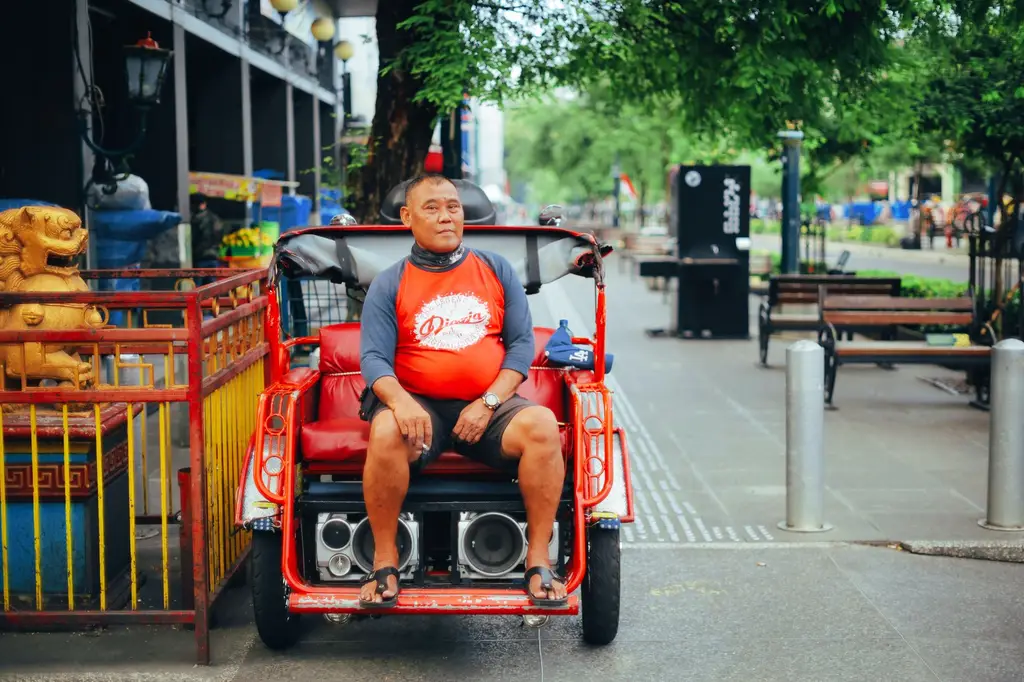
TransJogja buses run a flat fare, Rp3,500 cash or Rp2,700 with a tap card, and cover most of the city and outer routes including toward Prambanan. Grab and Gojek work everywhere without the informal restrictions Bali has in some neighborhoods. Becak (pedal rickshaws) and horse-drawn andong still operate around Malioboro and the Kraton, mostly for short hops or a novelty ride rather than real transport, and drivers will quote inflated prices, agree before you get in. Renting a scooter is common and far less fraught than in Bali; an International Driving Permit is technically required and police checkpoints do check, though rental shops rarely ask. The old city center, from the Kraton to Malioboro, is flat and walkable end to end.
A mid-range day: Rp400,000 boutique guesthouse room, Rp3,500 TransJogja rides plus a Rp230,000 return Grab to Borobudur, Rp412,500 Borobudur grounds ticket, Rp30,000 gudeg lunch, Rp50,000 Malioboro street-food dinner. Runs to roughly Rp1,000,000-1,100,000 on a temple day, closer to Rp500,000-600,000 on a city-only day.
Money savers
Buy the Borobudur grounds-only ticket (Rp412,500) instead of the structure climb (Rp455,000) if seeing the reliefs matters more to you than standing on top
Take the DAMRI shuttle from Malioboro to Borobudur (around Rp20,000) instead of a private car or Grab (Rp230,000+ one way)
Eat at an angkringan cart rather than a sit-down restaurant; a full plate of nasi kucing and skewers runs a few thousand rupiah per item
TransJogja's flat Rp3,500 fare covers any distance on the route, so it's worth using even for a couple of stops instead of a Grab ride
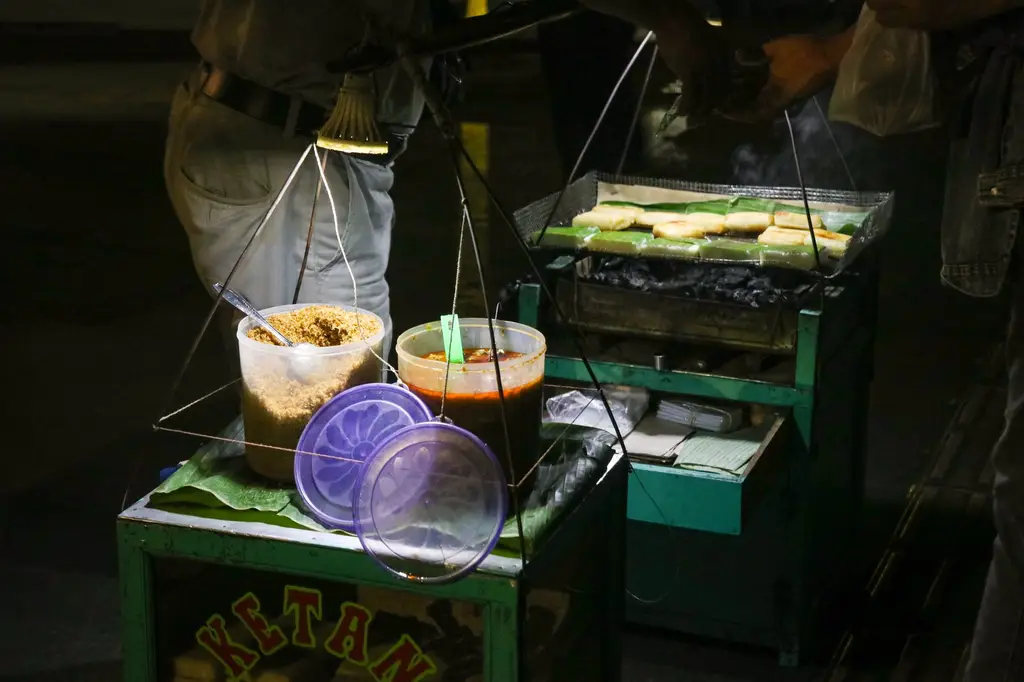
Yogyakarta's food runs sweeter than almost anywhere else in Indonesia, gudeg is cooked with enough palm sugar that first-time visitors sometimes mistake it for dessert. That sweetness runs through a lot of Javanese cooking here and is a deliberate regional trait, not an off day in the kitchen. The real social eating happens at angkringan, wheeled carts that set up at dusk selling nasi kucing, tiny rice portions, alongside skewers and hot ginger tea. Students and locals sit on mats around them for hours; it's the cheapest and most genuine version of Yogya nightlife. Malioboro Street runs the tourist version of the same idea, convenient but priced up and less interesting than a few blocks off it.
IDR 20,000-35,000·Wijilan district and stalls across the old city
Must try
Yogyakarta's signature dish: young jackfruit slow-cooked in coconut milk and palm sugar until dark and sweet, served with rice, egg, and chicken or krecek, spicy beef skin. Wijilan is the historic gudeg street.
Angkringan food carts
IDR 10,000-25,000 for a full meal·Roadside carts across the city, heaviest near Tugu Station and Malioboro
Must try
Wheeled carts selling nasi kucing, a small portion of rice with a topping, skewers, and fried snacks by the piece. A full meal costs a few thousand rupiah and this is where a lot of locals actually eat dinner.
Kopi joss
IDR 5,000-10,000·Street-side stalls near Tugu train station, Lik Man among the longest-running
Must try
Black coffee with a piece of burning charcoal dropped straight into the cup, said to cut the bitterness and settle the stomach. A specific Yogyakarta oddity, not found this way elsewhere.
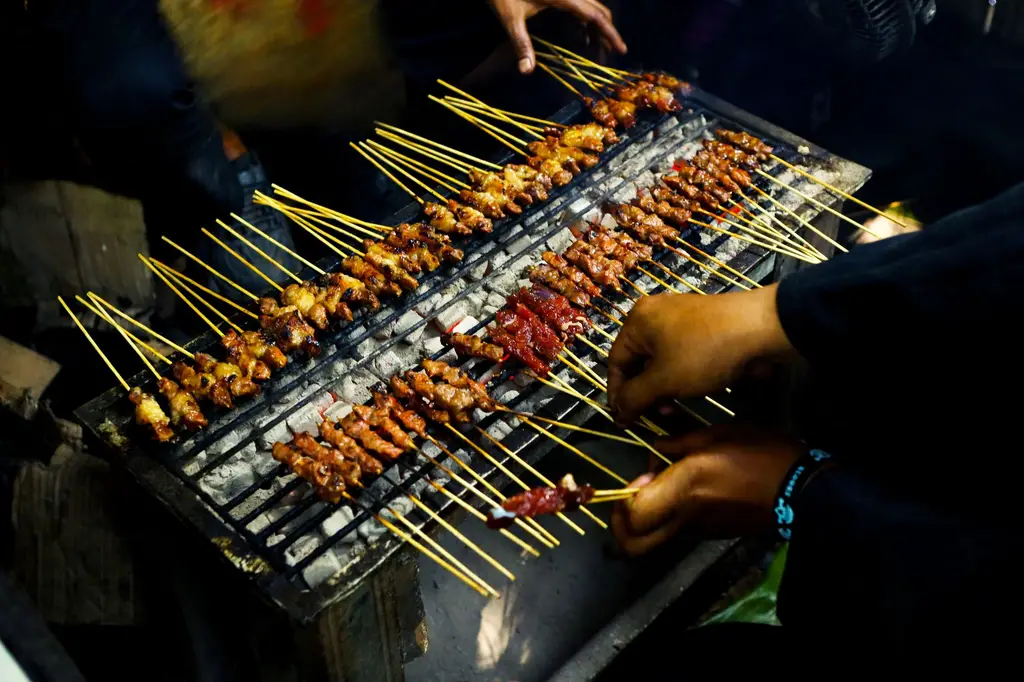
Sate klathak
IDR 25,000-40,000·Jalan Imogiri Timur, south of the city
Must try
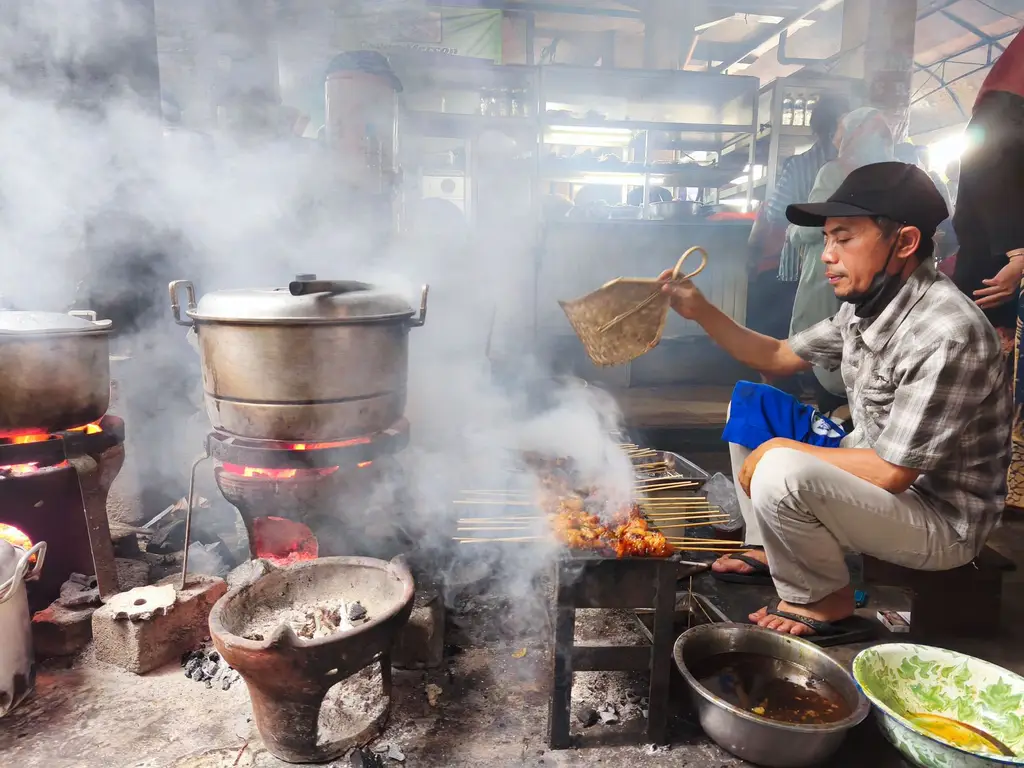
Goat satay skewered on bicycle spokes instead of bamboo and grilled over charcoal with minimal seasoning, just salt. A specific Yogyakarta specialty worth the trip south if you like goat.
Bakpia
IDR 25,000-50,000 per box·Bakpia Pathok shops along Jalan Malioboro and the Pathok district
Small baked mung-bean pastries, Yogyakarta's standard souvenir. Pathok is the historic production district; buy from there rather than an airport rack for a fresher batch.
Malioboro street food
IDR 15,000-35,000·Malioboro Street stalls, especially in the evening
Grilled corn, martabak and sate alongside the bakpia stands. More tourist-priced than Wijilan or the angkringan carts, but convenient if you're already walking the strip.
Oseng-oseng mercon
IDR 20,000-35,000·Warungs open late near Jalan Solo
A fiery beef and chili stir-fry, the name translates to firecracker stir-fry, built for people who find gudeg too sweet and want the opposite.
Kopi Joss
as of 2026-09
Viral
Angkringan coffee served with a piece of burning hot charcoal dropped straight into the cup, a Yogyakarta tradition around Tugu station and Malioboro. This predates social media by decades and keeps getting rediscovered on TikTok. The coffee itself is nothing special, the ritual is the point.
Gudeg mercon style
as of 2026-09
Viral
A spicier take on Yogyakarta's classic sweet jackfruit stew, served with sambal hot enough that vendors warn you before you order. A real variation on the local dish, not a gimmick. Worth trying once if you already like gudeg and want the contrast.
Matcha cafe trend
as of 2026-09
Viral
Yogyakarta added a run of matcha-dedicated cafes through August 2026, with options ranging from everyday usucha to ceremonial-grade matcha. The same wave hitting every Indonesian city. Yogyakarta's version leans into ceremonial grade, which at least respects the ingredient.
Pasar Ngasem snack hunting
as of 2026-09
Viral
Pasar Ngasem, a traditional market near the old bird market site, gets regular 2026 coverage for old-school snacks aimed at holiday tourist crowds. A real neighborhood market still beats a curated food street for actual variety, and Ngasem delivers that.
Molten chocolate mochi
as of 2026-09
Viral
A chocolate-filled mochi trend surfaced in Yogyakarta in mid-2026, marketed on the filling oozing out when bitten into. More texture gimmick than flavor discovery, but it photographs well and that's most of the job.
Korean-style salt bread
as of 2026-09
Viral
Korean salt bread, a butter-laminated roll with a salted crust, reached Yogyakarta bakeries by August 2026 after trending first in Seoul and then Jakarta. Salt bread is a genuinely solid pastry underneath the trend cycle. Worth trying regardless of the hype driving it.
Loaded es doger
as of 2026-09
Viral
A heavily topped version of es doger, the traditional shaved ice drink, went viral near Balai Yasa in early 2026 for a topping-to-liquid ratio that reads as more food than drink. The argument over whether it counts as a drink is the whole marketing angle. Fun once, too much sugar to make a habit of.
Safety and scams
Yogyakarta is one of the calmer, easier Indonesian cities to move around in; violent crime against tourists is uncommon. Watch for pickpocketing in dense areas like Malioboro at night and around Prambanan's crowded sections. Fake or overpriced becak and andong rides are the most common tourist-specific hassle, agree a price before getting in. Parangtritis and other south-coast beaches have genuinely dangerous rip currents; heed the posted warnings even when the water looks calm.
Common mistakes
Booking Borobudur's structure climb ticket same-day and finding the 1,200 daily slots sold out
Assuming the old Adisutjipto airport still handles international flights; nearly everything now routes through YIA, a much longer transfer
Treating Malioboro as the place to buy quality batik rather than just to walk through; better prices and quality are in the markets and workshops away from the tourist strip
Skipping a price agreement with becak or andong drivers before the ride starts
Underestimating how far Borobudur and Prambanan are from each other, 40+ km apart in opposite directions from the city, not a single loop
Swimming at Parangtritis; the currents there have killed people who didn't take the warnings seriously
Frequently asked questions
How many days do you need in Yogyakarta?
Three days covers the city plus Borobudur and Prambanan without rushing. Five to seven lets you add Mount Merapi and Parangtritis Beach. Two weeks means using Yogyakarta as a base for the first week and extending into Solo, the Dieng Plateau, or a flight to Bali for the second.
Can you still climb to the top of Borobudur?
Yes, but since 2023 it requires a separate Temple Structure ticket (Rp455,000 for foreigners), a mandatory certified guide, and provided Upanat sandals, and daily climbers are capped at 1,200 people in hourly slots. Book at least a week ahead. A cheaper grounds-only ticket (Rp412,500) gets you the reliefs and base level without the climb.
Is there still sunrise access at Borobudur?
Not from inside the temple, that ended in 2020. The alternative is Punthuk Setumbu, a hillside about 15 minutes from Borobudur where you watch the temple emerge from the mist from a distance, or entering the temple grounds at their 6:30am opening.
How much does Prambanan cost to enter?
Roughly Rp400,000 for foreign visitors as of 2025-2026. Combination tickets with Borobudur have largely been phased out for foreigners, so budget for both temples as separate purchases.
How do you get from Yogyakarta International Airport to the city center?
The Yogyakarta International Airport Rail Link runs directly to Yogyakarta Station in 35-39 minutes, about 50 trips a day. DAMRI shuttle buses and taxis also make the roughly 40 km trip but take longer, 60-90 minutes depending on traffic.
What's the best way to get between Borobudur and Prambanan?
They're not close to each other, roughly 40 km apart in opposite directions from Yogyakarta, so most people visit them on separate days from the city rather than trying to link them directly. A private car or driver for the day is the most practical way to combine both if you only have one day free.
Is Yogyakarta safe?
Yes, it's one of the calmer Indonesian cities for tourists. The real risks are pickpocketing in crowds, inflated becak/andong fares if you don't agree a price first, and dangerous rip currents at south-coast beaches like Parangtritis.
Do I need a scooter license in Yogyakarta?
Legally, yes, an International Driving Permit with a motorcycle endorsement plus your home license. Police checkpoints do check, though rental shops rarely ask. Riding without one can void travel insurance if something goes wrong.
What is the local food to try in Yogyakarta?
Gudeg, a sweet jackfruit stew that's the city's signature dish, best in the Wijilan district. Angkringan carts, found across the city, serve cheap nasi kucing and skewers and are where a lot of locals actually eat.
How do you get from Jakarta to Yogyakarta without flying?
The Argo Taksaka train runs from Jakarta Gambir to Yogyakarta in about 7.5 hours, with executive and luxury classes. Trains from Bandung and Surabaya also connect into the same network.