Things to Do in Islamabad: Itineraries, Costs and Food
Pakistan's planned capital: wide green avenues, the Margalla Hills as a backdrop, one of the world's largest mosques, and the older chaos of Rawalpindi a short drive away.
By Labeeb Mirza · Published September 8, 2026 · Updated September 8, 2026
Best timeOct-Apr
Daily budget (mid)PKR 15,000
Ideal length3 days
CurrencyPKR
Overview
Islamabad did not grow the way most capitals do. Pakistan's government commissioned Greek architect Konstantinos Doxiadis to draw a grid-based master plan in the early 1960s, construction started that decade, and the capital formally moved here from Karachi (via a temporary stop in Rawalpindi) once enough infrastructure existed, around 1966. The result is a city organized into lettered and numbered sectors, wide tree-lined roads, and a low-rise skyline that sits under the Margalla Hills rather than competing with them. It reads as calm, orderly, and a little quiet compared to most South Asian capitals, which is exactly what surprises first-time visitors. That calm is also why Islamabad rarely gets more than two or three days on an itinerary: it is compact, its sights are genuinely few, and its best feature might be the hills themselves rather than any single monument. What extends a stay here is what surrounds it. Rawalpindi, the older twin city ten minutes away, has the bazaars, food streets, and street-level noise that Islamabad's planning deliberately avoided. Taxila, thirty to thirty-five kilometers northwest, holds a genuine UNESCO World Heritage site of Gandhara-era Buddhist ruins. And Murree, the old British hill station in the mountains above, is close enough to visit in a day. Islamabad works best treated as a base: two days for the city, then Rawalpindi, Taxila, and possibly Murree filling out the rest of a week, or a jumping-off point for travelers heading north toward Hunza or Skardu.
What I actually think
Islamabad feels less like a South Asian capital and more like a garden city that happens to have ministries in it. That is not a complaint. After Lahore or Karachi it is a genuine break, but it also means the city itself will not hold your attention for more than two days.
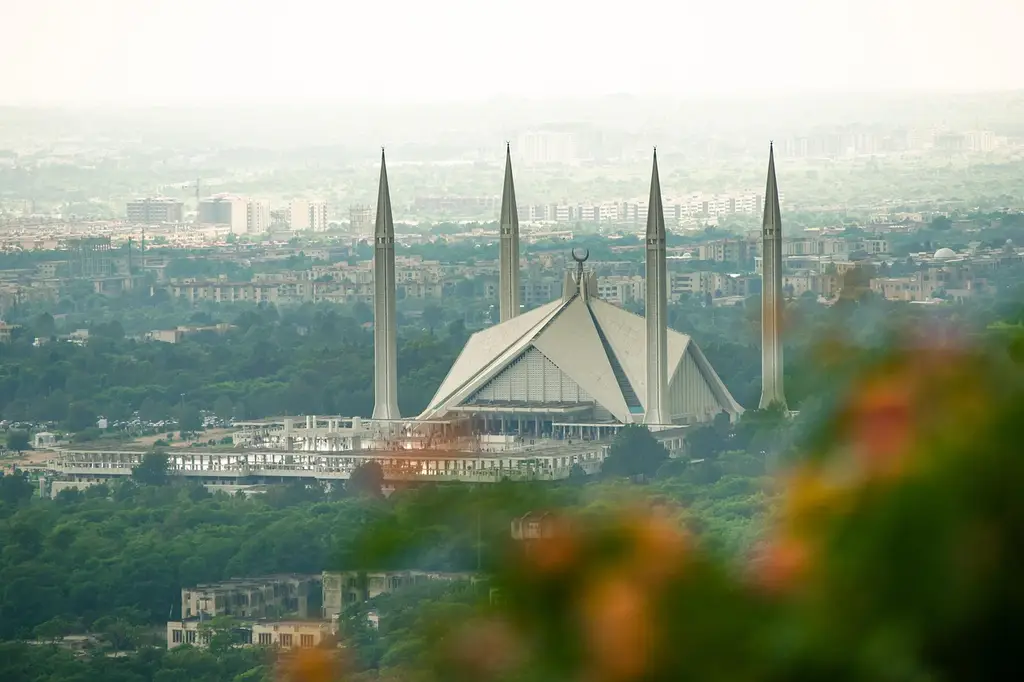
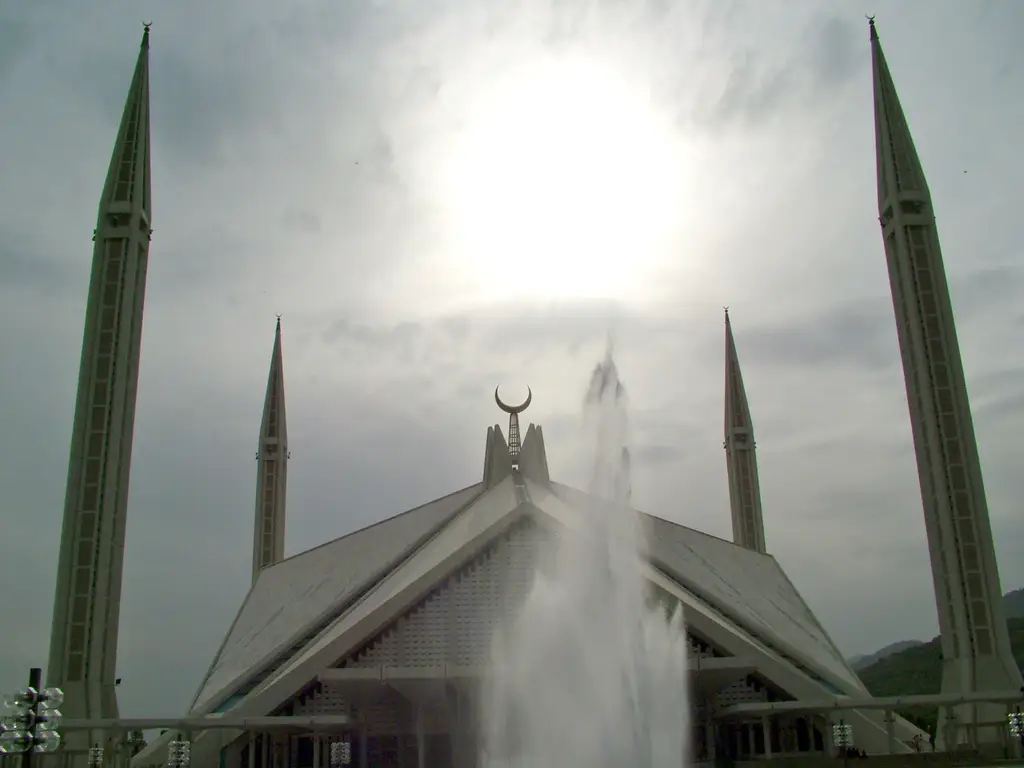
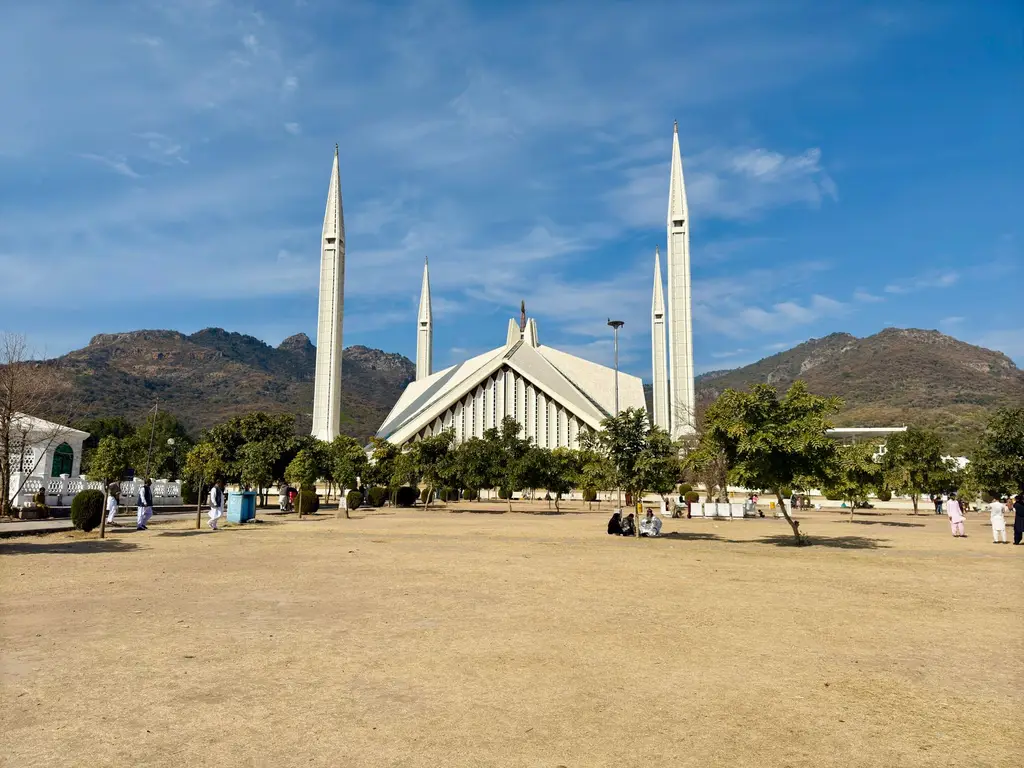
Faisal Mosque changes completely by time of day. Midday it is a tour-bus stop with a steady stream of visitors taking the same photo. Early evening, closer to sunset, the crowd thins and the white marble catches the light differently. If you can only go once, go then.
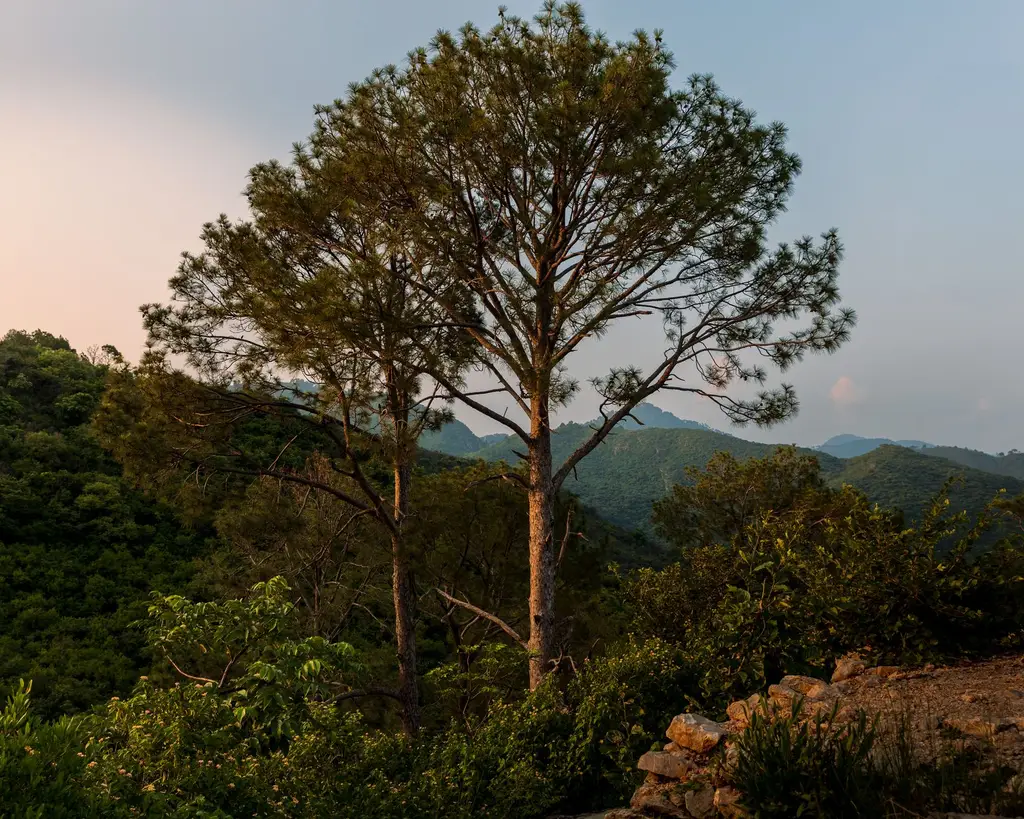
The Margalla Hills are the best reason to add an extra day here. Trail 3 or 5 in the early morning, before the heat and before the weekend crowds from Islamabad and Rawalpindi show up, is a real escape and a workout, not a token nature stop.
Do not skip Rawalpindi thinking it is just Islamabad's overflow. It is the older city, it is louder, its food is better value, and it is where you actually see how most people in the twin cities live day to day, which the planned sectors of Islamabad do not show you.
Safety here reads very differently once you are on the ground than it does from a headline about Pakistan generally. Islamabad is a diplomatic capital with a heavy security presence around government buildings and embassies, and in practice that makes the center of the city feel calm rather than tense.
The core loop: Faisal Mosque, the Margalla Hills viewpoints, and an evening across the twin cities in Rawalpindi.
Day 1: Faisal Mosque to Rawalpindi
Morning
Faisal Mosque first, before the midday heat and the busiest tour groups. Dress modestly; women should carry a headscarf. Spend time on the grounds as much as inside the main hall.
Afternoon
Drive up to Daman-e-Koh for the city view, then Pir Sohawa if time allows. A short walk on the lower stretch of Trail 5 works if you want something more active than a viewpoint stop.
Evening
Cross to Rawalpindi's Saddar food street for chapli kebab, karahi, or BBQ, a genuinely different pace and energy from Islamabad after dark.
Tip: Book a car with a driver for the day rather than separate rides; the viewpoints are spread out and taxis are not always waiting up there.
Islamabad's sights across two easier days, plus a full day trip to Taxila's Gandhara-era ruins.
Day 1: Faisal Mosque and Margalla Hills
Morning
Faisal Mosque, then Pakistan Monument and Lok Virsa Heritage Museum at Shakarparian for the country's craft and regional history in one stop.
Afternoon
Daman-e-Koh and Pir Sohawa viewpoints, or a hike on Trail 3 or 5 if the weather is cooperating.
Evening
Dinner in F-7 or Blue Area, central Islamabad's main restaurant strip.
Tip: Lok Virsa's ethnology museum runs 10am-8pm daily; the Pakistan Monument Museum closes Mondays.
Day 2: Day trip: Taxila
Morning
Drive or hire a car 30-35km northwest to Taxila. Start with the Taxila Museum for context before the ruins themselves.
Afternoon
Visit the Dharmarajika stupa and Jaulian monastery, the two most complete Buddhist-era sites, then Sirkap's Greco-Bactrian city layout if time allows.
Evening
Back to Islamabad for a low-key dinner; it's a full day on your feet in the sun.
Tip: Confirm current entry fees and hours for the museum and ruins locally before you go; official figures were not verifiable.
Day 3: Saidpur Village and Rawalpindi
Morning
Saidpur Village for the restored temple, galleries, and a slower pace against the hills.
Afternoon
Rawal Lake View Park for a walk and the wider valley view, or free time to revisit anything from day 1.
Evening
Rawalpindi's Raja Bazaar and food streets for a proper last dinner before departure.
Tip: Saidpur gets genuinely pleasant light in late afternoon; time it for photos if that matters to you.
Adds a full day in Rawalpindi's old city and a day trip up to Murree, using Islamabad as the base throughout.
Day 1: Faisal Mosque and Margalla Hills
Morning
Faisal Mosque, then Pakistan Monument and Lok Virsa Heritage Museum.
Afternoon
Daman-e-Koh and Pir Sohawa, or a hike on Trail 5.
Evening
Dinner in Blue Area or F-7.
Tip: Start early; Islamabad's heat builds fast from late morning most of the year.
Day 2: Day trip: Taxila
Morning
Taxila Museum first, then the Dharmarajika stupa.
Afternoon
Jaulian monastery and Sirkap.
Evening
Back to Islamabad, early night.
Tip: Wear real walking shoes; the sites are spread across an open archaeological zone, not one compact compound.
Day 3: Rawalpindi, properly
Morning
Raja Bazaar for spices, textiles, and the older commercial city.
Afternoon
Ayub National Park or a walk through Rawalpindi's older colonial-era streets and Committee Chowk.
Evening
A full evening on the Saddar food street, this time with no schedule pushing you back to Islamabad.
Tip: Rawalpindi rewards wandering more than Islamabad does; give it the unstructured time.
Show all 5 days
Day 4: Day trip: Murree
Morning
Drive up into the hills, roughly an hour to ninety minutes from Islamabad depending on traffic and season. Mall Road for the colonial-era hill station atmosphere.
Afternoon
A chairlift or viewpoint outside the main bazaar if the weather's clear; Murree's real appeal is the cooler air and the mountain views rather than any single sight.
Evening
Back down to Islamabad for the night.
Tip: Murree gets extremely crowded on weekends and in peak summer, and heavy snow can strand traffic in winter; check conditions and go on a weekday if you can.
Day 5: Saidpur, Rawal Lake, and departure prep
Morning
Saidpur Village.
Afternoon
Rawal Lake View Park, or free time for anything missed earlier in the trip.
Evening
Final dinner and packing.
Tip: Keep this day light; it's your buffer if weather disrupted the Murree trip.
Islamabad's own sights cannot fill a week; this uses it as a base for Rawalpindi, Taxila, and Murree, with two open days for rest or a Lahore add-on by air or road.
Day 1: Faisal Mosque and Margalla Hills
Morning
Faisal Mosque.
Afternoon
Pakistan Monument and Lok Virsa, then Daman-e-Koh.
Evening
Dinner in Blue Area.
Tip: Ease into the trip; the heat and pace pick up over the week.
Day 2: Margalla Hills hiking day
Morning
Full Trail 3 or Trail 5 hike, starting early.
Afternoon
Pir Sohawa for lunch with a view, or rest at the hotel.
Evening
Low-key dinner near your hotel.
Tip: This is the most physically demanding day; don't stack it against a travel day.
Day 3: Day trip: Taxila
Morning
Taxila Museum, then Dharmarajika.
Afternoon
Jaulian and Sirkap.
Evening
Back to Islamabad.
Tip: Confirm current hours locally; official listings were unverifiable.
Show all 7 days
Day 4: Rawalpindi, properly
Morning
Raja Bazaar.
Afternoon
Ayub National Park or the old colonial streets.
Evening
Saddar food street.
Tip: Give Rawalpindi more time than a first-timer thinks it needs.
Day 5: Day trip: Murree
Morning
Drive up, Mall Road.
Afternoon
A viewpoint or chairlift if clear.
Evening
Back to Islamabad.
Tip: Weekday visits avoid the worst of the crowds and traffic on the way up and down.
Day 6: Saidpur, Rawal Lake, and open time
Morning
Saidpur Village.
Afternoon
Rawal Lake View Park or a return visit to a favorite spot.
Evening
Open, or a second pass through Rawalpindi's food streets.
Tip: Use this day to fill in anything weather or energy skipped earlier.
Day 7: Rest day and departure prep
Morning
Slow morning, shopping in F-7 or Blue Area.
Afternoon
Free time or a last Margalla Hills walk if you have energy left.
Evening
Departure.
Tip: This is genuinely a buffer day; Islamabad's own list of sights runs out well before day 7.
Islamabad alone cannot honestly fill two weeks. This builds outward: the city and its day trips fill the first week, then it works as a base or launch point toward Lahore and, for travelers continuing overland or by air, the north (Hunza, Skardu), without duplicating those cities' own itineraries here.
Day 1: Faisal Mosque and Margalla Hills
Morning
Faisal Mosque.
Afternoon
Pakistan Monument and Lok Virsa.
Evening
Dinner in Blue Area.
Tip: Arrival day; keep it light if you've just landed.
Day 2: Margalla Hills hiking day
Morning
Trail 3 or Trail 5.
Afternoon
Pir Sohawa.
Evening
Rest.
Tip: Start early to avoid both heat and weekend crowds.
Day 3: Day trip: Taxila
Morning
Taxila Museum and Dharmarajika.
Afternoon
Jaulian and Sirkap.
Evening
Back to Islamabad.
Tip: A genuine UNESCO site; worth the full day rather than a rushed half-day.
Show all 14 days
Day 4: Rawalpindi, properly
Morning
Raja Bazaar.
Afternoon
Old city streets, Committee Chowk.
Evening
Saddar food street.
Tip: This city has more to eat than to see, plan the day around meals.
Day 5: Day trip: Murree
Morning
Drive up, Mall Road.
Afternoon
Viewpoint or chairlift.
Evening
Back to Islamabad.
Tip: Check road and weather conditions before committing to the drive.
Day 6: Saidpur, Rawal Lake, and rest
Morning
Saidpur Village.
Afternoon
Rawal Lake View Park.
Evening
Open.
Tip: A deliberately slower day after five packed ones.
Day 7: Open day in Islamabad
Morning
Revisit a favorite site at a different time of day, Faisal Mosque near sunset is worth repeating.
Afternoon
Shopping or errands ahead of onward travel.
Evening
Rest, pack for the next leg.
Tip: This closes out the Islamabad-based week; the second week moves on.
Day 8: Travel day to Lahore
Morning
Domestic flight or a Daewoo/Faisal Movers intercity coach south to Lahore, both run frequently.
Afternoon
Settle in, first walk through Lahore's old city if energy allows.
Evening
Lahore dinner.
Tip: Lahore has its own depth and deserves its own itinerary rather than a rushed add-on; treat this as a genuine city switch.
Day 9: Lahore (own city, not detailed here)
Morning
Lahore Fort and Badshahi Mosque.
Afternoon
Old city walking and food streets.
Evening
Wagah border ceremony if timing and interest align.
Tip: See Lahore's own city guide for a proper itinerary; this trip only sketches the connection.
Day 10: Lahore, second day
Morning
Shalimar Gardens.
Afternoon
Lahore Museum or local markets.
Evening
Food street dinner.
Tip: Two days is a minimum for Lahore, not a full look at it.
Day 11: Return to Islamabad, travel prep
Morning
Coach or flight back north.
Afternoon
Rest, laundry, logistics for a northern leg if continuing.
Evening
Open.
Tip: Build in a buffer here if you plan to fly on to Skardu or Gilgit next, since those flights are weather-dependent and cancel often.
Day 12: Optional: fly north or extend Islamabad
Morning
Domestic flight toward Skardu or Gilgit if continuing north, or a free morning in Islamabad if not.
Afternoon
Depends entirely on which path you take; the north deserves its own dedicated 10-14 days rather than a rushed tack-on here.
Evening
Depends on the day's plan.
Tip: Do not treat Hunza or Skardu as a two-day extension; they need their own itinerary and this one stops at the jumping-off point.
Day 13: Buffer day
Morning
Open, absorb a flight delay or weather disruption if one occurred.
Afternoon
Open.
Evening
Open.
Tip: Northern flights and mountain roads are genuinely unreliable; this buffer is not optional padding.
Day 14: Departure
Morning
Pack, last shopping in F-7 or Blue Area if back in Islamabad.
Afternoon
Transfer to Islamabad International Airport, allowing extra time for security at a capital-city airport.
Evening
Departure.
Tip: Reconfirm your flight the day before; weather disruptions elsewhere in the country can ripple into Islamabad's schedule too.
7Photo by Boris Hamer on PexelsTaxila archaeological ruins and Taxila Museum (day trip)
8Rawalpindi's Raja Bazaar and Saddar food streets
1
Faisal Mosque
Grounds generally open outside the five daily prayer times; visiting is typically restricted during prayers, especially Friday (Jummah) midday. Treat exact visitor hours as check before you go.·free·1-1.5 hours
No dome, no traditional minaret shape; the main hall is an eight-sided tent form and the four minarets are among the tallest in South Asia. Modest dress and a headscarf for women are expected inside.
2
Margalla Hills National Park (Trail 3 and Trail 5)
Daylight hours, trailheads generally accessible from early morning; check current park timing before you go.·free·2-4 hours depending on trail
Trail 5 runs through forest with streams and small waterfalls; Trail 3 is one of the more established routes toward Daman-e-Koh. Go early to beat both heat and the weekend hiking crowds from twin-city residents.
3
Daman-e-Koh viewpoint
Daylight hours, roughly dawn to dusk; some sources note evening hours too. Check before you go.·free (parking may be charged)·30-45 minutes
The clearest wide view over Islamabad's grid and out toward Rawalpindi. The Monal restaurant sits further up the same road if you want the view with a meal attached.
4
Pakistan Monument and Lok Virsa Heritage Museum
Lok Virsa Heritage Museum (National Museum of Ethnology): daily 10am-8pm. Pakistan Monument Museum: Tuesday-Sunday 10am-8pm, closed Monday.·Entry fees not confirmed against an official source; check before you go.·1.5-2 hours for both
Closed Pakistan Monument Museum closed Mondays; Lok Virsa Heritage Museum daily
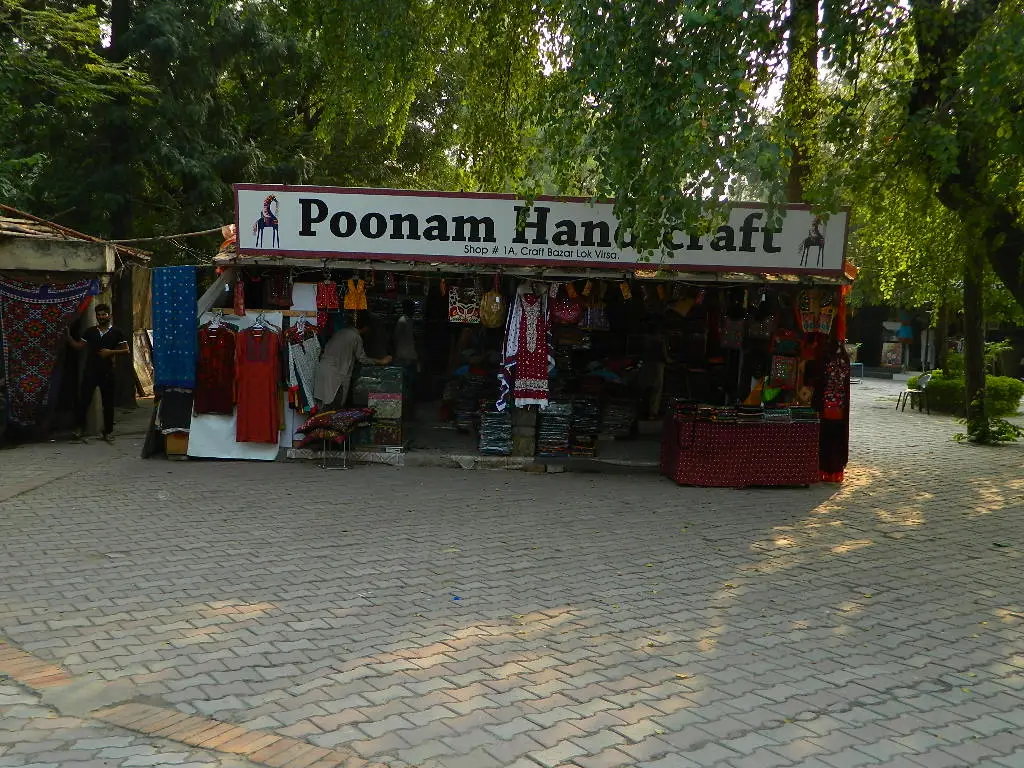
The monument's four large petals represent Punjab, Sindh, Khyber Pakhtunkhwa, and Balochistan; three smaller ones represent Azad Kashmir, Gilgit-Baltistan, and the former tribal areas. Lok Virsa next door covers folk crafts and regional culture.
Generally open through the day; individual restaurants and galleries keep their own hours into the evening. Check before you go.·free to walk the village·1.5-2 hours
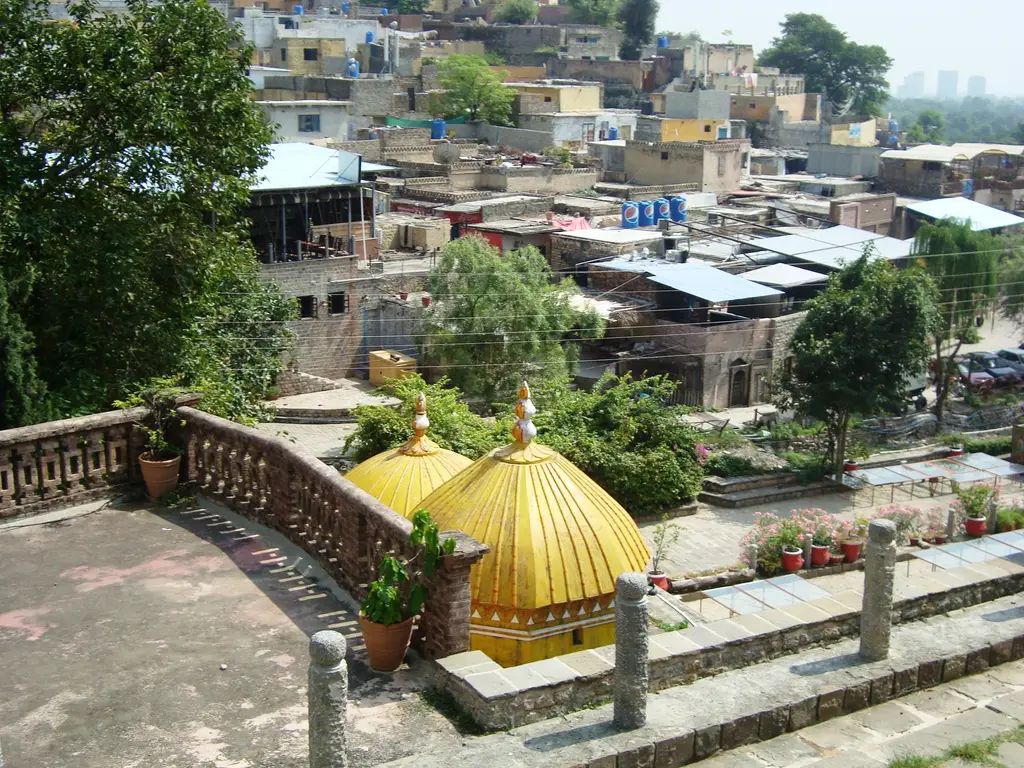
A centuries-old village restored by the Capital Development Authority in 2006, with a 16th-century Hindu temple, a former gurdwara, art galleries, and restaurants in old stone buildings against the Margalla Hills.
6
Rawal Lake
Daylight hours; boating facilities typically run daytime only. Check before you go.·free to walk the shoreline; boating and private club activities charge separately, price not confirmed here·1-2 hours
walk in for the shoreline and view park; boating arranged on site
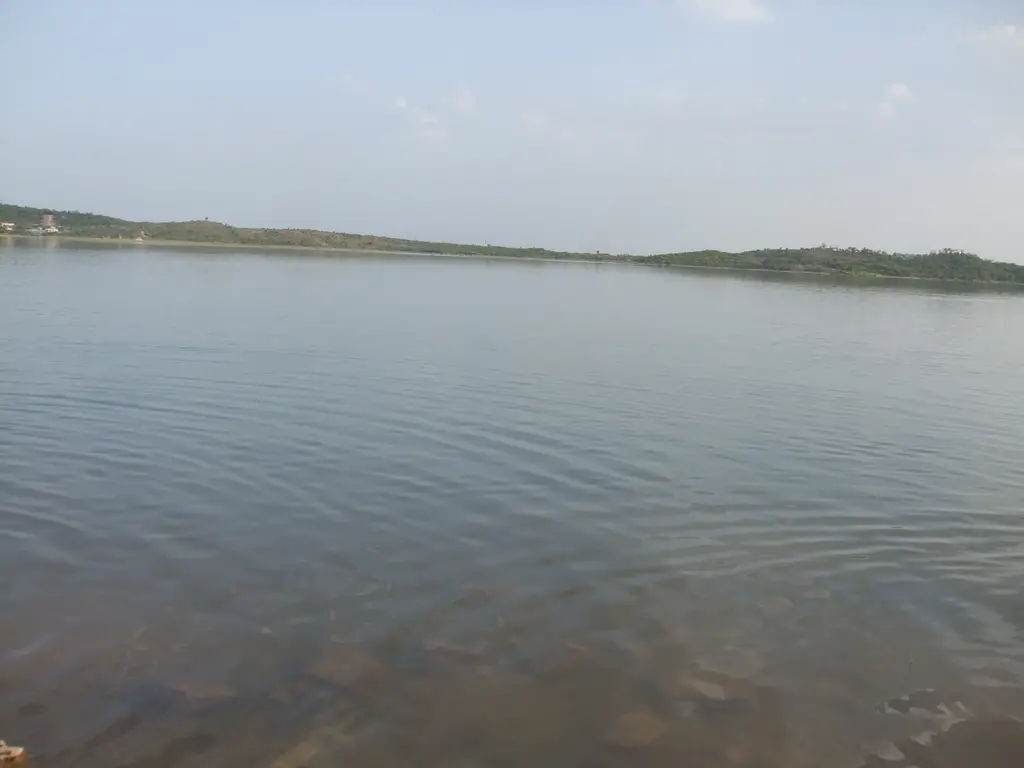
The reservoir that supplies Rawalpindi and Islamabad's water, with a view park on the highest point overlooking both the lake and the Margalla and Murree hills. Better for a quiet walk than a must-see stop.
Margalla Hills Trail 3 to Monal viewpoint
as of 2026-09
Viral
The city's oldest and most walked hiking trail, a steep 600m climb from Sector F-6 up to the Monal restaurant area and Pir Sohawa road, roughly 2-3 hours up. Genuinely worth doing, a decent workout and a real view over the whole city. Go early morning, it gets busy and hot by midday.
Faisal Mosque grounds
as of 2026-09
Viral
Pakistan's largest mosque, a striking modern tent-shaped structure at the foot of the Margalla Hills, open to visitors outside prayer times. Still the most photographed building in the city and free to visit. Dress modestly, it's a working mosque, not a backdrop.
Pakistan Monument and Museum, Shakarparian Hills
as of 2026-09
Viral
Flower-shaped national monument symbolizing the country's provinces, on an elevated hilltop with a museum on national history below it. Worth the stop for the view over the city as much as the monument itself. The museum is modest, budget 45 minutes, not half a day.
Daman-e-Koh viewpoint
as of 2026-09
Viral
Hillside terrace and picnic spot cut into the Margalla Hills above the city, reachable by road, with a 360-degree overlook of Islamabad. Easiest way to get the Margalla-view photo without hiking. Go at dusk for the city lights, it gets crowded on weekends.
Saidpur Village
as of 2026-09
Viral
Historic village on the Margalla slopes with a mix of Mughal-era temples, colonial-era buildings and a revamped strip of cafés and craft shops. Good for an unhurried afternoon walk, small enough to see in an hour or two. It's been redeveloped for tourism, so it reads more polished than untouched.
Rawal Lake and Lake View Park
as of 2026-09
Viral
Man-made reservoir on the Islamabad-Rawalpindi border with boating, a bird sanctuary and a park along the shore. Pleasant but not a highlight, treat it as a boating-and-picnic stop rather than a destination in itself. Water quality varies by season.
More to see (2)
7
Taxila archaeological ruins and Taxila Museum (day trip)
Not confirmed against an official source; check before you go.·Not confirmed against an official source; check before you go.·Half day, roughly 4-5 hours including travel
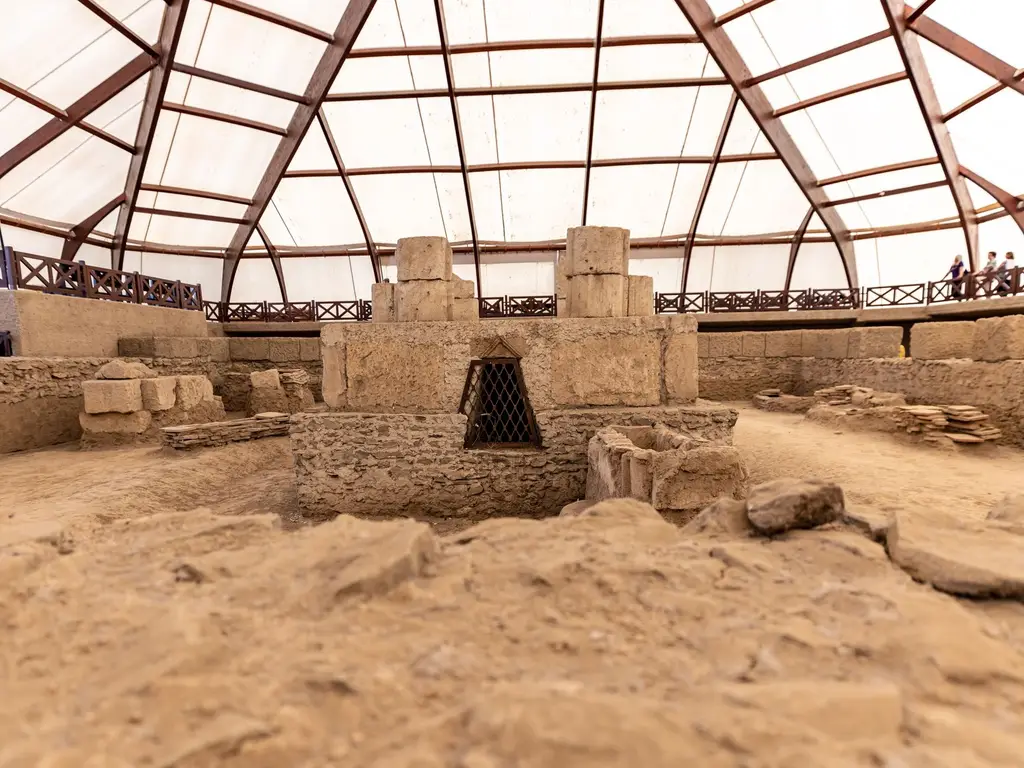
A genuine UNESCO World Heritage Site (inscribed 1980), roughly 30-35km northwest of Islamabad/Rawalpindi. Gandhara-era Buddhist ruins at Sirkap, Jaulian, and the Dharmarajika stupa, plus a museum holding one of the region's best Gandharan sculpture collections.
8
Rawalpindi's Raja Bazaar and Saddar food streets
Most shops and food stalls open by late morning and run into the evening; food streets get busiest after dark.·free to walk; food and shopping priced individually·2-3 hours
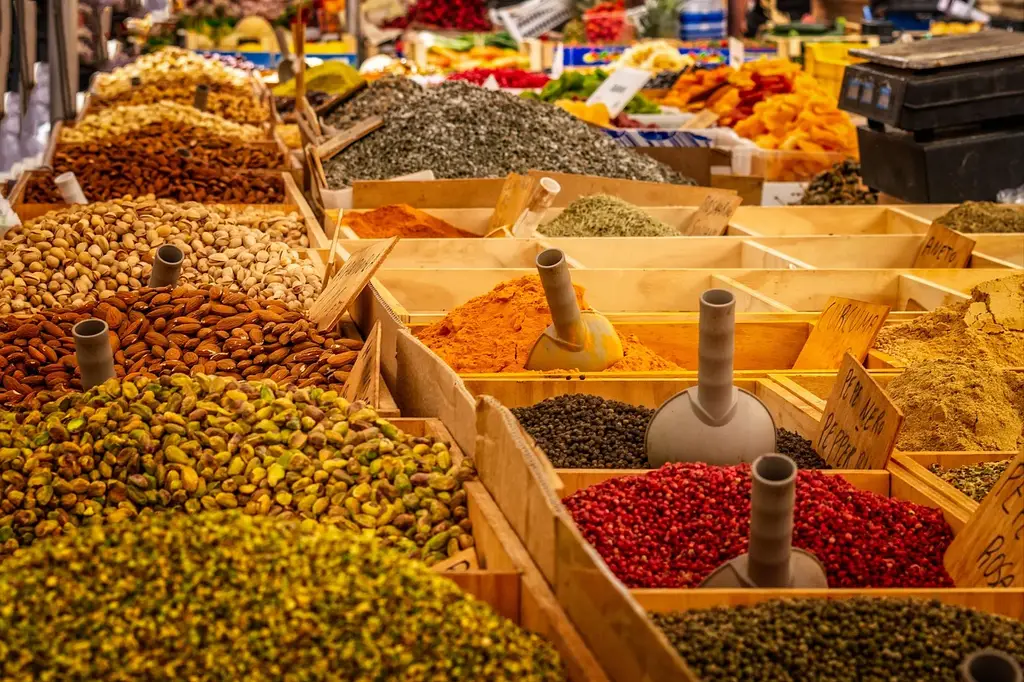
The contrast to Islamabad's planned calm: narrow lanes, dense stalls, and street food that most people rate above anything in the capital's restaurant scene. Go hungry and go on foot.
Where to stay
Blue Area / F-6, F-7
Suits: first-timers who want central, walkable-by-Islamabad-standards convenience
Islamabad's main commercial strip, close to embassies, restaurants, and a short drive from most sights.
E-7 / F-8, near Margalla Hills
Suits: travelers prioritizing hiking access and quiet
Closest sectors to the Margalla trailheads and Daman-e-Koh, greener and less commercial.
Saddar, Rawalpindi
Suits: budget travelers and anyone who wants bazaar energy over planned-city calm
Cheaper rooms, walkable food streets, but a genuinely different city feel and a taxi ride from Islamabad's sights.
Diplomatic Enclave fringe (G-5, G-6)
Suits: business travelers and those wanting hotel-chain security and services
International hotel brands cluster here, heavier security presence given the embassies nearby.
Getting there and around
Getting there
Islamabad International Airport (ISB) sits about 20km southwest of the city center, roughly 30-45 minutes by car depending on traffic and which sector you're headed to. A metered taxi or ride-hailing app (Careem, InDrive) into central Islamabad runs in the range of PKR 1,500-2,500 (roughly USD 5-9 at an approximate, unverified PKR 280/USD rate; check current rates before you go). Domestic flights connect Islamabad to Lahore, Karachi, and, weather permitting, Skardu and Gilgit.
Getting around
Islamabad was built for cars, not pedestrians: sectors are large, blocks are long, and walking between attractions is rarely realistic. Careem and InDrive both work well and are the easiest way to get around as a visitor; agree on the fare or confirm the meter before getting in if using a street taxi. The Metrobus (a dedicated bus rapid transit line) connects Islamabad to Rawalpindi and is cheap but crowded at peak hours. Renting a car with a driver for a day is common and inexpensive for covering Margalla Hills viewpoints, Saidpur, and Rawal Lake in one loop, since public transit does not reach most of them well.
Map
City
Recommended (numbered)
Mentioned in an itinerary
Locations on this map
Islamabad33.68, 73.05
Faisal Mosque33.73, 73.04
Margalla Hills National Park (Trail 3 and Trail 5)33.76, 73.02
Daman-e-Koh viewpoint33.74, 73.06
Pakistan Monument and Lok Virsa Heritage Museum33.52, 73.17
Saidpur Village33.75, 73.07
Rawal Lake33.71, 73.13
Taxila archaeological ruins and Taxila Museum (day trip)33.71, 72.82
Rawalpindi's Raja Bazaar and Saddar food streets33.62, 73.00
Pir Sohawa33.65, 73.18
Rawalpindi's Saddar33.59, 73.05
BBQ33.70, 73.06
Shakarparian33.69, 73.09
Blue Area33.72, 73.08
Jaulian33.76, 72.88
Dharmarajika33.75, 72.84
Sirkap33.76, 72.83
Ayub National Park33.57, 73.09
Murree33.67, 73.09
Mall Road33.54, 73.12
Lahore33.69, 73.04
Daewoo33.70, 73.05
Faisal Movers33.66, 73.08
Shalimar Gardens33.56, 73.16
Gilgit33.70, 73.07
Islamabad International Airport33.55, 72.83
What it costs
Stay
Food
Transport
Activities
Daily cost breakdown, PKR per person
Tier
Stay
Food
Transport
Activities
Total
Budget
PKR 2,500
PKR 1,500
PKR 1,000
PKR 1,000
PKR 6,000
Mid-range
PKR 8,000
PKR 3,500
PKR 2,000
PKR 1,500
PKR 15,000
Splurge
PKR 22,000
PKR 8,000
PKR 4,000
PKR 1,000
PKR 35,000
A mid-range day: guesthouse or 3-star hotel room around PKR 8,000, Careem rides to Faisal Mosque and Margalla Hills viewpoints around PKR 2,000 total, a sit-down lunch in F-7 for PKR 1,500, snacks and tea from a Margalla Hills viewpoint stall for PKR 500, and dinner in Rawalpindi's food street for PKR 2,000. Comes to roughly PKR 14,000-15,000.
Money savers
Faisal Mosque, Margalla Hills trails, Daman-e-Koh, and most of Rawal Lake's shoreline are free
Rawalpindi's Raja Bazaar and food streets cost a fraction of Islamabad's restaurant prices for the same or better food
Metrobus between Islamabad and Rawalpindi is far cheaper than a taxi for the same route if you're not in a hurry
Split a car-with-driver for a day among a small group to cover Margalla viewpoints, Saidpur, and Rawal Lake in one loop rather than paying for separate one-way rides
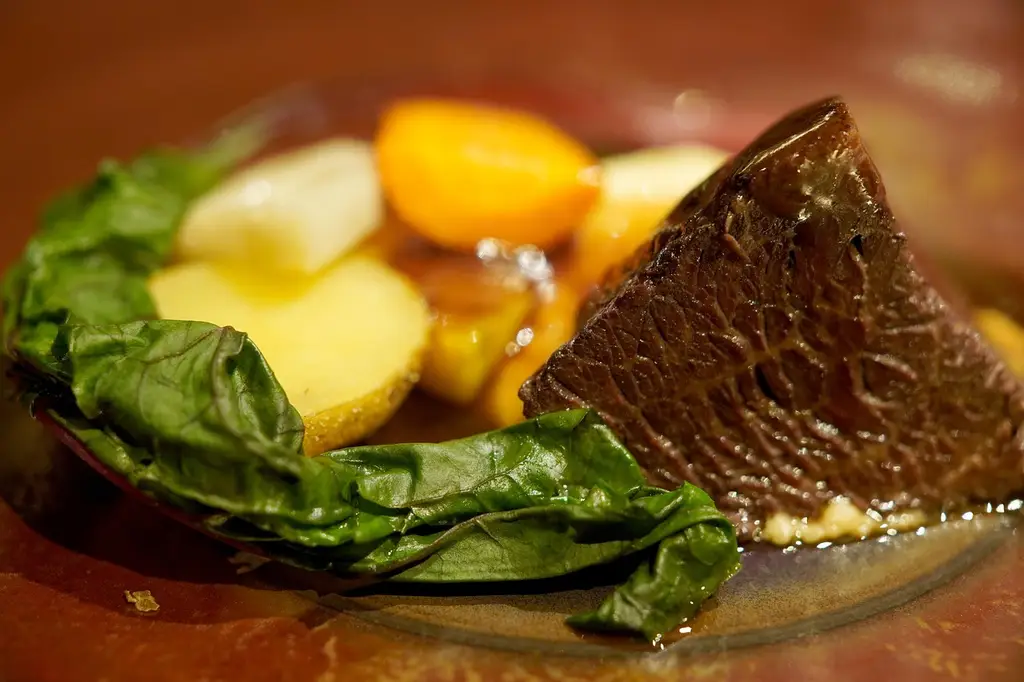
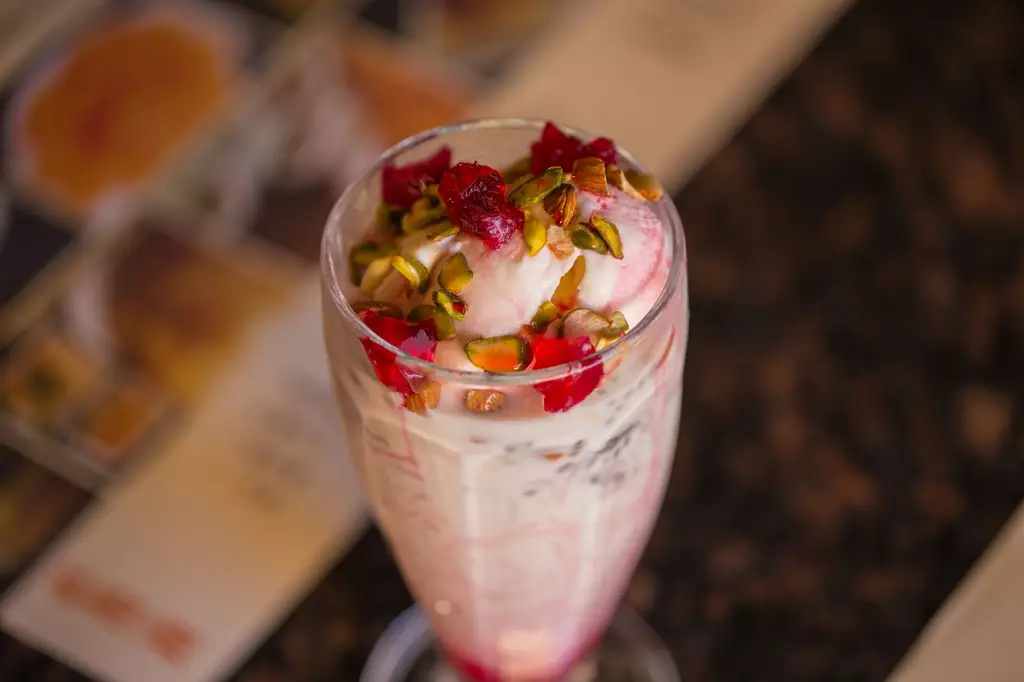
Islamabad's own food scene is thinner than its twin city Rawalpindi's, and most people who want to eat well here cross over. Chapli kebab, a flat spiced patty from Khyber Pakhtunkhwa tradition, is the dish worth the trip, best fresh off a griddle at a Saddar street stall rather than plated in a formal restaurant. Karahi and BBQ fill the role Rawalpindi always has, ordered to share, eaten with naan. Nihari here follows the standard breakfast logic, better sought in the morning than at night. Islamabad is stronger on dessert: falooda and kulfi in F-6/F-7 are a cheap, reliable way to end a hot evening. Halal is standard, and alcohol is harder to find here than in most Pakistani cities.
PKR 150-400 per piece·Rawalpindi's Saddar food street and Islamabad's F-7 restaurants
Must try
A flat, spiced minced-meat patty associated with Khyber Pakhtunkhwa but common across both cities, best eaten fresh off the griddle at a street stall rather than a formal restaurant.
Karahi (chicken or mutton)
PKR 1,200-2,600 per kg·Rawalpindi's Bank Road and Committee Chowk area
Must try
Cooked to order in a wok-like pan with tomato, ginger and green chili, ordered by weight, meant to be shared, eaten with naan or roti.
BBQ and seekh kebabs
PKR 200-500 per skewer·Rawalpindi's Saddar and Raja Bazaar food streets
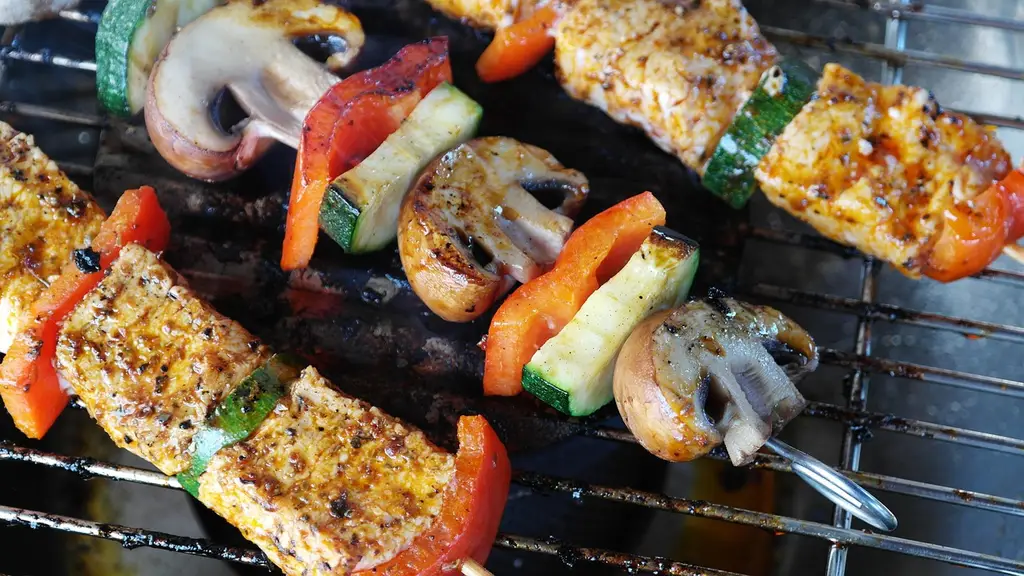
Skewered, char-grilled and cheap by international standards. This is the strongest argument for crossing over from Islamabad in the evening.
Nihari
PKR 400-800·Rawalpindi's older food streets, best found in the morning
A slow-cooked, heavily spiced beef stew, traditionally a breakfast dish despite being rich enough to read like dinner.
Falooda and kulfi
PKR 200-450·F-6/F-7 dessert shops in Islamabad
Must try
A cold, sweet way to end a hot day, rosewater-scented noodles and syrup layered with ice cream, widely available and inexpensive.
Margalla Hills roadside chai and snacks
PKR 100-300·Roadside stalls along the routes up Margalla Hills and Daman-e-Koh
Simple tea and snack stalls that catch the hiking and picnic crowd, more about the setting than the cooking, but genuinely convenient after a walk.
F-6/F-7/E-11 new cafe wave
as of 2026-09
Viral
A steady stream of new aesthetic cafes opening across Islamabad's F-6, F-7 and E-11 sectors, each getting a burst of attention from local food influencers. Openings move fast here and so does the hype. A cafe named in one viral video might already be old news by the time you visit, check recent posts before planning around one.
Habesha Cafe - Ethiopian coffee
as of 2026-09
Viral
Islamabad and Rawalpindi got their first Ethiopian cafe, Habesha Cafe, serving Ethiopian coffee, reported by local outlets in late August 2026. Actually novel for the city instead of another espresso bar. Worth a visit just for something different.
Cafes doubling as retail spaces
as of 2026-09
Viral
Some Islamabad cafes have started hosting small business vendors inside their space as a hybrid retail model, covered by Arab News Pakistan in July 2026. Smart way for small brands to get foot traffic without a shop lease. More a business story than a food one, but it changes what a cafe visit looks like.
Gen Z coffee and latte culture
as of 2026-09
Viral
Younger Islamabad residents are driving a shift from traditional chai toward lattes and specialty coffee, a trend The News International wrote about in mid-2025. This is really the engine behind the cafe wave, not a separate thing. Coffee culture is beating chai culture for anyone under 30 now.
Outdoor breakfast spots
as of 2026-09
Viral
Families in Islamabad have been flocking to outdoor breakfast venues on weekends, a trend The Express Tribune reported on in mid-2025. Makes sense in a city with this much park space and decent weather most of the year.
Safety and scams
Islamabad is one of the safer, calmer cities in Pakistan, run as a diplomatic capital with a visible security presence around government buildings, embassies, and major sites, including checkpoints on some approach roads. Petty theft is uncommon by regional standards. The wider safety picture in Pakistan is genuinely regional, not a single verdict, and this city and the Islamabad-Rawalpindi-Taxila-Murree corridor sit differently on official advisories than Balochistan or KP's tribal districts; read current, region-specific advisories rather than a blanket headline about the country.
Common mistakes
Trying to walk between Islamabad's sights the way you would in a denser city; the sectors are too spread out and you'll waste hours
Skipping Rawalpindi because Islamabad looks like 'the real city' on a map; the food and street life you're probably picturing from Pakistan are mostly in Rawalpindi
Visiting Faisal Mosque at Friday midday prayer time without checking access, when visiting is typically restricted
Underestimating how spread out the Margalla Hills viewpoints are; Daman-e-Koh, Pir Sohawa, and the trailheads are a drive apart, not a walk apart
Planning Islamabad as a full week on its own; the city itself is a two-to-three-day stop, and the rest needs Taxila, Rawalpindi, or Murree built in
Assuming Murree in winter is a quick, easy day trip; heavy snowfall and traffic have caused serious stranding incidents on the route in past winters
Frequently asked questions
How many days do you need in Islamabad?
Two to three days covers the city's own sights: Faisal Mosque, the Margalla Hills viewpoints, Pakistan Monument, and Saidpur Village. It is a genuinely small city for sightseeing, so most longer stays extend into Rawalpindi, Taxila, or Murree rather than finding more to do inside Islamabad itself.
Is Islamabad safe for tourists?
Yes, relative to much of the rest of the country and the region generally; it is a diplomatic capital with a visible security presence around government sites and embassies. Safety in Pakistan overall is regional rather than uniform, so check current, area-specific advisories rather than a blanket national headline.
What is the difference between Islamabad and Rawalpindi?
Islamabad is a planned capital built from the 1960s onward, with wide roads, a sector grid, and government and diplomatic functions. Rawalpindi is the older, denser twin city next door, with bazaars, street food, and a rougher, more layered urban feel. Most visitors need both to get a real sense of the area.
Do you need to cover your head to visit Faisal Mosque?
Modest dress is expected for everyone, and women should carry a headscarf to cover their hair inside the mosque. Entry is free and open outside prayer times, though access is typically more restricted around Friday's midday prayer.
Is Taxila worth visiting from Islamabad?
Yes. It is a genuine UNESCO World Heritage Site about 30-35km northwest of Islamabad and Rawalpindi, with Gandhara-era Buddhist ruins at Sirkap, Jaulian, and the Dharmarajika stupa, plus a museum holding a significant collection of Gandharan sculpture. A half to full day is a reasonable amount of time.
Can you day trip to Murree from Islamabad?
Yes, it's roughly an hour to ninety minutes' drive depending on traffic and season. It gets extremely crowded on summer weekends and can be genuinely dangerous in heavy winter snow, with past storms stranding vehicles on the route, so check conditions and prefer a weekday visit.
What is the best time of year to visit Islamabad?
October through April, avoiding the intense heat of May-June and the humid monsoon of July-August. March-April brings flowering trees and green hills; November offers cooler, clearer air, particularly good for Margalla Hills views.
Is Islamabad expensive?
No, it's inexpensive by international standards for food, transport, and mid-range accommodation, though it runs somewhat higher than Rawalpindi for the same categories. Most of the capital's attractions, including Faisal Mosque and the Margalla Hills trails, are free.
Can Canadians visit Pakistan and Islamabad without a visa?
No. Canadian passport holders need a visa in advance; there is no visa-on-arrival for tourism. Apply through Pakistan's NADRA e-visa portal well ahead of travel and confirm current fees and processing times on the official site.
Is Islamabad a good base for visiting northern Pakistan?
It's the main air and road route into the north: domestic flights run to Skardu and Gilgit when weather allows, and the Karakoram Highway starts its climb north from the wider Islamabad-Rawalpindi area. Flights to the north are weather-dependent and cancel often, so build in buffer days rather than a tight connection.