A Karakoram valley of stone forts and apricot orchards, reached by a two-day mountain drive or a flight that may not land.
By Labeeb Mirza · Published September 8, 2026 · Updated September 8, 2026
Best timeApr-May or Sep-Oct
Daily budget (mid)PKR 18,000
Ideal length3 days
CurrencyPKR
Overview
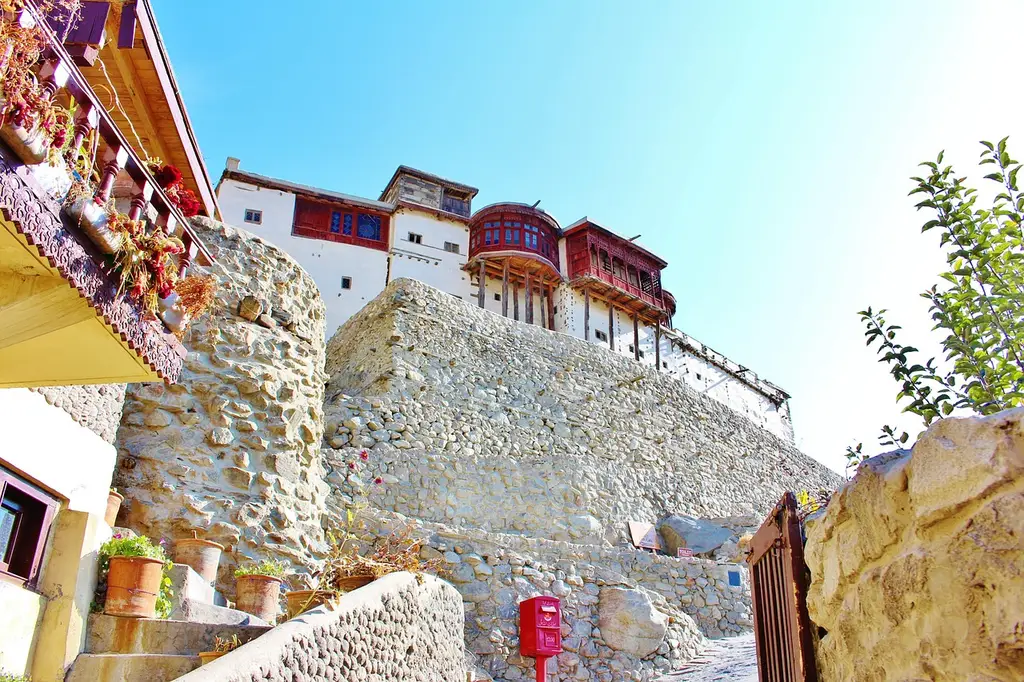
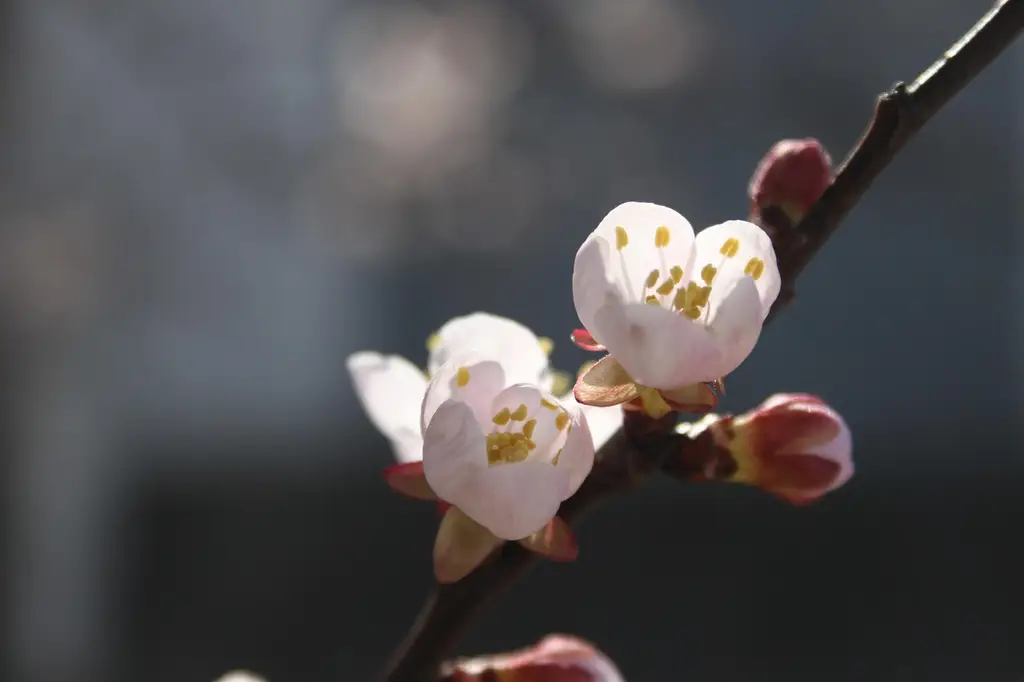
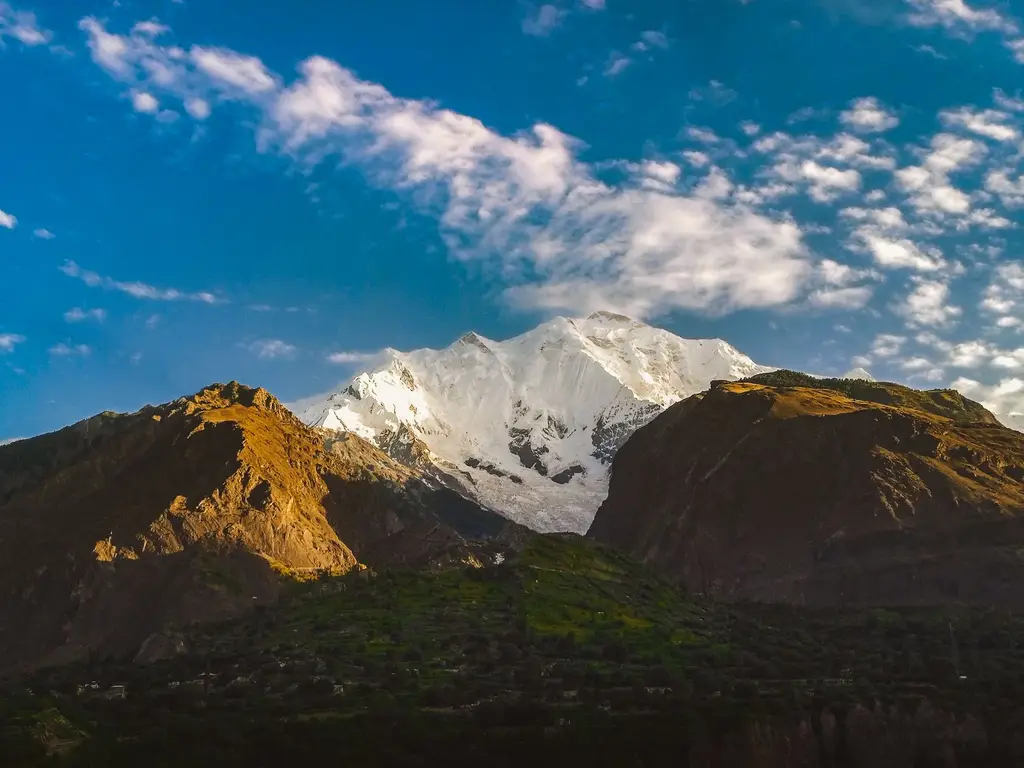
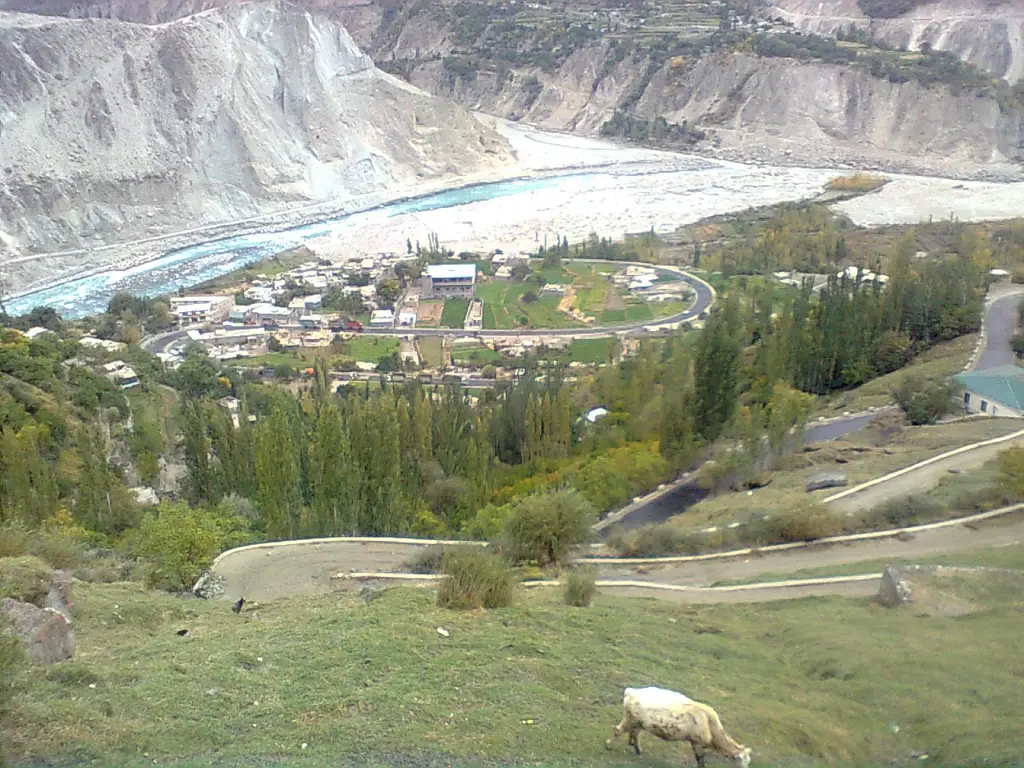
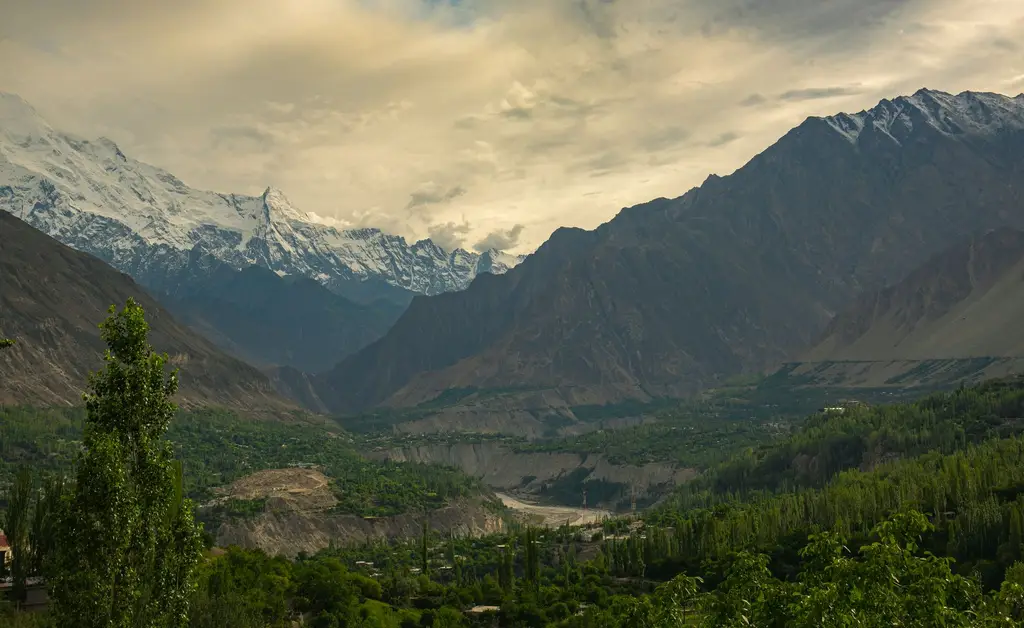
Hunza sits about 2,438 meters up in Gilgit-Baltistan, wedged between the Karakoram peaks with Rakaposhi's near-vertical face on one side and the Hunza River cutting through orchards and terraced fields on the other. Karimabad is the valley's main town and the usual base, a cluster of guesthouses and shops climbing the hillside below Baltit Fort, which was the seat of the Mir of Hunza for centuries before the princely state was dissolved in 1974. Everything about visiting Hunza is shaped by how far it is from everywhere else. The Karakoram Highway climbs for a full day or two from Islamabad, and the alternative, a flight to Gilgit, depends on clear mountain weather and cancels often enough that nobody should book it without slack in the schedule. Once you're there, the valley itself is compact: forts, viewpoints, and Attabad Lake's turquoise water are all within an hour or two of Karimabad, and the road runs on north toward Passu and the Khunjerab Pass for those going further. Hunza is genuinely seasonal. Spring brings apricot and cherry blossom through the lower orchards, autumn turns the poplars gold against bare rock, and winter closes the high passes and empties the guesthouses while leaving the valley floor itself, cold but reachable. The population is largely Ismaili, and the social character here, more relaxed than lowland Punjab or Sindh, is one of the first things visitors notice, along with hospitality that shows up constantly and without any transaction attached to it.
What I actually think
The drive up the KKH is the part people underestimate. It's not a fast road anywhere, and by the time the valley opens up and Rakaposhi appears on the horizon, you've earned the view rather than just arrived at it.
Eagle's Nest at sunrise is worth the cold and the early alarm. Sunset there is prettier in photos but busier; if you can only do one, go for the morning, when it's mostly just you, the peaks, and a thermos of tea.
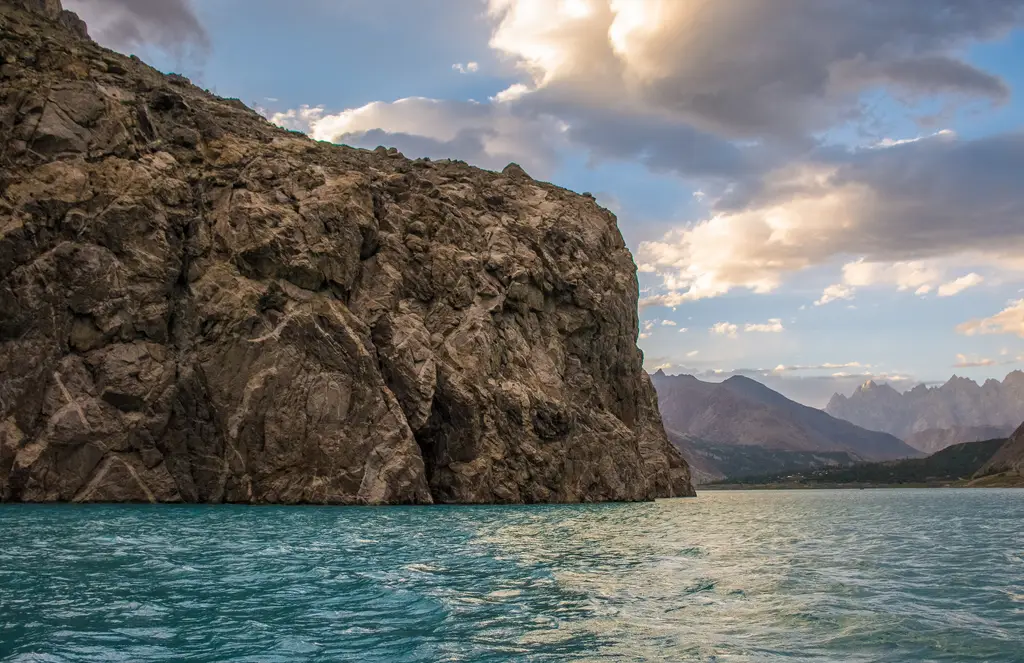
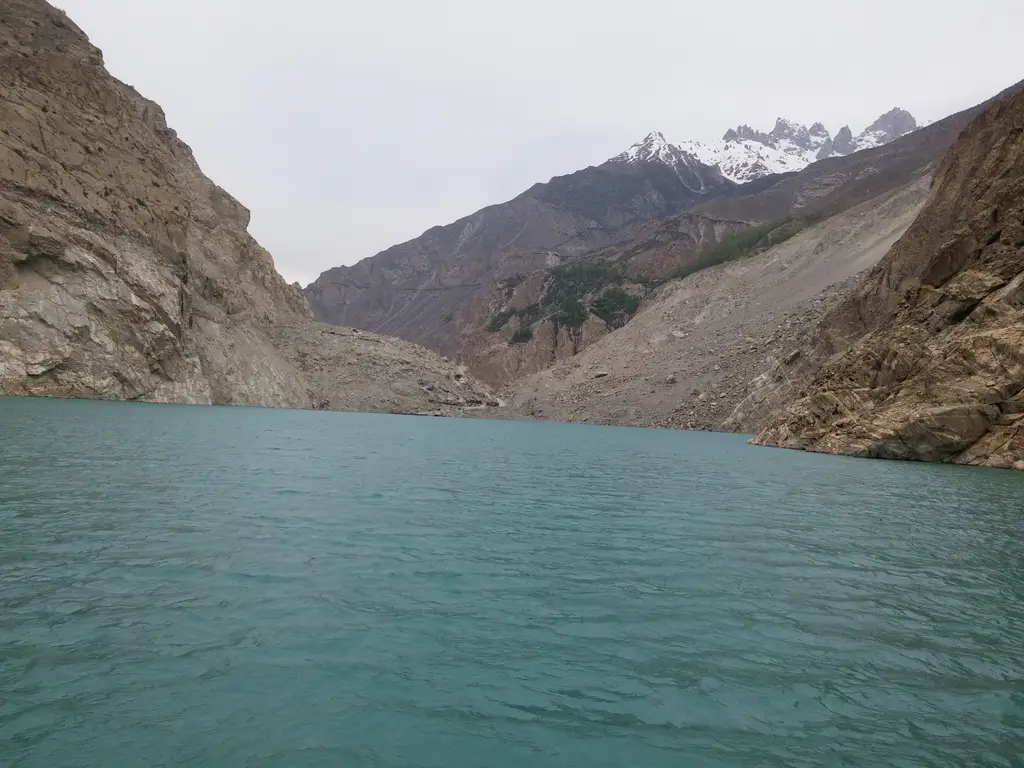
Attabad Lake's color surprised me more than any single fort or viewpoint. It's a genuine blue-green, not enhanced by a filter, and knowing it exists because a mountainside collapsed in 2010 makes it stranger to look at rather than less beautiful.
People talk about Hunza's pace of life like a cliche, but it's real in a specific way: nobody is trying to sell you anything the moment you step off a jeep, and conversations start because someone is curious, not because they want a commission.
I'd budget a full extra day before I ever trusted a flight into Gilgit again. The road is slower but it always gets there; the plane sometimes just doesn't fly.
If you only have one day, this is the tightest honest version, but it is not how to actually see Hunza; the journey alone eats most trips this short.
Day 1: Karimabad essentials, assuming you're already in the valley
Morning
Baltit Fort at opening, then the short walk down through Karimabad's bazaar lanes toward Altit village.
Afternoon
Altit Fort, then a quick stop at a viewpoint over the river before the light gets harsh.
Evening
Eagle's Nest at Duikar for sunset over Rakaposhi and the valley, the single best use of a limited evening here.
Tip: This only works if you're not also driving in from Islamabad or Gilgit that day; arrive the night before.
The core valley: both forts, Eagle's Nest, and Attabad Lake, with realistic travel time built in.
Day 1: Arrival and Karimabad orientation
Morning
Arrive in Karimabad, settle in, allow for a long drive or flight day.
Afternoon
Walk the bazaar, easy loop up toward Baltit Fort's base without going in yet.
Evening
Dinner in town, early night to recover from the journey.
Tip: Don't schedule anything demanding on arrival day; the road or the flight will have taken more out of you than expected.
Day 2: The forts and Eagle's Nest
Morning
Baltit Fort, allow time for the museum rooms and the terrace views over Karimabad.
Afternoon
Drive or walk down to Altit village for Altit Fort, older and less crowded.
Evening
Up to Duikar for sunset at Eagle's Nest, the postcard shot of the whole valley.
Tip: Book a driver for the Duikar climb; it's steep enough that walking up for sunset means walking down in the dark.
Day 3: Attabad Lake
Morning
Drive to Attabad Lake, about an hour from Karimabad, for boating on the turquoise water.
Afternoon
Lakeside lunch, then back toward Karimabad with a stop at the Rakaposhi viewpoint near Ghulmet if time allows.
Evening
Free evening in Karimabad, departure prep if flying out the next day.
Tip: Go to Attabad Lake in the morning; the water's color reads best before midday haze builds up.
Adds Passu and the upper valley as a genuine day trip north from Karimabad.
Day 1: Arrival and Karimabad orientation
Morning
Arrive, settle in.
Afternoon
Bazaar walk, easy orientation loop.
Evening
Early dinner, rest.
Tip: Treat day one as recovery, not sightseeing.
Day 2: Baltit Fort and Eagle's Nest
Morning
Baltit Fort, the museum rooms and the Mir's former quarters.
Afternoon
Free afternoon in Karimabad, café time or a short walk toward Ganish village's old settlement nearby.
Evening
Eagle's Nest sunset at Duikar.
Tip: Bring a jacket even in summer; Duikar is noticeably colder than Karimabad after dark.
Day 3: Altit Fort and Attabad Lake
Morning
Altit Fort and the surrounding village lanes.
Afternoon
Drive to Attabad Lake, boating and lakeside time.
Evening
Back to Karimabad for dinner.
Tip: Combine Altit and Attabad in one day if your driver is efficient; they're on roughly the same route.
Show all 5 days
Day 4: Day trip to Passu and Upper Hunza
Morning
Drive north past Attabad Lake to Passu (about 2 hours from Karimabad), views of the Passu Cones the whole way.
Afternoon
Walk toward the Passu suspension bridge and glacier viewpoint, or the shorter Hussaini bridge if time is tight.
Evening
Return to Karimabad, a long but scenic day.
Tip: This is a full day; leave by 8am if you want real time in Passu rather than just a drive-through.
Day 5: Rakaposhi viewpoint and departure prep
Morning
Stop at the Rakaposhi 'Zero Point' viewpoint near Ghulmet on the way to or from another stop.
Afternoon
Free time for last errands, apricot products, or a return to whichever spot you liked most.
Evening
Departure or overnight before an early Gilgit flight.
Tip: If flying out of Gilgit, plan to be in Gilgit the night before rather than racing a morning departure.
Full Hunza core plus a slower pace and a look toward the Khunjerab Pass if the season allows.
Day 1: Arrival and Karimabad orientation
Morning
Arrive, settle in.
Afternoon
Bazaar walk.
Evening
Early dinner, rest.
Tip: Recovery day, not a sightseeing day.
Day 2: Baltit Fort and Eagle's Nest
Morning
Baltit Fort in full.
Afternoon
Free afternoon, Ganish village's old mosque and watchtowers if you want a quieter historic stop.
Evening
Eagle's Nest sunset.
Tip: Bring layers for Duikar.
Day 3: Altit Fort and Attabad Lake
Morning
Altit Fort.
Afternoon
Attabad Lake, boating.
Evening
Karimabad dinner.
Tip: Ask your driver about combining stops to save on transport cost.
Show all 7 days
Day 4: Passu and Upper Hunza
Morning
Drive to Passu, Passu Cones viewpoint.
Afternoon
Passu suspension bridge and glacier lookout.
Evening
Return to Karimabad or overnight in Gulmit/Passu for a change of base.
Tip: Overnighting in Passu instead of a same-day return gives you a proper look at the Batura Glacier area.
Day 5: Toward Khunjerab Pass (season permitting)
Morning
From Passu or Sost, continue north toward Khunjerab National Park, roughly 2 more hours if the pass road is open.
Afternoon
Khunjerab Pass itself at 4,693m, the border with China, weather and season dependent; if closed, spend the day around Sost and the upper glaciers instead.
Evening
Return south toward Karimabad.
Tip: This leg only works May-October in most years; confirm current pass status before committing the day.
Day 6: Rest day and Rakaposhi viewpoint
Morning
Slow morning in Karimabad, no fixed plan.
Afternoon
Rakaposhi viewpoint near Ghulmet, and Nagar valley across the river if curious about the other side of the Hunza-Nagar divide.
Evening
Farewell dinner in Karimabad.
Tip: Nagar was historically Hunza's rival princely state; the drive across gives a different, less-visited angle on the same peaks.
Day 7: Departure
Morning
Pack, last bazaar stop for dried fruit and local crafts.
Afternoon
Drive to Gilgit for a flight, or continue south on the KKH toward Islamabad.
Evening
Departure, or overnight in Gilgit if catching an early flight.
Tip: Build a spare day here if your onward flight is the only one of the day; a single cancellation otherwise costs you 24 hours.
Hunza alone doesn't need two weeks. This builds outward regionally, Hunza's own sites in the first week, then the long road link toward Skardu and back, plus real rest days for a trip this altitude- and road-heavy.
Day 1: Arrival and Karimabad orientation
Morning
Arrive, settle in.
Afternoon
Bazaar walk.
Evening
Early dinner, rest.
Tip: Don't fight the travel fatigue on day one.
Day 2: Baltit Fort and Eagle's Nest
Morning
Baltit Fort.
Afternoon
Ganish village.
Evening
Eagle's Nest sunset.
Tip: Layers for Duikar after dark.
Day 3: Altit Fort and Attabad Lake
Morning
Altit Fort.
Afternoon
Attabad Lake.
Evening
Karimabad dinner.
Tip: Combine these two stops in one driver hire.
Show all 14 days
Day 4: Passu and Upper Hunza
Morning
Drive to Passu.
Afternoon
Suspension bridge and glacier viewpoint.
Evening
Overnight in Gulmit or Passu.
Tip: A base change here breaks up the trip and gets you closer to Khunjerab for tomorrow.
Day 5: Khunjerab Pass (season permitting)
Morning
Drive to Khunjerab National Park and the pass itself, weather dependent.
Afternoon
Return toward Passu or Sost if the pass road is open; otherwise spend the day around Sost's glaciers.
Evening
Return to Karimabad.
Tip: Confirm current road status before committing; this is the single most weather-dependent day of the trip.
Day 6: Rest day in Karimabad
Morning
Open, catch up on anything missed in week one.
Afternoon
Rakaposhi viewpoint and Nagar valley across the river.
Evening
Open.
Tip: A genuine rest day matters on a trip this road-heavy; don't schedule around it.
Day 7: Gilgit town
Morning
Drive to Gilgit (2-3 hours), the region's administrative hub.
Afternoon
Kargah Buddha rock carving and the town's bazaar, a lower-key stop than Hunza's forts.
Evening
Overnight in Gilgit ahead of the long road toward Skardu.
Tip: Gilgit is a working town rather than a tourist destination in itself; treat it as a waypoint.
Day 8: Road to Skardu
Morning
Long drive from Gilgit to Skardu along the Indus, roughly 6-8 hours depending on road conditions; this is a genuinely long day, not a shortcut.
Afternoon
Continue the drive, stopping at viewpoints along the Indus valley.
Evening
Arrive Skardu, settle in.
Tip: This road link exists but it is long; flying Gilgit-Skardu or Islamabad-Skardu is the practical alternative if road time is the constraint.
Day 9: Skardu introduction
Morning
Skardu Fort and old town.
Afternoon
Satpara Lake, a short drive from town.
Evening
Skardu bazaar.
Tip: Skardu deserves its own dedicated time; this itinerary only samples it on the way through.
Day 10: Shigar Valley or Deosai (season permitting)
Morning
Day trip to Shigar Valley's fort and cold desert landscape, or Deosai Plains if the season and road allow (Deosai is typically only open June-September).
Afternoon
Continue exploring the chosen valley.
Evening
Return to Skardu.
Tip: Deosai's road closes with the first heavy snow; confirm access before planning around it.
Day 11: Return road to Gilgit
Morning
Depart Skardu early for the return drive.
Afternoon
Arrive Gilgit by evening, or fly if a seat is available and weather cooperates.
Evening
Overnight in Gilgit.
Tip: This is padding built around the genuine length of the Skardu link; don't treat it as filler you can skip without extending elsewhere.
Day 12: Back to Hunza, unhurried
Morning
Drive back to Karimabad.
Afternoon
Revisit whichever site you liked most, or a slow walk through Altit village you may have rushed the first time.
Evening
Dinner in Karimabad.
Tip: Use this day to fill any gap left by weather earlier in the trip.
Day 13: Final Hunza day
Morning
Open morning, dried apricot and local craft shopping in Karimabad's bazaar.
Afternoon
One last visit to Eagle's Nest or Attabad Lake, whichever suits the weather.
Evening
Final dinner in Karimabad.
Tip: Keep this day flexible as a buffer against any earlier weather or road disruption.
Day 14: Departure
Morning
Drive to Gilgit for a flight, or begin the long KKH drive south toward Islamabad.
Afternoon
Continue toward departure point.
Evening
Departure.
Tip: Build a spare day into the very end of the trip if flying out of Gilgit; a single weather cancellation otherwise costs you an international connection.
check before you go·check before you go·1-1.5 hours
walk in, guided tour usually included at the ticket counter
Restored by the Aga Khan Trust for Culture and reopened as a museum in 1996; the seat of the Mir of Hunza until 1945. The AKDN site returned a server error during research, confirm hours and price locally.
2
Altit Fort
check before you go·around PKR 1,600 for foreign visitors, PKR 200 for locals per a 2025 source, unverified against an official page·1-1.5 hours
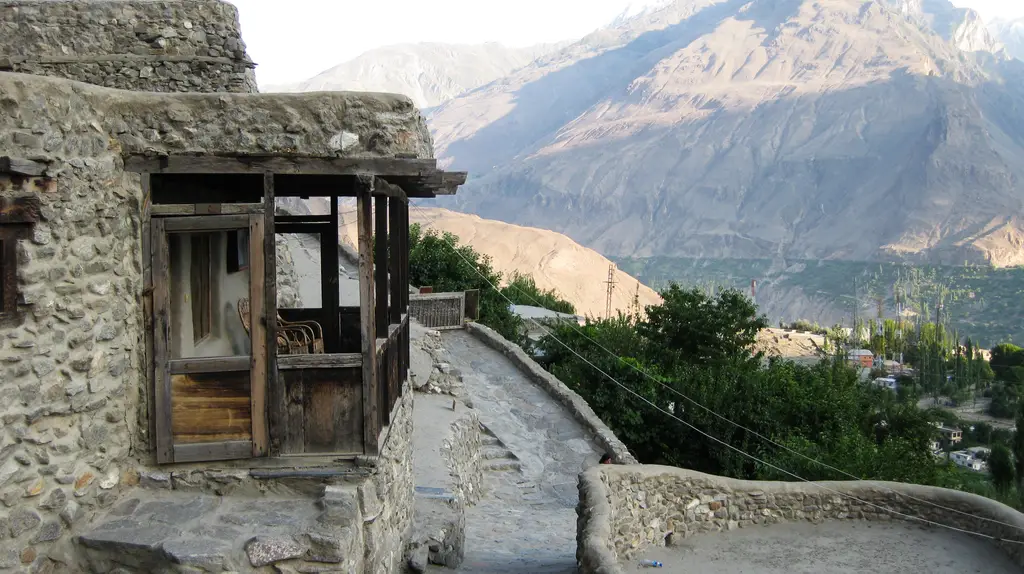
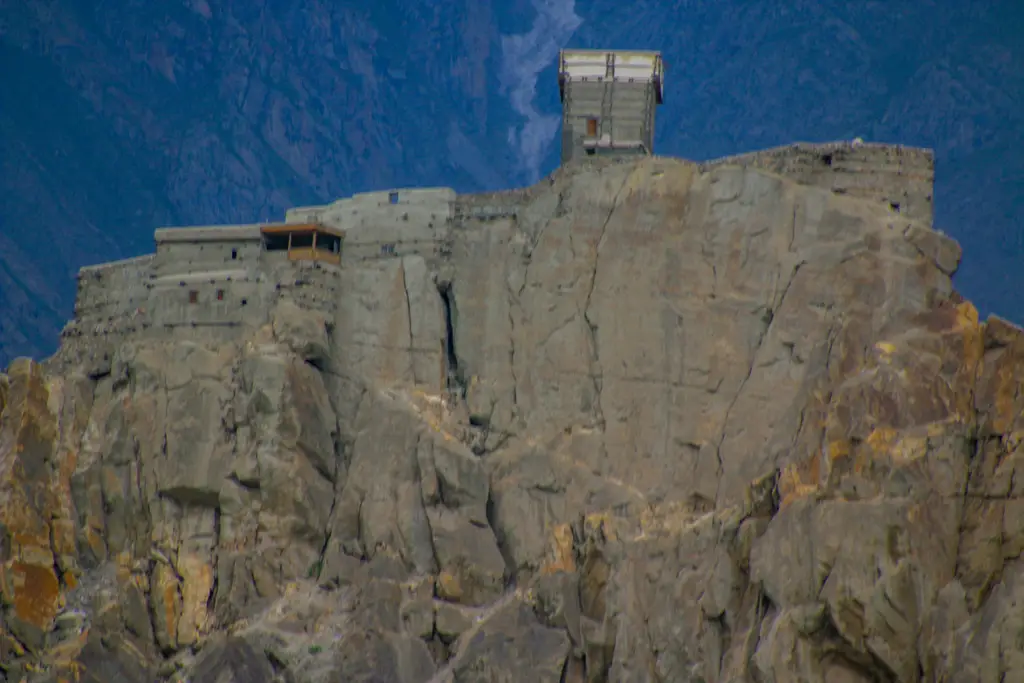
The oldest monument in Gilgit-Baltistan, its Shikari watchtower dates back roughly 1,100 years. Restored by AKTC with Norwegian government support, reopened in 2007, fully complete by 2010.
3
Eagle's Nest viewpoint, Duikar
always open·free, small parking or entry fee sometimes collected locally·1-2 hours including the drive up
The highest viewpoint above Karimabad, looking across the valley to Rakaposhi and the surrounding Karakoram peaks. Sunrise is quieter than sunset; bring a layer, it's cold above the valley floor.
4
Attabad Lake
always open, boat operators generally run daytime hours only·free to view, boating and jet-ski rides priced per trip, check current rates locally·2-3 hours
walk in, boats booked on arrival at the lakeside
Formed by a January 2010 landslide that dammed the Hunza River; the water reaches over 100 meters deep in places and runs a genuine turquoise. Morning light shows the color best, before midday haze sets in.
5
Passu Cones and Passu suspension bridge
always open·free to view, small crossing fee sometimes charged at the suspension bridge·half day including the drive from Karimabad
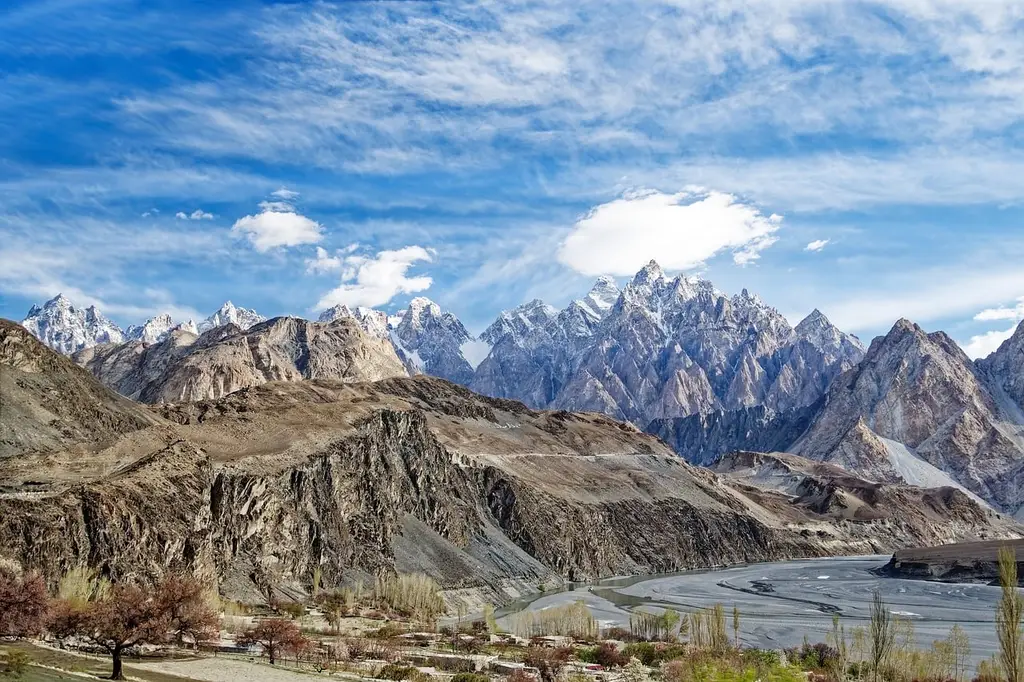
The jagged Passu Cones (Tupopdan, 6,106m) are the most photographed peaks in the region; the nearby suspension bridge crosses the Hunza River toward the Passu Glacier tongue. About two hours north of Karimabad.
6
Rakaposhi viewpoint (Zero Point), Ghulmet
always open·free·30-45 minutes
The closest roadside viewpoint of Rakaposhi's 7,788m summit, which rises nearly 6,000m from the Hunza River in just over 11km, one of the steepest mountain faces visible from any road.
Attabad Lake
as of 2026-09
Viral
Turquoise lake formed by a 2010 landslide that dammed the Hunza River, now the valley's single most photographed spot, with boat rides across it. The water color is real, it isn't staged. There's ongoing social-media debate about the water level dropping and sandy patches showing, check recent shots before committing a whole day to it.
Karimabad and Baltit Fort
as of 2026-09
Viral
Hilltop town with views over the Hunza Valley, an old bazaar climbing the terraces, and the restored Baltit Fort museum above it. This is the valley's staying-power draw, not a single hyped stop. Hunza tourism as a whole is up sharply on TikTok and Instagram, and the town and lodges have kept pace with the traffic.
Eagle's Nest viewpoint, Duikar
as of 2026-09
Viral
Hilltop viewpoint above Karimabad at roughly 3,000m, looking out at Rakaposhi, Lady Finger, Ultar Sar and other peaks across the valley. One of the more reliably spectacular viewpoints in the valley, clear mornings are best. It's a short drive plus walk, not a serious trek, don't overbuild it in your itinerary.
Passu Cones and Passu Glacier
as of 2026-09
Viral
Jagged granite peaks in upper Hunza along the Karakoram Highway, with the glacier visible from the road, a common stop on the drive north toward Khunjerab. A genuine highlight of the northern drive, no ticket, no queue, just pull over. Best light is morning before haze builds up.
Karakoram Highway drive to Khunjerab Pass
as of 2026-09
Viral
Scenic drive from Karimabad up through upper Hunza to the Pakistan-China border at 4,693m, the highest paved international crossing in the world. This is a route, not a single stop, and it's the strongest category answer for the valley: the drive itself, past Passu and Sost, is the experience. Weather and altitude sickness are real considerations, don't rush it in one day if you can spread it over two.
More to see (2)
7
Ganish village
always open·small entry donation sometimes requested by the village heritage committee·45-60 minutes
One of the oldest settlements in the valley, with a cluster of historic mosques and watchtowers around a central pond. Quieter than either fort and usually skipped by shorter itineraries.
8
Khunjerab Pass and National Park
seasonal, generally closed to all vehicles late December to early April·national park entry fee applies, check current rate locally·full day round trip from Karimabad
Closed closed in winter, dates shift year to year with snowfallwalk in when open, confirm road status before departure
The highest point of the Karakoram Highway at 4,693m and the border crossing into China. A long day from Karimabad; only attempt it May-October and confirm the pass is open before setting out.
Where to stay
Karimabad center
Suits: first-time visitors who want to walk to Baltit Fort and the bazaar
The most guesthouse density and the easiest base for a short stay, though rooms with a Rakaposhi view cost more.
Altit village
Suits: travelers who want quieter lanes and proximity to Altit Fort
A short drive or a longer walk below Karimabad, closer to the river, generally cheaper.
Duikar / Eagle's Nest area
Suits: anyone prioritizing sunrise and sunset views over convenience
A steep drive above Karimabad; a couple of small hotels sit right at the viewpoint, worth one night even if you base elsewhere.
Gulmit or Passu (Upper Hunza)
Suits: travelers heading toward Khunjerab or wanting fewer crowds
An hour or more north of Karimabad, closer to Passu Cones and the glacier, thinner services in winter.
Getting there and around
Getting there
By road: the Karakoram Highway from Islamabad to Karimabad is roughly 600 km and takes a genuine two days with an overnight break, longer if landslides or checkpoints slow the Chilas section. By air: PIA and private carriers fly Islamabad to Gilgit (about 1 hour) when weather permits, then it's a 2-3 hour drive to Hunza; flights are visual-approach only and cancel often, so build in buffer days on both ends.
Getting around
Karimabad itself is walkable but steep, expect stairs and slopes between the bazaar and the forts above it. Getting to Attabad Lake, Passu, Duikar, or the Rakaposhi viewpoint means hiring a car or shared jeep, since there's no public transit network up the side valleys. Drivers and 4x4 hire are easy to arrange through any guesthouse; agree the day rate before you go, since Hunza's transport costs run higher than lowland Pakistan.
Map
City
Recommended (numbered)
Mentioned in an itinerary
Locations on this map
Hunza Valley36.32, 74.65
Baltit Fort36.33, 74.67
Altit Fort36.32, 74.68
Eagle's Nest viewpoint, Duikar36.32, 74.69
Attabad Lake36.35, 74.87
Passu Cones and Passu suspension bridge36.49, 74.88
A mid-range day: PKR 8,000 guesthouse room with a valley view, PKR 1,600 Altit Fort entry, PKR 4,000 half-day jeep hire shared between two or three people to Attabad Lake, PKR 1,500 for boating on the lake, PKR 3,000 for three meals of local and Pakistani dishes. Comes to roughly PKR 18,000-19,000 total, split fewer costs if traveling as a group.
Money savers
Share jeep hire with other travelers at your guesthouse rather than booking a private car for day trips to Attabad Lake or Passu
Eat at Karimabad bazaar cafes serving local Hunza dishes (apricot soup, walnut cake, diram phitti) instead of guesthouse tourist menus
Skip guided tours of the forts and hire the on-site guide directly, cheaper than a package booked in Islamabad
Carry cash from Gilgit or Islamabad; ATMs in Karimabad are limited and sometimes out of service, and withdrawal fees add up
Hunza's food is mountain cuisine shaped by altitude and isolation, not a regional variant of lowland Pakistani cooking. Apricots dominate: fresh in summer, dried and pressed into oil the rest of the year, worked into soups, breads and desserts. Diram phitti, a griddle-cooked flatbread with a savory filling, is closer to home cooking than a standard restaurant menu. Trout, farmed in the cold valley streams, shows up on most tourist menus and is reliably good. Kahwa, green tea often with local herbs or almonds, is the default hospitality drink, offered before you have asked. Meals here are simpler and less spiced than Lahore or Karachi, a real reflection of the elevation, not a lesser version of the same food.
Photo by Matvei on PexelsHunza apricot soup and dried apricots
Diram phitti
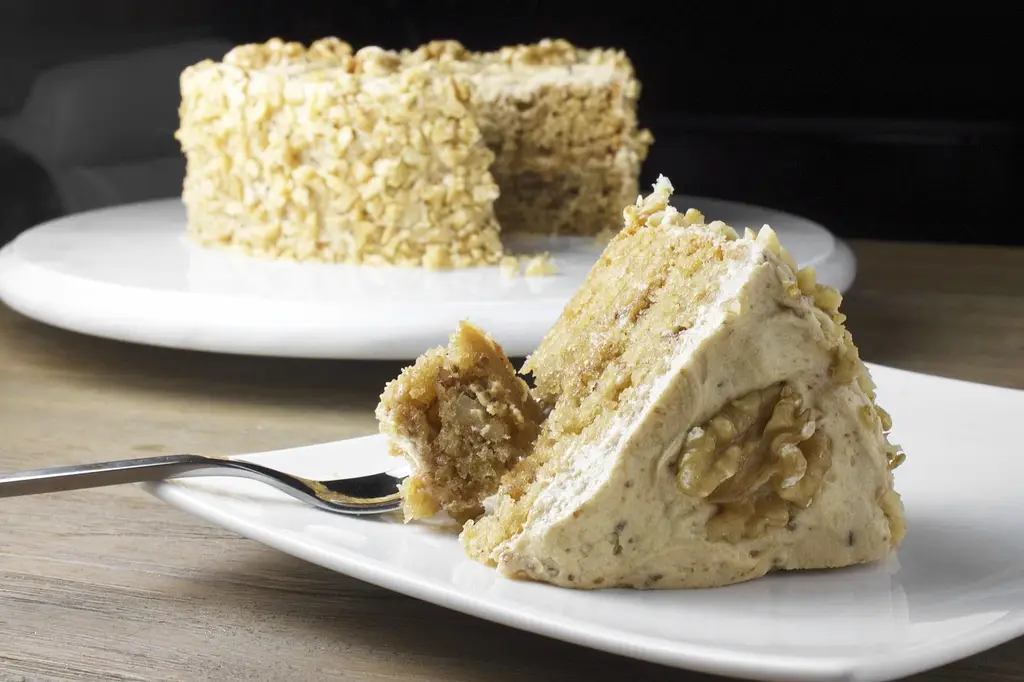
Walnut cake
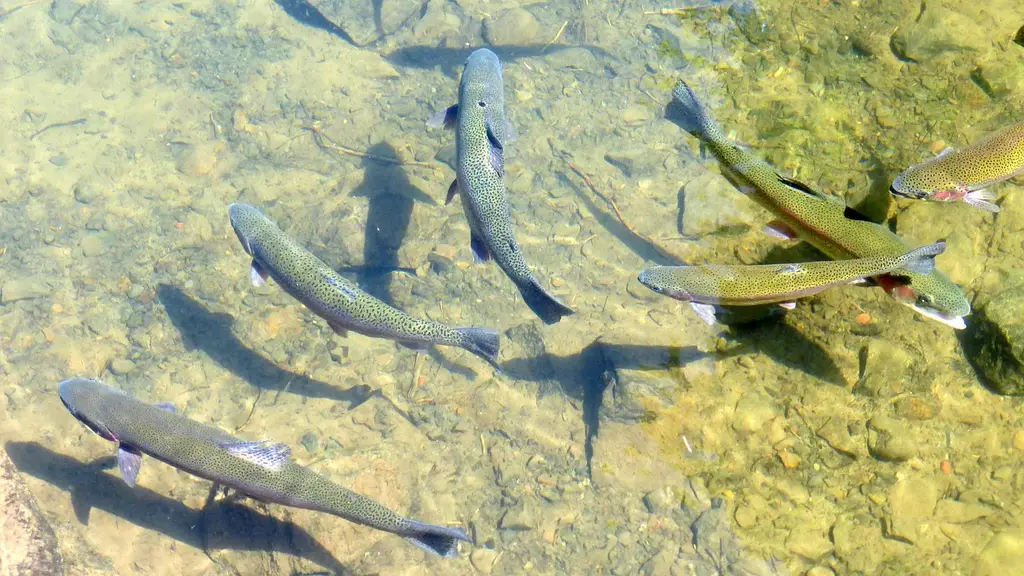
Trout
Kahwa
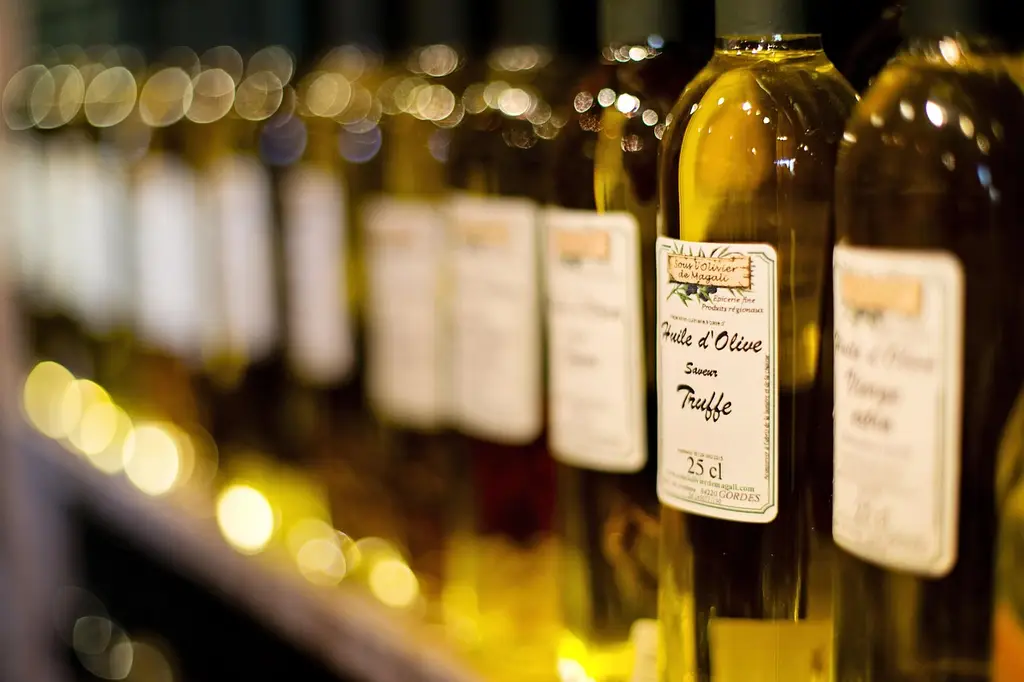
Apricot oil and local produce
Hunza apricot soup and dried apricots
PKR 200-500 for soup, PKR 500-1,200 per kg dried·Karimabad bazaar cafes and roadside stalls throughout the valley
Must try
Apricots are the valley's signature crop, eaten fresh in summer, dried and used in soups, oils and desserts year round.
Diram phitti
PKR 150-350·Family-run cafes in Karimabad and Altit
Must try
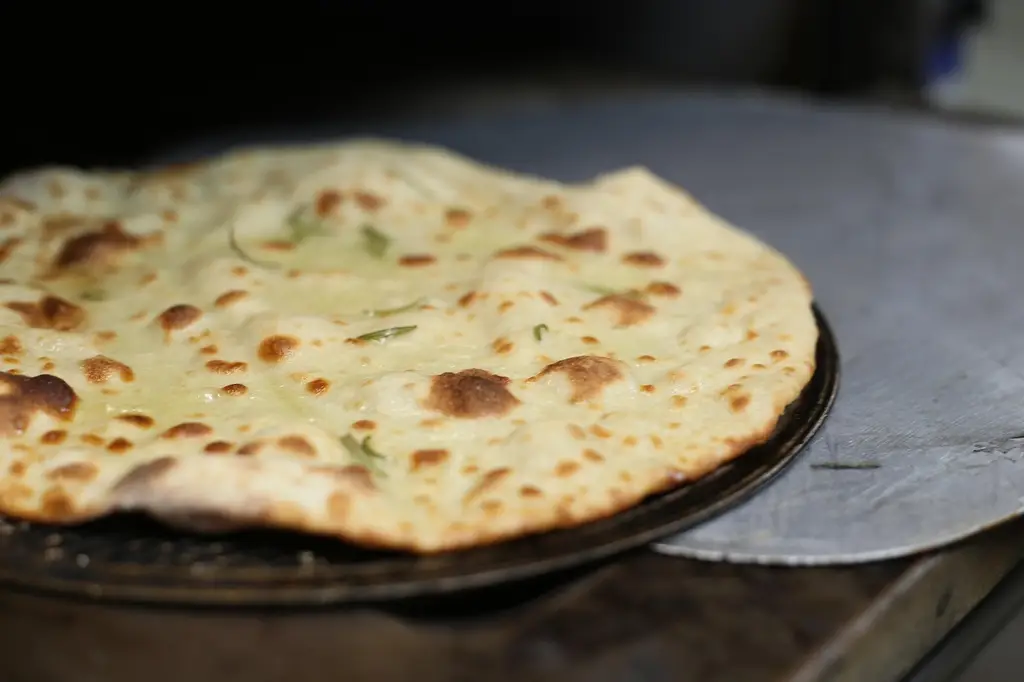
A thick, griddle-cooked bread with a ghee or vegetable filling, closer to Hunza home cooking than anything on a standard restaurant menu.
Walnut cake
PKR 100-250 per slice·Bakeries and guesthouses across Karimabad
Became a minor local specialty as tourism grew, dense, not overly sweet, usually served with tea.
Trout
PKR 800-1,800·Restaurants near Karimabad and along the river toward Altit
Must try
Farmed in the cold valley streams, grilled or fried, and shows up on most tourist-facing menus as the reliable local protein option.
Kahwa
PKR 50-150·Everywhere, offered before you've asked for anything
Must try
The default hospitality drink across Gilgit-Baltistan, sometimes with almonds or a local spice mix rather than plain green tea.
Apricot oil and local produce
PKR 600-1,500 per bottle·Karimabad bazaar and orchard stalls in season
Cold-pressed from apricot kernels, used in cooking and sold as a souvenir, a genuinely local product rather than a tourist-shop add-on.
Cafe de Hunza
as of 2026-09
Viral
Karimabad institution open since 1994, three floors overlooking the valley, known internationally for its walnut cake. Real staying power here, not hype. Still operating and still recommended in current guides. The view is as much the draw as the cake.
Chapshuro
as of 2026-09
Viral
Chapshuro, a meat-filled flatbread often described as Hunza's own version of pizza, has been getting renewed attention in travel food coverage, including a BBC feature. This deserves more attention than it gets outside Hunza. Actually distinct, not just a marketing angle for tourists.
Dried apricot and apricot oil stalls
as of 2026-09
Viral
Bazaars in Hunza sell dried apricots, apricot oil, and apricot kernel products as a long-running local specialty for visitors. Buy from an actual bazaar stall, not a hotel gift shop. The price triples for the same jar.
Safety and scams
The valley itself is calm and the tourist route between Karimabad, Attabad Lake, and Passu sees heavy domestic and increasing foreign traffic without major incident. The real risks are the road and the weather: landslides and rockfall on the KKH, especially the Mansehra-Chilas section, and altitude or cold-weather exposure if you push toward Khunjerab underprepared. Canada's current advisory specifically flags road travel to Gilgit-Baltistan over protest-related road disruptions; check the live advisory close to your dates rather than a static page, since this reads as a current, specific caution rather than a blanket no-go.
Common mistakes
Booking a tight Gilgit flight connection with no buffer day, then losing two or three days to a weather cancellation
Treating the KKH like a highway and underestimating drive times between Islamabad and Hunza
Skipping Altit Fort because Baltit gets all the attention; Altit is older and usually quieter
Visiting Eagle's Nest at midday instead of sunrise or sunset, when the light and the mountain views are both flatter
Not carrying enough cash; ATMs thin out fast north of Gilgit and card acceptance is close to nonexistent
Assuming Khunjerab Pass is open without checking current conditions; it closes to some or all traffic for roughly four months most winters, and the exact dates shift with snowfall
Frequently asked questions
Is it safe to travel to Hunza Valley right now?
Hunza sits in Gilgit-Baltistan, which official advisories treat differently from Balochistan or the tribal districts of Khyber Pakhtunkhwa. Canada's advisory flags a specific caution around road travel to Gilgit-Baltistan due to protest-related disruptions on some roads. This reads as a current, region-specific caution rather than a standing avoid-all-travel designation, but check the live advisory close to your travel dates since it can change quickly.
What is the best time to visit Hunza Valley?
April-May for apricot and cherry blossom in the lower orchards, and September to mid-October for clear skies and autumn color, are the two best windows. July-August is warm and fully open but carries the heaviest domestic tourist crowds on the KKH.
How do you get to Hunza Valley from Islamabad?
By road via the Karakoram Highway, a genuine two-day drive of about 600 km with an overnight stop, or by flying Islamabad to Gilgit (about an hour, weather permitting) and driving the remaining 2-3 hours. Flights are visual-approach only and cancel often in bad weather, so build in buffer days if flying.
Do you need a permit to visit Hunza?
No general NOC (No Objection Certificate) is required for foreigners to visit Gilgit-Baltistan, including Hunza, unlike some areas of Khyber Pakhtunkhwa, Balochistan, and Azad Kashmir that do require advance permission. Confirm with a local operator if your plans go beyond the standard tourist route.
Is the Khunjerab Pass open year round?
No. It's generally closed to heavy vehicles from around November 30 to May 1, and to all vehicles from around December 30 to April 1, though exact dates shift year to year with snowfall and can open earlier or stay closed longer. Confirm current status before planning a Khunjerab day trip.
How many days do you need in Hunza Valley?
3-5 days covers Karimabad, both forts, Eagle's Nest, and Attabad Lake without rushing. A week lets you add Passu and, season permitting, a look at the Khunjerab Pass. A single day is not realistic given how far the valley is from anywhere else.
What is Attabad Lake and can you swim in it?
Attabad Lake formed in January 2010 when a landslide dammed the Hunza River, submerging villages and a stretch of the KKH. It's known for turquoise-blue water and supports boating, jet-skiing, and fishing; swimming is less common given the cold glacial meltwater and depth, which reaches over 100 meters in places.
What is Eagle's Nest viewpoint in Hunza?
A viewpoint above Duikar village, reached by a steep drive from Karimabad, looking out over the Hunza valley floor toward Rakaposhi and the surrounding Karakoram peaks. It's popular at both sunrise and sunset; sunrise is quieter.
Is Hunza open in winter?
Karimabad and the lower valley stay reachable and inhabited through winter, though cold and quiet, with many guesthouses operating on reduced service. The Khunjerab Pass and higher side routes close, and heavy snow can periodically cut off villages further up the valley with little warning.
How much does it cost to visit Hunza Valley?
Hunza costs more than lowland Pakistan because of 4x4 hire, lodge rates, and imported goods, but it's still inexpensive by international standards. Budget travelers can manage on roughly PKR 8,000 a day, mid-range trips run closer to PKR 18,000 a day; at an approximate and unverified rate of PKR 280 per USD (late 2026), that's roughly USD 29-64 a day.