Things to Do in Skardu: Itineraries, Costs and When to Go
A high-altitude valley town at the meeting of the Indus and Shigar rivers, the base for Deosai's plateau, Shigar's restored fort, and the road toward K2.
By Labeeb Mirza · Published September 8, 2026 · Updated September 8, 2026
Best timeMay-Oct
Daily budget (mid)PKR 16,000
Ideal length3 days
CurrencyPKR
Overview
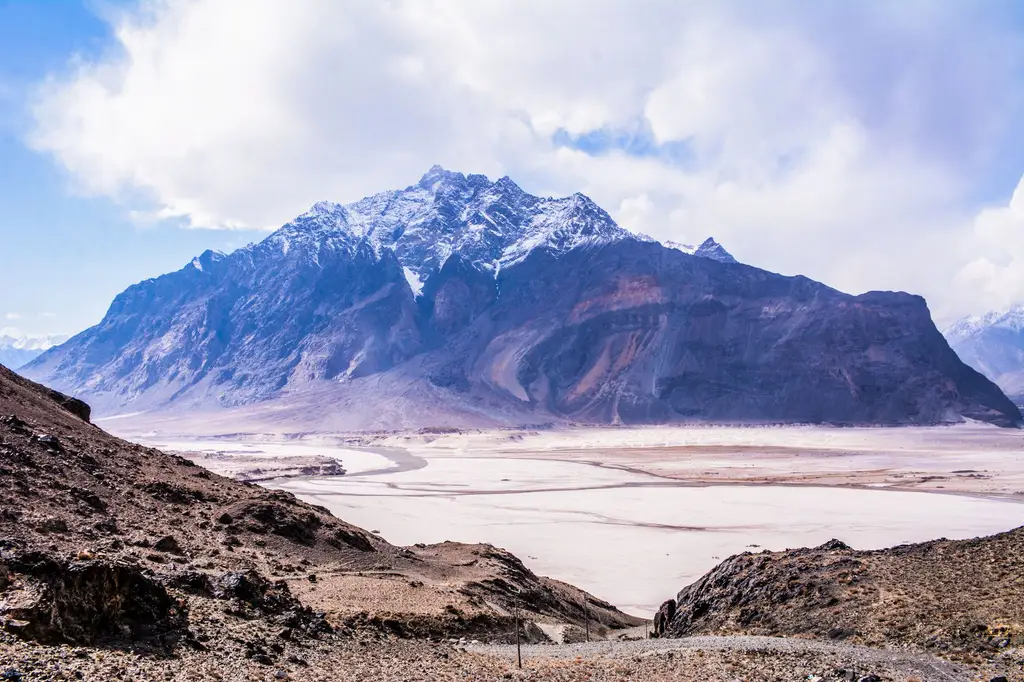
Skardu sits at roughly 2,230 meters in a broad glacial valley where the Indus and Shigar rivers meet, ringed by peaks that climb past 5,000 meters on every side. It was the winter capital of Ladakh until Partition split the region in 1947, and the old fort on the rock above town, Kharpocho, dates from a Maqpon dynasty that ruled Baltistan for centuries before that. What draws people here now is less the town itself, which is functional rather than pretty, than what surrounds it: turquoise lakes at Kachura, a restored 17th-century fort in the Shigar Valley, and Deosai, one of the highest plateaus on earth and a genuine wildlife reserve for the Himalayan brown bear. Skardu is also the last real town before the Karakoram's biggest expeditions start, the staging point for K2, Gasherbrum, and Broad Peak, though almost nobody who flies in for a week ever goes near those trails. Getting here is part of the story. The flight from Islamabad is a visual approach through mountain terrain that gets cancelled on a normal basis, and the road alternative is long even by Pakistani standards. Treat Skardu as a place that rewards slack in your schedule rather than a tight itinerary, and it delivers some of the most dramatic high-altitude scenery accessible by paved road anywhere in the world.
What I actually think
Nothing about Skardu's scenery photographs as strangely well as Deosai does. It's not dramatic in the way a mountain view is dramatic, it's just enormous, flat, empty ground running to the horizon at over 4,000 meters, and the scale is disorienting in a good way.
I would not book a return flight home for the same day, or even the next day, as a flight out of Skardu. The visual approach genuinely gets cancelled by weather often enough that treating the flight as a guarantee rather than a good bet is a planning mistake, not bad luck.
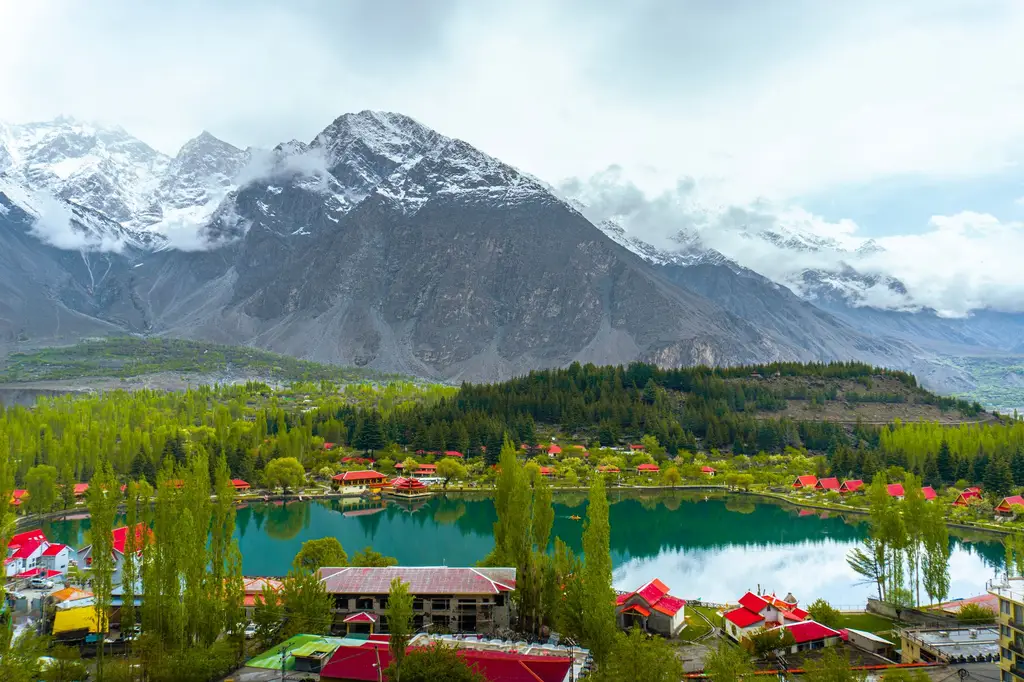
Shangrila's lake color gets photographed to the point of looking unreal online, and then you get there and it actually is that color. The resort infrastructure around it is a bit tired, but the lake itself earns the reputation.
Shigar felt like the slower, greener version of everything Skardu town isn't. If you only have time for one out-of-town half day, I'd send people to Shigar before Kachura, the fort and the orchards give you more to look at.
The pace of life up here is genuinely different from Lahore or Islamabad, and it's not just the altitude. Conversations take longer, tea gets offered before business does, and rushing a visit works against the place rather than through it.
Honestly not enough time here; a single day only works as a stopover, not a real visit to the region.
Day 1: Skardu town and the nearest lake
Morning
If arriving by the morning flight, head straight to Kharpocho Fort for the view over the Indus-Shigar confluence before the day's flight-window weather has a chance to turn.
Afternoon
Satpara Lake and Dam, the closest scenic stop to town, then a quick walk through Skardu bazaar.
Evening
Dinner in the bazaar; if departing by road the next day, arrange the jeep tonight rather than the morning of.
Tip: One day genuinely undersells this region; treat this as a forced layover itinerary, not the plan.
The realistic minimum: Skardu's own sights plus one full day at Kachura and Shigar.
Day 1: Arrival and Skardu town
Morning
Arrive by flight or the tail end of the road journey. Rest and acclimatize if you've come straight from lower elevation.
Afternoon
Kharpocho Fort for the climb and the view, then Satpara Lake and Dam.
Evening
Bazaar dinner, arrange tomorrow's jeep.
Tip: Don't over-schedule day one if you flew in; the altitude jump is real even at 2,230 meters.
Day 2: Kachura lakes
Morning
Drive to Shangrila Resort and Lower Kachura Lake, walk the grounds and the lakeside path.
Afternoon
Continue up to Upper Kachura Lake, quieter and less developed than the lower lake.
Evening
Return to Skardu for dinner.
Tip: Go early if you want the lake without other visitors' boats crossing your photos.
Day 3: Shigar Valley
Morning
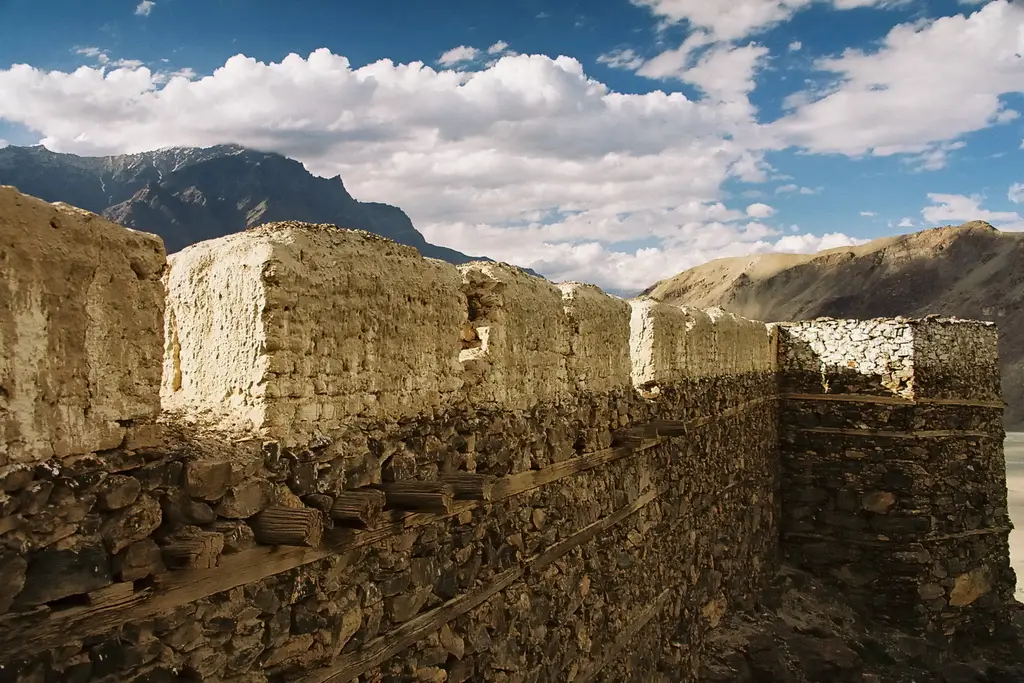
Drive to Shigar Fort, tour the restored museum sections and grounds.
Afternoon
Walk the valley's orchards and stone villages before heading back to Skardu.
Evening
Final dinner, prepare for departure or the next leg.
Tip: Shigar's road has rougher stretches than Kachura's; a jeep beats a sedan here.
Adds a full Deosai day to the 3-day core, only if the season fits (roughly June-September).
Day 1: Arrival and Skardu town
Morning
Arrive and settle in, rest if you flew straight in.
Afternoon
Kharpocho Fort and Satpara Lake.
Evening
Bazaar dinner.
Tip: Confirm Deosai's current access status with your guesthouse before locking in day 4.
Day 2: Kachura lakes
Morning
Lower Kachura Lake and Shangrila's grounds.
Afternoon
Upper Kachura Lake.
Evening
Return to Skardu.
Tip: Start early to avoid the midday crowd at the lower lake.
Day 3: Shigar Valley
Morning
Shigar Fort and museum.
Afternoon
Valley orchards and villages.
Evening
Back to Skardu.
Tip: Bring cash, Shigar has few if any card-accepting shops.
Show all 5 days
Day 4: Deosai National Park (season permitting)
Morning
Early jeep departure for the roughly 2-hour drive up to the plateau.
Afternoon
Explore the plateau, Sheosar Lake if time and road conditions allow, and watch for wildlife from a distance.
Evening
Return to Skardu by evening; the descent takes as long as the climb.
Tip: This day only exists if Deosai is open; outside roughly June-September, swap it for a rest day or Satpara revisit.
Day 5: Rest and departure prep
Morning
Slow morning, bazaar for last-minute apricot and craft shopping.
Afternoon
Open, or a return visit to whichever site you liked most.
Evening
Departure or overnight before an early flight.
Tip: Keep this day as a buffer if weather pushed anything earlier in the week.
The 5-day core with real breathing room and a second Deosai-area day, plus a look toward the Hunza road link.
Day 1: Arrival and Skardu town
Morning
Arrive, rest and acclimatize.
Afternoon
Kharpocho Fort and Satpara Lake.
Evening
Bazaar dinner.
Tip: Ask your guesthouse about Deosai's current road status on arrival.
Day 2: Kachura lakes
Morning
Lower Kachura Lake and Shangrila.
Afternoon
Upper Kachura Lake.
Evening
Return to Skardu.
Tip: Early start beats the midday boat traffic on the lower lake.
Day 3: Shigar Valley
Morning
Shigar Fort and museum.
Afternoon
Orchards and villages, a slower half day.
Evening
Back to Skardu.
Tip: Consider an overnight in Shigar if the fort's guest rooms are available, it changes the pace.
Show all 7 days
Day 4: Deosai National Park, full day
Morning
Early jeep up to the plateau.
Afternoon
Sheosar Lake and the open plains, wildlife watching from the vehicle.
Evening
Return to Skardu.
Tip: Layer up; the plateau is cold even in July and August.
Day 5: Second Deosai-area day or Skardu bazaar deep dive
Morning
If the season and your legs allow, a shorter return trip to a different part of Deosai or Satpara's less-visited shoreline.
Afternoon
Bazaar and market for crafts, apricots, and gear if you're continuing onward.
Evening
Rest evening.
Tip: This is the day to swap freely; use it as a weather buffer if anything earlier got cancelled.
Day 6: Slow day, Skardu valley viewpoints
Morning
Open morning, short walks around town.
Afternoon
Revisit whichever site you liked best, or a longer look at Shigar's side valleys.
Evening
Open.
Tip: Skardu itself doesn't have much left to fill by day six, this is deliberately unstructured.
Day 7: Departure, or the road toward Hunza
Morning
Pack and prepare for departure by air, or start the long road link toward Gilgit and Hunza if that's the next leg.
Afternoon
Flight out, or continue driving; the Skardu-Gilgit-Hunza road connection exists but is long, treat it as its own travel day rather than a side trip.
Evening
Departure.
Tip: If flying, build a buffer day before this one rather than scheduling it as the exit.
Skardu's own sights don't stretch to two weeks; this builds outward regionally through Shigar's side valleys, a longer Deosai stay, and the road link toward Hunza, with real rest days rather than invented stops.
Day 1: Arrival and Skardu town
Morning
Arrive, rest and acclimatize.
Afternoon
Kharpocho Fort and Satpara Lake.
Evening
Bazaar dinner.
Tip: Confirm Deosai's season status early so the trip can be built around it.
Day 2: Kachura lakes
Morning
Lower Kachura Lake and Shangrila.
Afternoon
Upper Kachura Lake.
Evening
Return to Skardu.
Tip: Early start for the lower lake.
Day 3: Shigar Fort
Morning
Shigar Fort and museum.
Afternoon
Orchard walks around the main village.
Evening
Overnight in Shigar if possible.
Tip: Staying overnight here beats a rushed day trip.
Show all 14 days
Day 4: Shigar's side valleys
Morning
Explore further up the Shigar Valley toward smaller villages, road conditions permitting.
Afternoon
Return toward Skardu at a slow pace.
Evening
Back in Skardu.
Tip: Ask locally which side roads are currently passable, this changes with the season.
Day 5: Rest day in Skardu
Morning
Open, laundry and logistics.
Afternoon
Bazaar browsing.
Evening
Open.
Tip: A genuine rest day matters more here than another sight.
Day 6: Deosai National Park, first day
Morning
Jeep up to the plateau.
Afternoon
Sheosar Lake and the open plains.
Evening
Overnight camping on the plateau if arranged in advance, or return to Skardu.
Tip: Camping on Deosai is genuinely cold at night even in summer; go prepared or return to Skardu instead.
Day 7: Deosai National Park, second day
Morning
A different part of the plateau or a slower wildlife-watching morning.
Afternoon
Descend to Skardu.
Evening
Rest evening, end of week one.
Tip: Two days on Deosai beats one rushed day, the scale of the place rewards slow looking.
Day 8: Rest day
Morning
Open.
Afternoon
Open.
Evening
Open.
Tip: By day 8 at this altitude, a full rest day is not wasted time.
Day 9: Satpara Lake, unhurried
Morning
A slower, longer visit to Satpara Lake and Dam than the first pass allowed.
Afternoon
Short walks around the lake's quieter shoreline.
Evening
Skardu.
Tip: Bring a book. This is a deliberately slow day, not a padded one.
Day 10: Road toward Gilgit, day one
Morning
Depart Skardu by road toward Gilgit on the Skardu-Gilgit connection.
Afternoon
Continue driving; this is a long day on mountain roads.
Evening
Overnight in Gilgit or en route.
Tip: This road link exists but is long; treat the whole day as transit, not sightseeing.
Day 11: Gilgit to Hunza
Morning
Continue by road from Gilgit toward Hunza on the Karakoram Highway.
Afternoon
Arrive in Hunza, settle in.
Evening
Hunza's own sights (Baltit Fort, Karimabad) start here; this itinerary hands off to Hunza rather than inventing Skardu content to fill the gap.
Tip: Hunza deserves its own multi-day itinerary rather than being squeezed into a Skardu trip's tail end.
Day 12: Hunza
Morning
Open, see Hunza's separate itinerary.
Afternoon
Open.
Evening
Open.
Tip: This and the following day are genuinely Hunza's, not Skardu's; padding them with more Skardu content would be dishonest about what's here.
Day 13: Hunza, second day
Morning
Open.
Afternoon
Open.
Evening
Open.
Tip: Use this as a buffer day for the return road journey if weather or landslides affect the KKH.
Day 14: Return and departure
Morning
Road or flight back toward Islamabad depending on where the trip started and ended.
Afternoon
Travel day.
Evening
Departure.
Tip: Build at least one spare day into the very end of a trip like this; road and flight schedules in this region both slip.
8Photo by USA Studio on PexelsAskole and the road toward K2 Base Camp / Baltoro Glacier
1
Shangrila Resort / Lower Kachura Lake
check before you go·PKR entry fee for day visitors, amount not verified, check before you go·2-3 hours
walk in for the lake grounds, book ahead for the resort's rooms in peak season
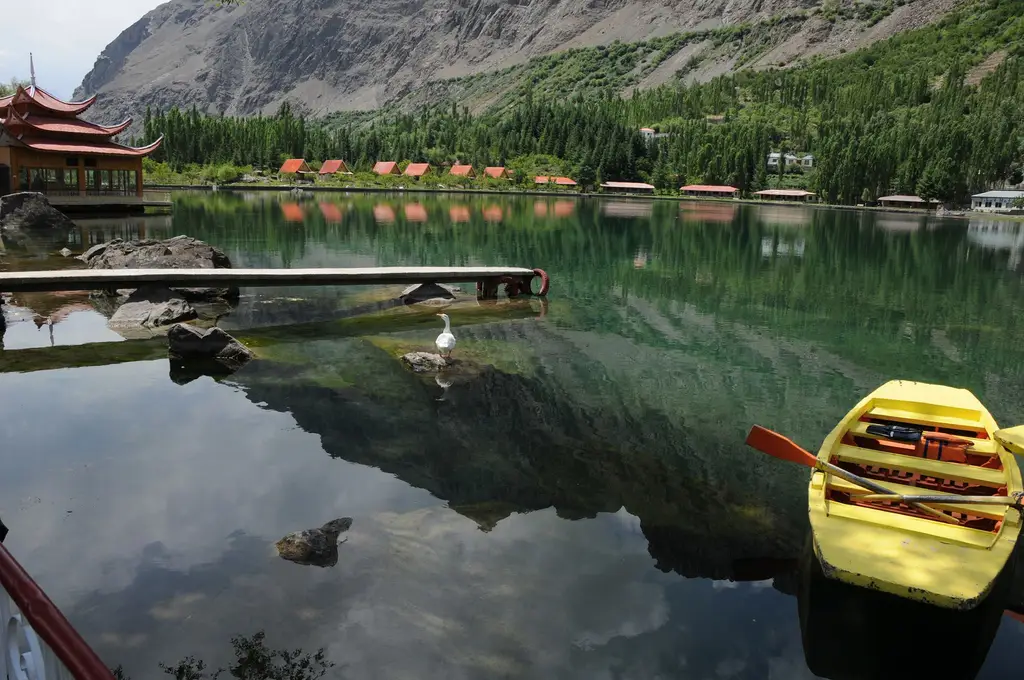
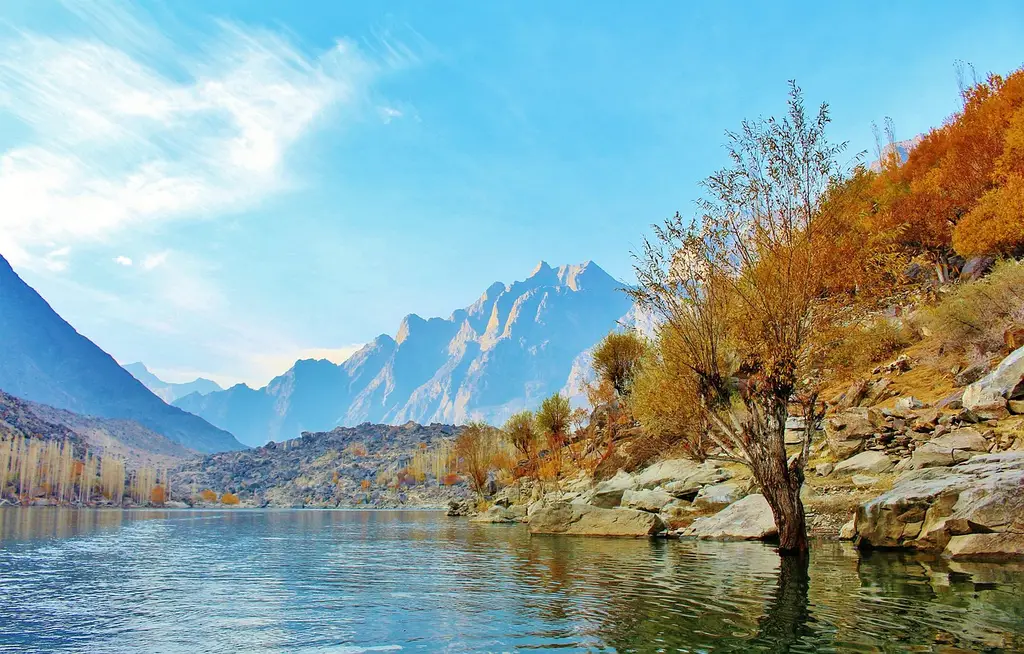
Nicknamed 'Heaven on Earth' for the lake's turquoise color against pine forest. About 25 minutes from Skardu town; go for the lake, the resort's boat-shaped restaurant is a curiosity more than a destination.
2
Upper Kachura Lake
daylight hours, informal·small entry fee at the access track, amount not verified·1-2 hours
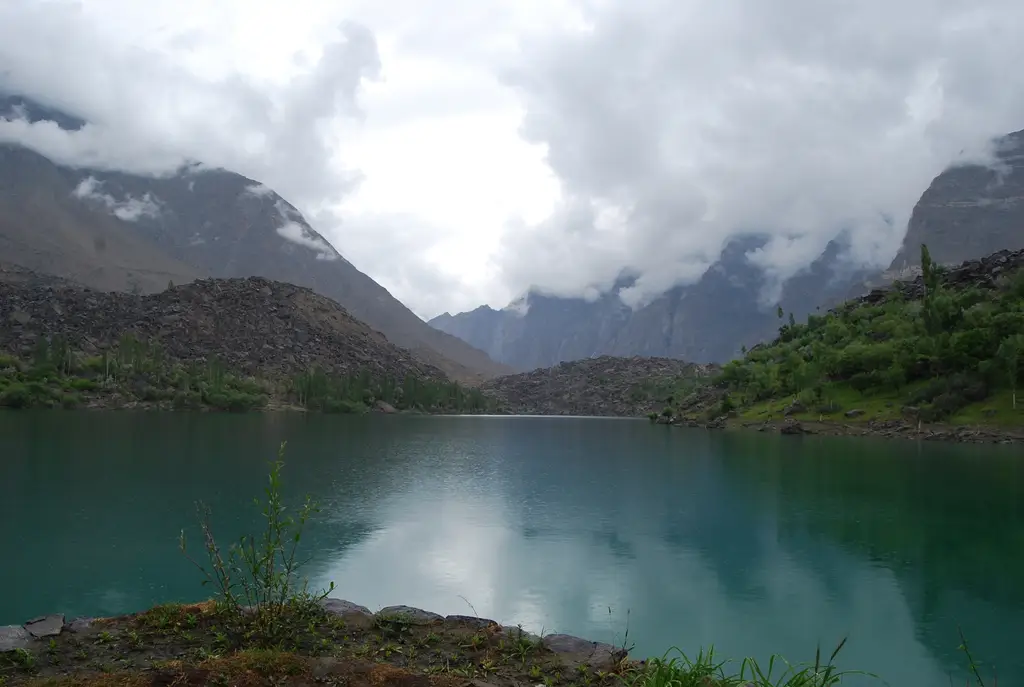
A short walk or drive past Lower Kachura, quieter and less developed. Rowboats are usually available lakeside; the color shifts with the light more than the lower lake's does.
3
Shigar Fort (Fong Khar) and Shigar Valley
check before you go, museum sections typically keep daytime hours·entry fee for non-guests, amount not verified·2-4 hours for the fort, half a day with the valley
advance booking recommended for overnight stays; museum visits generally walk-in
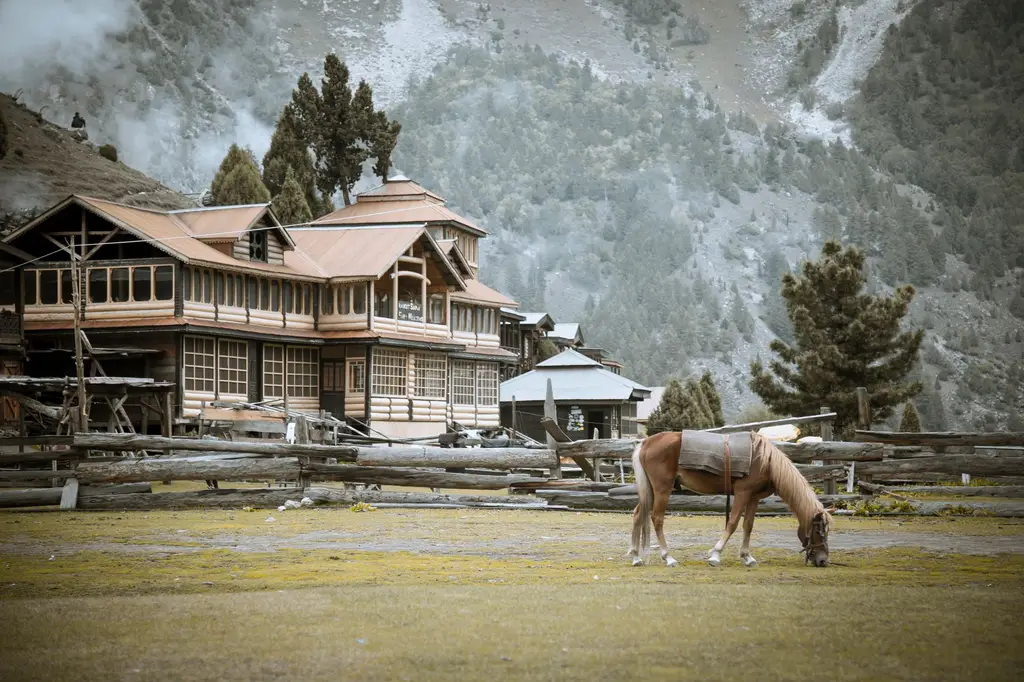
Restored by the Aga Khan Trust for Culture between 1999 and 2004 and now run partly as a heritage guesthouse, partly as a museum. The surrounding valley's apricot orchards and stone villages are worth the drive alone.
4
Deosai National Park
seasonal only, typically accessible roughly June to September, sometimes into early October; snowbound and closed the rest of the year·entry/vehicle fee applies, amount not verified, check before you go·full day trip from Skardu, or overnight camping
Closed closed by snow outside the summer window; exact opening and closing dates shift year to year, confirm locally before planningno advance booking for entry; a jeep and driver should be arranged in Skardu
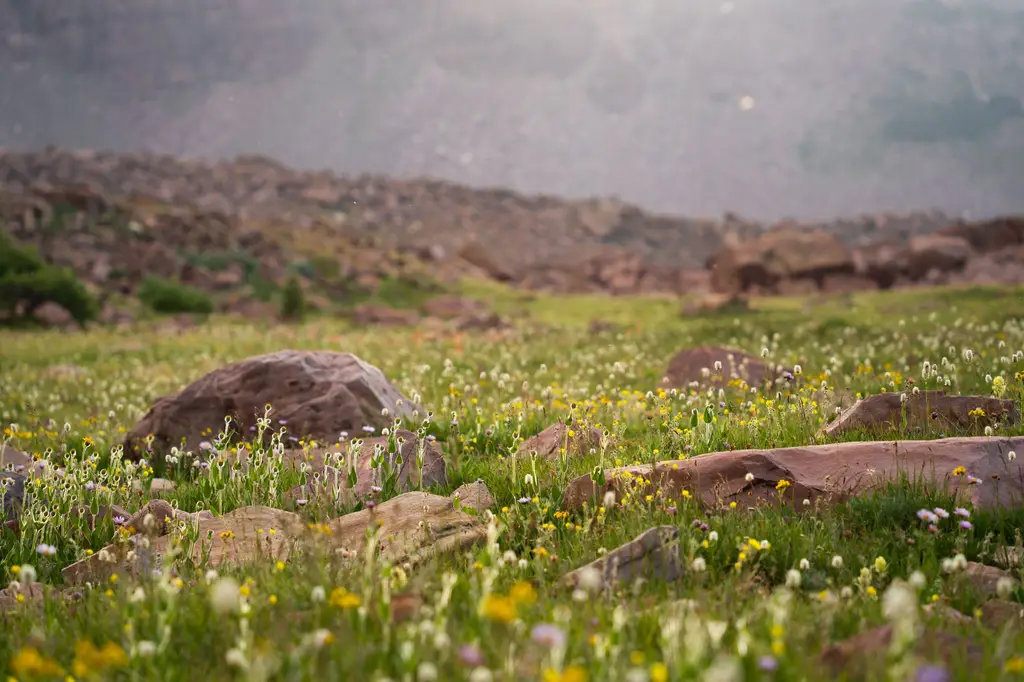
One of the highest plateaus on earth at over 4,000 meters, and a real conservation success story: the Himalayan brown bear population here has grown from under 20 in the 1990s to roughly 80 today. Wildflowers peak in summer.
5
Satpara Lake and Satpara Dam
daylight hours·free to view; boating and jet-ski rentals cost extra, amount not verified·1-2 hours
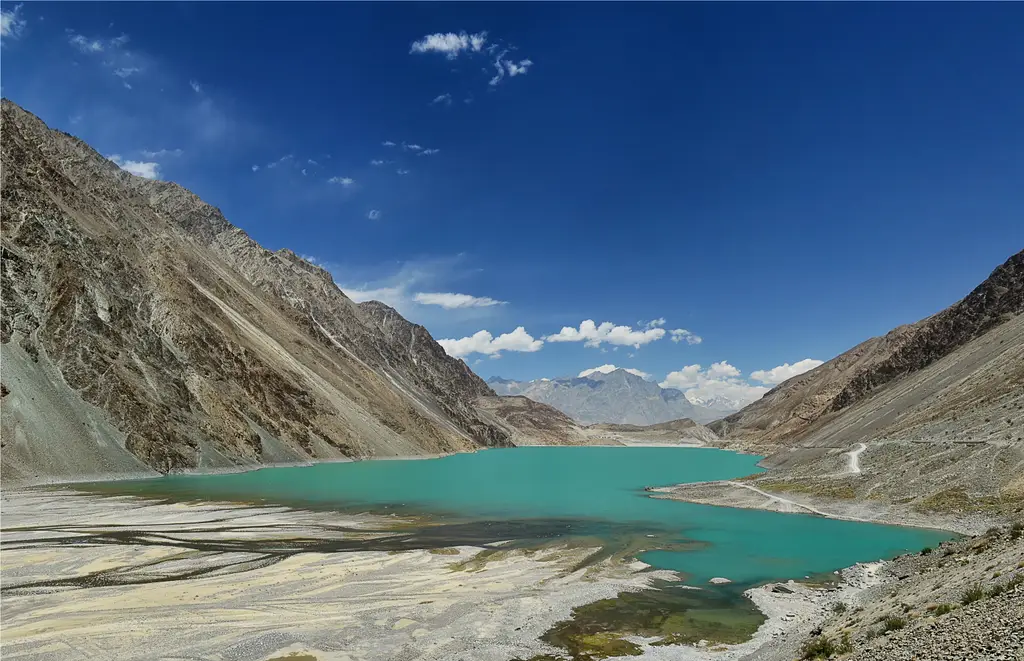
A glacial lake fed by Deosai's snowmelt, about 20-30 minutes from Skardu town, with a dam that supplies the valley's water and power. Closer and easier than Kachura if time is short.
6
Kharpocho Fort (Skardu Fort)
daylight hours·small entry fee, amount not verified·1-1.5 hours including the climb
A steep 15-minute climb above town to a fort with roots in the 8th century and a Maqpon-era stronghold on top. Partly ruined, but the view over the Indus-Shigar confluence is the actual reason to go.
Shangrila Resort and lake
as of 2026-09
Viral
Heart-shaped lake with red-roofed cottages and a retired aircraft converted into a café, a long-running but still heavily photographed stop en route to Deosai. It's a resort, not a hidden spot, and it knows it, expect a paid entry and a queue for the aircraft-café photo. The lake view itself is worth the stop.
Deosai National Park plateau drive
as of 2026-09
Viral
High-altitude plateau, the world's second-highest, open only in summer months, known for wildflowers and Himalayan brown bears. This is a seasonal window, not a year-round stop, roads close outside summer. It ages better than any single photo spot because it's the whole landscape people come back for.
Upper Kachura Lake
as of 2026-09
Viral
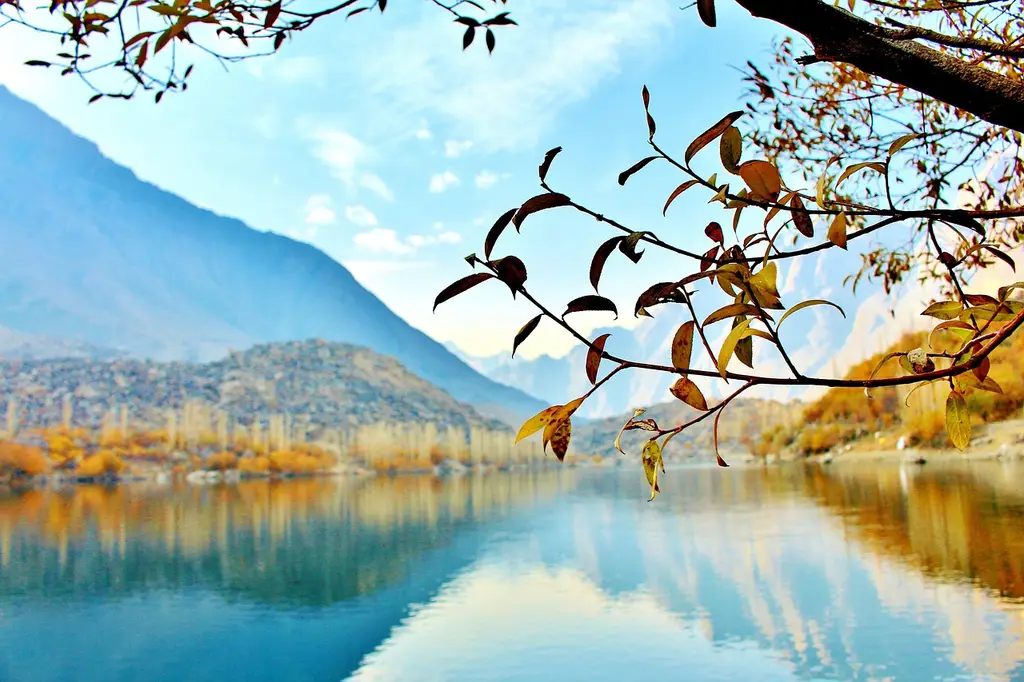
Alpine lake near Shangrila with clear turquoise water and mountain reflections, quieter and less developed than the Lower Kachura (Shangrila) lake. Worth pairing with the Shangrila stop since they're close together. Less commercial than its famous neighbour, better if you want quiet over the photo op.
Sarfaranga Cold Desert, Shigar Valley
as of 2026-09
Viral
High-altitude sand dune desert in the Shigar Valley, an unusual landscape of dunes set against snow-capped peaks, with jeep and dune-buggy rides. Genuinely odd and worth seeing once for the contrast of desert and mountains. The buggy rides are a real add-on cost on top of the drive out, decide in advance if you want that or just the view.
Khaplu Valley: Khaplu Fort and Sogha Lake
as of 2026-09
Viral
Restored royal palace and fort in Khaplu, plus the historic Chaqchan Mosque and the nearby Sogha Lake, about a half-day trip from Skardu. A good cultural counterpoint to all the lake-and-mountain stops, the fort has been carefully restored and is genuinely worth the detour. Roads out here are rougher, budget extra travel time.
More to see (2)
7
Skardu Bazaar and old town
shops generally open mid-morning to evening·free to walk·1-2 hours
Closed varies by shop, Fridays often quieter
The town's working commercial strip: dried fruit and apricot stalls, trekking-gear shops serving the K2 trade, and tea stops. Less curated than a tourist market, which is the point.
8
Askole and the road toward K2 Base Camp / Baltoro Glacier
seasonal, roughly June-September for trekking·trekking permit, guide, and porter costs apply; specific fees not verified·10-16 days round trip on foot from Askole for K2 Base Camp
Closed closed by snow and river conditions outside summeradvance arrangement required through a registered trekking operator; permits for high-mountain and border-zone trekking may involve the Ministry of Tourism or the Alpine Club of Pakistan, confirm current requirements before committing
Skardu is the last real supply town before expeditions head up the Braldu Valley to Askole and the Baltoro Glacier. This is a serious multi-day trek, not a day trip from Skardu, and most visitors will only see it as a road sign.
Where to stay
Skardu town / bazaar
Suits: budget travelers and anyone without their own transport
Cheapest guesthouses, closest to the market and transport hub, least scenic outlook.
Kachura / Shangrila area
Suits: travelers who want to wake up by the lake
20-25 minutes outside town, quieter, resort and guesthouse options around Lower Kachura Lake.
Shigar Valley
Suits: travelers basing themselves for the fort and orchards
About 45 minutes to an hour from Skardu town; fewer options but a genuinely different, greener setting.
Satpara Road
Suits: mid-range travelers wanting a lake view without leaving town proper
Closer to Skardu than Kachura, hotel strip with valley and river views.
Getting there and around
Getting there
Fly Islamabad-Skardu (about 1 hour, PIA/Airblue/AirSial) on a clear-weather visual approach that cancels often; build in buffer days. By road, the Karakoram Highway to Jaglot then the Skardu road is a long two-day drive, commonly quoted at 20+ hours of driving from Islamabad, and is the fallback when flights stack up.
Getting around
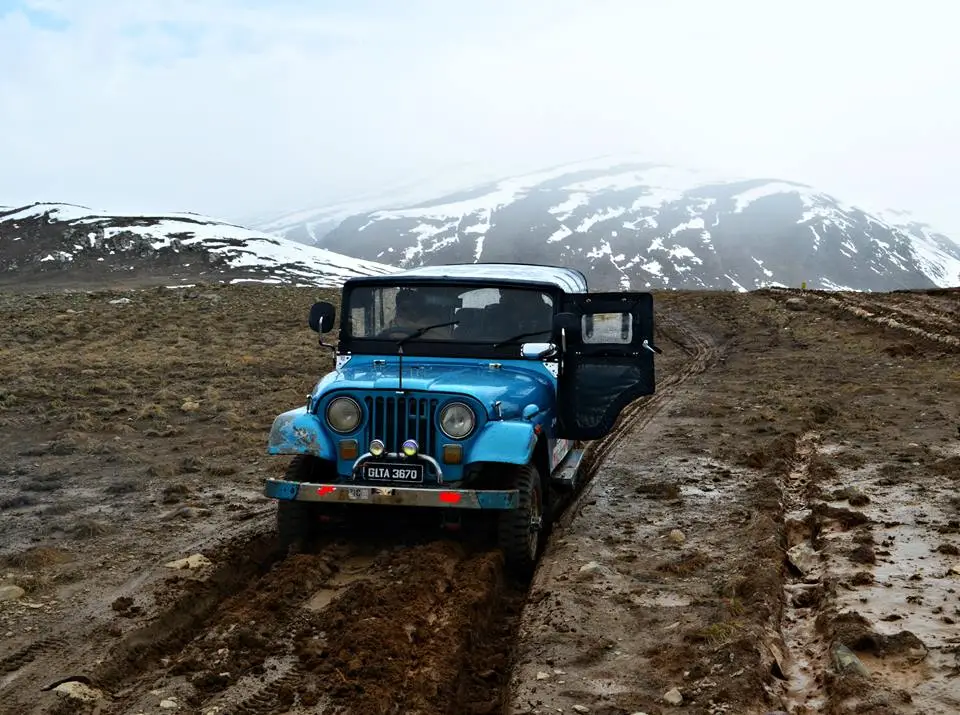
There's no public transit to speak of. Hotels and guesthouses arrange a car and driver, which is how most visitors get to Kachura, Shigar, Satpara, and Deosai; a jeep is genuinely needed for Deosai's plateau track and useful for Shigar's rougher side roads. Skardu's own bazaar and old town are walkable. Ride-hailing apps don't operate here, so agree a day rate with a driver up front rather than paying per trip.
Map
City
Recommended (numbered)
Mentioned in an itinerary
Locations on this map
Skardu35.30, 75.63
Shangrila Resort / Lower Kachura Lake35.42, 75.46
Upper Kachura Lake35.45, 75.45
Shigar Fort (Fong Khar) and Shigar Valley35.46, 75.68
Deosai National Park35.09, 75.53
Satpara Lake and Satpara Dam35.23, 75.63
Kharpocho Fort (Skardu Fort)35.31, 75.63
Skardu Bazaar and old town35.29, 75.66
Askole and the road toward K2 Base Camp / Baltoro Glacier35.68, 75.82
Gilgit35.38, 75.50
Skardu-Gilgit35.30, 75.64
What it costs
Stay
Food
Transport
Activities
Daily cost breakdown, PKR per person
Tier
Stay
Food
Transport
Activities
Total
Budget
PKR 2,500
PKR 1,500
PKR 1,500
PKR 500
PKR 6,000
Mid-range
PKR 8,000
PKR 3,000
PKR 4,000
PKR 1,000
PKR 16,000
Splurge
PKR 25,000
PKR 8,000
PKR 6,000
PKR 3,000
PKR 42,000
A mid-range day: a guesthouse room near Satpara Road or Kachura around PKR 8,000, a shared jeep day rate split with others toward PKR 3,000-4,000 per person, simple restaurant meals around PKR 3,000 for the day, and PKR 1,000 in incidental entry fees and tea stops. Comes to roughly PKR 15,000-16,000, indicative only given how much jeep hire varies by distance.
Money savers
Split jeep hire with other travelers at your guesthouse rather than booking a private vehicle for Deosai or Shigar
Eat at the bazaar's local restaurants rather than hotel dining rooms, standard Balti and Pakistani meals cost a fraction there
Skip Upper Kachura's boat rental if you've already done Satpara's, the two experiences are similar
Travel by road one direction and fly the other if your schedule allows, it hedges against a flight cancellation eating your whole trip
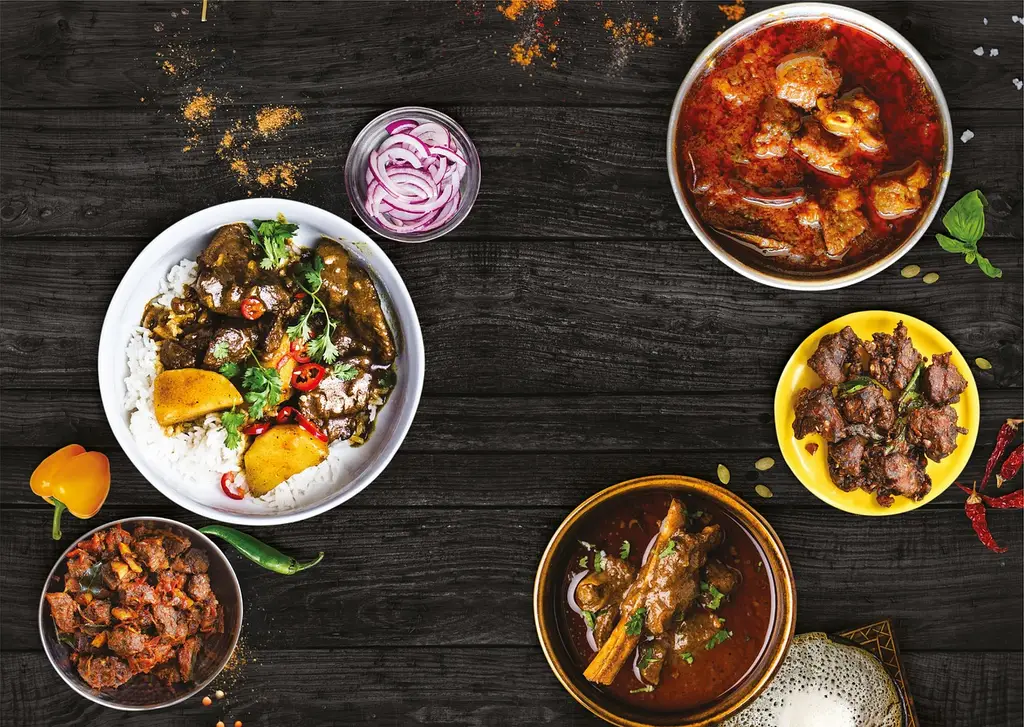
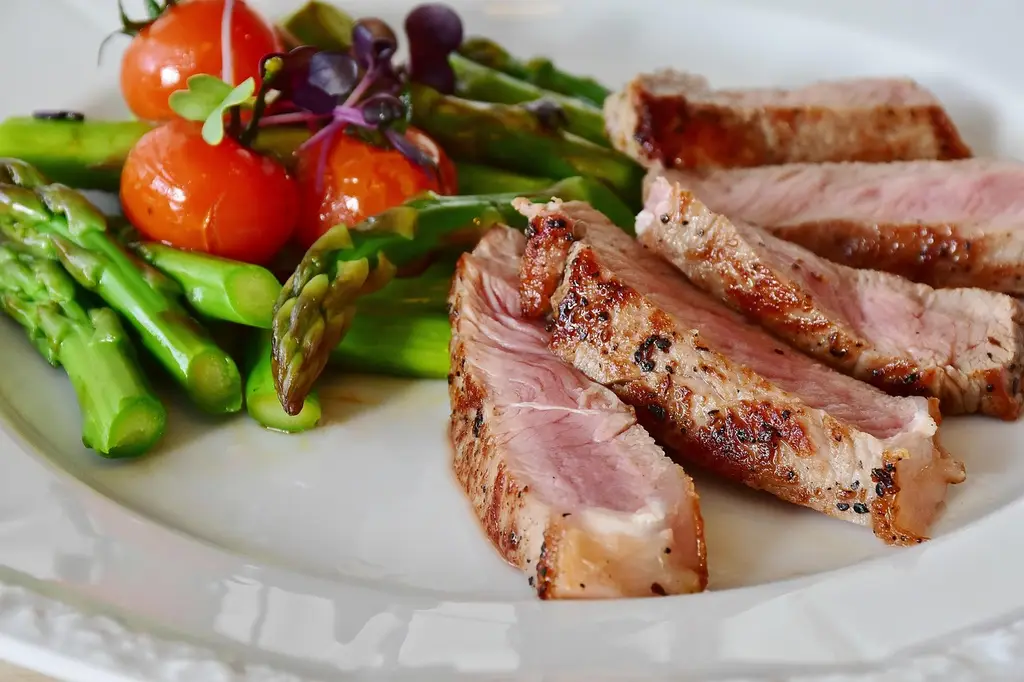
Skardu's food, like Hunza's, runs on what the altitude allows, not a shrunk version of Punjabi cooking. Chapshuro, a pan-fried, meat-filled flatbread specific to Baltistan, is worth seeking out, cheap and filling after a long drive on the Skardu road. Apricots turn up in savory cooking as well as dried snacks, a genuinely regional touch rather than a tourist add-on. Trout from Satpara and Kachura lakes, stocked with brown and rainbow trout, is usually served fresh, not farmed and shipped in. Butter tea, paiyu cha, salted and buttery, sits closer to Tibetan tea culture than lowland Pakistani chai, worth trying even if the flavor surprises you at first. Meals are simpler here, a fair reflection of what the region produces.
Dried and fresh apricots turn up in savory cooking here, not just as snacks, a genuinely regional touch worth ordering over the generic menu items.
Chapshuro
PKR 200-450·small bazaar eateries and roadside stalls
Must try
A pan-fried, meat-filled flatbread specific to the region, cheap and filling after a long drive, closer to a savory hand pie than standard Pakistani bread.
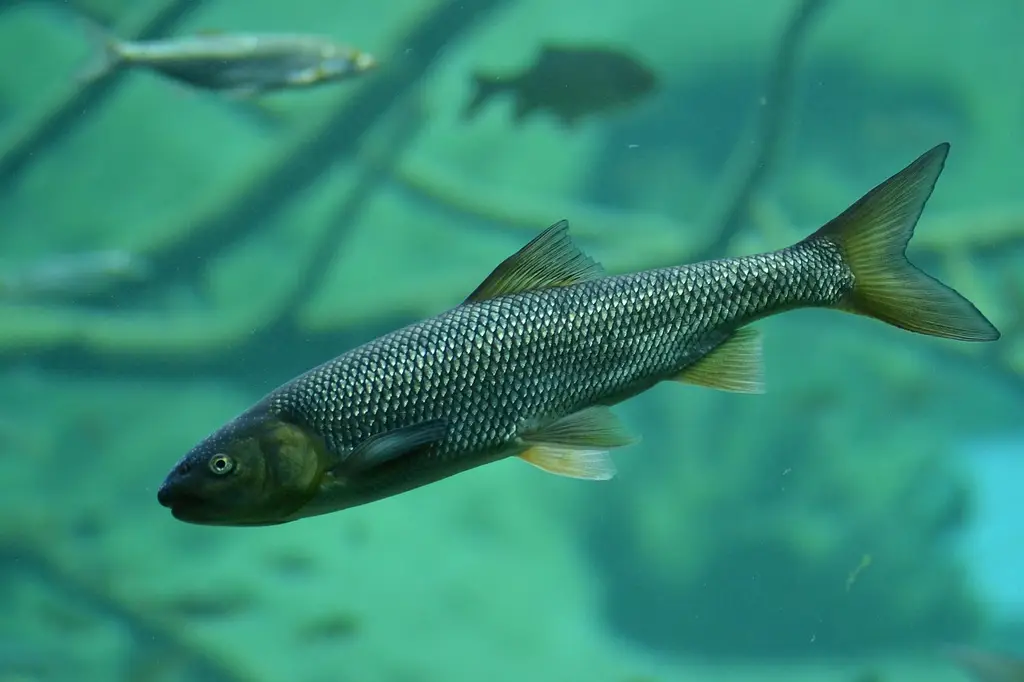
Freshwater trout
PKR 800-2,000·guesthouses and restaurants near Satpara and Kachura lakes
Must try
Both lakes were stocked with brown and rainbow trout, and menus near the water often serve it fresh rather than farmed and shipped in.
Apricot everything: dried, juice, oil and kernels
PKR 500-1,400 per kg·Skardu bazaar stalls and Shigar Valley orchards
Apricot season runs summer into early autumn; dried apricots and apricot oil are the standard souvenir, sold loose by weight in the bazaar.
Butter tea (paiyu cha)
PKR 100-250·roadside tea stops and guesthouses
Must try
Salted, buttery, closer to Tibetan tea culture than to lowland Pakistani chai, a genuine regional marker worth trying once even if it is not to your taste.
Roadside dhaba meals along the Skardu road
PKR 200-500·highway stops between Gilgit and Skardu
Dal, roti and simple vegetable curries at truck-stop dhabas, unremarkable food but genuinely part of the long-drive experience into the region.
Balti mamtu
as of 2026-09
Viral
Steamed minced-meat dumplings native to Baltistan, served with a spiced broth or dip, found at both budget stalls and sit-down restaurants around Skardu. A genuine local dish worth seeking out, not a trend. Quality depends heavily on the specific spot, ask locals rather than picking blind.
Trout farms and fresh fried trout
as of 2026-09
Viral
Trout farms along Skardu's rivers supply fresh trout served fried at local restaurants, a long-standing regional specialty for visitors passing through. One of the few times fried fish in Pakistan doesn't feel like an afterthought. Ask if it's actually local before ordering, some places bring it in.
Dried fruit and walnut stalls
as of 2026-09
Viral
Skardu bazaars sell dried apricots, walnuts, and mulberries as a regional specialty, similar to the trade in neighboring Hunza. Good souvenir, not exactly a discovery. Skardu's food media coverage is thin compared to Hunza's, so this leans on established regional fact more than fresh reporting.
Safety and scams
Skardu town and the standard tourist circuit (Kachura, Shigar, Satpara, Deosai) are generally calm; the real risks are altitude, road conditions, and weather rather than crime. Deosai's jeep track and the Skardu road itself carry more actual risk than anything else here, so a driver who knows the route matters. Canada's current advisory cautions against road travel to Gilgit-Baltistan because of protest-related road disruptions; this can change quickly, so check the live advisory close to your travel dates rather than relying on an older read of the region.
Common mistakes
Booking a tight return flight the same week with no buffer day, and getting stuck when Skardu's weather-dependent flights cancel
Skipping Deosai because it sounds like an add-on, when it's arguably the most distinctive landscape in the whole trip
Treating Skardu town itself as the destination rather than the base; the town has little to hold you beyond a night or two
Underestimating how long the KKH-to-Skardu road actually takes and trying to do it in one push rather than splitting it over two days
Not checking Deosai's season before building an itinerary around it; the plateau is genuinely closed by snow much of the year
Assuming card payment works outside the airport or a handful of hotels; carry more cash than feels necessary
Frequently asked questions
How reliable are flights to Skardu?
Not very. The approach is a visual, weather-dependent descent through mountain terrain, and flights get cancelled or delayed often, sometimes for consecutive days when cloud cover sits low. Anyone with a fixed onward connection should build in at least one buffer day, ideally two, and treat the road as a real fallback rather than a theoretical one.
When is Deosai National Park open?
Roughly June through September, sometimes stretching into early October in a mild year. Outside that window it's snowbound and effectively closed, which is exactly why the Balti name for it translates to 'summer's place.' Confirm the current status locally before building a trip around it, since exact opening and closing dates shift year to year.
How do you get to Skardu from Islamabad?
Either a roughly one-hour flight that cancels often due to weather, or a long road journey via the Karakoram Highway to Jaglot and then the Skardu road, commonly described as a full two-day drive. Most visitors fly one way and treat the road as a backup plan.
Is Skardu safe to visit?
The standard tourist route (Skardu town, Kachura, Shigar, Satpara, Deosai) is generally calm, with altitude, road conditions, and weather posing more real risk than crime. Canada's current advisory cautions against road travel to Gilgit-Baltistan over protest-related disruptions; check the live advisory close to your travel dates, since this kind of situation can shift quickly.
Do you need a permit to visit Skardu?
No general NOC is required for foreigners to visit Gilgit-Baltistan itself, including Skardu, unlike some other regions of Pakistan. Treks toward K2 base camp and other high-mountain or border-zone areas may carry separate permit or registration requirements through the Ministry of Tourism or the Alpine Club of Pakistan; confirm current rules with a trekking operator before committing to that kind of route.
How many days do you need in Skardu?
Three days covers the realistic core: Skardu town, the Kachura lakes, and Shigar. Five days adds a proper Deosai visit if the season allows. A single day is genuinely not enough and only makes sense as a forced stopover.
What is Shangrila Resort and why is it called Heaven on Earth?
It's a resort built around Lower Kachura Lake, whose turquoise color against the surrounding pine forest earned it the nickname. It's about 25 minutes from Skardu town and is usually visited for the lake and grounds rather than as a place to stay for most day-trippers.
Can you visit K2 base camp from Skardu?
Skardu is the staging town for it, not a day-trip destination for it. The trek to K2 base camp runs through Askole and the Baltoro Glacier and typically takes 10 to 16 days round trip on foot, arranged through a registered trekking operator with the necessary permits, not something a standard visitor tacks onto a week in Skardu.
Is Skardu open in winter?
Skardu town itself stays reachable in winter, mainly by air when weather allows, since the road becomes a slower and colder undertaking. Deosai's plateau is definitely closed by snow, and some of the higher side valleys around Shigar can become harder to reach; winter is a real trip but a narrower one than summer.
What currency do you need in Skardu and can you use cards?
Pakistani rupees (PKR), and cash is the default outside a small number of hotels and the airport. Card acceptance is limited even compared to Islamabad or Lahore, so carry more cash than you'd expect to need once you leave the town's main strip.