Things to Do in Lahore: Itineraries, Costs and Food
Mughal forts, a mosque built for a hundred thousand worshippers, and a food culture that treats eating as the main event, not a break from sightseeing.
By Labeeb Mirza · Published September 8, 2026 · Updated September 8, 2026
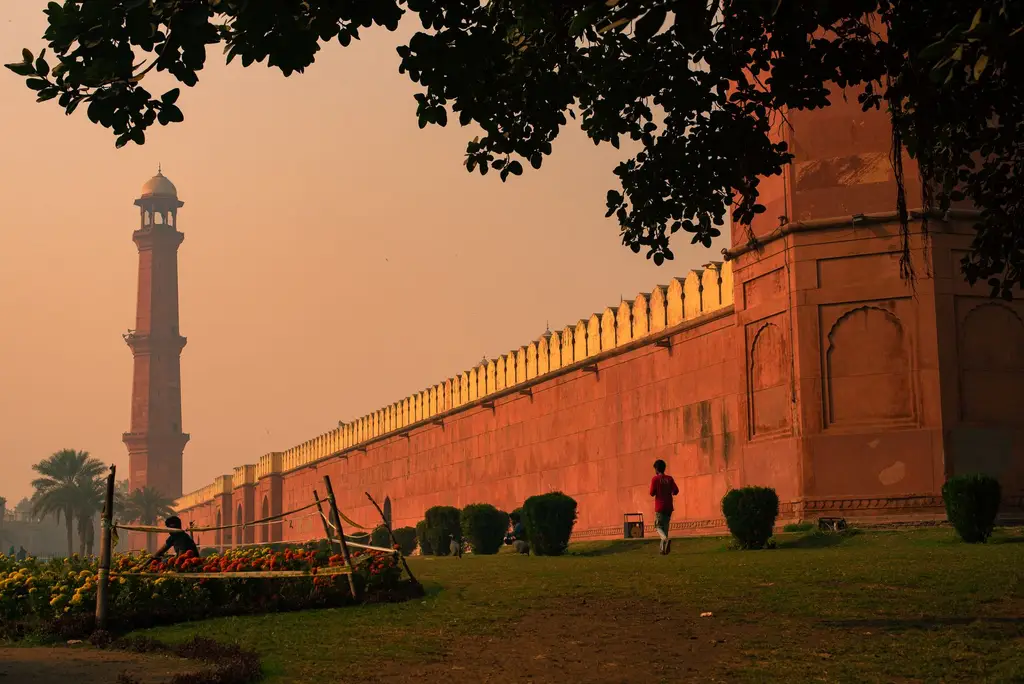
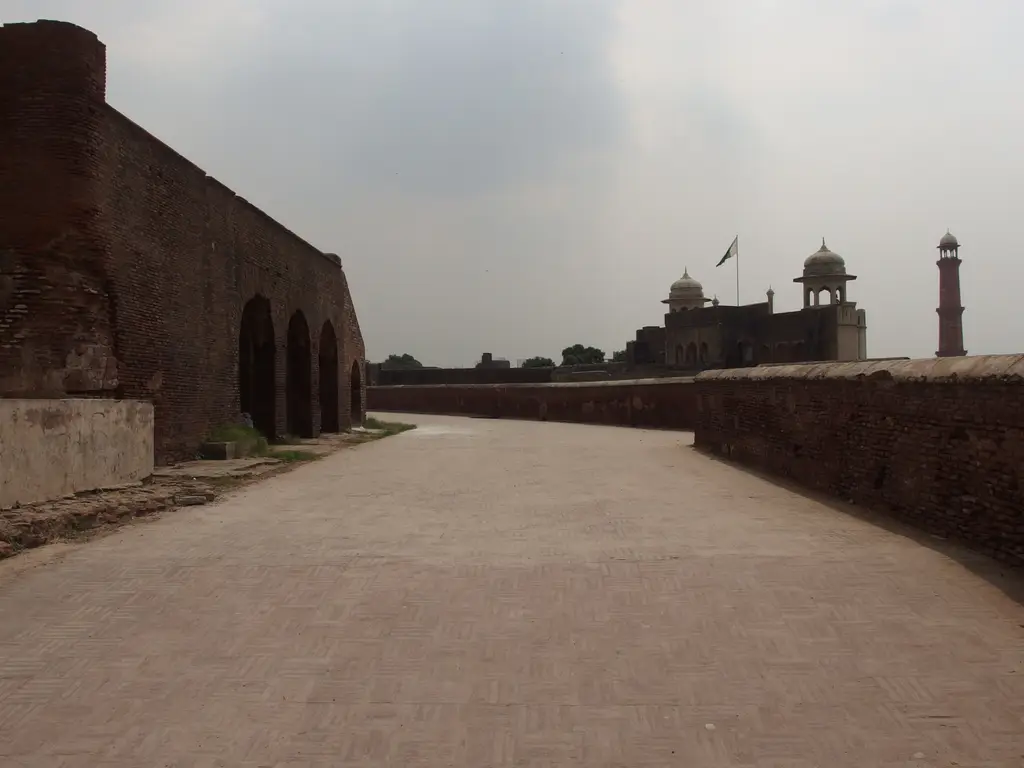
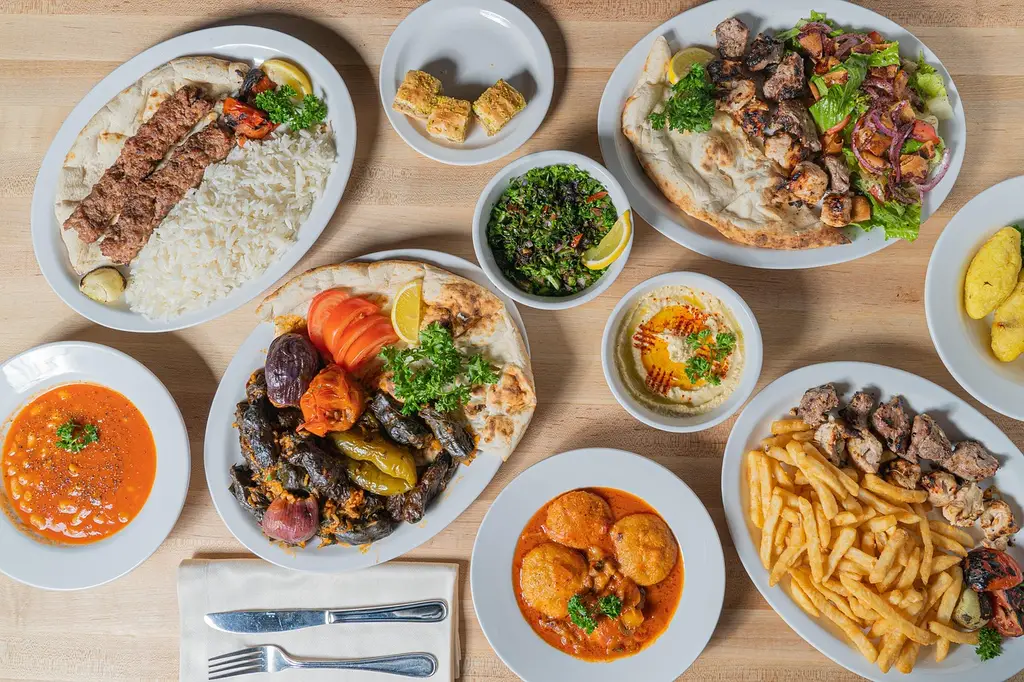
Lahore has been fought over, built up, and rebuilt for close to a thousand years, and the record of that is still standing. The Mughals gave it a fort and a mosque on an imperial scale, the Sikh Empire added its own layer under Ranjit Singh, and the British left wide colonial boulevards through the newer parts of the city. All three eras sit within a few kilometres of each other, which is unusual even by South Asian standards. With over 13 million people, Lahore is Pakistan's second city by population and its cultural capital by near-universal agreement, the place Pakistanis point to when they talk about food, literature, and film. The Walled City at its centre is still a living neighbourhood, not a museum piece: narrow lanes, working shrines, and food stalls that have operated for generations. Lahore is also unusually flat and walkable at its historic core, which makes a day of gate-to-gate exploring realistic in a way it isn't in hillier cities. The heat is the real obstacle. Summers push past 40C and the monsoon adds humidity on top, so the comfortable window runs roughly October to March. Food is not a side activity here. Fort Road Food Street and the older Gawalmandi strip are where a lot of visitors end up spending their evenings, and locals will tell you that judging Lahore without eating properly in it means missing the point of the city.
What I actually think
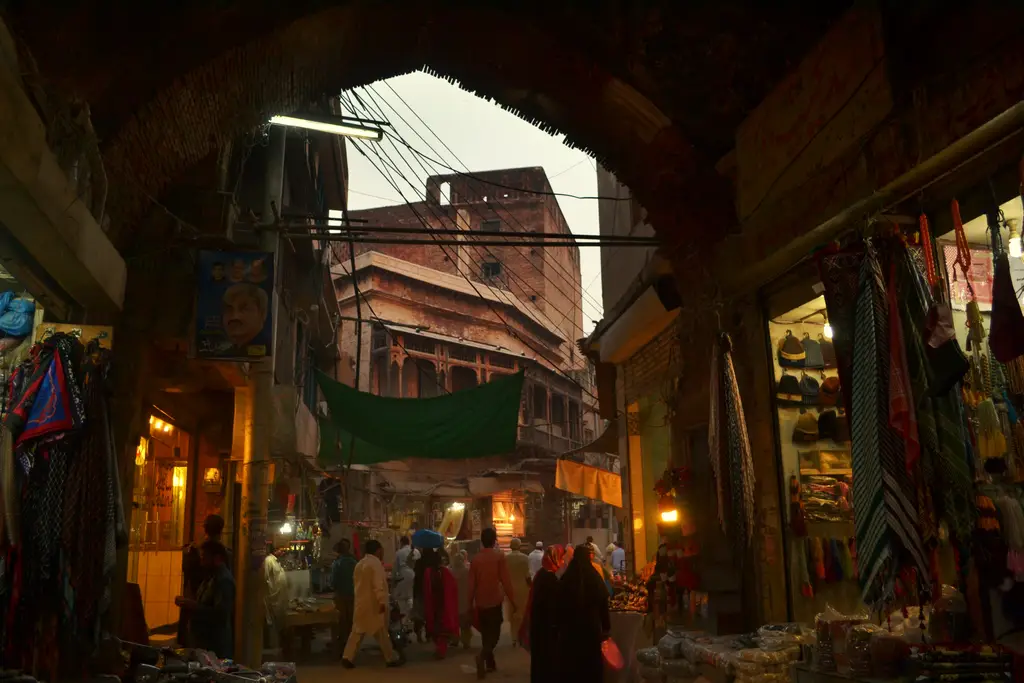
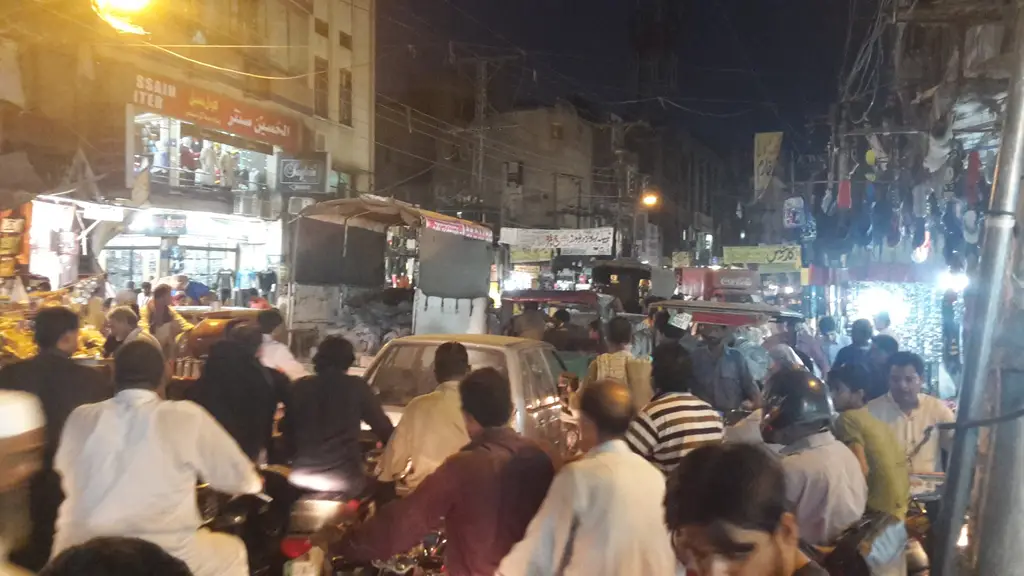
The Walled City rewards getting lost more than following a fixed route. The gates are useful as orientation points, but the real texture is in the lanes between them, where a shop selling wedding decorations sits next to a hundred-year-old spice stall.
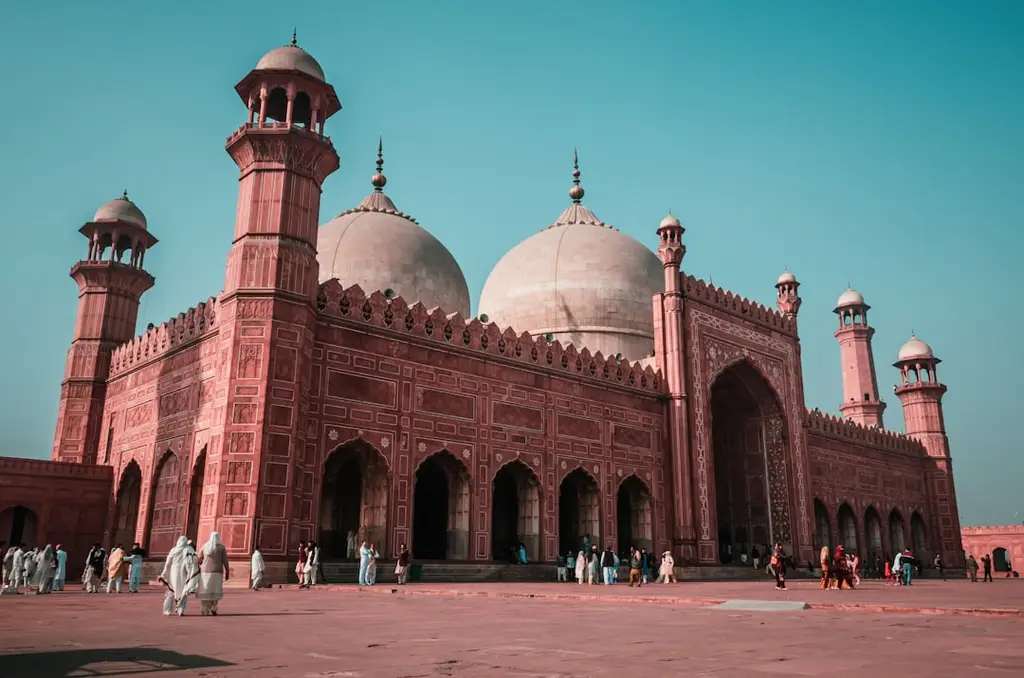
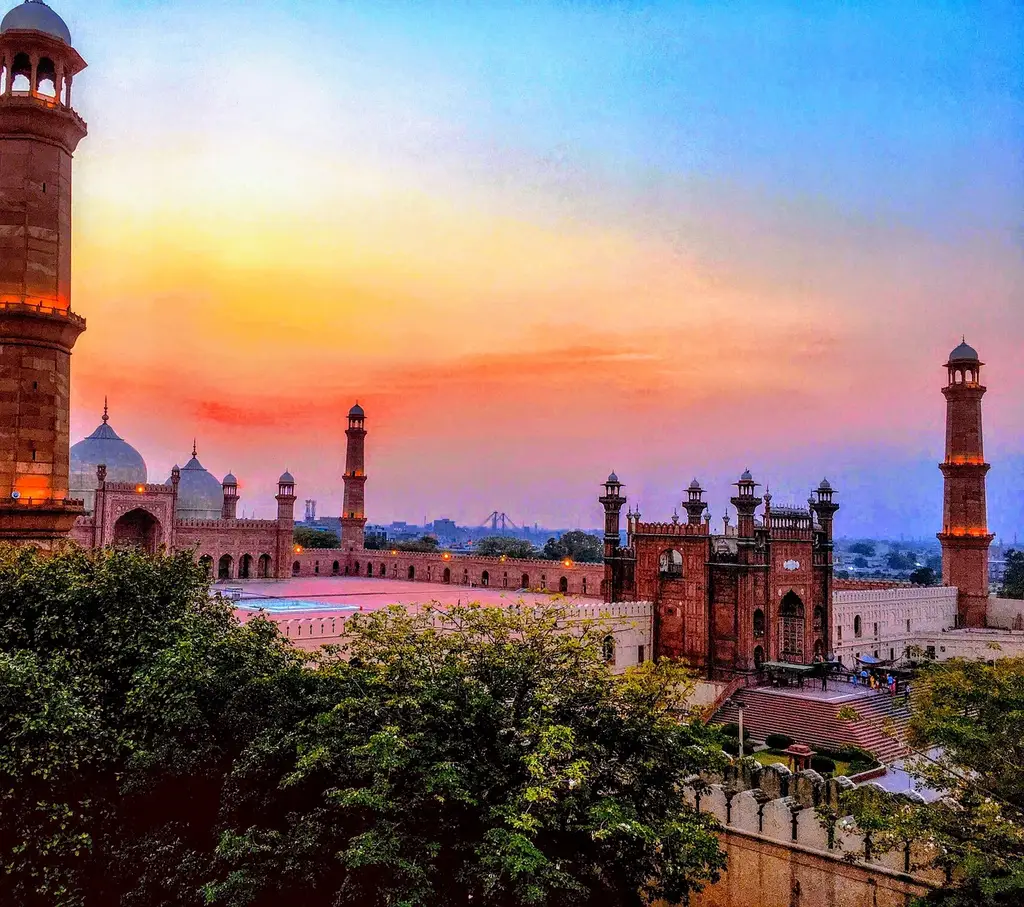
Badshahi Mosque photographs better than almost anywhere else in the city, and it earns that. What surprised me researching it is just how much bigger it reads in person than the numbers suggest, a courtyard built to hold a hundred thousand people does not feel abstract once you're standing in it.
Food Street is aimed squarely at visitors and does the job well, but it isn't where most Lahoris actually eat most nights. Treat it as one good dinner among several, not the whole food itinerary.
Data Darbar is not a tourist attraction dressed up as a shrine, it's a working shrine that tourists are welcome to visit respectfully. Go in the evening if you want to see it at its most active, dress conservatively, and don't point a camera at people mid-prayer.
Everyone underestimates how much walking the Walled City takes. The lanes are short but they compound, and the heat outside the winter months turns a pleasant wander into a slog by early afternoon.
The essential loop: Badshahi Mosque and the Fort in the morning, the Walled City by foot, Food Street at night.
Day 1: Old Lahore, gate to gate
Morning
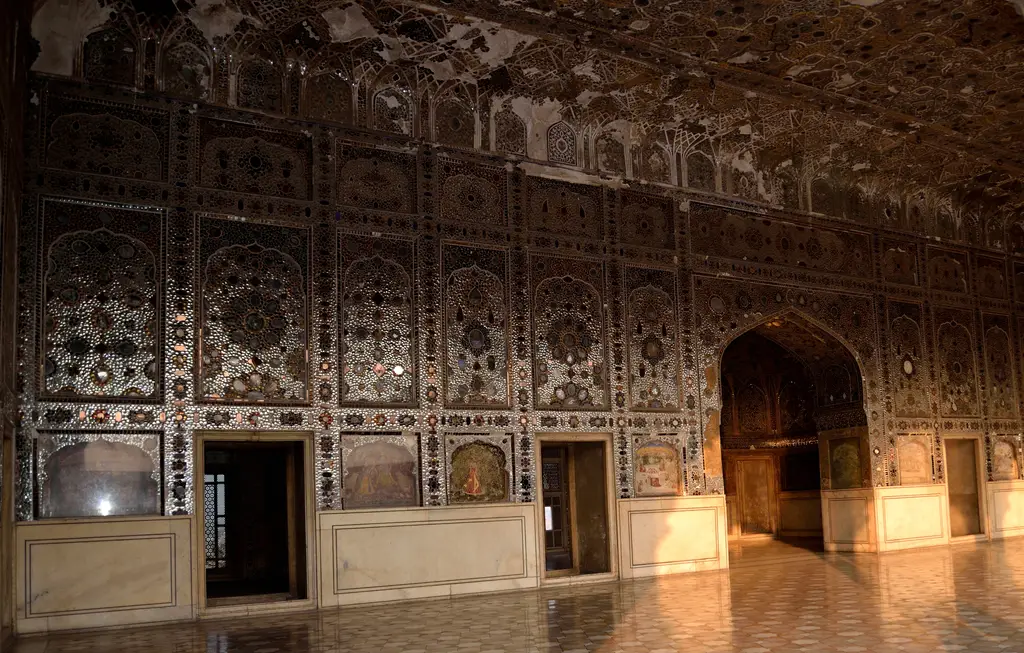
Badshahi Mosque at opening, working around prayer times, then Lahore Fort next door for the Sheesh Mahal and the Picture Wall.
Afternoon
Walk into the Walled City through Delhi Gate, wander the lanes toward Wazir Khan Mosque, and stop into Anarkali Bazaar as the streets widen back out.
Evening
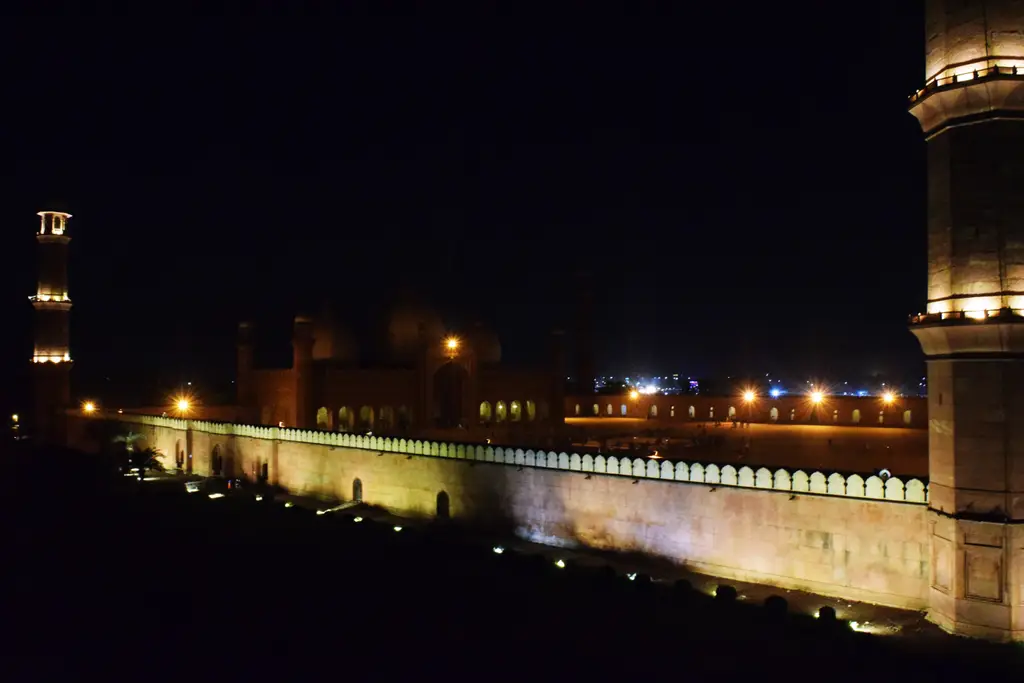
Fort Road Food Street for dinner, with Badshahi Mosque lit up across the street.
Tip: Cover shoulders and legs before you leave the hotel; you won't get into the mosque otherwise.
Adds Shalimar Gardens, Data Darbar, and a proper museum and colonial-Lahore day to the one-day core loop.
Day 1: Old Lahore, gate to gate
Morning
Badshahi Mosque then Lahore Fort.
Afternoon
Walled City lanes toward Wazir Khan Mosque, then Anarkali Bazaar.
Evening
Fort Road Food Street.
Tip: Start early; the fort alone takes two to three hours done properly.
Day 2: Shalimar Gardens and Data Darbar
Morning
Shalimar Gardens mid-morning once the fountains are running, walking all three terraces.
Afternoon
Lahore Museum on The Mall for the Fasting Buddha and the broader Gandharan collection.
Evening
Data Darbar in the early evening, dressed conservatively, then a quiet dinner nearby.
Tip: Thursday evenings are the shrine's busiest and most atmospheric time, but also the most crowded.
Day 3: Minar-e-Pakistan and modern Lahore
Morning
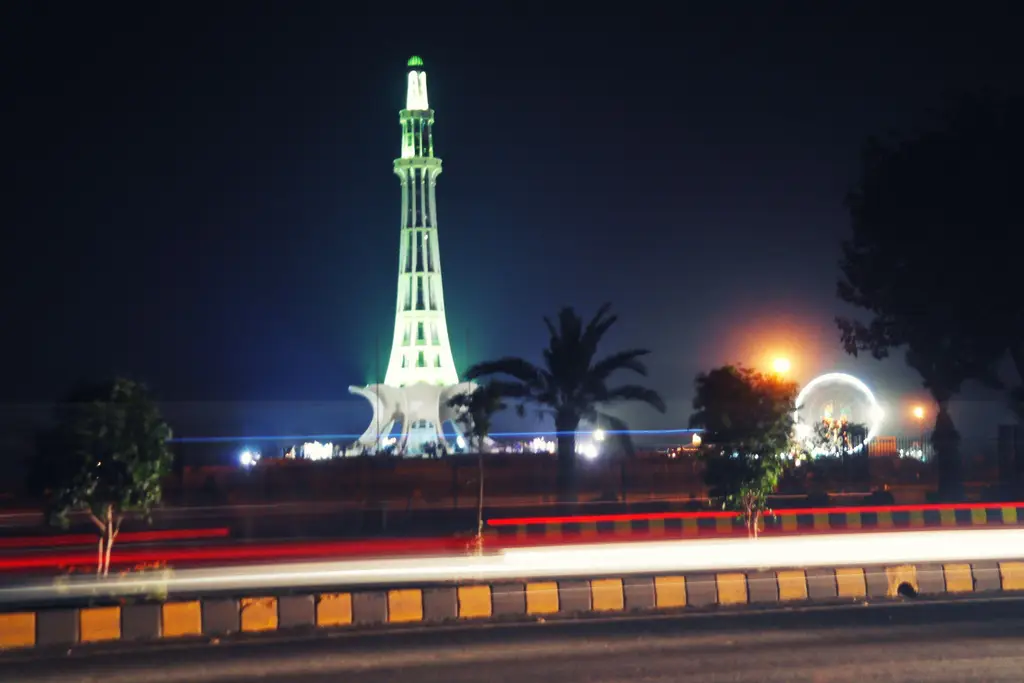
Minar-e-Pakistan and Greater Iqbal Park.
Afternoon
Gulberg or Liberty Market for shopping and a break from historic sites.
Evening
Free evening for a restaurant of your choice outside the old city.
Tip: This day is deliberately lighter; use it to recover from two days of heavy walking.
The 3-day core plus a Wagah Border day trip and a slower second pass through the Walled City's smaller corners.
Day 1: Old Lahore, gate to gate
Morning
Badshahi Mosque then Lahore Fort.
Afternoon
Walled City lanes and Wazir Khan Mosque.
Evening
Fort Road Food Street.
Tip: Bring cash; card acceptance thins out fast inside the old city.
Day 2: Shalimar Gardens and Data Darbar
Morning
Shalimar Gardens.
Afternoon
Lahore Museum.
Evening
Data Darbar and dinner nearby.
Tip: Confirm any prayer-time closures before you plan the mosque and shrine stops back to back.
Day 3: Day trip: Wagah Border
Morning
Slow start; the ceremony runs in the evening.
Afternoon
Head out toward Wagah with time to find seating before the crowd builds.
Evening
The flag-lowering ceremony, then back into Lahore for a late dinner.
Tip: Confirm the ceremony's current schedule and access rules a day or two ahead.
Show all 5 days
Day 4: Anarkali deep dive and Minar-e-Pakistan
Morning
Anarkali Bazaar's old and new sections, unhurried.
Afternoon
Minar-e-Pakistan and Greater Iqbal Park.
Evening
A quieter neighbourhood restaurant in Gulberg or Defence.
Tip: Bargain in the bazaar; asking prices are a starting point, not the final number.
Day 5: Free day and departure prep
Morning
Return to whichever site made the strongest impression, or revisit the fort at a quieter hour.
Afternoon
Shopping for gifts, sohan halwa and textiles keep well for travel.
Evening
Final dinner, pack for departure.
Tip: Keep this day flexible; it's the buffer if heat or prayer-time closures disrupted an earlier day.
The full 5-day plan with two extra slower days built around food and neighbourhood exploration rather than more monuments.
Day 1: Old Lahore, gate to gate
Morning
Badshahi Mosque then Lahore Fort.
Afternoon
Walled City lanes and Wazir Khan Mosque.
Evening
Fort Road Food Street.
Tip: Start as early as the mosque's hours allow to beat both heat and crowds.
Day 2: Shalimar Gardens and Data Darbar
Morning
Shalimar Gardens.
Afternoon
Lahore Museum.
Evening
Data Darbar and dinner nearby.
Tip: Thursday nights are the shrine's peak; plan around that if you want it calmer.
Day 3: Day trip: Wagah Border
Morning
Slow start.
Afternoon
Travel out to Wagah with time to spare before the ceremony.
Evening
The ceremony, then dinner back in Lahore.
Tip: Confirm current schedule and access before committing the day to it.
Show all 7 days
Day 4: Anarkali deep dive and Minar-e-Pakistan
Morning
Anarkali Bazaar.
Afternoon
Minar-e-Pakistan and Greater Iqbal Park.
Evening
Neighbourhood restaurant away from the tourist strip.
Tip: This is a good day to buy gifts before your energy for shopping runs out.
Day 5: Gawalmandi and colonial-era Lahore
Morning
The Mall Road's colonial buildings, including the High Court and General Post Office exteriors.
Afternoon
Gawalmandi's older food street, less polished than Fort Road and worth comparing.
Evening
Free evening.
Tip: Gawalmandi is grittier and cheaper than Fort Road Food Street; go hungry.
Day 6: Slow day, revisit favourites
Morning
Return to the fort or gardens at a different time of day than your first visit.
Afternoon
Rest, café time, or a look at Lahore's newer gallery and arts spaces if that interests you.
Evening
A relaxed dinner, no fixed plan.
Tip: By day 6, an unstructured day matters more than another monument.
Day 7: Free day and departure
Morning
Final shopping or a last walk through the Walled City.
Afternoon
Pack and settle any loose ends.
Evening
Departure via Allama Iqbal International Airport.
Tip: Build extra time into the airport run; Lahore traffic is unpredictable at any hour.
Lahore alone cannot honestly fill fourteen days at the same pace as the first week. This uses the city as a base for a slower, deeper second week: repeat visits at different times of day, more of the Walled City's smaller lanes and shrines, and rest days rather than invented sights.
Day 1: Old Lahore, gate to gate
Morning
Badshahi Mosque then Lahore Fort.
Afternoon
Walled City lanes and Wazir Khan Mosque.
Evening
Fort Road Food Street.
Tip: This is the most tiring day of the trip; pace the rest of the fortnight lighter.
Day 2: Shalimar Gardens and Data Darbar
Morning
Shalimar Gardens.
Afternoon
Lahore Museum.
Evening
Data Darbar and dinner nearby.
Tip: Note the prayer-time closures at Badshahi Mosque for your return visit later in the trip.
Day 3: Day trip: Wagah Border
Morning
Slow start.
Afternoon
Travel to Wagah.
Evening
Flag-lowering ceremony, dinner back in Lahore.
Tip: Confirm the ceremony's current status before this day, given how border conditions can shift.
Show all 14 days
Day 4: Anarkali deep dive and Minar-e-Pakistan
Morning
Anarkali Bazaar.
Afternoon
Minar-e-Pakistan and Greater Iqbal Park.
Evening
Neighbourhood restaurant.
Tip: Good day for gift shopping before the second week starts.
Day 5: Gawalmandi and colonial Lahore
Morning
The Mall Road's colonial-era buildings.
Afternoon
Gawalmandi food street.
Evening
Free evening.
Tip: Compare Gawalmandi against Fort Road directly; most people prefer one over the other and it's worth knowing which.
Day 6: Rest day
Morning
Open.
Afternoon
Laundry, admin, a slow café afternoon.
Evening
Open.
Tip: A genuine rest day, not a sightseeing day in disguise.
Day 7: End of week one, unhurried
Morning
Revisit whichever site left the strongest impression.
Afternoon
A neighbourhood you haven't walked yet.
Evening
A proper sit-down dinner.
Tip: Use this day to decide what week two should actually focus on.
Day 8: Badshahi Mosque and Lahore Fort, second look
Morning
Return to the fort at a different hour than your first visit, focusing on rooms or courtyards you rushed past.
Afternoon
A slower walk through Walled City lanes you skipped the first week.
Evening
A quiet dinner away from Food Street.
Tip: The fort rewards a second, unhurried visit more than most sites in the city.
Day 9: Smaller shrines and mosques of the old city
Morning
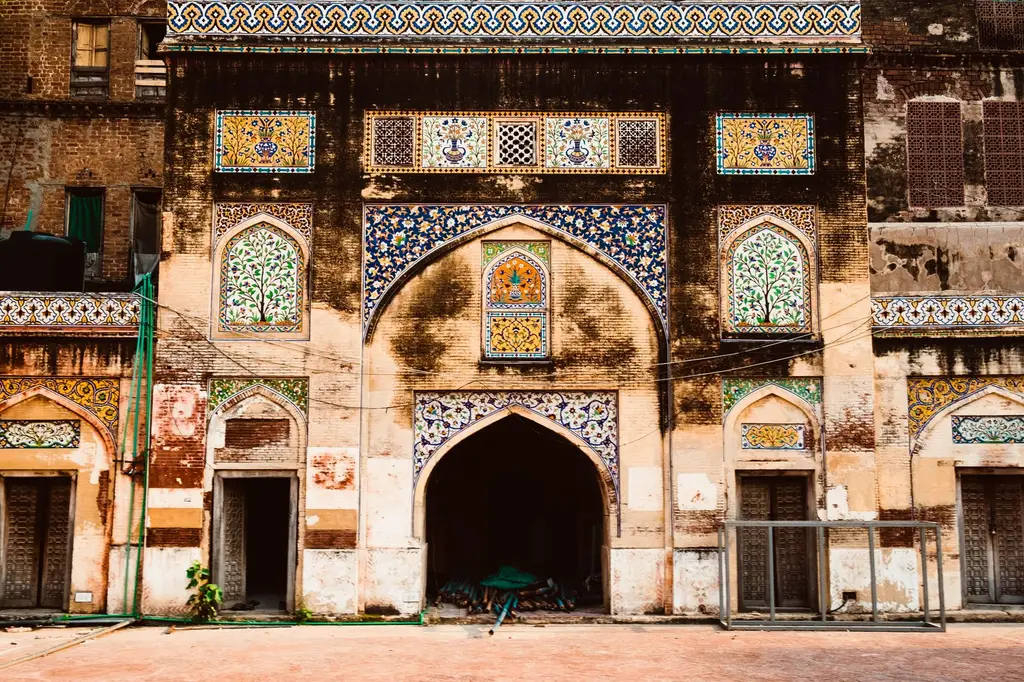
Wazir Khan Mosque in detail, including the fresco work most visitors skim past.
Afternoon
Smaller neighbourhood mosques and shrines within the Walled City that don't make the standard list.
Evening
Free evening.
Tip: Ask locally rather than following a fixed map; the old city has more small shrines than any list captures.
Day 10: Rest day
Morning
Open.
Afternoon
Open.
Evening
Open.
Tip: Two full rest days across a fortnight keeps the trip sustainable rather than exhausting.
Day 11: Markets beyond Anarkali
Morning
Liberty Market in Gulberg for a contrast with the old city's bazaars.
Afternoon
A slower return to Anarkali for anything missed the first time.
Evening
Dinner in Gulberg or Defence.
Tip: Liberty Market is more modern and fixed-price; useful if bargaining in Anarkali wore you out.
Day 12: Data Darbar, second visit, and Minar-e-Pakistan at dusk
Morning
Open, slow morning.
Afternoon
Data Darbar again, ideally timed for a Thursday if the calendar allows.
Evening
Minar-e-Pakistan and Greater Iqbal Park at dusk, when the park fills with locals.
Tip: Seeing the shrine on its busiest night gives a genuinely different impression than a quiet weekday visit.
Day 13: Food, unhurried
Morning
Open.
Afternoon
A deliberate food-focused afternoon working through dishes you haven't tried, old city stalls rather than sit-down restaurants.
Evening
A final proper dinner, Food Street or Gawalmandi depending on which you preferred.
Tip: Book anywhere that takes reservations a day ahead if this is meant to be the trip's best meal.
Day 14: Departure
Morning
Pack, last-minute shopping.
Afternoon
Any final loose ends.
Evening
Departure via Allama Iqbal International Airport.
Tip: Build in extra time for the airport transfer; traffic timing in Lahore is unpredictable.
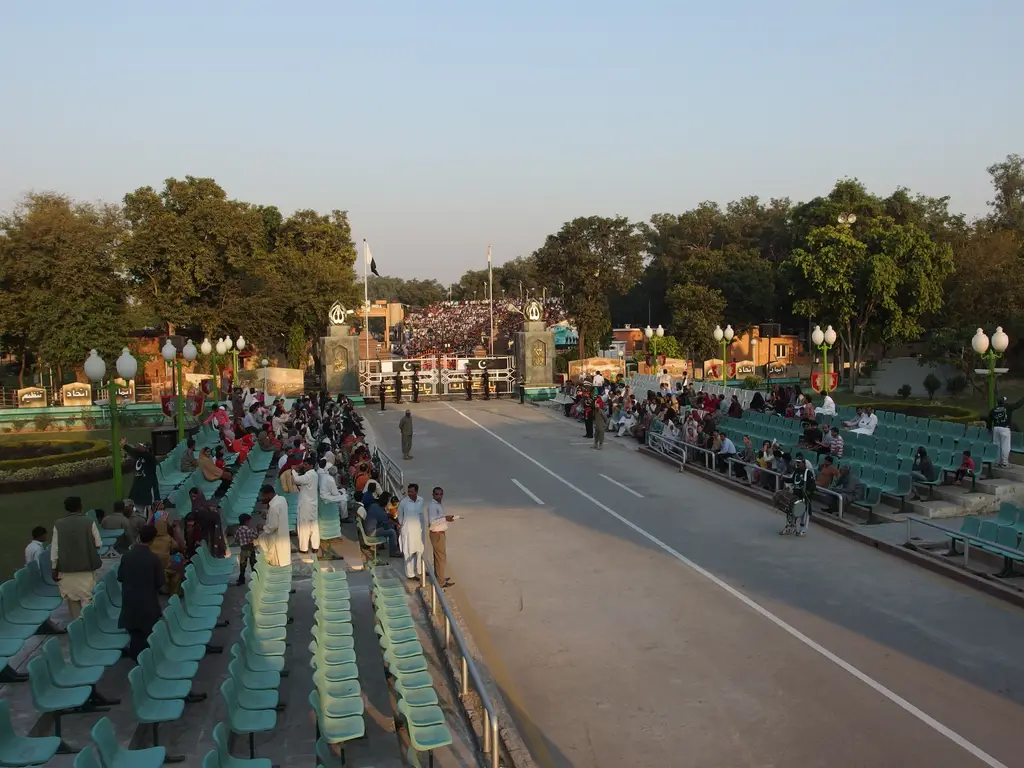
10Photo by Guilhem Vellut from Annecy, France, licensed CC BY 2.0, via Wikimedia CommonsWagah Border ceremony
1
Badshahi Mosque
Generally open to visitors outside the five daily prayer times; closes to non-worshippers for a window around each prayer. Check before you go, exact visitor hours and any seasonal changes were not verifiable against an official source.·Check before you go; entry fee for foreign visitors could not be verified against an official source·1-1.5 hours
Built by Aurangzeb in 1673-74, it held the title of the world's largest mosque for over 300 years. Cover shoulders and legs, and women may be asked to cover hair; shoes come off at the courtyard edge.
2
Lahore Fort (Shahi Qila)
Generally open daily during daylight hours. Check before you go; exact opening and closing times could not be verified against an official source.·Check before you go; entry fee could not be verified against an official source·2-3 hours
A UNESCO World Heritage Site since 1981, removed from the endangered list in 2012 after restoration. Don't miss the Sheesh Mahal's mirror work and the Picture Wall, one of the largest mosaic walls in the world.
3
Shalimar Gardens
Generally open daily during daylight hours. Check before you go; exact opening and closing times could not be verified against an official source.·Check before you go; entry fee could not be verified against an official source·1-1.5 hours
A UNESCO World Heritage Site since 1981, laid out by Shah Jahan in 1641-42 across three terraces with over 400 fountains. Go mid-morning; the fountains and pools are the point, not just the greenery.
4
Walled City of Lahore (Old Lahore)
always accessible as a neighbourhood; individual shops and stalls keep their own hours·free to walk·half a day to a full day
Six of the original thirteen gates still stand, including Delhi Gate and Bhati Gate. Go on foot, since cars can't fit most lanes, and let one gate lead to the next rather than mapping a fixed route.
South Asia's largest Sufi shrine, drawing 30,000-60,000 visitors daily and far more on Thursday nights. Dress conservatively, remove shoes at the threshold, and be quiet and respectful around worshippers.
6
Lahore Museum
Check before you go; hours could not be verified against an official source·Check before you go; entry fee could not be verified against an official source·1.5-2 hours
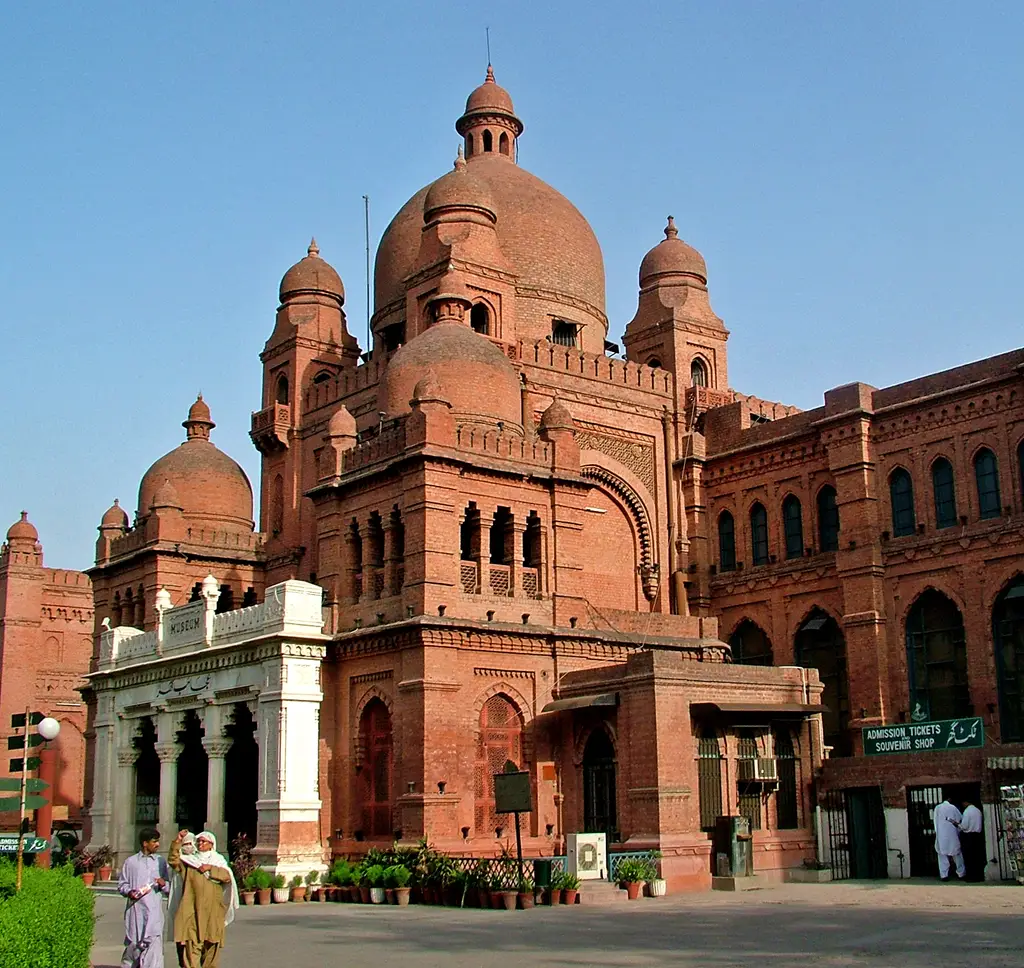
Opened in 1894 on The Mall in an Indo-Saracenic building, it holds over 58,000 artifacts. The Gandharan-era Fasting Buddha sculpture is the single most-cited piece in the collection.
A Mughal-era fort and UNESCO World Heritage site in the old city, its grounds including the Sheesh Mahal mirrored palace, Alamgiri Gate, and gardens spanning several centuries of construction. One of the most significant Mughal monuments in the country and genuinely worth a half day. Get a guide at the entrance, the layered history across different rulers is easy to miss without one.
Badshahi Mosque
as of 2026-09
Viral
A 17th-century Mughal mosque next to Lahore Fort, one of the largest mosques from that era, with a vast red sandstone courtyard and marble-domed prayer hall. Free to enter outside prayer times and visually one of the most impressive sights in Lahore, especially at sunset when the sandstone changes color. Dress modestly, it's an active place of worship.
Lahore Museum
as of 2026-09
Viral
One of the oldest and largest museums in Pakistan, housed in a colonial-era building on The Mall, its collections spanning Gandhara Buddhist sculpture, Mughal miniatures, and Sikh-era artifacts. A serious collection that rewards a slow visit, though the building itself shows its age in places. Good counterweight to the fort-and-mosque circuit if you want a quieter few hours.
Anarkali Bazaar
as of 2026-09
Viral
One of the oldest surviving markets in South Asia, narrow lanes in the old city selling textiles, jewelry, shoes and household goods, split into an old and new section. A real working bazaar with centuries of continuous trade behind it, not a curated tourist market. Go for the atmosphere and the browsing, haggling is expected on anything without a marked price.
Shalimar Gardens
as of 2026-09
Viral
A Mughal terraced garden built in the 1640s with marble pavilions, fountains and reflecting pools across three descending terraces, a UNESCO World Heritage site. Quieter than the fort and mosque and a good example of Mughal garden design at its most formal. The fountains don't always run outside of special events, so temper expectations on a regular day.
Wagah border flag-lowering ceremony
as of 2026-09
Viral
A daily evening ceremony at the Pakistan-India border near Lahore, soldiers from both sides performing a high-stepping, theatrical flag-lowering drill in front of grandstands of spectators on each side. Genuinely a spectacle and unlike anything else you'll see, part patriotic ceremony and part choreographed rivalry. Arrive well before the scheduled time, seating fills fast and security lines take a while.
More to see (4)
7
Minar-e-Pakistan
the surrounding Greater Iqbal Park is generally open daily during daylight and evening hours; tower interior access varies·Check before you go; park and tower access fees could not be verified against an official source·45-60 minutes
A 70-metre tower built 1960-68 to mark the 1940 Lahore Resolution, the formal call for a separate Muslim homeland. The park around it is a popular evening spot for locals, not just visitors.
8
Anarkali Bazaar
shops generally open through the day into the evening; individual hours vary by shop·free to browse·1.5-2.5 hours
One of South Asia's oldest surviving markets, split into old and new sections. Textiles, shoes, and sweets dominate; bargaining is standard and expected.
9
Fort Road Food Street
evenings, roughly early evening until late night; shortens and shifts around iftar during Ramadan·free to walk, meals typically PKR 500-2,500 per person·1.5-2.5 hours
A restored street of restaurants facing Badshahi Mosque's illuminated walls at night. During Ramadan, kitchens close for the fasting hours and the whole street reopens hard around iftar time.
10
Wagah Border ceremony
roughly two hours before sunset daily, so the exact clock time shifts with the season·Check before you go; current entry arrangements could not be verified against an official source·half day round trip including the ceremony itself
walk in, though arrive well ahead for a seat
A half-day trip about 24km from central Lahore. Given how India-Pakistan border conditions can shift, confirm the ceremony is running as normal and check current access arrangements before planning a visit.
Where to stay
Gulberg
Suits: first-timers who want restaurants, malls, and a central base
Lahore's commercial hub, wide range of hotel prices, close to Liberty Market and a short ride from the Walled City.
Mall Road / Anarkali area
Suits: travellers prioritizing proximity to the Walled City and colonial-era sights
Puts you near Lahore Museum, the High Court, and Anarkali Bazaar, walkable to the old city's edge.
Defence (DHA)
Suits: longer stays and anyone wanting quieter, more residential surroundings
Further from the historic core, but has its own restaurant scene and calmer streets.
Near the Walled City itself
Suits: travellers who want to wake up inside the old city
A handful of heritage guesthouses exist inside or just outside the gates; fewer amenities, maximum atmosphere.
Getting there and around
Getting there
Allama Iqbal International Airport (LHE) sits about 15km from the city centre, 30-45 minutes by car depending on traffic. It has direct connections to Gulf hubs, several European cities, and other South Asian countries; there are no direct flights from North America, so most Canadian travellers connect through Dubai, Doha, or Istanbul. Ride-hailing apps and airport taxis both operate; agree a fare or confirm the meter before you leave the terminal.
Getting around
Ride-hailing apps (Careem and Uber) are the easiest way to move around and both work reliably in Lahore. The Metrobus and Orange Line rail cover some major corridors cheaply but aren't comprehensive enough to rely on alone. The Walled City itself is best done on foot, since many lanes are too narrow for cars, and a rickshaw or short walk connects it to the newer parts of the city like Gulberg and the Mall Road area. Traffic is heavy and can turn a short distance into a long trip at rush hour, so build in buffer time.
Map
City
Recommended (numbered)
Mentioned in an itinerary
Locations on this map
Lahore31.55, 74.34
Badshahi Mosque31.59, 74.31
Lahore Fort (Shahi Qila)31.59, 74.31
Shalimar Gardens31.59, 74.38
Walled City of Lahore (Old Lahore)31.58, 74.32
Data Darbar (shrine of Ali Hujwiri)31.58, 74.30
Lahore Museum31.57, 74.31
Minar-e-Pakistan31.59, 74.31
Anarkali Bazaar31.57, 74.31
Fort Road Food Street31.59, 74.31
Wagah Border ceremony31.59, 74.58
Sheesh Mahal31.61, 74.29
Picture Wall31.59, 74.31
Delhi Gate31.58, 74.33
Wazir Khan Mosque31.58, 74.32
The Mall31.47, 74.27
Liberty Market31.51, 74.34
Gulberg31.51, 74.34
Defence31.53, 74.55
Mall Road31.56, 74.32
High Court31.56, 74.31
General Post Office31.57, 74.31
Allama Iqbal International Airport31.52, 74.40
Gawalmandi31.57, 74.32
What it costs
Stay
Food
Transport
Activities
Daily cost breakdown, PKR per person
Tier
Stay
Food
Transport
Activities
Total
Budget
PKR 2,500
PKR 1,500
PKR 800
PKR 1,200
PKR 6,000
Mid-range
PKR 8,000
PKR 3,500
PKR 1,500
PKR 2,000
PKR 15,000
Splurge
PKR 18,000
PKR 8,000
PKR 3,000
PKR 4,000
PKR 33,000
A mid-range day: guesthouse or 3-star hotel room around PKR 8,000, ride-hailing fares of roughly PKR 1,500 across the day, Lahore Fort entry, a Food Street dinner with several dishes shared between two people for around PKR 2,500-3,000, plus tea and snacks through the day. Totals roughly PKR 13,000-14,000, indicative only given currency volatility.
Money savers
Anarkali Bazaar and the Walled City's smaller food stalls cost a fraction of Fort Road Food Street's sit-down restaurants for similar dishes
Data Darbar's langar is a working charitable kitchen, not a tourist meal; if you visit, be respectful and don't treat it as a free food stop
Ride-hailing apps are consistently cheaper and more transparent than flagging a taxi on the street
Lahore Museum and several of the smaller shrines charge little to nothing compared to the fort and gardens
Lahore is Pakistan's food capital and does not undersell it. The Walled City's food street runs all night on grilled meat and smoke, but the real institution is nihari, a slow-cooked beef stew that started as a pre-dawn meal for factory workers and stayed that way; eating it at 7am with naan is the honest version. Karahi is the citywide constant, cooked to order and shared. The Lahore-versus-Karachi biryani argument is real: Lahori leans drier and more masala-forward, Karachi's wetter and sharper with vinegar, and neither side concedes. Haleem, a slow-pounded meat and lentil porridge, becomes an iftar staple during Ramadan. Dhabas, roadside tea-and-food stalls, are where the city actually eats between big meals, and halal is simply the default.
PKR 400-900·Walled City stalls and Fort Road Food Street, best before 9am
Must try
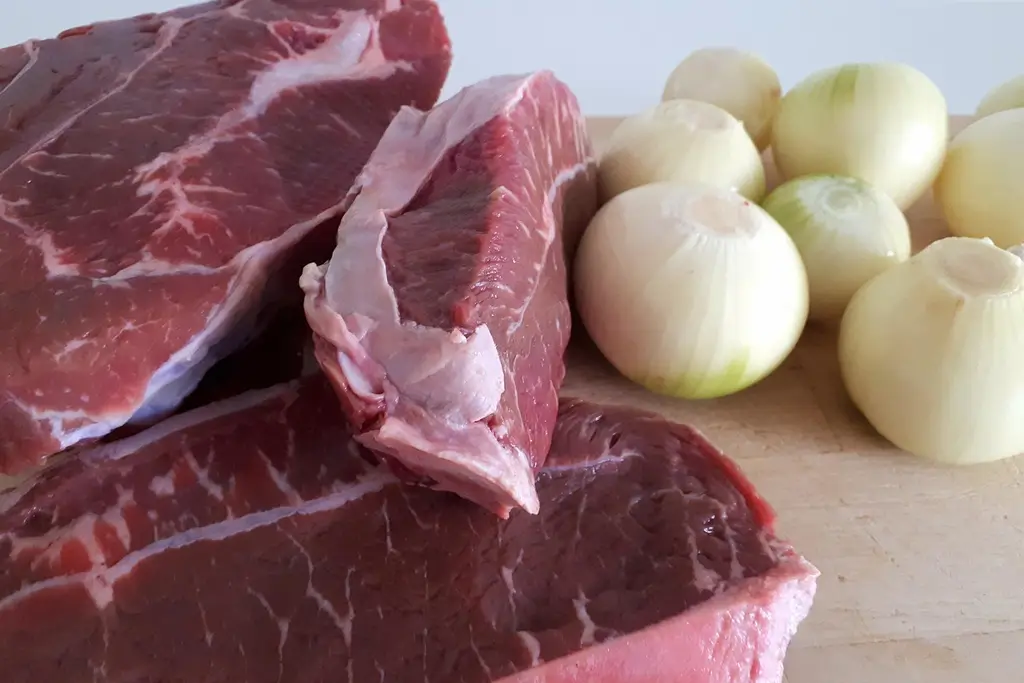
A slow-cooked beef or trotter stew, traditionally an early-morning meal for factory workers, not a dinner dish despite how rich it looks. Order it with naan, ginger and green chili on top.
Lahori karahi
PKR 1,200-2,800 per kg·Fort Road Food Street, Gawalmandi and neighbourhood spots citywide
Must try
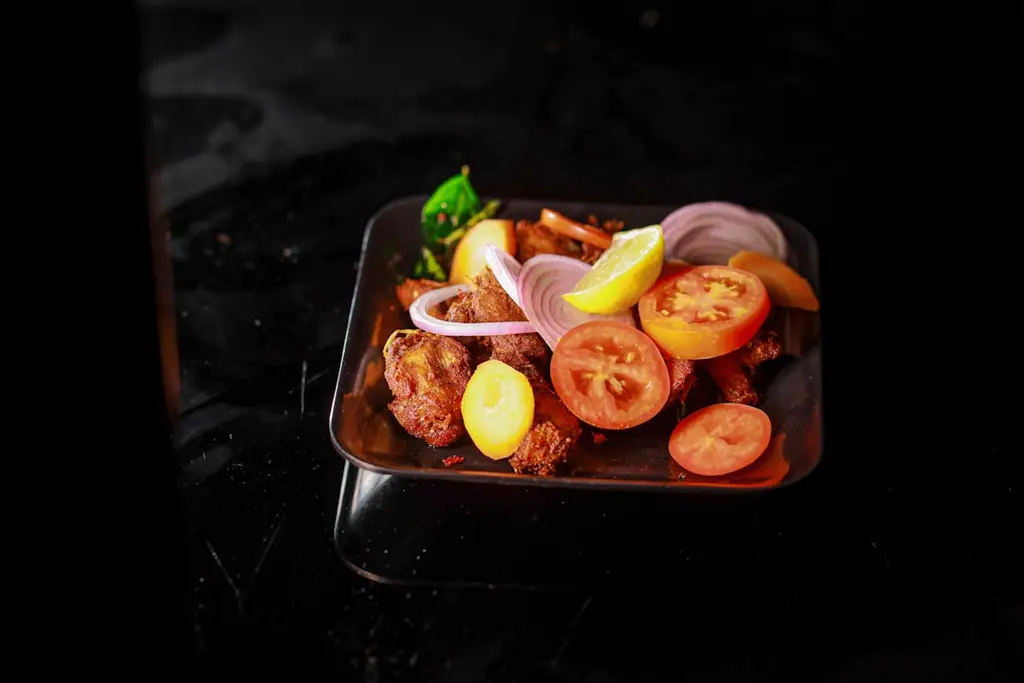
Chicken or mutton cooked in a wok-like karahi with tomato, ginger and green chili, ordered by weight and meant to be shared with naan or roti.
Lahori biryani
PKR 250-600 per plate·Old city biryani houses and citywide takeaway spots
Must try
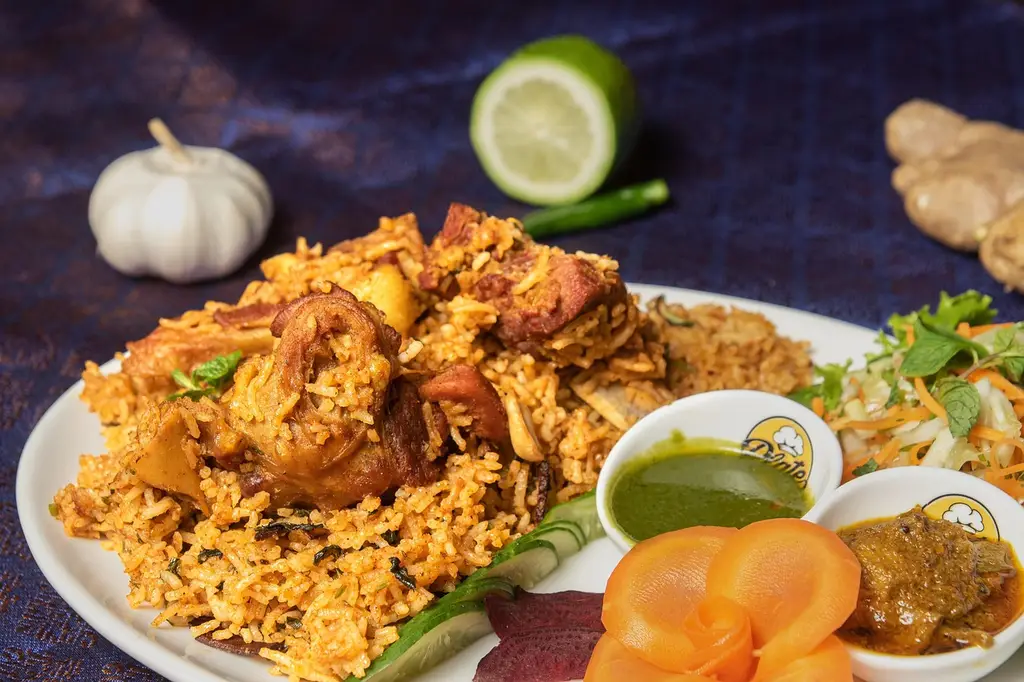
Drier and more masala-forward than the Karachi style, layered rice with meat rather than the wetter, vinegar-sharp Karachi version. Ask any two Lahoris which is better and expect an argument.
Haleem
PKR 300-700·Old city eateries and citywide during Ramadan
Must try
Slow-pounded wheat, lentils and meat cooked down to a thick porridge, topped with fried onion, ginger and lemon. A genuine iftar staple during Ramadan, not just cold-weather comfort food.
Chapli kebab (Peshawar tradition)
PKR 150-400 per piece·Street stalls and dhabas across the city
A flat, spiced minced-meat patty from Khyber Pakhtunkhwa tradition, now common on Lahore's streets, best fresh off the griddle rather than reheated.
Street-side barbecue and seekh kebabs
PKR 200-500 per skewer·Fort Road Food Street and Gawalmandi in the evenings
Both districts fill with smoke and grill stalls after dark, expect to eat standing or at shared tables with strangers.
Lassi
PKR 100-250·Anarkali Bazaar and old-city tea stalls
Thick, often sweet, sometimes topped with a slab of butter, a hot-weather staple that is genuinely drunk year-round despite that reputation.
Sohan halwa and Punjabi sweets
PKR 800-1,800 per kg·Anarkali Bazaar sweet shops
A dense, ghee-heavy confection good for gifts as much as for eating on the spot, sold by weight and keeps well for travel.
Dhaba chai and paratha
PKR 60-200·Roadside dhabas across the city, open early and late
Must try
The actual daily rhythm of Lahore runs through these stalls: strong milk tea and a fried paratha before work or after a long night out.
Cloud-kitchen delivery of nihari and karahi
as of 2026-09
Viral
Delivery-only kitchens on apps like Foodpanda bringing old-city classics to DHA and Gulberg without the drive into the Walled City. Convenient and genuinely growing, but nihari loses something reheated in a delivery box; the Walled City version eaten hot is still worth the trip.
Specialty dessert and bakery cafes in Gulberg and DHA
as of 2026-09
Viral
A wave of cake, molten dessert and specialty tea cafes opening in Lahore's newer commercial areas over the past few years. Fine for a change of pace but not what Lahore is actually known for; treat it as a break from the old city, not a food destination in itself.
Iced matcha cafes
as of 2026-09
Viral
Iced matcha has become a fixture on Lahore cafe menus, with Dawn Images and Profit by Pakistan Today both covering the trend across multiple specialty cafes through 2025. Overpriced for what it is, but it's not going anywhere. Every new cafe opening in Gulberg or DHA has one on the menu now.
Boba and bubble tea
as of 2026-09
Viral
Bubble tea shops have multiplied across Lahore and other Pakistani cities, part of a national boba wave Brandsynario reported on in November 2025. Late to a trend that peaked elsewhere years ago, but it's genuinely everywhere in the city now.
Weekend breakfast and brunch spots
as of 2026-09
Viral
Lahore's weekend breakfast scene got dedicated TV coverage in December 2025, with Aaj English flagging new spots and a winter food craze. Lahore does breakfast better than most Pakistani cities anyway. This is media catching up to what locals already knew.
Gourmet ice cream shops
as of 2026-09
Viral
A handful of newer ice cream shops in Lahore were highlighted in a 2026 local roundup, adding to the city's existing dessert cafe scene. Thinner evidence than the rest of this list, one listicle isn't much to go on, so treat this as a lead rather than a sure thing.
Safety and scams
Lahore itself is treated far more favourably in international travel advisories than Pakistan's border regions or the tribal districts further west; pickpocketing and scams in crowded markets are the realistic risk, not violent crime against tourists. Traffic is the more immediate hazard; roads are chaotic and pedestrian crossings are not consistently respected. Women should expect more attention in public than in most Western cities and dress modestly, particularly around religious sites. Check your government's current, region-specific advisory before travel rather than assuming a blanket national picture.
Common mistakes
Visiting Badshahi Mosque or Data Darbar in shorts or with bare shoulders and being turned away or made to cover up on the spot
Scheduling the Walled City for midday in summer instead of early morning or evening when the heat is bearable
Skipping Food Street because it looks touristy and missing a genuinely good meal in the process
Assuming Wagah's ceremony runs on a fixed, unchangeable schedule; confirm current status and timing before making the trip out
Not budgeting time for prayer-time closures at Badshahi Mosque, which can catch a tightly scheduled day off guard
Treating Anarkali Bazaar as a single quick stop rather than the sprawling, hours-worth-exploring district it actually is
Frequently asked questions
How many days do you need in Lahore?
Three days covers the core sites: Badshahi Mosque, Lahore Fort, the Walled City, and Shalimar Gardens. Five to seven days lets you add Data Darbar properly, a Wagah Border day trip, and slower time in Anarkali Bazaar without rushing.
What should you wear to visit Badshahi Mosque?
Cover shoulders and legs at minimum; loose, modest clothing is expected. Women may be asked to cover their hair, and some visitors bring a scarf just in case. Shoes come off before the courtyard, so wear something easy to remove.
Is Lahore Fort worth visiting?
Yes. It's a UNESCO World Heritage Site with structures spanning Mughal, Sikh, and British-era rule, including the mirror-worked Sheesh Mahal and one of the largest mosaic walls in the world. Budget two to three hours to see it properly.
What is Fort Road Food Street?
A restored pedestrian street of restaurants facing Badshahi Mosque, lit up at night, serving Lahori staples like karahi and barbecue. It's aimed at visitors as much as locals but the food is genuinely good; treat it as one dinner among several rather than the whole food itinerary.
Can you still see the Wagah Border ceremony?
The flag-lowering ceremony has run most evenings for decades, roughly two hours before sunset, but given how India-Pakistan border conditions can shift, confirm its current status and any access changes before planning the trip out; this could not be independently verified.
Is Lahore safe to visit?
Lahore is treated far more favourably in international advisories than Pakistan's border regions or tribal districts to the west. The realistic risks are pickpocketing in crowded markets and traffic, not violent crime against tourists. Check your government's current, region-specific advisory rather than a blanket national one.
Does Ramadan affect visiting Lahore?
Yes, especially food. Fort Road Food Street and most restaurants shorten daytime hours and reopen hard around iftar in the evening, so plan dinners later than usual and expect daytime dining options to be limited.
What is Data Darbar and can tourists visit?
It's South Asia's largest Sufi shrine, built around the burial site of 11th-century saint Ali Hujwiri, and it's open to all visitors continuously. Dress conservatively, remove shoes at the entrance, and be respectful and quiet, particularly around worshippers and the daily langar.
How much does it cost to travel Lahore on a budget?
Roughly PKR 6,000 a day covers modest accommodation, market food, and local transport, using an approximate rate of PKR 280 per USD as of late 2026, which is indicative only given how much the currency has moved. Mid-range comfort runs closer to PKR 15,000 a day.
What is the best time of year to visit Lahore?
October through March, when daytime temperatures are comfortable. Summers regularly exceed 40C and the monsoon adds humidity from around July, making outdoor sightseeing in the Walled City genuinely difficult.