Things to Do in Siem Reap: Itineraries, Costs and Food
The launch point for Angkor, built almost entirely around getting people to the temples and feeding them well afterward. Small, walkable, and worth more than one rushed day.
By Labeeb Mirza · Published September 8, 2026 · Updated September 8, 2026
Siem Reap exists because of what's outside it. The temples of Angkor sit a short drive from town, and the town itself grew up around moving people to them, feeding them, and giving them somewhere to collapse in air conditioning afterward. That sounds like it could be soulless and mostly isn't, the Old Market area still has a working produce market at its centre, French colonial shophouses line streets a few minutes off Pub Street, and the restaurant scene here is genuinely good, not just tourist-adequate.
Most people give Siem Reap one or two days and regret it. Angkor is not one site, it's hundreds of structures spread across roughly 400 square kilometres, and rushing it means seeing three famous temples and calling it done. Three days lets you sequence the visit properly: sunrise at the big, obvious temple, then the crowds thin out through the day if you know where to go next, then a slower final day at temples most people skip entirely.
The town runs on tourism in a way that's obvious the moment you land, tuk-tuk drivers wait at the airport, hotels range from five-dollar dorms to genuinely excellent boutique properties, and every restaurant on Pub Street has a nearly identical menu. Walk two streets back from the main strip and the town looks and feels different, quieter, more local, still five minutes from a bar with a happy hour sign in three languages.
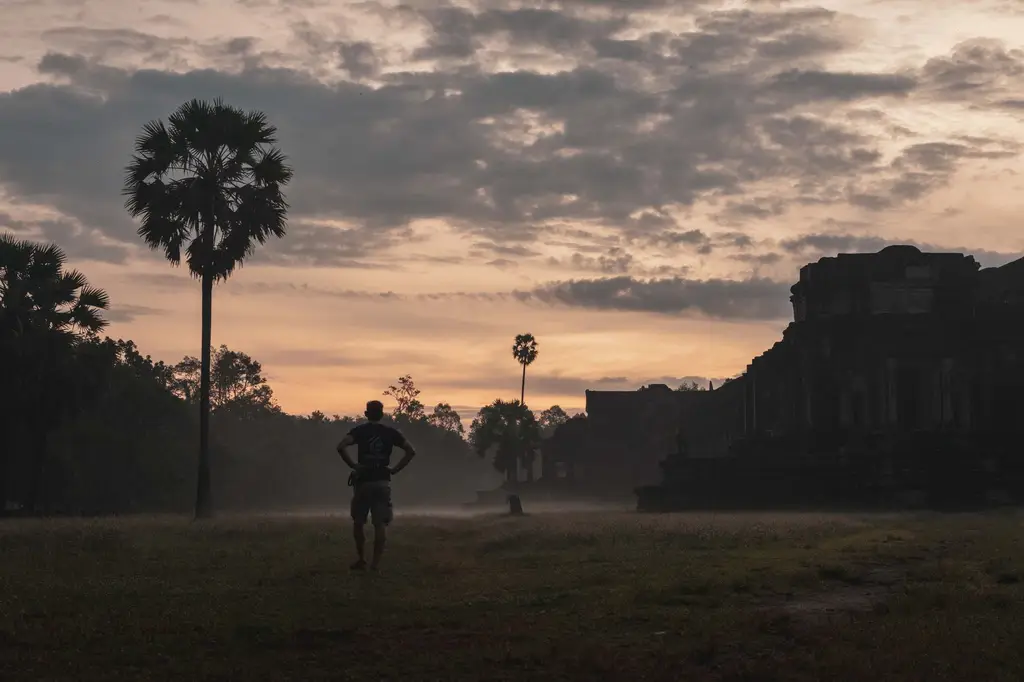
Angkor Wat at sunrise is worth doing once, but go in knowing you'll be shoulder to shoulder with a few hundred other people at the reflecting pool. If crowds bother you more than the photo matters, watch sunrise from a quieter temple instead and see Angkor Wat itself once the light's already up.
Three days at Angkor beats one, not because you need three days of ruins, but because the heat forces a rhythm on you. Start at 7am, stop by early afternoon, come back out for the last two hours before the gates close when the light and the crowds both improve.
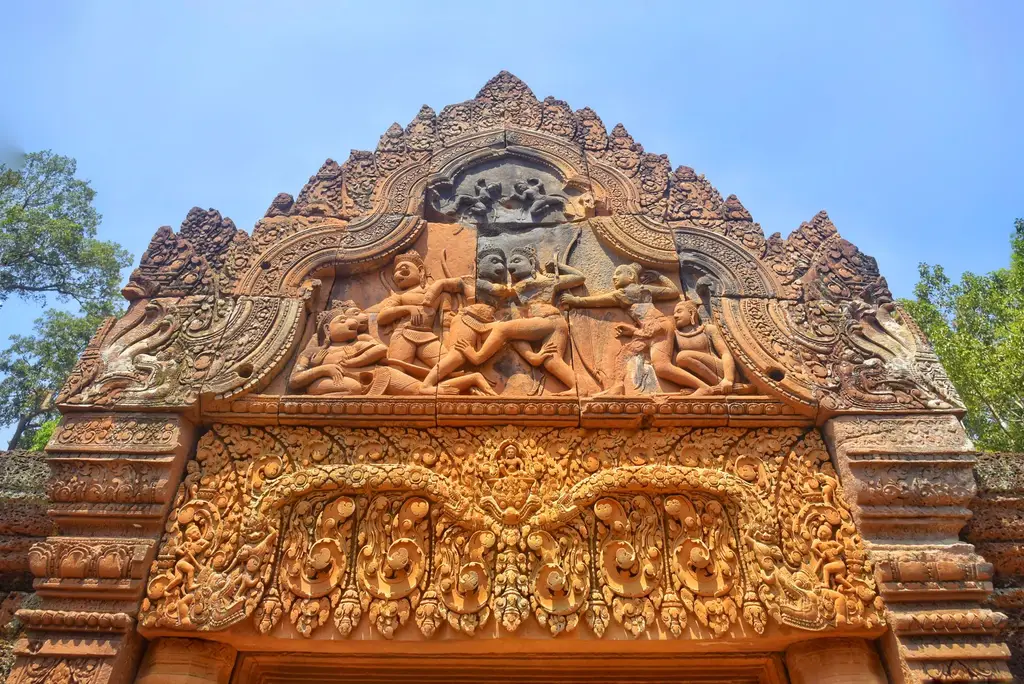
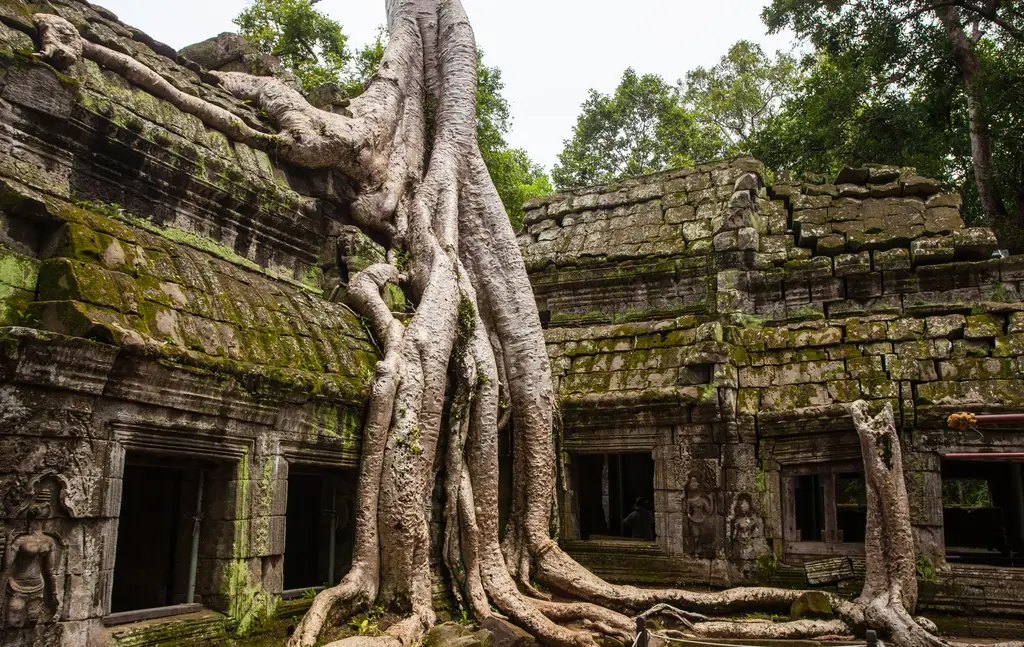
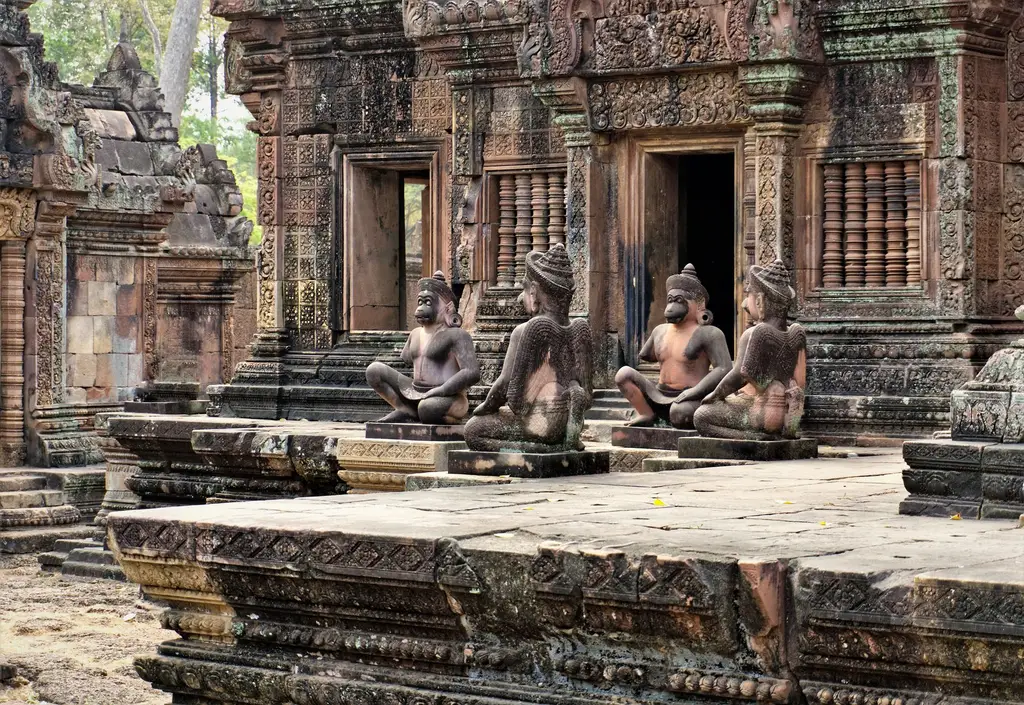
Ta Prohm is the one temple everyone has already seen a photo of, and it still delivers in person, but I'd rank Banteay Srei's carving detail above it if you only have time for one further-out temple.
The one-tuk-tuk-driver-for-the-day approach is worth the extra planning. Arranging transport fresh at every stop wastes time you don't get back in 35C heat, and a driver who knows the temple order will route you around the worst of the crowds without you asking.
The town outside the temples is better than its Pub Street reputation suggests. Walk two or three streets off the main strip and it's quiet, residential, and a much better place to eat than anything with a neon sign.
A single hard day at Angkor's three headline temples, sunrise to sunset, no slack in the schedule.
Day 1: Angkor's greatest hits
Morning
Sunrise at Angkor Wat from around 5am, then explore the temple itself once the light's up and the crowd thins, roughly 2 hours total including the wait.
Afternoon
Angkor Thom's South Gate and Bayon, then Ta Prohm before the midday sun peaks, tuk-tuk between all three, about 4 hours with a lunch stop.
Evening
Back into town by late afternoon, shower off the heat, dinner around Old Market and an early night, tomorrow's flight or bus won't wait for a slow start.
Tip: Buy the one-day Angkor Pass the afternoon before if you can, it saves queueing at 4:30am.
The standard, sane way to see Angkor properly plus a day for the town and Tonle Sap.
Day 1: The small circuit
Morning
Sunrise at Angkor Wat, then a slower walk through its galleries and upper level once the initial crowd clears.
Afternoon
Angkor Thom, Bayon, the Terrace of the Elephants, then Ta Prohm as the light softens later in the day.
Evening
Dinner around Old Market, an early night, this is the longest day of the trip.
Tip: Carry a change of shirt, you'll want it by mid-morning.
Day 2: The grand circuit and Banteay Srei
Morning
Head straight to Banteay Srei first while it's cool, then work back toward the park on temples most tour groups skip, like Preah Khan or Ta Som.
Afternoon
Continue the outer circuit at a slower pace, stopping wherever looks interesting rather than following a strict checklist.
Evening
A proper sit-down Khmer dinner, this is a good night for Phare, The Cambodian Circus if you booked ahead.
Tip: Banteay Srei is worth doing early both for the light on the pink sandstone and to beat the tour buses.
Day 3: Tonle Sap and the town
Morning
A half-day boat trip to a Tonle Sap floating village like Kampong Phluk, arranged the evening before through your guesthouse.
Afternoon
Back into town for the Angkor National Museum, useful context now that you've seen the temples rather than before.
Evening
A relaxed final night around Old Market, no early alarm to set.
Tip: Ask what the water level is like before booking the boat trip, it changes the experience a lot between wet and dry season.
The 3-day Angkor circuit at a slower pace, plus Beng Mealea and Koh Ker as a proper day trip.
Day 1: Angkor Wat and Angkor Thom
Morning
Sunrise at Angkor Wat, unhurried this time since the days ahead have more room.
Afternoon
Angkor Thom and Bayon at a relaxed pace, with a long lunch break back in town during the worst midday heat.
Evening
Dinner around Old Market.
Tip: Take the midday break seriously, you have the days to spare.
Day 2: Ta Prohm and the outer temples
Morning
Ta Prohm early, then Preah Khan and Neak Pean before the crowds arrive at either.
Afternoon
Ta Som and East Mebon, quieter stops most people skip on a rushed itinerary.
Evening
Free evening, a good night for the circus if you haven't already gone.
Tip: This is the day to hire a driver who knows the lesser temples by name, not just the big three.
Day 3: Banteay Srei and the Landmine Museum
Morning
Banteay Srei early for the light and the carving detail.
Afternoon
The Cambodia Landmine Museum on the same road, then back into town.
Evening
A slower dinner, this trip has room for it.
Tip: Combine these two, they sit on the same route and the pairing makes emotional sense too.
Show all 5 days
Day 4: Beng Mealea and Koh Ker day trip
Morning
Drive out to Beng Mealea, a jungle-swallowed temple with none of Ta Prohm's crowds, roughly 90 minutes each way.
Afternoon
Continue to Koh Ker, a 10th-century pyramid-temple complex, both sites charge separately from the main Angkor Pass.
Evening
Long drive back, an easy dinner near your hotel.
Tip: This is a full day of driving, confirm the round trip cost with your driver before you leave.
Day 5: Tonle Sap and the town
Morning
A floating village boat trip on the Tonle Sap.
Afternoon
Angkor National Museum, the Old Market, and any temple you wanted a second look at.
Evening
Final dinner, no early start tomorrow.
Tip: Keep this day loose, it's your buffer if weather or energy derailed an earlier one.
The full Angkor circuit plus Battambang as a two-day rail-town detour.
Day 1: Angkor Wat and Angkor Thom
Morning
Sunrise at Angkor Wat.
Afternoon
Angkor Thom, Bayon, Ta Prohm at an unhurried pace.
Evening
Dinner around Old Market.
Tip: First day sets the pattern: early start, midday break, second push before closing.
Day 2: Preah Khan and the eastern temples
Morning
Preah Khan and Neak Pean early.
Afternoon
Ta Som and East Mebon.
Evening
Free evening in town.
Tip: This day has the fewest tourists of the main circuit, worth savouring.
Day 3: Banteay Srei and the Landmine Museum
Morning
Banteay Srei at opening time.
Afternoon
Landmine Museum, same road.
Evening
Phare, The Cambodian Circus.
Tip: Book circus tickets a few days ahead.
Show all 7 days
Day 4: Beng Mealea and Koh Ker
Morning
Beng Mealea.
Afternoon
Koh Ker.
Evening
Long drive back, easy dinner.
Tip: Bring snacks, it's a long day between stops.
Day 5: Tonle Sap and rest
Morning
Floating village boat trip.
Afternoon
Angkor National Museum or a genuine rest afternoon by the pool.
Evening
Pack for Battambang, an early bus tomorrow.
Tip: Buses to Battambang take roughly 2-2.5 hours.
Day 6: Battambang
Morning
Bus to Battambang, check in, walk the French colonial riverside core.
Afternoon
The bamboo train (norry) and Phnom Sampov, including the wartime cave sites.
Evening
Battambang's small, good food scene, quieter than Siem Reap's.
Tip: Battambang rewards slow wandering more than a checklist.
Day 7: Back to Siem Reap or onward
Morning
A final look at Battambang's art galleries or circus school if there's a morning show.
Afternoon
Bus back to Siem Reap for a flight, or onward toward Phnom Penh directly.
Evening
Depends on your onward transport.
Tip: Check bus schedules the day before, Battambang-Siem Reap routes run a few times daily, not hourly.
Two weeks is more than Siem Reap and Angkor alone can honestly fill. This builds a full regional loop: Angkor in depth, Battambang, and enough days to fold in Phnom Penh and the coast, treat it as a Cambodia itinerary based here rather than a Siem Reap-only stay.
Day 1: Angkor Wat and Angkor Thom
Morning
Sunrise at Angkor Wat.
Afternoon
Angkor Thom, Bayon, Ta Prohm.
Evening
Dinner around Old Market.
Tip: Set the pace early, you have time to be patient.
Day 2: Preah Khan and the eastern temples
Morning
Preah Khan and Neak Pean.
Afternoon
Ta Som and East Mebon.
Evening
Free evening.
Tip: Quietest day of the inner circuit.
Day 3: Banteay Srei and the Landmine Museum
Morning
Banteay Srei early.
Afternoon
Landmine Museum.
Evening
Circus, if booked.
Tip: Combine these two on the same drive.
Show all 14 days
Day 4: Beng Mealea and Koh Ker
Morning
Beng Mealea.
Afternoon
Koh Ker.
Evening
Long drive back.
Tip: Both charge separately from the Angkor Pass.
Day 5: Tonle Sap and rest
Morning
Floating village boat trip.
Afternoon
Angkor National Museum or genuine downtime.
Evening
Pack for Battambang.
Tip: Use this as a recovery day before moving on.
Day 6: Battambang
Morning
Bus to Battambang, riverside walk.
Afternoon
Bamboo train and Phnom Sampov.
Evening
Battambang's quieter food scene.
Tip: Slower town, adjust your pace to match.
Day 7: Battambang countryside
Morning
Wat Banan, a smaller, quieter cousin of Angkor's hilltop temples.
Afternoon
Art galleries or a cooking class in town.
Evening
Bus back toward Siem Reap or onward south.
Tip: Wat Banan's stairs are steep, go slow in the heat.
Day 8: Travel day to Phnom Penh
Morning
Bus or flight to Phnom Penh, roughly 5-6 hours by road or under an hour by air.
Afternoon
Settle in, walk the riverside near the Royal Palace.
Evening
Dinner near the riverfront.
Tip: Flying saves most of a day if your schedule is tight.
Day 9: Phnom Penh history
Morning
Tuol Sleng Genocide Museum.
Afternoon
Choeung Ek Killing Fields.
Evening
A quiet evening, this is a heavy day, don't overplan the rest of it.
Tip: Go early to both sites to avoid the heat and the tour bus crowds.
Day 10: Phnom Penh city
Morning
Royal Palace and Silver Pagoda.
Afternoon
National Museum of Cambodia and Central Market.
Evening
Riverside sunset walk.
Tip: Dress code applies at the Royal Palace, shoulders and knees covered.
Day 11: Travel day to Sihanoukville coast
Morning
Bus or flight south to Sihanoukville.
Afternoon
Ferry onward to Koh Rong Samloem.
Evening
First beach dinner, a different pace from the last ten days.
Tip: Book the ferry a day ahead in peak season.
Day 12: Island time
Morning
Beach, swim, do nothing in particular.
Afternoon
A short hike or snorkel trip if the weather holds.
Evening
Dinner on the beach.
Tip: Bring cash, ATMs on the islands are limited or nonexistent.
Day 13: Island time, second island or same one
Morning
More beach, or a boat over to Koh Rong if you're on Samloem.
Afternoon
Free time.
Evening
Last island dinner.
Tip: Check the ferry schedule back to the mainland before you get too settled.
Day 14: Back to the mainland and home
Morning
Ferry back to Sihanoukville.
Afternoon
Flight or bus to Phnom Penh for your international departure.
Evening
Depends on flight time.
Tip: Build in a buffer day if your flight is early the next morning, coastal ferries do get delayed by weather.
5:00am-6:00pm daily·included in Angkor Pass·2-3 hours
Angkor Pass required, buy in advance or at the official ticket office before entry
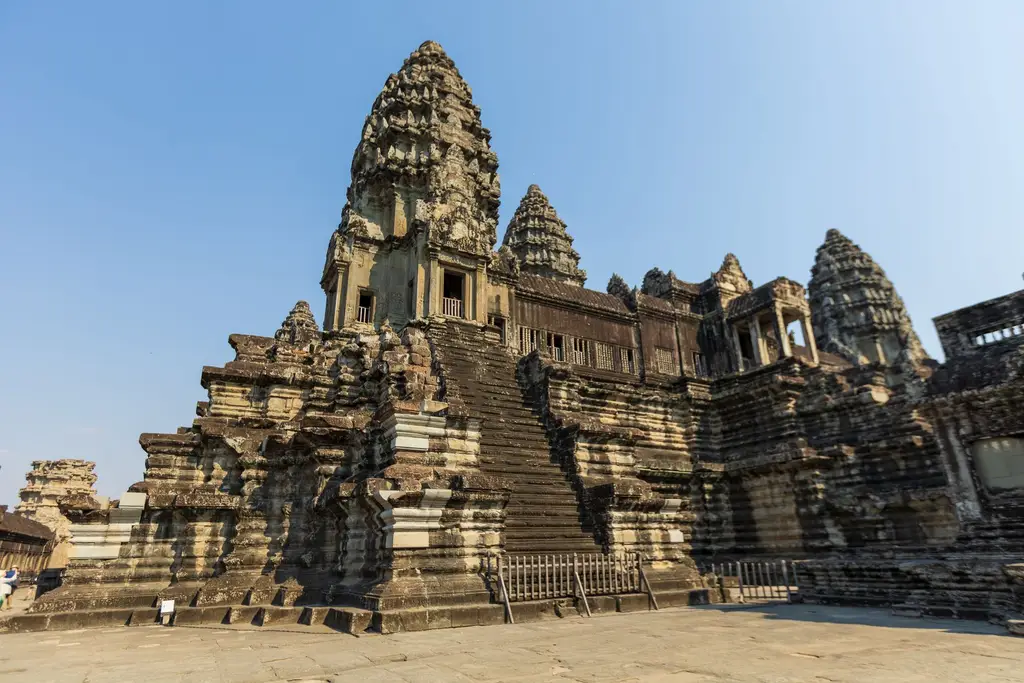
Automated verification of the ticket office's own site was blocked; hours confirmed via the national tourism board instead, worth reconfirming at purchase. Sunrise draws a real crowd at the reflecting pools; the causeway and upper galleries are calmer after 8am once the tour buses move on.
5:00am-6:00pm daily, part of the wider Angkor park hours·included in Angkor Pass·2-3 hours
Angkor Pass required
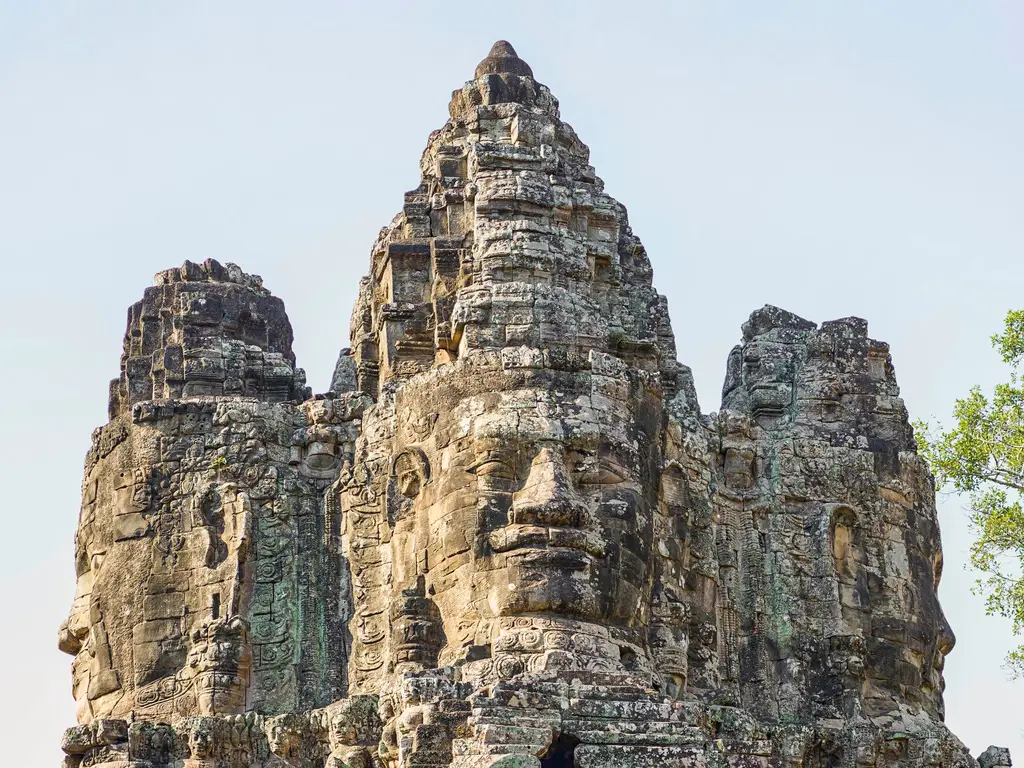
The walled city, not one building, Bayon's stone faces are the centrepiece but the South Gate and Terrace of the Elephants are worth the extra half hour. Go mid-morning after the Angkor Wat sunrise crowd has moved on.
5:00am-6:00pm daily·included in Angkor Pass·1-1.5 hours
Angkor Pass required
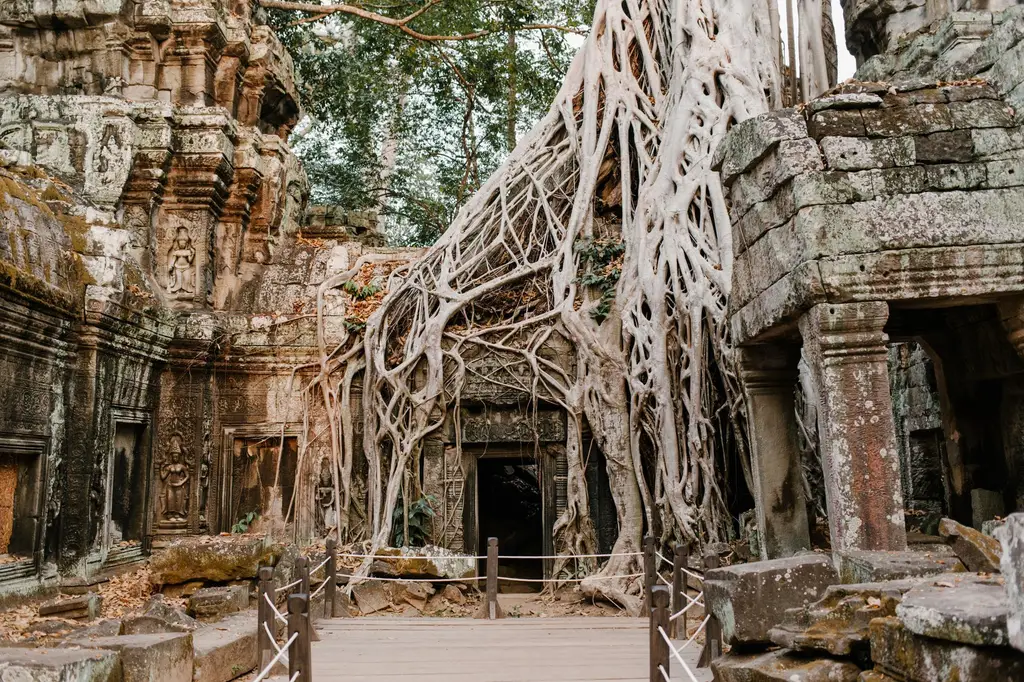
The jungle-reclaimed temple, roots through the stonework, genuinely photogenic and genuinely crowded midday. Early morning or the last two hours before closing both thin the tour groups noticeably.
5:00am-5:00pm daily, closes earlier than the main Angkor zone·included in Angkor Pass·1 hour
Angkor Pass required
About 25km further out than the main temples, worth the extra drive for the pink sandstone carving, some of the finest detail work in the whole park. Pair it with a lesser-known temple on the same road rather than doubling back.
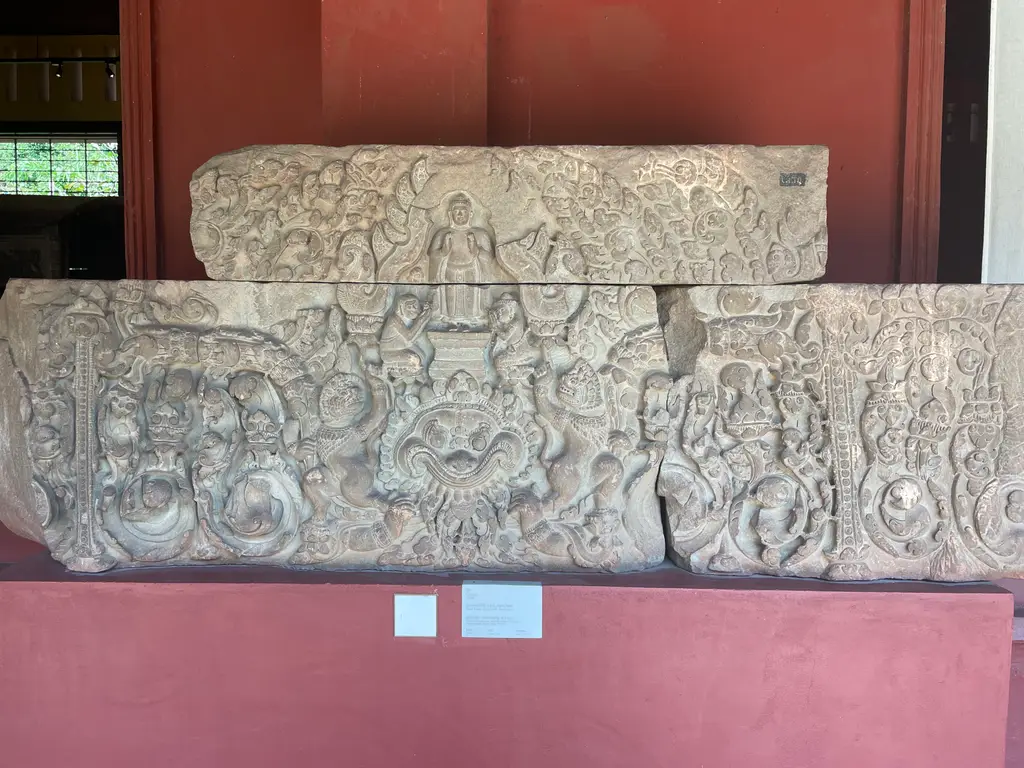
Best done the evening before you start the temples, not after; the context on Khmer Empire history and religion makes the ruins themselves easier to read. Price sourced from a travel guide rather than the museum's own site, confirm at the door.
nightly show around 8:00pm·USD 18-38 adult depending on seat, USD 10-18 child·1 hour
book online a few days ahead in peak season
Not a temple day, a genuinely good evening out, run by a Cambodian arts NGO with performers trained through its own school. Sit anywhere in the first few rows for the acrobatics. Price via a travel guide, confirm current tiers before booking.
Cambodia's original night market, opened 2007, dozens of stalls for handicrafts, silk, silver jewelry and Angkor-themed souvenirs. Still the main after-dark thing to do in town. It's a shopping market, not an experience, so give it an hour, not an evening.
Angkor Archaeological Park sunrise at Angkor Wat
as of 2026-09
Viral
Watching sunrise over Angkor Wat's towers from the reflecting pools, the single most photographed moment in Cambodia. Crowded and everyone lines up for the same shot, but the temple earns it. Go early, buy the multi-day pass if you can, one day is not enough to see the wider park.
Phare, the Cambodian Circus
as of 2026-09
Viral
Nonprofit circus troupe in Siem Reap performing original shows built from Cambodian history and folklore, staged in a tent near the night market, several nights a week. Consistently the highest-rated evening activity in town for a reason, it's live art by young Cambodian performers, not a tourist trap. Book ahead, seasons and schedules shift, check current show days before you plan the evening around it.
Pub Street
as of 2026-09
Viral
The central strip of bars, restaurants and street stalls in the old French quarter, closed to cars at night and packed with tourists. It's loud, it's touristy, and it knows it. Fine for one night to see the scene, don't mistake it for the real Siem Reap.
Tonle Sap floating village tour
as of 2026-09
Viral
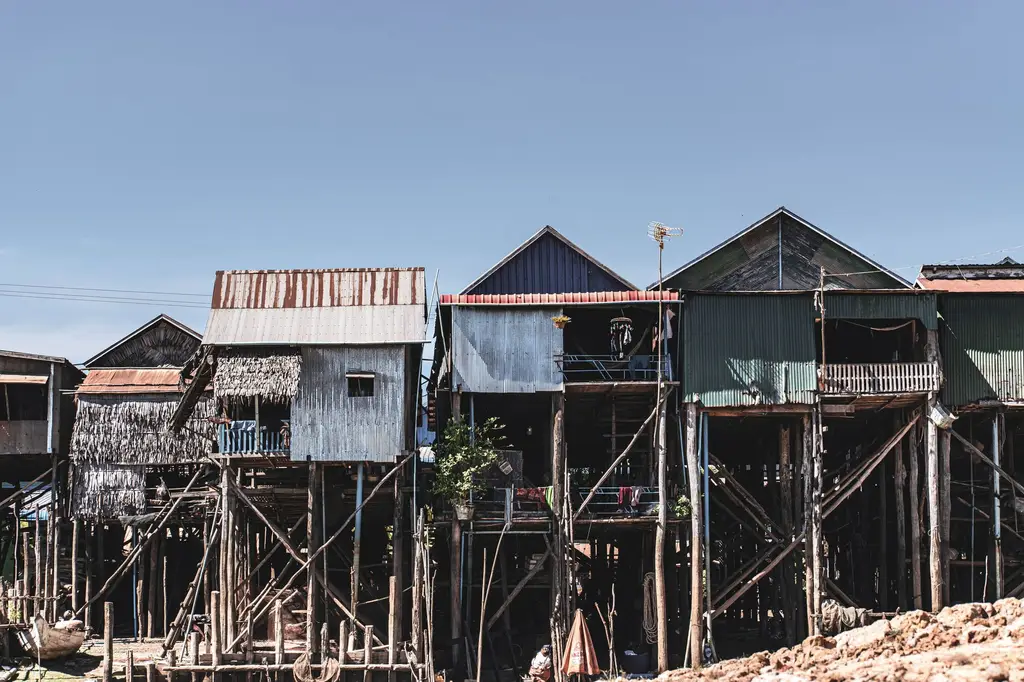
Boat trip to one of several floating villages on the Tonle Sap lake, such as Kampong Phluk or Kampong Khleang, where houses, schools and markets sit on stilts or float. Genuinely different from the temple circuit and worth the half day. Pick an operator that visits a village further from town, the closest ones can feel more staged for tour boats.
More to see (3)
7
Kampong Phluk floating village, Tonle Sap
boat tours generally run mid-morning to late afternoon·around USD 20-25 per person for the boat, plus transport to the pier·half day
arrange through your guesthouse or a tuk-tuk driver the day before
A stilted village on the Tonle Sap flood plain, water level and access change dramatically between wet and dry season. Go with a licensed operator rather than the first boat tout at the pier; prices here vary enough to genuinely check before you go.
8
Cambodia Landmine Museum
8:00am-5:00pm daily·USD 5·1-1.5 hours
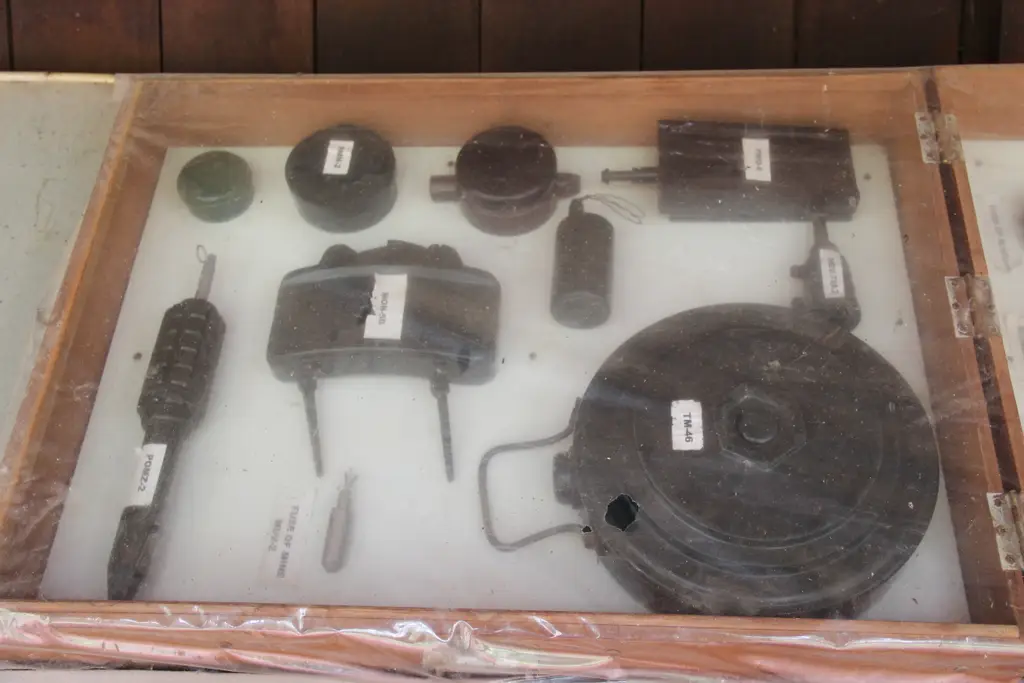
Founded by a former child soldier turned deminer, on the road to Banteay Srei, easy to combine with that temple. Sober rather than sensational, worth the detour if you want context beyond the ruins.
market mornings are liveliest, roughly 6am-6pm; Pub Street runs into the night·free to walk, food and drink priced per stall or restaurant·1-2 hours
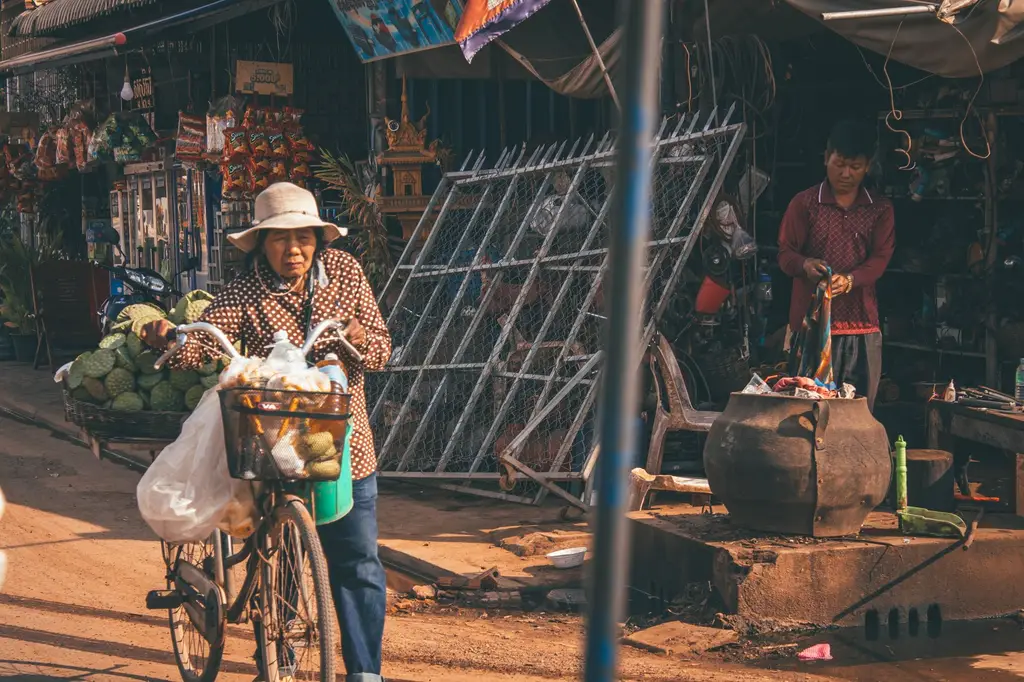
The produce and souvenir market by day, the bar strip by night, same few blocks doing double duty. Eat where the stalls are busy with Khmer customers, not just the ones with English menus taped to the front.
Where to stay
Old Market / Pub Street
Suits: first-timers, nightlife
Walk to restaurants and bars, loud until late, closest to everything except the temples themselves.
Wat Bo
Suits: quieter stays, longer trips
Ten minutes from Old Market on foot, residential streets, good mid-range guesthouses, noticeably calmer at night.
Sok San / river road
Suits: boutique hotels, couples
A short tuk-tuk from the centre, home to most of the higher-end small hotels and resorts.
Airport road
Suits: one-night stopovers
Convenient for early flights, far from the walkable town core, not worth it for a multi-day stay.
Getting there and around
Getting there
Siem Reap Angkor International Airport, which opened in late 2023, sits about 50km east of town, roughly 45-60 minutes by road. A shared minibus transfer runs around USD 8 per seat, a private car or hotel transfer around USD 35-40. Some regional flights and buses from Phnom Penh or Bangkok are the other common routes in.
Getting around
The town itself is walkable if your hotel is central, Old Market to Pub Street is a 5-10 minute walk. For anything else, tuk-tuks are the default and a full day hired for the temples runs roughly USD 15-20 including waiting time, agree the price and the temple list before you set off. Grab operates here for point-to-point rides. Renting a bicycle or e-bike is a real option for the inner Angkor circuit if you don't mind heat and traffic.
Map
City
Recommended (numbered)
Mentioned in an itinerary
Locations on this map
Siem Reap13.36, 103.86
Angkor Wat13.41, 103.87
Angkor Thom and Bayon13.41, 103.87
Ta Prohm13.43, 103.89
Banteay Srei13.60, 103.96
Angkor National Museum13.37, 103.86
Phare, The Cambodian Circus13.35, 103.84
Kampong Phluk floating village, Tonle Sap13.21, 103.97
Cambodia Landmine Museum13.39, 103.83
Old Market (Phsar Chas) and Pub Street13.35, 103.86
Terrace13.45, 103.86
Elephants13.45, 103.86
Preah Khan13.46, 103.87
Ta Som13.46, 103.91
Khmer13.38, 103.83
Neak Pean13.46, 103.89
East Mebon13.45, 103.92
Beng Mealea13.48, 104.23
Koh Ker13.36, 103.86
Angkor Pass13.38, 103.88
Battambang13.27, 103.82
French13.36, 103.86
Phnom Penh13.35, 103.85
Royal Palace13.44, 103.86
Central Market13.36, 103.86
Koh Rong13.36, 103.85
What it costs
Stay
Food
Transport
Activities
Daily cost breakdown, USD per person
Tier
Stay
Food
Transport
Activities
Total
Budget
USD 8
USD 9
USD 6
USD 9
USD 32
Mid-range
USD 30
USD 20
USD 13
USD 15
USD 78
Splurge
USD 100
USD 45
USD 25
USD 20
USD 190
A mid-range day: USD 35 guesthouse with a pool, USD 15-20 tuk-tuk hired for the whole day of temples, USD 15 on two proper meals plus fruit shakes and water refills, USD 8-10 for a museum or the circus that evening. The Angkor Pass itself is a separate, larger line item.
Money savers
Hire one tuk-tuk driver for the full day rather than negotiating per ride, it's cheaper and you don't lose them between stops
Eat at the Old Market food stalls instead of Pub Street's tourist-menu restaurants for a fraction of the price
Buy a local SIM at the airport arrivals hall rather than paying roaming rates for your first day
Refill water bottles at your guesthouse instead of buying bottled water at every temple gate
Skip the paid extras around the park (ferris wheel, elephant rides) and put that money toward Beng Mealea or Koh Ker instead, both genuinely worth the separate entry fee
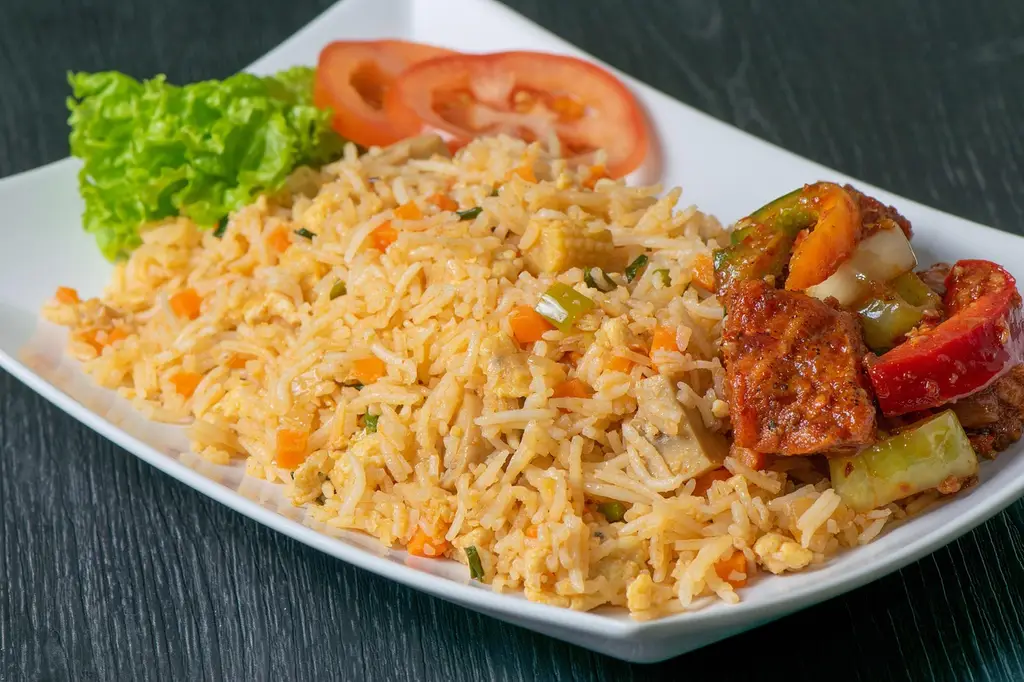
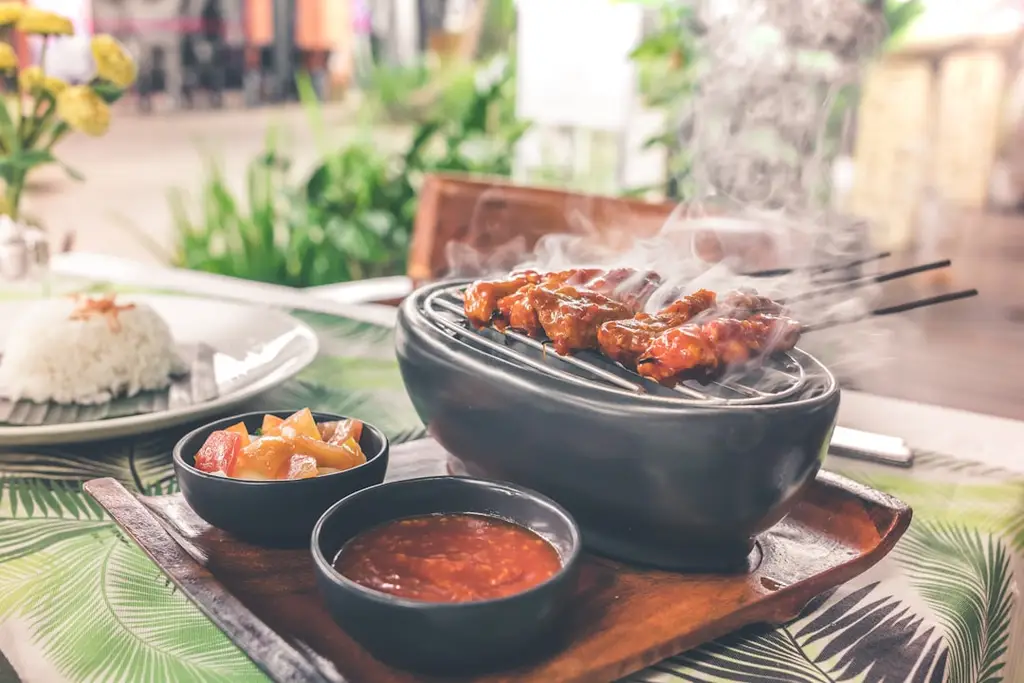
Siem Reap's food reputation gets built around the temples and then undercut by Pub Street, which is where most visitors end up and genuinely not where to eat: it's built for beer towers and pizza, not Khmer food, and what Khmer dishes it does serve get watered down for a crowd that isn't asking questions. The real food is a five-minute walk away, family restaurants around Wat Bo and the streets off the Old Market serving amok, red curry and grilled meat the way a Cambodian family would actually cook it. Amok, steamed fish curry in coconut and kroeung paste, is the one dish worth ordering everywhere, quality varies enough between kitchens that comparing a few is worthwhile. Phnom pleung, tabletop charcoal grilling, makes a better group dinner than another night on Pub Street.
USD 4-9·Old Market area and most sit-down Khmer restaurants, not Pub Street
Must try
Steamed fish curry in coconut cream and kroeung paste, usually served in a banana leaf cup. The dish most first-time visitors should order first, and quality varies enough to be worth comparing across a few kitchens.
Khmer red curry (kari)
USD 3-7·Family-run restaurants around Wat Bo
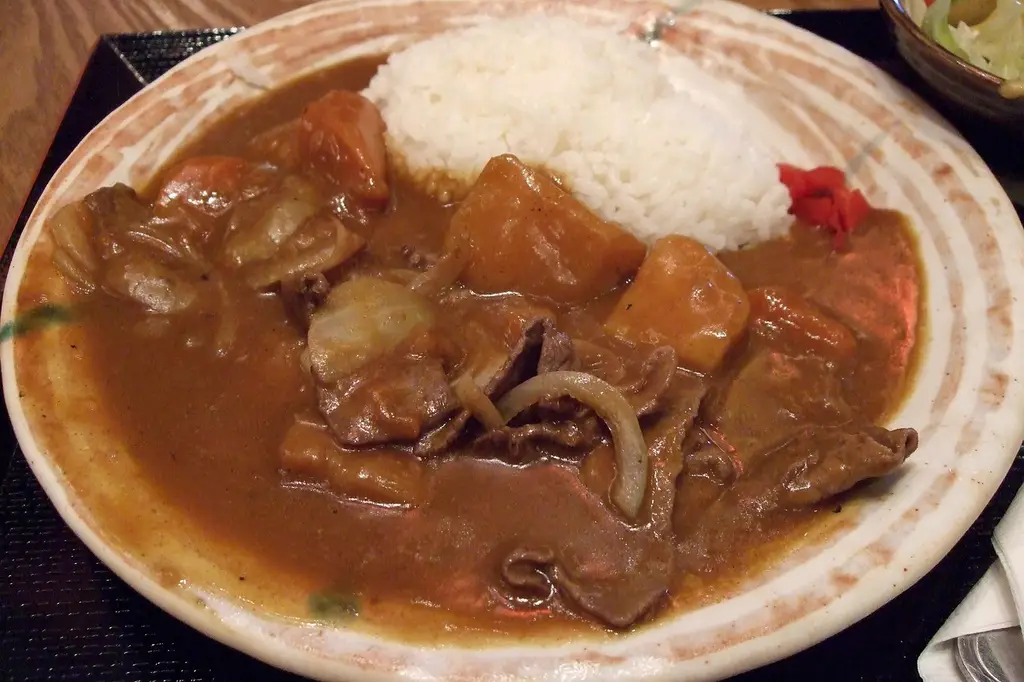
Must try
Milder and sweeter than Thai curries, usually with beef or chicken, potato and lemongrass. A good comparison dish once you've had amok.
Khmer barbecue (phnom pleung)
USD 8-15 per person·Local grill spots away from the tourist strip
Must try
Tabletop grilling over charcoal, meat and vegetables cooked at your own pace, a good group dinner and a far better night out than another round on Pub Street.
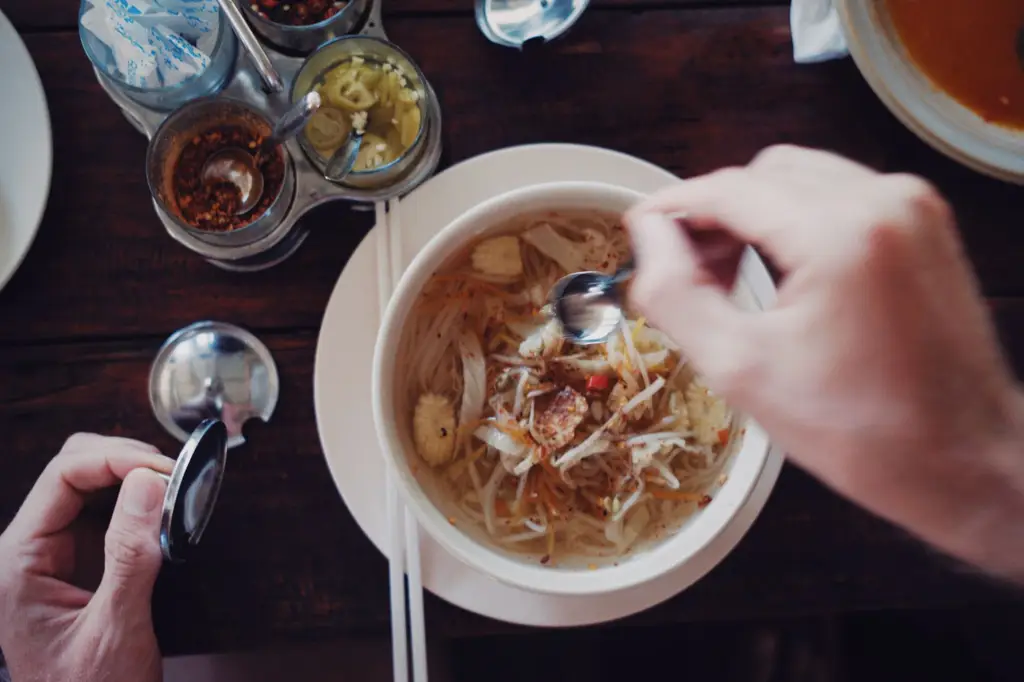
Kuy teav
USD 1-3·Old Market area and morning stalls
Pork or beef broth noodle soup eaten for breakfast across Cambodia. A reliable, cheap option before a full day walking temples.
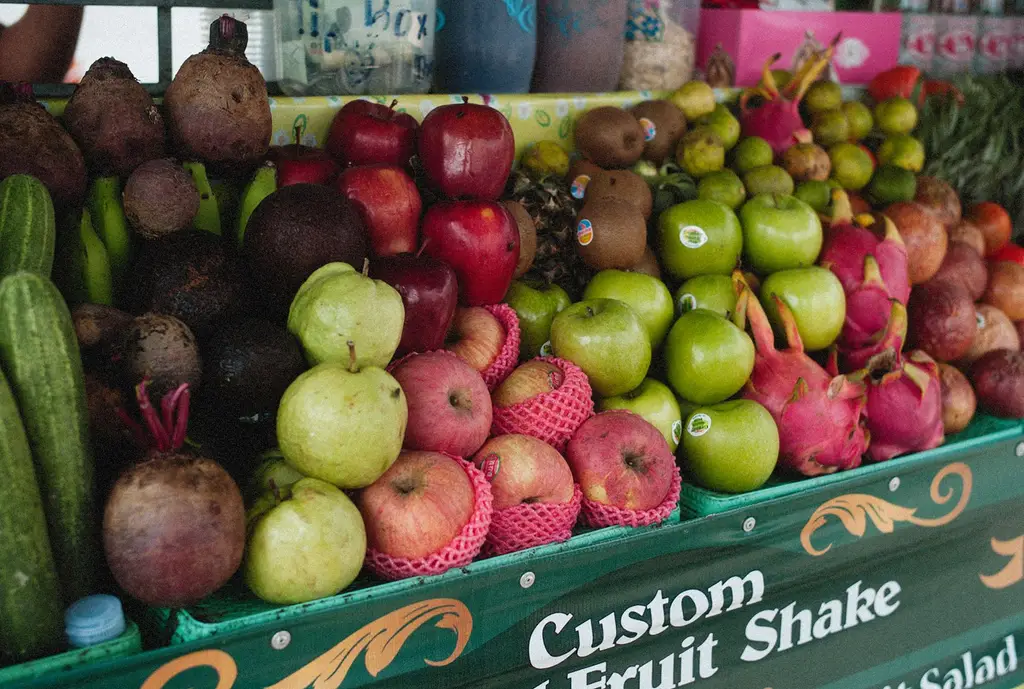
Fresh fruit shakes
USD 1-2·Old Market stalls and roadside carts
Cheap, cold, and the best answer to the midday heat between temples.
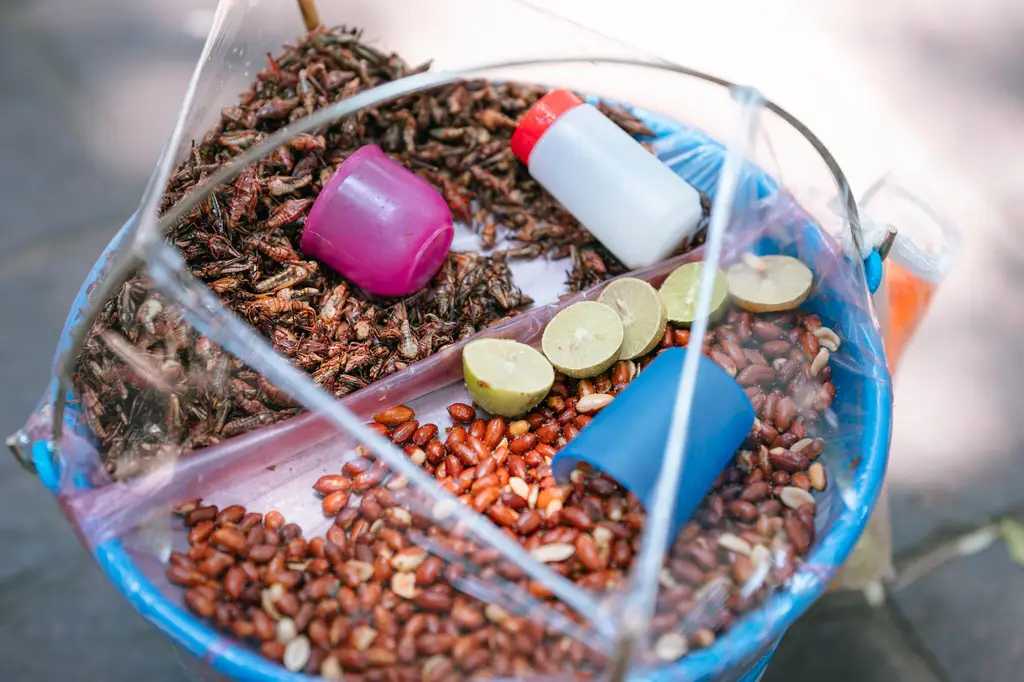
Fried insects and crickets
USD 1-3 per portion·Old Market and Pub Street stalls, more genuinely local at Skun town market on the road to Phnom Penh
Crickets, tarantulas and silkworms fried and salted, a real regional snack tradition rather than a stunt for cameras, though the Siem Reap stalls lean into the novelty for visitors.
Num ansom
USD 1-2·Markets and bakeries around town
Sticky rice cakes wrapped in banana leaf, sometimes with banana or mung bean and pork filling, more often bought as a snack or gift than eaten as a meal.
Matcha and aesthetic cafe cluster
as of 2026-09
Viral
Multiple new matcha-focused, heavily photographed cafes have opened near Pub Street and toward the Angkor complex over the past year. Same pattern as Phnom Penh, a real category shift toward Instagram-first cafes. Treat any single shop name as a snapshot, not a fixture.
Pub Street night market
as of 2026-09
Viral
The central strip of bars, grills and street food stalls that has anchored Siem Reap's evening scene for well over a decade. Touristy and overpriced by local standards, but it isn't going anywhere and it's still the easiest place to eat after dark.
Nom Pang Chien
as of 2026-09
Viral
A crispy fried baguette sandwich dish, nom pang chien, got a dedicated photo feature from Cambodianess in July 2026 as a dish worth seeking out in Siem Reap. Only one real source on this, so it stays at dish level rather than pointing at the one restaurant that got photographed.
Old Market street food stalls
as of 2026-09
Viral
A December 2025 street-food feature from Travel and Leisure Asia centers on stalls around Psar Chas, the Old Market, distinct from the Pub Street night market scene. This is the daytime, local-facing food, worth treating separately from Pub Street's tourist night-market strip.
Chef-driven fine dining at Raffles Grand Hotel d'Angkor
as of 2026-09
Viral
Raffles Grand Hotel d'Angkor appointed Memo Hernandez, a Costa Rica-trained chef, as Executive Chef in March 2026, confirmed across two hospitality trade outlets and an earlier interview. Genuinely current and well corroborated. Siem Reap's fine-dining scene is pulling in international chef talent, not just coasting on Angkor Wat tourism.
Safety and scams
Siem Reap is low-risk by regional standards. The real hazards are heat exhaustion and dehydration from full days at the temples, carry water and pace yourself. Tuk-tuk and tour touts around the temples and Old Market can be persistent, a firm no works fine. Traffic follows loose rules, look both ways twice crossing any road. Watch bags at crowded temple entrances the way you would anywhere touristy; outright theft is uncommon but not unheard of.
Common mistakes
Trying to see all the major temples in one day and remembering none of them clearly afterward
Skipping breakfast before a 5am sunrise start and running out of energy by mid-morning
Not agreeing the tuk-tuk price and temple list before setting off, leading to a rushed or padded route
Wearing shorts or a sleeveless top to Angkor Wat's upper level, which enforces a shoulder-and-knee dress code
Booking only one day in Siem Reap and treating Angkor as a single stop rather than a multi-day site
Frequently asked questions
How many days do I need in Siem Reap for Angkor?
Three full days covers the major and mid-tier temples at a sane pace. Two days works if you're efficient and skip the outer sites. One day only gets you Angkor Wat, Angkor Thom, and Ta Prohm, and it's a long, hot day.
What is the Angkor Pass and where do I buy it?
It's the entry ticket for the whole Angkor Archaeological Park, sold in 1-day, 3-day, and 7-day blocks by the official ticketing authority. Buy it at the official ticket office on the road to Angkor Wat or through the authorised online channel, not from a reseller.
Is sunrise at Angkor Wat worth it?
Worth doing once. It's crowded at the reflecting pools and the 4:30-5am start is genuinely early, but the temple silhouette against the sky is the image most people came for. If crowds bother you, watch sunrise from a different temple and see Angkor Wat once the light's already up.
What should I wear to the temples?
Shoulders and knees covered, especially for Angkor Wat's upper level, which enforces this strictly. Light, breathable fabric, closed or sturdy sandals for uneven stone, and a hat for the sun between temples.
Is Siem Reap safe?
Yes, by regional standards it's low-risk. The real hazards are heat and dehydration, not crime. Watch your bag in crowded areas and agree tuk-tuk prices upfront, but this is not a city that requires special caution.
How hot does it get at the temples?
Daytime highs run 30-35C most of the year and can hit 38-40C in April. Combined with stone surfaces and little shade at midday, most people plan around a 5am-11am and 3pm-6pm split rather than pushing through the afternoon.
Can I do Angkor without a tuk-tuk or driver?
You can cycle or e-bike the inner circuit if you're comfortable in heat and Cambodian traffic, but most visitors hire a tuk-tuk for the day, roughly USD 15-20, which also means someone else is dealing with parking and route logistics.
Is Beng Mealea or Koh Ker worth the extra trip?
Yes if you have a fourth or fifth day. Both sit outside the main Angkor Pass and charge separately, and both give you a genuinely different experience: Beng Mealea barely cleared of jungle, Koh Ker a 10th-century step pyramid you can climb.
What's the best month to avoid crowds at Angkor?
July through September. It's wet season, so expect heavy afternoon downpours, but mornings are often clear, the moats and jungle are green rather than dusty, and the temples have a fraction of the peak-season foot traffic.
Is Phare, The Cambodian Circus worth going to?
Yes, it's a legitimate evening out and a good use of one night in Siem Reap, run by performers trained through a Cambodian arts NGO's own school. Book online a few days ahead in peak season since good seats sell out.