Things to Do in Sapporo: Itineraries, Costs and Food
Hokkaido's capital: miso ramen, soup curry, a February snow festival, and the launch point for Otaru, Niseko, and Furano. Built on a grid, easy to walk, brutal in January.
By Labeeb Mirza · Published September 8, 2026 · Updated September 8, 2026
Best timeLate Jun to Aug
Daily budget (mid)JPY 18,000
Ideal length3 days
CurrencyJPY
Overview
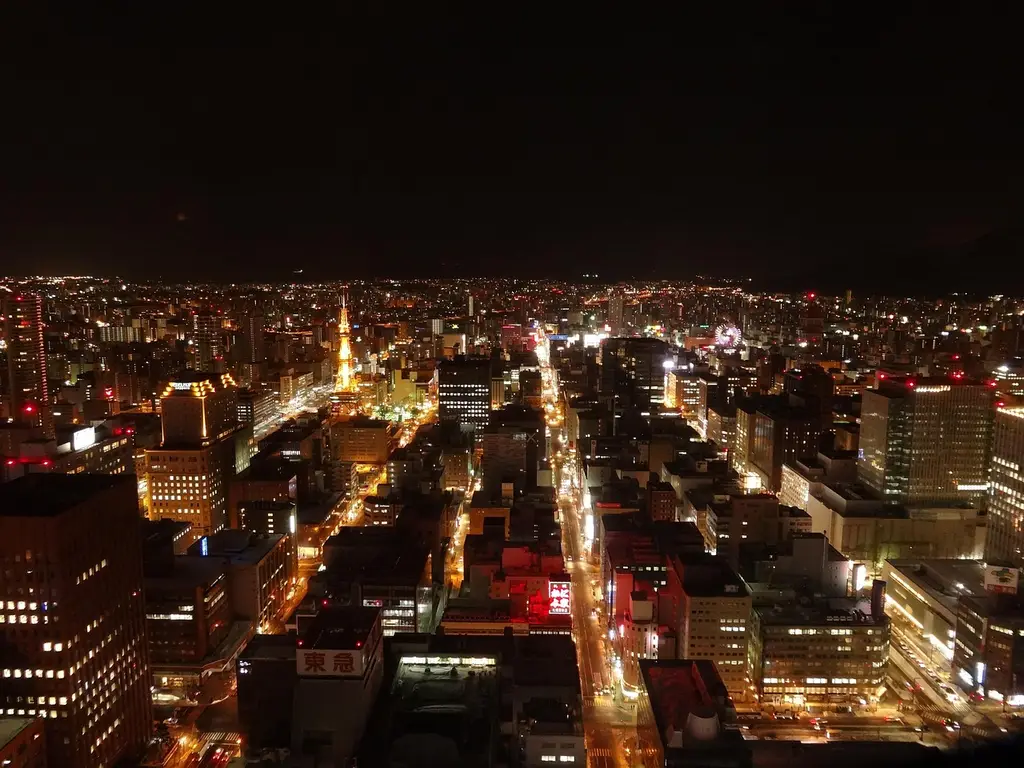
Sapporo is Japan's fifth-largest city and the only one most travelers use as a base rather than a destination in itself. The city itself is compact and gridded, laid out by American planners in the 1870s, so it lacks the winding lanes of Kyoto or the density of Osaka. What it has instead is Hokkaido: an island roughly the size of Austria with mountains, farmland, and coastline that Sapporo sits in the middle of. Most visitors spend two or three days in the city eating ramen and soup curry, walking Odori Park, and riding the subway to a beer museum or a ropeway, then use the rest of their trip to get out. Otaru is 30 minutes by train. Niseko is under three hours. Furano and Biei are two hours by direct train in summer. Noboribetsu's onsen is 90 minutes. None of this is a knock on Sapporo, it is just how the geography works. February brings the Sapporo Snow Festival and genuinely brutal cold. July and August are mild, green, and the best window for hiking or lavender fields. The city runs on an underground pedestrian network connecting Sapporo Station, Odori, and Susukino, which matters more here than in almost any other Japanese city because for four or five months a year the streets above are ice.
Sapporo is the one to go north for, and winter is the point. Summer is pleasant, but you are missing the thing that makes the city distinct.
The underground walkways matter far more than they sound. In February they are how you actually move around the city centre without losing feeling in your hands.
The ramen is a different animal from Tokyo's, heavier and miso-based, and it makes complete sense the moment you step back outside into the cold.
Distances in Hokkaido are bigger than the map suggests. Do not plan day trips the way you would on Honshu, or you will spend the trip on trains.
Itineraries
A tight loop through downtown Sapporo: Odori Park, ramen, one museum, one viewpoint.
Day 1: Downtown Sapporo
Morning
Walk Odori Park end to end, then the TV Tower if the weather's clear. Continue to the Clock Tower, a 20-minute stop, then Nijo Market for a seafood bowl lunch.
Afternoon
Subway or streetcar to Mt. Moiwa Ropeway for the summit view over the city and mountains.
Evening
Back to Susukino for miso ramen at Ganso Ramen Yokocho, then soup curry the next meal if you have room.
Tip: Buy a Donichika day pass on weekends/holidays, it pays for itself after two subway rides.
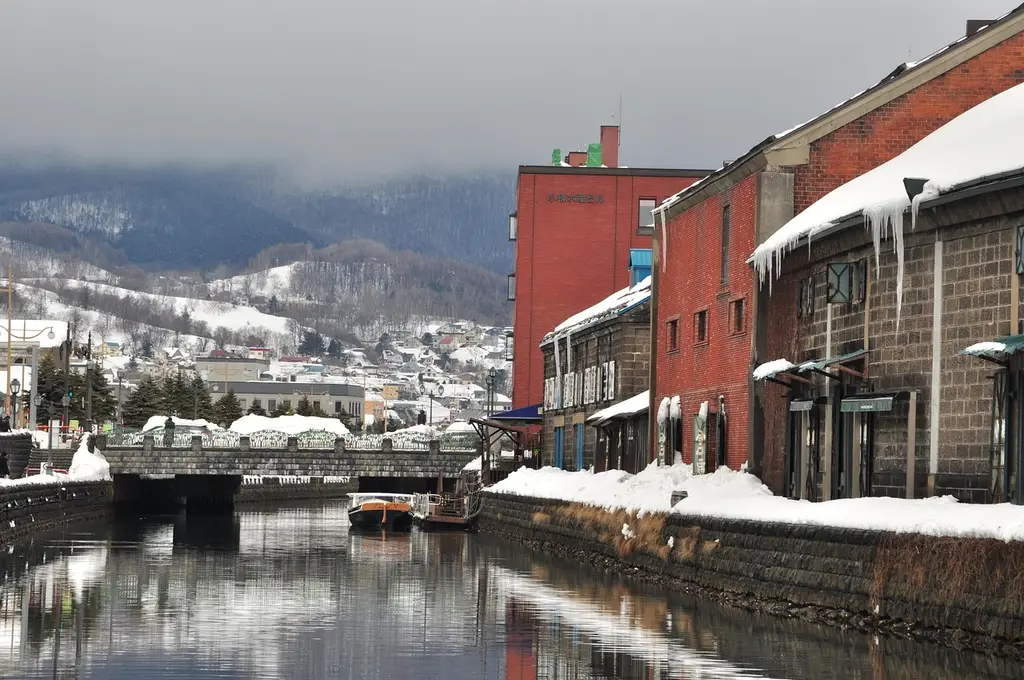
Two full days in Sapporo plus a day trip to Otaru's canal and glass shops.
Day 1: Arrival and Odori
Morning
Land at New Chitose, JR Rapid Airport train to Sapporo Station (37 min, JPY 1,230). Check in and walk Odori Park.
Afternoon
TV Tower observation deck, then browse Sapporo Station's underground shopping malls to warm up if it's winter.
Evening
Soup curry dinner near Odori.
Tip: Buy a Kitaca or Sapica card at the airport station, it works on subway, streetcar, and JR.
Day 2: Otaru day trip
Morning
JR train to Otaru (about 30 min, JPY 800 one way). Walk the canal and Sakaimachi Street shops.
Afternoon
Otaru Music Box Museum and Kitaichi Glass Village, lunch on fresh sushi near the canal, Otaru's sushi is a step up from Sapporo's.
Evening
Train back to Sapporo, dinner in Susukino.
Tip: Late afternoon light on the canal is the best photo window, arrive before 3pm and stay till dusk.
Day 3: Beer, market, mountain
Morning
Sapporo Beer Museum, then Nijo Market for lunch.
Afternoon
Mt. Moiwa Ropeway for the summit view, or Shiroi Koibito Park if traveling with kids.
Evening
Jingisukan grilled mutton dinner before departure or a final night out in Susukino.
Tip: The Premium Tour at the Beer Museum needs advance booking, the self-guided visit doesn't.
A Hokkaido regional trip based in Sapporo: the city, Otaru, and Noboribetsu's hot springs.
Day 1: Arrival and Odori
Morning
JR Rapid Airport train from New Chitose to Sapporo Station.
Afternoon
Odori Park, TV Tower, Clock Tower.
Evening
Miso ramen in Susukino.
Tip: Buy your IC card at the airport, not later.
Day 2: Otaru
Morning
Train to Otaru (30 min), canal walk.
Afternoon
Sakaimachi Street glass and music box shops, sushi lunch.
Evening
Return to Sapporo, soup curry dinner.
Tip: Otaru's sushi is worth the trip on its own.
Day 3: Beer, market, mountain
Morning
Sapporo Beer Museum.
Afternoon
Nijo Market lunch, then Mt. Moiwa Ropeway.
Evening
Jingisukan dinner.
Tip: Save Moiwa for a clear evening if your schedule allows, the night view is the point.
Show all 5 days
Day 4: Noboribetsu Onsen day trip
Morning
JR Hokuto limited express to Noboribetsu (1hr10min, JPY 4,070), bus up to the onsen town (15 min, JPY 350).
Afternoon
Walk Jigokudani (Hell Valley), soak at a day-use onsen.
Evening
Return to Sapporo by evening train.
Tip: Confirm your ryokan's day-use bathing hours before you go, not all accept walk-ins.
Day 5: Shiroi Koibito and departure
Morning
Shiroi Koibito Park or a return visit to Nijo Market for last-minute crab.
Afternoon
Free time or shopping near Sapporo Station.
Evening
JR Rapid Airport train to New Chitose for departure.
Tip: Budget 90 minutes minimum from downtown to the airport including check-in buffer.
Sapporo as a base for Otaru, Niseko, and Noboribetsu, this is a Hokkaido trip, not a city trip.
Day 1: Arrival and Odori
Morning
Airport train to Sapporo Station.
Afternoon
Odori Park, TV Tower.
Evening
Ramen in Susukino.
Tip: Get your IC card at the airport.
Day 2: Beer, market, mountain
Morning
Sapporo Beer Museum.
Afternoon
Nijo Market, Mt. Moiwa Ropeway.
Evening
Soup curry.
Tip: Save Moiwa for clear skies if you can shuffle the itinerary.
Day 3: Otaru
Morning
Train to Otaru, canal walk.
Afternoon
Music box museum, glass shops, sushi lunch.
Evening
Return to Sapporo.
Tip: Late afternoon is the best canal light.
Show all 7 days
Day 4: Niseko
Morning
Bus to Niseko (about 2h44min-3h, JPY 1,900-2,800 one way).
Afternoon
Hike or bike in summer, ski in winter (Dec-Mar), or just walk Hirafu village.
Evening
Stay overnight in Niseko if budget allows, or return same day.
Tip: There's no direct train, buses are faster and cheaper than the train-plus-transfer route.
Day 5: Niseko continued / return
Morning
Second half-day in Niseko: onsen, viewpoint, or ski lesson.
Afternoon
Bus back to Sapporo.
Evening
Jingisukan dinner in Susukino.
Tip: Book Niseko lodging well ahead in winter, it's an international ski destination with tight capacity.
Day 6: Noboribetsu Onsen
Morning
JR limited express to Noboribetsu, bus to the onsen town.
Afternoon
Jigokudani walk, hot spring soak.
Evening
Return to Sapporo.
Tip: This is a long day, start early.
Day 7: Shiroi Koibito and departure
Morning
Shiroi Koibito Park or last shopping.
Afternoon
Free time near Sapporo Station.
Evening
Airport train to New Chitose.
Tip: Leave 90 minutes buffer for the airport transfer.
A full Hokkaido loop based out of Sapporo, adding Furano and Biei's summer flower fields; not a Sapporo-only itinerary.
Day 1: Arrival and Odori
Morning
Airport train to Sapporo Station.
Afternoon
Odori Park, TV Tower.
Evening
Ramen in Susukino.
Tip: Get your IC card at the airport.
Day 2: Beer, market, mountain
Morning
Sapporo Beer Museum.
Afternoon
Nijo Market, Mt. Moiwa Ropeway.
Evening
Soup curry.
Tip: Save Moiwa for a clear night if possible.
Day 3: Clock Tower, Shiroi Koibito, rest
Morning
Clock Tower, wander Sapporo Station's underground malls.
Afternoon
Shiroi Koibito Park.
Evening
Free evening in Susukino.
Tip: Use this slower day to adjust to the pace before day trips start.
Show all 14 days
Day 4: Otaru
Morning
Train to Otaru, canal walk.
Afternoon
Music box museum, glass shops, sushi lunch.
Evening
Return to Sapporo.
Tip: Late afternoon canal light is best.
Day 5: Niseko arrival
Morning
Bus to Niseko (about 2h44min-3h).
Afternoon
Hike, bike, or ski depending on season.
Evening
Stay overnight in Hirafu village.
Tip: Book Niseko lodging early, especially in winter.
Day 6: Niseko full day
Morning
Ski, hike, or onsen depending on season.
Afternoon
Explore Niseko village, viewpoints.
Evening
Dinner in Hirafu.
Tip: Niseko's international crowd means English menus are common, but book restaurants ahead in peak ski season.
Day 7: Return to Sapporo
Morning
Bus back to Sapporo.
Afternoon
Rest or catch up on anything missed downtown.
Evening
Jingisukan dinner.
Tip: Treat this as a buffer day in case Niseko weather delayed you.
Day 8: Travel to Furano/Biei
Morning
Furano Lavender Express direct train from Sapporo (about 2 hours, summer season only) or the Kamui/Lilac line with a transfer at Takikawa or Asahikawa.
Afternoon
Check in Furano, walk the town.
Evening
Dinner in Furano.
Tip: The direct Lavender Express only runs in summer; outside that window you'll transfer.
Day 9: Furano lavender fields
Morning
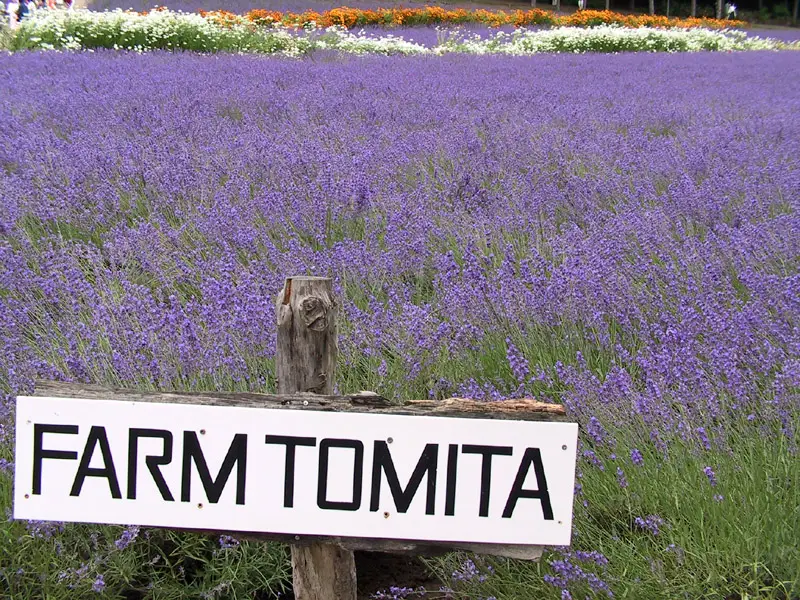
Farm Tomita and the lavender fields (late June-early August for bloom, otherwise it's farmland).
Afternoon
Furano-Biei Norokko sightseeing train between the two towns.
Evening
Local Furano curry or melon dessert.
Tip: Outside lavender season, skip this leg and add extra days in Sapporo or Otaru instead.
Day 10: Biei's patchwork hills
Morning
Biei View Bus loop (about 3 hours, roughly JPY 5,000) or rent a bike for the rolling farmland views.
Afternoon
Blue Pond and Shirogane area if the bus route covers it.
Evening
Return toward Sapporo or overnight again in Furano.
Tip: Biei's hills are the reason people extend their trip this far; don't rush it.
Day 11: Return to Sapporo
Morning
Train back to Sapporo Station (about 2-3 hours depending on route).
Afternoon
Rest, laundry, revisit Nijo Market for anything missed.
Evening
Free evening.
Tip: Build slack here, Hokkaido's rural trains run less frequently than you'd expect.
Day 12: Noboribetsu Onsen
Morning
JR limited express to Noboribetsu.
Afternoon
Jigokudani walk, onsen soak.
Evening
Return to Sapporo.
Tip: This is a long day round trip, start early.
Day 13: Second Sapporo pass
Morning
Anything skipped earlier: Clock Tower, a second Nijo Market visit, or Sapporo Art Park.
Afternoon
Shopping near Sapporo Station or Tanukikoji covered arcade.
Evening
Final Susukino dinner, ramen or jingisukan.
Tip: Buy any Hokkaido-specific souvenirs here, selection is better than at the airport.
Day 14: Departure
Morning
Pack, final coffee near Odori.
Afternoon
JR Rapid Airport train to New Chitose.
Evening
Departure.
Tip: Leave a 90-minute buffer from downtown to the terminal.
Things to do
1Odori Park
2Sapporo TV Tower
3Photo by The original uploader was K. Takeda at Japanese Wikipedia., licensed CC BY-SA 3.0, via Wikimedia CommonsSapporo Beer Museum
9Photo by Jatin Chadha on PexelsNoboribetsu Onsen / Jigokudani (Hell Valley)
1
Odori Park
Always open·Free·30-60 minutes, longer during festivals
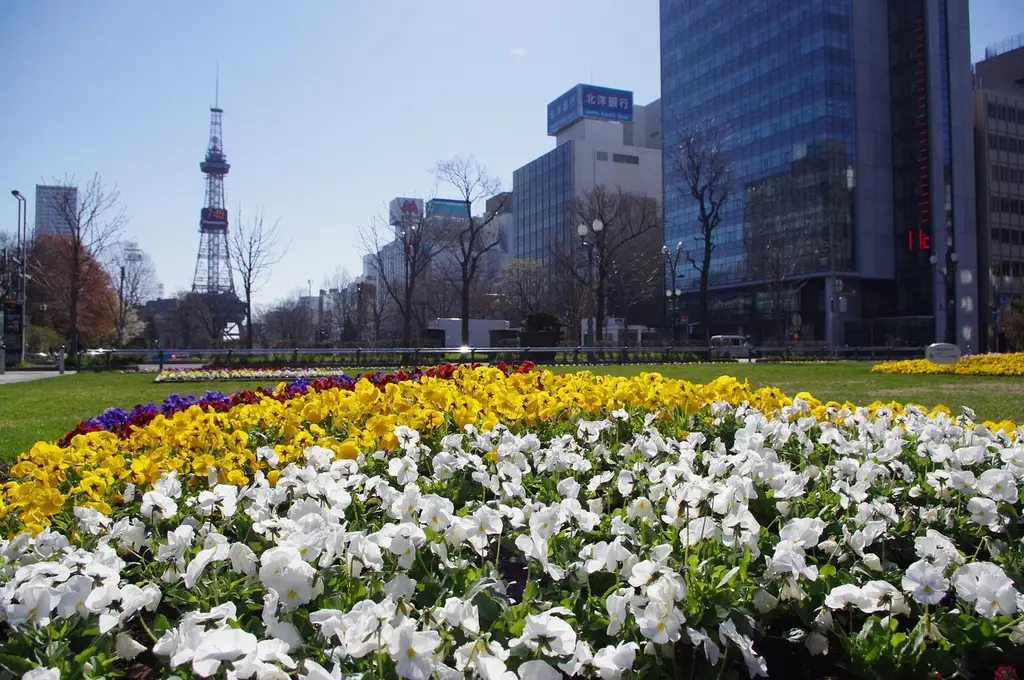
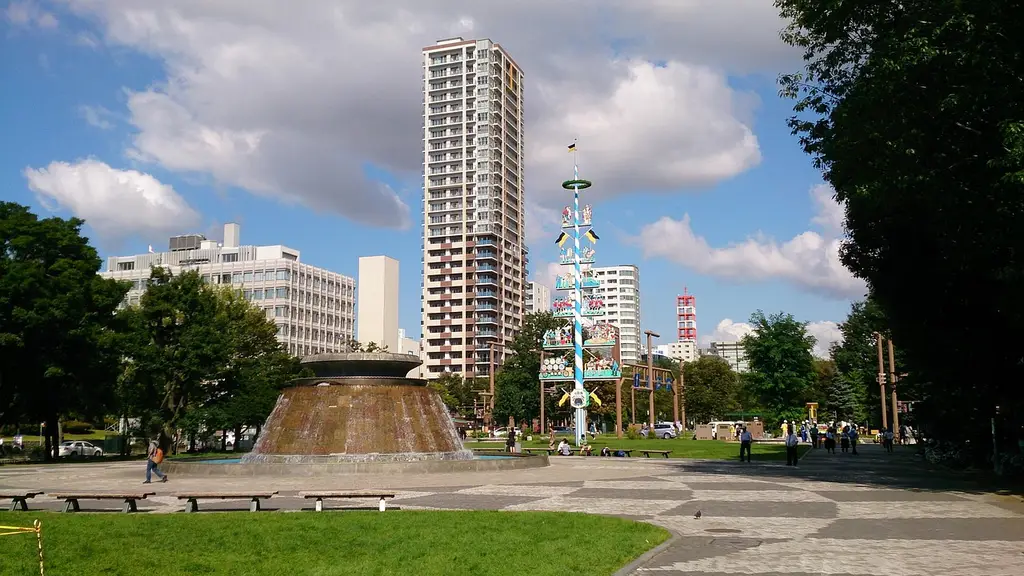
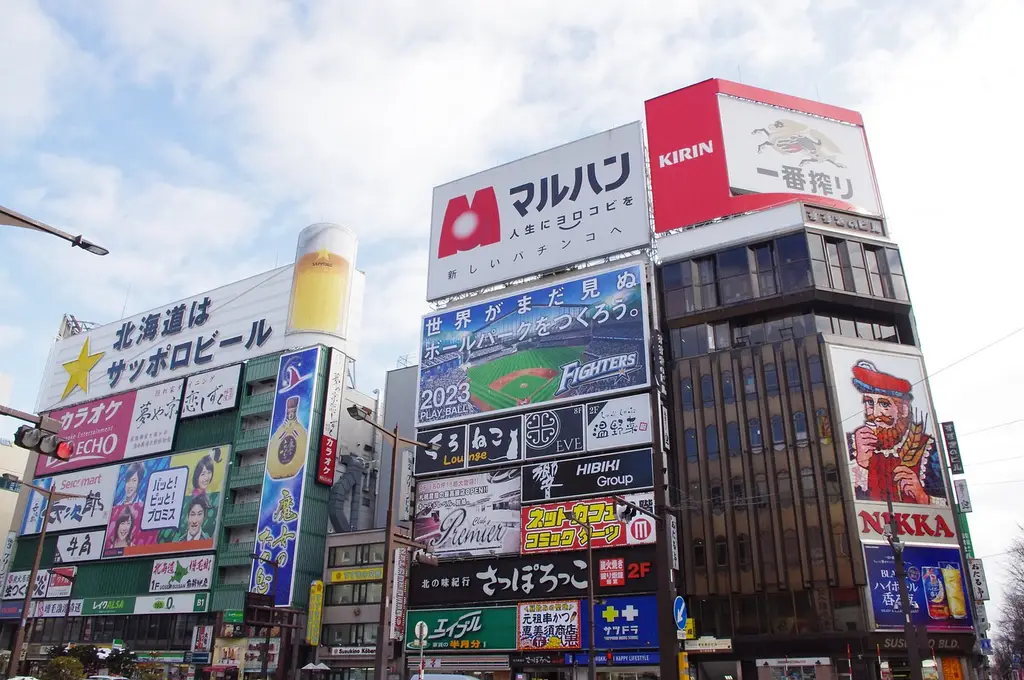
1.5km green strip through downtown, the Snow Festival's main site in February and a beer garden in summer. Walk it end to end rather than just the TV Tower corner.
2
Sapporo TV Tower
9:00am-10:00pm daily·JPY 1,000 adult for the observation deck·30-45 minutes
90m up at the east end of Odori Park. Skip it on a clear day if you're also doing Mt. Moiwa, the view there is better and free of the tower itself in frame.
3
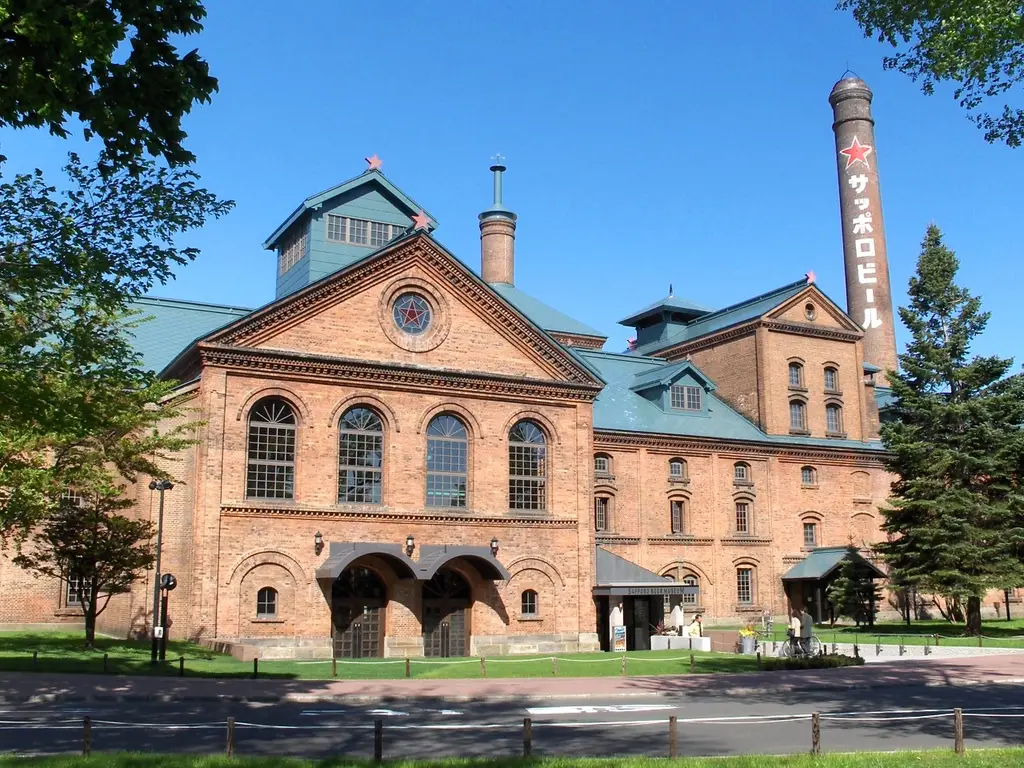
Sapporo Beer Museum
11:00am-6:00pm (some sources list 7:30pm close, confirm on arrival)·JPY 1,000 self-guided; JPY 2,000 for the 55-minute guided Premium Tour with two tastings·1-1.5 hours
Self-guided walk in; Premium Tour needs advance reservation
No longer free. Housed in a red-brick former sugar refinery a short walk from Higashi-Kuyakusho-mae subway station.
4
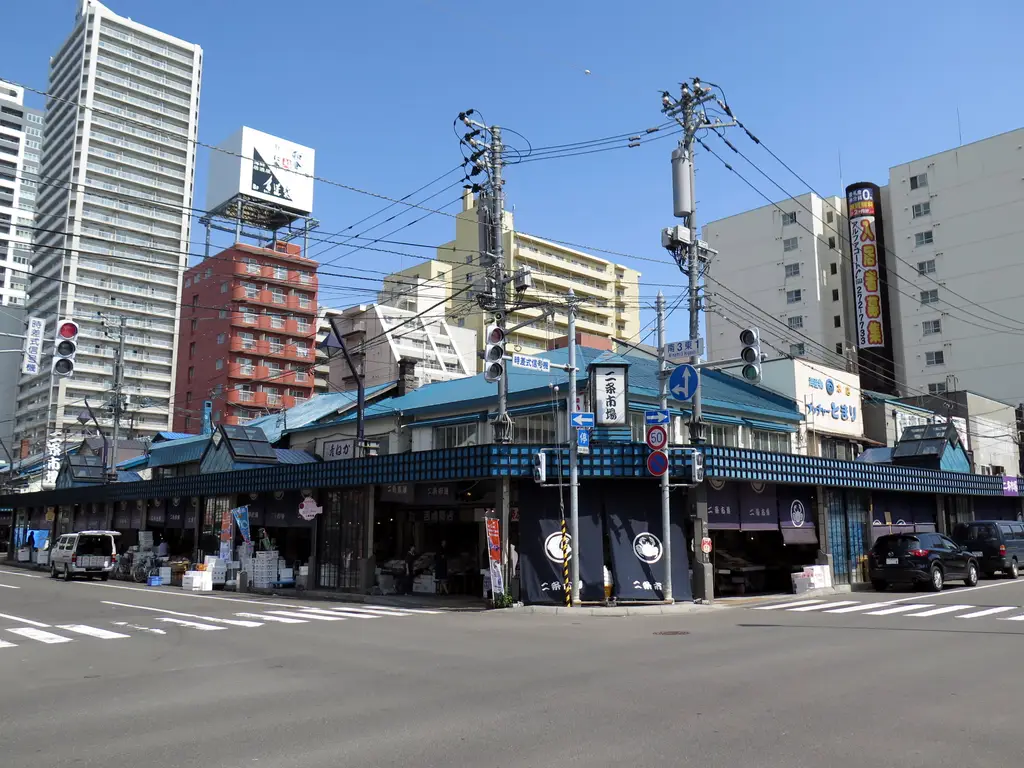
Nijo Market
Roughly 7:00am-6:00pm, individual stalls vary and some close one day a week·Free to browse; seafood bowls typically JPY 1,500-3,500·45-90 minutes
125-year-old market a few minutes from Odori subway station, about 30 stalls. Crab and uni prices swing with the season and catch, ask before you order if budget matters.
5
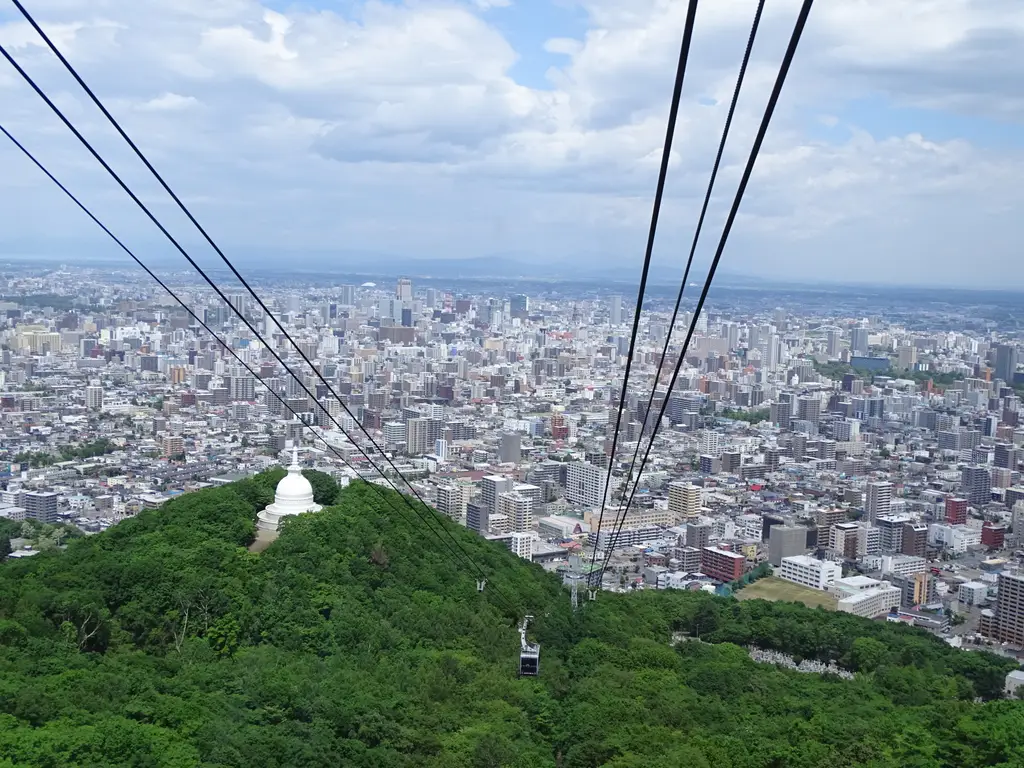
Mt. Moiwa Ropeway
10:30am-10:00pm Apr-Nov; 11:00am-10:00pm Dec-Mar; last ascent around 9:30-9:40pm·JPY 2,100 adult round trip (ropeway + mini cable car)·1.5-2 hours including the ride
Ranked among Japan's top night views. Takes a streetcar plus a shuttle bus to reach the base station, budget extra time getting there before your ropeway slot.
6
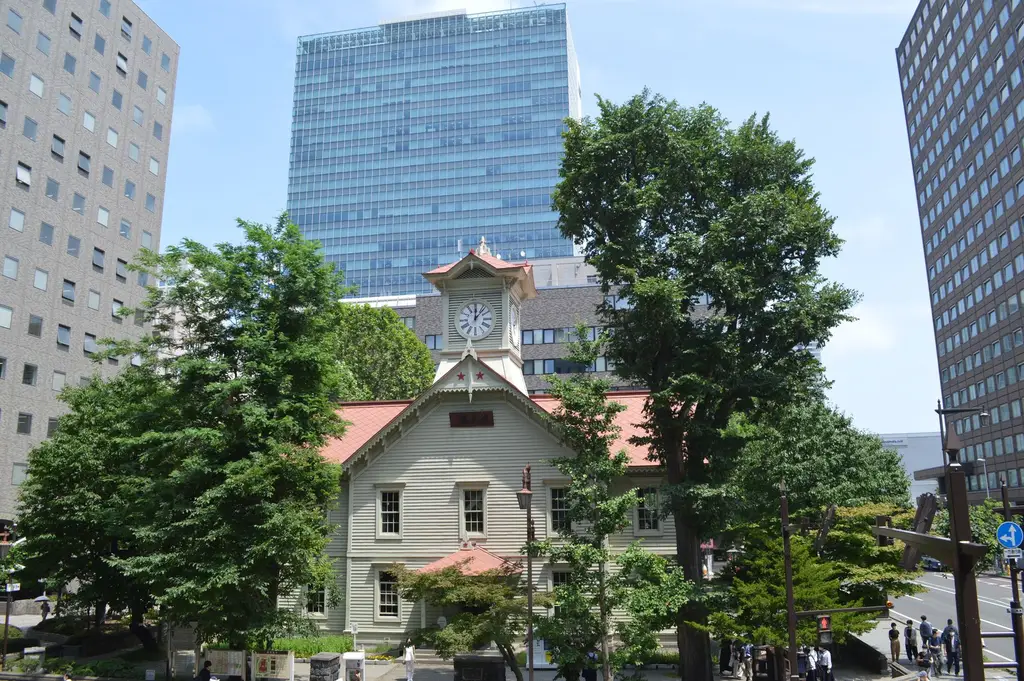
Sapporo Clock Tower (Tokei-dai)
8:45am-5:10pm, last entry 5:00pm·JPY 350 adult, JPY 150 university student, free for high school age and under·20-30 minutes
Closed fourth Monday of the month, and public holidays
A wooden 1878 clock tower most visitors find smaller than expected. Worth 20 minutes if you're already downtown, not worth a special trip.
J Art Foundation teamLab Installation
as of 2026-09
Viral
A former church in the Miyanomori area now houses a permanent teamLab installation called A Whole Year per Year, where digital flowers and light patterns shift with the season outside. Worth it if you like teamLab's style elsewhere. Timed entry keeps crowds thin, unlike Tokyo's Borderless. The courtyard sculptures are free to see even if you skip the ticket.
Sapporo Autumn Fest
as of 2026-09
Viral
Odori Park fills with over 100 food and drink stalls from across Hokkaido for three weeks starting September 11, 2026, running through October 3. This is a food event dressed as an activity, so treat it as a walk-and-graze afternoon, not a meal plan. Free to enter, crowded on weekends, calmer on a weekday evening.
Hoheikan Geigi Cafe
as of 2026-09
Viral
A Meiji-era Western-style hotel building in Sapporo runs an autumn pop-up cafe where working geiko serve guests and perform traditional dance between courses. The novelty is watching a real geiko performance up close, something you can't easily book in Sapporo otherwise. Confirm dates before you go, it's a seasonal run, not year-round.
AOAO SAPPORO
as of 2026-09
Viral
Aquarium and digital art space in central Sapporo, combining penguin and jellyfish tanks with projection-based media art across three floors downtown. Good rainy day option. Skip it if you already did teamLab, the digital art overlaps.
Mt. Moiwa Ropeway
as of 2026-09
Viral
Two-stage ropeway up Mt. Moiwa for a night view over Sapporo, often ranked among Japan's best city panoramas. Worth it, but arrive well before sunset. The queue near dusk gets long and you'll lose your window.
Nijo Market
as of 2026-09
Viral
Century-old seafood and produce market in central Sapporo, now covered by several guided walking tours through its crab, uni, and tuna stalls. Go early, 8 to 10am, before tour groups and cruise crowds fill the aisles.
Susukino
as of 2026-09
Viral
Sapporo's main nightlife district, dense with izakayas, karaoke bars, and late-night streets, the largest entertainment area north of Tokyo. Fine for a bar-hop night out. Ignore the touts working the main strip.
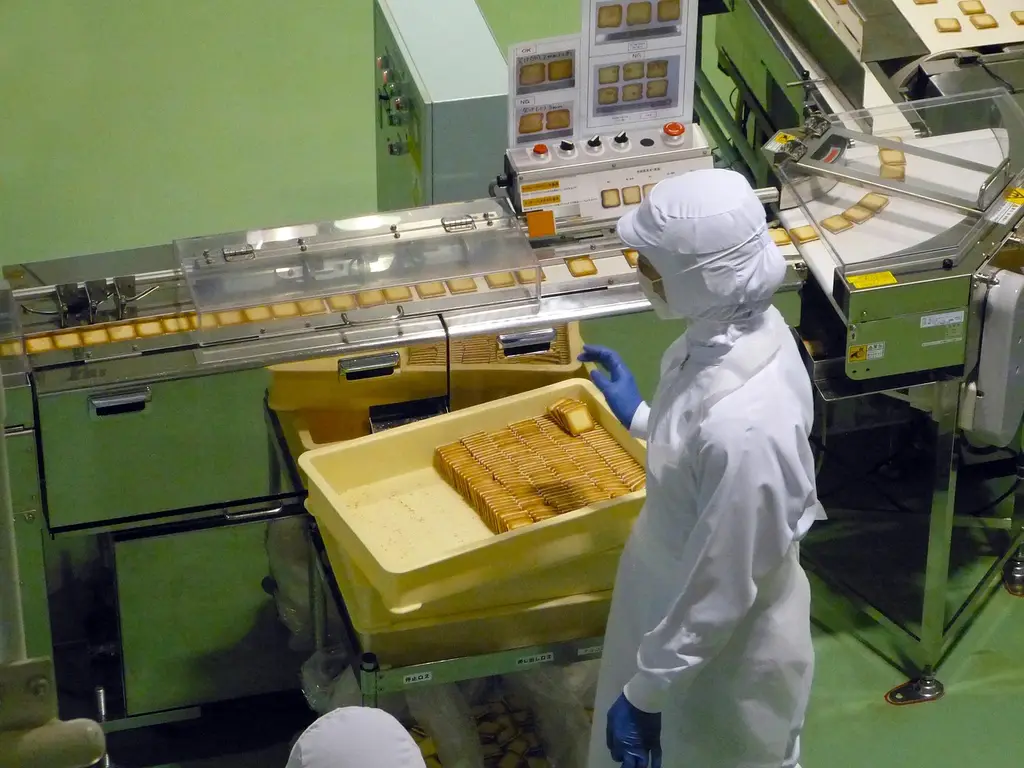
Chocolate-factory theme park behind Hokkaido's famous white-chocolate cookie brand. Good with kids, near Miyanosawa Station on the Tozai subway line, about 7 minutes on foot.
8
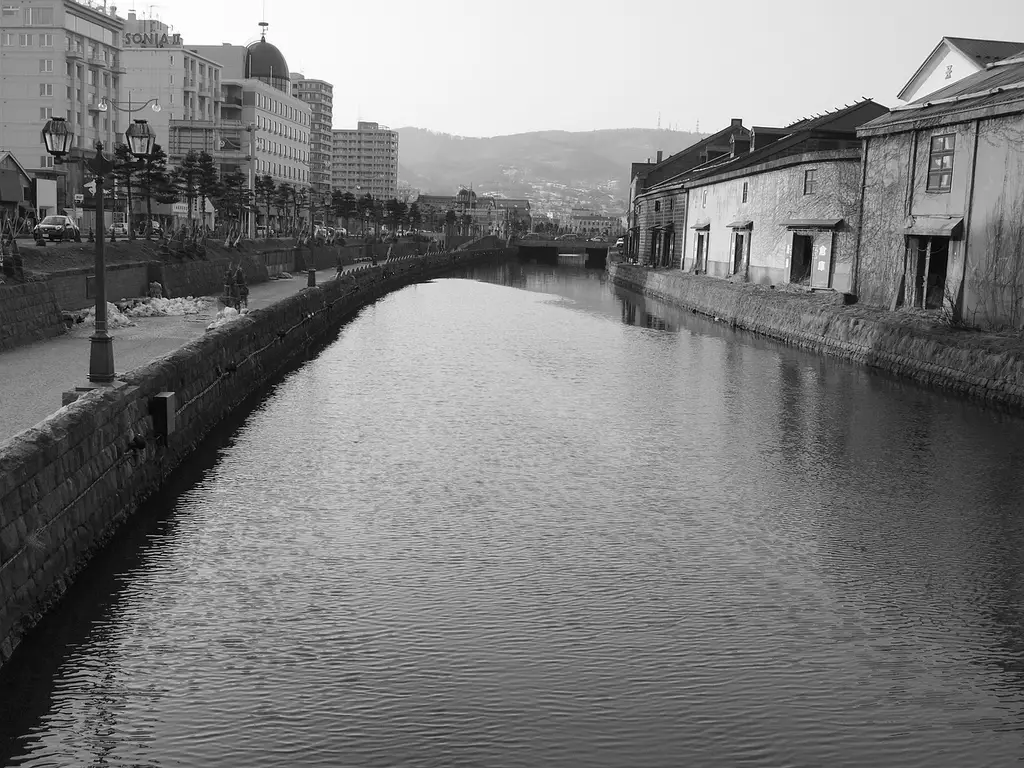
Otaru Canal and Sakaimachi Street
Canal always open; Otaru Music Box Museum roughly 9:00am-6pm/8pm depending on season·Free to walk the canal; music boxes from about JPY 1,000, museum entry free·Half day round trip from Sapporo
30 minutes each way by JR Rapid Airport train, JPY 800 one way. Warehouse-lined canal, glassblowing shops, and the Music Box Museum on Sakaimachi Street. Best in late afternoon light or the winter Snow Light Path in February.
9
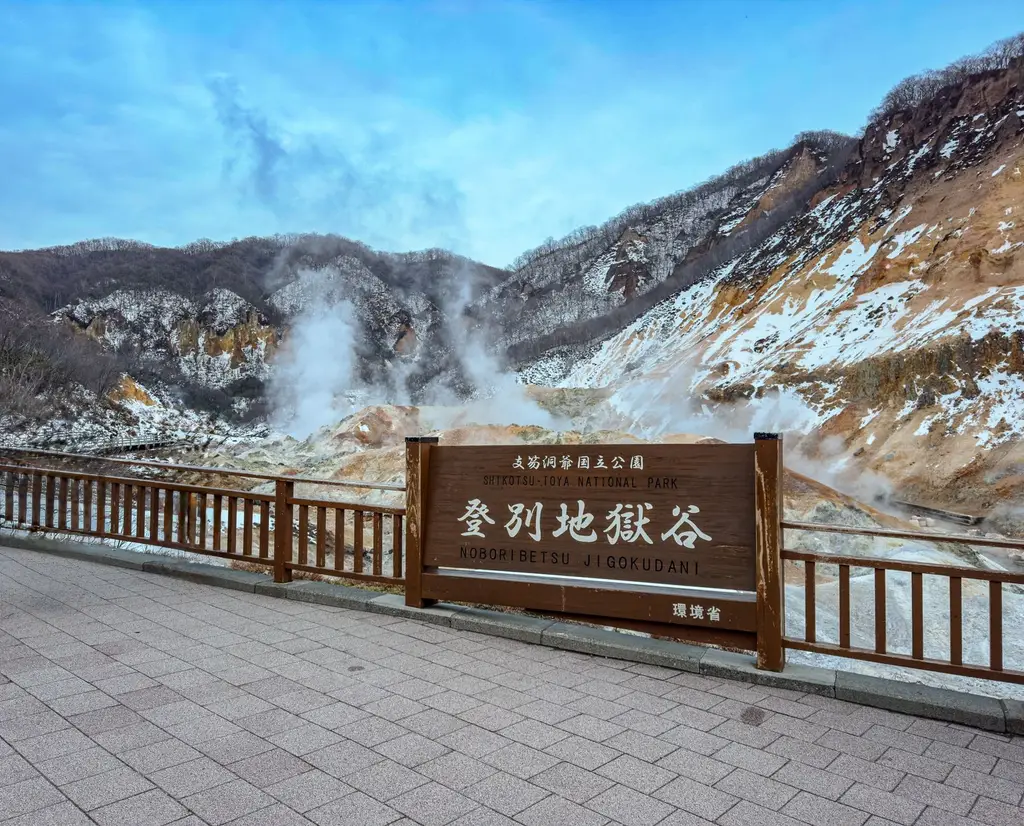
Noboribetsu Onsen / Jigokudani (Hell Valley)
Jigokudani walking trail always open; onsen ryokan day-use hours vary by facility·Free to walk Jigokudani; day-use onsen bathing typically JPY 1,000-2,000·Full day round trip from Sapporo
Walk in for the valley; reserve ahead for day-use onsen at popular ryokan
JR Hokuto limited express to Noboribetsu Station (about 1hr10min, JPY 4,070) plus a 15-minute local bus (JPY 350) up to the onsen town. A direct bus from Sapporo Station also runs once daily, about 1hr50min for JPY 2,500.
Loud after dark, walking distance to Odori, cheapest food options in the city
Sapporo Station / Odori
Suits: First-timers, business travelers, day-trippers
Direct JR access to the airport and Otaru, quieter at night than Susukino
Nakajima Park area
Suits: Longer stays wanting some quiet
10-15 min walk or one subway stop to Susukino, near the park and concert hall
Getting there and around
Getting there
New Chitose Airport (CTS) to Sapporo Station: JR Rapid Airport train, 37 minutes, JPY 1,230 unreserved (reserved seat adds JPY 800-1,000). Trains run every 15 minutes through the day. Airport buses to central hotels run about 70 minutes and cost roughly JPY 1,100-1,300. A taxi runs JPY 12,000+ and isn't worth it outside odd hours.
Getting around
Sapporo has three subway lines plus a streetcar loop; a Kitaca or Sapica IC card covers all of it, plus JR trains to Otaru and the airport. Single subway rides run about JPY 210-380 depending on distance. A Donichika weekend/holiday day pass is JPY 520; the weekday One-Day Card is JPY 830. The underground concourse linking Sapporo Station, Odori, and Susukino is the real backbone in winter, most of downtown is walkable through it without ever hitting the sidewalk.
Budget hostel bed JPY 3,500; convenience store breakfast JPY 500; Donichika subway day pass JPY 520 (weekday One-Day Card JPY 830); ramen lunch at a Ganso Ramen Yokocho stall JPY 950; Mt. Moiwa Ropeway round trip JPY 2,100; soup curry dinner JPY 1,400; total lands close to JPY 9,000-9,500 for a full day including one paid attraction.
Money savers
Buy a Donichika Card (JPY 520) instead of single subway fares on weekends and holidays
Eat at Nijo Market or Ganso Ramen Yokocho instead of hotel-district restaurants, prices run 20-30% lower
Use the underground pedestrian network between Sapporo Station, Odori, and Susukino in winter to skip taxis
Sapporo Beer Museum's exhibit hall lobby and gift shop are free even with the paid tour, browse without buying the ticket
Book Snow Festival week hotels 6+ months out or expect to pay double the shoulder-season rate
Sapporo eats like a cold-weather city because it is one. Heavy, hot bowls dominate: miso ramen with butter and corn, soup curry loaded with whole vegetables, jingisukan grilled at the table on a domed skillet. Nijo Market runs more like a place to eat breakfast than a photo stop, order a seafood bowl and sit at the counter rather than treating it as browsing. Cash is still common at the older ramen yokocho stalls, though Susukino's restaurants mostly take cards now. Winter changes the rhythm entirely, people duck between the underground concourse and a restaurant rather than walking outside, and reservations barely matter except at the well-known jingisukan spots on weekend nights. Portions run generous here compared to Honshu.
JPY 900-1,300·Ganso Ramen Yokocho in Susukino, or Sumire and Keyaki chains citywide
Must try
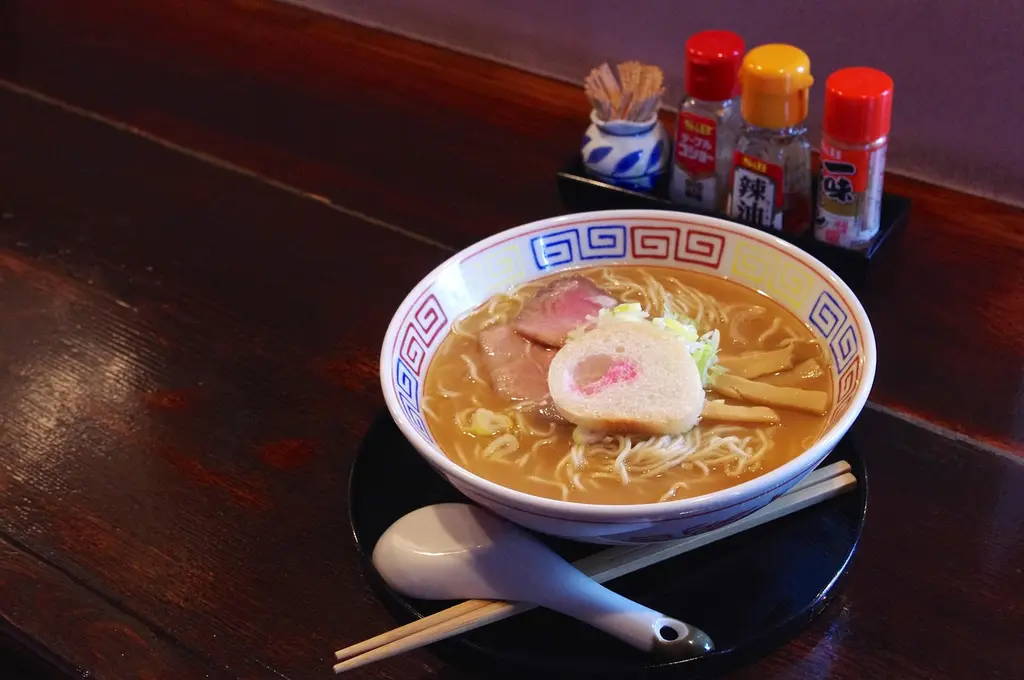
The city's signature dish: a rich miso broth, thick wavy noodles, sweet corn, a pat of butter melting on top, and slices of chashu pork. Heavier and more filling than Tokyo's soy-based bowls, which makes complete sense once you're outside in the cold.
Soup curry
JPY 1,100-1,700·Susukino and Odori district specialty shops
Must try
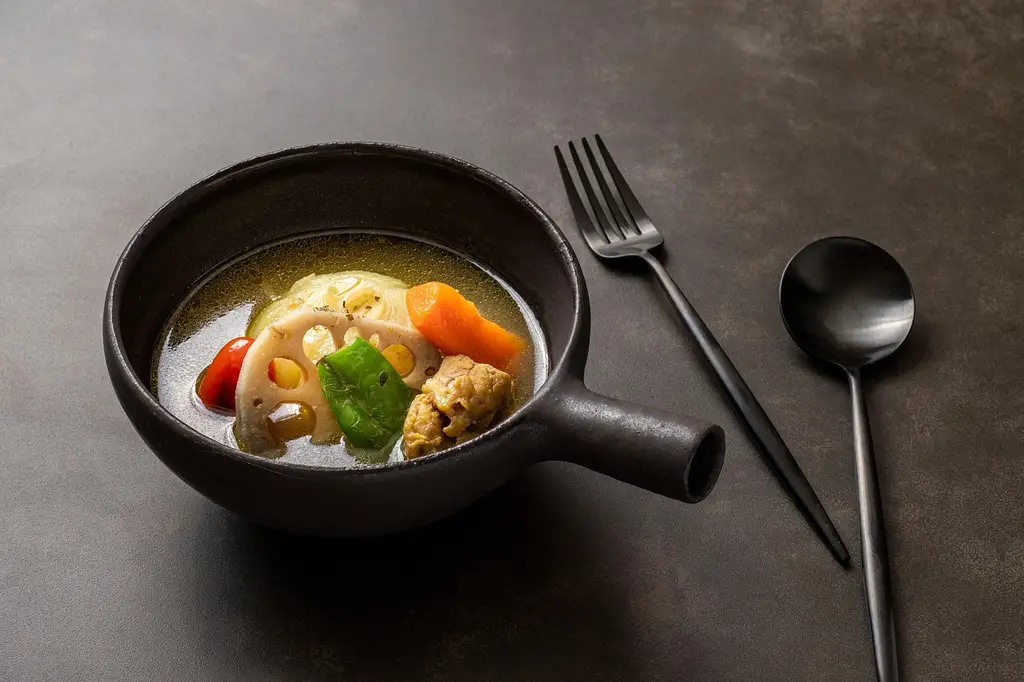
Sapporo's own invention, a thin, deeply spiced broth poured over rice with whole vegetables and a piece of chicken or pork rather than the thick, gravy-like curry found elsewhere in Japan. Order your spice level, it ranges from mild to genuinely hot.
Kaisendon and crab
JPY 2,000-4,000·Nijo Market
Must try
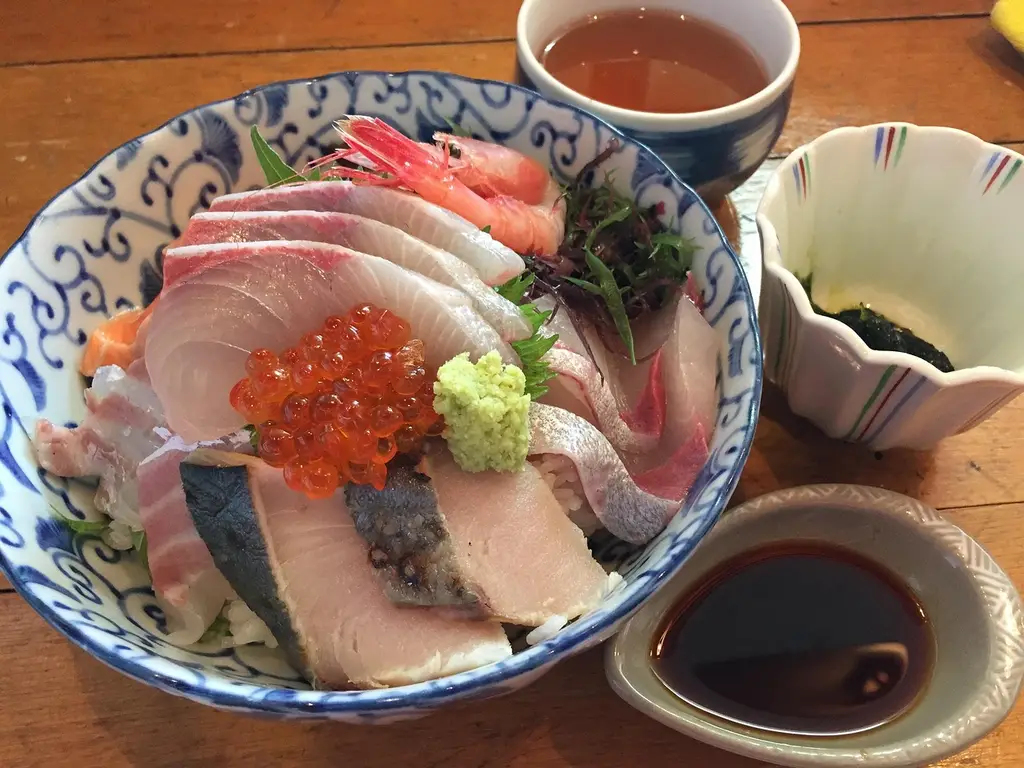
Uni, salmon roe, and crab piled generously over a bowl of rice at this 125-year-old market a few minutes from Odori subway station. Prices swing with season and catch, ask before ordering if the crab looks expensive that day.
Jingisukan (grilled mutton)
JPY 900-1,250 per plate·Sapporo Beer Garden or Daruma chain in Susukino
Must try
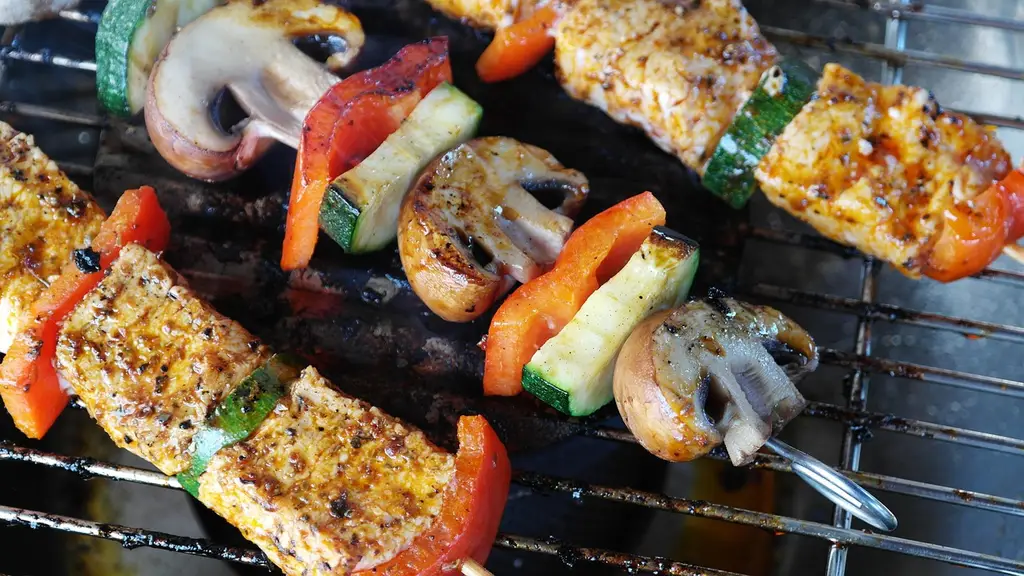
Thin-sliced lamb and mutton grilled at the table on a domed cast-iron skillet with bean sprouts and onion underneath soaking up the fat. Named for Genghis Khan, though the actual origin story is murkier than the menus suggest.
Soft serve and dairy
JPY 350-500·Odori Park kiosks and Shiroi Koibito Park
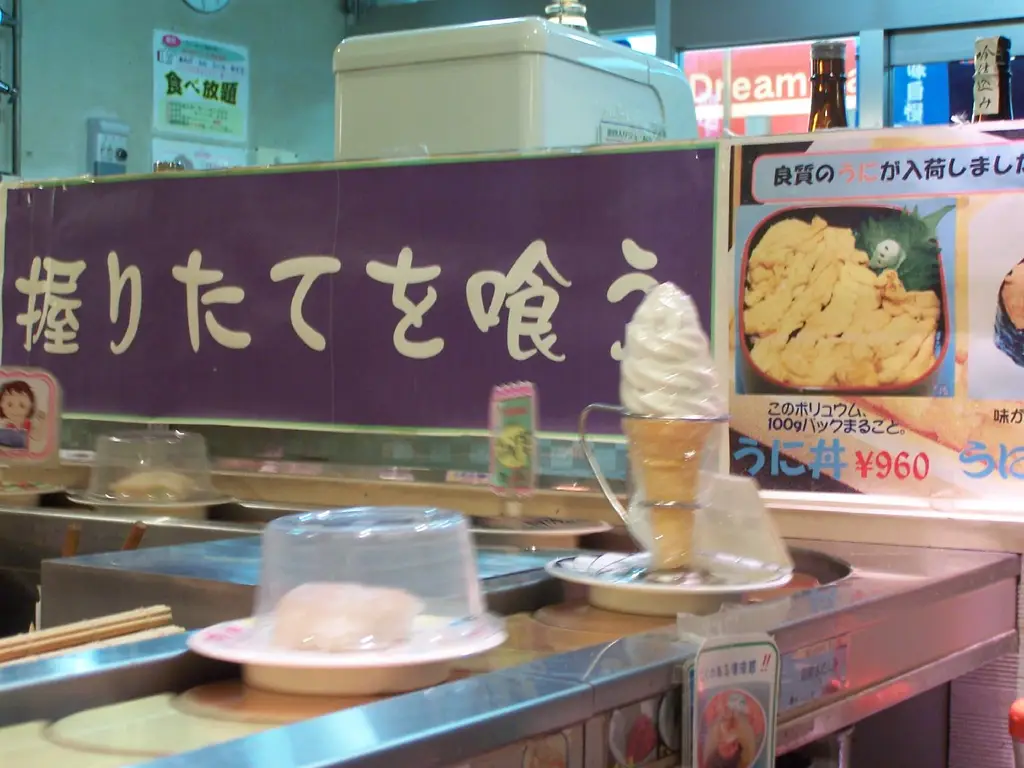
Hokkaido milk is genuinely different, richer and less watery than most of Japan's, and it shows in a simple vanilla soft serve. A quick, cheap stop between Odori Park and the Clock Tower rather than a destination on its own.
Genghis Khan lamb skewers and craft beer
JPY 3,500-6,000 per person·Sapporo Beer Garden, former Sapporo Beer brewery grounds
The historic red-brick brewery buildings house sit-down jingisukan halls where you grill your own lamb over gas burners and drink Sapporo Classic on tap. More of an event than a quick meal, budget a couple of hours.
Morning cafe culture (asa cafe)
as of 2026-09
Viral
A citywide shift toward breakfast-hour cafe visits, with queues forming before work at bakery-cafes and coffee spots around Sapporo Station and Odori. Local media has tracked this as a spring 2026 pattern rather than a single shop's moment. This is real but diffuse. No single address defines it. If you want the effect, go early on a weekday and pick any well-reviewed bakery-cafe near the station, not a specific name I can vouch for as the one to chase.
KINOTOYA BAKE Maruiimai - Financier Soft
as of 2026-09
Viral
Soft-serve topped with half a warm, just-baked financier, sold at the bakery's Maruiimai department-store location that opened in mid-2025. Confirmed still selling as of the 2026 dessert roundups. A real hybrid, not just a photo prop.
Nijo Market - Oiso kaisendon
as of 2026-09
Viral
Seafood-bowl stall inside Nijo Market running a numbered-ticket system because the daily line is long enough to need one, with 30-plus bowl varieties. The ticket system says this isn't hype from one blog post, it's a real operational response to demand. Go early, the wait grows fast after mid-morning.
Nijo Market crab and seafood stalls
as of 2026-09
Viral
Open-air stalls at Sapporo's century-old Nijo Market selling hair crab, hanasaki crab, uni, and ikura for eating on the spot or shipping home. Not one trendy shop, it's the market itself. Prices vary stall to stall, so walk the whole row before buying.
Ganso Sapporo Ramen Yokocho (Susukino)
as of 2026-09
Viral
A narrow alley of 17 independent ramen shops packed side by side in Susukino, running since 1951 and still the default answer for Sapporo ramen. Old, not new, but every 2026 guide still points here first, and it's a one-minute walk from the subway.
Soup Curry Syabazo
as of 2026-09
Viral
A Sapporo soup curry specialist serving the city's signature spiced broth-and-vegetable dish, still recommended in current food guides. Soup curry dates to the 70s and 80s, but it's the one dish every Sapporo food list leads with, and this shop is a solid pick rather than a tourist trap.
Safety and scams
Sapporo is low-crime and safe to walk at night, including Susukino's entertainment district, though it does have touts for bars and clubs who should be ignored. The real hazard is ice: compacted snow turns sidewalks and crosswalk lines into skating rinks from December through March. Take short, flat-footed steps, use the underground concourses where possible, and buy slip-on ice spikes from any convenience store if you're staying more than a day or two in winter.
Common mistakes
Treating Sapporo as a multi-day destination on its own when 2-3 days covers the city; use the rest of the trip for day trips
Booking Snow Festival week without checking hotel prices months ahead, rooms sell out and prices multiply
Walking city sidewalks in regular shoes during winter instead of using the underground network or ice spikes
Assuming Furano's lavender fields are in bloom outside late June to early August, most of the year they're bare farmland
Skipping Nijo Market because it looks touristy, then overpaying for worse seafood near the hotel
Frequently asked questions
How many days do you need in Sapporo?
2-3 days covers the city itself: Odori Park, Nijo Market, the Beer Museum, Mt. Moiwa. Most visitors then add day trips, Otaru alone justifies a third or fourth day, and Niseko, Furano, or Noboribetsu can extend a Hokkaido trip to a week or more.
Is Sapporo worth visiting in winter?
Winter is Sapporo's biggest draw, especially during the Snow Festival (Feb 4-11, 2026, at Odori, Susukino, and Tsu Dome). Expect temperatures around -5C to -10C and icy sidewalks, and book hotels months ahead since rates spike hard during festival week.
How do you get from New Chitose Airport to Sapporo?
The JR Rapid Airport train runs every 15 minutes, takes 37 minutes, and costs JPY 1,230 unreserved. Airport buses take about 70 minutes for roughly JPY 1,100-1,300 and drop closer to some hotels.
Is Otaru a day trip from Sapporo?
Otaru works well as a day trip, about 30 minutes away by JR train (JPY 800 one way), making it an easy half-day or full-day outing for the canal, glassblowing shops, and Sakaimachi Street's music boxes and sushi.
Can you visit Niseko without skiing?
Niseko has plenty outside of ski season: summer brings hiking, mountain biking, and rafting around Mt. Yotei, and the village itself is walkable with onsen access. Buses from Sapporo take about 2h44min to 3 hours and run a couple of times a day.
When is lavender season in Furano?
Late June through early August, peaking mid-to-late July at farms like Farm Tomita. Outside that window the fields are bare, so skip the trip or adjust expectations if traveling in other months.
What is Sapporo soup curry?
A thin, spiced broth served over rice with whole vegetables and a protein like chicken, invented in Sapporo and distinct from Japanese katsu curry. Bowls run JPY 1,100-1,700 at dedicated soup curry restaurants around Susukino and Odori.
Is it safe to walk in Sapporo in winter?
Crime isn't the concern, ice is. Compacted snow makes sidewalks and crosswalks slippery from December through March. Use the underground pedestrian network between Sapporo Station, Odori, and Susukino, take small flat-footed steps, and consider slip-on ice spikes from a convenience store.
How do you get from Sapporo to Noboribetsu Onsen?
JR limited express to Noboribetsu Station (about 1hr10min, JPY 4,070) plus a 15-minute local bus (JPY 350) to the onsen town, or a once-daily direct bus from Sapporo Station (about 1hr50min, JPY 2,500).
What's the best food to try in Sapporo?
Miso ramen, soup curry, jingisukan grilled mutton, and seafood bowls at Nijo Market are the four to prioritize. Hokkaido's dairy, especially soft serve, is also noticeably richer than elsewhere in Japan.