Things to Do in Tokyo: Itineraries, Costs and Food
The world's biggest city runs on a subway map that looks impossible and isn't. Ramen at 1am, temples at dawn, a whole neighborhood for pinball and a whole one for fish.
By Labeeb Mirza · Published September 8, 2026 · Updated September 8, 2026
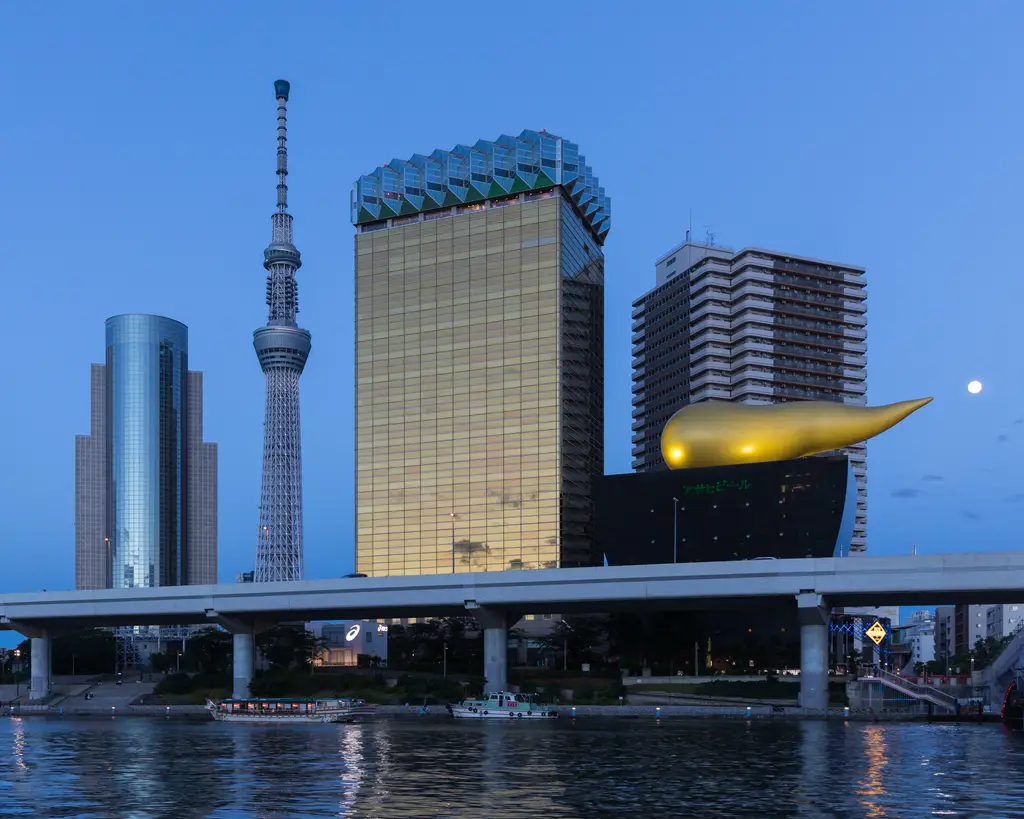
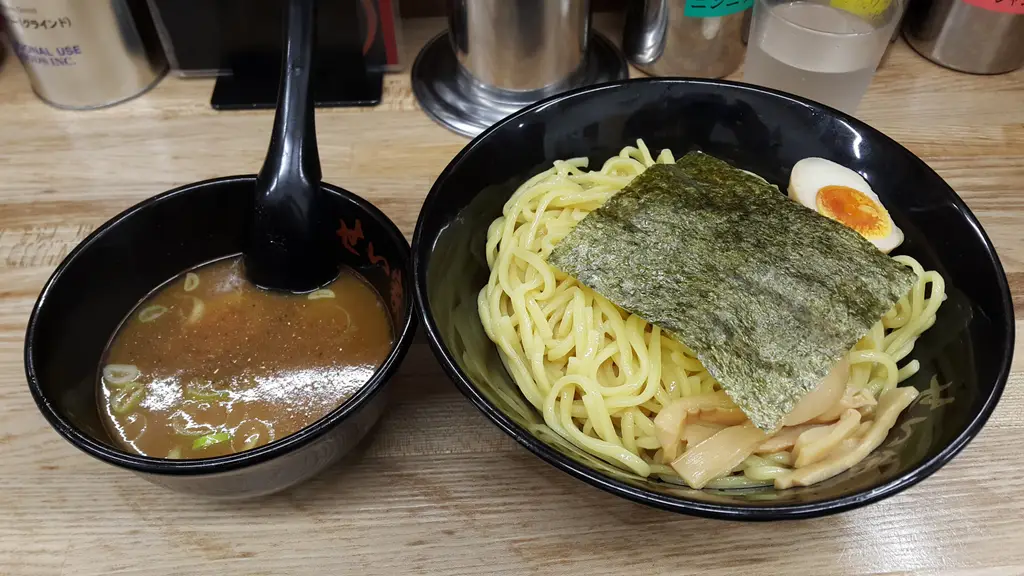
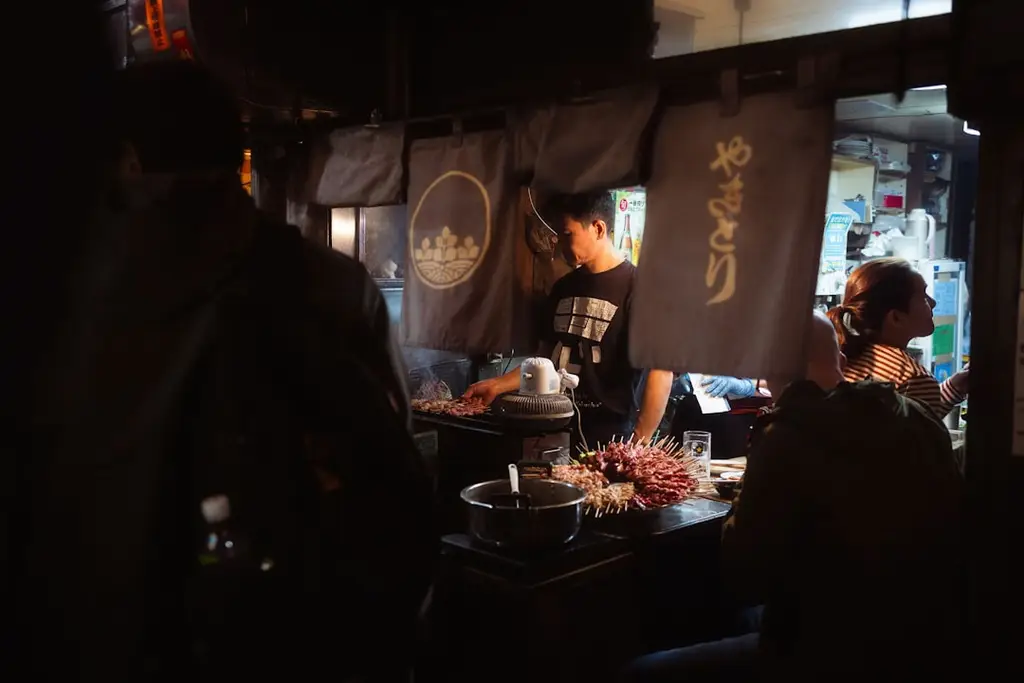
Tokyo is not one city, it's about a dozen stitched together by train lines. Shinjuku's skyscrapers and Kabukicho neon sit twenty minutes from Asakusa's temple lanes and rice-paper shops. Shibuya's crossing dumps 3,000 people across the street every two minutes while Yanaka, a few stops away, still has a cat wandering a pottery shop that's been there since the 1950s. First-timers usually try to see all of it in four days and end up exhausted on a subway platform. Don't. Pick a few neighborhoods, walk them properly, and let the trains do less work than you think they need to. The city rewards slow mornings: convenience store coffee, a set breakfast at a diner counter, a park before the crowds show up. English signage on the JR and Metro lines is genuinely good now, ticket machines have an English button, and most restaurants under ¥2,000 a head are cash-only, which trips up more visitors than the language does. Food is the reason people come back. It's not just sushi. It's the ¥900 bowl of tsukemen eaten standing up, the department store basement with forty kinds of tamagoyaki, the yakitori stall under the train tracks where the smoke gets in your jacket and you don't mind. Come for the temples, stay because the ramen shop next to your hotel was better than anything you planned to eat.
Tokyo is not one city, and treating it like one is the mistake most people make. Shinjuku, Yanaka and Kiyosumi barely feel related. Pick two neighbourhoods a day and walk them properly.
The train map looks terrifying for about four hours and then stops being terrifying. Get an IC card at the airport and stop pre-planning routes.
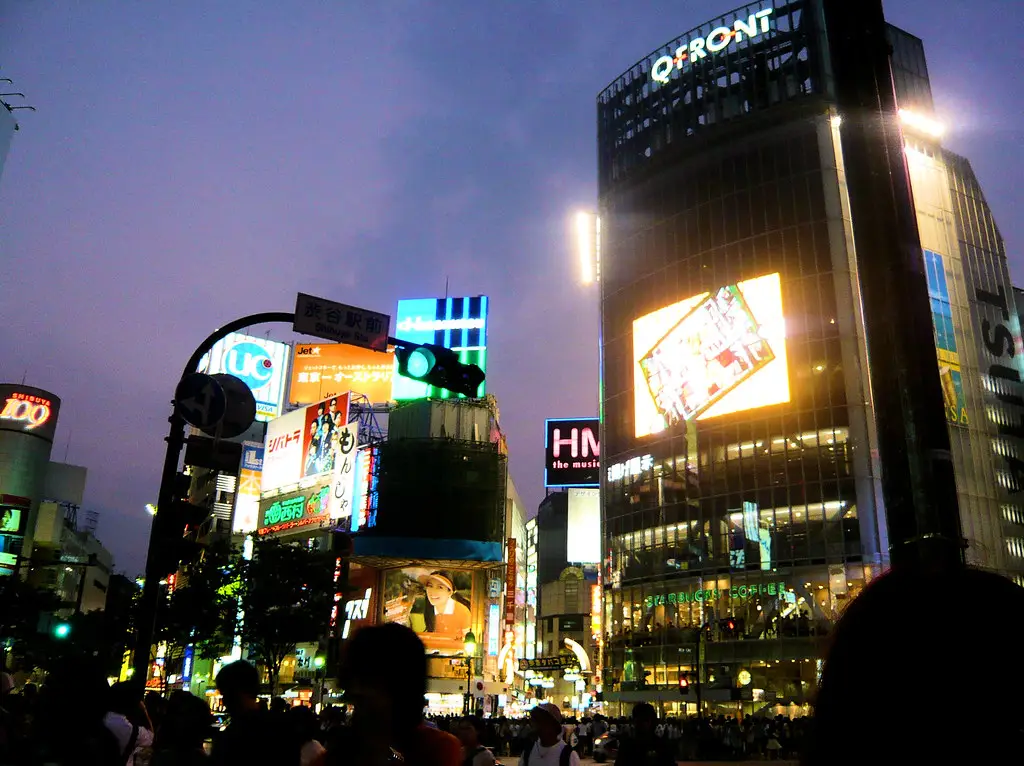
Shibuya Crossing is worth ninety seconds. The view from the Starbucks above it is the same photo everyone else has taken. I would rather spend that hour in the back streets of Ebisu.
Convenience store food is genuinely good rather than a compromise. The egg sandwiches are better than most sit-down breakfasts I have paid for elsewhere.
A tight loop through old and new Tokyo: temple in the morning, crossing and skyline at night.
Day 1: Asakusa to Shibuya in a day
Morning
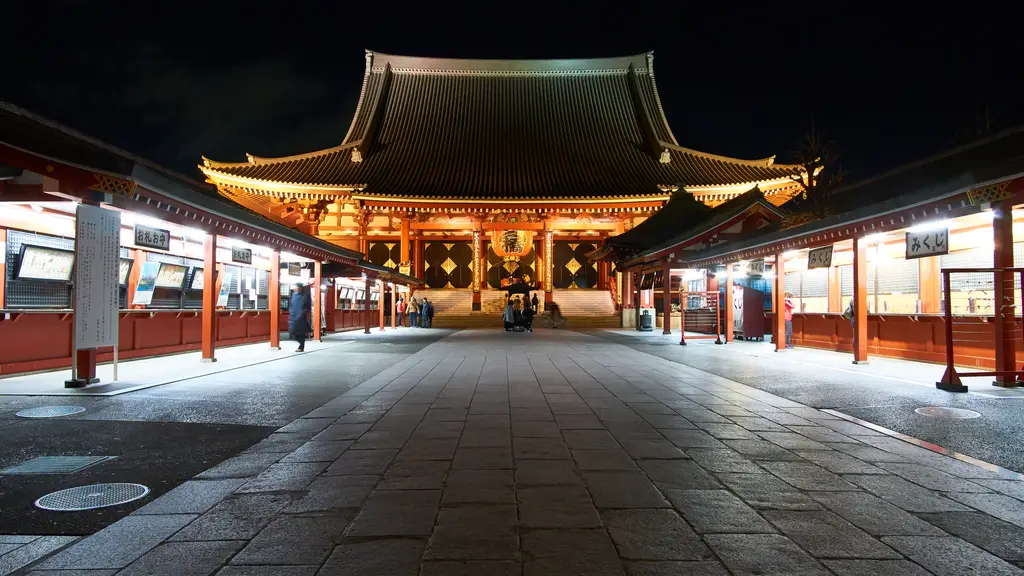
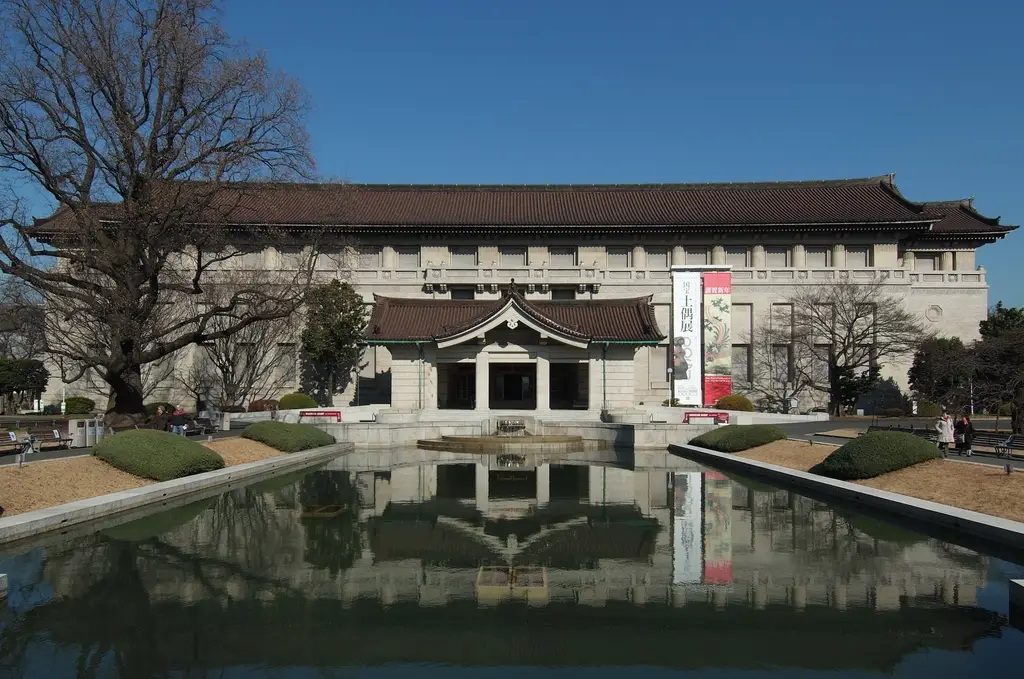
Start at Senso-ji in Asakusa before 8am, before the tour groups arrive. Walk Nakamise shopping street for snacks, then head to Ueno Park if you have time for one museum, the Tokyo National Museum is the strongest pick.
Afternoon
Take the Ginza Line to Shibuya. Eat conveyor belt sushi or a ramen bowl near the station, then walk Shibuya Crossing and up to the Shibuya Sky observation deck if the weather is clear.
Evening
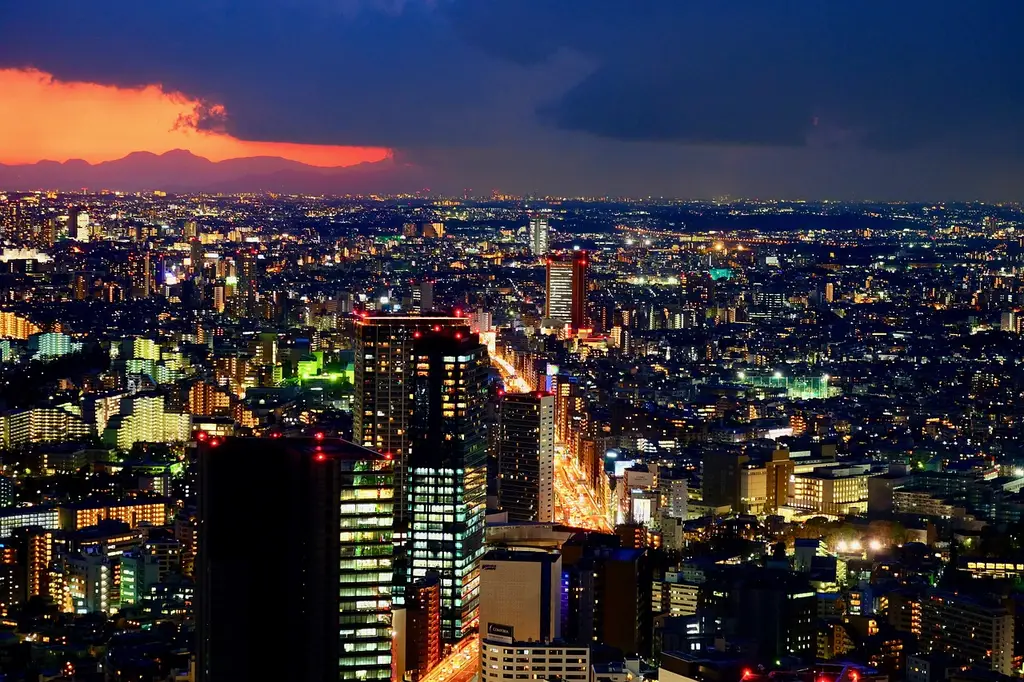
Head to Shinjuku for dinner in Omoide Yokocho, then walk through Kabukicho's neon without engaging any touts, and end at the Tokyo Metropolitan Government Building's free observation deck if it's still open.
Tip: Buy a 24-hour subway pass at the first station; you'll cross the city at least five times.
Old Tokyo, new Tokyo, and a market-and-garden day, with real time to slow down.
Day 1: Asakusa and old Tokyo
Morning
Senso-ji temple early, then wander the backstreets of Asakusa for tea and rice crackers. Cross to Ryogoku if there's a sumo tournament on, otherwise head to Ueno Park.
Afternoon
One museum in Ueno, then walk into Yanaka, a low-rise neighborhood of temples and old shops that survived the 1923 earthquake and WWII bombing.
Evening
Dinner in Asakusa or take the train to Skytree for the view, then back for an early night given the pace tomorrow.
Tip: Yanaka Ginza shopping street is quiet by 6pm; go before 5.
Day 2: Shinjuku and Shibuya
Morning
Meiji Shrine at opening time, then a walk through Yoyogi Park and into Harajuku's Takeshita Street for people-watching.
Afternoon
Shibuya Crossing, Shibuya Sky if you booked ahead, and a wander through Shimokitazawa's vintage shops if you have energy left.
Evening
Omoide Yokocho for yakitori, then Golden Gai's tiny bars in Shinjuku, most seat 5-8 people and charge a small seating fee.
Tip: Book Shibuya Sky tickets online a day ahead; walk-up tickets sell out on weekends.
Day 3: Market and modern Tokyo
Morning
Tsukiji Outer Market for breakfast, grilled seafood and tamagoyaki, arrive before 10am to beat the lunch crowd.
Afternoon
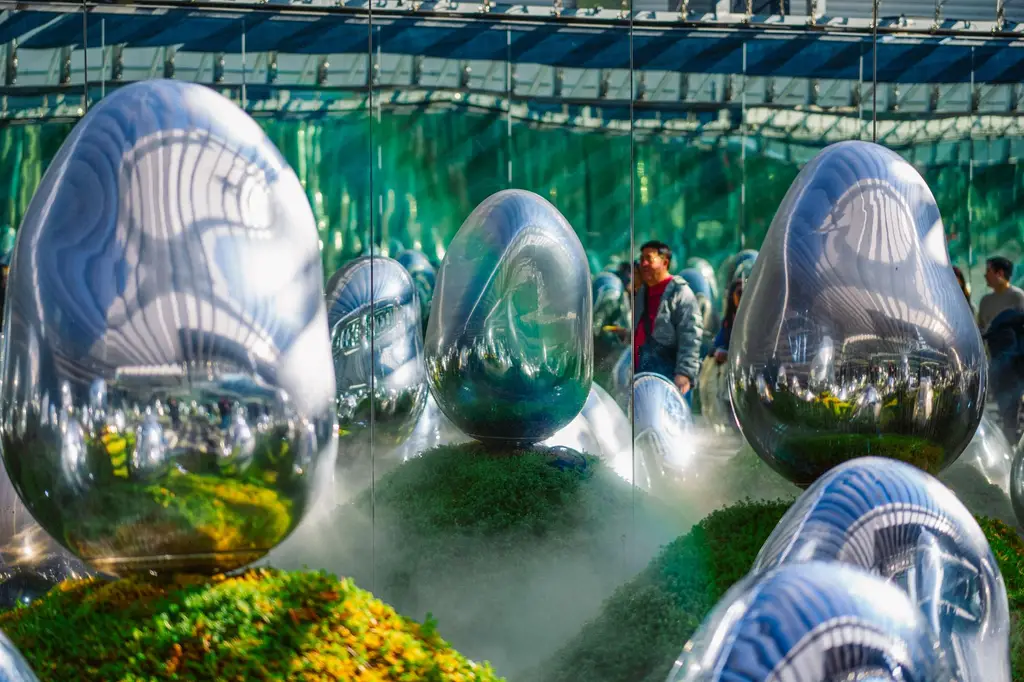
Ginza for department store browsing and a depachika food hall visit, or teamLab Planets/Borderless if tickets are available.
Evening
Sushi dinner, conveyor belt if budget, omakase counter if splurging, then a final walk through whichever neighborhood you liked most.
Tip: Tsukiji is closed Sundays and Wednesdays; check before you plan this day around it.
Three days in Tokyo plus a Kamakura day trip and a Hakone overnight or Nikko day trip.
Day 1: Asakusa and old Tokyo
Morning
Senso-ji temple early, then the backstreets of Asakusa. Ueno Park and one museum if time allows.
Afternoon
Walk into Yanaka's quiet temple streets, a contrast to Asakusa's crowds.
Evening
Dinner in Asakusa, or the Skytree observation deck for the skyline.
Tip: Reserve at least one Ueno museum online to skip the ticket line.
Day 2: Shinjuku and Shibuya
Morning
Meiji Shrine, then Yoyogi Park and Harajuku's Takeshita Street.
Afternoon
Shibuya Crossing and Shibuya Sky, then Shimokitazawa if energy allows.
Evening
Omoide Yokocho for yakitori, then Golden Gai.
Tip: Book Shibuya Sky ahead for weekend visits.
Day 3: Day trip: Kamakura
Morning
Take the JR Yokosuka Line direct from Tokyo Station, about 1 hour. Start at the Great Buddha in Kotoku-in.
Afternoon
Walk the Hase-dera temple grounds, then the bamboo path at Hokokuji. Komachi-dori street for lunch and snacks.
Evening
Head back to Tokyo by early evening. Rest, or a light dinner near your hotel.
Tip: Rent a bike near Kamakura Station; the temples are spread out and buses get crowded.
Show all 5 days
Day 4: Day trip or overnight: Hakone
Morning
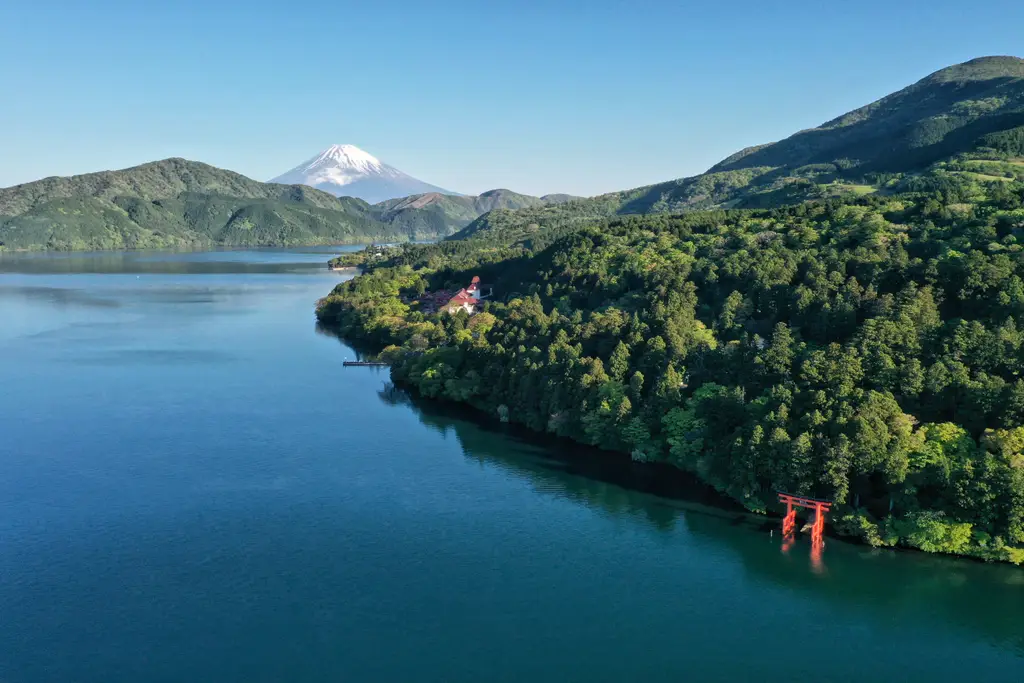
Odakyu Romancecar from Shinjuku, about 1.5 hours to Hakone-Yumoto. Ride the Hakone Tozan train and cable car up toward Owakudani for the sulfur vents and, on a clear day, Mt Fuji views.
Afternoon
Lake Ashi cruise, or an onsen soak if staying overnight at a ryokan.
Evening
If returning to Tokyo same day, head back by early evening. If staying, a kaiseki dinner at the ryokan is the point of the trip.
Tip: Mt Fuji is only visible on clear days, roughly a coin flip most of the year.
Day 5: Market and modern Tokyo
Morning
Tsukiji Outer Market for breakfast and grilled seafood.
Afternoon
Ginza for shopping and a depachika stop, or teamLab if tickets are available.
Evening
Final dinner, sushi or izakaya depending on budget.
Tip: Check Tsukiji's closed days (Sunday, Wednesday) before building this day around it.
A full week using Tokyo as a base, with day trips to Kamakura, Hakone, and Nikko.
Day 1: Asakusa and old Tokyo
Morning
Senso-ji temple early, then Asakusa's backstreets.
Afternoon
Ueno Park and a museum, then Yanaka's quiet lanes.
Evening
Dinner in Asakusa or the Skytree deck.
Tip: Go to Senso-ji before 8am for a nearly empty temple.
Day 2: Shinjuku and Shibuya
Morning
Meiji Shrine, Yoyogi Park, Harajuku.
Afternoon
Shibuya Crossing and Shibuya Sky.
Evening
Omoide Yokocho, then Golden Gai.
Tip: Book Shibuya Sky online ahead of weekends.
Day 3: Day trip: Kamakura
Morning
JR Yokosuka Line from Tokyo Station, about 1 hour. Great Buddha at Kotoku-in.
Afternoon
Hase-dera and the Hokokuji bamboo grove, Komachi-dori for lunch.
Evening
Back to Tokyo by early evening.
Tip: Rent a bike at Kamakura Station to cover the spread-out temples.
Show all 7 days
Day 4: Day trip: Nikko
Morning
Tobu Railway direct from Asakusa, about 2 hours. Toshogu Shrine, a UNESCO World Heritage site.
Afternoon
Shinkyo Bridge and the forested shrine complex, plus Kegon Falls if time allows.
Evening
Return to Tokyo in the evening; it's a long day.
Tip: Take the limited express, not the local train, or you'll lose an hour each way.
Day 5: Overnight: Hakone
Morning
Odakyu Romancecar from Shinjuku, about 1.5 hours. Hakone Tozan train and ropeway to Owakudani.
Afternoon
Lake Ashi cruise and check into a ryokan with an onsen.
Evening
Kaiseki dinner and an onsen soak.
Tip: Book the ryokan weeks ahead; the good ones fill up fast.
Day 6: Return from Hakone, Ginza and markets
Morning
Morning onsen, then train back to Tokyo by early afternoon.
Afternoon
Tsukiji Outer Market for a late lunch, then Ginza for department stores.
Evening
Depachika dinner shopping or a sit-down izakai meal.
Tip: Leave Hakone by late morning to avoid arriving in Tokyo during evening rush hour.
Day 7: Neighborhoods you missed
Morning
Akihabara for electronics and anime shops, or Kichijoji for a calmer, local-feeling area with Inokashira Park.
Afternoon
Shimokitazawa's vintage and record shops if not visited earlier.
Evening
Final dinner wherever you liked the food most this week.
Tip: Keep this day flexible; it's your buffer if any earlier day ran long.
Two weeks is more than Tokyo alone needs. This uses Tokyo as a base for the first week, then adds Kawagoe and a second, deeper pass through neighborhoods plus more day trips, rather than padding with repeat sightseeing.
Day 1: Asakusa and old Tokyo
Morning
Senso-ji temple early.
Afternoon
Ueno Park and a museum, then Yanaka.
Evening
Dinner in Asakusa.
Tip: Go before 8am for a near-empty temple.
Day 2: Shinjuku and Shibuya
Morning
Meiji Shrine and Yoyogi Park.
Afternoon
Harajuku, Shibuya Crossing, Shibuya Sky.
Evening
Omoide Yokocho and Golden Gai.
Tip: Book Shibuya Sky ahead.
Day 3: Day trip: Kamakura
Morning
JR Yokosuka Line, about 1 hour. Great Buddha.
Afternoon
Hase-dera, Hokokuji bamboo grove.
Evening
Back to Tokyo.
Tip: Rent a bike near the station.
Show all 14 days
Day 4: Day trip: Nikko
Morning
Tobu Railway from Asakusa, about 2 hours. Toshogu Shrine.
Afternoon
Shinkyo Bridge, Kegon Falls if time.
Evening
Return by evening.
Tip: Take the limited express train, not local.
Day 5: Overnight: Hakone
Morning
Odakyu Romancecar, about 1.5 hours. Owakudani ropeway.
Afternoon
Lake Ashi cruise, check into ryokan.
Evening
Kaiseki dinner, onsen.
Tip: Book the ryokan weeks ahead.
Day 6: Return from Hakone, Ginza
Morning
Onsen, then train back.
Afternoon
Tsukiji Outer Market, Ginza.
Evening
Depachika dinner shopping.
Tip: Leave Hakone by late morning.
Day 7: Day trip: Kawagoe
Morning
Tobu or Seibu line from Ikebukuro, about 45 minutes. Explore Kurazukuri warehouse street, 'Little Edo'.
Afternoon
Candy Alley and the Bell Tower, sweet potato snacks are the local specialty.
Evening
Back to Tokyo for dinner in Ikebukuro.
Tip: Kawagoe is the shortest and easiest day trip on this list; do it if you're tired from Hakone and Nikko.
Day 8: Akihabara and Kichijoji
Morning
Akihabara for electronics, anime, and arcades.
Afternoon
Kichijoji and Inokashira Park, a quieter, more residential side of Tokyo.
Evening
Dinner in Kichijoji's smaller, local izakayas.
Tip: Kichijoji regularly ranks as where actual Tokyoites want to live; it shows in the food.
Day 9: Roppongi and art museums
Morning
Mori Art Museum or the National Art Center Tokyo.
Afternoon
Roppongi Hills observation deck and the surrounding shops.
Evening
Dinner in Roppongi, avoid engaging any street touts.
Tip: Roppongi is one of the areas flagged for tout scams; keep walking if approached.
Day 10: Odaiba and teamLab
Morning
Rainbow Bridge crossing via the Yurikamome line to Odaiba.
Afternoon
teamLab Planets or Borderless, book tickets in advance.
Evening
Waterfront dinner with a view back toward central Tokyo.
Tip: teamLab tickets often sell out days ahead in peak season.
Day 11: Shimokitazawa and Setagaya
Morning
Shimokitazawa's vintage shops and small theaters.
Afternoon
A slow walk through Setagaya's residential streets, a version of Tokyo most tourists skip entirely.
Evening
Craft beer or a small izakaya in Shimokitazawa.
Tip: This is a good day to have zero plan and just wander.
Day 12: Day trip: Yokohama
Morning
JR line from Tokyo Station, about 30 minutes. Minato Mirai waterfront.
Afternoon
Yokohama Chinatown, the largest in Japan, for lunch.
Evening
Return to Tokyo for the evening.
Tip: Yokohama is close enough to add even as a half-day if you're short on time.
Day 13: Second pass: whatever you loved most
Morning
Return to a neighborhood or market that stood out; Tsukiji again, or a second temple visit at a quieter hour.
Afternoon
Shopping for gifts in Ginza or Shinjuku, depachika for food gifts that travel well.
Evening
A splurge dinner, sushi omakase or a kaiseki restaurant.
Tip: Book any splurge restaurant at least a few days ahead.
Day 14: Slow last day
Morning
A relaxed morning, a park, a coffee shop, no itinerary.
Afternoon
Last-minute souvenir shopping near your hotel.
Evening
Final meal at whichever restaurant you keep thinking about.
Tip: Leave the last day light; you'll want it after two weeks of trains.
Main hall 6:00-17:00 (Apr-Sep), 6:30-17:00 (Oct-Mar); temple grounds and Nakamise shopping street accessible 24 hours·free·1-2 hours
Tokyo's oldest temple and its biggest tourist draw. Arrive before 8am or after 7pm to see it without a crowd of tour groups pressing toward the incense burner.
2
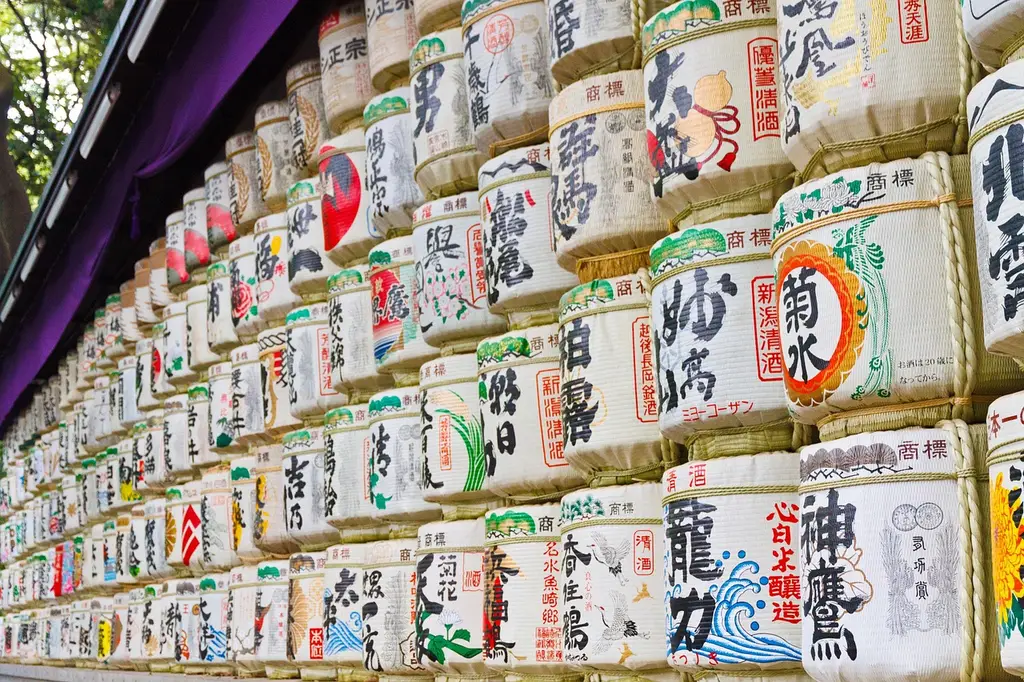
Meiji Shrine
Gate hours track sunrise and sunset, roughly 5:00-18:30 in June, 6:40-16:00 in December; check meijijingu.or.jp for the exact date·free for the shrine grounds and main hall; ¥500 for the Inner Garden, ¥1,000 for the Meiji Jingu Museum·1-1.5 hours
A 100-year-old forest planted from scratch sits inside the city. The ten-minute walk in from the Harajuku gate does most of the work of making Tokyo feel far away.
3
Tokyo Skytree
10:00-21:00, last entry 20:00·Tembo Deck (350m) from ¥1,800 booked online, higher on weekends; combo ticket with Tembo Galleria (450m) from ¥3,000; same-day walk-up tickets add a ¥500 fee·1.5-2 hours
book online in advance for a fixed time slot and to skip the base queue
Weekday mornings at opening are the quietest slot. Prices are dynamic and jump on weekends, so a weekday visit saves money as well as time.
4
Shibuya Sky
10:00-22:30, last admission 21:20, may close in bad weather·¥2,700 for tickets before 3:00pm, ¥3,400 after 3:00pm·1-1.5 hours
book online up to 14 days ahead; sunset slots sell out within about a minute of release
The rooftop, open-air deck over Shibuya Crossing is worth the price mainly at sunset or after dark. Daytime tickets are cheaper and the view is still solid if you can't get a sunset slot.
5
teamLab Planets / Borderless
roughly 8:30am-9:00pm, exact hours vary by date, check the official site before going·¥3,600-5,600 for adults depending on date, ¥1,500-2,800 for children, under 3 free·2-4 hours
book online 1-2 weeks ahead for a weekday, as early as possible for weekends or cherry blossom season; same-day tickets are frequently sold out Friday through Sunday
Two separate teamLab venues now operate in Tokyo. Planets has wading pools, so wear shorts or roll-up trousers; Borderless is dry and closer to central Tokyo.
6
Tokyo National Museum
9:30am-5:00pm, extended to 8:00pm on Friday and Saturday·¥620 adults, ¥410 university students, free for under-18 and over-70·2-3 hours
Closed Mondays (except public holidays, when it opens Monday and closes the following day instead)walk in, though booking a timed slot online avoids the ticket line on weekends
The best single museum in Ueno Park for Japanese art and artifacts. Skip it if you only have an hour; it rewards a proper visit, not a rushed pass-through.
MoN Takanawa (Museum of Narratives)
as of 2026-09
Viral
Kengo Kuma-designed museum in Takanawa Gateway City, opened March 2026, spiraling wood architecture mixing traditional performing arts, manga, food culture and digital media under one roof. Genuinely new, not a rebrand of something old. Worth an afternoon if you like architecture and rotating mixed-media shows. Skip it if you want one single blockbuster exhibit rather than a mix of small ones.
teamLab Borderless (Azabudai Hills)
as of 2026-09
Viral
Immersive digital art museum that reopened in 2024 with new rooms added through 2026, walk-through installations of flowers, crystal light and water. Still popular for good reason, though it gets packed and photo lines form fast. Book a timed slot online or you will wait outside for a while.
PokePark KANTO (Yomiuriland)
as of 2026-09
Viral
Japan's first permanent outdoor Pokemon theme park zone, opened February 2026 inside the Yomiuriland amusement park on the Tokyo-Kanagawa border, with trails and a town built around 600-plus Pokemon. Fun for families with young kids or committed fans. It's an add-on ticket to an existing amusement park and the trip out is real, so casual visitors can skip it.
RED Tokyo Tower
as of 2026-09
Viral
Multi-floor VR, esports and AR arcade built into Tokyo Tower, blending robotics and interactive games with the older observation deck experience. Good for an hour if you're already there with kids or teens. Not worth a dedicated trip on its own.
Welcome Sento bathhouse campaign
as of 2026-09
Viral
Tokyo's tourism office is running discounted access to 63 tourist-friendly public bathhouses from September 2025 through February 2026, with multilingual signage and cashless payment. One of the more honest, cheap cultural experiences in the city. Pick a real neighborhood sento over a resort-style spa if you want the actual bathing culture, not a polished version of it.
Shimokitazawa
as of 2026-09
Viral
West Tokyo neighborhood built around secondhand and vintage clothing shops, small live music venues and independent cafes, treated as an alternative to central shopping streets. Worth the train ride if vintage fashion or live music interests you. If neither does, there isn't much else here to hold your attention.
Yanaka
as of 2026-09
Viral
Old shitamachi neighborhood near Ueno with a preserved shopping street, small temples, and a large stray cat population that gave it the nickname Tokyo's cat town. A quieter, slower slice of the city than most itineraries hit. Go on a weekday morning. Weekend tour groups have found it and it's getting crowded.
More to see (2)
7
Tsukiji Outer Market
5:00am-2:00pm·free to walk through; food costs vary by stall, ¥300-1,500 per item·1.5-2.5 hours
Closed Sundays and Wednesdays
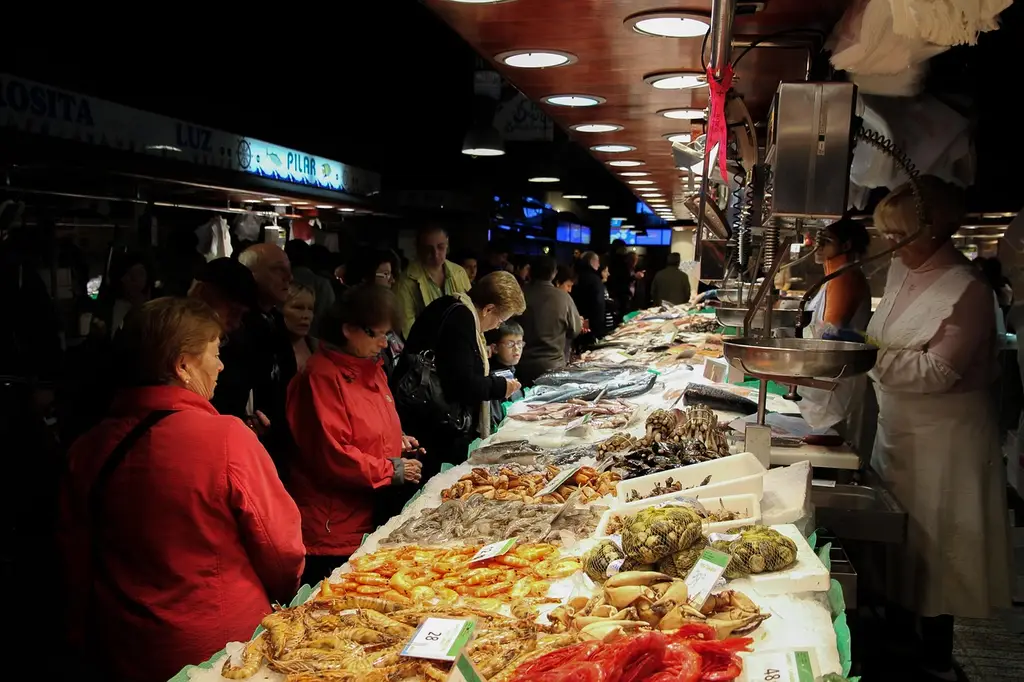
The wholesale auction moved to Toyosu in 2018, but this strip of 460+ food stalls is what most visitors actually mean when they say Tsukiji. Go hungry, go early.
8
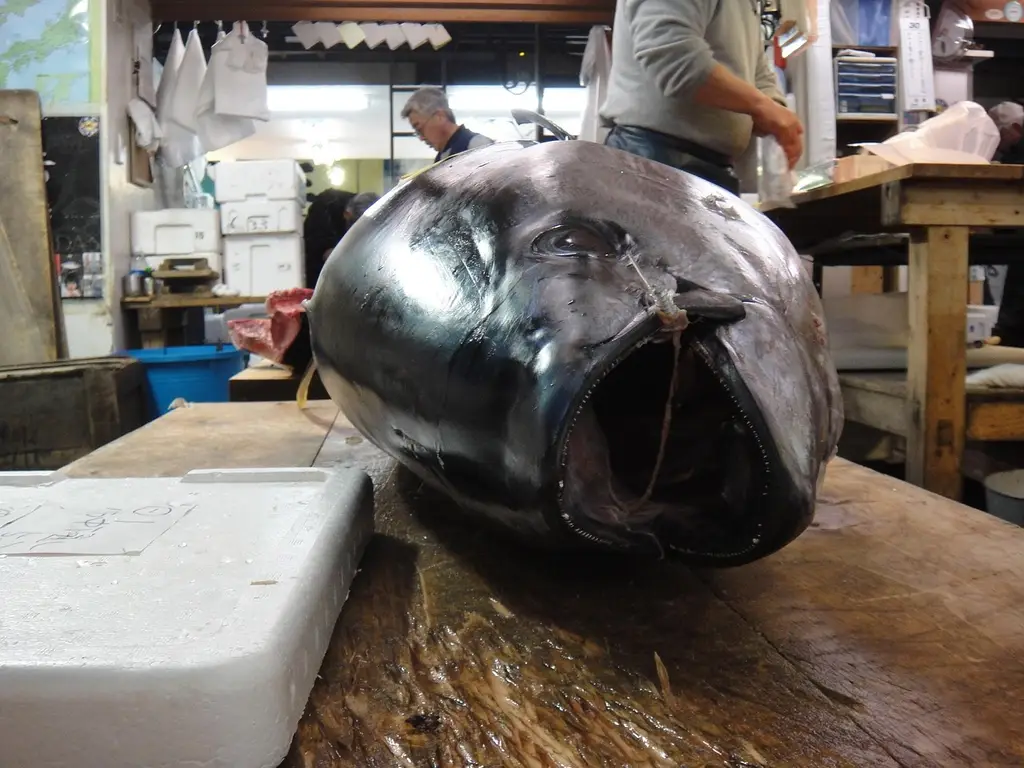
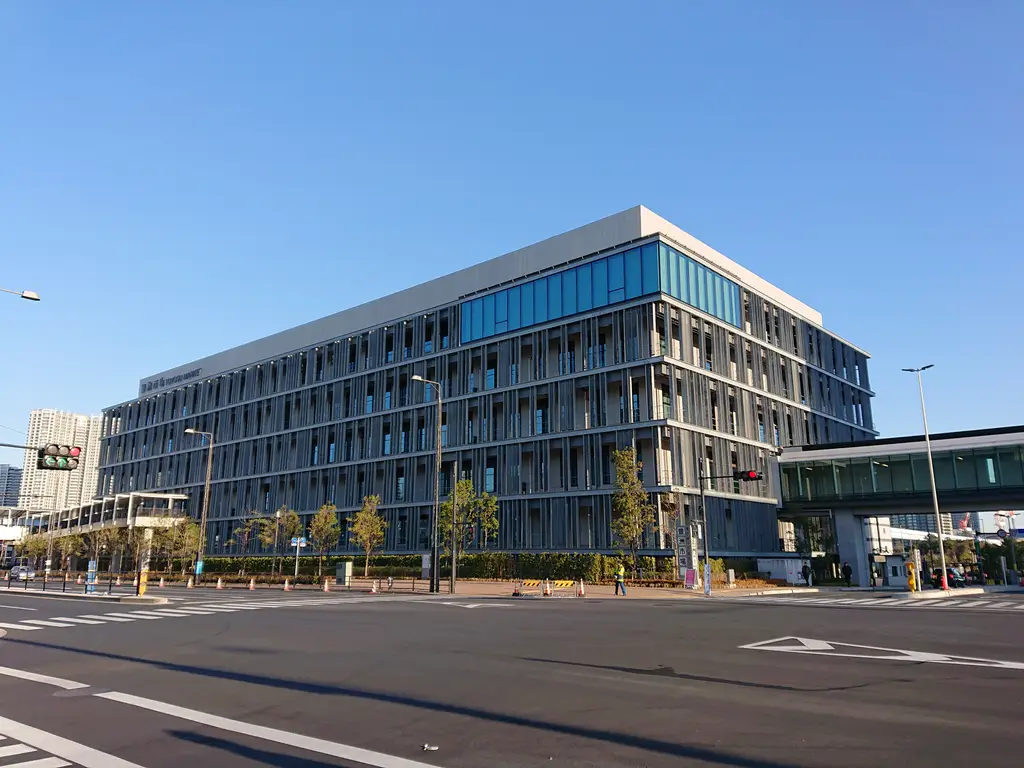
Toyosu Market
Observation deck and market area generally 5:00am-5:00pm; tuna auction viewing requires an early arrival, times vary·free to enter and view·1.5-2 hours
Closed Sundays, some Wednesdays, check the market calendarwalk in for general viewing; the closest tuna auction viewing spots require arriving very early
Bigger, newer, and further from central Tokyo than Tsukiji. Go for the actual wholesale operation and the tuna auction deck, not as a substitute for Tsukiji's food stalls.
Where to stay
Shinjuku
Suits: first-timers, nightlife, transit hub
Every train line passes through, open late, walking distance to Kabukicho and Golden Gai.
Shibuya
Suits: younger travelers, shopping, energy
Central and slightly calmer than Shinjuku, still loud, still open past midnight.
Ginza
Suits: comfort, quiet nights, department stores
Best hotel selection at every price point, but shuts down by 10pm.
Asakusa
Suits: budget travelers, old Tokyo atmosphere
Cheapest solid hotels and ryokans, walkable, close to Senso-ji temple.
Ueno
Suits: museum-goers, tighter budgets
Hotels run 20-30% cheaper than Shinjuku or Shibuya, old-school neighborhood feel.
Getting there and around
Getting there
Narita Airport: Keisei Skyliner to Ueno (36-41 min, about ¥2,520) or JR Narita Express to Shinjuku/Tokyo/Shibuya (about 1 hr, ¥3,070). Haneda Airport is closer: Tokyo Monorail to Hamamatsucho (¥520) or Keikyu Line to Shinagawa (11-14 min, ¥330). Airport Limousine Buses run to major hotels from both, 90-120 min, ¥3,100-3,200.
Getting around
The JR Yamanote loop line plus the Tokyo Metro and Toei subway cover almost everything. Get a Suica or Pasmo IC card (tap-and-go on every train, bus, and most convenience stores) rather than buying single tickets. iPhone 8 and later can add Suica straight into Apple Wallet; most non-Japanese Android phones lack the FeliCa chip and need a physical Welcome Suica card from the red machines at the airport. A Tokyo Subway 24/48/72-hour pass (¥1,000/¥1,500/¥2,000) only pays off if you're riding six-plus times a day. Walking between adjacent neighborhoods is often faster than the train once you count transfers.
Map
City
Recommended (numbered)
Mentioned in an itinerary
Locations on this map
Tokyo35.68, 139.65
Senso-ji Temple35.71, 139.80
Meiji Shrine35.67, 139.70
Tokyo Skytree35.71, 139.81
Shibuya Sky35.66, 139.70
teamLab Planets / Borderless35.66, 139.74
Tokyo National Museum35.72, 139.78
Tsukiji Outer Market35.67, 139.77
Toyosu Market35.65, 139.78
Asakusa35.72, 139.80
Nakamise35.71, 139.80
Ueno Park35.72, 139.77
Shibuya Crossing35.66, 139.70
Shinjuku35.69, 139.70
Omoide Yokocho35.69, 139.70
Kabukicho35.69, 139.70
Tokyo Metropolitan Government Building35.69, 139.69
Ryogoku35.70, 139.79
Ueno35.71, 139.78
Yanaka35.72, 139.77
WWII35.69, 139.75
Yoyogi Park35.67, 139.70
Harajuku's Takeshita Street35.67, 139.71
Shimokitazawa35.66, 139.67
Golden Gai35.69, 139.70
Kamakura35.75, 139.88
Tokyo Station35.68, 139.77
Great Buddha35.78, 139.65
Kotoku-in35.32, 139.54
Hokokuji35.32, 139.55
Hakone35.65, 139.64
Hakone-Yumoto35.23, 139.10
Owakudani35.25, 139.02
Mt Fuji35.69, 139.33
Lake Ashi35.21, 139.00
Harajuku35.67, 139.71
JR Yokosuka Line35.27, 139.66
Komachi-dori35.73, 139.71
Nikko35.63, 139.77
Tobu Railway35.71, 139.81
Toshogu Shrine34.98, 137.59
Shinkyo Bridge35.67, 139.70
Kegon Falls36.74, 139.50
Ginza35.67, 139.76
Kichijoji35.70, 139.58
Inokashira Park35.70, 139.57
Kawagoe35.78, 139.63
Seibu35.74, 139.33
Ikebukuro35.73, 139.71
Little Edo35.93, 139.48
Candy Alley35.92, 139.48
Bell Tower35.73, 139.75
Mori Art Museum35.66, 139.73
National Art Center Tokyo35.67, 139.73
Roppongi Hills35.66, 139.73
Roppongi35.66, 139.73
Rainbow Bridge35.64, 139.76
Yurikamome35.64, 139.76
Odaiba35.62, 139.78
Setagaya35.65, 139.65
Yokohama35.51, 139.48
Minato Mirai35.46, 139.63
Yokohama Chinatown35.44, 139.65
What it costs
Stay
Food
Transport
Activities
Daily cost breakdown, JPY per person
Tier
Stay
Food
Transport
Activities
Total
Budget
JPY 3,500
JPY 3,000
JPY 1,000
JPY 1,500
JPY 9,000
Mid-range
JPY 12,000
JPY 6,000
JPY 1,500
JPY 2,500
JPY 22,000
Splurge
JPY 45,000
JPY 15,000
JPY 4,000
JPY 6,000
JPY 70,000
A mid-range day: ¥12,000 business hotel room, ¥600 convenience store breakfast, ¥1,500 subway pass, ¥1,200 ramen lunch in Shinjuku, ¥800 Shibuya Sky-adjacent coffee, ¥3,000 izakaya dinner with a couple of drinks in Omoide Yokocho. Total lands close to ¥20,000-22,000 once a small souvenir or two gets added in.
Money savers
Buy a Suica or Pasmo instead of single paper tickets; no discount but far less friction and no overspending on wrong-fare tickets
Eat lunch sets (teishoku) instead of dinner menus at the same restaurants; often half the price for a similar plate
Hit depachika food halls near closing time, from about 7pm, for 20-50% markdowns on prepared food
Skip the 7-day JR Pass for a Tokyo-only trip and buy single fares or a subway pass instead
Capsule hotels and business hotel chains like APA or Toyoko Inn undercut Western-style hotels by half for a clean, small room
Tokyo eats in shifts. Breakfast is a convenience store egg sandwich or nothing, lunch is a fast bowl at a counter with a ticket machine you point at, dinner is where people slow down. Cash still rules anywhere under about ¥2,000 a head, though IC cards now cover a lot of counter food too. Queues form for the good ramen shops and famous sushi counters, rarely for anything else, and a 20-minute wait usually means the place is worth it rather than merely popular. Ordering without Japanese is easy: ticket machines have pictures, counters have plastic food models in the window, pointing works everywhere. Standing to eat is normal at yakitori stalls, sitting is expected at sushi and izakaya. Reservations matter only for the expensive omakase places.
The wholesale auction moved to Toyosu in 2018, but this strip of 460-plus food stalls stayed. Order grilled scallop or uni skewers and fresh tamagoyaki straight off the grill, then keep walking, nobody sits down here.
Sushi at the Toyosu tuna auction deck
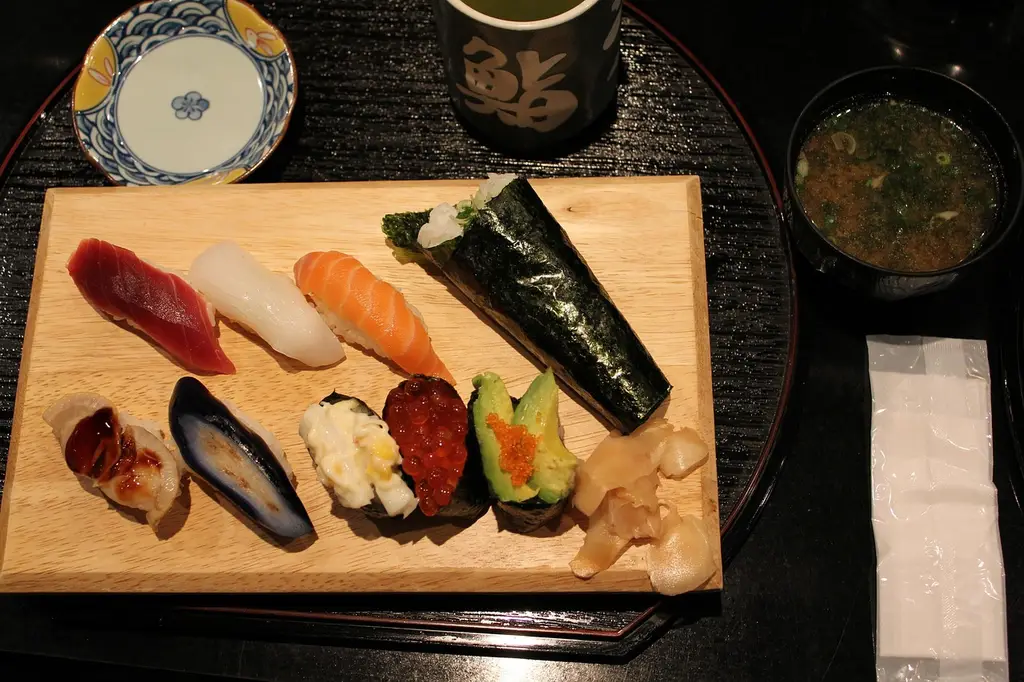
JPY 3,000-8,000 for a sushi set·Toyosu Market, Koto
The actual wholesale market since 2018, bigger and colder than Tsukiji ever was. Come for the viewing deck over the auction floor, then eat sushi at one of the sit-down counters upstairs rather than treating it as a snack stop.
Ramen and tsukemen
JPY 900-1,400·Shinjuku department store basement floors, Shin-Okubo
Must try
A bowl of dipping-style tsukemen with a thick, fish-heavy broth is the shop-nerd favorite over regular ramen. The Keio basement in Shinjuku runs a dedicated ramen floor; Shin-Okubo mixes in halal and Korean options a few blocks over.
Yakitori under the tracks
JPY 150-400 per skewer·Omoide Yokocho, Shinjuku
Must try
About 70 tiny stalls under smoke-stained awnings by Shinjuku Station's west exit. Order a few skewers at a time, a cold beer, and expect to stand or squeeze onto a stool shoulder to shoulder with strangers.
Conveyor belt sushi
JPY 120-500 per plate·Kaiten-zushi chains across Shinjuku, Shibuya, Ikebukuro
Must try
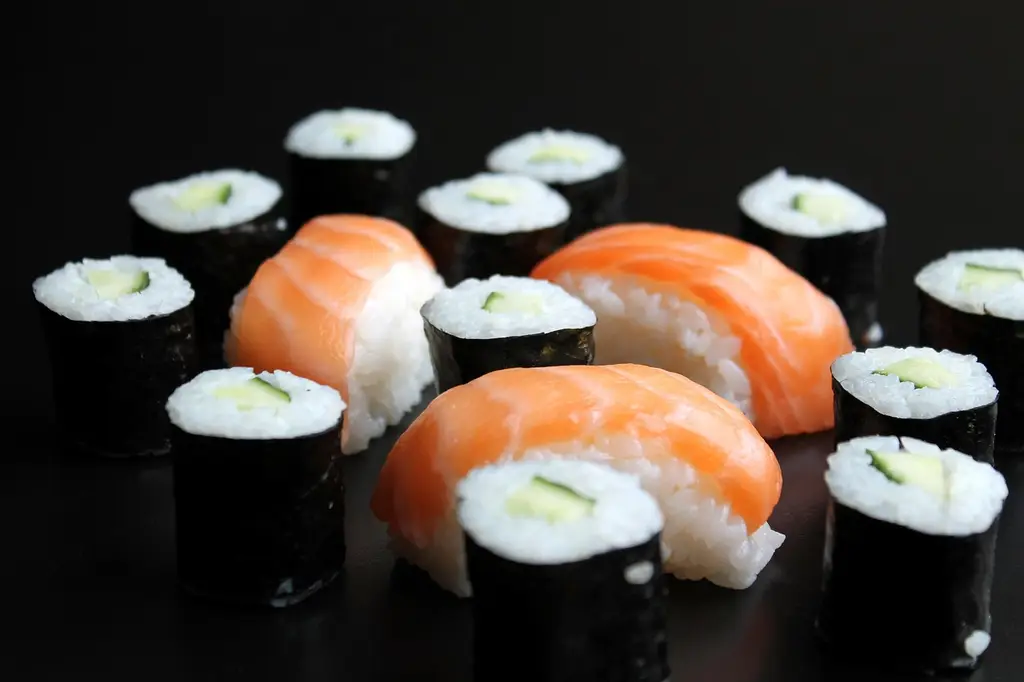
Uobei and Numazuko run plates at ¥120-500 with a touchscreen order system that skips the language barrier entirely. It's not a downgrade from a sushi counter, it's a genuinely good way to eat well for cheap here.
Depachika prepared foods
JPY 500-3,000 per item·Basements of Isetan, Mitsukoshi, Takashimaya
Must try
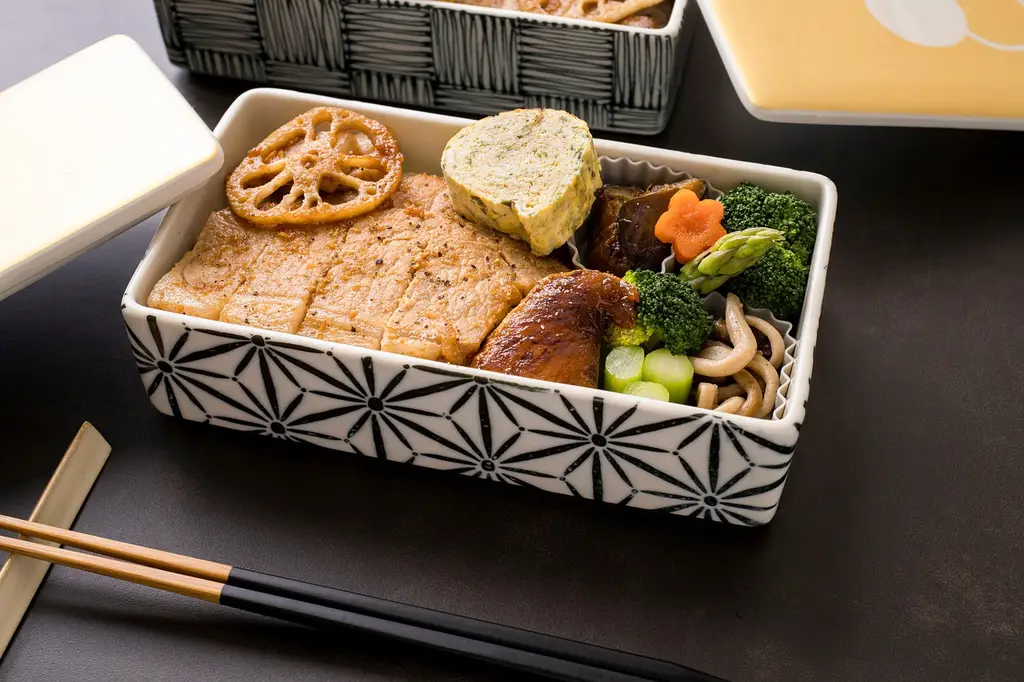
Bento boxes, wagyu croquettes, and sweets from the country's best regional makers, all under one department store roof. Go within an hour of closing for 20-50 percent markdowns on anything unsold.
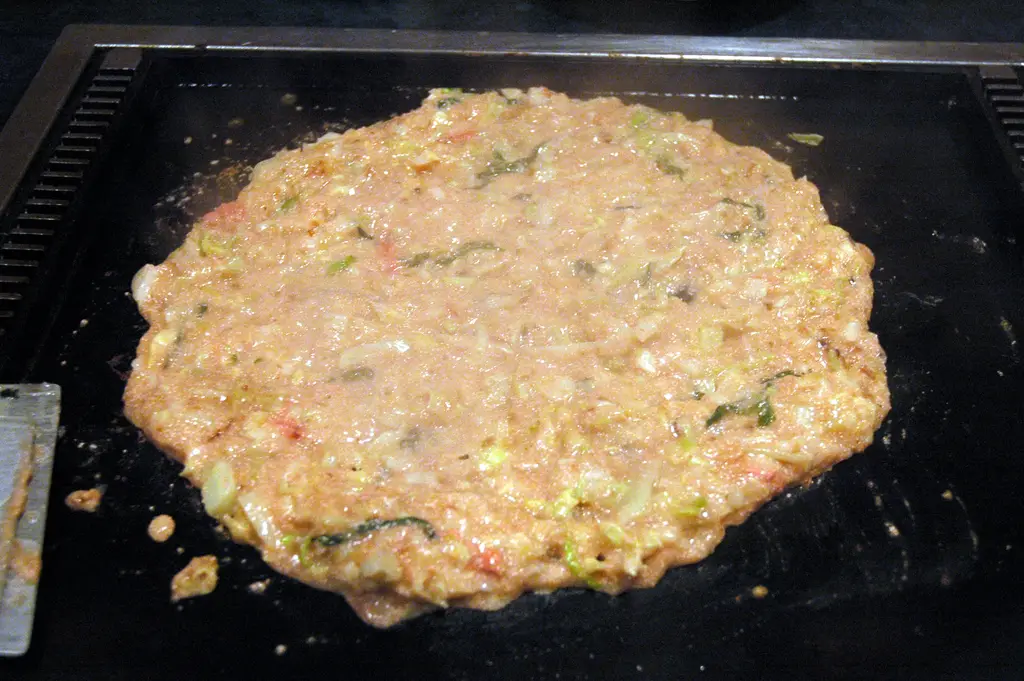
Monjayaki
JPY 1,200-2,000 per person·Tsukishima, a short train ride from Ginza
A runnier, cook-it-yourself cousin of okonomiyaki, scraped straight off a hot griddle with a small metal spatula. A whole street of monjayaki restaurants runs through Tsukishima and it's the reason people make the trip out.
Unagi (grilled eel) over rice
JPY 2,500-5,000·Long-running unagi specialists near Ueno and Asakusa
Charcoal-grilled freshwater eel lacquered in a sweet soy glaze, served over rice in a lacquered box. Old-school shops still fillet and grill to order, which is why lunch service can run slow even when the place looks empty.
Iyoshi Cola
as of 2026-09
Viral
A craft cola brand brewed from a changing mix of herbs and spices in the tradition of Chinese herbal medicine, sold from small counters across the city. Not a gimmick. The recipe rotates and the shops keep opening (Shibuya, Asakusa, Shimo-Ochiai), which is a better sign than any single viral clip. Worth a detour if you're near one.
I'm Donut?
as of 2026-09
Viral
Fried brioche doughnuts with a soft, almost custardy interior, sold from a handful of shops including Nakameguro, Omotesando, and Harajuku. Queues still run 50 minutes to over an hour, years after it first blew up, which says the product holds up. Go early on a weekday or skip it, weekend afternoon lines aren't worth it for a doughnut.
Age.3 (Age Sando)
as of 2026-09
Viral
Fried-sandwich specialty shop in Ginza from Fukuoka's Fruits Sand Three. Deep-fried bread stuffed with whipped cream and fruit or savory fillings, made to order. Went viral for a whipped cream version with a big portion size for the price. Still drawing steady lines, not a one-week flash.
T-MARKET (Toranomon Hills Station Tower)
as of 2026-09
Viral
27-stall food hall two floors below Toranomon Hills station, mixing reservation-only restaurant names with takeout counters and shared seating for about 140 people. Passed its one-year mark with press still covering it, so this isn't a fad opening. Good for a fast, varied meal, not one single showstopper dish.
Yaesu Public
as of 2026-09
Viral
Food hall inside Tokyo Midtown Yaesu near Tokyo Station, roughly ten counters spanning ramen, Italian, Asian food, and dessert, plus a standing bar called ALL STANDS. Local press calls it an office-district escape with a Tokyo Station view. Worth it if you're already near the station. Not a destination trip on its own.
Safety and scams
Tokyo is one of the safest big cities anywhere for violent crime and theft. The real risk is a drink-spiking and credit-card scam run by touts (kyakuhiki) in Kabukicho, Roppongi, Shibuya, and Ikebukuro, who approach pedestrians and steer them into overpriced or shady bars. Ignore anyone who stops you on the street and keep walking. Don't worry about walking at night in most residential areas; do worry about cash, since many small restaurants and shops still don't take cards.
Common mistakes
Trying to cover Shinjuku, Shibuya, Asakusa, and Ginza all in one day instead of picking two and walking them properly
Assuming every restaurant takes cards; carry cash for anywhere under about ¥2,000 a head
Buying a 7-day JR Pass for a Tokyo-only trip; it only pays off with long-distance travel beyond Tokyo, like Kyoto or Hiroshima
Eating or drinking while walking, which is considered poor manners outside of festivals
Not checking which Shinjuku or Tokyo Station exit to use; these stations have dozens of exits spread hundreds of meters apart
Bringing an Android phone bought outside Japan and expecting mobile Suica to work; it needs a physical Welcome Suica card instead
Skipping luggage forwarding (takkyubin) and hauling suitcases through crowded rush-hour trains instead
Frequently asked questions
How many days do you need in Tokyo?
Three to five days covers the main neighborhoods without rushing. A week lets you add day trips to Kamakura, Hakone, or Nikko. Two weeks in Tokyo alone is more than most people need; better to split it between the city and nearby towns.
Is the JR Pass worth it?
For a Tokyo-only trip, no. A 7-day Ordinary pass costs about ¥50,000 (rising to ¥53,000 from October 2026), and Tokyo's subway and JR lines are cheap enough on individual fares or an IC card that the pass doesn't pay off. It's worth it if your trip covers long-distance travel beyond Tokyo, like Kyoto, Hiroshima, or Kyushu.
Should I use Suica or a paper ticket in Tokyo?
Suica or Pasmo, an IC card you tap on entry and exit. It works on nearly every train, subway, and bus, and at convenience stores. Buying single paper tickets for every ride is slower and more confusing than just tapping a card.
Does mobile Suica work on Android phones in Japan?
Usually not if the phone was bought outside Japan. Most non-Japanese Android phones lack the FeliCa chip Japanese ticket gates require. iPhone 8 and later work fine through Apple Wallet. Android users need a physical Welcome Suica card from the airport instead.
What is the best time to visit Tokyo for cherry blossoms?
Late March through early April, though the exact bloom date shifts year to year and this is also the most crowded, most expensive week to visit. Book hotels months ahead if you're targeting this window.
Is Tokyo safe for tourists?
Yes, for violent crime and theft it's one of the safest major cities anywhere. The real risk is scam touts in Kabukicho, Roppongi, Shibuya, and Ikebukuro who lure visitors into overpriced bars, sometimes tied to drink-spiking and card fraud. Ignore anyone who approaches you on the street.
Should I visit Tsukiji or Toyosu market?
Tsukiji Outer Market for food, it's the lively strip of 460+ food stalls most people picture, open 5am-2pm, closed Sundays and Wednesdays. Toyosu is the actual wholesale market and tuna auction that moved there in 2018, worth it only if you specifically want to see the auction floor.
What's a realistic daily budget for Tokyo?
Roughly ¥9,000 a day for a hostel bed, convenience store and ramen-shop meals, and subway fares. Around ¥22,000 for a business hotel and sit-down meals. ¥55,000 or more for a nice hotel, sushi omakase, and taxis.
What day trips are possible from Tokyo?
Kamakura (about 1 hour, temples and the Great Buddha), Kawagoe (about 45 minutes, an old merchant town), Hakone (about 1.5 hours, hot springs and possible Mt Fuji views), and Nikko (about 2 hours, UNESCO shrines), all doable in a single day, though Hakone rewards an overnight stay.
Do I need to speak Japanese to get around Tokyo?
No. Train and subway signage, ticket machines, and station announcements are in English throughout central Tokyo. Restaurants below tourist-heavy areas are more hit-or-miss, but picture menus and pointing get you through most situations.