Things to Do in Hiroshima: Itineraries, Costs and Food
A rebuilt city with the Peace Memorial Park at its center and Miyajima's floating torii an hour away, best known for atomic-bomb history and its own style of okonomiyaki.
By Labeeb Mirza · Published September 8, 2026 · Updated September 8, 2026
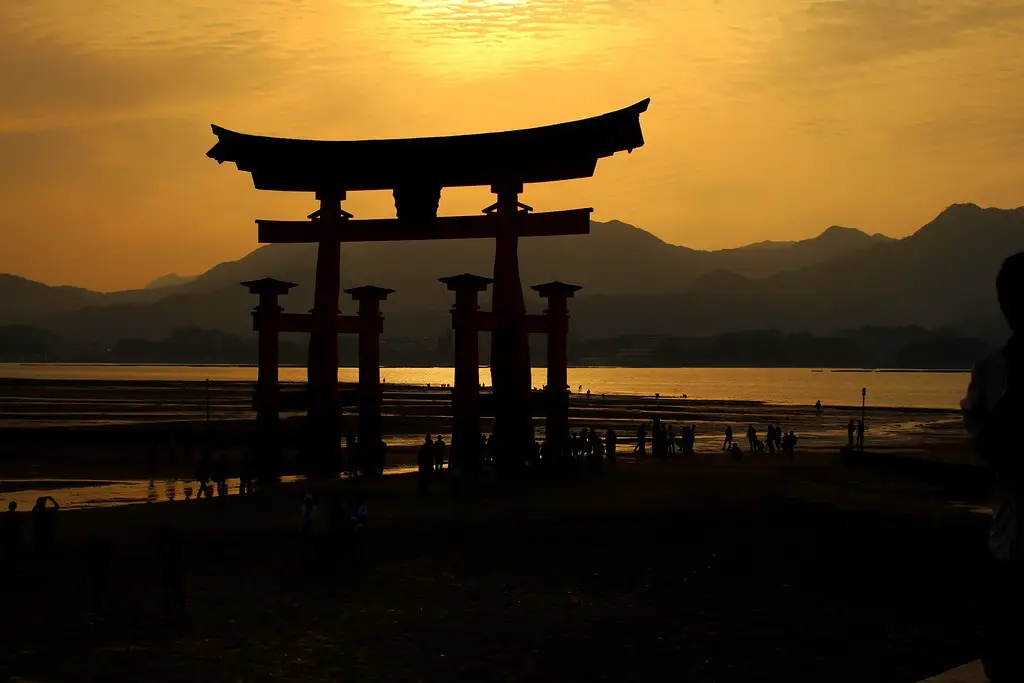
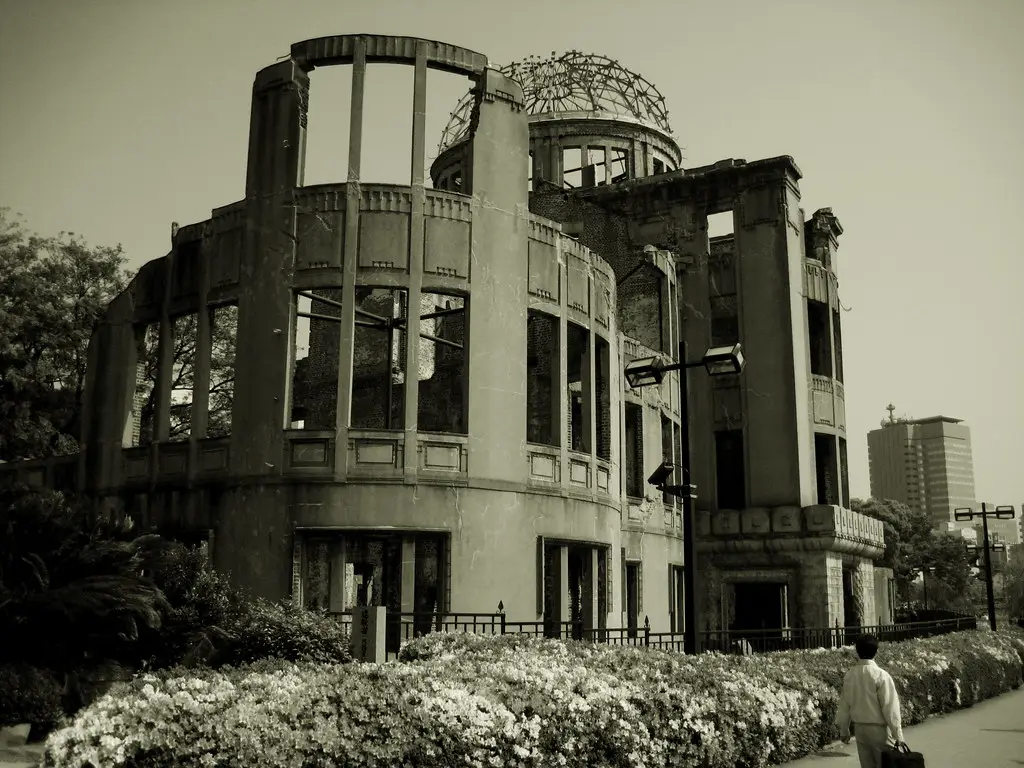
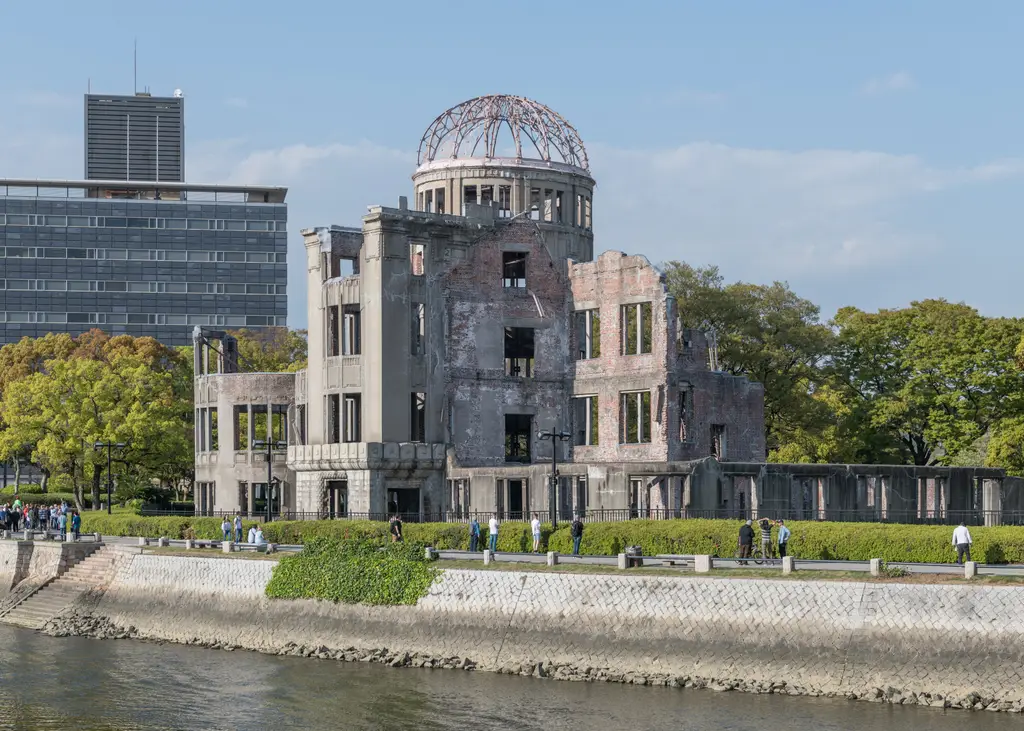
Hiroshima is not a detour from the Tokyo-Kyoto-Osaka corridor, it sits directly on the Sanyo Shinkansen line, about 4 hours from Tokyo and under 1.5 hours from Osaka. Most people come for two reasons: the Peace Memorial Park and Museum, built around the skeletal Atomic Bomb Dome that the city preserved as a ruin, and Miyajima island 45 minutes away, home to Itsukushima Shrine's torii gate standing in the sea and to hundreds of free-roaming deer. The city itself was rebuilt flat and modern after 1945, laid out in a grid along the Motoyasu and Ota rivers, with a compact downtown (Hondori/Kamiyacho) for shopping, food, and hotels. Hiroshima also has its own version of okonomiyaki, layered with noodles rather than mixed batter like Osaka's, and Okonomimura is a three-floor building of competing okonomiyaki stalls. A restored streetcar network (one of Japan's oldest and largest) runs through downtown and out to the ferry terminal for Miyajima, so most visitors don't need taxis. Two full days covers the essentials, Hiroshima city on day one and Miyajima on day two, but the wider region rewards more time: Onomichi and the Shimanami Kaido cycling route, Kurashiki's canal district, and Iwakuni's Kintai Bridge are all reachable as day trips or add-on stops.
The Peace Memorial Museum is not a sightseeing stop. Give it a full morning, plan nothing demanding afterwards, and do not schedule it before a long train.
Miyajima is worth the ferry and worth staying past the day-trip crowd. The island empties out in the late afternoon and becomes a different place.
The city is calmer and greener than most people expect, and the streetcars are slow in a way that suits it rather than frustrating you.
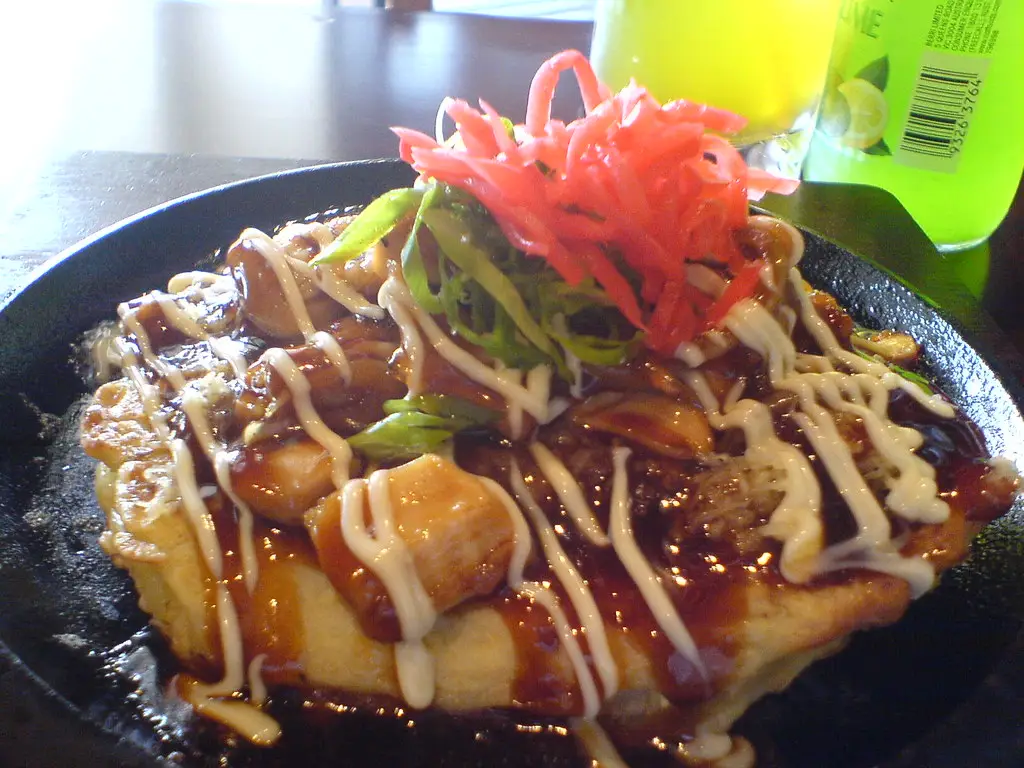
Okonomiyaki here is layered rather than mixed, and locals will tell you it is the correct version. Worth eating twice to compare it against Osaka's.
A tight day trip from Osaka or Kyoto covering Peace Park in the morning and Miyajima in the afternoon.
Day 1: Peace Park and Miyajima in one day
Morning
Arrive by early Shinkansen, streetcar to Peace Memorial Park, walk the Atomic Bomb Dome, Cenotaph, and Children's Peace Monument, then the Peace Memorial Museum (2-3 hours needed).
Afternoon
Streetcar or JR train to Miyajimaguchi, ferry to Miyajima, walk to Itsukushima Shrine and the floating torii (check tide times, low tide lets you walk out to the gate).
Evening
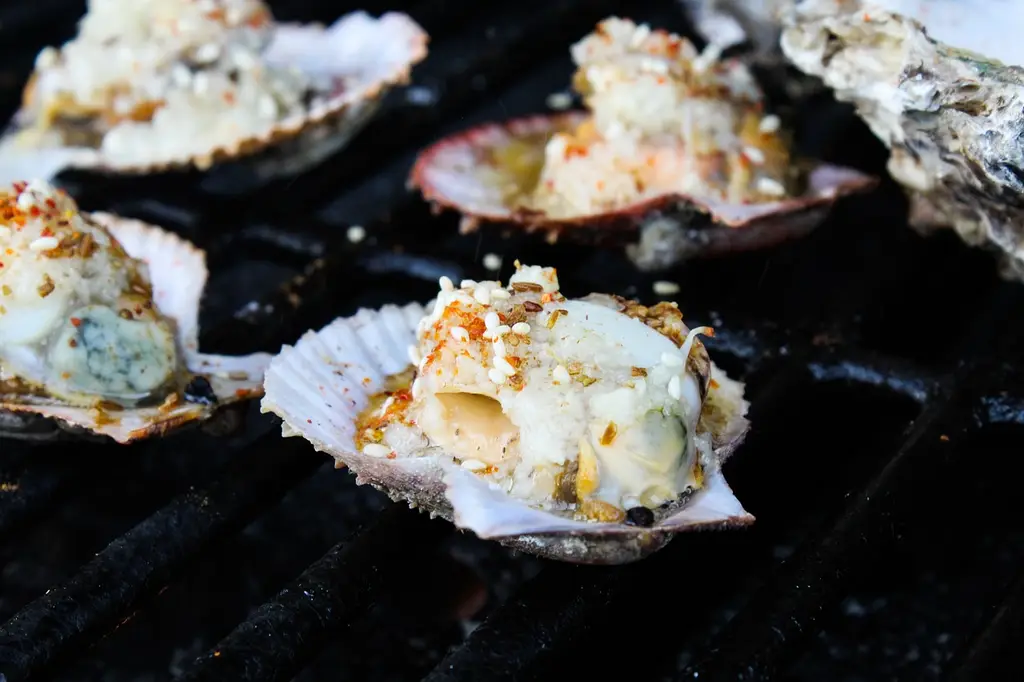
Grilled oysters and momiji manju on Miyajima's food street before the last ferry back; Shinkansen out that night or hotel in Hiroshima.
Tip: Check tide tables before you go, the torii looks different (and is walkable) at low tide versus fully surrounded by water at high tide.
Full Hiroshima city day, a full Miyajima day including Mt. Misen, and a relaxed third day.
Day 1: Hiroshima city and Peace Park
Morning
Peace Memorial Park: Atomic Bomb Dome, Cenotaph, Peace Memorial Museum.
Afternoon
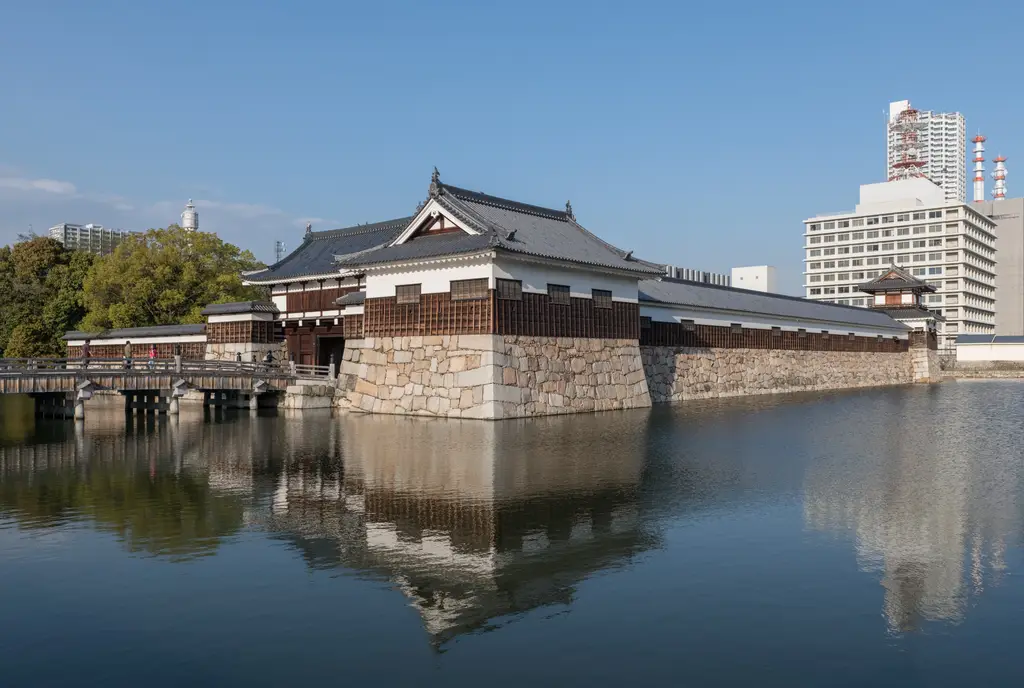
Hiroshima Castle grounds (the main keep has been closed since March 2026, but the moat and outer walls are worth the walk) and Shukkeien Garden, both a short streetcar ride from downtown.
Evening
Okonomimura for Hiroshima-style okonomiyaki.
Tip: Book museum tickets online in advance during peak season and around August 6.
Day 2: Miyajima full day
Morning
Early ferry to Miyajima before day-trip crowds arrive, walk Itsukushima Shrine and the torii.
Afternoon
Ropeway up toward Mt. Misen (around 1,840 yen round trip) and a short hike to the summit observatory for views over the Seto Inland Sea.
Evening
Oysters and anago rice on the island before the ferry back.
Tip: The ropeway's last descent is typically around 16:30, don't cut it close after the summit hike.
Day 3: Slow morning, flexible afternoon
Morning
Hondori arcade for shopping and coffee, or the Hiroshima Museum of Art.
Afternoon
Optional half-day trip to Iwakuni's Kintai Bridge (about 45 minutes by train) or just more time in downtown Hiroshima.
Evening
Departure by Shinkansen.
Tip: This day is intentionally light, use it as a buffer if the museum or Miyajima ran long.
Hiroshima and Miyajima core plus Onomichi and part of the Shimanami Kaido, extending beyond the city.
Day 1: Arrival and Peace Park
Morning
Shinkansen in, check into downtown hotel.
Afternoon
Peace Memorial Park and Museum.
Evening
Okonomimura.
Tip: Buy a streetcar day pass at the station on arrival.
Day 2: Hiroshima Castle grounds and Shukkeien
Morning
Hiroshima Castle grounds and moat walk (the keep itself is closed indefinitely since March 2026).
Afternoon
Shukkeien Garden, then Hondori for shopping.
Evening
Local izakaya downtown.
Tip: Shukkeien is quieter and less crowded than the castle grounds.
Day 3: Miyajima full day
Morning
Ferry to Miyajima, Itsukushima Shrine and torii at low tide if timed right.
Afternoon
Ropeway and Mt. Misen hike.
Evening
Oysters and momiji manju, stay overnight on the island if budget allows.
Tip: An overnight ryokan stay lets you see the shrine lit up at night without day-trip crowds.
Show all 5 days
Day 4: Onomichi day trip
Morning
Train to Onomichi (about 1 hour), walk the temple path and old town streets.
Afternoon
Rent a bike and ride part of the Shimanami Kaido toward Innoshima or Ikuchijima (the full 70km route to Imabari takes a full day, a partial ride is fine).
Evening
Return to Hiroshima by train.
Tip: Bike rentals allow one-way returns at different islands along the route if you don't want to backtrack.
Day 5: Iwakuni and departure
Morning
Train to Iwakuni (about 45 minutes) to see the wooden Kintai Bridge and, if time allows, the ropeway up to Iwakuni Castle.
Afternoon
Return to Hiroshima Station.
Evening
Shinkansen departure.
Tip: This day trips beyond Hiroshima city itself, it's part of the wider region, not the city core.
Hiroshima and Miyajima anchor a week that also reaches Kurashiki, Onomichi, and Iwakuni across the wider region.
Day 1: Arrival and Peace Park
Morning
Shinkansen in, settle into downtown Hiroshima.
Afternoon
Peace Memorial Park and Museum.
Evening
Okonomimura.
Tip: Get the streetcar day pass at the station.
Day 2: Castle grounds, garden, downtown
Morning
Hiroshima Castle grounds (keep closed indefinitely since March 2026).
Afternoon
Shukkeien Garden and Hondori arcade.
Evening
Izakaya crawl downtown.
Tip: Save receipts if doing tax-free shopping on Hondori.
Day 3: Miyajima
Morning
Ferry to Miyajima, shrine and torii.
Afternoon
Ropeway and Mt. Misen.
Evening
Overnight on Miyajima at a ryokan.
Tip: Book the ryokan well ahead, island lodging is limited.
Show all 7 days
Day 4: Miyajima morning, back to Hiroshima
Morning
Quiet early walk around the shrine before day-trippers arrive.
Afternoon
Ferry back, free afternoon in Hiroshima or rest.
Evening
Anago rice dinner.
Tip: Early morning Miyajima, before the first tour boats, is the calmest time to see the torii.
Day 5: Kurashiki day trip
Morning
Train to Kurashiki (about 1 hour via Shin-Kurashiki or Okayama transfer), walk the canal district (Bikan historical quarter).
Afternoon
Ohara Museum of Art and the old merchant warehouses.
Evening
Return to Hiroshima.
Tip: Kurashiki's canal area is compact, half a day is enough unless you want the museum in depth.
Day 6: Onomichi and Shimanami Kaido
Morning
Train to Onomichi, temple walk and old town.
Afternoon
Cycle part of the Shimanami Kaido toward the first islands.
Evening
Return to Hiroshima.
Tip: Rent bikes near Onomichi Station, no reservation usually needed outside peak season.
Day 7: Iwakuni and departure
Morning
Kintai Bridge and Iwakuni Castle ropeway.
Afternoon
Return to Hiroshima Station.
Evening
Shinkansen onward to Kyoto/Osaka or Tokyo.
Tip: This week extends well past Hiroshima city into the wider Chugoku region, budget train time accordingly.
Hiroshima and Miyajima as a base for two weeks across the Chugoku and Seto Inland Sea region, with a Kyoto/Osaka extension.
Day 1: Arrival and Peace Park
Morning
Shinkansen in, settle downtown.
Afternoon
Peace Memorial Park and Museum.
Evening
Okonomimura.
Tip: Day pass for the streetcar network.
Day 2: Castle grounds and garden
Morning
Hiroshima Castle grounds (keep closed indefinitely since March 2026).
Afternoon
Shukkeien Garden, Hondori.
Evening
Izakaya downtown.
Tip: Weekday visits mean a quieter moat walk, though there's no longer a line for the keep since it's closed.
Day 3: Miyajima
Morning
Ferry over, shrine and torii.
Afternoon
Ropeway, Mt. Misen hike.
Evening
Overnight on the island.
Tip: Book the ryokan months ahead for peak seasons.
Show all 14 days
Day 4: Miyajima morning, deeper hike
Morning
Extended Mt. Misen trail options (Momijidani or Daisho-in routes) if you skip the ropeway down.
Afternoon
Ferry back to Hiroshima.
Evening
Rest evening.
Tip: The hiking trails up Misen are steep but avoid ropeway queues.
Day 5: Kurashiki
Morning
Train to Kurashiki.
Afternoon
Bikan canal district, Ohara Museum.
Evening
Return to Hiroshima.
Tip: Consider an overnight in Kurashiki instead if you want a slower pace.
Day 6: Onomichi and cycling
Morning
Train to Onomichi, temple walk.
Afternoon
Cycle the Shimanami Kaido toward Innoshima.
Evening
Return or overnight in Onomichi.
Tip: An overnight lets you ride further into the Shimanami Kaido the next morning.
Day 7: Shimanami Kaido continued
Morning
Continue cycling toward Ikuchijima or Omishima if based in Onomichi.
Afternoon
Return train to Hiroshima.
Evening
Free evening downtown.
Tip: Full route to Imabari (Shikoku) is about 70km, most riders do a partial stretch and return by ferry or bus.
Day 8: Iwakuni
Morning
Kintai Bridge, Iwakuni Castle ropeway.
Afternoon
Kikko Park and the samurai district.
Evening
Return to Hiroshima.
Tip: Combine with a stop at Yanai's old townscape on the same rail line if time allows.
Day 9: Travel day to Okayama or free day
Morning
Explore Okayama's Korakuen Garden (short Shinkansen hop) or rest in Hiroshima.
Afternoon
Okayama Castle if visiting.
Evening
Return to Hiroshima or continue toward Kyoto.
Tip: Okayama is a natural Shinkansen stopover between Hiroshima and Kyoto.
Day 10: Move to Kyoto
Morning
Shinkansen Hiroshima to Kyoto (about 1h40).
Afternoon
Check in, walk Higashiyama or Gion.
Evening
Kyoto dinner.
Tip: This is where the trip shifts from the Hiroshima region into the Kansai circuit.
Day 11: Kyoto temples
Morning
Fushimi Inari or Kiyomizu-dera.
Afternoon
Arashiyama bamboo grove.
Evening
Pontocho alley dining.
Tip: Arrive at major shrines before 8am to beat tour groups.
Day 12: Osaka day trip
Morning
Train to Osaka, Osaka Castle.
Afternoon
Dotonbori and Shinsaibashi.
Evening
Street food in Dotonbori.
Tip: Osaka and Kyoto are about 15 minutes apart by direct train, easy as a day trip.
Day 13: Nara day trip
Morning
Train to Nara, Todai-ji temple.
Afternoon
Nara Park deer and Kasuga Taisha.
Evening
Return to Kyoto.
Tip: Nara's deer bow for crackers, a different (more commercial) experience than Miyajima's.
Day 14: Departure
Morning
Last-minute shopping or a final temple visit.
Afternoon
Shinkansen to Tokyo or airport transfer.
Evening
Departure.
Tip: By this point the trip has moved well beyond Hiroshima itself into a full Kansai/Chugoku loop, plan the return leg (Kyoto/Osaka to Narita or Kansai airport) separately.
always visible from outside, no set hours·free·15-20 minutes
You view it from the riverbank behind a fence, not enter it. Go at dusk once the crowds thin and the building is lit, or early morning for a quiet first look.
2
Hiroshima Peace Memorial Museum
7:30am-6:00pm (Dec-Feb), 7:30am-7:00pm (Mar-Jul, Sep-Nov), 7:30am-8:00pm (Aug, extended to 9:00pm on Aug 5-6); last entry 30 min before close·200 yen adult, 100 yen high school/senior 65+, free for junior high and younger·2-3 hours
online reservation via hpmmuseum.jp recommended, especially around August 6, slots cover the first hour and last 90 minutes of the day
The East Building covers the lead-up and aftermath; the Main Building holds the personal artifacts and is the harder section emotionally. Give it the full two hours, don't rush the last room.
3
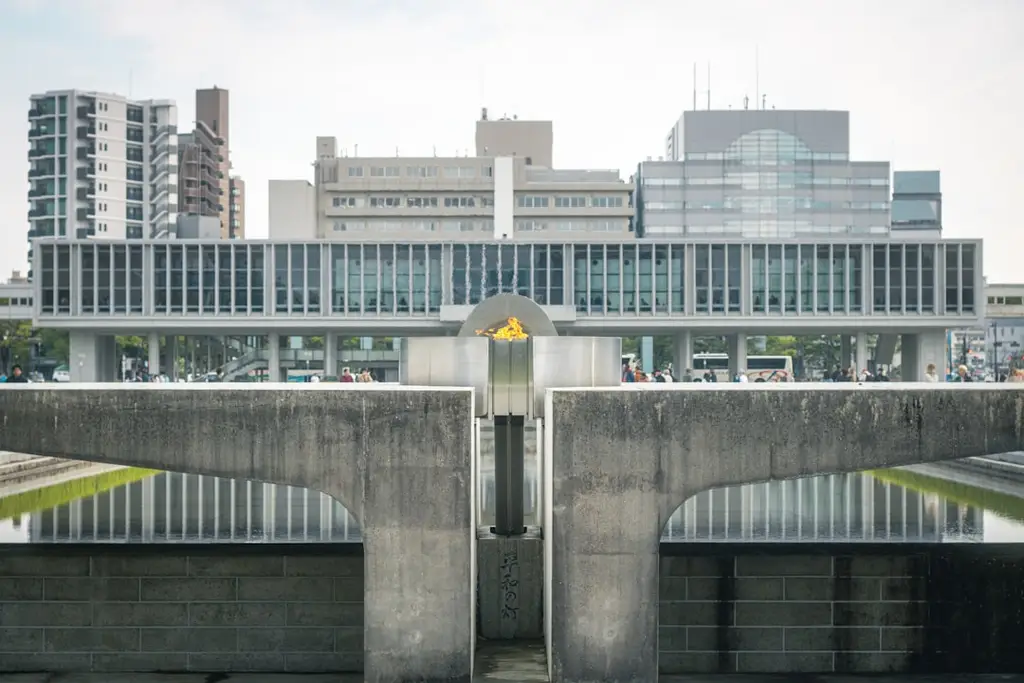
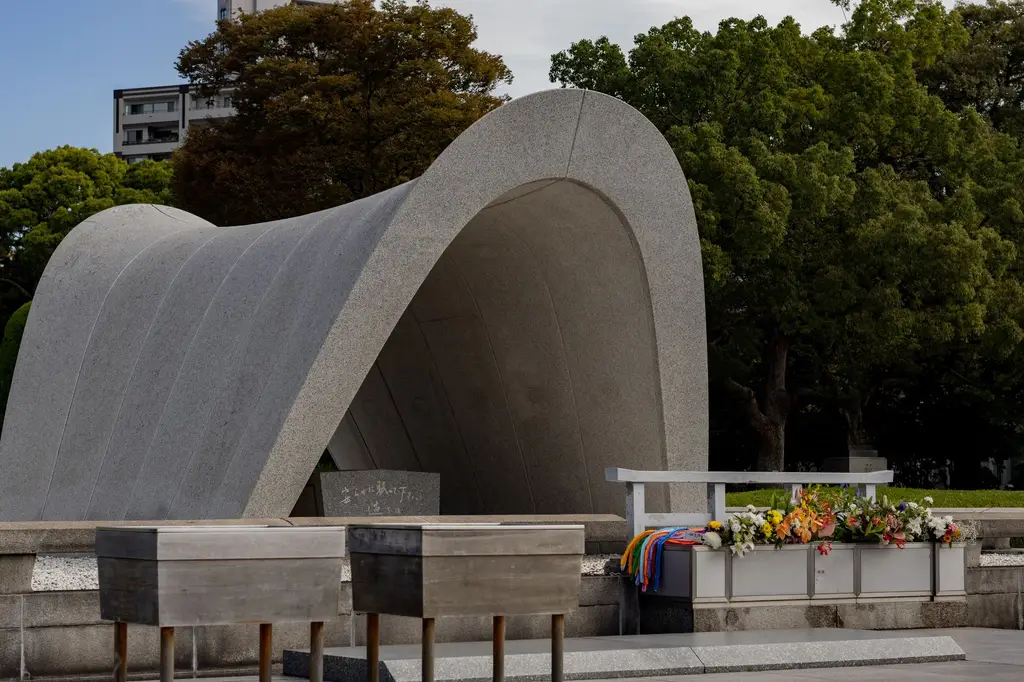
Peace Memorial Park (Cenotaph, Children's Peace Monument, Flame of Peace)
open 24 hours, an outdoor park·free·30-45 minutes
Walk it before or after the museum rather than rushing through as a photo stop. The paper cranes at the Children's Monument are worth reading the dedications on, not just photographing.
4
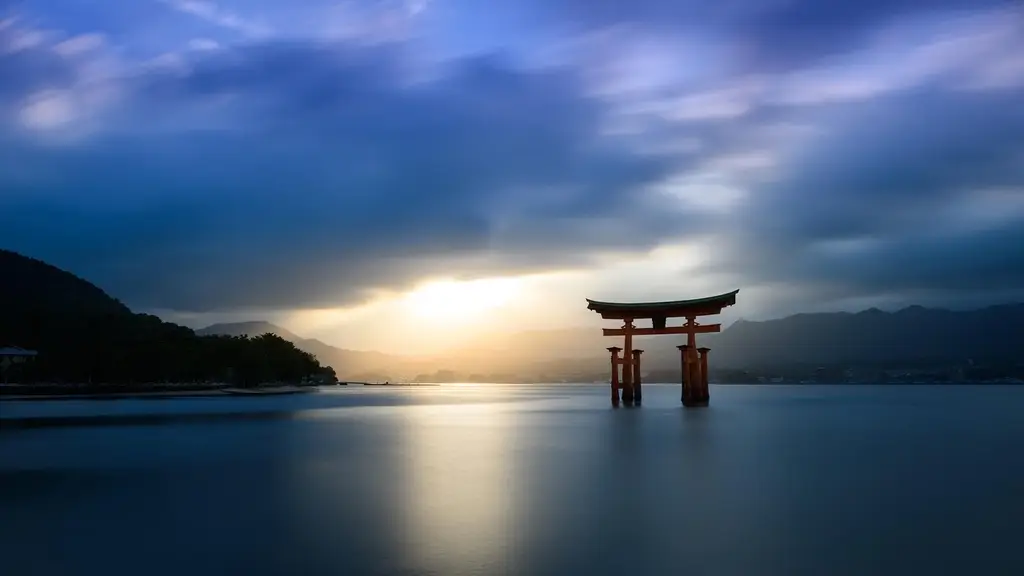
Itsukushima Shrine (Miyajima)
6:30am-6:00pm (mid-Mar to mid-Oct), 6:30am-5:30pm (mid-Oct to Nov), 6:30am-5:00pm (Dec-Feb)·300 yen adult, 200 yen high school, 100 yen elementary/junior high; 500 yen combined with the Treasure Hall·45-60 minutes
Closed open daily, though ceremonies or weather can restrict access without notice
Check the tide chart before you go. Low tide lets you walk out onto the sand to the torii's base, high tide gives you the classic floating shot. They're different visits, not a fallback for each other.
5
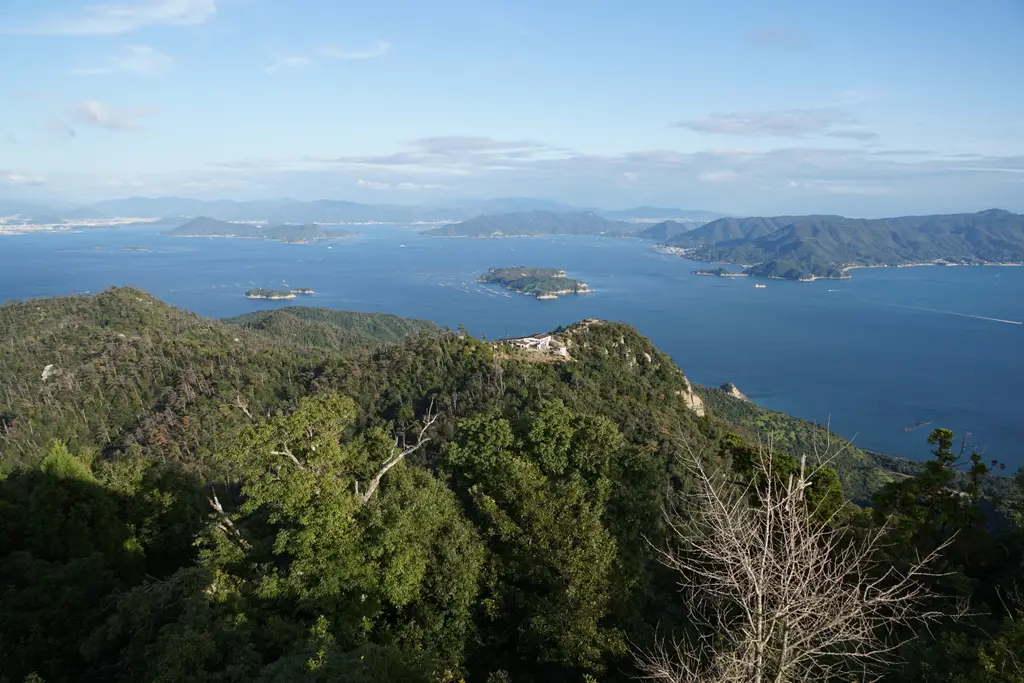
Miyajima Ropeway and Mt. Misen
roughly 9:00am-4:00pm for ascent, last descent around 4:30pm; suspends in high wind or fog·2,000 yen adult round trip, 1,100 yen one way (1,000 / 550 yen child)·2-3 hours including the summit walk
The ropeway gets you to a station short of the true summit, plan 20-30 minutes of walking from there to the observation deck. Go up early to avoid both queues and the afternoon haze over the Seto Inland Sea.
6
Hiroshima Castle
grounds only: 9:00am-5:30pm (Apr-Sep), 9:00am-4:30pm (Oct-Mar); the main keep has been closed since March 22, 2026 for earthquake-resistance concerns with no announced reopening date·grounds free; the keep's former 370 yen admission does not apply while the keep remains closed for repairs·30-40 minutes for the grounds
Don't plan around going inside the keep, check the current status before you build a day around it. The exterior is still lit at night until 10pm and the moat walk is pleasant regardless.
Orizuru Tower Roof Observatory
as of 2026-09
Viral
An open-air, mesh-covered rooftop deck above Peace Memorial Park lets you see the A-bomb Dome and Miyajima's Mt. Misen from the same spot, with a special observatory program running through October 31, 2026. Genuinely good view and one of the only spots that frames both UNESCO sites at once. The line moves fast outside peak hours. Skip the gift shop upsells on the ground floor.
Shimanami Kaido cycling route
as of 2026-09
Viral
A roughly 70km cycling path links Onomichi to Imabari across six islands and a chain of suspension bridges over the Seto Inland Sea, named a top 2026 adventure route by international travel outlets. Earns the hype. Rent an e-bike if you're not in cycling shape, the bridge climbs are longer than they look in photos. A one-way ride plus a ferry back is doable in a day.
Mount Misen hike, Miyajima
as of 2026-09
Viral
A ropeway takes you most of the way up Miyajima's Mount Misen, then a walking trail climbs the rest to a summit with ancient temples and views across the Seto Inland Sea. The ropeway line gets long by midday, so go early. The hike itself is short and not technical, so don't expect a wilderness trek, expect a payoff view with plenty of company.
Mazda Museum Factory Tour
as of 2026-09
Viral
Free guided tour of Mazda's actual Hiroshima factory and vehicle heritage museum, including a walk along a working assembly line. Genuinely interesting if you care about cars or manufacturing. English tours book out weeks ahead, so reserve early or you'll miss it.
Yamato Museum, Kure
as of 2026-09
Viral
Naval history museum in Kure, about 45 minutes from Hiroshima, built around a 1:10 scale model of the WWII battleship Yamato. Reopened April 2026 after a renovation with new exhibits and better English signage. Worth the trip if WWII or naval history interests you, skip otherwise.
Onomichi Cat Alley
as of 2026-09
Viral
A short cobbled hillside lane in Onomichi lined with painted cat stones and home to real stray cats, near the start of the Shimanami Kaido. Charming for photos but it's a 15 minute stroll, not an outing on its own. Pair it with the cycling route above.
Hiroshima Carp stadium tour and games
as of 2026-09
Viral
Behind-the-scenes tours of Mazda Zoom-Zoom Stadium plus live NPB baseball, with the Carp's loud, cheerleader-led fan culture. Worth it for baseball fans. The 2026 season runs through September 23, so catch a home game before it wraps up.
More to see (2)
7
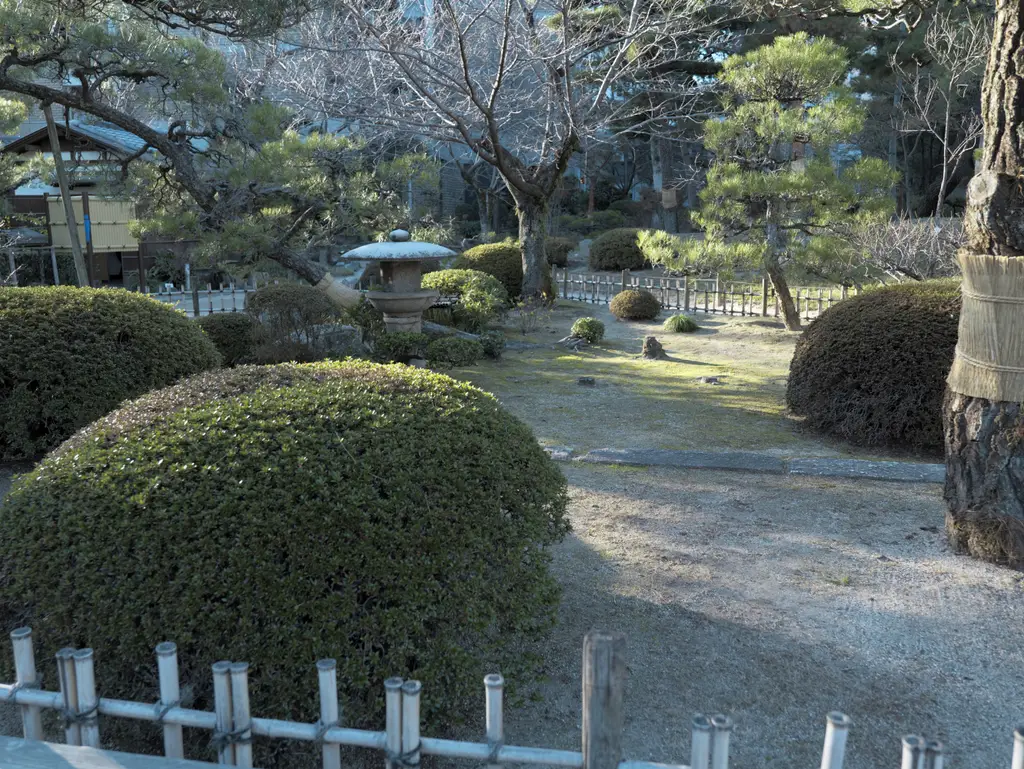
Shukkeien Garden
9:00am-6:00pm (Apr-Sep), 9:00am-5:00pm (Oct-Mar)·260 yen adult, 150 yen student, 100 yen child, free for 65+·45-60 minutes
A landscaped strolling garden built around a pond, smaller and quieter than Kyoto's big-name gardens. Worth it if you have a third day, skippable if you're tight on time and choosing between this and Miyajima.
8
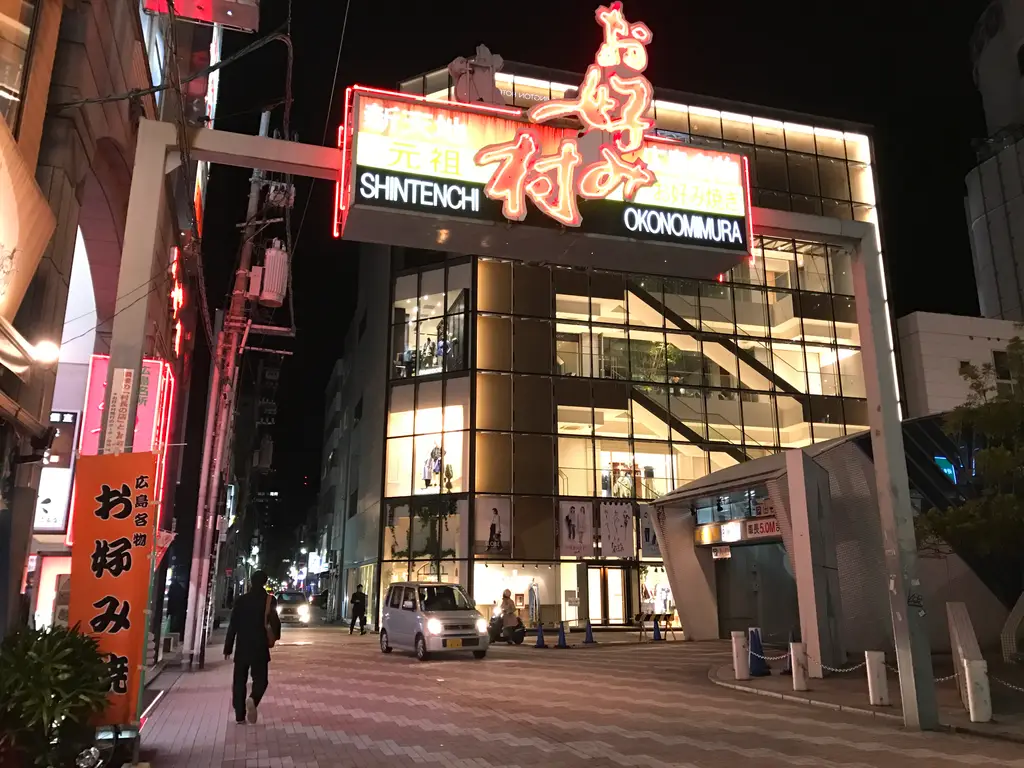
Okonomimura
check before you go, most stalls run roughly late morning to late evening but individual hours vary by floor and vendor·no entry fee, a full okonomiyaki meal runs 1,000-1,500 yen per stall·1-1.5 hours
walk in, expect a short wait at popular stalls on weekend evenings
Three floors, around two dozen stalls, most cooking the same dish with small differences in noodle type or extra toppings. Pick one with a line of locals rather than the ground-floor stall nearest the entrance.
Where to stay
Hiroshima Station area
Suits: first-timers, Shinkansen convenience
Direct streetcar or bus to everything, lots of chain hotels, less charm.
Peace Park / Hondori (downtown)
Suits: walkers, food and nightlife
Closest to the museum, Hondori shopping arcade, and Okonomimura.
Miyajima island itself
Suits: one splurge night, ryokan seekers
Ferries stop by early evening, staying over means the torii and shrine without day-trip crowds.
Getting there and around
Getting there
The Sanyo Shinkansen runs direct: Tokyo to Hiroshima is about 4 hours on the Nozomi (around 19,000-19,500 yen one way, not covered by the Japan Rail Pass), Kyoto is about 1h40, Shin-Osaka about 1h25-1h40 (roughly 9,500-12,800 yen). Hiroshima Airport has domestic and a few international flights, with a 45-55 minute limousine bus into the city.
Getting around
Hiroshima's streetcar (electric tram) network covers downtown, Hiroshima Station, Peace Park, and the ferry terminal at Miyajimaguchi. Flat fare is 220 yen within the city, 270 yen to Miyajimaguchi, tap an IC card (ICOCA, Suica, Pasmo all work) once on exit. A 1-Day Streetcar Pass is 700 yen; a combined streetcar-and-ferry pass is 1,000 yen and covers the round-trip ferry to Miyajima. Central sights are also walkable.
Map
City
Recommended (numbered)
Mentioned in an itinerary
Locations on this map
Hiroshima34.39, 132.46
Atomic Bomb Dome (Genbaku Dome)34.40, 132.45
Hiroshima Peace Memorial Museum34.39, 132.45
Peace Memorial Park (Cenotaph, Children's Peace Monument, Flame of Peace)34.39, 132.45
Itsukushima Shrine (Miyajima)34.29, 132.32
Miyajima Ropeway and Mt. Misen34.27, 132.31
Hiroshima Castle34.40, 132.46
Shukkeien Garden34.40, 132.47
Okonomimura34.39, 132.46
Peace Park34.39, 132.45
Shinkansen34.40, 132.48
Miyajimaguchi34.31, 132.30
Seto Inland Sea34.29, 132.32
Hiroshima Museum of Art34.40, 132.46
Hondori34.39, 132.46
Onomichi34.41, 133.21
Shimanami Kaido34.41, 133.20
Innoshima34.35, 133.15
Ikuchijima34.30, 133.15
Imabari34.34, 133.04
Iwakuni34.22, 132.20
Kintai Bridge34.17, 132.18
Iwakuni Castle34.18, 132.17
Hiroshima Station34.40, 132.48
Kurashiki34.39, 132.46
Shin-Kurashiki34.57, 133.68
Okayama34.23, 132.62
Bikan34.60, 133.77
Ohara Museum of Art34.60, 133.77
Osaka34.39, 132.46
Tokyo34.39, 132.46
Momijidani34.29, 132.33
Daisho-in34.29, 132.32
Omishima34.25, 133.02
Kikko Park34.17, 132.18
Shinkansen Hiroshima34.40, 132.48
Higashiyama34.44, 132.20
Gion34.44, 132.47
Osaka Castle34.69, 135.53
Shinsaibashi34.68, 135.50
Dotonbori34.67, 135.50
Nara34.82, 133.33
What it costs
Stay
Food
Transport
Activities
Daily cost breakdown, JPY per person
Tier
Stay
Food
Transport
Activities
Total
Budget
JPY 4,000
JPY 2,800
JPY 1,200
JPY 1,000
JPY 9,000
Mid-range
JPY 10,000
JPY 6,000
JPY 1,500
JPY 2,500
JPY 20,000
Splurge
JPY 30,000
JPY 10,000
JPY 2,000
JPY 3,000
JPY 45,000
A mid-range day: double room at a 3-star hotel near the station (12,000 yen for two, ~6,000 pp), streetcar day pass (700), Peace Memorial Museum entry (200), okonomiyaki lunch at Okonomimura (1,200), Miyajima ropeway round trip (2,000), grilled oysters and a beer on the island (2,500), coffee and a momiji manju (600). Totals close to 13,000-14,000 yen before the hotel share, which tracks the mid-range figure above once accommodation is added in full.
Money savers
The 1-Day Streetcar Pass (700 yen) or combined streetcar-and-ferry pass (1,000 yen) beats paying per ride if you're moving around more than three times.
Peace Memorial Museum admission is only 200 yen, it's already the cheapest major thing you'll do here, no need to skip it to save money.
Okonomimura stalls run a full okonomiyaki meal for 1,000-1,500 yen, cheaper than a sit-down izakaya dinner with the same food quality.
Base yourself in Hiroshima city and day-trip to Miyajima rather than staying overnight on the island, island lodging (mostly ryokan) runs well above city hotel rates.
Convenience stores (Lawson, FamilyMart) near Hiroshima Station sell onigiri and bento for 300-600 yen, useful for the train legs to Onomichi, Kurashiki, or Iwakuni.
Hiroshima's food identity is built around two things that have nothing to do with each other: a stacked, noodle-filled okonomiyaki and the oysters pulled from the bay it sits on. Okonomimura's three floors of competing stalls make it easy to compare versions in one visit, and locals will absolutely tell you their city's layered technique beats Osaka's mixed batter. Meals here run relaxed rather than rushed, this isn't a queue-culture city the way Tokyo can be. Cash still matters at the older okonomiyaki stalls and on Miyajima's food street, though most restaurants downtown take cards now. Oysters peak October through March, so a summer visit means eating them fried or skipping them for anago instead.
Hiroshima-style okonomiyaki
Grilled oysters (kaki)
Momiji manju
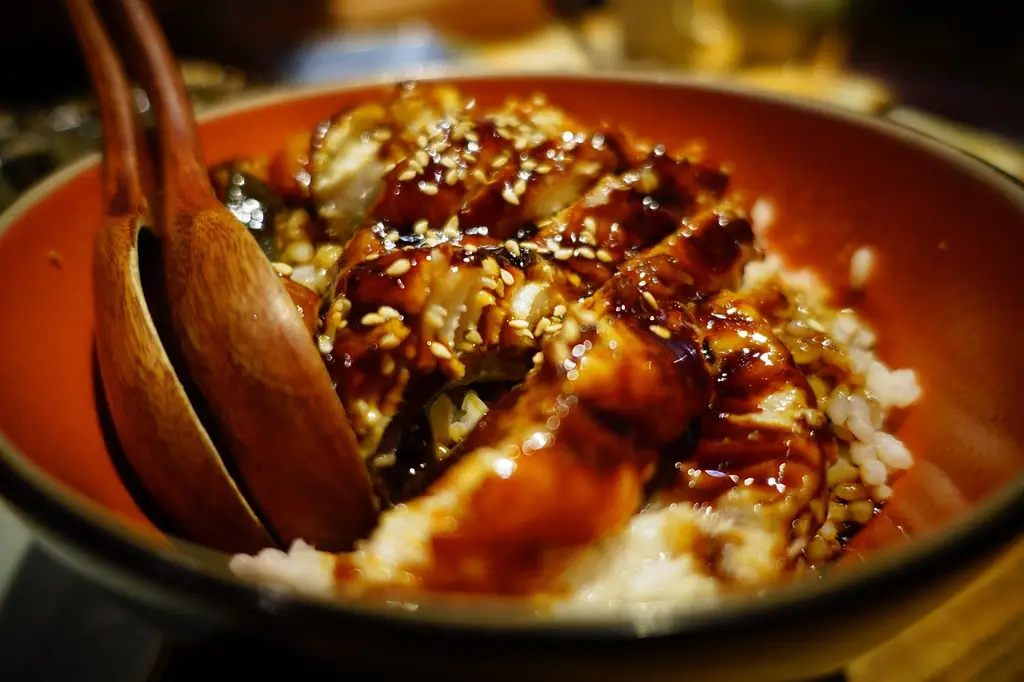
Anago (conger eel) rice
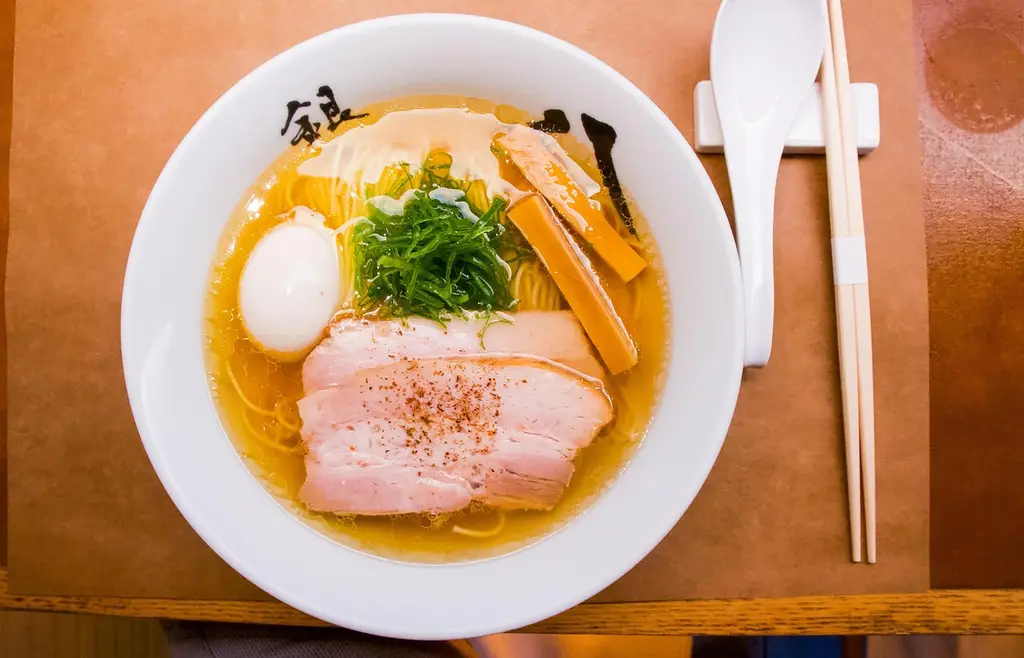
Hiroshima tsukemen
Hiroshima-style okonomiyaki
JPY 1,000-1,500·Okonomimura (downtown, 3 floors of stalls) or Nagata-ya
Must try
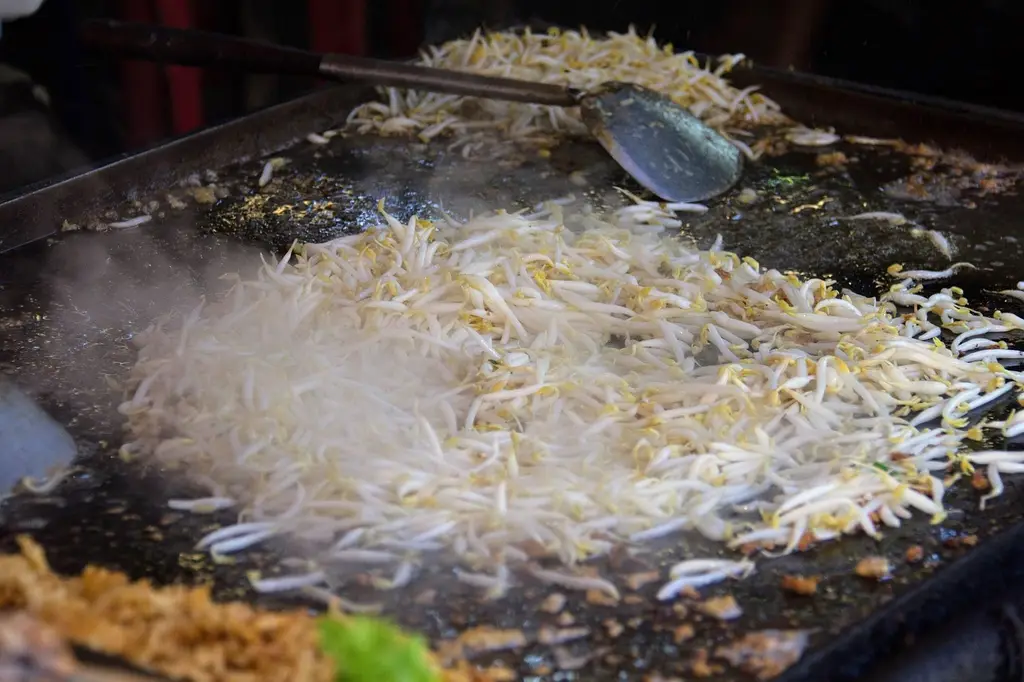
Layered rather than mixed: cabbage, pork, yakisoba noodles, and a fried egg stacked in that order and pressed flat on the griddle. Pick a stall with a line of locals rather than the one nearest the entrance.
Grilled oysters (kaki)
JPY 300-800 per piece·Miyajima's food street, oyster huts near the ferry terminal
Must try
Hiroshima prefecture produces most of Japan's farmed oysters, plump and briny compared to what most travelers know. Grilled, fried, or raw depending on the stall, and genuinely at their best October through March, avoid the summer months.
Momiji manju
JPY 100-200 per piece·Miyajima's Omotesando shopping street
Must try
Small maple-leaf-shaped cakes filled with sweet bean paste, custard, or chocolate, baked in individual molds while you watch. Some stalls sell a deep-fried version dunked in batter, worth trying once as a change from the plain original.
Anago (conger eel) rice
JPY 1,800-3,000·Anagomeshi Uenoya near Miyajimaguchi and Hiroshima Station
Must try
A local specialty predating the oyster boom, this is delicate, simmered conger eel laid over rice rather than the richer, sweeter unagi found elsewhere in Japan. Order it as a boxed set, anagomeshi, for the full presentation.
Hiroshima tsukemen
JPY 800-1,100·Downtown noodle shops around Hondori
A spicier, chili-oil-forward dipping ramen that developed a following separate from Tokyo's version, noodles cold, broth hot and thick. Order it alongside okonomiyaki as a second, smaller dish if you're doing a food crawl.
Saijo sake tasting
JPY 300-1,500 per tasting flight·Saijo district, Higashi-Hiroshima, a 30-minute train ride from Hiroshima Station
One of Japan's three great sake-brewing towns, with brewery chimneys still lining the streets around the station. Most breweries pour flights for a small fee and sell bottles you cannot get outside the prefecture.
Setouchi lemon in cafe drinks and desserts
as of 2026-09
Viral
Cafes and shops across Hiroshima are building menus around Setouchi-grown lemon: craft lemonade, lemon cake, lemon-based cocktails and souvenirs. Multiple independent producers and cafes carry versions of this. Worth it if you like citrus. It's a genuine regional specialty leaning into a moment, not hype for one shop. Any cafe advertising Setouchi lemon drinks is a fair bet, no need to chase a single viral name.
Kanawa - Hiroshima Airport store, Ajimi-don
as of 2026-09
Viral
A rice bowl from the airport branch of Hiroshima's well-known Kanawa restaurant, layering oyster, local conger eel, and Togeshita-brand beef. Useful if you land or leave through the airport and want a proper taste of the region's three signature proteins in one bowl instead of hunting each down separately.
Shiru-nashi tantanmen
as of 2026-09
Viral
Hiroshima's own soupless, numbing-spicy noodle style. It got a national push when Sapporo Ichiban released a cup version supervised by local shop Kingken. Not a fad. It has been a Hiroshima staple for years and the instant version just made outsiders notice. Eat it at the source, mix it hard, add rice at the end.
Nakkopse at Sawi Shokudo Hiroshima
as of 2026-09
Viral
Busan-style hotpot built on octopus and beef offal, heavy on chilli. Specialist chains have spread across Japan and Hiroshima got the Chugoku region's first branch. The chain is expanding fast, which usually means the peak is close. Go for the dish, not the hype. If you have eaten it in Osaka or Shin-Okubo, Hiroshima adds nothing new.
Hiroshima oyster comeback and the kaki-goya huts
as of 2026-09
Viral
After a mass die-off hit local farms, growers pushed back through 2026 with a record 179-shop spring oyster festival and a new grill hut at Miyajimaguchi. Supply took a real hit, so prices and availability wobble. The oysters that reach the grills are as good as ever. Hut season runs the cold months, not summer.
Minamoa Hiroshima food floors
as of 2026-09
Viral
The station building above JR Hiroshima Station that opened in 2025. It packs Chugoku-first food outlets and drew roughly 100,000 people a day around its first anniversary. It is a mall, so temper expectations. Still the easiest place to eat well in Hiroshima if you have a train to catch. Weekday afternoons the queues are manageable.
Safety and scams
Hiroshima is as safe as the rest of urban Japan, low crime, reliable trains, tap water is drinkable. The main thing to prepare for is emotional: the Peace Memorial Museum documents the atomic bombing in direct, sometimes graphic detail, and many visitors find it heavy. On Miyajima, the deer are used to people but can nip at bags or clothing if they think you're holding food; don't feed them, it's discouraged and can make them aggressive toward the next visitor.
Common mistakes
Treating Hiroshima as a same-day round trip from Kyoto or Osaka, the museum alone needs 2-3 hours and Miyajima is a separate half-day, rushing both in one day means seeing neither properly.
Skipping the ferry timing for Miyajima: the last ferries back run in the evening (check the current schedule), missing it means an overnight stay you didn't plan for.
Feeding or teasing the Miyajima deer, or letting them get at open bags, food, and paper maps.
Assuming the JR Pass covers the Nozomi, it doesn't, you need a Sakura or Hikari (or pay the Nozomi supplement) if traveling on a pass.
Visiting Peace Park expecting a quick photo stop, most people underestimate how long the museum and the surrounding memorials actually take.
Planning a visit around going inside Hiroshima Castle's keep. It's been closed since March 2026 for earthquake-resistance concerns with no reopening date, only the grounds are open.
Frequently asked questions
How many days do you need in Hiroshima?
Two full days cover the essentials: one for Peace Memorial Park and the museum, one for Miyajima. A third day is worth adding for Shukkeien Garden, the castle grounds, and a slower pace, since the first two days are dense with walking and reading.
Is Hiroshima worth visiting on a Japan trip?
Yes. Beyond the historical significance of Peace Park, Miyajima is one of Japan's most photographed sights, and the city has its own food culture (Hiroshima-style okonomiyaki, oysters) distinct from Tokyo or Osaka.
How do you get from Tokyo to Hiroshima?
Direct Nozomi Shinkansen, about 4 hours, roughly 19,000-19,500 yen one way. The Nozomi isn't covered by the Japan Rail Pass; pass holders take the slightly slower Hikari or Sakura instead.
Can you do Hiroshima as a day trip from Kyoto or Osaka?
Yes, it's a common day trip. From Shin-Osaka the fastest Nozomi is about 1h25, from Kyoto about 1h40. It's tight if you want to see both Peace Park and Miyajima properly in one day.
Is the Miyajima torii gate still under renovation?
No, the main Great Torii's multi-year restoration is complete and it's visible without scaffolding. Separate work continues on the shrine's five-story pagoda and east corridor through December 2026, unrelated to the torii itself.
How much does the Miyajima ferry cost?
Around 200 yen one way from Miyajimaguchi (roughly 180 yen fare plus a 100 yen visitor tax applied separately at some operators), about a 10-minute crossing. JR Pass holders ride the JR West ferry free; the private Matsudai Kisen ferry is not JR Pass eligible.
What is Hiroshima-style okonomiyaki?
A layered dish (cabbage, pork, yakisoba noodles, fried egg stacked and grilled) rather than mixed into a batter like Osaka's version. Okonomimura downtown has three floors of stalls making it.
How much does the Peace Memorial Museum cost?
200 yen for adults, 100 yen for high schoolers and seniors 65+, free for younger students. Hours run roughly 7:30am to 6-8pm depending on season, with extended hours around August 6.
What's the best time to visit Hiroshima?
March to May and October to November for mild weather and cherry blossoms or autumn colors. Summer is hot and humid, and early August draws large crowds around the bombing anniversary.
Should you feed the deer on Miyajima?
No, it's discouraged. The deer are used to people but feeding them encourages aggressive behavior toward other visitors and isn't good for their health.