Things to Do in Osaka: Itineraries, Costs and Food
Japan's kitchen: cheaper than Tokyo, blunter than Kyoto, and built around eating standing up. A flat, walkable base for Kansai with Kyoto and Nara 30-45 minutes away.
By Labeeb Mirza · Published September 8, 2026 · Updated September 8, 2026
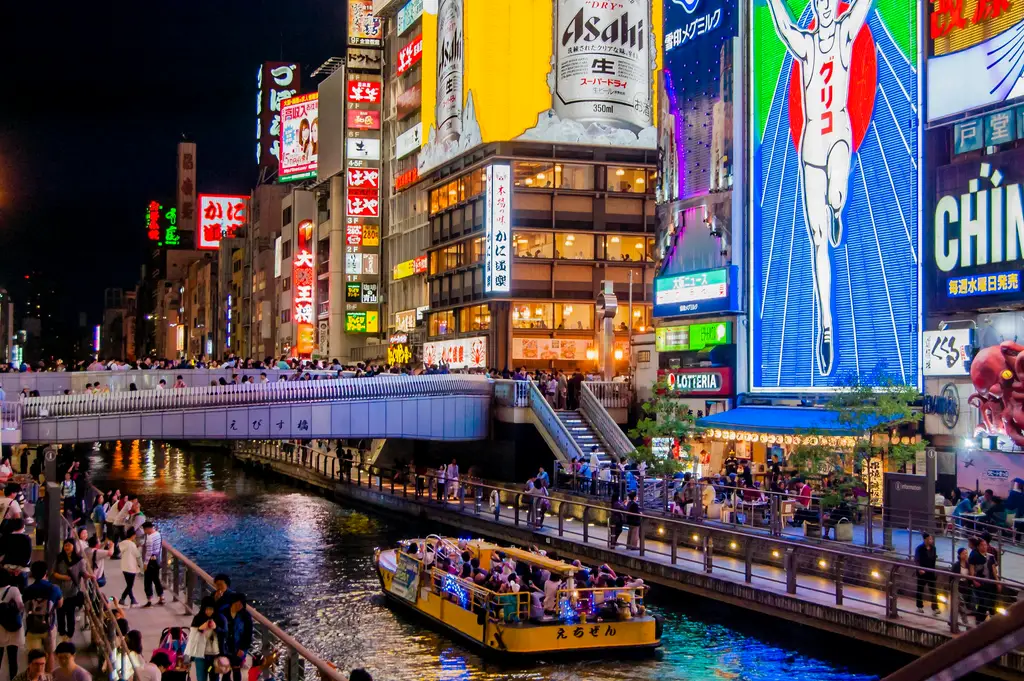
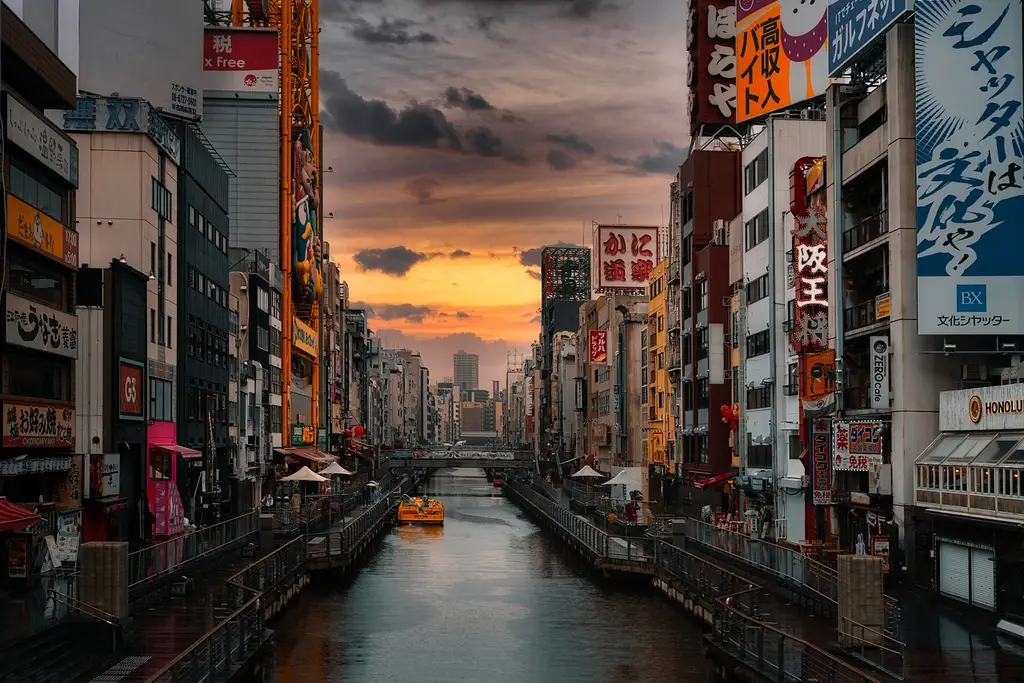
Osaka gets called Tokyo's scrappier sibling and that undersells it. This is Japan's third-largest city, a former merchant capital where the local greeting is famously "mokarimakka" (are you making money), and where showing off wealth is considered bad manners but showing off a good meal is a civic duty. Dotonbori's canal-side neon and the giant mechanical crab signs are the postcard shot, but the city runs deeper than that one strip.
Compared to Tokyo, Osaka is smaller, flatter, and easier to figure out in two days. Compared to Kyoto, it is louder, less precious about tradition, and far less exhausted by tourism outside a few hotspots. People here talk to strangers more than the Japanese average, which locals attribute to a merchant-city culture built on haggling and hustle rather than court formality.
Most visitors use Osaka as a base for the wider Kansai region: Kyoto's temples, Nara's deer park, Kobe's beef, Himeji's castle, and Koyasan's mountain temples are all same-day trips by train. That makes Osaka a practical hub even for people who came for Kyoto's shrines, since Osaka hotels are cheaper and Kansai Airport (KIX) handles most of the region's international traffic. Budget at least two full days in the city itself before treating it purely as a launchpad, or you will miss the point of it.
What I actually think
Osaka is the eating city and that is the reason to come. Kuromon Market is fine, but the backstreets around Shinsekai give you better food for less.
It works better than Kyoto as a base for a longer trip. Hotels cost less, the trains are quick, and Kyoto and Nara are both short rides away.
Dotonbori at night is packed and worth seeing once. Twenty minutes and a photo of the Glico sign is honestly the whole experience.
People are noticeably more direct and talkative than in Tokyo. If Tokyo felt reserved to you, this is the city that fixes that impression.
A tight loop through castle, market, and Dotonbori for a layover or add-on day.
Day 1: Osaka in a day
Morning
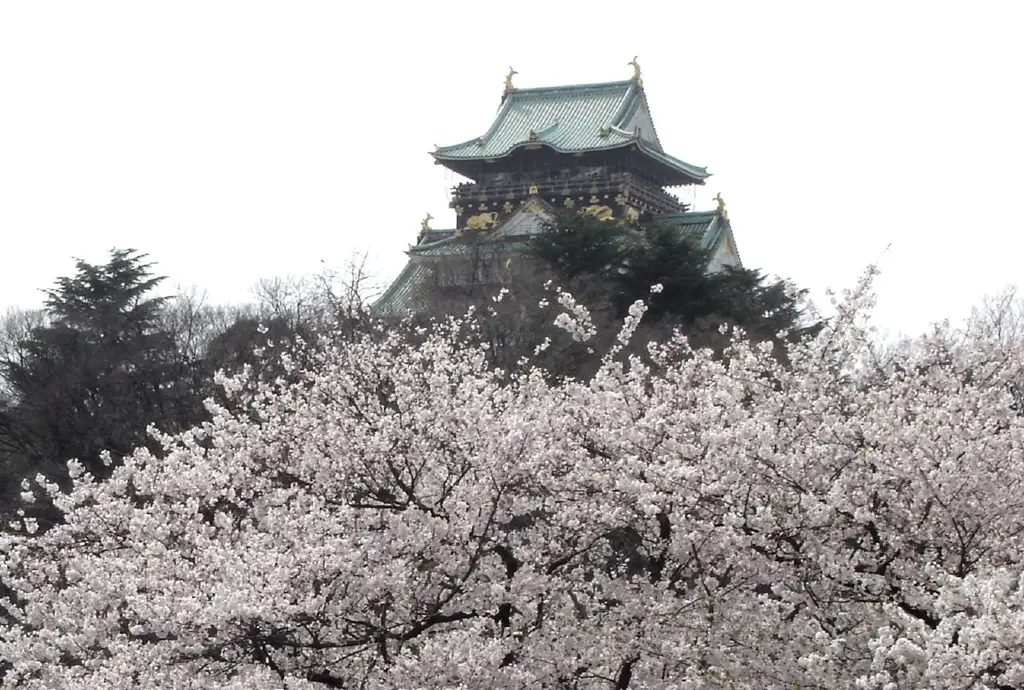
Osaka Castle and park first thing, before tour groups arrive. The tower opens at 9:00; you can be through it and back outside by 11:00.
Afternoon
Metro to Kuromon Ichiba Market for a grazing lunch, then walk or short subway ride to Shinsaibashi for the covered shopping arcade.
Evening
Dotonbori for dinner: takoyaki, okonomiyaki, a kushikatsu stop, and the canal walk once the neon is fully lit.
Tip: Do the castle early; by 1pm the plaza in front of it is wall-to-wall tour groups.
City center, food deep dive, and one Kyoto day trip for balance.
Day 1: Namba and Dotonbori
Morning
Settle in around Namba, walk Shinsaibashi arcade for an overview of the shopping district.
Afternoon
Kuromon Ichiba Market for lunch, then Doguyasuji shopping street nearby for kitchenware if that's your thing.
Evening
Dotonbori for the full food crawl: takoyaki, okonomiyaki, kushikatsu, and the canal at night.
Tip: Eat small portions at several stalls rather than filling up at the first place.
Day 2: Castle, Umeda, Shinsekai
Morning
Osaka Castle and park, arriving at opening to beat crowds.
Afternoon
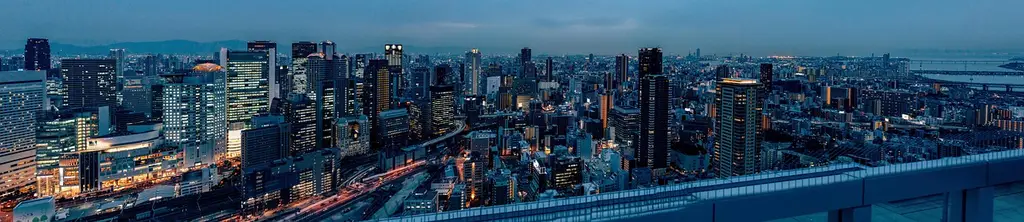
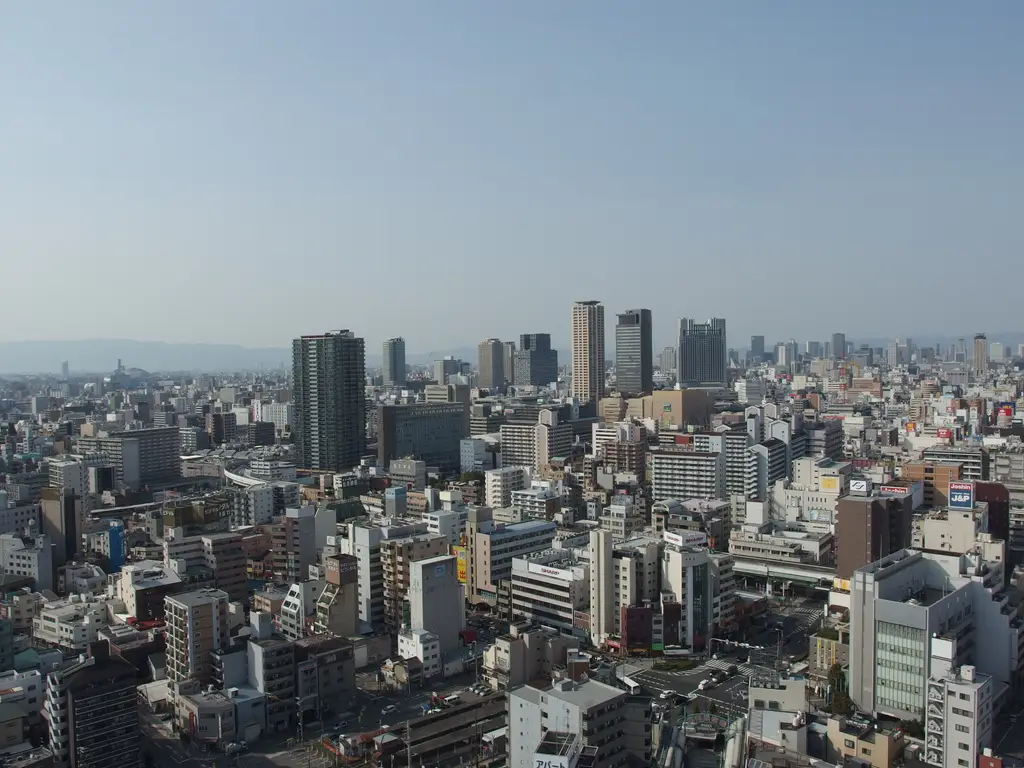
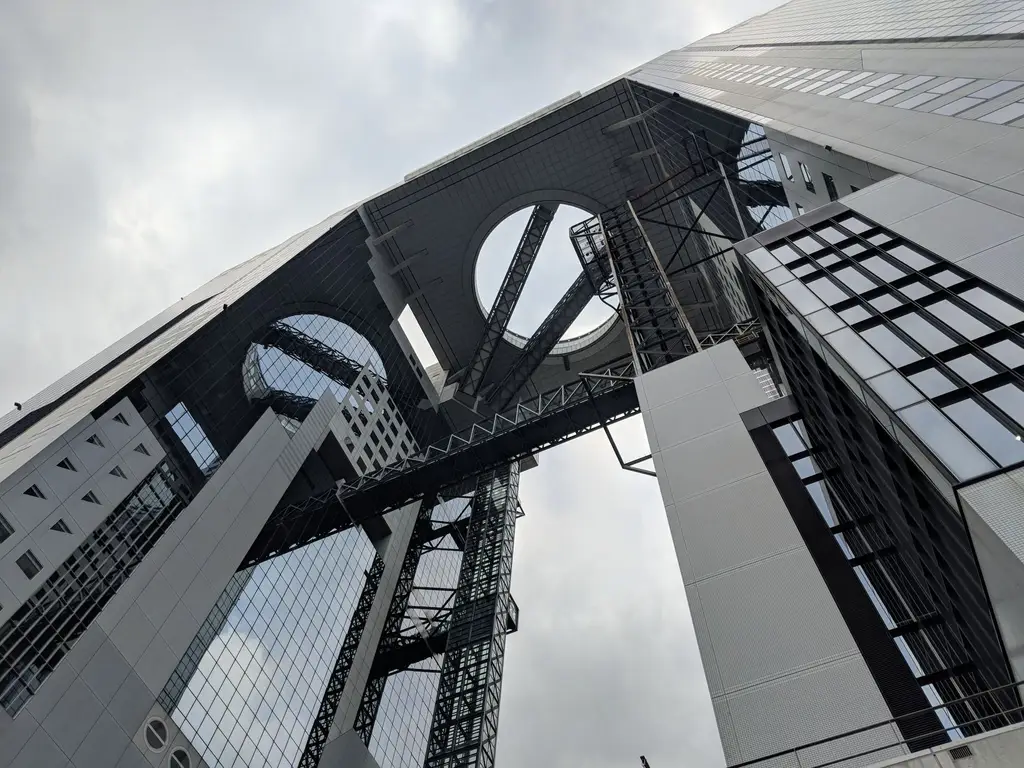
Umeda Sky Building's Floating Garden Observatory for the skyline view, then browse Umeda's underground shopping malls (Whity Umeda, Diamor).
Evening
Shinsekai for kushikatsu under Tsutenkaku Tower; stay in the lit tourist core.
Tip: Time the Sky Building for golden hour so you see the city in daylight and lit up in one visit.
Day 3: Kyoto day trip
Morning
JR or Hankyu to Kyoto (about 30 minutes, 570 yen one-way), start at Fushimi Inari before the crowds build.
Afternoon
Higashiyama district: Kiyomizu-dera and the Sannenzaka/Ninenzaka lanes.
Evening
Back to Osaka by early evening; if energy allows, a final Dotonbori dinner.
Tip: Go straight to Fushimi Inari first; every other Kyoto sight gets more crowded as the day goes on, that one gets emptier past the first two torii gates.
Full city coverage plus Kyoto and Nara as day trips from an Osaka base.
Day 1: Namba and Dotonbori arrival
Morning
Land, get settled in Namba or Shinsaibashi, pick up an ICOCA card at the airport or nearest station.
Afternoon
Ease in with Shinsaibashi's arcade and Amerikamura for a browse.
Evening
Dotonbori for the first food crawl of the trip.
Tip: Buy ICOCA at the airport station on arrival; it saves fumbling with ticket machines all week.
Day 2: Castle, Umeda, market
Morning
Osaka Castle at opening.
Afternoon
Kuromon Ichiba Market for lunch, then Umeda Sky Building.
Evening
Dinner in Umeda's izakaya alleys around Ogimachi or Nakazakicho for a quieter, less touristy scene.
Tip: Nakazakicho, just north of Umeda Station, has the city's best café and vintage-shop cluster if you want a break from neon.
Day 3: Kyoto day trip
Morning
Train to Kyoto, Fushimi Inari first.
Afternoon
Higashiyama and Kiyomizu-dera.
Evening
Gion for a walk before heading back to Osaka.
Tip: Kyoto Station to Fushimi Inari is two stops on the JR Nara Line, faster than most people expect.
Show all 5 days
Day 4: Nara day trip
Morning
Kintetsu Nara Line from Namba (about 45 minutes, 680 yen) to Nara Park for the deer.
Afternoon
Todai-ji temple and its giant bronze Buddha, then Kasuga Taisha's lantern-lined path.
Evening
Back to Osaka; Shinsekai for kushikatsu since you'll have missed it earlier in the trip.
Tip: Buy deer crackers from licensed vendors only; deer have learned to bow for them and it's worth the 200 yen.
Day 5: Shinsekai, Tennoji, aquarium
Morning
Shitennoji Temple, then Tennoji Park and Shinsekai in daylight.
Afternoon
Osaka Aquarium Kaiyukan at Tempozan, ideally on a weekday for shorter queues.
Evening
Final dinner back in Namba or Dotonbori before departure the next day.
Tip: Check the aquarium's dynamic pricing calendar before booking; weekday visits run about 300 yen cheaper.
Osaka as a Kansai base: the city itself plus Kyoto, Nara, Kobe and Himeji day trips.
Day 1: Arrival, Namba and Dotonbori
Morning
Land at KIX, Nankai Rapi:t or JR Haruka into the city, check in and get an ICOCA card.
Afternoon
Shinsaibashi arcade and Amerikamura.
Evening
Dotonbori food crawl.
Tip: If you land jetlagged, keep day one light; save the ambitious itineraries for day two onward.
Day 2: Osaka Castle and Umeda
Morning
Osaka Castle at opening.
Afternoon
Kuromon Ichiba for lunch, Umeda Sky Building for the view.
Evening
Nakazakicho for a quieter dinner scene.
Tip: Combine castle and market into one loop; they're a short subway ride apart.
Day 3: Kyoto day trip: Fushimi Inari and Higashiyama
Morning
Fushimi Inari early.
Afternoon
Kiyomizu-dera and Higashiyama's old lanes.
Evening
Gion, then train back to Osaka.
Tip: One Kyoto day covers Fushimi Inari and Higashiyama comfortably; save Arashiyama for a second Kyoto day if you add one.
Show all 7 days
Day 4: Nara day trip
Morning
Kintetsu to Nara, deer park.
Afternoon
Todai-ji and Kasuga Taisha.
Evening
Back to Osaka, easy dinner near your hotel.
Tip: Nara is small enough to see on foot; skip taxis between the main sights.
Day 5: Kobe day trip
Morning
JR special rapid to Sannomiya (20-30 minutes, 420 yen).
Afternoon
Kitano-cho's Western-style houses, then Kobe Harborland.
Evening
Kobe beef dinner in Sannomiya, back to Osaka by train.
Tip: A proper Kobe beef lunch set costs half of what dinner does for a similar cut; eat your splurge meal at midday.
Day 6: Himeji day trip
Morning
Shinkansen from Shin-Osaka to Himeji (about 30 minutes).
Afternoon
Himeji Castle, Japan's best-preserved original castle keep, plus Koko-en Garden next door.
Evening
Back to Osaka, Shinsekai for kushikatsu.
Tip: Himeji Castle's interior involves a lot of steep original wooden stairs; wear shoes you can slip off easily.
Day 7: Shinsekai, aquarium, departure prep
Morning
Shitennoji Temple and Shinsekai in daylight.
Afternoon
Osaka Aquarium Kaiyukan.
Evening
Final Dotonbori dinner before departure.
Tip: Leave the aquarium for a day you're not also traveling; it's a half-day commitment near the bay, away from the center.
Osaka alone won't fill two weeks; this uses it as a base for the whole Kansai region including Koyasan.
Day 1: Arrival, Namba and Dotonbori
Morning
Land at KIX, transfer in, check in.
Afternoon
Shinsaibashi arcade.
Evening
Dotonbori food crawl.
Tip: Get ICOCA on arrival at the airport station.
Day 2: Osaka Castle and Umeda
Morning
Osaka Castle at opening.
Afternoon
Kuromon Ichiba, then Umeda Sky Building.
Evening
Nakazakicho dinner.
Tip: Book any Universal Studios day now if crowds worry you; tickets sell out on peak dates.
Day 3: Kyoto day trip: Fushimi Inari and Higashiyama
Morning
Fushimi Inari early.
Afternoon
Kiyomizu-dera, Higashiyama.
Evening
Gion, train back.
Tip: Fushimi Inari before 8am is a different, near-empty place.
Show all 14 days
Day 4: Kyoto day trip: Arashiyama and Kinkaku-ji
Morning
Arashiyama bamboo grove, early.
Afternoon
Tenryu-ji temple, then Kinkaku-ji (Golden Pavilion) across town.
Evening
Back to Osaka.
Tip: Arashiyama's bamboo grove is genuinely crowded by 10am; go first.
Day 5: Nara day trip
Morning
Nara Park, deer.
Afternoon
Todai-ji, Kasuga Taisha.
Evening
Back to Osaka.
Tip: Nara's deer bite at food, not people; keep crackers out of pockets.
Day 6: Kobe day trip
Morning
Sannomiya, Kitano-cho.
Afternoon
Kobe Harborland and the port area.
Evening
Kobe beef dinner.
Tip: Nunobiki Ropeway to Herb Garden is a good add if you have extra hours.
Day 7: Himeji day trip
Morning
Shinkansen to Himeji.
Afternoon
Himeji Castle and Koko-en Garden.
Evening
Back to Osaka.
Tip: Buy Shinkansen tickets same-day at the station; no need to book ahead for this short a hop.
Day 8: Universal Studios Japan
Morning
Arrive at park opening.
Afternoon
Full day in the park; Express Pass worth it on weekends or during anniversary-season crowds.
Evening
Dinner in the CityWalk complex outside the gates.
Tip: Weekday visits outside Japanese school holidays cut standby waits dramatically.
Day 9: Koyasan overnight, part 1
Morning
Nankai train from Namba toward Gokurakubashi (about 100 minutes with a transfer at Hashimoto, 930 yen), then the cablecar up (5 minutes, 500 yen).
Afternoon
Okunoin cemetery, one of Japan's largest and most atmospheric.
Evening
Overnight in a temple lodging (shukubo) with a vegetarian monk's meal.
Tip: Book shukubo lodging well ahead; there are a limited number of temples that host visitors.
Day 10: Koyasan, part 2, back to Osaka
Morning
Optional morning prayer service at the temple, then Kongobu-ji head temple.
Afternoon
Cablecar and train back down to Osaka.
Evening
Rest evening in Osaka; light dinner near your hotel.
Tip: Koyasan is cold even when Osaka isn't; bring a layer.
Day 11: Shinsekai, Tennoji, aquarium
Morning
Shitennoji Temple.
Afternoon
Osaka Aquarium Kaiyukan.
Evening
Shinsekai kushikatsu.
Tip: Pick a weekday for the aquarium if your schedule allows; pricing and queues are both lower.
Day 12: Second Dotonbori and Shinsaibashi pass
Morning
Doguyasuji for kitchenware, Amerikamura for vintage shops.
Afternoon
Revisit Kuromon Ichiba for anything missed the first time.
Evening
A proper wagyu dinner in Namba as a splurge meal.
Tip: By now you'll have favorite stalls; return to them instead of chasing new ones.
Day 13: Free day or Wakayama/Minoo add-on
Morning
Minoo Park for a waterfall hike 30 minutes from Umeda if you want nature without a full day trip.
Afternoon
Or use the day for shopping and any sights missed earlier.
Evening
Relaxed dinner, pack for departure.
Tip: Minoo's maple-leaf tempura is a genuine local snack, not a tourist gimmick.
Day 14: Departure
Morning
Last-minute shopping near your hotel.
Afternoon
Nankai Rapi:t or JR Haruka to KIX, allowing at least 3 hours before an international flight.
Evening
Departure.
Tip: Buy any remaining souvenirs at Namba or Shinsaibashi; KIX airport prices run higher.
9:00-17:00, last entry 16:30 (extended during cherry blossom season and Golden Week)·1,200 yen adult, free under 15; park grounds free·2-3 hours including park
walk in, or buy skip-the-line e-ticket online in peak season
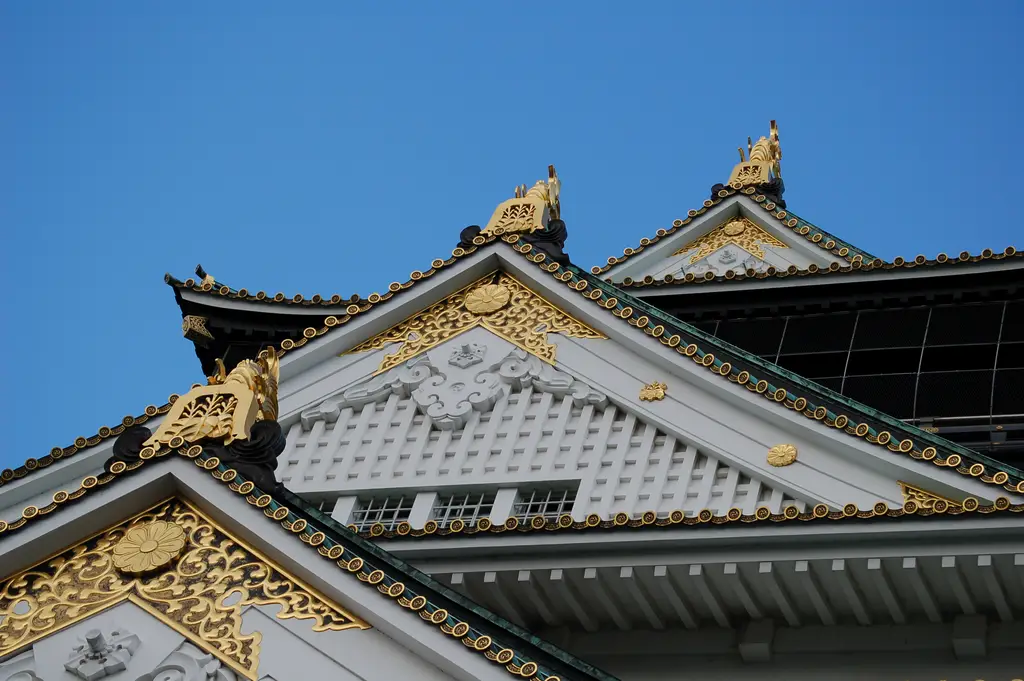
The tower itself is a 1931 concrete reconstruction with an elevator and a museum inside, not a preserved original. Go for the park and moat, not expecting Himeji-level authenticity.
2
Dotonbori
always open; restaurants and stalls mostly 11:00-late·free to walk·2-4 hours, more if eating your way through
The Glico Man sign and canal are the photo, but the food is the reason to be here. Go hungry, go slow, and go back after dark when the neon actually does its job.
3
Kuromon Ichiba Market
roughly 9:00-18:00, individual stalls vary·free entry, pay per item (500-800 yen for street food snacks)·1.5-2 hours
Closed some stalls close Sundays or rotate days
600 meters of fishmongers, produce stalls and street food. Prices have crept up as it's become a tourist stop, but it's still a better lunch than a sit-down restaurant nearby.
4
Shinsekai and Tsutenkaku Tower
district always open; tower roughly 9:00-21:00·district free, tower entry around 1,000 yen·2-3 hours
Retro, unpolished, and the cheapest kushikatsu in the city. Fine in the tourist core near the tower after dark; skip wandering south toward Shin-Imamiya late at night.
5
Osaka Aquarium Kaiyukan
10:00-20:00 daily, last entry 19:00 (earlier opening late Dec/early Jan)·2,400-2,700 yen adult depending on dynamic pricing, 1,400 yen child·2-3 hours
Closed 2 days in January for maintenanceadvance ticket recommended on weekends and holidays
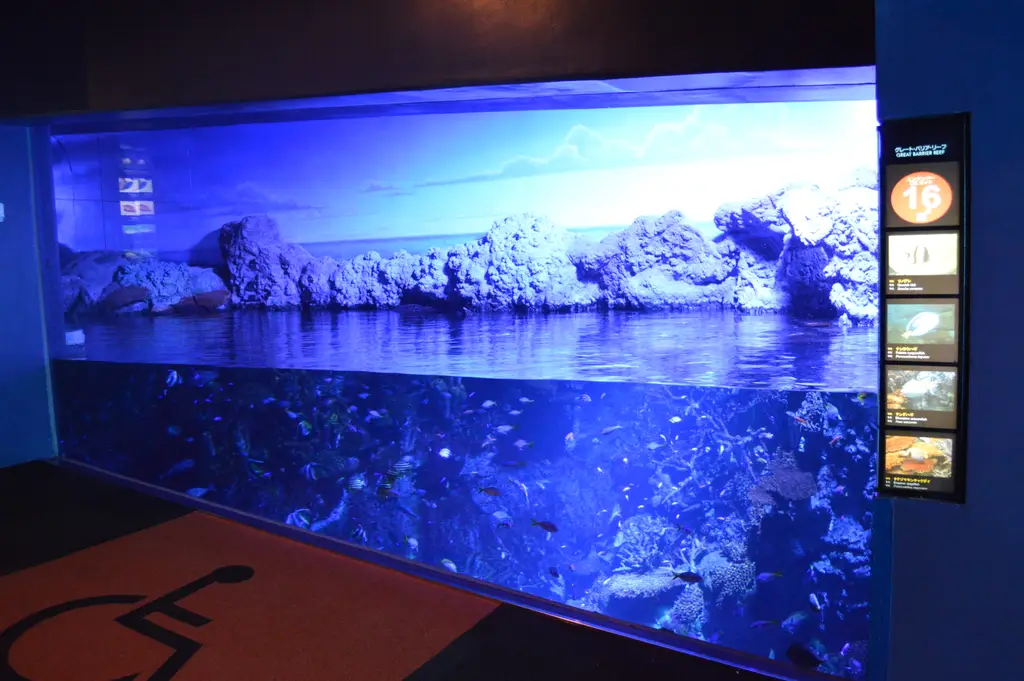
The whale shark tank is the centerpiece. Go on a weekday and you save around 300 yen and skip most of the queue.
6
Umeda Sky Building / Floating Garden Observatory
9:30-22:30, last admission 22:00·2,000 yen adult, 500 yen child 4-12·1-1.5 hours
173m open-air rooftop connecting two towers. Go at sunset so you get the skyline in daylight and lit up within the same visit.
teamLab Botanical Garden Osaka
as of 2026-09
Viral
Permanent nighttime digital art exhibit inside Nagai Botanical Garden, where lights, sound and projections respond to wind, rain and visitors walking through real trees and ponds. One of the stronger teamLab venues because it uses a living garden instead of a built room. Check the seasonal opening hours before you go since it's tied to sunset.
Kuromon Market food tour with sushi class
as of 2026-09
Viral
Guided tastings through Kuromon Market's seafood, wagyu and street food stalls, often paired afterward with a hands-on rolled sushi cooking class at a nearby studio. The market alone is fine to wander for free. Pairing it with the cooking class turns it into an actual activity instead of a snack crawl, and that's the part worth paying for.
LUCUA SOUTH / Umeda Characters World
as of 2026-09
Viral
New shopping complex connected directly to JR Osaka Station, opening in stages through 2026, relocating the Pokemon Center and Nintendo Osaka stores into one combined characters floor. Convenient because it sits right on the station. Still just character merchandise shopping dressed up as an attraction, so go if you're already buying souvenirs, not as a destination on its own.
Yodoyabashi Gate Tower
as of 2026-09
Viral
New riverside tower opening summer 2026 along the Yodoyabashi waterfront in central Osaka, adding an observation-style view over the river district. Too new to have real visitor reviews yet. Treat it as a bonus stop if you're already walking the Nakanoshima riverside, not a planned trip.
Hoshi no Buranko suspension bridge
as of 2026-09
Viral
Suspension bridge reached by a thirty to forty minute forest trail from Kisaichi Station, with an elevated view over the valley that's especially good in autumn. A real day trip out of the city, so it needs planning. Worth it for the hike and the view if you want a break from downtown Osaka. Skip it if you're short on time.
Spa World
as of 2026-09
Viral
Eight-story bathhouse and hot spring entertainment complex in Shinsekai with different themed floors, open around the clock. Touristy, but the baths themselves are legitimately good and it stays open at 2am, so it works as a real late-night option, not just a photo stop.
Koshien Stadium game
as of 2026-09
Viral
Watching a Hanshin Tigers baseball game at Koshien Stadium, known for organized chants, balloon releases and a crowd that treats every game like an event. Worth going if a game lines up with your dates. Buy tickets ahead. Walk-up availability for popular matchups is limited.
More to see (2)
7
Universal Studios Japan
typically 8:30/9:00-20:00/21:00, varies by day·1-day pass 8,900-11,800 yen depending on date; Express Pass adds 4,800-14,800 yen·full day
book timed-entry ticket online in advance, especially 2026's 25th-anniversary season
Standby waits on headliners hit 180-240 minutes during anniversary crowds. A weekday visit outside Japanese school holidays is the difference between needing an Express Pass and not.
8
Shitennoji Temple
8:30-16:30 (central compound), grounds open earlier·free for grounds, 300 yen for central compound·1 hour
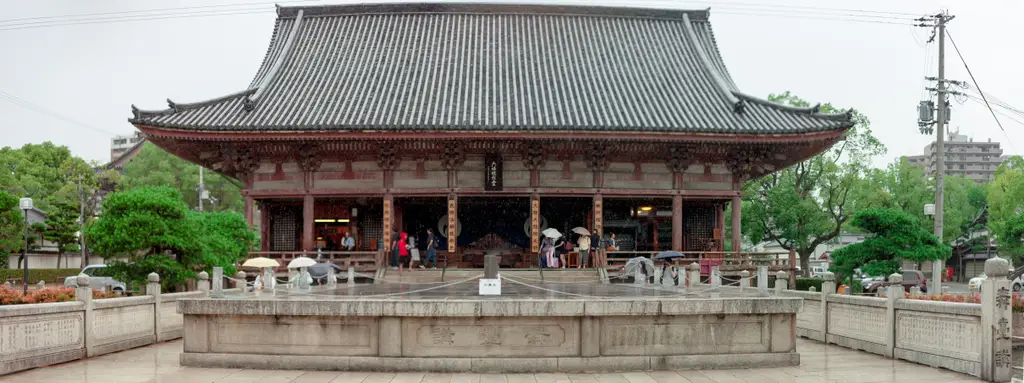
One of Japan's oldest state-built temples, founded 593. Quiet and nearly empty compared to Kyoto's big-name temples, and an easy add-on to a Tennoji/Shinsekai afternoon.
Where to stay
Namba
Suits: first-timers, food-focused trips
walking distance to Dotonbori, Shinsaibashi and Kuromon Ichiba market, loud and lit all night.
Dotonbori
Suits: nightlife-first visitors
you're sleeping inside the postcard; expect noise and higher prices for the location.
Umeda/Kita
Suits: day-trippers, business travelers
best JR/Shinkansen connections, more polished, quieter after 9pm than Namba.
Shinsaibashi
Suits: shoppers wanting Namba energy with less chaos
covered arcade shopping, one metro stop from Dotonbori, slightly calmer streets.
Tennoji
Suits: budget travelers, longer stays
cheaper rooms, near Shinsekai and Shitennoji Temple, well connected but further from the core.
Getting there and around
Getting there
Kansai Airport (KIX) is the main way in. Nankai Rapi:t limited express to Namba takes about 40 minutes for roughly 1,490-1,880 yen; the regular Nankai Airport Express is 970 yen and about 50 minutes. JR Haruka runs to Shin-Osaka/Osaka Station in about 55 minutes from around 2,540 yen. Airport limousine buses run 1,400-1,800 yen, 60-70 minutes, useful with heavy luggage.
Getting around
Osaka Metro plus JR loop line covers almost everything; stations are 5-10 minutes apart in the center so it's walkable too. Get an ICOCA IC card (2,000 yen, includes 500 yen deposit and 1,500 yen credit) and tap in and out everywhere, including buses in other Kansai cities. A one-day subway pass is 820 yen if you're moving constantly. The Osaka Amazing Pass (3,500 yen/1 day, 5,000 yen/2 days, now digital/QR only) bundles unlimited metro with free entry to about 40 attractions including Osaka Castle and Umeda Sky Building; it pays off only if you hit 3+ paid sights in a day.
Map
City
Recommended (numbered)
Mentioned in an itinerary
Locations on this map
Osaka34.69, 135.50
Osaka Castle34.69, 135.53
Dotonbori34.67, 135.50
Kuromon Ichiba Market34.67, 135.51
Shinsekai and Tsutenkaku Tower34.65, 135.51
Osaka Aquarium Kaiyukan34.65, 135.43
Umeda Sky Building / Floating Garden Observatory34.70, 135.50
Universal Studios Japan34.67, 135.43
Shitennoji Temple34.65, 135.51
Shinsaibashi34.67, 135.50
Namba34.66, 135.50
Doguyasuji34.66, 135.50
Whity Umeda34.70, 135.50
Diamor34.70, 135.50
Hankyu34.85, 135.62
Kyoto34.82, 135.65
Fushimi Inari34.97, 135.77
Kiyomizu-dera34.99, 135.78
Sannenzaka34.23, 135.18
Amerikamura34.67, 135.50
Ogimachi34.70, 135.51
Nakazakicho34.71, 135.51
Kintetsu Nara Line34.67, 135.51
Nara Park34.68, 135.85
Buddha34.68, 135.54
Kasuga Taisha34.68, 135.85
Tennoji Park34.65, 135.51
Tempozan34.65, 135.44
KIX34.43, 135.22
Higashiyama34.52, 135.51
Nara34.67, 135.64
Sannomiya34.69, 135.20
Kobe Harborland34.68, 135.18
Shin-Osaka34.73, 135.50
Himeji34.82, 134.69
Himeji Castle34.84, 134.69
Koko-en Garden34.84, 134.69
Arashiyama35.01, 135.67
Kinkaku-ji35.04, 135.73
Golden Pavilion35.04, 135.73
Kitano-cho34.70, 135.19
CityWalk34.67, 135.44
Gokurakubashi34.69, 135.53
Hashimoto34.42, 135.36
Kongobu-ji34.21, 135.58
Wakayama34.88, 135.65
Minoo34.86, 135.47
What it costs
Stay
Food
Transport
Activities
Daily cost breakdown, JPY per person
Tier
Stay
Food
Transport
Activities
Total
Budget
JPY 3,000
JPY 3,000
JPY 1,000
JPY 2,000
JPY 9,000
Mid-range
JPY 12,000
JPY 6,000
JPY 1,500
JPY 3,500
JPY 23,000
Splurge
JPY 30,000
JPY 12,000
JPY 4,000
JPY 8,000
JPY 54,000
Capsule or business hotel bed 8,000 yen, ICOCA-tapped metro all day 800 yen, Osaka Castle entry 1,200 yen, Kuromon Ichiba market grazing lunch 1,500 yen, kushikatsu dinner in Shinsekai with a couple of beers 3,000 yen, takoyaki snack 600 yen. Comes to about 15,000 yen for one adult, mid-range but not extravagant.
Money savers
ICOCA over single-ride tickets if you're taking more than 3-4 rides a day
Kuromon Ichiba for lunch instead of a restaurant; standing-and-eating stalls run 500-800 yen a plate
Shinsekai kushikatsu is genuinely cheaper than Dotonbori's version of the same dish
convenience store (konbini) breakfasts run under 500 yen and are actually good
Osaka Amazing Pass only pencils out if you're hitting Osaka Castle plus 2 more paid sights same day
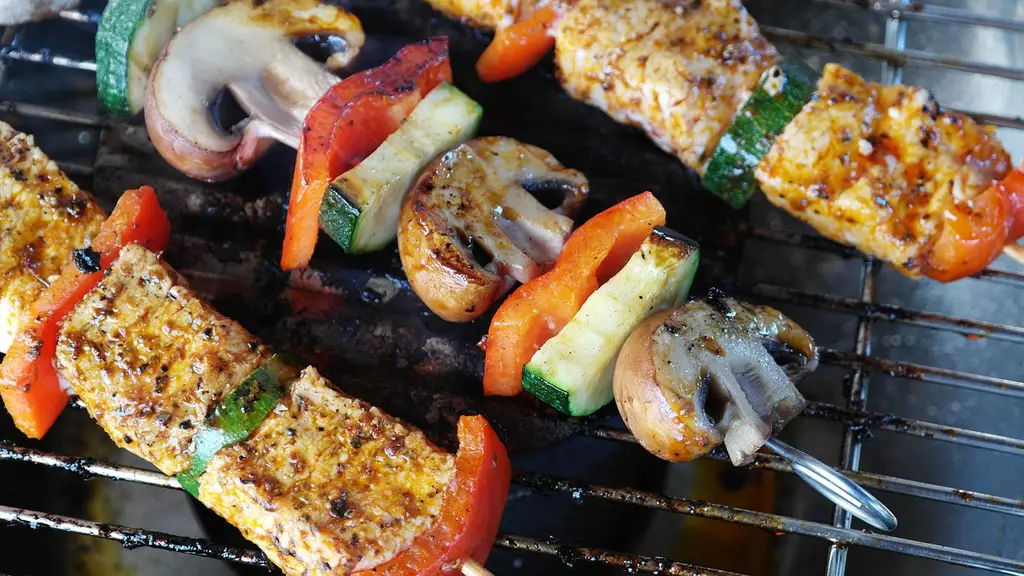
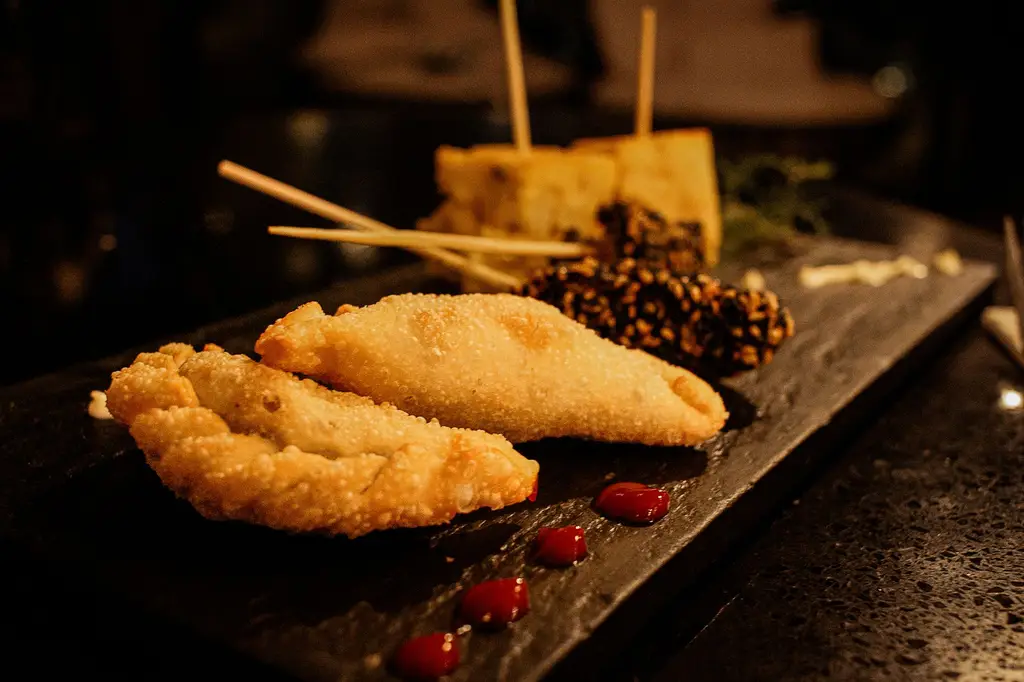
Osaka calls itself Japan's kitchen and the local phrase for it, kuidaore, roughly means eat until it ruins you. This is a standing city: takoyaki, kushikatsu, and most street food get eaten on your feet, plate in hand, moving to the next stall. Sit-down okonomiyaki is the exception, you cook it yourself on a built-in griddle and stay for a while. Cash still dominates the smaller stalls in Dotonbori and Shinsekai, though card acceptance has improved a lot since the pandemic. Lines move fast here, people don't linger, so a 15-minute queue clears quicker than it looks. Point at the plastic food models or the photo menu, everyone's used to tourists doing exactly that.
JPY 500-800 for 6-8 pieces·Dotonbori stalls or Kuromon Ichiba
Must try
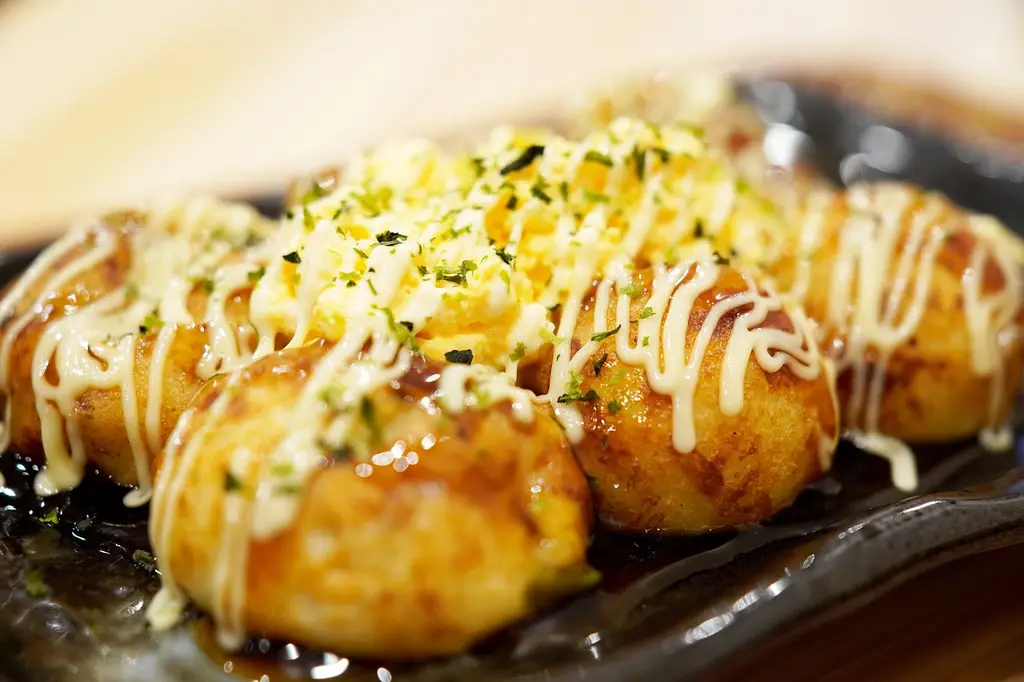
Octopus dumplings griddled in a cast-iron pan, crisp outside and molten in the middle. Every stall claims to be the original recipe, none of them are, just eat where the line is moving fastest and the batter smells fresh.
Okonomiyaki
JPY 800-1,500·Sit-down grills in Dotonbori or Shinsekai
Must try
A savory cabbage pancake bound with egg and batter, often cooked yourself on a built-in table griddle and finished with a sweet-savory sauce and dried bonito flakes. This is Osaka-style, mixed batter, not Hiroshima's layered version.
Kushikatsu
JPY 100-200 per skewer·Shinsekai
Must try
Deep-fried skewers of meat, seafood and vegetables, breaded and fried to order. House rule at nearly every stall: no double-dipping the communal sauce, dip once and if you want more, pour it onto the cabbage first.
Kuromon Ichiba market grazing
JPY 500-800 per item·Kuromon Ichiba Market
Must try
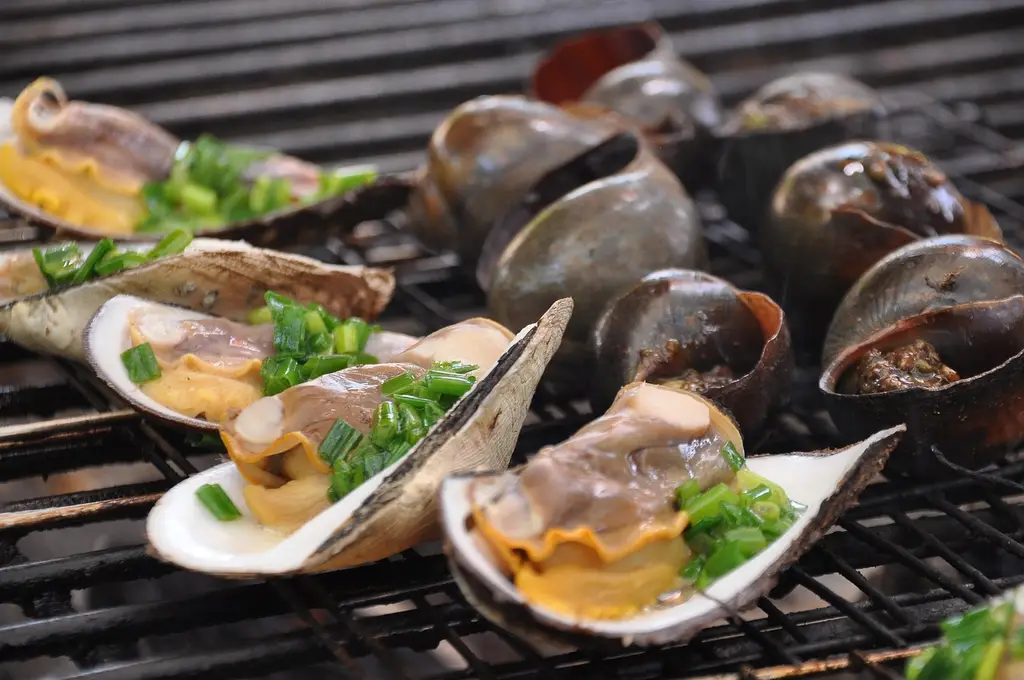
Fresh seafood, wagyu skewers, grilled scallops and kitsune udon sold by weight or per piece down a 600-meter covered arcade. Prices have crept up as it's become a tourist stop, but it still beats a sit-down restaurant nearby.
Kobe or Osaka-area wagyu
JPY 3,000-8,000·Namba and Shinsaibashi teppanyaki counters
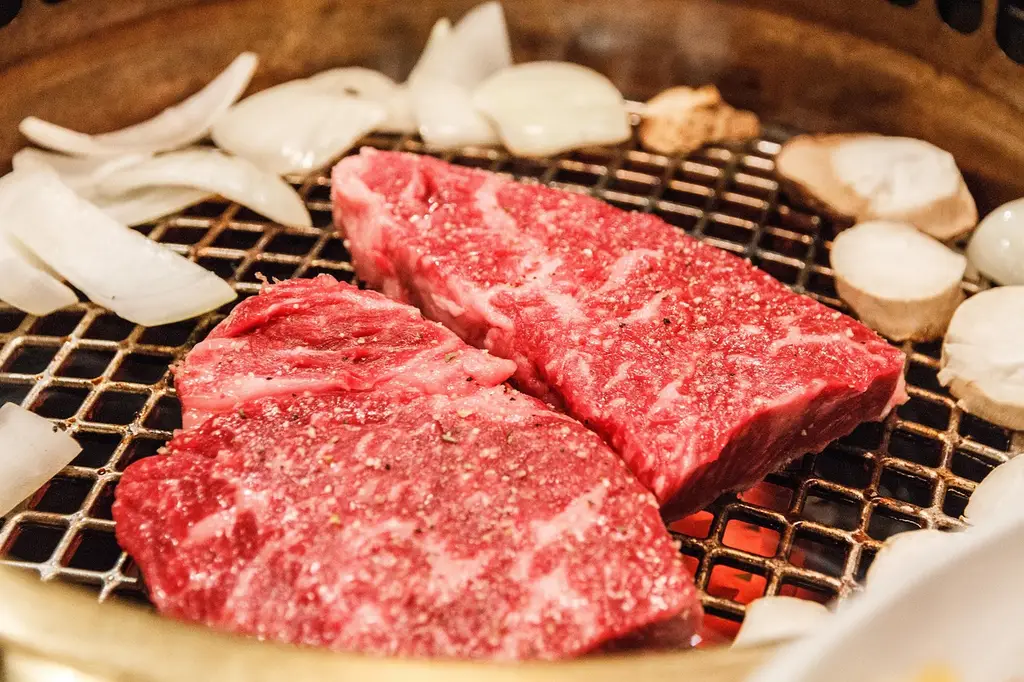
Thin-sliced wagyu seared on a teppan grill in front of you. A proper dinner starts around ¥5,000-8,000 a person; lunch sets run half that and are just as good a way to try it without the splurge.
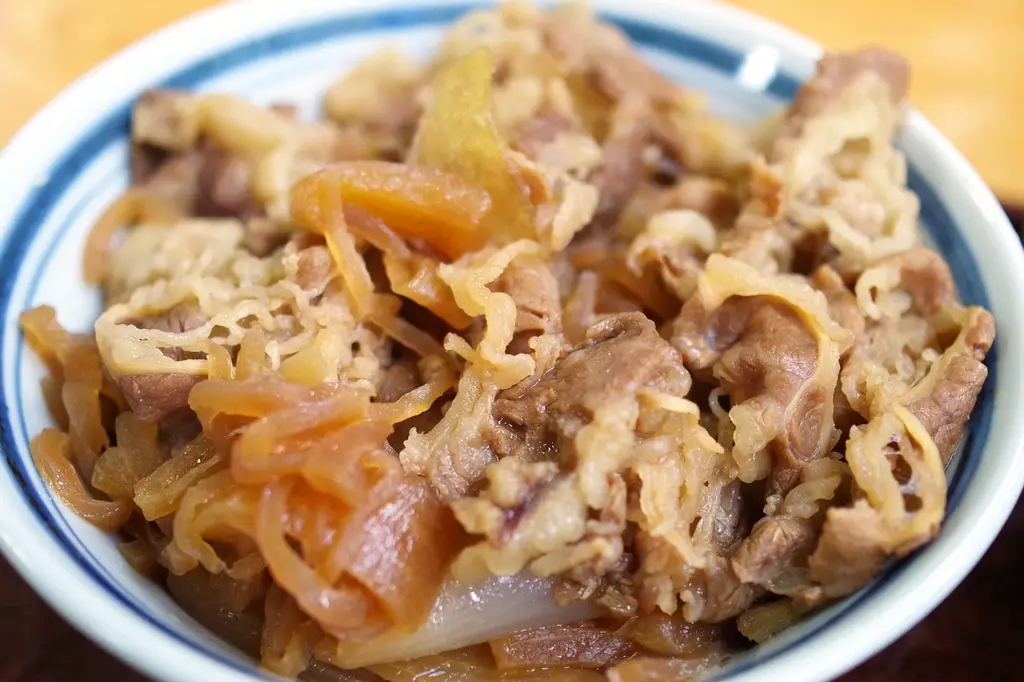
Doteyaki (miso-stewed beef sinew)
JPY 300-600·Standing bars around Shinsekai and Tenma
Beef tendon slow-simmered for hours in a sweet miso broth until it turns soft and rich, served in a small bowl as a bar snack. A local, unglamorous dish tourists rarely order but locals eat with a beer at every izakaya counter.
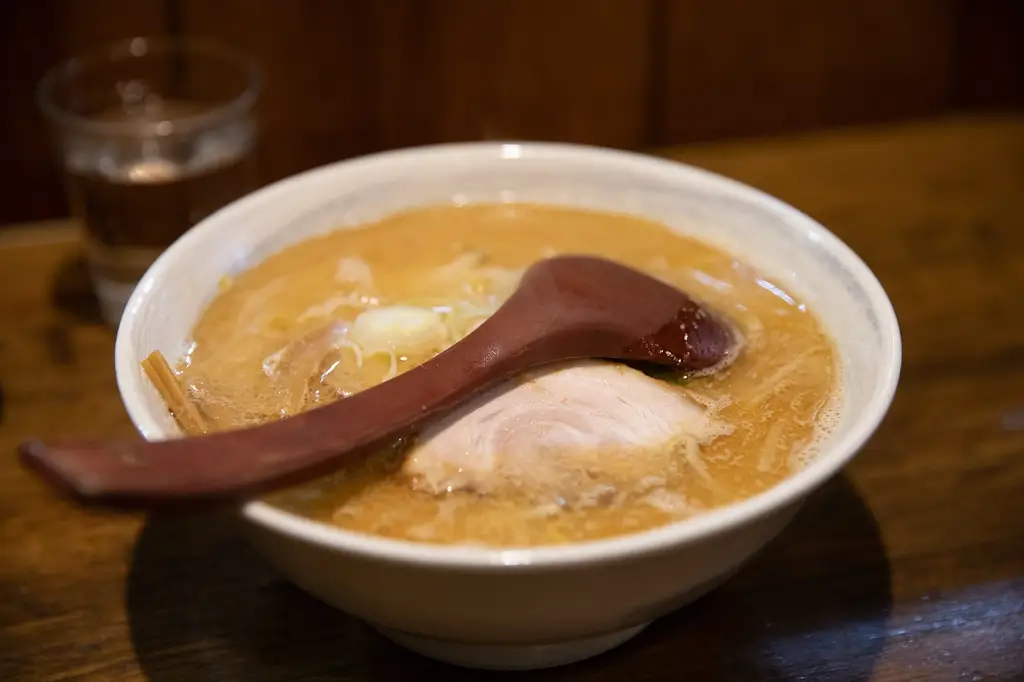
Ichiran or local tonkotsu ramen
JPY 800-1,200·Namba and Shinsaibashi ramen shops
Pork-bone broth ramen, thinner and more Kyushu-leaning than Tokyo's soy-based bowls. A reliable late-night option once the izakayas close, with solo booth seating at the chain shops if you'd rather eat without small talk.
Chiikawa Bakery Osaka
as of 2026-09
Viral
A permanent character-bakery shop at KITTE Osaka in Umeda, opened June 2026, selling character-shaped breads including a ramen-inspired loaf. This is a merchandise experience as much as a bakery. Fun if you already like the franchise, skippable if the name means nothing to you. Expect a line and a gift-shop markup.
Rikuro Ojisan no Mise
as of 2026-09
Viral
Osaka's fresh-baked souffle cheesecake chain. Cakes come out of the oven on a bell signal and sell out in batches of about 30. A long-running institution back in the news for 2026 after a price increase in June and the closure of the original Namba flagship on September 13, 2026. Other locations stay open, but check before you go if Namba was the plan.
BAKERY RESTAURANT C, Abeno Harukas
as of 2026-09
Viral
All-you-can-eat bakery from Shibuya that drew daily queues there. Around 40 breads baked in rotation. The Osaka branch opened at Abeno Harukas on September 1, 2026. The queue is worse while the opening buzz lasts. Bread buffets go stale as a concept fast. Good value if you actually eat a lot, pointless if you do not.
YOGURT WORLD, HEP FIVE Umeda
as of 2026-09
Viral
Korean frozen yogurt chain, self-serve by weight with fruit and cereal toppings. First Japan location opened in Umeda in February 2026 and pulled close to 1,000 people in three days. The Korean dessert import cycle moves quickly and this is mid-cycle, not early. Fine as a shopping break. Not a reason to cross the city.
MAMIDORI matcha madeleine
as of 2026-09
Viral
A dense matcha madeleine sold only at limited Osaka pop-ups through 2026. One Nakazakicho sale cleared thousands of units in under two days and it keeps selling out. There is no permanent shop, so you have to catch a scheduled sale date. Scarcity is doing a lot of the work here. Check the sale calendar before building a plan around it.
Yakiimo desserts
as of 2026-09
Viral
Baked sweet potato moved from winter street cart to dessert counters across Osaka, turning up in parfaits and soft serve. Osaka Castle Park runs a dedicated yakiimo festival each fall. The festival is a dated one-off, so check before planning around it. The broader sweet potato dessert wave is the durable part, and it peaks in autumn.
Safety and scams
Osaka is a low-crime major city by any global standard. Pickpocketing happens in the dense crowds of Dotonbori and Namba, especially at night, so keep bags zipped and in front of you. Shinsekai's reputation as rough is mostly outdated; the tourist core near Tsutenkaku Tower is fine after dark, but skip wandering south toward Shin-Imamiya late at night.
Common mistakes
Booking a hotel far from a metro station to save money, then paying for it in daily walking time
Skipping ICOCA and buying paper tickets for every ride
Treating Universal Studios Japan as a half-day trip; it needs a full day minimum
Not checking Osaka Aquarium's peak-pricing calendar before booking a weekend visit
Assuming Kuromon Ichiba prices are the same as they were pre-2020; it's a market that now expects tourist footfall
Trying to see Kyoto and Nara on the same day trip; it's doable but rushed and cuts both places short
Walking through Dotonbori once and calling it done instead of eating there twice, at different times of day
Frequently asked questions
How many days do you need in Osaka?
Two to three days covers the city center itself: castle, Dotonbori, Kuromon Ichiba, and one museum or observatory. Most visitors stretch to 5-7 days by using Osaka as a base for Kyoto, Nara, Kobe and Himeji day trips.
Is Osaka or Kyoto better to stay in for a Kansai trip?
Osaka has cheaper hotels, better nightlife and food, and is a shorter transfer from Kansai Airport. Kyoto puts you inside the temples but at a premium and amid heavier tourist crowds. Many travelers base in Osaka and day-trip Kyoto, which is what this guide assumes.
How much does it cost to get from Kansai Airport to Osaka?
Nankai Rapi:t runs about 1,490-1,880 yen (40 minutes) to Namba, the regular Nankai Airport Express is 970 yen (50 minutes), JR Haruka is from 2,540 yen (55 minutes) to Osaka/Shin-Osaka Station, and airport limousine buses run 1,400-1,800 yen (60-70 minutes).
Is the Osaka Amazing Pass worth it?
Only if you're visiting three or more paid attractions in a single day, since it bundles unlimited subway with free entry to about 40 sights for 3,500 yen (1 day) or 5,000 yen (2 days). If your day is mostly food and walking, an ICOCA card and a one-day subway pass (820 yen) is cheaper.
Is Shinsekai safe to visit at night?
The tourist core around Tsutenkaku Tower is well-lit, busy and safe after dark. Avoid wandering south toward Shin-Imamiya Station late at night, where the area's older, rougher reputation still holds some truth.
What is the best area to stay in Osaka for first-timers?
Namba is the best base for first-timers, with walking access to Dotonbori, Shinsaibashi and Kuromon Ichiba market. Choose Umeda instead if you want quieter evenings and the best train connections for day trips.
How far is Kyoto from Osaka?
About 30 minutes and 570 yen one-way by JR Special Rapid or Hankyu Limited Express, making it an easy day trip rather than requiring a separate hotel stay.
Do I need the Universal Studios Japan Express Pass?
In 2026's 25th-anniversary season, standby waits on major rides can hit 180-240 minutes, making the Express Pass (4,800-14,800 yen on top of admission) close to essential on weekends and holidays. A weekday visit outside Japanese school holidays needs it far less.
What food should I try in Osaka?
Takoyaki, okonomiyaki, and kushikatsu are the three signature dishes. Eat takoyaki and okonomiyaki around Dotonbori or Kuromon Ichiba, and kushikatsu in Shinsekai, where it's both the specialty and the cheapest version in the city.
Can you day trip to Koyasan from Osaka?
A day trip to Koyasan is possible but long: about 100 minutes each way by train plus a 5-minute cablecar, then time to see Okunoin cemetery. An overnight temple stay (shukubo) is the better way to experience Koyasan properly and is included in the 2-week itinerary above.