Kyoto was the imperial capital for over a thousand years, and it still runs on that inheritance: roughly 1,600 Buddhist temples and 400 Shinto shrines sit inside a modern city of 1.4 million people. Unlike Tokyo, Kyoto wasn't leveled by firebombing in WWII, so wooden machiya townhouses, narrow stone lanes, and Edo-era neighborhoods survived intact in pockets like Gion and Higashiyama. That preservation is also the problem. Kyoto absorbs a large share of Japan's record-breaking tourist numbers into a compact basin ringed by mountains, and by mid-morning the marquee sites are genuinely uncomfortable. The way around this isn't avoiding Kyoto, it's timing it: most of the famous places are best seen before 8am or after 4pm, and the city rewards anyone willing to get up early. Beyond the postcard shots, Kyoto is where kaiseki cuisine, Zen rock gardens, and matcha culture all developed, and it sits within an hour of Nara, Uji, and Osaka by train, which makes it a workable base for the wider Kansai region rather than a single stop. Four days is a reasonable minimum to see the city properly; a week lets you add day trips without rushing either.
Kyoto rewards early starts more than anywhere else I have been. The gap between 6am and 9am at the big temples is the difference between a place and a queue.
Everyone does Fushimi Inari and Arashiyama on the same day, and both are ruined by noon. Split them across two mornings and do one at first light.
The city is flatter and more cyclable than people expect. A rented bike covers more ground than the buses, which crawl once the afternoon traffic sets in.
Gion is worth an evening walk, but the crowd behaviour around geiko there is embarrassing to stand in. Walk the streets, do not join the hunt.
The essential loop: Fushimi Inari at dawn, Higashiyama temples midday, Gion at dusk.
Day 1: Fushimi Inari to Gion
Morning
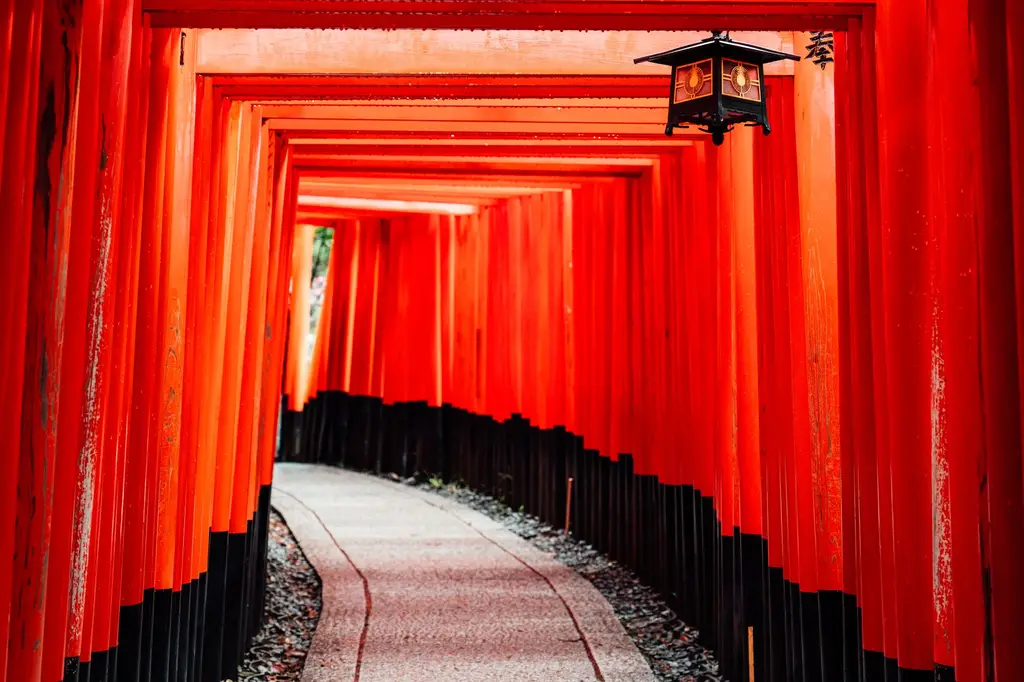
Fushimi Inari Taisha at 7am, before the tour buses. Walk at least to the Yotsutsuji intersection (30-40 min up) for the view over the city, then head back down.
Afternoon
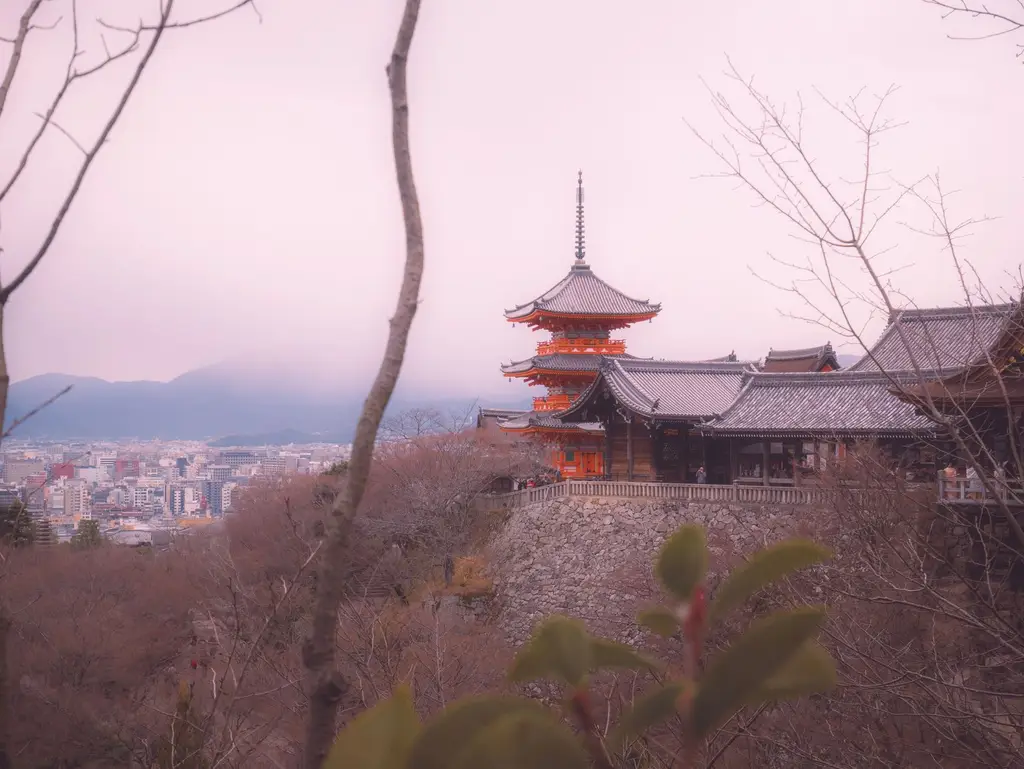
Train to Kiyomizu-dera, then walk down through Sannenzaka and Ninenzaka's preserved stone streets toward Yasaka Shrine and Maruyama Park.
Evening
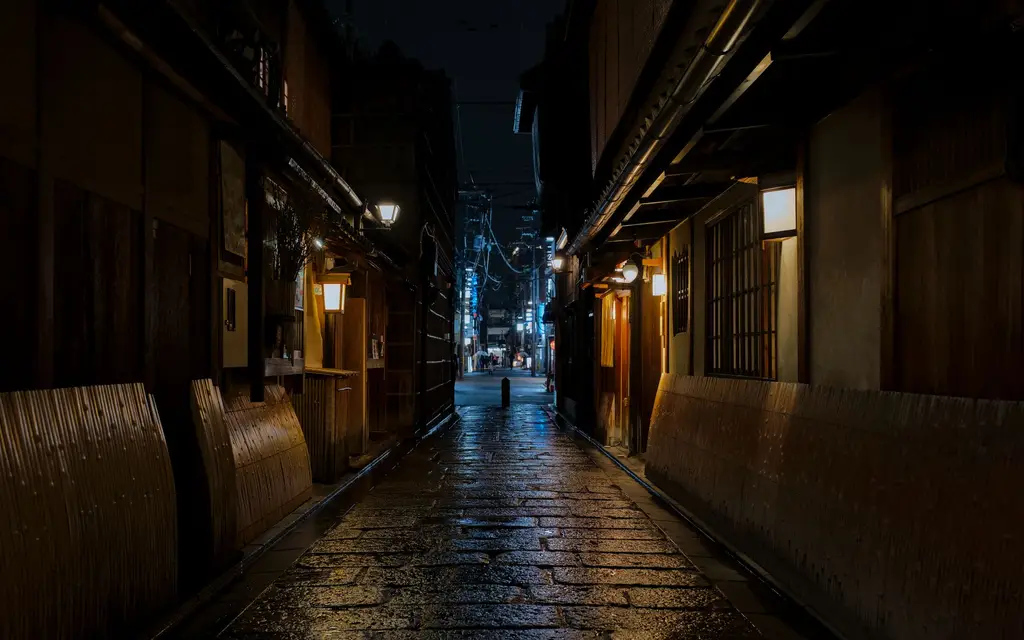
Gion for dinner and an evening walk along Hanamikoji's public section and the Shirakawa canal, where lantern light on the water is the payoff for a long day.
Tip: Wear real walking shoes; this day is 12,000+ steps on stairs and uneven stone.
Adds Arashiyama and northwest Kyoto's temples to the one-day core loop.
Day 1: Fushimi Inari to Gion
Morning
Fushimi Inari Taisha at 7am, walk up to at least the Yotsutsuji intersection.
Afternoon
Kiyomizu-dera, then Sannenzaka and Ninenzaka down to Yasaka Shrine.
Evening
Gion district and Pontocho alley for dinner.
Tip: Buy a Subway & Bus 1-Day Pass at Kyoto Station in the morning if you're using buses today.
Day 2: Arashiyama
Morning
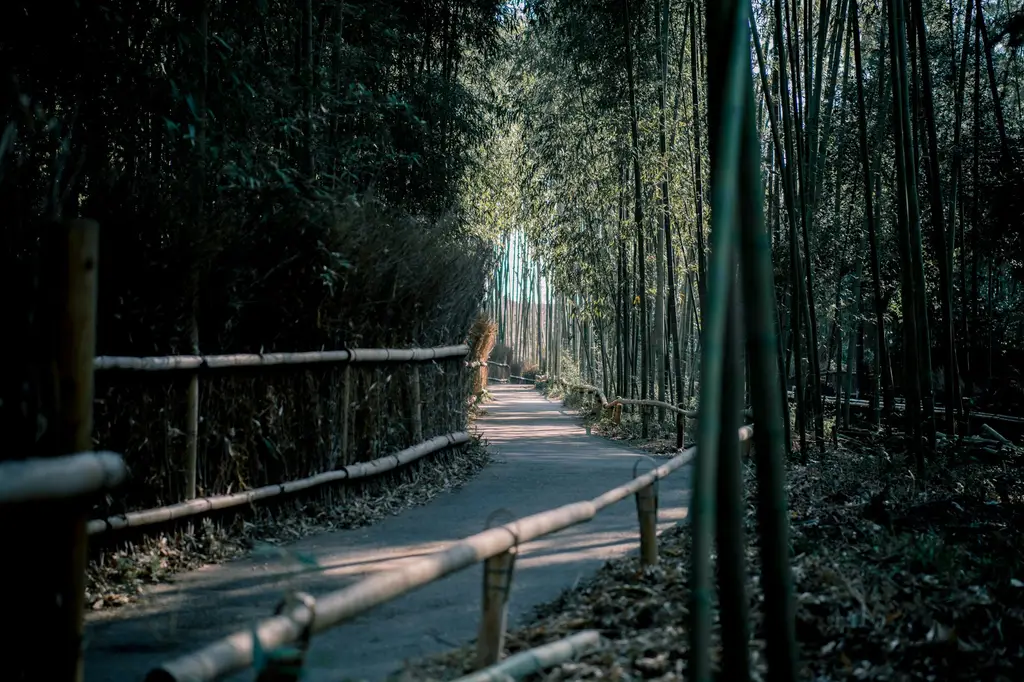
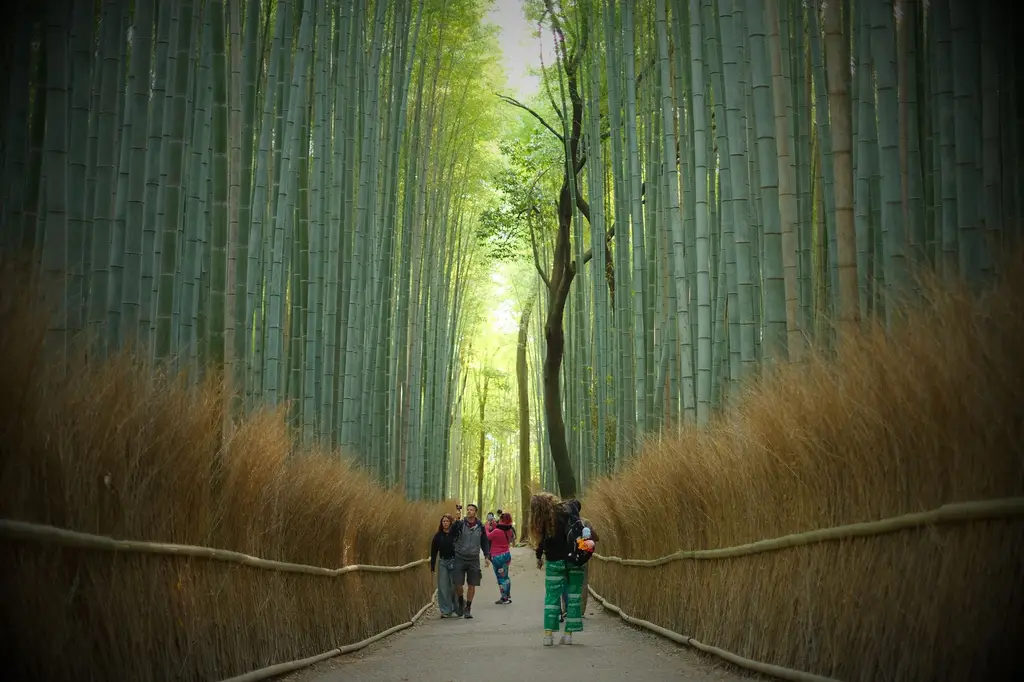
Train or bike to Arashiyama by 7:30am for the bamboo grove before the tour groups arrive, then Tenryu-ji temple garden next door.
Afternoon
Cross the Togetsukyo Bridge, walk along the Hozu River, and browse the small craft shops in the district.
Evening
Back to central Kyoto for a kyo-obanzai dinner in Kawaramachi.
Tip: Arashiyama is 25-30 minutes from central Kyoto; leave the hotel by 7am to actually beat the crowds.
Day 3: Northwest temples and Nishiki Market
Morning
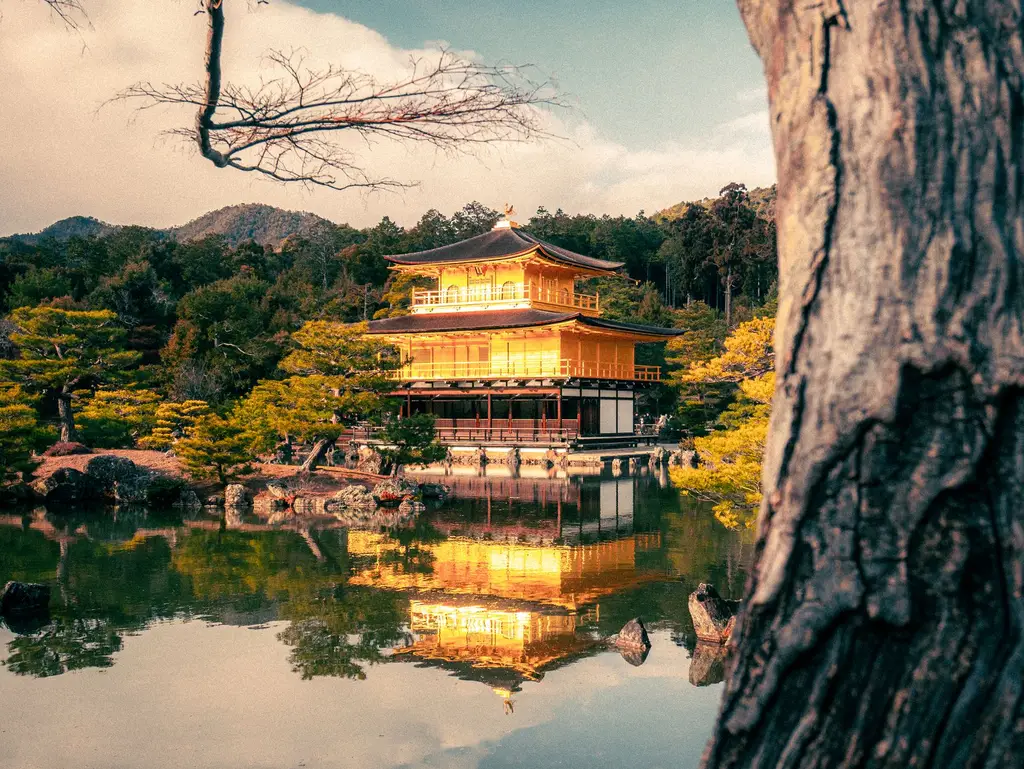
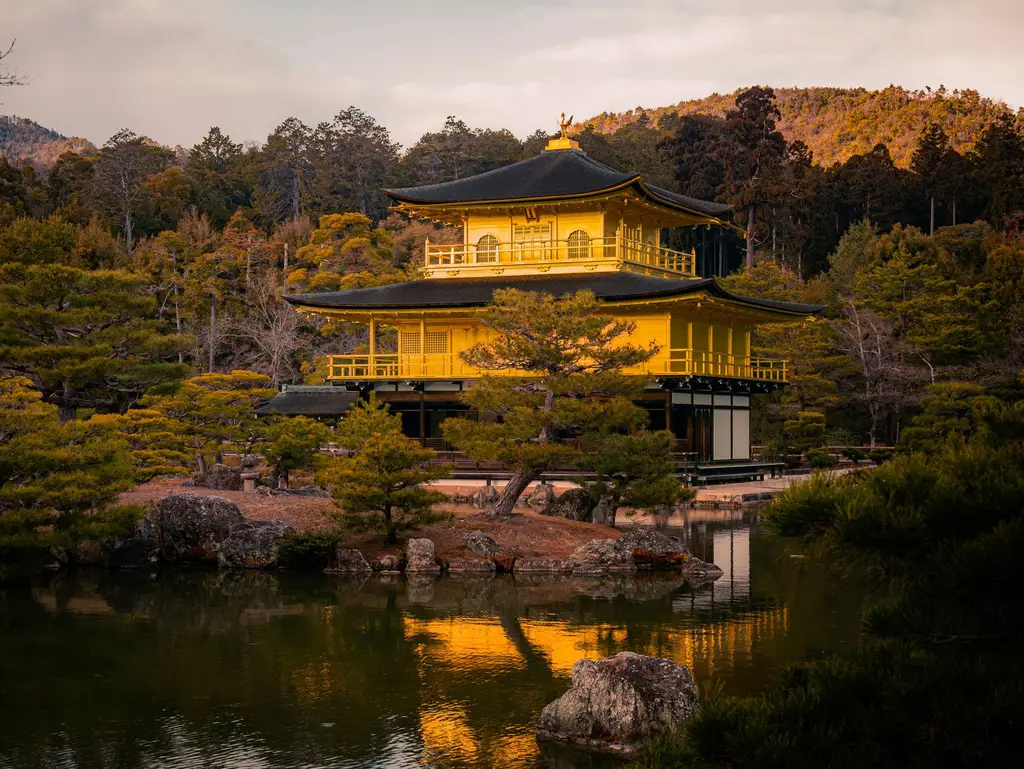
Kinkaku-ji at opening (9am), then a short bus ride to Ryoan-ji for its rock garden.
Afternoon
Nishiki Market for lunch, grazing stall to stall, followed by Nijo Castle if the nightingale floors interest you.
Evening
Free evening; Pontocho for dinner or an early night before departure.
Tip: Kinkaku-ji is cash-only with no nearby ATM; carry yen before you go.
The 3-day core plus a Nara day trip and a slower southern Higashiyama walking day.
Day 1: Fushimi Inari to Gion
Morning
Fushimi Inari Taisha at 7am.
Afternoon
Kiyomizu-dera and the Sannenzaka/Ninenzaka streets down to Yasaka Shrine.
Evening
Gion and Pontocho.
Tip: This is the most tiring day; pace the rest of the trip lighter.
Day 2: Arashiyama
Morning
Bamboo grove by 7:30am, then Tenryu-ji.
Afternoon
Togetsukyo Bridge and the riverside district.
Evening
Kawaramachi dinner.
Tip: Rent a bike here (¥500-1,700/day) if you want to cover more ground.
Day 3: Northwest temples and Nishiki Market
Morning
Kinkaku-ji at opening, then Ryoan-ji.
Afternoon
Nishiki Market and Nijo Castle.
Evening
Rest evening.
Tip: Cash only at most temple gates.
Show all 5 days
Day 4: Day trip: Nara
Morning
JR Nara Line rapid train, 45 min, ¥720 one way. Nara Park's free-roaming deer and Todai-ji's Great Buddha Hall by mid-morning.
Afternoon
Kasuga Taisha's lantern-lined forest path, then Nara-machi's old merchant streets for lunch.
Evening
Train back to Kyoto for dinner.
Tip: Deer crackers (shika senbei) provoke bowing and occasional nipping; hold your hands up empty once you're out.
Day 5: Southern Higashiyama, slower pace
Morning
Sleep in, then the Philosopher's Path from Ginkaku-ji south toward Nanzenji, an easy canal-side walk.
Afternoon
Nanzenji's temple grounds and a yudofu lunch nearby, one of the district's specialties.
Evening
Free evening for shopping or a final Gion walk.
Tip: This day has the least walking of the trip; use it to recover before departure.
Full Kyoto core plus Nara, Uji, and Osaka as day trips from a single base.
Day 1: Fushimi Inari to Gion
Morning
Fushimi Inari Taisha at 7am.
Afternoon
Kiyomizu-dera and Sannenzaka/Ninenzaka.
Evening
Gion and Pontocho.
Tip: Buy an ICOCA card today if you haven't already.
Day 2: Arashiyama
Morning
Bamboo grove by 7:30am, Tenryu-ji.
Afternoon
Togetsukyo Bridge and riverside.
Evening
Kawaramachi dinner.
Tip: Consider a bike rental for the district.
Day 3: Northwest temples and Nishiki Market
Morning
Kinkaku-ji, then Ryoan-ji.
Afternoon
Nishiki Market and Nijo Castle.
Evening
Rest evening.
Tip: Carry cash for temple gates.
Show all 7 days
Day 4: Day trip: Nara
Morning
JR Nara Line, 45 min, ¥720. Nara Park and Todai-ji.
Afternoon
Kasuga Taisha and Nara-machi.
Evening
Back to Kyoto.
Tip: Nara can be combined with an early Uji stop if you're efficient with timing, but doing them separately is less rushed.
Day 5: Day trip: Uji, home of matcha
Morning
JR Nara Line rapid, 20 min, ¥240 one way. Byodo-in Temple (¥700), the one on the 10-yen coin.
Afternoon
Matcha tasting or a stone-mill grinding experience at Fukujuen Uji (about ¥1,650), then riverside walk.
Evening
Back to Kyoto for dinner.
Tip: Uji is under 30 minutes from Kyoto Station, easy to combine with a relaxed morning.
Day 6: Day trip: Osaka
Morning
JR Special Rapid, 29-30 min, ¥580. Osaka Castle grounds.
Afternoon
Dotonbori and Shinsaibashi for street food and shopping.
Evening
Dinner in Osaka before the short train back, or stay later since the last trains run past 11pm.
Tip: Osaka's food scene (takoyaki, okonomiyaki) is worth the trip on its own.
Day 7: Southern Higashiyama and departure prep
Morning
Philosopher's Path from Ginkaku-ji to Nanzenji.
Afternoon
Nanzenji and a yudofu lunch, then any sites missed earlier in the week.
Evening
Final dinner, pack for departure.
Tip: Keep this day flexible; it's your buffer if weather or crowds disrupted an earlier day.
Kyoto alone doesn't fill two weeks. This uses it as a Kansai base, with Kyoto's own sites in the first week and regional trips to Himeji, Amanohashidate, and Ine filling the second, plus rest days.
Day 1: Fushimi Inari to Gion
Morning
Fushimi Inari Taisha at 7am.
Afternoon
Kiyomizu-dera and Sannenzaka/Ninenzaka.
Evening
Gion and Pontocho.
Tip: Get the ICOCA card sorted on arrival.
Day 2: Arashiyama
Morning
Bamboo grove by 7:30am, Tenryu-ji.
Afternoon
Togetsukyo Bridge, riverside district.
Evening
Kawaramachi dinner.
Tip: Rent a bike for the day if the weather's good.
Day 3: Northwest temples and Nishiki Market
Morning
Kinkaku-ji, Ryoan-ji.
Afternoon
Nishiki Market, Nijo Castle.
Evening
Rest evening.
Tip: Cash for temple gates.
Show all 14 days
Day 4: Southern Higashiyama
Morning
Philosopher's Path.
Afternoon
Nanzenji and a yudofu lunch.
Evening
Free evening.
Tip: A lighter day after three intense ones.
Day 5: Fushimi sake district and rest
Morning
Keihan train to Fushimi (20 min), Gekkeikan Sake Museum and canal walk.
Afternoon
Sake tasting, then a slow afternoon back in the city.
Evening
Open.
Tip: Good day to do laundry or just recover.
Day 6: Day trip: Nara
Morning
JR Nara Line, 45 min. Nara Park and Todai-ji.
Afternoon
Kasuga Taisha, Nara-machi.
Evening
Back to Kyoto.
Tip: Deer bow for crackers, but they'll also nip at empty hands that smell like food.
Day 7: Day trip: Uji
Morning
JR Nara Line, 20 min. Byodo-in Temple.
Afternoon
Matcha experience, riverside walk.
Evening
Kyoto dinner, end of week one.
Tip: A short, easy day to close out the first half of the trip.
Day 8: Day trip: Osaka
Morning
JR Special Rapid, 30 min. Osaka Castle.
Afternoon
Dotonbori, Shinsaibashi.
Evening
Dinner in Osaka.
Tip: Osaka has enough food and nightlife to justify staying past dark.
Day 9: Day trip: Himeji Castle
Morning
Shinkansen to Himeji, about 50 min (or JR Special Rapid, roughly 90 min, cheaper). Himeji Castle, Japan's best-preserved original castle keep.
Afternoon
Koko-en Garden next to the castle.
Evening
Train back to Kyoto.
Tip: The castle interior involves a lot of steep wooden stairs; budget 2 hours inside alone.
Day 10: Rest day in Kyoto
Morning
Open, catch up on anything missed from week one.
Afternoon
Shopping or a return visit to a favorite temple at a different time of day.
Evening
Open.
Tip: By day 10 a full rest day matters more than another temple.
Day 11: Amanohashidate
Morning
Limited express train north to Amanohashidate, about 2 hours, one of Japan's three scenic views, a pine-covered sandbar across Miyazu Bay.
Afternoon
Ride the chairlift or cable car up to a viewpoint, walk or bike the sandbar itself.
Evening
Overnight in the area or a late train back to Kyoto depending on plans.
Tip: This is a long day trip; check the last return train time before you commit to staying late.
Day 12: Ine, fishing village on stilts
Morning
Bus onward from Amanohashidate to Ine (about 30-40 min), a small bay village of funaya boathouses built directly over the water.
Afternoon
Boat tour around the bay, lunch of local seafood.
Evening
Head back toward Kyoto by train.
Tip: Ine is remote; this pairs best directly with the Amanohashidate day rather than as a separate trip.
Day 13: Return to Kyoto, unhurried
Morning
Slow morning, coffee in a machiya cafe.
Afternoon
Revisit whichever Kyoto neighborhood you liked most, or Nishiki Market for gifts.
Evening
A proper final dinner, kaiseki if you haven't done one yet.
Tip: Book kaiseki restaurants weeks ahead if this is the plan; walk-ins rarely work for the well-known names.
Day 14: Departure
Morning
Pack, last-minute shopping near Kyoto Station.
Afternoon
Haruka Express to KIX (70-80 min, ¥2,850-3,500) or Shinkansen onward.
Evening
Departure.
Tip: Buy Haruka tickets in advance at the JR ticket office if traveling during a busy period.
24 hours (shrine office staffed 9am-5pm)·free·1.5-3 hours depending on how far up the mountain you go
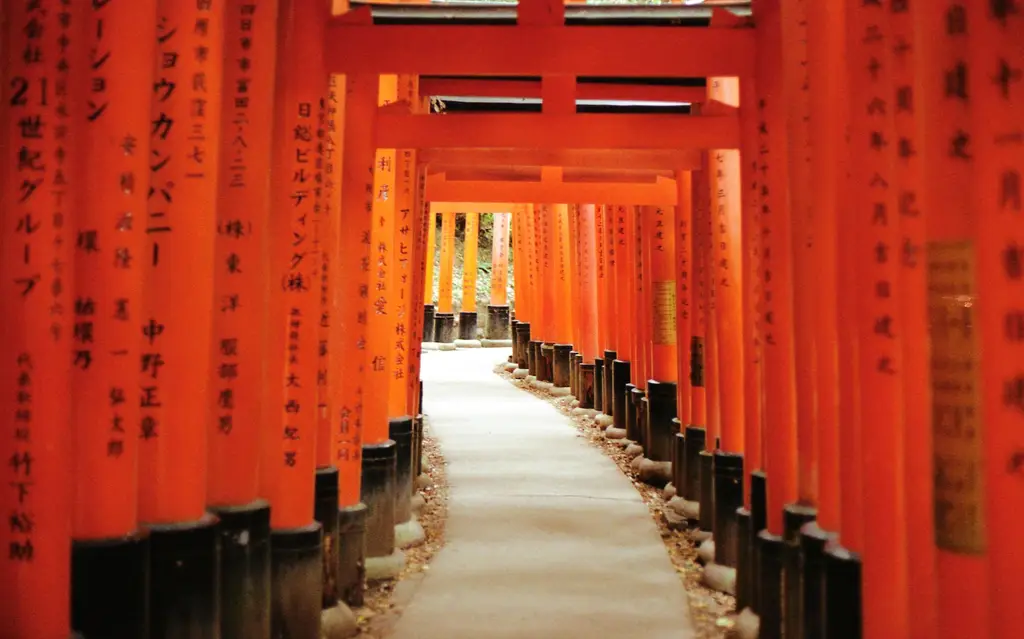
Arrive by 7am on a weekday and the lower torii tunnels are nearly empty; by 10am it's a shuffling queue. The full loop to the summit and back is about 2-3 hours.
Cash only, no ATM on site. Weekend mornings between 10am and 2pm in cherry blossom or foliage season are the worst window; go right at opening instead.
3
Kiyomizu-dera
6am-6pm (6:30pm Jul-Aug); extended to around 9pm during spring and autumn illumination periods·¥500 adult, ¥200 student·1-1.5 hours
Opens earlier than most Kyoto temples, which makes 6-8am the quiet window. The wooden stage view over the hillside is the reason people come.
4
Arashiyama Bamboo Grove
always open·free·20-40 minutes to walk through
Empty and photogenic before 8am; by 9:30am it's a slow-moving line of shoulder-to-shoulder foot traffic. Combine with an early visit to Tenryu-ji next door.
5
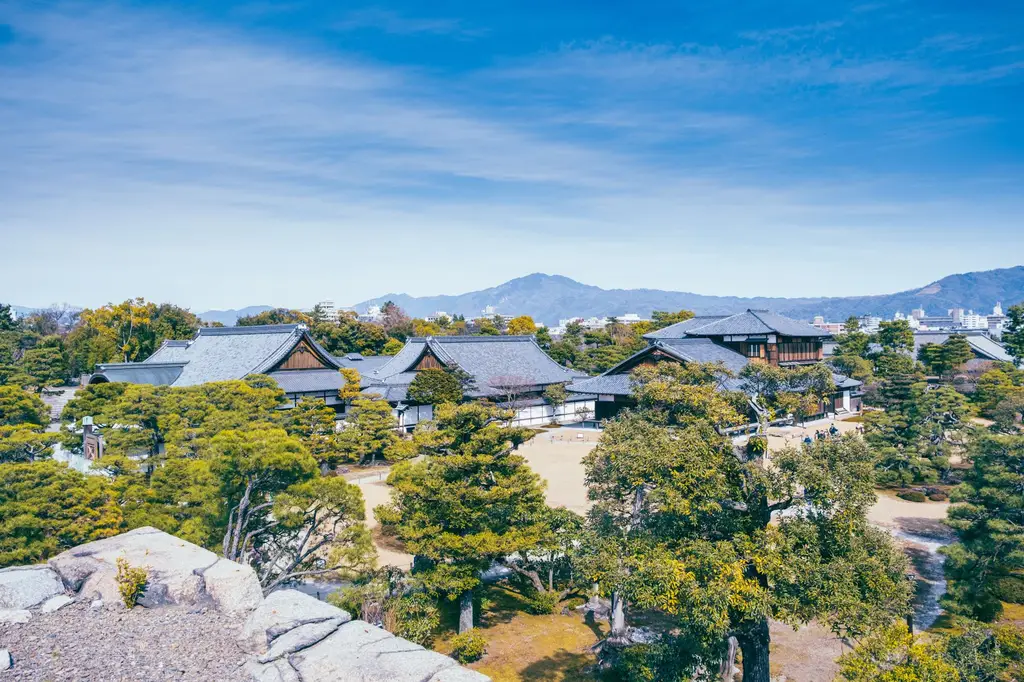
Nijo Castle
8:45am-5pm, last entry 4pm·¥800 grounds only, ¥1,300 with Ninomaru Palace·1.5-2 hours
Closed Tuesdays in January, July, August, and December
The Ninomaru Palace has 'nightingale floors' that chirp underfoot, an Edo-era security measure against intruders.
6
Nishiki Market
shops generally 9am/10am-6pm, individual hours vary·free to browse, ¥200-800 per item·1-2 hours
Closed some stalls close Wednesdays, varies by shop
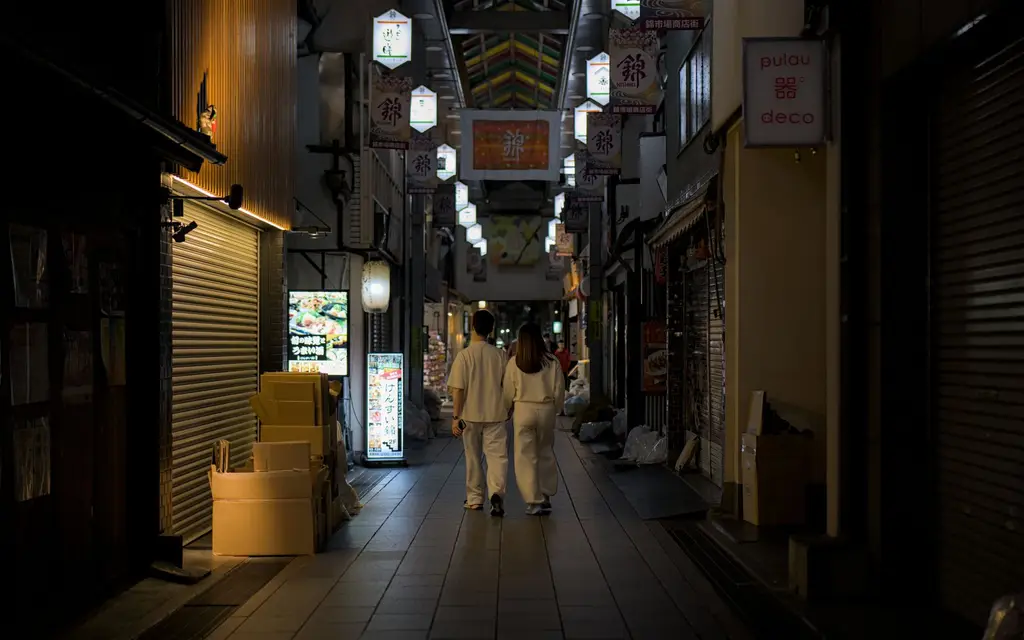
A 400-meter covered arcade of about 100 shops selling pickles, tofu, yuba, seafood, and Kyoto-style prepared food. Go hungry, eat as you walk.
teamLab Biovortex Kyoto
as of 2026-09
Viral
teamLab's largest permanent venue, opened October 2025, four floors and over 10,000 square meters of dark, moody digital art built around water and environmental phenomena. Bigger and less crowded than the Tokyo teamLab locations. If you've already done Borderless or Planets, this one still feels different enough to justify a second visit.
Uzumasa Kyoto Village
as of 2026-09
Viral
New immersive theme park recreating an Edo-period town on the former Toei Kyoto Studio Park site, first phase opened March 2026, with live performances, kimono rental, tea ceremony and ninja activities built into a working streetscape. Polished but pricey by most early accounts, and it leans staged rather than historic. Fine for an entertaining half day, not a substitute for the actual temples.
DRUM TAO Theater Kyoto
as of 2026-09
Viral
Dedicated theater for the DRUM TAO taiko drumming group, opened April 2026 directly connected to Kyoto Station. A solid rainy-day or evening option since it needs zero travel time from the station. The show is more spectacle than tradition, so don't expect a classical performance.
Mt. Daimonji and the Philosopher's Path
as of 2026-09
Viral
Short hike up Mt. Daimonji off the Philosopher's Path, giving a wide view over the city that gets recommended as a quieter alternative to the Fushimi Inari climb. Worth doing at sunset and it's free. The trail is steep in parts but short, and far fewer people know about it than know about Fushimi Inari.
Fushimi Inari beyond Yotsutsuji
as of 2026-09
Viral
Continuing the Fushimi Inari torii trail past the crowded lower gates to the Yotsutsuji intersection and the quieter Kojinmine viewpoint further up the mountain. Most visitors stop at Yotsutsuji, so walking twenty more minutes past it thins the crowd fast. Go early morning or near sunset. Midday on a weekend is still packed lower down.
Nishiki Market walking tour
as of 2026-09
Viral
Guided walking tour through Kyoto's five-hundred-year-old covered market street, stopping at stalls for pickles, skewers and sweets while a guide explains the history of the shops. The market itself is manageable solo for free, so pay for a guide only if you want the context and stories, not just the tastings.
Arashiyama off-peak, or Okochi-Sanso Villa
as of 2026-09
Viral
Visiting the Arashiyama bamboo grove before 8am or after 4pm, or skipping the main path for Okochi-Sanso Villa's garden at the top of the grove. The grove is smaller and more crowded than photos suggest at midday. Timing it right, or paying the villa's entry fee for a quieter version of the same view, is the difference between disappointment and a good half hour.
More to see (2)
7
Gion district
always accessible, geiko/maiko sightings mostly early evening·free to walk·1-2 hours
Private streets in Gion were closed to tourists in 2024 after repeated harassment of geisha and maiko; a ¥10,000 fine applies for photographing or chasing them there. Stick to Hanamikoji's public sections.
8
Fushimi Sake District
brewery hours vary, most 10am-5pm·free to walk, tastings ¥300-1,000·2-3 hours
Closed varies by brewery, several close Mondayswalk in for most, book ahead for guided tastings
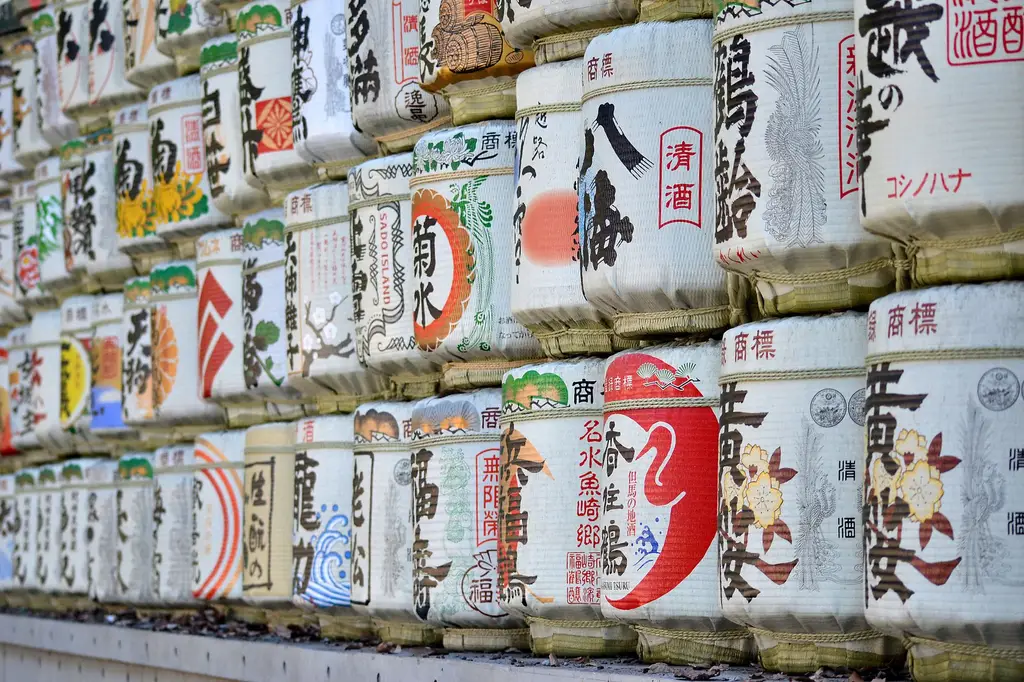
A 20-minute Keihan train ride from central Kyoto. Gekkeikan Okura Sake Museum and the canal-side streets are quieter than anything downtown.
Where to stay
Gion / Higashiyama
Suits: first-timers who want traditional atmosphere
Lantern-lit lanes, close to Yasaka Shrine and Kiyomizu-dera, but the priciest and touristiest streets.
Kyoto Station area / Shimogyo
Suits: anyone prioritizing transit and day trips
Shinkansen, JR lines, subway, and airport buses all meet here; less atmosphere, more convenience.
Kawaramachi / Downtown
Suits: food, nightlife, and shopping
Central, walkable to Nishiki Market and Pontocho, good mid-range hotel density.
Arashiyama
Suits: travelers who want quiet mornings and don't mind a commute
Bamboo grove and river on your doorstep, but 25-30 minutes from central Kyoto by train.
Fushimi
Suits: budget travelers and sake fans wanting a local feel
Near Fushimi Inari, cheaper, quieter at night, sake breweries nearby.
Getting there and around
Getting there
From Tokyo: Nozomi Shinkansen, 2h13m, about ¥13,320-14,170 (not JR Pass eligible, +¥4,960 supplement); Hikari takes 2h40m and is JR Pass covered. From Osaka: JR Special Rapid, 29-30 min, ¥580. From Kansai Airport (KIX): JR Haruka Limited Express, about 70-80 min, ¥2,850 unreserved / ¥3,500 reserved, every 30 minutes, JR Pass covered.
Getting around
Kyoto's subway grid is small; buses cover the temples and are how most visitors get around, but they crawl in traffic and pack out on the Kiyomizu-dera and Kinkaku-ji routes. A Subway & Bus 1-Day Pass costs ¥1,100 and pays for itself after 3-4 rides. Otherwise tap an ICOCA IC card (¥2,000 including ¥500 deposit) on buses, subway, and trains everywhere in Japan. Central Kyoto is flat and walkable; bike rental runs ¥500-1,700/day for a standard bike, ¥1,500-3,000 for electric assist, and beats the bus for Arashiyama or the Philosopher's Path.
Map
City
Recommended (numbered)
Mentioned in an itinerary
Locations on this map
Kyoto35.01, 135.77
Fushimi Inari Taisha34.97, 135.78
Kinkaku-ji (Golden Pavilion)35.04, 135.73
Kiyomizu-dera34.99, 135.78
Arashiyama Bamboo Grove35.02, 135.67
Nijo Castle35.01, 135.75
Nishiki Market35.01, 135.77
Gion district35.00, 135.78
Fushimi Sake District34.94, 135.76
Sannenzaka35.00, 135.78
Yasaka Shrine35.00, 135.78
Maruyama Park35.00, 135.78
Shirakawa35.01, 135.78
Pontocho35.00, 135.77
Tenryu-ji35.02, 135.67
Hozu River35.02, 135.59
Kawaramachi35.00, 135.77
Ryoan-ji35.03, 135.72
Nara34.95, 135.82
JR Nara Line34.76, 135.93
Nara Park34.68, 135.85
Kasuga Taisha34.68, 135.85
Nara-machi34.68, 135.83
Ginkaku-ji35.03, 135.80
Nanzenji35.01, 135.79
Todai-ji34.69, 135.84
Uji34.89, 135.80
Fukujuen Uji34.89, 135.81
Osaka34.95, 135.64
Osaka Castle34.69, 135.53
Shinsaibashi34.68, 135.50
Gekkeikan Sake Museum34.93, 135.76
Himeji Castle34.84, 134.69
Himeji34.82, 134.69
Koko-en Garden34.84, 134.69
Ine35.02, 135.68
Kyoto Station34.99, 135.76
Shinkansen34.98, 135.75
What it costs
Stay
Food
Transport
Activities
Daily cost breakdown, JPY per person
Tier
Stay
Food
Transport
Activities
Total
Budget
JPY 3,500
JPY 2,500
JPY 1,100
JPY 900
JPY 8,000
Mid-range
JPY 12,000
JPY 5,000
JPY 1,500
JPY 1,500
JPY 20,000
Splurge
JPY 35,000
JPY 15,000
JPY 3,000
JPY 5,000
JPY 58,000
A mid-range day: ¥12,000 business hotel room (split two ways or solo), ¥1,100 subway/bus day pass, ¥500 Kinkaku-ji entry, ¥2,500 yudofu lunch near Nanzenji, ¥800 Nishiki Market snacking, ¥2,000 obanzai dinner. Comes to roughly ¥19,000-20,000 not counting a splurge meal.
Money savers
Fushimi Inari, Kamo River walks, and most shrine grounds are free; save the ticket budget for 2-3 paid temples instead of all of them
Nishiki Market stalls run ¥200-800 per item, cheaper than any sit-down lunch downtown
Business hotels drop 20-35% Sunday-Thursday versus Friday-Saturday
ICOCA works city-wide so skip single-ride tickets, but buy the day pass once you're doing 3+ rides
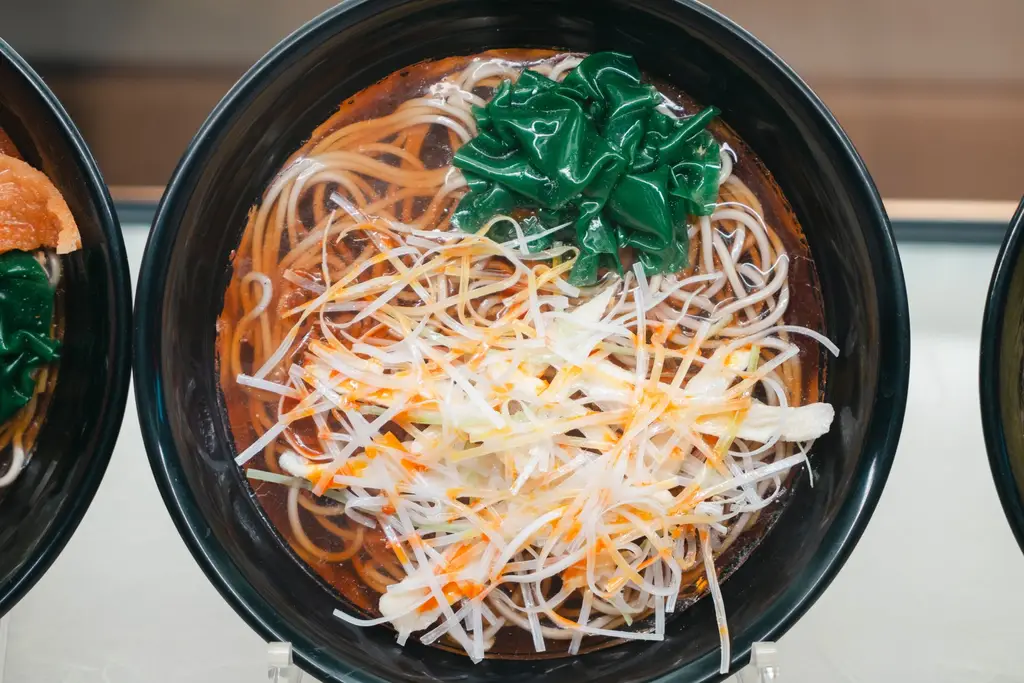
Kyoto eats more formally than the rest of Japan and it shows in the pacing. Kaiseki dinners are a slow, multi-course event that needs a reservation booked weeks out for the well-known names; everything else here moves faster. Lunch sets are the way to eat like a local without the reservation problem, often half the price of the same kitchen's dinner menu. Nishiki Market and the temple-adjacent yudofu restaurants take cash almost exclusively, and a good number of small kaiseki and obanzai spots still don't take cards either, so carry more yen than feels necessary. Menus rarely have English, but pointing at a plastic model or the neighbor's plate works fine. Eat street food standing in Nishiki, sit properly for anything involving tofu or kaiseki.
Photo by Gu Ko on PexelsKaiseki (multi-course seasonal menu)
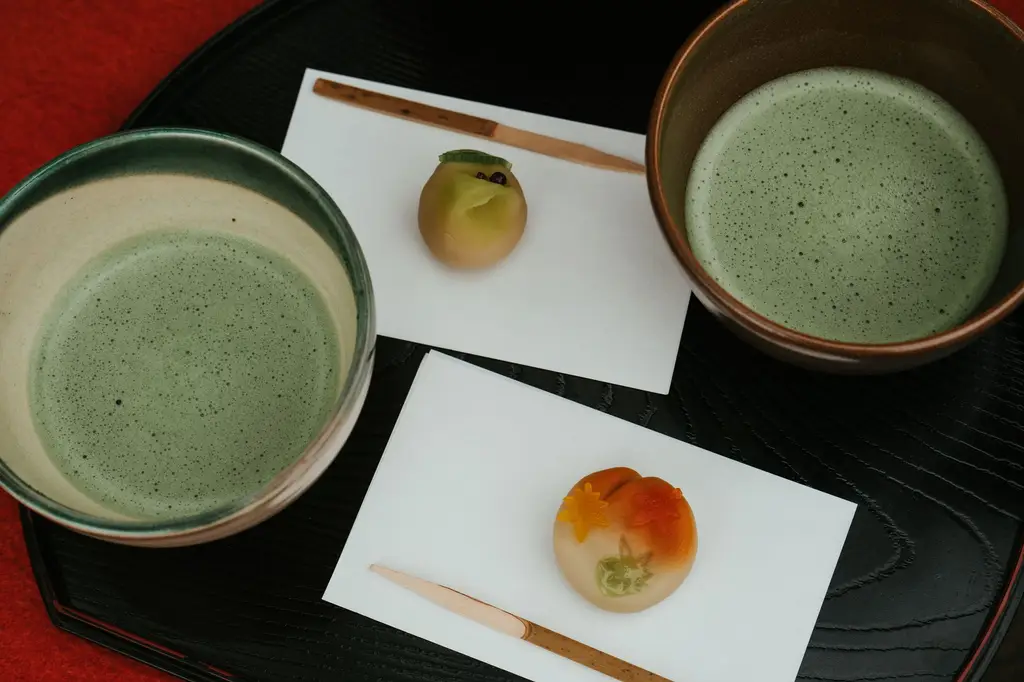
Photo by G N on PexelsWagashi (traditional sweets)
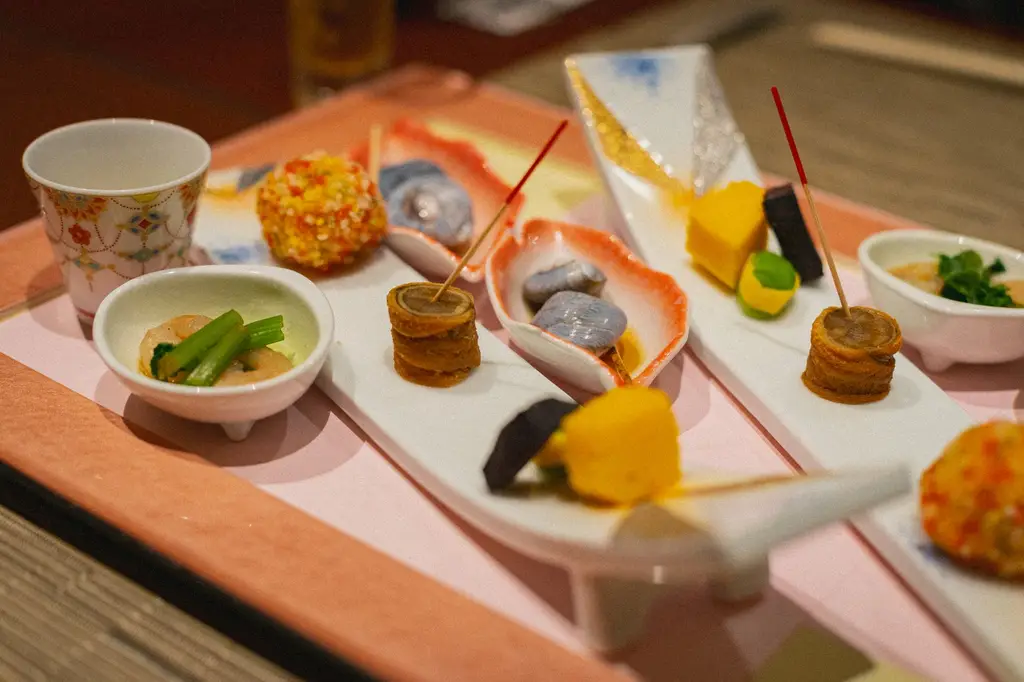
Kaiseki (multi-course seasonal menu)
JPY 8,000-30,000·Gion and Higashiyama fine-dining restaurants
Must try
A slow procession of small, seasonal courses built around whatever is best that week. Modern kaiseki under ¥15,000 exists at places like Kiyama; the famous names such as Kikunoi need reservations 2-4 weeks out and run considerably more.
Yudofu (simmered tofu hot pot)
JPY 2,500-5,000 for a set lunch·Nanzenji and Arashiyama temple-adjacent restaurants
Must try
Plain tofu simmered tableside in a kelp broth, a specialty since Kyoto's temple cuisine avoided meat entirely. Dip it in soy and grated ginger. Nanzenji Junsei is one of the long-running names near the temple gate.
Kyo-obanzai (Kyoto home-style small plates)
JPY 2,000-4,000 per person·Downtown Kawaramachi izakaya and casual restaurants
Must try
Vegetable-forward, seasonal small dishes, the everyday cooking kaiseki grew out of. Less formal, no reservation needed, and a better way to actually taste Kyoto home cooking than a set-menu tourist restaurant.
Nishiki Market street food
JPY 200-800 per item·Nishiki Market arcade, central Kyoto
Must try
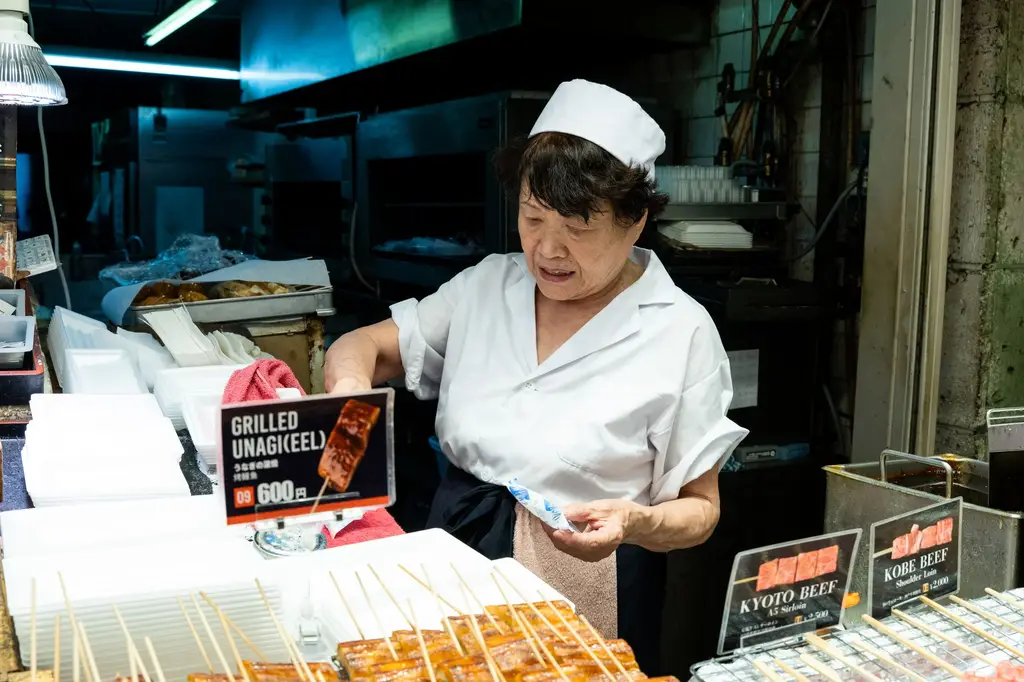
Skewered tako tamago, fresh yuba pulled straight from the vat, pickles, and grilled seafood by the piece. Eat as you walk the 400-meter arcade, nobody sits down here and the stalls expect quick turnover.
Matcha sweets and drinks
JPY 500-1,500·Uji (day trip) and matcha cafes throughout downtown Kyoto
Must try
Uji, a 20-minute train ride south, is the historic center of Japanese tea production. Matcha soft-serve, parfaits layered with red bean, and ceremonial-grade powder sold by the tin are the draw, both in Uji and at downtown cafes.
Tsukemen and ramen
JPY 800-1,200·Downtown Kyoto and near Kyoto Station
Kyoto's own ramen style leans richer than Tokyo's, often a pork-and-soy backbone called Kyoto-style. Not the reason to visit, but a solid, fast, cheap dinner between temple days when kaiseki feels like too much.
Wagashi (traditional sweets)
JPY 300-800 per piece·Long-running confectioners in Higashiyama and near the Imperial Palace
Delicate seasonal sweets built from bean paste and rice flour, shaped to match the month, cherry blossoms in spring, maple leaves in autumn. Pair one with matcha at a quiet counter rather than eating it on the move.
Chao Chao Gyoza
as of 2026-09
Viral
A gyoza specialist with multiple Kyoto locations, twice winner of a nationwide gyoza competition, known for thin-skinned pan-fried dumplings. The reputation is earned but the wait is the problem: reports of up to three hours at peak times. Go right at opening or you'll spend your afternoon in a line.
Gyoza Taizou
as of 2026-09
Viral
A tiny upstairs gyoza counter, ten seats, one dish, built as the answer to Chao Chao's wait times. Smaller room means a shorter line most of the time, and the single-focus menu keeps quality consistent. Better bet than Chao Chao if you just want to eat gyoza and leave.
Usaginonedoko Kyoto
as of 2026-09
Viral
Cafe styled like a natural history museum, serving 'mineral sweets' such as the Lapis Lazuli opera cake designed to look like gemstone slices. Opened in 2015 but still circulating heavily on social feeds and confirmed operating through 2026. Go for the visual, the taste is secondary.
Dubai Chocolate at Dusit Thani Kyoto
as of 2026-09
Viral
Hotel dessert collaboration with Dusit Thani Dubai serving the pistachio-kadayif Dubai chocolate trend, including a matcha version, in the hotel's Gallery lounge. It's a hotel-lounge treat, not a street stall. Temper expectations on price and the sit-down setting.
Ramen Nishiki Sui
as of 2026-09
Viral
Japan's first all-matcha ramen shop, opened in Gion in February 2026 by a former AFURI chef. Matcha goes into both the sea bream broth and the noodles. It is a novelty and it knows it. Reviewers struggle to describe the taste, which is not the compliment the shop thinks it is. Worth one bowl if you are curious.
Kyo Hayashiya black tea parfait
as of 2026-09
Viral
The 273-year-old shop credited with inventing the matcha parfait renovated its Kyoto store, reopening August 1, 2026, and brought back a discontinued black tea parfait. An old name refreshing itself rather than a manufactured craze, which makes it more reliable than most viral food news. If you do one parfait in Kyoto, do this one.
Safety and scams
Kyoto is very safe by almost any measure; violent crime against tourists is rare. The real risks are crowd-related: pickpocketing in dense areas like Nishiki Market and packed buses, and fake-monk scammers near major temples who hand you a trinket and press for a donation (real monks don't solicit like this). Carry cash, since small temples and shops are frequently cash-only with no ATM nearby.
Common mistakes
Showing up to Fushimi Inari or the Arashiyama bamboo grove after 9am and getting the crowd instead of the shrine
Assuming credit cards work everywhere; many temple ticket counters and small restaurants are cash-only
Wandering into Gion's private side streets to photograph geisha and maiko, which now carries a ¥10,000 fine
Booking one night in Kyoto to see everything; the city needs 3-4 days minimum to cover the main sites without rushing
Not checking temple closing times, several shut their gates at 4:30-5pm even though the grounds look open later
Skipping the ICOCA card and buying paper bus tickets, which is slower and doesn't work on the subway
Frequently asked questions
How many days do you need in Kyoto?
Three to four days covers the major sites without rushing. Five to seven lets you add Nara, Uji, or Osaka as day trips. Kyoto alone is not really a two-week destination; longer stays work better built around Kansai region day trips.
What time should you visit Fushimi Inari to avoid crowds?
Before 8am on a weekday. The shrine is open 24 hours and free, and at 6-7am the lower torii tunnels are close to empty. By 10am it's a slow-moving crowd, and by lunchtime it's packed.
Is it rude to take photos of geisha in Kyoto?
Photographing geisha and maiko on Gion's private streets is now banned, with a ¥10,000 fine, after years of tourists chasing and harassing them. Photos on public streets are generally fine if you're not blocking or pursuing them.
How do you get from Kyoto to Kansai Airport?
The JR Haruka Limited Express runs every 30 minutes and takes 70-80 minutes, costing ¥2,850 unreserved or ¥3,500 reserved. It's covered by the Japan Rail Pass.
Is the Kyoto bus pass worth it?
The bus-only day pass was discontinued; the current Subway & Bus 1-Day Pass costs ¥1,100 and covers subway plus most bus routes. It pays off after about three rides, which most sightseeing days will hit.
What is the best time to visit Kyoto for cherry blossoms?
2026's forecast has blossoms opening around March 23-25 and peaking around April 1-2. These dates shift year to year by up to two weeks, so check an updated forecast closer to your trip and expect the heaviest crowds of the year during peak bloom.
Can you day trip to Nara from Kyoto?
Yes. The JR Nara Line rapid train takes 45 minutes and costs ¥720 one way. Nara Park's deer and Todai-ji's Great Buddha Hall are both walkable from Nara Station, making it an easy half-day to full-day trip.
Is Kyoto expensive?
It's mid-range by Japan standards. A budget traveler can get by on roughly ¥8,000/day (hostel, market food, transit pass); a mid-range trip runs closer to ¥20,000/day. Temple entry fees are cheap (¥500 is typical) compared to accommodation and food.
What should you not do in Kyoto?
Don't wear shoes into tatami interiors, don't eat while walking through temple grounds, don't chase or photograph geisha on Gion's private streets, and don't assume credit cards work at small temples or shops, many are cash-only.
How far is Kyoto from Tokyo by train?
The Nozomi Shinkansen takes 2 hours 13 minutes and costs about ¥13,320-14,170; it's the fastest option but isn't covered by the standard Japan Rail Pass. The Hikari takes about 2 hours 40 minutes and is JR Pass eligible.