Things to Do in Granada: Itineraries, Costs and Food
The Alhambra above a city of free tapas and steep Moorish alleys, best done in two or three days, not more.
By Labeeb Mirza · Published September 8, 2026 · Updated September 8, 2026
Best timeMar-May
Daily budget (mid)EUR 115
Ideal length3 days
CurrencyEUR
Overview
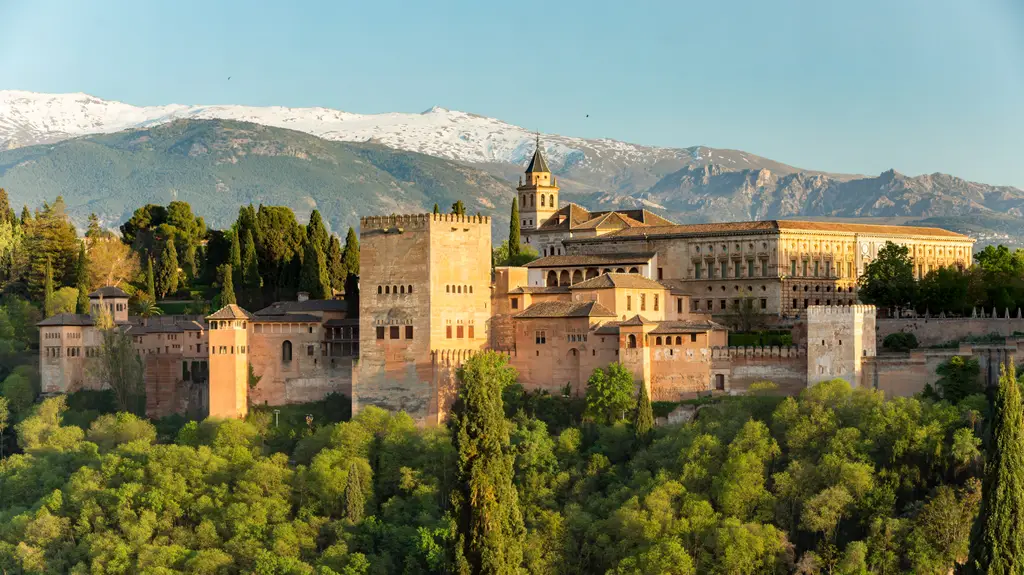
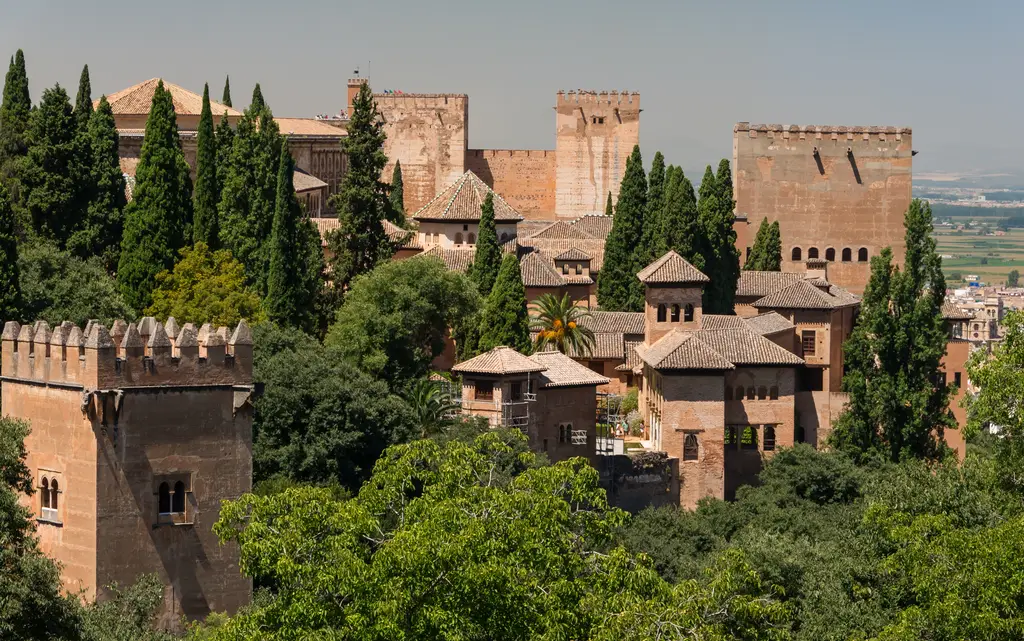
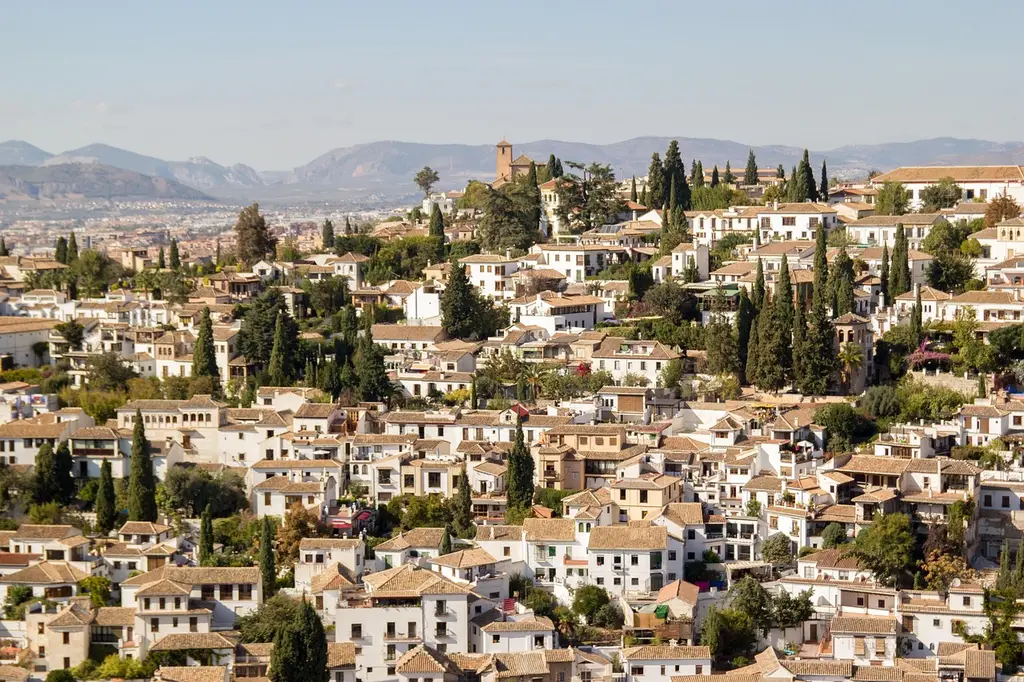
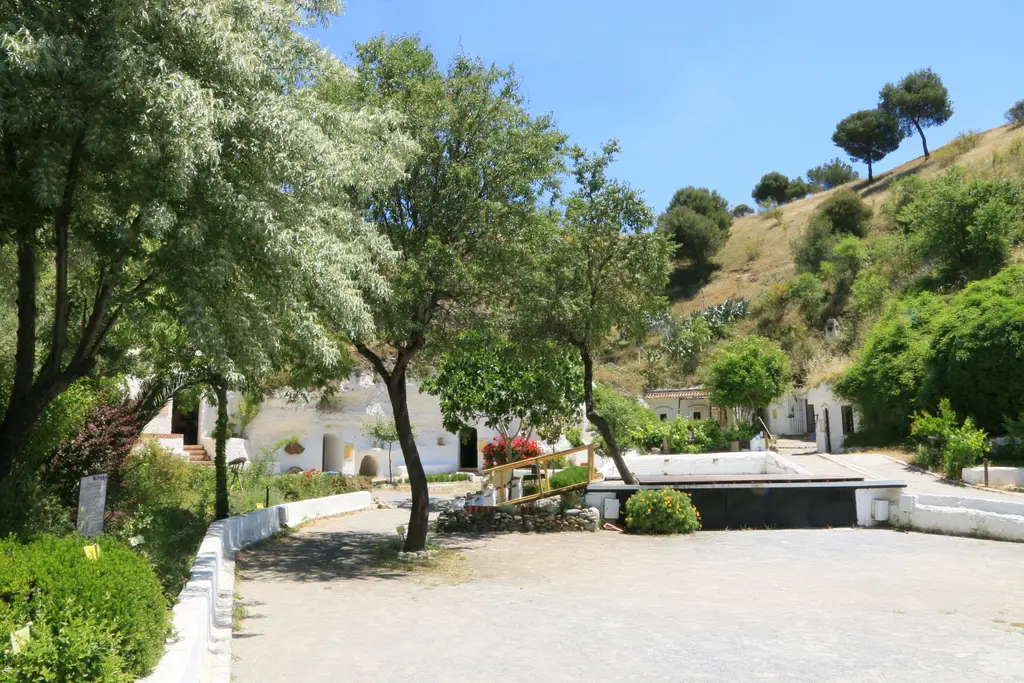
Granada is a small city built around one enormous reason to visit: the Alhambra, a fortress-palace complex on a hill above the old town that took the Nasrid dynasty two and a half centuries to finish and that nobody has topped since. Everything else in Granada sits in its shadow, literally in some neighborhoods, where the best view is simply turning around to look at it from across the river gorge. The Albaicin, the old Moorish quarter opposite the Alhambra, is a maze of whitewashed lanes climbing a hill of its own, and Sacromonte next to it is where Granada's Roma community has lived in whitewashed cave houses for centuries, some still inhabited, some turned into flamenco venues. What sets Granada apart from Seville and the rest of Andalusia is the tapas: order a drink here and a small plate arrives with it, unordered and unbilled, a tradition that survives almost nowhere else in Spain at this scale. The city itself is compact and walkable but not flat, the Albaicin and Sacromonte both climb hard, and summer heat rivals Seville's. Most visitors give Granada a rushed day trip from Seville or Malaga; that undersells it, but a full week here is also more than the city needs. Two to three days, done right, with the Alhambra booked weeks ahead, is the honest answer.
What I actually think
The Nasrid Palaces timed slot is not a formality. Miss it by fifteen minutes because you underestimated how long the Alcazaba takes first, and there's no talking your way in late. Do the Palaces first, everything else can flex around it.
The free tapas here are real and they add up. Three drinks in Realejo is most of a dinner, and the quality varies bar to bar in a way that rewards moving rather than settling into the first place you find.
The Albaicin climb is worse in August heat than it looks from a map, narrow lanes with almost no shade and cobbles that punish bad shoes. I'd do it first thing in the morning, not as a sunset stroll unless you like arriving drenched.
Granada feels smaller than Seville within a day of walking it, and that's not a complaint, it's the right amount of city for the sight it's built around. Stretching a trip here past three days means padding, better spent on Cordoba or the coast.
The view from Mirador San Nicolas gets crowded at sunset with street vendors and a genuine pickpocket risk in the press of people. Go an hour earlier or later and you get most of the light with a fraction of the crowd.
The Alhambra in the morning, the Albaicin and tapas at night, Granada's two essentials in one tight day.
Day 1: Alhambra and Albaicin
Morning
Alhambra at opening, Nasrid Palaces first if your timed slot allows, then Generalife gardens and the Alcazaba.
Afternoon
Lunch in Realejo, then a slow climb through the Albaicin, resting in the shade as needed.
Evening
Mirador San Nicolas an hour before sunset to beat the peak crowd, then a tapas crawl back down into Realejo or Centro.
Tip: Book your Alhambra ticket weeks ahead, this is the single most sold-out sight in Andalusia.
The Alhambra, the two hill neighborhoods, and enough slack to actually enjoy the tapas culture.
Day 1: Alhambra
Morning
Alhambra general admission, Nasrid Palaces on your timed slot, then the Alcazaba.
Afternoon
Generalife gardens, then lunch and a rest in Realejo through the heat.
Evening
Tapas crawl in Realejo, three or four bars, not one sit-down dinner.
Tip: Wear real walking shoes, the Alhambra alone is several kilometres of uneven paths.
Day 2: Albaicin and Sacromonte
Morning
Climb the Albaicin slowly, starting from Plaza Nueva, stopping at small squares along the way.
Afternoon
Sacromonte Caves Museum, then the walk back down via Paseo de los Tristes.
Evening
Mirador San Nicolas at sunset, dinner in Albaicin.
Tip: Start the Sacromonte walk with water, there's almost no shade and it's a longer climb than the Albaicin.
Day 3: Centro and Capilla Real
Morning
Capilla Real, then Granada Cathedral if it's open, followed by the Alcaiceria market.
Afternoon
Free time: Hammam Al Andalus, a museum, or simply resting through the hottest hours.
Evening
Flamenco in a Sacromonte cave venue, or a last tapas round in Realejo.
Tip: Confirm the Cathedral's status before building your morning around it.
Granada properly covered in three days, plus a day trip to the Sierra Nevada and one to Cordoba.
Day 1: Alhambra
Morning
Alhambra, Nasrid Palaces on your timed slot, Alcazaba.
Afternoon
Generalife gardens, lunch and rest in Realejo.
Evening
Tapas crawl in Realejo.
Tip: Book Alhambra tickets before booking anything else on this trip.
Day 2: Albaicin and Sacromonte
Morning
Albaicin climb from Plaza Nueva.
Afternoon
Sacromonte Caves Museum.
Evening
Mirador San Nicolas at sunset, dinner in Albaicin.
Tip: Carry more water than feels necessary on both climbs.
Day 3: Centro and Capilla Real
Morning
Capilla Real, Cathedral if open, Alcaiceria.
Afternoon
Hammam Al Andalus or rest.
Evening
Flamenco cave show in Sacromonte.
Tip: Book the flamenco show a day or two ahead in peak season.
Show all 5 days
Day 4: Sierra Nevada day trip
Morning
Bus or car up to the Sierra Nevada, about an hour from the city, for hiking or skiing depending on season.
Afternoon
Mountain air and views back down toward Granada, a genuine change of pace from the old town heat.
Evening
Return to Granada, casual dinner near your hotel.
Tip: Check current road and lift conditions before committing, they vary hard by season.
Day 5: Cordoba day trip
Morning
Train to Cordoba, around 2 hours, for the Mezquita-Catedral.
Afternoon
Wander Cordoba's Juderia quarter and courtyards.
Evening
Train back to Granada, final dinner.
Tip: Book the Cordoba train a few days ahead in peak season.
Granada genuinely fills three days, not seven, so this week is built regionally: the city first, then Cordoba, the Sierra Nevada, and the Costa Tropical coast.
Day 1: Alhambra
Morning
Alhambra, Nasrid Palaces, Alcazaba.
Afternoon
Generalife gardens, rest in Realejo.
Evening
Tapas crawl.
Tip: Book this ticket first, the rest of the week can flex around it.
Day 2: Albaicin and Sacromonte
Morning
Albaicin climb.
Afternoon
Sacromonte Caves Museum.
Evening
Mirador San Nicolas at sunset.
Tip: Both climbs are harder than they look, pace yourself.
Day 3: Centro and Capilla Real
Morning
Capilla Real, Cathedral if open, Alcaiceria.
Afternoon
Hammam Al Andalus or a museum.
Evening
Flamenco cave show.
Tip: This is your last full day in the city proper before heading out regionally.
Show all 7 days
Day 4: Cordoba day trip
Morning
Train to Cordoba.
Afternoon
Mezquita-Catedral, Juderia quarter.
Evening
Return to Granada.
Tip: Book the train ahead.
Day 5: Sierra Nevada
Morning
Travel up to the Sierra Nevada.
Afternoon
Hiking or skiing depending on season, mountain views back toward Granada.
Evening
Return to the city.
Tip: Check season-specific conditions before you go.
Day 6: Costa Tropical, base change
Morning
Bus or drive to Salobrena or Almunecar on the Costa Tropical, about an hour from Granada.
Afternoon
Beach time and a walk through the old town on the coast, a genuinely different pace from the hills.
Evening
Seafood dinner by the water.
Tip: This coast is far less crowded than the Costa del Sol further west.
Day 7: Coast and return
Morning
More beach or coastal walking.
Afternoon
Return to Granada.
Evening
Final dinner in Realejo.
Tip: Keep this day loose, it's your buffer if an earlier day ran long.
Granada alone cannot honestly fill two weeks, so this builds outward across eastern and southern Andalusia: Cordoba, the Sierra Nevada, the Costa Tropical, Ubeda and Baeza, and the Alpujarras villages.
Day 1: Alhambra
Morning
Alhambra, Nasrid Palaces, Alcazaba.
Afternoon
Generalife gardens.
Evening
Tapas crawl in Realejo.
Tip: Book this first.
Day 2: Albaicin and Sacromonte
Morning
Albaicin climb.
Afternoon
Sacromonte Caves Museum.
Evening
Sunset at Mirador San Nicolas.
Tip: Pace both climbs, they're steeper than they look.
Day 3: Centro and Capilla Real
Morning
Capilla Real, Cathedral if open.
Afternoon
Alcaiceria, Hammam Al Andalus.
Evening
Flamenco cave show.
Tip: Last day fully in the city before the region opens up.
Show all 14 days
Day 4: Cordoba
Morning
Train to Cordoba.
Afternoon
Mezquita-Catedral, Juderia.
Evening
Return to Granada.
Tip: Book the train ahead.
Day 5: Sierra Nevada
Morning
Travel to the Sierra Nevada.
Afternoon
Hiking or skiing by season.
Evening
Return to Granada.
Tip: Confirm current conditions before going.
Day 6: Alpujarras villages
Morning
Drive or bus into the Alpujarras, whitewashed villages on the Sierra Nevada's southern slopes, starting with Pampaneira or Capileira.
Afternoon
Walk between two of the villages, the terrain is dramatic and largely untouched by mass tourism.
Evening
Overnight in the Alpujarras or return to Granada.
Tip: A rental car makes this region far easier than relying on the limited bus schedule.
Day 7: Alpujarras, second village
Morning
Continue through Bubion or Trevelez, known for its cured ham.
Afternoon
Return toward Granada or continue to the coast.
Evening
Settle back into Granada or push on to the Costa Tropical.
Tip: Trevelez ham is a genuine regional specialty worth buying to take home.
Day 8: Costa Tropical, base change
Morning
Travel to Salobrena or Almunecar.
Afternoon
Beach time, old town walk.
Evening
Seafood dinner on the coast.
Tip: This coast runs quieter and cheaper than the Costa del Sol.
Day 9: Costa Tropical
Morning
More coast time or a boat trip if available.
Afternoon
Rest, this is a deliberate slow day.
Evening
Dinner by the water.
Tip: Two weeks in, build in slow days rather than sightseeing every one.
Day 10: Ubeda and Baeza
Morning
Travel north to Ubeda, a UNESCO Renaissance town about 2 hours from Granada.
Afternoon
Explore Ubeda's old town, then move to nearby Baeza, a 20-minute drive away.
Evening
Overnight in Ubeda or Baeza, both far less crowded than the Andalusian capitals.
Tip: Ubeda and Baeza are usually skipped entirely on a first Andalusia trip, worth it if you have two weeks.
Day 11: Ubeda and Baeza, second day
Morning
Finish exploring whichever town you didn't cover fully.
Afternoon
Travel back toward Granada.
Evening
Settle back in, casual dinner.
Tip: This region is olive oil country, worth a tasting stop if you see one.
Day 12: Free day in Granada
Morning
Revisit the Alhambra gardens or a sight you rushed earlier.
Afternoon
Shopping in the Alcaiceria, a final Hammam visit.
Evening
Dinner at a Realejo favourite from earlier in the trip.
Tip: Leave this day genuinely open rather than cramming in a new sight.
Day 13: Slow day
Morning
Open.
Afternoon
Open.
Evening
Final flamenco show or a quiet dinner in Albaicin.
Tip: Fatigue is real by day 13, don't fight it with more sightseeing.
Day 14: Departure
Morning
Last coffee and walk to Mirador San Nicolas.
Afternoon
Depart.
Evening
N/A
Tip: Confirm airport transfer timing the night before.
8:30am-8:00pm (1 Apr-14 Oct); 8:30am-6:00pm (15 Oct-31 Mar); Nasrid Palaces night visits Tue-Sat 10:00-11:30pm (Apr-Oct) or Fri-Sat 8:00-9:30pm (Nov-Mar)·EUR 22.27 general admission (Alcazaba, Generalife gardens, and a timed Nasrid Palaces slot); EUR 12.73 Gardens and Generalife only, no Nasrid Palaces; EUR 12.73 Nasrid Palaces night visit; EUR 8.48 Gardens night visit·3-4 hours for the full complex
Book online weeks ahead in peak season (spring, summer, Semana Santa); tickets sell out and the Nasrid Palaces carry a separate timed entry printed on the ticket that cannot be changed on the day
This is the one booking in Spain people get wrong most often. Your Nasrid Palaces slot is a fixed window, arrive at the wrong time and you're turned away; carry photo ID matching the name on the booking, checked at entry.
The old Moorish quarter, steep and genuinely tiring to climb, worse than it looks on a map. Mirador San Nicolas at the top gives the postcard Alhambra view, especially near sunset when it also gets crowded and pickpockets work the lookout.
3
Sacromonte and the Caves Museum
10:00am-8:00pm, hours can shift seasonally, check before you go·EUR 5 (Museo Cuevas del Sacromonte, covers all eleven caves)·1.5-3 hours
Whitewashed cave dwellings on the hillside opposite the Alhambra, still a working neighborhood. The museum gives the history; the walk up from Camino del Sacromonte is steeper and longer than the Albaicin climb, don't underestimate it in heat.
Mon-Sat 10:15am-6:30pm; Sun and religious holidays 11:00am-6:00pm·EUR 5 general, EUR 3.50 students up to 25 and visitors with disabilities, free under 12; free visits Wednesdays 2:30-6:30pm with advance booking·30-45 minutes
walk in, or book the free Wednesday slot ahead
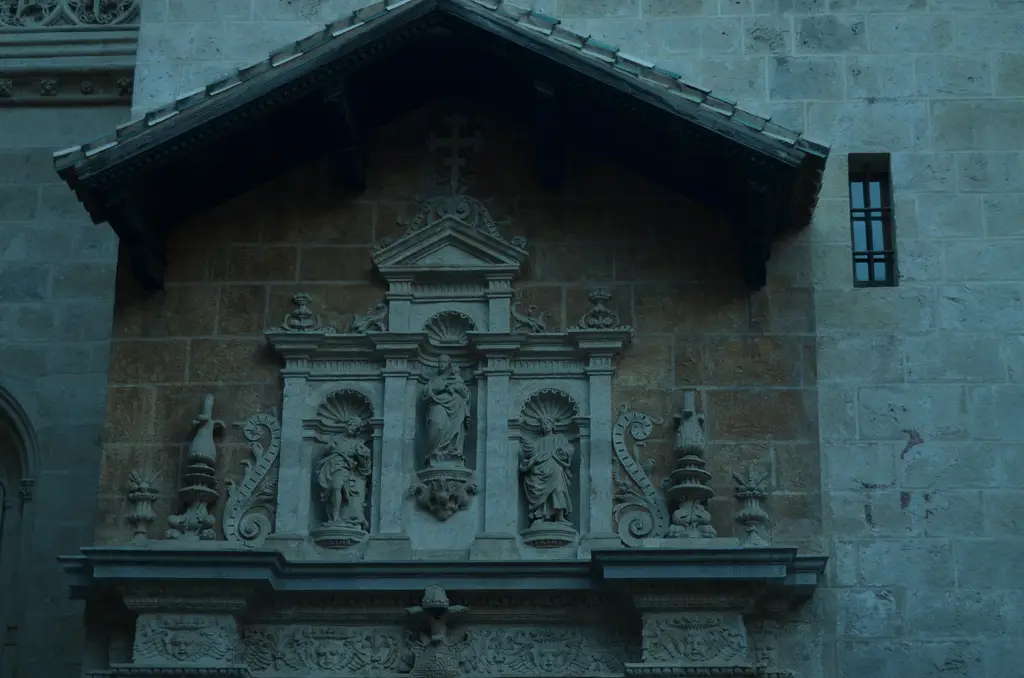
The burial site of Ferdinand and Isabella, the Catholic Monarchs who financed Columbus and finished the Reconquista, right next to the Cathedral. Small and quick next to the Alhambra but historically the reason Granada matters at all.
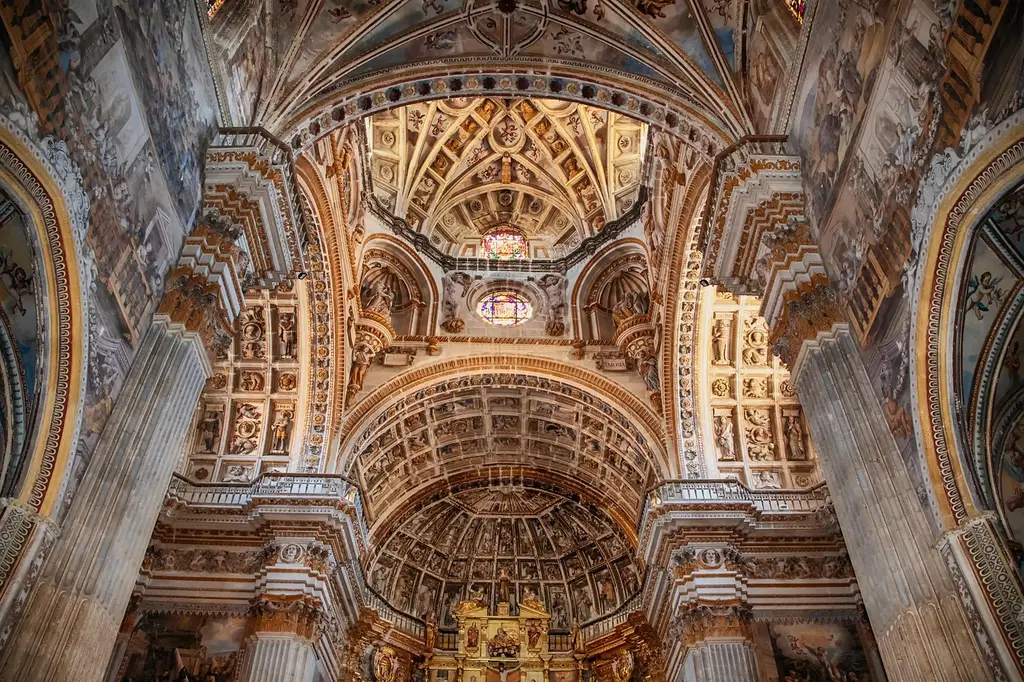
The Cathedral's own site shows it closed to visits following earthquake damage in the city; confirm status before planning around it, this could reopen on short notice or stay shut longer.
shops roughly 10am-9pm; bars open into the night·free to walk; a drink with tapas typically runs EUR 3-5·2-3 hours
The old Moorish silk market, now souvenir stalls, sits right by the Cathedral. Realejo just south is the better tapas crawl, less touristy bars, a free plate with every drink.
Albaicin
as of 2026-09
Viral
The old Moorish quarter climbing the hill opposite the Alhambra, steep whitewashed streets, hidden courtyard gardens called carmenes, artisan workshops, and multiple viewpoints looking back at the palace. This is where Granada earns its reputation, walkable, free, and less scripted than the Alhambra queue. Go toward golden hour and end at the Mirador de San Nicolas for the classic view.
Sacromonte cave flamenco shows
as of 2026-09
Viral
Flamenco performances held in whitewashed cave venues built into the hillside of Granada's traditional Romani quarter, a different setting from a standard theater tablao. The setting is real, not built for tourists, which makes it feel less canned than flamenco elsewhere. Quality varies a lot night to night and venue to venue, so check recent reviews before booking rather than walking up.
Arab bath hammam experience
as of 2026-09
Viral
Traditional Moorish-style bathhouses in the old town offering thermal pools at different temperatures, steam rooms, and tea service, usually sold as 60 to 90 minute sessions. Genuinely relaxing and priced well against spa equivalents elsewhere in Europe. Book ahead in busier months, slots fill fast and walk-ins often get turned away.
Generalife gardens
as of 2026-09
Viral
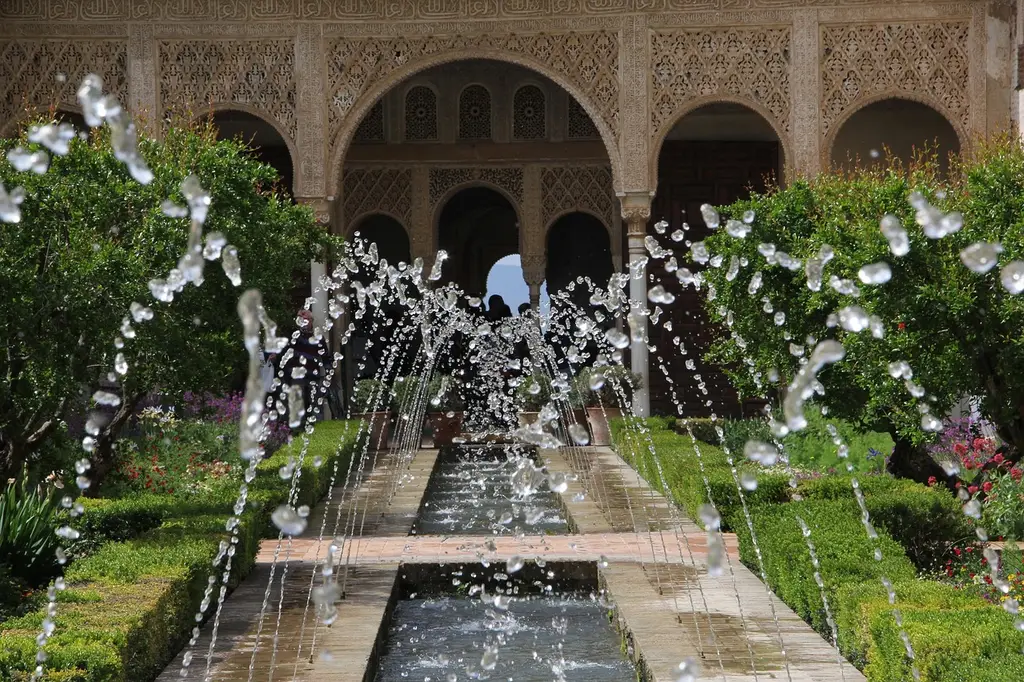
The Nasrid sultans' summer palace and gardens next to the Alhambra, terraced water channels, cypress hedges, and a long water staircase with fountains at each landing. Included with the general Alhambra ticket and often skipped by people who rush the palace itself. It's quieter than the main Nasrid Palaces and arguably the more relaxing half of the visit.
Carrera del Darro walk
as of 2026-09
Viral
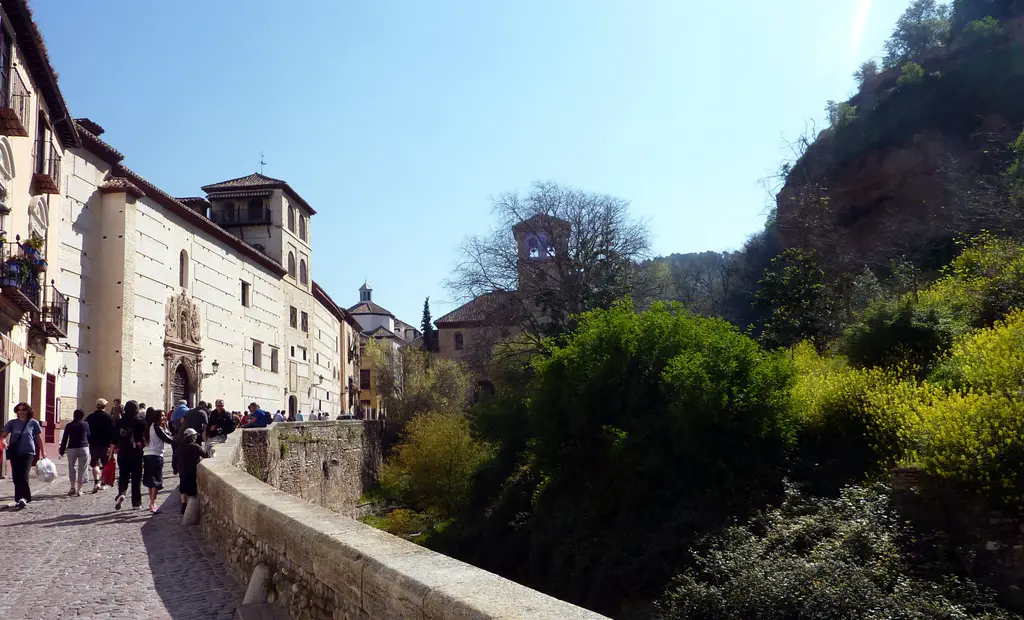
A riverside street below the Alhambra following the Darro river, old stone bridges, small Moorish-era ruins, and views straight up at the palace walls. Flat, short, and free, a good option if you want an Alhambra view without another climb. Gets busy midday but never as bad as the Albaicin's steepest lanes.
Parque de las Ciencias (Science Park)
as of 2026-09
Viral
A large interactive science museum south of the center covering biology, physics, space and technology, with a biodome and a planetarium among its permanent exhibits. A solid rainy-day or kid-friendly option that has nothing to do with Granada's Moorish-heritage image, which makes it a useful break from the churches-and-palaces circuit.
More to see (2)
7
Carrera del Darro and Paseo de los Tristes
always open·free·45 min-1 hour
The riverside walk beneath the Alhambra walls, cobbled and uneven, with the best low-angle view of the fortress above the trees. Go in late afternoon when the light hits the walls directly.
8
Hammam Al Andalus
check before you go·check before you go·1.5-2 hours
book ahead, sessions run on fixed time slots
Arab-style bathhouse near the Cathedral, styled after the hammams that would have served Nasrid Granada. A relaxed counterpoint to a day of hill climbing, not a historic site itself.
Where to stay
Albaicin
Suits: Travellers who want to be inside the old Moorish quarter
Atmospheric, close to Mirador San Nicolas, but every return to your room is uphill on cobbles.
Realejo
Suits: First-time visitors who want a central base without the hill
The old Jewish quarter, gentler slopes, strong tapas bar density, an easy walk to the Alhambra entrance.
Centro (around the Cathedral)
Suits: Convenience and nightlife
Flat, central, close to shopping and the Alcaiceria market, less atmospheric than Albaicin.
Sacromonte
Suits: Travellers prioritising quiet and flamenco caves over convenience
The steepest and most remote of the four, worth it only if the caves themselves are the draw.
Getting there and around
Getting there
Granada Airport (GRX, Federico Garcia Lorca Granada-Jaen) sits about 15km west of the city; an airport shuttle bus and taxis both run into the centre, taxi around 20-25 minutes. Fares and schedules change, confirm current pricing before you go. Malaga Airport, roughly 1.5 hours away by bus or car, has far more international routes and is a common alternate arrival point. Granada's train station connects to Madrid via AVE-Avant in around 3.5 hours and to Seville in about 3 hours by train or a faster direct bus.
Getting around
The historic centre, Albaicin and Sacromonte are all walkable but genuinely steep, this is not a flat old town like Seville's. Minibus routes C1, C2, C3 and C4 climb the Albaicin and Sacromonte hills for those who don't want to do it on foot, useful on the way up more than the way down. A Bonobus transit card covers the minibuses and city buses at a discount over single fares. Central Granada, Realejo, and the areas around the Cathedral need no transit at all.
Map
City
Recommended (numbered)
Mentioned in an itinerary
Locations on this map
Granada37.18, -3.60
Alhambra and Generalife37.18, -3.59
Albaicin and Mirador San Nicolas37.18, -3.59
Sacromonte and the Caves Museum37.18, -3.58
Capilla Real (Royal Chapel)37.18, -3.60
Granada Cathedral37.17, -3.60
Alcaiceria and Realejo tapas district37.18, -3.60
Carrera del Darro and Paseo de los Tristes37.44, -3.43
Hammam Al Andalus37.18, -3.59
Alcazaba37.18, -3.59
Centro37.18, -3.59
Plaza Nueva37.18, -3.60
Sierra Nevada37.10, -3.14
Cordoba37.14, -4.02
Mezquita-Catedral37.18, -3.60
Juderia37.15, -3.68
Costa Tropical36.73, -3.52
Salobrena36.77, -3.59
Almunecar36.77, -3.72
Alpujarras37.19, -3.62
Pampaneira36.96, -3.39
Capileira37.01, -3.34
Bubion36.95, -3.36
Trevelez37.00, -3.27
Baeza37.30, -3.77
Ubeda37.21, -3.61
Andalusian36.67, -4.48
What it costs
Stay
Food
Transport
Activities
Daily cost breakdown, EUR per person
Tier
Stay
Food
Transport
Activities
Total
Budget
EUR 20
EUR 15
EUR 5
EUR 15
EUR 55
Mid-range
EUR 55
EUR 30
EUR 8
EUR 22
EUR 115
Splurge
EUR 140
EUR 65
EUR 15
EUR 40
EUR 260
Mid-range hotel in Realejo EUR 55. Coffee and toast EUR 3. Alhambra general admission EUR 22.27. Three rounds of drinks in Realejo tapas bars, free tapas included, EUR 12. Sacromonte Caves Museum EUR 5. Sit-down dinner near Plaza Nueva EUR 22. Total: around EUR 119.
Money savers
Order drinks instead of ordering food in Realejo and Albaicin bars; the free tapa that comes with each round is a real meal across three or four rounds
Book the Capilla Real's free Wednesday afternoon slot instead of paying the EUR 5 entry
Bonobus transit card cuts the cost of the C1-C4 minibuses if you're avoiding the Albaicin or Sacromonte climb on foot
Mirador San Nicolas gives the same view postcards sell for free, go instead of paying for a rooftop bar with a lesser angle
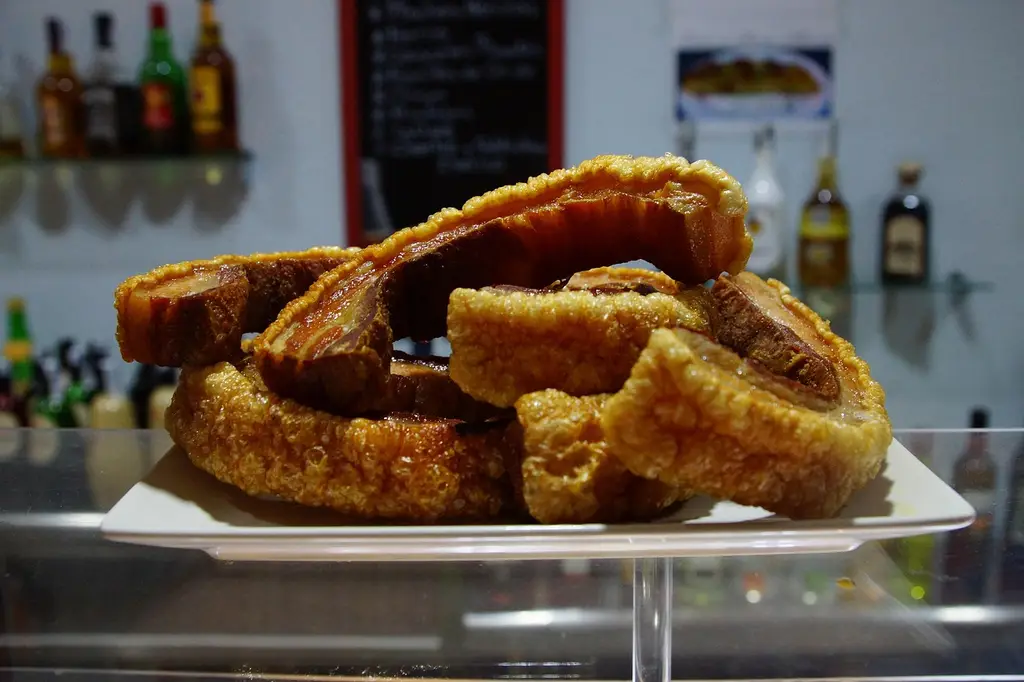
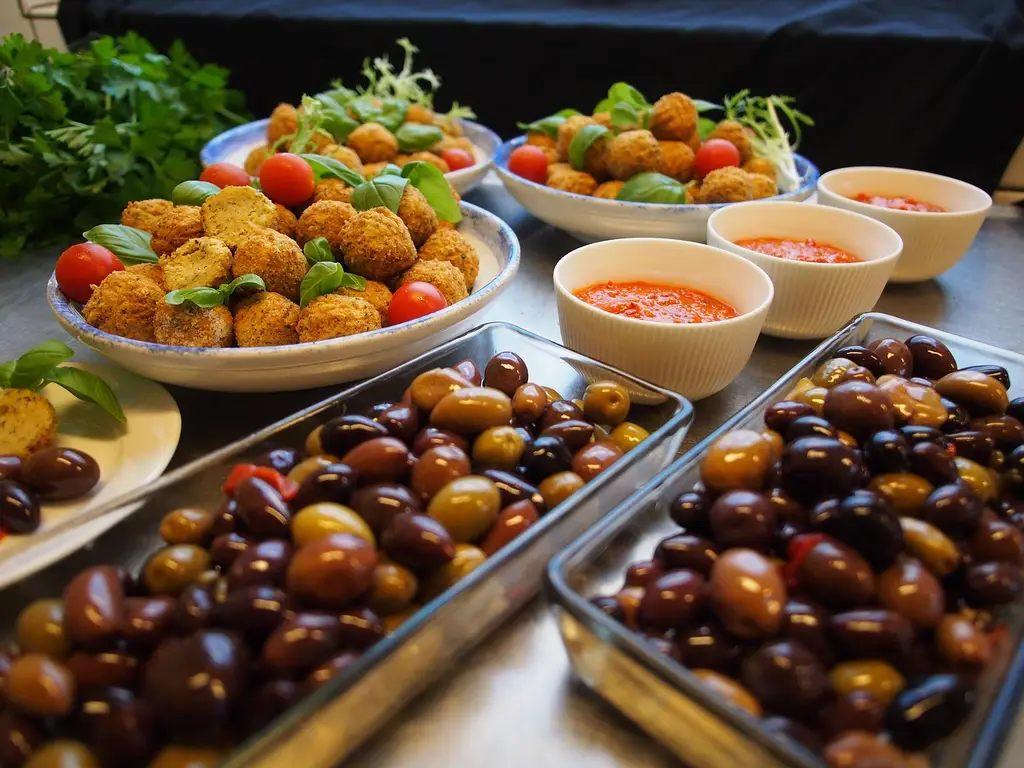
Order a drink almost anywhere in Albaicin, Realejo or Centro and a small plate shows up with it, unordered and unbilled, and the next round usually brings something different. That habit shapes how you eat here, in rounds across two or three bars rather than one sit-down meal. The cooking itself leans Moorish-Andalusian: cured ham with broad beans, salt cod with orange, offal dishes with real history behind them. Sacromonte and the old town hold the traditional restaurants; Realejo has the highest density of good tapas bars per block. Eating well here costs less than in Seville or Barcelona largely because of the free-tapa system, not because the food is simpler.
Free tapas with a drink
Tortilla del Sacromonte
Habas con jamon
Remojon granadino
Piononos
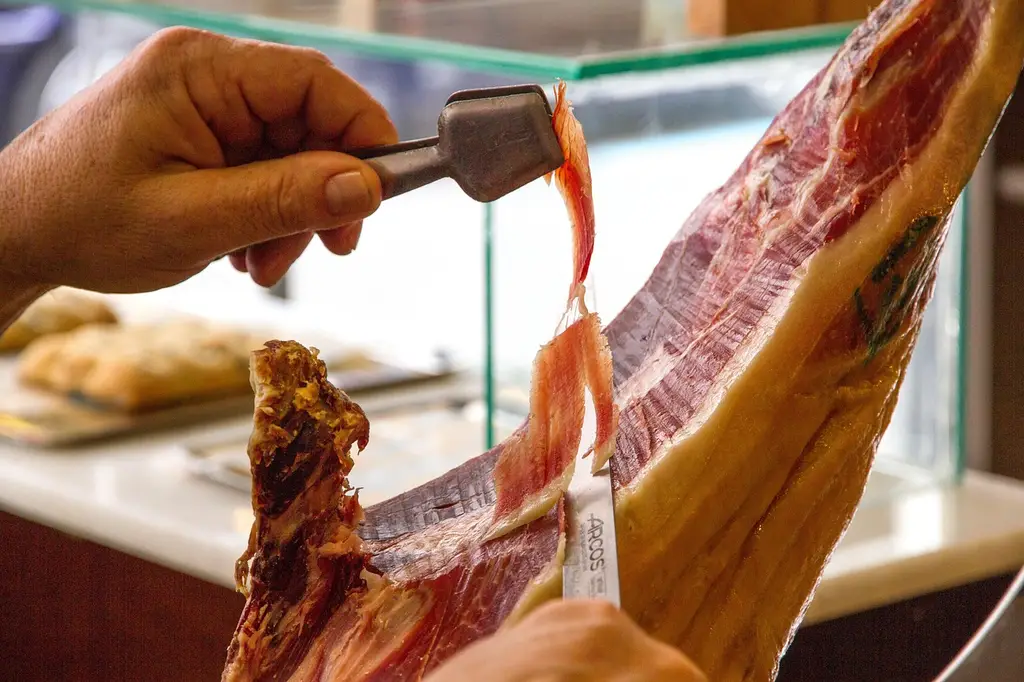
Trevelez cured ham
Free tapas with a drink
EUR 2.50-4 per drink, tapa included·Bars across Albaicin, Realejo and Centro
Must try
Order a beer or wine and a small plate arrives unasked and unbilled, standard practice here in a way it isn't reliably anywhere else in Spain.
Tortilla del Sacromonte
EUR 8-14·Traditional restaurants around Sacromonte and the old town
Must try
An omelette built on lamb brains and offal historically, more often lamb sweetbreads or a milder version now; ask before ordering if that's a dealbreaker.
Habas con jamon
EUR 5-9 as an ordered dish·Tapas bars city-wide, especially in spring
Broad beans stewed with cured ham, a Granada staple that shows up as a free tapa as often as an ordered dish.
Remojon granadino
EUR 6-10·Realejo and Albaicin tapas bars
Must try
A salad of salt cod, orange, olives and onion, a Moorish-Andalusian combination that's distinctly Granada rather than generic Spanish tapas.
Piononos
EUR 1-2 each·Bakeries in the centre, originally from nearby Santa Fe
Small rum-soaked sponge cakes with burnt cream on top, a Granada province specialty worth seeking out over generic pastries.
Trevelez cured ham
EUR 4-8 as a tapa plate·Delis and tapas bars, sourced from the Alpujarras village of Trevelez
A high-altitude cured ham with protected status, served thin-sliced as a tapa or bought whole from a deli counter to take home.
Calle Navas tapa-bar strip
as of 2026-09
Viral
A single street in the center where nearly every business is a bar, and ordering a drink still gets you a free tapa. Los Diamantes (since 1942) and Las Copas anchor it. Honest read: this isn't a new trend, it's an old custom that's stayed exactly as it was. I looked for a new wave of natural wine bars or vermuterias and found only the same established scene. If you want current and lively, Navas still delivers, just don't expect novelty.
Los Diamantes
as of 2026-09
Viral
Fried-fish and seafood chain with several Granada locations, known for pescaíto frito, shrimp tortillas and Sacromonte-style tortilla. Worth it, arrive early. Over 13,000 Google reviews average 4.3, with consistent praise for freshness though some complaints about price and consistency at busy times.
Free tapa culture
as of 2026-09
Viral
Granada is one of the few Spanish cities where a tapa still comes free with every drink, typically at neighborhood bars in Zaidín, Realejo and the center. Not a single place, a system, and it's genuinely still true. It's the actual reason people drink their way across this city.
El Barco Centro Gastronomico
as of 2026-08
Viral
A 5,000 square meter food hall with around nine to eleven restaurants under one roof, letting you try several cuisines without leaving the building. New and big, worth a look if you want variety in one stop, but it's a mall-style food hall, not a neighborhood find.
Palmeron pastries
as of 2026-09
Viral
A palm-shaped pastry that went viral in Granada bakeries, with some spots jumping from 50 to 200 sold per day as demand spread. If a bakery window has a line for a palm-shaped pastry, that's probably this. Worth grabbing one while it's hot.
Torta de la Virgen cheesecake
as of 2025-09
Viral
A local bakery mashed up Granada's traditional torta de la Virgen with cheesecake, creating a new dessert people are calling the most 'Granada' sweet yet. A genuine local twist on an old recipe, not just a rebrand. Ask bakeries around town if they carry a version.
Piononos de Santa Fe
as of 2026-09
Viral
A syrup-soaked sponge cake dessert from nearby Santa Fe, long sold in Granada bakeries like Casa Isla, which opened new locations in 2025 amid steady demand. Not new, but it's still expanding rather than fading, and it travels well as a takeaway box if you want something other than another tapa.
Mercado de San Agustin
as of 2026-09
Viral
The city's central covered market has added modern food stalls, including sushi, alongside its traditional meat and produce vendors, per 2024 reporting on its ongoing shift. Good for a fast, cheap lunch away from the tourist tapas circuit, though the mix of old and new stalls is uneven in quality.
Specialty coffee scene
as of 2026-09
Viral
Granada's coffee scene has grown more serious. Cafes now run home-brewing workshops and take a fine-dining approach to menus, and a national roaster bought two local roasting operations. A useful counterpoint if you're tired of watery bar coffee, but it's still a handful of specific addresses, not a citywide standard yet.
Artisan tiramisu shops
as of 2026-09
Viral
Standalone tiramisu takeaway shops are opening in central Granada, one drawing long queues around Valentine's Day 2026, following a broader trend across Spanish cities. Feels like an import from Madrid and Barcelona's dessert-shop wave rather than a Granada thing. Worth trying once, don't build a trip around it.
Safety and scams
Granada is low-violent-crime, but pickpocketing is a real issue at Mirador San Nicolas, in the Alhambra queues, and on the C1-C4 minibuses in peak season, standard bag-in-front caution applies. The bigger practical risks are physical: steep, uneven, poorly lit cobbled lanes in Albaicin and Sacromonte at night, and severe heat May through September that makes the hill climbs genuinely dangerous for anyone not carrying water.
Common mistakes
Booking the Alhambra without realising the Nasrid Palaces slot is a separate fixed window from your entry time
Treating the Albaicin and Sacromonte climbs as a casual afternoon stroll instead of the steep, sustained uphill walks they are
Assuming every bar's free tapa is a token bite; some are a genuine small plate, order accordingly and don't over-order food on top
Planning a full week in Granada city alone; three days covers it, the rest should go to day trips or other Andalusian towns
Showing up at Granada Cathedral without checking current status; it has had closures tied to recent earthquake damage
Frequently asked questions
How many days do you need in Granada?
Two full days covers the Alhambra, Albaicin and Sacromonte properly. Three lets you add Capilla Real, the Cathedral, and a slower tapas pace. Beyond three or four days, day trips to Cordoba, the Sierra Nevada, or the Alpujarras are a better use of time than more city.
How far ahead should you book Alhambra tickets?
Weeks ahead in spring, summer and around Semana Santa; tickets sell out and daily visitor numbers are capped. The Nasrid Palaces carry a separate timed entry printed on your ticket, missed slots are not honoured late, and ID matching the booking is checked at the gate.
What's the deal with free tapas in Granada?
Order a drink in most Albaicin, Realejo or Centro bars and a small plate arrives with it, unordered and unbilled. It's a genuine local tradition, not a tourist gimmick, and largely unique to Granada within Spain; three or four rounds can substitute for a full meal.
Is the Albaicin walk hard?
Harder than it looks on a map. Narrow cobbled lanes climb steadily with little shade, and the walk up to Mirador San Nicolas or on into Sacromonte is a sustained uphill effort, not a casual stroll, especially in summer heat.
How hot does Granada get in summer?
Regularly 35-40C in July and August, slightly less extreme than Seville but still severe. Plan hill climbs and the Alhambra for early morning, and expect the early afternoon to shut most non-tourist businesses.
Is Granada Cathedral open?
Check before you go. The Cathedral has had closures tied to recent earthquake damage in the city and its own site has shown it closed to visits. The adjoining Capilla Real is a separate ticket and was operating normally.
Can you day-trip to Granada from Seville or Malaga?
Yes, but it undersells the Alhambra, which alone needs half a day. Seville to Granada is about 3 hours by train or bus; Malaga is closer, around 1.5-2 hours. A rushed day trip means booking the Alhambra weeks ahead with no flexibility if plans shift.
Is Granada cheaper than Seville or Barcelona?
Yes, generally. Accommodation and dining run lower, and the free tapas culture meaningfully cuts food costs compared to Seville, where tapas are paid per plate. Mid-range travellers can expect roughly EUR 100-120 a day.
What should you not miss in Granada besides the Alhambra?
Mirador San Nicolas for the classic Alhambra view, a tapas crawl through Realejo for the free-plate tradition, and at least a couple of hours in the Albaicin's lanes without a fixed route. Sacromonte's cave museum is worth it if you have a third day.
Do you need a car in Granada?
No for the city itself, everything is walkable if steep. A car becomes useful only if you're extending into the Sierra Nevada, the Alpujarras villages, or the Costa Tropical, where bus schedules are limited.