Valencia gets compared to Barcelona constantly and loses that comparison in name recognition while quietly winning it on almost everything else that matters for a short trip: it's flatter, cheaper, less crowded, and the beach is a tram ride away rather than a scrum. This is the birthplace of paella, and the dish tourists eat everywhere else in Spain, thick with mixed seafood, is not really what's served here as the standard version. Paella valenciana is rabbit and chicken, sometimes snails, cooked in a wide shallow pan over an open flame, and it's a lunch dish, eaten early afternoon, not dinner. The city's most distinctive feature isn't a monument but an absence: the old Turia riverbed, diverted after a catastrophic 1957 flood, was never rebuilt as a road. Instead it became a 9km green corridor that cuts through the whole city, running straight into the futuristic City of Arts and Sciences complex at its southern end. Valencia is genuinely bike-friendly, with dedicated lanes threading most of the centre, which changes how a visit here feels compared to walking-only cities. Three to four days covers it well; longer trips work best paired with the Albufera wetlands just south of the city or a run down the coast.
Valencia is the city in this guide I'd point a first-timer to over Barcelona if they only had a long weekend and wanted the best ratio of things to see against effort spent getting around. It's smaller, flatter, and doesn't fight you the way a bigger, more crowded city does.
Paella eaten as a tourist expects it, seafood, at dinner, is not really the local dish. The version people actually eat here is rabbit and chicken, at lunch, and asking for it that way gets a noticeably different, better plate in most kitchens.
The Turia Gardens are the best use of a converted disaster I've seen in any city. A flood that could have become another six-lane road instead became nine kilometres of park, and it's still the first thing I'd recommend doing on a bike.
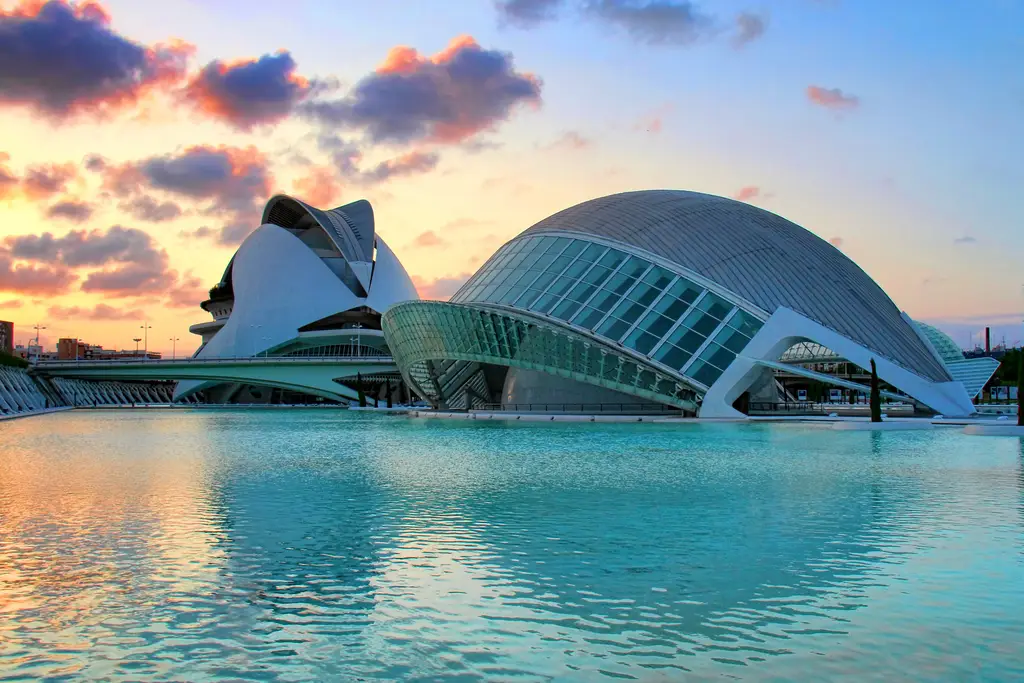
The City of Arts and Sciences complex photographs better than it necessarily needs a full day. Pick one or two of the buildings rather than the full combo unless travelling with kids who'll want the aquarium specifically.
Valencia's bike lanes are real infrastructure, not a painted afterthought, and using them changes how much of the city you can reasonably cover in a short trip compared to a walking-only visit.
Itineraries
Old town highlights plus a fast pass through the City of Arts and Sciences.
Day 1: Old town and CAC
Morning
Central Market, La Lonja, and Valencia Cathedral, all within a short walk of each other.
Afternoon
Paella lunch, then bike the Turia Gardens south toward the City of Arts and Sciences.
Evening
Explore the CAC complex exterior and one building (Hemisferic or Oceanografic), dinner in Ruzafa.
Tip: Book any CAC ticket online before arriving, walk-up queues build fast midday.
Old town, the full Turia Gardens and CAC complex, and the beach.
Day 1: Old town
Morning
Central Market, La Lonja.
Afternoon
Cathedral and Miguelete tower, paella lunch.
Evening
Wander Ciutat Vella, dinner in the old town.
Tip: Go to the market before 11am, it's a different, better experience early.
Day 2: Turia Gardens and CAC
Morning
Rent a Valenbisi bike and ride the Turia Gardens corridor.
Afternoon
City of Arts and Sciences complex, pick 1-2 buildings.
Evening
Dinner near the complex or back in Ruzafa.
Tip: Check seasonal CAC pricing before committing to the full combo ticket.
Day 3: Beach and Ruzafa
Morning
Malvarrosa beach.
Afternoon
Lunch on the beach front, then explore Ruzafa's cafes and shops.
Evening
Agua de Valencia at a bar in Ruzafa, final dinner.
Tip: Take the tram to the beach rather than biking the full distance.
Valencia in full plus a day trip to the Albufera wetlands.
Day 1: Old town
Morning
Central Market, La Lonja.
Afternoon
Cathedral, paella lunch.
Evening
Ciutat Vella wander.
Tip: Market before 11am.
Day 2: Turia Gardens and CAC
Morning
Bike the Turia Gardens.
Afternoon
City of Arts and Sciences.
Evening
Dinner in Ruzafa.
Tip: Check seasonal CAC pricing.
Day 3: Beach and Ruzafa
Morning
Malvarrosa beach.
Afternoon
Ruzafa cafes and shops.
Evening
Agua de Valencia, dinner.
Tip: Tram to the beach.
Show all 5 days
Day 4: Albufera day trip
Morning
Bus or bike to the Albufera Natural Park, about 30 minutes south, a lagoon and rice paddy landscape that's the actual source of the rice used in paella.
Afternoon
Boat trip on the lagoon, lunch in a rice-paddy village restaurant.
Evening
Return to Valencia, casual dinner.
Tip: Sunset boat trips on the Albufera are the most popular slot, book ahead.
Day 5: Free day and departure
Morning
Bioparc or a revisit to a favourite spot.
Afternoon
Last-minute shopping near the old town.
Evening
Depart.
Tip: Leave the morning flexible, it's the easiest slot to run long.
A full week covering Valencia thoroughly plus the Albufera and a run down the coast.
Day 1: Old town
Morning
Central Market, La Lonja.
Afternoon
Cathedral, paella lunch.
Evening
Ciutat Vella wander.
Tip: Market before 11am.
Day 2: Turia Gardens and CAC
Morning
Bike the Turia Gardens.
Afternoon
City of Arts and Sciences.
Evening
Dinner in Ruzafa.
Tip: Check seasonal CAC pricing.
Day 3: Beach and Ruzafa
Morning
Malvarrosa beach.
Afternoon
Ruzafa cafes.
Evening
Agua de Valencia.
Tip: Tram to the beach.
Show all 7 days
Day 4: Albufera day trip
Morning
Travel to the Albufera.
Afternoon
Boat trip, lunch.
Evening
Return to Valencia.
Tip: Book the boat ahead.
Day 5: Bioparc and free time
Morning
Bioparc Valencia.
Afternoon
Rest or revisit a favourite spot.
Evening
Casual dinner.
Tip: A deliberately lighter day midweek.
Day 6: Coastal day trip south
Morning
Train or bus toward Alicante or a nearer coastal town like Gandia, about 1-1.5 hours.
Afternoon
Beach time and lunch in a smaller coastal town.
Evening
Return to Valencia.
Tip: Check train schedules the day before, regional services run less frequently than AVE.
Day 7: Slow morning and departure
Morning
Final wander through the old town or Turia Gardens.
Afternoon
Depart.
Evening
N/A
Tip: Keep this morning unscheduled.
Valencia alone doesn't honestly fill two weeks, so this builds outward along the Costa Blanca and inland to Alicante, using Valencia as the anchor at both ends.
Day 1: Old town
Morning
Central Market, La Lonja.
Afternoon
Cathedral, paella lunch.
Evening
Ciutat Vella.
Tip: Market before 11am.
Day 2: Turia Gardens and CAC
Morning
Bike the Turia Gardens.
Afternoon
City of Arts and Sciences.
Evening
Dinner in Ruzafa.
Tip: Check CAC pricing.
Day 3: Beach and Ruzafa
Morning
Malvarrosa beach.
Afternoon
Ruzafa.
Evening
Agua de Valencia.
Tip: Tram to the beach.
Show all 14 days
Day 4: Albufera day trip
Morning
Travel to the Albufera.
Afternoon
Boat trip, lunch.
Evening
Return.
Tip: Book the boat ahead.
Day 5: Bioparc and rest
Morning
Bioparc.
Afternoon
Rest.
Evening
Casual dinner.
Tip: Lighter day.
Day 6: Move south to Gandia or Denia
Morning
Train south, about 45-90 minutes depending on stop.
Afternoon
Beach town exploring, check into a coastal hotel.
Evening
Seafood dinner by the harbour.
Tip: Denia is the ferry port for Ibiza and Mallorca if extending further.
Day 7: Coastal town
Morning
Beach morning.
Afternoon
Explore the old quarter, castle if the town has one.
Evening
Dinner.
Tip: This stretch of coast is far less crowded than the Costa Brava.
Day 8: Move to Alicante
Morning
Train to Alicante, roughly 1-1.5 hours from most Costa Blanca towns.
Afternoon
Santa Barbara Castle and the old town.
Evening
Dinner near the Explanada seafront.
Tip: The castle has a lift up if you want to skip the climb.
Day 9: Alicante
Morning
Beach time at Postiguet.
Afternoon
Central Market and old quarter shopping.
Evening
Casual dinner.
Tip: Alicante's tapas scene is worth a proper evening, less touristy than the seafront suggests.
Day 10: Free coastal day
Morning
Day trip option to Tabarca island by ferry, a small marine reserve.
Afternoon
Beach or snorkelling.
Evening
Return to Alicante.
Tip: Ferries to Tabarca run less often outside summer, check the schedule.
Day 11: Return to Valencia
Morning
Train back to Valencia, about 2 hours.
Afternoon
Free time, revisit a favourite spot.
Evening
Dinner in Ruzafa.
Tip: Use this as a slow re-entry day after the coastal stretch.
Day 12: Free day in Valencia
Morning
Open, anything missed on day one.
Afternoon
Shopping or a museum.
Evening
Final Ruzafa dinner.
Tip: Leave this genuinely unplanned.
Day 13: Turia Gardens full length
Morning
Bike the entire Turia Gardens corridor end to end if you haven't already.
Afternoon
Rest.
Evening
Last night out.
Tip: A good closing activity, low effort, high payoff.
Day 14: Departure
Morning
Last coffee, pack.
Afternoon
Depart.
Evening
N/A
Tip: Metro to the airport is direct and cheap, no need to book a taxi in advance.
Things to do
1Photo by Sunnya343, licensed CC BY-SA 4.0, via Wikimedia CommonsCity of Arts and Sciences (Ciutat de les Arts i les Ciencies)
City of Arts and Sciences (Ciutat de les Arts i les Ciencies)
Varies by season and by individual building, roughly 10am-6pm low season up to 10am-10pm peak season·Oceanografic alone: EUR 35.90-43.05 general (seasonal); full combo (Oceanografic + Hemisferic + Museu de les Ciencies): EUR 44.00-51.25 general·Half day to full day for the complex, 3+ hours for Oceanografic alone
Book online in advance, especially the Oceanografic in peak season and school holidays
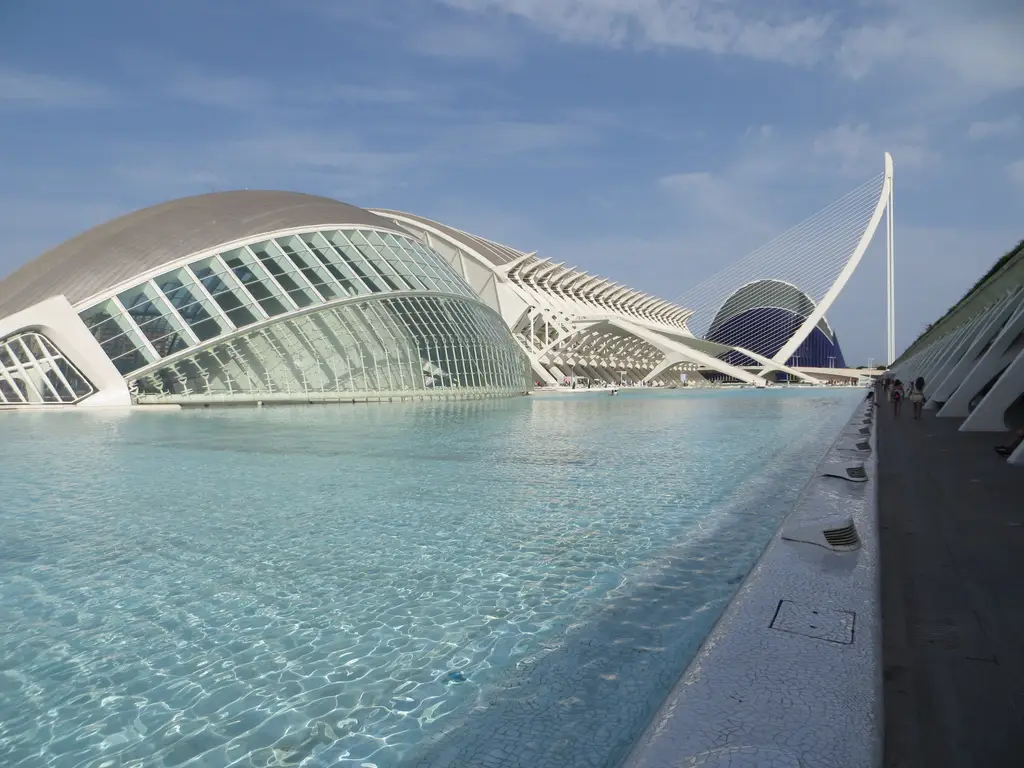
Europe's largest aquarium plus a science museum and planetarium in striking Santiago Calatrava architecture. Prices shift by season, check the calendar-based pricing tool before booking, not a flat rate.
Mon-Sat 10:30am-6:30pm (last entry 5:30pm), Sun 2:00-6:30pm (last entry 5:30pm); Miguelete tower Mar 1-Nov 30 only, 10am-6:45pm daily·Check current rate at the door or official site, not listed publicly at time of research·1-1.5 hours
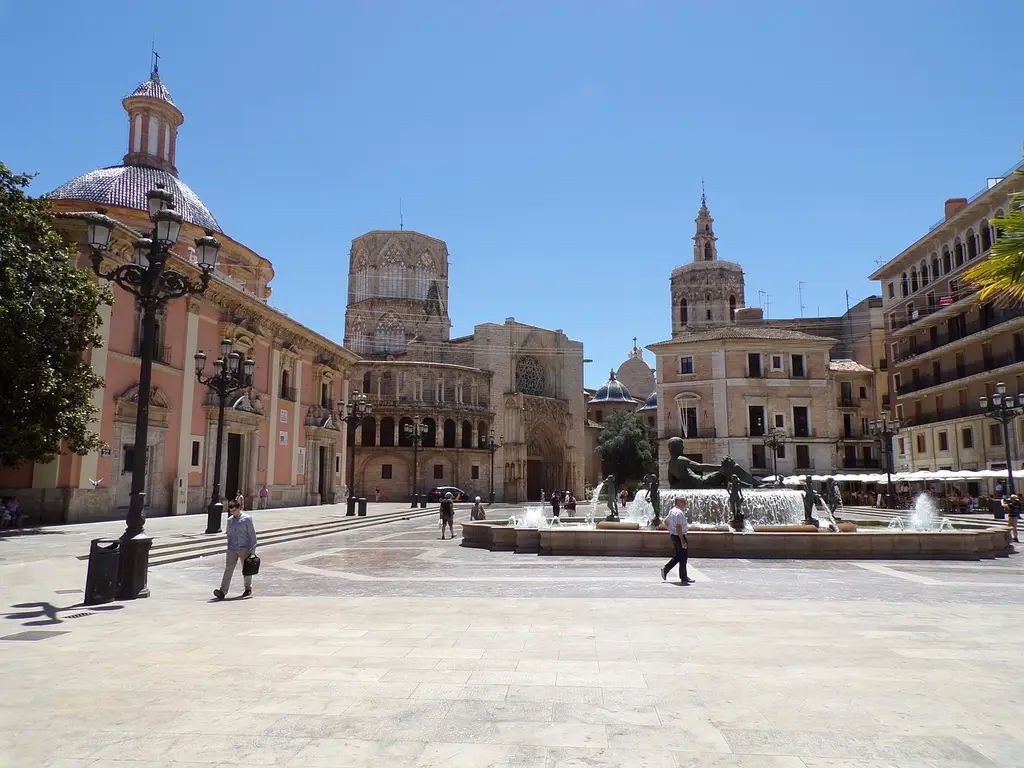
Houses a chalice tradition holds to be the Holy Grail, displayed in a side chapel; treat the claim as tradition, not verified fact, and see it as a striking object regardless. Climb the Miguelete for the best old-town view.
Mon-Sat roughly 7:30am-3pm, closed Sundays·free to enter·45 min-1.5 hours
Closed Sunday
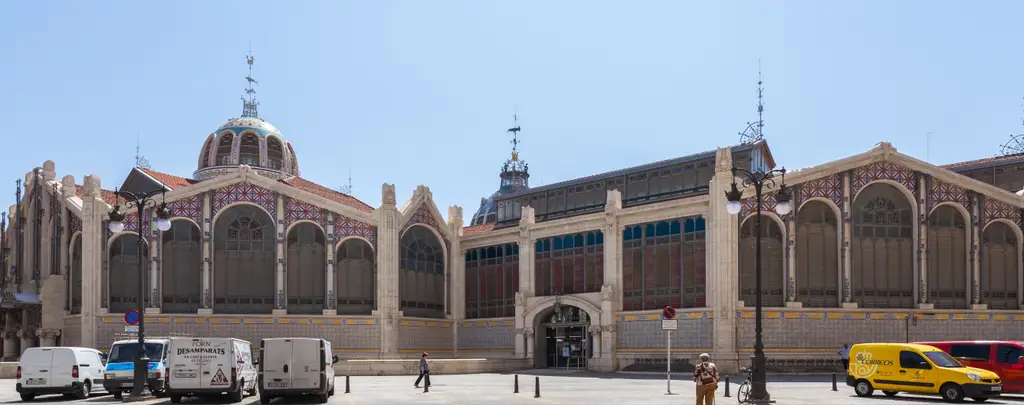
One of Europe's largest covered markets, a working Art Nouveau building still used by locals daily. Go before 11am, stalls start closing for the day by early afternoon.
4
Turia Gardens (Jardin del Turia)
always open·free·1-3 hours depending on how much you cover
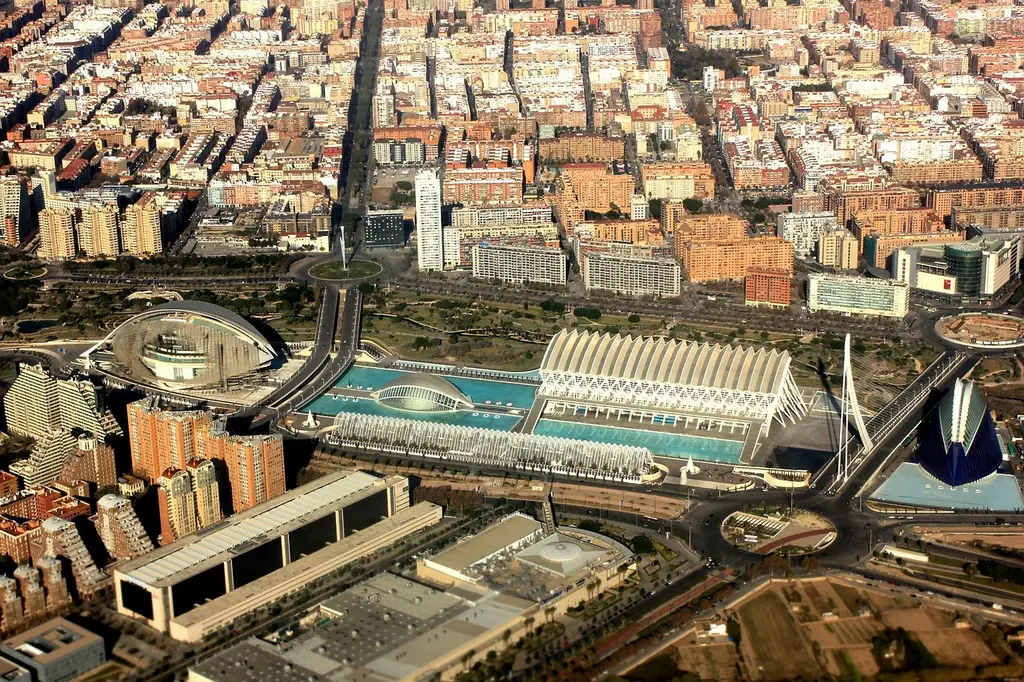
A dried-out riverbed converted into a 9km park running the length of the city, straight into the City of Arts and Sciences. Rent a bike and ride the whole length rather than trying to walk it.
5
La Lonja de la Seda (Silk Exchange)
Typically Tue-Sat 10am-7pm, Sun/holidays 10am-2pm, closed Mondays, check before you go·Around EUR 2-5, often free on Sundays (verify current rate)·30-45 min
Closed Monday
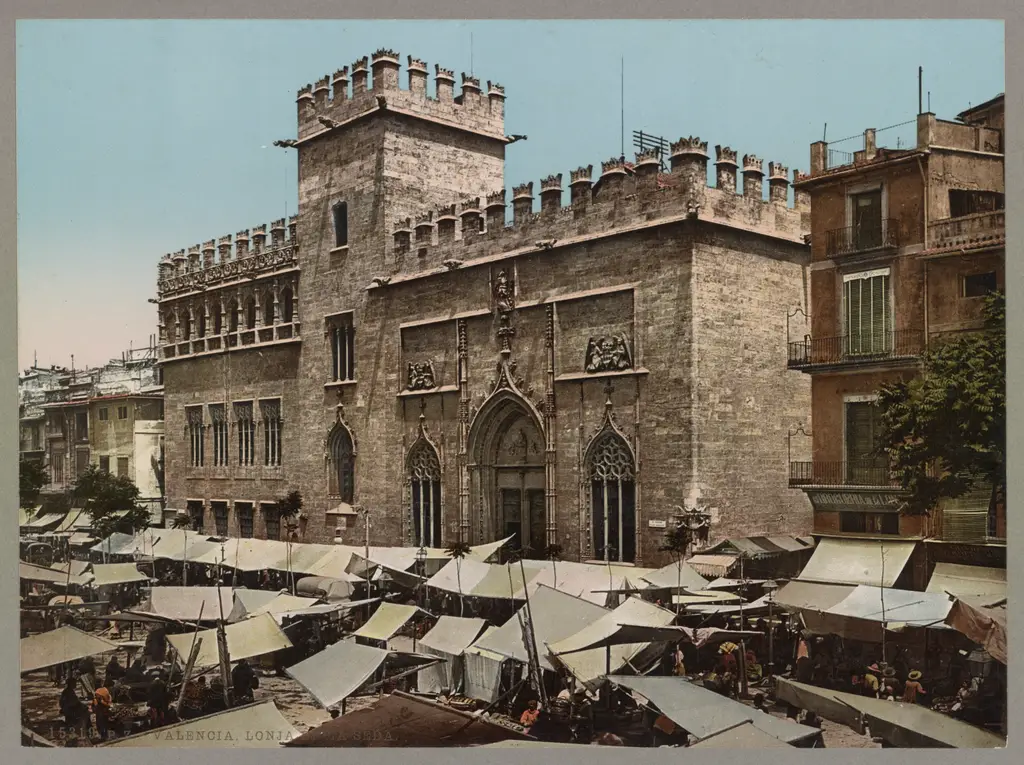
A UNESCO World Heritage Gothic trading hall with an extraordinary twisted-column main room. Quick visit, easy to combine with the Central Market across the street.
6
Malvarrosa beach
always open·free·2+ hours
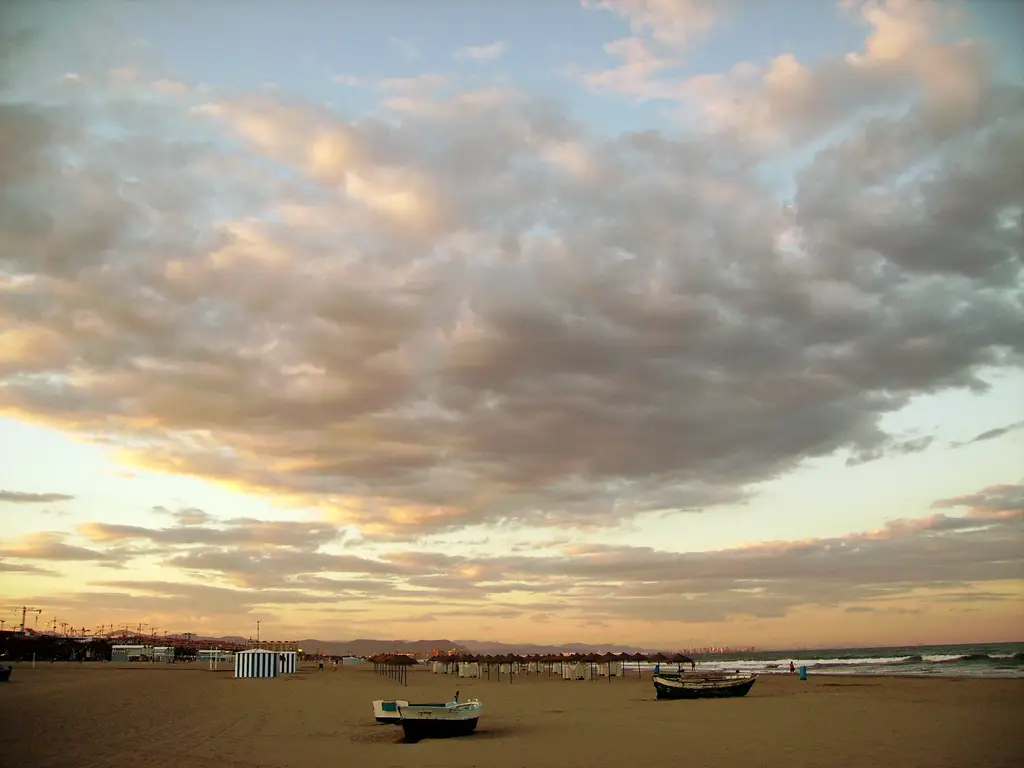
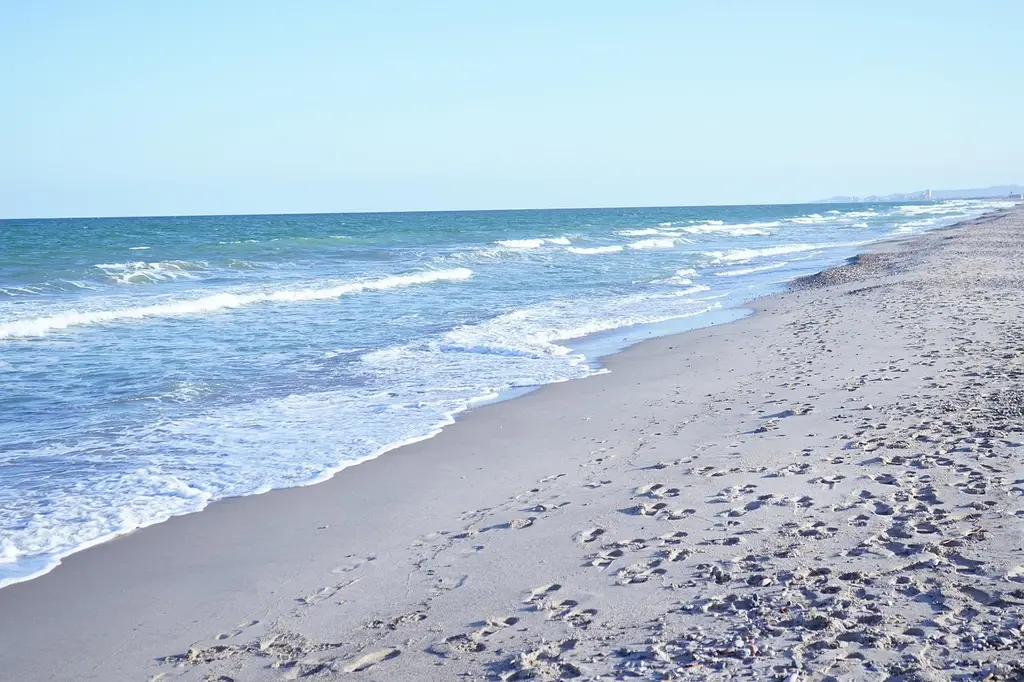
A genuine city beach, reachable by tram in about 20 minutes from the centre, lined with paella restaurants that lean touristy right on the front, better food is a few streets back.
Las Fallas
as of 2026-09
Viral
Valencia's annual fire festival, running March 1 to 19, with giant satirical sculptures built by neighbourhood committees, daily fireworks displays called mascleta at 2pm in the main square, a flower procession, and a final night of coordinated bonfires burning the sculptures. Genuinely one of Spain's best festivals and built by locals for themselves rather than manufactured for visitors. Outside that March window there's nothing left of it on the ground, so it only matters if your trip lines up with the dates.
Turia Gardens
as of 2026-09
Viral
A 9-kilometer park built in a drained riverbed running through the city, with cycling and running paths, playgrounds, sports courts, and the City of Arts and Sciences sitting inside it partway along. This is Valencia's best free asset and it isn't overhyped, genuinely pleasant and useful for actually getting around the city on foot or by bike. Rent a bike for the full length rather than trying to walk it.
City of Arts and Sciences
as of 2026-09
Viral
Santiago Calatrava's white concrete and glass architectural complex inside Turia Gardens, housing an IMAX-style science cinema, a science museum, and Europe's largest aquarium, the Oceanografic. Worth seeing from outside even if you skip every paid attraction, the buildings alone are the draw and photograph well from across the reflecting pools. The aquarium is a genuine highlight if you have kids, but ticket prices for the full complex add up fast.
Albufera Natural Park boat trip
as of 2026-09
Viral
A freshwater lagoon and wetland just south of the city, reached by traditional flat-bottomed boats called barcas, usually sold as a sunset or morning tour with a guide. A calm, unglamorous contrast to the city center and genuinely good for birdwatching and rice-paddy scenery. Sunset slots book up, morning tours are quieter and cheaper.
Mercado Central (Central Market)
as of 2026-09
Viral
A large early 20th century covered market near the cathedral with stained glass and iron dome architecture, hundreds of stalls selling produce, seafood, and cured goods. Worth a walk-through purely for the building itself, a real working market rather than a tourist food court, even if you're not buying anything to eat.
Malvarrosa beach cycle route
as of 2026-09
Viral
A flat, well-paved cycle path connecting the city center through Turia Gardens out to Malvarrosa beach on the coast, entirely free to ride and free to access at the beach end. One of the easiest ways to see a different side of Valencia without booking anything. Best done morning or early evening, midday sun on the open path can be brutal in summer.
More to see (1)
7
Bioparc Valencia
Typically 10am-6pm low season, later in summer, check current schedule·Around EUR 27-31 adult (verify current rate)·2-3 hours
walk in or book online
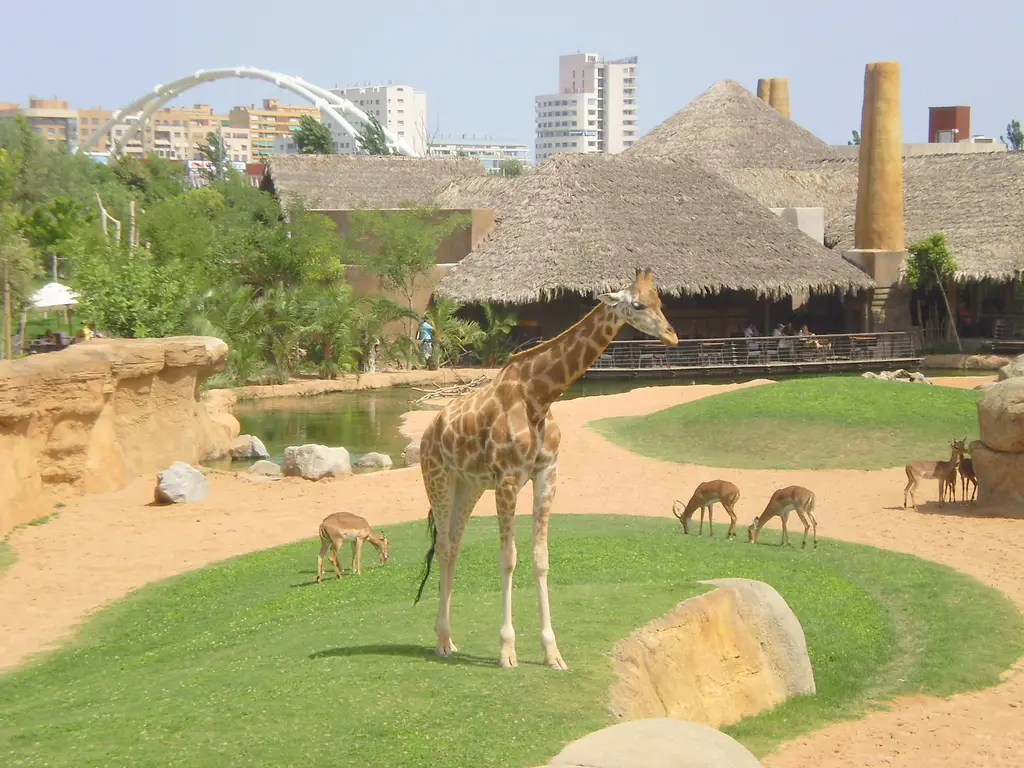
An immersive zoo built around open-plan African-style habitats rather than cages, well regarded, a good option if travelling with kids beyond the CAC.
Where to stay
Ciutat Vella (Old Town)
Suits: First-time visitors who want to walk everywhere
Central, historic, close to the Cathedral, Central Market, and La Lonja, can be noisy near the nightlife streets.
Ruzafa
Suits: Food and a younger, local-feeling scene
South of the centre, Valencia's best concentration of independent restaurants and cafes, a 15-minute walk to the old town.
El Cabanyal / Malvarrosa
Suits: Beach access
Right on the sand, a tram ride from the centre, quieter and more residential than the old town.
Near the City of Arts and Sciences
Suits: Travellers prioritising the CAC complex
Modern, less atmospheric, but cuts commute time if the CAC is your main draw.
Getting there and around
Getting there
Valencia Airport (VLC) sits about 8km from the centre; the metro (line 3 or 5) runs directly into town for around EUR 4.90 and takes about 25 minutes, or a taxi runs roughly EUR 20-25. The AVE high-speed line connects Valencia to Madrid in about 1 hour 40 minutes, one of the fastest major-city AVE routes in the country, and to Barcelona in around 3 hours.
Getting around
Valencia is the most bike-friendly of Spain's big cities, with an extensive dedicated lane network and a bike-share system (Valenbisi) that's genuinely useful for tourists, not just commuters. The old town and most sights sit within walking distance of each other, and it's flat, unlike Granada or parts of Barcelona. A compact metro and tram network covers the airport, beach (Malvarrosa), and outer neighbourhoods for around EUR 1.50-2 a ride.
Map
City
Recommended (numbered)
Mentioned in an itinerary
Locations on this map
Valencia39.47, -0.38
City of Arts and Sciences (Ciutat de les Arts i les Ciencies)39.46, -0.35
Valencia Cathedral and Miguelete tower39.47, -0.38
Mercado Central (Central Market)39.47, -0.38
Turia Gardens (Jardin del Turia)39.48, -0.39
La Lonja de la Seda (Silk Exchange)39.47, -0.38
Malvarrosa beach39.48, -0.32
Bioparc Valencia39.48, -0.41
CAC39.46, -0.35
Hemisferic39.46, -0.35
Oceanografic39.45, -0.35
Ruzafa39.46, -0.37
Valenbisi39.46, -0.40
Agua de Valencia39.28, -0.28
Ciutat Vella39.47, -0.38
Albufera39.31, -0.34
Alicante38.34, -0.49
Gandia38.97, -0.18
Costa Blanca38.34, -0.49
Santa Barbara Castle38.14, -0.88
Explanada38.34, -0.48
Tabarca38.17, -0.48
What it costs
Stay
Food
Transport
Activities
Daily cost breakdown, EUR per person
Tier
Stay
Food
Transport
Activities
Total
Budget
EUR 20
EUR 15
EUR 5
EUR 15
EUR 55
Mid-range
EUR 55
EUR 30
EUR 8
EUR 17
EUR 110
Splurge
EUR 130
EUR 65
EUR 15
EUR 30
EUR 240
Mid-range hotel in Ruzafa EUR 55. Coffee and a farton pastry EUR 3. Valenbisi bike day pass EUR 2. Paella lunch (the local rabbit-and-chicken version, eaten around 2pm) EUR 16. City of Arts and Sciences combo ticket EUR 45. Casual dinner in Ruzafa around 9pm EUR 20. Total: around EUR 141, though skipping the CAC combo drops this well under EUR 100.
Money savers
Valenbisi bike-share is cheap and turns the whole Turia Gardens corridor into a free, fast way to see the city
La Lonja is often free or near-free on Sundays, worth timing a visit around
Central Market before 11am doubles as both a sight and a cheap, real lunch option, buy a few things and eat on a bench nearby
Skip the CAC's Oceanografic if budget-conscious, the Hemisferic and Museu de les Ciencies alone are far cheaper and the Turia Gardens outside are free
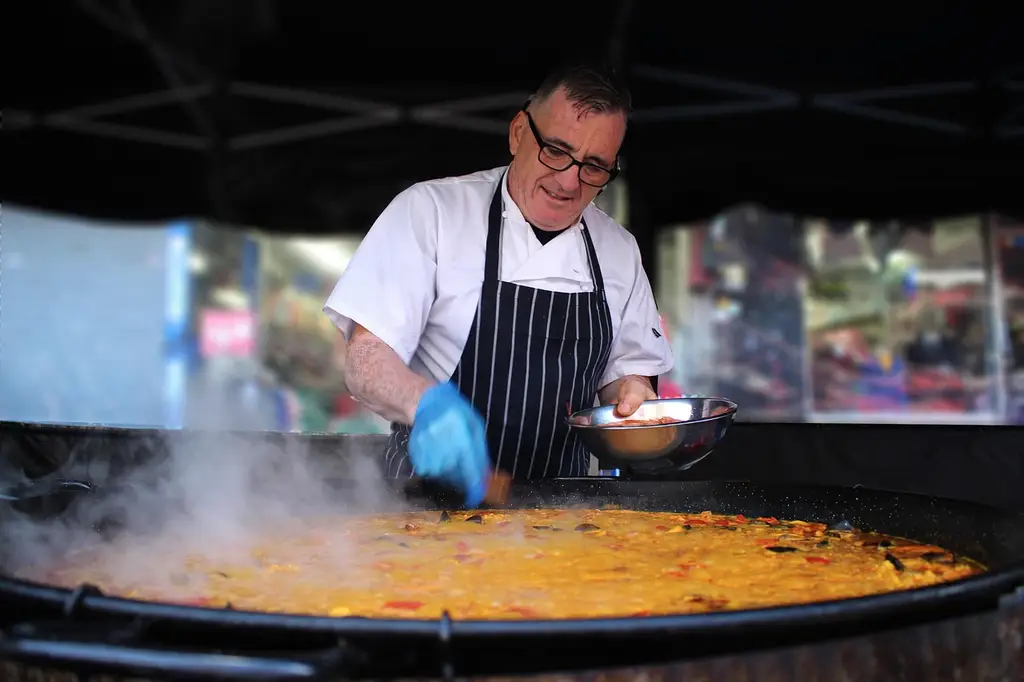
Valencia is the one city here where paella genuinely is the local dish, not an import dressed up for tourists. Authentic paella valenciana uses rabbit, chicken, sometimes snails and garrofo beans, cooked over orange-wood fire in a wide shallow pan, never the mixed seafood version served as the default elsewhere. It's traditionally lunch, never dinner, eaten straight from the pan and shared, not plated individually. Restaurants serving it all day for tourists are doing it wrong by local standards. Horchata de chufa, a cold tiger-nut drink unique to the region, comes with fartons for dipping. All i pebre, an eel stew from the Albufera wetlands, comes from the same rice-growing region as paella itself.
EUR 16-24 per person·Restaurants in the old town and along the Turia Gardens, best eaten at lunch
Must try
Rabbit, chicken, sometimes snails and garrofo beans, cooked over orange-wood fire. The seafood version tourists expect elsewhere is a coastal adaptation, not what Valencians consider the real dish.
Horchata de chufa and fartons
EUR 3-6·Horchaterias across the city, especially near the old town
Must try
A cold, sweet tiger-nut drink native to the Valencia region, traditionally paired with fartons, a long soft pastry for dipping.
Esgarraet
EUR 5-8·Tapas bars
Shredded salt cod with roasted red pepper and garlic, a simple, sharp regional starter that shows up on most traditional menus.
Agua de Valencia
EUR 8-12 per glass or by the jug·Bars in the old town and Ruzafa
Must try
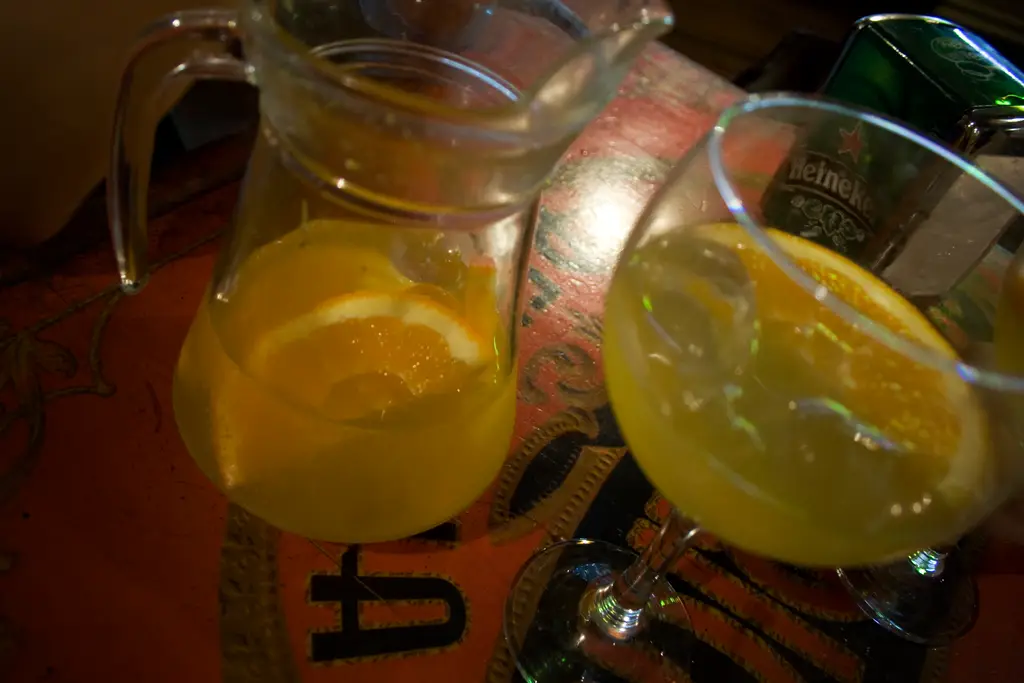
A local cocktail of cava, orange juice, and vodka or gin, sweeter and stronger than it tastes, a genuinely Valencian invention rather than a tourist-menu drink.
All i pebre
EUR 14-20·rice-paddy village restaurants around the Albufera wetlands, just south of the city
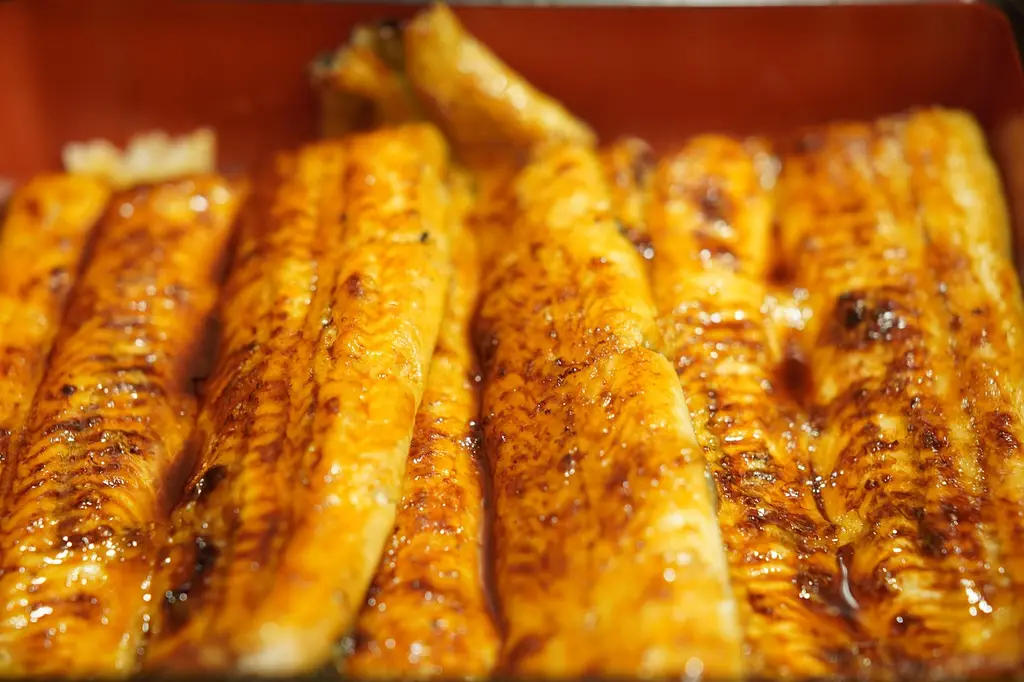
An eel stew cooked with garlic and paprika, from the same lagoon and rice-growing wetlands that supply paella. A genuine regional dish, not a tourist plate.
Fideuà
EUR 16-24 per person·coastal restaurants along Malvarrosa and the old town
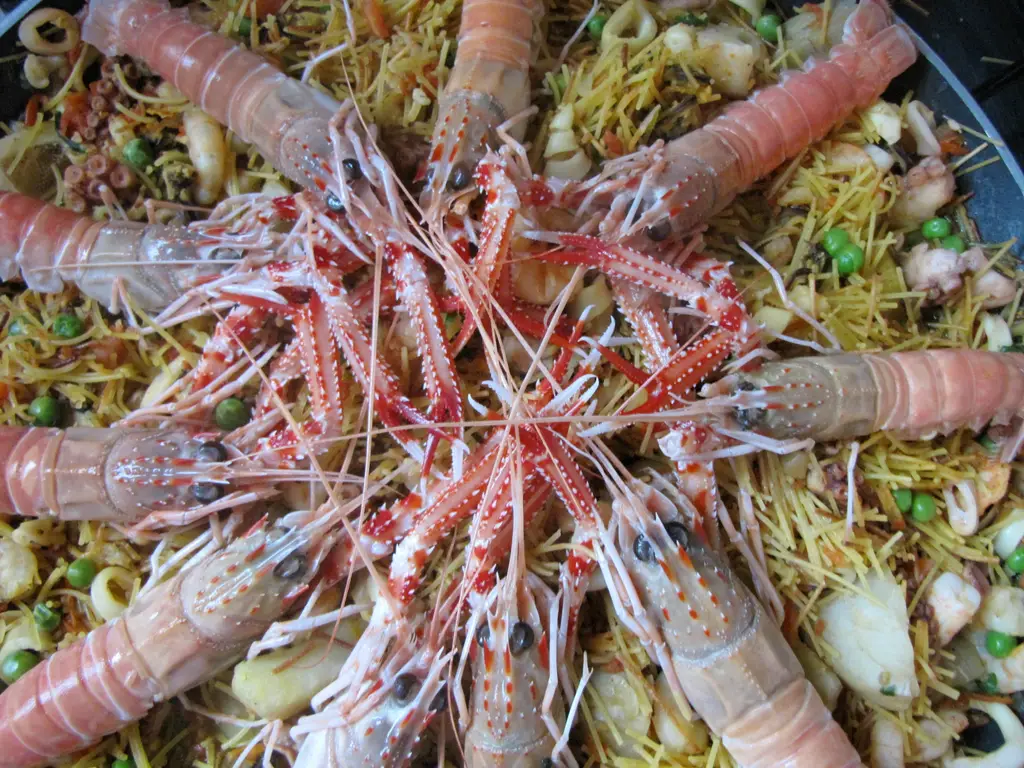
Short toasted noodles cooked like paella in a wide pan with seafood, a Valencia-region invention despite often being credited to Barcelona. Order it for two or more, same as paella.
La Pilareta
as of 2026-09
Viral
Century old tapas bar in El Mercat serving clóchinas, Valencian mussels, on a first come first served ticket system. Not new, that's the point. A place that's been quietly good for decades and keeps getting rediscovered online. Worth it.
Mercado Central stalls
as of 2026-09
Viral
Prepared food counters inside the 1928 market hall, jamón carved to order, plates running eight to twelve euros. Cheaper and better than the sit down tourist restaurants nearby. Point yourself at the market rather than one stall, since specific stall names were harder to confirm as still around.
Horchatería Daniel
as of 2026-09
Viral
Horchata shop founded in 1979 in Alboraya, the birthplace of horchata, serving horchata de chufa with fartons plus horchata granizado. The real deal, not a gimmick. Over 1,000 reviews average 4.0, and current 2026 write-ups still call it the benchmark, though a few flag inconsistent quality at the busiest branches.
Ruzafa specialty coffee scene
as of 2026-09
Viral
A neighborhood cluster of independent specialty coffee shops that put Valencia on the specialty coffee map, alongside a dense brunch scene. A district trend, not one shop, and a genuine shift away from standard Spanish café con leche culture. Still going strong.
Flores Raras (Quique Dacosta)
as of 2026-02
Viral
Chef Quique Dacosta relaunched his former restaurant El Poblet as Flores Raras in January 2026, keeping its two Michelin stars, now led by chef Carolina Alvarez. This is a real changeover, not a rename for marketing. High end and needs planning ahead, but it's the city's biggest fine dining story of the year.
Cuina Oberta festival
as of 2026-04
Viral
Valencia's recurring restaurant festival opens high-end kitchens to fixed-price menus starting around 28 euros, with roughly 70-75 restaurants and several Michelin-starred spots joining recent editions. Good way to try a Michelin tasting menu without the usual price tag, but check the current dates since it runs a couple times a year.
Safety and scams
Valencia is a low-crime city by Spanish and European standards; the main real risk is pickpocketing around the Central Market, the Cathedral area, and busy beach stretches in summer, standard caution applies. Bike lanes are shared with e-scooters and can be busy, watch for both when crossing on foot. Summer heat is real but less extreme than Andalusia, generally in the low-to-mid 30s C rather than approaching 40C.
Common mistakes
Ordering seafood paella at dinner and assuming it's the authentic local version
Skipping the Turia Gardens because it doesn't look like a headline attraction on a map
Trying to walk the entire Turia Gardens corridor instead of renting a bike
Underestimating how much the City of Arts and Sciences complex costs if booking the full combo without checking seasonal pricing
Visiting the Central Market in the afternoon, when most stalls have already closed for the day
Frequently asked questions
How many days do you need in Valencia?
Three days covers the old town, Turia Gardens, City of Arts and Sciences, and the beach comfortably. Two days is workable if you're efficient. Beyond four or five days, day trips to the Albufera or the Costa Blanca make better use of extra time than staying entirely in the city.
Is Valencia cheaper than Barcelona?
Yes, noticeably, across accommodation, food, and activities. Mid-range travellers can expect to save roughly 15-25% compared to Barcelona for comparable comfort.
What's real Valencia paella like?
Paella valenciana is rabbit and chicken, sometimes snails and green beans, not the mixed seafood version served as the default in most of Spain and abroad. It's traditionally a lunch dish, and restaurants serving it at dinner for tourists are considered locally to be getting it wrong.
Do you need to book City of Arts and Sciences tickets in advance?
Recommended, especially for the Oceanografic in peak season and school holidays. Prices vary by season, calendar-based rather than flat, so check the official pricing tool for your specific dates before booking.
Is Valencia bike-friendly?
Very, more so than Barcelona or Madrid. An extensive dedicated bike lane network and the Valenbisi bike-share system make it genuinely practical to cover most of the city, especially the 9km Turia Gardens corridor, by bike rather than on foot.
What is Las Fallas and does it affect visiting Valencia?
Las Fallas is Valencia's biggest festival, held in mid-March, with elaborate effigies (fallas) burned on the final night and huge fireworks displays throughout. It's worth timing a trip around if you want to see it, but hotel prices spike and the city gets very crowded and loud for about a week.
What is the Turia Gardens?
A 9km park built in the old riverbed of the Turia river, diverted after a severe 1957 flood rather than rebuilt as a road. It runs through the length of the city and connects directly to the City of Arts and Sciences at its southern end, one of Valencia's most distinctive features.
Is Valencia beach worth visiting?
Yes, Malvarrosa is a genuine city beach reachable by tram in about 20 minutes, less crowded than beaches near Barcelona. Restaurants right on the front lean touristy; better food is a few streets back.