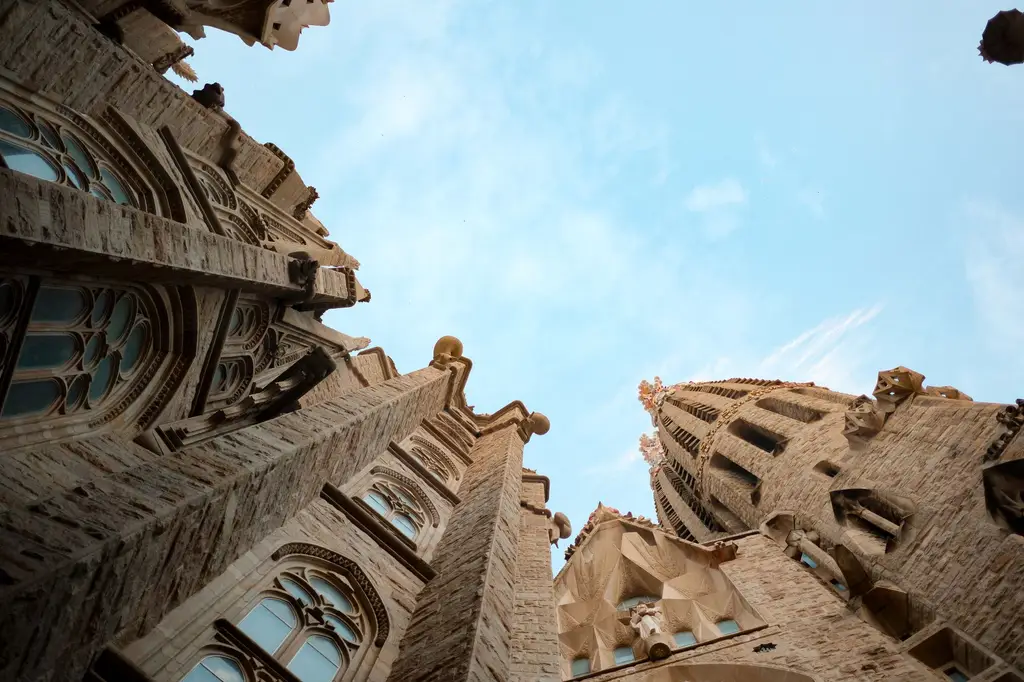
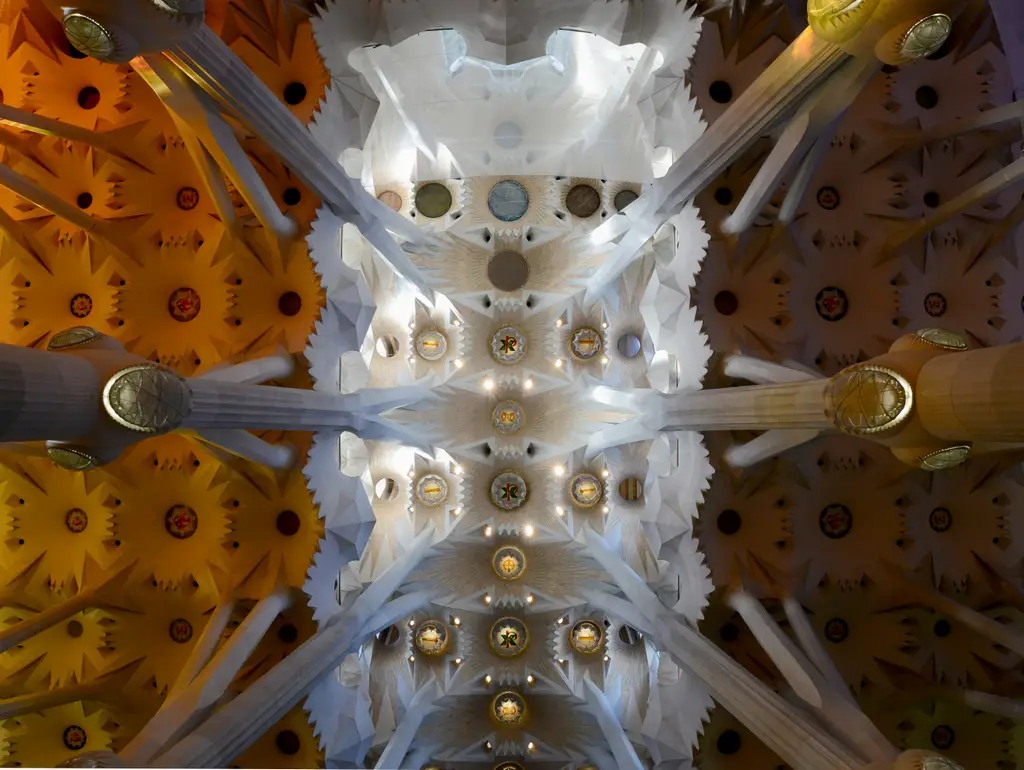
Barcelona is two cities stacked on top of each other. There's the Gaudi city: the Sagrada Familia still under construction after more than 140 years, Park Guell's tiled terraces, Casa Batllo and La Pedrera along Passeig de Gracia, all of it built during a burst of Catalan Art Nouveau wealth around 1900. Then there's the older city underneath it, the Roman and medieval streets of the Gothic Quarter and El Born, a fishing neighborhood turned beach district in Barceloneta, and a market at La Boqueria that's been trading since the 13th century. Both versions draw enormous numbers of visitors, and the city has spent the last several years pushing back on what that means for people who actually live here. Local frustration with overtourism is not a rumor; it shows up in graffiti, in protests, and in a city council policy to phase out short-term tourist apartment licenses by 2028. None of that makes Barcelona unwelcoming to visit, it just means the smart way to visit has changed: book hotels rather than assume an apartment will be available, book the two big Gaudi sites weeks ahead, and expect a tourist tax added to your hotel bill on top of the room rate. The food culture runs on its own clock too. Lunch peaks from 2 to 4pm, and restaurant kitchens routinely don't open for dinner before 8 or 9. Plan the day around that rhythm rather than fighting it, and Barcelona is one of the more rewarding cities in Europe to spend four or five days in.
What I actually think
Barcelona is one of the few cities where I'd say book the two paid Gaudi sites before you book your flight, not after. I have watched people turn up at Sagrada Familia expecting to buy a ticket at the door and simply not get in that day.
Tapas here are not the free bar snack you get further south in Spain. You order them off a menu and pay per plate, and if you walk in expecting a free dish with your drink you'll be confused by the bill.
The anti-tourism feeling is real but localized. It shows up around Barceloneta and the bar-heavy stretches of the Gothic Quarter at night, not on an ordinary residential street in Gracia or Poble Sec.
Eating dinner at 7pm marks you as a tourist immediately. Kitchens barely open before 8, and the city is only getting going after 9, plan the evening around that instead of fighting it.
Montjuic is the most underrated half day in the city. Everyone stacks Sagrada Familia and Park Guell back to back and skips the hill entirely, and it has better views of the harbor than either of them.
Itineraries
Sagrada Familia at a booked morning slot, the Gothic Quarter and Boqueria for lunch, Barceloneta at sunset.
Day 1: Gaudi morning to beach evening
Morning
Sagrada Familia at your booked slot, ideally 9-9:30am before the afternoon crowds build. Walk or take the metro to Passeig de Gracia afterward to see the exteriors of Casa Batllo and La Pedrera.
Afternoon
Metro or walk into the Gothic Quarter for a wander through the medieval streets, then lunch around 2pm, a menu del dia near the cathedral is a reliable option. Follow it with an hour at La Boqueria market off La Rambla.
Evening
Walk or metro to Barceloneta for a beach walk before dinner, then a tapas dinner around 9pm in El Born or Barceloneta itself.
Tip: Book your Sagrada Familia slot the moment you have flights booked, not the week before.
The Gaudi core, Montjuic and the old city, then the Picasso Museum, beach, and market at a slower pace.
Day 1: Sagrada Familia and the Gothic Quarter
Morning
Sagrada Familia at your booked slot, then Passeig de Gracia for Casa Batllo and La Pedrera's exteriors.
Afternoon
Gothic Quarter wandering, lunch around 2-3pm near the cathedral, then La Boqueria for a slow browse.
Evening
Tapas dinner in El Born, around 9pm.
Tip: Wear real walking shoes, this is the most stop-and-go day of the trip.
Day 2: Park Guell and Montjuic
Morning
Park Guell at your booked slot, ideally an early one before the heat and crowds build.
Afternoon
Metro down to Montjuic, ride the cable car up to the castle for harbor views, then wander the gardens.
Evening
Poble Sec for dinner, a neighborhood with fewer tourists and reliably good small plates.
Tip: Buy the cable car ticket online for a small discount and to skip the queue.
Day 3: Picasso Museum, Born, and the beach
Morning
Museu Picasso at opening, then a walk through El Born's narrow streets.
Afternoon
Late lunch (2-3pm) in El Born, then Barceloneta beach for a couple of hours.
Evening
Seafood dinner in Barceloneta or back in El Born, whichever you preferred earlier.
Tip: Check the Picasso Museum's free evening slots if you're on a tighter budget, they fill up fast.
The 3-day core plus a Montserrat day trip and a slower Gracia and Eixample day.
Day 1: Sagrada Familia and the Gothic Quarter
Morning
Sagrada Familia at your booked slot, then Passeig de Gracia exteriors.
Afternoon
Gothic Quarter, lunch around 2pm, La Boqueria market.
Evening
Tapas dinner in El Born.
Tip: Book this day's two tickets before anything else on the trip.
Day 2: Park Guell and Montjuic
Morning
Park Guell at your booked slot.
Afternoon
Montjuic cable car and castle grounds.
Evening
Poble Sec dinner.
Tip: Bring water, Montjuic has little shade in the afternoon.
Day 3: Picasso Museum, Born, and the beach
Morning
Museu Picasso at opening.
Afternoon
El Born lunch, then Barceloneta beach.
Evening
Seafood dinner near the water.
Tip: Skip the seafront restaurants directly on the boardwalk, walk a block back for better prices.
Show all 5 days
Day 4: Day trip: Montserrat
Morning
Train and cable car or rack railway up to the Montserrat monastery, roughly an hour each way, for the mountain views and the basilica.
Afternoon
Hike a section of the mountain trails if the weather's good, or take the funicular to a viewpoint if not.
Evening
Train back to Barcelona, dinner in the Eixample.
Tip: Book the mountain transport in advance in high season, capacity is limited.
Day 5: Gracia and Eixample, unhurried
Morning
Sleep in, then wander Gracia's small squares and independent shops.
Afternoon
Casa Batllo or La Pedrera's interior if you skipped it earlier, or a return visit to whichever Gaudi site you liked most.
Evening
A proper final dinner, book ahead if you want a specific restaurant.
Tip: Use this day as a buffer if weather or crowds disrupted an earlier one.
Full Barcelona core plus Montserrat, Girona, and Sitges as day trips from a single base.
Day 1: Sagrada Familia and the Gothic Quarter
Morning
Sagrada Familia at your booked slot.
Afternoon
Gothic Quarter, lunch, La Boqueria.
Evening
Tapas dinner in El Born.
Tip: Buy a Hola Barcelona travel card today if you're doing a transit-heavy week.
Day 2: Park Guell and Montjuic
Morning
Park Guell at your booked slot.
Afternoon
Montjuic cable car and castle.
Evening
Poble Sec dinner.
Tip: This is a hilly day, pace it with breaks.
Day 3: Picasso Museum, Born, and the beach
Morning
Museu Picasso at opening.
Afternoon
El Born lunch, Barceloneta beach.
Evening
Seafood dinner.
Tip: Check for the Picasso Museum's free Thursday evening slot.
Show all 7 days
Day 4: Day trip: Montserrat
Morning
Train and cable car up to Montserrat monastery.
Afternoon
Trail walk or funicular viewpoint.
Evening
Back to Barcelona for dinner.
Tip: Book mountain transport ahead in high season.
Day 5: Day trip: Girona
Morning
High-speed train to Girona, about 40 minutes, for the cathedral steps and old Jewish quarter.
Afternoon
Walk the medieval walls and the colorful riverside houses along the Onyar.
Evening
Train back to Barcelona.
Tip: Girona is walkable enough to see the highlights in half a day if you're efficient.
Day 6: Day trip: Sitges
Morning
Train to Sitges, about 35-40 minutes, for the beach town's old quarter and seafront promenade.
Afternoon
Beach time or a wander through the whitewashed streets above town.
Evening
Dinner in Sitges or a later train back for dinner in Barcelona.
Tip: Sitges has a much calmer beach scene than Barceloneta if you want an actual swim day.
Day 7: Eixample and Gracia, unhurried
Morning
Sleep in, Casa Batllo or La Pedrera's interior if not done yet.
Afternoon
Gracia's squares and shops, or any site missed earlier in the week.
Evening
Final dinner, pack for departure.
Tip: Keep this day flexible as your buffer for anything an earlier day didn't fit.
Barcelona alone doesn't need two full weeks of city sightseeing. This uses it as a Catalonia base, with the city's own sites in the first week and regional day and overnight trips to Girona, Costa Brava, the Penedes wine region, and Tarragona filling the second, with rest days built in.
Day 1: Sagrada Familia and the Gothic Quarter
Morning
Sagrada Familia at your booked slot.
Afternoon
Gothic Quarter, lunch, La Boqueria.
Evening
Tapas dinner in El Born.
Tip: Get transit sorted (T-Casual or Hola Barcelona card) on day one.
Day 2: Park Guell and Montjuic
Morning
Park Guell at your booked slot.
Afternoon
Montjuic cable car and castle.
Evening
Poble Sec dinner.
Tip: Wear real walking shoes for the hills.
Day 3: Picasso Museum, Born, and the beach
Morning
Museu Picasso at opening.
Afternoon
El Born lunch, Barceloneta beach.
Evening
Seafood dinner near the water.
Tip: Avoid the boardwalk restaurants directly on the sand.
Show all 14 days
Day 4: Eixample and Gracia
Morning
Casa Batllo or La Pedrera interior.
Afternoon
Gracia's squares and independent shops.
Evening
Free evening.
Tip: A lighter day after three intense ones.
Day 5: Rest day and neighborhood revisit
Morning
Open, catch up on anything missed from earlier days.
Afternoon
Return visit to a favorite site at a different time of day, or laundry and logistics.
Evening
Open.
Tip: A genuine rest day matters more than another attraction at this point.
Day 6: Day trip: Montserrat
Morning
Train and cable car up to Montserrat monastery.
Afternoon
Trail walk or funicular viewpoint.
Evening
Back to Barcelona.
Tip: Book mountain transport ahead in high season.
Day 7: Day trip: Sitges, end of week one
Morning
Train to Sitges, about 35-40 minutes.
Afternoon
Beach and old quarter wander.
Evening
Dinner in Sitges or back in Barcelona.
Tip: A relaxed way to close out the first half of the trip.
Day 8: Day trip: Girona
Morning
High-speed train to Girona, about 40 minutes.
Afternoon
Cathedral steps, old Jewish quarter, city walls.
Evening
Train back to Barcelona.
Tip: Combine an early start with a late return train if you want a fuller day.
Day 9: Costa Brava, overnight
Morning
Train or bus onward from Girona toward the Costa Brava coast, towns like Tossa de Mar or Cadaques depending on your route.
Afternoon
Coastal walking paths and beach coves.
Evening
Overnight on the coast rather than rushing back.
Tip: Cadaques has no direct train, factor in a bus connection or a rental car for this leg.
Day 10: Costa Brava, second day
Morning
More coastal walking or a boat trip around the coves if the weather's good.
Afternoon
Head back toward Barcelona by train or bus.
Evening
Arrive back in Barcelona, easy dinner.
Tip: This is the most weather-dependent leg of the trip, keep plans loose.
Day 11: Day trip: Penedes wine region
Morning
Train to Sant Sadurni d'Anoia or Vilafranca del Penedes, about 45 minutes, the heart of Catalonia's cava production.
Afternoon
A cellar visit and tasting, several wineries offer English-language tours by reservation.
Evening
Train back to Barcelona.
Tip: Book a winery tour ahead, walk-in visits are limited outside the tasting room.
Day 12: Day trip: Tarragona
Morning
Train to Tarragona, about an hour, for the Roman amphitheater and city walls.
Afternoon
Old town wander and the cathedral, then the beach below the old city if the weather holds.
Evening
Train back to Barcelona.
Tip: Tarragona has some of the best-preserved Roman ruins in Spain and gets a fraction of Barcelona's crowds.
Day 13: Return to Barcelona, unhurried
Morning
Slow morning, coffee in Gracia or El Born.
Afternoon
Revisit whichever neighborhood you liked most, or La Boqueria for gifts and last-minute food shopping.
Evening
A proper final dinner, book ahead if it's a specific restaurant you've been saving.
Tip: Book this dinner a few days out, the good places fill up.
Day 14: Departure
Morning
Pack, last-minute shopping near your hotel.
Afternoon
Aerobus or train to El Prat airport, budget at least 90 minutes before your flight given security lines.
Evening
Departure.
Tip: Confirm your airport transport option and timing the night before, Aerobus frequency drops later in the evening.
Hours vary by season and are not fixed year-round; the basilica typically opens around 9am with closing time shifting month to month between roughly 6pm and 8pm. Confirm the exact hours for your visit date on the official site when you book.·EUR 26 basic entry (EUR 21 senior, EUR 24 under-30/student, children under 11 free); EUR 36 with tower access (EUR 28 senior, EUR 34 under-30/student); guided tours EUR 30-40 depending on tower access.·1.5-2 hours for the basilica, add 30-45 minutes if you add tower access
Timed online tickets are required, there is no reliable walk-up entry. Book at least 2-4 weeks ahead for summer (Jun-Sep), tower slots sell out before general admission does.
You're assigned an entry window, not a free-flow visit. Tower access is a separate timed slot with its own queue and elevator, check that you've actually booked it if you want it.
Monumental Zone ticketed entry runs roughly 9:30am-7:30pm year-round; the free areas of the park keep longer hours. Exact closing times shift slightly through the year, check before booking.·EUR 18 adult, EUR 13.50 ages 7-12 and seniors 65+, under 6 free, visitors with disabilities free (companion pays the reduced rate).·45-60 minutes for the Monumental Zone, longer if you walk the rest of the park
Timed online tickets are required for the Monumental Zone. Book several days ahead in high season, and arrive within 30 minutes of your slot, there is no re-entry once you leave.
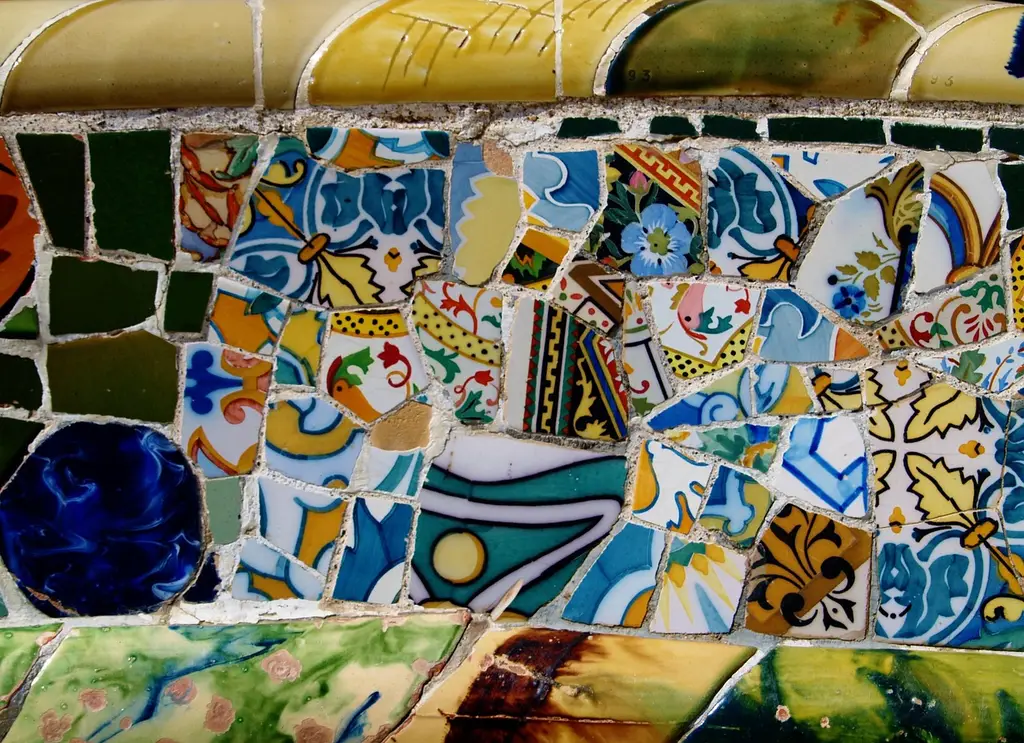
Most of what people photograph, the tiled terrace and the mosaic lizard, is inside the paid Monumental Zone. The rest of the park (gardens, viewpoints, Gaudi's former house) is free and far less crowded.
9am-10:30pm daily·From EUR 29 adult for the standard self-guided visit with a tablet guide; children 0-12 free.·1-1.25 hours
Book online ahead, especially for morning slots; the cheapest ticket tier tends to sell out first in high season.
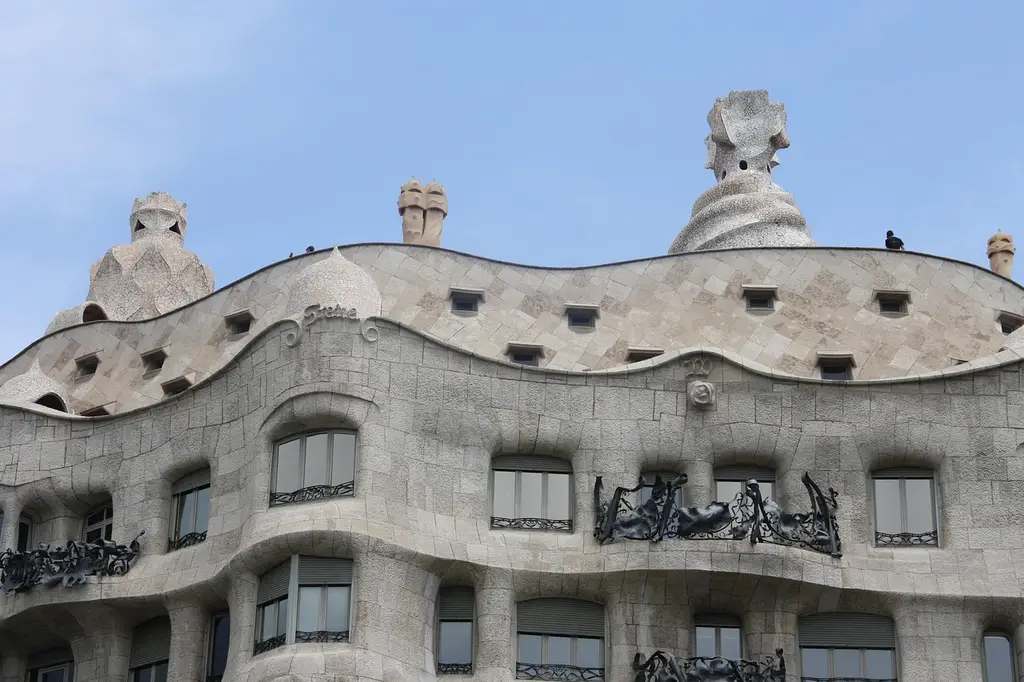
The facade alone (free to view from Passeig de Gracia) is genuinely worth stopping for even if you skip the ticket. The interior adds the dragon-back roof and the light well, both worth the price if Gaudi interests you.
always open, public streets·free to walk·2-3 hours wandering
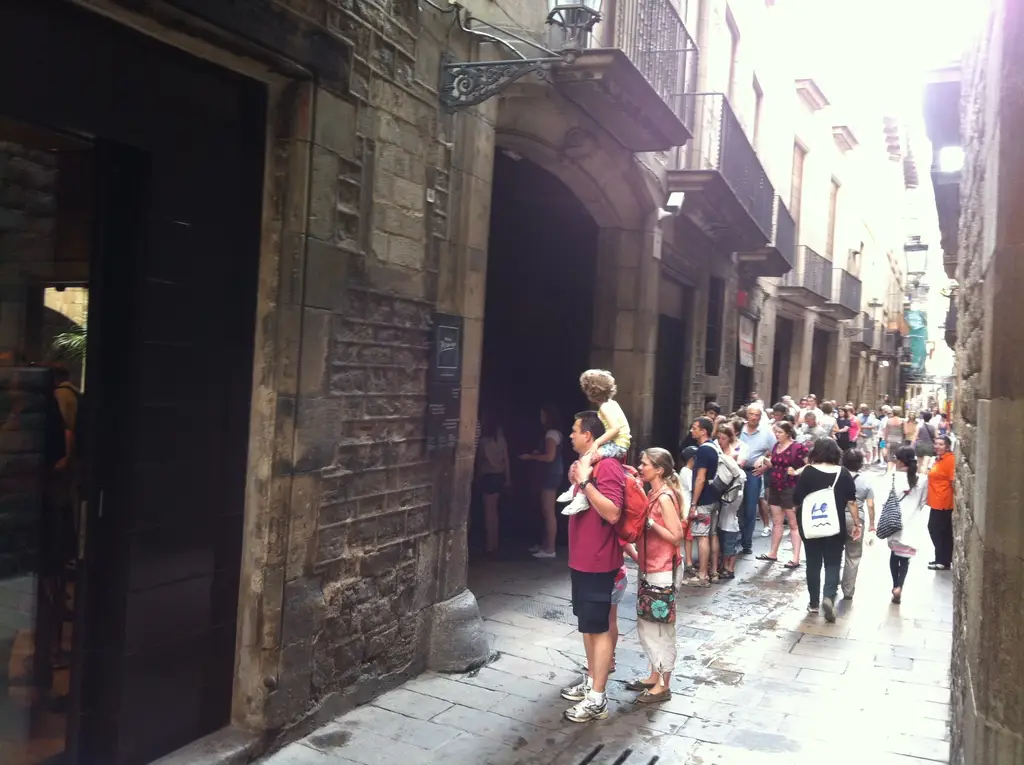
Roman wall fragments sit next to the Gothic cathedral and 20th-century shopfronts with no real separation. Go early morning or after dinner; midday is the most crowded and the least atmospheric version of it.
6
La Boqueria Market
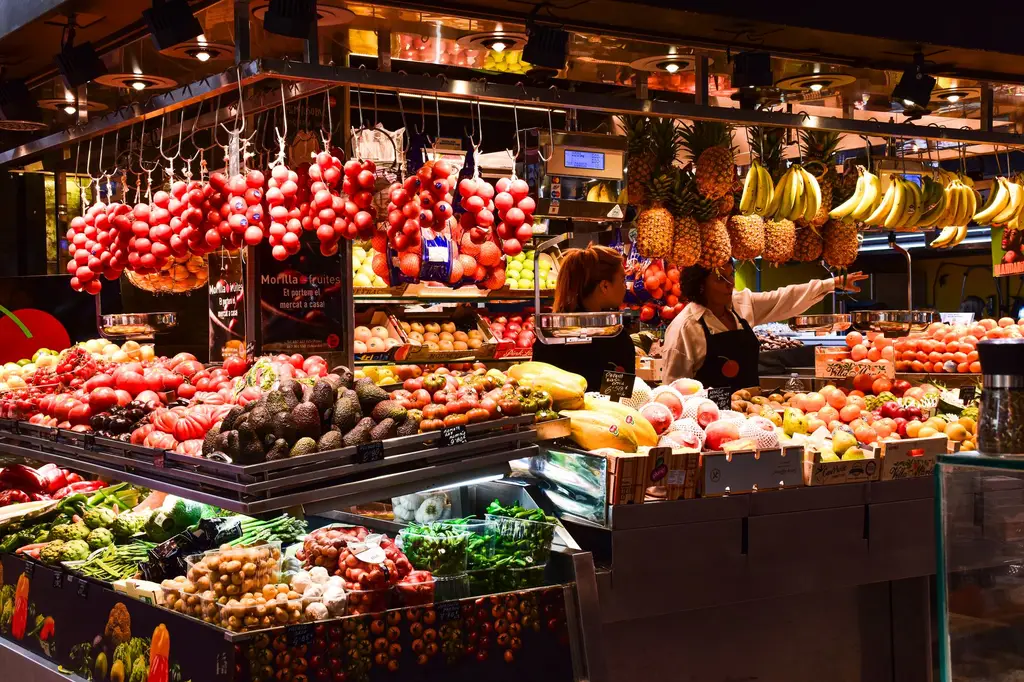
Generally Monday-Saturday, roughly 8am-8:30pm, individual stalls vary; closed Sundays. I could not independently confirm current hours against the official site, check before you go.·free to browse, EUR 2-8 per snack item·45 minutes to 1.5 hours
Closed Sundays
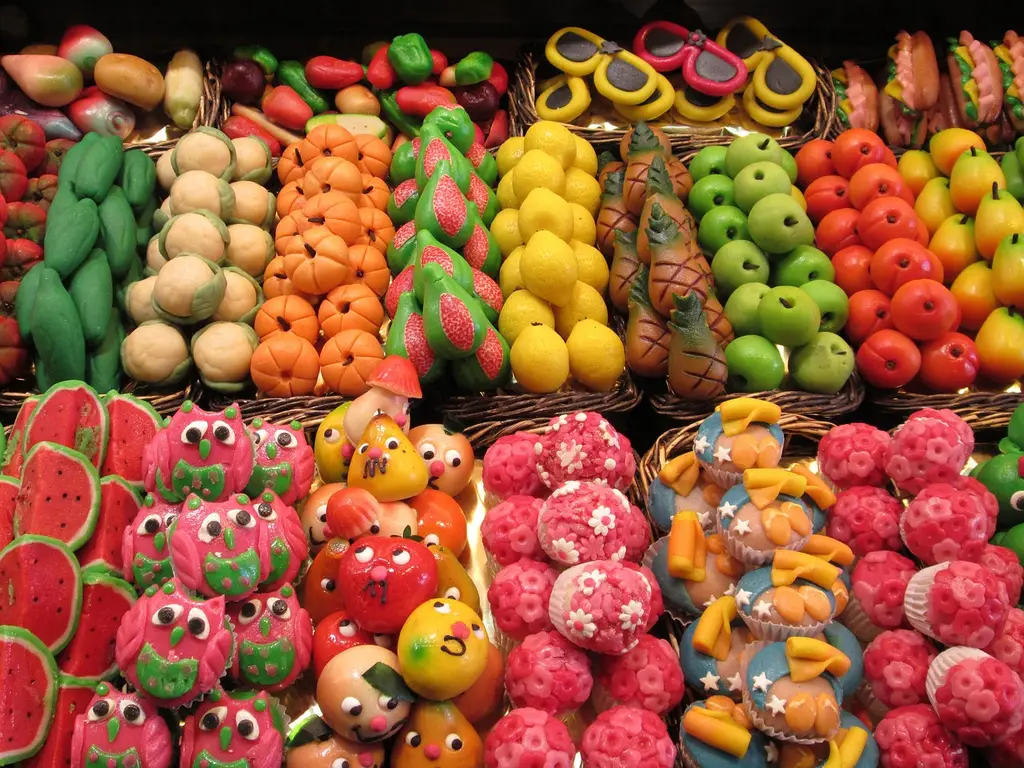
The stalls closest to the La Rambla entrance are priced for tourists; walk deeper into the market for better prices and less crowding.
A former industrial district east of the center, now full of galleries, coworking spaces, converted factory buildings and a beach strip that isn't Barceloneta. Rambla del Poblenou is the main spine for a walk. This is the honest answer to Barcelona's overtourism problem, a real working neighbourhood rather than something staged for visitors. Worth an afternoon if you want to see the city without fighting crowds on Las Ramblas or Passeig de Gracia.
Bunkers del Carmel viewpoint
as of 2026-09
Viral
A former civil war anti-aircraft position on a hill above the Carmel district, now a free 360-degree lookout over the whole city and out to the sea. Famous from social media, so sunset here means a packed hillside of people balancing wine bottles on the ledge. Go at midday for space, or use the Three Crosses viewpoint inside Park Guell instead, a similar panorama with far fewer people.
Park Guell
as of 2026-09
Viral
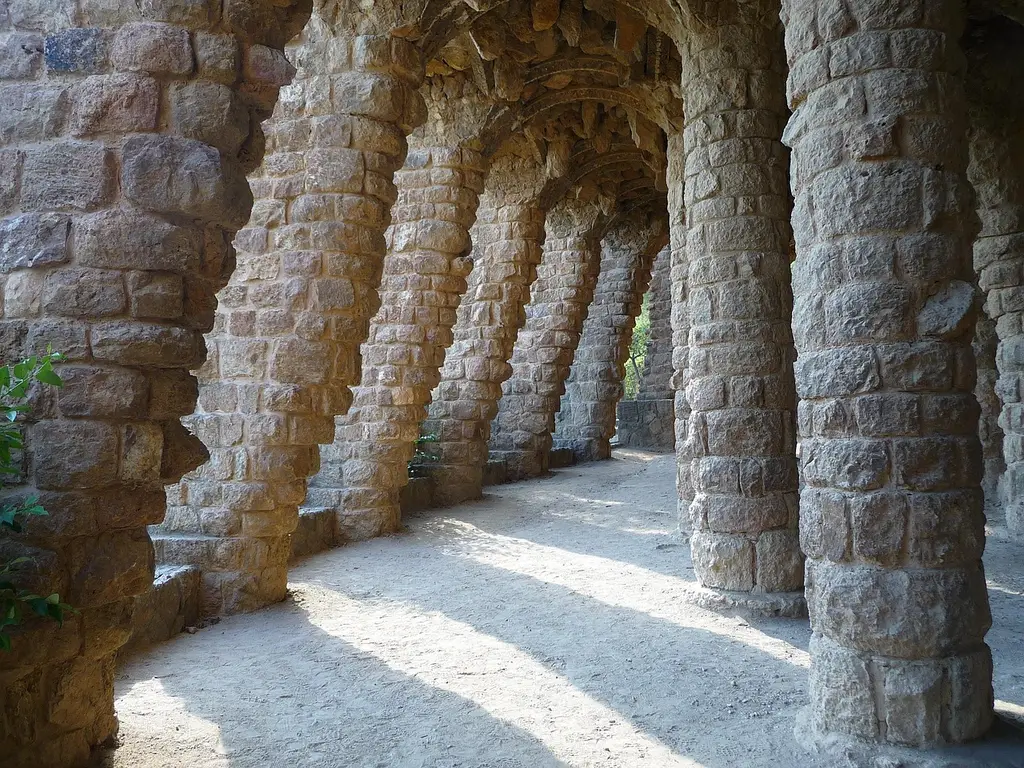
Gaudi's hillside park with mosaic terraces, the tiled dragon fountain, stone colonnades, and a free perimeter zone as well as a small ticketed monumental core. Still worth seeing but book the earliest slot, 9:30am, or you're stuck behind tour groups moving at a crawl. The paid zone is small for the price, the free surrounding paths and viewpoints get you most of the experience anyway.
Montjuic and the Magic Fountain
as of 2026-09
Viral
A hillside park above the port with gardens, a castle, museums, and the Magic Fountain at its base, a coordinated light, water and music show that runs on set evenings depending on season. The fountain show is free and genuinely a spectacle, check current showtimes before going since they shift between seasons. The park itself is a good counterweight to the crowded old city, more space to actually walk.
Barri Gotic (Gothic Quarter)
as of 2026-09
Viral
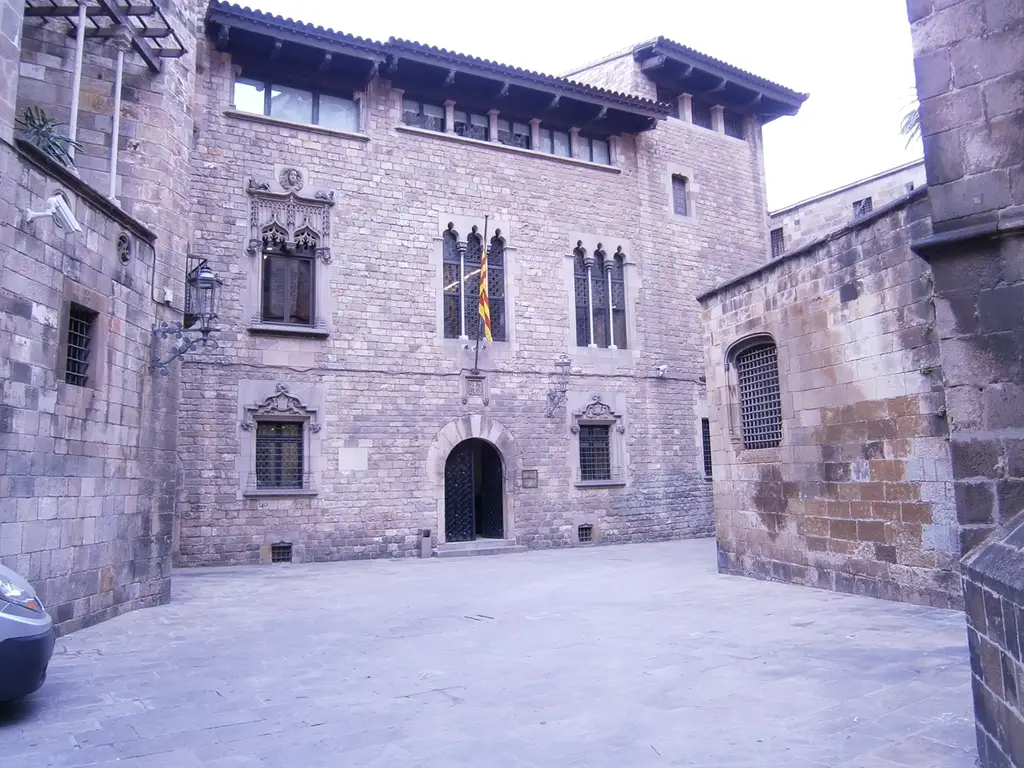
The medieval core of Barcelona, narrow stone streets, small squares, and Roman remains layered under Gothic-era buildings, centered around the cathedral. It's beautiful and also the most tourist-saturated part of the city, expect crowds, souvenir shops and inflated menu prices on the main routes. Wander a block off the obvious path and it improves fast.
Camp Nou / Barca museum experience
as of 2026-09
Viral
The club museum and an immersive exhibition experience remain open to visitors while the stadium itself undergoes a multi-year renovation, with partial stadium access depending on construction phase. Check current access before booking since the stadium has been mid-renovation and what's actually open has shifted over time. Not the full matchday experience, so set expectations accordingly.
More to see (3)
7
Museu Picasso
Sep 29-Mar 29: Tue-Sun 10am-7pm. Mar 31-Sep 27: Tue, Wed and Sun 9am-8pm, Thu-Sat 9am-9pm.·EUR 14 online / EUR 15 at the door for the permanent collection plus temporary exhibition. Free the first Sunday of each month (book 4 days ahead) and Thursday evenings 4-7pm during the winter season.·1.5-2 hours
Closed MondaysBook online; the free slots open for booking 4 days ahead and fill quickly.
Housed across five medieval palaces on Carrer Montcada, the building is worth the visit almost as much as the early-career Picasso works inside.
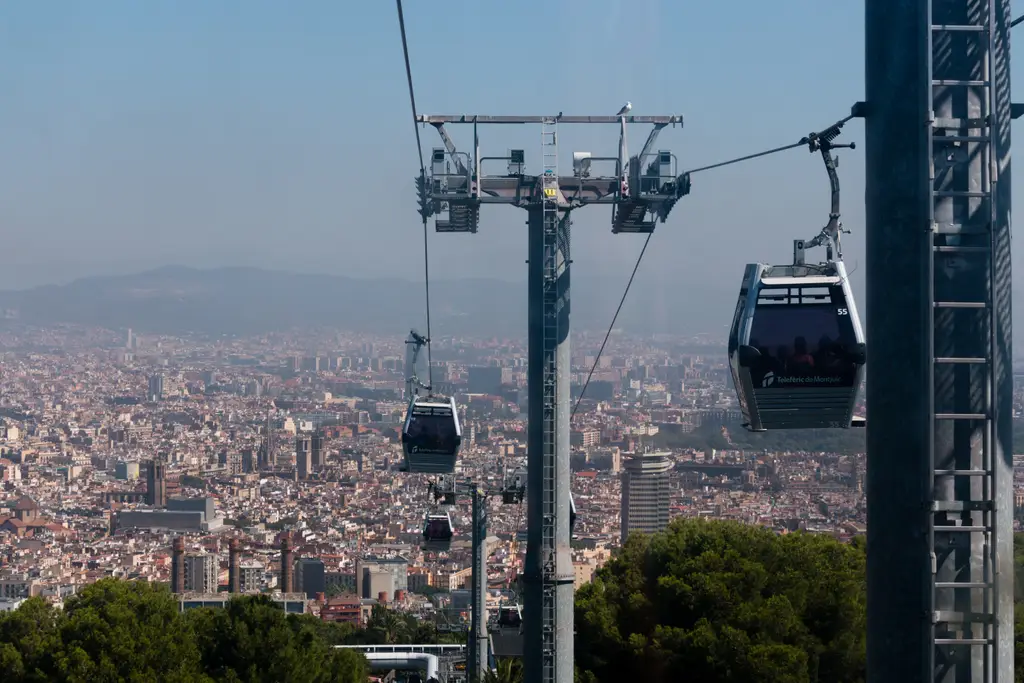
Cable car (Telefèric de Montjuic): Jan-Feb and Nov-Dec 10am-6pm; Mar-May and Oct 10am-7pm; Jun-Sep 10am-9pm, shorter hours on Dec 25 and Jan 1/6. Castle hours were not independently verified against the official site, check before you go.·Cable car: EUR 12 one-way adult / EUR 10 child (4-12), EUR 19 round trip adult (EUR 17.10 booked online) / EUR 13 round trip child (EUR 11.70 online), under 4 free. Castle entry price not independently verified, check before you go.·half a day for the hill, castle grounds, and cable car
walk in for the cable car; buying online gets a small discount
The most skipped half-day in the city and one of the better ones: harbor views, a 17th-century fortress, and gardens with a fraction of the crowd density of the Gaudi sites.
always open; lifeguards typically on duty through the summer season·free·2+ hours
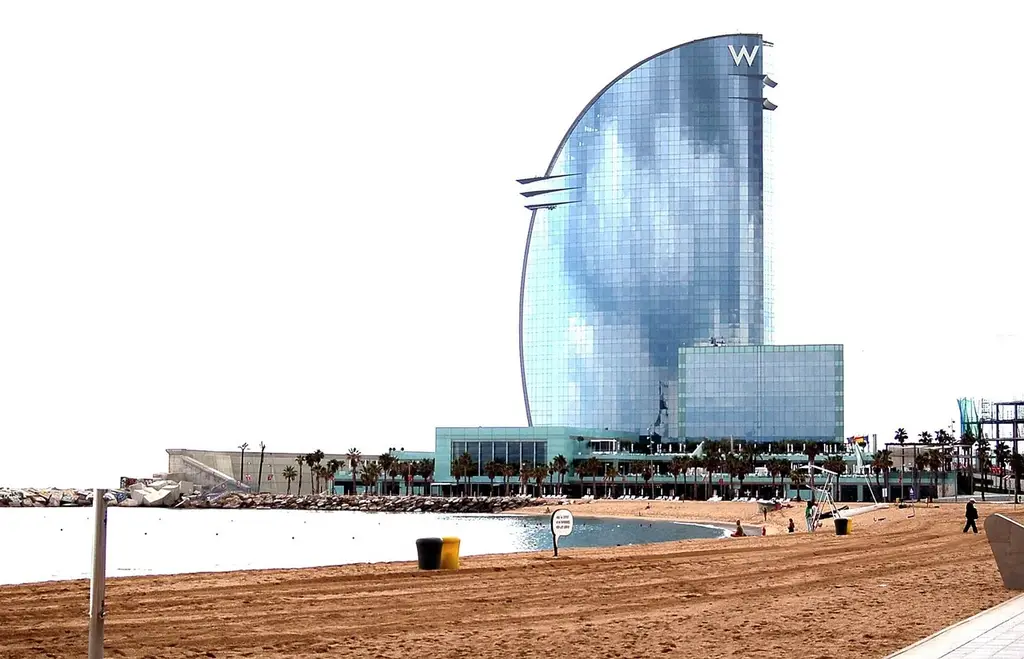
City beach, not a resort one. Fine for a swim and a walk, less fine if you're expecting turquoise water; go for the atmosphere and the seafront chiringuito bars, not for the sand quality.
Where to stay
Eixample (around Passeig de Gracia)
Suits: first-timers who want to walk to Casa Batllo, La Pedrera, and good restaurants
Central, grid-planned, easy metro access, mid-to-high hotel density rather than apartments.
Gothic Quarter / Barri Gotic
Suits: travelers who want to be inside the old city on foot
Atmospheric medieval streets, but noisy at night near the bar-heavy stretches and the most touristed part of town.
El Born
Suits: food and design-focused visitors
Narrow streets, the Picasso Museum, good small-plate restaurants, slightly calmer than the Gothic Quarter next door.
Barceloneta
Suits: anyone prioritizing beach access
Walk to the sand in minutes, but it's also the district with the most visible tension over tourist crowds and short-term rentals.
Gracia
Suits: travelers who want a residential, local feel with easy transit
A former separate village annexed into the city, small squares, fewer big sights, 15-20 minutes by metro to the center.
Getting there and around
Getting there
El Prat airport (BCN) sits about 12km southwest of the city center, with Terminals 1 and 2. The Aerobus runs every 5-10 minutes to Placa Catalunya in around 35 minutes; fares are roughly EUR 7-12 one-way or return, confirm the current price when you buy since it moves. The R2 Nord Rodalies train (about 25 min to Passeig de Gracia/Sants) and metro line L9 Sud (about 30 min, carries an extra airport supplement on top of a normal fare) are the cheaper alternatives. A taxi runs about EUR 35-40 with a fixed airport supplement.
Getting around
The metro covers most of what a visitor needs and is the fastest way across the city; buses fill in where the metro doesn't reach. A single ride is EUR 2.90, but the T-Casual (10 rides, shareable between people, around EUR 13) is the better buy for anyone doing more than three or four rides. The Hola Barcelona travel card (unlimited rides for 2-5 days, from roughly EUR 12.50) is worth it for a packed first two days. Central Barcelona, the Gothic Quarter, El Born, and the seafront are flat and very walkable; the hills around Park Guell and Montjuic are not, and the metro or the Montjuic cable car handle those better than your legs will.
Map
City
Recommended (numbered)
Mentioned in an itinerary
Locations on this map
Barcelona41.39, 2.17
Sagrada Familia41.40, 2.17
Park Guell41.41, 2.15
Casa Batllo41.39, 2.16
La Pedrera (Casa Mila)41.40, 2.16
Gothic Quarter (Barri Gotic)41.38, 2.18
La Boqueria Market41.38, 2.17
Museu Picasso41.39, 2.18
Montjuic (Castle and cable car)41.36, 2.15
Barceloneta Beach41.38, 2.19
Passeig de Gracia41.39, 2.17
La Rambla41.38, 2.17
El Born41.38, 2.18
Poble Sec41.37, 2.16
Picasso Museum41.39, 2.18
Born41.38, 2.18
Montserrat41.61, 1.81
Eixample41.49, 2.29
Gracia41.41, 2.16
Gaudi41.40, 2.17
Girona41.40, 2.17
Jewish39.68, -0.28
Onyar41.36, 2.14
Sitges41.24, 1.81
Costa Brava41.40, 2.17
Tossa de Mar41.48, 2.24
Cadaques41.40, 2.16
Penedes41.35, 1.70
Sant Sadurni42.01, 1.73
Anoia41.61, 1.57
Vilafranca41.35, 1.70
Catalonia41.37, 2.15
English-language41.61, 2.29
Tarragona41.38, 2.15
Roman41.48, 2.32
El Prat41.33, 2.09
What it costs
Stay
Food
Transport
Activities
Daily cost breakdown, EUR per person
Tier
Stay
Food
Transport
Activities
Total
Budget
EUR 28
EUR 22
EUR 10
EUR 10
EUR 70
Mid-range
EUR 90
EUR 45
EUR 12
EUR 13
EUR 160
Splurge
EUR 250
EUR 90
EUR 20
EUR 20
EUR 380
A mid-range day: EUR 90 hotel room (split two ways or solo), EUR 6 for two metro rides on a T-Casual, EUR 26 Sagrada Familia basic ticket, EUR 15 menu del dia lunch near the Gothic Quarter, EUR 8 grazing at La Boqueria, EUR 30 tapas dinner with a couple of drinks. Comes to roughly EUR 155-165, not counting a splurge meal or a paid Gaudi interior beyond the one ticket.
Money savers
Menu del dia lunch specials (starter, main, drink, often dessert) run EUR 12-18 at neighborhood restaurants versus EUR 20+ a la carte at dinner for similar food
The Gothic Quarter, El Born, Barceloneta beach, and most of Park Guell outside the Monumental Zone cost nothing to visit
Book Sagrada Familia and Park Guell tickets weeks ahead rather than through a resale site, which marks up the same timed slot
T-Casual metro passes are shareable, buy one for two people and tap it twice per ride instead of buying two single tickets
Eating in Barcelona runs on Catalan time. Lunch is the main meal, roughly 2 to 4pm, and dinner kitchens rarely open before 8pm. Bars serve tapas menu-style, you order and pay for each plate, a real contrast to Granada further south where a free tapa comes with every drink. Vermut hour, a pre-lunch weekend ritual with vermouth on tap and good conserva, is worth building a Saturday around. Sit-down Catalan restaurants lean toward rice dishes and seasonal produce over pure seafood tapas. Skip the multilingual photo-menu places on La Rambla, walk into El Born or Gracia instead. La Boqueria is worth browsing, but eat a few aisles past the entrance, not at the first overpriced juice stand.
Unlike Andalusia or Granada, tapas in Barcelona are ordered and paid for individually, plates run EUR 4-12 each. Nobody hands you a free plate with your drink here, budget for it as a real meal.
Vermut (vermouth hour)
EUR 3-5·neighborhood bars across the city, especially Saturday and Sunday midday
Must try
A local ritual more than a dish: sweet vermouth on ice with a splash of soda, served with olives and a can of good conserva seafood or anchovies.
Pa amb tomaquet
EUR 2-5·comes standard with most meals across the city
Must try
Toasted bread rubbed with tomato, olive oil, and salt. It arrives automatically at a lot of restaurants; say so if you don't want it.
Paella and fideua
EUR 18-28 per person·Barceloneta seafront and inland Catalan restaurants
Must try
A lot of the seafront restaurants in Barceloneta serve a frozen, tourist-priced version. It's traditionally cooked for two or more and takes 20-30 minutes; a kitchen that serves it in five minutes for one person is not making it fresh.
Market snacking at La Boqueria
EUR 2-8·La Boqueria market, off La Rambla
Must try
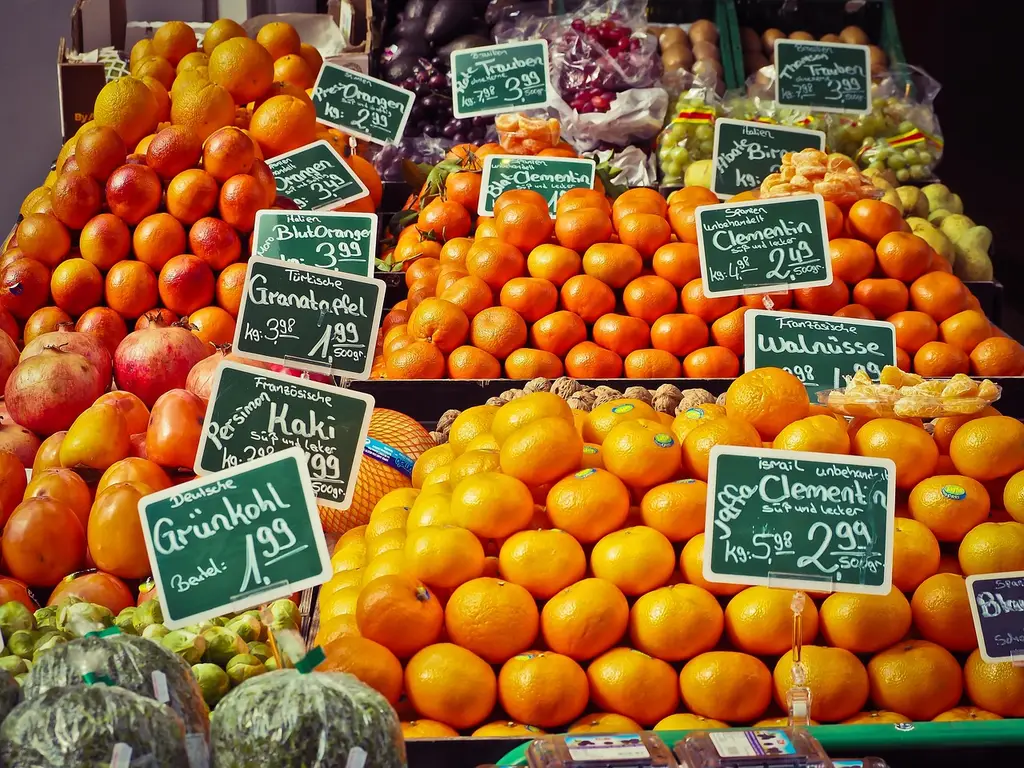
Fresh juice, jamon cones, fried seafood by the piece, EUR 2-8 an item. Better value and quality the further you walk from the entrance.
Botifarra amb mongetes
EUR 9-14·Catalan taverns across the Eixample and Gracia
Grilled Catalan pork sausage served with white beans, a homestyle dish that shows up on lunch menus more than dinner cartes. Order it as a main, not a tapa.
Calçots amb romesco
EUR 12-20 per set·calçotades and market stalls, roughly January-March only
Must try
Grilled spring onions dipped in romesco sauce and eaten with your hands, a strictly seasonal ritual tied to winter. Don't expect to find it outside that window.
Crema catalana
EUR 4-7·traditional Catalan restaurants city-wide
Must try
Distinct from creme brulee: the custard base carries cinnamon and citrus zest, and the sugar top is caramelized with a hot iron rather than a torch, giving it a different crust.
Arros negre
EUR 16-24 per person·Catalan seafood restaurants, Barceloneta and beyond
Must try
Rice cooked in squid ink, a Catalan cousin of paella that's black, briny and less photographed but arguably better. Ask for it where paella is made fresh to order.
Bo de B
as of 2026-09
Viral
Small takeaway sandwich counter near the old Correus post office, known for a cheap chicken bocadillo and long lines. Cash only. Worth it if you're already nearby. It's a five euro sandwich, not a trip planner. Cash only, be ready to queue.
Gràcia's small-plates counters
as of 2026-09
Viral
A wave of chef-led counters and natural wine bars in Gràcia reworking classic Catalan dishes lighter and sharper than the old versions. More durable than any single viral spot. Go to Gràcia itself rather than chase one restaurant that might not be there next year.
Parada Torres (Mercat de Santa Caterina)
as of 2026-09
Viral
Market bar inside Santa Caterina market run by the Torres brothers, whose own restaurant carries three Michelin stars, serving family stews and market-based popular cuisine at accessible prices. Worth it. Multiple 2026 sources confirm the opening and the pitch: real chef pedigree, priced like a market bar rather than a tasting menu.
Bar El Pepino
as of 2026-09
Viral
Small natural-wine bar in Gràcia known for prawn agnolotti alongside a rotating natural wine list. Fits the neighborhood's small-plates wave, but this spot has one specific dish worth naming if you want a single door to point at.
Chef-led gastro-bar counters
as of 2026-09
Viral
A citywide shift toward small counter-service bars where the cooking happens in view of diners, built for sharing at close range. A real pattern, not one business. Treat it as a category to look for rather than a single address to chase.
Safety and scams
Barcelona is safe from violent crime by almost any measure; the real risk is pickpocketing, concentrated on La Rambla, the metro, and anywhere crowds bunch up around a sight. Keep bags zipped and in front of you in those spots. The other thing worth knowing before you arrive is not a safety risk exactly: the city has visible frustration with mass tourism, including protests in recent years, and a council policy to phase out short-term tourist apartment licenses by 2028. Practically, that means booking a hotel rather than assuming an apartment rental will exist or be legal, and expecting a tourist tax line item on your hotel bill. Some neighborhoods, Barceloneta in particular, have the most visible local frustration; it's not aimed at individual tourists walking through, but don't be surprised by graffiti or pointed signage.
Common mistakes
Showing up without pre-booked tickets for Sagrada Familia or Park Guell and expecting to buy one at the entrance
Expecting free tapas with a drink the way it works in parts of Andalusia; in Barcelona you order and pay for each plate
Booking dinner reservations for 6 or 7pm and finding the kitchen isn't open yet
Assuming a short-term apartment rental will be available or straightforwardly legal; book hotels and budget for the added tourist tax
Walking La Rambla with a phone or wallet in a back pocket, it's the most pickpocketed street in the city
Eating a full sit-down paella dinner at a Barceloneta seafront restaurant expecting the quality to match the price
Frequently asked questions
How many days do you need in Barcelona?
Three to four days covers the Gaudi sites, the old city, and the beach without rushing. Five to seven lets you add Montserrat, Girona, or Sitges as day trips. Barcelona alone is not really a two-week city; longer stays work better built around the wider Catalonia region.
Do you need to book Sagrada Familia tickets in advance?
Yes, timed online tickets are required and there is no reliable walk-up entry. Book at least 2-4 weeks ahead for summer travel, tower access slots sell out before general admission does.
Do you need to book Park Guell tickets in advance?
Yes, for the Monumental Zone, the paid section with the tiled terrace and mosaic lizard. The rest of the park is free and doesn't require a ticket. Book several days ahead in high season and arrive within your 30-minute entry window.
Are tapas free in Barcelona?
No. Unlike parts of Andalusia such as Granada, Barcelona tapas are ordered and paid for individually off a menu, typically EUR 4-12 a plate. Don't expect a free dish to appear with your drink here.
What time do people eat dinner in Barcelona?
Rarely before 9pm. Lunch runs roughly 2-4pm and is often the bigger meal of the day. Restaurant kitchens frequently don't open for dinner service before 8pm, so a 6 or 7pm reservation may find the kitchen not yet running.
Is Barcelona safe for tourists?
Yes for violent crime, which is rare against visitors. The real risk is pickpocketing, concentrated on La Rambla, the metro, and crowded areas around major sights. Keep bags zipped and in front of you in those spots.
Can you still book an Airbnb in Barcelona?
For now, but the city council has moved to phase out short-term tourist apartment licenses by 2028, part of a broader response to housing costs and overtourism. Booking a hotel rather than assuming an apartment will be available or legal is the safer plan, especially for future travel dates.
Is there a tourist tax in Barcelona?
Yes, a per-night tax is added to hotel and accommodation bills on top of the room rate, with the amount depending on the category of accommodation. The rate has changed in recent years, so check the line-item breakdown your hotel or booking site shows rather than assuming a fixed figure.
Can you day trip to Montserrat from Barcelona?
Yes. It's roughly an hour each way by train combined with a cable car or rack railway up the mountain to the monastery. It's a full but doable day trip, and worth booking the mountain transport ahead in high season since capacity is limited.
Is Barcelona expensive?
It's mid-to-upper range by Spanish standards and pricier than most of the rest of the country. A budget traveler can get by on roughly EUR 70/day (hostel, market food, transit pass), a mid-range trip runs closer to EUR 160/day. The Gaudi sites are the most expensive line items relative to a typical European city break.