Things to Do in Antwerp: Itineraries, Costs and Food
Belgium's fashion and diamond city, built around Rubens and a working port rather than a preserved postcard centre, with real edges and less polish than Bruges.
By Labeeb Mirza · Published September 8, 2026 · Updated September 8, 2026
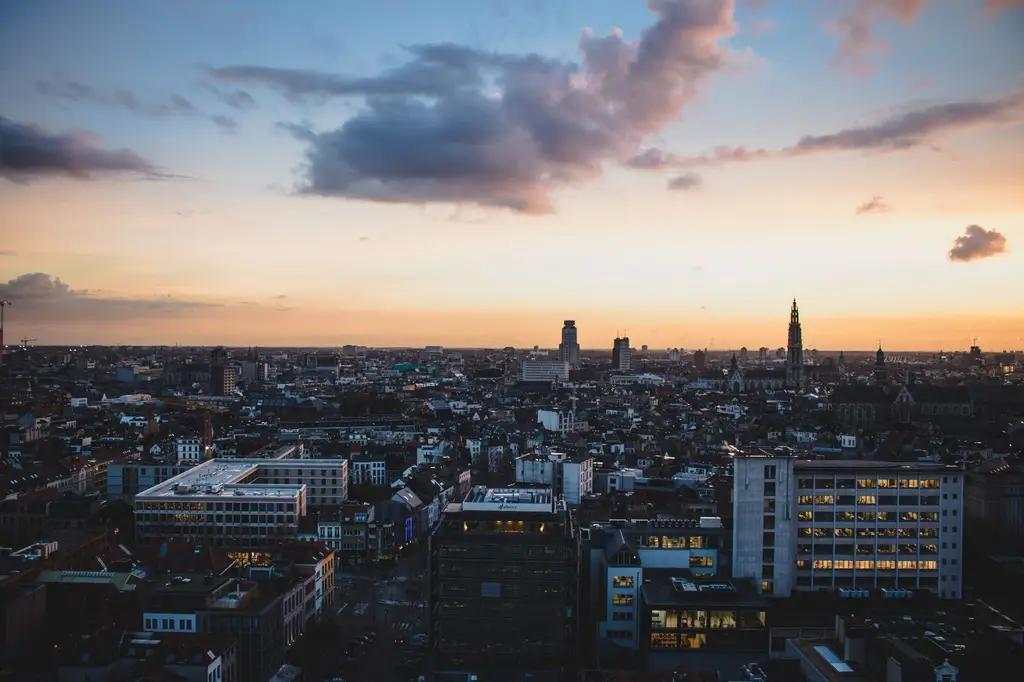
Antwerp reads differently from Belgium's other three big cities the moment you step off the train. Where Bruges and Ghent trade on medieval preservation, Antwerp is a working port city that happens to have a serious art history and a genuinely global fashion scene layered on top. Peter Paul Rubens lived and worked here for most of his career, and his output still shapes the city: his house stands as a museum, and the Cathedral of Our Lady holds several of his largest altarpieces under the tallest church spire in the Benelux. The 1990s brought a second identity, when a group of Royal Academy graduates known as the Antwerp Six put the city on the international fashion map, and that lineage runs through MoMu and the design shops around Nationalestraat today. Diamonds are the third thread: the streets immediately south of Centraal Station make up one of the world's major diamond trading districts, still functioning, not staged for visitors. Antwerp is Belgium's largest city by population and its economic engine, home to one of Europe's biggest ports, and it feels like it: busier, less curated, more lived-in than the smaller Flemish towns nearby. Two to three days covers the centre well. Longer stays make sense as a base for Mechelen, Lier, Ghent, and Bruges, all under an hour or so by train.
What I actually think
Antwerp gets compared to Bruges and Ghent constantly and it's the wrong comparison. It isn't trying to be a preserved medieval postcard, and judging it as one undersells what it actually does well: a working port city with real fashion and diamond industries still running, not staged for visitors.
The Cathedral's Rubens altarpieces are worth planning around more than most guides suggest. Seeing The Descent from the Cross in the building it was painted for lands differently than the same image in a museum catalogue.
Checking a museum's current status before building a day around it matters more in Antwerp than in Bruges or Ghent, since a major renovation can take a flagship stop off the table for a while. Confirm before you plan.
The diamond district is a strange thing to walk through as a tourist: security is visible and the streets look ordinary, and that combination is more interesting than a polished exhibit would be.
I'd put a Zurenborg tram ride ahead of a second museum for anyone with an extra half day. The Art Nouveau facades along Cogels-Osylei get almost none of the foot traffic the centre does.
The Cathedral, Grote Markt, and diamond district on foot, with the MAS rooftop for a port view.
Day 1: Antwerp in a day
Morning
Cathedral of Our Lady and the Rubens altarpieces, then the Grote Markt and Brabo Fountain.
Afternoon
Walk the diamond district near Centraal Station, then the station hall itself.
Evening
MAS rooftop for the port view at golden hour, then dinner and a De Koninck in the centre.
Tip: Check the Cathedral's Sunday hours before you go, they run shorter than weekdays.
The city core at an unhurried pace, covering Rubens, fashion, and the port district properly.
Day 1: Rubens and the historic centre
Morning
Cathedral of Our Lady.
Afternoon
Grote Markt, then check Rubens House's current status and visit what's open.
Evening
Dinner in the historic centre.
Tip: Confirm Rubens House access before building the afternoon around it.
Day 2: The port and the Eilandje
Morning
MAS, both the free rooftop and the collection if it interests you.
Afternoon
Wander the Eilandje docklands around the museum.
Evening
Dinner in Het Zuid.
Tip: The rooftop is worth it even on a day you skip the paid galleries.
Day 3: Fashion, diamonds, and Zurenborg
Morning
MoMu, booked ahead online.
Afternoon
Diamond district, then the Plantin-Moretus Museum.
Evening
Tram out to Zurenborg for the Cogels-Osylei Art Nouveau street.
Tip: Zurenborg is easy to miss, it's a short tram ride, not a walk, from the centre.
The 3-day city core plus day trips to Mechelen and Ghent.
Day 1: Rubens and the historic centre
Morning
Cathedral of Our Lady.
Afternoon
Grote Markt and Rubens House, status permitting.
Evening
Dinner in the centre.
Tip: Check Rubens House's status first.
Day 2: The port and the Eilandje
Morning
MAS rooftop and collection.
Afternoon
Eilandje docklands.
Evening
Dinner in Het Zuid.
Tip: The rooftop alone is worth the trip out here.
Day 3: Fashion, diamonds, and Zurenborg
Morning
MoMu.
Afternoon
Diamond district, Plantin-Moretus Museum.
Evening
Zurenborg's Cogels-Osylei.
Tip: Book MoMu online in advance.
Show all 5 days
Day 4: Day trip: Mechelen
Morning
Train to Mechelen (around 15-20 minutes), St Rumbold's Cathedral tower, a UNESCO-listed carillon site.
Afternoon
Basilica of Our Lady of Hanswijk and the historic centre.
Evening
Return to Antwerp for dinner.
Tip: Mechelen is Belgium's carillon capital, check if a bell concert falls during your visit.
Day 5: Day trip: Ghent
Morning
Train to Ghent (around 50 minutes), Gravensteen castle.
Afternoon
Graslei waterfront and Saint Bavo's Cathedral for the Ghent Altarpiece.
Evening
Return to Antwerp for a final dinner.
Tip: Ghent has a fraction of Bruges' crowds, a useful contrast to Antwerp's own working-city feel.
A week built regionally: the 3-day Antwerp core plus day trips to Mechelen, Lier, Ghent, and Bruges, since Antwerp itself is a 2-3 day city.
Day 1: Rubens and the historic centre
Morning
Cathedral of Our Lady.
Afternoon
Grote Markt and Rubens House, status permitting.
Evening
Dinner in the centre.
Tip: Check Rubens House's status first.
Day 2: The port and the Eilandje
Morning
MAS rooftop and collection.
Afternoon
Eilandje docklands.
Evening
Dinner in Het Zuid.
Tip: The rooftop alone justifies the trip out here.
Day 3: Fashion, diamonds, and Zurenborg
Morning
MoMu.
Afternoon
Diamond district, Plantin-Moretus Museum.
Evening
Zurenborg's Cogels-Osylei.
Tip: Book MoMu online in advance.
Show all 7 days
Day 4: Day trip: Mechelen
Morning
Train to Mechelen, St Rumbold's Cathedral tower.
Afternoon
Basilica of Our Lady of Hanswijk, historic centre.
Evening
Return to Antwerp.
Tip: Check for a carillon concert.
Day 5: Day trip: Lier
Morning
Train to Lier (around 20-25 minutes), the Zimmer Tower astronomical clock.
Afternoon
Lier's UNESCO-listed beguinage and the river-encircled old centre.
Evening
Return to Antwerp.
Tip: Lier is smaller and quieter than Mechelen, a genuine small-town contrast to Antwerp.
Day 6: Day trip: Ghent
Morning
Train to Ghent, Gravensteen castle.
Afternoon
Graslei waterfront, Saint Bavo's Cathedral.
Evening
Return to Antwerp.
Tip: A useful contrast in pace to Antwerp's port-city feel.
Day 7: Day trip: Bruges
Morning
Train to Bruges (around 1 hour, one change), the Markt and belfry.
Afternoon
Canals and the Beguinage.
Evening
Return to Antwerp for a final dinner.
Tip: Arrive early, Bruges is at its best before the day-trip coaches fill the centre.
Two weeks using Antwerp as one base among several across Belgium, since filling fourteen days inside Antwerp alone would mean padding a city that honestly needs two or three.
Day 1: Rubens and the historic centre
Morning
Cathedral of Our Lady.
Afternoon
Grote Markt and Rubens House, status permitting.
Evening
Dinner in the centre.
Tip: Check Rubens House's status first.
Day 2: The port and the Eilandje
Morning
MAS rooftop and collection.
Afternoon
Eilandje docklands.
Evening
Dinner in Het Zuid.
Tip: The rooftop alone justifies the trip.
Day 3: Fashion, diamonds, and Zurenborg
Morning
MoMu.
Afternoon
Diamond district, Plantin-Moretus Museum.
Evening
Zurenborg's Cogels-Osylei.
Tip: Book MoMu online in advance.
Show all 14 days
Day 4: Day trip: Mechelen
Morning
Train to Mechelen, St Rumbold's Cathedral tower.
Afternoon
Basilica of Our Lady of Hanswijk.
Evening
Return to Antwerp.
Tip: Check for a carillon concert.
Day 5: Day trip: Lier
Morning
Train to Lier, the Zimmer Tower.
Afternoon
Lier's beguinage and old centre.
Evening
Return to Antwerp.
Tip: A quieter, smaller contrast to Mechelen.
Day 6: Day trip: Ghent
Morning
Train to Ghent, Gravensteen castle.
Afternoon
Graslei waterfront, Saint Bavo's Cathedral.
Evening
Return to Antwerp.
Tip: A useful pace contrast.
Day 7: Day trip: Bruges
Morning
Train to Bruges, the Markt and belfry.
Afternoon
Canals and the Beguinage.
Evening
Return to Antwerp.
Tip: Go early to beat the day-trip crowds.
Day 8: Travel to Brussels, check in for three nights
Morning
Train to Brussels (around 45 minutes), settle into a central base.
Afternoon
Grand Place, Manneken Pis, Galeries Royales Saint-Hubert.
Evening
A beer cafe evening in the centre.
Tip: Brussels is the country's rail hub, a natural second base for this stretch.
Day 9: Brussels museums
Morning
Royal Museums of Fine Arts or the Magritte Museum.
Afternoon
The EU quarter briefly, or the comic strip walking trail.
Evening
Free evening.
Tip: Pick one major museum rather than rushing several.
Day 10: Day trip: Leuven
Morning
Train to Leuven (around 25 minutes from Brussels), the Gothic town hall and university quarter.
Afternoon
Oude Markt, one of the longest bar-lined squares in Belgium.
Evening
Return to Brussels.
Tip: Leuven is a genuine university town, a different register from any of the other cities on this trip.
Day 11: Day trip: Ypres and Flanders Fields
Morning
Train from Brussels toward Ypres, In Flanders Fields Museum.
Afternoon
Menin Gate and nearby First World War cemeteries.
Evening
Return to Brussels.
Tip: A heavier, quieter day than the rest of the trip, pace the days around it accordingly.
Day 12: Travel back to Antwerp
Morning
Train to Antwerp (around 45 minutes).
Afternoon
Free afternoon, revisit anything missed from the first Antwerp days.
Evening
A relaxed dinner.
Tip: This gives Antwerp a second, less rushed look.
Day 13: Last full day in Antwerp
Morning
A slower morning around Het Zuid or the KMSKA fine arts museum.
Afternoon
Souvenir shopping near the Grote Markt or a final diamond district walk.
Evening
A last De Koninck in the centre.
Tip: Keep this day light before travel.
Day 14: Departure
Morning
Pack and any final errands.
Afternoon
Train to Brussels Airport (around 45 minutes to just over an hour) or onward travel.
Evening
Departure.
Tip: Build in more buffer than the train time alone suggests if you're catching an international flight.
Things to do
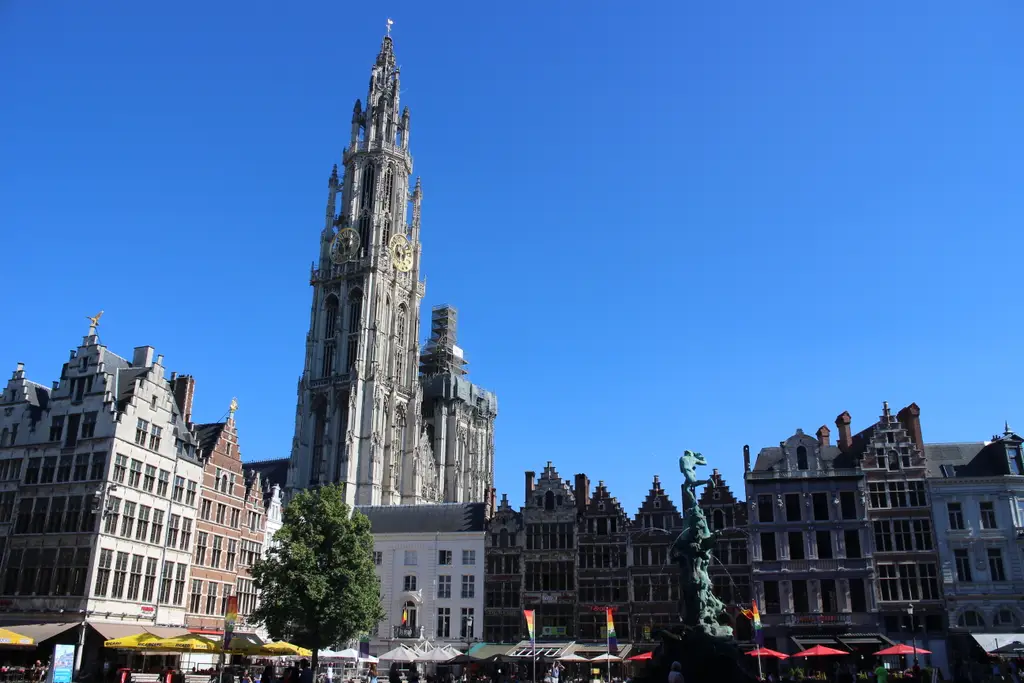
1Photo by Willy De Laet on PexelsCathedral of Our Lady (Onze-Lieve-Vrouwekathedraal)
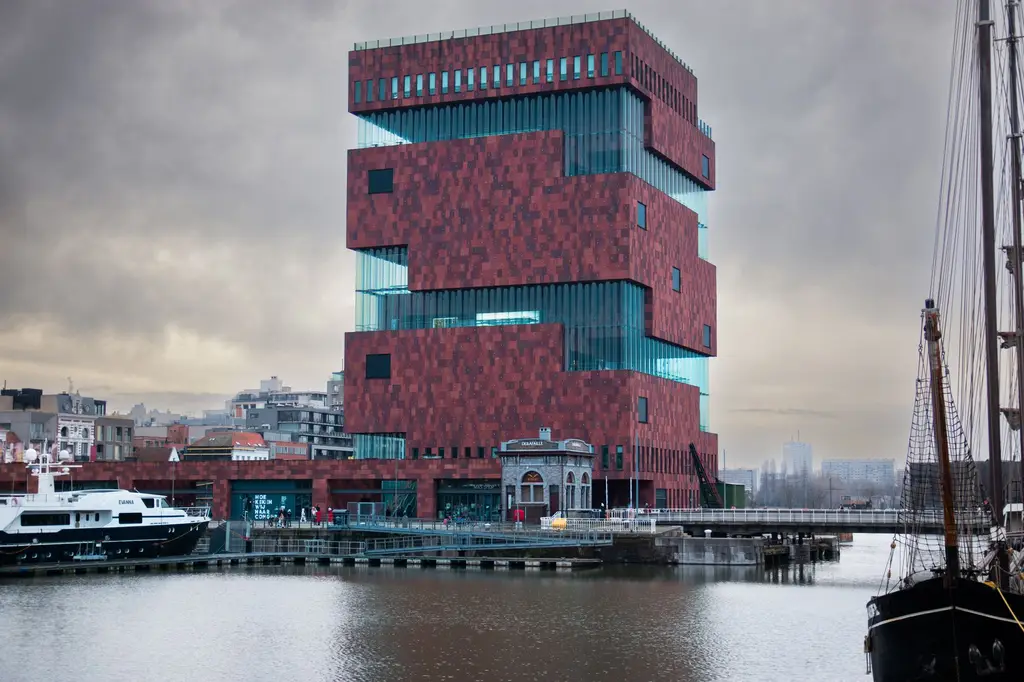
2Photo by Teja J on PexelsMAS (Museum aan de Stroom)
Cathedral of Our Lady (Onze-Lieve-Vrouwekathedraal)
Mon-Fri 10:00-17:00, Sat 10:00-15:00, Sun 13:00-17:00·EUR 12 standard adult; EUR 10 for groups of 20+, students, and seniors 60+; free for under-18s and Province of Antwerp residents·1-1.5 hours
walk in for individual visitors; groups and school visits book ahead through the cathedral's website
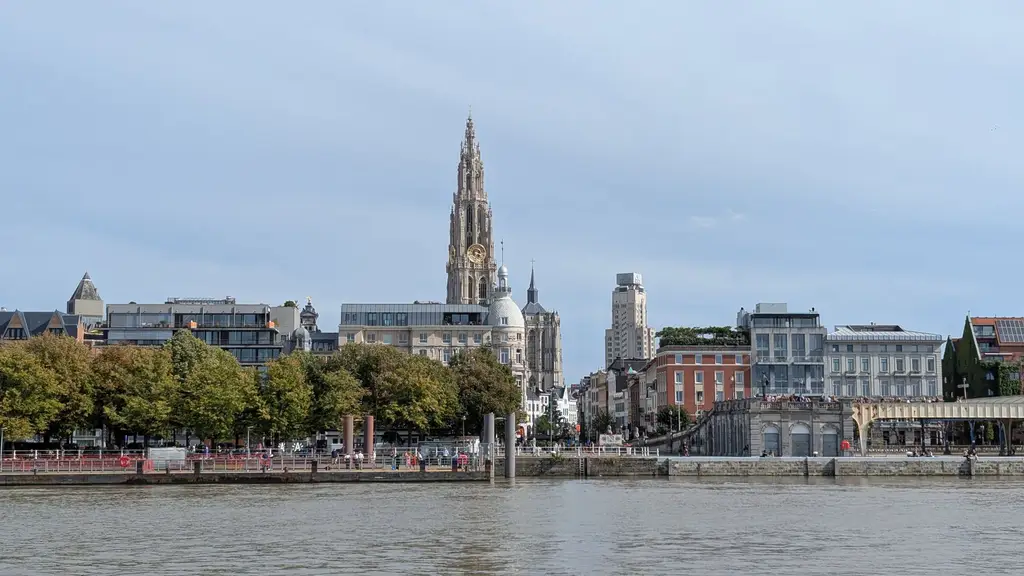
Four Rubens altarpieces hang inside, including The Raising of the Cross and The Descent from the Cross. The finished spire runs 123 metres, the tallest church tower in the Benelux.
check before you go, this changes by exhibition; the rooftop panorama terrace is generally accessible without a ticket during opening hours·check before you go for the paid collection; the rooftop terrace itself is free to access·2-3 hours for the collection, 30 minutes for the rooftop alone
walk in, or book ahead online for timed exhibitions
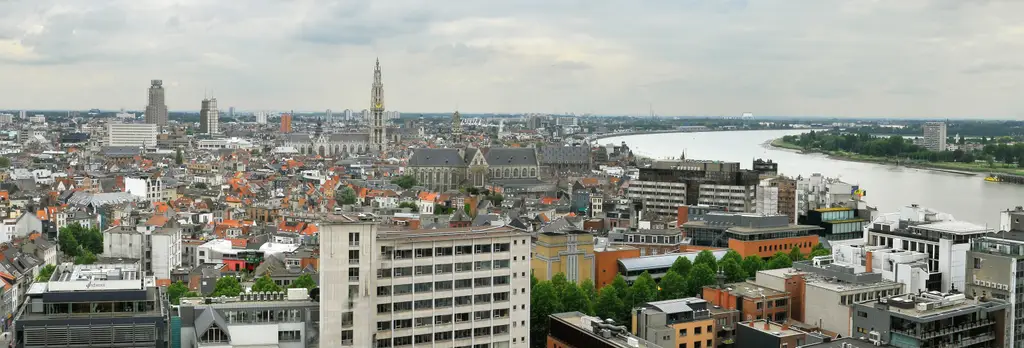
A 60-metre red sandstone tower in the Eilandje docklands with a free spiral route to the roof. The view over the port and old town is worth the trip even if you skip the paid galleries.
The Artist's Residence and garden are closed for a multi-year renovation; only the library section is open, generally 9:30-17:00·check before you go; standard admission is suspended while the main building is closed·normally 1-1.5 hours; limited during the restoration
Closed The main house and garden are closed indefinitely for restoration; check rubenshuis.be for the reopening datecheck rubenshuis.be before planning around this stop
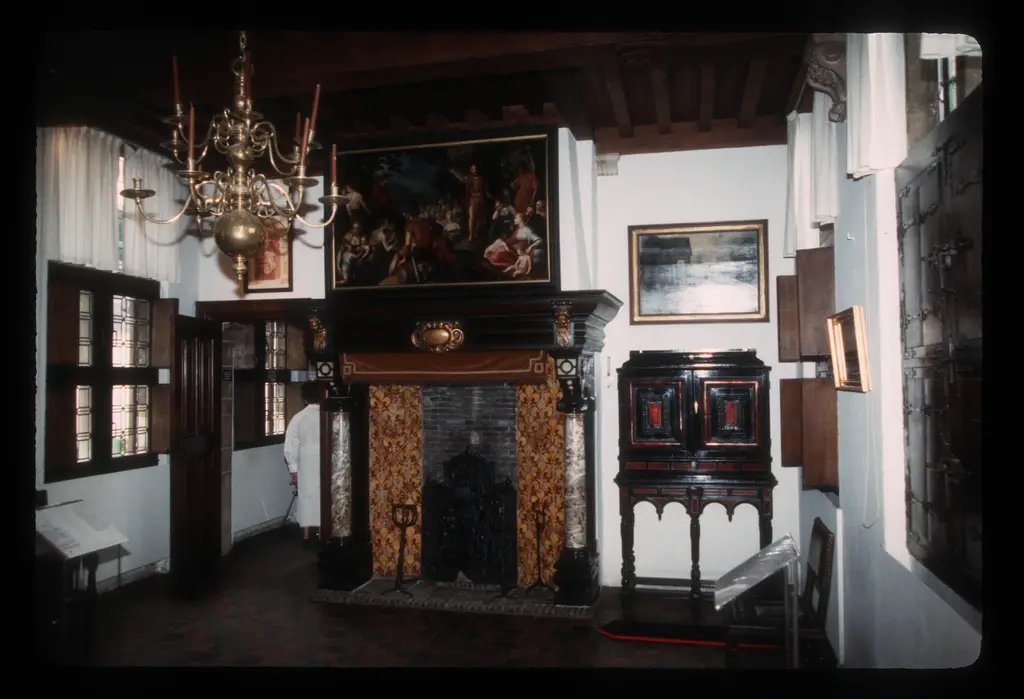
Rubens designed and lived in this house himself, modelling it on Italian Renaissance architecture. It is mid-restoration, so confirm current access before building a day around it; the collection is touring other venues meanwhile.
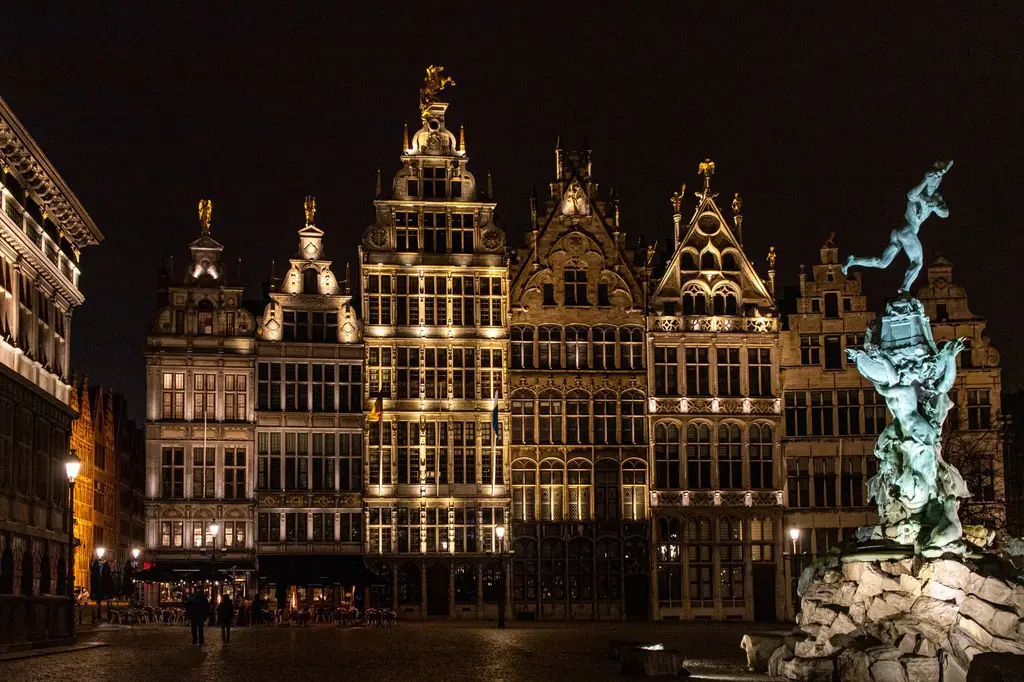
Guild houses and the city hall ring the square, with the Brabo Fountain at its centre depicting the giant-and-severed-hand legend that gave Antwerp its name. Busiest at midday, calmer with an early coffee.
5
MoMu (Fashion Museum Antwerp)
generally open into the early evening with last entry an hour before close; verify the day's exact hours before visiting·check before you go; advance online booking is recommended·1.5-2 hours
book ahead online at visit.momu.be, especially for the current Antwerp Six exhibition
Runs an exhibition on the Antwerp Six, the 1990s Royal Academy graduates who put the city on fashion's map, through January 2027. The strongest single stop for the fashion side of Antwerp's identity.
always open (station concourse)·free to enter and admire·20-30 minutes
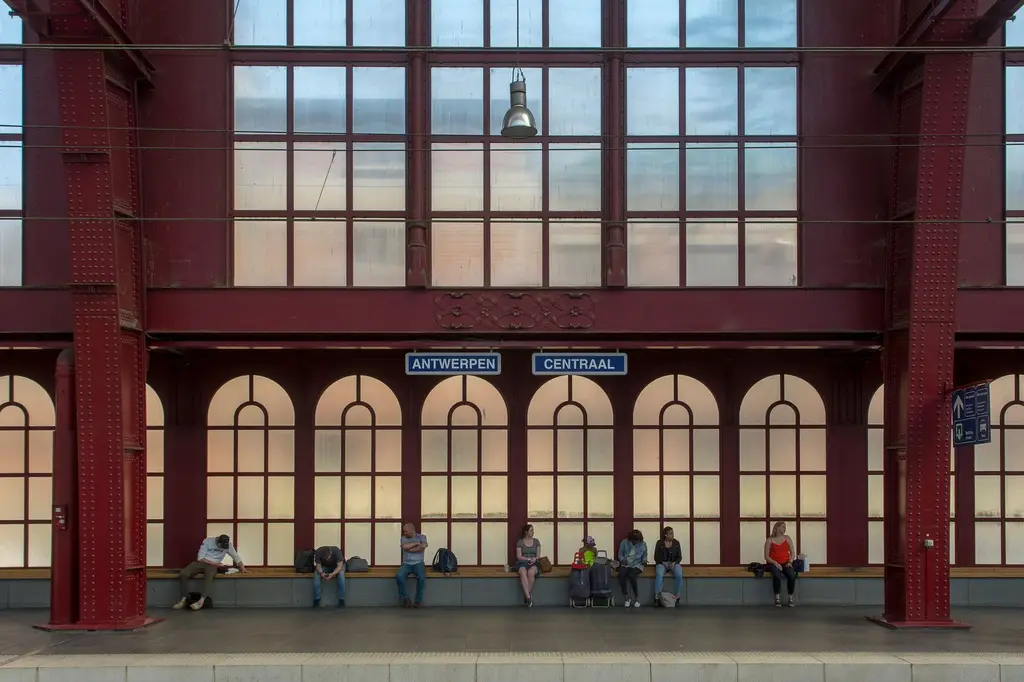
Nicknamed the 'railway cathedral' locally for its domed hall, opened in 1905. It's been called the world's most beautiful train station by outlets including Mashable, a widely repeated claim rather than an official ranking, but the hall itself earns the visit regardless.
MoMu: The Antwerp Six
as of 2026-09
Viral
A landmark exhibition at Antwerp's fashion museum marking the 40th anniversary of the Antwerp Six designers (Dries Van Noten, Ann Demeulemeester and others) who put the city on the international fashion map in 1986. A genuinely significant show for anyone interested in fashion history, and specific to Antwerp in a way most city museum exhibits aren't. Check current run dates before booking.
Park Spoor Noord
as of 2026-09
Viral
A large urban park built on a former railway yard, with skate areas, playgrounds, open lawns and regular open-air food and cultural events through the year. Genuinely well-used by locals rather than staged for tourists, which is the appeal. Not much shade, go outside peak summer heat.
Antwerp Central Station
as of 2026-09
Viral
A working train station built in a grand Beaux-Arts style, often called one of the most beautiful stations in the world, free to walk through and photograph. Genuinely worth a stop even if you're not catching a train. It's a functioning station, so it's busiest and least pleasant to linger in at rush hour.
Diamond District walk
as of 2026-09
Viral
The streets around Antwerp Central where much of the world's diamond trade is still cut and dealt, with storefront windows and a small diamond museum experience nearby. More interesting as a walk and a piece of the city's economic history than as a shopping destination unless you're actually buying.
MAS museum rooftop
as of 2026-09
Viral
The Museum aan de Stroom's spiralling exterior escalators lead to a free rooftop terrace with panoramic views over the docks and old town. The rooftop view is free and one of the best in the city. The paid exhibitions inside are inconsistent, don't feel obligated to pay for them.
More to see (2)
7
Diamond District (Diamantkwartier)
always open (streets); individual shops keep business hours, typically weekdays·free to walk·30-45 minutes
A few streets south of Centraal Station handle a large share of the world's diamond trade, still a working district rather than a tourist set piece. Visible security is normal here, not a sign of danger.
8
Plantin-Moretus Museum
check before you go·check before you go·1.5-2 hours
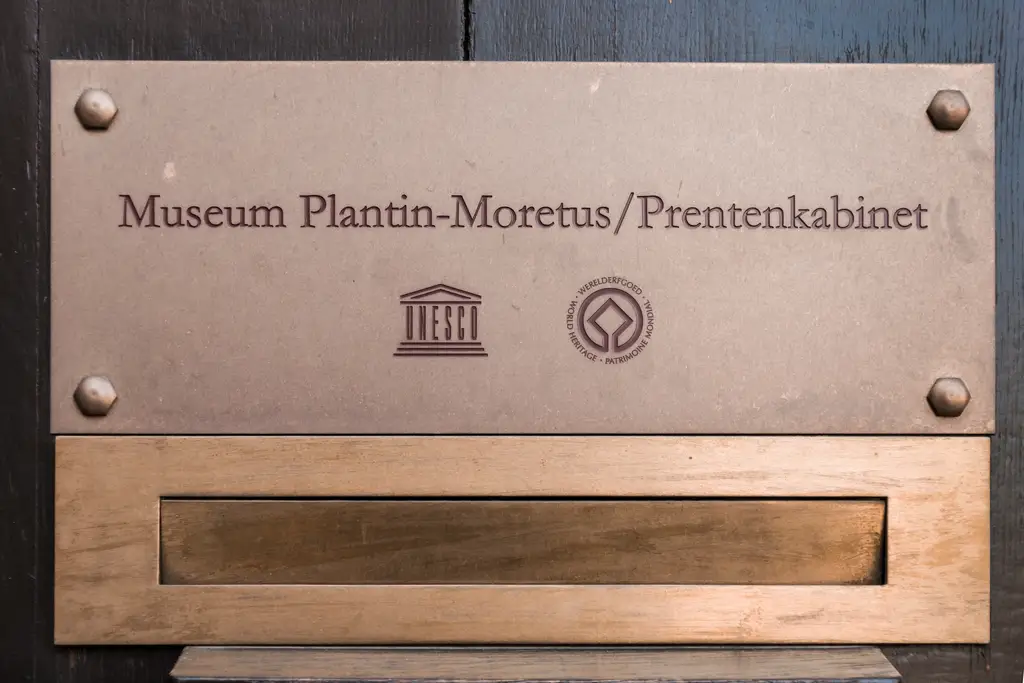
A UNESCO World Heritage former printing house holding the world's two oldest surviving printing presses and a Gutenberg Bible. Quiet and specific in a way that rewards visitors who care about print history.
Where to stay
Historic centre (around Grote Markt and the Cathedral)
Suits: first-time visitors who want the main sights on foot
Central and walkable to everything, busier and pricier on weekend nights near the square itself.
Near Centraal Station / Diamond District
Suits: convenient arrivals and easy day trips
Grand station architecture on your doorstep, but the immediate area is more transactional than charming after dark.
Het Zuid (the South)
Suits: museums, restaurants, and a quieter upscale evening scene
Home to the Museum aan de Stroom's rival, the fine arts museum KMSKA, and a strong restaurant strip along Volkstraat.
Zurenborg / Berchem
Suits: travellers who want a residential, local feel
A Belle Époque district of Art Nouveau facades along Cogels-Osylei, a tram ride from the centre and mostly overlooked by short-stay visitors.
Getting there and around
Getting there
Brussels Airport (BRU) connects to Antwerpen-Centraal by direct train in roughly 45 minutes to just over an hour. Antwerp has its own small regional airport (Deurne, ANR) with limited routes, mostly London City and a few others. Amsterdam Schiphol is a workable alternative, about 1 hour 40 minutes by direct train.
Getting around
The historic centre, Cathedral, and Grote Markt sit within a 20-minute walk of Centraal Station, though it's a genuinely different neighbourhood at each end. Trams and the pre-metro (trams running underground through the centre) cover the rest; a single De Lijn ticket works across the network. Antwerp is flat and heavily used by cyclists, and the Velo bike-share system covers most of the centre and Het Zuid. A car adds nothing but parking cost.
Map
City
Recommended (numbered)
Mentioned in an itinerary
Locations on this map
Antwerp51.22, 4.40
Cathedral of Our Lady (Onze-Lieve-Vrouwekathedraal)51.22, 4.40
MAS (Museum aan de Stroom)51.23, 4.40
Rubens House (Rubenshuis)51.22, 4.40
Grote Markt51.22, 4.40
MoMu (Fashion Museum Antwerp)51.22, 4.40
Antwerpen-Centraal railway station51.22, 4.42
Diamond District (Diamantkwartier)51.21, 4.42
Plantin-Moretus Museum51.22, 4.40
Brabo Fountain51.22, 4.40
Centraal Station51.22, 4.42
De Koninck51.20, 4.42
Eilandje51.24, 4.41
Het Zuid51.21, 4.39
Zurenborg51.20, 4.43
Mechelen51.03, 4.48
St Rumbold's Cathedral51.03, 4.48
Ghent51.05, 3.73
Gravensteen51.06, 3.72
Lier51.13, 4.57
Bruges51.24, 4.41
Beguinage51.22, 4.41
Brussels50.99, 4.38
Grand Place50.85, 4.35
Manneken Pis50.84, 4.35
Galeries Royales Saint-Hubert50.85, 4.36
Magritte Museum50.84, 4.36
Leuven51.00, 4.50
Oude Markt51.24, 5.12
Ypres50.85, 2.88
Flanders Fields50.85, 2.89
In Flanders Fields Museum50.85, 2.89
Menin Gate50.85, 2.89
KMSKA51.21, 4.39
Brussels Airport50.90, 4.48
What it costs
Stay
Food
Transport
Activities
Daily cost breakdown, EUR per person
Tier
Stay
Food
Transport
Activities
Total
Budget
EUR 28
EUR 20
EUR 5
EUR 15
EUR 68
Mid-range
EUR 80
EUR 35
EUR 8
EUR 20
EUR 143
Splurge
EUR 170
EUR 65
EUR 15
EUR 30
EUR 280
A De Lijn day ticket (around EUR 7.50), Cathedral entry (EUR 12), a fries stand lunch (EUR 6-8), an afternoon coffee near the Grote Markt, and a sit-down dinner with a couple of De Koninck beers (EUR 25-30) puts a mid-range day around EUR 120-140 per person with a mid-range hotel room split two ways.
Money savers
The Grote Markt, Cathedral exterior, Centraal Station hall, and diamond district streets are all free and among the best things to see in the city regardless of budget.
The MAS rooftop panorama terrace is free even when the paid collection isn't worth your time.
Staying in Zurenborg or Berchem instead of the historic centre cuts hotel cost while keeping the centre a short tram ride away.
Antwerp's food scene is more understated and more genuinely local than Bruges', partly because it is a working port and fashion city rather than a museum town. Frituurs here are taken seriously, with several competing for the title of the country's best fries. De Koninck, the city's own amber ale, is poured everywhere in its distinctive stemmed glass called a bolleke, to the point that ordering 'een bolleke' simply means the beer, no brand name needed. The diamond district's Jewish and Orthodox communities add kosher bakeries and delis you will not find elsewhere in Belgium. Chocolate shows up in a specifically Antwerp form too, the handjes, little chocolate hands referencing the city's founding legend.
EUR 3-5·frituurs across the centre and near Centraal Station
Must try
Antwerp frituurs are genuinely competitive with each other on quality; a queue out the door is usually a reliable signal rather than a tourist trap warning.
De Koninck beer
EUR 3-5·brown cafes across the centre, brewed in Antwerp since 1833
Must try
Served in a stemmed glass called a bolleke, which has become slang for the beer itself. Order 'een bolleke' at any brown cafe and the bartender knows exactly what you mean.
Antwerpse handjes
EUR 6-10 per box·chocolate and bakery shops around the Grote Markt
Small chocolate or biscuit hands shaped after the city's founding legend of a giant's severed hand. A local souvenir that is also genuinely worth eating.
Vlaamse stoverij
EUR 16-22·traditional restaurants across the centre and Het Zuid
Must try
Flemish beef stew braised in dark beer, thickened with bread and mustard, served with fries. A cold-weather staple and standard menu item across the city.
Kosher bakeries and delis
EUR 5-12 per item·the diamond district around Pelikaanstraat and Hoveniersstraat
Antwerp's Orthodox Jewish community, tied to the diamond trade, supports a genuine kosher food scene, bakeries and delis rarely found elsewhere in the country.
Paling in 't groen
EUR 20-26·traditional restaurants along the Scheldt riverside
Eel in a green herb sauce, a Flemish classic that is less common than it once was but still findable on traditional menus for anyone curious about older Belgian cooking.
Orbit (fried chicken burger)
as of 2026-09
Viral
A bistro from Sam Janssens and Laurens Jasperse who spent nearly a decade running a mobile fried-chicken stand before opening this brick-and-mortar spot, plus a walk-up window on weekend edges. Lives up to the hype based on 2026 reviews, crunchy, well-seasoned, good pickles. Worth going out of your way for.
Eilandje seafood grills
as of 2026-09
Viral
The old docklands district near the MAS museum has built up a run of seafood-forward restaurants and grills, part of Antwerp's broader push into casual waterfront dining. A neighbourhood shift worth knowing about rather than one name to chase. Good option if you want fish without the Michelin prices of Het Zuid.
Antwerp-Zuid new restaurant wave
as of 2026-09
Viral
The Zuid neighbourhood near KMSKA has seen several restaurant openings, with Japanese-leaning small plates like karaage chicken turning up on menus. Every specific name traced back to one roundup article, so this names the neighbourhood trend, not a single restaurant, until there's a second source.
Eldo
as of 2026-09
Viral
A restaurant on Antwerp-Zuid built inside a former brothel, cooking over open fire, opened May 2026 by friends with roots in the Sergio Herman school of cooking. Reviews call it more about atmosphere and comfort food done well than fine dining. Go for the vibe and the open-fire cooking, not a tasting menu.
Sanctus
as of 2026-09
Viral
Chef Yves Mattagne's long-awaited gastronomic restaurant inside the Botanic Sanctuary hotel, one of two restaurants he opened there. A serious, expensive night out from an established chef, not a casual stop. Book ahead if you're set on it.
De Aarde
as of 2026-09
Viral
Chef Frédéric Chabbert's new gastronomic restaurant in Zurenborg, opened March 2026 in the former home of Helmut Lotti and Jelle Van Riet. A serious culinary address from a proven chef, of the starred Dome. Good if you want fine dining outside the center, expect it priced accordingly.
Safety and scams
Antwerp is safe by ordinary European city standards. The area right around Centraal Station and the diamond district carries a visible security presence, guards and armoured vehicles, which reflects the diamond trade rather than any danger to visitors. The Schipperskwartier red-light district near the port is not particularly risky to walk through in daylight but keep normal awareness at night. Petty theft in tram crowds and around the station is the main real risk.
Common mistakes
Building a day around Rubens House without checking its current renovation status first, the main residence is closed and only the library is open.
Treating Antwerp like Bruges or Ghent and expecting a compact preserved centre, it's a bigger, more working city and rewards a different pace.
Skipping the diamond district because it isn't a formal museum stop, it's one of the more distinctive free things to see in the city.
Turning up to MoMu without booking online, especially during the current Antwerp Six exhibition.
Missing Zurenborg because it sits a tram ride from the centre, it's one of the best Art Nouveau streets in Belgium and gets a fraction of the foot traffic.
Frequently asked questions
How many days do you need in Antwerp?
Two to three days covers the Cathedral, Rubens House, MAS, the diamond district, and MoMu at an unhurried pace. Longer stays are better spent day-tripping to Mechelen, Lier, Ghent, or Bruges than trying to stretch the city itself.
Is Antwerp worth visiting compared to Bruges or Ghent?
Yes, but expect a different city, not a smaller version of either. Antwerp is Belgium's largest city and a working port, built around fashion, diamonds, and Rubens rather than a preserved medieval centre. It rewards visitors who don't come expecting a postcard town.
Is Rubens House open right now?
The main Artist's Residence and garden are closed for a multi-year renovation; only the library section remains open. Check rubenshuis.be for the current status and reopening date before building a day around it.
How much does it cost to visit Antwerp Cathedral?
EUR 12 for a standard adult ticket, EUR 10 for groups of 20 or more, students, and seniors 60 and over, with free entry for under-18s and Province of Antwerp residents. It's closed to visitors on January 1.
Is Antwerp Centraal really the world's most beautiful train station?
It's widely called that in travel media, including a Mashable ranking, and it won a Europa Nostra heritage prize in 2011. Treat the superlative as a commonly repeated claim rather than an official title, the domed 1905 hall is worth seeing regardless of the ranking.
Is the Antwerp diamond district safe and open to visitors?
Yes, it's a public set of streets just south of Centraal Station, not a restricted area, though the visible security (guards, armoured vehicles) reflects an active trading district rather than a tourist attraction. It's free to walk through.
What is MoMu and is it worth visiting?
MoMu is Antwerp's fashion museum, tied to the Royal Academy that produced the Antwerp Six designers in the 1990s. It's running an exhibition on that group through January 2027 and is the strongest single stop for understanding Antwerp's fashion reputation. Book online in advance.
How far is Antwerp from Brussels?
About 45 minutes by direct train, one of the shortest links between any two of Belgium's major cities. It makes Antwerp an easy add-on to a Brussels-based trip or a standalone base of its own.
What day trips are best from Antwerp?
Mechelen (around 15-20 minutes, a carillon and cathedral town) and Lier (around 20-25 minutes, a small UNESCO beguinage and the Zimmer astronomical clock tower) are the closest and least crowded. Ghent and Bruges are both under 1.5 hours if you want the more classic Flemish postcard towns.
Do I need to speak Dutch in Antwerp?
No. Antwerp sits in Flanders, Belgium's Dutch-speaking region, and Flemish Dutch is the everyday language, but English is widely spoken in hotels, restaurants, and shops throughout the centre.