Things to Do in Ghent: Itineraries, Costs and Food
The canal city Belgium's itineraries skip in favour of Bruges: a real medieval castle you can walk through, the Van Eyck altarpiece, and a working university town with a fraction of the tour groups.
By Labeeb Mirza · Published September 8, 2026 · Updated September 8, 2026
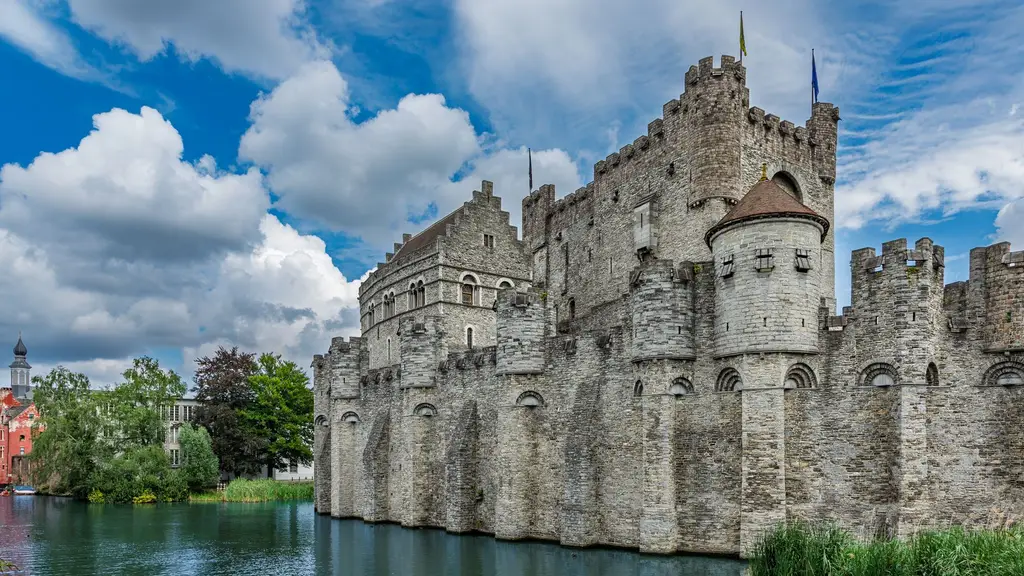
Ghent sits about twenty-five minutes by train from Bruges and gets a fraction of its visitors, which is the whole story in one sentence. Most itineraries treat it as an optional add-on to a Bruges trip, if they mention it at all, and that's a mistake worth correcting before you book. Ghent has the same ingredients that made Bruges famous: medieval canals, stepped and gabled guild houses along the water, a belfry you can climb for a view over red rooftops. What it also has, and Bruges does not, is a real castle you walk through room by room. Gravensteen, the Castle of the Counts, is not a facade behind rope barriers, it is a functioning medieval fortress with a keep, battlements, and a well-known collection of historic weapons, right in the middle of the old town. Saint Bavo's Cathedral holds the Ghent Altarpiece, the Van Eyck brothers' Adoration of the Mystic Lamb, one of the most significant paintings in Western art history and not a lesser cousin of anything in Bruges. Ghent University adds roughly 50,000 students to a city of around 265,000, which shows on the street: bars that stay open past 10pm, heavier bike traffic, a cheaper food scene, and far fewer visitors wearing a lanyard from a day-trip coach. It also sits near the middle of Belgium's rail network, with Bruges, Brussels, and Antwerp all under an hour away, making it a genuinely practical base rather than a nice-to-have stop.
What I actually think
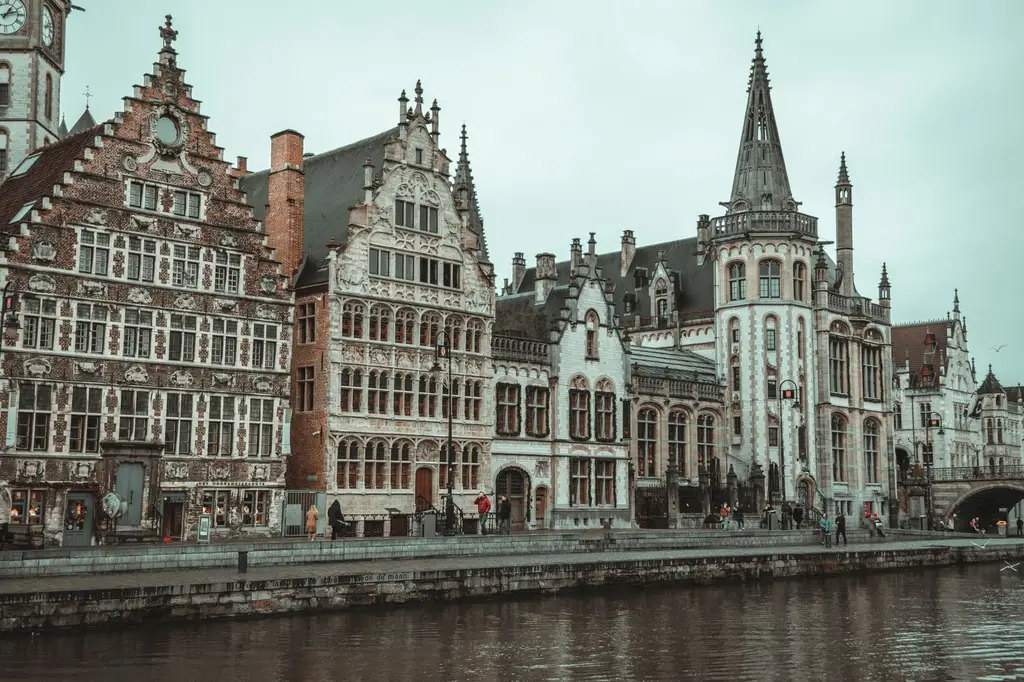
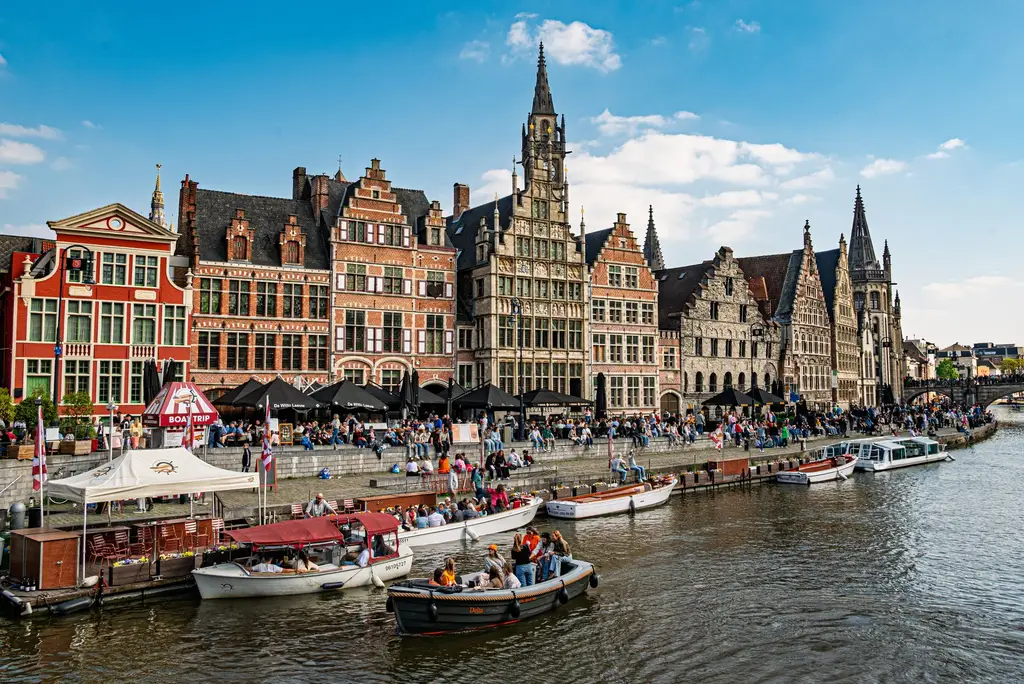
The first time I stood on the Sint-Michielsbrug bridge and looked back at the Graslei, I understood why people who've done both Bruges and Ghent tend to end up arguing for Ghent. Same kind of view, a tenth of the people in front of it.
Walking through Gravensteen room to room, up the narrow tower stairs and out onto the battlements, is a completely different experience from climbing a bell tower for a view and coming back down. It's a castle you actually explore, not a photo stop.
Ghent feels lived-in in a way Bruges doesn't. Bikes everywhere, students spilling out of bars past 10pm, a market that's still a working market. Bruges is beautiful and I get why it's famous, but it can feel like walking through a museum exhibit of itself by midday.
I underestimated the Ghent Altarpiece the first time, expecting something I'd tick off quickly on the way to the castle. It's a genuinely major work and worth building real time around, not a five-minute add-on to a cathedral visit.
Two days is a fair, honest amount of time for Ghent itself. I wouldn't stretch the city core past that, but I'd happily use it as a base and add day trips rather than moving hotels for Bruges or Brussels.
Gravensteen, the cathedral, and the Graslei waterfront, Ghent's essentials in a single day.
Day 1: Ghent in a day
Morning
Gravensteen castle first thing, then a walk along the Graslei and Korenlei waterfront.
Afternoon
Saint Bavo's Cathedral for the Ghent Altarpiece, then the Belfry if you have the time and energy.
Evening
Dinner in Patershol, then a drink at Vrijdagmarkt or, for a livelier scene, Overpoort.
Tip: Do Gravensteen before 10am, it gets genuinely busy with tour groups by midday.
The full city core at an unhurried pace, the honest amount of time Ghent itself deserves.
Day 1: Gravensteen and the waterfront
Morning
Gravensteen castle, room by room, before the tour groups arrive.
Afternoon
Graslei and Korenlei waterfront, then a wander through Patershol's narrow streets.
Evening
Dinner in Patershol.
Tip: Buy Gravensteen tickets online ahead if visiting in summer.
Day 2: The cathedral and the Belfry
Morning
Saint Bavo's Cathedral and the Ghent Altarpiece.
Afternoon
Belfry climb, then STAM if museums interest you.
Evening
Dinner and drinks around Vrijdagmarkt.
Tip: Check the current display arrangement for the Altarpiece before you go, restoration work is ongoing.
Day 3: Overpoort and a slower finish
Morning
Canal boat tour, then free time for shopping in the centre.
Afternoon
Explore Overpoort and the university district, a different register from the historic core.
Evening
A final dinner and drinks wherever the day leads.
Tip: Overpoort is a genuine look at everyday Ghent, worth the walk south of the centre.
The 3-day Ghent core plus day trips to Bruges and Brussels, using Ghent's central rail position.
Day 1: Gravensteen and the waterfront
Morning
Gravensteen castle before the crowds.
Afternoon
Graslei, Korenlei, and Patershol.
Evening
Dinner in Patershol.
Tip: Buy Gravensteen tickets online ahead in summer.
Day 2: The cathedral and the Belfry
Morning
Saint Bavo's Cathedral and the Ghent Altarpiece.
Afternoon
Belfry climb and STAM.
Evening
Dinner around Vrijdagmarkt.
Tip: Confirm the Altarpiece's current display before visiting.
Day 3: Overpoort and a slower finish
Morning
Canal boat tour.
Afternoon
Overpoort and the university district.
Evening
A relaxed final centre dinner.
Tip: A good gauge of daily Ghent life.
Show all 5 days
Day 4: Day trip: Bruges
Morning
Train to Bruges (around 25 minutes), the Markt and belfry.
Afternoon
Bruges' canals and the Groeninge Museum.
Evening
Return to Ghent for dinner.
Tip: Take an early train, Bruges is at its best before its own day-trip coaches arrive.
Day 5: Day trip: Brussels
Morning
Train to Brussels (around 35 minutes), Grand Place and Manneken Pis.
Afternoon
A museum of your choice or the comic strip walking trail.
Evening
Return to Ghent for a last dinner.
Tip: Pick one or two Brussels anchors rather than trying to see everything in a day.
A week built honestly: the 3-day Ghent core plus four day trips across Belgium, since Ghent itself does not fill a week without padding.
Day 1: Gravensteen and the waterfront
Morning
Gravensteen castle before the crowds.
Afternoon
Graslei, Korenlei, and Patershol.
Evening
Dinner in Patershol.
Tip: Buy Gravensteen tickets online ahead in summer.
Day 2: The cathedral and the Belfry
Morning
Saint Bavo's Cathedral and the Ghent Altarpiece.
Afternoon
Belfry climb and STAM.
Evening
Dinner around Vrijdagmarkt.
Tip: Confirm the Altarpiece's current display before visiting.
Day 3: Overpoort and a slower finish
Morning
Canal boat tour.
Afternoon
Overpoort and the university district.
Evening
A relaxed final centre dinner.
Tip: A good gauge of daily Ghent life.
Show all 7 days
Day 4: Day trip: Bruges
Morning
Train to Bruges, the Markt and belfry.
Afternoon
Bruges' canals and the Groeninge Museum.
Evening
Return to Ghent.
Tip: An early train beats Bruges' own day-trip crowds.
Day 5: Day trip: Brussels
Morning
Train to Brussels, Grand Place and Manneken Pis.
Afternoon
A museum or the comic strip trail.
Evening
Return to Ghent.
Tip: Pick one or two anchors rather than rushing several.
Day 6: Day trip: Antwerp
Morning
Train to Antwerp (around 50 minutes), Cathedral of Our Lady and Rubens House.
Afternoon
Grote Markt and the MAS museum, or the fashion district if that's more your interest.
Evening
Return to Ghent.
Tip: Antwerp is the least quaint and most fashion-forward of Belgium's big four cities, a good change of pace.
Day 7: Day trip: Kortrijk
Morning
Train to Kortrijk (around 25 minutes), a smaller West Flanders city with its own Broel Towers and Begijnhof.
Afternoon
A quiet wander through Kortrijk's compact centre, a genuine look at a Flemish city with almost no tourist traffic.
Evening
Return to Ghent for a final dinner.
Tip: A useful contrast day, this is what an undiscovered Belgian city actually looks like.
Two weeks built regionally around Ghent, Bruges, Brussels, and Antwerp with day trips layered in, since Ghent alone does not fill fourteen days without padding.
Day 1: Gravensteen and the waterfront
Morning
Gravensteen castle before the crowds.
Afternoon
Graslei, Korenlei, and Patershol.
Evening
Dinner in Patershol.
Tip: Buy Gravensteen tickets online ahead in summer.
Day 2: The cathedral and the Belfry
Morning
Saint Bavo's Cathedral and the Ghent Altarpiece.
Afternoon
Belfry climb and STAM.
Evening
Dinner around Vrijdagmarkt.
Tip: Confirm the Altarpiece's current display before visiting.
Day 3: Overpoort and a slower finish
Morning
Canal boat tour.
Afternoon
Overpoort and the university district.
Evening
A relaxed centre dinner.
Tip: A good gauge of daily Ghent life before the trip moves on.
Show all 14 days
Day 4: Travel to Bruges, check in for two nights
Morning
Train to Bruges (around 25 minutes), settle in.
Afternoon
Markt square and belfry.
Evening
Dinner in Bruges' old town.
Tip: Staying overnight in Bruges shows a much quieter town than a rushed day trip does.
Day 5: Bruges at an early-morning pace
Morning
The Markt and canals before 9am, while they're still close to empty.
Afternoon
Groeninge Museum and the Beguinage.
Evening
A final Bruges dinner.
Tip: This is the version of Bruges worth the trip, day-trippers rarely see it.
Day 6: Day trip: Flemish coast
Morning
Train to Ostend or De Haan (around 30-45 minutes from Bruges), a stretch of North Sea coastline most visitors to Belgium skip entirely.
Afternoon
A beach walk or the Ostend seafront promenade.
Evening
Return to Bruges for dinner.
Tip: A genuinely different Belgium from the medieval cities, worth one day if you have it.
Day 7: Travel to Brussels, check in for three nights
Morning
Train to Brussels (around 1 hour from Bruges).
Afternoon
Grand Place, Manneken Pis, Galeries Royales Saint-Hubert.
Evening
A beer cafe evening in the centre.
Tip: Brussels is the country's rail hub, the natural base for this stretch of the trip.
Day 8: Brussels museums
Morning
Royal Museums of Fine Arts or the Magritte Museum.
Afternoon
The EU quarter briefly, or the comic strip walking trail.
Evening
Free evening.
Tip: Pick one major museum rather than rushing several in a day.
Day 9: Day trip: Leuven
Morning
Train to Leuven (around 25 minutes from Brussels), another genuine Belgian university city.
Afternoon
The Gothic town hall and the Oude Markt, said to be the longest bar-lined square in Europe.
Evening
Return to Brussels.
Tip: A useful comparison point for Ghent's own university-town character.
Day 10: Day trip: Waterloo
Morning
Train and short bus/tram connection to Waterloo, the 1815 battlefield site.
Afternoon
The Lion's Mound and battlefield visitor centre.
Evening
Return to Brussels.
Tip: A heavier, more historical day than the rest of the trip.
Day 11: Travel to Antwerp, check in for two nights
Morning
Train to Antwerp (around 45 minutes from Brussels).
Afternoon
Cathedral of Our Lady and the Grote Markt.
Evening
Dinner near the cathedral.
Tip: Antwerp is closer to Brussels than to Ghent, worth basing this leg from Brussels or direct.
Day 12: Antwerp's fashion district and MAS
Morning
Rubens House and the MAS museum.
Afternoon
The fashion and diamond districts, less quaint and more lived-in than the medieval cities.
Evening
A final Antwerp dinner.
Tip: Antwerp rewards a slower, less checklist-driven pace than Bruges or Ghent.
Day 13: Return to Ghent
Morning
Train back to Ghent (around 50 minutes from Antwerp).
Afternoon
Free time for anything missed from the first three days.
Evening
A last dinner in Patershol.
Tip: Ending the trip back in Ghent gives a proper close without an extra hotel change on the final night.
Day 14: Departure
Morning
Pack and any final errands.
Afternoon
Train to Brussels Airport (around 50 minutes with a change) or onward travel.
Evening
Departure.
Tip: Build in more buffer than the train time suggests, the airport connection involves a change at Brussels.
check before you go·check before you go·1.5-2 hours
walk in, though buying online ahead avoids the ticket-counter queue in peak season
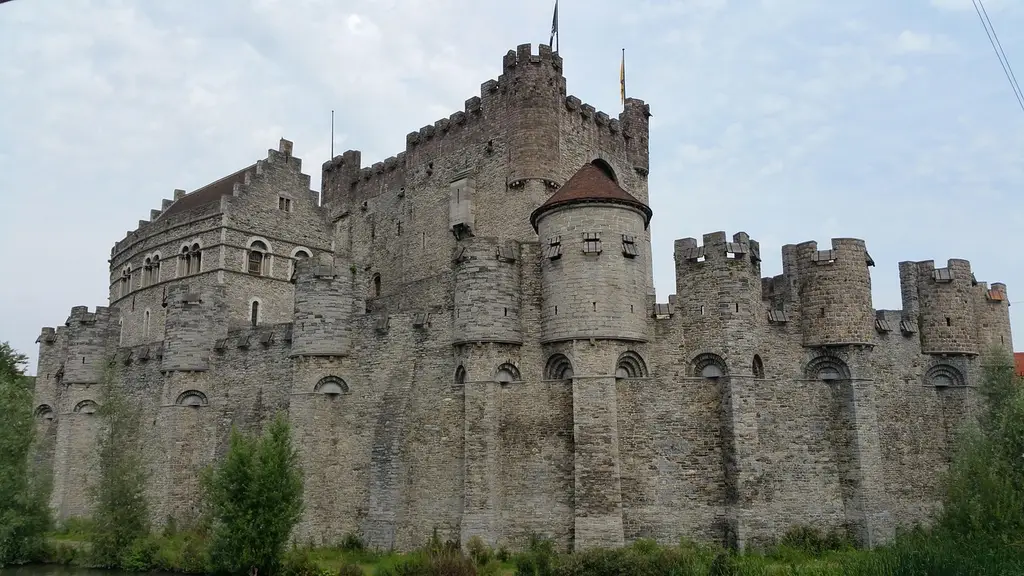
A genuine medieval keep with narrow tower stairs, battlements, and a well-known collection of historic weapons and torture instruments. Unlike Bruges, this is a castle you walk through, not just photograph.
open daily to the public except January 1st·check before you go; free to enter the cathedral itself, a separate paid ticket covers the Ghent Altarpiece viewing·1-1.5 hours
walk in for the cathedral, online tickets recommended for the Altarpiece viewing
During ongoing restoration work (expected to run into spring 2027), the altarpiece's seven main panels in the cathedral are temporarily replaced with high-resolution photos; the upper register is viewable at MSK Ghent in the meantime. Check the current display arrangement before you go.
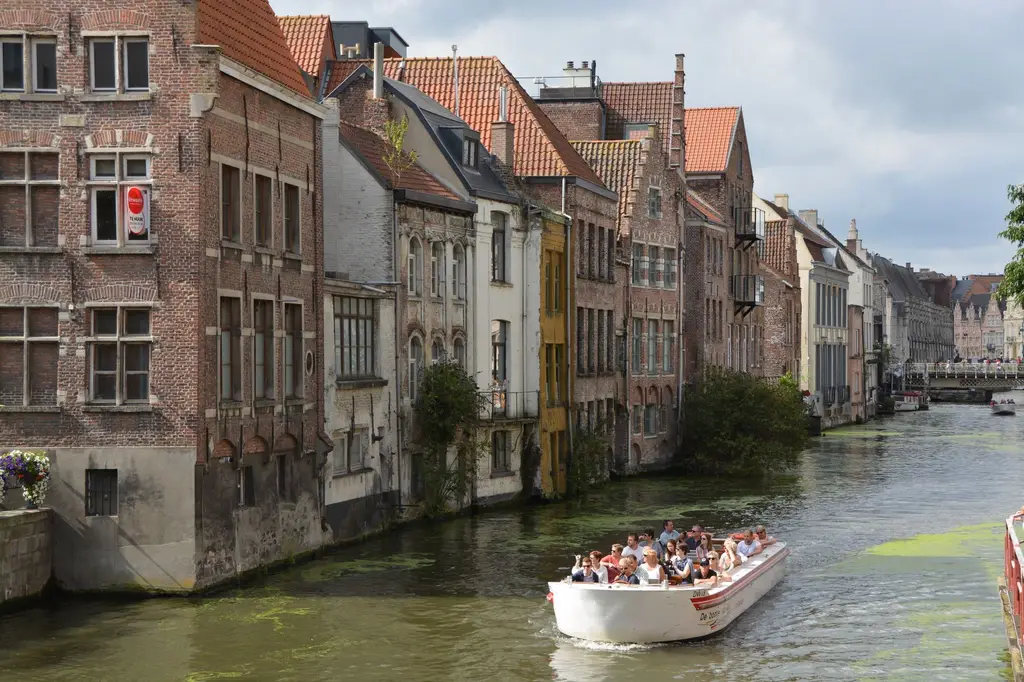
The old harbour quays face each other across the Leie, lined with guild houses from different centuries standing shoulder to shoulder. Best light is early morning or after sunset when the facades are lit.
4
Belfry of Ghent (Belfort)
check before you go·check before you go·45 minutes-1 hour
online tickets available through the dedicated ticketing site, walk in also possible outside peak times
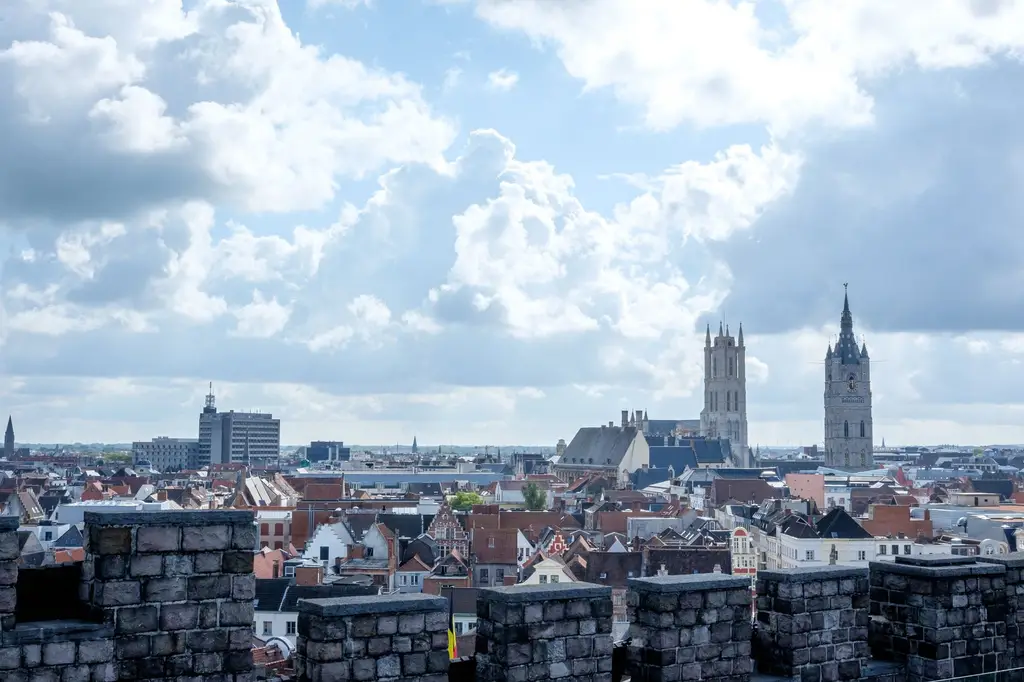
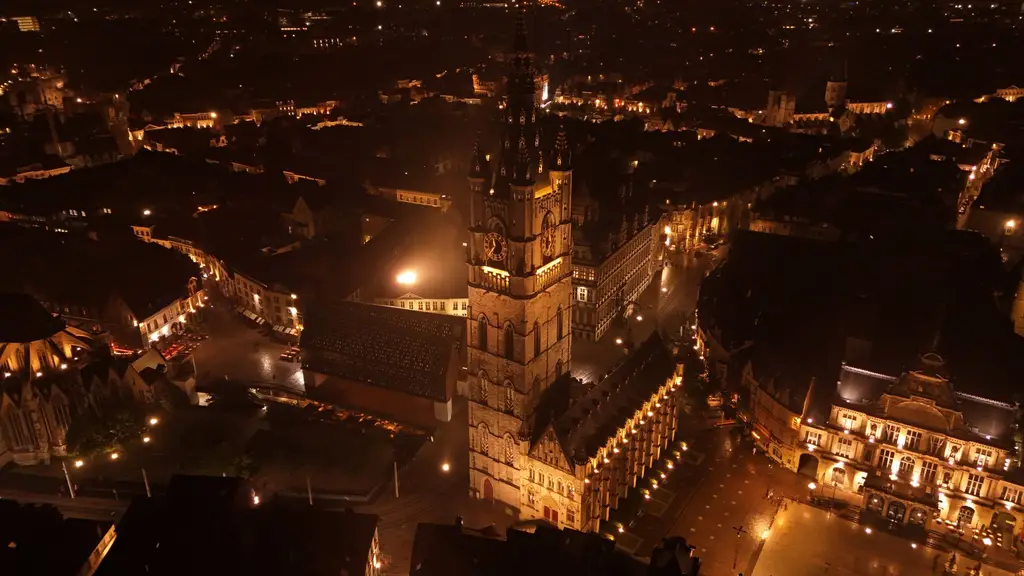
A UNESCO-listed medieval bell tower topped with a gilded dragon weathervane, with a lift partway up before a shorter climb to the viewing gallery. Less of a physical slog than Bruges' belfry.
check before you go·check before you go·1.5-2 hours
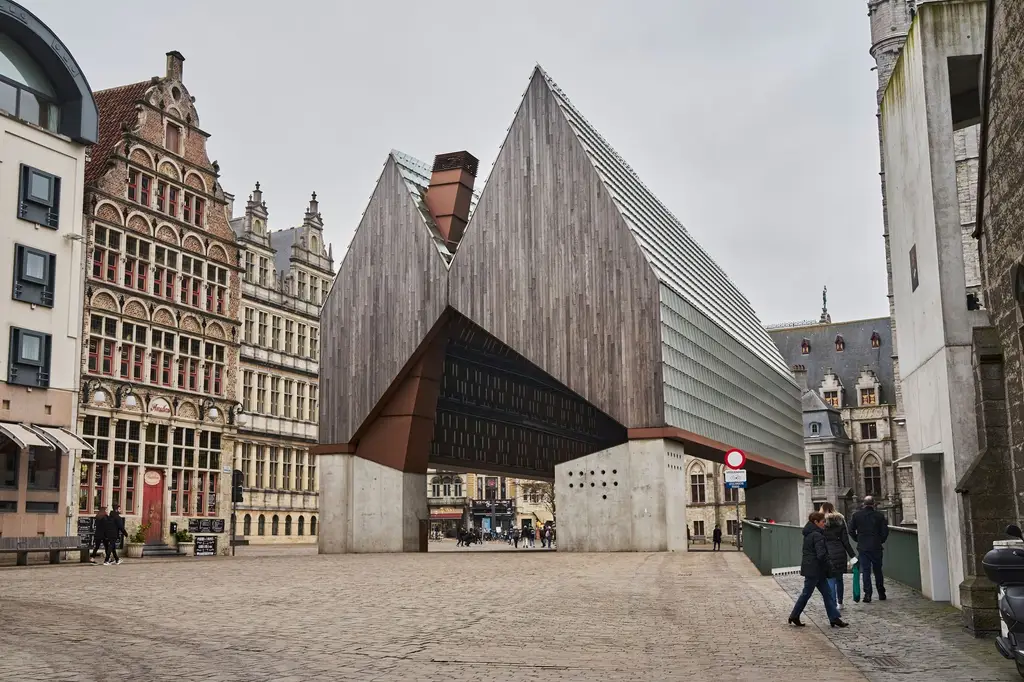
Housed in a former abbey on the Bijloke site south of the centre, tracing Ghent's history from its founding to today. A good rainy-afternoon option away from the canal crowds.
closed for renovation, scheduled to reopen October 3, 2026·check before you go, current pricing not yet published for the reopened museum·1-1.5 hours
Closed closed entirely until the October 2026 reopeningcheck the website closer to the reopening date
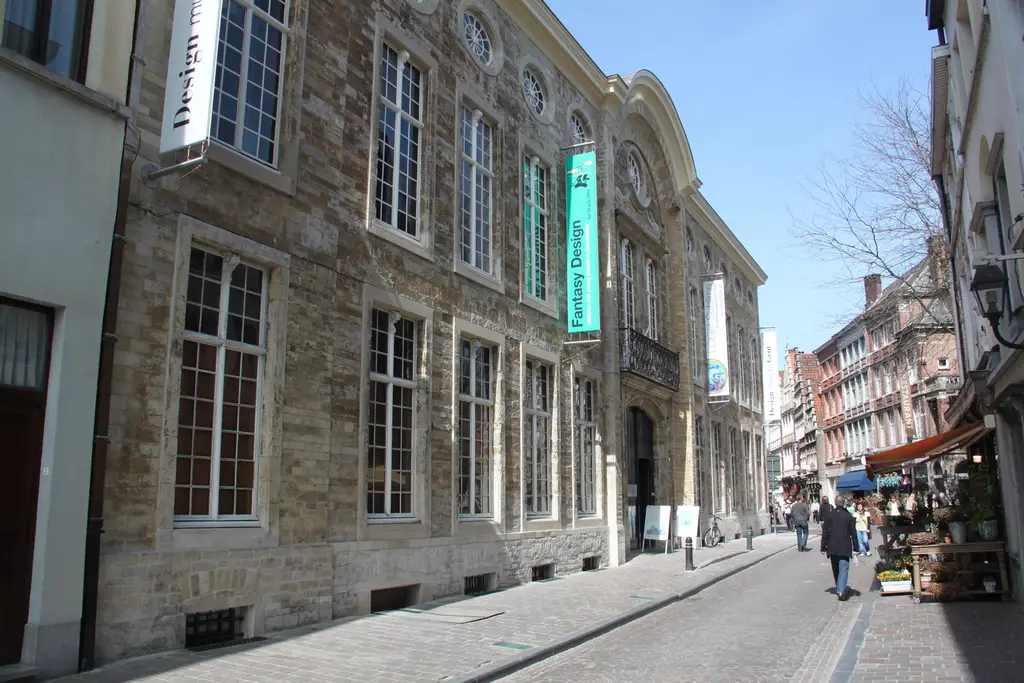
A decorative arts and design collection in a converted 18th-century mansion, closed for a full renovation with reopening scheduled for October 3, 2026. Confirm it has actually reopened before building a visit around it.
Two medieval quaysides facing each other across the Leie river, lined with guild houses, functioning as boat tour departure points by day and a dense bar and restaurant strip by night. Genuinely one of the best-preserved medieval waterfronts in Belgium and it's free to just sit and look at. Gets loud with student nightlife on weekends.
Gravensteen castle
as of 2026-09
Viral
A restored medieval fortress in the city centre with a self-guided audio tour through its towers, dungeons and a small weapons collection. Solid for an hour, the views from the top walls over the city are the highlight more than the exhibits.
Saint Bavo's Cathedral and the Mystic Lamb altarpiece
as of 2026-09
Viral
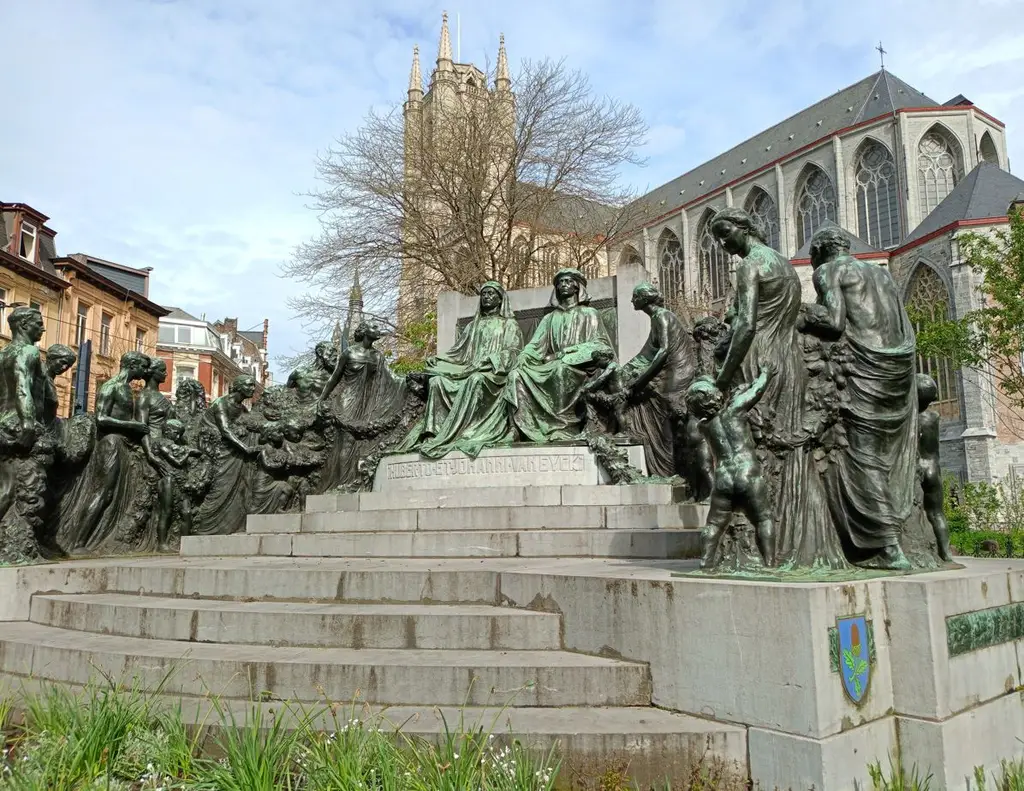
Ghent's cathedral, home to the Van Eyck brothers' famous 24-panel Mystic Lamb altarpiece; the upper register is on view at the MSK Ghent museum rather than the cathedral while restoration continues through spring 2027. Worth knowing before you go, if you specifically want the restored upper panels you need to visit MSK Ghent, not the cathedral, until the restoration finishes.
Patershol district
as of 2026-09
Viral
A dense pocket of narrow medieval streets just behind Gravensteen castle, largely residential with small independent restaurants and galleries tucked into old buildings. Quiet and genuinely local feeling, a good contrast to the Graslei crowds a few minutes' walk away.
THE GET
as of 2026-09
Viral
New contemporary art and design space designed by architect Glenn Sestig, opened recently with rotating shows spanning sculpture, collectible design and architecture. Small and serious, no tour groups. A good half-hour stop near Patershol, not a destination worth planning a whole day around.
More to see (2)
7
Vrijdagmarkt
always open (outdoor); Friday and Saturday market days bring stalls·free·30-45 minutes
Ghent's historic market square, still a working market on Friday and Saturday mornings and ringed by bars busy with students most evenings. A better read on daily Ghent life than the Graslei postcard view.
8
Canal boat tour
check before you go, seasonal, multiple independent operators along the Graslei and Korenlei·check before you go·35-45 minutes
walk in at the jetty, or book ahead online with individual operators in peak season
A slower, lower loop than Bruges' boats, passing under the Sint-Michielsbrug bridge with a clean sightline back to Gravensteen and the Graslei facades.
Where to stay
Patershol
Suits: first-time visitors who want restaurants and atmosphere on their doorstep
A former tanners' quarter turned dense restaurant district right behind Gravensteen, narrow cobbled streets, quieter at night than the Graslei.
Kouter and the historic centre
Suits: travellers who want the canals and main sights within a short walk
Central and well connected, busier by day with shoppers and students than with tour groups.
Near Ghent-Sint-Pieters station
Suits: budget stays and easy day-trip connections
About a 20-25 minute walk or a tram ride from the centre, cheaper rates and simple onward travel to Bruges, Brussels, or Antwerp.
Getting there and around
Getting there
Ghent has no major airport of its own. Brussels Airport (BRU) connects to Ghent-Sint-Pieters station in around 50 minutes by train, usually one change at Brussels-Zuid/Midi or Brussels-Centraal. Ghent-Sint-Pieters is also a direct stop on the main line linking Brussels (around 35 minutes), Bruges (around 25 minutes), and Antwerp (around 50 minutes), making arrival by train from any of the other three cities straightforward.
Getting around
The historic centre is compact and mostly car-free, walkable end to end in 25-30 minutes, with Gravensteen, the Graslei, and Saint Bavo's all within a few minutes of each other. Ghent-Sint-Pieters station sits about 2km south of the centre, a 25-minute walk or a short tram ride on the De Lijn network. Bikes are everywhere and genuinely the local default; rental shops cluster near the station and the centre, and cycle infrastructure here is close to Dutch standard.
Map
City
Recommended (numbered)
Mentioned in an itinerary
Locations on this map
Ghent51.05, 3.72
Gravensteen (Castle of the Counts)51.06, 3.72
Saint Bavo's Cathedral and the Ghent Altarpiece51.04, 3.71
Graslei and Korenlei waterfront51.05, 3.72
Belfry of Ghent (Belfort)51.05, 3.72
STAM (Ghent City Museum)51.04, 3.72
Design Museum Gent51.06, 3.72
Vrijdagmarkt51.06, 3.73
Canal boat tour51.07, 3.71
Patershol51.06, 3.72
Overpoort51.04, 3.73
Bruges51.06, 3.71
Groeninge Museum51.21, 3.23
Brussels50.85, 4.35
Grand Place50.85, 4.35
Manneken Pis50.84, 4.35
Antwerp51.05, 3.72
Cathedral of Our Lady51.22, 4.40
Grote Markt51.06, 3.72
MAS51.23, 4.40
Kortrijk51.06, 3.66
West Flanders51.11, 3.76
Begijnhof51.06, 3.71
Flemish50.87, 4.79
Beguinage51.05, 3.74
Ostend51.23, 2.92
De Haan51.07, 3.73
North Sea51.11, 3.75
Galeries Royales Saint-Hubert50.85, 4.36
Magritte Museum50.84, 4.36
Leuven51.06, 3.71
Belgian51.07, 3.72
Oude Markt51.06, 3.73
Europe51.06, 3.73
Waterloo50.72, 4.40
Lion's Mound50.68, 4.40
Brussels Airport50.90, 4.48
What it costs
Stay
Food
Transport
Activities
Daily cost breakdown, EUR per person
Tier
Stay
Food
Transport
Activities
Total
Budget
EUR 25
EUR 18
EUR 4
EUR 12
EUR 59
Mid-range
EUR 75
EUR 32
EUR 8
EUR 18
EUR 133
Splurge
EUR 160
EUR 60
EUR 15
EUR 30
EUR 265
A tram day pass (around EUR 7.50), Gravensteen entry, a bakery lunch (EUR 6-8), a canal boat tour, and dinner with a couple of local beers in Patershol (EUR 25-30) puts a mid-range day around EUR 110-135 per person with a mid-range hotel room split two ways.
Money savers
The Graslei and Korenlei walk, Vrijdagmarkt, and most of the old town cost nothing and are as good as anything you'll pay to see.
The visit.gent CityCard bundles several museums and transit into one pass; worth it if you're hitting three or more paid sites, verify current inclusions before buying.
Overpoort, the student bar strip south of the centre, runs noticeably cheaper drink prices than the bars directly on the Graslei, and is a genuine slice of local nightlife rather than a tourist scene.
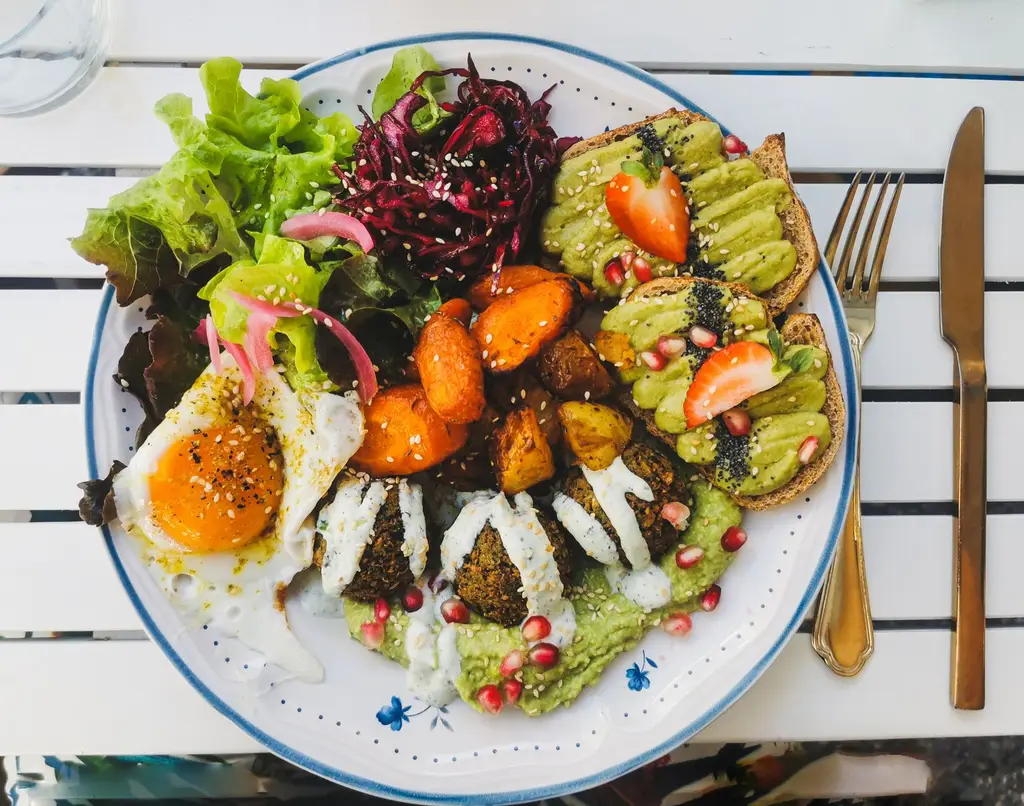
Ghent runs a noticeably younger, more relaxed food scene than Bruges or Antwerp, driven by its large student population and a strong vegetarian streak the city is unusually proud of, it has one of Europe's highest concentrations of vegetarian restaurants for its size. Waterzooi, a creamy chicken or fish stew, is the classic dish, less known abroad than moules-frites but just as central to Ghent's identity. Patershol, the old tanners' quarter, is the densest concentration of proper restaurants, small, family-run, and less tourist-pitched than Bruges' equivalent streets. Cuberdons, purple cone-shaped sweets sold from market stalls, are a genuine local oddity worth trying once rather than buying in bulk.
EUR 18-24·traditional restaurants across the centre and Patershol
Must try
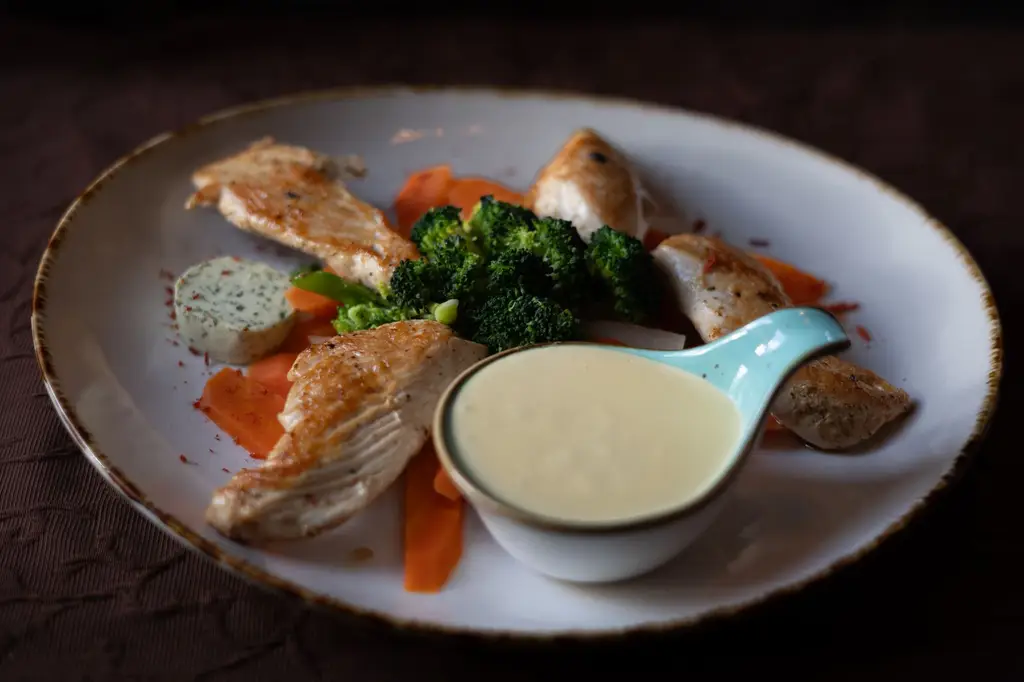
A creamy stew, traditionally chicken though fish versions exist, with vegetables in a light broth thickened with egg and cream. Ghent's answer to moules-frites and less known outside Belgium.
Cuberdons (Gentse neuzen)
EUR 4-8 per bag·market stalls and sweet shops around Vrijdagmarkt and the centre
Must try
Small purple cone-shaped candies with a soft, jam-like center, sold from carts that have operated in the same spots for generations. Buy a small bag rather than a large one; they are dense and sweet.
Vegetarian and vegan food
EUR 12-20·restaurants throughout the centre, particularly around the university quarter
Must try
Ghent declared a weekly vegetarian day in 2009 and the food scene never looked back; it has one of the highest concentrations of vegetarian restaurants of any European city its size.
Ghent mustard
EUR 3-6·specialty shops near Groentenmarkt
A sharp, grainy local mustard, Tierenteyn-Verlent has made it the same way since 1790 from a shop that still sells it by the scoop rather than the jar.
Local Belgian beer at a brown cafe
EUR 4-7·Patershol and the streets around Vrijdagmarkt and Overpoort
Ghent's own Gruut brewery makes beer without hops, using herbs instead, a genuine local specialty worth trying alongside the standard Belgian abbey styles found everywhere else.
Patershol restaurant district
EUR 20-30 per person·the old tanners' quarter, Patershol
A dense cluster of small, family-run restaurants in a medieval quarter, better value and less staged than the equivalent tourist streets found across Bruges.
Meme Gusta
as of 2026-09
Viral
A small, homey Belgian restaurant built around a pork cheek stoofvlees stew from the chef's grandmother's recipe, served with frites. Reviews stayed strong through 2026, this one holds up. Go for the stew specifically, it's the reason to be there.
Guerrilla Streetfood
as of 2026-09
Viral
A sharing-plates and cocktail spot with tapas-style dishes like nachos and a Tel Aviv-style etagere, popular on TikTok for its platters. Don't bother. It photographs well but sits at 2.8 out of 5 on Tripadvisor and near the bottom of Ghent's restaurant rankings. Social media reach and actual food quality aren't the same thing here.
Wintercircus dining wave
as of 2026-09
Viral
The renovated Wintercircus industrial building in Ghent has become a draw for newer restaurant concepts opening on its upper floors. Only one source named a specific tenant restaurant, so this flags the building and scene rather than an unverified single name.
Arlet
as of 2026-09
Viral
Chef Timon Michiels' new restaurant just outside Ghent in Sint-Martens-Latem, opened August 2026 after he closed his previous spot Carcasse, built as a tribute to his grandmother's cooking. Multiple reviews call it his most personal project yet. If you're chasing serious food and don't mind a short trip out of the center, this is the one to book.
't Felt
as of 2026-09
Viral
A sandwich-focused spot opened by Tina, who closed her 25-year restaurant Lepelblad and now serves her old signature dishes reworked as sandwiches. A cheaper, lower-key way to eat a well-regarded chef's cooking. Good for lunch, not a sit-down dinner replacement.
Le ChouChou
as of 2026-09
Viral
A neighborhood restaurant opened in August 2026 by Marcelo Ballardin and Dominik D'Hooge after closing their eight-year restaurant Door73, focused on meat dishes. Reviewers praised the meat but noted the owners' other nearby restaurant edges it out on some fronts. Solid, not a must-book.
Safety and scams
Ghent is safe for tourists by any normal measure, with petty theft in crowded spots like the Graslei and Vrijdagmarkt on market days the main real risk. Bike traffic is heavy and fast on shared streets, look both ways in bike lanes the same way you would for cars. Overpoort and other student-heavy streets get loud and crowded on weekend nights with the usual drinking-culture crush, nothing more than that.
Common mistakes
Treating Ghent as a half-day add-on to a Bruges trip rather than giving it the two full days it earns.
Assuming Design Museum Gent is open without checking first, it's closed for renovation until October 2026.
Skipping the Ghent Altarpiece because the name sounds like a minor stop, it's a major work worth real time.
Staying only in the historic centre and missing Overpoort, which shows a different, more local side of the city.
Not booking Gravensteen or Belfry tickets ahead in peak season and losing time in a ticket-counter queue that online booking would have skipped.
Frequently asked questions
How many days do you need in Ghent?
Two to three days covers Gravensteen, the cathedral, the Belfry, and the Graslei waterfront at an unhurried pace. Ghent is compact enough that a longer stay is better spent on day trips to Bruges, Brussels, or Antwerp, all under an hour away by train.
Is Ghent better than Bruges?
Different, and a lot of people who visit both end up preferring Ghent. It has the same canals and gabled guild houses, plus a genuine castle you walk through and a real university population, with a fraction of Bruges' tour-group crowds at any time of day.
Is Gravensteen worth visiting?
Yes. It's a functioning medieval castle in the centre of the city, with tower stairs, battlements, and a well-known collection of historic weapons, not a facade you photograph from the outside. Book online ahead in peak season to skip the ticket-counter queue.
Where can I see the Ghent Altarpiece?
In Saint Bavo's Cathedral, though during ongoing restoration work the main panels are temporarily displayed as high-resolution photos while the originals are restored, with the upper register viewable at MSK Ghent. Confirm the current arrangement before visiting, this has been changing as restoration phases progress.
Is Ghent a good base for day trips in Belgium?
Yes, arguably better than Brussels or Bruges for this. Ghent-Sint-Pieters sits on the main rail line with Bruges around 25 minutes away, Brussels around 35 minutes, and Antwerp around 50 minutes, all direct or one-change.
Is Ghent walkable?
The historic centre is compact and mostly car-free, walkable end to end in under half an hour. Bikes are the local default for anything further, with cycle infrastructure close to Dutch standard, and the train station sits about 2km south of the centre.
What is Overpoort?
A street of student bars south of the historic centre, tied to Ghent University's roughly 50,000 students. It's louder, cheaper, and more local than the bars around the Graslei, and a genuine look at the city's other identity beyond the medieval core.
Is Design Museum Gent open?
As of writing it is closed for a full renovation, with a scheduled reopening on October 3, 2026. Check the museum's website before building a visit around it, since the reopening date and new pricing can shift.
Do I need to book Gravensteen or the Belfry in advance?
Walk-in access is generally possible outside peak times, but booking online ahead is worth it in summer and on weekends to avoid a ticket-counter queue at either site, both of which involve narrow stairs that limit how many visitors move through at once.
What's the best time of year to visit Ghent?
May, June, and September for warm weather with manageable crowds. Mid-July brings the Gentse Feesten street festival, a major local event worth timing a visit around or avoiding depending on your tolerance for crowds. Winter is quiet, with a genuinely atmospheric Christmas market.