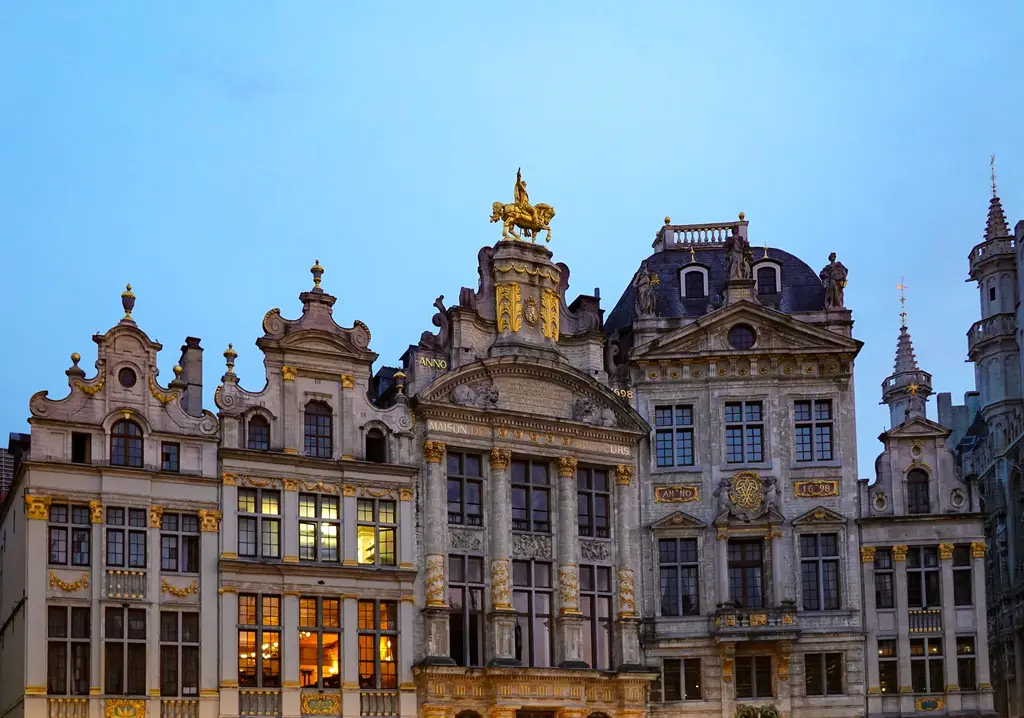
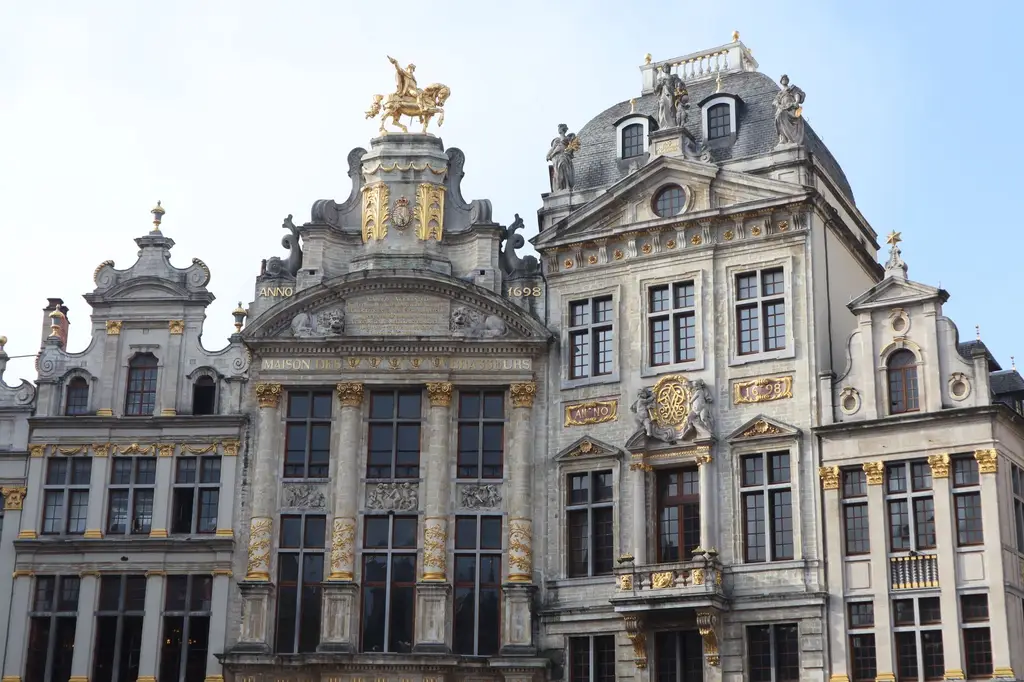
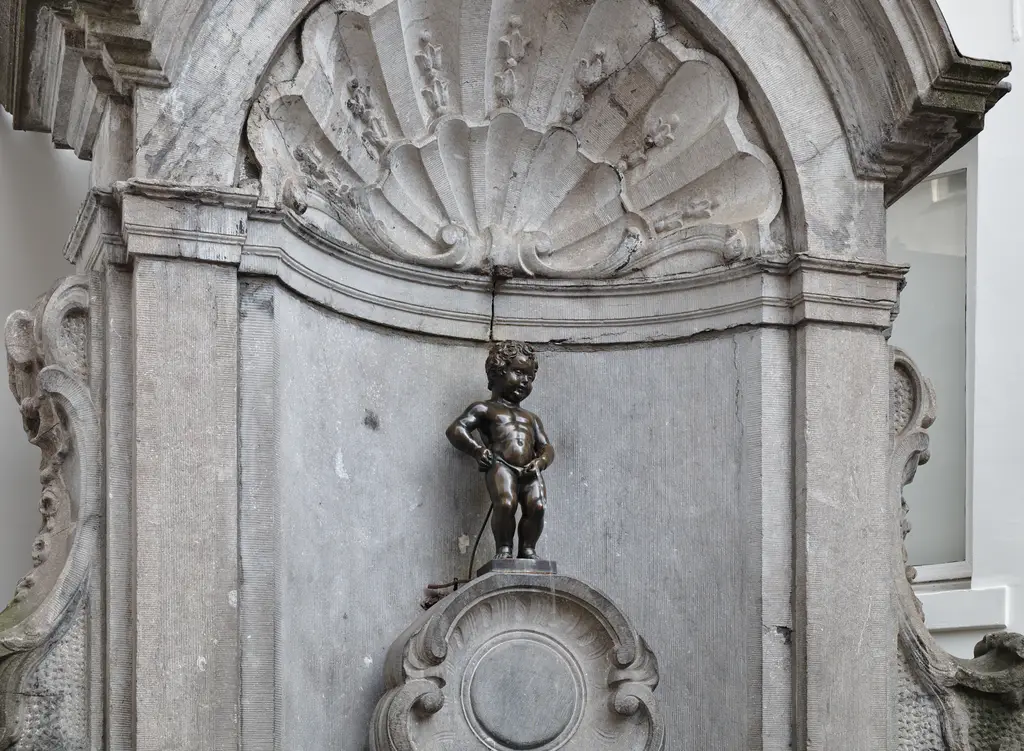
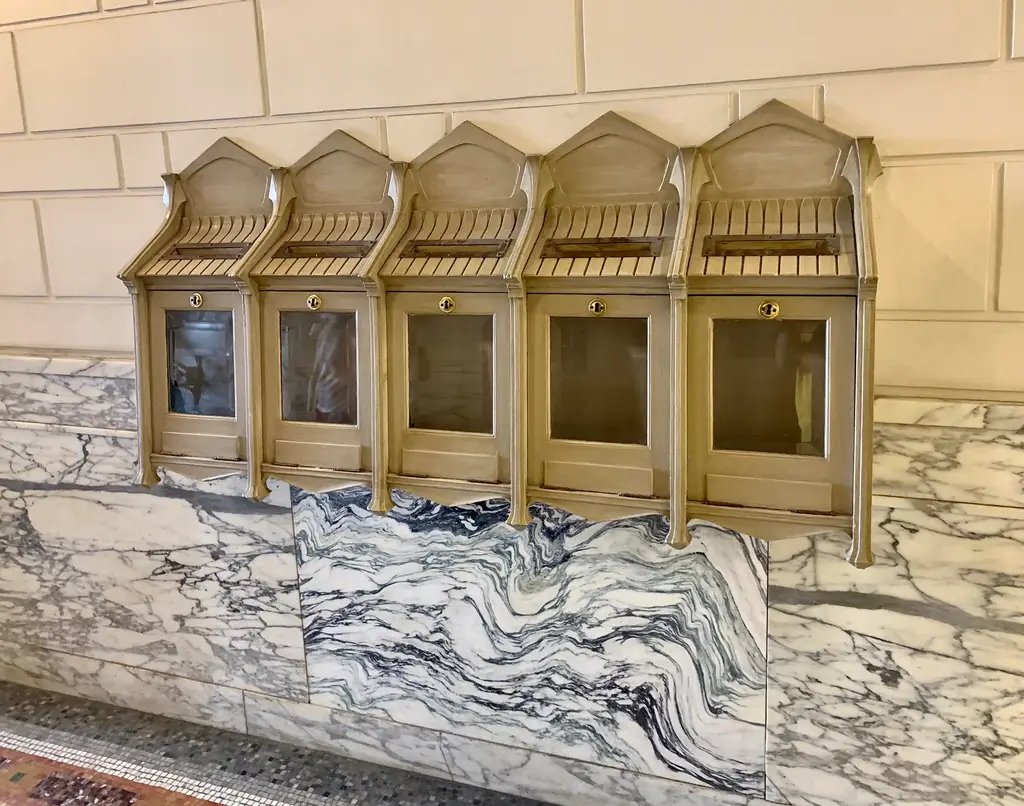
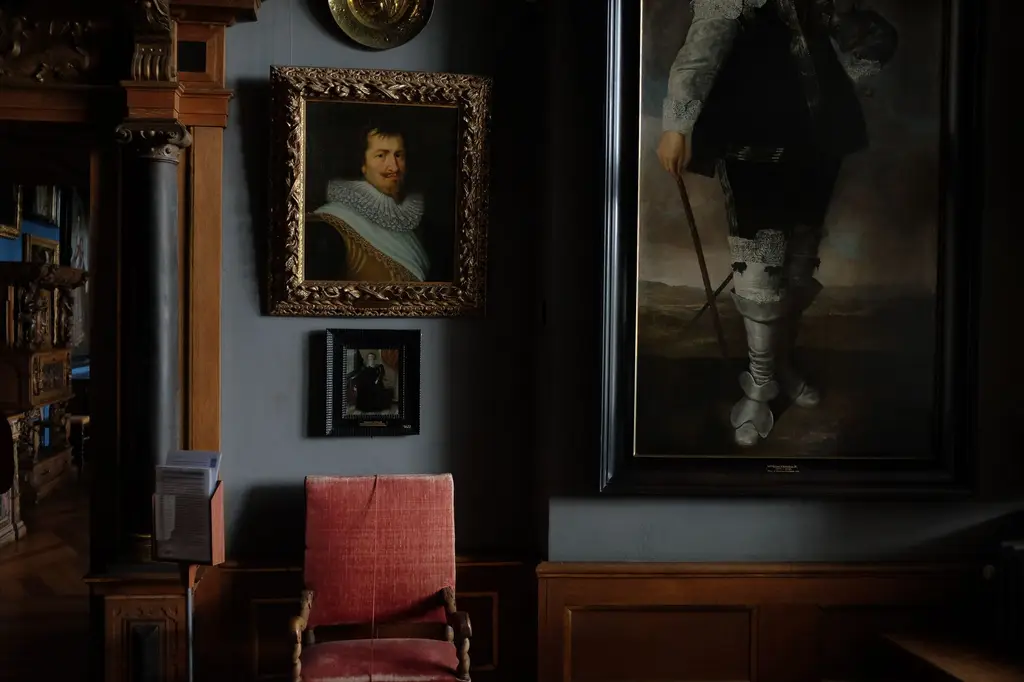
Brussels gets treated as a layover more than a destination, and that undersells it. The Grand Place is one of the best city squares in Europe, gilded guild houses on all four sides, floodlit at night, and it costs nothing to stand in. Manneken Pis, five minutes away, is smaller and less interesting than the queue around it suggests, but the joke is part of the point. Brussels is officially bilingual, French and Dutch on every street sign, and it hosts the EU institutions without feeling like a company town built around them. What actually earns Brussels its keep is everything around the obvious sights: an Art Nouveau architectural heritage that rivals Vienna's, a comic strip culture serious enough to have its own dedicated museum in a Victor Horta building, chocolate shops that are not tourist traps, and a beer scene with more distinct styles than any other country produces. The other half of the case for Brussels is practical. It sits at the center of Belgium's rail network, and Bruges, Ghent, and Antwerp are all under 90 minutes away by direct train, some closer to 30. Two or three days covers the city itself well. A longer stay makes more sense as a regional trip based out of Brussels than as more days spent inside it.
What I actually think
The Grand Place at night, after the tour groups thin out, is a genuinely different square than the one in every daytime photo. Go back a second time after dinner.
Manneken Pis is a five-minute stop, not a destination. Don't build time around it, see it on the way to or from somewhere else and move on.
Brussels rewards slower days more than a checklist of sights does. The Art Nouveau buildings scattered through residential streets outside the center are easy to walk past without knowing what you're looking at.
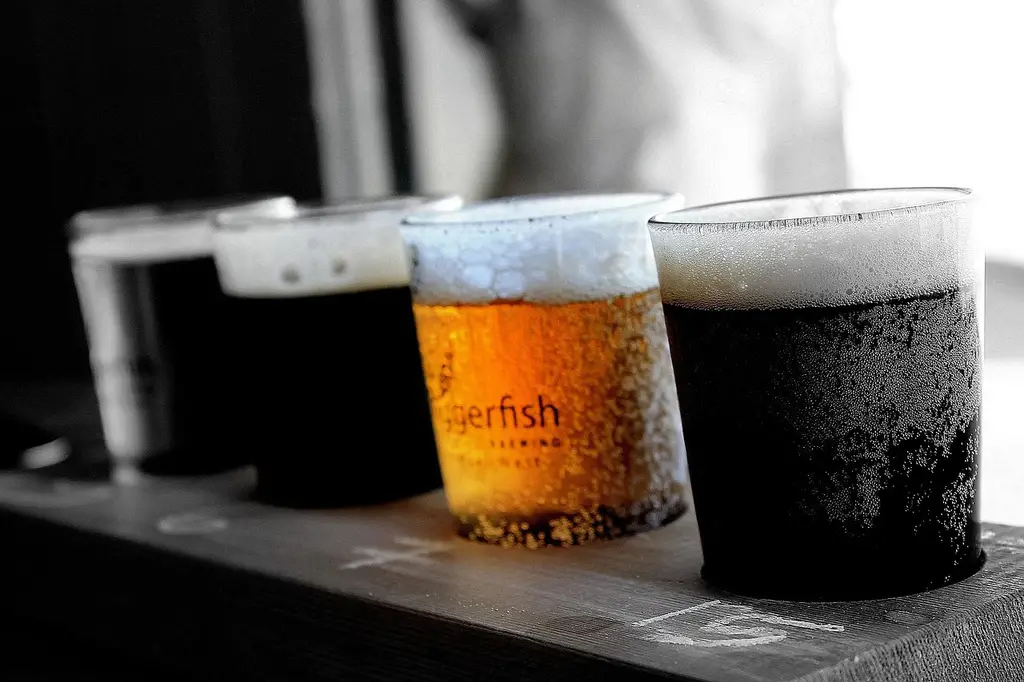
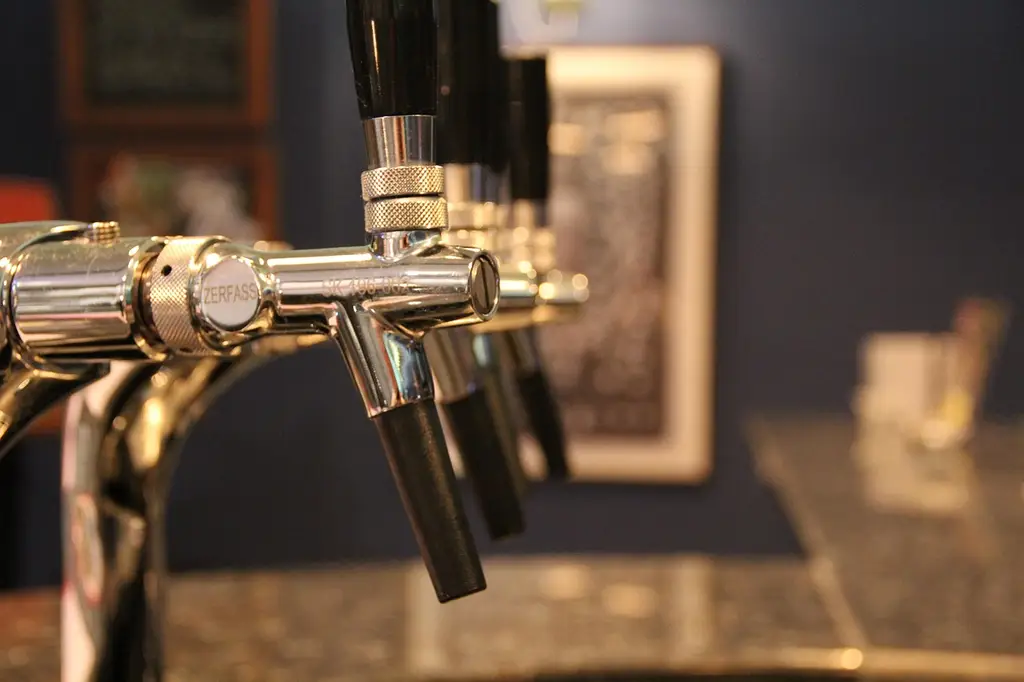
I underrated Belgian beer culture before spending real time in it. It's not a novelty pairing with fries, the range of styles across Trappist ales, lambics, and sours is closer to what wine regions offer than what most countries do with beer.
Brussels works best as a base, not a full week's destination on its own. The fastest way to feel like you've run out of things to do here is to not use the trains to Bruges, Ghent, or Antwerp.
always open (outdoor public square)·free·30-60 minutes
Pedestrianized since 1990, gilded guild houses on all sides, floodlit after dark. Go once in daylight and once at night, it reads differently each time.
Smaller than photos suggest and most visitors are briefly underwhelmed. The statue is dressed in one of roughly 1,000 costumes on a published schedule several times a week, worth timing if you can.
daily 10:00-18:00, last admission 17:30·EUR 17 adult, EUR 9 reduced (senior, student, 18-25, disability), free under 115cm height·1.5-2 hours
walk in, or book online ahead to skip queues in July-August
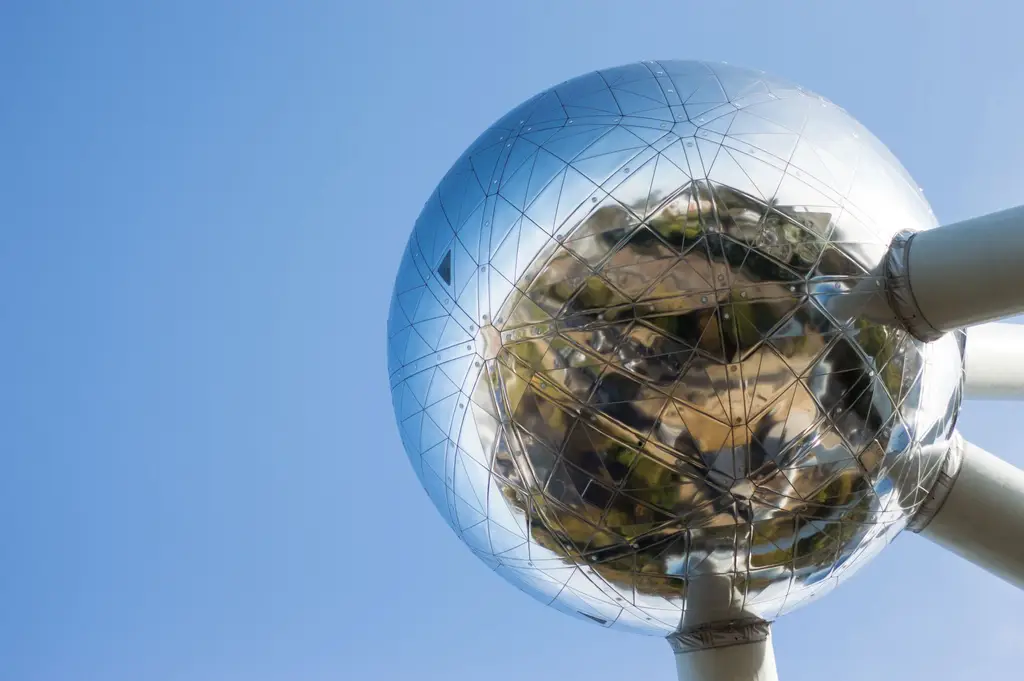
Built for the 1958 World's Fair, an iron crystal magnified 165 billion times. The panorama sphere is the payoff; the temporary exhibitions in the lower spheres are hit or miss.
Tue-Fri 10:00-17:00, Sat-Sun 11:00-18:00, ticket office closes 30 minutes before·EUR 13 adult, EUR 10 senior, EUR 5 age 18-25, combined ticket with Old Masters Museum EUR 20·1.5-2 hours
Closed Mondaywalk in, book ahead for weekends in peak season
The largest Magritte collection anywhere, arranged roughly chronologically over three floors. Go slow on the top floor, the early commercial work most visitors skip is worth the extra ten minutes.
Tue-Fri 10:00-17:00, Sat-Sun 11:00-18:00, ticket office closes 30 minutes before·EUR 13 adult, EUR 10 senior, EUR 5 age 18-25, combined ticket with Magritte Museum EUR 20·2 hours
Closed Monday
Bruegel, Rubens, and a serious Flemish Primitives collection in the same building complex as the Magritte Museum. Free entry to all Royal Museums sites from 13:00 on the first Wednesday of each month.
Tue-Sun 10:00-18:00, last admission 17:00; open Mondays in July-August·check before you go, current adult price not listed on the official site, verify on comicscenter.net·1.5-2 hours
Housed in a 1906 Victor Horta building, the Art Nouveau architecture is worth the visit on its own before you get to the Tintin and Belgian comics history inside.
An annual citywide contemporary art event running September 10-13, 2026, opening more than 80 galleries, museums and private collections to visitors over four days. A real, dense way to see Brussels' art scene in one go. It's a specific four-day window each year, not something you can just walk into any time.
Bubble Planet Brussels
as of 2026-09
Viral
An immersive exhibition of oversized bubble installations, pastel light rooms and interactive VR elements aimed at a family and Instagram audience. Fine for kids and for photos, thin on substance for adults. Priced like a major museum for what is a 45-60 minute pop-up format.
Sablon and Marolles flea market
as of 2026-09
Viral
The upscale Sablon district's antique dealers and chocolatiers sit a short walk from the Marolles, whose Place du Jeu de Balle hosts a daily flea market, busiest on Sunday mornings. The Sunday market is the real draw, genuinely local rather than tourist-facing. Go early, both for the good finds and before it gets packed.
Cinquantenaire Park and Arcade
as of 2026-09
Viral
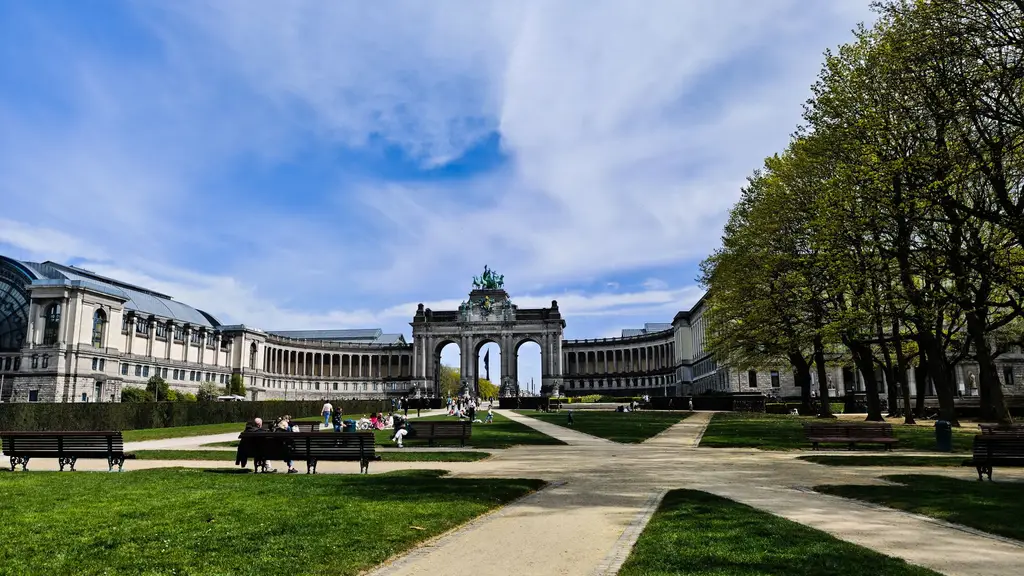
A large park anchored by a monumental triumphal arcade, home to Belgium's military history, car and Art & History museums, with an observation platform at the top of the arch. The platform view over the EU quarter and the park is free and underrated. The museums inside are dated but the building itself is worth the visit.
Comic strip mural walking route
as of 2026-09
Viral
A self-guided walking route through central Brussels tracing large-scale murals of Tintin, Lucky Luke and other Belgian comic characters painted on building facades. Free and a good excuse to walk streets you'd otherwise skip. A few murals have faded or been obscured by scaffolding, don't expect a polished museum experience.
More to see (2)
7
Delirium Café and the beer bar streets around Impasse de la Fidélité
check before you go, official hours could not be confirmed against a working primary source during research·no entry fee, pay per drink·1-2 hours
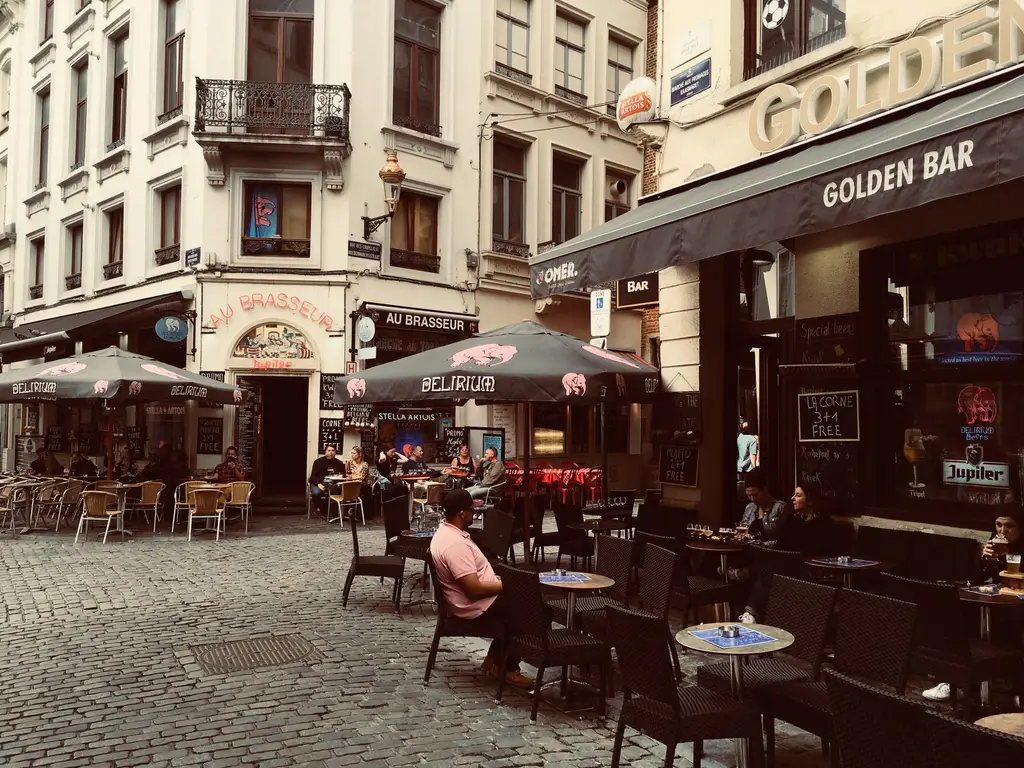
Held a Guinness World Record in 2004 for stocking over 2,000 beer brands. The alley it sits in is a short walk from Grand Place and worth a slow crawl even if you skip this specific bar.
park always open (outdoor); Autoworld and the other museums inside keep separate hours·free to enter the park and walk under the arch; museums inside charge separately·45 minutes-1 hour for the park and arch
A 30-hectare park in the EU quarter with a monumental triple arch at its center. A useful, low-effort way to see the EU quarter without building a whole day around it.
Where to stay
Grand Place / Îlot Sacré (old town)
Suits: first-time visitors who want everything on foot and easy access to the trains
Central and touristy, restaurant rows nearby are overpriced, but you will not need transit for most sights.
Saint-Géry / Dansaert
Suits: food, nightlife, and a younger, more local evening scene
A short walk from Grand Place, denser with independent bars and restaurants than the old town proper.
Ixelles / Etterbeek
Suits: longer stays, quieter evenings, proximity to Cinquantenaire and the EU quarter
More residential, a tram or short walk from the center, generally cheaper than the old town for the same standard of room.
Getting there and around
Getting there
Brussels Airport (BRU) in Zaventem has a station beneath the terminal with direct trains to Brussels-Central in around 20 minutes; check belgiantrain.be for the current fare. Budget carriers often use Brussels South Charleroi Airport instead, about 40km out, which needs a shuttle bus to the city rather than a direct train, so check which airport your flight actually lands at before booking transport.
Getting around
The old town, Grand Place, and Sablon are walkable from each other in under 20 minutes. STIB/MIVB runs the metro, tram, and bus network across the wider city; check stib-mivb.be for current single and day ticket prices before you travel. Brussels-Central, Brussels-Midi, and Brussels-Nord are the three main train stations, and this is the country's rail hub: Bruges, Ghent, and Antwerp are all direct trains under 90 minutes away, which is the real reason to base here rather than move hotels city to city.
Map
City
Recommended (numbered)
Mentioned in an itinerary
Locations on this map
Brussels50.85, 4.35
Grand Place / Grote Markt50.85, 4.35
Manneken Pis50.84, 4.35
Atomium50.90, 4.34
Magritte Museum50.84, 4.36
Old Masters Museum (Royal Museums of Fine Arts)50.84, 4.36
Belgian Comic Strip Center50.85, 4.36
Delirium Café and the beer bar streets around Impasse de la Fidélité50.85, 4.35
Cinquantenaire Park and Arch50.84, 4.39
Sablon50.84, 4.36
Dansaert50.85, 4.34
Saint-G50.84, 4.35
Ixelles50.82, 4.39
Bruges50.86, 4.31
Groeningemuseum51.21, 3.23
Ghent51.05, 3.73
Gravensteen51.06, 3.72
Graslei51.05, 3.72
Korenlei51.05, 3.72
Antwerp50.85, 4.35
Antwerpen-Centraal51.22, 4.42
Nationalestraat51.22, 4.40
Ypres50.86, 4.35
Flanders Fields50.85, 2.89
In Flanders Fields Museum50.85, 2.89
Menin Gate50.85, 2.89
WWI50.27, 5.85
Leuven50.85, 4.36
Oude Markt50.84, 4.35
Europe50.89, 4.34
Cathedral of Our Lady51.22, 4.40
MoMu51.22, 4.40
Dinant50.84, 4.35
Meuse50.87, 4.34
Flanders50.84, 4.36
Brussels Airport50.90, 4.48
Brussels South Charleroi50.46, 4.47
What it costs
Stay
Food
Transport
Activities
Daily cost breakdown, EUR per person
Tier
Stay
Food
Transport
Activities
Total
Budget
EUR 30
EUR 20
EUR 4
EUR 15
EUR 69
Mid-range
EUR 90
EUR 35
EUR 9
EUR 25
EUR 159
Splurge
EUR 200
EUR 70
EUR 20
EUR 50
EUR 340
A STIB day pass (check current price on stib-mivb.be) covers metro and tram. A frituur lunch runs EUR 6-9 cash, the Magritte and Old Masters combo ticket is EUR 20, an afternoon coffee and a waffle add EUR 8-10, and a sit-down moules-frites dinner with a couple of Belgian beers runs EUR 30-40. That puts a mid-range day around EUR 140-160 per person with a mid-range hotel room split two ways.
Money savers
All Royal Museums of Fine Arts sites, including the Magritte Museum, are free from 13:00 on the first Wednesday of every month.
Grand Place, Manneken Pis, and Cinquantenaire Park cost nothing and are among the best things to do in the city regardless of budget.
Frituurs (fry stands) are cash-heavy and considerably cheaper than a sit-down restaurant for the same fries, carry small bills.
Buying a STIB day pass instead of single tickets pays off fast if you're moving between the old town, Cinquantenaire, and Sablon in the same day.
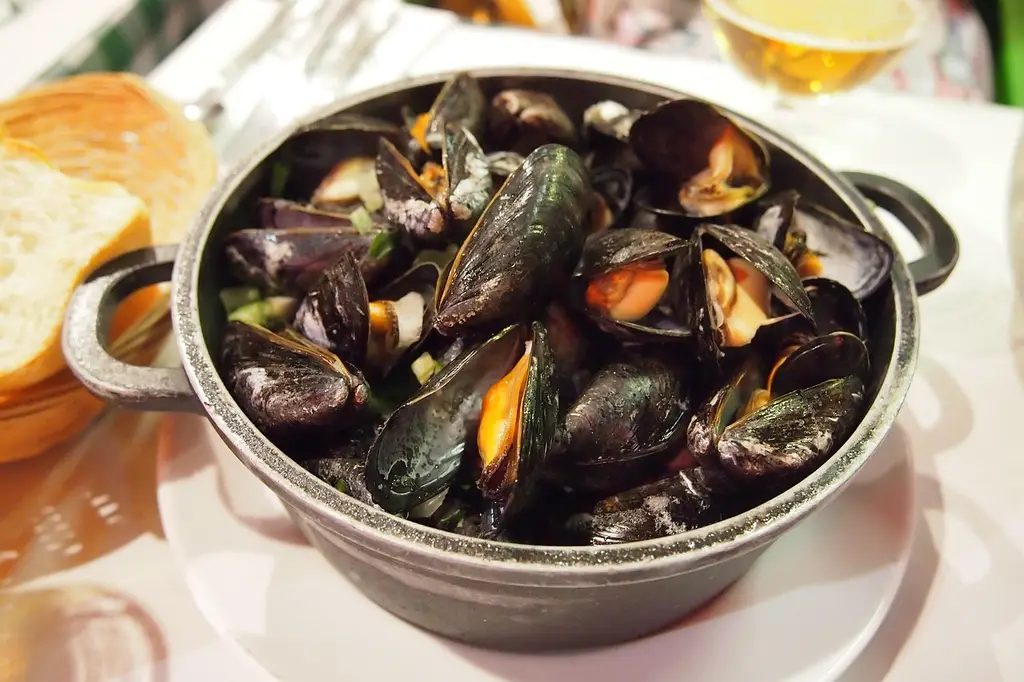
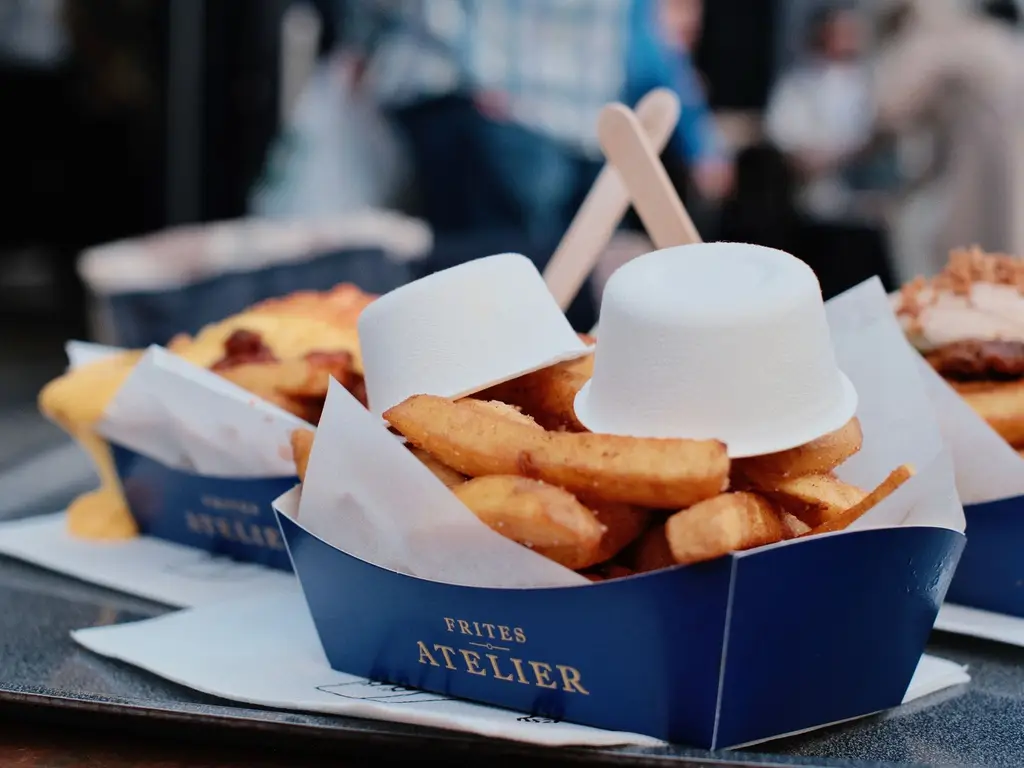
Brussels eats seriously and unpretentiously. Moules-frites, mussels with fries, is the anchor dish, sold from brasseries to takeaway counters, and it is genuinely as good as its reputation. Fries are Belgian, not French, a point locals make without prompting, cooked twice, once low to cook through and again hot to crisp. Sauce culture runs deep: andalouse, samurai and joppie sit alongside mayonnaise as standard options. Chocolate and beer are the other two pillars, both with a serious culture behind them, from bean-to-bar chocolatiers to abbey beers served in glassware built for that specific brew. Brussels is genuinely multicultural too, with a strong Congolese food scene that rarely makes the guidebooks.
EUR 22-28·brasseries around the old town and Sainte-Catherine
Must try
Mussels steamed in white wine, cream or beer, served in the pot with a side of fries. A full pot is a real meal; order it with a Belgian white to drink.
Frites with sauce
EUR 3-5·frituurs across the city, not sit-down restaurants
Must try
Double-fried potato, first at a lower temperature to cook through, then hot to crisp. Order andalouse or samurai sauce rather than defaulting to ketchup.
Belgian chocolate
EUR 8-15 per 100g·chocolatiers around Sablon and the Grand Place
Must try
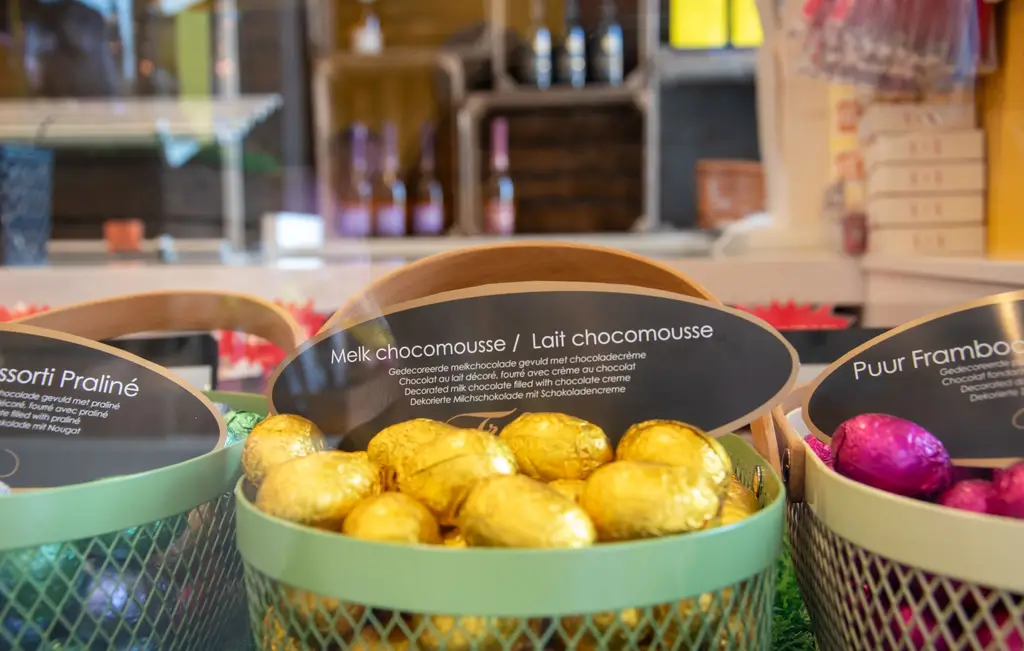
Praline-style filled chocolates are the local specialty, distinct from the plain chocolate bars sold as souvenirs. Buy from a working chocolatier rather than an airport-style shop.
Brussels waffle
EUR 3-6·street stalls and dedicated waffle shops citywide
Must try
Lighter, crispier and more rectangular than the Liege style, usually served plain or with a simple dusting of sugar rather than piled with toppings.
Trappist and abbey beers
EUR 5-9·beer bars around Impasse de la Fidelite and specialist bottle shops
Must try
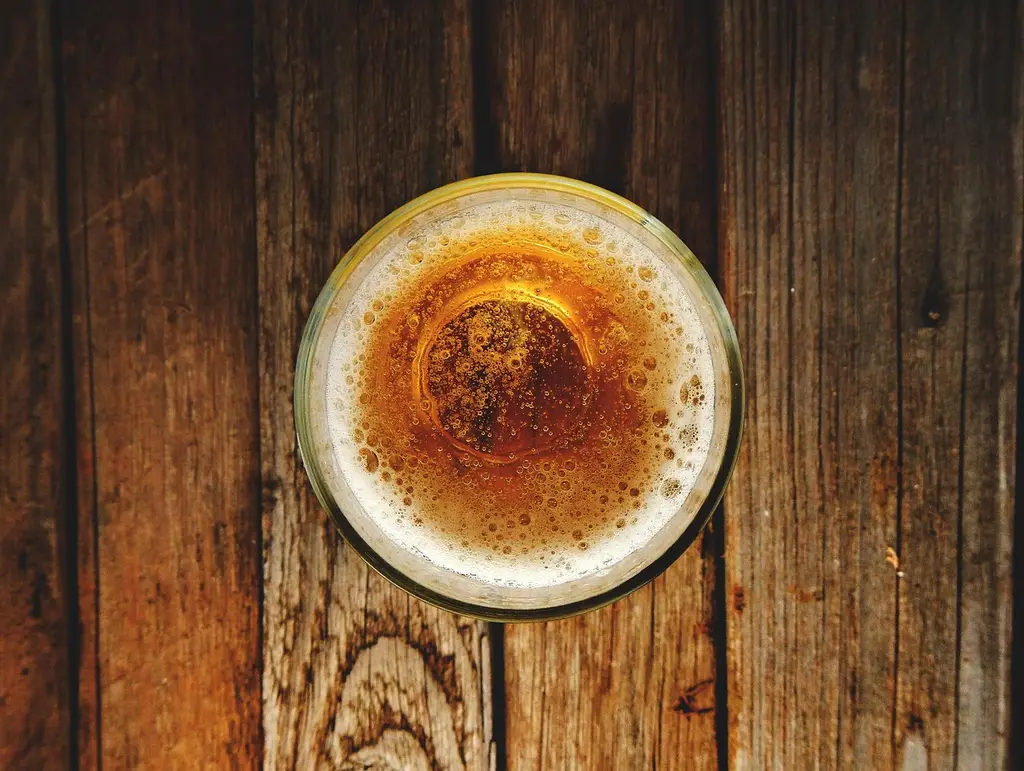
Strong, complex beers brewed by or in the tradition of Trappist monasteries, each served in its own branded glass. Ask the bar which glass matches which beer if unsure.
Congolese and Central African food
EUR 12-18·the Matonge quarter near Porte de Namur
A large Congolese community gives Brussels a genuine West and Central African food scene, poulet moambe and fufu among the dishes worth seeking out.
Stoemp
EUR 12-16·traditional brasseries citywide
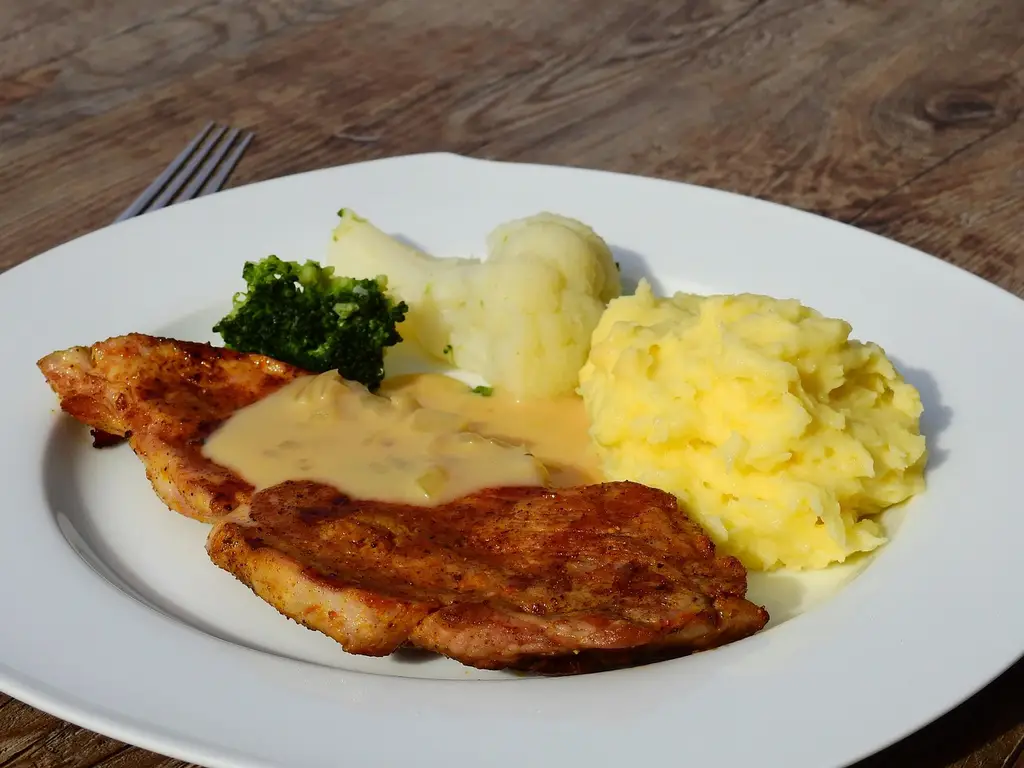
Mashed potato blended with vegetables, usually served alongside sausage, an everyday Belgian comfort dish that rarely makes it onto the tourist-facing menus around the Grand Place.
Friterie Tabora
as of 2026-09
Viral
A frites stand just off the Grand Place with roughly 45 sauces, twice-fried potatoes, and long-running fame that predates social media by decades. Still delivers, still crowded. Long waits are real but portions are generous enough to make up for it.
Alley Mian
as of 2026-09
Viral
A hand-pulled noodle spot in central Brussels from the team behind Because Good, where lamian dough is stretched and slapped in an open kitchen before going into broth bowls. Reviews through mid-2026 are consistently good on noodle quality and value, around 14 to 20 euros a bowl. No reservations, so expect to queue at peak times.
Bozar Restaurant (Karen Torosyan)
as of 2026-09
Viral
Chef Karen Torosyan runs the two-star restaurant inside the Bozar arts center and was named Gault&Millau Belux Chef of the Year for 2026. It's fine dining, not street food, but it's the best-corroborated food story out of Brussels.
WOLF Food Market, Elsene
as of 2026-09
Viral
A sharing-style food hall with rotating vendor stalls and communal tables. Opened a second, bigger location in Elsene in February 2026, billed as the largest food market in Belgium. Good for a group with different cravings. It's a scene as much as a meal. Expect crowds and noise on weekends, not a quiet dinner.
Biga
as of 2026-09
Viral
A Schaerbeek pizzeria whose pizzaiolo was named best in Europe at the 2025 European Pizza Show, part of a wider run of Brussels pizzerias landing on European rankings. Reservations have exploded since the award. Book ahead or expect a wait. If you like Neapolitan-style pizza with Belgian ingredients, it earns the hype.
Auguste
as of 2026-09
Viral
A Franco-Belgian brasserie that replaced the Hard Rock Cafe on the Grand-Place in June 2026, serving mussels and bistro classics from late morning to late night. The address alone usually means tourist pricing, but reviewers flag a 1.3kg mussel pot under 20 euros. Worth checking if you want a central meal without the usual markup.
Safety and scams
Brussels is generally safe for tourists. Pickpocketing around Grand Place, on trams, and at Brussels-Midi station is the main real risk, standard bag awareness is enough. The areas immediately around Gare du Nord and Gare du Midi feel rougher at night than the old town, more discomfort than actual danger for most visitors. Protests and demonstrations near the EU quarter happen regularly and can disrupt transit for a few hours, check local news if you're routing through that area.
Common mistakes
Treating Brussels as a one-or-two-day layover and skipping the day trips, which is where a longer Belgium stay actually pays off.
Expecting Manneken Pis to be a major sight rather than a five-minute stop on the way to something else.
Showing up to the Atomium in July or August without booking ahead and losing an hour to the queue.
Flying into Brussels South Charleroi and assuming it's the same transfer as Brussels Airport (Zaventem), it's a shuttle bus, not a direct train, and considerably further out.
Paying full price at the Royal Museums of Fine Arts without checking whether it's the first Wednesday of the month.
Skipping Ghent in favor of only Bruges because it's less talked about, when the train ride is the same length either way.
Frequently asked questions
How many days do you need in Brussels?
Two to three days covers Grand Place, Manneken Pis, the Atomium, and the main museums comfortably. Brussels is compact enough that a longer stay is better spent on day trips to Bruges, Ghent, or Antwerp than trying to stretch the city itself.
Is Manneken Pis worth visiting?
It's worth a five-minute stop on the way to somewhere else, not a destination in itself. The statue is smaller than most photos suggest, and the appeal is more in the joke and the costume tradition than the sight itself.
Is the Atomium worth the entry price?
Yes for the panorama sphere and the building itself, which is the real draw. The temporary exhibitions in the lower spheres vary in quality year to year, so treat those as a bonus rather than the reason to go.
Should I visit Bruges or Ghent from Brussels?
Both if you have five or more days, since each is under 90 minutes away by direct train. Bruges is the more polished, more crowded postcard version; Ghent has the same canals and gabled houses with a fraction of the tour groups and a working university population.
Do people speak English in Brussels?
Widely, yes, in hotels, restaurants, and shops. Brussels is officially bilingual French and Dutch, with French dominant day to day, but English covers almost everything a visitor needs without issue.
How do I get from Brussels Airport to the city center?
A direct train from the station beneath the terminal to Brussels-Central takes around 20 minutes; check belgiantrain.be for the current fare. If you're flying into Brussels South Charleroi instead, that's a shuttle bus rather than a direct train, and considerably further out.
Is Brussels worth visiting if I only care about beer?
Yes. Belgium has more distinct beer styles than any other beer-producing country and five of the world's ten authentic Trappist breweries are Belgian. Brussels has a concentrated bar scene around Impasse de la Fidélité near Grand Place, alongside specialist bottle shops citywide.
Do I need to visit the EU quarter in Brussels?
Not really, unless it specifically interests you. Cinquantenaire Park and its arch, on the edge of the quarter, is a reasonable low-effort way to see that part of the city without building a full day around EU institutions most visitors don't care about.
Is Brussels safe for tourists?
Generally yes. Pickpocketing around Grand Place, trams, and Brussels-Midi station is the main practical risk. The areas right around Gare du Nord and Gare du Midi feel rougher at night than the old town, more discomfort than genuine danger for most visitors.
What's a mistake first-time visitors make in Brussels?
Treating it as a one- or two-day layover and skipping the day trips. Brussels' rail position is the strongest argument for visiting, and a trip that never leaves the city center misses most of what makes basing here worthwhile.